FDA Set to Authorize Pfizer Vaccine for Adolescents by Early Next Week
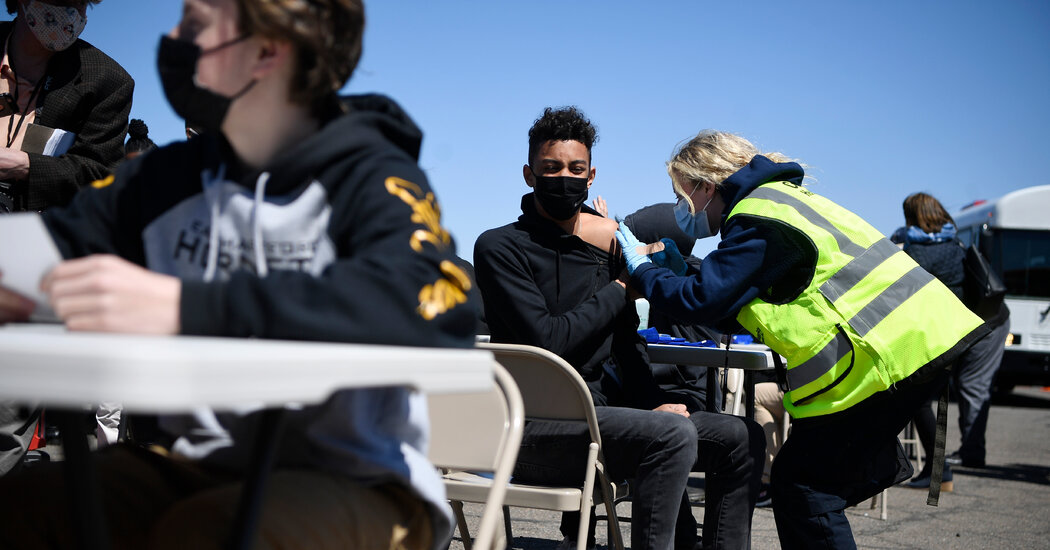
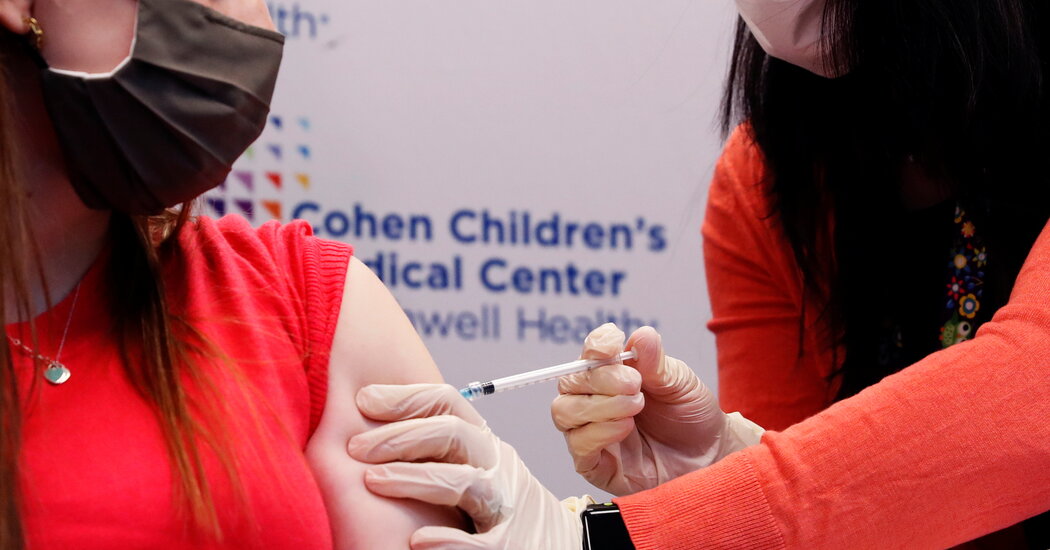
The U.S. vaccination campaign will soon expand to millions more people, but public health experts say the move raises complicated questions about supply and access.WASHINGTON — The Food and Drug Administration is preparing to authorize use of the Pfizer-BioNTech coronavirus vaccine in adolescents 12 to 15 years old by early next week, according to federal officials familiar with the agency’s plans, opening up the U.S. vaccination campaign to millions more people.Some parents have been counting down the weeks since Pfizer announced results from its trial in adolescents showing that the vaccine is at least as effective in that age group as it is in adults. Vaccinating children is key to raising the level of immunity in the population and bringing down the numbers of hospitalizations and deaths.The clearance, in the form of an amendment to the existing emergency use authorization for the Pfizer vaccine, could come as early as late this week. If it is granted, the Centers for Disease Control and Prevention’s vaccine advisory panel is likely to meet the following day to review the clinical trial data and make recommendations for the vaccine’s use in adolescents.The expansion would be a major development in the country’s vaccination campaign and welcome news to some parents who are anxious to protect their children during summer activities and before the start of the next school year. It also poses another challenge to policymakers who are struggling to vaccinate a large percentage of adults hesitant to get the shot. Many more could refuse to inoculate their children.Pfizer reported several weeks ago that none of the adolescents in the clinical trial who received the vaccine developed symptomatic infections, a sign of significant protection. The company said that volunteers produced strong antibody responses and experienced about the same side effects seen in people ages 16 to 25.Stephanie Caccomo, a spokeswoman for the Food and Drug Administration, said she could not comment on the timing of the agency’s decision.“We can assure the public that we are working to review this request as quickly and transparently as possible,” she said.Over 100 million adults in the United States have been fully vaccinated. But the authorization would arrive in the middle of a delicate and complex push to reach the 44 percent of adults who have not yet received even one shot.With much of the world clamoring for the surplus of vaccines made in the United States, the Pfizer-BioNTech shot’s use in adolescents will also raise questions about whether the supply should be targeted to an age group that so far appears to be mostly spared from severe Covid-19.“I do think we need to have a national and global conversation about the ethics of our vaccinating kids, who are low risk for serious complications from the virus, when there aren’t enough vaccines in the world to protect high-risk adults from dying,” said Jennifer B. Nuzzo, an epidemiologist at the Johns Hopkins Center for Health Security.President Biden has come under increasing pressure to give away some of the country’s supply of vaccines. Some federal officials have also urged the administration to decide soon how much vaccine is needed, lest doses expire or be shipped to states and go unused. The federal government has bought 700 million doses of three federally authorized vaccines to be delivered before the end of July, well beyond what would be needed to cover every American.White House officials said last week that it intended to make up to 60 million doses of the AstraZeneca vaccine available to other countries, so long as federal regulators deem the doses safe. The vaccine has not yet received clearance from American regulators. But global health groups and public health experts said that commitment was not enough.Dr. Rupali J. Limaye, a Johns Hopkins University researcher who studies vaccine use and hesitancy, said that the United States should donate excess Pfizer-BioNTech shots — and any surplus from other manufacturers — to India and other countries that have had severe outbreaks and pleaded for help.“From an ethical perspective, we should not be prioritizing people like them over people in countries like India,” Dr. Limaye said of adolescents.If the United States holds onto its supply of Pfizer-BioNTech, she said, it should be reserved for adults while health officials grapple with the phase of the vaccination campaign that requires more personalized, local outreach.“We still need to go over hesitant adults, while simultaneously maybe starting at 14- or 15-year-olds,” Dr. Limaye said. “But the priority should still be adults.”The current vaccine supply in the United States is substantial. As of Monday, about 65 million doses had been delivered but not administered, including 31 million doses of Pfizer-BioNTech’s vaccine, nearly 25 million doses of Moderna’s and 10 million doses of Johnson & Johnson’s, according to figures collected by the C.D.C.The Pfizer and Moderna vaccines both require two doses. Pfizer is authorized for ages 16 and up, while Moderna is authorized for ages 18 and up.Tens of millions more Pfizer-BioNTech doses — about three weeks’ worth, according to one federal official — have been manufactured and are in various stages of readiness, awaiting final tests before being shipped.Moderna expects results soon from its own clinical trial involving adolescents ages 12 to 17, followed by results for children 6 months to 12 years old later this year.The Food and Drug Administration’s authorization is likely to substantially ease concern among middle school and high school administrators planning for the fall. If students are able to be vaccinated by then, that could allow more normal gatherings and let administrators plan further ahead in the academic year.

Read more →
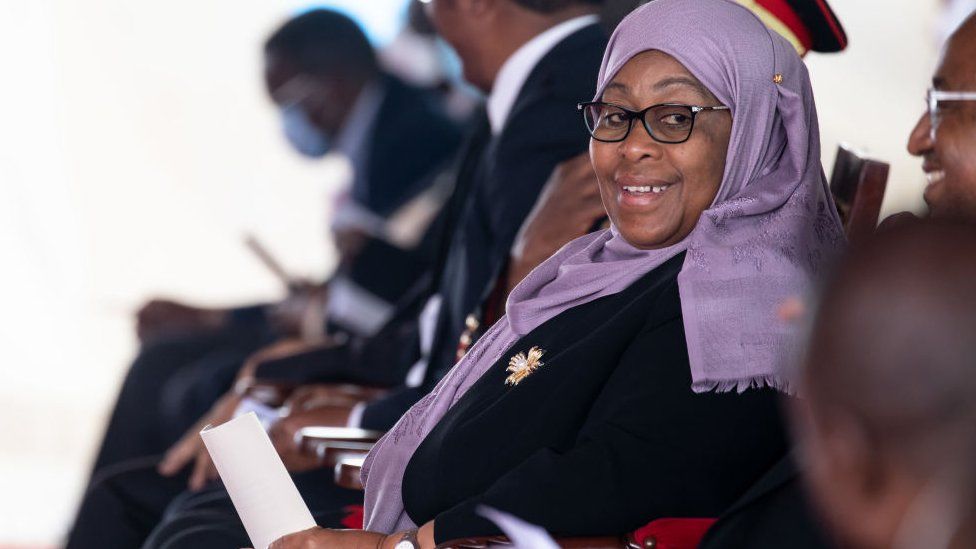
Samia Suluhu Hassan – Tanzania's new president challenges Covid denial

SharecloseShare pageCopy linkAbout sharingimage copyrightGetty ImagesHer predecessor was known for his rhetorical outbursts, whereas Tanzania’s new president is calm.Where he was contentious, President Samia Suluhu Hassan is more conciliatory.Where he was autocratic, she appears to be more inclusive.It is less than two months since the death of the former President, John Magufuli, aged 61 but his vice-president, who was sworn in as head of state soon after he died, looks to be on a different path.Whether it is President Samia’s approach to coronavirus, media freedom or dealing with the opposition she has set a new tone, with her comments often being delivered in a calm and authoritative manner.

Read more →

Biden Confronts Coronavirus Vaccine Patents

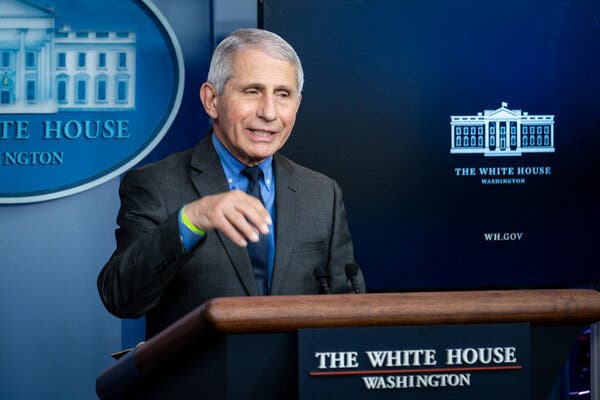
President Biden and drugmakers are facing demands from liberal activists and global leaders to suspend intellectual property rights on the vaccines as the pandemic surges.WASHINGTON — President Biden, faced with surging Covid-19 crises in India and South America, is under intensifying pressure from the international community and his party’s left flank to commit to increasing the vaccine supply by loosening patent and intellectual property protections on coronavirus vaccines.Pharmaceutical and biotech companies, also feeling pressure, sought on Monday to head off such a move, which could cut into future profits and jeopardize their business model. Pfizer and Moderna, two major vaccine makers, each announced steps to increase the supply of vaccine around the world.The issue is coming to a head as the World Trade Organization’s General Council, one of its highest decision-making bodies, meets Wednesday and Thursday. India and South Africa are pressing for the body to waive an international intellectual property agreement that protects pharmaceutical trade secrets. The United States, Britain and the European Union so far have blocked the plan.Inside the White House, health advisers to the president admit they are divided. Some say that Mr. Biden has a moral imperative to act, and that it is bad politics for the president to side with pharmaceutical executives. Others say spilling closely guarded but highly complex trade secrets into the open would do nothing to expand the global supply of vaccines.Having the recipe for a vaccine does not mean a drugmaker could produce it, certainly not quickly, and opponents argue that such a move would harm innovation and entrepreneurship — and damage America’s pharmaceutical industry. Instead, they say, Mr. Biden can address global needs in other ways, like pressing companies that hold patents to donate vast quantities of vaccine or sell it at cost.“For the industry, this would be a terrible, terrible precedent,” said Geoffrey Porges, an analyst for the investment bank SVB Leerink. “It would be intensively counterproductive, in the extreme, because what it would say to the industry is: ‘Don’t work on anything that we really care about, because if you do, we’re just going to take it away from you.’”Dr. Anthony S. Fauci, Mr. Biden’s chief medical adviser for the pandemic, said in an interview Monday that the drugmakers themselves must act, either by greatly expanding their manufacturing capacity to supply other nations at “an extremely diminished price” or by transferring their technology to let the developing world make cheap copies. He said he was agnostic on a waiver.“I always respect the needs of the companies to protect their interests to keep them in business, but we can’t do it completely at the expense of not allowing vaccine that’s lifesaving to get to the people that need it,” Dr. Fauci said, adding, “You can’t have people throughout the world dying because they don’t have access to a product that rich people have access to.”Dr. Anthony S. Fauci, Mr. Biden’s chief medical adviser for the pandemic, said drugmakers must expand their manufacturing capacity or transfer their technology to let the developing world make cheap copies of their vaccines.Pete Marovich for The New York TimesFor Mr. Biden, the debate over the waiver is both a political and a practical problem. As a presidential candidate, he promised the liberal health activist Ady Barkan, who has amyotrophic lateral sclerosis, or A.L.S., that he would “absolutely positively” commit to sharing technology and access to a coronavirus vaccine if the United States developed one first. Activists plan to remind Mr. Biden of that promise during a rally scheduled for Wednesday on the National Mall.“He’s not being bold on this,” said Gregg Gonsalves, a Yale epidemiologist who fought similar battles during the AIDS crisis of the 1980s and 1990s, and is expected to speak at the rally. “They said this during the AIDS epidemic, too. All the same excuses are coming up from 20 years ago.”The proposal by India and South Africa would exempt World Trade Organization member countries from enforcing some patents, trade secrets or pharmaceutical monopolies under the body’s agreement on trade-related intellectual property rights, known as TRIPS. The idea would be to allow drug companies in other countries to make or import cheap generic copies.Proponents say the waiver would free innovators in other countries to pursue their own coronavirus vaccines, without fear of patent infringement lawsuits. They also note that the proposed waiver goes beyond vaccines, and would encompass intellectual property for therapeutics and medical supplies as well.“Many people are saying, ‘Won’t they need the secret recipe?’ That’s not necessarily the case,” said Tahir Amin, a founder of the Initiative for Medicines, Access & Knowledge, a nonprofit dedicated to eliminating health inequities. “There are companies that feel they can go it alone, provided they don’t have to look over their shoulder and feel like they are going to take someone’s intellectual property.”The pharmaceutical industry counters that rolling back intellectual property protections would not help ramp up vaccine production. It says that other issues are serving as barriers to getting shots into arms around the world, including access to raw materials and on-the-ground distribution challenges.And just as important as having the rights to make a vaccine is having the technical know-how, which would have to be supplied by vaccine developers like Pfizer-BioNTech and Moderna — a process known as technology transfer.Sharon Castillo, a Pfizer spokeswoman, said the company’s vaccine requires 280 components from 86 suppliers in 19 countries; it also needs highly specialized equipment and personnel, and complex and time-intensive technology transfers between partners and global supply and manufacturing networks, she said.“We just think it’s unrealistic to think that a waiver will facilitate ramping up so quickly as to address the supply issue,” she said.On Monday, Pfizer’s chief executive, Albert Bourla, said on LinkedIn that his company would immediately donate more than $70 million worth of medicines to India and is also trying to fast-track the vaccine approval process in India. The company also posted on Twitter promising “the largest humanitarian relief effort in our company’s history to help the people of India.”Moderna, which developed its vaccine with funding from American taxpayers, has already said it would not “enforce our Covid-19 related patents against those making vaccines intended to combat the pandemic.” But activists have been calling not just for the waiver, but for companies to share expertise in setting up and running vaccine factories — and for Mr. Biden to lean on them to do it.During the campaign, Mr. Biden told the activist Ady Barkan that he would commit to sharing technology and access to a coronavirus vaccine if the United States developed one first.Rozette Rago for The New York TimesLast month, more than 170 former heads of state and Nobel laureates, including Gordon Brown, the former prime minister of Britain; Ellen Johnson Sirleaf, the former president of Liberia; and François Hollande, the former president of France, issued an open letter calling on Mr. Biden to support the proposed waiver.On Capitol Hill, 10 senators including Bernie Sanders, independent of Vermont, and Elizabeth Warren, Democrat of Massachusetts, urged Mr. Biden to “prioritize people over pharmaceutical company profits” and reverse the Trump administration’s opposition to the waiver. More than 100 House Democrats have signed a similar letter.“This is one of the key moral issues of our time,” said Representative Ro Khanna, Democrat of California. “To deny other countries the opportunity to make their own vaccines is just cruel.”Katherine Tai, Mr. Biden’s trade representative, has held more than 20 meetings with various stakeholders — including global health activists, pharmaceutical executives, members of Congress, Dr. Fauci and the philanthropist Bill Gates — in recent weeks to try to chart a path forward.“Ambassador Tai reiterated that the Biden-Harris administration’s top priority is saving lives and ending the pandemic in the United States and around the world,” Ms. Tai’s office said in a carefully worded statement Monday, after she spoke about the proposed waiver with the director general of the World Intellectual Property Organization, an arm of the United Nations.In a letter to Ms. Tai last month, the Biotechnology Innovation Organization, a trade group, warned against giving “license to other countries — some of them our economic competitors — to hollow out our world-leading biotechnology base, export jobs abroad and undermine incentives to invest in such technologies in the future.”One of the drug industry’s fears about a patent waiver for coronavirus vaccines is that it could set a precedent that would weaken its intellectual property protections for other medicines, which are central to how it makes money.“The drug industry is extremely protective of its intellectual property,” said Dr. Aaron Kesselheim, a professor of medicine at Harvard Medical School and Brigham and Women’s Hospital. “This kind of fierce resistance is a reflex of the pharmaceutical industry.”It is not apparent, though, that such a move in the unique circumstances of the pandemic would have implications for intellectual property protections for other treatments after the coronavirus crisis has passed, industry researchers said.In the 2000s, a handful of governments, including those of Brazil and Thailand, bypassed patents held by the developers of antiviral drugs for H.I.V./AIDS in an effort to clear the way for lower-cost versions of the treatments.H.I.V. drugs, however, involve a much simpler manufacturing process than the coronavirus vaccines, especially those using messenger RNA technology, which has never before been used in an approved product.In a Twitter thread, Mr. Amin offered another example: In the 1980s, Merck and GlaxoSmithKline had developed recombinant hepatitis B vaccines and held a monopoly with more than 90 patents covering manufacturing processes. The World Health Organization recommended vaccination for children, but it was expensive — $23 a dose — and most Indian families could not afford it.The founder of Shantha Biotechnics, an Indian manufacturer, was told that “even if you can afford to buy the technology your scientists cannot understand recombinant technology in the least,” Mr. Amin wrote.But Shantha, he added, went on “to produce India’s first home-grown recombinant product at $1 a dose.” That enabled UNICEF to run a mass vaccination campaign.

Read more →

The rise of India's 'Covid quack'

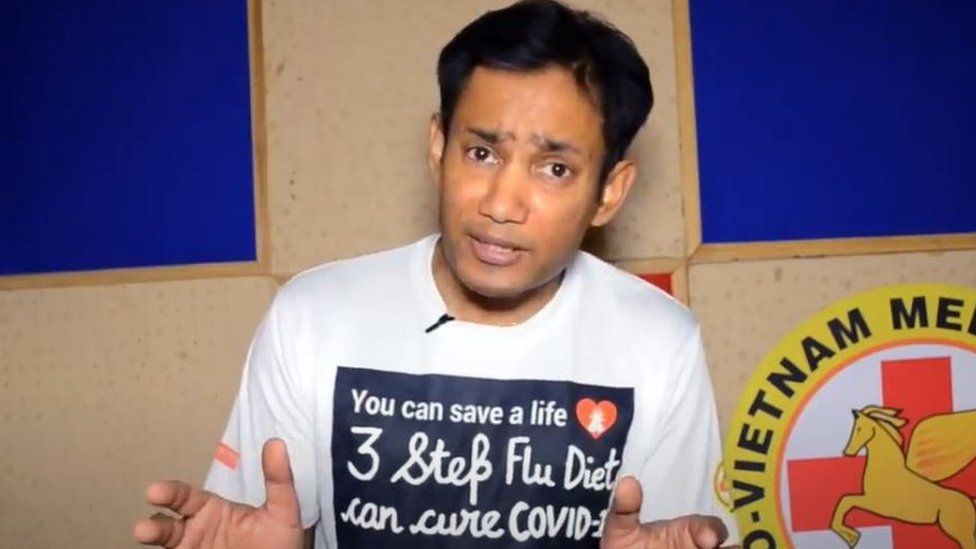
SharecloseShare pageCopy linkAbout sharingimage copyrightYouTubeA charismatic anti-vaccination campaigner has gained popularity by claiming that medical science’s approach to the pandemic is entirely wrong. But critics say Biswaroop Roy Chowdhury is endangering lives by falsely claiming he can cure Covid-19 through diet alone, report Ed Main and Reha Kansara.Biswaroop Roy Chowdhury is not one to hold back.”According to me, most deaths are not because of coronavirus itself but because of its treatment,” he says in one video on his website.The Indian social media star – or former social media star, now that he’s banned on several platforms – asserts that conventional medicine is a conspiracy designed to line the pockets of doctors and big business. image copyrightEPA”Drugs do not help in curing any illness,” he told the BBC. “I strongly believe that humans do not need vaccines at all.”In his videos, he claims his diet plans, rich in fruits and vegetables, will cure not only Covid-19, but diabetes and Aids.Medical science says all of this is nonsense. But Mr Chowdhury has used the pandemic to spread his messages.He teaches his followers that hospitals increase their chances of dying and says that Covid patients with breathing difficulties would do better sitting in front of a handheld fan than receiving oxygen.To his many critics, he is a dangerous fraud whose bad advice can only further fuel India’s horrific second wave of coronavirus.image copyrightReuters”Biswaroop Roy Chowdhury is a quack,” says Dr Sumaiya Shaikh, science editor of the Indian fact-checking website Alt News. “He has a huge following and that makes him even more dangerous.”It’s a following that has been cultivated through numerous books, online videos and courses and packed-out live events. India Covid crisis: Hospitals buckle under record surgeWhat is the India Covid variant and will vaccines work?Covid: India on UK travel red list as Covid crisis growsYouTube, Twitter and Facebook banned Mr Chowdhury last year, but not before he assembled an army of followers – nearly one million on YouTube alone before his account was deleted.He still has official channels on WhatsApp and Telegram. Biswaroop’s fans are also uploading and spreading his content on proxy accounts. WhatsApp told us they are working hard to limit the spread of false coronavirus information on their platform. Telegram didn’t respond to a request for comment.A gift for publicityMr Chowdhury presents himself as a plucky underdog figure pitted against a medical establishment intent on deceiving the public.Covid-19 is “just like normal flu” he asserts – despite the fact it’s actually significantly deadlier. And despite the overwhelming evidence to the contrary, he claims that face masks don’t help stop the spread of virus and will actually make wearers ill. He has co-opted the Urdu word azaadi, meaning “freedom” – a rallying cry that resonates with many oppressed communities in India, for his slogan “masks se azaadi” (“freedom from masks”).image copyrightYouTubeIn one of his several coronavirus e-books, Mr Chowdhury offers 100,000 rupees (about £960; $1,300) to anyone who “can prove that vaccines have ever helped anyone in any way”.There is, of course, a vast literature of medical research stretching back decades that documents how vaccines have helped control and even eradicate diseases all over the world. But Mr Chowdhury discounts it entirely.Diet cure claimsMr Chowdhury started developing his controversial diet “cures” about a decade ago. It’s just one strand of a colourful and varied career. After training as an engineer, he dabbled in Bollywood film-making and even cast himself as the star in one movie.He is also the chief editor and founder of both the India and Asia Book of Records which is modelled on, but not affiliated with, the Guinness Book of Records.Nilesh Christopher, a journalist with the tech website Rest of World, says Mr Chowdhury became interested in nutrition when his wife couldn’t shake a flu-like illness.”What he told me was, he was running around from pillar to post, visiting doctors, and trying to figure out a cure for it, but he couldn’t,” he says. “That is when he goes into this mode of self-learning and he claims to have read research papers and figured out this magic formula which is coconut water, citrus fruits and vegetables.”The Anti-Vax FilesThe Anti-Vax Files: A new series from BBC Trending, on the World Service weekly from 05:30 GMT Saturday. Download the podcast or listen online India has a long tradition of Ayurvedic medicine, which uses food and herbal treatments to treat ailments. But Mr Chowdhury has made a series of outrageous and fantastical claims for the miraculous effects that can supposedly be achieved by patients who follow his advice.”He is definitely one of the biggest most prominent quacks in India,” says Mr Christopher. When Covid-19 appeared, Mr Chowdhury quickly declared it an “influenza-like illness” that could be cured by his pre-existing three-step flu diet. He set up a consultation service where patients are charged 500 rupees (£4.80; $6.70) to receive a diet plan.”He’s built a massive digital empire through online nutrition courses, certification programmes and consultancy services and that’s his business model,” says Mr Christopher. “That doesn’t change, no matter what the disease you throw at him.” Mr Chowdhury says he has cured more than 50,000 people of Covid-19 without any fatalities. But Dr Arun Gupta, President of the Delhi Medical Council points out that most people will recover from the virus regardless of what they eat.”If you claim you take 100 patients and I claim that I cure all of you, you see 97 per cent are going to get cured, even without any intervention,” he says. Dr Gupta says more should be done to stop the spread of such misinformation. “It is the responsibility of the government to take a note of it and make sure these people are contained,” he says.Mr Chowdhury stands by his methods and rejects allegations that his teachings put people at risk. “Are they giving any evidence? I don’t think so,” he told the BBC.Criminal complaintHowever, the nutritionist is under investigation for one specific claim that his methods have caused real life harm. Jaideep Bihani, from Delhi, has made a criminal complaint against Mr Chowdhury over the death of his mother Shanti in August 2017.Mr Bihani told the BBC he blamed Mr Chowdhury for her death “100%”.image copyrightJaideep BihaniMrs Bihani, 56, was suffering from diabetes, and heart and thyroid problems. After discovering Mr Chowdhury on the web, Mr Bihani paid hundreds of dollars to take his mother to a three-day event to learn his diabetes cure.The event was held at a holistic sanctuary on the outskirts of Delhi. A video of the first evening shows Mr Chowdhury urging his audience to stop taking their medicines.”I’ve got a box with me, it is called the medical orange box… All the medicines, we will put here and put a lock [on it]. So I hope you will never need those medicines again,” he said.Mr Chowdhury told the audience that patients who were in very poor health, like Shanti Bihani, would be monitored and given back some medicine if needed – but that food would act as their primary medication going forward. image copyrightJaideep Bihani”The moment you have your first diet, that will make you heart attack proof from that time,” he told the assembly. Mrs Bihani had been taking a range of medicines, but into the large orange box they went. The next day she complained of feeling drowsy and later collapsed. Eventually she was taken to hospital where she died after suffering a heart attack.In his criminal complaint, Mr Bihani accuses Mr Chowdhury of falsely claiming to be a medical practitioner, offering fraudulent treatments and failing to provide emergency care at the course. Mr Chowdhury denies all this. image copyrightJaideep BihaniThe most prominent qualification listed on Biswaroop’s website is an honorary PHD in diabetes, from Alliance International University, Zambia. It’s an institution that according to its website is headquartered not in Africa but in the Caribbean. This degree appears to be why Mr Chowdhury calls himself a doctor, although he didn’t answer our questions about this issue.In response to Mr Bihani’s allegations, a spokesperson for Mr Chowdhury told us that Mrs Bihani was a very ill woman who had been chewing paan masala, a mild but addictive stimulant made with areca nut and other substances. Her son denies that she was during the course.The spokesperson for Mr Chowdhury also said Mr Bihani had his mother’s medications on him throughout the course. But Mr Bihani also denies this was the case. Mr Bihani said he hoped his experiences should be a warning to anybody thinking of following Mr Chowdhury’s advice.”Watching my father every day just alone at this age, and watching my kids not being there with grandmum – you know, I can’t even tell you what I feel.” With reporting from Shruti Menon in Delhi.Listen to The Anti-Vax Files from BBC Trending, on the World Service. Download the podcast or listen online.

Read more →

Study examines movement in children with autism

For more than a year, researchers at The University of Texas at El Paso’s Stanley E. Fulton Gait Research & Movement Analysis Lab in the College of Health Sciences have been using real-time 3D animation to investigate motor impairments in children who have autism spectrum disorder (ASD). Their aim is to understand how children with autism can learn motor skills, so that they can receive effective therapies.
The results of their study, titled “Children With Autism Exhibit More Individualized Responses to Live Animation Biofeedback Than Do Typically Developing Children,” were recently published in the journal of Perceptual and Motor Skills. The paper’s release coincides with National Autism Awareness Month in April.
“The greatest takeaway from this study is that when teaching or coaching new movements to an individual with autism, the teacher or coach needs to understand the individual with autism’s specific motor learning characteristics,” said Jeffrey Eggleston, Ph.D., assistant professor of kinesiology and Gait lab director. He is the study’s lead author. “They need to look specifically at each child’s needs because each child is different.”
The study’s other authors include Alyssa N. Olivas, a student in the doctoral biomedical engineering program; Heather R. Vanderhoof and Emily A. Chavez, students in the Interdisciplinary Health Sciences (IHS) doctoral program; Carla Alvarado, M.D., board certified psychiatrist; and Jason B. Boyle, Ph.D., associate professor and interim chair of Kinesiology at UTEP.
More than 80% of children with ASD have gross motor skills issues, such as problems with balance and coordination, which can interfere with their communication and social interactions.
The 18-month UTEP study incorporated live animation biofeedback to teach 15 children who have ASD and were between the ages of 8 and 17 how to do a squat, a strength exercise that works multiple muscle groups in the body’s lower extremities.
Researchers compared their movement patterns to children without the disorder. They found that children with ASD displayed highly individualized responses to the live animation biofeedback, much more so than children with typical development, Eggleston said.
In the lab, children had 1-inch cubes called inertial measurement unit (IMU) sensors strapped to their pelvis, thighs, lower legs and feet. They followed an animation model on a computer screen, which showed them how to squat. The children would then try to perform the squat without looking at the animation.
IMU sensors captured the movement of the child’s lower extremities. The data was relayed to a computer graphics program via Bluetooth, which was transposed into a skeletal animation of the child squatting and then standing back up on the computer screen.
The study, which took place before the COVID-19 pandemic, was funded through a nearly $15,000 grant from the J. Edward and Helen M. C. Stern Foundation and UTEP’s kinesiology department.
Story Source:
Materials provided by University of Texas at El Paso. Note: Content may be edited for style and length.

Read more →

Speeding new treatments

A year into the COVID-19 pandemic, mass vaccinations have begun to raise the tantalizing prospect of herd immunity that eventually curtails or halts the spread of SARS-CoV-2. But what if herd immunity is never fully achieved — or if the mutating virus gives rise to hyper-virulent variants that diminish the benefits of vaccination?
Those questions underscore the need for effective treatments for people who continue to fall ill with the coronavirus. While a few existing drugs show some benefit, there’s a pressing need to find new therapeutics.
Led by The University of New Mexico’s Tudor Oprea, MD, PhD, scientists have created a unique tool to help drug researchers quickly identify molecules capable of disarming the virus before it invades human cells or disabling it in the early stages of the infection.
In a paper published this week in Nature Machine Intelligence, the researchers introduced REDIAL-2020, an open source online suite of computational models that will help scientists rapidly screen small molecules for their potential COVID-fighting properties.
“To some extent this replaces (laboratory) experiments, says Oprea, chief of the Translational Informatics Division in the UNM School of Medicine. “It narrows the field of what people need to focus on. That’s why we placed it online for everyone to use.”
Oprea’s team at UNM and another group at the University of Texas at El Paso led by Suman Sirimulla, PhD, started work on the REDIAL-2020 tool last spring after scientists at the National Center for Advancing Translational Sciences (NCATS) released data from their own COVID drug repurposing studies.

Read more →

Solar development: Super bloom or super bust for desert species?

Throughout the history of the West, human actions have often rushed the desert — and their actions backfired. In the 1920s, the Colorado River Compact notoriously overallocated water still used today by several western states because water measurements were taken during a wet period.
More currently, operators of the massive Ivanpah Solar Electric Generating System in the Mojave Desert are spending around $45 million on desert tortoise mitigation after initial numbers of the endangered animals were undercounted before its construction.
A study published in the journal Ecological Applications from the University of California, Davis, and UC Santa Cruz warns against another potential desert timing mismatch amid the race against climate change and toward rapid renewable energy development.
“Our study suggests that green energy and species conservation goals may come into conflict in California’s Mojave Desert, which supports nearly 500 rare plant species as well as a rapidly expanding solar industry,” said lead author Karen Tanner, who conducted the work as a Ph.D. student at UC Santa Cruz under a grant led by UC Davis assistant professor Rebecca R. Hernandez.
Tanner spent seven years teasing out the demography of two native desert flowers — the rare Barstow woolly sunflower (E. mohavense) and the common Wallace’s woolly daisy (E. wallacei), comparing their performance both in the open and under experimental solar panels. The authors wondered, how would desert-adapted plants respond to panels that block light and rainfall? Would rare species respond differently than common species to these changes?
These aren’t easy questions to unearth. At one point, Tanner glued tiny seeds to individual toothpicks to gather emergence data. At another, she scoured the desert floor on hands and knees to count emerging seedlings of the rare sunflower — about the size of a thumbnail at maturity.

Read more →

F.D.A. Set to Authorize Pfizer Vaccine for Adolescents by Early Next Week

The Food and Drug Administration is preparing to authorize use of the Pfizer-BioNTech Covid-19 vaccine in adolescents 12 to 15 years old by early next week, according to federal officials familiar with the agency’s plans, opening up the nation’s vaccination campaign to millions more Americans.The news is highly anticipated: Eager parents have been counting down the weeks since Pfizer announced results from its trial in adolescents, showing the vaccine is at least as effective in that age group as it is in adults. Vaccinating children is also key to raising the level of herd immunity in the population and bringing down the numbers of hospitalizations and deaths.The authorization could come as early as late this week, according to the federal officials, who did not give their names because they weren’t authorized to speak publicly. If it is granted, the Centers for Disease Control and Prevention’s vaccine advisory panel will likely meet the following day to review the clinical trial data and make recommendations for the vaccine’s use in adolescents.The clearance would be a major development in the nation’s vaccination campaign and welcome news to parents anxious to protect their children during summer activities and before the start of the next school year.Pfizer reported several weeks ago that none of the adolescents in the clinical trial who received the vaccine developed symptomatic infections, a sign of significant protection. The company announced in late March that volunteers produced strong antibody responses and experienced about the same side effects seen in people ages 16 to 25 years.“We can assure the public that we are working to review this request as quickly and transparently as possible,” said Stephanie Caccomo, a Food and Drug Administration spokeswoman.Over 100 million of the nation’s adults have already been fully vaccinated. But the authorization would arrive in the middle of a delicate and complex push to reach the 44 percent of adults who have so far been hesitant to get a shot or have not had access to one.With much of the world clamoring for excess supply of vaccines made in the U.S., the Pfizer-BioNTech shot’s use in adolescents could also raise questions about whether supply should be targeted to an age group that so far appears to be mostly spared from a severe bout of Covid-19.“I do think we need to have a national and global conversation about the ethics of our vaccinating kids who are low risk for serious complications from the virus when there aren’t enough vaccines in the world to protect high risk adults from dying,” said Jennifer Nuzzo, an epidemiologist at the Johns Hopkins Center for Health Security.President Biden has come under increasing pressure to give some of the country’s supply of vaccines away, and even within the federal government some officials have urged the administration to decide soon how much vaccine is needed, lest doses expire or be shipped to states and go unused. The federal government has bought 700 million doses of three federally-authorized vaccines to be delivered before the end of July — well beyond what would be needed to cover every American.The nation’s current vaccine supply is substantial. As of Monday, around 65 million doses had been delivered but not administered, including 31 million doses of Pfizer-BioNTech’s vaccine, nearly 25 million doses of Moderna’s, and 10 million doses of Johnson & Johnson’s, according to figures collected by the Centers for Disease Control and Prevention. Both Pfizer’s and Moderna’s vaccines require two doses.Tens of millions more Pfizer-BioNTech doses — around three weeks’ worth, according to one federal official — have been manufactured and are in various stages of readiness, waiting to undergo final tests before being shipped.Moderna expects results soon from its own clinical trial involving adolescents ages 12 to 17, followed by results for children 6 months to 12 years old in the second half of this year.

Read more →

Bill and Melinda Gates Are Divorcing

The couple’s separation is likely to send shock waves through the worlds of philanthropy, public health and business.Bill and Melinda Gates, two of the most influential philanthropists in the world, said on Monday that they were divorcing.The couple have together emerged as leading figures in the global fight against Covid-19, and their separation is likely to send shock waves through the worlds of philanthropy, public health and business.The divorce will create new questions about the fate of the Gates fortune, much of which has not yet been donated to the Bill and Melinda Gates Foundation. Mr. Gates, who co-founded Microsoft, is one of the richest people in the world, worth an estimated $124 billion, according to Forbes.“After a great deal of thought and a lot of work on our relationship, we have made the decision to end our marriage,” the couple said in a statement that was posted to Mr. Gates’s Twitter account.This is a developing story. Check back for updates.

Read more →

Intranasal influenza vaccine enhances immune response and offers broad protection

An influenza vaccine that is made of nanoparticles and administered through the nose enhances the body’s immune response to influenza virus infection and offers broad protection against different viral strains, according to researchers in the Institute for Biomedical Sciences at Georgia State University.
Recurring seasonal flu epidemics and potential pandemics are among the most severe threats to public health. Current seasonal influenza vaccines induce strain-specific immunity and are less effective against mismatched strains. Broadly protective influenza vaccines are urgently needed.
Intranasal vaccines are a promising strategy for combatting infectious respiratory diseases, such as influenza. They are more effective than vaccines injected into a muscle because they can induce mucosal immune responses in respiratory tracts, preventing infection at the portal of virus entry. They can also stimulate systemic immune responses throughout the body.
Scientists can overcome vaccine safety concerns and the long production phase of virus-based influenza vaccines by constructing intranasal vaccines with recombinant proteins or peptides. However, these vaccines are poor at producing immune responses, so it’s necessary to have potent mucosal adjuvants, substances that enhance the body’s immune response to antigens (the molecular structures on pathogens). The absence of appropriate mucosal adjuvants currently hinders the development of such a vaccine.
In this study, the researchers developed an intranasal influenza vaccine using recombinant hemagglutinin (HA), a protein found on the surface of influenza viruses, as the antigen component of the vaccine. HA is integral to the ability of influenza virus to cause infection.
They also created a two-dimensional nanomaterial (polyethyleneimine-functionalized graphene oxide nanoparticles) and found that it displayed potent adjuvant (immunoenhancing) effects on influenza vaccines delivered intranasally. The findings are published in the journal Proceedings of the National Academy of Sciences.
“Conventional flu vaccines predominantly induce antibody responses,” said Dr. Baozhong Wang, senior author of the study, principal investigator of the National Institutes of Health grant supporting the study and a professor in the Institute for Biomedical Sciences. “However, recent research demonstrates that lung resident memory T cell responses are indispensable for optimal cross-protection against pulmonary influenza infection. The development of lung resident T cell responses requires vaccination by a respiratory route or influenza virus infection. Our research opens a new path for the development of needle-free and logistically simplified intranasal flu vaccines for cross-protection.”

Read more →