Mutation linked to autism impairs oxytocin-mediated social behavior in mice

Autism spectrum disorder is a neurodevelopmental condition involving impaired social abilities, and this makes it a fascinating subject for neuroscientists like Prof. Teiichi Furuichi of the Tokyo University of Science who study the neuroscience of social behavior. Prof. Furuichi and his colleagues have previously worked on developing mouse models of autism to unravel the condition’s neurochemical mechanisms, and in a paper recently published in the Journal of Neuroscience, they provide evidence that a genetic mutation associated with autism can impair the release of a peptide called oxytocin that plays an important role in regulating social behavior. This finding promises to broaden our understanding of the neurobiology of social behavior.
The gene that Prof. Furuichi’s team chose to study is Caps2, which encodes a protein called Ca2+-dependent activator protein for secretion 2 (CAPS2) that regulates the release of brain chemicals (or “neurotransmitters”). Previous studies have shown that CAPS2 deficiencies in mice cause behavioral impairments such as reduced sociality, increased anxiety, and disrupted circadian rhythms. Furthermore, a study of Japanese patients with autism spectrum disorder revealed that some of them had Caps2 mutations that adversely affect the CAPS2 protein’s functions. Prof. Furuichi and his colleagues had previously discovered that the CAPS2 protein is expressed in neurons in the hypothalamus and pituitary gland that release the neuropeptide oxytocin. This information formed the basis of their recent study. As Prof. Furuichi explains, “We hypothesized that CAPS2 deficiencies in mice should alter oxytocin release, which should in turn result in impaired social behavior.”
To test this hypothesis, researchers Shuhei Fujima, Graduate Student at Tokyo University of Science; Yoshitake Sano, Junior Associate Professor at Tokyo University of Science; Yo Shinoda, Associate Professor at Tokyo University of Pharmacy and Life Sciences; Tetsushi Sadakata, Associate Professor in Gunma University; Manabu Abe, Associate Professor at Niigata University; and Kenji Sakimura, a Fellow of Niigata University, among others, led by Prof. Furuichi conducted a series of experiments involving mice that carried genetic alterations that prevented them from expressing the CAPS2 protein. These mice had lower-than-normal oxytocin levels in their blood but higher-than-normal oxytocin levels in the hypothalamus and pituitary gland. The researchers interpreted this finding as evidence that CAPS2 deficiencies impede the normal release of oxytocin from these brain regions into the bloodstream.
Unsurprisingly, the reduced bloodstream levels of oxytocin had clear behavioral effects. When placed inside a rectangular box, the oxytocin neuron-specific CAPS2-deficient mice were unwilling to spend much time in the center of the box, and the researchers interpreted this as evidence of increased anxiety about the risk of a predator attacking them. The CAPS2-deficient mice also exhibited diminished willingness to engage in social interactions when introduced to unfamiliar mice. Interestingly, spraying an oxytocin solution into the noses of the CAPS2-deficient mice acted to restore their willingness to socially interact with unfamiliar mice.
Based on these findings, Prof. Furuichi and his colleagues conclude that the CAPS2 protein plays a critical role in facilitating the release of peripheral oxytocin into the bloodstream. They similarly suggest that CAPS2 is also involved in the release of central oxytocin into the brain regions relating to the control of sociality. Given the key role that oxytocin plays in regulating social behaviors, this could help to explain how mutations in the Caps2 gene could lead to atypical patterns of social behavior in persons with autism spectrum disorder. When asked about the social significance of his team’s work, Prof. Furuichi remarks, “We believe that this research, although basic, is an important achievement that will contribute to the development of tools for the early molecular diagnosis and effective treatment of autism spectrum disorder.”
Given the relatively high prevalence of autism and how extremely disabling severe cases can be, the development of effective treatments would have major benefits for people with autism and the society as a whole.
Story Source:
Materials provided by Tokyo University of Science. Note: Content may be edited for style and length.

Read more →

Mathematical model predicts effect of bacterial mutations on antibiotic success

Scientists have developed a mathematical model that predicts how the number and effects of bacterial mutations leading to drug resistance will influence the success of antibiotic treatments.
Their model, described today in the journal eLife, provides new insights on the emergence of drug resistance in clinical settings and hints at how to design novel treatment strategies that help avoid this resistance occurring.
Antibiotic resistance is a significant public health challenge, caused by changes in bacterial cells that allow them to survive drugs that are designed to kill them. Resistance often occurs through new mutations in bacteria that arise during the treatment of an infection. Understanding how this resistance emerges and spreads through bacterial populations is important to preventing treatment failure.
“Mathematical models are a crucial tool for exploring the outcome of drug treatment and assessing the risk of the evolution of antibiotic resistance,” explains first author Claudia Igler, Postdoctoral Researcher at ETH Zurich, Switzerland. “These models usually consider a single mutation, which leads to full drug resistance, but multiple mutations that increase antibiotic resistance in bacteria can occur. So there are some mutations that lead to a high level of resistance individually, and some that provide a small level of resistance individually but can accumulate to provide high-level resistance.”
For their study, Igler and her team gathered experimental evidence that drug resistance evolution follows these two patterns: a single mutation and multiple mutations. They then used this information to create an informed modelling framework which predicts the evolution of ‘single-step’ resistance versus ‘multi-step’ resistance in bacteria cells in response to drug type, pharmacokinetics (how the drug decays in the body), and treatment strategies. They investigated how the risk of treatment failure changes when taking into account multiple mutational steps, instead of a single one, and how many different bacterial lineages (bacteria with different mutations) would emerge during the treatment period.
Using their model, the team found that the evolution of drug resistance is limited substantially if more than two mutations are required by the bacteria. Additionally, the extent of this limitation, and therefore the probability of treatment failure, depends strongly on the combination of the drug type and the route of administration, such as orally or via IV infusion.
“Our work provides a crucial step in understanding the emergence of antibiotic resistance in clinically relevant treatment settings,” says senior author Roland Regoes, Group Leader at ETH Zurich. “Together, our findings highlight the importance of measuring the level of antibiotic resistance granted by single mutations to help inform effective antimicrobial treatment strategies.”
Story Source:
Materials provided by eLife. Note: Content may be edited for style and length.

Read more →

Scientists map gene changes underlying brain and cognitive decline in aging

Alzheimer’s disease shares some key similarities with healthy aging, according to a new mathematical model described today in eLife.
The model provides unique insights into the multiscale biological alterations in the elderly and neurodegenerative brain, with important implications for identifying future treatment targets for Alzheimer’s disease.
Researchers developed their mathematical model using a range of biological data — from ‘microscopic’ information using gene activity to ‘macroscopic’ information about the brain’s burden of toxic proteins (tau and amyloid), its neuronal function, cerebrovascular flow, metabolism and tissue structure from molecular PET and MRI scans.
“In both aging and disease research, most studies incorporate brain measurements at either micro or macroscopic scale, failing to detect the direct causal relationships between several biological factors at multiple spatial resolutions,” explains first author Quadri Adewale, a PhD candidate at the Department of Neurology and Neurosurgery, McGill University, Canada. “We wanted to combine whole-brain gene activity measurements with clinical scan data in a comprehensive and personalised model, which we then validated in healthy aging and Alzheimer’s disease.”
The study involved 460 people who had at least four different types of brain scan at four different time points as part of the Alzheimer’s Disease Neuroimaging Initiative cohort. Among the 460 participants, 151 were clinically identified as asymptomatic or healthy control (HC), 161 with early mild cognitive impairment (EMCI), 113 with late mild cognitive impairment (LMCI) and 35 with probable Alzheimer’s disease (AD).
Data from these multimodal scans was combined with data on gene activity from the Allen Human Brain Atlas, which provides detail on whole-brain gene expression for 20,267 genes. The brain was then split into 138 different gray matter regions for the purposes of combining the gene data with the structural and functional data from the scans.
The team then explored causal relationships between the spatial genetic patterns and information from their scans, and cross-referenced this to age-related changes in cognitive function. They found that the ability of the model to predict the extent of decline in cognitive function was highest for Alzheimer’s disease, followed in order by the less pronounced decline in cognition (LCMI, ECMI) and finally the healthy controls. This shows that the model can reproduce the individual multifactorial changes in the brain’s accumulation of toxic proteins, neuronal function and tissue structure seen over time in the clinical scans.
Next, the team used the model to look for genes that cause cognitive decline over time during the normal process of healthy aging, using a subset of healthy control participants who remained clinically stable for nearly eight years. Cognitive changes included memory and executive functions such as flexible thinking. They found eight genes which contributed to the imaging dynamics seen in the scans and corresponded with cognitive changes in healthy individuals. Of note, the genes that changed in healthy aging are also known to affect two important proteins in the development of Alzheimer’s disease, called tau and amyloid beta.
Next, they ran a similar analysis looking for genes that drive the progression of Alzheimer’s disease. Here, they identified 111 genes that were linked with the scan data and with associated cognitive changes in Alzheimer’s disease.
Finally, they studied the functions of the 111 genes identified, and found that they belonged to 65 different biological processes — with most of them commonly linked to neurodegeneration and cognitive decline.
“Our study provides unprecedented insight into the multiscale interactions among aging and Alzheimer’s disease-associated biological factors and the possible mechanistic roles of the identified genes,” concludes senior author Yasser Iturria-Medina, Assistant Professor at the Department of Neurology and Neurosurgery at McGill University. “We’ve shown that Alzheimer’s disease and healthy aging share complex biological mechanisms, even though Alzheimer’s disease is a separate entity with considerably more altered molecular and macroscopic pathways. This personalised model offers novel insights into the multiscale alterations in the elderly brain, with important implications for identifying targets for future treatments for Alzheimer’s disease progression.”
Story Source:
Materials provided by eLife. Note: Content may be edited for style and length.

Read more →

New testing platform for COVID-19 is an efficient and accurate alternative to gold-standard RT-qPCR tests, researchers say

Throughout the COVID-19 pandemic, supply chain shortages of reagents and test kits have limited the rapid expansion of clinical testing needed to contain the virus. Investigators have developed and validated a new microchip real-time technology platform that uses 10-fold less reagents compared to Centers for Disease Control and Prevention (CDC)-approved tube-based RT-PCR tests, and reports results in as little as 30 minutes. Its accuracy was 100 percent predictive in clinical samples, investigators explain in the Journal of Molecular Diagnostics, published by Elsevier.
“Sensitivity is critical for early detection of COVID-19 infection where the viral load is minimal to prevent further spreading of the disease. During this pandemic, numerous testing assays have been developed, sacrificing sensitivity for speed and cost,” explains lead investigator Peter J. Unrau, PhD, Department of Molecular Biology and Biochemistry, Simon Fraser University, Burnaby, BC, Canada. “This research offers a cheaper, faster alternative to the most reliable and sensitive test currently used worldwide, without sacrificing sensitivity and reproducibility.”
Researchers validated a microchip PCR technology for detection of SARS-CoV-2 in clinical samples. Empty microchips with 30 microwells were manufactured from aluminum sheets and coated with surface modifiers. They were then filled with CDC-authorized primers and probes to detect SARS-CoV-2. They were individually packaged and sent to a laboratory for sample validation and testing. Real-time qPCR was performed using 1.2 microliter reaction volume per reaction on a microchip-based PCR analyzer using AriaDNA software to control the instrument and obtain PCR results.
Nasopharyngeal swabs from eight patients with positive COVID-19 test results and 13 patients with negative COVID-19 test results were collected at St. Paul’s Hospital in Vancouver, Canada and tested with the microchip RT-qPCR kit. Of the 21 patient samples, eight tested positive, 12 tested negative, and one included sample was invalid, which tested negative in both the microchip RT-qPCR assay and hospital testing. The CDC standards deemed the sample invalid as the human internal control was not detected in this sample. The microchip kit miniaturized the reaction volumes needed by 10-fold, resulting in lower reagent consumption and faster assay times (in as little as 30 minutes compared to about 70 minutes), while maintaining the same gold standard in sensitivity as higher volume techniques. Because the kit comes preloaded with SARS-CoV-2 primers and probes, it may further reduce operator-associated errors, improving the reliability of analysis in remote settings.
Available internationally, the low-energy (100 watt), compact, lightweight microchip analyzer and COVID-19 detection kits developed by Lumex Instruments Canada and validated by Dr. Unrau and his colleagues may enable point-of-care testing in remote locations, clinics, and airports.
“Although further testing of additional clinical samples and sample types may be needed before this assay can be widely deployed,” Dr. Unrau says, “these preliminary results demonstrate a promising, versatile technology that can be easily configured and mobilized to detect infections of current and future emerging viruses, overcoming current bottlenecks and ensuring a faster response in the future.”
Story Source:
Materials provided by Elsevier. Note: Content may be edited for style and length.

Read more →

Human Antibodies Target Many Parts of Coronavirus Spike Protein

Caption: People who recovered from mild COVID-19 infections produced antibodies circulating in their blood that target three different parts of the coronavirus’s spike protein (gray). Credit: University of Texas at Austin

For many people who’ve had COVID-19, the infections were thankfully mild and relatively brief. But these individuals’ immune systems still hold onto enduring clues about how best to neutralize SARS-CoV-2, the coronavirus that causes COVID-19. Discovering these clues could point the way for researchers to design highly targeted treatments that could help to save the lives of folks with more severe infections.

An NIH-funded study, published recently in the journal Science, offers the most-detailed picture yet of the array of antibodies against SARS-CoV-2 found in people who’ve fully recovered from mild cases of COVID-19. This picture suggests that an effective neutralizing immune response targets a wider swath of the virus’ now-infamous spike protein than previously recognized.

To date, most studies of natural antibodies that block SARS-CoV-2 have zeroed in on those that target a specific portion of the spike protein known as the receptor-binding domain (RBD)—and with good reason. The RBD is the portion of the spike that attaches directly to human cells. As a result, antibodies specifically targeting the RBD were an excellent place to begin the search for antibodies capable of fending off SARS-CoV-2.

The new study, led by Gregory Ippolito and Jason Lavinder, The University of Texas at Austin, took a different approach. Rather than narrowing the search, Ippolito, Lavinder, and colleagues analyzed the complete repertoire of antibodies against the spike protein from four people soon after their recoveries from mild COVID-19.

What the researchers found was a bit of a surprise: the vast majority of antibodies—about 84 percent—targeted other portions of the spike protein than the RBD. This suggests a successful immune response doesn’t concentrate on the RBD. It involves production of antibodies capable of covering areas across the entire spike.

The researchers liken the spike protein to an umbrella, with the RBD at the tip of the “canopy.” While some antibodies do bind RBD at the tip, many others apparently target the protein’s canopy, known as the N-terminal domain (NTD).

Further study in cell culture showed that NTD-directed antibodies do indeed neutralize the virus. They also prevented a lethal mouse-adapted version of the coronavirus from infecting mice.

One reason these findings are particularly noteworthy is that the NTD is one part of the viral spike protein that has mutated frequently, especially in several emerging variants of concern, including the B.1.1.7 “U.K. variant” and the B.1.351 “South African variant.” It suggests that one reason these variants are so effective at evading our immune systems to cause breakthrough infections, or re-infections, is that they’ve mutated their way around some of the human antibodies that had been most successful in combating the original coronavirus variant.

Also noteworthy, about 40 percent of the circulating antibodies target yet another portion of the spike called the S2 subunit. This finding is especially encouraging because this portion of SARS-CoV-2 does not seem as mutable as the NTD segment, suggesting that S2-directed antibodies might offer a layer of protection against a wider array of variants. What’s more, the S2 subunit may make an ideal target for a possible pan-coronavirus vaccine since this portion of the spike is widely conserved in SARS-CoV-2 and related coronaviruses.

Taken together, these findings will prove useful for designing COVID-19 vaccine booster shots or future vaccines tailored to combat SARS-COV-2 variants of concern. The findings also drive home the conclusion that the more we learn about SARS-CoV-2 and the immune system’s response to neutralize it, the better position we all will be in to thwart this novel coronavirus and any others that might emerge in the future.

Reference:

[1] Prevalent, protective, and convergent IgG recognition of SARS-CoV-2 non-RBD spike epitopes. Voss WN, Hou YJ, Johnson NV, Delidakis G, Kim JE, Javanmardi K, Horton AP, Bartzoka F, Paresi CJ, Tanno Y, Chou CW, Abbasi SA, Pickens W, George K, Boutz DR, Towers DM, McDaniel JR, Billick D, Goike J, Rowe L, Batra D, Pohl J, Lee J, Gangappa S, Sambhara S, Gadush M, Wang N, Person MD, Iverson BL, Gollihar JD, Dye J, Herbert A, Finkelstein IJ, Baric RS, McLellan JS, Georgiou G, Lavinder JJ, Ippolito GC. Science. 2021 May 4:eabg5268.

Links:

COVID-19 Research (NIH)

Gregory Ippolito (University of Texas at Austin)

NIH Support: National Institute of Allergy and Infectious Diseases; National Cancer Institute; National Institute of General Medical Sciences; National Center for Advancing Translational Sciences

Read more →

How Do I Know if My Teen Is OK?

In the pandemic, many of the traditional measures that indicate a teen is thriving have been rendered irrelevant.Alix McDonald is 17 years old, and the future weighs heavily on her mind. A high school senior in Chicago, she was “stressed a lot” in the fall about “whether or not to apply to college,” especially during a pandemic.What comforted her was “talking through pros and cons with my mom and dad” — without feeling as if her parents had an agenda. “They didn’t push me,” said Alix, who has both attention deficit hyperactivity disorder and a lesser-known learning difference called slow processing speed, and has long grappled with school-based anxiety. “They asked questions about what I wanted.”Alix, like young people across the country, is wrestling with feelings of apprehension and uncertainty about what the next year will bring, made all the more intense in the pandemic. For parents, it has become harder to assess if their teenagers are doing OK. “Alix spends a huge amount of time alone in her room,” said her mother, Veronique McDonald, a real estate broker. “We try to implement something fun to get her to join us.”In the pandemic, many of the traditional measures that indicate whether a teen is thriving have been rendered irrelevant. Does my child attend school and stay engaged? Is my child participating in team sports or joining activities in our community? Is my child getting enough sleep with these early morning practices? Why is my child always alone?Jennifer Hartstein, an adolescent psychologist in New York who specializes in anxiety and depression, said that in the absence of “age-old markers” of wellness, “we have to pivot and look at kids differently.” Slow down and ask kids how they are doing, Dr. Hartstein advised.She added: “A parent’s biggest strength is knowing when you need to get help for your kids and for yourself.”Focus on social and emotional skills.As families prepare for post-pandemic life, there is an opportunity to reframe discussions of what it means to be doing well. Skills such as self-compassion, resilience and distress tolerance are strong indicators of how a kid is doing.Rheeda Walker, a professor of psychology at the University of Houston and the author of “The Unapologetic Guide to Black Mental Health,” said that resilience “isn’t about how many times we get knocked down” but rather, finding the factors that help us get back up. “What allows someone to tap into their strength when they need it most?” she asked. “Is it their family? Their faith?”Dr. Walker encourages people to assess how they feel each day. “I talk in the Black community about psychological fortitude,” she said, explaining that it means asking: “What is my rating on a zero to 10 basis to achieve my goals today and manage my life? If I am at a 2, what is keeping me from getting to a 6?” Parents can teach teens to practice this strategy when kids are struggling to meet their own daily challenges, even if the goal is merely to leave the house and interact with peers.She also noted that it is important to look for shifts in behavior, shifts in mood, anything that indicates a change in your child’s patterns — this is a signal for parents to investigate what lies underneath.Pay attention to mental health.When I was growing up in the ’80s, my doctor listened to my heart and lungs, checked my blood counts and monitored my growth. I checked all the boxes for “healthy.” Yet I had an undiagnosed anxiety disorder throughout childhood that made my launch into college agonizing.“We as pediatricians have come a long way in our awareness of mental health,” said Dr. Sharon Robinson, a pediatrician in Evanston, Ill., who is raising two teenagers, ages 14 and 17. Anxiety is the most common adolescent mental health disorder, she said, and in her practice, they routinely screen all patients for depression starting at age 12.When a child’s survey triggers a positive response for depression, Dr. Robinson first meets privately with the patient to ask clarifying questions and assess their risk level for self harm and suicidal ideation before inviting parents back into the room. With mild to moderate depression, which account for the majority of cases, Dr. Robinson discusses therapeutic strategies with the family and provides a referral to talk therapy.In severe situations, such as when a child indicates suicidal thoughts or has made a suicide plan, “we urgently refer those children to a psychiatrist or even to the emergency room for assessment,” she said, and they also create a safety plan and schedule a follow-up visit.Help young people rebuild their independence.Psychologists and pediatricians recommend that parents return to focusing on the milestones that they helped their kids develop in early childhood — eating, sleeping, separating from parents. Adults can scaffold the basics, providing support, structure and encouragement as young people rebuild in-person socialization into their lives, and then step back and allow them to stand on their own.Research published in June of 2020 by the Centers for Disease Control and Prevention showed that 18- to 24-year-olds reported the highest rate of struggles with mental health, substance abuse and suicidal ideation, as compared to older adults.According to Ali Mattu, a clinical psychologist in Northern California and creator of the popular YouTube channel The Psych Show, teens and young adults are having a harder time psychologically than older generations because Covid has represented a bigger proportion of their lifetimes, and “the effects are greater.”He explained that the adolescent brain is wired to quickly make associations, and during the pandemic, some young people have learned to be hypervigilant, because we’ve trained them to associate going places with risk of a major disease. Since our brains don’t finish developing until our mid-20s, he said, young people are quick to act on their emotions. For some, that means “anxious avoidance,” which can manifest as a reluctance to leave home. For others, it means “overconfident approach,” which accounts for teens and young adults who throng to parties, unmasked.Dr. Mattu said the best thing parents can do for teens and young adults who are withdrawing is to help them develop four key skills. The first is “the ability to do things alone, like run an errand or do what needs to be done to get through their day,” based on the expectations of their family and culture. Second is “the ability to ask for help, to be vulnerable and ask for support,” such as by emailing a teacher on their own or reaching out to a counselor or parent.Third is “the ability to support their peers, because teens are really focused on their relationships with each other,” explained Dr. Mattu, and often, a peer is the first one to know when someone is struggling. And the fourth skill is “finding a connection to a larger community,” such as a club, an organization, a fandom, a religious group — anything that creates meaning and purpose.As young people take steps to re-enter the world, sometimes things will go wrong. The growth happens when they navigate their distress and try again instead of avoiding similar situations. Recently, my teenager asked me to drive her to meet a friend in downtown Chicago. “You can do this on your own,” I said. When she never arrived, her friend called us. Our daughter had entered the right street address in Google Maps — in the wrong city.By the time we contacted her, she was lost on the highway, hysterical and terrified. “I just want to come home,” she cried. Our best friends, who live close to where she was, offered to drive out to meet her. My daughter swallowed her pride and accepted their help.A week later, my daughter took a deep breath and got back on the highway to meet another friend. “This is you, being resilient,” I told her, as she headed out alone. “I couldn’t be prouder.”Carrie Goldman (@CarrieMGoldman) is an author, speaker and the social-emotional learning curriculum director for the Pop Culture Hero Coalition. She is currently working on a memoir.

Read more →

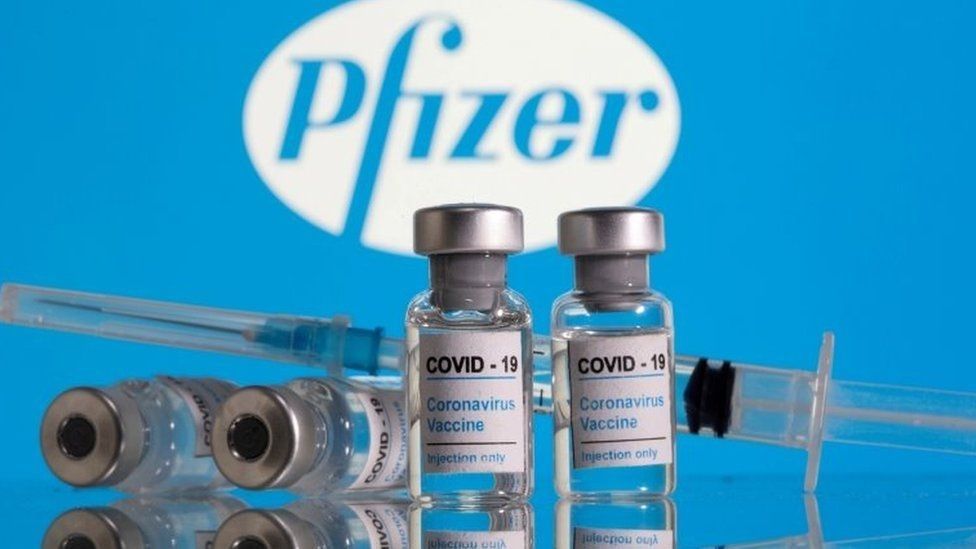
Pfizer vaccine can now be stored in fridge for longer, EU drug regulator says

SharecloseShare pageCopy linkAbout sharingimage copyrightReutersThe European Union’s drugs regulator has said the Pfizer Covid vaccine can now be stored at fridge temperature for much longer than it previously recommended.The European Medicines Agency (EMA) said that once the vaccines thawed, unopened vials could be kept in the fridge for up to a month.The current limit is just five days.The increased flexibility is expected to have a significant impact on the vaccine roll-out across the EU.What is happening with the EU vaccine rollout?How do we know Covid vaccines are safe?The need for transport and storage at very low temperatures has been one of the major disadvantages of the Pfizer jab. The previous storage requirements for Pfizer vaccines have made them harder to use in some parts of the world. In February, the United States approved storage and transport of the Pfizer vaccine at standard freezer temperatures of -15 to -25C for up to two weeks, as opposed to between -80 to -60C that it usually requires.Earlier this month Canada authorised the use of the Pfizer vaccine for children between the ages of 12 and 15, becoming the first country to do so for that age group.

Read more →

COVID-19 monoclonal antibodies reduce risk of hospitalization and death

Monoclonal antibodies, a COVID-19 treatment given early after coronavirus infection, cut the risk of hospitalization and death by 60% in those most likely to suffer complications of the disease, according to an analysis of UPMC patients who received the medication compared to similar patients who did not.
UPMC and University of Pittsburgh School of Medicine physician-scientists published the findings today in Open Forum Infectious Diseases, a journal of the Infectious Diseases Society of America. The study involved bamlanivimab, a monoclonal antibody that is now offered only in combination with another monoclonal antibody to further increase its effectiveness — a change mandated by the federal government after the study’s completion.
“The fact that we found bamlanivimab to be this effective in keeping our patients with COVID-19 out of the hospital bodes very well for the future use of the currently available monoclonal therapies, something we are studying now,” said lead author Ryan Bariola, M.D., associate professor in Pitt’s Division of Infectious Diseases and director of the UPMC Community Hospital Antimicrobial Stewardship Efforts (CHASE) Program. “If given early to high-risk patients, this treatment works to prevent COVID-19-related complications. We look forward to research with next-generation monoclonal antibodies and hope to continue to find safe and effective treatments for our patients.”
Monoclonal antibodies are a type of medication that seeks out the COVID-19 virus in a person’s body and blocks it from infecting their cells and replicating. Currently, the U.S. Food & Drug Administration has granted Emergency Use Authorization to two monoclonal antibody treatments, which are given through a one-time IV infusion. This is the same type of emergency authorization given to the COVID-19 vaccines being administered in the U.S.
Federal and UPMC guidelines require the antibodies be administered within 10 days of COVID-19 symptom onset and diagnosis for patients at high risk of a poor outcome, including patients of advanced age, who are obese or those with conditions such as diabetes or lung disease.
UPMC has given monoclonal antibody infusions to 2,600 qualifying patients. The researchers analyzed data on the first 232 patients treated with bamlanivimab to learn how they’ve fared since their infusions. They compared antibody-treated patients’ data to that of a matched set of patients of similar age and health status who had contracted COVID-19 and were eligible for the treatment but did not receive it.
The strongest effect was seen in older patients. Those age 65 and older who received monoclonal antibodies from UPMC were nearly three times less likely to be hospitalized or die in the following month, compared to their untreated counterparts. The results were less pronounced in younger populations, but overall, more positive results were seen in those who received monoclonal antibody infusions than in those who did not.
UPMC’s data also showed a stronger positive effect the earlier patients received the treatment after contracting the virus, and a very low rate of adverse reactions to the infusion, all of which were mild.
“If there’s one key take-away that we’re seeing in our data, it’s this: If you get COVID-19 and are at higher risk for severe illness, ask your doctor about monoclonal antibodies,” said Graham Snyder, M.D., M.S., medical director of infection prevention and hospital epidemiology at UPMC and associate professor in Pitt’s School of Medicine. “Don’t hesitate. Early treatment, while your symptoms are still mild, may be essential.”
Story Source:
Materials provided by University of Pittsburgh. Note: Content may be edited for style and length.

Read more →

New technology makes tumor eliminate itself

A new technology developed by UZH researchers enables the body to produce therapeutic agents on demand at the exact location where they are needed. The innovation could reduce the side effects of cancer therapy and may hold the solution to better delivery of Covid-related therapies directly to the lungs.
Scientists at the University of Zurich have modified a common respiratory virus, called adenovirus, to act like a Trojan horse to deliver genes for cancer therapeutics directly into tumor cells. Unlike chemotherapy or radiotherapy, this approach does no harm to normal healthy cells. Once inside tumor cells, the delivered genes serve as a blueprint for therapeutic antibodies, cytokines and other signaling substances, which are produced by the cancer cells themselves and act to eliminate tumors from the inside out.
Sneaking adenoviruses past the immune system undetected
“We trick the tumor into eliminating itself through the production of anti-cancer agents by its own cells,” says postdoctoral fellow Sheena Smith, who led the development of the delivery approach. Research group leader Andreas Plueckthun explains: “The therapeutic agents, such as therapeutic antibodies or signaling substances, mostly stay at the place in the body where they’re needed instead of spreading throughout the bloodstream where they can damage healthy organs and tissues.”
The UZH researchers call their technology SHREAD: for SHielded, REtargetted ADenovirus. It builds on key technologies previously engineered by the Plueckthun team, including to direct adenoviruses to specified parts of the body to hide them from the immune system.
High amount of drugs in the tumor, low concentration in other tissues
With the SHREAD system, the scientists made the tumor itself produce a clinically approved breast cancer antibody, called trastuzumab, in the mammary of a mouse. They found that, after a few days, SHREAD produced more of the antibody in the tumor than when the drug was injected directly. Moreover, the concentration in the bloodstream and in other tissues where side effects could occur were significantly lower with SHREAD. The scientists used a very sophisticated, high-resolution 3D imaging method and tissues rendered totally transparent to show how the therapeutic antibody, produced in the body, creates pores in blood vessels of the tumor and destroys tumor cells, and thus treats it from the inside.
Use to combat Covid-19 being investigated
Plueckthun, Smith and colleagues emphasize that SHREAD is applicable not only for the fight against breast cancer. As healthy tissues no longer come into contact with significant levels of the therapeutic agent, it is also applicable for delivery of a wide range of so-called biologics — powerful protein-based drugs that would otherwise be too toxic.
In fact, members of the Plueckthun group are currently applying their technology in a project aimed as a therapy for Covid-19. Adenoviral vectors are already being used in several of the COVID vaccines, including the Johnson & Johnson, AstraZeneca, China’s CanSino Biologics and Russia’s Sputnik V vaccines — but without the innovative SHREAD technology. “By delivering the SHREAD treatment to patients via an inhaled aerosol, our approach could allow targeted production of Covid antibody therapies in lung cells, where they are needed most,” Smith explains. “This would reduce costs, increase accessibility of Covid therapies and also improve vaccine delivery with the inhalation approach.”
Story Source:
Materials provided by University of Zurich. Note: Content may be edited for style and length.

Read more →

Machine learning (AI) accurately predicts cardiac arrest risk

A branch of artificial intelligence (AI), called machine learning, can accurately predict the risk of an out of hospital cardiac arrest — when the heart suddenly stops beating — using a combination of timing and weather data, finds research published online in the journal Heart.
Machine learning is the study of computer algorithms, and based on the idea that systems can learn from data and identify patterns to inform decisions with minimal intervention.
The risk of a cardiac arrest was highest on Sundays, Mondays, public holidays and when temperatures dropped sharply within or between days, the findings show.
This information could be used as an early warning system for citizens, to lower their risk and improve their chances of survival, and to improve the preparedness of emergency medical services, suggest the researchers.
Out of hospital cardiac arrest is common around the world, but is generally associated with low rates of survival. Risk is affected by prevailing weather conditions.
But meteorological data are extensive and complex, and machine learning has the potential to pick up associations not identified by conventional one-dimensional statistical approaches, say the Japanese researchers.

Read more →