Mathematical model developed to prevent botulism

For years, food producers who make lightly preserved, ready-to-eat food have had to follow a set of guidelines to stop growth of Clostridium botulinum bacteria and production of a strong neurotoxin. The toxin can cause a serious illness called botulism.
For refrigerated products, the guidelines for controlling Clostridium botulinum indicate that the water contained in the products should have a salt content of at least 3.5%. Unfortunately, this hampers efforts to develop salt-reduced products, even though such products would benefit public health, as most consumers eat more salt than recommended.
If food producers want to launch products that contain e.g. less salt, they have had to conduct laboratory experiments to document that such a change in recipe will not compromise food safety. This is a time-consuming and costly process.
Reduced need for costly product testing
Researchers at the National Food Institute have now developed a mathematical model, which replaces costly laboratory experiments. The industry has been asking for this model for years. The new model can predict whether a particular recipe for chilled products can prevent the growth of Clostridium botulinum and production of the toxin.
The model is the most comprehensive of its kind in the world and can show how storage temperature, pH, salt and the use of five different preservatives (such as acetic and lactic acids) affect potential bacterial growth and production of the toxin. Previous models have only incorporated the effect of half of these factors.

Read more →

New study confirms noble false widow spiders bites can result in hospitalization

NUI Galway study confirms that the Noble False Widow spider does have public health implications. Research team have established a DNA database to allow clinicians dealing with cases to confirm the species identity using genetic analysis. Epidemiology of bites reveals that almost all bites occurred in and around the home, and 88% of bites occurred when the victim was either asleep in bed or when the spider was trapped in clothing.  In parts of Ireland and Britain, the False Widow spider has become one of the most common species of spiders found in and around urban habitats. A team of scientists from NUI Galway have published a new study showing that Noble False Widow spiders can deliver a bite that requires hospitalisation.
The threat posed by the Noble False Widow spider has been debated among spider and healthcare specialists for many years. This new study, published in the international medical journal Clinical Toxicology, confirms that some bite victims experience symptoms very similar to the true black widow spiders and some severe cases require hospitalisation.
Originating from Madeira and the Canary Islands, the Noble False Widow spider Steatoda nobilis, now has the potential to become one of the world’s most invasive species of spider. It was first documented in Britain over 140 years ago, but in recent decades the species has suddenly increased in numbers, significantly expanding its range and density.
The reasons behind this sudden expansion are not clear. Scientists have ruled out climate change as the likely cause but have suggested that a new genetic mutation within the species may have made Noble False Widows more adaptable to new environments. In addition, the species has benefited from an ever-increasing globalised economy, hitchhiking in containers and crates throughout the globe. Human movement has largely contributed to spread this species throughout Europe, North Africa, West Asia and parts of North and South America.
In parts of Ireland and Britain, it has become one of the most common species of spiders found in and around urban habitats. With the increase in False Widow spiders around homes, bites are becoming more prevalent, and scientists are now beginning to realise the full medical importance of these spiders.
Envenomation symptoms can be both localised and systemic, ranging from mild to debilitating pain and mild to intense swelling. Some victims have experienced tremors, reduced or elevated blood pressure, nausea and impaired mobility. In rare instances, victims have developed minor wounds at the bite site or had to be treated for severe bacterial infections.
The research team at NUI Galway have established a DNA database to allow clinicians dealing with cases to confirm the species identity using genetic analysis. This is especially important when the spider has been squashed so an accurate identification of the spider can be made. The study also provides epidemiology of bites which reveals that almost all bites occurred in and around the home, and 88% of bites occurred when the victim was either asleep in bed or when the spider was trapped in clothing. The team are encouraging members of the public to email them at falsewidow@nuigalway.ie if they think they may have been bitten.
Dr Michel Dugon, Head of the Venom Systems Lab at NUI Galway and senior author of the study, said: “In addition to their medically significant venom, Noble False Widows are extremely adaptable and competitive in the wild. Two decades ago, this species was almost unknown in Ireland, the UK or in continental Europe. We still have much to learn about its genetics, origin, behaviour and development. One thing is certain though: this species is here to stay, and we must learn how to live with it.”
Dr John Dunbar, Postdoctoral Researcher at the Venom Systems Lab at NUI Galway and lead author of the study, said: “Speculations around the potential severity of the bites by the Noble False Widow have been debated for many years. We only compiled envenomation cases where we had a clear identification of the spider responsible for the bite. We had to rely on DNA extraction and genetic profiling to confirm some cases. We are encouraging people to capture a photograph of the spider immediately after being bitten. Our latest study confirms without a doubt that Noble False Widows can cause severe envenomations (the process by which venom is injected).
“This species is increasing its range and population density which will undoubtedly lead to an increase in bites (since submitting our study in March we have already received further confirmed bite cases). While most cases will have a mild outcome, we need to continue to closely monitor bites by the Noble False Widow to understand the potential range of symptoms and to treat severe cases when they occur.”
Aiste Vitkauskaite, MSc student in Toxicology at NUI Galway and joint lead in the study, said: “Approximately ten species of Irish spiders have fangs large enough to bite through human skin, yet over the past five years, we have never heard of anybody being bitten by any of the native species. Within the same period, we have recorded dozens of confirmed or probable False Widow bites. These spiders will become increasingly common and so will their bites.”
Professor Derek O’Keeffe, Professor of Medical Device Technology at NUI Galway and Consultant Physician, University Hospital Galway said: “This innovative research led by Dr Dugon and his team clearly demonstrates that Noble False Widow spider bites may result in significant patient morbidity that requires hospital care. This is important as previously we only had anecdotal evidence of its potential harms in victims and therefore this new evidence will allow the updating of clinical guidelines and protocols. These findings demonstrates the key importance of interdisciplinary collaboration between scientists and clinicians to improve patient care.”

Read more →

'Rescue mutations' that suppress harmful DNA changes could shed light on genetic disorders

New insights into the ability of DNA to overcome harmful genetic changes have been discovered by scientists at the Wellcome Sanger Institute, the University of Lausanne and their collaborators. The team found that 26 per cent of harmful mutations were suppressed by naturally occurring variants in at least one wild yeast strain. In each instance examined in detail, a single ‘rescue mutation’ was responsible for cancelling out another mutation that would have threatened the organism’s survival.
The study, published today (27 May 2021) in Molecular Systems Biology, provides important information about how DNA variants can suppress undesirable genetic changes. If confirmed in humans, this biological phenomenon could have an important role in genetic diseases such as cancer or rare developmental disorders, and explain why certain patients suffer from more severe disease than others.
Mutations are changes to the letters of DNA that form the genetic code of multi-cellular organisms. They can be a result of errors when DNA replicates during cell division, or the influence of environmental exposures such as ultraviolet light. While most mutations will have no significant effect on how the cell functions, some can be harmful and lead to genetic diseases such as cancer. Other mutations can be beneficial and contribute to genetic diversity in a species through the natural process of evolution1.
With six billion letters of DNA in the human genome, the implications of natural genetic variation are vast. As a result, the precise effect of mutations on the function of genes and cells is not fully understood. Mutations that are harmful in one individual may have no negative effect on another. In some cases, this is because the healthy or resilient individuals carry additional mutations, called suppressors, which counteract harmful DNA changes.
In this study, researchers at the University of Toronto screened 1,106 temperature-sensitive alleles2 from 580 essential genes3 in 10 wild yeast strains to see if natural genetic variation would allow the yeast to grow when exposed to an unfavourably high temperature.
They found that 26 per cent of the 580 essential genes could be circumvented by natural variants in at least one wild yeast strain. Yeast colonies that continued to grow were then sequenced at the Wellcome Sanger Institute, in order to search for specific mutations that could be suppressing the temperature-sensitive allele.

Read more →

New research may explain why some people derive more benefits from exercise than others

Although everyone can benefit from exercise, the mechanistic links between physical fitness and overall health are not fully understood, nor are the reasons why the same exercise can have different effects in different people. Now a study published in Nature Metabolism led by investigators at Beth Israel Deaconess Medical Center (BIDMC) provides insights related to these unanswered questions. The results could be helpful for determining the specific types of exercise most likely to benefit a particular individual and for identifying new therapeutic targets for diseases related to metabolism.
“While groups as a whole benefit from exercise, the variability in responses between any two individuals undergoing the very same exercise regimen is actually quite striking. For example, some may experience improved endurance while others will see improved blood sugar levels,” said senior corresponding author Robert E. Gerszten, MD, Chief of the Division of Cardiovascular Medicine at BIDMC. “To date, no aspects of an individual’s baseline clinical profile allow us to predict beforehand who is most likely to derive a significant cardiorespiratory fitness benefit from exercise training.”
To uncover the details behind exercise’s effects on the body and how these might differ from one person to the next, the team, including first author Jeremy Robbins, MD, of the Division of Cardiovascular Medicine at BIDMC, measured the blood levels of approximately 5,000 proteins in 650 sedentary adults before and after a 20-week endurance exercise program.
“We were particularly interested at looking at proteins in the blood to study the effects of exercise because there is a growing body of evidence showing that exercise stimulates the secretion of chemicals into circulation that can impart their effects on distant organs,” Robbins said.
A set of 147 proteins in the blood indicated an individual’s cardiorespiratory fitness, or VO2max, at the start of the study. Another set of 102 proteins indicated an individual’s change in VO2max following the completion of the exercise program.
“We identified proteins that emanate from bone, muscle, and blood vessels that are strongly related to cardiorespiratory fitness and had never been previously associated with exercise training responses,” said Gerszten, who is also the Herman Dana Professor of Medicine at Harvard Medical School and a Senior Associate Member of the Broad Institute of MIT and Harvard.
Robbins added, “Even though prior studies have shown that an individual’s baseline fitness level is unrelated to their response to exercise training, it was fascinating to see that there was minimal overlap between the protein profiles of baseline VO2max and its response to the exercise training intervention.”
With this information, the research team developed a protein score that improved their ability to predict an individual’s trainability, or change in VO2max. For example, the score identified individuals who were unable to significantly improve their cardiorespiratory fitness despite participating in the standardized exercise program. “Baseline levels of several proteins predicted who would respond to the exercise training protocol far better than any of our established patient factors,” Gerszten said.
In a separate community-based study, though part of the same paper, the scientists found that some of these proteins were linked to an elevated risk of early death, highlighting the link between cardiorespiratory fitness and long-term health outcomes.
“We now have a detailed list of new blood compounds that further inform our understanding of the biology of fitness and exercise adaptation, and predict individual responses to a given exercise regimen,” said Gerszten, who is also the Director of the Program in Personal Genomics and Cardiometabolic Disease at BIDMC. “While no pill is ever likely to recapitulate the diversity of benefits from exercise, our study has helped create a roadmap to further explore potential interventions and provides an important step in individualizing exercise as a therapy.” He noted that additional research is needed to expand the study’s findings to larger populations and to further refine the precise effects of the different proteins before and after exercise.
Co-authors include Bennet Peterson, Daniela Schranner, Usman A. Tahir, Shuliang Deng, Michelle J. Keyes, Daniel H. Katz, Changyu Shen of BIDMC; Theresa Rienmuller and Christian Baumgartner of Graz University of Technology; Pierre M. Jean Beltran and Steven A. Carr of the Broad Institute of MIT and Harvard; Jacob L. Barber and Mark A. Sarzynski of Arnold School of Public Health, University of South Carolina; Sujoy Ghosh of Duke-NUS Graduate Medical School; Lori L. Jennings of Novartis Institutes for Biomedical Research; Robert Ross of Queen’s University; and Claude Bouchard of Pennington Biomedical Research Center.
This work was funded in part by grants from the National Institute of Health (K23 HL150327-01A1, R01 HL132320; HL133870, U24 DK112340, R01 HL45670, HL47317, HL47321, HL47323, HL47327, NR019628 and HL146462); the NIH-funded COBRE Grant (NIH 8 P30GM118430-01); and the National Institute of General Medical Sciences (NIGMS) of the NIH ( grant U54 GM104940). For a complete list of funders, please refer to the study.

Read more →

Causal mechanism of link between cancer and obesity

A review study led by Maria D. Sanchez-Pino, PhD, an assistant research professor in the departments of Interdisciplinary Oncology and Genetics at LSU Health New Orleans’ School of Medicine and Stanley S. Scott Cancer Center, advances knowledge about the connection between obesity-associated inflammation and cancer. The researchers suggest that inflammatory cells with immunosuppressive properties may act as a critical biological link between obesity and cancer risk, progression, and metastasis. The paper is published in the June 2021 issue of Obesity, available here.
Despite evidence showing that obesity increases the risk of cancer progression, efforts are needed to identify the causal relationship between immunosuppressive cells and the response of immunotherapy in patients with obesity.
The function of myeloid cells is shaped by the metabolic microenvironment. Along with macrophages, myeloid cells with immunosuppressive properties called Myeloid-derived suppressor cells (MDSCs) are generated in obesity. One of the major factors associated with the metabolic inflammation of obesity is the expansion of MDSCs. In cancer patients, MDSCs are associated with poor survival and resistance to immunotherapy.
Although there is tremendous cross-talk between inflammation and metabolic/endocrine disturbances that promote tumor growth in obesity, the biological and molecular mechanisms are not completely understood. The researchers reviewed the literature and explain that altered metabolic factors such as lipids, insulin, and leptin in obesity contribute to the activation of immunosuppressive and cancer developing capabilities of myeloid cells.
“Deciphering the molecular mechanisms by which obesity-associated metabolic factors activate or enhance the function of Myeloid-derived Suppressor Cells and immunosuppressive macrophages will allow us to identify biomarkers for prognosis and therapeutic responses,” notes Dr. Sanchez-Pino. “It will also lead to the discovery of potential targets for pharmacological therapies that may disrupt the pathophysiologic inflammatory link between obesity and cancer.”
Story Source:
Materials provided by Louisiana State University Health Sciences Center. Note: Content may be edited for style and length.

Read more →

Escape from oblivion: How the brain reboots after deep anesthesia

Millions of surgical procedures performed each year would not be possible without the aid of general anesthesia, the miraculous medical ability to turn off consciousness in a reversible and controllable way.
Researchers are using this powerful tool to better understand how the brain reconstitutes consciousness and cognition after disruptions caused by sleep, medical procedures requiring anesthesia, and neurological dysfunctions such as coma.
In a new study published in the journal eLife, a team led by anesthesiologists George Mashour, M.D., Ph.D. of University of Michigan Medical School, Michigan Medicine, Max Kelz, M.D., Ph.D. of the University of Pennsylvania Medical School, and Michael Avidan, MBBCh of the Washington University School of Medicine used the anesthetics propofol and isoflurane in humans to study the patterns of reemerging consciousness and cognitive function after anesthesia.
In the study, 30 healthy adults were anesthetized for three hours. Their brain activity was measured with EEG and their sleep-wake activity was measured before and after the experiment. Each participant was given cognitive tests — designed to measure reaction speed, memory, and other functions — before receiving anesthesia, right after the return of consciousness, and then every 30 minutes thereafter.
The study team sought to answer several fundamental questions: Just how does the brain wake up after profound unconsciousness — all at once or do some areas and functions come back online first? If so, which?
“How the brain recovers from states of unconsciousness is important clinically but also gives us insight into the neural basis of consciousness itself,” says Mashour.
After the anesthetic was discontinued and participants regained consciousness, cognitive testing began. A second control group of study participants, who did not receive general anesthesia and stayed awake, also completed tests over the same time period.
Analyzing EEG and test performance, the researchers found that recovery of consciousness and cognition is a process that unfolds over time, not all at once. To the investigators’ surprise, one of the brain functions that came online first was abstract problem solving, controlled by the prefrontal cortex, whereas other functions such as reaction time and attention took longer to recover.
“Although initially surprising, it makes sense in evolutionary terms that higher cognition needs to recover early. If, for example, someone was waking up to a threat, structures like the prefrontal cortex would be important for categorizing the situation and generating an action plan,” says Kelz.
The EEG readings revealed that the frontal regions of the brain were especially active around the time of recovery. Importantly, within three hours of being deeply anesthetized for a prolonged period of time, participants were able to recover cognitive function to approximately the same level as the group that stayed awake during that time. Furthermore, their sleep schedule in the days after the experiment did not appear to be affected.
“This suggests that the healthy human brain is resilient, even with a prolonged exposure to deep anesthesia. Clinically, this implies that some of the disorders of cognition that we often see for days or even weeks during recovery from anesthesia and surgery — such as delirium — might be attributable to factors other than lingering effects of anesthetic drugs on the brain,” says Avidan.
This study was funded by a collaborative grant from the James S. McDonnell Foundation, St. Louis, MO; National Institutes of Health (Bethesda, MD, USA) grant T32GM112596; and the anesthesiology departments of the University of Michigan, University of Pennsylvania and Washington University.

Read more →

When cancer cells 'put all their eggs in one basket'

Normal cells usually have multiple solutions for fixing problems. For example, when DNA becomes damaged, healthy white blood cells can use several different strategies to make repairs. But cancer cells may “put all their eggs in one basket,” getting rid of all backup plans and depending on just one pathway to mend their DNA. Cold Spring Harbor Laboratory (CSHL) Professor Christopher Vakoc focuses on probing cancers to figure out if they have any unique dependencies. His lab was surprised to discover that a single DNA repair method remained in acute myeloid leukemia (AML), an aggressive cancer that originates in bone marrow. They discovered that if they shut down that pathway in cells grown in the laboratory, they could kill the cancer cells while leaving normal cells unharmed.
Cancer cells may unintentionally remove multiple methods for fixing problems as they change their DNA to grow and spread quickly. But developing a dependency on just one repair pathway means that they have no backup plans if it fails. Vakoc explains:
“Sometimes cancer cells, to become “super cells,” they had to get rid of stuff that they thought they didn’t need. You get rid of what you don’t need, you kind of spring clean maybe a little too much, then you realize: ‘Shoot!’ You threw away something you actually do need.”
In normal cells, a particular type of DNA damage can be solved with two different methods: the ALDH2 gene and the Fanconi anemia (FA) pathway. AML cells have inactivated ALDH2 and are dependent on the FA proteins to perform this DNA repair. The researchers showed that if they shut down the FA pathway, it resulted in cancer cell death.
The team hopes their findings will lead to clinical treatments that eliminate cancer cells without harming other cells in the body. Vakoc says:
“The reality is, there aren’t that many differences between cancer cells and normal cells with regard to dependencies. So this is one of the most striking things we’ve found, which is the kind of win-win for us, to discover a dependency that can be modified with a drug is, we think, the way to make new cancer medicines that are safer and more effective.”
Story Source:
Materials provided by Cold Spring Harbor Laboratory. Original written by Jasmine Lee. Note: Content may be edited for style and length.

Read more →

Obsessive compulsive disorder linked to increased ischemic stroke risk later in life

Adults who have obsessive-compulsive disorder (OCD) were more than three times as likely to have an ischemic stroke later in life compared to adults who do not have OCD, according to new research published today in Stroke, a journal of the American Stroke Association, a division of the American Heart Association.
“The results of our study should encourage people with OCD to maintain a healthy lifestyle, such as quitting or not smoking, getting regular physical activity and managing a healthy weight to avoid stroke-related risk factors,” said study senior author Ya-Mei Bai, M.D., Ph.D., a professor in the department of psychiatry at Taipei Veterans General Hospital and National Yang Ming Chiao Tung University College of Medicine, both in Taiwan.
Worldwide, stroke is the second-leading cause of death after heart disease. Stroke is a medical emergency that occurs when blood and oxygen flow to the brain are interrupted, usually by a blood clot (ischemic stroke). Less common is stroke from a burst blood vessel that causes bleeding in the brain (hemorrhagic stroke). In both types of stroke, immediate treatment is critical to prevent brain damage, disability or death. The abbreviation F.A.S.T. can help people remember the warning signs and what to do: F-face drooping, A-arm weakness, S-speech difficulty, T-time to call 9-1-1.
OCD is a common, sometimes debilitating, mental health condition characterized by intrusive, unwanted thoughts, ideas or sensations (obsessions) that make a person feel driven to do something repetitively (compulsions). The repetitive behaviors characteristic of OCD, such as hand washing, checking on things or continuously cleaning, can significantly interfere with a person’s daily activities and social interactions. Previous research found that OCD often occurs after stroke or other brain injury. What remained unclear was whether the reverse is true: can OCD increase stroke risk?
To find out, researchers examined health records from 2001-2010 from the Taiwan National Health Insurance Research Database to compare stroke risk between 28,064 adults with OCD and 28,064 adults who did not have OCD. The average age at diagnosis with OCD was 37 years, and women and men were nearly equally represented in the data. Researchers compared stroke risk between the two groups for up to 11 years.
The analysis found: Adults with OCD were more than three times as likely to have a stroke from a blood clot compared to adults who did not have OCD; the greatest risk was among adults ages 60 and older. OCD was an independent risk factor for ischemic stroke even after controlling for other factors known to increase stroke risk, including obesity, heart disease, smoking, high blood pressure, high cholesterol and Type 2 diabetes. No difference in risk was found for a hemorrhagic stroke (burst blood vessel). Similarly, medications to treat OCD were not associated with an increased risk of stroke.”For decades, studies have found a relationship between stroke first and OCD later,” Bai said. “Our findings remind clinicians to closely monitor blood pressure and lipid profiles, which are known to be related to stroke in patients with OCD.”
Limitations of the study were that only stroke among patients who sought health care were included, so some cases may have been missed; and information on disease severity was not included along with family medical history or environmental influences. The study also was observational, so it could only show an association between OCD and later stroke; it does not prove cause and effect.
“More research is needed to understand how the mental processes connected to OCD may increase the risk of ischemic stroke,” Bai said.
Story Source:
Materials provided by American Heart Association. Note: Content may be edited for style and length.

Read more →

Covid: Matt Hancock answers Dominic Cummings allegations

Matt Hancock has told MPs he got up each day and asked “what must do I to protect life?” as that was the job of the health secretary.He was asked by Labour shadow Jonathan Ashworth if the claims made by the PM’s former adviser Dominic Cummings on Wednesday were correct.Mr Hancock said the “unsubstantiated allegations around honesty” were not true, as he gave figures on the number of questions, statements and press statements he had answered over Covid.He said the “spirit of openness and transparency” would continue.BBC live page in text, video and images

Read more →

Why Apple and Google’s Virus Alert Apps Had Limited Success

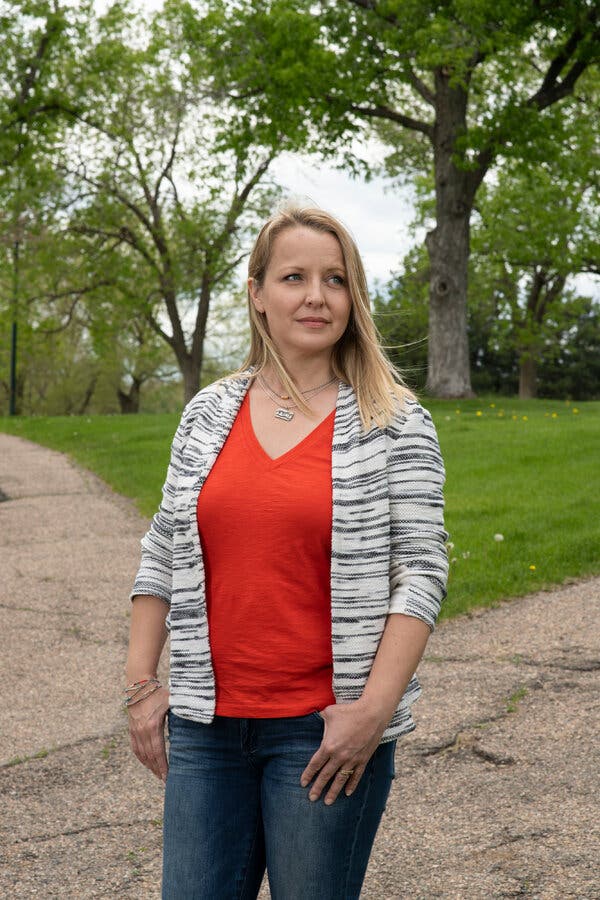
Sarah Cavey, a real estate agent in Denver, was thrilled last fall when Colorado introduced an app to warn people of possible coronavirus exposures.Based on software from Apple and Google, the state’s smartphone app uses Bluetooth signals to detect users who come into close contact. If a user later tests positive, the person can anonymously notify other app users whom the person may have crossed paths with in restaurants, on trains or elsewhere.Ms. Cavey immediately downloaded the app. But after testing positive for the virus in February, she was unable to get the special verification code she needed from the state to warn others, she said, even after calling Colorado’s health department three times.“They advertise this app to make people feel good,” Ms. Cavey said, adding that she had since deleted the app, called CO Exposure Notifications, in frustration. “But it’s not really doing anything.”The Colorado health department said it had improved its process and now automatically issues the verification codes to every person in the state who tests positive.Sarah Cavey, a real estate agent in Denver, said she had deleted the app after she tested positive for Covid-19 and was unable to get the special code she needed to warn others.Rachel Woolf for The New York TimesWhen Apple and Google announced last year that they were working together to create a smartphone-based system to help stem the virus, their collaboration seemed like a game changer. Human contact tracers were struggling to keep up with spiking virus caseloads, and the trillion-dollar rival companies — whose systems run 99 percent of the world’s smartphones — had the potential to quickly and automatically alert far more people.Soon Austria, Switzerland and other nations introduced virus apps based on the Apple-Google software, as did some two dozen American states, including Alabama and Virginia. To date, the apps have been downloaded more than 90 million times, according to an analysis by Sensor Tower, an app research firm.But some researchers say the companies’ product and policy choices limited the system’s usefulness, raising questions about the power of Big Tech to set global standards for public health tools.Computer scientists have reported accuracy problems with the Bluetooth technology used to detect proximity between smartphones. Some users have complained of failed notifications. And there is little rigorous research to date on whether the apps’ potential to accurately alert people of virus exposures outweighs potential drawbacks — like falsely warning unexposed people, over-testing or failing to detect users exposed to the virus.“It is still an open question whether or not these apps are assisting in real contact tracing, are simply a distraction, or whether they might even cause problems,” Stephen Farrell and Doug Leith, computer science researchers at Trinity College in Dublin, wrote in a report in April on Ireland’s virus alert app.More than 28,000 people in Colorado have used the state’s alert system, CO Exposure Notifications, to warn others of possible virus exposures.In the United States, some public health officials and researchers said the apps had demonstrated modest but important benefits. In Colorado, more than 28,000 people have used the technology to notify contacts of possible virus exposures. In California, which introduced a virus-tracking app called CA Notify in December, about 65,000 people have used the system to alert other app users, the state said.“Exposure notification technology has shown success,” said Dr. Christopher Longhurst, the chief information officer of UC San Diego Health, which manages California’s app. “Whether it’s hundreds of lives saved or dozens or a handful, if we save lives, that’s a big deal.”In a joint statement, Apple and Google said: “We’re proud to collaborate with public health authorities and provide a resource — which many millions of people around the world have enabled — that has helped protect public health.”.css-1xzcza9{list-style-type:disc;padding-inline-start:1em;}.css-3btd0c{font-family:nyt-franklin,helvetica,arial,sans-serif;font-size:1rem;line-height:1.375rem;color:#333;margin-bottom:0.78125rem;}@media (min-width:740px){.css-3btd0c{font-size:1.0625rem;line-height:1.5rem;margin-bottom:0.9375rem;}}.css-3btd0c strong{font-weight:600;}.css-3btd0c em{font-style:italic;}.css-w739ur{margin:0 auto 5px;font-family:nyt-franklin,helvetica,arial,sans-serif;font-weight:700;font-size:1.125rem;line-height:1.3125rem;color:#121212;}#NYT_BELOW_MAIN_CONTENT_REGION .css-w739ur{font-family:nyt-cheltenham,georgia,’times new roman’,times,serif;font-weight:700;font-size:1.375rem;line-height:1.625rem;}@media (min-width:740px){#NYT_BELOW_MAIN_CONTENT_REGION .css-w739ur{font-size:1.6875rem;line-height:1.875rem;}}@media (min-width:740px){.css-w739ur{font-size:1.25rem;line-height:1.4375rem;}}.css-1dg6kl4{margin-top:5px;margin-bottom:15px;}#masthead-bar-one{display:none;}#masthead-bar-one{display:none;}.css-12vbvwq{background-color:white;border:1px solid #e2e2e2;width:calc(100% – 40px);max-width:600px;margin:1.5rem auto 1.9rem;padding:15px;box-sizing:border-box;}@media (min-width:740px){.css-12vbvwq{padding:20px;width:100%;}}.css-12vbvwq:focus{outline:1px solid #e2e2e2;}#NYT_BELOW_MAIN_CONTENT_REGION .css-12vbvwq{border:none;padding:10px 0 0;border-top:2px solid #121212;}.css-12vbvwq[data-truncated] .css-rdoyk0{-webkit-transform:rotate(0deg);-ms-transform:rotate(0deg);transform:rotate(0deg);}.css-12vbvwq[data-truncated] .css-eb027h{max-height:300px;overflow:hidden;-webkit-transition:none;transition:none;}.css-12vbvwq[data-truncated] .css-5gimkt:after{content:’See more’;}.css-12vbvwq[data-truncated] .css-6mllg9{opacity:1;}.css-1rh1sk1{margin:0 auto;overflow:hidden;}.css-1rh1sk1 strong{font-weight:700;}.css-1rh1sk1 em{font-style:italic;}.css-1rh1sk1 a{color:#326891;-webkit-text-decoration:underline;text-decoration:underline;text-underline-offset:1px;-webkit-text-decoration-thickness:1px;text-decoration-thickness:1px;-webkit-text-decoration-color:#ccd9e3;text-decoration-color:#ccd9e3;}.css-1rh1sk1 a:visited{color:#333;-webkit-text-decoration-color:#ccc;text-decoration-color:#ccc;}.css-1rh1sk1 a:hover{-webkit-text-decoration:none;text-decoration:none;}Based in part on ideas developed by Singapore and by academics, Apple and Google’s system incorporated privacy protections that gave health agencies an alternative to more invasive apps. Unlike virus-tracing apps that continuously track users’ whereabouts, the Apple and Google software relies on Bluetooth signals, which can estimate the distance between smartphones without needing to know people’s locations. And it uses rotating ID codes — not real names — to log app users who come into close contact for 15 minutes or more.Some health agencies predicted last year that the tech would be able to notify users of virus exposures faster than human contact tracers. Others said they hoped the apps could warn commuters who sat next to an infected stranger on a bus, train or plane — at-risk people whom contact tracers would not typically be able to identify.“Everyone who uses the app is helping to keep the virus under control,” Chancellor Angela Merkel of Germany said last year in a video promoting the country’s alert system, called Corona-Warn-App.But the apps never received the large-scale efficacy testing typically done before governments introduce public health interventions like vaccines. And the software’s privacy features — which prevent government agencies from identifying app users — have made it difficult for researchers to determine whether the notifications helped hinder virus transmission, said Michael T. Osterholm, the director of the Center for Infectious Disease Research and Policy at the University of Minnesota.“The apps played virtually no role at all in our being able to investigate outbreaks that occurred here,” Dr. Osterholm said.Some limitations emerged even before the apps were released. For one thing, some researchers note, exposure notification software inherently excludes certain vulnerable populations, such as elderly people who cannot afford smartphones. For another thing, they say, the apps may send out false alarms because the system is not set up to incorporate mitigation factors like whether users are vaccinated, wearing masks or sitting outside.Proximity detection in virus alert apps can also be inconsistent. Last year, a study on Google’s system for Android phones conducted on a light-rail tram in Dublin reported that the metal walls, flooring and ceilings distorted Bluetooth signal strength to such a degree that the chance of accurate proximity detection would be “similar to that of triggering notifications by randomly selecting” passengers.About 65,000 people have used the CA Notify mobile app to alert people to possible exposures.Paresh Dave/ReutersSuch glitches have irked early adopters like Kimbley Craig, the mayor of Salinas, Calif. Last December, when virus rates there were spiking, she said, she downloaded the state’s exposure notification app on her Android phone and soon after tested positive for Covid-19. But after she entered the verification code, she said, the system failed to send an alert to her partner, whom she lives with and who had also downloaded the app.“If it doesn’t pick up a person in the same household, I don’t know what to tell you,” Mayor Craig said.In a statement, Steph Hannon, Google’s senior director of product management for exposure notifications, said that there were “known challenges with using Bluetooth technology to approximate the precise distance between devices” and that the company was continuously working to improve accuracy.The companies’ policies have also influenced usage trends. In certain U.S. states, for instance, iPhone users can activate the exposure notifications with one click — by simply turning on a feature on their settings — but Android users must download a separate app. As a result, about 9.6 million iPhone users in California had turned on the notifications as of May 10, the state said, far outstripping the 900,000 app downloads on Android phones.Google said it had built its system for states to work on the widest range of devices and be deployed as quickly as possible.Some public health experts acknowledged that the exposure alert system was an experiment in which they, and the tech giants, were learning and incorporating improvements as they went along.One issue they discovered early on: To hinder false alarms, states verify positive test results before a person can send out exposure notifications. But local labs can sometimes take days to send test results to health agencies, limiting the ability of app users to quickly alert others.In Alabama, for instance, the state’s GuideSafe virus alert app has been downloaded about 250,000 times, according to Sensor Tower. But state health officials said they had been able to confirm the positive test results of only 1,300 app users. That is a much lower number than health officials would have expected, they said, given that more than 10 percent of Alabamians have tested positive for the coronavirus.“The app would be a lot more efficient if those processes were less manual and more automated,” said Dr. Scott Harris, who oversees the Alabama Department of Public Health.Colorado, which automatically issues the verification codes to people who test positive, has reported higher usage rates. And in California, UC San Diego Health has set up a dedicated help line that app users can call if they did not receive their verification codes.Dr. Longhurst, the medical center’s chief information officer, said the California app had proved useful as part of a larger statewide public health push that also involved mask-wearing and virus testing.“It’s not a panacea,” he said. But “it can be an effective part of a pandemic response.”

Read more →