Virus Scientist Kristian Andersen On Fauci Email and Lab-Leak Theory

In early 2020, Kristian Andersen wrote to Anthony Fauci about the possibility of an engineered coronavirus. His research has since dispelled those suspicions.Among the thousands of pages of Dr. Anthony S. Fauci’s emails obtained recently by The Washington Post and BuzzFeed News, a short note from Kristian Andersen, a virologist at the Scripps Research Institute in La Jolla, Calif., has garnered a lot of attention.Over the past year, Dr. Andersen has been one of the most outspoken proponents of the theory that the coronavirus originated from a natural spillover from an animal to humans outside of a lab. But in the email to Dr. Fauci in January 2020, Dr. Andersen hadn’t yet come to that conclusion. He told Dr. Fauci, the government’s top infectious disease expert, that some features of the virus made him wonder whether it had been engineered, and noted that he and his colleagues were planning to investigate further by analyzing the virus’s genome.The researchers published those results in a paper in the scientific journal Nature Medicine on March 17, 2020, concluding that a laboratory origin was very unlikely. Dr. Andersen has reiterated this point of view in interviews and on Twitter over the past year, putting him at the center of the continuing controversy over whether the virus could have leaked from a Chinese lab.When his early email to Dr. Fauci was released, the media storm around Dr. Andersen intensified, and he deactivated his Twitter account. He answered written questions from The New York Times about the email and the fracas. The exchange has been lightly edited for length.Much has been made of your email to Dr. Fauci in late January 2020, shortly after the coronavirus genome was first sequenced. You said, “The unusual features of the virus make up a really small part of the genome (

Read more →

Plant-based diet protects from hypertension, preeclampsia

A plant-based diet appears to afford significant protection to rats bred to become hypertensive on a high-salt diet, scientists report. When the rats become pregnant, the whole grain diet also protects the mothers and their offspring from deadly preeclampsia.
Although we have all heard to avoid the salt shaker, an estimated 30-50% of us have a significant increase in blood pressure in response to high-salt intake, percentages that are even higher and more impactful in Blacks.
The two new studies provide more evidence that the gut microbiota, which contains trillions of microorganisms that help us digest food and plays a key role in regulating the response of our immune system, is also a player in the unhealthy response to salt, investigators at the Medical College of Georgia and Medical College of Wisconsin report in the journals ACTA PHYSIOLOGICA and Pregnancy Hypertension: An International Journal of Women’s Cardiovascular Health.
The findings provide more evidence of the “potential power” of nutritional intervention to improve the gut microbiota, and consequently our long-term health, says Dr. David L. Mattson, chair of the MCG Department of Physiology, Georgia Research Alliance Eminent Scholar in Hypertension and senior author on the two studies.
They result from the unexpected observation that the protection works even in a well-established model of salt-sensitive hypertension: The Dahl salt sensitive rat.
As their name indicates, these rodents are bred to develop hypertension and progressive kidney disease on a high-salt diet. In 2001, the Medical College of Wisconsin shared their colony of Dahl SS rats, who were fed a milk-based protein diet, with Charles Rivers Laboratories. Once the rats arrived as Charles River Laboratories, headquartered in Wilmington, Massachusetts, they were switched to a grain-based diet. Both diets are relatively low in sodium, although the protein, or casein-based, diet actually has a little less salt.

Read more →

China’s ‘Bat Woman,’ at the Center of a Pandemic Storm, Speaks Out

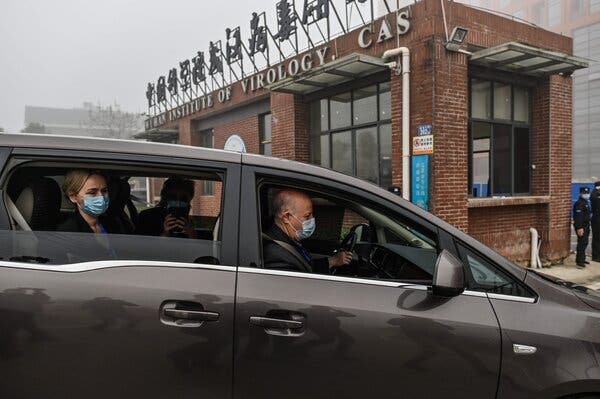
Shi Zhengli, a top virologist, said in a rare interview that speculation about her lab in Wuhan was baseless. But China’s habitual secrecy makes her claims hard to validate.To a growing chorus of American politicians and scientists, she is the key to whether the world will ever learn if the virus behind the devastating Covid-19 pandemic escaped from a Chinese lab. To the Chinese government and public, she is a hero of the country’s success in curbing the epidemic and a victim of malicious conspiracy theories.Shi Zhengli, a top Chinese virologist, is once again at the center of clashing narratives about her research on coronaviruses at a state lab in Wuhan, the city where the pandemic first emerged.The idea that the virus may have escaped from a lab had long been widely dismissed by scientists as implausible and shunned by others for its connection with former President Donald J. Trump. But fresh scrutiny from the Biden administration and calls for greater candor from prominent scientists have brought the theory back to the fore.Scientists generally agree that there is still no direct evidence to support the lab leak theory. But more of them now say that the hypothesis was dismissed too hastily, without a thorough investigation, and they point to a range of unsettling questions.Some scientists say Dr. Shi conducted risky experiments with bat coronaviruses in labs that were not safe enough. Others want clarity on reports, citing American intelligence, suggesting that there were early infections of Covid-19 among several employees of the Wuhan Institute of Virology.Dr. Shi has denied these accusations, and now finds herself defending the reputation of her lab and, by extension, that of her country. Reached on her cellphone last week, Dr. Shi said at first that she preferred not to speak directly with reporters, citing her institute’s policies. Yet she could barely contain her frustration.“How on earth can I offer up evidence for something where there is no evidence?” she said, her voice rising in anger during the brief, unscheduled conversation. “I don’t know how the world has come to this, constantly pouring filth on an innocent scientist,” she wrote in a text message.In a rare interview over email, she denounced the suspicions as baseless, including the allegations that several of her colleagues may have been ill before the outbreak emerged.The speculation boils down to one central question: Did Dr. Shi’s lab hold any source of the new coronavirus before the pandemic erupted? Dr. Shi’s answer is an emphatic no.But China’s refusal to allow an independent investigation into her lab, or to share data on its research, make it difficult to validate Dr. Shi’s claims and has only fueled nagging suspicions about how the pandemic could have taken hold in the same city that hosts an institute known for its work on bat coronaviruses.Those in favor of the natural origins hypothesis, though, have pointed to Wuhan’s role as a major transportation hub as well as a recent study that showed that just before the pandemic hit, the city’s markets were selling many animal species capable of harboring dangerous pathogens that could jump to humans.The Chinese government has given no appearance of holding Dr. Shi under suspicion. Despite the international scrutiny, she seems to have been able to continue her research and give lectures in China.The stakes in this debate extend into how scientists study infectious diseases. Some scientists have cited the lab leak scenario in pushing for greater scrutiny of “gain of function” experiments that, broadly defined, are intended to make pathogens more powerful to better understand their behavior and risks.Many scientists say they want the hunt for the virus’s origins to transcend politics, borders and individual scientific achievements.“This has nothing to do with fault or guilt,” said David Relman, a microbiologist at Stanford University and co-author of a recent letter in the journal Science, signed by 18 scientists, that called for a transparent investigation into all viable scenarios, including a lab leak. The letter urged labs and health agencies to open their records to the public.“It’s just bigger than any one scientist or institute or any one country — anybody anywhere who has data of this sort needs to put it out there,” Dr. Relman said.‘Transparency matters.’Members of a World Health Organization team arriving at the Wuhan institute in February.Hector Retamal/Agence France-Presse — Getty ImagesMany virologists maintain that the coronavirus most likely jumped from an animal to a human in a setting outside a lab. But without direct proof of a natural spillover, more scientists and politicians have called for a full investigation into the lab leak theory.Proponents of a lab investigation say that researchers at Dr. Shi’s institute could have collected — or contracted — the new coronavirus from the wild, such as in a bat cave. Or the scientists may have created it, by accident or by design. Either way, the virus could then have leaked from the laboratory, perhaps by infecting a worker. China has sought to influence investigations into the virus’s origin, while promoting its own unproven allegations.Beijing agreed to allow a team of World Health Organization experts to visit China, but limited their access. When the W.H.O. team said in a report in March that a lab leak was extremely unlikely, its conclusion was seen as hasty. Even the head of the W.H.O., Dr. Tedros Adhanom Ghebreyesus, said: “I do not believe that this assessment was extensive enough.” Last month, President Biden ordered intelligence agencies to investigate the origin question, including the lab theory. On Sunday, the leaders of the world’s wealthiest large democracies, at the Group of 7 summit, urged China to be part of a new investigation into the origins of the coronavirus. Mr. Biden told reporters that he and other leaders had discussed access to labs in China.“Transparency matters across the board,” Mr. Biden said. ‘Scientists have a motherland.’Patients at the Wuhan Red Cross Hospital in January 2020.Hector Retamal/Agence France-Presse — Getty ImagesIn less polarized times, Dr. Shi was a symbol of China’s scientific progress, the “Bat Woman” at the forefront of research into emerging viruses.She led expeditions into caves to collect samples from bats and guano, to learn how viruses jump from animals to humans. In 2019, she was among 109 scientists elected to the American Academy of Microbiology for her contributions to the field.“She’s a stellar scientist — extremely careful, with a rigorous work ethic,” said Dr. Robert C. Gallo, director of the Institute of Human Virology at the University of Maryland School of Medicine.The Wuhan Institute of Virology employs nearly 300 people and is home to one of only two Chinese labs that have been given the highest security designation, Biosafety Level 4. Dr. Shi leads the institute’s work on emerging infectious diseases, and over the years, her group has collected over 10,000 bat samples from around China.Under China’s centralized approach to scientific research, the institute answers to the Communist Party, which wants scientists to serve national goals. “Science has no borders, but scientists have a motherland,” Xi Jinping, the country’s leader, said in a speech to scientists last year.Dr. Shi herself, though, does not belong to the Communist Party, according to official Chinese media reports, which is unusual for state employees of her status. She built her career at the institute, starting as a research assistant in 1990 and working her way up the ranks.Dr. Shi, 57, obtained her Ph.D. from the University of Montpellier in France in 2000 and started studying bats in 2004 after the outbreak of severe acute respiratory syndrome, or SARS, which killed more than 700 people around the world. In 2011, she made a breakthrough when she found bats in a cave in southwestern China that carried coronaviruses that were similar to the virus that causes SARS.“In all the work we do, if just once you can prevent the outbreak of an illness, then what we’ve done will be very meaningful,” she told CCTV, China’s state broadcaster, in 2017.But some of her most notable findings have since drawn the heaviest scrutiny. In recent years, Dr. Shi began experimenting on bat coronaviruses by genetically modifying them to see how they behave.In 2017, she and her colleagues at the Wuhan lab published a paper about an experiment in which they created new hybrid bat coronaviruses by mixing and matching parts of several existing ones — including at least one that was nearly transmissible to humans — in order to study their ability to infect and replicate in human cells.Proponents of this type of research say it helps society prepare for future outbreaks. Critics say the risks of creating dangerous new pathogens may outweigh potential benefits.The picture has been complicated by new questions about whether American government funding that went to Dr. Shi’s work supported controversial gain-of-function research. The Wuhan institute received around $600,000 in grant money from the United States government, through an American nonprofit called EcoHealth Alliance. The National Institutes of Health said it had not approved funding for the nonprofit to conduct gain-of-function research on coronaviruses that would have made them more infectious or lethal.Dr. Shi, in an emailed response to questions, argued that her experiments differed from gain-of-function work because she did not set out to make a virus more dangerous, but to understand how it might jump across species.“My lab has never conducted or cooperated in conducting GOF experiments that enhance the virulence of viruses,” she said.‘Speculation rooted in utter distrust.’The Wuhan institute houses one of only two Biosafety Level 4 labs in China.Hector Retamal/Agence France-Presse — Getty ImagesConcerns have centered not only on what experiments Dr. Shi conducted, but also on the conditions under which she did them.Some of Dr. Shi’s experiments on bat viruses were done in Biosafety Level 2 labs, where security is lower than in other labs at the institute. That has raised questions about whether a dangerous pathogen could have slipped out.Ralph Baric, a prominent University of North Carolina expert in coronaviruses who signed the open letter in Science, said that although a natural origin of the virus was likely, he supported a review of what level of biosafety precautions were taken in studying bat coronaviruses at the Wuhan institute. Dr. Baric conducted N.I.H.-approved gain-of-function research at his lab at the University of North Carolina using information on viral genetic sequences provided by Dr. Shi. Dr. Shi said that bat viruses in China could be studied in BSL-2 labs because there was no evidence that they directly infected humans, a view supported by some other scientists.She also rejected recent reports that three researchers from her institute had sought treatment at a hospital in November 2019 for flulike symptoms, before the first Covid-19 cases were reported.“The Wuhan Institute of Virology has not come across such cases,” she wrote. “If possible, can you provide the names of the three to help us check?”As for samples that the lab held, Dr. Shi has maintained that the closest bat virus she had in her lab, which she shared publicly, was only 96 percent identical to SARS-CoV-2, the virus that causes Covid-19 — a vast difference by genomic standards. She rejects speculation that her lab had worked on other viruses in secret. Dr. Shi’s research on a group of miners in Yunnan Province who suffered severe respiratory disease in 2012 has also drawn questions. The miners had worked in the same cave where Dr. Shi’s team later discovered the bat virus that is close to SARS-CoV-2. Dr. Shi said her lab did not detect bat SARS-like coronaviruses in the miners’ samples and that she would publish more details in a scientific journal soon; her critics say she has withheld information.“This issue is too important not to come forward with everything you have and in a timely and transparent manner,” said Alina Chan, a postdoctoral research fellow at the Broad Institute of M.I.T. and Harvard who also signed the Science letter.Many scientists and officials say China should share employees’ medical records and the lab’s logs of its experiments and its viral sequence database to evaluate Dr. Shi’s claims.Dr. Shi said she and the institute had been open with the W.H.O. and with the global scientific community.“This is no longer a question of science,” she said on the phone. “It is speculation rooted in utter distrust.”‘I have nothing to fear.’Dr. Shi, third from left in the front row, with her fellow virologist Wang Linfa, fourth from left, and colleagues from the Wuhan Institute of Virology at a Wuhan restaurant on Jan. 15, 2020. The outbreak had just emerged and the team were working hard to understand the new virus.Courtesy of Wang LinfaThe pandemic was a moment that Dr. Shi and her team had long braced for. For years, she had warned of the risks of a coronavirus outbreak, building up a stock of knowledge about these pathogens.In January of last year, as Dr. Shi and her team worked frantically, they were exhausted, but also excited, said Wang Linfa, a virologist at the Duke-National University of Singapore Medical School who was in Wuhan with Dr. Shi at the time.“All the experiences, reagents and the bat samples in the freezer were finally being used in a significant way globally,” said Dr. Wang, Dr. Shi’s collaborator and friend for 17 years.Dr. Shi published some of the most important early papers on SARS-CoV-2 and Covid-19, which scientists around the world have relied on.But soon, the speculation about Dr. Shi and her lab began to swirl. Dr. Shi, who is known among friends for being blunt, was baffled and angry — and sometimes let it show.In an interview with Science magazine last July, she said that Mr. Trump owed her an apology for claiming the virus came from her lab. On social media, she said people who raised similar questions should “shut your stinky mouths.”Dr. Shi said what she saw as the politicization of the question had sapped her of any enthusiasm for investigating the origins of the virus. She has instead focused on Covid vaccines and the features of the new virus, and over time, she said, has calmed down.“I’m sure that I did nothing wrong,” she wrote. “So I have nothing to fear.”A propaganda poster advising against the consumption of wild animals in Wuhan in January.Gilles Sabrié for The New York TimesJames Gorman

Read more →

Shi Zhengli, China’s Bat Virus Scientist, at the Center of a Storm

Shi Zhengli, a top virologist, says in a rare interview that speculation about her lab in Wuhan is baseless. But China’s habitual secrecy makes her claims hard to validate.To a growing chorus of American politicians and scientists, she is the key to whether the world will ever learn if the virus behind the devastating Covid-19 pandemic escaped from a Chinese lab. To the Chinese government and public, she is a hero of the country’s success in curbing the epidemic and a victim of malicious conspiracy theories.Shi Zhengli, a top Chinese virologist, is once again at the center of clashing narratives about her research on coronaviruses at a state lab in Wuhan, the city where the pandemic first emerged.The idea that the virus may have escaped from a lab had long been widely dismissed by scientists as implausible and shunned by others for its connection with former President Donald J. Trump. But fresh scrutiny from the Biden administration and calls for greater candor from prominent scientists have brought the theory back to the fore.Scientists generally agree that there is still no direct evidence to support the lab leak theory. But more of them now say that the hypothesis was dismissed too hastily, without a thorough investigation, and they point to a range of unsettling questions.Some scientists say Dr. Shi conducted risky experiments with bat coronaviruses in labs that were not safe enough. Others want clarity on reports, citing American intelligence, suggesting that there were early infections of Covid-19 among several employees of the Wuhan Institute of Virology.Dr. Shi has denied these accusations, and now finds herself defending the reputation of her lab and, by extension, that of her country. Reached on her cellphone last week, Dr. Shi said at first that she preferred not to speak directly with reporters, citing her institute’s policies. Yet she could barely contain her frustration.“How on earth can I offer up evidence for something where there is no evidence?” she said, her voice rising in anger during the brief, unscheduled conversation. “I don’t know how the world has come to this, constantly pouring filth on an innocent scientist,” she wrote in a text message.In a rare interview over email, she denounced the suspicions as baseless, including the allegations that several of her colleagues may have been ill before the outbreak emerged.The speculation boils down to one central question: Did Dr. Shi’s lab hold any source of the new coronavirus before the pandemic erupted? Dr. Shi’s answer is an emphatic no.But China’s refusal to allow an independent investigation into her lab, or to share data on its research, make it difficult to validate Dr. Shi’s claims and has only fueled nagging suspicions about how the pandemic could have taken hold in the same city that hosts an institute known for its work on bat coronaviruses.Those in favor of the natural origins hypothesis, though, have pointed to Wuhan’s role as a major transportation hub as well as a recent study that showed that just before the pandemic hit, the city’s markets were selling many animal species capable of harboring dangerous pathogens that could jump to humans.The Chinese government has given no appearance of holding Dr. Shi under suspicion. Despite the international scrutiny, she seems to have been able to continue her research and give lectures in China.The stakes in this debate extend into how scientists study infectious diseases. Some scientists have cited the lab leak scenario in pushing for greater scrutiny of “gain of function” experiments that, broadly defined, are intended to make pathogens more powerful to better understand their behavior and risks.Many scientists say they want the hunt for the virus’s origins to transcend politics, borders and individual scientific achievements.“This has nothing to do with fault or guilt,” said David Relman, a microbiologist at Stanford University and co-author of a recent letter in the journal Science, signed by 18 scientists, that called for a transparent investigation into all viable scenarios, including a lab leak. The letter urged labs and health agencies to open their records to the public.“It’s just bigger than any one scientist or institute or any one country — anybody anywhere who has data of this sort needs to put it out there,” Dr. Relman said.‘Transparency matters.’Members of a World Health Organization team arriving at the Wuhan institute in February.Hector Retamal/Agence France-Presse — Getty ImagesMany virologists maintain that the coronavirus most likely jumped from an animal to a human in a setting outside a lab. But without direct proof of a natural spillover, more scientists and politicians have called for a full investigation into the lab leak theory.Proponents of a lab investigation say that researchers at Dr. Shi’s institute could have collected — or contracted — the new coronavirus from the wild, such as in a bat cave. Or the scientists may have created it, by accident or by design. Either way, the virus could then have leaked from the laboratory, perhaps by infecting a worker. China has sought to influence investigations into the virus’s origin, while promoting its own unproven allegations.Beijing agreed to allow a team of World Health Organization experts to visit China, but limited their access. When the W.H.O. team said in a report in March that a lab leak was extremely unlikely, its conclusion was seen as hasty. Even the head of the W.H.O., Dr. Tedros Adhanom Ghebreyesus, said: “I do not believe that this assessment was extensive enough.” Last month, President Biden ordered intelligence agencies to investigate the origin question, including the lab theory. On Sunday, the leaders of the world’s wealthiest large democracies, at the Group of 7 summit, urged China to be part of a new investigation into the origins of the coronavirus. Mr. Biden told reporters that he and other leaders had discussed access to labs in China.“Transparency matters across the board,” Mr. Biden said. ‘Scientists have a motherland.’Patients at the Wuhan Red Cross Hospital in January 2020.Hector Retamal/Agence France-Presse — Getty ImagesIn less polarized times, Dr. Shi was a symbol of China’s scientific progress, the “Bat Woman” at the forefront of research into emerging viruses.She led expeditions into caves to collect samples from bats and guano, to learn how viruses jump from animals to humans. In 2019, she was among 109 scientists elected to the American Academy of Microbiology for her contributions to the field.“She’s a stellar scientist — extremely careful, with a rigorous work ethic,” said Dr. Robert C. Gallo, director of the Institute of Human Virology at the University of Maryland School of Medicine.The Wuhan Institute of Virology employs nearly 300 people and is home to one of only two Chinese labs that have been given the highest security designation, Biosafety Level 4. Dr. Shi leads the institute’s work on emerging infectious diseases, and over the years, her group has collected over 10,000 bat samples from around China.Under China’s centralized approach to scientific research, the institute answers to the Communist Party, which wants scientists to serve national goals. “Science has no borders, but scientists have a motherland,” Xi Jinping, the country’s leader, said in a speech to scientists last year.Dr. Shi herself, though, does not belong to the Communist Party, according to official Chinese media reports, which is unusual for state employees of her status. She built her career at the institute, starting as a research assistant in 1990 and working her way up the ranks.Dr. Shi, 57, obtained her Ph.D. from the University of Montpellier in France in 2000 and started studying bats in 2004 after the outbreak of severe acute respiratory syndrome, or SARS, which killed more than 700 people around the world. In 2011, she made a breakthrough when she found bats in a cave in southwestern China that carried coronaviruses that were similar to the virus that causes SARS.“In all the work we do, if just once you can prevent the outbreak of an illness, then what we’ve done will be very meaningful,” she told CCTV, China’s state broadcaster, in 2017.But some of her most notable findings have since drawn the heaviest scrutiny. In recent years, Dr. Shi began experimenting on bat coronaviruses by genetically modifying them to see how they behave.In 2017, she and her colleagues at the Wuhan lab published a paper about an experiment in which they created new hybrid bat coronaviruses by mixing and matching parts of several existing ones — including at least one that was nearly transmissible to humans — in order to study their ability to infect and replicate in human cells.Proponents of this type of research say it helps society prepare for future outbreaks. Critics say the risks of creating dangerous new pathogens may outweigh potential benefits.The picture has been complicated by new questions about whether American government funding that went to Dr. Shi’s work supported controversial gain-of-function research. The Wuhan institute received around $600,000 in grant money from the United States government, through an American nonprofit called EcoHealth Alliance. The National Institutes of Health said it had not approved funding for the nonprofit to conduct gain-of-function research on coronaviruses that would have made them more infectious or lethal.Dr. Shi, in an emailed response to questions, argued that her experiments differed from gain-of-function work because she did not set out to make a virus more dangerous, but to understand how it might jump across species.“My lab has never conducted or cooperated in conducting GOF experiments that enhance the virulence of viruses,” she said.‘Speculation rooted in utter distrust.’The Wuhan institute houses one of only two Biosafety Level 4 labs in China.Hector Retamal/Agence France-Presse — Getty ImagesConcerns have centered not only on what experiments Dr. Shi conducted, but also on the conditions under which she did them.Some of Dr. Shi’s experiments on bat viruses were done in Biosafety Level 2 labs, where security is lower than in other labs at the institute. That has raised questions about whether a dangerous pathogen could have slipped out.Ralph Baric, a prominent University of North Carolina expert in coronaviruses who signed the open letter in Science, said that although a natural origin of the virus was likely, he supported a review of what level of biosafety precautions were taken in studying bat coronaviruses at the Wuhan institute. Dr. Baric conducted N.I.H.-approved gain-of-function research at his lab at the University of North Carolina using information on viral genetic sequences provided by Dr. Shi. Dr. Shi said that bat viruses in China could be studied in BSL-2 labs because there was no evidence that they directly infected humans, a view supported by some other scientists.She also rejected recent reports that three researchers from her institute had sought treatment at a hospital in November 2019 for flulike symptoms, before the first Covid-19 cases were reported.“The Wuhan Institute of Virology has not come across such cases,” she wrote. “If possible, can you provide the names of the three to help us check?”As for samples that the lab held, Dr. Shi has maintained that the closest bat virus she had in her lab, which she shared publicly, was only 96 percent identical to SARS-CoV-2, the virus that causes Covid-19 — a vast difference by genomic standards. She rejects speculation that her lab had worked on other viruses in secret. Dr. Shi’s research on a group of miners in Yunnan Province who suffered severe respiratory disease in 2012 has also drawn questions. The miners had worked in the same cave where Dr. Shi’s team later discovered the bat virus that is close to SARS-CoV-2. Dr. Shi said her lab did not detect bat SARS-like coronaviruses in the miners’ samples and that she would publish more details in a scientific journal soon; her critics say she has withheld information.“This issue is too important not to come forward with everything you have and in a timely and transparent manner,” said Alina Chan, a postdoctoral research fellow at the Broad Institute of M.I.T. and Harvard who also signed the Science letter.Many scientists and officials say China should share employees’ medical records and the lab’s logs of its experiments and its viral sequence database to evaluate Dr. Shi’s claims.Dr. Shi said she and the institute had been open with the W.H.O. and with the global scientific community.“This is no longer a question of science,” she said on the phone. “It is speculation rooted in utter distrust.”‘I have nothing to fear.’Dr. Shi, third from left in the front row, with her fellow virologist Wang Linfa, fourth from left, and colleagues from the Wuhan Institute of Virology at a Wuhan restaurant on Jan. 15, 2020. The outbreak had just emerged and the team were working hard to understand the new virus.Courtesy of Wang LinfaThe pandemic was a moment that Dr. Shi and her team had long braced for. For years, she had warned of the risks of a coronavirus outbreak, building up a stock of knowledge about these pathogens.In January of last year, as Dr. Shi and her team worked frantically, they were exhausted, but also excited, said Wang Linfa, a virologist at the Duke-National University of Singapore Medical School who was in Wuhan with Dr. Shi at the time.“All the experiences, reagents and the bat samples in the freezer were finally being used in a significant way globally,” said Dr. Wang, Dr. Shi’s collaborator and friend for 17 years.Dr. Shi published some of the most important early papers on SARS-CoV-2 and Covid-19, which scientists around the world have relied on.But soon, the speculation about Dr. Shi and her lab began to swirl. Dr. Shi, who is known among friends for being blunt, was baffled and angry — and sometimes let it show.In an interview with Science magazine last July, she said that Mr. Trump owed her an apology for claiming the virus came from her lab. On social media, she said people who raised similar questions should “shut your stinky mouths.”Dr. Shi said what she saw as the politicization of the question had sapped her of any enthusiasm for investigating the origins of the virus. She has instead focused on Covid vaccines and the features of the new virus, and over time, she said, has calmed down.“I’m sure that I did nothing wrong,” she wrote. “So I have nothing to fear.”A propaganda poster advising against the consumption of wild animals in Wuhan in January.Gilles Sabrié for The New York TimesJames Gorman

Read more →

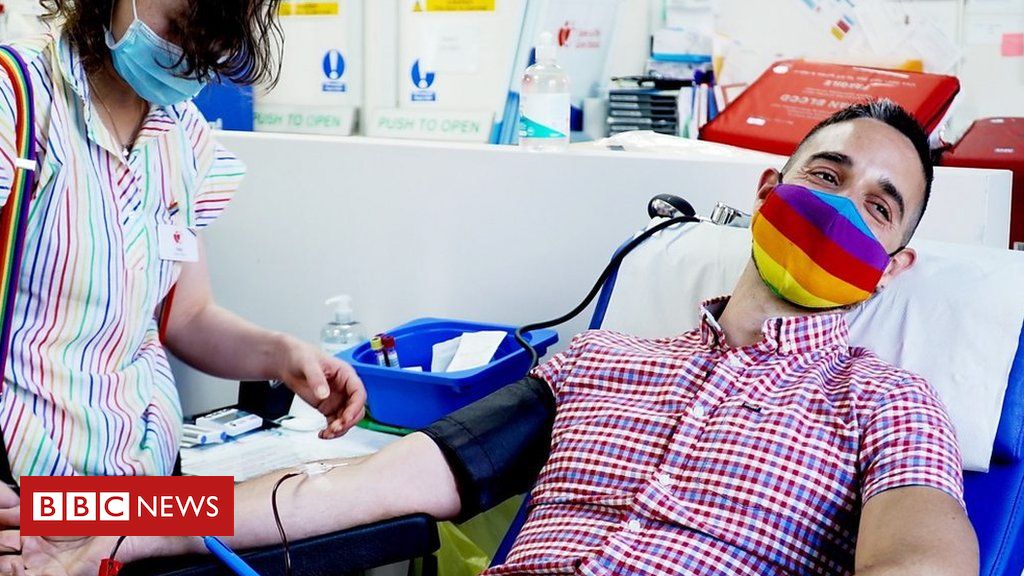
The gay men who can donate blood in the UK for the first time

Gay couple Oscar and Xavier say they feel “proud” about donating blood for the very first time in the UK.Before now, any male donor who’d had sex with another man in the previous three months couldn’t give blood. But new rules in England, Scotland and Wales mean that anyone who has had the same sexual partner for three months or more will now be eligible to donate. The changes are expected to come in Northern Ireland in September.Produced by: Rob BrownFilmed by: Rob Brown and Tom Beal

Read more →

Young adults who lost and then restored heart health had lower risk of heart attack, stroke

Preserving good cardiovascular health during young adulthood is one of the best ways to reduce risks of premature heart attack or stroke, according to new research published today in the American Heart Association’s flagship journal Circulation.
The number of premature deaths from cardiovascular disease is increasing in many countries including the U.S. While there is a wealth of information available on maintaining good heart health during and after midlife to reduce the risks of heart attack and stroke, data about cardiovascular health during young adulthood is scarce.
“Most people lose ideal cardiovascular health before they reach midlife, yet few young people have immediate health concerns and many do not usually seek medical care until approaching midlife,” says the study’s senior author Hyeon Chang Kim, M.D., Ph.D., a professor in the department of preventive medicine at Yonsei University College of Medicine in Seoul, South Korea. “We need strategies to help preserve or restore heart health in this population because we know poor heart health in young adults is linked to premature cardiovascular disease.”
Using the Korean National Health Insurance Services, a nationwide health insurer database, Kim and colleagues analyzed information collected from more than 3.5 million adults who completed routine health exams in 2003 and 2004. A subgroup of approximately 2.9 million participants underwent a follow-up health examination between 2005 and 2008. Patients’ ages ranged from 20 to 39 at the time of the first exam, and 65.5% of the study participants were male.
Participants were categorized according to ideal cardiovascular health (CVH) scores based on the American Heart Association’s Life’s Simple 7® metrics. Patients received “one point” towards a cardiovascular health (CVH) score for each of the following measures from Life’s Simple 7: well-maintained blood pressure, low total cholesterol, acceptable blood sugar levels, an active lifestyle, healthy weight and not smoking. Of note: healthy nutrition and diet, the final measure of Life’s Simple 7, was not included in this analysis because dietary information was not collected from participants in this database.
Researchers evaluated the total number of first hospitalizations or death from a heart attack, stroke or heart failure by December 31, 2019 to define outcomes. The researchers found: Rates of premature (younger than 55) cardiovascular events were highest among patients with a CVH score of zero. A higher CVH score by one point led to reduced risks for heart attack by 42%, heart failure by 30%, cardiovascular death by 25% and stroke by 24%. While people who improved their CVH score over time reduced their risk of hospitalizations or death from a heart attack, stroke or heart failure, people who began with and maintained a higher CVH score ultimately had the least chance of hospitalization or death from a heart attack or stroke during the study period. Timely and consistent monitoring of heart health among young adults is important to prevent premature onset of heart disease and reduce the risk of cardiovascular events.The study’s findings may be limited because data was routine health screening data, therefore, it may not be as robust as data collected primarily for a specific study. The study also lacks data on the participants’ eating patterns, so researchers modified CVH score metrics to exclude diet. In addition, participants in this study were of Korean ancestry, so the results may not be generalizable to people from other diverse racial or ethnic groups.
Story Source:
Materials provided by American Heart Association. Note: Content may be edited for style and length.

Read more →

Coronavirus G7: Could a billion more vaccines for poorer countries make a difference?

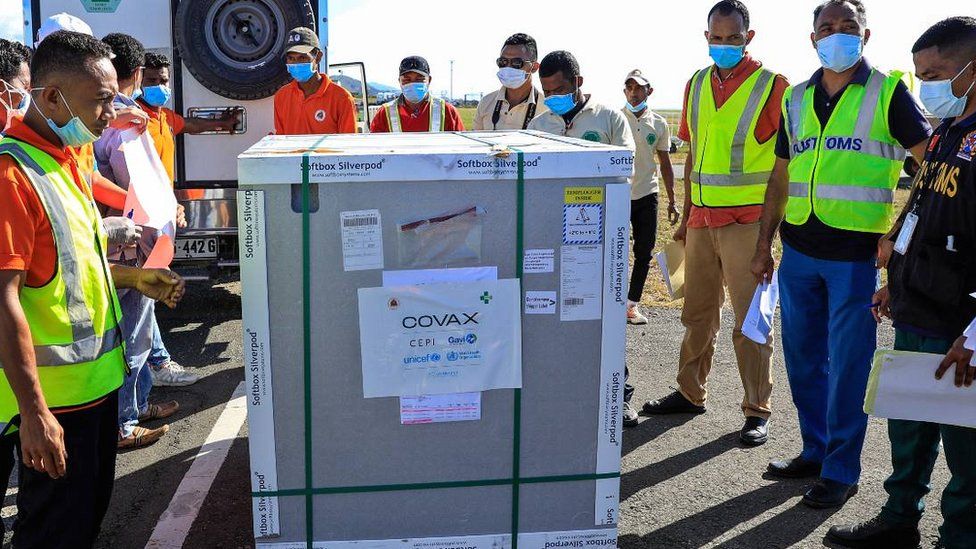
SharecloseShare pageCopy linkAbout sharingimage copyrightEPAThe G7 group of leading industrial nations have pledged to donate one billion coronavirus vaccine doses to poorer countries.President Joe Biden, in the UK for a G7 summit, said the US contribution of 500 million doses would be “the largest single…donation of Covid-19 vaccines by any single country ever”.The UK has pledged more than 100 million doses over the next year.What’s been the response to the pledges?Over 870 million additional doses were pledged at the G7 summit, bringing total commitments made since February 2021, to one billion. The vaccines will mainly be delivered through the Covax vaccine scheme, which aims to reach the most vulnerable 20% of every nation around the world.”We need more, and we need them faster,” said the head of the World Health Organization Tedros Ghebreyesus in his response to the G7 pledge. “Many other countries are now facing a surge in cases – and they are facing it without vaccines.”South African President Cyril Ramaphosa said: “Even a billion vaccines, when we talk about two dose vaccines, it basically means 500 million… we need much more than that,” “We want to manufacture vaccines on our own, and we don’t have the capacity.”image copyrightGetty ImagesThe US has agreed to purchase 500 million doses from Pfizer-BioNTech vaccine at a “not for profit” price.Mr Biden vowed the US would be “the arsenal of vaccines in our fight against Covid”.It is understood that 200 million US doses will be distributed by the end of this year, and a further 300 million by June 2022. The US had already pledged to give 80 million doses to countries around the world.Five million UK vaccines will be donated by the end of September, and another 25 million by the end of 2021. Most of the UK doses (80%) will go via Covax.How many vaccines are needed for poorer countries?The scale of the task is huge, and vaccines are needed immediately. At a summit in early June, hosted by the Global Alliance for Vaccination and Immunisation (Gavi), it was announced that so far, more than 132 million doses had been shared by various countries. This included more than 54 million doses available for short-term supply donated by Belgium, Denmark and Japan, as well as additional supplies from Spain and Sweden.”The challenge is given the variants, given the movement of the virus, to get these vaccines available across the world as soon as possible,” Seth Berkley, the chief executive of Gavi told the BBC.He said Covax had already ordered more than 2.5 billion doses, but these wouldn’t come until the latter part of the year.”To vaccinate at least 10% of the population in every country by September, we need an additional 250 million… vaccine doses,” says Tedros Ghebreyesus of the WHO, of which 100 million are needed in June and July. The original Covax objective was to deliver two billion doses of vaccine worldwide by the end of this year, but the aim now is to get 1.8 billion doses to 92 lower income economies by early 2022.And all these commitments are a long way off the 11 billion doses the WHO estimates are needed to vaccinate the whole world to a level of 70%, the point at which transmission of the virus could be significantly reduced.Vaccine production constraints are a growing concernThe Covax scheme has mostly relied so far on the Oxford-AstraZeneca vaccine produced in India.However supplies were severely hit in March, April and May after India halted all major exports of the vaccine when it was hit by its own major second wave of the pandemic.image copyrightEPAA total of 1.1bn doses of Covishield (AstraZeneca) were ordered from India’s largest manufacturer – the Serum Institute of India (SII).So far, it has supplied just 30 million doses to Covax, with nearly 190 million doses held up as it struggled to ramp up its production. It says exports will only resume by the end of the year and that the company is focusing on meeting India’s own needs.There has also been an issue in some countries about the slow uptake and distribution of vaccines already delivered, with some African nations unable to use doses before they expire.”While more vaccines are vital, some African countries must ramp up actions to swiftly roll out the vaccines they have,” the WHO said.Read more from Reality Check

Read more →

Headache and runny nose linked to Delta variant

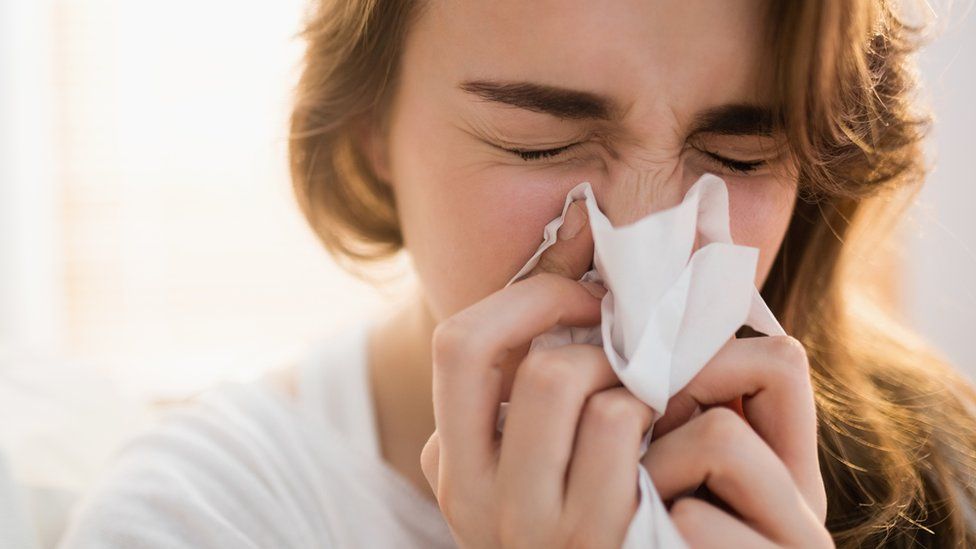
SharecloseShare pageCopy linkAbout sharingimage copyrightGetty ImagesA headache, sore throat and runny nose are now the most commonly reported symptoms linked to Covid infection in the UK, researchers say. Prof Tim Spector, who runs the Zoe Covid Symptom study, says catching the Delta variant can feel “more like a bad cold” for younger people. But although they may not feel very ill, they could be contagious and put others at risk.Anyone who thinks they may have Covid should take a test. The classic Covid symptoms people should look out for, the NHS says, are:coughfeverloss of smell or tasteBut Prof Spector says these are now less common, based on the data the Zoe team has been receiving from thousands of people who have logged their symptoms on an app. “Since the start of May, we have been looking at the top symptoms in the app users – and they are not the same as they were,” he says.The change appears linked to the rise in the Delta variant, first identified in India and now accounting for 90% of Covid cases in the UK.Fever remains quite common but loss of smell no longer appears in the top 10 symptoms, Prof Spector says.’Off’ feeling”This variant seems to be working slightly differently,” he says. “People might think they’ve just got some sort of seasonal cold and they still go out to parties and they might spread around to six other people. “We think this is fuelling a lot of the problem.”The message here is that if you are young, you are going to get milder symptoms anyway.”It might just feel like a bad cold or some funny ‘off’ feeling – but do stay at home and do get a test.”Muscle achesSimilarly, the Imperial College London React study of more than a million people in England – when the Alpha or UK variant was dominant – found a wide range of additional symptoms linked to Covid. Chills, loss of appetite, headache and muscle aches were together most strongly linked with being infected, alongside classic symptoms. Government advice says the most important symptoms of Covid are:new continuous cougha high temperatureloss of or change in smell or taste. “There are several other symptoms linked with Covid-19,” it says. “These other symptoms may have another cause and are not on their own a reason to have a Covid-19 test.”If you are concerned about your symptoms, seek medical advice.”LOOK-UP TOOL: How many cases in your area?SYMPTOMS: What are they and how to guard against them?YOUR QUESTIONS: We answer your queriesTHE R NUMBER: What it means and why it mattersNEW VARIANTS: How worried should we be?Related Internet LinksGet a free Covid testThe BBC is not responsible for the content of external sites.

Read more →

The Health Benefits of Coffee

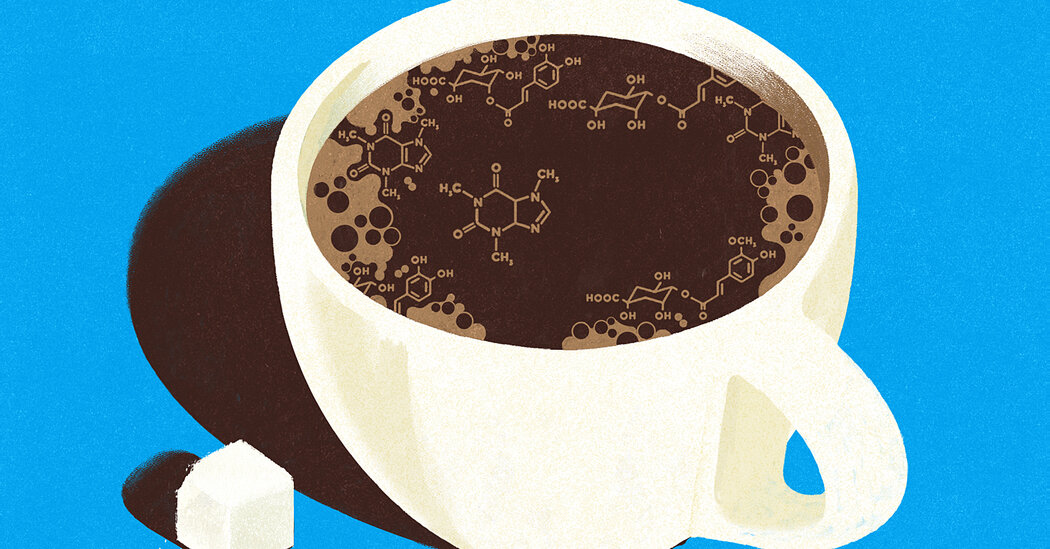
Drinking coffee has been linked to a reduced risk of all kinds of ailments, including Parkinson’s disease, melanoma, prostate cancer, even suicide.Americans sure love their coffee. Even last spring when the pandemic shut down New York, nearly every neighborhood shop that sold takeout coffee managed to stay open, and I was amazed at how many people ventured forth to start their stay-at-home days with a favorite store-made brew.One elderly friend who prepandemic had traveled from Brooklyn to Manhattan by subway to buy her preferred blend of ground coffee arranged to have it delivered. “Well worth the added cost,” she told me. I use machine-brewed coffee from pods, and last summer when it seemed reasonably safe for me to shop I stocked up on a year’s supply of the blends I like. (Happily, the pods are now recyclable.)All of us should be happy to know that whatever it took to secure that favorite cup of Joe may actually have helped to keep us healthy. The latest assessments of the health effects of coffee and caffeine, its main active ingredient, are reassuring indeed. Their consumption has been linked to a reduced risk of all kinds of ailments, including Parkinson’s disease, heart disease, Type 2 diabetes, gallstones, depression, suicide, cirrhosis, liver cancer, melanoma and prostate cancer.In fact, in numerous studies conducted throughout the world, consuming four or five eight-ounce cups of coffee (or about 400 milligrams of caffeine) a day has been associated with reduced death rates. In a study of more than 200,000 participants followed for up to 30 years, those who drank three to five cups of coffee a day, with or without caffeine, were 15 percent less likely to die early from all causes than were people who shunned coffee. Perhaps most dramatic was a 50 percent reduction in the risk of suicide among both men and women who were moderate coffee drinkers, perhaps by boosting production of brain chemicals that have antidepressant effects.As a report published last summer by a research team at the Harvard School of Public Health concluded, although current evidence may not warrant recommending coffee or caffeine to prevent disease, for most people drinking coffee in moderation “can be part of a healthy lifestyle.”It wasn’t always thus. I’ve lived through decades of sporadic warnings that coffee could be a health hazard. Over the years, coffee’s been deemed a cause of conditions such as heart disease, stroke, Type 2 diabetes, pancreatic cancer, anxiety disorder, nutrient deficiencies, gastric reflux disease, migraine, insomnia, and premature death. As recently as 1991, the World Health Organization listed coffee as a possible carcinogen. In some of the now-discredited studies, smoking, not coffee drinking (the two often went hand-in-hand) was responsible for the purported hazard.“These periodic scares have given the public a very distorted view,” said Dr. Walter C. Willett, professor of nutrition and epidemiology at the Harvard T.H. Chan School of Public Health. “Overall, despite various concerns that have cropped up over the years, coffee is remarkably safe and has a number of important potential benefits.”That’s not to say coffee warrants a totally clean bill of health. Caffeine crosses the placenta into the fetus, and coffee drinking during pregnancy can increase the risk of miscarriage, low birth weight and premature birth. Pregnancy alters how the body metabolizes caffeine, and women who are pregnant or nursing are advised to abstain entirely, stick to decaf or at the very least limit their caffeine intake to less than 200 milligrams a day, the amount in about two standard cups of American coffee.The most common ill effect associated with caffeinated coffee is sleep disturbance. Caffeine locks into the same receptor in the brain as the neurotransmitter adenosine, a natural sedative. Dr. Willett, a co-author of the Harvard report, told me, “I really do love coffee, but I have it only occasionally because otherwise I don’t sleep very well. Lots of people with sleep problems don’t recognize the connection to coffee.”In discussing his audiobook on caffeine with Terry Gross on NPR last winter, Michael Pollan called caffeine “the enemy of good sleep” because it interferes with deep sleep. He confessed that after the challenging task of weaning himself from coffee, he “was sleeping like a teenager again.”Dr. Willett, now 75, said, “You don’t have to get to zero consumption to minimize the impact on sleep,” but he acknowledged that a person’s sensitivity to caffeine “probably increases with age.” People also vary widely in how rapidly they metabolize caffeine, enabling some to sleep soundly after drinking caffeinated coffee at dinner while others have trouble sleeping if they have coffee at lunch. But even if you can fall asleep readily after an evening coffee, it may disrupt your ability to get adequate deep sleep, Mr. Pollan states in his forthcoming book, “This Is Your Mind on Plants.”Dr. Willett said it’s possible to develop a degree of tolerance to caffeine’s effect on sleep. My 75-year-old brother, an inveterate imbiber of caffeinated coffee, claims it has no effect on him. However, acquiring a tolerance to caffeine could blunt its benefit if, say, you wanted it to help you stay alert and focused while driving or taking a test.Caffeine is one of more than a thousand chemicals in coffee, not all of which are beneficial. Among others with positive effects are polyphenols and antioxidants. Polyphenols can inhibit the growth of cancer cells and lower the risk of Type 2 diabetes; antioxidants, which have anti-inflammatory effects, can counter both heart disease and cancer, the nation’s leading killers.None of this means coffee is beneficial regardless of how it’s prepared. When brewed without a paper filter, as in French press, Norwegian boiled coffee, espresso or Turkish coffee, oily chemicals called diterpenes come through that can raise artery-damaging LDL cholesterol. However, these chemicals are virtually absent in both filtered and instant coffee. Knowing I have a cholesterol problem, I dissected a coffee pod and found a paper filter lining the plastic cup. Whew!Also countering the potential health benefits of coffee are popular additions some people use, like cream and sweet syrups, that can convert this calorie-free beverage into a calorie-rich dessert. “All the things people put into coffee can result in a junk food with as many as 500 to 600 calories,” Dr. Willett said. A 16-ounce Starbucks Mocha Frappuccino, for example, has 51 grams of sugar, 15 grams of fat (10 of them saturated) and 370 calories.With iced coffee season approaching, more people are likely to turn to cold-brew coffee. Now rising in popularity, cold brew counters coffee’s natural acidity and the bitterness that results when boiling water is poured over the grounds. Cold brew is made by steeping the grounds in cold water for several hours, then straining the liquid through a paper filter to remove the grounds and harmful diterpenes and keep the flavor and caffeine for you to enjoy. Cold brew can also be made with decaffeinated coffee.Decaf is not totally without health benefits. As with caffeinated coffee, the polyphenols it contains have anti-inflammatory properties that may lower the risk of Type 2 diabetes and cancer.

Read more →

For Younger Women, High Blood Pressure May Carry Heightened Risks

Women, but not men, with even mildly elevated blood pressure in their early 40s were at increased risk for later heart disease and early death.High blood pressure in younger people may be particularly hazardous for women, a new study suggests. The study found that women — but not men — with even mildly elevated blood pressure in their early 40s may be at substantially increased risk for later coronary disease and death.In 1992, Norwegian researchers began studying 12,329 men and women whose average age was 41. They tracked their blood pressure and cardiovascular health for an average of 16 years.At the start, high blood pressure was much less common in women than in men: 25 percent of women and 35 percent of men had stage 1 hypertension, which the American Heart Association defines as a reading of 130/80 to 139/89. (A reading under 120/80 is considered normal.) Fourteen percent of women and 31 percent of men had stage 2 hypertension, defined as 140/90 or higher. The women also had fewer risk factors for heart disease: They tended to have lower B.M.I.s and lower cholesterol levels, and fewer of them were smokers.During the follow-up period, 1.4 percent of the women and 5.7 percent of the men had been hospitalized with or died from cardiovascular disease.Compared with women who had normal blood pressure at the start of the study, those with stage 1 hypertension had more than double the risk of heart disease. In men, this association was statistically insignificant. The study, in the European Journal of Preventive Cardiology, controlled for diabetes, B.M.I., cholesterol, smoking and physical activity.The authors acknowledge that the study had limitations. It was done in a small geographic area in Norway, and the subjects were primarily Caucasian. Moreover, the researchers had no information about hypertension treatment or the use of cholesterol-lowering drugs during the follow-up period.Still, “the emerging evidence is that hypertension is worse for female hearts than for male hearts,” said the lead author, Dr. Ester Kringeland, an internal medicine specialist at the University of Bergen in Norway, “and the risk starts at a lower blood pressure level in women.”Dr. Joyce M. Oen-Hsiao, an assistant professor of medicine at Yale who was not involved in the work, said, “It’s a well-designed study. Most of us just look at risk factors, and we never really break it down by gender. That’s the novelty of this paper — that there’s a statistical difference between men and women. And if we can replicate this finding in our more diverse population, it will change primary prevention.”Current American Heart Association guidelines say that in otherwise healthy people, high blood pressure up to 130/80 can usually be managed with lifestyle changes. For readings from 130/80 to 139/89, the group recommends antihypertensive drugs, but only for people with other cardiovascular disease risk factors. At 140/90 or higher, medication is indicated in almost all cases. But the guidelines make no distinction between men and women.Dr. Kringeland said that one reading, or a reading with a home blood pressure monitor, is not enough to make a diagnosis. “A doctor has to take three readings, then average the last two. And to diagnose hypertension, you need at least two visits to the doctor.”The question of whether a healthy woman in her 40s with a reading of 130/80 should be treated with antihypertensive drugs is still not settled.“In some women — those with diabetes, for example — treatment is indicated even at this level,” Dr. Kringeland said. “But in women who are otherwise healthy? We don’t have the answer yet. Blood pressure medicines have side effects, and you have to look at the risk-benefit ratio. We need more research about cardiac disease in women.”

Read more →