Could a Nasal Spray of Designer Antibodies Help to Beat COVID-19?

There are now several monoclonal antibodies, identical copies of a therapeutic antibody produced in large numbers, that are authorized for the treatment of COVID-19. But in the ongoing effort to beat this terrible pandemic, there’s plenty of room for continued improvements in treating infections with SARS-CoV-2, the virus that causes COVID-19.

With this in mind, I’m pleased to share progress in the development of a specially engineered therapeutic antibody that could be delivered through a nasal spray. Preclinical studies also suggest it may work even better than existing antibody treatments to fight COVID-19, especially now that new SARS-CoV-2 “variants of concern” have become increasingly prevalent.

These findings come from Zhiqiang An, The University of Texas Health Science Center at Houston, and Pei-Yong Shi, The University of Texas Medical Branch at Galveston, and their colleagues. The NIH-supported team recognized that the monoclonal antibodies currently in use all require time-consuming, intravenous infusion at high doses, which has limited their use. Furthermore, because they are delivered through the bloodstream, they aren’t able to reach directly the primary sites of viral infection in the nasal passages and lungs. With the emergence of new SARS-CoV-2 variants, there’s also growing evidence that some of those therapeutic antibodies are becoming less effective in targeting the virus.

Antibodies come in different types. Immunoglobulin G (IgG) antibodies, for example, are most prevalent in the blood and have the potential to confer sustained immunity. Immunoglobulin A (IgA) antibodies are found in tears, mucus, and other bodily secretions where they protect the body’s moist, inner linings, or mucosal surfaces, of the respiratory and gastrointestinal tracts. Immunoglobulin M (IgM) antibodies are also important for protecting mucosal surfaces and are produced first when fighting an infection.

Though IgA and IgM antibodies differ structurally, both can be administered in an inhaled mist. However, monoclonal antibodies now used to treat COVID-19 are of the IgG type, which must be IV infused.

In the new study, the researchers stitched IgG fragments known for their ability to target SARS-CoV-2 together with those rapidly responding IgM antibodies. They found that this engineered IgM antibody, which they call IgM-14, is more than 230 times better than the IgG antibody that they started with in neutralizing SARS-CoV-2.

Importantly, IgM-14 also does a good job of neutralizing SARS-CoV-2 variants of concern. These include the B.1.1.7 “U.K.” variant (now also called Alpha), the P.1 “Brazilian” variant (called Gamma), and the B.1.351 “South African” variant (called Beta). It also works against 21 other variants carrying alterations in the receptor binding domain (RBD) of the virus’ all-important spike protein. This protein, which allows SARS-CoV-2 to infect human cells, is a prime target for antibodies. Many of these alterations are expected to make the virus more resistant to monoclonal IgG antibodies that are now authorized by the FDA for emergency use.

But would it work to protect against coronavirus infection in a living animal? To find out, the researchers tried it in mice. They squirted a single dose of the IgM-14 antibody into the noses of mice either six hours before exposure to SARS-CoV-2 or six hours after infection with either the P.1 or B.1.351 variants.

In all cases, the antibody delivered in this way worked two days later to reduce dramatically the amount of SARS-CoV-2 in the lungs. That’s important because the amount of virus in the respiratory tracts of infected people is closely linked to severe illness and death due to COVID-19. If the new therapeutic antibody is proven safe and effective in people, it suggests it could become an important tool for reducing the severity of COVID-19, or perhaps even preventing infection altogether.

The researchers already have licensed this new antibody to a biotechnology partner called IGM Biosciences, Mountain View, CA, for further development and future testing in a clinical trial. If all goes well, the hope is that we’ll have a safe and effective nasal spray to serve as an extra line of defense in the fight against COVID-19.

Reference:

[1] Nasal delivery of an IgM offers broad protection from SARS-CoV-2 variants. Ku Z, Xie X, Hinton PR, Liu X, Ye X, Muruato AE, Ng DC, Biswas S, Zou J, Liu Y, Pandya D, Menachery VD, Rahman S, Cao YA, Deng H, Xiong W, Carlin KB, Liu J, Su H, Haanes EJ, Keyt BA, Zhang N, Carroll SF, Shi PY, An Z. Nature. 2021 Jun 3.

Links:

COVID-19 Research (NIH)

Zhiqiang An (The University of Texas Health Science Center at Houston)

Pei-Yong Shi (The University of Texas Medical Branch at Galveston)

IGM Biosciences (Mountain View, CA)

NIH Support: National Institute of Allergy and Infectious Diseases; National Center for Advancing Translational Sciences; National Cancer Institute

Read more →

Scientists Report Earliest Known Coronavirus Infections in Five U.S. States

Blood drawn from nine people in the earliest days of the pandemic tested positive for the infection. But some experts questioned the results.When did the coronavirus arrive in the United States?The first infection was confirmed on Jan. 21, 2020, in a resident of Washington State who had recently returned from Wuhan, China. Soon after, experts concluded that the virus had been in the country for weeks.A study published on Tuesday offers new evidence: Based on an analysis of blood tests, scientists identified seven people in five states who may have been infected well before the first confirmed cases in those states. The results suggest that the virus may have been circulating in Illinois, for example, as early as Dec. 24, 2019, although the first case in that state was confirmed a month later.But the new study is flawed, some experts said: It did not adequately address the possibility that the antibodies were to coronaviruses that cause common colds, and the results could be a quirk of the tests used. In addition, the researchers also did not have travel information for any of the patients, which might have helped explain the test results.“This is an interesting paper because it raises the idea that everyone thinks is true, that there were infections that were going undiagnosed,” said Scott Hensley, an immunologist at the University of Pennsylvania.But the small number of samples that tested positive made it difficult to be sure that they were true cases of infection and not just a methodological error. “It’s hard to know what is a real signal and what isn’t,” he said.If the findings are accurate, however, then they underscore the notion that poor testing in the United States missed most cases during the early weeks of the pandemic.“Without testing, you can’t see what’s going on,” said Keri Althoff, an epidemiologist at the Johns Hopkins Bloomberg School of Public Health and lead author of the study. “In these earlier months in some of these states where we were not suspecting, there was a lot of infection going on there.”It is not a surprise that there may have been undocumented cases early in the pandemic, said Sarah Cobey, an evolutionary biologist at the University of Chicago. Experts “already knew that was the case from studying trends in excess mortality and hospitalizations,” she said.Dr. Cobey’s most recent model estimated that there were roughly 10,000 infections in Illinois on March 1, 2020. “Given the horrible state of testing, there was never any doubt we were missing most early transmission,” she added.In the study, published in the journal Clinical Infectious Diseases, Dr. Althoff and her colleagues analyzed blood samples from more than 24,000 people. They found nine people who had donated blood between Jan. 2 and March 18 of last year who appeared to have antibodies to the coronavirus.Seven of the samples came from blood donated before the date of the first diagnosis in their states — Illinois, Wisconsin, Pennsylvania, Mississippi and Massachusetts. The results are consistent with those of another study that identified coronavirus antibodies in blood donated as early as mid-December 2019.The participants were enrolled in a long-term National Institutes of Health project, called All of Us, that aims to include a million people in the United States in order to increase the representation of minorities in research. Only about half of the people in the study were white.Early in the pandemic, the virus would have infected very few people. A low prevalence increases the odds that an antibody test mistakenly identifies a sample as having antibodies when it does not, Dr. Hensley said — a false positive.The researchers tried to minimize that possibility by using two antibody tests in sequence. The first test flagged 147 samples as possibly having antibodies to the coronavirus; the second slashed that number down to nine.The team also analyzed 1,000 samples of blood from the 2018-19 cold and flu season, and found none that tested positive for antibodies to the coronavirus.“It’s still very possible that some of them might be false positives,” said Dr. Josh Denny, chief executive of All of Us. But “the fact that all of them would be false positives seems pretty unlikely with what we’ve done.”The researchers said they planned to contact the participants to ask about travel history and would continue to analyze additional samples to estimate when the coronavirus reached American shores.“The exact month at which it probably came into the U.S. is still unknown,” Dr. Althoff said. “It’s essentially a puzzle right now, and our study is just one piece of that puzzle.”

Read more →

Covid Survivors Smell Foods Differently

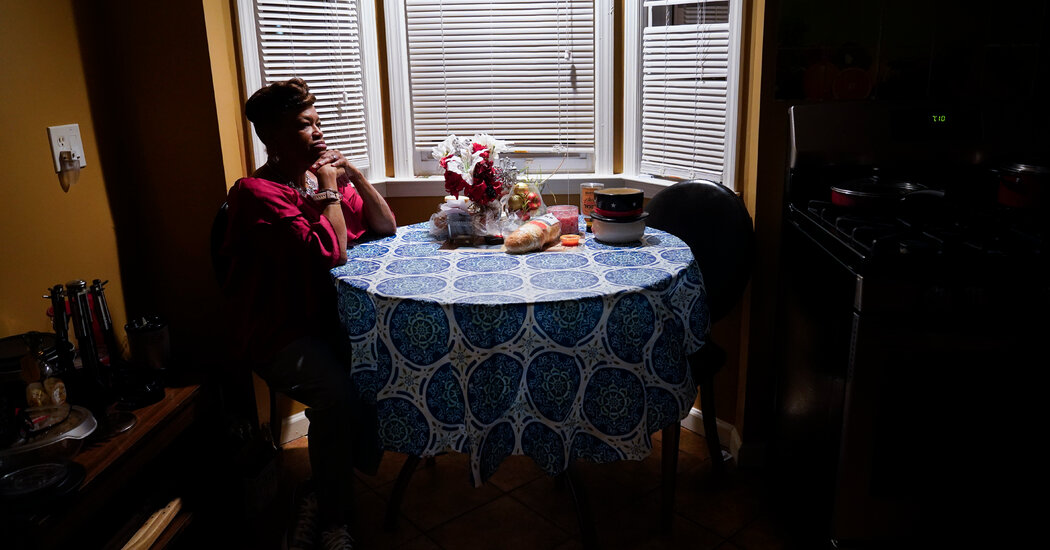
Marcel Kuttab first sensed something was awry while brushing her teeth a year ago, several months after recovering from Covid-19.Her toothbrush tasted dirty, so she threw it out and got a new one. Then she realized the toothpaste was at fault. Onions and garlic and meat tasted putrid, and coffee smelled like gasoline — all symptoms of the once little-known condition called parosmia that distorts the senses of smell and taste.Dr. Kuttab, 28, who has a pharmacy doctoral degree and works for a drug company in Massachusetts, experimented to figure out what foods she could tolerate. “You can spend a lot of money in grocery stores and land up not using any of it,” she said.The pandemic has put a spotlight on parosmia, spurring research and a host of articles in medical journals.Membership has swelled in existing support groups, and new ones have sprouted. A fast-growing British-based Facebook parosmia group has more than 14,000 members. And parosmia-related ventures are gaining followers, from podcasts to smell training kits.Yet a key question remains unanswered: How long does Covid-linked parosmia last? Scientists have no firm timelines. Of five patients interviewed for this article, all of whom first developed parosmia symptoms in late spring and early summer of last year, none has fully regained normal smell and taste.Brooke Viegut, whose parosmia began in May 2020, worked for an entertainment firm in New York City before theaters were shuttered. She believes she caught Covid in March during a quick business trip to London, and, like many other patients, she lost her sense of smell. Before she regained it completely, parosmia set in, and she could not tolerate garlic, onions or meat. Even broccoli, she said at one point earlier this year, had a chemical smell.She still can’t stomach some foods, but she is growing more optimistic.“A lot of fruits taste more like fruit now instead of soap,” she said. And she recently took a trip without getting seriously nauseous. “So, I’d say that’s progress.”Optimism is warranted, said Claire Hopkins, president of the British Rhinological Society and one of the first to sound the alarm of smell loss linked to the pandemic.“There are daily reports of recovery from long haulers in terms of parosmia improving and patients being left with a fairly good sense of smell,” Professor Hopkins said.Ms. Viegut, 25, worries that she may not be able to detect a gas leak or a fire. That is a real risk, as shown in January by the experience of a family in Waco, Texas, that did not detect that their house was on fire. Nearly all members had lost their sense of smell because of Covid; they escaped, but the house was destroyed.Parosmia is one of several Covid-related problems associated with smell and taste. The partial or complete loss of smell, or anosmia, is often the first symptom of the coronavirus. The loss of taste, or ageusia, can also be a symptom.Before Covid, parosmia received relatively little attention, said Nancy E. Rawson, vice president and associate director at the Monell Chemical Senses Center in Philadelphia, an internationally known nonprofit research group.“We would have a big conference, and one of the doctors might have one or two cases,” Dr. Rawson said.In an early 2005 French study, the bulk of 56 cases examined were blamed on upper respiratory tract infections.Today, scientists can point to more than 100 reasons for smell loss and distortion, including viruses, sinusitis, head trauma, chemotherapy, Parkinson’s disease and Alzheimer’s disease, said Dr. Zara M. Patel, a Stanford University associate professor of otolaryngology and director of endoscopic skull base surgery.In 2020, parosmia became remarkably widespread, frequently affecting patients with the novel coronavirus who lost their sense of smell and then largely regained it before a distorted sense of smell and taste began.An article last June in the journal Chemical Senses, based on questionnaires, found that 7 percent of post-Covid patients experienced smell distortion.A later study based on an online survey in Britain found that six months after Covid’s onset, 43 percent of patients who initially had reported losing their sense of smell reported experiencing parosmia, according to an article in the journal Rhinology. The onset occurred a median of 2.5 months after the patients’ loss of smell, the article reported.That matches the experience of Monica Franklin, 31, of Bergenfield, N.J., who was accustomed to having a keen sense of smell.Ms. Franklin, a outpatient occupational therapist, said she lost all sense of taste and smell in early April 2020, immediately after contracting Covid.Two months later, she found herself with both parosmia and phantosmia, or detecting phantom smells. She was constantly inhaling the smell of cigarettes at times when no one was smoking, and she was in her room alone.Garlic and onions are the major triggers for her parosmia, a particularly taxing issue given that her boyfriend is Italian-American, and she typically joins him and his family on Fridays to make pizza.She now brings her own jar of sauce, without garlic.Monica Franklin of Bergenfield, N.J., was accustomed to having a keen sense of smell. “I would be the one who could tell when the garbage had to go out,” she said.Melissa Bunni Elian for The New York TimesFor Janet Marple, 54, of Edina, Minn., coffee, peanut butter and feces all smell vaguely like burning rubber or give off a sickly sweetness. It’s like nothing she has ever smelled in her lifetime.“I literally hold my breath when shampooing my hair, and laundry is a terrible experience. Even fresh-cut grass is terrible,” said Ms. Marple, a former corporate banker.Confounded by the cavalcade of smell and taste problems, scientists around the world are paying unusual attention to the human olfactory system, the areas of the nose and brain where smells are processed.They have focused on a piece of tissue the size of a postage stamp called the olfactory epithelium, behind the bridge of the nose. It is the literal nerve center for detecting smells, and it sends messages to the brain.When people suffer from the common cold, mucus and other fluids may plug the nose so that smells can’t reach the nerve center. But no such blockage typically occurs in patients with Covid-caused anosmia and parosmia.Some researchers initially speculated that the virus was shutting down smells by attacking the thousands of olfactory neurons inside that nerve center. But then they found the process was more insidious.Those neurons are held together by a scaffolding of supporting cells, called sustentacular cells, that contain a protein called the ACE2 receptor. A study published last July led by Harvard researchers found that the protein acts as a code for the virus to enter and destroy the supporting cells.In short, parosmia appears to be caused by damage to those cells, distorting key messages from reaching the brain, according to a leading theory among some scientists.As those cells repair themselves, they may misconnect, sending signals to the wrong relay station in the brain. That, in turn, could lead to parosmia and phantosmia.A host of metaphors have sprung up as scientists try to convey this complex process to the public. Some describe a damaged piano, with wires missing or connected to the wrong notes, emitting a discordant sound.Or you could imagine an old-fashioned telephone company switchboard, where operators start pushing plugs into the wrong jacks, said Professor John E. Hayes, director of the Sensory Evaluation Center at Pennsylvania State University.Full-scale clinical trials are sorely needed to better understand what causes parosmia and other smell problems, scientists agree.The National Institutes of Health issued a call in February for proposals to study the long-term side effects of Covid. Dr. Patel, at Stanford, is now enrolling people in a parosmia trial, preferably those who have suffered from the disorder for six months or more, but not as long as a year.Meanwhile, many patients are turning to support groups for guidance. Such organizations existed in Europe before Covid, but none operated in the United States.That’s why Katie Boeteng and two other women with anosmia formed the first known U.S. group for those with smell and taste disorders in December.It is called the Smell and Taste Association of North America, or STANA. The women are now working to get it nonprofit status, with guidance from the Monell center, to raise funds for studies of smell and taste disorders.Ms. Boeteng, 31, of Plainfield, N.J, lost her sense of smell more than 12 years ago, from an upper respiratory infection. In 2018, she started The Smell Podcast, and has recorded more than 90 episodes, interviewing patients, advocates and scientists around the world.The best-known group worldwide helping people with such disorders is AbScent, a charity registered in England and Wales. AbScent only had 1,500 Facebook followers when coronavirus arrived; it has more than 50,000 today.“People are so desperate about their smell loss, because, after all, your sense of smell is also your sense of self,” said the charity’s founder, Chrissi Kelly, who lost her ability to smell for two years after a sinus infection in 2012. She also experienced parosmia.She was infected with Covid in April 2020 and developed parosmia again five months later. It is lingering, she said.Ms. Kelly and fellow British researchers have produced numerous articles exploring the impact of the coronavirus on the olfactory system.Several other groups have emerged in Europe over the years, including Fifth Sense, also in England, founded in 2012, and groups in France and the Netherlands.The pandemic also spawned the Global Consortium for Chemosensory Research, which is conducting surveys in 35 languages about the link between taste and smell loss and respiratory illness.Garlic and onions are Ms. Franklin’s triggers for her parosmia, a vexing issue given that her boyfriend is Italian-American, and she typically joins him and his family on Fridays to make pizza. She now uses her own jar of sauce, without added garlic.Melissa Bunni Elian for The New York Times“Covid has been a magnifier of the gaps of knowledge that we have,” said the group’s chairwoman, Valentina Parma, a research assistant professor in the psychology department at Temple University in Philadelphia.Online sites are awash with homegrown cures for parosmia and other smell disorders, although experts urge caution. At Stanford, Dr. Patel has treated patients who sprayed zinc into their nostrils, which can cause an irreversible loss of smell.Smell training can help repair the function of people suffering parosmia, according to a study reported in November in the journal Laryngoscope. The process involves repetitive sniffing of potent scents to stimulate the sense of smell. AbScent offers a kit with four scents — rose, lemon, clove and eucalyptus — but also says people can make their own.Ms. Franklin uses scented soaps. Dr. Kuttab has a collection of essential oils, and almost all of them smell normal, which she finds encouraging. But while she and her fiancé plan to get married in late June, they’re delaying the party until she’s better.“I don’t want to be nauseous,” she said.For some who work in the medical field, the altered smells can be confounding. Tracy Villafuerte developed parosmia about a year ago, and just as her sense of smell started coming back, the scents of coffee and other food turned rancid.Like some others interviewed, Ms. Villafuerte, 44, is seeing a therapist. “I want to say it and say it loud. You need to learn mechanisms about it so that you can cope every day,” she said.She is expecting her first grandchild in early July, and hopes she will be able to smell the girl’s new-baby scent.She works as a certified medical assistant in Bolingbrook, Ill. “People say, ‘You work in urology, so this must be a blessing,’” she said. “I would do anything to smell urine.”

Read more →

Covid Vaccine Card: What You Need to Know

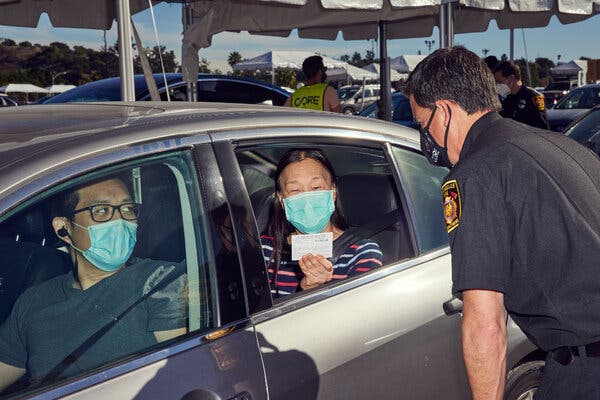
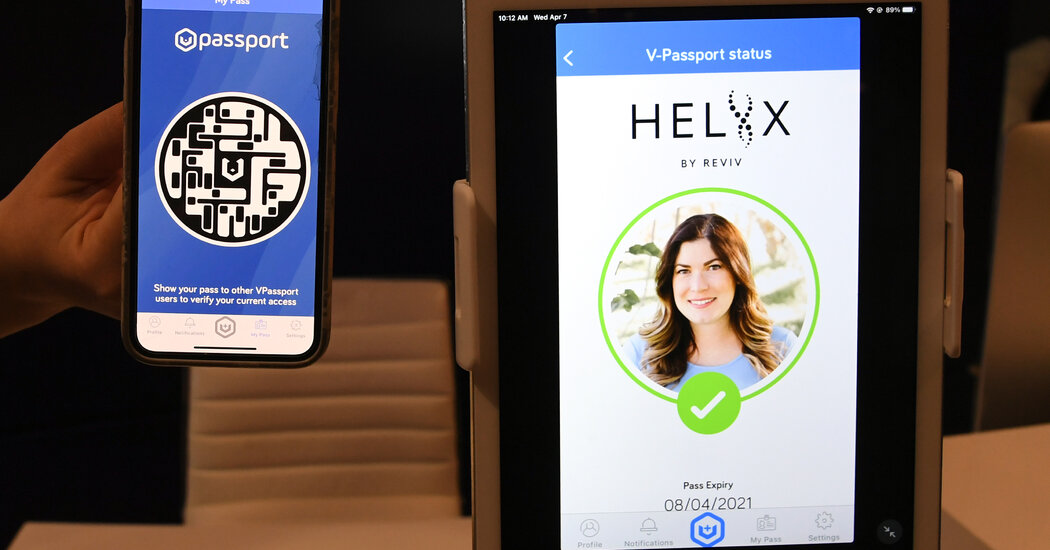
For now, the best way to show that you’ve been inoculated against the coronavirus is a simple white card. Here, your key questions are answered.As vaccinations become more widely available for people in the United States and travel starts picking up, many people have started sharing their simple white vaccination cards on social media as prized new possessions.With some destinations, cruise lines and venues already requiring travelers to provide proof of vaccination against Covid-19, keeping that record is key. In New York, for example, which reopened in May, proof of vaccination or a recent negative test may be required for entry into some large venues or catered events. Those unvaccinated will be instructed to wear a mask, practice social distancing and depending on the venue, could be assigned to a section specific to their vaccination status. There are already a number of vaccination “passport” initiatives underway that would make vaccination status easy to share digitally. Clear, a biometric screening program used in airports across the country, and the technology company IBM have created their own passes, for instance. And in March, New York became the first state to introduce a digital tool, called Excelsior Pass, to allow people to easily show that they have either tested negative or been inoculated against the virus in order to gain entry into some events and venues.But until such measures are taken more widely across the country, you’ll want to hang onto that little white card.Here’s everything you need to know about your vaccine record, why it’s important and how to keep it safe.A newly inoculated patient reviewed a Covid-19 vaccination record card at Dodger Stadium in Los Angeles in January.Ryan Young for The New York TimesWhat’s on a vaccine card?The vaccine card, given after your first shot and then updated if your vaccine requires a second one, includes the vaccine manufacturer, the dose numbers and the date and location each was administered, according to Alex Brown, a spokeswoman for Walgreens, which is administering vaccinations at more than 5,000 stores nationwide.Walgreens, like other providers, is looking to make its records digital, Ms. Brown said, but for now it is still handing out cards.Walmart and Sam’s Club are already offering their patrons digital access to their vaccine records through both the Health Pass by Clear and the CommonHealth and CommonPass apps from the Geneva-based nonprofit, the Commons Project Foundation.“Our goal is to give customers vaccinated at Walmart free and secure digital access to their vaccine record and enable them to share that information with third parties seeking to confirm their vaccination status,” John Furner, the chief executive officer and president of Walmart U.S., said in a statement.What happens if I lose my card?Getting a new card is easy enough if you got vaccinated at a pharmacy like Walgreens. Ms. Brown said that anyone who loses their card should return to where they were vaccinated and a pharmacy employee can print out a new card from the patient’s electronic records.A member of the Walgreens vaccination team prepared vaccination cards for the staff and residents of Clove Lakes Nursing Home in Staten Island in January.Christopher Occhicone for The New York TimesVaccinations are also tracked by state health departments, so you can reach out to your state’s agency to get a replacement card, according to the Centers for Disease Control and Prevention. The agency lists contact information for the Immunization Information System in each state, which tracks vaccinations, on its website.How should I safeguard my card?Start by taking a picture of it with your phone, so you’ll have the information in your photo library, and emailing it to yourself as backup, said Dr. Uchenna Ikediobi, an assistant professor of general internal medicine and infectious diseases at Yale University.Laminating your card will make it more durable if you’re planning to carry it around in your wallet, though there has been some concern about lamination because it would prevent information from future booster shots from being added. But Dr. Ikediobi said that this “may be a moot point if new cards are issued after a booster shot, as would seem likely.”A number of companies have jumped in to offer free lamination. Staples is offering free lamination of vaccine cards for those who have gotten their doses, according to Jocelyn Moruzzi, a spokeswoman for the office goods retailer. The offer is valid at all of the company’s United States locations with the offer code 81450 and will end on July 31.“Customers began seeking out ways to protect their Covid-19 vaccine record cards, knowing they will likely be important to have on hand in the future,” Craig Grayson, vice president of print and marketing services for Staples, said in an email. “Leveraging our existing capabilities in store felt like a natural way to provide a free solution.”People can also get their completed vaccine cards laminated for free at Office Depot and OfficeMax stores nationwide using the code 52516714 through July 25.Dr. Ikediobi also recommends keeping the card in a safe place, as you would your passport, rather than carrying it around. “It does not necessarily need to be on your person at all times,” she said.Do I need my card to travel?In some cases, yes. Border entry requirements are set by governments, not by airlines or by the International Air Transport Association, the trade association for the world’s airlines. Some destinations and cruise lines have started requiring that travelers be fully vaccinated before they travel. As of March 26, fully vaccinated Americans who can present proof of vaccination can visit Iceland, for example, and avoid border measures such as testing and quarantining, the country’s government said.The cruise line Royal Caribbean is requiring passengers and crew members 16 or older to be vaccinated in order to board its ships. Virgin Voyages, Crystal Cruises and others are requiring guests to be vaccinated as well. These companies will restart cruise operations this spring and summer. For the moment, airlines are not requiring vaccinations for travel, but some international destinations are requiring vaccination for entry. The idea has been much talked about in the industry. In an interview with NBC Nightly News, Ed Bastian, the chief executive officer of Delta Air Lines, said that proof of vaccination will likely eventually be required on international flights, but whether that is paper proof or a digital vaccine passport, is unclear.Perry Flint, a spokesman for the I.A.T.A., said that the agency does not support a mandatory vaccine requirement for air travel because it “risks discriminating against those markets where vaccines may take longer to become widely available” or against those “who are not able to get vaccinated for medical reasons, or who are unwilling to do so owing to ethical or other concerns.”Still, the agency has developed its own vaccine pass called Travel Pass, which travelers can use to share Covid-related health information with governments or airlines that require it, Mr. Flint said.Will New York require a vaccine passport?In March, Gov. Andrew Cuomo announced the launch of Excelsior Pass, a free app that will allow businesses to scan a code to confirm whether someone has been vaccinated or tested negative for the coronavirus. To sign up, New York residents should visit the Excelsior Pass website, where they will be asked to enter their name, date of birth and ZIP code. A pass — a QR code that can be scanned by businesses — will automatically be generated using data from state vaccination records or testing lab data.No one is required to download Excelsior Pass, according to a spokesman for the governor’s office. The pass generated on the website can be printed out, or you can show your vaccine card or evidence of a negative test result instead.Will the Biden administration require a vaccine passport?Among the Biden administration’s executive orders aimed at curbing the pandemic is one that asked government agencies to “assess the feasibility” of producing digital versions of vaccination documents. But while the government is involved in these efforts, the administration has said that it would not be passing a federal mandate or distributing its own vaccine passport.The Krispy Kreme chain is offering one free glazed doughnut a day to anyone who presents proof of Covid-19 vaccination. Timothy A. Clary/Agence France-Presse — Getty ImagesIn a White House Covid-19 news conference in March, Andy Slavitt, a senior White House pandemic adviser, said that “unlike other parts of the world, the government here is not viewing its role as the place to create a passport, nor a place to hold the data of citizens.”“We view this as something that the private sector is doing and will do,” he said. “What’s important to us — and we’re leading an interagency process right now to go through these details — are that some important criteria be met with these credentials,” including equitable access and privacy and security concerns.Are there other benefits?Yes. Aside from the health benefits of getting the vaccine, there are also other perks that come with your vaccine card. Businesses across the country, from bars to marijuana dispensaries, have been offering perks to those with a Covid-19 vaccination card. Krispy Kreme, for instance, said that for the rest of the year, it would give one free glazed doughnut per day to anyone who presents proof of a Covid-19 vaccination.Michael Tattersfield, the company’s chief executive, told Fox News that as vaccinations have accelerated across the country, “We made the decision that, ‘Hey, we can support the next act of joy,’ which is, if you come by, show us a vaccine card, get a doughnut any time, any day, every day if you choose to.”Follow New York Times Travel on Instagram, Twitter and Facebook. And sign up for our weekly Travel Dispatch newsletter to receive expert tips on traveling smarter and inspiration for your next vacation. Dreaming up a future getaway or just armchair traveling? Check out our 52 Places list for 2021.

Read more →

Asia Struggles to Cast Off the Pandemic Despite its Early Lead

While the United States edges toward normalcy, countries like Japan, South Korea and Australia are still facing months of uncertainty and isolation as their vaccination campaigns just start to gain steam.SYDNEY, Australia — All across the Asia-Pacific region, the countries that led the world in containing the coronavirus are now languishing in the race to put it behind them.While the United States, which has suffered far more grievous outbreaks, is now filling stadiums with vaccinated fans and cramming airplanes with summer vacationers, the pandemic champions of the East are still stuck in a cycle of uncertainty, restrictions and isolation.In southern China, the spread of the Delta variant led to a sudden lockdown in Guangzhou, a major industrial capital. Taiwan, Vietnam, Thailand and Australia have also clamped down after recent outbreaks, while Japan is dealing with its own weariness from a fourth round of infections, spiked with fears of viral disaster from the Olympics.Where they can, people are getting on with their lives, with masks and social distancing and outings kept close to home. Economically, the region has weathered the pandemic relatively well because of how successfully most countries handled its first phase.A vaccination center in Melbourne, Australia, last month. Australia has seen a sharp rise in inoculations in recent weeks.Darrian Traynor/Getty ImagesBut with hundreds of millions of people still unvaccinated from China to New Zealand — and with anxious leaders keeping international borders shut for the foreseeable future — the tolerance for constrained lives is thinning, even as the new variants intensify the threat.In simple terms, people are fed up, asking: Why are we behind, and when, for the love of all things good and great, will the pandemic routine finally come to an end?“If we’re not stuck, it’s like we’re waiting in the glue or mud,” said Terry Nolan, head of the Vaccine and Immunization Research Group at the Doherty Institute in Melbourne, Australia, a city of five million that is just emerging from its latest lockdown. “Everyone’s trying to get out, to find a sense of urgency.”While the languishing varies from country to country, it generally stems from a shortfall in vaccines.Buddhists during a cleanup at a temple in Seoul last month. Infection rates and deaths in South Korea have been kept relatively low with border restrictions, public compliance and widespread testing.Ahn Young-Joon/Associated PressIn some places, like Vietnam, Taiwan and Thailand, vaccination campaigns are barely underway. Others, like China, Japan, South Korea and Australia, have seen a sharp rise in inoculations in recent weeks, while remaining far from offering vaccines to all who want one.But nearly everywhere in the region, the trend lines point to a reversal of fortune. While Americans celebrate what feels like a new dawn, for many of Asia’s 4.6 billion people, the rest of this year will look a lot like the last, with extreme suffering for some and others left in a limbo of subdued normalcy.Or there could be more volatility. Worldwide, businesses are watching whether the new outbreak in southern China will affect busy port terminals there. Across Asia, faltering vaccine rollouts could also open the door to spiraling variant-fueled lockdowns that inflict new damage on economies, push out political leaders and alter power dynamics between nations.The risks are rooted in decisions made months ago, before the pandemic had inflicted the worst of its carnage.Cars lined up at a vaccination site at Dodger Stadium in Los Angeles in January. The United States bet big on vaccines, spending billions to secure the first batches of then-unproven drugs.Philip Cheung for The New York TimesStarting in the spring of last year, the United States and several countries in Europe bet big on vaccines, fast-tracking approval and spending billions to secure the first batches. The need was urgent. In the United States alone, at the peak of its outbreak, thousands of people were dying every day as the country’s management of the epidemic failed catastrophically.But in places like Australia, Japan, South Korea and Taiwan, infection rates and deaths were kept relatively low with border restrictions, public compliance with antivirus measures, and widespread testing and contact tracing. With the virus situation largely under control, and with limited ability to develop vaccines domestically, there was less urgency to place huge orders, or believe in then-unproven solutions.“The perceived threat for the public was low,” said Dr. C. Jason Wang, an associate professor at Stanford University School of Medicine who has studied Covid-19 policies. “And governments responded to the public’s perception of the threat.”As a virus-quashing strategy, border controls — a preferred method throughout Asia — go only so far, Dr. Wang added: “To end the pandemic, you need both defensive and offensive strategies. The offensive strategy is vaccines.”A test screening area in New Taipei City, Taiwan, this month. Taiwan has received only enough doses to immunize less than 10 percent of its population.Sam Yeh/Agence France-Presse — Getty ImagesTheir rollout in Asia has been defined by humanitarian logic (which nations around the world needed vaccines the most), local complacency and raw power over pharmaceutical production and export.Earlier this year, contract announcements with the companies and countries that control the vaccines seemed more common than actual deliveries. In March, Italy blocked the export of 250,000 doses of the AstraZeneca vaccine meant for Australia to control its own raging outbreak. Other shipments were delayed because of manufacturing issues.“The supplies of purchased vaccine actually landing on docks — it’s fair to say they are not anywhere near the purchase commitments,” said Richard Maude, a senior fellow at the Asia Society Policy Institute in Australia.Peter Collignon, a physician and professor of microbiology at the Australian National University who has worked for the World Health Organization, put it more simply: “The reality is that the places that are making vaccines are keeping them for themselves.”Residents lining up for testing in Guangzhou, China, last month. China has struggled with complacency and hesitancy over its domestically produced vaccines.Associated PressResponding to that reality, and the rare blood-clot complications that emerged with the AstraZeneca vaccine, many politicians in the Asia-Pacific region tried early on to emphasize that there was little need to rush.The result now is a wide gulf with the United States and Europe.In Asia, about 20 percent of people have received at least one dose of a vaccine, with Japan, for example, at just 14 percent. By contrast, the figure is nearly 45 percent in France, more than 50 percent in the United States and more than 60 percent in Britain.Instagram, where Americans once scolded Hollywood stars for enjoying mask-free life in zero-Covid Australia, is now studded with images of grinning New Yorkers hugging just-vaccinated friends. While snapshots from Paris show smiling diners at cafes that are wooing summer tourists, in Seoul, people are obsessively refreshing apps that locate leftover doses, usually finding nothing.“Does the leftover vaccine exist?” one Twitter user recently asked. “Or has it disappeared in 0.001 seconds because it is like a ticket for the front-row seat of a K-pop idol concert?”Maskless customers at a cafe in Paris last month. Nearly 45 percent of the population in France has received at least one dose of a vaccine.Andrea Mantovani for The New York TimesThe demand has increased as some of the supply shortages have started to ease.China, which has struggled with hesitancy over its own vaccines after controlling the virus for months, administered 22 million shots on June 2, a record for the country. In all, China has reported administering nearly 900 million doses, in a country of 1.4 billion people.Japan has ramped up its effort, too, easing rules that had allowed only select medical workers to administer vaccinations. The Japanese authorities opened large vaccination centers in Tokyo and Osaka and expanded vaccine programs to workplaces and colleges. Prime Minister Yoshihide Suga now says all adults will have access to a vaccine by November.In Taiwan, too, the inoculation effort recently got a boost, as the Japanese government donated roughly 1.2 million doses of the AstraZeneca vaccine.A newly opened vaccination center inside Nagoya Airport in Japan last month. Japan has ramped up its vaccine efforts as it battles a fourth wave of infections.Carl Court/Getty ImagesBut all told, Taiwan’s experience is somewhat typical: It has still received only enough doses to immunize less than 10 percent of its 23.5 million residents. A Buddhist association recently offered to buy Covid-19 vaccines to accelerate the island’s anemic inoculation effort, but was told only governments can make such purchases.And as vaccinations lag across Asia, so too will any robust international reopening. Australia has signaled that it will keep its borders closed for another year. Japan is currently barring almost all nonresidents from entering the country, and intense scrutiny of overseas arrivals in China has left multinational businesses without key workers.The immediate future for many places in Asia seems likely to be defined by frantic optimization.China’s response to the outbreak in Guangzhou — testing millions of people in days, shutting down entire neighborhoods — is a rapid-fire reprise of how it has handled previous flare-ups. Few inside the country expect this approach to change anytime soon, especially as the Delta variant, which has devastated India, is now beginning to circulate.Workers preparing to spray disinfectant in homes where people tested positive for Covid-19 in Bangkok last month.Adam Dean for The New York TimesAt the same time, vaccine holdouts are facing increased pressure to get inoculated before the available doses expire, and not just in mainland China.Indonesia has threatened residents with fines of around $450 for refusing vaccines. Vietnam has responded to its recent spike in infections by asking the public for donations to a Covid-19 vaccine fund. And in Hong Kong, officials and business leaders are offering a range of inducements to ease severe vaccine hesitancy.Nonetheless, the prognosis for much of Asia this year is billboard obvious: The disease is not defeated, and won’t be anytime soon. Even those lucky enough to get a vaccine often leave with mixed emotions.“This is the way out of the pandemic,” said Kate Tebbutt, 41, a lawyer who last week had just received her first shot of the Pfizer vaccine at the Royal Exhibition Building near Melbourne’s central business district. “I think we should be further ahead than where we are.”Reporting was contributed by

Read more →

Why Asia, the Pandemic Champion, Remains Miles Away From the Finish Line

While the United States edges toward normalcy, countries like Japan, South Korea and Australia are still facing months of uncertainty and isolation as their vaccination campaigns just start to gain steam.SYDNEY, Australia — All across the Asia-Pacific region, the countries that led the world in containing the coronavirus are now languishing in the race to put it behind them.While the United States, which has suffered far more grievous outbreaks, is now filling stadiums with vaccinated fans and cramming airplanes with summer vacationers, the pandemic champions of the East are still stuck in a cycle of uncertainty, restrictions and isolation.In southern China, the spread of the Delta variant led to a sudden lockdown in Guangzhou, a major industrial capital. Taiwan, Vietnam, Thailand and Australia have also clamped down after recent outbreaks, while Japan is dealing with its own weariness from a fourth round of infections, spiked with fears of viral disaster from the Olympics.Where they can, people are getting on with their lives, with masks and social distancing and outings kept close to home. Economically, the region has weathered the pandemic relatively well because of how successfully most countries handled its first phase.A vaccination center in Melbourne, Australia, last month. Australia has seen a sharp rise in inoculations in recent weeks.Darrian Traynor/Getty ImagesBut with hundreds of millions of people still unvaccinated from China to New Zealand — and with anxious leaders keeping international borders shut for the foreseeable future — the tolerance for constrained lives is thinning, even as the new variants intensify the threat.In simple terms, people are fed up, asking: Why are we behind, and when, for the love of all things good and great, will the pandemic routine finally come to an end?“If we’re not stuck, it’s like we’re waiting in the glue or mud,” said Terry Nolan, head of the Vaccine and Immunization Research Group at the Doherty Institute in Melbourne, Australia, a city of five million that is just emerging from its latest lockdown. “Everyone’s trying to get out, to find a sense of urgency.”While the languishing varies from country to country, it generally stems from a shortfall in vaccines.Buddhists during a cleanup at a temple in Seoul last month. Infection rates and deaths in South Korea have been kept relatively low with border restrictions, public compliance and widespread testing.Ahn Young-Joon/Associated PressIn some places, like Vietnam, Taiwan and Thailand, vaccination campaigns are barely underway. Others, like China, Japan, South Korea and Australia, have seen a sharp rise in inoculations in recent weeks, while remaining far from offering vaccines to all who want one.But nearly everywhere in the region, the trend lines point to a reversal of fortune. While Americans celebrate what feels like a new dawn, for many of Asia’s 4.6 billion people, the rest of this year will look a lot like the last, with extreme suffering for some and others left in a limbo of subdued normalcy.Or there could be more volatility. Worldwide, businesses are watching whether the new outbreak in southern China will affect busy port terminals there. Across Asia, faltering vaccine rollouts could also open the door to spiraling variant-fueled lockdowns that inflict new damage on economies, push out political leaders and alter power dynamics between nations.The risks are rooted in decisions made months ago, before the pandemic had inflicted the worst of its carnage.Cars lined up at a vaccination site at Dodger Stadium in Los Angeles in January. The United States bet big on vaccines, spending billions to secure the first batches of then-unproven drugs.Philip Cheung for The New York TimesStarting in the spring of last year, the United States and several countries in Europe bet big on vaccines, fast-tracking approval and spending billions to secure the first batches. The need was urgent. In the United States alone, at the peak of its outbreak, thousands of people were dying every day as the country’s management of the epidemic failed catastrophically.But in places like Australia, Japan, South Korea and Taiwan, infection rates and deaths were kept relatively low with border restrictions, public compliance with antivirus measures, and widespread testing and contact tracing. With the virus situation largely under control, and with limited ability to develop vaccines domestically, there was less urgency to place huge orders, or believe in then-unproven solutions.“The perceived threat for the public was low,” said Dr. C. Jason Wang, an associate professor at Stanford University School of Medicine who has studied Covid-19 policies. “And governments responded to the public’s perception of the threat.”As a virus-quashing strategy, border controls — a preferred method throughout Asia — go only so far, Dr. Wang added: “To end the pandemic, you need both defensive and offensive strategies. The offensive strategy is vaccines.”A test screening area in New Taipei City, Taiwan, this month. Taiwan has received only enough doses to immunize less than 10 percent of its population.Sam Yeh/Agence France-Presse — Getty ImagesTheir rollout in Asia has been defined by humanitarian logic (which nations around the world needed vaccines the most), local complacency and raw power over pharmaceutical production and export.Earlier this year, contract announcements with the companies and countries that control the vaccines seemed more common than actual deliveries. In March, Italy blocked the export of 250,000 doses of the AstraZeneca vaccine meant for Australia to control its own raging outbreak. Other shipments were delayed because of manufacturing issues.“The supplies of purchased vaccine actually landing on docks — it’s fair to say they are not anywhere near the purchase commitments,” said Richard Maude, a senior fellow at the Asia Society Policy Institute in Australia.Peter Collignon, a physician and professor of microbiology at the Australian National University who has worked for the World Health Organization, put it more simply: “The reality is that the places that are making vaccines are keeping them for themselves.”Residents lining up for testing in Guangzhou, China, last month. China has struggled with complacency and hesitancy over its domestically produced vaccines.Associated PressResponding to that reality, and the rare blood-clot complications that emerged with the AstraZeneca vaccine, many politicians in the Asia-Pacific region tried early on to emphasize that there was little need to rush.The result now is a wide gulf with the United States and Europe.In Asia, about 20 percent of people have received at least one dose of a vaccine, with Japan, for example, at just 14 percent. By contrast, the figure is nearly 45 percent in France, more than 50 percent in the United States and more than 60 percent in Britain.Instagram, where Americans once scolded Hollywood stars for enjoying mask-free life in zero-Covid Australia, is now studded with images of grinning New Yorkers hugging just-vaccinated friends. While snapshots from Paris show smiling diners at cafes that are wooing summer tourists, in Seoul, people are obsessively refreshing apps that locate leftover doses, usually finding nothing.“Does the leftover vaccine exist?” one Twitter user recently asked. “Or has it disappeared in 0.001 seconds because it is like a ticket for the front-row seat of a K-pop idol concert?”Maskless customers at a cafe in Paris last month. Nearly 45 percent of the population in France has received at least one dose of a vaccine.Andrea Mantovani for The New York TimesThe demand has increased as some of the supply shortages have started to ease.China, which has struggled with hesitancy over its own vaccines after controlling the virus for months, administered 22 million shots on June 2, a record for the country. In all, China has reported administering nearly 900 million doses, in a country of 1.4 billion people.Japan has ramped up its effort, too, easing rules that had allowed only select medical workers to administer vaccinations. The Japanese authorities opened large vaccination centers in Tokyo and Osaka and expanded vaccine programs to workplaces and colleges. Prime Minister Yoshihide Suga now says all adults will have access to a vaccine by November.In Taiwan, too, the inoculation effort recently got a boost, as the Japanese government donated roughly 1.2 million doses of the AstraZeneca vaccine.A newly opened vaccination center inside Nagoya Airport in Japan last month. Japan has ramped up its vaccine efforts as it battles a fourth wave of infections.Carl Court/Getty ImagesBut all told, Taiwan’s experience is somewhat typical: It has still received only enough doses to immunize less than 10 percent of its 23.5 million residents. A Buddhist association recently offered to buy Covid-19 vaccines to accelerate the island’s anemic inoculation effort, but was told only governments can make such purchases.And as vaccinations lag across Asia, so too will any robust international reopening. Australia has signaled that it will keep its borders closed for another year. Japan is currently barring almost all nonresidents from entering the country, and intense scrutiny of overseas arrivals in China has left multinational businesses without key workers.The immediate future for many places in Asia seems likely to be defined by frantic optimization.China’s response to the outbreak in Guangzhou — testing millions of people in days, shutting down entire neighborhoods — is a rapid-fire reprise of how it has handled previous flare-ups. Few inside the country expect this approach to change anytime soon, especially as the Delta variant, which has devastated India, is now beginning to circulate.Workers preparing to spray disinfectant in homes where people tested positive for Covid-19 in Bangkok last month.Adam Dean for The New York TimesAt the same time, vaccine holdouts are facing increased pressure to get inoculated before the available doses expire, and not just in mainland China.Indonesia has threatened residents with fines of around $450 for refusing vaccines. Vietnam has responded to its recent spike in infections by asking the public for donations to a Covid-19 vaccine fund. And in Hong Kong, officials and business leaders are offering a range of inducements to ease severe vaccine hesitancy.Nonetheless, the prognosis for much of Asia this year is billboard obvious: The disease is not defeated, and won’t be anytime soon. Even those lucky enough to get a vaccine often leave with mixed emotions.“This is the way out of the pandemic,” said Kate Tebbutt, 41, a lawyer who last week had just received her first shot of the Pfizer vaccine at the Royal Exhibition Building near Melbourne’s central business district. “I think we should be further ahead than where we are.”Reporting was contributed by

Read more →

How Should My Group Deal With an Unvaccinated Student?

The magazine’s Ethicist columnist on the obligations faced by those who choose not to be vaccinated against Covid-19.I run a small group at a college that requires Covid-19 vaccination for students. One student in my group received a religious exemption. I want to start having in-person meetings and functions, but not everyone is comfortable gathering in a room with an unvaccinated person. Even though the risk is small to any one of us because we are vaccinated, some of us have family members who are unable to be vaccinated at the present time. Having an unvaccinated member within the group carries a risk that one of us could become infected and infect an immune-compromised person or otherwise vulnerable family member.Group functions and meetings are vital to my students and especially to new members. They promote learning and exchange of ideas vital to our projects, and social and work-related interactions are important for our work and for team building. Before Covid-19, we would order food and discuss work-related issues and other topics. The Zoom meetings we’ve been having are not a great substitute for this. How can we have group functions and not exclude an unvaccinated person? Should we suggest that the person participate via Zoom? Name WithheldPeople are free to refuse vaccination for religious reasons, but they may have to deal with the consequences. The fact that most students in your group have been vaccinated substantially lowers their risk of contracting the virus and then infecting other, vulnerable people, but of course not to zero.The C.D.C. currently uses red (least safe), yellow (less safe) and green (safest) scoring to indicate safety when vaccinated and unvaccinated people mingle. There are certainly ways of accommodating this unvaccinated student that would secure a fully green score for all participants — meetings with masks and social distancing and without food; or meeting only outside. But such measures would pose a serious burden. They would impede the easy, free-form interactions that contribute to the group’s functioning. The unvaccinated student who wishes to be included in these interactions, meanwhile, gains nothing when they are eliminated for everyone.The members of your group could reasonably agree to gather in a room with an unvaccinated person who was properly masked and distanced. (Note that it’s the unvaccinated person who is chiefly at risk, earning a C.D.C. “yellow” even when those precautions are taken.) Otherwise, the student could indeed participate via Zoom. This arrangement is far from ideal. The student will not get all the benefits that other members will. But disallowing this student from pre-pandemic-style in-person sessions where everyone, including the student, is unmasked and undistanced wouldn’t represent hostility toward the student or his faith community. It would merely represent C.D.C.-guided vigilance.For years I have employed a lovely young woman to clean my home. She also works for several of my friends who, like me, are elderly with various infirmities. For five months, at the height of the pandemic, I asked her not to come to work but paid her nevertheless. Now she says that she does not plan to be vaccinated as she doesn’t think she needs to be. I said that I might ask her to stop coming when it is cold outside and I cannot leave my home while she is here. I told her that I would be unable to pay her in that event. I believe this would be her choice. She appeared upset but did not say she would reconsider. If she later tells me that she has been vaccinated, would it be ethical for me to ask to see her vaccination card? Name WithheldAsking her for evidence of vaccination means you don’t take her at her word. That reflects, of course, the strained nature of your relationship. But she either doesn’t recognize that her vaccination status matters to you and her other elderly clients or is reluctant to be vaccinated for reasons that go beyond doubting that “she needs to.” Otherwise she would have volunteered to be vaccinated once you voiced your concerns. In paying her not to work for five months, you’ve properly shown consideration for the exigencies of people in her position. But there are exigencies for people in your position, too.Once again, it’s up to her whether she chooses to forgo vaccination, but it’s also up to her to deal with the consequences. She may prefer not to; she may think that lying about her vaccination status is justified because it’s not your business. But it is. And if asking for evidence of vaccination will secure your peace of mind, you’re entitled to do so.I recently discovered that my sister lied to our elderly parents about being vaccinated for Covid-19. She has no plans to get vaccinated and told them she had done so only to allay their anxieties. Of all my siblings, she has the most direct contact with our parents.I am not close with her and was stunned when, in a rare conversation, she divulged what she’d done. Our parents have been diligent about masking, distancing and getting vaccinated. When they believed she’d been vaccinated, they allowed her back into their home, unmasked. They are now making summer vacation plans that include her and involve staying together. My sister’s omission has put me in an awkward position. Covid-19 is a dangerous and deadly disease, especially for people over 60. The vaccines are not 100 percent effective. Our parents have a right to know the vaccination status of those with whom they spend time indoors, unmasked.What’s the best way for me to approach this? Should I insist my sister tell them the truth and give her a small time frame to do so, before I tell them myself? Name WithheldIt sounds as if your sister, too, has neglected to consider how her decision affects others — unless, of course, she simply doesn’t care. Your parents, given their age, have an increased risk of “breakthrough infections,” and they have let their guard down with your sister because she lied to them. Call your parents now. The only call you should consider making before you do is to your sister, telling her what you’re doing and why.I live in an apartment, and my next-door neighbor recently died of Covid-19. We shared a patio area with him for five years, and he was friendly when we ran into each other, which wasn’t very often. Most of the time, he was at his partner’s house across town. I found out that my neighbor had died when his children started coming in and out of the apartment. They seemed not very emotional, more focused on divvying up his belongings.I later found out from the partner that she had been removed from the hospital visitation list by the children and wasn’t allowed to say goodbye during his last days. She asked my husband and me to write a letter verifying their relationship, to use as legal evidence of their domestic partnership. She would like to win back the apartment and possibly some belongings.I didn’t know much about her or the history of her relationship with our neighbor. I don’t doubt they were committed to each other, but I’m not sure we are the best people to write letters of support. She has been spending time in the apartment, and we hear her crying loudly. Should we write the letter or stay out of it? Name WithheldI assume you think your neighbor would have wanted some of his possessions to go to his partner, even though he plainly failed to document those intentions. If they were a couple, especially a longstanding one, she has a moral claim to some of the property they shared; a court can decide whether she has a legal one too. Because you seem to have relevant evidence, it would be a good thing to provide it.But you have a duty to say only what you are confident of. You may not ornament the truth in order to advance her interests, however much you disapprove of these children. In the meantime, you might spread the word to friends and acquaintances about the merits of having an up-to-date will.Kwame Anthony Appiah teaches philosophy at N.Y.U. His books include “Cosmopolitanism,” “The Honor Code” and “The Lies That Bind: Rethinking Identity.” To submit a query: Send an email to ethicist@nytimes.com; or send mail to The Ethicist, The New York Times Magazine, 620 Eighth Avenue, New York, N.Y. 10018. (Include a daytime phone number.)

Read more →

Many Post-Covid Patients Are Experiencing New Medical Problems, Study Finds

An analysis of health insurance records of almost 2 million coronavirus patients found new issues in nearly a quarter — including those whose Covid infection was mild or asymptomatic.Hundreds of thousands of Americans have sought medical care for post-Covid health problems that they had not been diagnosed with before becoming infected with the coronavirus, according to the largest study to date of long-term symptoms in Covid-19 patients.The study, tracking the health insurance records of nearly 2 million people in the United States who contracted the coronavirus last year, found that one month or more after their infection, almost one-quarter — 23 percent — of them sought medical treatment for new conditions.Those affected were all ages, including children. Their most common new health problems were pain, including in nerves and muscles; breathing difficulties; high cholesterol; malaise and fatigue; and high blood pressure. Other issues included intestinal symptoms; migraines; skin problems; heart abnormalities; sleep disorders; and mental health conditions like anxiety and depression.Post-Covid health problems were common even among people who had not gotten sick from the virus at all, the study found. While nearly half of patients who were hospitalized for Covid-19 experienced subsequent medical issues, so did 27 percent of people who had mild or moderate symptoms and 19 percent of people who said they were asymptomatic.“One thing that was surprising to us was the large percentage of asymptomatic patients that are in that category of long Covid,” said Robin Gelburd, president of FAIR Health, a nonprofit organization that conducted the study based on what it says is the nation’s largest database of private health insurance claims.More than half of the 1,959,982 patients whose records were evaluated reported no symptoms from their Covid infection. Forty percent had symptoms but didn’t require hospitalization, including 1 percent whose only symptom was loss of taste or smell; only 5 percent were hospitalized.Ms. Gelburd said the fact that asymptomatic people can have post-Covid symptoms is important to emphasize, so that patients and doctors can know to consider the possibility that some health issues may actually be aftereffects of the coronavirus. “There are some people who may not have even known they had Covid,” she said, “but if they continue to present with some of these conditions that are unusual for their health history, it may be worth some further investigation by the medical professional that they’re working with.”The report, which will be posted publicly on Tuesday morning on the organization’s website, analyzed records of people diagnosed with Covid-19 between February and December 2020, tracking them until February 2021. It found that 454,477 people consulted health providers for symptoms 30 days or more after their infection. FAIR Health said the analysis was evaluated by an independent academic reviewer but was not formally peer-reviewed.“The strength of this study is really its size and its ability to look across the range of disease severity in a diversity of age groups,” said Dr. Helen Chu, an associate professor of medicine and infectious diseases at the University of Washington School of Medicine, who was not involved in the report. “This is a hard study to do with that much data.”The report “drives home the point that long Covid can affect nearly every organ system,” said Dr. Ziyad Al-Aly, chief of the research and development service at the VA St. Louis Health Care System, who was not involved in the new study.“Some of these manifestations are chronic conditions that will last a lifetime and will forever scar some individuals and families,” added Dr. Al-Aly, who was an author of a large study published in April of lingering symptoms in Covid patients in the Department of Veterans Affairs health system.In the new study, the most common issue for which patients sought medical care was pain — including nerve inflammation and aches and pains associated with nerves and muscles — which was reported by more than 5 percent of patients or nearly 100,000 people, more than a fifth of those who reported post-Covid problems. Breathing difficulties, including shortness of breath, were experienced by 3.5 percent of post-Covid patients.Nearly 3 percent of patients sought treatment for symptoms that were labeled with diagnostic codes for malaise and fatigue, a far-reaching category that could include issues like brain fog and exhaustion that gets worse after physical or mental activity — effects that have been reported by many people with long Covid.Other new issues for patients, especially adults in their 40s and 50s, included high cholesterol, diagnosed in 3 percent of all post-Covid patients, and high blood pressure, diagnosed in 2.4 percent, the report said. Dr. Al-Aly said such health conditions, which have not been commonly considered aftereffects of the virus, make it “increasingly clear that post-Covid or long Covid has a metabolic signature marked by derangements in the metabolic machinery.”Relatively few deaths — 594 — occurred 30 days or more post-Covid, and most were among people who had been hospitalized for their coronavirus infection, the report found.The study, like many involving electronic records, only addressed some aspects of the post-Covid landscape. It did not say when patients’ symptoms arose or how long the problems persisted, and it did not evaluate exactly when after infection patients sought help from doctors, only that it was 30 days or more.The database included only people with private health insurance or Medicare Advantage, not those uninsured or covered by Medicare Parts A, B and D, Medicaid or other government health programs. Dr. Chu said people without insurance or with incomes low enough to qualify for Medicaid are often “more likely to have worse outcomes,” so the findings may understate the prevalence of some post-Covid health problems or may not represent the full picture.In addition, diagnostic codes in electronic records are “only as good as what is documented by the provider who saw the patient,” said Dr. Chu, a co-author of a smaller study of post-Covid symptoms among patients at the University of Washington.For example, neurological or cognitive issues like brain fog may be underreported because doctors may not find an appropriate diagnostic code or patients may not be seeking medical help for that specific issue, FAIR Health said.It’s also possible that some people classified as having asymptomatic Covid-19 infections developed symptoms after they tested positive. And some people who received their first diagnosis of a medical issue like hypertension or high cholesterol post-Covid might have previously had those issues but never sought or received treatment.Another limitation of the study is that it did not compare people who had Covid-19 with those who did not, making it unclear if rates of post-Covid symptoms were higher than in a more general population. Dr. Al-Aly’s study, which made such a comparison, found that between one and six months after becoming infected with the coronavirus, patients who’d had Covid had a 60 percent greater risk of death and a 20 percent greater chance of needing outpatient medical care than people who had not been infected.The FAIR Health report excluded patients with certain serious or chronic pre-existing conditions like cancer, kidney disease, H.I.V., liver disease and stroke because researchers said it would be difficult to separate their previous health status from post-Covid symptoms.The report did not explore connections between other pre-existing conditions patients had and their likelihood of developing post-Covid symptoms. But it said that people with intellectual disabilities or those with Alzheimer’s disease or dementia had a greater risk of dying 30 days or more after their infection.Overall, experts said, the report’s findings underscore the widespread and varied nature of post-Covid symptoms.“People with long Covid need multidisciplinary care,” said Dr. Al-Aly, “and our health systems should adapt to this reality and develop capacity to deal with these patients.”

Read more →

Covid-19: 'Immunisation moving us to a better place everyday'

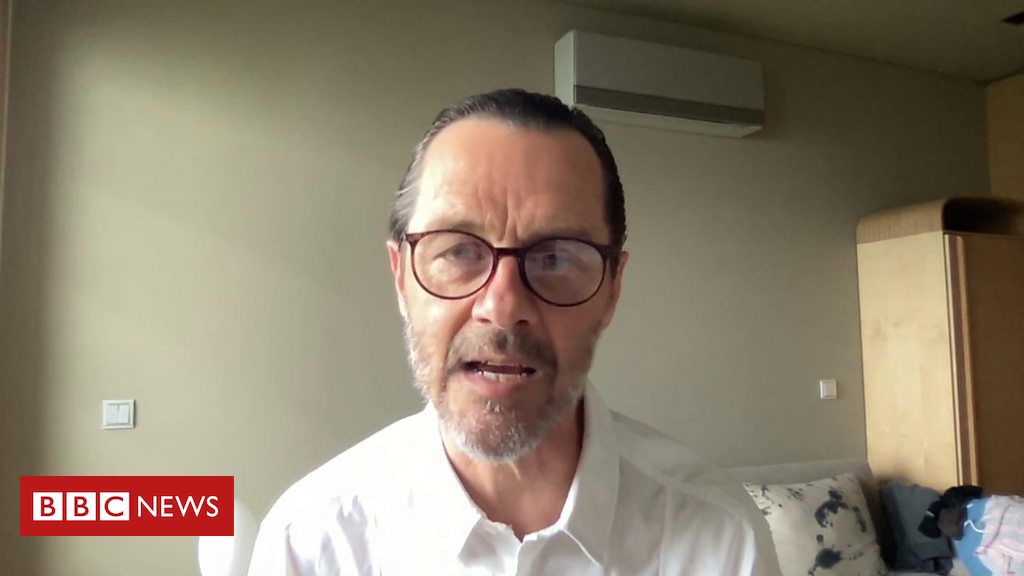
Prof Adam Finn has said that despite uncertainties around Covid variants, continued immunisation “is moving us to a better and better place everyday”.A member of the Joint Committee on Vaccination and Immunisation (JCVI), Prof Finn said he understood why people needed dates to hold on to but “this is a process”.His comments came after it was announced that the government was delaying many aspects of easing lockdown restrictions in England planned for 21 June.The prime minister is said to be “determined” that the remaining coronavirus restrictions will be lifted on 19 July

Read more →

What Are The Roadblocks to a Covid Vaccine Passport?

Creating a digital certificate of vaccination against the coronavirus is one of the hottest debates right now. What’s keeping it from happening, and why are some people opposed?With all American adults now eligible for Covid-19 vaccines and businesses and international borders reopening, a fierce debate has kicked off across the United States over whether a digital health certificate (often and somewhat misleadingly called a “vaccine passport”) should be required to prove immunization status.Currently, Americans are issued a white paper card as evidence of their Covid-19 shots, but these can easily be forged, and online scammers are already selling false and stolen vaccine cards.While the federal government has said it will not introduce digital vaccine passports by federal mandate, a growing number of businesses — from cruise lines to sports venues — say they will require proof of vaccinations for entry or services. Hundreds of digital health pass initiatives are scrambling to launch apps that provide a verified electronic record of immunizations and negative Covid-19 test results to streamline the process.The drive has raised privacy and equity concerns and some states like Florida and Texas have banned businesses from requiring vaccination certificates. But developers argue that the digital infrastructure is secure and will help speed up the process of reopening society and reviving travel.Governments, technology companies, airlines and other businesses are testing different versions of the digital health passes and are trying to come up with common standards so that there is compatibility between each system and health records can be pulled in a safe and controlled format.The process comes with great technical challenges, especially because of the sheer number of app initiatives underway. For the certificates to be useful, countries, airlines and businesses must agree on common standards and the infrastructure they use will need to be compatible. In the United States, there is an added complexity of getting individual states to share immunization data with different certificate platforms while maintaining the privacy of residents.Here’s what we know about the current status of digital health passes and some of the roadblocks they are facing in the United States.Can I get a vaccine passport?In March, New York became the first state in the United States to launch a digital health certificate called Excelsior Pass, which verifies a person’s negative coronavirus test result and if they are fully vaccinated.The app and website, which has now had more than one million downloads, is free and voluntary for all New York residents, and provides a QR code that can be scanned or printed out to verify a person’s health data. The pass has been used by thousands of New Yorkers to enter Yankee Stadium, Madison Square Garden and other smaller public venues.Most businesses require people to show their state I.D. along with their Excelsior Pass to prevent potential fraud.In Israel, where more than half the population is fully vaccinated, residents must show an electronic “Green Pass” to attend places such as gyms, concerts, wedding halls and to dine indoors. The European Union has endorsed an electronic vaccine certificate to be recognized from July 1, which a number of European countries have begun using, but each individual member country will be able to set its own rules for travel requirements. Britain has also started testing a Covid-19 certificate system that aims to help businesses reopen safely.Some airlines including Lufthansa, Virgin Atlantic and Jet Blue have started to use the digital health app, Common Pass, to verify passenger Covid-19 test results before they board flights. The International Air Transport Association’s Health Pass is being used by more than 20 airlines and allows passengers to upload health credentials necessary for international travel. Are they legal?It depends on state regulations. The Biden administration has said there will be no federal vaccination system or mandate. Individual states hold primary public health powers in the United States and have the authority to require vaccines..css-1xzcza9{list-style-type:disc;padding-inline-start:1em;}.css-3btd0c{font-family:nyt-franklin,helvetica,arial,sans-serif;font-size:1rem;line-height:1.375rem;color:#333;margin-bottom:0.78125rem;}@media (min-width:740px){.css-3btd0c{font-size:1.0625rem;line-height:1.5rem;margin-bottom:0.9375rem;}}.css-3btd0c strong{font-weight:600;}.css-3btd0c em{font-style:italic;}.css-w739ur{margin:0 auto 5px;font-family:nyt-franklin,helvetica,arial,sans-serif;font-weight:700;font-size:1.125rem;line-height:1.3125rem;color:#121212;}#NYT_BELOW_MAIN_CONTENT_REGION .css-w739ur{font-family:nyt-cheltenham,georgia,’times new roman’,times,serif;font-weight:700;font-size:1.375rem;line-height:1.625rem;}@media (min-width:740px){#NYT_BELOW_MAIN_CONTENT_REGION .css-w739ur{font-size:1.6875rem;line-height:1.875rem;}}@media (min-width:740px){.css-w739ur{font-size:1.25rem;line-height:1.4375rem;}}.css-1dg6kl4{margin-top:5px;margin-bottom:15px;}#masthead-bar-one{display:none;}#masthead-bar-one{display:none;}.css-12vbvwq{background-color:white;border:1px solid #e2e2e2;width:calc(100% – 40px);max-width:600px;margin:1.5rem auto 1.9rem;padding:15px;box-sizing:border-box;}@media (min-width:740px){.css-12vbvwq{padding:20px;width:100%;}}.css-12vbvwq:focus{outline:1px solid #e2e2e2;}#NYT_BELOW_MAIN_CONTENT_REGION .css-12vbvwq{border:none;padding:10px 0 0;border-top:2px solid #121212;}.css-12vbvwq[data-truncated] .css-rdoyk0{-webkit-transform:rotate(0deg);-ms-transform:rotate(0deg);transform:rotate(0deg);}.css-12vbvwq[data-truncated] .css-eb027h{max-height:300px;overflow:hidden;-webkit-transition:none;transition:none;}.css-12vbvwq[data-truncated] .css-5gimkt:after{content:’See more’;}.css-12vbvwq[data-truncated] .css-6mllg9{opacity:1;}.css-1rh1sk1{margin:0 auto;overflow:hidden;}.css-1rh1sk1 strong{font-weight:700;}.css-1rh1sk1 em{font-style:italic;}.css-1rh1sk1 a{color:#326891;-webkit-text-decoration:underline;text-decoration:underline;text-underline-offset:1px;-webkit-text-decoration-thickness:1px;text-decoration-thickness:1px;-webkit-text-decoration-color:#ccd9e3;text-decoration-color:#ccd9e3;}.css-1rh1sk1 a:visited{color:#333;-webkit-text-decoration-color:#ccc;text-decoration-color:#ccc;}.css-1rh1sk1 a:hover{-webkit-text-decoration:none;text-decoration:none;}“We expect a vaccine passport, or whatever you want to call it, will be driven by the private sector,” Jen Psaki, the White House press secretary, said at a briefing in March. “There will be no centralized, universal federal vaccinations database and no federal mandate requiring everyone to obtain a single vaccination credential.”In April, Gov. Greg Abbott of Texas issued an executive order banning government agencies, private businesses and institutions that receive state funding from requiring people to show proof that they have been vaccinated against the coronavirus.Ron DeSantis, the Florida governor, issued a similar order, saying that requiring proof of vaccination would “reduce individual freedom” and “harm patient privacy” as well as “create two classes of citizens based on vaccinations.”But those orders may not stick. “The governors are on shaky legal ground,” said Lawrence Gostin, the director of the O’Neill Institute for National and Global Health Law at Georgetown University. “Certainly, the legislature has authority to regulate businesses in the state, and it can also pre-empt counties and local governments from issuing vaccine passports. But a governor, acting on his or her own, has no inherent power to regulate businesses other than through emergency or other health powers that the legislature gives them.”Where will the information come from?In the United States, there is no centralized federal vaccine database. Instead, the states collect that information. All states except New Hampshire have their own immunization registries and some cities, like New York, have their own.Currently states are required to share their registries with the Centers for Disease Control and Prevention, but the data is not public and could be withheld.That means anyone developing a digital vaccine certificate in the United States would have to obtain immunization data from individual states, which could be problematic in states that oppose health pass initiatives.Why are people opposed?One of the issues is with terminology. A passport is issued by a government and certifies personal data including a person’s legal name and date of birth. Many people fear that if they are required to have one related to the coronavirus, they will be handing over personal and sensitive health data to private companies that could be stolen or used for other purposes.“There are a whole lot of valid concerns about how privacy and technology would work with these systems, especially as Silicon Valley does not have a great history delivering technologies that are privacy enhancing,” said Brian Behlendorf, executive director of Linux Foundation Public Health, an open-source, technology-focused organization.“And the concept of privacy here is complicated because you are ultimately trying to prove to somebody that you received something,” he said. “You aren’t keeping a secret, so the challenge is to present and prove something without creating a chain of traceability forever that might be used.”The Linux Foundation is working with a network of technology companies called the Covid-19 Credentials Initiative to develop a set of standards for preserving privacy in the use of vaccine certificates. The main aim of the initiative is to establish a verifiable credential (much like a card in one’s wallet) that contains a set of claims about an individual but is digitally native and cryptographically secure.Some argue that such a credential would intrude on personal freedoms and private health choices.“‘Vaccine passports’ must be stopped,” former Representative Ron Paul of Texas wrote in a tweet last week. “Accepting them means accepting the false idea that government owns your life, body and freedom.”Others worry that an exclusively digital system would leave some communities behind, especially those who do not have access to smartphones or the internet.“Any solutions in this area should be simple, free, open source, accessible to people both digitally and on paper, and designed from the start to protect people’s privacy,” Jeff Zients, the White House coronavirus coordinator, said in a statement.The World Health Organization said in April that it does not back requiring vaccination passports for travel yet because of the uncertainty over whether inoculation prevents transmission of the virus, as well as equity concerns. But the organization is working with a number of agencies, like UNICEF, ITU and the European Commission, to establish the standards and specifications of a possible globally recognized, digital vaccination certificate. Follow New York Times Travel on Instagram, Twitter and Facebook. And sign up for our weekly Travel Dispatch newsletter to receive expert tips on traveling smarter and inspiration for your next vacation. Dreaming up a future getaway or just armchair traveling? Check out our 52 Places list for 2021.

Read more →