How Immunity Generated from COVID-19 Vaccines Differs from an Infection

A key issue as we move closer to ending the pandemic is determining more precisely how long people exposed to SARS-CoV-2, the COVID-19 virus, will make neutralizing antibodies against this dangerous coronavirus. Finding the answer is also potentially complicated with new SARS-CoV-2 “variants of concern” appearing around the world that could find ways to evade acquired immunity, increasing the chances of new outbreaks.

Now, a new NIH-supported study shows that the answer to this question will vary based on how an individual’s antibodies against SARS-CoV-2 were generated: over the course of a naturally acquired infection or from a COVID-19 vaccine. The new evidence shows that protective antibodies generated in response to an mRNA vaccine will target a broader range of SARS-CoV-2 variants carrying “single letter” changes in a key portion of their spike protein compared to antibodies acquired from an infection.

These results add to evidence that people with acquired immunity may have differing levels of protection to emerging SARS-CoV-2 variants. More importantly, the data provide further documentation that those who’ve had and recovered from a COVID-19 infection still stand to benefit from getting vaccinated.

These latest findings come from Jesse Bloom, Allison Greaney, and their team at Fred Hutchinson Cancer Research Center, Seattle. In an earlier study, this same team focused on the receptor binding domain (RBD), a key region of the spike protein that studs SARS-CoV-2’s outer surface. This RBD is especially important because the virus uses this part of its spike protein to anchor to another protein called ACE2 on human cells before infecting them. That makes RBD a prime target for both naturally acquired antibodies and those generated by vaccines. Using a method called deep mutational scanning, the Seattle group’s previous study mapped out all possible mutations in the RBD that would change the ability of the virus to bind ACE2 and/or for RBD-directed antibodies to strike their targets.

In their new study, published in the journal Science Translational Medicine, Bloom, Greaney, and colleagues looked again to the thousands of possible RBD variants to understand how antibodies might be expected to hit their targets there [1]. This time, they wanted to explore any differences between RBD-directed antibodies based on how they were acquired.

Again, they turned to deep mutational scanning. First, they created libraries of all 3,800 possible RBD single amino acid mutants and exposed the libraries to samples taken from vaccinated individuals and unvaccinated individuals who’d been previously infected. All vaccinated individuals had received two doses of the Moderna mRNA vaccine. This vaccine works by prompting a person’s cells to produce the spike protein, thereby launching an immune response and the production of antibodies.

By closely examining the results, the researchers uncovered important differences between acquired immunity in people who’d been vaccinated and unvaccinated people who’d been previously infected with SARS-CoV-2. Specifically, antibodies elicited by the mRNA vaccine were more focused to the RBD compared to antibodies elicited by an infection, which more often targeted other portions of the spike protein. Importantly, the vaccine-elicited antibodies targeted a broader range of places on the RBD than those elicited by natural infection.

These findings suggest that natural immunity and vaccine-generated immunity to SARS-CoV-2 will differ in how they recognize new viral variants. What’s more, antibodies acquired with the help of a vaccine may be more likely to target new SARS-CoV-2 variants potently, even when the variants carry new mutations in the RBD.

It’s not entirely clear why these differences in vaccine- and infection-elicited antibody responses exist. In both cases, RBD-directed antibodies are acquired from the immune system’s recognition and response to viral spike proteins. The Seattle team suggests these differences may arise because the vaccine presents the viral protein in slightly different conformations.

Also, it’s possible that mRNA delivery may change the way antigens are presented to the immune system, leading to differences in the antibodies that get produced. A third difference is that natural infection only exposes the body to the virus in the respiratory tract (unless the illness is very severe), while the vaccine is delivered to muscle, where the immune system may have an even better chance of seeing it and responding vigorously.

Whatever the underlying reasons turn out to be, it’s important to consider that humans are routinely infected and re-infected with other common coronaviruses, which are responsible for the common cold. It’s not at all unusual to catch a cold from seasonal coronaviruses year after year. That’s at least in part because those viruses tend to evolve to escape acquired immunity, much as SARS-CoV-2 is now in the process of doing.

The good news so far is that, unlike the situation for the common cold, we have now developed multiple COVID-19 vaccines. The evidence continues to suggest that acquired immunity from vaccines still offers substantial protection against the new variants now circulating around the globe.

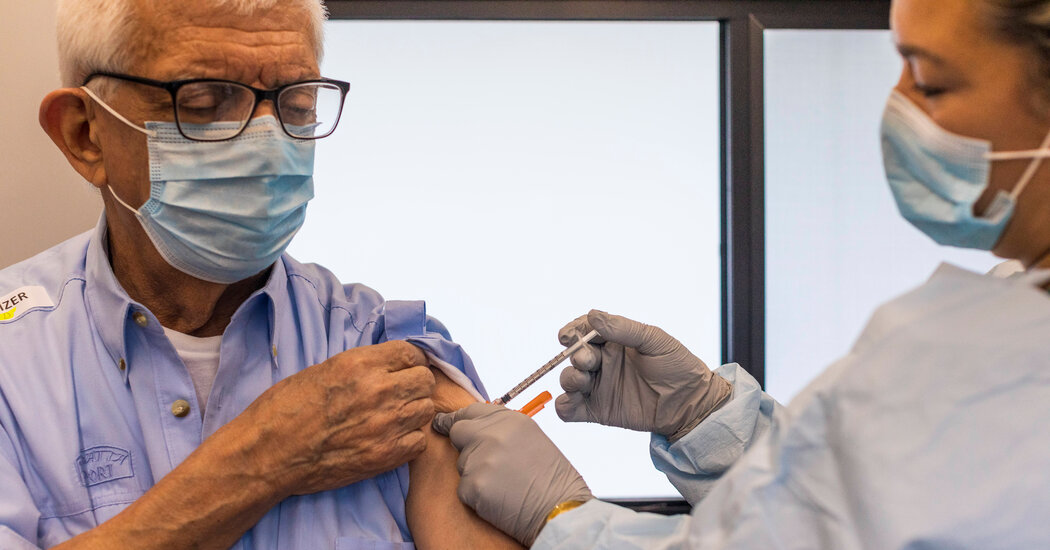
The hope is that acquired immunity from the vaccines will indeed produce long-lasting protection against SARS-CoV-2 and bring an end to the pandemic. These new findings point encouragingly in that direction. They also serve as an important reminder to roll up your sleeve for the vaccine if you haven’t already done so, whether or not you’ve had COVID-19. Our best hope of winning this contest with the virus is to get as many people immunized now as possible. That will save lives, and reduce the likelihood of even more variants appearing that might evade protection from the current vaccines.

Reference:

[1] Antibodies elicited by mRNA-1273 vaccination bind more broadly to the receptor binding domain than do those from SARS-CoV-2 infection. Greaney AJ, Loes AN, Gentles LE, Crawford KHD, Starr TN, Malone KD, Chu HY, Bloom JD. Sci Transl Med. 2021 Jun 8.

Links:

COVID-19 Research (NIH)

Bloom Lab (Fred Hutchinson Cancer Research Center, Seattle)

NIH Support: National Institute of Allergy and Infectious Diseases

Read more →
Many Alzheimer’s Experts Say Use of Aduhelm Should Be Sharply Limited

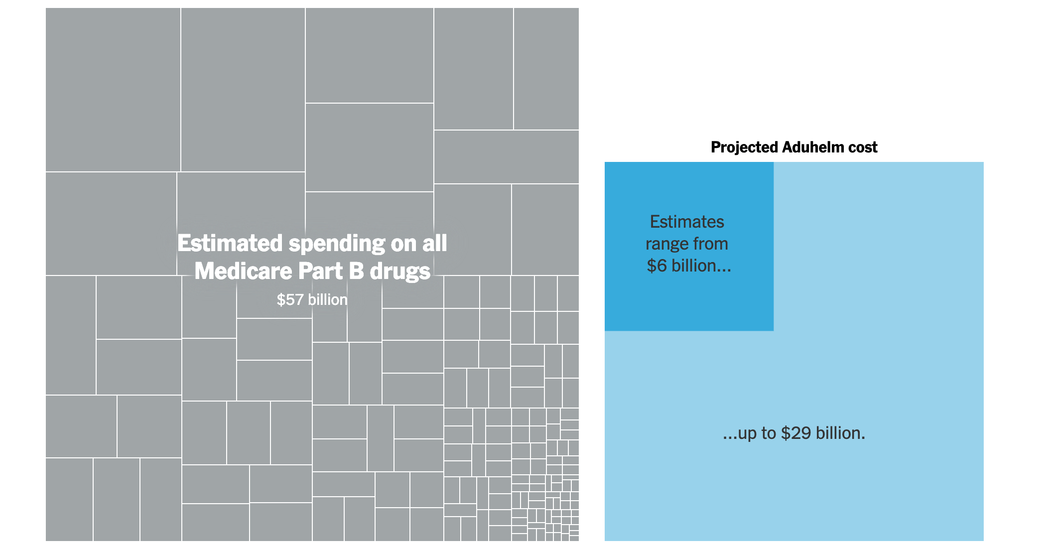
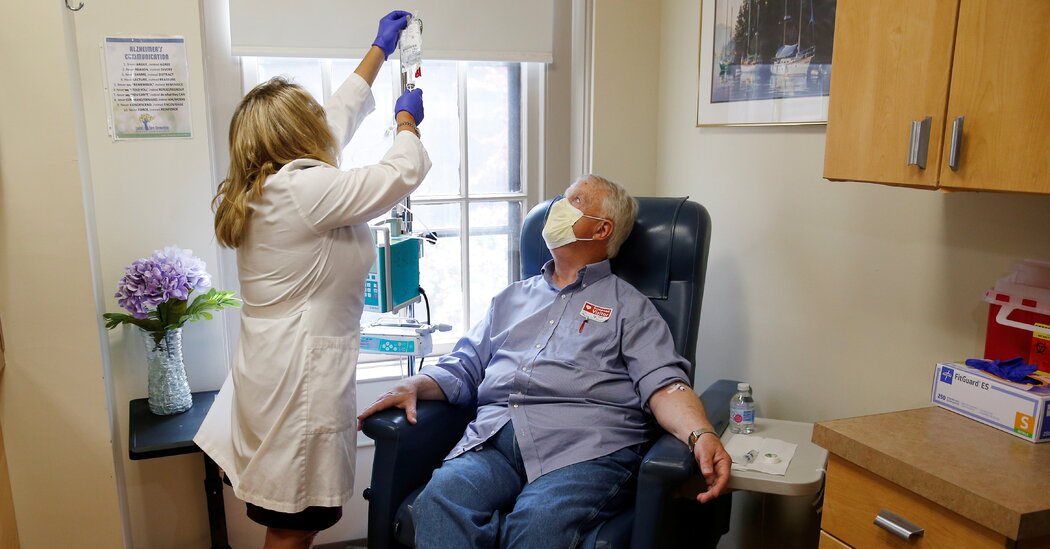
Even those who supported the F.D.A.’s approval of the controversial new drug said authorizing it for anyone with Alzheimer’s disease was much too broad.A new drug for the treatment of Alzheimer’s disease should be given to a much narrower group of patients than the federal approval permits, Alzheimer’s experts — including those who strongly supported approval of the medication — said on Monday.Since the Food and Drug Administration approved the controversial and expensive drug, Aduhelm, made by Biogen, this month, much discussion has focused on the fact that many scientists, and the F.D.A.’s own independent advisory committee, say the evidence does not convincingly show that the drug works.But another major issue has received less attention: which patients should receive the drug and what doctors should do to prescribe it responsibly and safely.The F.D.A. has so far imposed strikingly few limitations on Aduhelm, a monthly intravenous infusion that requires patients to have regular M.R.I. scans because the drug can cause swelling or hemorrhaging in the brain.While the only patients who received the drug during clinical trials were those with very mild Alzheimer’s or an even milder pre-Alzheimer’s impairment, the F.D.A.’s label for Aduhelm says simply that the drug is “for the treatment of Alzheimer’s disease.” Under “contraindications,” the term for health conditions or other characteristics that should prevent patients from taking a drug, the label says “None.”The broadness of the label has surprised and concerned even the biggest champions of the drug.“Oy,” said one enthusiastic supporter of Aduhelm’s approval, Dr. Stephen Salloway, describing his reaction “when I saw from the label that there are no contraindications.”Dr. Salloway, director of neurology and the Memory and Aging Program at Butler Hospital in Providence, R.I., spoke on Monday in a forum sponsored by the Alzheimer’s Association, a large patient advocacy group that pushed for approval of the drug. He and the five other experts answering questions about the use of the drug emphasized that the use of Aduhelm should be limited to certain patients: those in early stages of the disease whose brains contain high levels of amyloid, a protein that clumps into plaques in people with Alzheimer’s disease.The panelists, who had varying opinions about whether Aduhelm should have been approved, agreed that the drug’s potential brain side effects must be monitored carefully and that doctors should disclose to interested patients that there are many unknowns about Aduhelm, including whether it can provide any benefit.Aduhelm was designed to slow the progression of memory and thinking problems in people with mild cognitive symptoms, but its approval has been contentious. A number of scientists objected because only one of two clinical trials showed any hint of benefit, and in that trial the high dose of the medication slowed cognitive decline only slightly — by about four months in an 18-month period.Dr. Salloway, a site principal investigator for trials of the drug, wasn’t paid for that work but has received research and consulting fees from Biogen. He said doctors should use the drug only for patients whose statuses match those in the clinical trials.“There’s no evidence that it could be beneficial for any other stage of Alzheimer’s,” he said.Mary Sano, director of the Mount Sinai Alzheimer’s Disease Research Center in New York City, said the criteria that she and other panelists outlined were “very important” and meant that “it’s going to be very restrictive and the ability to share this drug with a wide range of people will be significantly limited, at least at this time.”Treating people only with mild symptoms would mean that for dementia clinicians, “most of your people in your current practice are probably not eligible,” Dr. Sano said.In its decision, the F.D.A. acknowledged that there was not the level of evidence of benefit that the agency usually requires. As a result, it is making Aduhelm available under a program called accelerated approval, citing the drug’s ability to reduce levels of amyloid in the brain. But reducing amyloid is not the same thing as slowing symptoms of dementia. Many amyloid-reducing drugs have failed to slow decline in clinical trials, a history that makes some experts especially wary of placing confidence in Aduhelm based on the evidence produced so far.Given the agency’s emphasis on amyloid in its approval decision, and the fact that all of the clinical trial participants had to have high amyloid levels, experts have also been surprised that the F.D.A. label does not require patients to be screened for the protein. Doctors at the Alzheimer’s Association forum all said that high levels of amyloid, typically measured by PET scan or spinal tap, should be a condition of treatment.Several of the panelists said that, at least at the outset, relatively few doctors and clinics would have the ability to adequately diagnose, screen and treat patients.“This is not a simple medication to use,” said Dr. Paul Aisen, director of the Alzheimer’s Therapeutic Research Institute at the University of Southern California and a co-author of an article that urged the F.D.A. to approve the drug. “I think that establishing the appropriate individuals for treatment, and monitoring treatment, requires knowledge and benefits from experience, and there are very few clinicians who have this experience.”The panelists devoted considerable discussion to the possibility of brain swelling and hemorrhages, which occurred in about 40 percent of participants who received the high dose in the two large clinical trials. Many cases were mild or asymptomatic, but Dr. Alireza Atri, director of the Banner Sun Health Research Institute in Phoenix and another co-author of the article supporting approval of the drug, said that it was possible that “one out of 200 or 300 individuals can have a serious side effect and need to be in a hospital.”Dr. Salloway said that it would be “more challenging” for doctors to safely monitor for brain side effects than it was within the strict standards of the clinical trials. He said that people should not be given the drug if they have had a macro-hemorrhage in the brain; more than five micro-hemorrhages; a significant stroke; or “unstable medical conditions that could interfere with treatment.”Dr. David S. Knopman, a clinical neurologist at the Mayo Clinic and a site principal investigator for one of the trials, who did not support approval, said people who were taking blood thinners should also be excluded.“We know that this treatment carries considerable risks,” said Suzanne Craft, co-director of the Roena B. Kulynych Center for Memory and Cognition Research at the Wake Forest University School of Medicine. And assessing how and whether it helps patients could be tricky, Dr. Craft and others said.It will be important to have comprehensive discussions with patients and families about “how to weigh the inconvenience and cost and risk against the possible benefit,” Dr. Aisen said.“Managing expectations is a huge challenge here,” he said, adding that “our expectation is a modest slowing of the rate of decline. It is impossible to determine on an individual patient level whether someone is benefiting or not.”

Read more →

Pathogenic bacteria rendered almost harmless

Pseudomonas aeruginosa is an opportunistic pathogenic bacterium present in many ecological niches, such as plant roots, stagnant water or even the pipes of our homes. Naturally very versatile, it can cause acute and chronic infections that are potentially fatal for people with weakened immune systems. The presence of P. aeruginosa in clinical settings, where it can colonise respirators and catheters, is a serious threat. In addition, its adaptability and resistance to many antibiotics make infections by P. aeruginosa increasingly difficult to treat. There is therefore an urgent need to develop new antibacterials.
Scientists from the University of Geneva (UNIGE), Switzerland, have identified a previously unknown regulator of gene expression in this bacterium, the absence of which significantly reduces the infectious power of P. aeruginosa and its dangerous nature. These results, to be published in the journal Nucleic Acid Research, could constitute an innovative target in the fight against this pathogen.
RNA helicases perform essential regulatory functions by binding and unwinding various RNA molecules to perform their functions. RNA helicases are present in the genomes of almost all known living organisms, including bacteria, yeast, plants, and humans; however, they have acquired specific properties depending on the organism in which they are found. “Pseudomonas aeruginosa has an RNA helicase whose function was unknown, but which was found in other pathogens,” explains Martina Valentini, a researcher leading this research in the Department of Microbiology and Molecular Medicine at UNIGE Faculty of Medicine, and holder of an SNSF “Ambizione” grant. “We wanted to understand what its role was, in particular in relation to the pathogenesis of the bacteria and their environmental adaptation.”
A severely reduced virulence
To do this, the Geneva team combined biochemical and molecular genetic approaches to determine the function of this protein. “In the absence of this RNA helicase, P. aeruginosa multiplies normally in vitro, both in a liquid medium and on a semi-solid medium at 37°C,” reports Stéphane Hausmann, a researcher associate in the Department of Microbiology and Molecular Medicine at UNIGE Faculty of Medicine and first author of this study. “To determine whether the infection capacity of the bacteria was affected, we had to observe it in vivo in a living organism.”
The scientists then continued their research using Galleria mellonella larvae, a model insect for studying host-pathogen interactions. Indeed, the innate immune system of insects has important similarities with that of mammals. Moreover, these larvae can live at temperatures between 5°C and 45°C, which makes it possible to study bacterial growth at different temperatures, including that of the human body. Three groups of larvae were observed; the first, after injection of a saline solution, saw 100% of its population survive. In the presence of a normal strain of P. aeruginosa, less than 20% survived at 20 hours after infection. In contrast, when P. aeruginosa no longer possessed the RNA helicase gene, over 90% of the larvae remained alive. “The modified bacteria became almost harmless, while remaining very much alive,” says Stéphane Hausmann.
Inhibiting without killing
The results of this work show that this regulator affects the production of several virulence factors in the bacteria. “In fact, this protein controls the degradation of numerous messenger RNAs coding for virulence factors,” summarises Martina Valentini. “From an antimicrobial drug strategy point of view, switching off the pathogen’s virulence factors rather than trying to eliminate the pathogen completely, means allowing the host immune system to naturally neutralise the bacterium and potentially reduces the risk for the development of resistance. Indeed, if we try to kill the bacteria at all costs, the bacteria will adapt to survive, which favours the appearance of resistant strains.”
The Geneva team is currently continuing its work by screening a series of known drug molecules in order to determine whether any of them have the capacity to selectively block this protein, and to study in detail the inhibition mechanisms on which the development of an effective therapeutic strategy could be based.
Story Source:
Materials provided by Université de Genève. Note: Content may be edited for style and length.

Read more →

Tokyo 2020: Does Japan have Covid under control?

SharecloseShare pageCopy linkAbout sharingimage copyrightReutersWith the Tokyo Olympics and Paralympics fast approaching, there have been warnings from medical experts about the possible spread of Covid at the Games.The Olympics begin on 23 July, and organisers say up to 10,000 domestic fans will be permitted at venues. The Paralympics starts on 24 August, with its spectator numbers to be confirmed by 16 July, What is the situation with infections in Japan? About 1,400 new infections are being reported every day, but case numbers have been falling from a peak of more than 6,000 in mid-May.Experts have said the daily infection rate in the host city of Tokyo needs to fall below 100 in order to hold the Games safely. On 21 June, the city’s health authorities reported 236 new infections, with an average over the last seven days of just under 400 new cases a day.The steep fall from mid-May has now levelled off, broadly matching the national picture. At the peak of infections in May, hospitals in many areas were overwhelmed, with large parts of Japan under a state of emergency, giving the authorities greater powers to enforce restrictions. There will be specific measures put in place in Tokyo, such as limits on bars, when the Games get under way. How many people have been vaccinated?A mass vaccination campaign was launched in the two biggest cities, Tokyo and Osaka, as infections rose. But to date, only about 16% of the country has been vaccinated. That’s about the same proportion as those who’ve had one dose in India. More than half the population of the UK, US and Germany have had one dose.Japan only started vaccinating people in February, later than most other developed nations.The Pfizer jab was, for some months, the only approved vaccine in Japan. This process took longer because Japan insisted on doing its own trials alongside the tests done internationally. image copyrightGetty ImagesOfficials say this was done to build confidence in the vaccine, according to the Asahi Shimbun newspaper. Historical concerns surrounding side effects have contributed to hesitancy towards inoculations in the past. An Imperial College London study of 15 countries found that Japan had the lowest levels of trust towards the coronavirus vaccines. The rollout has also been hampered by supply shortages and logistical hurdles. Japanese law has only permitted doctors and nurses to carry out vaccinations, but the rules have now been relaxed to allow dentists, paramedics and clinical technologists to bolster the vaccine drive. Since the start of the month, the number of daily jabs has almost doubled – a sign the new approach seems to be working.Japan has reportedly secured more than 300 million doses of Pfizer, AstraZeneca and Moderna shots (it approved the production and use of the latter two in May), which would be enough to vaccinate the entire population. What other measures has Japan taken?Japan – unlike many other countries – did not enforce strict lockdowns or completely close off its borders as soon as the pandemic hit last year.image copyrightGetty ImagesIn April 2020, the government introduced a state of emergency, although the stay-at-home guidelines were voluntary. Non-essential businesses were asked to close, but did not face penalties for not complying.Restrictions on entry were introduced from some countries, and others were added later.Although it has a large elderly population and densely-populated urban centres, Japan proved relatively successful in controlling the virus initially, and avoiding high death rates.There were a number of theories put forward as to why this might have been, including:high public compliance with safety measures such as mask wearingclose physical contact like hugging and kissing is generally avoidedlower rates of chronic disease like heart conditions, obesity and diabetesimage copyrightGetty ImagesHowever, there were outbreaks of the virus throughout 2020 and nationwide, case numbers rose sharply in the latter part of the year and into a peak this January. At the time, the government faced criticism over a campaign encouraging domestic travel in order to boost the economy.A state of emergency was declared in Tokyo and nine other regions when case numbers started to rise in April. Japan now has border restrictions in place – nationals of nearly 160 countries are currently denied entry (unless exceptional circumstances apply).Read more from Reality Check

Read more →

Covid sweeps India's Buddhist monasteries

India’s devastating second Covid wave has seen the virus sweep through Buddhist monasteries in the north-east, where most of them are located. Hundreds of monks have tested positive as they often study, eat and live together, making it hard to contain an outbreak.India has recorded nearly 30 million cases and more than 380,000 deaths from the virus so far. Video by Anshul Verma, additional footage by Pankaj Dhungel

Read more →

New position statement declares that sleep is essential to health

A new position statement from the American Academy of Sleep Medicine emphasizes that sleep is a biological necessity, and insufficient sleep and untreated sleep disorders are detrimental for health, well-being, and public safety.
Published online in the Journal of Clinical Sleep Medicine, the statement notes that sleep is vital for health and well-being in children, adolescents, and adults. While awareness of the value of sleep has risen in the last decade, there is a significant need for greater emphasis on sleep health in education, clinical practice, inpatient and long-term care, public health promotion, and the workplace.
“Healthy sleep is as important as proper nutrition and regular exercise for our health and well-being, and sleep is critical for performance and safety,” said AASM President Dr. Kannan Ramar. “It is the position of the AASM that sleep is essential to health, and we are urging educators, health care professionals, government agencies, and employers to prioritize the promotion of healthy sleep.”
The statement was written by the members of the 2020 — 2021 AASM board of directors, comprising 11 sleep medicine physicians and a clinical psychologist. In recognition of sleep’s significant and multi-faceted connections to health and chronic disease, the authors outlined the following positions:- Sleep education should have a prominent place in K-12 and college health education, medical school and graduate medical education, and educational programs for other health professionals. – Clinicians should routinely inquire about sleep habits and symptoms of sleep and circadian rhythm sleep-wake disorders during patient encounters, and hospitals and long-term care facilities should optimize sleep conditions. – Healthy sleep should be targeted by public health and workplace interventions to improve health-related outcomes, and behaviors that help people attain healthy sleep should be actively promoted. – More sleep and circadian research is needed to further elucidate the importance of sleep for public health and the contributions of insufficient sleep to health disparities.”Education about sleep and sleep disorders is lacking in medical school curricula, graduate medical education, and education programs for other health professionals,” said Ramar. “Better sleep health education will enable our health care workforce to provide more patient-centered care for people who have common sleep disorders such as obstructive sleep apnea and insomnia.”
According to the authors, chronic insufficient sleep and untreated sleep disorders are linked to increased health and safety risks such as cardiovascular disease, diabetes, obesity, workplace accidents, and motor vehicle crashes. Data from surveys conducted by the Centers for Disease Control and Prevention and the Maternal and Child Health Bureau show that 34.1% of children, 74.6% of high school students, and 32.5% of adults in the U.S. fail to get a sufficient duration of sleep on a regular basis. Therefore, helping people get enough sleep is one of the goals of Healthy People 2030, which provides 10-year, measurable public health objectives for the U.S.
Story Source:
Materials provided by American Academy of Sleep Medicine. Note: Content may be edited for style and length.

Read more →

Medicaid Enrollment Surpassed 80 Million, a Record, During the Pandemic

The increase points to the program’s growing role not just as a safety net, but also as a foundation of U.S. health coverage.Medicaid enrollment rose sharply during the pandemic, with nearly 10 million Americans joining the public health program for the poor, a government report released Monday showed.Eighty million people were covered under Medicaid, a record. It reflected an increase of nearly 14 percent over the 12-month period ending Jan. 31. The figure also includes enrollment in the Children’s Health Insurance Program, which covers children whose parents earn too much for Medicaid, but too little to afford other coverage.The spike in enrollment demonstrates Medicaid’s increasingly important role not just as a safety net, but also as a pillar of the American health system, with fully a quarter of the population getting coverage through it.“The purpose of Medicaid is for times like this, when there is an economic downturn,” said Peggah Khorrami, a researcher with the Harvard T.H. Chan School of Public Health who has studied the program’s enrollment during the pandemic. “As people are losing jobs, that’s where Medicaid comes in.”The Affordable Care Act transformed Medicaid from a targeted health care benefit meant to help certain groups — expectant mothers, for example, and those with disabilities — to a much wider program providing largely free coverage to most people below a certain income threshold. A notable exception is the 12 states — mostly in the South — that have declined to expand Medicaid under the A.C.A.Medicaid, in which states and the federal government share the cost, covers all adults with income up to 138 percent of the poverty level, which would be about $17,420 for an individual to qualify this year.The expansion of Medicaid in most states since the bulk of the A.C.A. took effect in 2014 provided a public source of coverage for the newly unemployed that did not exist a decade ago. Adult enrollment in Medicaid grew twice as fast as child enrollment, suggesting that widespread job loss related to the pandemic created a huge group of newly eligible adults.“In past economic downturns, there has been substantial growth in Medicaid enrollment, but it was concentrated among children,” said Rachel Garfield, co-director of the Kaiser Family Foundation’s program on Medicaid and the uninsured. “This time, it’s interesting we’re seeing much of the enrollment happening among adults.”She also noted that Medicaid enrollment has increased much faster during the pandemic economic contraction than in previous downturns. Fewer than four million Americans joined the program in 2009, at the beginning of the Great Recession.There may also have been increased interest among uninsured Americans who were already eligible for Medicaid, but who decided to enroll only because of heightened health concerns during the pandemic.“The increase we are seeing is exactly how Medicaid works: The program steps in to support people and their families when times are tough,” the Medicare administrator, Chiquita Brooks-LaSure, said in a statement.Medicaid enrollment had been declining in the years leading up to the pandemic. More than a million children lost coverage between December 2017 and June 2019, a trend that rattled health care advocates. Many attributed the changes to new rules during the Trump administration that made it harder to sign up and remain signed up.That changed last spring, as the pandemic took hold and Congress gave states extra money to fund their Medicaid programs. Congress gave a 6.2 percent spending bump on the condition that states not disenroll patients or tighten eligibility requirements.A woman who gave birth, for example, would normally have lost coverage 60 days after delivery, but because of the legislation, she could stay on Medicaid for the length of the pandemic. Those rules remain in effect until the federal government declares the public health emergency over.Three states — Utah, Idaho and Nebraska — expanded Medicaid last year after voters approved ballot initiatives; those states saw especially large enrollment surges. A fourth, Oklahoma, will expand Medicaid to most low-income adults starting next month.Even after its growth under the Affordable Care Act, the Medicaid program has holes that are hard to fix. The 2012 Supreme Court decision that upheld the law’s individual insurance mandate also made expanding Medicaid optional for states.As a result, millions of low-income adults in the 12 holdout states, which include Florida and Texas, still have no coverage. A recent study in JAMA found that Medicaid enrollment increased faster during the pandemic in the states that participated in the expansion, most likely because many more people were eligible for coverage.Generous financial incentives offered through the most recent stimulus package have not been enough to persuade any of the 12 states to expand Medicaid, but top Biden administration officials say they remain hopeful that some will come on board.“We hope we can encourage them,” Xavier Becerra, the Health and Human Services secretary, said in a call with reporters last week. “We want to make sure they’re expanding care and it’s affordable.”

Read more →

C.D.C Studies Say Young Adults Are Less Likely to Get Vaccinated

Younger Americans are less likely to be vaccinated than their elders, and factors like income and education may affect vaccine hesitancy, according to two new studies by the Centers for Disease Control and Prevention.By May 22, 57 percent of adults had received at least one vaccine dose, the authors of one of the new papers found, but the rate varied considerably by age: Among those who were 65 or older, 80 percent had been at least partially vaccinated, compared with 38 percent of those between 18 and 29.Some of the gap in rates could be attributed to the fact that many young adults did not become eligible for vaccination until March or April. But uptake has also been slower among younger Americans, and a substantial proportion of them remain hesitant.If vaccine initiation rates remain stable, by late August, just 58 percent of 18 to 29-year-olds will have been vaccinated, compared with 95 percent of those 65 and up, the researchers found.Vaccination rates lagged for young men, people living in rural counties and people living in counties where a high share of the population was low-income, uninsured or lacked access to a computer or the internet.In a second study, 24.9 percent of 18- to 39-year-olds surveyed said that they would probably or definitely not get vaccinated. Those who were young, Black, low-income, lacked health insurance, lived outside of metropolitan areas or had lower levels of education were less likely to report being vaccinated or to say that they definitely planned to be vaccinated.The studies highlight the hurdles that remain in improving vaccine coverage, with two weeks to go until President Biden’s self-imposed July 4 deadline for getting 70 percent of adults at least partially vaccinated. In recent weeks, as demand for the vaccines has slowed, his administration has shifted its approach, moving away from mass vaccination sites and adopting more targeted strategies, including the creation of mobile or pop-up vaccination clinics and on-site vaccination events at Black-owned barbershops.The U.S. vaccination campaign began on Dec. 14, 2020. Health care workers, adults who were 75 and older and members of other high risk groups were generally the first to become eligible, though vaccine policies varied from state to state. By April 19, all adults were eligible for the shots. Using vaccination data submitted by the states, a team of C.D.C. researchers analyzed vaccination patterns in various demographic groups.They also calculated the percentage of people in each age bracket who received their first dose during a given week. This vaccine “initiation rate” was highest for adults 65 and older, peaking during the week of Feb. 7, when 8 percent of adults in that group received their first dose.Between April 19 and May 22, the share of 18- to 29-year-olds who received their first dose fell to 1.9 percent from 3.6 percent.“If the current rate of vaccination continues through August, coverage among young adults will remain substantially lower than among older adults,” the researchers wrote.In the second study, researchers surveyed a nationally representative sample of adults, including 2,726 18- to 39-year olds, between March 5 and May 2. Among those who said they would probably or definitely not get the vaccine, 57 percent said that they did not trust the vaccine, while 56 percent expressed concern about possible side effects and 36 percent said they did not think they needed the shot.The study also pointed to potential strategies for increasing vaccination coverage. Among those who said they were unsure about or would probably get the vaccine, 20 to 40 percent said they would be more likely to get it if they had more information about its safety and effectiveness, if it would prevent them from spreading the virus to family and friends, or if it would allow them to return to normal social activities.

Read more →

Lead from leaded petrol persists in London air despite '90s ban

Lead levels in London’s atmosphere have dropped drastically since lead additives in petrol were phased out, and currently meet UK air quality targets. However despite this drop, airborne particles in London are still highly lead-enriched compared to natural background levels, according to new Imperial research published today in the Proceedings of the National Academy of Sciences.
The study found that up to 40 per cent of lead in airborne particles today comes from the legacy of leaded petrol. The researchers say this highlights the long-term persistence of contaminants introduced by human activities in the environment.
Lead author of the study Dr Eléonore Resongles, who carried out the work at Imperial’s Department of Earth Science and Engineering, said: “Petrol-derived lead deposited decades ago remains an important pollutant in London. Despite the leaded petrol ban, historically combusted lead is still present in London’s air more than 20 years later.”
The researchers compared the chemical and isotopic composition of particulate matter in the air with samples of road dust and urban soil, which confirmed the role of the resuspension of dust contaminated from leaded petrol in lead’s persistence in London today.
They explained that lead from leaded petrol once settled in the environment and is steadily re-suspended into the air through wind and vehicle movement, providing a constant background level and remobilisation mechanism.
They say this also highlights a potential hazard that warrants further investigation into its effects on Londoners’ health as, despite air quality targets, there is no ‘safe’ threshold for lead in humans.

Read more →