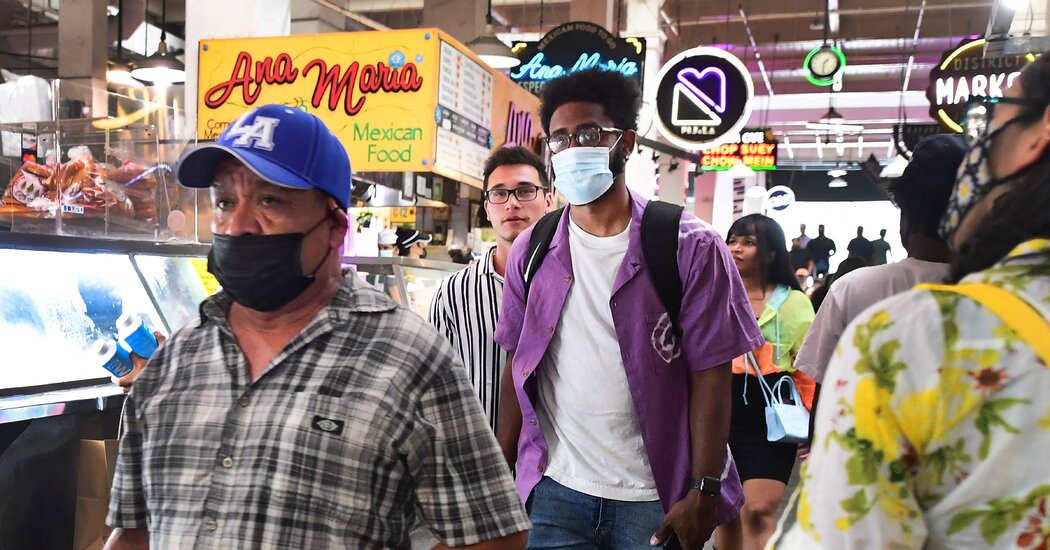
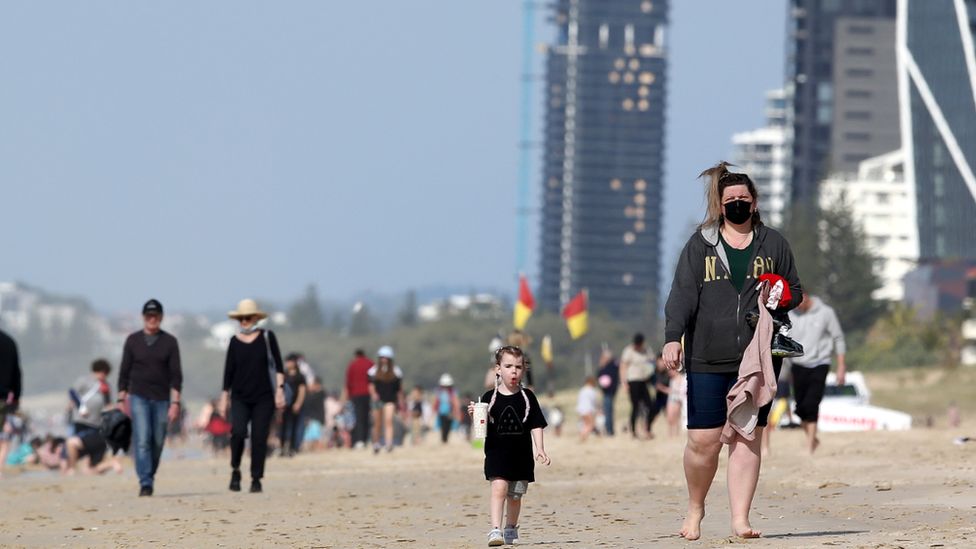
Are masks coming back? The Delta variant has some different officials rethinking precautions.

In May, federal health officials in the United States said that fully vaccinated people no longer needed to mask up, even indoors. The advice set the stage for a national reopening that continues to gain momentum.But that was before the spread of the Delta variant, a highly infectious form of the virus first detected in India and later identified in at least 85 countries. It now accounts for one in five infections in the United States.Worried by a global surge in cases, the World Health Organization last week reiterated its longstanding recommendation that everyone wear masks.On Monday, health officials in Los Angeles County followed suit, recommending that “everyone, regardless of vaccination status, wear masks indoors in public places as a precautionary measure.”Barbara Ferrer, the county’s public health director, said the new recommendation was needed because of upticks in infections, a rise in cases due to the worrisome Delta variant, and persistently high numbers of unvaccinated residents, particularly children, Black and Latino residents and essential workers.Roughly half of Los Angeles County residents are fully vaccinated, and about 60 percent have had at least one dose. While the number of positive tests is still below 1 percent in the county, the rate has been inching up, Dr. Ferrer added, and there has been a rise in the number of reinfections among residents who were infected before and did not get vaccinated.To the extent that Los Angeles County has managed to control the pandemic, it has been because of a multilayered strategy that combined vaccinations with health restrictions aimed at curbing new infections, Dr. Ferrer said. Natural immunity among those already infected has also kept transmission low, she noted, but it is not clear how long natural immunity will last.“We don’t want to return to lockdown or more disruptive mandates here,” Dr. Ferrer said. “We want to stay on the path we’re on right now, which is keeping community transmission really low.”Health officials in Chicago and New York City indicated this week that they had no plans to revisit mask requirements. Officials at the Centers for Disease Control and Prevention declined to comment, but have also not signaled any intention to revise or re-examine masking recommendations for those who are fully vaccinated.But the Delta variant’s trajectory outside the United States suggests that concerns are likely to intensify.

Read more →

The Southern diet – fried foods and sugary drinks – may raise risk of sudden cardiac death

Regularly eating a Southern-style diet may increase the risk of sudden cardiac death, while routinely consuming a Mediterranean diet may reduce that risk, according to new research published today in the Journal of the American Heart Association, an open access journal of the American Heart Association.
The Southern diet is characterized by added fats, fried foods, eggs, organ meats (such as liver or giblets), processed meats (such as deli meat, bacon and hotdogs) and sugar-sweetened beverages. The Mediterranean diet is high in fruits, vegetables, fish, whole grains and legumes and low in meat and dairy.
“While this study was observational in nature, the results suggest that diet may be a modifiable risk factor for sudden cardiac death, and, therefore, diet is a risk factor that we have some control over,” said James M. Shikany, Dr.P.H., F.A.H.A., the study’s lead author and professor of medicine and associate director for research in the Division of Preventive Medicine at the University of Alabama at Birmingham.
“Improving one’s diet — by eating a diet abundant in fruits, vegetables, whole grains and fish such as the Mediterranean diet and low in fried foods, organ meats and processed meats, characteristics of the Southern-style dietary pattern, may decrease one’s risk for sudden cardiac death,” he said.
The study examined data from more than 21,000 people ages 45 and older enrolled in an ongoing national research project called REasons for Geographic and Racial Differences in Stroke (REGARDS), which is examining geographic and racial differences in stroke. Participants were recruited between 2003 and 2007. Of the participants in this analysis, 56% were women; 33% were Black adults; and 56% lived in the southeastern U.S., which is noteworthy as a region recognized as the Stroke Belt because of its higher stroke death rate. The Stroke Belt states included in this study were North Carolina, South Carolina, Georgia, Tennessee, Alabama, Mississippi, Arkansas and Louisiana.
This study is the latest research to investigate the association between cardiovascular disease and diet — which foods have a positive vs. negative impact on cardiovascular disease risk. It may be the only study to-date to examine the association between dietary patterns with the risk of sudden cardiac death, which is the abrupt loss of heart function that leads to death within an hour of symptom onset. Sudden cardiac death is a common cause of death and accounted for 1 in every 7.5 deaths in the United States in 2016, or nearly 367,000 deaths, according to 2019 American Heart Association statistics.

Read more →

Prevalence of COVID-19 among hospitalized infants varies with levels of community transmission

How common COVID-19 is among infants may depend on the degree of the pandemic virus circulating in a community, a new study finds.
Published online June 30 in the journal Pediatrics, the study found specifically that rates of the infection with the virus that causes COVID-19 were higher among infants hospitalized, not for COVID-19 — but instead because they were being evaluated for a potential serious bacterial infection (SBI) — during periods of high COVID-19 circulation in New York City. The study also found rates of COVID-19 positivity in this age group were lower when infection rates in the city were low.
Led by researchers from NYU Langone Health, the study also examined the clinical course of the infection in young infants and found that the most common presentation of COVID-19 was a fever without other symptoms.
“Enhancing our knowledge of how COVID-19 infection affects young infants is important for informing clinical practice, and for planning public health measures such as vaccination distribution,” says Vanessa N. Raabe, MD, assistant professor in NYU Langone’s Departments of Medicine and Pediatrics, in the Division of Pediatric Infectious Diseases, and one of the study’s principal investigators.
New York City was the early epicenter of COVID-19 in the United States, with more than 190,000 reported infections during the peak of the NYC epidemic between March and May in 2020. Three percent of the reported cases were in children under 18 years of age, although these numbers may underestimate the true incidence given the lack of adequate testing. Most children infected with the disease were asymptomatic or had mild symptoms. However, cases of severe illness have been reported and some reports suggest young infants may be at higher risk for severe disease than older children.
Young babies are often treated with antibiotics in the hospital when they run a fever until doctors can make sure they don’t have a serious bacterial infection, such as meningitis or a bloodstream infection, say the study authors.

Read more →

Discovery of the role of a key gene in the development of ALS

Amyotrophic lateral sclerosis, or ALS, attacks nerve cells known as motor neurons in the brain and spinal cord, gradually leading to paralysis. The loss of function of an important gene, C9orf72, may affect communication between motor neurons and muscles in people with this disease. These findings were revealed by the team of Dr Kessen Patten of the Institut national de la recherche scientifique (INRS) in the journal Communications Biology.
A mutation in the C9orf72 gene is the primary genetic cause of ALS. The mutation in C9orf72 consists of an expansion of a sequence of six DNA bases (GGGGCC) that is very unusual, going from a few copies (less than 20 in a healthy person) to more than 1000 copies. The mutation, in part resulting in a loss of function, may be responsible for 40% to 50% of hereditary cases of ALS, and 5% to 10% of cases without family history.
Dr Patten’s team investigated this gene’s loss of function in genetically modified zebrafish models. In their work, led by PhD student Zoé Butti, the group noted symptoms similar to ALS, namely motor disorders, muscle atrophy, loss of motor neurons, and mortality of individuals.
Synaptic transmission
The study showed the effect of the loss of function induced by the mutation of the C9orf72 gene on communication between motor neurons and muscles. “This synaptic dysfunction is observed in all people with the disease and occurs before the death of motor neurons,” noted the researcher and holder of the Anna Sforza Djoukhadjian Research Chair.
The research group also revealed the gene’s role on the protein TDP-43 (transactive response DNA binding protein 43) which plays an important role in ALS. The C9orf72 gene may affect the protein TDP-43’s location within the cell. “In approximately 97% of ALS patients, the TDP-43 protein is depleted from the nucleus and forms aggregates in the cytoplasm rather than being in the nucleus, as is the case in healthy people. We want to investigate this relationship between the two proteins further,” explained Professor Patten.
Now that the team has developed a model, it will be able to test therapeutic molecules. The aim is to find a drug to restore the synaptic connection between neurons and muscles. It may also lead to a therapeutic target to rectify the abnormality of the TDP-43 protein.
Story Source:
Materials provided by Institut national de la recherche scientifique – INRS. Original written by Audrey-Maude Vézina. Note: Content may be edited for style and length.

Read more →

Turn Your Phone Into a Fitness Coach

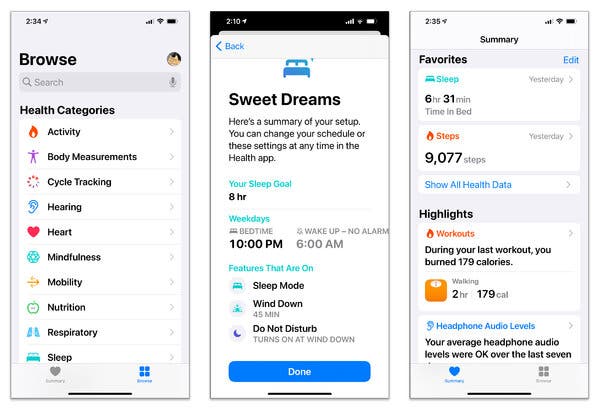
You don’t need a smartwatch or an activity tracker to monitor your exercise, nutrition and other health information.Ready to get outside this summer and get fit? Your smartphone’s hardware, its software and an app store full of programs can help lead the way. Here’s a guide on how to get the most out of your device.Just remember, medical data is sensitive information, so read the privacy policy of any app that’s collecting it or tracking you. Consult your doctor before making major changes to your dietary or workout routine.Here’s to Your HealthIn 2014, Apple and Google both announced dashboard apps to track personal health and wellness, and the companies have been enhancing those apps ever since.Apple’s Health app collects and stores a wide variety of daily physical data so you can monitor and track your fitness over time.AppleApple’s Health app works on iPhones and iPod Touch devices running iOS 8 and later (as well as the Apple Watch). The app invites you to set up a “health profile” with physical information and the activities and habits you’d like to track, like your sleep. You can also pull in medical records from participating health care providers and workout and diet data from third-party apps. Apple recently announced a slew of updates to Health coming this fall with iOS 15, including the ability to share your stats with family and doctors.Google Fit serves as a dashboard and diary for health and fitness data. As shown in the middle, some phone models can also collect basic cardio and pulmonary data through the device’s camera.GoogleThe Google Fit app works on the Android and iOS operating systems. (It can also import health data from Wear OS, Apple Watches and third-party apps.) In collaboration with the American Heart Association, the Google Fit helps users set activity goals to earn “Heart Points” for better cardiovascular health. This year, Google announced that the app could also use the phone’s camera to measure heart and respiratory rates for informational purposes (but not as a medical diagnosis); Google’s own Pixel phones were the first to get this function.Both Apple Health and Google Fit include basic tools like a pedometer, which uses the phone’s motion sensor to track your steps, but fitness and food apps can provide more detailed information.Get a New (Exercise) RoutineIf you’re looking for a workout app for an exercise plan that goes beyond step-counting, you have many options. Most of the popular programs are available for both Android and iOS. These include the Jefit Workout Planner and Skimble’s Workout Trainer; both offer guides to specific exercises and routines for small subscription fees.The Peloton app ($13 a month) offers video-driven workouts, and Google Fit has a curated list of free exercise videos on YouTube. For those planted in the Apple ecosystem, the Apple Fitness+ service is $10 a month and requires an Apple Watch with your iPhone to monitor your vital signs.For people on a budget or preferring to exercise at home, apps like Skimble’s Workout Trainer, far left, offer fitness routines and can sync data with Apple Health or Google Fit. Google Fit, near left, has a collection of free YouTube workout videos.Skimble; GoogleRunners and cyclists wanting to measure their progress have a variety of apps to consider. For beginners, the $3 Couch to 5K app provides a training plan for somewhat stationary newbies to work their way up to a solid running routine. Runkeeper and MapMyRun use the phone’s location services to log and trace routes; both are free with in-app purchases. Cyclemeter and Strava are also inexpensive apps that track running, cycling and more.Keep a Food DiaryIf you want to focus on dietary adjustments — eating more protein, consuming less sodium, shedding a few pandemic pounds — and don’t want to manually log food labels, consider a dedicated nutrition app. Many of these are free to download but offer in-app subscriptions for personalized diet planning, community support and other features.The Lose It! app, far left, prompts you keep a food diary of your day so you can see just how many calories you’re consuming. MyFitnessPal, near left, works in a similar way and has its own database of nutritional information.Lose It! / MyFitnessPalAmong the apps in this category, Lose It! focuses on calorie-counting and weight loss, and can share its data with Apple Health, Google Fit and other apps. Lose It! has a huge database of nutritional information for millions of items and can scan package labels to add new foods. MyFitnessPal is a similar program with a database of 11 million foods, a huge online community and the ability to sync up and share data with 50 other fitness apps and devices.Map Your WayYour phone’s maps app can help you get more active in general. For example, just enter “gyms near me” to see where you can get a workout, or “hiking” to find nearby trails.Apple Maps, left, and Google Maps offer cycling routes and information for those who like to travel by bike.Apple/GoogleLast year, both Apple Maps and Google Maps added new features for urban cyclists, including biking routes in certain cities, the location of bike-sharing docks around town and elevation information. In Google Maps for Android and iOS, you can also tap the Layers button to see Cycling routes and the Terrain — so you can really be prepared for any non-metaphorical uphill climbs on your journey.

Read more →

As the Virus Rages, Putin Pushes Russians to Get a (Russian) Vaccine

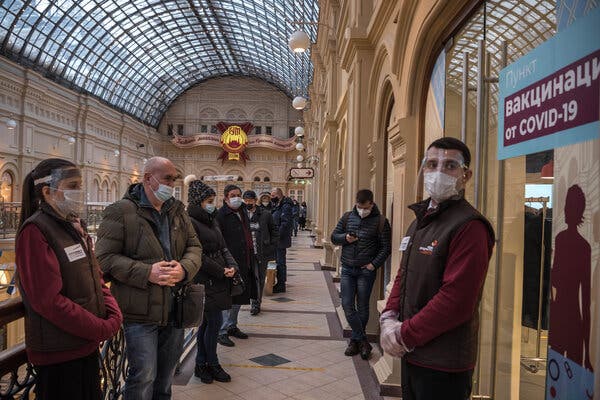
In his annual call-in show, President Vladimir V. Putin struck a changed tone after previously having cast his country’s handling of Covid-19 as a success story.MOSCOW — President Vladimir V. Putin urged Russians to get vaccinated against the coronavirus on Wednesday — his most extensive comments on the matter yet — as his country scrambles to contain a vicious new wave of the illness.Speaking at his annual televised call-in show, Mr. Putin spent the opening half-hour trying to convince Russians to get one of the country’s four domestically produced shots. It was the latest instance of a marked change in tone about the pandemic from Russian officials, who for months did little to push a vaccine-wary public to get immunized but are now starting to make vaccination mandatory for some groups.“It’s dangerous, dangerous to your life,” Mr. Putin said of Covid-19. “The vaccine is not dangerous.”Only 23 million Russians, or about 15 percent of the population, have received at least one vaccine dose, Mr. Putin said. Polls this year by the independent Levada Center showed that some 60 percent of Russians did not want to be vaccinated. Analysts attribute Russians’ hesitancy to a widespread distrust of the authorities combined with a drumbeat of state television reports that described the coronavirus as either mostly defeated or not very dangerous to begin with.Mr. Putin revealed that he himself had received the Sputnik V vaccine this year — the Kremlin had previously refused to specify which shot he had been given — and that he had experienced a brief fever after the second dose. But his message remained muddled, as he questioned the safety of Covid-19 vaccines in general.“Thank God we haven’t had tragic situations after vaccinations like after the use of AstraZeneca or Pfizer,” Mr. Putin said.Mr. Putin spoke just as his handling of the pandemic — long touted by the Kremlin as superior to the approach taken in the West — threatened to turn into a major debacle. While Russia’s Sputnik V vaccine is widely seen as safe and effective, most Russians have been avoiding it and other available, domestically produced shots. As a result, the country is suffering through a harrowing new wave of the pandemic, with the delta variant of the coronavirus spreading fast.Russia’s biggest cities, Moscow and St. Petersburg, have been reporting more than 100 deaths per day recently, setting records; nationwide, the number of reported new cases per day has doubled to more than 20,000 in recent weeks, with 669 deaths reported on Wednesday. The official toll is likely to be a significant undercount.Waiting for a Sputnik V shot in Moscow in January. Polls have suggested that many Russians are hesitant to get vaccinated.Sergey Ponomarev for The New York TimesRegional officials in Moscow and elsewhere have resisted lockdowns. But, almost certainly with Mr. Putin’s blessing, they have made vaccination mandatory for large groups of people in their regions, such as service workers. That has prompted an outcry from many Kremlin critics and supporters alike.“I don’t support mandatory vaccination, and continue to have this point of view,” Mr. Putin said, putting the responsibility for such orders on regional officials.The renewed surge of the coronavirus could derail the Kremlin’s message of competence in comparison to Western dysfunction just as parliamentary elections approach in September. Mr. Putin’s most vocal opponents have already been jailed, exiled or barred from running, but obvious election fraud or a poor showing by his governing United Russia party could still weaken the president’s domestic authority.Mr. Putin’s annual call-in show, first broadcast in 2001, has turned into a bedrock of how he has communicated with Russians during two decades of rule. More than a million questions were submitted ahead of time by phone, text message and smartphone app, state news media reported. They covered things like the cost of airline tickets, problems with building regulations, illegal logging and high food prices.The lengthy session affords the president a chance to show that he is in charge, in command of the details of a plethora of issues and concerned about the welfare of regular Russians. It also allows him to blame problems on lower-level officials, while casting himself as the savior of the common citizen.But it has also underlined the weakness of the top-down system of governance over which Mr. Putin presides. To solve even the most minor issues, it seems, Mr. Putin himself sometimes needs to get involved.For instance, after a sheep breeder in the Caucasus republic of Ingushetia told Mr. Putin that he had been having trouble finding a plot of land to rent, the president pledged to speak to the region’s governor.“Sheep breeding is very important,” Mr. Putin said. “People who do this deserve support.”Mr. Putin spent much of the show focused on domestic issues. He shot down online rumors of new fees for farmers, pledging that “no one is planning a tax on livestock.” A woman’s smartphone video from a grocery store showed the high cost of carrots and other staples. Mr. Putin pledged to address the matter, noting that it was a global problem and that “the vegetable harvest is soon, and I hope this will have an impact on prices.”But Mr. Putin was at his most animated when he was asked about geopolitics. Responding to a question about Ukraine, he repeated his oft-stated contention that Russians and Ukrainians were “one people” and that the country had turned into a puppet of the United States. He rejected another viewer’s idea that last week’s incident surrounding a British warship approaching Crimea could have touched off World War III.But he warned that any attempt by the West to build up a military presence in Ukraine, Russia’s biggest western neighbor, would pose an existential threat.“This creates significant problems for us in the security sphere,” Mr. Putin said. “This touches the existential interests of the Russian Federation and the Russian people.”Some of the questions during the show came as live phone or video calls, while others were prerecorded videos. Mr. Putin at times appeared confused as to whether or not a question was being asked in real time, talking back at some of the recorded videos. After some technical difficulties about two hours in, the hosts said that the show was coming under a denial-of-service cyberattack.“Everyone talks about Russian hackers,” one of the hosts quipped.Oleg Matsnev contributed reporting.

Read more →

Las vacunas de Pfizer y Moderna podrían generar una inmunidad duradera, según científicos

Las células inmunes siguen combatiendo al coronavirus meses después de la inoculación, reportaron los investigadores.Las vacunas fabricadas por Pfizer-BioNTech y Moderna generan una reacción inmunitaria persistente en el organismo que puede proteger contra el coronavirus durante años, informó el lunes un grupo de científicos.Los hallazgos se suman a la creciente evidencia de que la mayoría de las personas inmunizadas con las vacunas de ARNm podrían no necesitar refuerzos, siempre y cuando el virus y sus variantes no evolucionen mucho más allá de sus formas actuales, algo que no está garantizado. Es posible que las personas que se recuperaron de COVID-19 antes de ser vacunadas no necesiten refuerzos incluso si el virus realiza una transformación significativa.“Es una buena señal de lo durable que es nuestra inmunidad proveniente de esta vacuna”, dijo Ali Ellebedy, inmunólogo de la Universidad de Washington en Saint Louis que dirigió el estudio, publicado en la revista Nature.El estudio no incluyó a la vacuna fabricada por Johnson & Johnson, sin embargo, el doctor Ellebedy dijo que esperaba que la respuesta inmunitaria sea menos durable que la que producen las vacunas de ARN mensajero.Ellebedy y sus colegas reportaron el mes pasado que en quienes sobreviven a la COVID-19, las células inmunitarias que reconocen al virus permanecen inactivas (durmientes) en la médula ósea durante al menos ocho meses después de la infección. Un estudio de otro equipo indicó que las llamadas células B de memoria siguen madurando y fortaleciéndose durante al menos un año tras la infección.Los investigadores, con fundamento en esos hallazgos, sugirieron que la inmunidad podría durar por años y tal vez toda la vida en las personas que contrajeron el coronavirus y luego fueron vacunadas. Pero no quedó muy claro si es posible conseguir un efecto tan duradero solo con la vacunación.El equipo de Ellebedy buscó resolver esa pregunta al examinar la fuente de las células de memoria: los nódulos linfáticos, donde las células inmunitarias se entrenan para reconocer y combatir el virus.Después de una infección o la vacunación, se forma una estructura especializada llamada centro germinal en los ganglios linfáticos. Esta estructura es una suerte de escuela de élite para las células B, un campo de entrenamiento donde se vuelven cada vez más sofisticadas y aprenden a reconocer un conjunto diverso de secuencias genéticas virales.Es más probable que estas células logren frustrar a las variantes del virus que puedan surgir si disponen de más tiempo y rango para practicar.“Todos se enfocan siempre en la evolución del virus; esto muestra que las células B están haciendo lo mismo”, dijo Marion Pepper, inmunóloga de la Universidad de Washington en Seattle. “Y va a proteger contra la evolución en curso del virus, lo cual es realmente alentador”.Después de contraer el coronavirus, se forma el centro germinal en los pulmones. Pero después de la vacunación, la educación de las células sucede en los nódulos linfáticos de las axilas, al alcance de los investigadores.Ellebedy y sus colegas reclutaron a 41 personas, incluidas ocho con antecedentes de infección por el virus, que fueron inmunizadas con dos dosis de la vacuna Pfizer-BioNTech. De 14 de estas personas, el equipo extrajo muestras de los ganglios linfáticos a las tres, cuatro, cinco, siete y 15 semanas después de la primera dosis.Ese laborioso trabajo es lo que hace que este sea un “estudio heróico”, comentó Akiko Iwasaki, inmunólogo de Yale. “Este tipo de análisis cuidadoso de series de tiempo en humanos es muy difícil de realizar”.El equipo de Ellebedy encontró que a las 15 semanas de recibir la primera dosis de la vacuna, el centro germinal seguía altamente activo en los 14 participantes y que la cantidad de células de memoria capaces de reconocer al coronavirus no había disminuido.“Que las reacciones continuaran casi cuatro meses después de la vacunación, es una señal muy muy buena”, comentó Ellebedy. Los centro germinales suelen tener su máxima expresión una o dos semanas después de la inmunización y luego declinan.“Por lo general no suele quedar mucho después de cuatro a seis semanas”, dijo Deepta Bhattacharya, inmunólogo de la Universidad de Arizona. Pero los centros germinales estimulados por las vacunas de ARNm “siguen activas a los meses y no declinan mucho en la mayoría de las personas”.Bhattacharya indicó que la mayor parte de lo que los científicos saben sobre la persistencia de los centros germinales proviene de la investigación con animales. El nuevo estudio es el primero en mostrar lo que sucede en las personas después de la vacunación.Los resultados sugieren que una gran mayoría de las personas vacunadas estarán protegidas a largo plazo, al menos contra las variantes de coronavirus existentes. Pero los adultos mayores, las personas con sistemas inmunitarios débiles y aquellos que toman medicamentos inmunosupresores puede que necesiten refuerzos; Es posible que las personas que sobrevivieron a la COVID-19 y luego fueron inmunizadas nunca los necesiten.Es difícil predecir con exactitud cuánto durará la protección de las vacunas de ARN mensajero. Si no existieran las variantes que esquivan a la inmunidad, esta podría durar en teoría toda la vida. Pero el virus claramente sigue evolucionando.“Cualquier necesidad de un refuerzo sería a causa de una variante, no de un declive de la inmunidad”, dijo Bhattacharya. “No veo que eso llegue a suceder”.Las personas que se infectaron con el coronavirus y luego se inmunizaron experimentan un aumento importante en sus niveles de anticuerpos, muy probablemente porque sus células B de memoria, que producen anticuerpos, tuvieron muchos meses para evolucionar antes de la vacunación.La buena noticia: la vacuna de refuerzo probablemente tendrá el mismo efecto que una infección previa en personas inmunizadas, dijo Ellebedy. “Si les brindas otra oportunidad de participar, responderán de forma masiva”, dijo, refiriéndose a las células B de memoria.En lo que respecta a reforzar el sistema inmunológico, la vacunación es “probablemente mejor” que recuperarse de la infección real, dijo. Otros estudios han sugerido que el repertorio de células B de memoria que se producen después de la vacunación es más diverso que el generado por la infección, lo que sugiere que las vacunas protegen mejor contra variantes que la inmunidad natural por sí sola.Ellebedy dijo que los resultados también sugieren signos de una reacción inmunitaria persistente producidos por las vacunas de ARNm, en lugar de por aquellas más tradicionales, como la de Johnson & Johnson.Pero esa es una comparación injusta, ya que la vacuna de Johnson & Johnson se administra en una sola dosis, dijo Iwasaki: “Es probable que si la J & J tuviera una segunda dosis, podría inducir el mismo tipo de respuesta”.Apoorva Mandavilli es reportera del Times y se enfoca en ciencia y salud global. En 2019 ganó el premio Victor Cohn a la Excelencia en Reportaje sobre Ciencias Médicas. @apoorva_nyc

Read more →

Australia Covid: Seventh city locks down as cases spread

SharecloseShare pageCopy linkAbout sharingimage copyrightEPASeven Australian cities are now in lockdown as authorities scramble to prevent spread of the highly contagious Delta coronavirus variant. Officials reported a slight case rise on Wednesday, to over 200 cases.Near half the population – over 12 million people – are under stay-at-home orders in Sydney, Brisbane, Perth, Darwin, Townsville and the Gold Coast.On Wednesday, the outback town of Alice Springs also entered a snap lockdown after cases emerged in South Australia.Local officials are concerned the virus could spread to nearby vulnerable Aboriginal communities. Across the country on Wednesday, state leaders said they were facing a “pressure cooker situation” as new cases emerged. Many have urged faster vaccinations as just 5% of the population remains vaccinated. But messaging about the nation’s main vaccine, the AstraZeneca jab, has been confused. On Wednesday, Queensland and Western Australia state premiers contradicted Prime Minister Scott Morrison’s direction that people under 40 could get the jab.How Delta burst Australia’s Covid bubbleAfter months where it had nearly eradicated the virus, the Delta outbreaks have shocked Australia out of its previously relaxed lifestyle.The variant has sprung up in five of its eight states and territories, just a fortnight after the first cluster took hold in Sydney.For the past year, Australia has enjoyed near-zero transmission rates, recording just one Covid-related death this year.It had prevented wider community transmission through measures including closed borders, hotel quarantine and aggressive tracing systems.But leaks from hotel quarantine have highlighted gaps in the defences. That’s sparked a blame game between state and federal leaders.Vaccine chaosPrime Minister Scott Morrison’s rollout of the nation’s vaccine programme has also been severely criticised.The low rate has been attributed to supply problems and public concern around the AstraZeneca jab and its rare blood clotting risk.Spike in Australians rejecting AstraZeneca vaccineWhat’s gone wrong with Australia’s vaccine rollout?On Monday, Mr Morrison opened access to the vaccine to people aged under 40 – but that advice has not been endorsed by state governments or the Australian Medical Association.Critics say a lack of public health messaging has exacerbated widespread hesitancy over the jab.On Wednesday, the Queensland state government lashed the federal government for confusing messaging, and said it did not endorse AstraZeneca for young people.It also warned it was due to run out of its Pfizer supplies in eight days – and said its request for more stock from the government had been turned down.Calls to tighten borders Queensland Premier Annastacia Palaszczuk also called for a crackdown on the number of international arrivals, after noting the state’s new Delta cases stemmed from a business traveller flying between Indonesia and Brisbane who had infected a hospital receptionist.Queensland plunged three cities – Brisbane, Townsville and the Gold Coast- into a three-day lockdown on Tuesday following the case detection.”The person who brought the virus into Queensland was a regular traveller, not a vulnerable Australian returning home…and I honestly think we need a serious discussion about ensuring that people are vaccinated coming into this country,” said Ms Palaszczuk.”We have got to minimise the risk. We are at a pressure cooker moment at the moment. Right across Australia, it’s like a pressure cooker.”Western Australia and Victoria have also called for a reassessment of the numbers of people allowed into the country.New South Wales recorded 22 new cases on Wednesday taking its cluster to about 170 cases. Its capital, Sydney, and surrounding regions remain in lockdown until 9 July.

Read more →

Taiwan boy thrown 27 times during judo class taken off life support

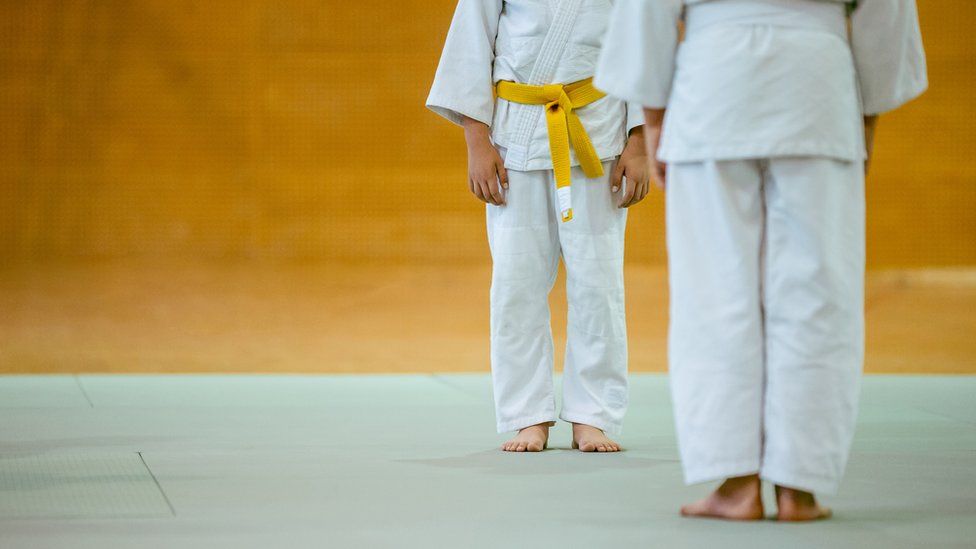
SharecloseShare pageCopy linkAbout sharingimage copyrightGetty ImagesA seven-year-old boy who was slammed to the floor 27 times during judo practice has died in Taiwan. In April, he had suffered severe brain haemorrhaging after a judo class which saw both his classmate and his coach practise their throws on him.The boy, who has not been identified, later went into a coma and was placed on life support.His parents decided to withdraw life support after 70 days, according to local media reports. The violent judo class that put a boy in a comaThe boy’s coach, who is in his late 60s, has been charged with physical assault resulting in serious injury and using a minor to commit a crime, according to local news site the Taipei Times. The coach, identified only by his surname Ho, was earlier this month released on bail of NT$100,000 ($3583; £2587). Respect and reverenceThe seven-year old boy had attended judo class on 21 April under the supervision of his uncle, who reportedly filmed him in class to show his mother that judo was potentially unsuitable for him. The video shows him being thrown several times by an older classmate during practice. He is heard screaming in the video but his coach orders him to stand up and tells the older boy to continue throwing him, before proceeding to pick him up and throw him to the ground himself.He eventually passes out, though his family says his coach accused him of faking unconsciousness. There are questions as to why his uncle did not stop the coach, but experts in Taiwan say there is a long-seated notion of respect and reverence for teachers – which sometimes means accepting their authority regardless of the circumstances. The boy’s mother told reporters that his uncle felt “terrible for what happened”.It was later found that the coach was unlicensed.”I still remember that morning when I took him to school,” his mother had said earlier. “He turned around and said, ‘Mama goodbye’. By night, he had become like this.”On Tuesday at 21:00, the Fengyuan Hospital announced that his blood pressure and heart rate levels were dropping. After doctors spoke to his family, they agreed to withdraw life support. On Taiwanese social media, there was an outpouring of grief with many saying, “there is no pain now, little brother”. Others called for harsher action to be taken against the coach and for compensation to be given to the boy’s parents.

Read more →

High physical activity levels may counter serious health harms of poor sleep

Those who had both the poorest sleep quality and who exercised the least were most at risk of death from heart disease, stroke, and cancer, the findings indicate, prompting the researchers to suggest a likely synergy between the two activities.
Both physical inactivity and poor sleep are independently associated with a heightened risk of death and/or cardiovascular disease and cancer. But it’s not clear if they might exert a combined effect on health.
To explore this further, the researchers drew on information provided by 380,055 middle-aged (average age 55) men and women taking part in the UK Biobank study. The UK Biobank is tracking the long term health of more than half a million 37-73 year olds, who were recruited from across the UK between 2006 and 2010.
Participants supplied information on their normal weekly physical activity levels, which were measured in Metabolic Equivalent of Task (MET) minutes. These are roughly equivalent to the amount of energy (calories) expended per minute of physical activity.
For example, 600 MET minutes a week is the equivalent of 150 minutes of moderate intensity activity, or more than 75 minutes of vigorous intensity physical activity a week.
Physical activity levels were categorised as: high (1200 or more MET minutes/week); medium (600 to less than 1200); or low (1 to less than 600); and no moderate to vigorous physical activity, according to World Health Organization guidelines.

Read more →