Meta-analysis finds that omega-3 fatty acids improved cardiovascular outcomes

For decades, there has been great interest in whether omega-3 fatty acids can lower rates of cardiovascular events. In 2018, results from the Reduction of Cardiovascular Events with Icosapent Ethyl-Intervention Trial (REDUCE-IT) were published in the New England Journal of Medicine and showed that a high dose of a purified ethyl ester of eicosapentaenoic acid (EPA) in patients at elevated cardiac risk significantly reduced cardiovascular events. Results from the trial led to US. Food and Drug Administration, Health Canada, and European Medicines Agency approval of the prescription drug icosapent ethyl for reducing cardiovascular risk in patients with elevated triglycerides, as well as updates to worldwide guidelines. But prior and subsequent studies of omega-3 fatty acid supplements that combine EPA and docosahexaenoic acid (DHA) have had mixed results.
Investigators from Brigham and Women’s Hospital and elsewhere conducted a systematic review and meta-analysis of 38 randomized controlled trials of omega-3 fatty acids. Overall, they found that omega-3 fatty acids improved cardiovascular outcomes. Results, now published in eClinical Medicine, showed a significantly greater reduction in cardiovascular risk in studies of EPA alone rather than EPA+DHA supplements.
“REDUCE-IT has ushered in a new era in cardiovascular prevention,” said senior author Deepak L. Bhatt, MD, MPH, the executive director of Interventional Cardiovascular Programs at the Brigham and lead investigator of the REDUCE-IT trial. “REDUCE-IT was the largest and most rigorous contemporary trial of EPA, but there have been other ones as well. Now, we can see that the totality of evidence supports a robust and consistent benefit of EPA.”
Bhatt and colleagues performed a meta-analysis of 38 randomized clinical trials of omega-3 fatty acids, including trials of EPA monotherapy and EPA+DHA therapy. In total, these trials included more than 149,000 participants. They evaluated key cardiovascular outcomes, including cardiovascular mortality, non-fatal cardiovascular outcomes, bleeding, and atrial fibrillation. Overall, omega-3 fatty acids reduced cardiovascular mortality and improved cardiovascular outcomes. The trials of EPA showed higher relative reductions in cardiovascular outcomes compared to those of EPA+DHA.
The researchers note that there are crucial biological differences between EPA and DHA — while both are considered omega-3 fatty acids, they have different chemical properties that influence their stability and strength of the effect that they can have on cholesterol molecules and cell membranes. No trials to date have studied the effects of DHA alone on cardiovascular outcomes.
“This meta-analysis provides reassurance about the role of omega-3 fatty acids, specifically prescription EPA,” said Bhatt. “It should encourage investigators to explore further the cardiovascular effects of EPA across different clinical settings.”
Story Source:
Materials provided by Brigham and Women’s Hospital. Note: Content may be edited for style and length.

Read more →

Tokyo Olympic Games: State of emergency announced as Covid cases rise

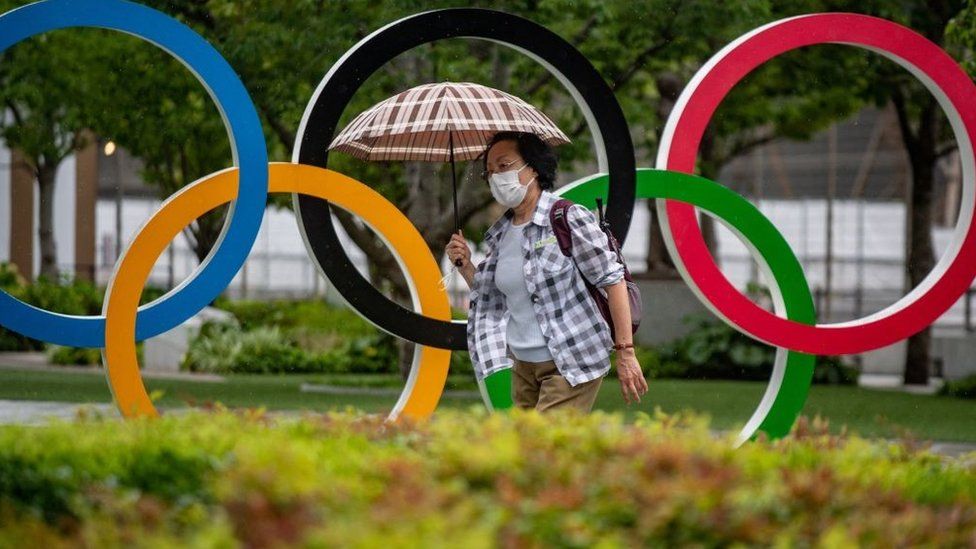
SharecloseShare pageCopy linkAbout sharingimage copyrightAFP via Getty ImagesJapan has declared a state of emergency in Tokyo which will run throughout the Olympic Games, to combat coronavirus.Prime Minister Yoshihide Suga told reporters it would remain in place until 22 August.Bars and restaurants will not be allowed to serve alcohol and must close by 20:00 (11:00 GMT), a minister announced.Coronavirus infections are rising in Tokyo as the 23 July opening ceremony edges closer.There has been widespread opposition to the Games in Japan, with calls for them to be postponed or cancelled.”Taking into consideration the effect of coronavirus variants and not to let the infections spread again to the rest of the nation, we need to strengthen our countermeasures,” the prime minister said. When are the Olympics and how will Covid change them?Japan’s battle to contain Covid before the Olympics”Given the situation, we will issue a state of emergency for Tokyo.”Organisers are reportedly also considering barring fans from almost all Olympic events.The announcement was made after a meeting between the organising committee, the government and the International Olympic Committee president, Thomas Bach, who has just arrived in Japan.The Olympic Games are scheduled to take place in the Japanese capital between 23 July and 8 August. The Paralympic Games are between 24 August and 5 September.What’s happening with Covid in Japan?A new wave of infections began in April, but overall the country has had relatively low case numbers and a death toll of around 14,900.On Wednesday, there were 2,180 new cases reported in the country. Some 920 of those were in Tokyo, up from 714 last week and its highest since 1,010 on 13 May.image copyrightPhotoshotJapan’s vaccination rollout has been slow, and just over 15% of the country is fully vaccinated. There is rising concern over the threat of the Delta variant. In Tokyo and Osaka, the two cities hit hardest by the recent surge, authorities hope over-65s will be fully vaccinated by the end of July. Entry to Japan by foreigners from 159 countries – including the UK – is currently banned.Do people in Japan want the Olympics?There is lots of opposition to the Games, which have already been postponed by a year because of Covid-19 and have experienced setbacks, including massive budget overruns.A June poll in the leading Asahi Shimbun newspaper suggested more than 80% of the population wanted the Games cancelled or postponed.The paper also called for them to be cancelled. Public spectator sites have been scrapped and companies have been hesitant about advertising related to the Olympics because of the widespread opposition to them.

Read more →

Seeking Answers on Covid, U.F.O.s and Illnesses, Spy Agencies Turn to Scientists

American intelligence agencies are tapping outside expertise as they wrestle with mysteries that are as much about science as they are about espionage.WASHINGTON — The nation’s intelligence agencies are looking for ways to increase their expertise in a range of scientific disciplines as they struggle to answer unexplained questions — about the origins of the coronavirus pandemic, unidentified phenomenon observed by Navy pilots and mysterious health ailments affecting spies and diplomats around the world.Traditional spycraft has failed to make significant progress on those high-profile inquiries, and many officials have grown convinced that they require a better marriage of intelligence gathering and scientific examination.Intelligence officials in the Biden administration came into office pledging to work on areas traditionally dominated by science, like studying the national security implications of climate change and future pandemics. But as the other issues have cropped up, the spy agencies have had to confront questions that are as much scientific mysteries as they are challenges of traditional intelligence collection.The White House has given the intelligence community until later this summer to report the results of a deep dive into the origins of the coronavirus, including an examination of the theory that it was accidentally leaked from a Chinese lab studying the virus as well as the prevailing view that it was transmitted from animals to humans outside a lab.The administration has also pledged to Congress to make progress on determining the cause of mysterious health ailments on diplomats and intelligence officers, known as Havana syndrome. And finally, a preliminary inquiry into unidentified flying objects and other phenomena failed to explain almost all of the mysterious encounters by military aviators that intelligence analysts had scrutinized, prompting intelligence officials to promise a follow-up in the next three months.To bolster the role of scientific expertise, the Office of the Director of National Intelligence brought an experienced epidemiologist from the State Department’s intelligence and research division to serve on the National Intelligence Council, according to intelligence and other government officials. The office has also created two national intelligence manager posts, one to look at climate change and the other to examine disruptive technology, intelligence officials said.The National Security Council, working with the C.I.A. and the director of national intelligence, has established a pair of outside panels to study Havana syndrome, whose symptoms include dizziness, fatigue and sudden memory loss. Outside scientists with security clearances will be able to view classified intelligence to better understand what may have caused the brain injuries.The work reflects “a broader priority on science and technology,” a White House official said.One panel will focus on possible causes. The other is charged with helping develop devices that could better protect personnel, according to an administration official.Scientific might has been vitally important to modern American intelligence agencies since their beginnings. Throughout the Cold War, scientists paired with intelligence analysts to examine adversaries’ nuclear missile development and chemical and biological weapons programs. The agencies have also cultivated deep engineering talent as they built spy satellites and reconnaissance aircraft and devised tools to intercept a wide range of communications.But the recent intelligence challenges have required a different range of scientific expertise, including some areas that agencies have invested fewer resources in over the years.“This is a really interesting moment where the national security interests have changed from some of the Cold War interests,” said Sue Gordon, a former top intelligence official. “Priorities are changing now.”Faced not only with the immediate unsolved security questions, but also with the longer-term challenge of improving intelligence collection on climate change, Avril D. Haines, the director of national intelligence, has pushed agencies to more aggressively recruit undergraduate and graduate students with an extensive range of scientific knowledge.“The D.N.I. believes that the changing threat landscape requires the intelligence community to develop and invest in a talented work force that includes individuals with science and technology backgrounds,” said Matt Lahr, a spokesman for Ms. Haines. “Without such expertise, we will not only be unable to compete, we will not succeed in addressing the challenges we face today.”Officials are also trying to make broader use of existing initiatives. For example, Ms. Haines’s office has been more aggressively questioning its science and technology expert group, a collection of some 500 scientists who volunteer to help intelligence agencies answer scientific problems.Officials have asked those scientists about how coronaviruses mutate as well as about climate change and the availability of natural resources. While the scientists in the expert group do not perform intelligence analysis, their answers can help such analysts inside agencies draw more accurate conclusions, intelligence officials said.In other cases, the efforts to bring in outside expertise is new.During the Trump administration, the State Department commissioned the National Academies of Sciences, Engineering and Medicine to examine Havana syndrome. Its report concluded that a microwave weapon was a likely cause of many of the episodes but was hampered in part because of a lack of access to information; scientists were not given the full range of material collected by the intelligence agencies, officials said.Outside scientists on the two new panels will have security clearances enabling them to look at the full range of material. The “driving purpose” of the panels is to give them access to classified information that was denied under previous studies, a White House official said.Intelligence officials and government experts will also serve on the panels. McClatchy earlier reported on their creation.The administration will also bring in medical experts in traumatic brain injury and technical experts on weapons systems and directed-energy devices to examine the potential causes of the health episodes, according to the administration official.The government is examining some 130 episodes, though officials concede that some could eventually be set aside if their causes are determined and appear to be unrelated to Havana syndrome.A number of victims had criticized the government’s handling of the issue, saying too few officials took it seriously. While some officials have remained skeptical, inside the C.I.A. the syndrome has become a top priority of William J. Burns, its director, who pushed for the new panels.“As part of our ongoing vigorous efforts to determine the cause of these anomalous health incidents, we look forward to working with top scientists and experts inside and outside government on this panel,” Mr. Burns said in a statement.While scientific research has been a strength of American intelligence agencies, Ms. Gordon said, the current problems may require a different approach, bringing in more people from outside and working more with so-called open source information, including raw data collected by scientists but not always examined independently by intelligence agencies.“I do think that they will probably approach it slightly differently than they might have in the past,” Ms. Gordon said, “with a little bit more openness.”

Read more →

Russia offers North Korea Covid vaccines again as crisis worsens

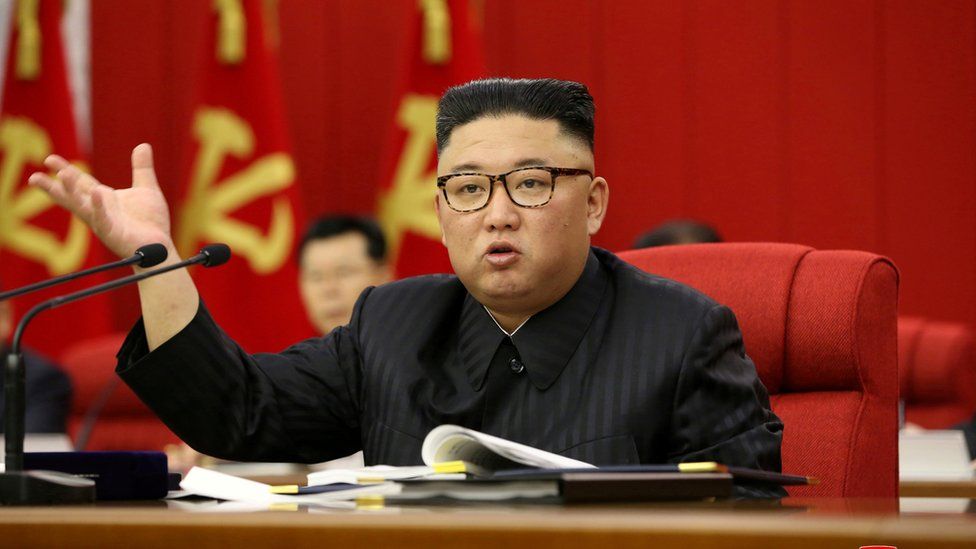
SharecloseShare pageCopy linkAbout sharingimage copyrightReutersRussia has offered North Korea Covid vaccines once again, amid reports that a harsh lockdown is leading to extreme hunger. Pyongyang has refused vaccines and aid from a number of countries.It has instead sealed borders to try and keep the virus out but that has affected trade with China. It relies on Beijing for food, fertiliser and fuel.Kim Jong-un has acknowledged that the country is facing food shortages, describing the situation as “tense”.He made the comments last month and also told citizens to prepare for the “worst ever outcome” which has invoked comparisons to a deadly famine in the 1990s. International trade sanctions are believed to have further put pressure on food supplies. Russia has previously told North Korea that “not everyone can endure unprecedentedly strong, overarching restrictions”, and on Wednesday Russian Foreign Minister Sergey Lavrov said that Moscow has offered Pyongyang vaccines on a number of occasions. He also repeated the offer to provide vaccines should the country require them. North Korea is in crisis. How big this crisis becomes will depend on what happens in the next few months.There are now a number of reports suggesting food shortages and it’s thought Kim Jong Un has ordered the military to distribute its stores among the people. A UN report yesterday said the country is facing food shortages of around 860,000 tonnes this year and it is forecasting a “harsh lean period”.Let’s be clear, this is nowhere near the levels of famine seen in the 1990s, but food stocks are dwindling and the autumn harvests must go well to avoid widespread hunger.Last year a number of typhoons flooded fields and destroyed crops. North Korea cannot afford any more natural disasters.One way out of this crisis would be to vaccinate people in the country against Covid-19 which would allow the regime to lift border restrictions, restart trade and perhaps even accept aid.I’ve discussed the logistical issues of this with a number of experts who suggest that North Korea’s reluctance may be due to a lack of refrigeration facilities to transport the vaccine and a fear of letting foreigners in to monitor the rollout.These are problems, I am told, that can be discussed and overcome. But at the moment, Pyongyang is showing no sign it is willing to act.In the meantime, once again the regime’s insistence on self-reliance means its people are going without food.North Korea says it has no Covid cases, a claim doubted by experts. Last week a high ranking official was fired over an unspecified “grave incident” believed to be related to the virus.Why doesn’t North Korea have enough food?N Korea TV airs rare Kim Jong-un weight loss remarkNorth Korean media later named him as Ri Pyong Chol, a top-ranking military official. Kim Jong-un also berated top officials over lapses related to Covid-19, North Korean state media report last month.It was a rare sign of the pandemic’s severity in North Korea.China and South Korea are among a number of countries that have previously offered jabs to Pyongyang.

Read more →

Covid: Watching Euros may be behind rise in infections in men

SharecloseShare pageCopy linkAbout sharingimage copyrightGetty ImagesEngland’s Euro 2020 progress could be behind infections rising faster among men than women in the past two weeks, Imperial College London data suggests.The React study, which tested more than 47,000 volunteers across England between 24 June and 5 July, confirms a “substantial third wave of infections”.And the men were 30% more likely than the women to test positive for Covid.The infections had not translated into a large number of people in hospital or dying, however, the study found.And vaccinated men and women were much less likely than others to catch the virus. “It could be that watching football is resulting in men having more social activity than usual,” report author Prof Steven Riley said.The report also found:prevalence of the virus had risen from 0.15% in early June to 0.59% in early Julybig rises in infections across all age groups under 75 and especially among younger people1.33% of the 13-17 and 1.4% of the 18-24-year-olds were infectedLondon had seen the largest increase in infections – to 1.08%vaccinated under-65s were three times less likely to be infected than unvaccinated people of the same agetwo vaccine doses gave 72% protection against a positive test resultThe study results show a similar pattern to the Office for National Statistics (ONS) survey data published weekly, which also uses tests of people in the community.”We are entering a critical period with a number of important competing processes,” the report says.They include:the continued vaccination rollout to the whole adult populationincreased natural immunity through infectionreduced social mixing of children during school holidays more mixing outdoors during summerIn addition, on 19 July, the government is lifting all remaining Covid restrictions in England – including all legal limits on social interactions and rules on numbers of people attending large events and performances. Face coverings will also no longer be mandatory indoors, although people are advised to wear one where necessary.Future infection rates were difficult to predict, the researchers said. But the prime minister has made clear cases are expected to rise as society opens up. How could life change on 19 July?Millions could end up self-isolating this summerI’m fully vaccinated, but how can I prove it?React programme director Prof Paul Elliott, from Imperial’s School of Public Health, said: “In spite of the successful rollout of the vaccination programme, we are still seeing rapid growth in infections, especially among younger people.”However, it is encouraging to see lower infection prevalence in people who have had both doses of a vaccine.” It was essential as many people as possible took up both vaccine doses when offered, he added.’Curb transmission’Almost two-thirds of adults – 64% – have now had both doses.Covid-19 Vaccine Deployment Minister Nadhim Zahawi said: “It is hugely encouraging to see the vaccination rollout is having a significant impact on stopping the spread of the virus. “I urge everyone to get their first and second dose when invited, as every jab helps to curb transmission and serious illness. “The small number of people who are double jabbed and experience symptoms should continue to get tested so we all play our part to stop the spread of this awful virus.”LOOK-UP TOOL: How many cases in your area?THE R NUMBER: What it means and why it mattersCOVID IN SCHOOL: What are the risks?VACCINE: When will I get the jab?COVID IMMUNITY: Can you catch it twice?

Read more →

Malaria and dengue predicted to affect billions more people

An estimated 8.4 billion people could be at risk from malaria and dengue by the end of the century if emissions keep rising at current levels, according to a new study published in The Lancet Planetary Health.
The research team estimates that this worst-case scenario would mean the population at risk of the diseases might increase by up to 4.7 additional billion people (relative to the period 1970-1999), particularly in lowlands and urban areas, if temperatures rise by about 3.7°C 1 by 2100 compared to pre-industrial levels.
The study was led by the London School of Hygiene & Tropical Medicine (LSHTM) with partners from Umeå University, Sweden; Abdus Salam International Centre for Theoretical Physics, Italy; University of Heidelberg, Germany; and the University of Liverpool.
The team used a range of models to measure the potential impact of climate change on the length of the transmission season and population at risk of two important mosquito-borne diseases — malaria and dengue — by the end of the 21st century compared with 100 years earlier. They made their predictions based on different levels of greenhouse gas emissions, population density (to represent urbanisation) and altitude.
For malaria, the modelling for the worst-case scenario estimated a total of 8.4 billion people being at risk in 2078 (ie 89.3% of an estimated global population of 9.4 billion) compared with an average of 3.7 billion over the period 1970-1999 (ie 75.6% of an estimated global population of 4.9 billion)2. For dengue, the modelling estimated a total of 8.5 billion people at risk in 2080 compared with an average of 3.8 billion in 1970-1999.
Malaria suitability is estimated to gradually increase as a consequence of a warming climate in most tropical regions, especially highland areas in the African region (eg Ethiopia, Kenya and South Africa), the Eastern Mediterranean region (eg Somalia, Saudi Arabia and Yemen), and the Americas (eg Peru, Mexico and Venezuela). Dengue suitability is predicted to increase mostly in lowland areas in the Western Pacific region (eg Guam, Vanuatu, Palau) and the Eastern Mediterranean region (eg Somalia and Djibouti), and in highland areas in the Americas (eg Guatemala, Venezuela and Costa Rica).

Read more →

5 million deaths a year caused by global climate related abnormal temps

More than five million extra deaths a year can be attributed to abnormal hot and cold temperatures, according to a world first international study led by Monash University.
The study found deaths related to hot temperatures increased in all regions from 2000 to 2019, indicating that global warming due to climate change will make this mortality figure worse in the future.
The international research team, led by Monash University’s Professor Yuming Guo, Dr Shanshan Li, and Dr Qi Zhao from Shandong University in China and published today in The Lancet Planetary Health looked at mortality and temperature data across the world from 2000 to 2019, a period when global temperatures rose by 0.26C per decade.
The study, the first to definitively link above and below optimal temperatures (corresponding to minimum mortality temperatures) to annual increases in mortality, found 9.43 per cent of global deaths could be attributed to cold and hot temperatures. This equates to 74 excess deaths for every 100,000 people, with most deaths caused by cold exposure.
The data reveals geographic differences in the impact of non-optimal temperatures on mortality, with Eastern Europe and Sub-Saharan Africa having the highest heat and cold-related excess death rates.
Importantly, cold-related death decreased 0.51 per cent from 2000 to 2019, while heat-related death increased 0.21 per cent, leading to a reduction in net mortality due to cold and hot temperatures.

Read more →

Without strong mitigation measures, climate change will increase temperature-attributable mortality in Europe

Various studies have suggested that global warming will lead to a decrease in cold-attributable mortality and an increase in deaths caused by heat. Now, a new study by the Barcelona Institute for Global Health (ISGlobal), a centre supported by the “la Caixa” Foundation, has concluded that, if strong mitigation measures are not implemented immediately, overall temperature-related mortality in Europe will increase in the coming decades. According to the new study, published in The Lancet Planetary Health, the decline in cold-attributable deaths will not offset the expected rapid increase in heat-related mortality.
After analysing mortality and temperature data recorded in 16 European countries between 1998 and 2012, the researchers concluded that more than 7% of all deaths registered during this period were attributable to temperature. Cold temperatures had a greater impact on mortality than warm temperatures by a factor of 10.
However, projections based on epidemiological modelling indicated that, if effective mitigation measures are not introduced immediately, this trend could be reversed by the middle of the century, leading to a sharp increase in heat-attributable mortality.
Using the data from 1998-2012 as a baseline, the team combined four climate models to make projections through the end of this century under three different greenhouse gas emission scenarios.
“All of the models show a progressive increase in temperatures and, consequently, a decrease in cold-attributable mortality and an increase in heat-attributable deaths,” explained ISGlobal researcher Èrica Martínez, lead author of the study. “The difference between the scenarios lies in the rate at which heat-related deaths increase. The data suggest that the total number of temperature-attributable deaths will stabilise and even decrease in the coming years, but that this will be followed by a very sharp increase, which could occur sometime between the middle and the end of the century, depending on greenhouse gas emissions.”
Researcher Marcos Quijal, co-lead author of the study, commented: “In recent decades, warming has occurred at a faster rate in Europe than any other continent. The incidence of this phenomenon is uneven, with Mediterranean countries being more vulnerable than the rest. Our models also project a disproportionate increase in heat-attributable mortality in Mediterranean countries, due to a significant rise in summer temperatures and this greater vulnerability to heat.”
The projections indicate a very large increase in deaths due to extreme heat. In fact, under the highest-emission scenario and assuming no adaptation, deaths attributable to extreme heat would outstrip cold-attributable mortality.
“Our findings underscore the urgency of adopting global mitigation measures, since they will not be effective if they are only adopted in specific countries or regions,” commented ISGlobal researcher Joan Ballester, last author of the study. “Moreover, one decisive factor not included in our models is our capacity to adapt to new scenarios, which is already helping to reduce our vulnerability to temperatures.”
The study was carried out within the framework of EARLY-ADAPT, a project funded by the European Research Council (ERC) that analyses the environmental, socio-economic and demographic factors involved in adaptation to climate change. EARLY-ADAPT aims to improve its projections by analysing the social factors and inequalities in adaptation to climate change and incorporating these factors into its climate and epidemiological models.
This is the first study in this field of research that is based on population-wide epidemiological data and models rather than being restricted to urban populations. The countries analysed were Austria, Belgium, Croatia, the Czech Republic, Denmark, France, Germany, Italy, Luxembourg, the Netherlands, Poland, Portugal, Slovenia, Spain, Switzerland, and the United Kingdom.

Read more →

Researchers record brainwaves to measure 'cybersickness'

If a virtual world has ever left you feeling nauseous or disorientated, you’re familiar with cybersickness, and you’re hardly alone. The intensity of virtual reality (VR) — whether that’s standing on the edge of a waterfall in Yosemite or engaging in tank combat with your friends — creates a stomach-churning challenge for 30-80% of users.
In a first-of-its kind study, researchers at the University of Maryland recorded VR users’ brain activity using electroencephalography (EEG) to better understand and work toward solutions to prevent cybersickness. The research was conducted by Eric Krokos, who received his Ph.D. in computer science in 2018, and Amitabh Varshney, a professor of computer science and dean of UMD’s College of Computer, Mathematical, and Natural Sciences.
Their study, “Quantifying VR cybersickness using EEG,” was recently published in the journal Virtual Reality.
The term cybersickness derives from motion sickness, but instead of physical movement, it’s the perception of movement in a virtual environment that triggers physical symptoms such as nausea and disorientation. While there are several theories about why it occurs, the lack of a systematic, quantified way of studying cybersickness has hampered progress that could help make VR accessible to a broader population.
Krokos and Varshney are among the first to use EEG — which records brain activity through sensors on the scalp — to measure and quantify cybersickness for VR users. They were able to establish a correlation between the recorded brain activity and self-reported symptoms of their participants. The work provides a new benchmark — helping cognitive psychologists, game developers and physicians as they seek to learn more about cybersickness and how to alleviate it.
“Establishing a strong correlation between cybersickness and EEG-measured brain activity is the first step toward interactively characterizing and mitigating cybersickness, and improving the VR experience for all,” Varshney said.

Read more →