Breath test to determine correct treatment for epilepsy

Breath instead of blood: researchers from the University of Basel have developed a new test method to measure treatment success in epilepsy patients. They hope that this will enable doctors to react more precisely when treating the disease.
Epilepsy affects some 50 million people worldwide and pharmaceutical treatment of the disease is a tightrope walk, as the dose must be tailored precisely to the individual patient: “Slightly too little and it isn’t effective. Slightly too much and it becomes toxic,” explains Professor Pablo Sinues.
Sinues is Botnar Research Professor of Pediatric Environmental Medicine at the University of Basel and University Children’s Hospital Basel (UKBB). He is also a member of the Department of Biomedical Engineering at the University of Basel. Together with colleagues from University Hospital Zurich (UHZ), he spent two and a half years looking for a way to tailor the dosage of drugs administered to epilepsy patients as precisely as possible. They ultimately achieved this goal with the help of a breath test. The advantage is that monitoring does not require a blood sample, which can always be a stress factor for children. And as the sample doesn’t need to be sent to the laboratory first, the results are available immediately.
Searching for the tiniest concentrations
“You can think of it as being like the alcohol test that police use when they stop drivers,” Sinues explains. The difference is that this breath measurement device is actually a big machine. “Because alcohol is present at high concentrations in breath, one only need a small device. But we’re searching for a droplet in 20 swimming pools,” he says. The researchers want to use the results to determine whether the active substances are present at the right concentrations in the body and whether they have the desired effect on the disease.
Their efforts have not been in vain: both among the young patients at UKBB and the adult reference group at the University Hospital Zurich, the breath tests produced the same results as conventional blood tests, as reported by the research group in their study published in Communications Medicine. This means that in addition to blood tests, there is a second way of monitoring epilepsy treatment — and the method also provides further information on the patient’s metabolism that doctors can use in the therapy.
Interdisciplinary collaboration is a recipe for success
The special thing about this research project is the unique dovetailing of science and medical practice at the University of Basel, says Sinues: “Thanks to this favorable initial situation, we are able to build machines that are precisely tailored to the needs of doctors.”
At UKBB, the rapid availability of test results is a particular advantage of the new method: young patients require constant adjustments of their medication because their metabolism changes as they grow. The new technology provides doctors with a non-invasive test that gives them immediate clues as to how well the course of therapy is going. This enables them to respond quickly if the dose has to be adjusted.
It took four years to reach this breakthrough and the technique is not yet suitable for widespread use — but that is the goal that Sinues has set himself. Indeed, the start-up “Deep Breath Intelligence” was founded specifically for that purpose and now aims to obtain a license for the measurement technique.
Story Source:
Materials provided by University of Basel. Note: Content may be edited for style and length.

Read more →

A machine learning approach for predicting risk of schizophrenia using a blood test

An innovative strategy that analyzes a region of the genome offers the possibility of early diagnosis of schizophrenia, reports a team led by researchers at Baylor College of Medicine. The strategy applied a machine learning algorithm called SPLS-DA to analyze specific regions of the human genome called CoRSIVs, hoping to reveal epigenetic markers for the condition.
In DNA from blood samples, the team identified epigenetic markers, a profile of methyl chemical groups in the DNA, that differ between people diagnosed with schizophrenia and people without the disease and developed a model that would assess an individual’s probability of having the condition. Testing the model on an independent dataset revealed that it can identify schizophrenia patients with 80% accuracy. The study appears in the journal Translational Psychiatry.
“Schizophrenia is a devastating disease that affects about 1% of the world’s population,” said corresponding author Dr. Robert A. Waterland professor of pediatrics — nutrition at the USDA/ARS Children’s Nutrition Research Center at Baylor and of molecular and human genetics. “Although genetic and environmental components seem to be involved in the condition, current evidence only explains a small portion of cases, suggesting that other factors, such as epigenetic, also could be important.”
Epigenetics is a system for molecular marking of DNA — it tells the different cells in the body which genes to turn on or off in that cell type, therefore epigenetic markers can vary between different normal tissues within one individual. This makes it challenging to assess whether epigenetic changes contribute to diseases involving the brain, like schizophrenia.
To address this obstacle, Waterland and his colleagues had identified in previous work a set of specific genomic regions in which DNA methylation, a common epigenetic marker, differs between people but is consistent across different tissues in one person. They called these genomic regions CoRSIVs for correlated regions of systemic interindividual variation. They proposed that studying CoRSIVs is a novel way to uncover epigenetic causes of disease.
“Because methylation patterns in CoRSIVs are the same in all the tissues of one individual, we can analyze them in a blood sample to infer epigenetic regulation on other parts of the body that are difficult to assess, such as the brain,” Waterland said.

Read more →

Novel therapy shows promise for lung cancer patients with rare EGFR mutation

Lung cancer is the leading cause of cancer death among men and women in the United States, regardless of ethnicity. Non-small cell lung cancer is the most common form of the disease, accounting for 84% of all diagnoses. One option for this group of patients is targeted therapy, a type of treatment that attacks specific genes and proteins within a cancer cell. Moffitt Cancer Center is part of a multinational, early phase clinical trial evaluating a new targeted therapy for patients with metastatic or unresectable non-small cell lung cancer who have a specific genetic mutation: EGFR Ex20Ins.
CHRYSALIS is a phase 1, open label, dose escalation and dose expansion trial evaluating amivantamab, a bispecific antibody with immune cell directing activity designed to engage two distinct driver pathways in non-small cell lung cancer: EGFR and MET. The novel therapy has already received Breakthrough Therapy Designation by the U.S. Food and Drug Administration based on preliminary efficacy data. New expanded data from the trial was published in the Journal of Clinical Oncology.
Mutations in the epidermal growth factor receptor (EGFR) gene are the most common targetable genomic drivers of non-small cell lung cancer. The role of EGFR is to help cells grow and divide. However, when EGFR is mutated, cell growth goes unchecked, allowing abnormal cells the opportunity to grow and multiply. There are several types of EGFR mutations. One type, EGFR exon 20 insertion (EGFR Ex20Ins), is seen in less than 10% of patients, but those with this specific EGFR mutation have poorer outcomes and don’t respond to FDA-approved targeted therapies, such as tyrosine kinase inhibitors. In addition, therapies are needed for patients whose tumors progress on experimental inhibitors for EGFR Ex20Ins.
“We have successfully developed targeted therapies for other types of EGFR mutations, but those therapies have less benefit for patients with the EGFR Ex20Ins mutation. Platinum-based chemotherapy remains the standard of care treatment for this group,” said Eric Haura, M.D., study author and associate center director of Clinical Science at Moffitt.
Accurate detection of EGFR Ex20Ins mutations is critical to identify patients with lung cancer who are most likely to respond to EGFR Ex20Ins targeted therapy. Smaller targeted assays may not identify all EGFR Ex20Ins mutations. The Moffitt STAR™ (Solid Tumor Actionable Result) genomics panel, a comprehensive next generation sequencing platform, precisely identifies patients with EGFR Ex20Ins mutations who may benefit from EGFR Ex20Ins targeted therapy.
The new expanded data of the CHRYSALIS study included 81 patients. The overall response rate, meaning the portion of patients who responded to the therapy, was 40%. Three patients had a complete response, meaning there was no evidence of disease, and 29 patients saw a partial response. The median duration of response was 11.1 months, with 20 patients having responses of at least six months or greater.
“The results from the study are encouraging, as we’re seeing durable responses among patients with a hard-to-treat subtype of non-small cell lung cancer,” said Haura. “In addition, we have seen responses in patients who have had prior therapy directed against these rare EGFR mutations.”
Ongoing studies with amivantamab continue at Moffitt for EGFR mutant and MET mutant lung cancer patients, and opportunities for this drug in other cancer types are being explored.
This study was funded by Janssen R&D LLC.
Story Source:
Materials provided by H. Lee Moffitt Cancer Center & Research Institute. Note: Content may be edited for style and length.

Read more →

Statins may improve survival for triple-negative breast cancer patients

A study led by researchers from The University of Texas MD Anderson Cancer Center found a significant association between cholesterol-lowering drugs commonly known as statins and survival rates of triple-negative breast cancer patients. Since statins are low in cost, easy to access and produce minimal side effects, this could have an important impact on outcomes for this aggressive disease.
The study, led by Kevin Nead, M.D., assistant professor of Epidemiology, was published today in Cancer. This research extends the current knowledge of the association between statin use and triple-negative breast cancer (TNBC), and it is the first study that was adequately powered to investigate the association of statins and aggressive breast cancer subtypes.
Researchers found a 58% relative improvement in breast cancer-specific survival and a 30% relative improvement in overall survival with statin use. The median follow-up was 3.3 years for breast cancer-specific survival and 4.4 years for overall survival.
“There is already a body of literature on statins and breast cancer and the results have been inconsistent,” Nead said. “Previous research has looked at breast cancer as only one disease, but we know there are many subtypes of breast cancer and we wanted to focus our research on this particularly aggressive form of breast cancer that has limited effective treatment options.”
TNBC is an aggressive disease that makes up roughly 10% to 20% of breast cancer diagnoses. Triple-negative means that the breast cancer doesn’t have estrogen or progesterone receptors or HER2 positivity, which are the three most common receptors for breast cancer. This combination results in a highly aggressive breast cancer with poor prognosis and limited treatment options since there are few receptors to actively target with existing therapies.
The retrospective study selected patients included in the Surveillance, Epidemiology, and End Results (SEER)-Medicare registry and the Texas Cancer Registry (TCR)-Medicare, two large databases of administrative claims of Medicare-eligible patients. Patients were required to have Medicare Part D prescription coverage to determine their statin use.
The research included data from 23,192 women over age 66 with stage I-III breast cancer. From that patient cohort, 2,281 were incidental statin users, meaning they started a statin within one year following their breast cancer diagnosis. The incidental statin users were 78.1% white, 8.9% Black, 8.4% Hispanic and 4.5% other.
Analysis by breast cancer stage suggested that the association of incidental statin use with improved outcomes may be stronger in women with early stage TNBC. When examining statin intensity, high-intensity statin use had the strongest effect on overall survival among women with TNBC. Researchers also found a statistically significant association between lipophilic statins (L-statin: simvastatin, atorvastatin, lovastatin, fluvastatin, pitavastatin) and improved overall survival.
“We know that statins decrease breast cancer cell division and increase cell death,” Nead said. “Our study shows that there is an association between statins and improved outcomes in TNBC, and it is time to pursue this idea further in a prospective trial.”
Prospective trials are needed to validate these study results and to better define the potential role of statins in TNBC treatment.
This research was supported by the National Institutes of Health CCSG (P30 CA016672). Additional support was provided by the Cancer Prevention Research Institute of Texas (CPRIT) (RR190077) (FP9178) (RP160674) and Komen (SAC150061).

Read more →

Rethinking remdesivir: Researchers modify current drug, creating oral version that can be taken earlier in COVID-19 diagnoses

Remdesivir is an antiviral drug originally discovered as part of a program to develop antiviral agents with activity against novel emerging viruses. In the first months of the COVID-19 pandemic, it was tested as a potential therapeutic and found to measurably reduce recovery time for hospitalized COVID-19 patients. The Food and Drug Administration approved its use in October 2020 and it remains the only FDA-approved antiviral for treatment of SARS-CoV-2 infection.
Currently, remdesivir must be administered intravenously, a process that restricts its use to patients hospitalized with relatively severe or advanced cases of COVID-19. The FDA has approved the use of remdesivir only for adults and children age 12 and older.
In a new paper, published in the July 26, 2021 online issue of Antimicrobial Agents and Chemotherapy, researchers at University of California San Diego School of Medicine describe cell and animal studies that demonstrate how lipid modifications of remdesivir nucleoside can improve drug delivery, effectiveness and toxicity compared to remdesivir.
“Although vaccine development has had a major impact on the epidemic, COVID-19 has continued to spread and cause disease — especially among the unvaccinated,” said co-first author Robert T. Schooley, MD, professor of medicine at UC San Diego School of Medicine. “With the evolution of more transmissible viral variants, breakthrough cases of COVID are being seen, some of which can be severe in those with underlying conditions. The need for effective, well-tolerated antiviral drugs that can be given to patents at high risk for severe disease at early stages of the illness remains high.”
Senior author Karl Hostetler, MD, professor of medicine at UC San Diego School of Medicine, and colleagues synthesized three new lipid prodrugs, which combine a therapeutic agent (in this case, remdesivir nucleoside) with one of several types of lipid-phosphates. The resulting conjugated molecule uses new pathways to enter cells: the lipid phosphate portion carrying along the drug.
The lipid phosphate prodrugs of the remdesivir nucleoside can be taken orally, remaining intact and bioactive in the body following absorption from the digestive system.

Read more →

A study identified 15 novel biomarkers for diseases predisposing to dementia

A study by an international research group identified 15 novel biomarkers that are linked to late-onset dementias. These biomarkers are proteins, which predict cognitive decline and subsequent increased risk of dementia already 20 years before the disease onset.
The proteins are related to immune system dysfunction, blood-brain-barrier dysfunction, vascular pathologies, and central insulin resistance. Six of these proteins can be modified with currently available medications prescribed for conditions other than dementia.
“These findings provide novel avenues for further studies to examine whether drugs targeting these proteins could prevent or delay the development of dementia,” says lead author Joni Lindbohm MD, PhD from the University College London and University of Helsinki.
The results of the study have been published in the Alzheimer’s & Dementia: The Journal of the Alzheimer’s Association.
New Methods Enable Advances in Dementia Research
Amyloid beta and tau proteins have dominated pathophysiological research on dementia etiology, but to date prevention and treatment trials targeting these biomarkers have been unsuccessful. This has motivated researches to search also other potential mechanisms that could predispose to dementia. Recent development of scalable platforms has made it possible to analyze a wide range of circulating proteins, which may reveal novel biological processes linked to dementias.
In this study the authors were able to analyze proteins with novel large-scale protein panel from stored blood samples of the British Whitehall II and US Atherosclerosis Risk in Communities (ARIC) study collected 20 years ago. Using a panel of 5,000 proteins measured from plasma, the researchers identified proteins that predicted cognitive decline in 5-yearly screenings and subsequent onset of clinical dementia. The 15 proteins predicted dementia in both the British and US cohorts.
Further Research Will Provide More Information to Find Drug Targets
“This new study is the first step in our 5-year Wellcome Trust funded research programme. We will next examine whether the identified proteins have a causal association with dementia, and whether they are likely to be modifiable, and druggable,” tells one of the authors, Professor Mika Kivimäki, Director of the Whitehall II study at University College London.
The ultimate aim of the research programme is to identify novel drug targets for dementia prevention.
Dementia Rates and Related Cost Are Increasing
The global number of individuals living with dementia is approximately 45 million and the number is projected to two or three times higher in 2050. In USA the annual cost of care for those living with dementia have increased 35% since 2015 and are nearly one billion annually. It is the fifth leading cause of death globally and currently no cure for dementia causing diseases exist.
Story Source:
Materials provided by University of Helsinki. Note: Content may be edited for style and length.

Read more →

How sex cells get the right genetic mix – An interdisciplinary approach solves a century-old puzzle

A new discovery explains what determines the number and position of genetic exchanges that occur in sex cells, such as pollen and eggs in plants, or sperm and eggs in humans.
When sex cells are produced by a special cell division called meiosis, chromosomes exchange large segments of DNA. This ensures that each new cell has a unique genetic makeup and explains why, with the exception of identical twins, no two siblings are ever completely genetically alike. These exchanges of DNA, or crossovers, are essential for generating genetic diversity, the driving force for evolution, and their frequency and position along chromosomes are tightly controlled.
Co-first author of the study Dr Chris Morgan explains the significance of this phenomenon: “Crossover positioning has important implications for evolution, fertility and selective breeding. By understanding the mechanisms that drive crossover positioning we are more likely to be able to uncover methods to modify crossover positioning to improve current plant and animal breeding technologies.”
Despite over a century of research, the cellular mechanism that determines where, and how many, crossovers form has remained mostly mysterious, a puzzle that has fascinated and frustrated many eminent scientists. The phrase “crossover interference” was coined in 1915 and describes the observation that when a crossover occurs at one location on a chromosome, it inhibits the formation of crossovers nearby.
Using a cutting-edge combination of mathematical modelling and ‘3D-SIM’ super-resolution microscopy, a team of John Innes Centre researchers have solved this century old mystery by identifying a mechanism which ensures that crossover numbers and positions are ‘just right’: not too many, not too few and not too close together.
The team studied the behavior of a protein called HEI10 which plays an integral role in crossover formation in meiosis. Super-resolution microscopy revealed that HEI10 proteins cluster along chromosomes, initially forming lots of small groups. However, as time passes, the HEI10 proteins concentrate in only a small number of much larger clusters which, once they reach a critical mass, can trigger crossover formation.
These measurements were then compared against a mathematical model which simulates this clustering, based on diffusion of the HEI10 molecules and simple rules for their clustering. The mathematical model was capable of explaining and predicting many experimental observations, including that crossover frequency could be reliably modified by simply altering the amount HEI10.
Co-first author Dr John Fozard explains: “Our study shows that data from super-resolution images of Arabidopsis reproductive cells is consistent with a mathematical ‘diffusion-mediated coarsening’ model for crossover patterning in Arabidopsis. The model helps us understand the patterning of crossovers along meiotic chromosomes.”
The work builds on the John Innes Centre legacy of using plants as model organisms to study conserved and fundamental aspects of genetics. This same process was also studied by JIC alumni J.B.S Haldane and Cyril Darlington in the 1930s. The model also supports predictions that were made by another famous JIC alumnus, Robin Holliday, in the 1970s.
Corresponding author, Professor Martin Howard, adds: “This work is a great example of interdisciplinary research, where cutting-edge experiments and mathematical modelling were both needed to unlock the heart of the mechanism. One exciting future avenue will be to assess whether our model can successfully explain crossover patterning in other diverse organisms.”
This research will be particularly valuable for cereal crops, such as wheat, in which crossovers are mostly restricted to specific regions of the chromosomes, preventing the full genetic potential of these plants from being available to plant breeders.
Story Source:
Materials provided by John Innes Centre. Note: Content may be edited for style and length.

Read more →

It’s Never Too Late to Learn to Ride Horseback

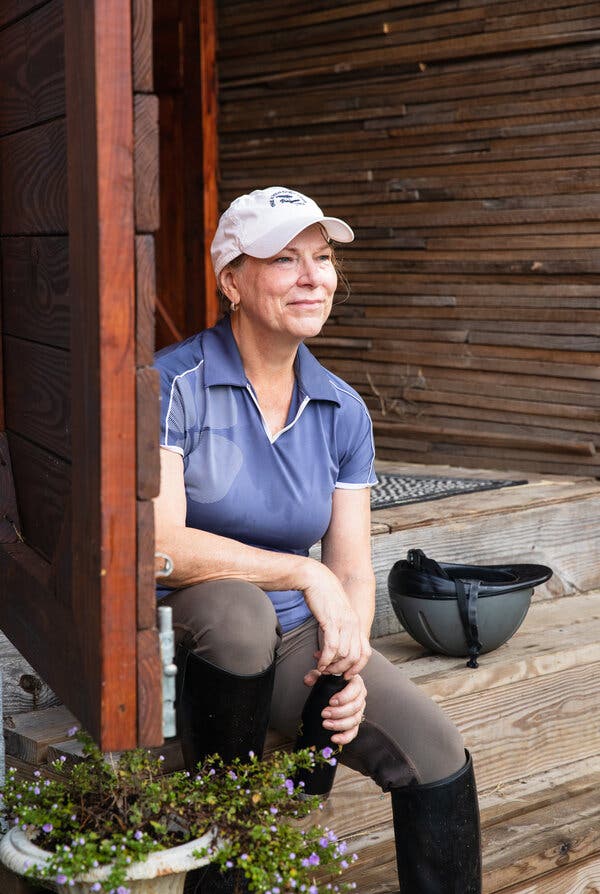
“It’s Never Too Late” is a new series that tells the stories of people who decide to pursue their dreams on their own terms.Rose Young has an uncanny ability to adapt to demanding jobs and intense situations. She’s been an FBI agent focusing on white-collar crimes; a lawyer practicing insurance litigation; and, after moving back to North Carolina from Lafayette, La. with her husband and daughter in 2003, a health care compliance officer.But the one pursuit she feared, though desperately ached to do, even as a child, was to go horseback riding. “I grew up in Hamlet, a small railroad town in North Carolina,” said Ms. Young, 65. “I was five when I saw my first horse and longed for a lesson. I got led around once or twice by a neighbor, who had a horse on their farm, but that was a rare treat. I never got on a horse again.”Several months before the pandemic Ms. Young, then 63, took her first English riding lesson. (She fortuitously met a woman at work who connected her with an instructor willing to take on an older student.) One class became two, which quickly turned monthly. Then it became a yearlong project. Then a life-changing experience. (The following interview has been edited and condensed.)Ms. Young at Wild Horse Ranch in Supply, N.C. “It’s a fleeting, effortless, flowing connection,” she said of riding. “You feel outside of yourself.”Leslie Ryann McKellar for The New York TimesWhy didn’t you take lessons as a child?I grew up in a modest home. My parents were blue collar and worked really hard. There was nothing for extras. So I convinced myself riding wasn’t for me, which is sad. When I got older, I could have made time to do a lesson a month but I was intimidated and felt uncomfortable. And there was fear.What were you frightened of?Falling off or injuring myself. But in 2003 I was diagnosed with breast cancer and had a mastectomy. That changed things. That’s motivation. You have to follow your dreams when you have a chance because you don’t know how long you’re going to have the chance.How did you find the courage to take the first step?I didn’t let breast cancer scare me, and I didn’t let it take the joy out of my life. That would have been a disaster. I decided I was going to have another life. Learning to ride was about finding a new joy. It was also a reward for surviving something very dark and coming out that other side.How did you get started?Even though I live in an area where a lot of people own horses, I had to find someone willing to make themselves and their horse available to an older student. Plenty of places train kids. To find someone to take a chance with an older student, who runs the risk of injury, or might not be open to learning, is harder. It took a month for me to find my first instructor. I also read books and watched countless videos.What have been some of your biggest challenges?Finding the right instructor, and then finding the right horse. Right now I’m on my fifth instructor and sixth horse. I finally think I’ve found the right one. Also getting over the fear of falling off or injuring myself. I’ve fallen four times and gotten one concussion. I had second thoughts about continuing. I thought maybe I was crazy to do this. I took a few weeks off. Then I tried another horse and another, until I found one I wasn’t afraid of.After falling and getting a concussion, “I thought maybe I was crazy to do this,” Ms. Young said. “Then I tried another horse and another, until I found one I wasn’t afraid of.”Leslie Ryann McKellar for The New York Times”There’s nothing better than being up there and feeling real synchrony and connection with another being.”Leslie Ryann McKellar for The New York TimesWhen was your light bulb moment?I had a few friends who got into riding later on in life; that was inspiring. Then an older friend who had a knee replacement and who thought she would never go back to this, decided to start competing again. That was inspiring, too. I thought, ‘if she can do it, so can I.’What has it felt like to finally be on a horse?In the beginning it was more fear-inspiring than awe-inspiring. I forced myself to breathe and disperse the anxiety. Horses are beautiful, intelligent and sensitive. Their eyes are soulful. There’s nothing better than being up there and feeling real synchrony and connection with another being. We are both moving with the same purpose. It’s a fleeting, effortless, flowing connection. You feel outside of yourself. And there’s something very alluring and empowering about being able to control and influence the behavior of something that is larger than you.What have you learned about yourself during this time?That I’m not afraid to fail. That in the interest of learning something new that’s valuable to me I’m willing to look foolish. That you can’t rush this process. That took me a while to understand. I wanted to learn it all in a month. That didn’t happen. I’m still learning. I still have a long ways to go. I suppressed my desire to ride for so long because it was inconvenient or expensive or took too much time or was out of reach. Those were excuses to justify my inaction. I realized that was stupid. I wanted to do this as a kid, I learned I needed to give this to myself now.“I’ve learned to slow down and enjoy each moment that I’m with the horse.”Leslie Ryann McKellar for The New York TimesHow has your life changed since you’ve been riding?It has been enriched by this process. Small victories add up to a bigger goal. I’ve learned to slow down and enjoy each moment that I’m with the horse. I’m trying to take pleasure in the feeling of accomplishment.What are your future plans?My next big step is to lease a horse in October which would mean getting to ride outside of a lesson. I’d be on the horse alone. You have to get to a certain level of competence before you can do that.What has riding given you that you didn’t expect?It has intensified all aspects of my life. It’s made everything more interesting, brighter, more alive. It has rejuvenated my curiosity and interest level in everything around me.What would you tell people who feel stuck and are looking to make a change?Think back to what made you happy when you were young and see if that’s something you can reach back to for inspiration or joy. Then find the time and the ability to do it.What lessons can people learn from your experience?Don’t be afraid of embarrassment or opening yourself up to criticism. You have to be OK with not having mastery over something. And don’t let fear stand in your way. It will get less scary every time you try.We’re looking for people who decide that it’s never too late to switch gears, change their life and pursue dreams. Should we talk to you or someone you know? Share your story here.

Read more →

Covid Delta Variant Safety: Your Questions Answered

The rise of the Delta variant of the coronavirus has raised new questions about how the vaccinated can stay safe and avoid breakthrough infections. We asked the experts for advice.For the vaccinated, it was supposed to be a worry-free, “hot vax” summer of socializing and fun. But the rise of the highly infectious Delta variant has spoiled those plans.While the vaccines remain remarkably protective against Covid-19, especially against serious illness, headlines about breakthrough infections and new recommendations that vaccinated people should sometimes wear masks have left many people confused and worried.While new research shows vaccinated people can become infected and carry high levels of the coronavirus, it’s important to remember that those cases are rare, and it’s primarily the unvaccinated who get infected and spread the virus.“If you’re vaccinated, you’ve done the most important thing for you and your family and friends to keep everyone safe,” Gregg Gonsalves, assistant professor of epidemiology at the Yale School of Public Health, said. “There’s substantially more freedom for people who are vaccinated, but the idea that everything is the same as the summer of 2019 is not the case.”As long as large numbers of people remain unvaccinated, vaccinated people will be exposed to the Delta variant. Parents have the added worry that children under 12 probably won’t be eligible for vaccination until well into the fall. As a result, every vaccinated person should consider a safety checklist to help minimize the risk of becoming infected and spreading the virus to others.Am I sure the people I’m with are vaccinated? Are they symptom-free?What are the vaccination and case count rates in my community?What is my risk, and the risk of those around me, for complications of Covid-19?We asked the experts 10 questions about how vaccinated people should adjust their lives and behaviors during the Delta surge. Here are their answers.New Guidance for the VaccinatedIf I’m vaccinated, why do I need to worry about Delta?What’s the real risk of a breakthrough infection after vaccination?When should I wear a mask?Should I upgrade my mask?What’s the risk of hanging out with my vaccinated friends and family?Can I still dine at restaurants?Is it safe to travel? Should I skip the peanuts and water and keep my mask on?How safe are buses, subways and trains for vaccinated people?Can I hug and visit older relatives? What about unvaccinated children?How do I know if I have the Delta variant?If I’m vaccinated, why do I need to worry about Delta?No vaccine offers 100 percent protection. Think of vaccine antibodies like a sea wall designed to protect a town from a storm surge, says Erin Bromage, a comparative immunologist and biology professor at the University of Massachusetts, Dartmouth. Most of the time, the wall stands up to the pounding waves, but a hurricane might be forceful enough to allow some water to get through. Compared with earlier forms of the virus, Delta is like a viral hurricane; it’s far more infectious and presents a bigger challenge to even a vaccinated immune system.“Vaccinations give you that extra protection you wouldn’t normally have,” Dr. Bromage said. “But when you hit a big challenge, like getting near an unvaccinated person who has a high viral load, that wall is not always going to hold.”The good news is the current crop of vaccines available in the United States are doing a remarkable job of protecting people from serious illness, hospitalization and death. More than 97 percent of those hospitalized with Covid-19 are unvaccinated. And new data from Singapore shows that even when vaccinated patients are hospitalized with Delta breakthrough infections, they are far less likely to need supplemental oxygen, and they clear the virus faster compared with unvaccinated patients.What’s the real risk of a breakthrough infection after vaccination?Breakthrough infections make headlines, but they remain uncommon. Although the Centers for Disease Control and Prevention stopped tracking all breakthrough cases in May, about half of all states report at least some data on breakthrough events. The Kaiser Family Foundation recently analyzed much of the state-reported data and found that breakthrough cases, hospitalizations and deaths are extremely rare events among those who are fully vaccinated against Covid-19. The rate of breakthrough cases reported among those fully vaccinated is “well below 1 percent in all reporting states, ranging from 0.01 percent in Connecticut to 0.29 percent in Alaska,” according to the Kaiser analysis..css-1xzcza9{list-style-type:disc;padding-inline-start:1em;}.css-3btd0c{font-family:nyt-franklin,helvetica,arial,sans-serif;font-size:1rem;line-height:1.375rem;color:#333;margin-bottom:0.78125rem;}@media (min-width:740px){.css-3btd0c{font-size:1.0625rem;line-height:1.5rem;margin-bottom:0.9375rem;}}.css-3btd0c strong{font-weight:600;}.css-3btd0c em{font-style:italic;}.css-w739ur{margin:0 auto 5px;font-family:nyt-franklin,helvetica,arial,sans-serif;font-weight:700;font-size:1.125rem;line-height:1.3125rem;color:#121212;}#NYT_BELOW_MAIN_CONTENT_REGION .css-w739ur{font-family:nyt-cheltenham,georgia,’times new roman’,times,serif;font-weight:700;font-size:1.375rem;line-height:1.625rem;}@media (min-width:740px){#NYT_BELOW_MAIN_CONTENT_REGION .css-w739ur{font-size:1.6875rem;line-height:1.875rem;}}@media (min-width:740px){.css-w739ur{font-size:1.25rem;line-height:1.4375rem;}}.css-9s9ecg{margin-bottom:15px;}.css-uf1ume{display:-webkit-box;display:-webkit-flex;display:-ms-flexbox;display:flex;-webkit-box-pack:justify;-webkit-justify-content:space-between;-ms-flex-pack:justify;justify-content:space-between;}.css-wxi1cx{display:-webkit-box;display:-webkit-flex;display:-ms-flexbox;display:flex;-webkit-flex-direction:column;-ms-flex-direction:column;flex-direction:column;-webkit-align-self:flex-end;-ms-flex-item-align:end;align-self:flex-end;}.css-12vbvwq{background-color:white;border:1px solid #e2e2e2;width:calc(100% – 40px);max-width:600px;margin:1.5rem auto 1.9rem;padding:15px;box-sizing:border-box;}@media (min-width:740px){.css-12vbvwq{padding:20px;width:100%;}}.css-12vbvwq:focus{outline:1px solid #e2e2e2;}#NYT_BELOW_MAIN_CONTENT_REGION .css-12vbvwq{border:none;padding:10px 0 0;border-top:2px solid #121212;}.css-12vbvwq[data-truncated] .css-rdoyk0{-webkit-transform:rotate(0deg);-ms-transform:rotate(0deg);transform:rotate(0deg);}.css-12vbvwq[data-truncated] .css-eb027h{max-height:300px;overflow:hidden;-webkit-transition:none;transition:none;}.css-12vbvwq[data-truncated] .css-5gimkt:after{content:’See more’;}.css-12vbvwq[data-truncated] .css-6mllg9{opacity:1;}.css-qjk116{margin:0 auto;overflow:hidden;}.css-qjk116 strong{font-weight:700;}.css-qjk116 em{font-style:italic;}.css-qjk116 a{color:#326891;-webkit-text-decoration:underline;text-decoration:underline;text-underline-offset:1px;-webkit-text-decoration-thickness:1px;text-decoration-thickness:1px;-webkit-text-decoration-color:#326891;text-decoration-color:#326891;}.css-qjk116 a:visited{color:#326891;-webkit-text-decoration-color:#326891;text-decoration-color:#326891;}.css-qjk116 a:hover{-webkit-text-decoration:none;text-decoration:none;}But many breakthrough infections are probably never reported because people who are infected don’t have symptoms or have mild symptoms that end before the person even thinks about being tested.“Breakthrough infections are pretty rare, but unless we have a population-based sample we don’t know the level of rarity,” said Dr. Asaf Bitton, executive director of Ariadne Labs at Brigham and Women’s Hospital and the Harvard T.H. Chan School of Public Health in Boston. “A lot of people with mild scratchy throat for a couple days may have had them, but we don’t know. It’s not a failure of the vaccine that we’re having breakthrough cases. It’s been estimated that we’ve staved of 100,000 to 200,000 deaths since the vaccine campaign started.”What is clear is that the risk of a breakthrough infection increases the more opportunities you give Delta to challenge the wall of protection conferred by your vaccine. Big crowded events — like a July 4 celebration in Provincetown, Mass., or the packed Lollapalooza concert in Chicago — pose a much greater risk that a vaccinated person will cross paths with an infected person carrying a high viral load.“The more people you put yourself in contact with, the more risk you have, but it also depends on the local climate of risk,” Dr. Gonsalves said. “Soon we’ll probably see a Lollapalooza outbreak. All these people crushed together is an ideal situation for the spread of Delta.”When should I wear a mask?The C.D.C. has a color-coded map of Covid-19 outbreaks in the United States. Blue and yellow zones show relatively low levels of infections, while orange and red zones indicate areas where cases in the past week were above 50 cases per 100,000 people. The agency advises people to wear masks if they live in an orange or red zone — which now accounts for about 80 percent of the counties in the United States.Infection numbers remain relatively low in much of the Northeast and Upper Midwest, while Delta has caused huge spikes in cases in Missouri, Arkansas, Louisiana and Florida.The problem with the map is that case counts are changing rapidly and may surge in your local community before the map has changed colors. Even if you’re certain you’re living in a highly vaccinated community with very low case counts, it makes sense to consider the case counts and vaccination rates in nearby communities as well, because people — and viruses — cross state and county boundaries all the time.Most experts agree that you don’t need to wear a mask outdoors if you’re not in a crowd and have plenty of distance (at least six feet) from people whose vaccination status isn’t known. It’s still risky to attend a packed outdoor concert, but if you do, wear a mask.“I would still suggest wearing a mask if you are indoors with people whose vaccination status you don’t know, especially if you will be within a few feet of them for any amount of time, or if you will be in the room for a long period of time with those people,” said J. Alex Huffman, an aerosol scientist and associate professor of chemistry and biochemistry at the University of Denver. “I don’t wear a mask indoors in all situations now, because I’m fully vaccinated, but I put my N95 mask on whenever I go into indoor public spaces.”Should I upgrade my mask?You will get the most protection from a high-quality medical mask like an N95 or a KN95, although you want to be sure you have the real thing. A KF94 is a high-quality medical mask made in Korea, where counterfeits are less likely. If you don’t have a medical mask, you still get strong protection from double masking with a simple surgical mask under a cloth mask. A mask with an exhale valve should never be worn, since it allows plumes of viral particles to escape, and counterfeit masks may have faulty valves that let germs in.You may want to pick your mask based on the setting. A cloth mask may be adequate for a quick trip into an empty convenience store in an area with high vaccination rates. But a higher-quality mask makes sense during air travel or in a crowded grocery store, especially in communities where vaccination rates are low and case counts are high. Masks with straps or ties around the back of the head seal more tightly than masks with ear loops.“All the mitigation efforts we used before need to be better to hold off the Delta variant, and this includes masks,” Dr. Huffman said. “I strongly encourage people to upgrade their mask to something with high filter quality and something that fits tightly to their face. The No. 1 factor, in my opinion, is to make sure the mask is sealed well all around the edges — over the nose bridge, by the cheeks and under the chin. So any mask that fits tightly is better than almost any loosefitting mask.”What’s the risk of hanging out with my vaccinated friends and family?Vaccinated people are at very low risk when they spend time, unmasked, with their vaccinated friends and family members. “I don’t think mask-wearing is critical,” Dr. Huffman said. “If you are indoors with a small number of people you know are vaccinated, wearing a mask is low on my list of worries.”But some circumstances might require extra precautions. While it’s unusual for a vaccinated person to spread the virus to another vaccinated person, it’s theoretically possible. A vaccinated friend who is going to crowded bars, packed concerts or traveling to a Covid hot spot is a bigger risk than someone who avoids crowds and spends most of their time with vaccinated people.With the Delta variant spreading, Dr. Bitton suggests an “outdoor first” strategy, particularly for families with unvaccinated children or family members at high risk. If you can take your event outside to a backyard or patio this summer and minimize your time indoors, you lower your risk.Spending time with smaller groups of vaccinated friends has less risk than attending a big party, even if you believe everyone at the party is vaccinated. If you’re indoors, open the windows to improve ventilation. If someone in the group is at very high risk because of age or because they are immunocompromised, it’s reasonable to ask even vaccinated people to be tested before a visit. A simple rapid home test can even be offered to guests to be sure everyone is Covid-free.Can I still dine at restaurants?The answer depends on local conditions, your tolerance for risk and the personal health of those around you. Risk is lowest in communities with high vaccination rates and very low case counts. A restaurant meal in Vermont, where two-thirds of the population is vaccinated, poses less risk than an indoor meal in Alabama or Mississippi, where just one-third of the residents are vaccinated.Parents of unvaccinated children and people with compromised immune systems, who studies show may get less protection from vaccines, may want to order takeout or dine outdoors as an added precaution.Is it safe to travel? Should I skip the peanuts and water and keep my mask on?Airplanes are typically well ventilated and not a major source of outbreaks, but taking precautions is still a good idea. The potential for exposure to an infected person may be even higher in the terminal, sitting in airport restaurants and bars, or going through the security line. In airplanes, air is refreshed roughly every two to three minutes — a higher rate than in grocery stores and other indoor spaces. While airlines still require passengers to wear masks, people are allowed to remove them to drink water or eat.To prevent air from circulating to everyone throughout the cabin, airplane ventilation systems keep airflow contained to a few rows. As a result, an infected passengers poses most risk to those sitting in the seats in the immediate area. Watch this simulation to see what happens when someone sneezes on an airplane.Most experts say that they use a high-quality medical mask, like an N95 or KF94, when they fly. If you don’t have one, double masking is advised. For a vaccinated person, the risk of removing a mask briefly to eat or drink during a flight is low, but it’s better to keep it on as much as possible. The C.D.C. says it’s best for unvaccinated people, including children, to avoid flying.Dr. Bromage said he recently traveled by air and took his mask off briefly to drink a beverage, but kept it on for most of the flight. He said he would be more comfortable removing his mask to eat if he knew the people next to him were vaccinated. He said he would be more concerned if the person next to him didn’t seem to care about Covid precautions or wore the mask under the nose. “If you’ve got a random person next to you, especially a chatty person, I’d keep the mask on,” he said.How safe are buses, subways and trains for vaccinated people?Most buses, trains and subways still require everyone to wear a mask, which lowers risk. While vaccinated people are well protected, the risk of viral exposure increases the longer the ride and the more crowded the train car or bus. For many people, riding public transit is essential for getting to work or school, and wearing a well-fitted medical mask or double mask is recommended. When public transit is optional, the decision about whether to ride should factor in local vaccination rates and whether case counts are rising.Can I hug and visit older relatives? What about unvaccinated children?While it’s generally considered safe for vaccinated people to hug and spend time together unmasked, parents of unvaccinated children have more risks to consider, particularly when visiting older relatives. In communities with low case counts and high vaccination rates, it’s generally considered safe for unvaccinated children from a single household to spend time with vaccinated grandparents. But as the Delta variant spreads and children return to school, the risks of close contact also increase for older or immune-compromised people who are more vulnerable to complications from Covid-19, even if they’re vaccinated.When families plan a visit to a high-risk relative, it’s a good idea to minimize other exposures, avoiding restaurant dining or working out at the gym in the week leading up to the visit. Even though the risk of a vaccinated person spreading Covid-19 remains low, vaccinated grandparents should also reduce their personal exposure when they spend time with unvaccinated children.“I have not been masking up indoors with my octogenarian parents at this point, because I am still very careful in the way I wear masks in public settings,” Dr. Huffman, the aerosol scientist, said. “But if I had more interactions that increased my overall risk of exposure, I would strongly consider masking up when indoors with vulnerable individuals.”Rapid home tests are an added precaution when visiting grandparents or an immune-compromised family member. Take a test a few days before the visit as well as the day of the visit. You can learn more about home testing here.Home tests are “a wonderful option for people with a little more anxiety right now in regards to the virus,” Dr. Bromage said. “What we’re doing is buying those, and each and everyone tests before they come together — literally right before we’re together. When everyone is clear, you can enjoy that time together.”How do I know if I have the Delta variant?If you’re diagnosed with Covid-19, the odds are overwhelming that you have the Delta variant. The C.D.C. now estimates that Delta accounts for more than 82 percent of cases in the United States. That said, standard Covid tests won’t tell you if your infection was caused by the Delta variant or another variant of the virus. While health departments may use genomic sequencing to identify levels of different variants in a community, this information typically isn’t shared with individuals. You still need to isolate and seek medical advice if you have low blood oxygen levels, have trouble breathing or have other worrisome symptoms. You can learn more about when to seek medical advice here.

Read more →

Wuhan: Chinese city to test entire population after virus resurfaces

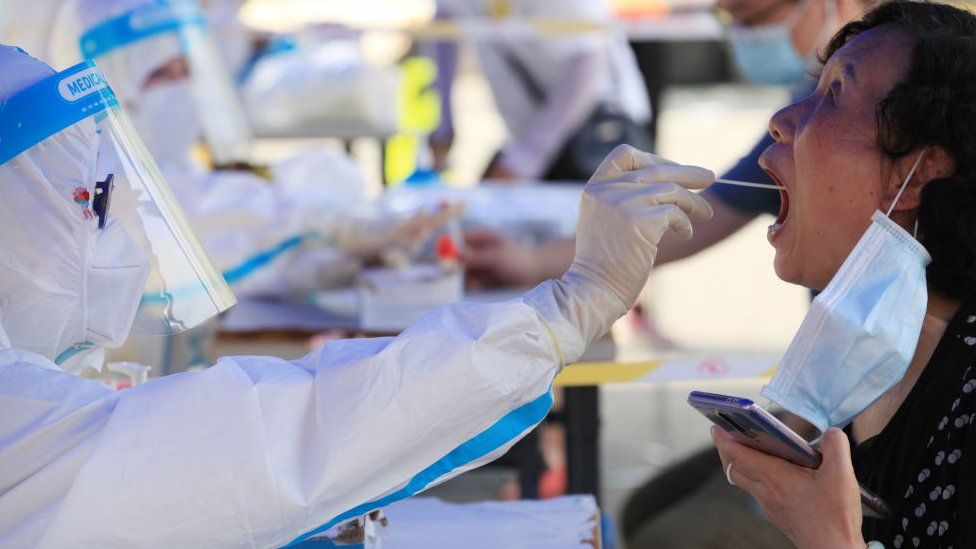
SharecloseShare pageCopy linkAbout sharingimage sourceGetty ImagesAuthorities in the Chinese city of Wuhan will begin testing its entire population, after a handful of positive coronavirus cases were detected there. Wuhan has recorded seven locally transmitted cases – the first local infections in more than a year. The city of 11 million people shot into the spotlight after the coronavirus was first detected there in 2019.China is currently seeing one of its biggest outbreaks in months, with 300 cases detected in 10 days.Some 15 provinces across the country have been affected, which has led to the government rolling out mass testing measures and lockdown restrictions. Authorities have attributed the spread of the virus to the highly contagious Delta variant and the domestic tourism season.What is the Delta variant and is it more dangerous?The announcement in Wuhan came as China reported 90 new virus cases on Tuesday.The National Health Commission said 61 of these were locally transmitted – compared with 55 local cases a day earlier. China had been largely successful in controlling the virus within its borders. However, this new spread, which was first detected among workers at a busy airport in Nanjing, has sparked concern. Authorities have tested the 9.2 million residents of Nanjing three times and imposed lockdown on hundreds of thousands of people.But over the weekend the spotlight turned to popular tourist destination Zhangjiajie in Hunan province, where many of the latest cases have emerged. Travellers from Nanjing were thought to have visited the city recently.Health officials have zeroed in on a theatre in Zhangjiajie, and are now trying to track down about 5,000 people who attended performances and then travelled back to their home cities.”Zhangjiajie has now become the new ground zero for China’s epidemic spread,” Zhong Nanshan, China’s leading respiratory disease expert, told reporters.The new outbreak has also reached the capital Beijing, with the city reporting several locally transmitted infections.

Read more →