
Weekly Health Quiz: Nose Hairs, Bobo Dolls and the Delta Variant


Beneficial bacteria in the gut microbiome use different means to transmit from one person to another which impacts their abundance in the gut and the functions they provide, new research has found.
This novel research, by scientists at the Wellcome Sanger Institute, used genetic sequencing to shed new light on the evolution, colonisation and transmission of gut bacteria, which play a large role in human health.
The study, published today (5 August 2021) in Genome Biology, provides a deeper understanding of the evolution of bacteria in the human microbiome. It could also inform the development of microbiome-based therapeutics where key bacteria could be selected to treat different intestinal-associated illnesses.
Humans are populated by an extremely large amount of microorganisms, called a microbiome, which include bacteria, viruses, archaea and fungi. Beneficial bacteria in the body roughly match human cells one to one* and in the gut, this collection of bacteria has been found to play an important role in human health. The makeup of the gut microbiome affects the immune system, prevents infections and supports the body by breaking down some carbohydrates that human cells cannot do alone.
In order for bacterial species in the gut to survive, they have to be able to transmit from one person to another. Gut bacteria are mainly anaerobic, meaning they cannot survive in oxygen. To spread, some produce spores, which are sometimes likened to seeds and can lie dormant until they encounter the right conditions to grow.
This research, from the Wellcome Sanger Institute, investigated the group of bacteria known as the Firmicutes, which are dominant in the human microbiome and produce spores. The researchers analysed the genomes of 1,358 Firmicutes and tracked the evolution of certain characteristics, including spore production. They observed that gut bacteria that form spores were found at lower abundances in the gut, and had larger genomes compared to those that had lost the ability to produce spores (sporulate). Within their genomes, they also had more genes associated with carbohydrate metabolism and vitamin biosynthesis, which suggests that they have important metabolic functions.
Firmicutes bacteria that could no longer form spores had smaller genomes, but were present at higher abundances in the gut and had a more specialised metabolism based on genome analysis. They were also less prevalent in the general population, meaning they were found in a smaller number of individuals, suggesting loss of sporulation limits their ability to transmit widely.
Smaller genomes and more specialised metabolism indicate that bacteria that have lost the ability to sporulate are becoming more adapted to their human host which could allow them to colonise to higher levels in the gut. On the other hand, bacteria that still produce spores appear less adapted to humans based on their larger genomes which could explain why they are not as abundant in the gut.
These differences show that that transmission is an important process that shapes the evolution of gut bacteria and further research is now needed to continue to learn more about the link between transmission of gut bacteria and the roles they play in human health. Understanding these processes could help inform therapeutics, such as investigating whether specific bacteria could be given to people based on their ability to colonise and how the differing metabolism of these bacteria could impact health conditions and treatments.
Dr Hilary Browne, first author and Staff Scientist at the Wellcome Sanger Institute, said: “Even though transmission of gut bacteria between humans is essential for their survival, the genetic and biological features of the bacteria that allows them to do this, is still poorly understood. This research starts to unravel some of this mystery by analysing the genomes and finding that the ability of bacteria to produce spores has been lost multiple times, impacting their evolution and function. It is necessary to continue looking at the genetic detail of the microbiome to help understand the roles of specific bacteria, and how lacking these might impact human health.”
Dr Trevor Lawley, senior author and Senior Group Leader at the Wellcome Sanger Institute, said: “The microbiome plays an essential role in human health and development, and influences a wide range of physiological functions in the body. Understanding more about the bacteria that inhabit us and how they are adapted to living in humans through their metabolism will be important for the development of new therapeutics and diagnostics for microbiome-mediated diseases.”
Strategies to reduce antibiotic prescribing in primary care are insufficient alone to halt the rise in drug resistant E. coli infections in England, a new report concludes.
The first evaluation of NHS England’s Quality Premium intervention on antimicrobial resistance (AMR) is published in The Lancet Infectious Diseases. The Quality Premium scheme was introduced in 2015 and rewarded groups of general practitioners (GPs) for improvements in quality of care, including reducing inappropriate antibiotic prescribing in primary care.
Led by researchers at Imperial College London, the new report finds that while the intervention achieved a downward step change in antibiotic prescribing, it only led to a modest reduction in antibiotic resistant infections from Escherichia coli (E. coli). The study’s authors conclude that a single intervention in one sector is not enough; a more radical, multi-sectoral approach is needed to tackle the growing threat of AMR.
AMR is a substantial and growing health issue, which globally causes around 700,000 deaths a year. E. coli is of particular concern because of its widespread resistance to antibiotics. It is the most common drug resistant infection, and in the UK more than half of drug-resistant bacterial blood stream infections, which can lead to sepsis, are caused by E. coli.
Antibiotic use in primary care is associated with increased risk of antimicrobial resistant infection and reducing antibiotic prescribing in this setting has been a cornerstone of antibiotic stewardship activity globally. In England over 70 per cent of antibiotics are prescribed in primary care, and many are considered inappropriate. This increases the chances of bacteria evolving and becoming resistant, so initiatives have tried to educate and persuade prescribers of antibiotics to follow evidence-based prescribing.
The Global Digital Health unit team at Imperial College London, led by Dr Céire Costelloe, and colleagues linked data from 6,882 English general practices with Public Health England’s (PHE) national surveillance of bacterial infections over the six-year period from January 2013 to December 2018 when the NHS Quality Premium was in operation. They looked at prescribing of the five most common antibiotics and examined resistance trends in E. coli infections, before and after the implementation of the intervention.
Dr Céire Costelloe, Reader and Director of the Global Digital Health Unit at Imperial College London says: “We found that although the NHS England Quality Premium on AMR succeeded in reducing broad spectrum antibiotic prescribing, resistance among E coli causing bacteraemia remains on an upward trajectory, despite an initial attenuation. This highlights the fact that a single intervention alone is not enough to tackle the growing threat of AMR.
“A multifactor, multisectoral, collaborative and global approach is needed, taking into consideration antibiotic use across the entire healthcare economy, in combination with a wider, ‘One Health’ approach, which involves efforts that work nationally and globally to improve health for people, animals and the environment.”
GP practices in England prescribed an average of 207 broad-spectrum antibiotic items per 100,000 patients per month before implementation of the Quality premium. A 13 per cent reduction in prescribing rate was observed immediately following implementation of the Quality Premium, which corresponds to a reduction of 26 items per 100,000 patients in the English population. This effect was sustained such that by the end of the study period there was a 57 per cent reduction in rate of antibiotic prescribing observed, compared to predicted rates if the intervention had not occurred.
In the lead up to the implementation of the Quality Premium, a monthly average of 275 resistant E.Coli isolates, per 1000 isolates tested against broad-spectrum antibiotics, were reported to Public Health England. A 5 per cent reduction in resistance rate was observed immediately following the implementation of the Quality Premium, which corresponds to a reduction of 14 resistant E.Coli isolates per 1000 isolates tested. Although this reduction was sustained until the end of the study period, E.Coli resistance remains on an upward, albeit slower, trajectory.
Co-author Shirin Aliabadi, a research postgraduate in the Global Digital Health unit at Imperial College London, and NHS Pharmacist says: “Antimicrobial resistance is predicted to kill 10 million people per year by 2050. Naturally, the nation’s efforts and resources have shifted to responding to the ongoing COVID-19 crisis but our findings suggest that we must nevertheless consider the growing threat of antimicrobial resistance, which can be a viewed as a silent pandemic.”
Co-author Professor Azeem Majeed, GP, and Head of the Department of Primary Care and Public Health, Imperial College London, says: “My colleagues in primary health settings have done the right thing and responded to the focus on their prescribing of antibiotics, but to combat the devastating impacts of antimicrobial resistance, we need global, coordinated efforts and new drugs to treat resistant infections. If the COVID-19 pandemic has taught us anything, it is that we can move fast in the face of large-scale epidemics. If we apply some of the recent lessons learned and work together, we can achieve a great deal in a short time. I hope this is possible.”
Researchers from Johns Hopkins Medicine say they have added to evidence that a protein called CaMKII improves strength, endurance, muscle health and fitness in young animals. Their experiments working with mice and fruit flies, however, found that the gene for CaMKII also contributes to an evolutionary tradeoff: increased susceptibility to age-associated diseases, frailty and mortality.
The research, published May 26 in Nature Communications, indicates that future therapies targeting CaMKII could stave off diseases of old age, the investigators say.
According to the study leaders, the evolutionary conservation of genes that enable the young to run faster and respond robustly to “fight or flight” responses makes sense: It helps them to catch prey or evade predators, thereby ensuring their reproductive success. However, some of these genes carry a steep price that animals need to pay when they grow older. The new research shows that turning on CaMKII through a chemical reaction caused by adding oxygen, known as oxidation, strengthens these survival responses for young animals. However, oxidative stress increases with aging, which leads to excessive activation of CaMKII. Elevated CaMKII activity has long been linked to tissue damage seen in heart failure, atrial fibrillation, cancer, lung and neurodegenerative diseases, says study co-lead Mark Anderson M.D., Ph.D., professor of medicine and director of the department of medicine at the Johns Hopkins University School of Medicine.
In a bid to further explore oxidative stress and its links to aging and fitness, Anderson and his research team genetically engineered mice so their CaMKII is resistant to oxidation. They then used mouse-sized treadmills to compare the athletic performance of mice with and without CaMKII oxidation.
They found that mice with oxidized CaMKII were able to run, on average, about 150 meters further and about 5 meters per minute faster than the mice with oxidation-resistant CaMKII.
When the researchers biopsied muscle tissue from the mice and searched for other genes previously linked to muscle growth, recovery from exercise, improved blood flow and immune cell activation — factors that increase physical endurance — they found them activated only in mice with oxidizable CaMKII.
The majority of individuals who experience mild or moderate COVID-19 infection also experience long COVID, or persistent symptoms more than 30 days after they test positive, according to research data from the longitudinal CoVHORT study at the University of Arizona Health Sciences.
“We showed that an estimated 67% of people with mild or moderate COVID have long COVID, in other words they still have symptoms more than 30 days after their positive test,” said lead researcher Melanie Bell, PhD, MS, a biostatistics professor in the Mel and Enid Zuckerman College of Public Health. “This is a real wake-up call for anyone who has not been vaccinated. If you get COVID, the chances that you’ll experience long-term symptoms are surprisingly high.”
Existing research on long COVID has focused on hospitalized groups who experience severe infection. The UArizona Health Sciences research team aimed to fill the gap in research on long COVID by analyzing data from non-hospitalized individuals.
The paper, “Post-acute sequelae of COVID-19 in a non-hospitalized cohort: results from the Arizona CoVHORT,” which published today in the journal PLOS ONE, analyzed data from CoVHORT participants at three-month intervals. Since May 2020, the CoVHORT study has followed Arizona residents who had COVID-19, as well as those who have not been infected, through online surveys that record infection status, symptoms and any positive tests.
Among participants who tested positive for COVID-19, 68.7% experienced at least one symptom after 30 days, marking the distinction for long COVID. This prevalence increased to 77% after 60 days of follow-up. Researchers also found that individuals who experienced long COVID were more likely to be less educated, have seasonal allergies and pre-existing health conditions, and self-report greater symptom severity than people without long COVID.
Individuals with long COVID who were surveyed 30 days after a positive test reported (in order of prevalence): fatigue, shortness of breath, brain fog, stress/anxiety, altered taste/smell, body aches and muscle pain, insomnia, headaches, joint pain, and congestion — the 10 most common long COVID symptoms.
The number and severity of symptoms, as well as duration of infection, vary widely between individuals infected with COVID-19. The median number of symptoms was three, but was as high as 20 among participants. Experiencing symptoms of COVID infection that last 30 days or more has been scientifically defined by researchers as post-acute sequelae of COVID-19, or PASC.
For this study, the estimated prevalence of PASC is only slightly less than prevalence estimates reported for hospitalized individuals. This suggests that non-hospitalized individuals with COVID-19 infection may experienced long COVID symptoms almost as often as hospitalized individuals.
The CoVHORT research study continues to provide crucial data that help to understand which individuals are most susceptible to severe infection and the long-term health consequences of COVID-19.
“I study reproductive health, and the data from the CoVHORT longitudinal study is already providing new insights,” says Leslie V. Farland, ScD, assistant professor in the Zuckerman College of Public Health. “We have unique partnerships with many local health departments to support this research study, and many of our students are working on it, so they gain the real-world experience of public health research in action. Five of our doctoral students are working on dissertations that come out of the CoVHORT study data. It’s valuable in so many ways.”
Co-authors include Mel and Enid Zuckerman College of Public Health faculty members Kacey C Ernst, PhD; Elizabeth T Jacobs, PhD; Yann C. Klimentidis, PhD; and Kristen Pogreba-Brown, PhD; Zuckerman College of Public Health doctoral student Collin Catalfamo; and Megan Jehn, PhD, MHS, at the Arizona State University School of Human Evolution and Social Change.
To learn more about the CoVHORT research study please visit: https://covhort.arizona.edu/
A large clinical trial conducted worldwide shows that treating moderately ill hospitalized COVID-19 patients with a full-dose blood thinner reduced their need for organ support, such as mechanical ventilation, and improved their chances of leaving the hospital. However, the use of this treatment strategy for critically ill COVID-19 patients requiring intensive care did not result in the same outcomes. The formal conclusions from the trial, which was supported in part by the National Heart, Lung, and Blood Institute (NHLBI), part of the National Institutes of Health, appear online in The New England Journal of Medicine.
“These results make for a compelling example of how important it is to stratify patients with different disease severity in clinical trials. What might help one subgroup of patients might be of no benefit, or even harmful, in another,” said NHLBI Director Gary H. Gibbons, M.D.
Researchers have observed that in some people who died from COVID-19, blood clots had formed throughout their bodies, even in their smallest blood vessels. Antithrombotics, which include blood thinners or anticoagulants, help prevent clot formation in certain diseases. Doctors did not know which antithrombotic drug, what dose, and at what point during the course of COVID-19, antithrombotics might be effective. To answer these urgent questions, three international partners came together and harmonized their trial protocols to study the effects of using a full, or therapeutic dose, of the blood thinner heparin versus a low, or prophylactic dose, of heparin in moderately and critically ill patients hospitalized with COVID-19.
Researchers defined moderately ill patients as those hospitalized for COVID-19 without the requirement of organ support, and critically ill patients as those hospitalized for COVID-19 requiring intensive care level of support, including respiratory and/or cardiovascular organ support.
In April 2020, hospitalized COVID-19 patients received either a low or full dose of heparin for up to 14 days after enrollment. By December 2020, interim results indicated that full-dose anticoagulation did not reduce the need for organ support and may even cause harm in critically ill patients. However, one month later, interim results indicated that full doses of heparin likely benefited moderately ill patients.
“The formal conclusions from these studies suggest that initiating therapeutic anticoagulation is beneficial for moderately ill patients and once patients develop severe COVID-19, it may be too late for anticoagulation with heparin to alter the consequences of this disease,” said Judith Hochman, M.D., senior associate dean for Clinical Sciences at New York University, a corresponding author of the moderately ill study and study chair of the NIH-funded trial partner Accelerating COVID-19 Therapeutic Interventions and Vaccines-4 (ACTIV-4) Antithrombotics Inpatient. “The medication evaluated in these trials is familiar to doctors around the world and is widely accessible, making the findings highly applicable to moderately ill COVID-19 patients.”
The final analysis of trial data included 1,074 critically ill and 2,219 moderately ill patients. For both moderately and critically ill patients, researchers looked at how long they were free of organ support up to 21 days after enrollment. Among moderately ill patients, researchers found that the likelihood of full-dose heparin to reduce the need for organ support compared to those who received low-dose heparin was 99%. A small number of patients experienced major bleeding, though this happened infrequently. For critically ill patients, full-dose heparin also decreased the number of major thrombotic events, but it did not reduce the need for organ support or increase their chances of leaving the hospital early after receiving treatment.
The participating trials include: Randomized, Embedded, Multi-factorial Adaptive Platform Trial for Community-Acquired Pneumonia (REMAP-CAP) Therapeutic Anticoagulation; Antithrombotic Therapy to Ameliorate Complications of COVID-19 (ATTACC); and ACTIV-4 Antithrombotics Inpatient. In the United States, ACTIV-4 Antithrombotics Inpatient is being led by a collaborative effort with several universities, including the University of Pittsburgh, a trial coordinating center, and New York University, the study chairs’ office and a coordinating center. ACTIV-4 Antithrombotics Inpatient is also conducting another study to test the effects of adding an anti-platelet agent to anticoagulation.
“More work needs to be done to continue to improve outcomes in patients with COVID-19,” said Matthew D. Neal, M.D., the Roberta G. Simmons Associate Professor of Surgery at the University of Pittsburgh, co-author of the moderately ill study and co-chair of ACTIV-4 Antithrombotics Inpatient. “Given what we know about the type of blood clots in patients with COVID-19, testing anti-platelet agents is a particularly exciting approach.”
The collaborative trials are supported by multiple international funding organizations, including the Canadian Institutes of Health Research, the National Institute for Health Research (U.K.), the National Health and Medical Research Council (Australia), the National Institutes of Health (U.S.), and the PREPARE and RECOVER consortia (EU).
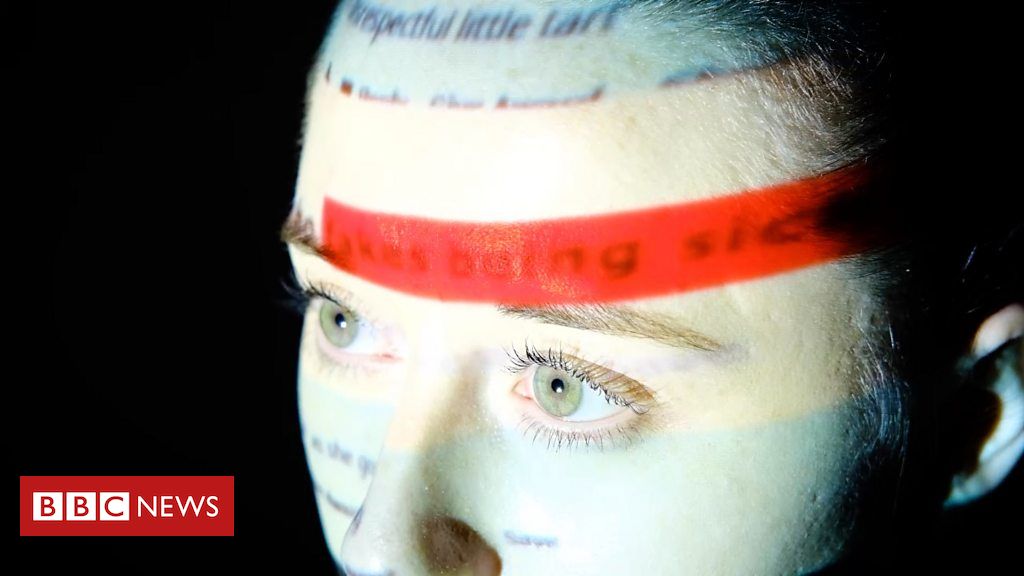
With 15m people in England alone living with a long-term condition, and numbers rising, it’s no surprise the chronically ill community has exploded online in the last few years. Celebrities like Lady Gaga, Selena Gomez and Lena Dunham are opening up about their conditions, and chronic illness influencers are attracting huge social media followings.But as visibility has grown, so have accusations of fakery. A new BBC documentary, Sickness & Lies, explores whether the accusers are right. Are some influencers faking illnesses for fame, money and attention?Journalist Octavia Woodward, who is disabled herself, meets both accusers and their targets, and discovers a new condition, Munchausens by Internet, describing people who fake illnesses online – with sometimes fatal results. Sickness & Lies is on iPlayer nowPresented by Octavia WoodwardGraphics by Gerard GrovesProduced and Directed by Lucy ProctorExecutive Producer: Nisha Lilia Diu
Read more →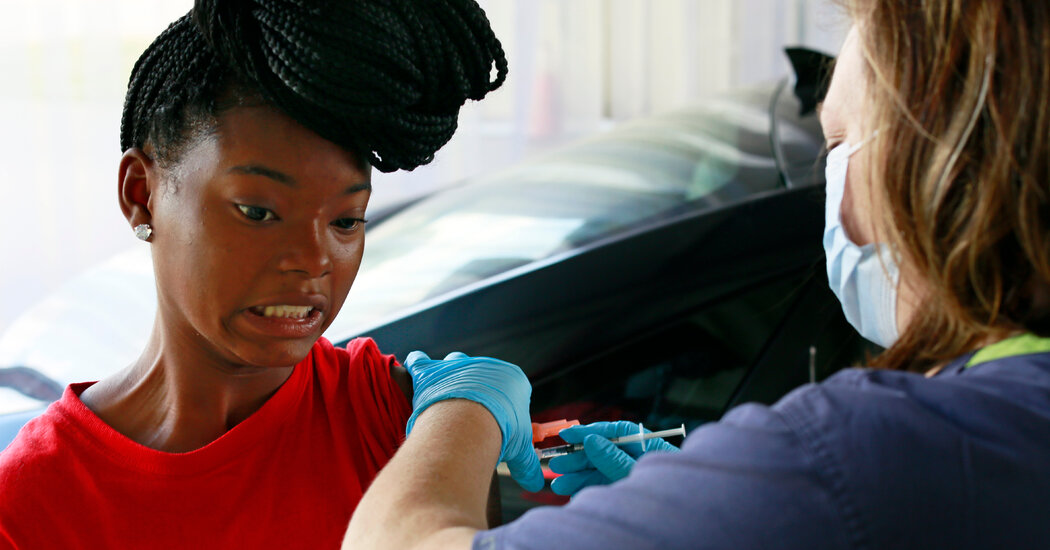
For every one million Americans immunized with a coronavirus vaccine, about 60 develop temporary heart problems, according to a study published on Wednesday in the journal JAMA Network.The complications were all short-lived, the researchers found. And these heart problems are far more common among patients who develop Covid-19, outside experts noted.Analyzing the medical records of just over 2 million people who had received at least one dose of a coronavirus vaccine through May 2021, the new study found 20 cases of myocarditis, or inflammation of the heart muscle, and 37 cases of pericarditis, inflammation of the membrane surrounding the heart.Patients who were hospitalized were discharged after only a few days, and none died.The incidence of myocarditis in the study, at 10 cases per million vaccinated, is higher than the Centers for Disease Control and Prevention’s estimate of 4.8 cases per million, suggesting that there may be more cases than are reported to the federal database for tracking so-called adverse events following vaccinations.“We see that these adverse events are leading to very short and unremarkable hospital stays,” said Dr. Jeremy Faust, an emergency medicine physician at Brigham and Women’s Hospital in Boston who was not involved in the study. “The same can’t be said of hospitalizations for Covid-19 in this or any age group so far.”“When people are hospitalized for Covid, the consequences are far more severe,” added Dr. Faust, who has compared rates of myocarditis following vaccination to those among Covid-19 patients.The researchers, with the Providence health care system, evaluated medical records from 40 hospitals in Washington, Oregon, Montana and Los Angeles County, Calif.They found that myocarditis developed a median of 3.5 days after vaccination, mostly after the second dose, and in people with a median age of 36 years. Three-quarters of the 20 cases were in men.The 19 patients who were admitted to the hospital were discharged after a median of two days. About three weeks after vaccination, 13 patients had recovered from their symptoms and the remaining seven were improving.Pericarditis affected older patients, at a median age of 59 years, and later, about 20 days after vaccination, the researchers found. Pericarditis, too, was more common in men. Of the 37 cases identified, 13 were admitted to the hospital; the median stay was one day.A separate study, posted online last week, suggested that the incidence of myocarditis in boys ages 12 to 17 who had Covid-19 was 876 per million; in girls of the same age group with Covid-19, the incidence was 213 cases per million.The study has not yet been peer reviewed or published in a scientific journal.
Read more →
She created one of Ethiopia’s largest orphanages and through it saved thousands from starvation and disease. She died of complications of Covid-19.Abebech Gobena was returning from a pilgrimage to the holy site of Gishen Mariam, about 300 miles north of the Ethiopian capital, Addis Ababa, when she saw the woman and her baby.It was 1980, and Ms. Gobena was passing through an area recently stricken by drought and an accompanying famine. All along the road were bodies — many dead, some dying, some still able to sit up and ask for food.“There were so many of these hungry people sprawled all over, you could not even walk,” she said in a 2010 interview with CNN. She handed out what little she had — a loaf of bread, a few liters of water.At first, Ms. Gobena thought the woman was asleep, and she watched as the baby tried to suckle at her breast. Then she realized the mother was dead.A man nearby was collecting bodies. He told her he was waiting for the child, a girl, to die.Without thinking further, Ms. Gobena picked up the baby, wrapped her in a cloth and took her home to Addis Ababa. She returned the next day with more food and water.“One of the men dying by the side of the road said to me, ‘This is my child. She is dying. I am dying. Please save my child,’” she recalled. “It was a terrible famine. There were no authorities. The government at that time did not want the famine to be public knowledge. So I had to pretend the children were mine and smuggle them out.”By the end of the year she had 21 children living with her and her husband, Kebede Yikoster. At first supportive, he eventually gave her an ultimatum: him or the children.Ms. Gobena left him, and most of her possessions, taking the children to live with her in a shack in the woods. She sold her jewelry to raise money, then eked out an income selling injera bread and honey wine. Unable to pay the children’s school fees, she found a tutor to visit the shack.She took in more children, and after years of battling government bureaucracy in Ethiopia, in 1986 she managed to register her organization — Abebech Gobena Children’s Care and Development Association — as a nonprofit, enabling her to raise money and accept grants.She bought farmland outside Addis Ababa, where she and the orphans worked, and sold the produce to fund the orphanage. They also built dozens of latrines, public kitchens and water points around the city.Ms. Gobena was known to many as Emaye, an Amharic word that loosely translates as “Wonderful Mother.” Her organization has given orphaned children a home and an education and taught them marketable job skills.AgohelmaToday the organization, known by its acronym in Amharic, Agohelma, is one of the largest nonprofits in Ethiopia. Along with its orphanage, it provides free school for hundreds of children, HIV/AIDS prevention and maternal health care — according to its own estimate, some 1.5 million Ethiopians have benefited from its services since 1980. They and many others call her the “Mother Teresa of Africa.”In June Ms. Gobena contracted Covid-19. She entered the intensive care unit at St. Paul’s Hospital in Addis Ababa, where she died on July 4. She was 85. Yitbarek Tekalign, a spokesman for Agohelma, confirmed her death.“Abebech Gobena was one of the most selfless and pure-hearted people I ever met,” Tedros Adhanom Ghebreyesus, the director-general of the World Health Organization and a former Ethiopian minister of health, said in a statement. “She helped many children not only to survive, but succeed in life.”Abebech Gobena Heye was born on Oct. 20, 1935, in Shebel Abo, a village north of Addis Ababa in what was then Shewa Province. That same month, Italian forces in Eritrea invaded Ethiopia, setting off the Second Italo-Ethiopian War. Her father, Gofe Heye, was a farmer who died in the fighting.Ms. Gobena and her mother, Wosene Biru, went to live with her grandparents. When she was 10 her family arranged for her to marry a much older man, but she ran home soon after the ceremony. Her family returned her to her husband, who kept her locked in a room at night.Ms. Gobena managed to escape through a hole in the roof and made her way to Addis Ababa, where she found a family to take her in. She attended school and later found work as a quality control inspector with a company that exported coffee and grain.The job afforded her a stable, middle-class life, but after establishing Agohelma she lived in near poverty. She never took a salary, and her bedroom was attached to one of the orphanage dormitories.Ms. Gobena — known to many as Emaye, an Amharic word that loosely translates as “Wonderful Mother” — did not simply raise the children under her charge. Along with their classroom education, she made sure that they learned marketable skills, like metalworking, embroidery and, more recently, photography. She gave the older children seed money to start their own businesses.“I don’t have words to describe Emaye; she was my everything,” said Rahel Berhanu, a former Agohelma orphan, in an interview with the magazine Addis Standard. “After getting my diploma, I started working with her. She was a mother above mothers.’’Ms. Gobena did not leave any immediate survivors, though she might disagree.“I have no children of my own,” she told The Times of London in 2004, “but I have a family of hundreds of thousands, and I have absolutely no regrets.”
Read more →
The mainstreaming of digital vaccine passes could lead to more surveillance, privacy researchers cautioned.When New York City announced on Tuesday that it would soon require people to show proof of at least one coronavirus vaccine shot to enter businesses, Mayor Bill de Blasio said the system was “simple — just show it and you’re in.”Less simple was the privacy debate that the city reignited.Vaccine passports, which show proof of vaccination, often in electronic form such as an app, are the bedrock of Mr. de Blasio’s plan. For months, these records — also known as health passes or digital health certificates — have been under discussion around the world as a tool to allow vaccinated people, who are less at risk from the virus, to gather safely. New York will be the first U.S. city to include these passes in a vaccine mandate, potentially setting off similar actions elsewhere.But the mainstreaming of these credentials could also usher in an era of increased digital surveillance, privacy researchers said. That’s because vaccine passes may enable location tracking, even as there are few rules about how people’s digital vaccine data should be stored and how it can be shared. While existing privacy laws limit the sharing of information among medical providers, there is no such rule for when people upload their own data onto an app.The moment is reminiscent of the months after the Sept. 11, 2001, attacks, privacy advocates said. That was when changes made in the name of national security led to lasting effects including taking off shoes in airports and data collection enabled by the Patriot Act.Without safeguards now, presenting a digital vaccination passport every time people enter a public place could lead to a “global map of where people are going,” said Allie Bohm, a policy counsel at the New York Civil Liberties Union. The information could be used by third parties for profit or be handed over to law enforcement or immigration authorities, she said.“How do we make sure that in 20 years we’re not saying, ‘Well, there was Covid, so now I’ve got this passport on my phone that is also my driver’s license and also has every health record I’ve ever had and every time I go into a store I have to swipe it?’” Ms. Bohm said.She added that the passes could particularly disadvantage groups that are more concerned about privacy, including those who are undocumented. The New York Civil Liberties Union and other advocacy groups have supported legislation to prevent vaccination data from being shared with law enforcement officials and to ensure that the passes do not become permanent health trackers.Vaccine passports have largely been rolled out without a national framework in the United States. President Biden has ruled out a national vaccine pass, leaving states, cities and private companies to determine whether and how to have their own electronic systems to keep track of vaccinated people.Some companies that have developed digital vaccine passes have tried to pre-empt privacy concerns. Over 200 private and public organizations recently joined the Vaccination Credential Initiative, a coalition that aims to standardize how vaccine data is recorded and protected.Many developers said they had taken pains to make sure the passports do not cross privacy boundaries. Clear Secure, a security company that has created a health pass used by over 60 organizations, many of them sports venues, said health data about its users was “handled with the utmost care” and protected by a variety of tools. Employers or venues can see only a red or green signal showing whether a user has been inoculated, it said.The digital health passport CommonPass at Haneda Airport in Tokyo in April. Yoshikazu Tsuno/Gamma-Rapho, via Getty ImagesThe Commons Project, a nonprofit that has developed a vaccine pass called the CommonPass, stores vaccination and testing data on users’ phones and uploads the information only temporarily to a server to check that a traveler has met requirements, it said. Airlines that have adopted CommonPass, including JetBlue and Lufthansa, can see only whether a passenger has been cleared for travel, it said.JP Pollak, a co-founder of the Commons Project, said the group’s vaccine pass was “trustworthy” and kept user data private.But while vaccine passports remain nascent, Covid-19 contact-tracing apps that were introduced earlier in the pandemic have already been used by more authoritarian countries in ways that raise privacy questions. That gives researchers little confidence about how these vaccine passes might be used later.In China, for example, a program called “reportInfoAndLocationToPolice” within the Alipay Health Code, used by the Chinese government to assess people’s health status, sends a person’s location, city name and an identifying code number to a server as soon as the user grants the software access to personal data.In Singapore, officials said in January that data from the country’s coronavirus contact-tracing system had been used in a criminal investigation, even though leaders had initially said it would be used only for contact tracing. In February, Singapore passed a law limiting such use only to “serious” criminal investigations.“One of the things that we don’t want is that we normalize surveillance in an emergency and we can’t get rid of it,” said Jon Callas, the director of technology projects at the Electronic Frontier Foundation, a digital rights group.While such incidents are not occurring in the United States, researchers said, they already see potential for overreach. Several pointed to New York City, where proof of vaccination requirements will start on Aug. 16 and be enforced starting on Sept. 13.For proof, people can use their paper vaccination cards, the NYC Covid Safe app or another app, the Excelsior Pass. The Excelsior Pass was developed by IBM under an estimated $17 million contract with New York State.To obtain the pass, people upload their personal information. Under the standard version of the pass, businesses and third parties see only whether the pass is valid, along with the person’s name and date of birth.On Wednesday, the state announced the “Excelsior Pass Plus,” which displays not only whether an individual is vaccinated, but includes more information about when and where they got their shot. Businesses scanning the Pass Plus “may be able to save or store the information contained,” according to New York State.The Excelsior Pass app, which people in New York State can download to show proof of vaccination or a negative coronavirus test.New York Governor’s Press Office, via Associated PressThe Excelsior Pass also has a “Phase 2,” which could involve expanding the app’s use and adding more information like personal details and other health records that could be checked by businesses upon entry.IBM has said that it uses blockchain technology and encryption to protect user data, but did not say how. The company and New York State did not respond to requests for comment.Mr. de Blasio told WNYC in April that he understands the privacy concerns around the Excelsior Pass, but thinks it will still “play an important role.”For now, some states and cities are proceeding cautiously. More than a dozen states, including Arizona, Florida and Texas, have in recent months announced some type of ban on vaccine passports. The mayors of San Francisco, Los Angeles and Seattle have also said they were holding off on passport programs.Some business groups and companies that have adopted vaccine passes said the privacy concerns were valid but addressable.Airlines for America, an industry trade group, said it supported vaccine passes and was pushing the federal government to establish privacy standards. The San Francisco Chamber of Commerce, which is helping its members work with Clear, said using the tools to ensure only vaccinated people entered stores was preferable to having businesses shut down again as virus cases climb.“People’s privacy is valuable,” said Rodney Fong, the chamber’s president, but “when we’re talking about saving lives, the privacy piece becomes a little less important.”
Read more →