Graphene binds drugs which kill bacteria on medical implants

Bacterial infections relating to medical implants place a huge burden on healthcare and cause great suffering to patients worldwide. Now, researchers at Chalmers University of Technology, Sweden, have developed a new method to prevent such infections, by covering a graphene-based material with bactericidal molecules.
“Through our research, we have succeeded in binding water-insoluble antibacterial molecules to the graphene, and having the molecules release in a controlled, continuous manner from the material” says Santosh Pandit, researcher at the Department of Biology and Biological Engineering at Chalmers, and first author of the study which was recently published in Scientific Reports.
“This is an essential requirement for the method to work. The way in which we bind the active molecules to the graphene is also very simple, and could be easily integrated into industrial processes.”
Certain bacteria can form impenetrable surface layers, or ‘biofilms’, on surgical implants, such as dental and other orthopaedic implants, and represent a major problem for healthcare globally. Biofilms are more resistant than other bacteria, and the infections are therefore often difficult to treat, leading to great suffering for patients, and in the worst cases, necessitating removal or replacement of the implants. In addition to the effects on patients, this entails large costs for healthcare providers.
Graphene is suitable as an attachment material
There are a variety of water-insoluble, or hydrophobic, drugs and molecules that can be used for their antibacterial properties. But in order for them to be used in the body, they must be attached to a material, which can be difficult and labour intensive to manufacture.
“Graphene offers great potential here for interaction with hydrophobic molecules or drugs, and when we created our new material, we made use of these properties. The process of binding the antibacterial molecules takes place with the help of ultrasound,” says Santosh Pandit.
In the study, the graphene material was covered with usnic acid, which is extracted from lichens, for example fruticose lichen. Previous research has shown that usnic acid has good bactericidal properties. It works by preventing bacteria from forming nucleic acids, especially inhibiting of RNA synthesis, and thus blocking protein production in the cell.
Simple method paves way for future drugs
Usnic acid was tested for its resistance to the pathogenic bacteria Staphylococcus aureus and Staphylococcus epidermidis, two common culprits for biofilm formation on medical implants. The researchers’ new material displayed a number of promising properties. In addition to successful results for integrating the usnic acid into the surface of the graphene material, they also observed that the usnic acid molecules were released in a controlled and continuous manner, thus preventing the formation of biofilms on the surface.
“Even more importantly, our results show that the method for binding the hydrophobic molecules to graphene is simple. It paves the way for more effective antibacterial protection of biomedical products in the future. We are now planning trials where we will explore binding other hydrophobic molecules and drugs with even greater potential to treat or prevent various clinical infections,” says Santosh Pandit.
Story Source:
Materials provided by Chalmers University of Technology. Note: Content may be edited for style and length.

Read more →

The Delta Variant Is Sending More Children to the Hospital. Are They Sicker, Too?

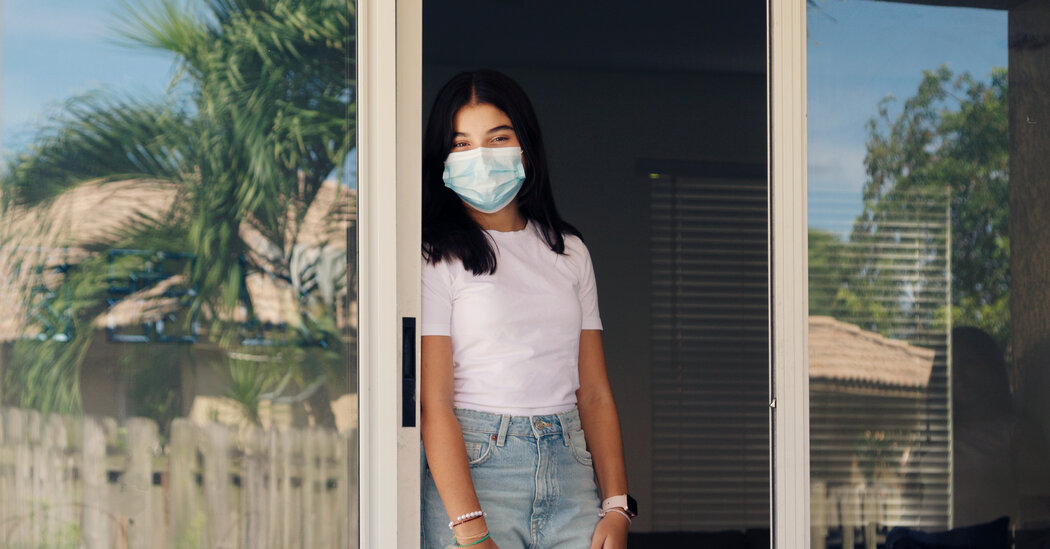
It is not yet clear whether the Delta variant causes more severe disease in children, but its high level of infectiousness is causing a surge of pediatric Covid-19 cases.Pilar Villarraga had spent much of the summer counting down the days until her daughter Sophia’s birthday. In early August, Sophia would turn 12 — and become officially eligible for a Covid-19 vaccine. “I didn’t want her to start school without the vaccine,” said Ms. Villarraga, who lives in Doral, Fla.And then, in late July, just two weeks before the milestone birthday, Sophia caught the coronavirus. At first, she just had a fever, but on July 25, after four quiet days convalescing at home, her ribs began to hurt. The next day, Ms. Villarraga took her to the emergency room, where chest X-rays revealed that Sophia had developed pneumonia. She soon began coughing up blood.Sophia was promptly admitted to Nicklaus Children’s Hospital, in Miami. Her parents, and their friends, were in shock. “I didn’t think that kids could get that sick,” Ms. Villarraga said.But Sophia was one of roughly 130 children with Covid-19 who were admitted to a U.S. hospital that day, according to the Centers for Disease Control and Prevention. That number has been climbing since early July; from July 31 to Aug. 6, 216 children with Covid were being hospitalized every day, on average, nearly matching the 217 daily admissions during the pandemic’s peak in early January.Hospitals in coronavirus hot spots have been particularly hard hit. On a single day last week, Arkansas Children’s Hospital, in Little Rock, had 19 hospitalized children with Covid; Johns Hopkins All Children’s Hospital, in St. Petersburg, Fla., had 15; and Children’s Mercy Kansas City, in Missouri, had 12. All had multiple children in the intensive care unit.These numbers have sparked concerns that what had once seemed like the smallest of silver linings — that Covid-19 mostly spared children — might be changing. Some doctors on the front lines say they are seeing more critically ill children than they have at any previous point of the pandemic and that the highly contagious Delta variant is likely to blame.“Everybody is a little bit nervous about the possibility that the Delta variant could in fact be, in some way, more dangerous in kids,” said Dr. Richard Malley, a pediatric infectious disease specialist at Boston Children’s Hospital.Sophia contracted Covid two weeks before turning 12, when children are officially eligible to receive the vaccine. Alfonso Duran for The New York TimesMost children with Covid-19 have mild symptoms, and there is not yet enough evidence to conclude that Delta causes more severe disease in children than other variants do, scientists said.What is clear is that a confluence of factors — including Delta’s contagiousness and the fact that people under 12 are not yet eligible to be vaccinated — is sending more children to the hospital, especially in areas of the country where the virus is surging. “If you have more cases, then at some point, of course it trickles down to children,” Dr. Malley said.Climbing casesMany children’s hospitals had been hoping for a quiet summer. Several run-of-the-mill childhood viruses are less common during the warmer months, and national Covid rates had been declining through the spring.But last month, as Delta spread, that began to change. “The number of positive Covid tests started to climb in early July,” said Marcy Doderer, the president and chief executive of Arkansas Children’s Hospital. “And then that’s when we really started to see the kids get sick.”The vaccines are effective against Delta — and provide powerful protection against severe disease and death — but children under 12 are not yet eligible for them. So as more and more adults get vaccinated, children make up an increasing share of Covid cases; between July 22 and July 29, they accounted for 19 percent of reported new cases, according to the American Academy of Pediatrics.“They’re the unvaccinated,” said Dr. Yvonne Maldonado, a pediatric infectious-disease specialist at Stanford Medicine and chair of the A.A.P. Committee on Infectious Diseases. “That’s where we’re seeing all the new infections.”From July 22 to July 29, nearly 72,000 new pediatric Covid cases were reported, almost twice as many as in the previous week, according to the association. At Johns Hopkins All Children’s Hospital, 181 children tested positive for the virus in July, up from just 12 in June.Most of those children have relatively mild symptoms, such as runny noses, congestion, coughs or fevers, said Dr. Wassam Rahman, the medical director of the pediatric emergency center at All Children’s. “Most of the kids are not very sick,” he said. “Most will go home and be treated with preventive care at home. But as you might imagine, families are scared.”A small share of children do develop severe disease, showing up at the hospital with pneumonia or in respiratory distress.Of the 15 children with Covid-19 who were inpatients at Children’s Hospital New Orleans late last week, four — including a 3-month-old baby — were in intensive care, said Dr. Mark Kline, the hospital’s physician in chief. None of the children, including the eight who were old enough to be eligible, had been vaccinated.“This Delta variant of Covid-19 is an infectious disease specialist’s worst nightmare,” Dr. Kline said. “And there’s just no sign that it has started to plateau.”Some hospitalized children have other chronic conditions, like diabetes or asthma, that may make them more vulnerable to Covid, but doctors said that they also have seriously ill patients without any obvious risk factors.Sophia, who was on her school’s track and cross country teams, was healthy and active before getting Covid, her mother said. Her parents were surprised by how quickly she deteriorated. “From one minute to another, she got super bad,” Ms. Villarraga said. “I said, ‘You know, I could lose my child.’”After Sophia was admitted, doctors began treating her with the antiviral drug remdesivir, as well as antibiotics, steroids and a blood thinner. “From there, it was a day-by-day thing,” Ms. Villaraga said. “Little by little, she got better.”Sophia, like most children with Covid-19, is expected to make a full recovery, her mother said. (A small percentage of children may experience lingering, long-term symptoms often known as long Covid.) She was discharged on July 31 and celebrated her birthday several days later — at home, with an ice cream cake.Haylee Ramos, 10, receives a Covid swab test at a mobile testing site hosted by the Manatee County Florida Department of Health in Palmetto, Fla., in August.Octavio Jones/ReutersDelta differencesMs. Villaraga was not told whether Sophia had the Delta variant, but more than 80 percent of new cases in the United States are caused by Delta, the C.D.C. estimates, and doctors said that it is clear that Delta is behind the surge in childhood infections.What remains unknown is whether children who are infected with Delta are actually getting sicker than they would have if they had caught a different variant — or if Delta, which is roughly twice as transmissible as the original virus, is just so infectious that many more children are getting sick.There is some emerging evidence — mostly from data on adults — that Delta may cause more severe disease. Studies in Canada, Scotland and Singapore, for instance, have suggested, variously, that Delta may be more likely to lead to hospitalization, I.C.U. admission or death..css-1xzcza9{list-style-type:disc;padding-inline-start:1em;}.css-3btd0c{font-family:nyt-franklin,helvetica,arial,sans-serif;font-size:1rem;line-height:1.375rem;color:#333;margin-bottom:0.78125rem;}@media (min-width:740px){.css-3btd0c{font-size:1.0625rem;line-height:1.5rem;margin-bottom:0.9375rem;}}.css-3btd0c strong{font-weight:600;}.css-3btd0c em{font-style:italic;}.css-w739ur{margin:0 auto 5px;font-family:nyt-franklin,helvetica,arial,sans-serif;font-weight:700;font-size:1.125rem;line-height:1.3125rem;color:#121212;}#NYT_BELOW_MAIN_CONTENT_REGION .css-w739ur{font-family:nyt-cheltenham,georgia,’times new roman’,times,serif;font-weight:700;font-size:1.375rem;line-height:1.625rem;}@media (min-width:740px){#NYT_BELOW_MAIN_CONTENT_REGION .css-w739ur{font-size:1.6875rem;line-height:1.875rem;}}@media (min-width:740px){.css-w739ur{font-size:1.25rem;line-height:1.4375rem;}}.css-9s9ecg{margin-bottom:15px;}.css-uf1ume{display:-webkit-box;display:-webkit-flex;display:-ms-flexbox;display:flex;-webkit-box-pack:justify;-webkit-justify-content:space-between;-ms-flex-pack:justify;justify-content:space-between;}.css-wxi1cx{display:-webkit-box;display:-webkit-flex;display:-ms-flexbox;display:flex;-webkit-flex-direction:column;-ms-flex-direction:column;flex-direction:column;-webkit-align-self:flex-end;-ms-flex-item-align:end;align-self:flex-end;}.css-12vbvwq{background-color:white;border:1px solid #e2e2e2;width:calc(100% – 40px);max-width:600px;margin:1.5rem auto 1.9rem;padding:15px;box-sizing:border-box;}@media (min-width:740px){.css-12vbvwq{padding:20px;width:100%;}}.css-12vbvwq:focus{outline:1px solid #e2e2e2;}#NYT_BELOW_MAIN_CONTENT_REGION .css-12vbvwq{border:none;padding:10px 0 0;border-top:2px solid #121212;}.css-12vbvwq[data-truncated] .css-rdoyk0{-webkit-transform:rotate(0deg);-ms-transform:rotate(0deg);transform:rotate(0deg);}.css-12vbvwq[data-truncated] .css-eb027h{max-height:300px;overflow:hidden;-webkit-transition:none;transition:none;}.css-12vbvwq[data-truncated] .css-5gimkt:after{content:’See more’;}.css-12vbvwq[data-truncated] .css-6mllg9{opacity:1;}.css-qjk116{margin:0 auto;overflow:hidden;}.css-qjk116 strong{font-weight:700;}.css-qjk116 em{font-style:italic;}.css-qjk116 a{color:#326891;-webkit-text-decoration:underline;text-decoration:underline;text-underline-offset:1px;-webkit-text-decoration-thickness:1px;text-decoration-thickness:1px;-webkit-text-decoration-color:#326891;text-decoration-color:#326891;}.css-qjk116 a:visited{color:#326891;-webkit-text-decoration-color:#326891;text-decoration-color:#326891;}.css-qjk116 a:hover{-webkit-text-decoration:none;text-decoration:none;}But the research is preliminary, experts said, and there is not yet enough good data on the severity of Delta cases in children.“There’s no firm evidence that the disease is more severe,” said Dr. Jim Versalovic, the pathologist in chief and interim pediatrician in chief at Texas Children’s Hospital, in Houston, where about 10 percent of children now test positive for the virus, up from less than 3 percent in June. “We certainly are seeing severe cases, but we’ve seen severe cases throughout the pandemic.”Although not all states report their pediatric hospitalization rates, the data that is available suggests that they have remained essentially steady for months. Nationally, roughly 1 percent of children who are infected with the virus end up hospitalized, and 0.01 percent die, according to the A.A.P. data. Both hospitalization and death rates have declined since last summer.It is still possible, of course, that Delta could turn out to cause more severe disease in children. Hospitalization rates, which are a lagging indicator, could rise in the weeks and months ahead. And the rare but serious inflammatory syndrome that develops in some children with Covid-19 can take weeks to appear.“I think time will tell, really,” Dr. Rahman said. “We need at least a month, maybe two months before we get a sense of trends.”But in the U.K., where Delta swept through the population before the variant became widespread in the United States, experts say they have not seen clear evidence that the variant is making children sicker.“There was a wave, there were children who became unwell,” said Dr. Elizabeth Whittaker, a pediatric infectious disease and immunology specialist at Imperial College London. “But not in the kind of, ‘Oh, my gosh, this is very different, this is worrying.’”Dual surgesWhether or not Delta turns out to be more severe, the variant is clearly driving a surge of new infections in both children and adults, especially in areas where vaccine coverage is low. “The rates among children are going up because the rates among unvaccinated family members in their homes are going up,” Dr. Maldonado said.And more infected children means more hospitalized children. “It’s a numbers game at this point,” Dr. Versalovic said.Making matters worse, many hospitals are also reporting a highly unusual spike in children with respiratory syncytial virus, a contagious flulike illness that typically strikes in the fall and winter. R.S.V. cases were abnormally low last winter, likely because of lockdowns and pandemic precautions, but cases have been rising as officials lift restrictions and children begin to mingle.Children’s Mercy Kansas City had nearly three times as many R.S.V. patients as Covid patients late last week, while Texas Children’s had nearly 1,500 positive R.S.V. tests in the last 90 days, hospital officials said.“That has created a dual surge,” Dr. Versalovic said. “Because both viruses are widely circulating, we’re seeing a much greater impact.”The combination of R.S.V. and Covid has pushed Children’s Hospital New Orleans to capacity. “We haven’t had an empty bed in any of our intensive care units in six weeks,” Dr. Klein said.It is not yet clear when children under 12 may be eligible for vaccination, but in the meantime, experts said, the best way to reduce the danger to children, and relieve the stress on hospitals, is for older children and adults to get vaccinated, which will help curb Delta’s spread.“The safest way to never find out whether Delta is more aggressive to children than the original strain is to really enhance vaccination,” Dr. Malley said.Susan C. Beachy

Read more →

'Smallest baby at birth' home after 13 months in hospital

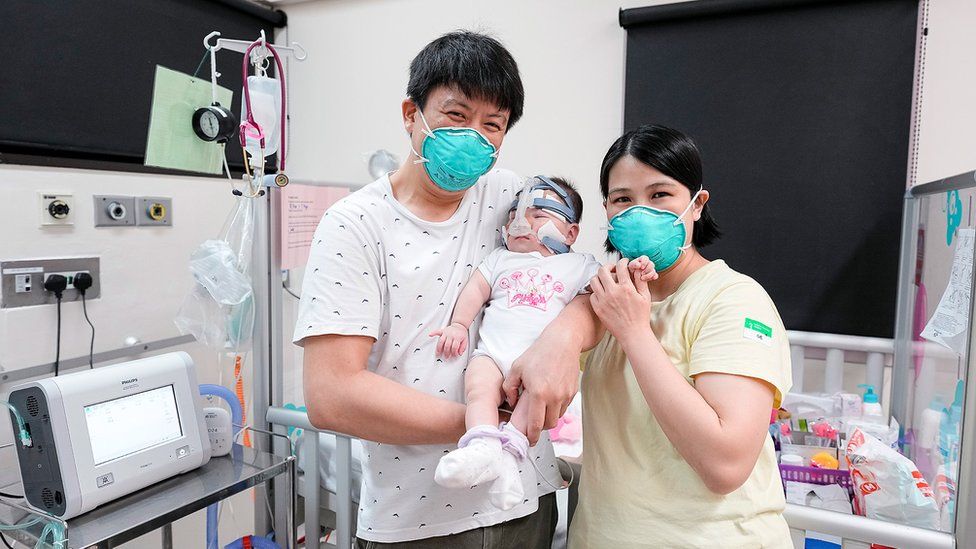
SharecloseShare pageCopy linkAbout sharingimage sourceNUH, SingaporeA baby thought to be the world’s smallest at birth has been discharged from a Singapore hospital after 13 months of intensive treatment.Kwek Yu Xuan was just 212g (7.47oz) – the weight of an apple – when she was born and measured 24cm long.She was delivered at just under 25 weeks – far short of the average 40.The previous record holder was a girl in the US who weighed 245g at birth in 2018 according to the University of Iowa’s Tiniest Babies Registry.Yu Xuan’s mother gave birth to her by emergency C-section four months ahead of schedule after she was diagnosed with pre-eclampsia – dangerously high blood pressure that can damage vital organs and be fatal for both mother and baby.Yu Xuan now weighs a much healthier 6.3kg (14 pounds).The baby girl had a “limited chance of survival” according to Singapore’s National University Hospital (NUH) where she was born.”Against the odds, with health complications present at birth, she has inspired people around her with her perseverance and growth, which makes her an extraordinary “Covid-19″ baby – a ray of hope amid turmoil,” the hospital said in a statement.image sourceKwek FamilyDuring her time in hospital, Yu Xuan was given multiple kinds of treatment and relied on different kinds of machines to survive.Doctors say her health and development progressed well under their care and she is now well enough to be discharged. Yu Xuan still has chronic lung disease and will need help with her breathing at home. However, NUH doctors say she is expected to get better with time.Her mother, Wong Mei Ling, told local media that Yu Xuan’s birth and size came as a shock because her first child – a four-year-old boy – was delivered at term.Yu Xuan’s parents were able to pay for her long hospital stay through a crowdfunding campaign that raised S$366,884 ($270,601).You may also be interested in:

Read more →

Marc Lieberman, Who Brought Jews and Buddhists Together, Dies at 72

He called himself “a healthy mosaic” of the two faiths. An ophthalmologist, he also ran a clinic that brought sight back to Tibetans with cataracts.Dr. Marc Lieberman, an ophthalmologist and self-proclaimed “Jewish Buddhist” who, when he wasn’t treating glaucoma, organized a dialogue between Jewish scholars and the Dalai Lama, and who later brought sight back to thousands of Tibetans stricken by cataracts, died on Aug. 2 at his home in San Francisco. He was 72.His son, Michael, said the cause was prostate cancer.Dr. Lieberman, who called himself a “JuBu,” retained his Jewish faith but incorporated aspects of Buddhist teachings and practices. He kept kosher and observed the sabbath, but he also meditated several times a day. He studied the Torah, but he also led efforts to build a Buddhist monastery in Northern California.If it seemed like a contradiction to some, he was OK with that, seeing in both religions a complementary pursuit of truth and path away from worldly suffering.“I’m a healthy mosaic of Judaism and Buddhism,” Dr. Lieberman said in an interview with The Los Angeles Times in 2006. “Is that fair to either religion? Fair schmair! It’s what I am.”In the 1980s, he became a leader in the lay Buddhist community in the Bay Area, holding weekly meetings in his living room and hosting monks who visited from around the world.As such, he was an obvious point of contact when the Dalai Lama, the spiritual leader of the Tibetan people, announced that he was planning a visit to the United States in 1989, and that he was curious to learn more about Judaism. A friend in the office of Representative Tom Lantos, a California Democrat, asked if Dr. Lieberman would facilitate a dialogue between the holy man and American Jewish leaders.Dr. Lieberman jumped into action, assembling what he called a “dream team” of rabbis and Jewish scholars for a one-day meeting with the Dalai Lama at a Tibetan Buddhist temple in New Jersey.It was a success, though an all-too-brief one, it being difficult to pack thousands of years of religious tradition into a single afternoon chat. But the Dalai Lama came away impressed, and Dr. Lieberman decided to go bigger.The next year he accompanied eight of the original group to Dharmsala, the town in northern India where the Dalai Lama lives in exile. Over four days, Jewish and Buddhist thinkers discussed the two faiths’ shared experiences with suffering, their differing concepts of God and the role that mysticism plays in each.Along to observe was Rodger Kamenetz, a poet who had been a friend of Dr. Lieberman’s since childhood. At a moment of crisis in his own life, Mr. Kamenetz found the trip moving, and he documented the experience in a book, “The Jew in the Lotus: A Poet’s Rediscovery of Jewish Identity in Buddhist India” (1994).Dr. Lieberman examining a patient in Tsochen, Tibet, in 2003.Isaac SolotaroffThe book sold well and drove thousands of Americans, Jews and non-Jews, to explore Buddhism — while at the same time driving others to see the potential for a different, more mystical Judaism.“Marc really deserves credit for that dialogue, for opening Jews to their own meditative and esoteric traditions,” Mr. Kamenetz said in an interview.Dr. Lieberman wasn’t done. During his conversations with the Dalai Lama and his entourage, he learned that thanks to the harsh ultraviolet light that blankets the 15,000-foot Tibetan Plateau, 15 percent of Tibetans over 40 — and 50 percent of those over 70 — have cataracts.In 1995 he founded the Tibet Vision Project, a grand name for what was largely a solo act: Twice a year, sometimes with a colleague, he traveled to Tibet, where he oversaw cataract surgeries and trained Tibetan doctors to perform them. Over the next 20 years, some 5,000 people regained their full sight thanks to Dr. Lieberman.It was, he might have said, the ultimate mitzvah for a people, and a leader, who had given him so much.“I remember him saying to the Dalai Lama, ‘When you come back to Tibet I want the Tibetan people to see you,’” Mr. Kamenetz recalled.Marc Frank Lieberman was born on July 7, 1949, in Baltimore, the son of Alfred and Annette (Filzer) Lieberman. His father was a surgeon; his mother worked for a local private school and, later, for the area chapter of Planned Parenthood.Though his uncle Morris Lieberman was the rabbi at one of Baltimore’s leading Reform synagogues, Marc grew up more interested in the intellectual and activist sides of Judaism than in the faith itself.He studied religion at Reed College in Oregon and, after graduating, took pre-med courses at the Hebrew University of Jerusalem. While in Israel he met Alicia Friedman, who became his first wife. He also became more religious, keeping kosher and observing the sabbath.He attended medical school at Johns Hopkins University and completed his residency in Ann Arbor, Mich. He then settled in San Francisco, where he opened a private practice specializing in glaucoma treatment, which later expanded to three offices around the Bay Area.Despite his professional success, Dr. Lieberman — who was also a successful textbook author and a clinical professor at the University of California, San Francisco — grew disenchanted with medicine.“It was a high price for me to pay to undergo the rigors of training,” he said in “Visioning Tibet,” a 2006 documentary about his work. “There were so few role models of people who were connecting with patients as other humans, and the very reasons that motivated me to go into medicine became more and more distant the further I got in the field.”At a yoga class in 1982 he met Nancy Garfield, who introduced him to the Bay Area’s Buddhist community. After the two attended a retreat at a monastery near Santa Cruz, Dr. Lieberman realized that he had found the answer to his frustrations and despair, or at least an avenue to address them.In 1986 he and Ms. Garfield married in a Buddhist ceremony. That marriage, like his first, ended in divorce. In addition to his son, Dr. Lieberman is survived by his brothers, Elias and Victor.Soon after his second marriage, Dr. Lieberman took his first trip to northern India, at the invitation of a group of Indian doctors. He found the experience transformative.Dr. Lieberman, right, in Shigatse, Tibet, in 2002. He became a leader in the lay Buddhist community in the San Francisco area in the 1980s.Isaac Solotaroff“The great discovery for me in India was to see how spiritual the practice of medicine was,” he said in the documentary. “The medical centers in India, the ones I was fortunate enough to visit, are temples, and temples of love and service.”He began to make regular visits to India, working with local doctors and bringing back Buddhist books, devotional items and esoterica, which filled his house.“At the table,” Mr. Kamenetz wrote, a visitor would find “Shabbat candles; in the living room, incense; at the doorway, a mezuzah; in the meditation room, a five-foot-high Buddha. If he glanced at the bookshelf, he would have seen dharma and kabbalah competing for space, and one was as likely to find Pali as Hebrew.”Dr. Lieberman did not coin the term “JuBu,” and he was not the first proponent of integrating aspects of Buddhism into the Jewish faith — the poet Allen Ginsberg was among those who preceded him — but he became one of the most prominent.He struggled to keep his focus on interreligious dialogue and leave politics aside. But his many trips to Tibet left him embittered toward the Chinese government, which had annexed the region in 1959 and driven out its religious leaders, then sought to overwhelm Tibetan culture with its own.“It’s like visiting an Indian reservation run by General Custer’s family,” he told The San Francisco Chronicle in 2006.Beijing didn’t think much of Dr. Lieberman either; he was often harassed at the border and forced to wait weeks in Kathmandu, Nepal, for a visa. Starting in 2008, the Chinese government gradually barred all foreign nongovernmental organizations from Tibet, bringing Dr. Lieberman’s efforts to an end.Not long before Dr. Lieberman died, Mr. Kamenetz visited him in San Francisco. One day he accompanied his friend to a chemotherapy appointment.“We were really enjoying the flowering trees in San Francisco, just taking in each flower, each tree,” Mr. Kamenetz recalled. “Naturally we were talking about impermanence. And he said the most beautiful thing: that impermanence doesn’t just mean that everything goes away, but also that there’s always something new coming into focus.“He said, ‘Whatever arises is the indispensable beautiful event that is arising.’”

Read more →

For Seniors Especially, Covid Can Be Stealthy

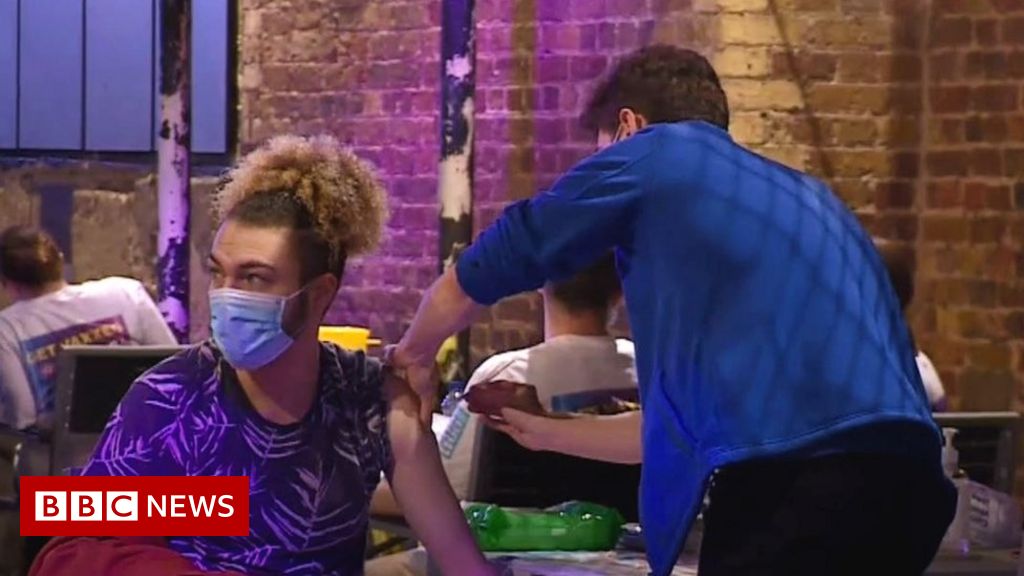
With infections increasing once more, and hospitalization rising among older adults, health experts offer a timely warning: a coronavirus infection can look different in older patients.One day in March of 2020, Rosemary Bily suddenly grew so tired she could barely get out of bed. “She slept a lot,” said her son-in-law Rich Lamanno. “She was wiped out for most of a month.” Ms. Bily, now 86, also developed nausea and diarrhea, along with a slight cough, and subsisted mostly on Tylenol and Gatorade.A few days later her husband, Eugene Bily, 90, started coughing and became lethargic as well.Had it not been for a family gathering a few days earlier, the Bilys’s children would not have suspected the new coronavirus. They might have blamed the flu, or simply advancing age. “What we heard on TV was ‘high fever, can’t breathe’ — and they had neither,” Mr. Lamanno recalled.But about a dozen guests had gathered at a restaurant in Rockville Centre, Long Island, earlier that month to celebrate a niece’s birthday, and one by one most of them fell ill with Covid, including Mr. Lamanno and his wife.As the symptoms spread, doctors told the worried family that the Bilys most likely had Covid-19. Because tests were in short supply at the time, neither was tested; the family also feared taking them to overflowing local hospitals. But subsequent antibody tests confirmed that Eugene and Rosemary Bily, who live in Oceanside, N. Y., had contracted and survived the virus.Mr. Lamanno outside his in-laws’ home in Oceanside.Gregg Vigliotti for The New York TimesThe population over 65, most vulnerable to the virus’s effects, got an early start on Covid vaccination and has the highest rate in the country — more than 80 percent are fully vaccinated. But with infections increasing once more, and hospitalization rising among older adults, a large-scale new study in the Journals of Gerontology provides a timely warning: Covid can look different in older patients.“People expect fever, cough, shortness of breath,” said Allison Marziliano, lead author of the study. She is a social and health psychologist at the Feinstein Institutes for Medical Research, part of the large Northwell Health system across New York State.But when the researchers combed through the electronic health records of nearly 5,000 people, all over the age of 65, who were hospitalized for Covid at a dozen Northwell hospitals in March and April of 2020, they found that one-third had arrived with other symptoms, unexpected ones.The team, searching through records using language software, found that about one-quarter of older patients reported a functional decline. “This was falls, fatigue, weakness, difficulty walking or getting out of bed,” Dr. Marziliano said.Eleven percent experienced altered mental status — “confusion, agitation, forgetfulness, lethargy,” she said. About half the group with atypical symptoms also suffered from at least one of the classic Covid problems — fever, trouble breathing, coughing.“Clinicians should know, older adults should know, their caregivers should know: If you see certain atypical symptoms, it could be Covid,” Dr. Marziliano said.The rate of atypical symptoms rose significantly with age, affecting about 31 percent of those aged 65 to 74, but more than 44 percent of those over 85. These symptoms occurred more commonly in women, in Black patients (but not in Hispanics) and in those who had other chronic diseases, particularly diabetes or dementia.Because people in the atypical group were less likely to experience breathing problems and require ventilation, they were less likely to need intensive care. But both groups spent about 10 days in the hospital, and roughly one-third of each group died.Mr. Bily, at right, receives home hospice care, and Mrs. Bily has fully recovered from the virus. “She’s doing well,” Mr. Lamanno said. “She has resumed her normal life.”Gregg Vigliotti for The New York Times“These people were in the hospital for as long,” Dr. Marziliano said. “Their mortality rate was as high. So this shouldn’t be dismissed.”The research mirrors findings from other, smaller studies of older people conducted early in the pandemic in the United States and Europe. During a Covid outbreak in a nursing home in Providence, R.I., for instance, a Brown University study found that the most common symptom was loss of appetite, followed by lethargy, diarrhea and fatigue.“We’re not necessarily surprised by this,” said Dr. Maria Carney, a geriatrician and an author of the Northwell study. “Older adults don’t always present like other adults. They may not mount a fever. Their metabolisms are different.”Younger diabetics, for instance, may become sweaty and experience palpitations if their blood sugar falls, Dr. Carney explained. An older person with low blood sugar could faint without warning. Older people who suffer from depression may have appetite loss or insomnia but not necessarily feel sad..css-1xzcza9{list-style-type:disc;padding-inline-start:1em;}.css-3btd0c{font-family:nyt-franklin,helvetica,arial,sans-serif;font-size:1rem;line-height:1.375rem;color:#333;margin-bottom:0.78125rem;}@media (min-width:740px){.css-3btd0c{font-size:1.0625rem;line-height:1.5rem;margin-bottom:0.9375rem;}}.css-3btd0c strong{font-weight:600;}.css-3btd0c em{font-style:italic;}.css-w739ur{margin:0 auto 5px;font-family:nyt-franklin,helvetica,arial,sans-serif;font-weight:700;font-size:1.125rem;line-height:1.3125rem;color:#121212;}#NYT_BELOW_MAIN_CONTENT_REGION .css-w739ur{font-family:nyt-cheltenham,georgia,’times new roman’,times,serif;font-weight:700;font-size:1.375rem;line-height:1.625rem;}@media (min-width:740px){#NYT_BELOW_MAIN_CONTENT_REGION .css-w739ur{font-size:1.6875rem;line-height:1.875rem;}}@media (min-width:740px){.css-w739ur{font-size:1.25rem;line-height:1.4375rem;}}.css-9s9ecg{margin-bottom:15px;}.css-uf1ume{display:-webkit-box;display:-webkit-flex;display:-ms-flexbox;display:flex;-webkit-box-pack:justify;-webkit-justify-content:space-between;-ms-flex-pack:justify;justify-content:space-between;}.css-wxi1cx{display:-webkit-box;display:-webkit-flex;display:-ms-flexbox;display:flex;-webkit-flex-direction:column;-ms-flex-direction:column;flex-direction:column;-webkit-align-self:flex-end;-ms-flex-item-align:end;align-self:flex-end;}.css-12vbvwq{background-color:white;border:1px solid #e2e2e2;width:calc(100% – 40px);max-width:600px;margin:1.5rem auto 1.9rem;padding:15px;box-sizing:border-box;}@media (min-width:740px){.css-12vbvwq{padding:20px;width:100%;}}.css-12vbvwq:focus{outline:1px solid #e2e2e2;}#NYT_BELOW_MAIN_CONTENT_REGION .css-12vbvwq{border:none;padding:10px 0 0;border-top:2px solid #121212;}.css-12vbvwq[data-truncated] .css-rdoyk0{-webkit-transform:rotate(0deg);-ms-transform:rotate(0deg);transform:rotate(0deg);}.css-12vbvwq[data-truncated] .css-eb027h{max-height:300px;overflow:hidden;-webkit-transition:none;transition:none;}.css-12vbvwq[data-truncated] .css-5gimkt:after{content:’See more’;}.css-12vbvwq[data-truncated] .css-6mllg9{opacity:1;}.css-qjk116{margin:0 auto;overflow:hidden;}.css-qjk116 strong{font-weight:700;}.css-qjk116 em{font-style:italic;}.css-qjk116 a{color:#326891;-webkit-text-decoration:underline;text-decoration:underline;text-underline-offset:1px;-webkit-text-decoration-thickness:1px;text-decoration-thickness:1px;-webkit-text-decoration-color:#326891;text-decoration-color:#326891;}.css-qjk116 a:visited{color:#326891;-webkit-text-decoration-color:#326891;text-decoration-color:#326891;}.css-qjk116 a:hover{-webkit-text-decoration:none;text-decoration:none;}In May of 2020, Dr. Carney heard from a daughter worried about her mother, who was in her 80s and had suddenly grown weaker. “She didn’t have fever or a cough, but she was just not herself,” Dr. Carney recalled. Doctors at a local emergency room had diagnosed a urinary tract infection and prescribed antibiotics, the daughter reported. But five days later, her mother’s condition was worsening. “She needs a Covid test,” Dr. Carney advised.Diagnosing Covid quickly in older patients can make a world of difference. “We have things to offer now that we didn’t have in the first wave,” said Dr. Eleftherios Mylonakis, chief of infectious diseases at Warren Alpert Medical School of Brown University, who led the Providence nursing home study. “We have better understanding, more treatments, better support.”Among the improvements: using anticoagulant drugs to prevent clotting and using monoclonal antibodies (the treatment that former President Trump received at Walter Reed Hospital) that strengthen the immune system. But, Dr. Mylonakis added, “It’s paramount to start any kind of treatment early.”Understanding that something as vague as weakness, confusion or appetite loss might signal a Covid infection can also help protect friends and family, who can then isolate and get tested themselves. “It not only helps the individual, but also can contain the spread of the virus,” Dr. Mylonakis said.A Covid diagnosis can also ward off needless tests and procedures. “We can avoid unnecessary testing, poking and prodding, CT scans,” Dr. Carney said. CT scans are expensive, burdensome and take time to schedule and analyze; a nasal swab for Covid is quick, relatively cheap and now widely available.With widespread vaccination, the symptoms of Covid-19 in older adults may become even more subtle. Fevers are easy to measure, and difficulty breathing will send anyone to an emergency room, Dr. Carney pointed out, whereas “we don’t necessarily notice if someone has stopped eating.”Her counsel, for older patients and their caregivers and doctors, is to stay alert for changes that occur quickly, over a matter of days. “When there’s a change in behavior, physical or cognitive, it may not look like an infection, but keep Covid at the top of your list,” she said.The woman with the worried daughter had indeed contracted the virus; she died in a hospital.But the Bilys pulled through and still live in their Oceanside split-level home. Mr. Bily contended with many health problems even before the pandemic. In the past 18 months, he underwent two hip surgeries and several other hospitalizations. In June, he began receiving home hospice care.Rosemary Bily, however, has fully recovered from the virus. At 86, she drives to the supermarket and the drugstore, visits her hair salon weekly, keeps in touch with family via iPad and smartphone and helps care for her granddaughters.“She’s doing well,” Mr. Lamanno said. “She has resumed her normal life.”

Read more →

'Walking to space was the best day of my life'

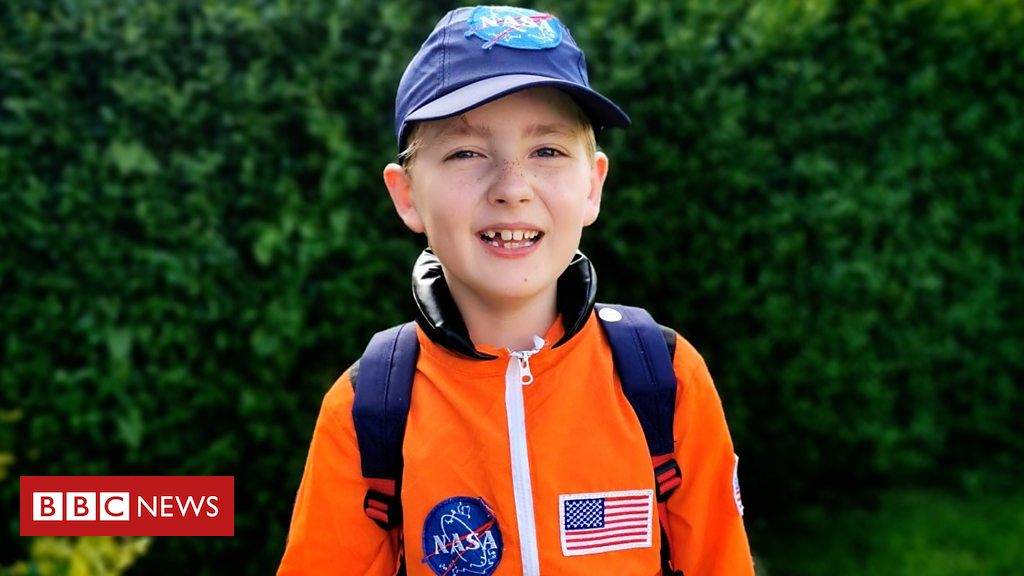
A nine-year-old with a rare genetic condition which causes his joints to dislocate has walked the distance between Earth’s atmosphere and the boundary of space.Tim, who has hypermobile Ehlers-Danlos syndrome and autism, walked 62 miles (100km) around his hometown of Tuxford, Nottinghamshire, over six weeks to raise money for charity Newlife.The charity provided him with a “life-changing” sleeping pod to keep him safe at night after his old bed became unsuitable.”He only sleeps for about three to four hours a night,” Tim’s mum, Laura, said.”He’s very sensory-driven so he would eat anything he could get his hands on, whether that was edible or not and let himself out of the door and go for a walk up the street.”Tim received a message of support from his hero astronaut Tim Peake which he said was “amazing”.Follow BBC East Midlands on Facebook, Twitter, or Instagram. Send your story ideas to eastmidsnews@bbc.co.uk.

Read more →

Potential COVID-19 medication found among tapeworm drugs

A group of medications long prescribed to treat tapeworm has inspired a compound that shows two-pronged effectiveness against COVID-19 in laboratory studies, according to a new publication appearing online in the journal ACS Infectious Disease.
The compound, part of a class of molecules called salicylanilides, was designed in the laboratory of Professor Kim Janda, PhD, the Ely R. Callaway, Jr. Professor of Chemistry and director of the Worm Institute for Research and Medicine at Scripps Research, in La Jolla, CA.
“It has been known for 10 or 15 years that salicylanilides work against certain viruses,” Janda says. “However, they tend to be gut-restricted and can have toxicity issues.”
Janda’s compound overcomes both issues, in mouse and cell-based tests, acting as both an antiviral and an anti-inflammatory drug-like compound, with properties that auger well for its use in pill form.
Salicylanilides were first discovered in Germany in the 1950s and used to address worm infections in cattle. Versions including the drug niclosamide are used in animals and humans today to treat tapeworm. They have also been studied for anti-cancer and antimicrobial properties.
The modified salicylanilide compound that Janda created was one of about 60 that he built years ago for another project. When the SARS-CoV-2 virus became a global pandemic in early 2020, knowing that they may have antiviral properties, he started screening his old collection, first in cells with collaborators from Sorrento Therapeutics and The University of Texas Medical Branch, and later, after seeing promising results, working with Scripps Research immunologist John Teijaro, PhD, who conducted rodent studies.

Read more →

A microRNA network is the putative mediator of reductive stress in the heart

Last year, University of Alabama at Birmingham researchers reported that reductive stress — an imbalance in the normal oxidation/reduction homeostasis — caused pathological changes associated with heart failure in a mouse model. This was a follow-up to their 2018 clinical study that about one in six heart failure patients shows reductive stress.
Now, in the journal Scientific Reports, researchers describe the putative molecular regulators of this pathological chronic reductive stress — a microRNA network.
Redox balance is vital for health. Oxidative stress has long been linked to heart failure, the progressive weakening of the heart muscle that can lead to death, though attempts at antioxidant therapy have been ineffectual. The finding that reductive stress can also lead to heart pathology may help personalize treatment of heart failure patients, leading to better outcomes.
Human microRNAs, or miRNAs, are short, non-coding RNAs with about 22 bases. They act to regulate gene expression by a complementary pairing with specific messenger RNAs of the cell. That pairing silences the messenger RNA, preventing them from being translated into a protein. Thus, miRNAs are a fine-tuned controller of cell metabolism or the cell’s response to stress and adverse challenges, like oxidative stress in the heart.
The current research, led by Rajasekaran Namakkal-Soorappan, Ph.D., associate professor in the UAB Department of Pathology, used mice that overexpress Nrf2, pronounced “nerf-two,” in cardiomyocytes to identify the miRNA network.
Nrf2 is a master transcriptional regulator that confers short-term protection — by helping express genes for antioxidant activity — for heart muscle cells when reactive oxygen and nitrogen species are created as blood flow returns after a heart attack. However, persistent Nrf2 activation can paradoxically result in reductive stress.

Read more →

Trials reveal efficacy and safety of oral drug for treating anemia associated with kidney disease

Pooled results from recent clinical trials indicate that an oral drug called roxadustat is an effective treatment for anemia in patients with chronic kidney disease. The results are published in an upcoming issue of CJASN.
Many individuals with kidney dysfunction develop anemia, or a shortage of healthy red blood cells that carry oxygen to the body’s tissues. Some treatments for anemia are linked with serious cardiovascular side effects, but a new class of oral drugs called hypoxia inducible factor-prolyl hydroxylase inhibitors may be comparable to placebo in these trials. These drugs act on the pathway involved in the production of erythropoietin that stimulates red blood cell formation.
To evaluate the efficacy and cardiovascular safety of one such inhibitor — called roxadustat — Robert Provenzano, MD (Wayne State University School of Medicine) and his colleagues analyzed data pooled from three phase 3 studies of roxadustat in patients with chronic kidney disease and anemia.
In total, 2,391 patients received roxadustat and 1,886 received a placebo. Roxadustat treatment boosted levels of hemoglobin (the protein in red blood cells responsible for transporting oxygen): roxadustat- vs. placebo-treated patients showed an average change in hemoglobin averaged over weeks 28 to 52 of 1.9 vs. 0.1 g/dL. Roxadustat also reduced the need for red blood cell transfusions in the first 52 weeks, and there were no increased risks of mortality, heart attacks, strokes linked to the drug.
“Roxadustat was shown to be effective, with an acceptable safety profile,” said Dr. Provenzano. “As an oral agent, roxadustat addresses the significant unmet need in treating anemia in patients with kidney disease.”
Study co-authors include Lynda Szczech, MD, Robert Leong, MD, Khalil Saikali, MD, Ming Zhong, PhD, Tyson T. Lee, PhD, Dustin J. Little, MD, Mark T, Houser, MD, Lars Frison, PhD, John Houghton, and Thomas B. Neff, MD.
Disclosures: RP serves as a consultant for AstraZeneca, DaVita, and FibroGen. LS, RL, KGS, MZ, TTL are employees of FibroGen and hold stock and/or stock options in FibroGen. MTH, LF, DJL, and JH are employees of AstraZeneca and hold stock and/or stock options in AstraZeneca.
Story Source:
Materials provided by American Society of Nephrology. Note: Content may be edited for style and length.

Read more →