What If You Could Become Invisible to Mosquitoes?
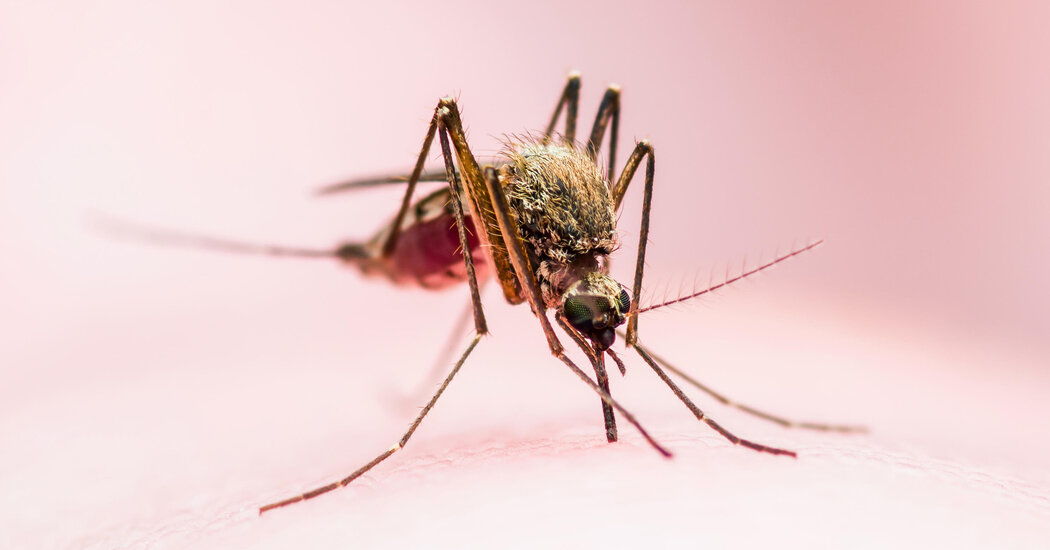
Using Crispr, scientists have taken the first step toward creating a mosquito that is blind to human hosts.If you could have just one superpower, flight or invisibility, which would you choose? And would your answer change if you could become invisible to mosquitoes?Sure, you might never soar among eagles or brush your cheek against a wisp of cloud. But you would also no longer flee from swarming clouds of mosquitoes, and you would be protected from the deadly diseases that the insects spread.For the first time, scientists have used the gene-editing tool Crispr-Cas9 to render humans effectively invisible in the eyes of Aedes aegypti mosquitoes, which use dark visual cues to hunt, according to a paper recently published in the journal Current Biology. By eliminating two of that mosquito’s light-sensing receptors, the researchers knocked out its ability to visually target hosts.“Nobody has studied this before,” said Neha Thakre, a postdoctoral researcher at the University of California, San Diego, who studies Crispr as a mosquito control tool. Dr. Thakre, who was not involved with the research, said she saw the study as a “great start” to understanding what controls mosquito vision.Aedes aegypti is a salt-and-pepper scourge on humans across the world. The females, in search of the blood they need to lay their eggs, infect tens of millions of people each year with flaviviruses that lead to dengue, yellow fever and Zika.“The better we understand how they sense the human, the better we can control the mosquito in an eco-friendly manner,” said Yinpeng Zhan, a postdoctoral researcher at the University of California, Santa Barbara, and the lead author on the paper.Anopheles mosquitoes, which spread malaria, hunt at night, whereas Aedes aegypti hunts under the sun, at dawn and dusk. The species depends on a fleet of senses to find blood. A mere whiff of carbon dioxide, a sign that someone or something has just exhaled nearby, sends the mosquito into a frenzied flight.“They can also detect some of the organic cues from our skin,” such as heat, humidity and stench, said Craig Montell, a neurobiologist at the University of California, Santa Barbara, and an author on the study. But if there is no suitable host, the mosquito will fly straight to the closest-seeming target: a dark spot.In 1937, scientists observed that Aedes aegypti mosquitoes were specifically attracted to people with dark clothing. But the molecular mechanism by which mosquitoes visually sensed their targets was largely unknown.Many experiments on mosquito vision take place in wind tunnels, large chambers that can cost tens of thousands of dollars. In prior experiments, mosquitoes placed in the wind tunnel and given a whiff of carbon dioxide chose to fly to a dark spot over a white one.Dr. Montell’s lab does not have a wind tunnel, so Dr. Zhan designed an inexpensive setup — a cage with a black circle and a white circle inside — that cost less than $100 and delivered the same results as a wind tunnel. In the spring of 2019, Dr. Zhan conducted spot tests in the cage. In the fall, Jeff Riffell, a biologist at the University of Washington, along with Claire Rusch, a graduate student, and Diego Alonso San Alberto, a postdoctoral fellow, ran the same experiments using a wind tunnel to double-check the original results.Dr. Montell and Dr. Zhan suspected that one of the five light-sensing proteins expressed in the mosquito’s eye might be the key to eliminating its ability to visually seek out human hosts by sensing dark colors. First, they decided to knock out the rhodopsin protein Op1. Op1, the most widely expressed vision protein in the mosquito’s compound eyes, seemed the best candidate for interfering with the mosquito’s vision. Dr. Zhan injected the mutation into thousands of tiny mosquito eggs using a tool with a special needle with a very tiny tip.After his wee mutants had grown into adults, Dr. Zhan sucked 10 or so females into a tube using a mouth-controlled aspirator. With each group, he held his breath, walked over to the cage and released the females with one big exhale.The Op1 mutants behaved exactly like the wild-type Aedes aegypti: After huffing carbon dioxide, they flew directly to the black dot in the cage. Dr. Montell and Dr. Zhan tried again, this time knocking out Op2, a closely related rhodopsin. Still, the Op2 mutants showed no meaningful decline in their vision.But when the researchers knocked out both proteins, the mosquitoes whizzed around aimlessly, showing no preference between the white circle and black circles. They had lost their ability to seek dark-colored hosts.Were the mosquitoes blind altogether, or just blind to people? To answer this question, Dr. Montell and Dr. Zhan ran a series of tests to see how the double mutants responded to light.First, they tested whether the double mutants would move toward light. Next, they connected electrodes to the double mutants’ eyes to measure if the eyes displayed voltage changes in response to light. Finally, they placed the double mutants in rotating cylinders with vertical black and white stripes to see if the insects would walk in the direction of the moving stripes. The double mutants passed all three tests, although they had a weaker response than the wild types in the last two tests.The mosquitoes were not blind, after all. “My first transgenic mosquito,” Dr. Zhan said proudly. “We had a happy ending.”The new paper could inform future strategies to control mosquito populations. If female mosquitoes were unable to see hosts, they would have a harder time finding the blood required for their eggs to develop. “The population would crash,” Dr. Montell said.The researchers have yet to expose the double mutants to hosts. If and when they do, Dr. Thakre is curious to know exactly how impaired vision affects the ability of mosquitoes to actually feed on blood, given the insects’ many other senses. “The thing you want to control is a mosquito bite,” Dr. Thakre said.As climate change heats up regions of the planet, it lays out an unwelcome welcome mat for Aedes aegypti to enter new areas, including parts of China and North America.“Every year there’s a pandemic from mosquito-borne diseases,” Dr. Montell said from his home in Santa Barbara. In California, Aedes aegypti was first spotted in 2011 in Los Angeles County and has now spread as far north as Sacramento. The mosquitoes will only continue to spread, their eggs glued to our suitcases and cars, awaiting the day when they hatch into adults and begin hunting, compound eyes wide open.

Read more →
US to Advise Booster Shots for Most Americans 8 Months After Vaccination

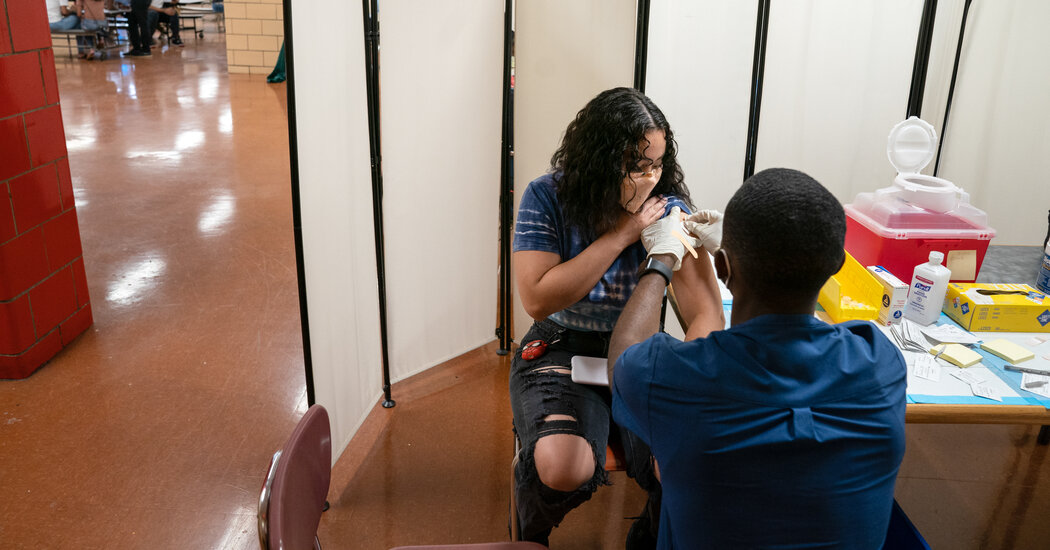
Nursing home residents and health care workers will most likely be the first to get booster shots, as soon as September, followed by other older people who were vaccinated last winter.WASHINGTON — The Biden administration has decided that most Americans should get a coronavirus booster vaccination eight months after they received their second shot, and could begin offering third shots as early as mid-September, according to administration officials familiar with the discussions.Officials are planning to announce the decision as early as this week. Their goal is to let Americans who received the Pfizer-BioNTech or Moderna vaccines know now that they will need additional protection against the Delta variant that is causing caseloads to surge across much of the nation. The new policy will depend on the Food and Drug Administration’s authorization of additional shots.Officials said they expect that recipients of the Johnson & Johnson vaccine, which was authorized as a one-dose regimen, will also require an additional dose. But they are waiting for the results of that firm’s two-dose clinical trial, expected later this month.The first boosters are likely to go to nursing home residents, health care workers and emergency workers. They would probably be followed by other older people who were near the front of the line when vaccinations began late last year, then by the general population. Officials envision giving people the same vaccine they originally received.The decision comes as the Biden administration is struggling to regain control of a pandemic that it had claimed to have tamed little more than a month ago. President Biden had declared the nation reopened for normal life for the July 4 holiday, but the wildfire spread of the Delta variant has thwarted that. Covid-19 patients are again overwhelming hospitals in some states, and federal officials are worried about an increase in the number of children hospitalized just as the school year is set to begin.For weeks, Biden administration officials have been analyzing the rise in Covid-19 cases, trying to figure out if the Delta variant is better able to evade the vaccines or if the vaccines have waned in strength over time. According to some administration experts, both could be true, a distressing combination that is re-energizing a pandemic that the nation fervently hoped had been curbed.Dr. Francis S. Collins, the director of the National Institutes of Health, told “Fox News Sunday” that “there is a concern that the vaccine may start to wane.” That, combined with the Delta variant’s ferocity, could dictate boosters, he said.Federal health officials have been particularly concerned about data from Israel suggesting that the Pfizer-BioNTech vaccine’s protection against severe disease has fallen significantly for elderly people who got their second shot in January or February.Israel can in some ways be viewed as a template for the United States because it vaccinated more of its population faster and has almost exclusively used the Pfizer-BioNTech vaccine that made up much of the U.S. stock. Unlike the United States, though, Israel has a nationalized health care system that allows it to systematically track patients.The latest Israeli data, posted on the government’s website on Monday, shows what some experts described as continued erosion of the efficacy of the Pfizer vaccine against mild or asymptomatic Covid-19 infections in general and against severe disease among the elderly who were vaccinated early in the year.One slide suggests that for those 65 years or older who got their second shots in January, the vaccine is now only about 55 percent effective against severe disease. But researchers noted that the data has a wide margin of error, and some said other Israeli government data suggested the decline in efficacy was less severe.“It shows a pretty steep decline in effectiveness against infection, but it’s still a bit murky about protection against severe disease,” said Dr. Peter J. Hotez, a vaccine expert at the Baylor College of Medicine in Houston, who reviewed the data at the request of The New York Times.Dr. Jesse L. Goodman, a former chief scientist with the Food and Drug Administration who also reviewed the data, said it suggests “worrisome trends” that could signal waning of vaccine effectiveness. But he said he would like to see further detail from Israel and, more important, data indicating whether the United States is headed in the same direction..css-1xzcza9{list-style-type:disc;padding-inline-start:1em;}.css-3btd0c{font-family:nyt-franklin,helvetica,arial,sans-serif;font-size:1rem;line-height:1.375rem;color:#333;margin-bottom:0.78125rem;}@media (min-width:740px){.css-3btd0c{font-size:1.0625rem;line-height:1.5rem;margin-bottom:0.9375rem;}}.css-3btd0c strong{font-weight:600;}.css-3btd0c em{font-style:italic;}.css-w739ur{margin:0 auto 5px;font-family:nyt-franklin,helvetica,arial,sans-serif;font-weight:700;font-size:1.125rem;line-height:1.3125rem;color:#121212;}#NYT_BELOW_MAIN_CONTENT_REGION .css-w739ur{font-family:nyt-cheltenham,georgia,’times new roman’,times,serif;font-weight:700;font-size:1.375rem;line-height:1.625rem;}@media (min-width:740px){#NYT_BELOW_MAIN_CONTENT_REGION .css-w739ur{font-size:1.6875rem;line-height:1.875rem;}}@media (min-width:740px){.css-w739ur{font-size:1.25rem;line-height:1.4375rem;}}.css-9s9ecg{margin-bottom:15px;}.css-16ed7iq{width:100%;display:-webkit-box;display:-webkit-flex;display:-ms-flexbox;display:flex;-webkit-align-items:center;-webkit-box-align:center;-ms-flex-align:center;align-items:center;-webkit-box-pack:center;-webkit-justify-content:center;-ms-flex-pack:center;justify-content:center;padding:10px 0;background-color:white;}.css-pmm6ed{display:-webkit-box;display:-webkit-flex;display:-ms-flexbox;display:flex;-webkit-align-items:center;-webkit-box-align:center;-ms-flex-align:center;align-items:center;}.css-pmm6ed > :not(:first-child){margin-left:5px;}.css-5gimkt{font-family:nyt-franklin,helvetica,arial,sans-serif;font-size:0.8125rem;font-weight:700;-webkit-letter-spacing:0.03em;-moz-letter-spacing:0.03em;-ms-letter-spacing:0.03em;letter-spacing:0.03em;text-transform:uppercase;color:#333;}.css-5gimkt:after{content:’Collapse’;}.css-rdoyk0{-webkit-transition:all 0.5s ease;transition:all 0.5s ease;-webkit-transform:rotate(180deg);-ms-transform:rotate(180deg);transform:rotate(180deg);}.css-eb027h{max-height:5000px;-webkit-transition:max-height 0.5s ease;transition:max-height 0.5s ease;}.css-6mllg9{-webkit-transition:all 0.5s ease;transition:all 0.5s ease;position:relative;opacity:0;}.css-6mllg9:before{content:”;background-image:linear-gradient(180deg,transparent,#ffffff);background-image:-webkit-linear-gradient(270deg,rgba(255,255,255,0),#ffffff);height:80px;width:100%;position:absolute;bottom:0px;pointer-events:none;}.css-uf1ume{display:-webkit-box;display:-webkit-flex;display:-ms-flexbox;display:flex;-webkit-box-pack:justify;-webkit-justify-content:space-between;-ms-flex-pack:justify;justify-content:space-between;}.css-wxi1cx{display:-webkit-box;display:-webkit-flex;display:-ms-flexbox;display:flex;-webkit-flex-direction:column;-ms-flex-direction:column;flex-direction:column;-webkit-align-self:flex-end;-ms-flex-item-align:end;align-self:flex-end;}.css-12vbvwq{background-color:white;border:1px solid #e2e2e2;width:calc(100% – 40px);max-width:600px;margin:1.5rem auto 1.9rem;padding:15px;box-sizing:border-box;}@media (min-width:740px){.css-12vbvwq{padding:20px;width:100%;}}.css-12vbvwq:focus{outline:1px solid #e2e2e2;}#NYT_BELOW_MAIN_CONTENT_REGION .css-12vbvwq{border:none;padding:10px 0 0;border-top:2px solid #121212;}.css-12vbvwq[data-truncated] .css-rdoyk0{-webkit-transform:rotate(0deg);-ms-transform:rotate(0deg);transform:rotate(0deg);}.css-12vbvwq[data-truncated] .css-eb027h{max-height:300px;overflow:hidden;-webkit-transition:none;transition:none;}.css-12vbvwq[data-truncated] .css-5gimkt:after{content:’See more’;}.css-12vbvwq[data-truncated] .css-6mllg9{opacity:1;}.css-qjk116{margin:0 auto;overflow:hidden;}.css-qjk116 strong{font-weight:700;}.css-qjk116 em{font-style:italic;}.css-qjk116 a{color:#326891;-webkit-text-decoration:underline;text-decoration:underline;text-underline-offset:1px;-webkit-text-decoration-thickness:1px;text-decoration-thickness:1px;-webkit-text-decoration-color:#326891;text-decoration-color:#326891;}.css-qjk116 a:visited{color:#326891;-webkit-text-decoration-color:#326891;text-decoration-color:#326891;}.css-qjk116 a:hover{-webkit-text-decoration:none;text-decoration:none;}Federal officials said the booster program will most likely follow much the same scenario as the initial vaccination program. The first shots for the general public in the United States were administered on Dec. 14, days after the F.D.A. authorized the Pfizer shot for emergency use. People started receiving the Moderna vaccine a week later.While frontline health care workers and nursing home residents were among the first to get inoculated nationwide, states followed their own plans for who else was eligible for shots in the early weeks and months of the vaccination campaign.But almost everyone 65 and older qualified for vaccination by late February, as did many police officers, teachers, grocery store employees and other people at risk of being exposed to the virus on the job.The regulatory path for additional shots is not entirely clear. Pfizer-BioNTech filed data to the F.D.A. on Monday that it said showed the safety and effectiveness of a booster shot. But the data was preliminary, from Phase 1 of a clinical trial. Moderna is on a similar track, exploring the safety and efficacy of both a half-dose and a full dose as a third shot.The World Health Organization has called for a moratorium on booster shots until the end of September, saying available doses should be used to help countries that are far behind in vaccinations. But Israel is already offering third shots to those at least 50 years old. Germany and France have said they plan to offer additional shots to vulnerable segments of their populations next month. Britain has a plan to do so, but is holding off for now.Late last week, the F.D.A. authorized third doses of the Pfizer and Moderna vaccines for certain people with weakened immune systems, and the Centers for Disease Control and Prevention recommended them. The authorities decided those individuals, who make up fewer than 3 percent of Americans, merited extra shots because many fail to respond to the standard dosage. The agency has not yet authorized any of the vaccines for children younger than 12.Noah Weiland

Read more →

U.S. to Advise Boosters for Most Americans 8 Months After Vaccination

Nursing home residents and health care workers will most likely be the first to get booster shots, as soon as September, followed by other older people who were vaccinated last winter.WASHINGTON — The Biden administration has decided that most Americans should get a coronavirus booster vaccination eight months after they received their second shot, and could begin offering third shots as early as mid- to late September, according to administration officials familiar with the discussions.Officials are planning to announce the decision as early as this week. Their goal is to let Americans who received the Pfizer-BioNTech or Moderna vaccines know now that they will need additional protection against the Delta variant that is causing caseloads to surge across much of the nation. The new policy will depend on the Food and Drug Administration’s authorization of additional shots.Officials said they expect that recipients of the Johnson & Johnson vaccine, which was authorized as a one-dose regimen, will also require an additional dose. But they are waiting for the results of that firm’s two-dose clinical trial, expected later this month.The first boosters are likely to go to nursing home residents and health care workers, followed by other older people who were near the front of the line when vaccinations began late last year. Officials envision giving people the same vaccine they originally received.The decision comes as the Biden administration is struggling to regain control of a pandemic that it had claimed to have tamed little more than a month ago. President Biden had declared the nation reopened for normal life for the July 4 holiday, but the wildfire spread of the Delta variant has thwarted that. Covid patients are again overwhelming hospitals in some states, and federal officials are worried about a jump in children hospitalized because of the virus just as the school year is set to begin.For weeks, Biden administration officials have been analyzing the rising trend in Covid-19 cases, trying to figure out if the Delta variant is better able to evade the vaccines than earlier versions of the virus, or if the vaccines were losing potency. According to some administration experts, both could be true, worsening a pandemic that the nation fervently hoped had been curbed.Officials have been particularly concerned about data from Israel suggesting that the Pfizer-BioNTech vaccine’s protection against severe disease has fallen significantly for elderly people who got their second shot in January or February.Israel can in some ways be viewed as a kind of template for the United States, because it vaccinated more of its population faster. Unlike the United States, it has almost exclusively used the Pfizer-BioNTech vaccine, and has a nationalized health care system that allows it to systematically track patients.The latest data from Israel, posted on the government’s website on Monday, shows what some experts describe as continued erosion of the efficacy of the Pfizer vaccine over time — both against mild or asymptomatic Covid-19 infections in general and against severe disease among the elderly.“It shows a pretty steep decline and effectiveness against infection, but it’s still a bit murky about protection against severe disease,” said Dr. Peter J. Hotez, a vaccine expert at the Baylor College of Medicine in Houston, who reviewed the data posted by Israel at the request of The New York Times..css-1xzcza9{list-style-type:disc;padding-inline-start:1em;}.css-3btd0c{font-family:nyt-franklin,helvetica,arial,sans-serif;font-size:1rem;line-height:1.375rem;color:#333;margin-bottom:0.78125rem;}@media (min-width:740px){.css-3btd0c{font-size:1.0625rem;line-height:1.5rem;margin-bottom:0.9375rem;}}.css-3btd0c strong{font-weight:600;}.css-3btd0c em{font-style:italic;}.css-w739ur{margin:0 auto 5px;font-family:nyt-franklin,helvetica,arial,sans-serif;font-weight:700;font-size:1.125rem;line-height:1.3125rem;color:#121212;}#NYT_BELOW_MAIN_CONTENT_REGION .css-w739ur{font-family:nyt-cheltenham,georgia,’times new roman’,times,serif;font-weight:700;font-size:1.375rem;line-height:1.625rem;}@media (min-width:740px){#NYT_BELOW_MAIN_CONTENT_REGION .css-w739ur{font-size:1.6875rem;line-height:1.875rem;}}@media (min-width:740px){.css-w739ur{font-size:1.25rem;line-height:1.4375rem;}}.css-9s9ecg{margin-bottom:15px;}.css-16ed7iq{width:100%;display:-webkit-box;display:-webkit-flex;display:-ms-flexbox;display:flex;-webkit-align-items:center;-webkit-box-align:center;-ms-flex-align:center;align-items:center;-webkit-box-pack:center;-webkit-justify-content:center;-ms-flex-pack:center;justify-content:center;padding:10px 0;background-color:white;}.css-pmm6ed{display:-webkit-box;display:-webkit-flex;display:-ms-flexbox;display:flex;-webkit-align-items:center;-webkit-box-align:center;-ms-flex-align:center;align-items:center;}.css-pmm6ed > :not(:first-child){margin-left:5px;}.css-5gimkt{font-family:nyt-franklin,helvetica,arial,sans-serif;font-size:0.8125rem;font-weight:700;-webkit-letter-spacing:0.03em;-moz-letter-spacing:0.03em;-ms-letter-spacing:0.03em;letter-spacing:0.03em;text-transform:uppercase;color:#333;}.css-5gimkt:after{content:’Collapse’;}.css-rdoyk0{-webkit-transition:all 0.5s ease;transition:all 0.5s ease;-webkit-transform:rotate(180deg);-ms-transform:rotate(180deg);transform:rotate(180deg);}.css-eb027h{max-height:5000px;-webkit-transition:max-height 0.5s ease;transition:max-height 0.5s ease;}.css-6mllg9{-webkit-transition:all 0.5s ease;transition:all 0.5s ease;position:relative;opacity:0;}.css-6mllg9:before{content:”;background-image:linear-gradient(180deg,transparent,#ffffff);background-image:-webkit-linear-gradient(270deg,rgba(255,255,255,0),#ffffff);height:80px;width:100%;position:absolute;bottom:0px;pointer-events:none;}.css-uf1ume{display:-webkit-box;display:-webkit-flex;display:-ms-flexbox;display:flex;-webkit-box-pack:justify;-webkit-justify-content:space-between;-ms-flex-pack:justify;justify-content:space-between;}.css-wxi1cx{display:-webkit-box;display:-webkit-flex;display:-ms-flexbox;display:flex;-webkit-flex-direction:column;-ms-flex-direction:column;flex-direction:column;-webkit-align-self:flex-end;-ms-flex-item-align:end;align-self:flex-end;}.css-12vbvwq{background-color:white;border:1px solid #e2e2e2;width:calc(100% – 40px);max-width:600px;margin:1.5rem auto 1.9rem;padding:15px;box-sizing:border-box;}@media (min-width:740px){.css-12vbvwq{padding:20px;width:100%;}}.css-12vbvwq:focus{outline:1px solid #e2e2e2;}#NYT_BELOW_MAIN_CONTENT_REGION .css-12vbvwq{border:none;padding:10px 0 0;border-top:2px solid #121212;}.css-12vbvwq[data-truncated] .css-rdoyk0{-webkit-transform:rotate(0deg);-ms-transform:rotate(0deg);transform:rotate(0deg);}.css-12vbvwq[data-truncated] .css-eb027h{max-height:300px;overflow:hidden;-webkit-transition:none;transition:none;}.css-12vbvwq[data-truncated] .css-5gimkt:after{content:’See more’;}.css-12vbvwq[data-truncated] .css-6mllg9{opacity:1;}.css-qjk116{margin:0 auto;overflow:hidden;}.css-qjk116 strong{font-weight:700;}.css-qjk116 em{font-style:italic;}.css-qjk116 a{color:#326891;-webkit-text-decoration:underline;text-decoration:underline;text-underline-offset:1px;-webkit-text-decoration-thickness:1px;text-decoration-thickness:1px;-webkit-text-decoration-color:#326891;text-decoration-color:#326891;}.css-qjk116 a:visited{color:#326891;-webkit-text-decoration-color:#326891;text-decoration-color:#326891;}.css-qjk116 a:hover{-webkit-text-decoration:none;text-decoration:none;}Dr. Jesse L. Goodman, a former chief scientist with the Food and Drug Administration, said the Israeli data suggested “worrisome trends” that could signal waning of vaccine effectiveness. But he said he would like to see further detail from Israel and, more important, data indicating whether the United States is headed in the same direction.Federal officials said the booster program will most likely follow much the same scenario as the initial vaccination program. The first shots for the general public in the United States were administered on Dec. 14, days after the F.D.A. authorized the Pfizer shot for emergency use. People started receiving the Moderna vaccine a week later.While frontline health care workers and nursing home residents were among the first to get inoculated nationwide, states followed their own plans for who else was eligible for shots in the early weeks and months of the vaccination campaign.But almost everyone 65 and older qualified for vaccination by late February, as did many police officers, teachers, grocery store employees and other people at risk of being exposed to the virus on the job.

Read more →

Researchers confirm speed, simplicity and sensitivity for new COVID-19 test

Researchers from the University of Birmingham, U.K., have confirmed the speed, accuracy and simplicity of a novel, highly sensitive testing method for COVID-19 that can be deployed at entertainment venues, airport arrival terminals, and in remote settings where clinical testing laboratories are not available.
The scientists used a three way comparison study to confirm that the Exponential Amplification Reaction (EXPAR) method is just as sensitive, but faster, than both PCR and LAMP tests which are currently used in hospital settings. The Birmingham COVID-19 test, called RTF-EXPAR, gives a sample-to-signal time of under 10 minutes, even for low viral levels where current lateral flow tests are less effective.
Professors Tim Dafforn from the School of Biosciences, and Jim Tucker from the School of Chemistry, worked with graduate student Jake Carter, and Professor Andrew Beggs from the Institute of Cancer and Genomic Sciences on the study, which was published today in PNAS.
Both PCR and LAMP tests detect viral RNA, which can be present in extremely low levels in swabs taken from the mouth and nose. These tests use a two-step process which involves first converting to RNA to DNA (a process called reverse transcription) and then ‘amplifying’ the material many times over so it can be detected in the sample.
Professor Tim Dafforn said: “Both the reverse transcription and amplification steps slow down existing COVID assays that are based on nucleic acid detection, compared to antigen tests, such as lateral flow, which do not have these steps. However, while this makes lateral flow tests faster than those based on PCR and LAMP, in return they are typically less sensitive. An ideal test would be one that is both sufficiently sensitive and speedy — our test, called RTF-EXPAR, achieves this goal.
RTF-EXPAR achieves this feat in two ways — firstly the assay team designed a new RNA-to-DNA conversion step that avoids reverse transcription, making it reverse transcription-free (RTF). Secondly their amplification step to generate the read-out signal uses EXPAR, an alternative DNA amplification process to PCR and LAMP.
Professor Dafforn added: “EXPAR amplifies DNA at a single temperature, thus avoiding lengthy heating and cooling steps found in PCR. However, while LAMP also uses a single temperature for amplification, EXPAR is a simpler and a more direct process, in which much smaller strands are amplified. This makes EXPAR an even faster DNA amplification technique than not only PCR but also LAMP.”
The study revealed that the RTF-EXPAR method converts under 10 strands of RNA into billions ofcopies of DNA in under 10 minutes, using a one-pot assay that is compatible with more basic, benchtop equipment than that used with current testing methods.
RTF-EXPAR also demonstrated significant improvements over both PCR and LAMP-based assays on time to signal detection. At low concentrations of RNA (7.25 copies/µL), the time to signal detection was 42.67 (± 0.47) minutes for PCR, 11.25 (± 0.20) minutes for LAMP, and 8.75 (± 0.35) minutes for EXPAR. At high (1450 copies/µL) concentrations of viral RNA, the time to signal detection was 34.00 (± 0.00) minutes for PCR, 11.25 (± 0.20) minutes for LAMP, and 3.08 (± 0.42) minutes for EXPAR.
Identification of the optimal sequence was clearly an important step in the development of the EXPAR method, and the sequence detected in the study, which comes from the Orf1ab gene in the SARS-CoV-2 genome, has been shown to be conserved in all current variants of COVID. However, the RTF-EXPAR method can be quickly adapted should new variants emerge, or for testing other viral pathogens such as Influenza, Respiratory Syncytial Virus (RSV), or Ebola, where near-patient testing is required to prevent more widespread transmission.
The assay has been tested at the Surgical Research Laboratory at the University of Birmingham. Professor Andrew Beggs, whose team conducted the testing, commented: “The testing used swabs containing a typical range of viral loads seen during the pandemic, and had a six-minute cut-off time. The analysis showed RTF-EXPAR’s sensitivity is equivalent to quantitative PCR testing, with a positive predictive value of 89%, and a negative predictive value of 93%. We expect to publish the full results of this testing in the near future.”
The team is now seeking commercial partners for rapid licensing, to make the RTF-EXPAR test as available as widely as possible.

Read more →

Small protein protects pancreatic cells in model of type 1 diabetes

A new study has shown that treating type 1 diabetes-prone mice with the small protein MOTS-c prevented the immune system from destroying insulin-producing pancreatic cells, effectively preventing the onset of the autoimmune disease.
The small protein that first made headlines as an “exercise mimetic” increasingly appears to also have a big role in regulating the immune system, said Assistant Professor of Gerontology Changhan David Lee, co-corresponding author of the study.
Regulating the immune system
Type 1 diabetes, previously known as juvenile diabetes, is an autoimmune disease that accounts for 5 to 10% of diabetes cases. In patients with type 1 diabetes, the immune system attacks the islet regions of the pancreas, which are made up of hormone-producing cells. When immune cells mistakenly destroy healthy beta cells — the pancreatic cells that produce the sugar-regulating hormone insulin — the body loses the ability to make insulin, control blood sugar levels and properly use sugar for energy.
In mice that had been genetically engineered to develop autoimmune diabetes, treatment with injections of MOTS-c prevented the onset of the disease. The new study illustrates how treating mice with MOTS-c supports regulatory T-cells — the immune cells that recognize which cells are the body’s own — and thereby reduces the activation of “killer” T-cells that improperly attack healthy cells in the pancreatic islets.
“We are able to prevent the onset of type 1 diabetes in mouse models,” Lee said. “MOTS-c injections seem to tame the immune system and to tell them not to tackle their own cells.”
Conversely, in a subsequent analysis in humans, type 1 diabetes patients had significantly lower levels of MOTS-c circulating in their blood compared to non-diabetic patients, and a study of human cells from both diabetic and non-diabetic patients revealed that MOTS-c treatment reduced the activation of “killer” T-cells.

Read more →

Sphingolipid fingerprint predicts heart disease severity in African American lupus patients

A team of researchers at the Medical University of South Carolina (MUSC) report in Frontiers in Immunology that they have identified a type of fat known as a sphingolipid that could predict the severity of heart disease in African American patients with lupus.
The team was led by Samar M. Hammad, Ph.D., associate professor in the MUSC College of Medicine, and the study was funded in part by a pilot project grant from the South Carolina Clinical & Translational Research Institute.
“The most exciting finding of this study is that we may be able to find another way to better diagnose and eventually treat the African American lupus patients who are at increased risk of developing heart disease,” said Hammad.
Systemic lupus erythematosus (SLE), or lupus, is a chronic autoimmune disease that can affect many different organs in the body. Our immune system typically acts like our personal bodyguard. When it senses danger from a virus or infection, it attacks and eliminates the threat. In patients with SLE, the “bodyguard” attacks and damages the person’s own cells, mistaking them as foreign invaders. As a result, patients with SLE can develop complications, such as cardiovascular disease (CVD).
Cholesterol, a type of fat circulating in our blood, is carried on lipid particles called high-density lipoproteins (HDL, the good cholesterol carrier) and low-density lipoprotein (LDL, the bad cholesterol carrier) and typically used to screen for CVD. High levels of LDL cholesterol are commonly used to predict a patient’s risk for developing heart disease because this fat accumulates in the walls of blood vessels.
Despite being at an increased risk of CVD, healthy African Americans have a lipid profile with higher HDL (good) cholesterol and lower triglyceride levels compared with healthy persons of European ancestry. Therefore, the efficacy of the standard screening method for CVD has been called into question for African American patients. Further, approximately 90% of lupus patients are females, and African American women are three times more likely than white women to develop severe symptoms associated with SLE. Thus, the standard screening panels, developed with the white patient in mind, lack efficacy for the African American patient. With the standard method of screening for CVD potentially being unreliable for African American SLE patients, additional biomarkers are needed to improve health outcomes in this group.

Read more →

Study details robust T-cell response to mRNA COVID-19 vaccines — a more durable source of protection

Messenger-RNA (mRNA) vaccines against the coronavirus that causes COVID-19 provoke a swift and strong response by the immune system’s T cells — the heavy armor of the immune system — according to a study from researchers in the Perelman School of Medicine at the University of Pennsylvania. Although recent studies of vaccines tend to focus on the antibody response, the T-cell response is also an important and potentially more durable source of protection — yet little has been reported so far on the T-cell response to COVID-19 vaccines.
In the new study, which appears in the journal Immunity, the Penn Medicine researchers analyzed the T-cell responses in 47 healthy people who received two doses of the Moderna and Pfizer/BioNTech mRNA vaccines.
The results reveal the complex details of how the T-cell response to these vaccines unfolds, and underline the importance of a second dose for people with no history of COVID-19. The findings showed, however, that in people with a history of COVID-19, the T-cell response was already robust after the first vaccine dose, with no significant increase after the second dose, which may have implications for potential future booster shots.
“Our findings underscore the fact that we need to look at T cells, not just antibodies, if we want a complete picture of the vaccine response for those who have not had COIVD-19 and for those who have recovered from the disease,” said senior author E. John Wherry, PhD, chair of the department of Systems Pharmacology and Translational Therapeutics and director of the Penn Institute of Immunology in the Perelman School of Medicine at the University of Pennsylvania.
Antibodies are forked proteins secreted by immune cells called B cells; they can bind tightly to specific viral structures on virus-infected cells. T cells also have antibody-like receptors that enable tight binding to specific viral structures, but they are whole cells, some of which — called “killer” T-cells — are capable of directly killing virus-infected cells they encounter. T cells therefore have long been regarded as the heavy armor of the immune system. Their responses to vaccines are harder to study than antibody responses, though, so less is known about those responses, including in the case of COVID-19.
Researchers examined in detail the T-cell responses to mRNA vaccination in 36 healthy people who had no history of COVID-19, and 11 people who had previously recovered from COVID-19.
In the group of participants who did not previously have COVID-19, they found that the first vaccine dose elicited a rapid and strong response from helper T cells called CD4 T cells — some of which help marshal an antibody response, while others stimulate the proliferation of CD8 killer T cells. The strengths of those initial CD4 T cell responses generally predicted the later strengths of antibody and killer T-cell responses. However, the killer T cells tended not to appear in large numbers until after the second vaccine dose — confirming the importance of that second dose for people with no COVID-19 history.
By contrast, in the prior-COVID-19 group, helper and killer T cells specific for the COVID-19 coronavirus were already substantially present before the first dose. After that first dose, T cell numbers rose somewhat, but did not significantly increase after the second dose.
“For people who haven’t had COVID-19, the first dose powerfully primes the pump, and the second dose turns on the whole engine — but having had COVID-19 is like having had that first vaccine dose already,” Wherry said. “It is important to point out, however, that a complete understanding of the relative importance of these T cell responses, compared to antibody, in protection from future infections will require larger clinical studies.”
The results also showed that the T-cell response in the weeks after mRNA vaccination includes T-cell types normally elicited by natural infection — and in general, natural viral infection is known to be capable of inducing T-cell protection that lasts years and even decades.
“We need to do follow-up studies to confirm the longevity of the T-cell response to vaccination, but our results here support the idea that that response can be long-lasting,” Wherry said.
Support for the research was provided by the National Institutes of Health (AI105343, AI082630, AI108545, AI155577, AI149680, AI152236, AI082630, HL143613, P30-AI0450080, T32 AR076951-01, T32 CA009140, T32 AI055400, U19AI082630), the Allen Institute for Immunology, the Cancer Research Institute, the Chen Family Research Fund, the Parker Institute for Cancer Immunotherapy, the Penn Center for Research on Coronavirus and Other Emerging Pathogens, the University of Pennsylvania Perelman School of Medicine COVID Fund, the University of Pennsylvania Perelman School of Medicine 21st Century Scholar Fund, and Jeffrey Lurie, Joel Embiid, Josh Harris, and David Blitzer.

Read more →

New analysis of landmark scurvy study leads to update on vitamin C needs

It was wartime and food was scarce. Leaders of England’s effort to wage war and help the public survive during World War II needed to know: Were the rations in lifeboats adequate for survival at sea? And, among several experiments important for public as well as military heath, how much vitamin C did a person need to avoid the deadly disease scurvy?
In one experiment at the Sorby Research Institute in Sheffield, called the “shipwreck” experiment, volunteers were fed only what the navy carried in lifeboats. The grueling experiment resulted in more water and less food being carried in lifeboats.
One of the more robust experiments run on human subjects during this time in England, which has had long-lasting public health consequences, was a vitamin C depletion study started in 1944, also at Sorby. This medical experiment involved 20 subjects, most of whom were conscientious objectors living in the building where many experiments, including the shipwreck experiment, were conducted. They were overseen by a future Nobel Prize winner, and detailed data was kept on each participant in the study.
“The vitamin C experiment is a shocking study,” said Philippe Hujoel, lead author of a new study on the Sorby vitamin C experiment, a practicing dentist and professor of oral health sciences in the UW School of Dentistry. “They depleted people’s vitamin C levels long-term and created life-threatening emergencies. It would never fly now.”
Even though two trial participants developed life-threatening heart problems because of the vitamin C depletion, Hujoel added, none of the subjects were permanently harmed, and in later interviews several participants said they would volunteer again given the importance of the research.
Because of the war and food shortages, there was not enough vitamin C available, and they wanted to be conservative with the supplies, explained Hujoel, who is also an adjunct professor of epidemiology. The goal of the Sorby investigators was not to determine the required vitamin C intake for optimal health; it was to find out the minimum vitamin C requirements for preventing scurvy.

Read more →

Existing drug may help improve responses to cellular therapies in advanced leukemias

Too many “exhausted” T cells left in the wake of aggressive chemotherapy regimens for patients with advanced chronic lymphocytic leukemia (CLL) make it more challenging for chimeric antigen receptor (CAR) T cell therapy to do its job. Now, a new study from researchers in the Perelman School of Medicine at the University of Pennsylvania shows how to overcome this type of resistance and reinvigorate these T cells with an experimental small molecule inhibitor.
Reporting online today in the Journal of Clinical Investigation, the team shows how the drug, known as JQ1, improved CAR T cell function by inhibiting what is known as the bromodomain and extra terminal (BET) proteins. BET, the researchers showed, can disrupt CAR expression and key acetylated histone functions in T cells in CLL.
The findings demonstrate, for the first time, this mechanism of resistance and present a much-needed target for CLL when treating patients with cellular therapies like CAR. Only a small subset of patients with advanced CLL respond to CAR T cell therapy — compared to 80 percent of acute lymphocytic leukemia patients with advanced disease.
“Why CAR T cells fail to fully attack cancer cells in so many CLL patients is an important question that needs to be answered in order to expand the use of these immunotherapies in CLL and other cancers,” said senior author Joseph A. Fraietta, PhD, an assistant professor of Microbiology at Penn, and member of the Center for Cellular Immunotherapies. “Treating these ‘war weary’ T cells during the CAR T cell engineering process has the potential to boost responses, we’ve shown here. It’s setting the stage for a very promising set of next steps that rationalize further studies, including clinical trials, to prove this approach is safe and feasible.”
Using the small molecule inhibitor and the T cells and CD19 CAR T cells from multiple previously treated patients, the researchers demonstrated that the BET protein plays a role in downregulating CAR expression, and that, if blocked, can diminish CAR cell T cell exhaustion and increase the production of CAR T cells from CLL patients with poor lymphocytes.
Treatment with JQ1 also increased levels of various immunoregulatory cytokines and chemokines previously reported to be produced by CAR T cells in CLL during successful therapy. The array of native immune and CAR cells mirrored those found more typically in patients who do respond.
Given this observed reinvigoration of dysfunctional CLL patient CAR T cells by BET inhibition, the authors suggest that incorporating JQ1 into cellular engineering and expansion processes could lead to a generation of less defective and more potent final CAR T cells for patients.
To what extent the above pathways contribute to the effects of JQ1 on CAR T cells is a focus of ongoing investigations for the research group.
“This work shows us that T cells can be taught new tricks,” said Bruce Levine, PhD, the Barbara and Edward Netter Professor in Cancer Gene Therapy in Penn’s Perelman School of Medicine, and co-author on the study. “That is to say that the methods of manufacturing can be adapted to improve CAR T cell function, so that what would have been exhausted or dysfunctional cells can now be reinvigorated, and potentially lead to better clinical responses in more patients than before.”
This work was supported by the Bob Levis Funding Group, along with the National Institute of Allergy and Infectious Diseases (T32 AI007632), National Cancer Institute (P01 CA214278 575, R01 CA241762 U54 CA244711 576, P30 CA016520-44S3, and P30 CA016520-44S4), National Institute on Aging (U01 AG066100), the National Institute of General Medical Sciences (R01 GM118501), an Emerging Cancer Informatics Center of Excellence award from the Penn Institute for Biomedical Informatics and Abramson Cancer Center, Gabrielle’s Angel Foundation, an Alliance for Cancer Gene Therapy Investigator Award in Cell and Gene Therapy for Cancer, and Novartis.

Read more →

Experimental drug that boosts immunotherapy shows promise in bladder cancer study

A new study in mice found that adding the experimental drug entinostat to an immunotherapy-like treatment substantially boosted cancer remission. This approach shows such promise that it’s already being tested in an ongoing clinical trial in people with advanced bladder cancer.
This finding, led by scientists at the University of North Carolina Lineberger Comprehensive Cancer Center, was published August 16, 2021, in the Journal of Clinical Investigation.
“Bladder cancer rates in the United States have been stable or decreasing slightly over the past decade, but five-year survival rates have barely budged since the 1990s,” said UNC Lineberger’s William Y. Kim, MD, Rush S. Dickson Distinguished Professor of Medicine and professor of Genetics and the paper’s co-corresponding author. “Hence our search for ways to improve treatments for a cancer that can be extremely difficult to treat in its advanced stages.”
The FDA recently approved several immunotherapy treatments for bladder cancer, but these treatments shrink tumors in only approximately 15 percent of patients. With the goal of boosting response rates to immunotherapies, the researchers turned to histone deacetylase (HDAC) inhibitors in hopes that this class of drugs would result in expression of the immunotherapy targets that had previously been silenced during tumor evolution. In this study, the researchers used entinostat, a highly selective HDAC inhibitor being tested in late-stage clinical trials in various types of cancer.
“Importantly, neoantigen-specific T cells were increased in number after entinostat treatment. This means that the antigens unmasked by entinostat can be targeted by T cells already in the body that otherwise would not be activated to kill tumor cells,” said UNC Lineberger’s Benjamin Vincent, MD, assistant professor at the UNC School of Medicine and co-corresponding author. “We are excited about combining entinostat with therapies that boost T cell function in the future.”
When treated with entinostat in combination with immunotherapy, two-thirds of mice had a complete disappearance of their tumors and none of the mice had relapse of their tumors when taken off the treatment.
“Use of entinostat alone in people has not led to effective reductions in tumor size,” said UNC Lineberger’s Tracy Rose, MD, MPH, assistant professor at the UNC School of Medicine. “We believe that neoantigens have to be unmasked, or made visible, at the same time that the brakes on T cells are released by immunotherapies.”
Given the clear benefits of adding entinostat to immunotherapy in the lab, the investigators are conducting a clinical trial to test the benefit of the combination therapy with people who have advanced bladder cancer. That trial started in 2020 and its findings are expected to be reported in late 2022 (Clinical trial NCT03978624).
“For our next steps, we will wait until next year to see if the clinical results look promising, and if so, we will consider a larger trial,” concluded Kim. “In the meantime, we would like to continue to improve the therapy and personalize it by adding a strategy called neoantigen vaccination to the entinostat plus immunotherapy regimen, to boost even further the chances for successful outcomes.”
Authors and disclosures
In addition to Kim, Rose, and Vincent the paper’s other authors at UNC include Andrew S. Truong, Mi Zhou, PhD, Bhavani Krishnan, PhD, Takanobu Utsumi, MD, PhD, Ujjawal Manocha, MS, Kyle G. Stewart, Wolfgang Beck, Matthew I. Milowsky, MD, Xiaping He, Christof C. Smith, MD, PhD, Lisa M. Bixby, MS, Charles M. Perou, PhD, Sara E. Wobker, MD, MPH, and Sean T. Bailey, PhD,
This work was supported by the University Cancer Research Fund to Kim and Vincent, American Cancer Society grant RSG-14-219-01-TBG to Kim, an NCI R01-CA241810 grant to Kim and Vincent, the Uhera Foundation to Utsumi, and an NCI F31 CA247250 to Truong. Rose is supported by an NCI K08CA248967 grant as well as the Doris Duke Charitable Foundation grant 2015213). Vincent was supported by an NIH K12 Career Development Award in Clinical Oncology grant, 5K12CA120780.

Read more →