Delayed care for juvenile new-onset type 1 diabetes

Four out of ten children and adolescents who were admitted with new-onset type 1 diabetes and diabetic ketoacidosis did not receive hospital treatment the same day as contacts were taken with primary care. This is shown in a study from the University of Gothenburg. In severe cases, a delay before hospital care begins can lead to life-threatening conditions.
The study, published in the September 2021 issue in the journal Pediatric Diabetes, comprises 237 individuals aged up to 18 with new-onset type 1 diabetes. At some point in the years 2015-17, these children and adolescents were admitted to hospital in Sweden with acid poisoning (diabetic ketoacidosis, DKA), a condition that can arise if the patient does not receive insulin in time.
The study data derive from questionnaires filled out by either parents or other guardians, jointly with the juveniles if they had reached age 15, or by hospital care staff. The questionnaires were supplemented with register data from the Swedish national quality registry for diabetes in children and adolescents (Swediabkids), part of the National Diabetes Register.
In cases where hospitalization was preceded by contact with primary care, and where it was feasible to ascertain the course of events, treatment proved not to have been provided in hospital on the same day, as guidelines prescribe, in 43 percent (48 of 112) cases.
More knowledge needed
A delay in providing emergency hospital treatment, or its failure to materialize, was also a feature of cases where parents or guardians had already suspected type 1 diabetes before the first contact with the care services. These suspicions were present in 39 percent (92/237) of the cases studied.

Read more →

For Some College Students, Remote Learning Is a Game Changer

Last year, online classes helped many students with disabilities pursue their education. They want the option to continue.When Daniel Goldberg took his final exams last December, he was attired in little more than a baby-blue hospital gown with an intravenous line snaking out of his arm.Over the past year, Mr. Goldberg, a 24-year-old law student at Arizona State University, has toggled between attending classes and consulting with his doctors — sometimes from his hospital bed.Before the pandemic, Mr. Goldberg, who has a painful, chronic inflammatory bowel disease, missed classes whenever he needed medical attention. But over the past academic year, he didn’t miss a single class, and he said he had become a better student as a result.“It’s helped me realize, like, ‘Wait, why can’t I get these accommodations all the time?’” he said. “I should be able to attend via Zoom if I need to.”Mr. Goldberg, whose condition also leaves him immunocompromised and more vulnerable to the coronavirus, asked for online accommodations as classes return in person this fall — a request the university recently granted.Although many college students have struggled with remote learning over the last year, some with disabilities found it to be a lifeline. As the fall semester approaches, those students are pushing for remote accommodations to continue, even as in-person classes resume.In fact, long before the pandemic, many students with disabilities had been calling for such accommodations, often to little avail. The past year, however, has made remote instruction seem more feasible. While some colleges have resisted remote learning as an accommodation, others say they are considering it.“The argument in the past, pre-Covid, was, ‘Of course, an online course is fundamentally different than a course in the classroom,’” said Arlene Kanter, an expert in disability law at the Syracuse University College of Law. “Well, Covid changed all that.”Colleges and universities are generally required to provide “reasonable” accommodations or modifications for qualified students with disabilities — as long as those changes do not “fundamentally alter” the nature of the program or pose other undue burdens for the institutions.Those terms have always been open to interpretation and debate. But because many colleges did not offer discounts on tuition for remote learning last year, they could have a harder time arguing that it is fundamentally different from, or inferior to, in-person instruction.“It becomes maybe a little tricky for school officials to then later claim that going online would be a serious degradation of the educational environment,” said Adam M. Samaha, an expert in constitutional and disability law at New York University’s School of Law. “If that is good-enough education, then a student might claim, ‘Why not extend the same principle to a person who has physical difficulty commuting to the classroom?’”Cameron Lynch believes colleges weren’t built with students like her in mind. To get to class at the College of William & Mary in Williamsburg, Va., Ms. Lynch, a rising sophomore with muscular dystrophy, said she had to navigate uneven brick walkways. And some of the campus’s old buildings lack accessibility features like elevators or ramps.“Walking to class is always kind of difficult, regardless of Covid, so it’s nice to be online,” Ms. Lynch said.Ms. Lynch, who also has celiac disease and diabetes, is immunocompromised. And even though she is vaccinated, she is fearful of getting the coronavirus and has lived much of the past year in isolation.Cameron Lynch, a rising sophomore at the College of William & Mary in Williamsburg, Va. “Walking to class is always kind of difficult, regardless of Covid, so it’s nice to be online,” she said.Kristen Zeis for The New York TimesLast year, when her college started offering classes in person again, she discovered that some of the classes she needed take for her double major in sociology and government were no longer being offered online. She brought her concerns to the college’s disability services office. It declined to allow her to attend her required classes remotely.“They kind of just told me to take an extra semester,” Ms. Lynch said.Ms. Lynch, who took online courses over the summer to catch up, said she was “stressed out” about the fall semester and unsure whether she would be able to take all the classes she needed online.Suzanne Clavet, a spokeswoman for William & Mary, declined to comment on Ms. Lynch’s case and said the college considered online learning as a possible accommodation on a case-by-case basis. In an email, she said, “In some instances, remote courses are not possible if this would result in a fundamental alteration of the course.”Remote accommodations appeal to some faculty members, too. Cornell University faced pushback from faculty members when it announced that it would “not approve requests” for remote teaching, for reasons including disability accommodations.Two days later, the university said that “short-term or partial remote instruction” could be considered for those unable to study or teach in person this fall. But “not a lot of classes” would be considered eligible for remote instruction, even if they were taught remotely last year, said Michael I. Kotlikoff, Cornell’s provost.Ms. Lynch said that in Chronic and Iconic, an informal online support group that she founded for immunocompromised college students, students could “rant with people who get it” when they might otherwise feel isolated and unsupported on campus.Students don’t have much recourse. “I can’t sue because it’s too expensive, and I didn’t want to cause any problems in my school,” Ms. Lynch said.Even just knowing that online classes are an option can help students with disabilities by assuring them that there is a safety net.Last semester, Sophia Martino, a senior at the University of Missouri who has spinal muscular atrophy and uses a wheelchair, chose to attend two lab-based classes in person. In May, she got sick with Covid-19, despite being vaccinated.Even after that hard year, she plans to take classes in person this fall. But knowing that the university has already given a handful of students permission to attend classes remotely this year, she said, makes her feel better about attending in-person classes, because there are accommodations if she needs them.“The idea of remote instruction as an accommodation is something that’s newer from the pandemic,” said Ashley Brickley, director of the university’s disability center.Indeed, online classes are not a panacea, as Cory Lewis, a biology major at Georgia Military College, discovered last year. Mr. Lewis has sickle cell disease, which can cause fatigue, chronic pain and organ damage and leaves him especially vulnerable to infectious diseases. He was hospitalized four times last year, including once for kidney failure, and spent months with lingering pain.If it had been a normal academic year, he might have had to withdraw from classes, he said. Instead, he was able to stay enrolled. An enterprising biology professor even mailed out at-home lab kits, packed with all the supplies he needed to conduct a variety of hands-on experiments.But Mr. Lewis struggled to focus in his other remote classes, and his grades slipped, he said. So he plans to return to in-person learning this fall, even though he worries about his health.“I just learn a lot better when I’m actually in front of the teacher,” said Mr. Lewis, who is fully vaccinated but said that some of his classmates were not. “But knowing that my health could be at risk, especially with the Delta variant, I don’t know what’s going to happen with school now.”He is grateful that he had the flexibility of remote learning. Ms. Martino, for her part, would like to have the option to attend remotely long after the pandemic ends — perhaps on days when her muscles ache and it’s hard to get out of bed, or when the weather is bad and it is difficult to get to class in her wheelchair.“Maybe in the future they would think about having them hold like a hybrid class where if you needed to attend online, that’d be nice,” she said.

Read more →

Scientists distill cow’s milk into nano-capsules for drug delivery

Exosomes are nano-sized biological capsules that cells produce to protect and courier delicate molecules throughout the body. The capsules are hardy enough to withstand enzymatic breakdown, as well as acidic and temperature fluctuations in the gut and bloodstream, making them a prime candidate for drug delivery.
Harvesting them to achieve clinical-grade levels of purity, however, is a complex process.
“Exosomes are abundant in cow’s milk, yet they’re difficult to isolate from other milk proteins and lipids,” said Rob Gourdie, professor and director of the Center for Vascular and Heart Research at the Fralin Biomedical Research Institute at VTC.
Gourdie’s laboratory developed a scalable method to harvest exosomes from unpasteurized cow’s milk. Using this purification method, which was published this month in Nanotheranostics, the research team can extract roughly a cup of purified exosomes for every gallon of unpasteurized milk.
“For the first time, we’ve charted a path toward the industrial scalability of exosome purification for oral drug delivery,” said Gourdie, who is also the Commonwealth Research Commercialization Fund Eminent Scholar in Heart Reparative Medicine Research and a professor of biomedical engineering and mechanics in Virginia Tech’s College of Engineering.
The research team developed their multi-step, cost-effective purification process, which optimizes filtration methods, and timing of temperature and chemical treatments effecting calcium levels, during the COVID-19 pandemic. Spencer Marsh and Kevin Pridham, both postdoctoral fellows in Gourdie’s lab at the Fralin Biomedical Research Institute, and Jane Jourdan, Gourdie’s lab manager, did the practical work to develop the proprietary procedure.

Read more →

UK orders 35 million more Pfizer vaccine doses

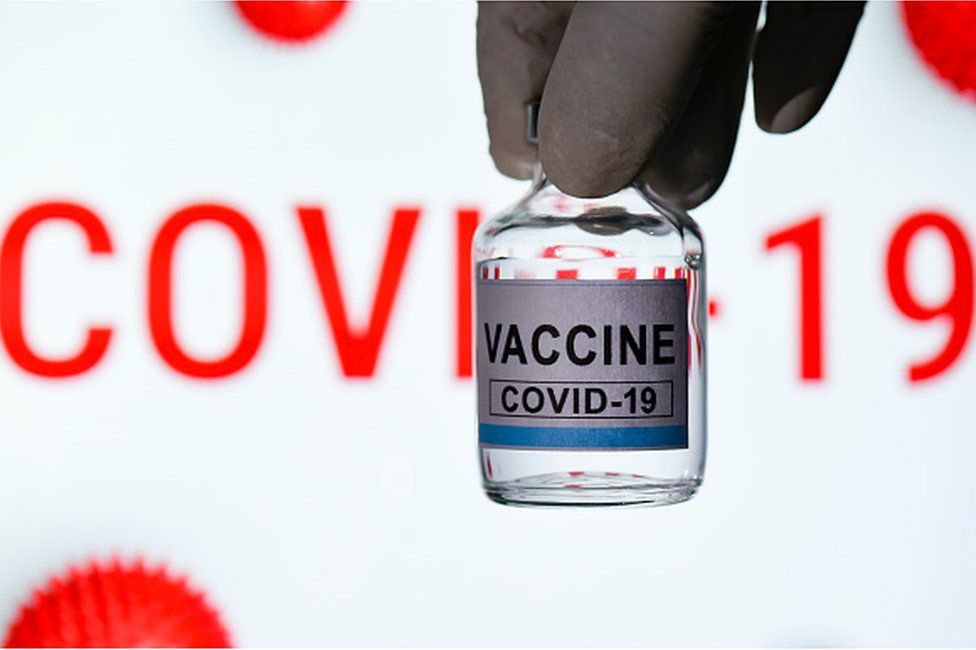
SharecloseShare pageCopy linkAbout sharingimage sourceGetty ImagesThe UK has ordered 35 million more doses of the Pfizer-BioNTech vaccine, which will be delivered in the second half of 2022.The government said it was preparing for a programme of Covid boosters to protect the most vulnerable this year.Health and Social Care Secretary Sajid Javid said the move was intended “to future-proof our vaccine programme”.The UK has now ordered more than 540 million doses of eight different Covid vaccines.Four have so far been approved for use in the UK.The deal with Pfizer means the UK has ordered more doses of that Covid vaccine – 135 million – than any other.The NHS was given the green light to start planning third booster doses for the over-50s, after interim advice from the Joint Committee on Vaccination and Immunisation (JCVI) in early July, and Mr Javid recently said the programme would start in September.However, the UK’s vaccine committee is still to give its final advice on whether a booster programme ahead of this winter should proceed and who should be included. The JCVI is thought to be waiting for better data on how long protection from the first two doses of the vaccines lasts.It’s likely people who are immunosuppressed, with weakened immune systems, will receive a booster jab even if all over-50s – around 30 million people – do not.UK will have Covid vaccine booster scheme – JavidNHS plans winter Covid booster jab for over-50sOxford-jab chief criticises UK’s Covid booster planMr Javid said the UK’s vaccination programme was protecting tens of millions of people from Covid-19 and saving thousands of lives.”While we continue to build this wall of defence from Covid-19, it’s also vital we do everything we can to protect the country for the future too – whether that’s from the virus as we know it or new variants,” he said.”I am pleased we’ve reached this agreement with Pfizer for more doses as part of our robust preparations to future-proof our vaccine programme, ensuring we have plans in place to keep the nation safe for years to come.” But some scientists, including Prof Andrew Pollard, who helped develop the Oxford-AstraZeneca vaccine, have warned that booster doses should be used to protect unvaccinated people in other countries, where they will have the greatest impact.The UK has announced it will donate 100 million vaccine doses to developing countries, through Covax, within the next year.The first nine million doses were donated last month.LOOK-UP TOOL: How many cases in your area?OXFORD JAB: What is the Oxford-AstraZeneca vaccine?GLOBAL SPREAD: How many worldwide cases are there?VACCINE: When will I get the jab?NEW VARIANTS: How worried should we be?COVID IMMUNITY: Can you catch it twice?

Read more →

Synthetic tissue model with blood vessels

Using lab-created tissue to heal or replace damaged organs is one of the great visions for the future of medicine. Synthetic materials could be suitable as scaffolding for tissue because, unlike natural tissues, they remain stable in the organism long enough for the body to form new natural structures. A fundamental requirement for functional tissue is that blood vessels must be able to grow in them and connect to the organism’s vascular system, so that the tissue is properly supplied with oxygen and nutrients. However, until now, almost nothing has been known about which material properties promote the growth of blood vessels. A team headed by biomedical engineer Dr Britta Trappmann from the Max Planck Institute for Molecular Biomedicine in Münster, Germany, has developed a cell culture system in which, for the first time, a functional blood vessel system is able to grow within a framework made of synthetic materials.
The scientists, working in a special hydrogel with properties they can change in a controlled manner, first grew a parent blood vessel from human blood vessel lining cells. They then investigated how the material properties of the artificial cell environment influenced the formation of additional blood vessels and fine-tuned them.
Summarizing the key findings, Britta Trappmann highlights that, “The synthetic tissue material must activate certain adhesion molecules in the membrane of blood vessel cells so that the cells migrate in groups from the parent vessel and form tubular structures.At the same time, the material must be sufficiently degradable for the cells to form blood vessels of adequate size.” In order to mimic the natural environment of cells, many additional biomolecules and cells would have to be integrated into the model system in later steps — these may be signaling proteins, immune cells or cells to stabilize the blood vessels. “Moreover, the effect of all these factors is linked in natural tissues and varies from organ to organ,” Britta Trappmann explains. Understanding all of this, she says, is a long-term goal but, ultimately, the knowledge might then be used to grow implantable tissues.
A three-dimensional tissue framework made of hydrogel
In this study, researchers refined a model system that Britta Trappmann developed with colleagues during her time as a postdoc in the USA at Boston and Harvard Universities. It consists of a three-dimensional sugar-based hydrogel into which the scientists make two channels using an acupuncture needle. Each channel has a diameter of 400 micrometres and they run parallel to each other at a distance of approximately one millimetre. In one channel, the scientists seed endothelial cells, which line blood vessels in natural tissues. “The endothelial cells form contacts with each other and attach to their synthetic tissue environment in the channel, thus forming a parent blood vessel after about a day,” explains Britta Trappmann. When this has happened, the scientists deliver a growth factor cocktail of molecules that drive blood vessel growth in natural tissues through the second channel, whereupon the endothelial cells migrate into the hydrogel.
The scientists then wanted to find out which properties of the hydrogel determine whether the migrating endothelial cells actually form new blood vessels. They investigated the role played by the activation of so-called adhesion molecules in the cell membrane through which cells adhere to their surrounding environment. The researchers first enriched the hydrogel tissue framework with varying amounts of peptides that activate a certain type of adhesion molecule found in the membrane of endothelial cells called integrins.
Integrins for migration
The higher the concentration of peptides, the more the endothelial cells migrated together through the hydrogel. In contrast, when the scientists blocked integrin function they observed that the cells only migrated individually. In a further step, the team investigated this process looking at two specific integrin subtypes. “We found that integrin αvβ3 is the crucial adhesion molecule that must be activated for endothelial cells to migrate in groups,” Britta Trappmann says. The scientists also showed that collective cell migration is, in turn, a prerequisite for the endothelial cells to form cavities connected to the parent vessel in the next step.
Although the blood vessel cells then formed tubular structures, these were smaller than those in natural tissues. The scientists hypothesized that this could be because the synthetic hydrogel is less degradable than natural tissue and has smaller pores through which the cells can slip. As the hydrogel consists of sugar molecule chains that are crosslinked by certain molecules, the scientists’ solution was to exchange these crosslinker molecules so that the cells could cleave the hydrogel more quickly using the enzymes they release. This allowed the cells to migrate faster and form larger vascular structures.
Story Source:
Materials provided by Max-Planck-Gesellschaft. Note: Content may be edited for style and length.

Read more →

Eight predictors of upper gastrointestinal bleeding after heart attack

Researchers at Karolinska Institutet in Sweden have identified eight primary factors that increase the risk of a common bleeding complication after heart attack. Some of these factors are already known, but using machine learning techniques, the researchers have found additional predictors, such as smoking, blood pressure and blood glucose.
The results are published today in the European Heart Journal — Cardiovascular Pharmacotherapy, and will be presented at the digital European Society of Cardiology congress on Aug. 27.
“If we can identify patients at high risk of upper gastrointestinal bleeding following heart attack, doctors will be able to take prophylactic measures to mitigate this risk,” says the study’s corresponding author Moa Simonsson, deputy consultant at Karolinska University Hospital and doctoral student at Karolinska Institutet’s Department of Clinical Sciences, Danderyd Hospital. “There are, for instance, drugs that combat bleeding complications, gut bacteria tests that can be used on risk groups and other possibilities for personalised treatment for heart attack patients at high risk of bleeding complications.”
Bleeding in the upper gastrointestinal (GI) tract is one of the most common bleeding complications following acute myocardial infarction. The condition is resource intensive for hospitals, causes considerable suffering and increases the risk of death. Bleeding complications also limit the use of antithrombotics, which in turn can worsen the cardiovascular prognosis.
A sharper focus on bleeding complications over the past two decades has led to several strategies for reducing the risk of upper gastrointestinal tract bleeding. Despite this, there are few studies on this complication that include a diverse population of heart attack patients.
1.5 percent suffer GI bleeding after infarction
For the current study, the researchers sourced data on almost 150,000 patients with acute myocardial infarction between 2007 and 2016 from the national SWEDEHEART registry. Of these patients, approximately 1.5 percent suffered GI bleeding within a year of their heart attack. They also had an increased risk of death and stroke.

Read more →

Gut bacteria and flavonoid-rich foods are linked and improve blood pressure levels

Flavonoid-rich foods, including berries, apples, pears and wine, appear to have a positive effect on blood pressure levels, an association that is partially explained by characteristics of the gut microbiome, according to new research published today in Hypertension, an American Heart Association journal.
“Our gut microbiome plays a key role in metabolizing flavonoids to enhance their cardioprotective effects, and this study provides evidence to suggest these blood pressure-lowering effects are achievable with simple changes to the daily diet,” said lead investigator of the study Aedín Cassidy, Ph.D., chair and professor in nutrition and preventive medicine at the Institute for Global Food Security at Queen’s University in Belfast, Northern Ireland.
Flavonoids are compounds found naturally in fruits, vegetables and plant-based foods such as tea, chocolate and wine, and have been shown in previous research to offer a variety of health benefits to the body. Flavonoids are broken down by the body’s gut microbiome — the bacteria found in the digestive tract. Recent studies found a link between gut microbiota, the microorganisms in the human digestive tract, and cardiovascular disease (CVD), which is the leading cause of death worldwide. Gut microbiota is highly variable between individuals, and there are reported differences in gut microbial compositions among people with and without CVD.
With increased research suggesting flavonoids may reduce heart disease risk, this study assessed the role of the gut microbiome on the process. Researchers examined the association between eating flavonoid-rich foods with blood pressure and gut microbiome diversity. The study also investigated how much variance within the gut microbiome could explain the association between intake of flavonoid-rich foods and blood pressure.
A group of 904 adults between the ages of 25 and 82, 57% men from Germany’s PopGen biobank were recruited for this study. (The PopGen biobank includes participants from a network of seven biobanks in Northern Germany.) Researchers evaluated the participants’ food intake, gut microbiome and blood pressure levels together with other clinical and molecular phenotyping at regular follow-up examinations.
Participants’ intake of flavonoid-rich foods during the previous year was calculated from a self-reported food questionnaire detailing the frequency and quantity eaten of 112 foods. Flavonoid values were assigned to foods according to United States Department of Agriculture data on flavonoid content in food.
Gut microbiome for participants was assessed by fecal bacterial DNA extracted from stool samples. After an overnight fast, participants’ blood pressure levels were measured three times in three-minute intervals after an initial five-minute rest period. Researchers also collected participants’ lifestyle information, including sex, age, smoking status, medication use and physical activity, as well as family history of coronary artery disease, the number of daily calories and fiber consumed, and each participant’s height and weight was measured to calculate BMI (body mass index).
The analysis of regular flavonoid intake with gut microbiome and blood pressure levels found: Study participants who had the highest intake of flavonoid-rich foods, including berries, red wine, apples and pears, had lower systolic blood pressure levels, as well as greater diversity in their gut microbiome than the participants who consumed the lowest levels of flavonoid-rich foods. Up to 15.2% of the association between flavonoid-rich foods and systolic blood pressure could be explained by the diversity found in participants’ gut microbiome. Eating 1.6 servings of berries per day (one serving equals 80 grams, or 1 cup) was associated with an average reduction in systolic blood pressure levels of 4.1 mm Hg, and about 12% of the association was explained by gut microbiome factors. Drinking 2.8 glasses (125 ml of wine per glass) of red wine a week was associated with an average of 3.7 mm Hg lower systolic blood pressure level, of which 15% could be explained by the gut microbiome.”Our findings indicate future trials should look at participants according to metabolic profile in order to more accurately study the roles of metabolism and the gut microbiome in regulating the effects of flavonoids on blood pressure,” said Cassidy. “A better understanding of the highly individual variability of flavonoid metabolism could very well explain why some people have greater cardiovascular protection benefits from flavonoid-rich foods than others.”
While this study suggests potential benefits to consuming red wine, the American Heart Association suggests that if you don’t drink alcohol already, you shouldn’t start. If you do drink, talk with your doctor about the benefits and risks of consuming alcohol in moderation. According to a statement on dietary health by the American Heart Association, alcohol intake can be a component of a healthy diet if consumed in moderation (no more than one alcoholic drink per day for women and 2 alcohol drinks per day for men) and only by nonpregnant women and adults when there is no risk to existing health conditions, medication-alcohol interaction, or personal safety and work situations.
The authors note that participants for the study were from the general population, and the participants were unaware of the hypothesis. However, residual or unmeasured confounding factors (such as other health conditions or genetics) can lead to bias, thus these findings cannot prove a direct cause and effect, although the researchers did conduct a detailed adjustment in their analyses for a wide range of diet and lifestyle factors. The authors noted the focus of this study was on specific foods rich in flavonoids, not all food and beverages with flavonoids.

Read more →

5 Diet and Lifestyle Measures to Ward Off Heartburn

Taking steps to combat acid reflux can help minimize the use of potentially dangerous drugs.The childhood admonition to refrain from swimming for an hour after eating, ostensibly to avoid cramp, is not nearly long enough for me anymore. I now have to wait at least two hours before attempting any vigorous activity, or chores that involve bending over, to avoid the miserable sensation of acid reflux, commonly recognized by its frequent symptom of heartburn.I’ve also found that a favorite breakfast food — peanut butter — is especially troublesome, along with smoked fish, pickled herring or brewed coffee on an empty stomach.How common is acid reflux?Acid reflux is among the most frequent health complaints of American adults, and may have become even more common in the wake of pandemic-related stress and weight gain. Late last year, pharmacies reported an unprecedented run on antacids by people described as having a “pandemic stomach,” leaving those with serious ailments that required such products often out of luck.Even before the pandemic, an online survey from 2019 of more than 71,000 adults found that nearly a third reported that they were affected at least weekly by the discomforting symptoms of acid reflux, in which a small amount of stomach contents reverses course and backs up into the esophagus.What are the symptoms of acid reflux?Common symptoms include a burning feeling in the chest, a sensation of a lump in the throat, belching and bloating, and regurgitation into the mouth of highly acidic, partially digested food from the stomach. Reflux can also affect the respiratory tract, resulting in hoarseness, wheezing, postnasal drip, cough or asthma.But persistent acid reflux is more than just annoying. If it occurs too often and persists for too long, it can erode the lining of the esophagus and increase the risk of developing a deadly cancer called esophageal adenocarcinoma.5 ways to reduce your reflux riskA Harvard research team recently reported that many people could avoid this misery by adhering to an anti-reflux lifestyle. The researchers analyzed periodic health surveys over 12 years from more than 40,000 nurses and identified five lifestyle characteristics that helped keep acid reflux at bay. The more of these behaviors the nurses adhered to, the lower their risk of developing GERD, the popular acronym for gastroesophageal reflux disease, the most persistent and potentially serious form of acid reflux. Following all five behaviors reduced the overall risk of developing GERD symptoms by 37 percent.Maintain a healthy body weight. An analysis of the medical literature led by Dr. Jesper Lagergren of the Karolinska Institute in Stockholm found that GERD affected about 22 percent of people who were classified as obese, compared with about 14 percent of those who were not obese. After you eat, a muscular sphincter at the bottom of the esophagus opens to let food enter the stomach, and then closes to keep it from reversing direction. An oversized abdomen can put excess pressure on this sphincter and may prevent it from closing when it should, allowing contents from the acidic stomach to leach into the esophagus.Don’t smoke. Dr. Lagergren’s team found that tobacco can extend the time it takes for acidic foods to leave the esophagus. In an analysis of 30 studies, GERD affected about 20 percent of smokers, compared with about 16 percent of nonsmokers.Exercise. Those who engaged in moderate to vigorous physical activity for at least 30 minutes per day were less likely to develop symptoms of GERD, the Harvard team reported.Cut down on coffee, tea and soda. The risk of GERD was reduced among those who consumed no more than two cups of coffee, tea or soda each day.Follow a heart-healthy diet. Those who followed a Mediterranean-style diet, for example, featuring fruits and vegetables, legumes, fish, poultry and whole grains, but little or no red meat and other sources of saturated fats, were less likely to develop acid reflux.Genetics can also affect one’s risk of developing acid reflux, so people with a family history of the problem would do best to avoid the risks highlighted above. Doing so will also help protect against leading killers like heart disease, diabetes and many forms of cancer.How to manage symptomsIf you already have acid reflux, there’s much you can do to minimize symptoms and perhaps avoid them entirely. Instead of consuming large meals, eat smaller ones more often. Minimize fatty foods and skip fried and fast foods entirely. A friend uses an air fryer to achieve a crispy skin on chicken, but I prefer grilled chicken and skip the skin. Choose lean meats (if you eat meat) and low-fat or nonfat dairy products, and avoid eating within three hours of bedtime. Also, try sleeping as if on a recliner, with the head of the bed propped higher than the foot.Foods that many people with GERD find most irritating include tomatoes and citrus (like oranges and grapefruit) and their juices, coffee (even decaf for some people), alcoholic and carbonated beverages, spicy foods, garlic, chocolate and peppermint. I long ago switched to low-acid orange juice, consuming only a few ounces a day to dissolve a fiber supplement. I’ve also found instant coffee to be less irritating than brewed, and drink the latter only with food to help protect my digestive tract.To counter an occasional unexpected attack of heartburn, many people use a quick-acting antacid like Tums (calcium carbonate) to help neutralize stomach acid. A more modern remedy, an H2 receptor blocker like Pepcid (famotidine), can relieve symptoms within about 20 minutes by blocking the histamine receptors in the stomach that trigger acid production.But chronic reflux sufferers may find the most effective relief with medications called proton pump inhibitors, or P.P.I.s, that shut down acid production in the stomach. Popular brands, sold over-the-counter and in higher doses by prescription, include Nexium (esomeprazole), Prevacid (lansoprazole) and Prilosec (omeprazole). They’re among the country’s top-selling drugs.However, like any medication, drugs that fight reflux can have side effects, so trial-and-error may be needed to find a product that works best for you. Also, the drugs should be used only as long as needed to control symptoms. Taken long-term, the P.P.I.s have been linked to a small increased risk of developing serious complications, including kidney disease, osteoporosis, stomach cancer, C. difficile infection and pneumonia.Thus, your best bet in avoiding or controlling acid reflux might be to combine the lifestyle factors described above with a course of doctor-prescribed medication for as short a time as needed.

Read more →

Zydus Cadila: What we know about India's new Covid vaccines

SharecloseShare pageCopy linkAbout sharingimage sourceGetty ImagesIndia has given a boost to its vaccination programme by approving its first vaccine for those under 18.The three-dose ZyCoV-D vaccine prevented symptomatic disease in 66% of those vaccinated, according to an interim study quoted by the vaccine maker Cadila Healthcare.This is also the first time, the firm claimed, a Covid-19 vaccine had been tested in young people in India. The jab was found to be “safe and very well-tolerated” in this age group.India has so far given more than 570 million doses of three previously approved vaccines – Covishield, Covaxin and Sputnik V. The government aims to vaccinate all Indians by the end of this year.About 13% of eligible adults have been fully vaccinated and 47% have received at least one shot since the beginning of the drive in January.How India’s vaccine drive went horribly wrongCan India get all adults vaccinated this year?What is the India Covid variant?India has reported more than 32 million Covid cases, second only to the US. The country is also only the third in the world to record more than 400,000 deaths – behind the US and Brazil.How does the new vaccine work?The ZyCoV-D vaccine is also the world’s first DNA vaccine against Covid-19. Like other vaccines, a DNA vaccine, once administered, teaches the body’s immune system to fight the real virus.ZyCoV-D uses plasmids – or small rings of DNA that contain genetic information – to deliver the jab between two layers of the skin.ZyCov-D is also India’s first needle-free Covid-19 jab.It is administered with a disposable needle-free injector, which uses a narrow stream of the fluid to penetrate the skin and deliver the jab to the proper tissue.Cadila Healthcare said it had conducted the largest clinical trial for the vaccine in India so far, involving 28,000 volunteers in more than 50 centres.The key third phase of clinical trials was conducted at the peak of the deadly second wave of the virus. The vaccine maker believes this reaffirmed the jab’s “efficacy against the mutant strains”, especially the highly infectious Delta variant.Previous DNA vaccines have worked well in animals but not humans.The challenge, say scientists, was how to push the plasmid DNA into the human cell so that it gives a durable immune response.Dr Jeremy Kamil, a virologist at Louisiana State University Health Sciences Center in Shreveport, told the BBC that it was imperative that the efficacy data of the vaccine “be vetted independently”.The other potential drawback is that ZyCoV-D requires three doses, instead of two as is the case with the other two candidates being used in India. The vaccine maker says it is evaluating at a two-dose jab.The firm plans to make up to 120 million doses of India’s second home-grown vaccine every year. It is expected to be made available in September.What are other vaccines that India has recently approved?India has also approved Johnson & Johnson’s single-dose vaccine for emergency use. The jab is the second foreign vaccine to be granted emergency use authorisation in India. The vaccine, which has shown 85% efficacy, will be introduced in India through a supply agreement with homegrown vaccine maker Biological E.It’s still unclear when the vaccine will be available for use in India. In June, the federal government gave approval to Indian pharma company Cipla to import Moderna vaccine – it has shown nearly 95% efficacy. But some reports say the vaccine is not likely to be made available in India until 2022 because of a “supply crunch”. The government is also preparing to use a local version of Novavax vaccine, which will be produced by the Serum Institute of India (SII). The vaccine was more than 90% effective in a late-stage US-based clinical trial, according to the company.SII’s CEO Adar Poonwalla has said he hoped to launch the vaccine, known as Covovax in India, by September.What about the Biological E vaccine?The government has placed an order for 300 million doses of a coronavirus vaccine from Biological E – it was developed in collaboration with US-based Dynavax and Baylor College of Medicine.The $206m (£145m) order is the first India has signed for a jab that has not received emergency approval.The unnamed vaccine is in the key third phase of clinical trials – the vaccine is given to thousands of people and tested for efficacy and safety – after showing “promising results” in the first two phases, the government said in a statement.What do we know about Sputnik V?The vaccine, developed by Moscow’s Gamaleya Institute, initially generated some controversy after being rolled out before the final trial data had been released. But scientists say its benefits have now been demonstrated.image sourceReutersIt uses a cold-type virus, engineered to be harmless, as a carrier to deliver a small fragment of the coronavirus to the body. After being vaccinated, the body starts to produce antibodies especially tailored to the virus.It can be stored at temperatures of between 2 and 8C degrees (a standard fridge is roughly 3-5C degrees) making it easier to transport and store. But unlike other similar jabs, the Sputnik jab uses two slightly different versions of the vaccine for the first and the second dose – given 21 days apart.They both target the coronavirus’s distinctive “spike”, but use different vectors – the neutralised virus that carries the spike to the body.The idea is that using two different formulas boosts the immune system even more than using the same version twice – and may give longer-lasting protection.India received its first batch of 125 million doses of the vaccine in May. The Russian Direct Investment Fund (RDIF), which is marketing the vaccine, has signed deals to produce more than 750 million doses of the vaccine with six more domestic vaccine makers, according to reports.Sputnik V has been approved so far in 60 countries, including Argentina, Palestinian territories, Venezuela, Hungary, UAE and Iran.What do we know about Covaxin?Covaxin is an inactivated vaccine which means that it is made up of killed coronaviruses, making it safe to be injected into the body. Bharat Biotech, a 24-year-old vaccine maker with a portfolio of 16 vaccines and exports to 123 countries, used a sample of the coronavirus isolated by India’s National Institute of Virology.When administered, immune cells can still recognise the dead virus, prompting the immune system to make antibodies against the pandemic virus. image sourceGetty ImagesThe two doses are given four weeks apart. The vaccine can be stored at 2C to 8C.The vaccine has an efficacy rate of 81%, preliminary data from its phase 3 trial shows.India’s regulators gave the vaccine emergency approval in January while the third phase of the trial was still underway, sparking scepticism and questions from experts.What was the controversy around Covaxin?It all began when the regulator in January said the vaccine had been approved for “restricted use in emergency situations in public interest as an abundant precaution, in clinical trial mode, especially in the context of infection by mutant strains”. Experts wondered how a vaccine was cleared for emergency use by millions of vulnerable people when its trials were still underway. The All India Drug Action Network at the time said that it was “baffled to understand the scientific logic” to approve “an incompletely studied vaccine”. Both the manufacturer and drug regulator defended Covaxin, saying it was “safe and provides a robust immune response”. Bharat Biotech said that Indian clinical trial laws allowed “accelerated” authorisation for use of drugs after the second phase of trials for “unmet medical needs of serious and life-threatening diseases in the country”. It has promised to make available the full data for third phase of trials in July.What about Covishield?The Oxford-AstraZeneca vaccine is being manufactured locally by SII. The vaccine is made from a weakened version of a common cold virus (known as an adenovirus) from chimpanzees. It has been modified to look more like coronavirus – although it can’t cause illness.image sourceGetty ImagesWhen the vaccine is injected into a patient, it prompts the immune system to start making antibodies and primes it to attack any coronavirus infection.The jab can be safely stored at temperatures of 2C to 8C, and is administered in two doses given between four and 12 weeks apart.How effective is Covishield?International clinical trials of the Oxford-AstraZeneca vaccine showed that when people were given a half dose and then a full dose, effectiveness hit 90%.But there was not enough clear data to approve the half-dose, full-dose idea.However, unpublished data suggests that leaving a longer gap between the first and second doses increases the overall effectiveness of the jab – in a sub-group given the vaccine this way it was found to be 70% effective after the first dose.SII, the Indian maker of the vaccine, says Covishield is “highly effective” and backed by phase III trial data from Brazil and United Kingdom. Clinical trials are a three-phased process to determine whether the vaccine induces good immune responses and whether it causes any unacceptable side-effects. Are there any other vaccine candidates?The other candidates which are in different stages of trials in India to test safety and efficacy include:ZyCov-Di, being developed by Ahmedabad-based Zydus-CadilaHGCO19, India’s first mRNA vaccine made by Pune-based Genova in collaboration with Seattle-based HDT Biotech Corporation, using bits of genetic code to cause an immune responseA nasal vaccine by Bharat BiotechWhich countries are signing up for India’s vaccines?India has shipped 66 million doses of vaccines to 95 countries in Latin America, the Caribbean, Asia and Africa. The recipient countries include UK, Canada, Brazil and Mexico. Both Covishield and Covaxin have been exported – some in the form of “gifts”, others in line with commercial agreements signed between the vaccine makers and the recipient nations, and the rest under the Covax scheme, which is led by the World Health Organization (WHO) and hopes to deliver more than two billion doses to people in 190 countries in less than a year.But in March, India placed a temporary hold on all exports of the Oxford-AstraZeneca vaccine. The government said rising cases meant domestic demand was expected to pick up and so the doses were needed for India’s own rollout.

Read more →