
Many Older Americans Still Aren’t Vaccinated, Making the Delta Wave Deadlier
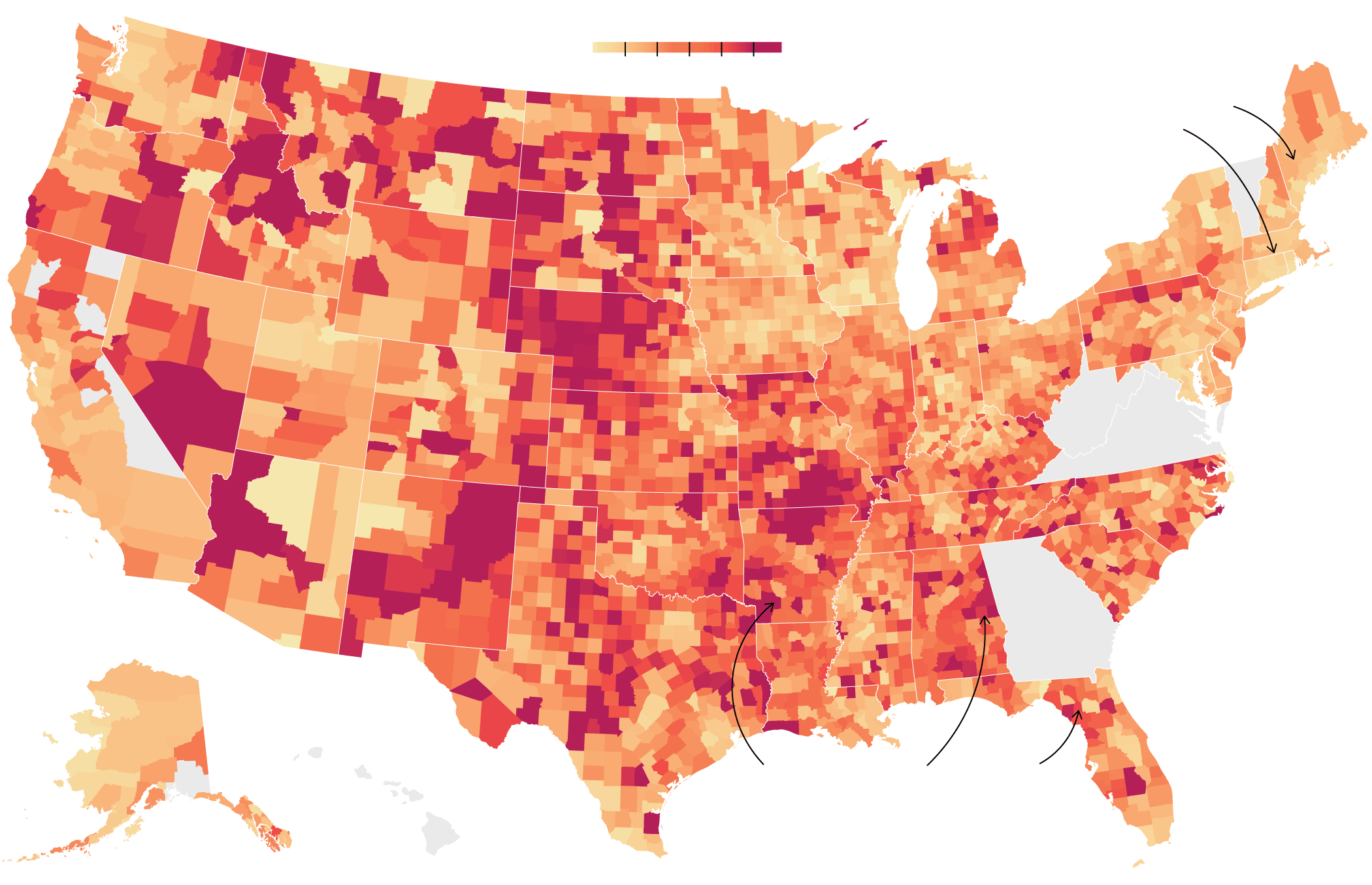
The United States has a far higher share of seniors without full vaccine protection than many other wealthy countries, a […]
Read more →
The United States has a far higher share of seniors without full vaccine protection than many other wealthy countries, a […]
Read more →
Female entrepreneurs said they were constantly compared to Ms. Holmes, the disgraced founder of Theranos, who faces trial soon.SAN FRANCISCO — When Alice Zhang set out in 2018 to raise funding for her drug discovery start-up, investors kept asking her about Theranos, the blood testing start-up led by the entrepreneur Elizabeth Holmes that had collapsed in scandal.Others asked, too. At a Stanford University event, the organizers wanted Ms. Zhang to talk about Theranos. One adviser told her that when her start-up came up in conversation, people responded by cracking jokes about Ms. Holmes.Ms. Zhang was initially confused. Her start-up, Verge Genomics, uses artificial intelligence to aid the discovery of therapeutic drugs. That was completely different from Theranos’s business of marketing blood testing machines as a diagnostic tool. Ms. Holmes had also been accused of criminal fraud. Ms. Zhang had not.But the pattern was clear. When Verge Genomics raised funding later that year, a prominent industry columnist penned an article that compared Ms. Zhang to Ms. Holmes. Although the comparisons dissipated as her start-up has grown, Ms. Zhang, 32, said she hears the same stories from other female founders today, even though “I could see no similarity besides the fact that we’re both women in the hard-science space.” Alice Zhang, chief executive of Verge Genomics, said comparisons to the disgraced Theranos founder Elizabeth Holmes had initially confused her.Carolyn Fong for The New York TimesA generation of female entrepreneurs — particularly those in life sciences, biotechnology and health care — is still operating in the shadow of Ms. Holmes. Though Theranos shut down in 2018, Ms. Holmes continues to loom large across the start-up world because of the audacity of her story, which has permeated popular culture and left behind a seemingly indelible image of how female founders can push boundaries.The tabloid-like saga began when Ms. Holmes started Theranos at the age of 19. She was soon lauded as the next Steve Jobs, crowned the world’s youngest billionaire and lionized on numerous magazine covers. But after a 2015 investigation by The Wall Street Journal raised questions about Ms. Holmes’s claims about Theranos, she spectacularly fell from grace. Her implosion captured the public’s imagination, leading to a documentary, a book, a podcast and an upcoming mini-series starring Amanda Seyfried.As Ms. Holmes prepares to go to trial in federal court in San Jose, Calif., over allegations that she defrauded investors, doctors and patients — jury selection is scheduled for Aug. 31 — female founders said the ripple effects from the case could be felt anew.Many said they already had to prove that they belonged in the male-dominated field of start-ups. But in recent years, they faced the additional hurdle of fighting assumptions that they were like Ms. Holmes, they said, something their male counterparts have generally not had to contend with.“There was already a higher bar before Theranos because we don’t fit the pattern,” said Falon Fatemi, who co-founded Node, an artificial intelligence start-up, and Fireside, a media distribution start-up. “This just makes it that much harder.”A spokesman for the law firm representing Ms. Holmes, 37, declined to comment. She faces up to 20 years in jail if convicted. Ramesh Balwani, the former chief operating officer of Theranos, has also been charged with fraud, and his trial may start next year. Both have pleaded not guilty.For Heather Bowerman, 36, the fallout from Theranos has been longstanding. Ms. Bowerman founded DotLab, which has developed a test to help identify endometriosis, a chronic disorder, in 2016. At meetings with some investors, she said, she was often required to explain how DotLab would be different from Theranos. DotLab planned to publish its results in peer-reviewed journals, something Theranos never did, she said.Still, Ms. Bowerman decided to hold off on raising venture capital funding, relying instead on government grants to get DotLab off the ground.DotLab has since published results of studies validating its tests in peer-reviewed journals and recruited an advisory board of doctors and scientists, and it is conducting a clinical trial. The company raised $12 million in venture funding in 2019.Even so, the stigma from Ms. Holmes persists, Ms. Bowerman said. “I still today see hesitation by traditional V.C.s to fund a diagnostics company,” she said. “It really narrows the list to a short list of potential investors.”Ms. Holmes at a federal court hearing in San Jose, Calif., in May.Kate Munsch/ReutersAt a Theranos lab in 2015. Ms. Holmes was once lauded as the next Steve Jobs.Carlos Chavarria for The New York TimesJulia Cheek, founder of Everly Health, which provides at-home health tests through its subsidiary, Everlywell, said at a conference in 2019 that comparisons to Ms. Holmes were so frequent that colleagues and advisers even suggested she dye her hair so that the connections would stop. Both women have blond hair. Ms. Cheek did not change her hair color.Ms. Cheek, 37, attributed the constant analogies to the fact that few female-founded companies get to a certain size and profile, which magnifies the actions of those that do. “Women founders have to navigate these types of questions that their male counterparts simply don’t have to answer,” she said.The frequent comparisons are pernicious, many entrepreneurs said. In conversations with investors, female founders often field what researchers call “prevention” questions, which are framed negatively and designed to prevent losses. But male founders are more often asked “promotion” questions about a start-up’s possibilities, which allow them to focus on their hopes and ideals, according to researchers at London Business School and Harvard.“If you’re offered a promotion question, you can answer in a promotional way,” said Andy Coravos, founder of HumanFirst, an at-home health care start-up. “The core issue you have with Elizabeth Holmes is it’s a prevention question.”Some women said they also felt caught in a start-up ecosystem that venerates bold, disruptive businesses, with investors often forgiving those who bend the rules or who take shortcuts in pursuit of growth.Beth Esponnette, founder of Unspun, a custom jeans company, said investors had frequently encouraged her to be more aggressive, sometimes to the point of dishonesty. One once advised her to increase her revenue projections by 10 times, a wildly unrealistic level.Last month, Ms. Esponnette published an essay describing this struggle titled “I Get It, Elizabeth Holmes.” Many of Ms. Holmes’s actions were inexcusable, Ms. Esponnette, 33, wrote. “But I still believe that she thought she was doing the right thing taking the universal advice of Silicon Valley: ‘Fake it till you make it.’”Women at tech start-ups wrote to her thanking her for saying what they had been feeling, Ms. Esponnette said.Lola Priego, 30, the founder of Base, which offers at-home blood and saliva tests that are processed at traditional labs, hears a Theranos comparison at least once a week, she said. The references come directly or indirectly from potential partners, advisers, investors, customers and reporters, she said.She said she understood the need for skepticism, since new health care companies should be looked at critically to prevent malpractice. Often the comparisons stopped after people learned that Base works with Quest Diagnostics, a multinational company, for analysis of its tests.“But the additional bias and skepticism is challenging to overcome,” Ms. Priego said.The biggest blow came from a scientific adviser whom Ms. Priego said she had tried to recruit in 2019. The adviser took the meeting only to tell her that bringing technology into health care was doing a disservice to the industry, just like Theranos. It caused Ms. Priego to question whether she could hire the caliber of advisers she had hoped for.“It was quite demoralizing,” she said. She has since recruited six advisers.In July, Verge Genomics struck a three-year partnership with the pharmaceutical giant Eli Lilly to work on drugs for the treatment of amyotrophic lateral sclerosis, or A.L.S., Ms. Zhang said. The company also published a paper about its methods in a scientific journal last year and recruited a chief science officer this year.It was a relief to have something to show to those who were doubtful, Ms. Zhang said.“The most fragile part of the company is the earliest stage, when you have to buy into the people, the vision and the idea,” she said. Reflecting on Ms. Holmes and Theranos, she added, “It’s where these types of associations can be really harmful and curtail potential.”
Read more →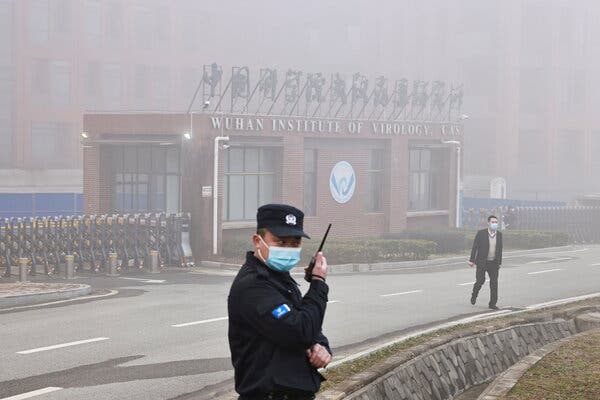
In the early days of the pandemic, scientists reported a reassuring trait in the new coronavirus: It appeared to be very stable. The virus was not mutating very rapidly, making it an easier target for treatments and vaccines.At the time, the slow mutation rate struck one young scientist as odd. “That really made my ears perk up,” said Alina Chan, a postdoctoral fellow at the Broad Institute in Cambridge, Mass. Dr. Chan wondered whether the new virus was somehow “pre-adapted” to thrive in humans, before the outbreak even started.“By the time the SARS-CoV-2 virus was detected in Wuhan in late 2019, it looked like it had already picked up the mutations it needed to be very good at spreading among humans,” Dr. Chan said. “It was already good to go.”The hypothesis, widely disputed by other scientists, was the foundation for an explosive paper posted online in May 2020, in which Dr. Chan and her colleagues questioned the prevailing consensus that the lethal virus had naturally spilled over to humans from bats through an intermediary host animal.The question she helped put on the table has not gone away. In late May, President Biden, dissatisfied by an equivocal report he had received on the subject, asked U.S. intelligence services to dig deeper into the origins question. The new report is due any day now.In last year’s paper, Dr. Chan and her colleagues speculated that perhaps the virus had crossed over into humans and been circulating undetected for months while accumulating mutations.Perhaps, they said, the virus was already well adapted to humans while in bats or some other animal. Or maybe it adapted to humans while being studied in a lab, and had accidentally leaked out.Dr. Chan soon found herself in the middle of a maelstrom. An article in The Mail On Sunday, a British tabloid, ran with the headline: “Coronavirus did NOT come from animals in the Wuhan market.”Many senior virologists criticized her work and dismissed it out of hand, saying she did not have the expertise to speak on the subject, that she was maligning their specialty and that her statements would alienate China, hampering any future investigations.Some called her a conspiracy theorist. Others dismissed her ideas because she is a postdoctoral fellow, a junior scientist. One virologist, Benjamin Neuman, called her hypothesis “goofy.”A Chinese news outlet accused her of “filthy behavior and a lack of basic academic ethics,” and readers piled on that she was a “race-traitor,” because of her Chinese ancestry. “There were days and weeks when I was extremely afraid, and many days I didn’t sleep,” Dr. Chan, 32, said in a recent interview at an outdoor cafe, not far from the Broad Institute.Dr. Chan’s story is a reflection of how deeply polarizing questions about the origins of the virus have become. The vast majority of scientists think it originated in bats, and was transmitted to humans through an intermediate host animal, though none has been identified.Some of them believe that a lab accident, specifically at the Wuhan Institute of Virology in China, cannot be discounted and has not been adequately investigated. And a few think that the institute’s research, which involved harvesting bats and bat coronaviruses from the wild, may have played a role.Security personnel outside the Wuhan Institute of Virology as members of the World Health Organization arrived for a visit on Feb. 3, 2021. Thomas Peter/ReutersIt is an acrid debate. In May, 18 scientists, including Dr. Chan, published a letter calling for an investigation into the origins of the coronavirus. In July, a group of 21 virologists — including one who had signed the May letter — posted a paper compiling the evidence for an animal source, saying there was “no evidence” of a laboratory origin.Scientists on all sides say they have been threatened with violence and have faced name-calling for their positions. The attacks were so fierce that Dr. Chan worried for her personal safety and started taking new precautions, wondering if she was being followed and varying her daily routines.The backlash made her fear that she had put her professional future in jeopardy, and she wrote a letter to her boss, in which she apologized and offered her resignation.“I thought I had committed career suicide, not just for me but for the whole group that wrote the paper,” Dr. Chan said. “I thought I had done a huge disservice to everybody, getting us mired in this controversy.”But Dr. Chan’s boss, Benjamin E. Deverman, who was a co-author on the paper, refused to accept her resignation, saying only that they had been naïve not to anticipate the heated reaction.Dr. Chan’s role has been so contentious that many scientists declined to discuss her at all. One of the few virologists who was willing to comment flatly dismissed the possibility of a lab leak.“I believe there is no way the virus was genetically modified or person-made,” said Susan Weiss, co-director of the Penn Center for Research on Coronaviruses and Other Emerging Pathogens at University of Pennsylvania, who also dismissed the possibility that the virus may have accidentally escaped the lab. “It is clearly zoonotic, from bats.”Others said Dr. Chan was brave to put alternative hypotheses on the table.“Alina Chan deserves the credit for challenging the conventional narrative and asking this question,” said Akiko Iwasaki, an immunologist at Yale University. “It is not easy for a junior scientist to openly challenge an established narrative.”(Dr. Iwasaki also credited a loose group of internet sleuths who go by the acronym DRASTIC.)“The degree to which the origin question became so inflammatory and polarized is mind-boggling,” Dr. Iwasaki said. “The fact is, we don’t know exactly where the virus came from, period. It was important to point that out.”As she sipped unsweetened ice tea and chatted about her ideas recently, Dr. Chan seemed an unlikely provocateur. She insisted that she was still on the fence about the virus’s origins, torn “50-50” between the natural route and lab accident hypotheses.No scientific journal ever published her paper. Determined to draw the attention to what she considered a critical question that had to be answered in order to prevent a future pandemic, Dr. Chan took to Twitter, mastering the art of tutorial threads and gathering followers.She is now in “worse shape” than before, Dr. Chan said: “Now I’m getting attacked from both sides. The scientists are still attacking me, and the lab leak proponents are attacking me, too, because I won’t go all the way and say it’s from a lab. I keep telling them I can’t, because there is no evidence.”Critics say Dr. Chan bears some responsibility for the backlash.Early last year on Twitter, she appeared to accuse scientists and editors “who are directly or indirectly covering up severe research integrity issues surrounding the key SARS-2-like viruses to stop and think,” adding, “If your actions obscure SARS2 origins, you’re playing a hand in the death of millions of people.” (She subsequently deleted the tweet.)Alina Chan in Boston. Dr. Chan’s ideas about the origins of the virus have been met with stiff criticism. Tony Luong for The New York TimesLab-leak proponents — who have called her “an apologist” for virologists — have also been irked by the fact that Dr. Chan received so much credit for putting the question on the public agenda.Scientists at the Wuhan Institute of Virology said in early 2020 that they had found a virus in their database whose genome sequence was 96.2 percent similar to that of SARS-CoV-2, the new coronavirus.But it was internet sleuths and scientists who discovered that the virus matched one harvested in a cave linked to a pneumonia outbreak in 2012 that killed three miners — and that the Wuhan lab’s genomic database of bat coronaviruses was taken offline in late 2019.Dr. Chan also landed a deal with Harper Collins, for an undisclosed amount, to co-author a book with Matt Ridley, a best-selling but controversial science writer who has been criticized for downplaying the seriousness of climate change.She denies accusations that she is writing the book for financial gain, saying she simply wants a complete record of the facts that will last longer than a Twitter feed. She plans to donate the proceeds to a Covid-related charity.“I don’t need money and frills,” she said.Dr. Chan was born in Vancouver, but her parents returned to their native Singapore when she was an infant. She was a teen when the SARS epidemic hit there.“People were dying of SARS, and it was nonstop on TV,” she recalled. “I was 15, and it really stuck with me. There were pictures of body bags in hospital hallways.”“When Covid started, many people in Boston thought it was no big deal, that flu is worse,” she said. “I remember thinking, ‘This is serious business.’”She returned to Canada after high school, studying biochemistry and molecular biology at University of British Columbia, and completing a Ph.D. in medical genetics. By age 25, she was a postdoctoral fellow at Harvard, and then she took a position working for Dr. Deverman, who is the director of the vector engineering research group at the Stanley Center for Psychiatric Research at the Broad Institute of M.I.T. and Harvard.Dr. Chan is “insightful, incredibly determined and apparently fearless,” Dr. Deverman said, and she has an uncanny ability “to synthesize large amounts of complex information, distill all of the details down to the most critical points and then communicate them in easy to understand language.”A self-described workaholic, Dr. Chan married a fellow scientist during a break at an academic research conference a few years ago.“We took the morning off and went to city hall and came back to the conference, and my boss asked, ‘Where were you?’” she said. “I was like, ‘I got married.’ I don’t even have a ring. My mother is horrified.”She remains equivocal about the origins of the virus. “I’m leaning toward the lab leak theory now, but there are also days when I seriously consider that it could be from nature,” she said.“On those days, I feel mostly really, really sorry for the scientists who are implicated as possible sources for the virus,” she said.Referring to Shi Zhengli, the top Chinese virologist who leads the research on emerging infectious diseases at the Wuhan Institute of Virology, Dr. Chan said, “I feel really sad for her situation. The stakes could not be higher.”
Read more →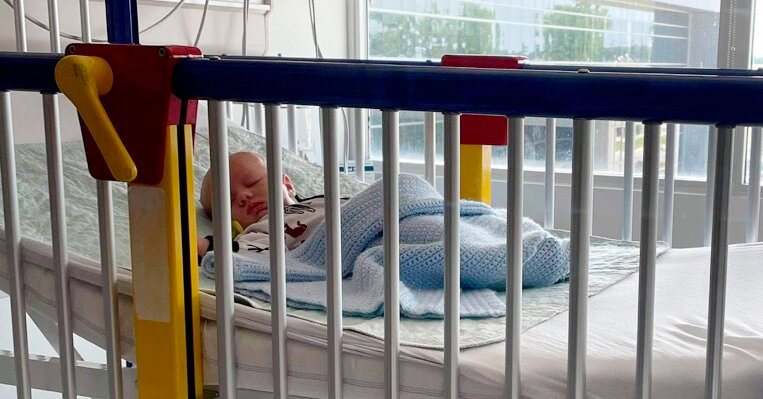
Respiratory syncytial virus is showing an unusual summer surge.I heard that a new virus called R.S.V. is spreading among children. As a parent, should I be worried?Respiratory syncytial virus, better known as R.S.V., is an upper respiratory illness that’s very common in children. By the age of 2, nearly all children have had it. In most cases the virus causes mild, cold- and flu-like symptoms such as a runny nose, congestion or fever.But in some children, especially infants, it can lead to more serious complications like pneumonia and bronchiolitis, a condition in which the small airways in the lungs become inflamed. Some 58,000 children under 5 years of age are hospitalized with R.S.V. every year in the United States. For those younger than a year, it’s the No. 1 cause of hospitalizations, said Dr. Ethan Wiener, the chief of pediatric emergency medicine at N.Y.U. Langone Health.The virus usually circulates in the fall and winter months, peaking in February. But the pandemic disrupted R.S.V.’s usual patterns: This past winter, many hospitals saw almost no cases of R.S.V., as people wore masks and physically distanced from one another during the lockdowns, and the Centers for Disease Control and Prevention reported that positive test results for R.S.V. (as well as influenza and other seasonal infections) reached historically low levels. Once states began to reopen and people eased up on masking and social distancing in the early summer, cases of R.S.V. in infants and toddlers skyrocketed across the country.At the Children’s Hospital of Philadelphia, doctors began to see a surge in cases in May, which accelerated in the past eight weeks, said Dr. Audrey John, the chief of the hospital’s Division of Pediatric Infectious Diseases. “To put that in perspective, none of the children who were tested for R.S.V. through the winter were positive,” she said. “But in the last couple weeks we’re up to one in four children who are getting tested are positive for R.S.V. That’s a lot of virus out there.”The spread of R.S.V. appears to have started in the northeast and then spread to other parts of the country, where children’s hospitals in states like Texas, Florida and Louisiana reported seeing spikes in June. The virus is quite contagious and can survive on hard surfaces for many hours. Experts say that it’s much more likely to be transmitted through infected surfaces than SARS-CoV-2, the virus that causes Covid-19.But experts say that parents of school aged children should not be overly worried. While older children can get infected, severe cases of R.S.V. are mainly a concern for children under 2 years, said Dr. Jennifer Lighter, a pediatric infectious disease specialist and hospital epidemiologist with Hassenfeld Children’s Hospital at N.Y.U. Langone Health. Infants are most at risk, she said, especially those who were born prematurely or have heart, lung or neuromuscular diseases.One way that doctors prevent severe cases of R.S.V. is by giving children who are at high risk a drug called Palivizumab, which is administered through five monthly injections during the winter season. But because of the unusual surge in cases this summer, the American Academy of Pediatrics issued a statement this month calling on pediatricians to consider administering the drug right away to infants who may be eligible for it.Older children are less likely to get severely sick, but they can still pass the virus to children who are more vulnerable. In general, doctors recommend following common sense precautions like frequent hand washing or sanitizing, avoiding crowded indoor places, and — for children over 2 — wearing masks. Children and adults who have cold or flu symptoms should avoid coming into close contact with babies. And parents should keep their children home from school or day care if they’re sick and experiencing symptoms like a cough, runny nose or sore throat, said Dr. John at the Children’s Hospital of Philadelphia.“A child who has two out of those three symptoms would be the sort of thing that triggers my concern,” she said. “But if a kid is running around outside and comes in with a runny nose and it goes away quickly, that would not be concerning.”Dr. John said that keeping a sick child home is partly a matter of social responsibility, since one sick child can inconvenience many other families. “If your kid goes to day care and gets five other kids infected, then those five kids’ parents have to stay home when their kid gets sick,” she said.There’s a nasal swab test that doctors can do to check for R.S.V. But the American Academy of Pediatrics generally doesn’t recommend routine testing for it in children older than 6 weeks. Parents who are worried about whether their child has R.S.V. or Covid-19, however, can ask their pediatrician if it makes sense to get tested.R.S.V. in infants and high-risk children requires immediate medical attention. In rare cases, otherwise healthy older children with R.S.V. can become dehydrated and develop breathing problems, which can be a sign of pneumonia. In those cases, you should seek medical help. But in general, experts said, most children fully recover from R.S.V. in one to two weeks at home.“The vast majority of kids who get R.S.V. are not going to get seriously ill — they’re going to get a cold,” said Dr. Wiener. “In the vast majority of cases, it’s really a matter of keeping the kid comfortable, much as you would with a cold, and watching for any progression of symptoms.”
Read more →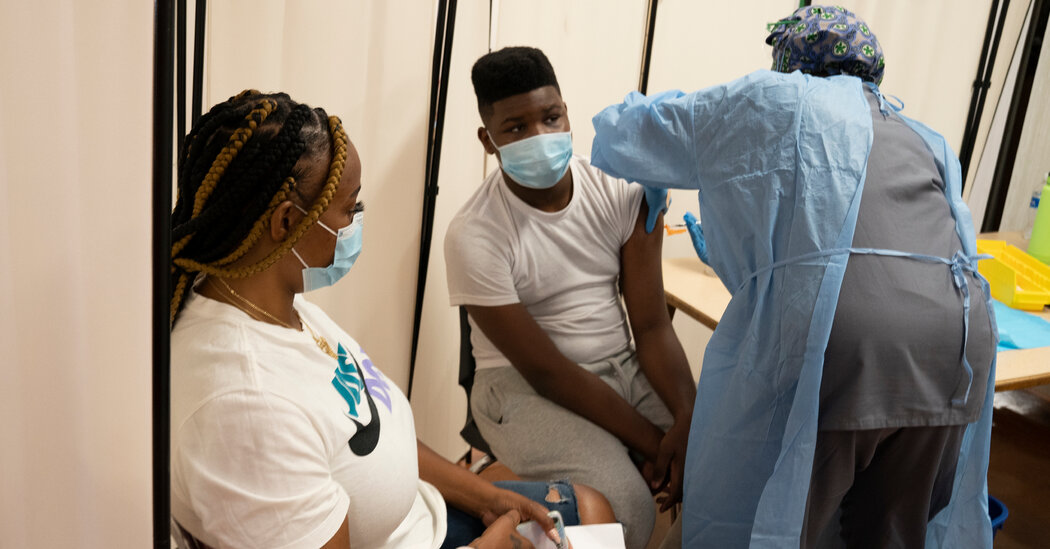
The move was expected to kick off a round of new vaccination mandates from hospitals, schools and private companies.WASHINGTON — The Food and Drug Administration on Monday granted full approval to Pfizer-BioNTech’s coronavirus vaccine for people 16 and older, a decision that is likely to set off a cascade of vaccine requirements by hospitals, colleges and universities, corporations and other organizations.Within hours, the Pentagon, CVS, the State University of New York system and the New York City school system, among others, announced that they would enforce mandates they had prepared but made contingent on the F.D.A.’s action.The approval came as the nation’s fight against the pandemic has intensified again, with the highly infectious Delta variant biting deeply into the progress that the country had made over the first half of the year. The Biden administration hopes the development will motivate at least some of the roughly 85 million Americans who are eligible for shots but have so far rejected them to change their minds.The regulatory move goes a step beyond the emergency use authorization that the agency granted in December. More than 92 million people have already been fully vaccinated since then with Pfizer doses. Some who have rejected the vaccines, expressing fears that they are experimental, have said they wanted to wait until the agency spent more time studying their safety and fully approved them.In a roughly 10-minute address on the approval, President Biden said it should sweep away any lingering doubts about vaccines and spur more mandates. Appealing to corporate, state and local leaders, he said: “Do what I did last month. Require your employees to get vaccinated or face strict requirements.” In late July, he announced that all federal employees and on-site contractors must be vaccinated against the coronavirus or be required to submit to regular testing and other measures.Mr. Biden tried to cast the F.D.A. approval as an example of how his administration was making headway against the pandemic, despite overflowing intensive care units in some states and an average of more than 1,000 lives a day lost. He said the death toll, while rising, was still far lower than it was last winter, because more than nine in ten older Americans are now vaccinated.With the F.D.A. yet to authorize a vaccine even on an emergency basis for children younger than 12, Mr. Biden also tried to reassure anxious parents about the growing number of children who are getting infected with the Delta variant, saying that severe Covid-19 cases in that age group are still “very, very rare.” He also promised to soon address “how we get our kids back to school safely.”President Biden said the approval should sweep away any lingering doubts about whether the vaccine is safe and effective.Doug Mills/The New York TimesThe F.D.A., which has been under pressure to speed up its evaluations of coronavirus vaccines, gave full approval to Pfizer’s just 97 days after the company submitted the last of what regulators said were hundreds of thousands of documents. Officials said they were able to decide the matter in less than half the usual time because regulators worked nights and weekends and added staff members, not because they cut corners.“This is a pivotal moment for our country in the fight against the pandemic,” Dr. Janet Woodcock, the acting F.D.A. commissioner, told reporters. “The public can be confident that this vaccine meets the F.D.A.’s gold standard for safety, effectiveness, and manufacturing quality that we require for an approved product.”Some health experts are worried that the approval will unleash a wave of demands from vaccine recipients who want their doctors to prescribe booster doses. The federal government plans to begin rolling out third shots to people who had their second shot eight months earlier, but only after the F.D.A. clears extra doses and not until Sept. 20.“I think we just have to keep people calm,” said Dr. Jesse L. Goodman, a former chief scientist at the F.D.A. and now a medical professor at Georgetown University. He noted that more than one million Americans had already managed to get extra shots on their own and that demand could be difficult to control.Ordinarily, final approval could give doctors a certain measure of freedom to prescribe a drug differently than the label advises. Pfizer is also ostensibly now free to market the vaccine, under the brand name Comirnaty.In this case, though, as both Pfizer and the F.D.A. noted, the federal government controls the distribution of the vaccine in the United States. Dr. Woodcock strongly discouraged people from seeking a third shot until the F.D.A. has ruled on whether extra shots are safe and effective for the general adult population.She specifically warned against giving the vaccine to children under 12, saying that doing so would be “of great concern” because regulators have not collected enough data yet from clinical trials on safety or the proper dose. Trials are still in progress for that age group, and a regulatory decision about emergency use could be several months away.“We certainly want to make sure that we get it right in the children ages 5 through 11,” said Dr. Peter Marks, the F.D.A.’s top vaccine regulator, “and then even in younger children after that.”The vaccine is still authorized for emergency use, instead of fully approved, for children 12 to 15.Pfizer said it presented the F.D.A. with data from 44,000 clinical trial participants — half of whom got the vaccine, the other half a placebo — in the United States, the European Union, Turkey, South Africa and South America. The F.D.A. said the data showed the vaccine was 91 percent effective in preventing disease. That was a slight drop from the 95 percent efficacy rate in December, when the vaccine was cleared for emergency use. Pfizer said the decrease reflected the fact that researchers had more time to catch people who became sick.Some public health experts were hopeful that the decision could push some of those hesitant about getting vaccinated off the fence.Even if only 5 percent more Americans were persuaded to get shots, as some experts have predicted, “that’s still a huge slice of people,” said Dr. Thomas Dobbs, the chief health officer for Mississippi. Like a number of other Southern states, his has been ravaged by the Delta variant. He said licensure would help “shake loose this false assertion that the vaccines are an ‘experimental’ thing.”A recent poll by the Kaiser Family Foundation, which has been tracking public attitudes during the pandemic, found that three of every 10 unvaccinated people said they would be more likely to get vaccinated with a shot that had been fully approved. But the pollsters and other experts warned that far fewer Americans might actually be swayed by the approval.“I think that is a vanishingly small number of people in real life” who would change their minds because of the vaccine’s regulatory status, said Alison Buttenheim, an associate professor of nursing at the University of Pennsylvania and an expert on vaccine hesitancy. But if full approval spurs more requirements from employers and other organizations, she said, the results could be more significant.“We still have a lot of people who just haven’t gotten around to it or don’t have huge objections, but no one’s told them they have to” get vaccinated, she said. “Mandates simplify things for people.”Already on Monday, the Pentagon announced that the country’s 1.4 million active-duty troops would have to be vaccinated, and Gov. Philip D. Murphy of New Jersey said that all teachers in that state would have to get shots or submit to weekly testing. Chevron and CVS both said they would require some of their employees to receive coronavirus vaccines, and the State University of New York and the University of Minnesota systems announced similar requirements for students.Wall Street rose, with investors buoyed by the vaccine news. The S&P 500 stock index was up almost 1 percent, and shares of Pfizer climbed 2.5 percent..css-1xzcza9{list-style-type:disc;padding-inline-start:1em;}.css-3btd0c{font-family:nyt-franklin,helvetica,arial,sans-serif;font-size:1rem;line-height:1.375rem;color:#333;margin-bottom:0.78125rem;}@media (min-width:740px){.css-3btd0c{font-size:1.0625rem;line-height:1.5rem;margin-bottom:0.9375rem;}}.css-3btd0c strong{font-weight:600;}.css-3btd0c em{font-style:italic;}.css-w739ur{margin:0 auto 5px;font-family:nyt-franklin,helvetica,arial,sans-serif;font-weight:700;font-size:1.125rem;line-height:1.3125rem;color:#121212;}#NYT_BELOW_MAIN_CONTENT_REGION .css-w739ur{font-family:nyt-cheltenham,georgia,’times new roman’,times,serif;font-weight:700;font-size:1.375rem;line-height:1.625rem;}@media (min-width:740px){#NYT_BELOW_MAIN_CONTENT_REGION .css-w739ur{font-size:1.6875rem;line-height:1.875rem;}}@media (min-width:740px){.css-w739ur{font-size:1.25rem;line-height:1.4375rem;}}.css-9s9ecg{margin-bottom:15px;}.css-16ed7iq{width:100%;display:-webkit-box;display:-webkit-flex;display:-ms-flexbox;display:flex;-webkit-align-items:center;-webkit-box-align:center;-ms-flex-align:center;align-items:center;-webkit-box-pack:center;-webkit-justify-content:center;-ms-flex-pack:center;justify-content:center;padding:10px 0;background-color:white;}.css-pmm6ed{display:-webkit-box;display:-webkit-flex;display:-ms-flexbox;display:flex;-webkit-align-items:center;-webkit-box-align:center;-ms-flex-align:center;align-items:center;}.css-pmm6ed > :not(:first-child){margin-left:5px;}.css-5gimkt{font-family:nyt-franklin,helvetica,arial,sans-serif;font-size:0.8125rem;font-weight:700;-webkit-letter-spacing:0.03em;-moz-letter-spacing:0.03em;-ms-letter-spacing:0.03em;letter-spacing:0.03em;text-transform:uppercase;color:#333;}.css-5gimkt:after{content:’Collapse’;}.css-rdoyk0{-webkit-transition:all 0.5s ease;transition:all 0.5s ease;-webkit-transform:rotate(180deg);-ms-transform:rotate(180deg);transform:rotate(180deg);}.css-eb027h{max-height:5000px;-webkit-transition:max-height 0.5s ease;transition:max-height 0.5s ease;}.css-6mllg9{-webkit-transition:all 0.5s ease;transition:all 0.5s ease;position:relative;opacity:0;}.css-6mllg9:before{content:”;background-image:linear-gradient(180deg,transparent,#ffffff);background-image:-webkit-linear-gradient(270deg,rgba(255,255,255,0),#ffffff);height:80px;width:100%;position:absolute;bottom:0px;pointer-events:none;}.css-uf1ume{display:-webkit-box;display:-webkit-flex;display:-ms-flexbox;display:flex;-webkit-box-pack:justify;-webkit-justify-content:space-between;-ms-flex-pack:justify;justify-content:space-between;}.css-wxi1cx{display:-webkit-box;display:-webkit-flex;display:-ms-flexbox;display:flex;-webkit-flex-direction:column;-ms-flex-direction:column;flex-direction:column;-webkit-align-self:flex-end;-ms-flex-item-align:end;align-self:flex-end;}.css-12vbvwq{background-color:white;border:1px solid #e2e2e2;width:calc(100% – 40px);max-width:600px;margin:1.5rem auto 1.9rem;padding:15px;box-sizing:border-box;}@media (min-width:740px){.css-12vbvwq{padding:20px;width:100%;}}.css-12vbvwq:focus{outline:1px solid #e2e2e2;}#NYT_BELOW_MAIN_CONTENT_REGION .css-12vbvwq{border:none;padding:10px 0 0;border-top:2px solid #121212;}.css-12vbvwq[data-truncated] .css-rdoyk0{-webkit-transform:rotate(0deg);-ms-transform:rotate(0deg);transform:rotate(0deg);}.css-12vbvwq[data-truncated] .css-eb027h{max-height:300px;overflow:hidden;-webkit-transition:none;transition:none;}.css-12vbvwq[data-truncated] .css-5gimkt:after{content:’See more’;}.css-12vbvwq[data-truncated] .css-6mllg9{opacity:1;}.css-qjk116{margin:0 auto;overflow:hidden;}.css-qjk116 strong{font-weight:700;}.css-qjk116 em{font-style:italic;}.css-qjk116 a{color:#326891;-webkit-text-decoration:underline;text-decoration:underline;text-underline-offset:1px;-webkit-text-decoration-thickness:1px;text-decoration-thickness:1px;-webkit-text-decoration-color:#326891;text-decoration-color:#326891;}.css-qjk116 a:visited{color:#326891;-webkit-text-decoration-color:#326891;text-decoration-color:#326891;}.css-qjk116 a:hover{-webkit-text-decoration:none;text-decoration:none;}“The full regulatory approval of the Pfizer vaccine created hopes that it may spur additional gains in vaccination rates in the U.S., which would be an economic positive going forward,” said John Canavan, the lead analyst at Oxford Economics.So far, 54 percent of Americans who have been fully inoculated have gotten Pfizer shots. Most of the rest received Moderna’s vaccine, which also requires two doses.Dr. Marks said that federal health agencies would continue to monitor the Pfizer vaccine’s safety. The F.D.A. will also require Pfizer to continue to study the risk of myocarditis, an inflammation of the heart muscle, and pericarditis, an inflammation of the membrane surrounding the heart, in people who get its shot, including long-term outcomes for those who fall ill after vaccination. The F.D.A. in June attached warnings to the Pfizer and Moderna vaccines noting possible increased risk of both conditions after the second dose.Less than two months after it appeared to have curbed the spread of the virus, the United States is averaging around 150,000 new cases a day and more than 90,000 hospitalized Covid-19 patients. Exactly two months ago, before the Delta variant fully took hold, federal health experts said the nation would be highly unlikely to again face a death toll of 1,000 or more people a day. The seven-day average as of Sunday was 1,008 daily deaths, according to a New York Times database.“Full approval could not come at a more important time,” said Dr. Richard Besser, the president of the Robert Wood Johnson Foundation and a former acting director of the Centers for Disease Control and Prevention. He called on schools and businesses to require vaccination before allowing people to congregate indoors.The next major decision looming for the F.D.A. about coronavirus vaccines is whether to authorize booster shots. Saul Martinez for The New York TimesVaccination rates have been rising steadily in recent weeks as fear of the Delta variant has grown. Providers were administering about 837,000 shots a day late last week, and Mr. Biden said the most recent seven-day total was the highest since early July. He said more people in Alabama, Arkansas, Louisiana and Mississippi — some of the states with the highest caseloads — got their first shots in the past month than in the previous two months combined.Dr. Marks said that myths about the vaccines remain a major impediment to fighting the pandemic, including false claims that shots would cause infertility, would foster rather than prevent Covid-19, and had even led to thousands of deaths.“Let me be clear: These claims are simply not true,” he said.The F.D.A. is in the midst of a blizzard of decisions about coronavirus vaccines. The next major one looming is whether to authorize booster shots.The Biden administration said last week it planned to offer third shots to adults who got the Pfizer and Moderna vaccines, eight months after their second injection, starting Sept. 20. Third shots are already authorized for some people with immune deficiencies, but the risk-benefit calculus is different for the general population.Federal health officials said that both Pfizer’s and Moderna’s vaccines, which rely on similar technology, wane in potency over time. That trend, they said, is converging with the rise of the particularly dangerous Delta variant, making those who completed their vaccinations at the start of the year increasingly vulnerable to infection.Some public health experts have challenged the plan for booster shots as premature. They say the available data shows that the vaccines are holding up well against severe disease and hospitalization, including against the Delta variant. Extra shots would be warranted only if the vaccines failed to meet that standard, some have said.Regulators are still reviewing Moderna’s application for full approval of its vaccine, which it filed in June, a month after Pfizer. That decision could take several weeks. Johnson & Johnson is expected to apply for full approval soon.Susan C. Beachy
Read more →
This year, the federal government ordered hospitals to begin publishing a prized secret: a complete list of the prices they […]
Read more →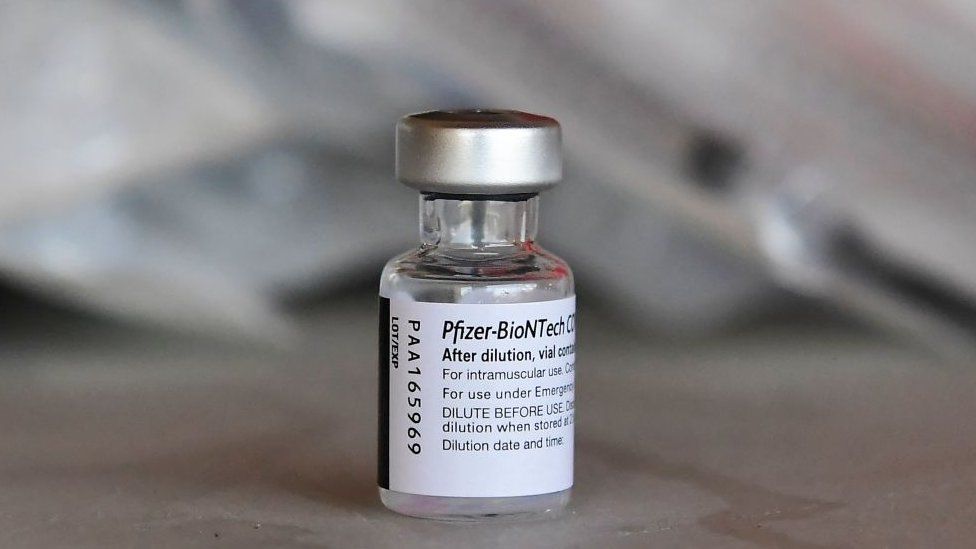
SharecloseShare pageCopy linkAbout sharingimage sourceGetty ImagesPfizer’s two-dose Covid-19 vaccine has received full approval from the US Food and Drug Administration (FDA) – the first jab to be licensed in the nation.The vaccine had initially been given emergency use authorisation. Its two jabs, three weeks apart, are now fully approved for those aged 16 and older.The approval is expected to set off more vaccine mandates by employers and organisations across the country.It comes amid lingering vaccine hesitancy among many Americans.In a statement, the FDA said its review for approval included data from approximately 44,000 people. The vaccine, which will now be marketed as Comirnaty, was found to be 91% effective in preventing Covid disease. Acting FDA commissioner Janet Woodcock said that the public “can be very confident” the vaccine meets high safety, effectiveness and manufacturing quality standards. It still has emergency use authorisation for children aged 12 to 15. Following the announcement, the US military said they would officially require all 1.3m active duty US troops to get vaccinated.The jabs are being provided at no cost to Americans.The FDA initially gave Pfizer temporary authorisation – a clearance given if the agency determines the benefits of a product outweigh potential risks during a public health emergency.This full approval is essentially permanent. The licensing process requires companies to provide the FDA with information on how and where the product is made, as well as other clinical testing data.Critics had been calling on the FDA to speed up this approval process as the nation struggled with dropping vaccination rates earlier this year. The spread of the contagious Delta variant has already given some hard-hit regions a bump in vaccination rates in recent weeks.Do Americans think this will change minds?Folks who don’t want the vaccine are going to convince themselves not to get it one way or another, which is why the Biden administration has to be as consistent as possible with their mandates and information. – Greg Samuel, 33, Washington DCMaybe 50% of people who haven’t been vaccinated have said they’d prefer an FDA approval. So with the approval, what’s the excuse? I’m hopeful the seal of approval will give them confidence. I’m optimistic, but I don’t think it’s going to change too much. – Dr Mireya Wessolossky, 58, MassachusettsI would still like to see how it affects people in the next few years before getting vaccinated. This vaccine has only been out for less than a year. – Jenson Bland, 21, GeorgiaRead more on this issue: US doctors ask if race to stop Covid ‘lost’While the agency took steps to increase staff and resources, it had previously said it would take six months to get the required data. The approval ultimately came less than four months after Pfizer-BioNTech filed for licensing in early May – the fastest vaccine approval in the FDA’s more than 100 year history.Polling data released at the end of June by the Kaiser Family Foundation found that about 30% of unvaccinated American results said they would be more likely to get a vaccine if it received full FDA approval. The number rises to nearly 50% among Americans taking a “wait and see” approach to vaccines.In a televised address on Monday, President Biden spoke directly to the “millions” of Americans he said were waiting for full and final FDA approval.”The moment you’ve been waiting for is here,” he said. “It’s time for you to go get your vaccination. Get it today.”Additionally, Mr Biden called on private sector companies and nonprofits to require employees to get vaccinated or “face strict requirements”.Companies, healthcare systems, universities and other organisations are now expected to announce vaccine requirements as the country embarks on a return to normalcy. The US military has also said the vaccine will become mandatory for 1.3 million active-duty troops upon FDA approval.To date, more than 92 million vaccinated Americans – more than half of the total – have received the Pfizer vaccine.
Read more →
Researchers have reversed lung fibrosis in a mouse model of idiopathic pulmonary fibrosis, or IPF, as reported in a study published in the journal Cell Death and Differentiation.
Mice were given bleomycin for 12 days to establish lung fibrosis, and then treated daily until 21 days with ABT-199, whose medical form is known as Venetoclax, a medication approved by the United States Food and Drug Administration for use in several forms of leukemia. Control bleomycin mice had lung fibrosis with widespread collagen deposition. The bleomycin mice that received ABT-199 had normal lung architecture at 21 days and no collagen deposition.
These results suggest a novel therapeutic target to reverse fibrotic remodeling in the lungs, says study leader A. Brent Carter, M.D., professor in the Division of Pulmonary, Allergy and Critical Care Medicine in the University of Alabama at Birmingham Department of Medicine. The research was also led by first author Linlin Gu, Ph.D., UAB Department of Medicine.
Pulmonary fibrosis is a chronic disease showing aberrant remodeling of lung tissue. Idiopathic pulmonary fibrosis is the most common form of pulmonary fibrosis and has a high mortality rate within three to five years. Currently approved medications have limited efficacy.
ABT-199 acts by inducing apoptosis, or programmed cell death, in monocyte-derived macrophages in the lung. Macrophages are large white blood cells that engulf and digest anything that does not have the surface proteins of healthy cells. Targets can include cancer cells, microbes and cellular debris.
Previously, fibrosis progression was known to be associated with apoptosis resistance in lung macrophages, though the mechanism of that resistance was poorly understood. Also, existing dogma did not point to macrophages as actors in fibrosis; it instead proposed that increased alveolar epithelial cell injury and apoptosis were the initiating events in lung fibrosis.
The COVID-19 pandemic may be the deadliest viral outbreak the world has seen in more than a century. But statistically, such extreme events aren’t as rare as we may think, asserts a new analysis of novel disease outbreaks over the past 400 years.
The study, appearing the week of Aug. 23 in the Proceedings of the National Academy of Sciences, used a newly assembled record of past outbreaks to estimate the intensity of those events and the yearly probability of them recurring.
It found the probability of a pandemic with similar impact to COVID-19 is about 2% in any year, meaning that someone born in the year 2000 would have about a 38% chance of experiencing one by now. And that probability is only growing, which the authors say highlights the need to adjust perceptions of pandemic risks and expectations for preparedness.
“The most important takeaway is that large pandemics like COVID-19 and the Spanish flu are relatively likely,” said William Pan, Ph.D., associate professor of global environmental health at Duke and one of the paper’s co-authors. Understanding that pandemics aren’t so rare should raise the priority of efforts to prevent and control them in the future, he said.
The study, led by Marco Marani, Ph.D., of the University of Padua in Italy, used new statistical methods to measure the scale and frequency of disease outbreaks for which there was no immediate medical intervention over the past four centuries. Their analysis, which covered a murderer’s row of pathogens including plague, smallpox, cholera, typhus and novel influenza viruses, found considerable variability in the rate at which pandemics have occurred in the past. But they also identified patterns that allowed them to describe the probabilities of similar-scale events happening again.
In the case of the deadliest pandemic in modern history — the Spanish flu, which killed more than 30 million people between 1918 and 1920 — the probability of a pandemic of similar magnitude occurring ranged from 0.3% to 1.9% per year over the time period studied. Taken another way, those figures mean it is statistically likely that a pandemic of such extreme scale would occur within the next 400 years.
Why do women over 35 have more difficulty getting pregnant? After discovering one of the causes of age-related female infertility, researchers at the University of Montreal Hospital Research Centre (CRCHUM) suggest that it will be possible in the future to improve the quality of the eggs of older patients by intervening on the cell cycle level.
In a study published in the journal Developmental Cell, CRCHUM researcher Greg FitzHarris and Aleksandar Mihajlovic, a postdoctoral fellow in his lab and first author of the study, reveal in aged mouse eggs (oocytes) that some chromosomes are slower to move during meiosis, a crucial phase of cell division.
These laggards contribute to an uneven chromosomal distribution and therefore to the formation of cells with an abnormal number of chromosomes. This abnormality, called aneuploidy, is one of the major causes of infertility and explains, in part, why older women have difficulty becoming pregnant and carrying a pregnancy to term.
“To give the slowest chromosomes time to reach their destination, we artificially prolonged meiosis with a chemical. Using high-definition imaging techniques, we found that this slowing down before cell division limited aneuploidy,” says Greg FitzHarris, a professor at Université de Montréal.
In the medium term, this discovery, which is still in the basic research stage and conducted in the laboratory on mice, could be used in the clinic to increase the performance of eggs used during in vitro fertilization. Extensive efficacy, safety and security testing will be required before such an approach is adopted.
Almost one in six Canadian couples is affected by infertility. This number has doubled since the 1980s.
About this study
The article “Distinct classes of lagging chromosome underpin age-related oocyte aneuploidy in mouse,” by Aleksandar Mihajlovic and colleagues, was published August 23, 2021 in Developmental Cell. Funding for the study was provided by the Canadian Institutes of Health Research, the Fonds de recherche du?Québec-Santé and the Fondation Jean-Louis Lévesque.
Story Source:
Materials provided by University of Montreal Hospital Research Centre (CRCHUM). Note: Content may be edited for style and length.