Scientists discover a fundamental feature of aggressive lymphomas

Research led by the University of Southampton has revealed a new fundamental feature of aggressive B-cell lymphomas which could open the door to further research into early detection and treatment of the disease.
Over 14,000 people are diagnosed with lymphoma each year in the UK, making it the fifth most common cancer and the most common blood cancer (Source: Blood Cancer UK).
In this new study, a team led by Prof. Francesco Forconi, identified a tumour-specific change, not seen in normal B cells. B cells are part of the human body’s immune system and are responsible for producing antibodies; they display an antibody-like molecule on their surface, known as the B-cell receptor. The new findings have shown how the receptors can differ in aggressive lymphomas by the presence of unusual sugars, known as glycans, in the antigen-binding sites of the lymphoma B-cell receptor.
The findings have been published in Blood, the Journal of the American Society of Haematology.
The team, which included glycobiologist Prof. Max Crispin and cancer immunologist Prof. Freda Stevenson, have revealed that these glycans have a specific structure that allow the lymphoma cells to receive signals from molecules called “lectins,” which are attached to surrounding cells, enabling the tumour to survive — and grow — in the lymph nodes.
The genetic characteristics of these lymphomas have been described with lymphoma expert Louis Staudt based at the National Institute of Health, Bethesda, USA. The team also include Prof. Thomas Bowden from the Division of Structural Biology, University of Oxford, who determined the three-dimensional structure of a fragment of the receptor containing the unusual glycans.
Francesco Forconi, Professor of Haematology at the University of Southampton said, “this very exciting team-work describes the structure of the glycans covering the surface of the tumour’s B-cell receptor and how it works. It is a remarkable tumour-specific feature required by all the tumour cells of patients with the most common lymphomas.”
Prof. Forconi continued “this is a new specificity required by the lymphoma cells to survive which we now know how to detect and are learning how it functions. Our findings are paving the way to further investigations, including early cancer detection and therapeutic targeting, both of which will be our future goals.”
The study has been funded by Blood Cancer UK charity and the Keanu Eyles Fellowship. One of the next steps will be to precisely target the interactions between these glycans and the lectins by therapeutic antibodies that are being developed by Forconi’s team in collaboration with the Antibody Vaccine Group (Prof. Mark Cragg) at Southampton and Professor Carl Figdor at Radboud University in the Netherlands in a Cancer Research UK funded project grant.
At Southampton, Professor Forconi’s team includes Dr Giorgia Chiodin who has written the manuscript and has worked closely with Prof. Max Crispin’s lab members including Joel Allen. The synergy between Professor Forconi’s lab, which has a strong history in analysing the structure and function of the B-cell receptor in leukemias and lymphomas, and Professor Crispin’s lab, which has a strong history in analysing the structure of glycans, will continue in future discoveries bringing different fundamental science expertise and clinical specialities closer together.
Story Source:
Materials provided by University of Southampton. Note: Content may be edited for style and length.
Read more →

Psychological capital may be the antidote for working in a pandemic, study suggests

Just like the COVID-19 vaccine protects against contracting the contagious virus, the collective elements of self-efficacy, optimism, hope and resiliency helps inoculate employees from the negative effects of working through a pandemic, according to a new West Virginia University study.
Jeffery Houghton, management professor, had studied how college students coped with stress through adaptive (i.e. exercise, meditation, social networking) and maladaptive (i.e. binge drinking, substance abuse, negative thoughts) behaviors before the world was dramatically altered by COVID-19 in early 2020.
It dawned on him to shift that focus to people working through the midst of the pandemic. How were people handling working under the same roof they ate and slept — with some of them also homeschooling and rearing children?
He teamed up with two of his PhD students, Richard Oxarart and Luke Langlinais, and Salisbury University researchers to see how “psychological capital” — or PsyCap, a positive state of mind characterized by self-efficacy, optimism, hope and resiliency in the world of psychology — influenced employees.
The findings, published in the International Journal of Workplace Health Management, aren’t a total surprise: Those lagging in PsyCap characteristics drifted to maladaptive behaviors and exhibited a high perception of stress.
“If you’re adaptively coping, you’re going to have less stress,” Houghton said. “If you have a lower PsyCap, you’re likely going to engage in maladaptive coping, which leads to even greater stress.

Read more →

Evolutionary ‘arms race’ may help keep cell division honest

Eggs and sperm are special cells for many reasons, but one of the characteristics that sets them apart is that, unlike other human cells, which have two copies of 23 chromosomes, one from the mother and one from the father, these sex cells, or gametes, have only one.
Previous research, led by Michael Lampson of Penn’s School of Arts & Sciences, has shown that these chromosomes don’t get passed on to gametes by chance; certain factors can tip the scales, making it more likely that one of the two copies will be passed to the next generation.
In a new paper, Lampson and colleagues uncover a force at work to balance the scales during meiosis, the cell-division process that gives rise to gametes, bringing the odds closer to 50-50 that a particular chromosome will get into a viable egg.
The work, published in the journal Cell, finds that, while a mechanism exists to give certain chromosomes the upper hand during meiosis, a separate, parallel pathway acts to suppress that advantage. Proteins that act in the two pathways appear to be in an evolutionary arms race, the researchers say, potentially to avoid the possibility of biased chromosome inheritance leading to mistakes and abnormalities in eggs, such as aneuploidy, or having an abnormal number of chromosomes, which can result in birth defects.
“If we think of these chromosomes that are getting in the egg as being selfish, selfish implies that they’re maximizing their own transmission at some cost to the organism overall,” says Lampson. “If there is a cost, then there might be other genes under pressure to suppress the selfish ones or suppress that cost.”
The current work aimed to look for that suppressive pathway, building on a 2017 paper in Science in which Lampson and members of his lab laid out the mechanism by which an asymmetry arises in the meiotic spindle, a structure composed of microtubules that pulls chromosomes to opposite sides of a cell prior to division. This asymmetry led to biases in chromosome transmission. They found that “selfish” centromeres, the part of the chromosome that attaches to the spindle, were more likely than “unselfish” centromeres to be able to detach and reattach to the side of the cell that was destined to become a viable egg rather than the polar body, which is typically degraded.

Read more →

Studying mosquito immune cells could improve understanding of disease transmission

A new study that details mosquito immune cells could shed light on the insect immune system and how mosquitoes transmit parasites that cause malaria.
A new study, published recently in the peer-reviewed scientific journal eLife, identifies several new forms of mosquito immune cells, providing new clarity into the mosquito immune system. Immune cells play a central role in the immune response of mosquitoes toward malaria parasites and viruses after these pathogens are taken up upon feeding on an infected person. It’s a field of study that has remained poorly understood due to the lack of genetic tools, said Ryan Smith, an associate professor of entomology at Iowa State University and lead author of the study.
“These experiments lay the foundation for a better understanding of how these immune cells function that could lead to a future when humans are able to make mosquitoes unable to transmit disease,” Smith said.
The new study utilized single-cell RNA sequencing, a relatively new technique that allows researchers to examine the cellular messages within individual cells, to characterize mosquito immune cells, known as hemocytes. The study found mosquito hemocytes show greater complexity than previously thought, evidence of cell differentiation, and that some cells may even undergo a maturation process. The authors also provided comparative analysis to single-cell studies in other insect systems, highlighting important similarities and differences between mosquitoes and other insects. The new study is an important first step for future exploration of the mosquito immune system, which could be important for gaining better understanding of how mosquitoes transmit pathogens, such as malaria parasites, to humans through their bite.
“There’s a big body of evidence that suggests that immune cells of mosquitoes are really critical to their ability to transmit disease,” Smith said. “From that perspective, we haven’t really known a great deal about the molecular aspect of what those immune cells look like.”
Previous evidence suggests immune cells mediate disease pathways in mosquitoes, and play vital roles in killing malaria parasites at multiple stages in the mosquito host. The new study sets the stage for future research aimed at answering those questions, he said.
Smith even envisions a future, though it’s still years away, when this line of research could lead to the production of mosquitoes genetically modified to overexpress certain immune cell populations that reduce the ability of a mosquito to transmit pathogens that cause mosquito-borne disease. These resistant mosquitoes could then be introduced into wild mosquito populations to breed and spread these genetic traits. The result could be mosquito populations that are less likely to spread disease to humans, though Smith cautions it’s all purely theoretical at this point.
Funding for the study came from the Swedish Society for Medical Research, the Swedish Research Council and the National Institute of Allergy and Infectious Diseases. Smith’s co-authors include Hyeog-Sun Kwon at Iowa State; Mubasher Mohammed and Johan Ankarklev of Stockholm University, Sweden; and Oscar Franzen of the Karolinska Institute, Sweden. Additional project support came from Rick Masonbrink and Andrew Severin from the Iowa State Genome Informatics Facility.
Story Source:
Materials provided by Iowa State University. Note: Content may be edited for style and length.

Read more →

Farmed carnivores may become 'disease reservoirs' posing human health risk

Carnivorous animals lack key genes needed to detect and respond to infection by pathogens, a study has found. Farming large numbers of carnivores, like mink, could allow the formation of undetected ‘disease reservoirs’, in which a pathogen could spread to many animals and mutate to become a risk to human health.
Research led by the University of Cambridge has discovered that carnivores have a defective immune system, which makes them likely to be asymptomatic carriers of disease-causing pathogens.
Three key genes in carnivores that are critical for gut health were found to have lost their function. If these genes were working, they would produce protein complexes called inflammasomes to activate inflammatory responses and fight off pathogens. The study is published today in the journal Cell Reports.
The researchers say that the carnivorous diet, which is high in protein, is thought to have antimicrobial properties that could compensate for the loss of these immune pathways in carnivores — any gut infection is expelled by the production of diarrhea. But the immune deficiency means that other pathogens can reside undetected elsewhere in these animals.
“We’ve found that a whole cohort of inflammatory genes is missing in carnivores — we didn’t expect this at all,” said Professor Clare Bryant in the University of Cambridge’s Department of Veterinary Medicine, senior author of the paper.
She added: “We think that the lack of these functioning genes contributes to the ability of pathogens to hide undetected in carnivores, to potentially mutate and be transmitted becoming a human health risk.”
Zoonotic pathogens are those that live in animal hosts before jumping to infect humans. The COVID-19 pandemic, thought to originate in a wild animal, has shown the enormous damage that can be wrought by a novel human disease. Carnivores include mink, dogs, and cats, and are the biggest carriers of zoonotic pathogens.
Three genes appear to be in the process of being lost entirely in carnivores: the DNA is still present but it is not expressed, meaning they have become ‘pseudogenes’ and are not functioning. A third gene important for gut health has developed a unique mutation, causing two proteins called caspases to be fused together to change their function so they can no longer respond to some pathogens in the animal’s body.
“When you have a large population of farmed carnivorous animals, like mink, they can harbour a pathogen — like SARS-CoV-2 and others — and it can mutate because the immune system of the mink isn’t being activated. This could potentially spread into humans,” said Bryant.
The researchers say that the results are not a reason to be concerned about COVID-19 being spread by dogs and cats. There is no evidence that these domestic pets carry or transmit COVID-19. It is when large numbers of carnivores are kept together in close proximity that a large reservoir of the pathogen can build up amongst them, and potentially mutate.
Story Source:
Materials provided by University of Cambridge. The original text of this story is licensed under a Creative Commons License. Note: Content may be edited for style and length.

Read more →

Weight gain isn’t inevitable when you start college

Everyone’s heard about the so-called freshman 15, but new research from the University of Georgia suggests that counteracting this weight gain might be more complicated than just taking a walk around the quad.
The freshman 15 is actually a bit of a misnomer, with students typically only putting on around 8 pounds over their first year. But that’s a substantial amount of weight to gain, particularly for students who are already overweight. In the study, UGA researchers found that first-years do pack on pounds, about 3 on average over the course of the semester. But implementing healthy patterns early can help stave off that weight gain.
A contributing factor to weight gain
Published in the Journal of American College Health, the study found that vigorous physical activity, the kind of exercise that gets your heart rate up and makes you sweat, was almost nonexistent among the first-year students at a public university in the South. The American Heart Association recommends all adults participate in 150 minutes per week of moderate-intensity aerobic activity or 75 minutes of intense exercise (or a combination of the two). At the start of the study, only two out of five students met the recommended level of activity.
That’s not to say none of the students were exercising. In fact, their moderate physical activity, such as walking across campus or biking at a casual pace, didn’t actually change much from when they were in high school. Some freshmen even upped their moderate activity.
But by the end of the study — which followed students during their first semester at school — almost 70% of the students reported no vigorous physical activity at all. At the beginning of the study, students reported higher levels of activity, with only 40% saying they weren’t exercising hard enough to start panting at the beginning of the study.

Read more →

Covid jab response low for some immunosuppressed people

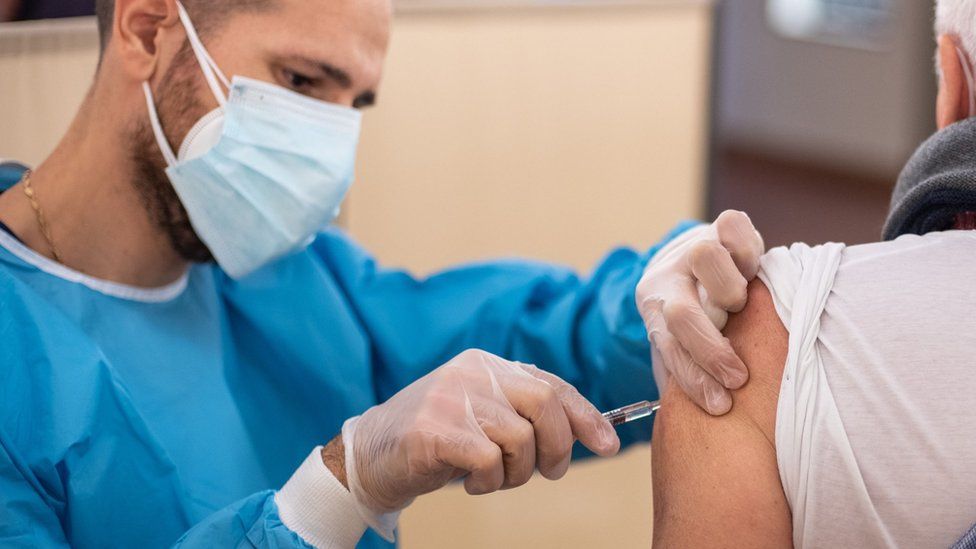
SharecloseShare pageCopy linkAbout sharingimage sourceGetty ImagesSome patients with impaired immune systems have a low or absent antibody response after receiving two doses of Covid vaccine, a UK study has found. Experts do not yet know what that means for protection, but say booster shots are probably a good idea for certain immunosuppressed people. It includes those with vasculitis who are taking a strong anti-inflammatory medicine called rituximab. Some other countries have already started giving out booster Covid doses. The UK is expected to begin offering vulnerable groups a booster shot next month, but is waiting for recommendations from an independent advisory body called the JCVI. UK vaccine booster scheme likely to start in SeptemberDo I need a booster?The Octave study, funded by the Medical Research Council, is part of the evidence that will help inform the JCVI decision. People enrolled on the trial include patients with cancer, inflammatory arthritis, diseases of the kidney or liver and those who are having a stem cell transplant.Findings from lab tests on blood samples from 600 of these volunteers, published as a pre-print by The Lancet medical journal, suggest:40% have a sub-optimal antibody response after two doses of either the AstraZeneca or Pfizer vaccineOf those, 11% fail to generate any detectable antibodies four weeks after two vaccine doses – many were patients with vasculitis on the drug rituximabBut 60% had antibody levels comparable to healthy young people and all of them had optimal levels of another type of immune cell response – T cells – that can clear coronavirus infection from the body. Recent research using real-world data on Covid illness rates in more than a million at risk people, suggests Covid jabs are very effective for people with underlying health conditions, reduced the risk of symptomatic Covid-19 by around 90%. Prof Iain McInnes, lead of the Octave trial and from the University of Glasgow, said: “While 40% of these clinically at-risk patent groups were found to have a low or undetectable immune response after a double dose of the vaccine, we are encouraged that this figure isn’t higher. “However, it is possible even partial protection may be clinically beneficial, and this is something we will closely monitor.”Prof Eleanor Riley, an expert in immunology and infectious diseases at the University of Edinburgh, said: “As it is T cells that are particularly effective at stopping us getting severely ill and needing hospital treatment, we would expect that the vaccine is still offering substantial protection to most of these highly vulnerable people.”Prof Charles Swanton from Cancer Research UK said: “We know the results could be worrying for those who are clinically vulnerable, but anyone undergoing cancer treatment should continue to follow the advice of their doctors and we encourage all who can to get the vaccine. “With restrictions easing, you may wonder if you should be shielding – talk to your doctor, family and friends and ultimately you need to do what’s right for you.”An extension of the Octave study will now look at the effect of giving patients and booster shot. Related Internet LinksThe LancetThe BBC is not responsible for the content of external sites.

Read more →

Breast milk of mothers who received COVID-19 vaccine contains antibodies that fight illness

The breast milk of lactating mothers vaccinated against COVID-19 contains a significant supply of antibodies that may help protect nursing infants from the illness, according to new research from the University of Florida.
“Our findings show that vaccination results in a significant increase in antibodies against SARS-CoV-2 — the virus that causes COVID-19 — in breast milk, suggesting that vaccinated mothers can pass on this immunity to their babies, something we are working to confirm in our ongoing research,” said Joseph Larkin III, Ph.D., senior author of the study and an associate professor in the UF/IFAS department of microbiology and cell science.
When babies are born, their immune systems are underdeveloped, making it hard for them to fight infections on their own. They are also often too young to respond adequately to certain types of vaccines, said Josef Neu, M.D., one of the study’s co-authors and a professor in the UF College of Medicine’s department of pediatrics, division of neonatology.
During this vulnerable period, breast milk allows nursing mothers to provide infants with “passive immunity,” Neu explained.
“Think of breast milk as a toolbox full of all the different tools that help prepare the infant for life. Vaccination adds another tool to the toolbox, one that has the potential to be especially good at preventing COVID-19 illness,” Neu said. “The results of our study strongly suggest that vaccines can help protect both mom and baby, another compelling reason for pregnant or lactating women to get vaccinated.”
The study was conducted between December 2020 and March 2021, when the Pfizer and Moderna vaccines first became available to health care workers.

Read more →

Age-related decline in two sirtuin enzymes alters mitochondrial dynamics, weakens cardiac contractions

Sirtuins are a family of anti-aging proteins that help regulate cellular lifespan, metabolism, and resistance to stress. The potential protective effect of these sirtuin enzymes in age-related diseases, including cardiovascular diseases, remains an area of intense investigation.
Now, a new preclinical study led by University of South Florida Health (USF Health) researchers has determined that sirtuin 1 (SIRT1) and sirtuin 3 (SIRT3) levels decline in aging hearts, disrupting the ability of cardiac muscle cells (cardiomyocytes) to contract in response to ischemia-reperfusion injury (also known as reperfusion injury). Furthermore, age-related SIRT1 and SIRT3 deficiency can impair cardiac function by altering mitochondrial dynamics, which play an important role in metabolic health and inflammatory response, the researchers report.
The findings were published online July 3 in Aging Cell.
“We discovered that age-related changes in mitochondrial dynamics are caused by SIRT1/SIRT3 deficiency, specifically in the cardiomyocytes,” said principal investigator Ji Li, PhD, professor of surgery in the USF Health Morsani College of Medicine. “You need a strong presence of SIRT1 and SIRT3 to keep mitochondrial dynamics healthy in the heart. Otherwise, the heart’s pumping function becomes weak.”
Mitochondria produce the energy needed to drive nearly all processes in living cells. Cardiac muscle cells contain more mitochondria than any other cells, because the heart needs large amounts of energy to constantly pump blood throughout the body. Stabile mitochondrial dynamics maintain a healthy balance between the constant division (fission) and merging (fusion) of mitochondria and help ensure the quality of these specialized structures known as the “powerhouse” of the cell.
Reperfusion, a common treatment following acute heart attack, restores blood flow (and thus oxygen) to a region of the heart damaged by a blood clot blocking the coronary artery. Paradoxically, in some patients this necessary revascularization procedure triggers further injury to heart muscle tissue surrounding the initial heart attack site. No effective therapies currently exist to prevent reperfusion injury.
To help analyze the response of cardiac mitochondria to ischemia-reperfusion stress, the USF Health researchers deleted SIRT1 or SIRT3 in cardiac muscle cells of mouse hearts, and examined the mitochondrial response to ischemic stress by restricted blood flow. The researchers found that the mitochondria in mouse hearts lacking cardiomyocyte SIRT3 were more vulnerable to reperfusion stress than the mouse hearts with SIRT3 intact. The cardiac mitochondrial dynamics (including shape, size, and structure of mitochondria) in these knockout mice physiologically resembled that of aged wildtype (normal) mice retaining cardiac SIRT3.
Furthermore, the young mice with SIRT1 or SIRT3 removed had measurably weaker cardiomyocyte contractions and exhibited aging-like heart dysfunction when ischemia-reperfusion stress was introduced. In essence, without SIRT1/SIRT3 the hearts of these otherwise healthy young mice looked and behaved like old hearts.
“We started this study trying to understand why older people have higher incidence of heart attacks than younger people, and why they die more often even if they receive maximum treatment. Younger people are much more likely to recover from heart attacks and less likely to suffer from ischemia-reperfusion injury,” said Dr. Li, a member of the USF Health Heart Institute. “Our research suggests that one reason could be that both SIRT1 and SIRT3 are downregulated with aging. Younger people have higher levels of these proteins needed to make mitochondrial dynamics healthier.”
The study also suggests that, before surgically opening blocked coronary arteries to restore blood flow in older patients, administering a treatment to “rescue” (improve) their diminished SIRT1/ SIRT3 levels may increase tolerance to cardiac muscle reperfusion stress, thereby reducing heart attack complications and deaths, Dr. Li said. Such a cardioprotective treatment might apply a genetic approach to increase SIRT1/SIRT3 production, or an agonist (drug) to activate SIRT1/ SIRT3, he added.
If their mouse model findings translate to human hearts, Dr. Li’s group wants to work with companies interested in developing and testing SIRT1/SIRT3 activators to mitigate heart attack-related reperfusion injury.
“Our ultimate goal is to identify ideal targets for the treatment of heart attack, especially in older patients,” said Dr. Li, whose research is supported by grants from the National Heart, Lung, and Blood Institute, the National Institute on Aging, and the National Institute of General Medical Sciences.

Read more →

Viruses leave traces long after infection, research finds

Viruses do not always kill the cells they infect. Researchers at the University of Basel have discovered in experiments with mice that cells have the power to self-heal and eliminate viruses. However, these cells undergo long-term changes. The findings may provide a hint as to why cured hepatitis C patients are more susceptible to liver cancer for years after.
Viruses need the infrastructure of the body’s cells in order to multiply. With many types of viruses, this ultimately means death for the affected cell if its membrane dissolves and the newly created viruses swarm out to attack new cells. But some viruses do not kill the cells they infect — presumably with the aim of maintaining the infection for as long as possible. These include hepatitis B and C viruses, which cause chronic infections in humans.
Until now, it was generally assumed that such viruses remain permanently in the infected cells of the body. However, a research team led by Professor Daniel Pinschewer from the University of Basel now reports in the Journal of Experimental Medicine that this is not the case. Their experiments involved a mouse virus called lymphocytic choriomeningitis virus (LCMV), which triggers a chronic infection in mice — similar to hepatitis C virus in humans — and also infects the liver.
Virus eliminated, but not without trace
This model enabled the researchers to demonstrate that the virus disappears from the infected liver cells after a certain time period. It is not yet clear exactly how this happens. However, the researchers were able to rule out the possibility that the cells need the support of immune cells in order to do this. “Liver cells seem to have their own mechanism for removing a virus from within,” says Dr Peter Reuther, one of the study’s two lead authors. The chronic infection by such viruses is based on a continuous infection of new cells.
Despite the astonishing self-healing power of cells, the infection does not pass them by without leaving a trace. As further analysis of the healed cells showed, their genetic profile remained altered: the same genes were no longer read in the same quantity as in those cells that had not been subject to infection. The change particularly affected genes related to cell division and cellular metabolism. It is still unclear how long these changes persist, however.
Parallels with hepatitis C
“We see significant parallels with other studies of cured hepatitis C patients. Their formerly infected liver cells show changes in the genetic material that influence genetic programs,” explains Dr Katrin Martin, co-lead author of the paper. This strongly suggests that the findings now obtained in mice can be extrapolated to humans, at least in certain important respects. “One could speculate that these long-term changes are one reason why cured hepatitis C patients have an increased risk of liver cancer.”
In further studies, the researchers now aim to determine whether such changes in genetic programs also affect the cells of other organs following temporary viral infections. At the same time, they also want to identify the mechanism by which the body’s cells manage to get rid of viruses.
“Two questions arise from a medical perspective,” concludes Pinschewer. “How can these viruses be prevented from spreading from cell to cell in a chronic infection and thus affecting a large number of cells? And is it possible to reverse the changes in the genetic profile and prevent subsequent damage?” He adds that the question of long-term changes following a viral infection also concerns other indications, such as asthma and long Covid.
Story Source:
Materials provided by University of Basel. Note: Content may be edited for style and length.

Read more →