Search for Covid's origins stalled, scientists say
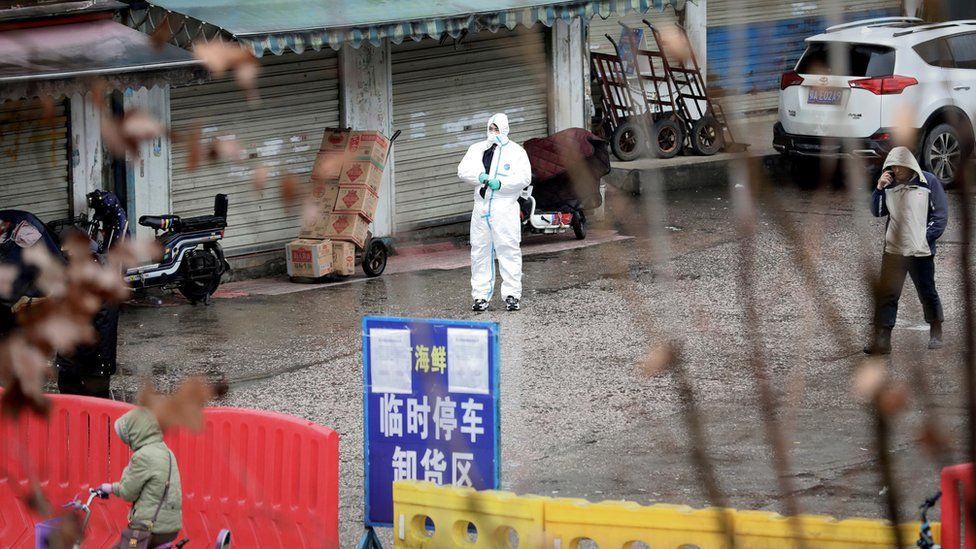
SharecloseShare pageCopy linkAbout sharingimage sourceReuters”The window of opportunity” to conduct crucial studies into how the Covid-19 pandemic started is closing, senior scientists have said. Researchers asked by the World Health Organization to find the cause of the initial outbreak say the process has stalled, in scientific journal Nature,And further delay could make crucial studies “biologically impossible”. They are calling on political and scientific leaders to expedite those studies “while there is still time”. US report on coronavirus origins ‘inconclusive’Scientists weigh up evidence over Covid’s originsCoronavirus: A year of high-speed discoveryDutch virologist Prof Marion Koopmans, a member of the WHO team, told BBC Radio 4’s Inside Science programme the risk of pandemics was increasing. “Because of the way the world is changing – population increase, crowding and more interaction between humans and animals, we need to learn where things go wrong and how we can avoid that in the future,” she said.The WHO team visited Wuhan in January and published a report in March recommending: searching blood banks in China and other countries for antibodies to the virus in blood donated in the months preceding the December 2019 outbreak taking samples from farmed wild animals such as mink and racoon dog that might be the “intermediate host” that allowed the virus to jump species image sourceScience Photo LibraryBut since farmed animals have a limited lifespan and blood banks store donations for a fixed period, the researchers are worried that valuable biological information may already have been lost. The politically contentious issue of whether the virus might have escaped from a laboratory in China had also made some of the work more difficult, Prof Koopmans said.All the lines of inquiry were relevant, she said, “but when accusations get mixed with the scientific questions, things become quite difficult”.In their report, however, the team concluded while it was impossible to determine how the virus had infected the first humans, “all available evidence” suggested it had a natural animal origin and was “not a manipulated or constructed virus”.Sparked controversyThe closest relative to Sars-Cov-2, Prof Koopmans said, was a virus found in wild bats. But there remained a significant “time gap” in the evolution of that virus into the one that infected humans that could be explained only by taking samples from the animals that may have provided an “intermediate host”. The report itself, however, sparked controversy that now threatens to overshadow the science. The team essentially “graded” the different possible origin scenarios. image sourceReutersMost likely, they said, was a farmed animal, possibly a wild species on a fur farm, was that “intermediate host” between bats and humans. And the possibility the virus leaked from a laboratory in China was “highly unlikely”.But this led some scientists and commentators to suggest the “lab-leak theory” had been dismissed. “In retrospect, the exact phrasing – ‘extremely unlikely’ – maybe wasn’t the smartest way of putting things, given that that has become the core of the debate,” Prof Koopmans told BBC News. “But it really was about – given everything we know, where would you prioritise [the next scientific steps].”Accidentally releasedThe continuing furore over the lab-leak theory has centred on the Wuhan institute of Virology, where the WHO team spent time interviewing researchers. “If we’re talking about an accident in that laboratory, then you would still have to have that exact same virus in the lab for it to be accidentally released,” Prof Koopmans said. “We found no indication of that.” Amid the lab-leak debate, President Joe Biden ordered US intelligence to hold its own investigation. But its report, delivered to the president this week, was unable to reach a conclusion about whether the virus emerged naturally or as a result of an accident at a lab, according to US media.’Bad bugs’Meanwhile, Prof Koopmans said we may never find “patient zero” in the case of the Covid-19 pandemic. But without the more scientific studies, there was no chance of reaching a conclusion about the vital question of how a bat virus had unleashed a pandemic that was continuing to cause sickness, death and economic chaos around the world.”We have to really try – but there’s no guarantee of success,” she said.. “But what we do need to learn is, how can we recognise which are the really ‘bad bugs’.”There is a whole range of [bat viruses], so which of those really are the high-risk ones? “And how can we recognise that? “That’s the kind of thing that we really could learn and take forward from these studies.”Follow Victoria on Twitter.

Read more →
Why do short-lived lung infections lead to long-lasting lung damage?

The deadliest time in a viral respiratory illness sometimes is actually after the virus is cleared from the body. Destructive processes that are set in motion during an infection crest in the weeks after the virus is defeated, leading to organ damage that can cause chronic illness or even death. After an initial bout of COVID-19, for example, some people struggle with persistent cough, difficulty breathing and shortness of breath — signs of ongoing lung disease.
Researchers at Washington University School of Medicine in St. Louis have found clues to just how lung damage develops in the aftermath of a respiratory infection. Studying mice, they found that infection triggers the expression of a protein called IL-33, which is needed for stem cells in the lung to overgrow into air spaces, and increases mucus production and inflammation in the lung. The findings, published Aug. 24 in the Journal of Clinical Investigation, reveal potential points of intervention to prevent chronic lung damage caused by viral infections.
“Vaccines, antivirals, antibody therapies are all helpful, but they are not a solution for people who are already on the road to progressive disease,” said senior author Michael J. Holtzman, MD, the Selma and Herman Seldin Professor of Medicine and a professor of cell biology & physiology. “We’ve gotten better at taking care of the acute illness due to COVID-19, but what happens after that initial injury phase is still a major obstacle to a better outcome. At this point, we are also faced with tens of millions of people who already had infection, and a high percentage of them are having long-term disease, especially with respiratory symptoms. We don’t have a treatment that can correct the problem.”
It’s long been recognized that acute respiratory infections can lead to chronic lung disease. Children hospitalized with respiratory syncytial virus, for example, are two to four times more likely to develop asthma that persists for long periods, maybe even for a lifetime. How exactly an acute respiratory infection triggers chronic disease, however, is not fully understood, making it difficult to develop therapies to prevent or treat it.
As part of this study, Holtzman and colleagues, including first author Kangyun Wu, PhD, an instructor in medicine, studied mice infected with Sendai virus. Sendai doesn’t cause serious disease in people, but it naturally infects other animals including mice and causes respiratory infections that develop much like respiratory infections in people.
The researchers examined lung tissues from mice 12 and 21 days after infection with Sendai virus, and compared the samples to lung tissues of uninfected mice. They found that two populations of stem cells help maintain the barrier between the lung and the outside world in uninfected mice. After infection with Sendai virus, however, these two populations separately begin to multiply and spread into air spaces. Basal cells take over small airways and air sacs while AT2 cells remain confined to air sacs. Some of the new basal cells become mucus-producing cells while others release molecules that recruit immune cells to the lungs. Altogether, the process results in lungs with less air space, more mucus and ongoing inflammation that together interfere with breathing.
Further experiments showed that this process hinges on the protein IL-33. Under normal conditions, IL-33 increases in the nuclei of lung stem cells in response to stress or injury and helps the lung repair damaged barriers. During and after infection, though, IL-33 can take on a more detrimental role.
To assess the role of IL-33 in post-viral lung damage, the researchers genetically modified mice to lack IL-33 in the basal set of lung stem cells. The scientists then infected those mice — and a separate group of unmodified mice — with Sendai virus. The two groups of mice were equally effective at fighting off an initial Sendai virus infection. But three weeks after infection, the lungs of the mice that lacked IL-33 exhibited less cellular overgrowth, mucus and inflammation, indicating that they had fewer signs of harmful lung changes. At seven weeks after infection, the mice without IL-33 in basal cells also had higher oxygen levels in their blood and less airway hyperresponsiveness, both of which are signs of improvement in their chronic lung disease.
“These results were really nice to see because getting rid of IL-33 and in turn losing basal stem cells could have made things worse,” Holtzman said. “The engineered mice could have died because they were no longer able to perform the normal repair of the viral damage to the lung barrier. But that’s not the case. The mice lacking this population of basal cells instead had much better outcomes. That’s what we’re excited about. These findings put us on firm ground to find therapies that correct the bad behavior of basal stem cells.”
Targeting steps on the pathway between IL-33 and basal cell activation could form the basis of broadly effective therapies to prevent or treat lung disease caused by a variety of viruses and perhaps other forms of injury in the lung and other sites where the body meets the outside world, Holtzman said.
“The lung has a pretty stereotyped response to injury, including viral injury,” Holtzman said. “The specific type of virus, the genetics of the host, the severity of the initial illness — all of these things influence the outcome, but they’re just matters of degrees. You still see the same key elements across conditions, and that’s why we believe that there can be a common strategy for treatment. We have a drug discovery program to find such a common strategy, and this study fits well with that.”

Read more →

Unvaccinated Delta Airlines Employees Could Lose Benefits

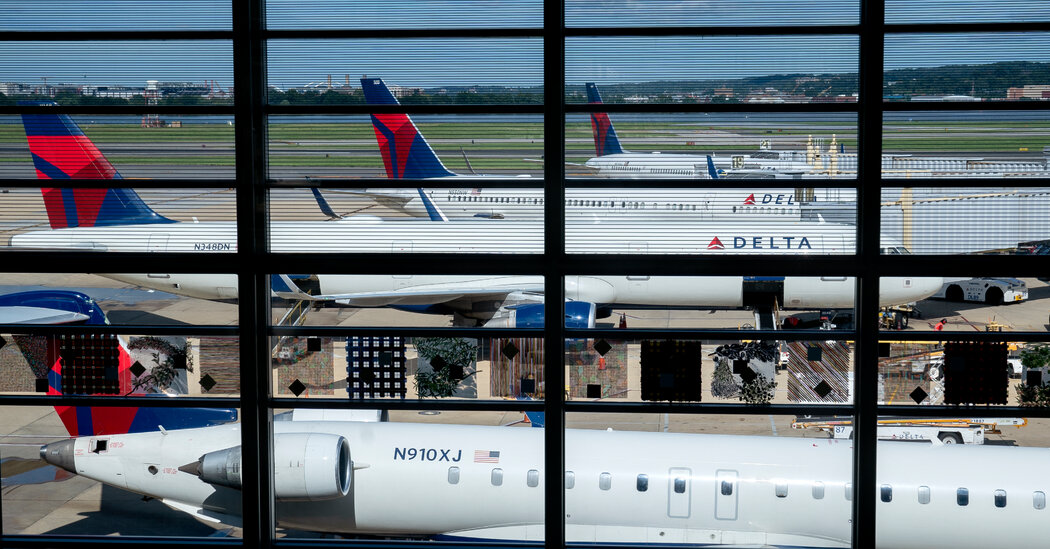
Delta Air Lines is intensifying pressure on employees to get vaccinated with a series of increasingly burdensome requirements over the coming weeks and months, though it stopped short of the mandates that other airlines and businesses have put in place.In a letter to employees on Wednesday, the carrier’s chief executive, Ed Bastian, said that those who have not been vaccinated will immediately be required to wear masks indoors. Starting on Sept. 12, they will also have to take weekly coronavirus tests.On Sept. 30, unvaccinated workers will lose pay protection for employees who test positive for the virus and miss work while having to quarantine. Finally, starting on Nov. 1, any employee who remains unvaccinated will have to pay an additional $200 per month to remain on the company’s health care plan.“This surcharge will be necessary to address the financial risk the decision to not vaccinate is creating for our company,” Mr. Bastian said. “In recent weeks since the rise of the B.1.617.2 variant, all Delta employees who have been hospitalized with Covid were not fully vaccinated.”The average coronavirus-related hospitalization has cost the company about $40,000 per person, he said. Like many large employers, Delta insures its own work force, meaning it pays health costs directly and hires insurance companies to manage its plans.The onerous requirements apply to a shrinking share of the airline’s work force, with 75 percent of employees now vaccinated, Mr. Bastian said.“We’ve always known that vaccinations are the most effective tool to keep our people safe and healthy in the face of this global health crisis,” he said. “That’s why we’re taking additional, robust actions to increase our vaccination rate.”Delta, which is based in Atlanta, its biggest hub, operates the largest vaccination site in Georgia out of its flight museum, Mr. Bastian said. More than 115,000 doses have been administered to state residents there and more than 150,000 doses have been given to employees, their family and friends.About 50.5 percent of Georgia’s adult population is fully vaccinated, according to data from the Centers for Disease Control and Prevention, which puts the state near the bottom of the country.The airline’s approach differs from that of some competitors. Earlier this month, for example, United Airlines announced that it would require vaccines across the board. That mandate will take effect on Sept. 27. United employees who provide proof of vaccination by Sept. 20 will receive a full day’s pay. Frontier Airlines, a smaller carrier, said it would require vaccination by Oct. 1.

Read more →

Portable MRI provides life-saving information to doctors treating strokes

When patients exhibit stroke symptoms, doctors must quickly make a life or death determination: Are their symptoms caused by a clot that can be treated with blood thinners or by bleeding in the brain, which may require surgery? A new Yale-led study shows that a portable MRI device can help identify such intracranial hemorrhages, potentially life-saving information particularly in areas or scenarios where access to sophisticated brain imaging scans are not readily available.
The results were published Aug. 25 in the journal Nature Communications.
“There is no question this device can help save lives in resource-limited settings, such as rural hospitals or developing countries,” said Kevin Sheth, professor of neurology and neurosurgery at Yale School of Medicine and co-corresponding author of the research. “There is also now a path to see how it can help in modern settings. It is of critical importance to continue to collect more data across a range of stroke characteristics so that we can maximize the potential benefit of this approach.”
For the study, the research team examined the efficacy of a device known as the Portable Point-of-Care MRI system. According to researchers, it can be wheeled down a hospital hallway, costs a fraction of traditional MRI technologies, and can be used almost anywhere by medical technicians with even minimal training. It was developed by Hyperfine Research Inc., a part of the Guilford, Connecticut-based medical technology incubator 4Catalyzer.
The Yale team, which was led by Sheth and Mercy Mazurek, a clinical research analyst and first author, and co-corresponding author W. Taylor Kimberly of Massachusetts General Hospital, compared the results of portable MRI scans of 144 patients at Yale New Haven Hospital with results obtained from traditional neuroimaging scans. Specifically, the portable MRI was used to scan brain injury patients at the bedside.
Neuroradiologists interpreting images acquired by Hyperfine’s portable MRI correctly identified 80% of intracerebral hemorrhages.
The study is the first to validate the appearance and clinical implications of a brain hemorrhage using a portable MRI device.
Sheth and his team are also investigating the potential of portable MRI technologies in helping diagnose and monitor head trauma and brain tumors, and to assess brain health in people with risk factors such as high blood pressure.
Researchers from Hyperfine also contributed to the paper. The research was primarily funded by the American Heart Association, the National Institutes of Health, and Hyperfine Research.
Story Source:
Materials provided by Yale University. Original written by Bill Hathaway. Note: Content may be edited for style and length.

Read more →

Second Dose of J. & J. Vaccine Gives Strong Boost, Company Reports

Johnson & Johnson will submit the data to the Food and Drug Administration, which is evaluating similar data on boosters from Pfizer and Moderna.A booster shot of the Johnson & Johnson vaccine dramatically raises the levels of antibodies against the coronavirus, the company reported on Wednesday.Johnson & Johnson will submit the data to the Food and Drug Administration, which is evaluating similar studies from Pfizer and Moderna. If authorized by the agency, the Biden administration wants to provide booster shots eight months after vaccination.The Johnson & Johnson vaccine was absent from the government’s initial booster plan, announced last week. But with the new data, the company hopes to be part of the initial distribution of additional shots, which could happen as early as September.“We look forward to discussing with public health officials a potential strategy for our Johnson & Johnson Covid-19 vaccine, boosting eight months or longer after the primary single-dose vaccination,” Dr. Mathai Mammen, the global head of Janssen Research & Development at Johnson & Johnson, said in a statement.In February, the F.D.A. gave emergency authorization to Johnson & Johnson for its one-shot vaccine. A clinical trial carried out last fall and winter showed that a single shot had a 72 percent efficacy in preventing symptomatic Covid-19 among U.S. participants. In the trial, none of the vaccinated volunteers were hospitalized or died.Johnson & Johnson carried out its clinical trial before the Delta variant became widespread, leaving open the question of how well the vaccine worked against the highly contagious form of the virus. But in a study released earlier this month, South African researchers found that a single shot of the Johnson & Johnson vaccine was up to 95 percent effective against death from the Delta variant, and reduced the risk of hospitalization by 71 percent.In its new study, Johnson & Johnson tracked 17 volunteers from last year’s clinical trial. Six months after vaccination, their level of antibodies had changed little.That’s different than the pattern seen with the Moderna and Pfizer-BioNTech vaccines. Those shots initially produce higher levels of antibodies, but their levels then drop over several months.When volunteers in the Johnson & Johnson trial were given a booster shot at six months, their antibodies against the coronavirus jumped nine times higher than after the first dose.Studies on Moderna and Pfizer-BioNTech vaccines found a comparable jump in antibody levels. Because the three vaccines were not tested in a head-to-head comparison, it’s not possible to determine which one provides the biggest boost.Johnson & Johnson said that it had submitted a manuscript describing the research to the website Medrxiv. It has not been posted there yet.A number of studies suggest that higher levels of antibodies provide better protection, especially against the Delta variant. But other parts of the immune system, such as T cells, are also important. So this data cannot give a precise estimate of how effective the booster shot will be against Covid-19.“It’s too early to guesstimate protection,” said Dr. Dan Barouch, a virologist at Beth Israel Deaconess Medical Center in Boston, who has led some studies for Johnson & Johnson but was not involved in the booster trial.Aside from antibodies, Johnson & Johnson researchers also found that the booster increased the body’s supply of immune cells that can attack cells infected with the coronavirus. Those results are still being prepared for publication.The Johnson & Johnson vaccine is the only shot in the United States or Europe authorized as a single dose. Since November, the company has been running a clinical trial to look at how much protection people get from two doses, two months apart. That trial is expected to deliver results in the next few weeks.After the volunteers in that trial received the second dose, their antibody levels rose by a factor of three. The much bigger increase in the new booster study is likely because of the longer wait between doses. The six-month pause gives the immune system time to develop a more mature response to the coronavirus.This spring, Johnson & Johnson’s vaccine distribution was greatly hampered in the United States by a contractor’s mishandling of its manufacturing at a Maryland factory. Only eight percent of vaccinated Americans — or about 14 million people — have received a Johnson & Johnson vaccine, according to the Centers for Disease Control.Since then, the U.S. supply of the vaccine has grown. A federal official said that the government had sufficient supplies in reserve to give boosters to everyone who received a first dose of Johnson & Johnson, should it be authorized.The news of potential Johnson & Johnson boosters for Americans may sting in other countries that are still waiting for first doses of the vaccine. South Africa, for example, has ordered 31 million doses of the vaccine, but only two million people there have received it.In an interview with CNBC last month, a Johnson & Johnson executive said the company aims to produce 500 million to 600 million doses globally in 2021.Noah Weiland

Read more →

How Exercise May Help Keep Our Memory Sharp

Irisin, a hormone produced by muscles during exercise, can enter the brain and improve cognition, a mouse study suggests.An intriguing new study shows how exercise may bolster brain health. The study was in mice, but it found that a hormone produced by muscles during exercise can cross into the brain and enhance the health and function of neurons, improving thinking and memory in both healthy animals and those with a rodent version of Alzheimer’s disease. Earlier research shows that people produce the same hormone during exercise, and together the findings suggest that moving could alter the trajectory of memory loss in aging and dementia.We have plenty of evidence already that exercise is good for the brain. Studies in both people and animals show that exercise prompts the creation of new neurons in the brain’s memory center and then helps those new cells survive, mature and integrate into the brain’s neural network, where they can aid in thinking and remembering. Large-scale epidemiological studies also indicate that active people tend to be far less likely to develop Alzheimer’s disease and other forms of dementia than people who rarely exercise.But how does working out affect the inner workings of our brains at a molecular level? Scientists have speculated that exercise might directly change the biochemical environment inside the brain, without involving muscles. Alternatively, the muscles and other tissues might release substances during physical activity that travel to the brain and jump-start processes there, leading to the subsequent improvements in brain health. But in that case, the substances would have to be able to pass through the protective and mostly impermeable blood-brain barrier that separates our brains from the rest of our bodies.Those tangled issues were of particular interest a decade ago to a large group of scientists at Harvard Medical School and other institutions. In 2012, some of these researchers, led by Bruce M. Spiegelman, the Stanley J. Korsmeyer Professor of Cell Biology and Medicine at the Dana-Farber Cancer Institute and Harvard Medical School, identified a previously unknown hormone produced in the muscles of lab rodents and people during exercise and then released into the bloodstream. They named the new hormone irisin, after the messenger god Iris in Greek mythology.Tracking the flight of irisin in the blood, they found it often homed in on fat tissue, where it was sucked up by fat cells, setting off a cascade of biochemical reactions that contributed toward turning ordinary white fat into brown. Brown fat is much more metabolically active than the far more common white type. It burns large numbers of calories. So irisin, by helping to create brown fat, helps amp up our metabolism..css-1xzcza9{list-style-type:disc;padding-inline-start:1em;}.css-3btd0c{font-family:nyt-franklin,helvetica,arial,sans-serif;font-size:1rem;line-height:1.375rem;color:#333;margin-bottom:0.78125rem;}@media (min-width:740px){.css-3btd0c{font-size:1.0625rem;line-height:1.5rem;margin-bottom:0.9375rem;}}.css-3btd0c strong{font-weight:600;}.css-3btd0c em{font-style:italic;}.css-w739ur{margin:0 auto 5px;font-family:nyt-franklin,helvetica,arial,sans-serif;font-weight:700;font-size:1.125rem;line-height:1.3125rem;color:#121212;}#NYT_BELOW_MAIN_CONTENT_REGION .css-w739ur{font-family:nyt-cheltenham,georgia,’times new roman’,times,serif;font-weight:700;font-size:1.375rem;line-height:1.625rem;}@media (min-width:740px){#NYT_BELOW_MAIN_CONTENT_REGION .css-w739ur{font-size:1.6875rem;line-height:1.875rem;}}@media (min-width:740px){.css-w739ur{font-size:1.25rem;line-height:1.4375rem;}}.css-9s9ecg{margin-bottom:15px;}.css-uf1ume{display:-webkit-box;display:-webkit-flex;display:-ms-flexbox;display:flex;-webkit-box-pack:justify;-webkit-justify-content:space-between;-ms-flex-pack:justify;justify-content:space-between;}.css-wxi1cx{display:-webkit-box;display:-webkit-flex;display:-ms-flexbox;display:flex;-webkit-flex-direction:column;-ms-flex-direction:column;flex-direction:column;-webkit-align-self:flex-end;-ms-flex-item-align:end;align-self:flex-end;}.css-12vbvwq{background-color:white;border:1px solid #e2e2e2;width:calc(100% – 40px);max-width:600px;margin:1.5rem auto 1.9rem;padding:15px;box-sizing:border-box;}@media (min-width:740px){.css-12vbvwq{padding:20px;width:100%;}}.css-12vbvwq:focus{outline:1px solid #e2e2e2;}#NYT_BELOW_MAIN_CONTENT_REGION .css-12vbvwq{border:none;padding:10px 0 0;border-top:2px solid #121212;}.css-12vbvwq[data-truncated] .css-rdoyk0{-webkit-transform:rotate(0deg);-ms-transform:rotate(0deg);transform:rotate(0deg);}.css-12vbvwq[data-truncated] .css-eb027h{max-height:300px;overflow:hidden;-webkit-transition:none;transition:none;}.css-12vbvwq[data-truncated] .css-5gimkt:after{content:’See more’;}.css-12vbvwq[data-truncated] .css-6mllg9{opacity:1;}.css-qjk116{margin:0 auto;overflow:hidden;}.css-qjk116 strong{font-weight:700;}.css-qjk116 em{font-style:italic;}.css-qjk116 a{color:#326891;-webkit-text-decoration:underline;text-decoration:underline;text-underline-offset:1px;-webkit-text-decoration-thickness:1px;text-decoration-thickness:1px;-webkit-text-decoration-color:#326891;text-decoration-color:#326891;}.css-qjk116 a:visited{color:#326891;-webkit-text-decoration-color:#326891;text-decoration-color:#326891;}.css-qjk116 a:hover{-webkit-text-decoration:none;text-decoration:none;}But Dr. Spiegelman and his colleagues suspected irisin might also play a role in brain health. A 2019 study by other researchers had shown that irisin is produced in the brains of mice after exercise. That earlier research had also detected the hormone in most of the human brains donated to a large brain bank — unless the donors had died of Alzheimer’s disease, in which case their brains contained virtually no irisin.That study strongly suggested that irisin lowers the risks of dementia. And in the new study, which was published last week in Nature Metabolism, Dr. Spiegelman and his collaborators set out to quantify how.They began by breeding mice congenitally unable to produce irisin, and then allowing those and other normal, adult mice to run on wheels for a few days, something the animals seem to relish doing. This form of exercise usually lifts subsequent performance on rodent tests of memory and learning, which happened among the normal runners. But the animals unable to make irisin showed few cognitive improvements, prompting the researchers to conclude that irisin is critical for exercise to enhance thinking.They then looked more closely inside the brains of running mice with and without the ability to make irisin. All contained more newborn neurons than the brains of sedentary mice. But in the animals without irisin, those new brain cells appeared odd. They had fewer synapses, the junctions where brain cells send and receive signals, and dendrites, the snaky tendrils that allow neurons to connect into the neural communications system. These newly formed neurons would not easily integrate into the brain’s existing network, the researchers concluded.But when the scientists used chemicals to increase irisin levels in the blood of animals unable to make their own, the situation in their brains changed notably. Young mice, elderly animals and even those with advanced cases of rodent Alzheimer’s disease began performing better on tests of their memory and ability to learn. The researchers also found signs of reduced inflammation in the brains of the animals with dementia, which matters, since neuroinflammation is thought to hasten the progression of memory loss.Importantly, they also confirmed that irisin flows to and crosses the blood-brain barrier. After the researchers injected the hormone into the bloodstreams of the genetically modified mice, it showed up in their brains, although their brains could not have produced it.Taken as a whole, these new experiments strongly suggest that irisin is a key element in “linking exercise to cognition,” Dr. Spiegelman said.It also might someday be developed as a drug. He said that he and his collaborators, including Christiane D. Wrann, an assistant professor at Massachusetts General Hospital and Harvard Medical School and a senior author of the new study, hope eventually to test whether pharmaceutical versions of irisin could slow cognitive decline or even raise thinking skills in people with Alzheimer’s.This was a mouse study, though, and much research still needs to be done to establish whether our brains react like rodents’ to irisin. It’s also unknown how much or what types of exercise might best amplify our irisin levels. But even now, Dr. Wrann says, the study reinforces the idea that exercise can be “one of the most important regulators” of brain health.

Read more →

DJ to hold Ministry of Sound fundraiser for twin brother in Covid coma

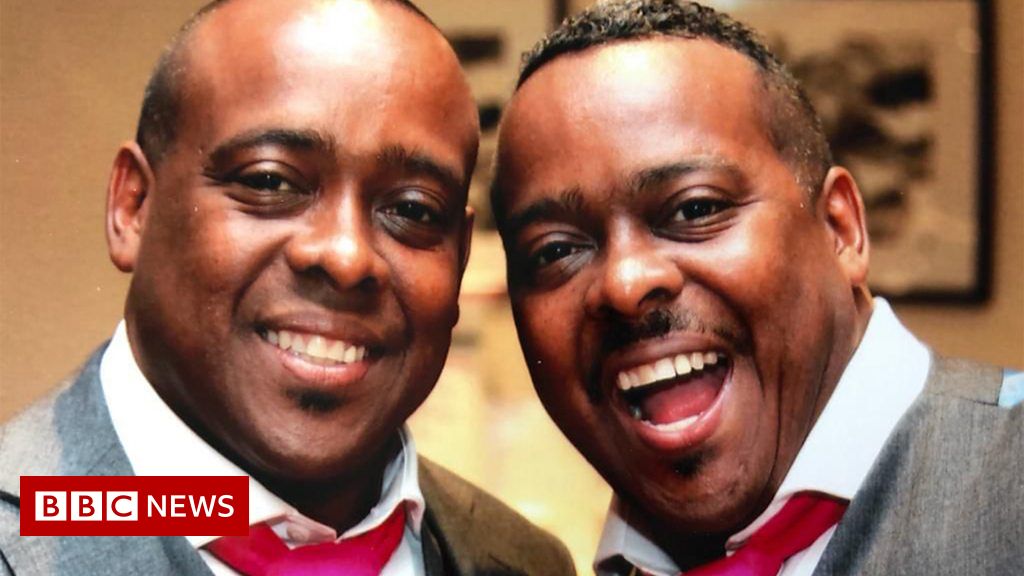
Twins Bobby and Steve, a popular DJing duo both fell into a coma after catching Covid at the beginning of the pandemic. Bobby recovered but more than a year on, his brother still needs round-the-clock care. Now one of the world’s most famous nightclubs Ministry of Sound, in Elephant and Castle, is to host a special night to help raise money for his care at home.Warning: This video contains flashing images.

Read more →

Smoking surge in young during Covid lockdown

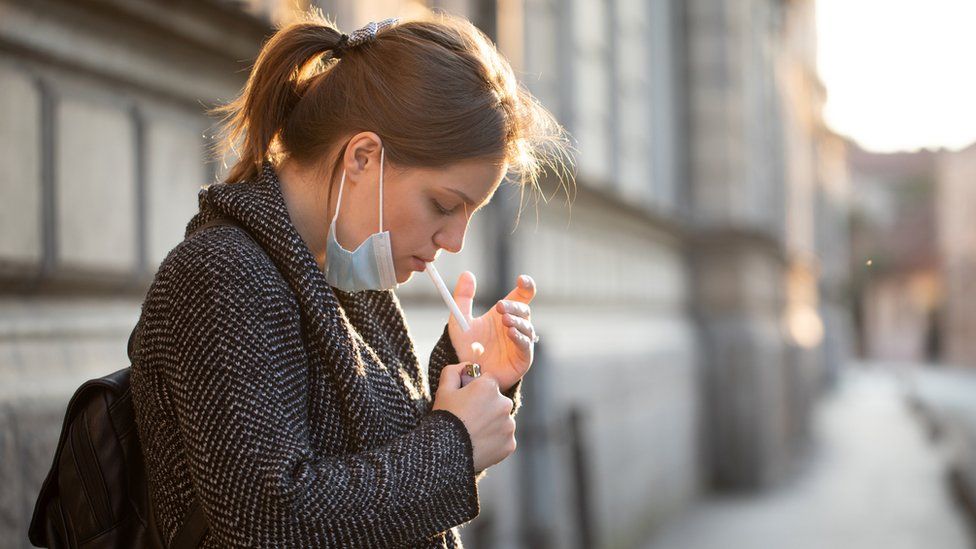
SharecloseShare pageCopy linkAbout sharingimage sourceGetty ImagesEngland saw a rise in young adults taking up smoking during the first lockdown, according to a study. The number of 18 to 34-year-olds who classed themselves as smokers increased by a quarter, from 21.5% to 26.8%, says Cancer Research UK. The data does not explain why the changes occurred but experts believe many turned to cigarettes in response to stress. At the same time, heavy drinking increased across adults of all ages. The findings, published in the journal Addiction, come from monthly surveys, each involving hundreds of people, about tobacco and alcohol use. Researchers compared the responses given in the seven months prior to the first lockdown in spring 2020 with those given during it.Based on population estimates for England, the findings suggest an extra 652,000 young adults were smoking, compared with before the pandemic, say researchers. The data also suggests the pandemic may have been a trigger for many smokers, including young adults, to think about attempting to quit tobacco. There were increases in the number of existing smokers quitting successfully, and overall levels of smoking in adults remain stable, according to the figures. Given that older people report being more worried about becoming seriously ill from Covid, health concerns may have served as a greater deterrent to them than to younger people, say investigators.Lead researcher Dr Sarah Jackson, from University College London, said: “The first lockdown was unprecedented in the way it changed people’s day-to-day lives. “We found that many smokers took this opportunity to stop smoking, which is fantastic. However, the first lockdown was also a period of great stress for many people, and we saw rates of smoking and risky drinking increase among groups hardest hit by the pandemic. “It will be important to keep a close eye on how these increases in smoking and drinking develop over time to ensure appropriate support is made accessible for anyone who needs it.” Cancer Research UK warns there is no safe level of smoking and that it is not a healthy way to relax or relieve anxiety.Deborah Arnott, chief executive of health charity ASH, said swift action was needed to reverse this worrying trend. “The growing number of young adult smokers is a ticking time bomb, as smoking is an addiction which puts people on a path to premature death and disability which is hard to escape. The government has committed to publish a new Tobacco Control Plan this year, which is welcome. “The new figures provide proof, if it were needed, that unless the plan is sufficiently ambitious and well-funded it will not deliver the government’s ambition for England to be smoke-free by 2030.”Related Internet LinksCancer Research UKThe BBC is not responsible for the content of external sites.

Read more →

Covid infection protection waning in double jabbed

SharecloseShare pageCopy linkAbout sharingimage sourceGetty ImagesResearchers say they are seeing some waning of protection against Covid infections in double-jabbed people. The real-world study includes data on positive Covid PCR test results between May and July 2021 among more than a million people who had received two doses of Pfizer or AstraZeneca vaccine. Protection after two shots of Pfizer decreased from 88% at one month to 74% at five to six months. For AstraZeneca, the fall was from 77% to 67% at four to five months. Waning protection is to be expected, say experts. Although some breakthrough infections may be happening, vaccines are still doing a very good job at protecting people against severe Covid illness and deaths. Vaccines saving livesPublic Health England estimates that around 84,600 deaths and 23 million infections have been prevented as a result of the Covid-19 vaccination programme in England so far.Prof Tim Spector, lead investigator on the Zoe Covid Study app behind the research, said the findings could explain recent breakthrough infections that some fully vaccinated people have been reporting. Covid vaccines still effective against Delta variantHow many Covid cases are there in my area?Prof Spector said: “Waning protection is to be expected and is not a reason to not get vaccinated. “Vaccines still provide high levels of protection for the majority of the population, especially against the Delta variant, so we still need as many people as possible to get fully vaccinated.”He estimates that protection against infection could drop to 50% by the winter and boosters will be needed, but other experts urge caution about making predictions for the months ahead.The UK is expected to begin offering some people a third Covid booster jab next month, but is waiting for recommendations from an independent advisory body called the JCVI which is looking at evidence to support a decision. Prof Spector said: “Many people may not need them. Many people may have had a natural booster because they’ve already had a natural Covid infection, so will effectively have had three vaccines. “So I think the whole thing needs to be much more carefully managed than just giving it to everybody which would be a huge waste and ethically dubious given the resources we have. I think we need a more targeted approach than last time.” Dr Simon Clarke, an expert in cellular microbiology at the University of Reading, said infection levels in the community would alter a person’s chance of encountering and catching Covid at any given time, making it hard to draw firm conclusions about waning immunity.Dr Alexander Edwards, also from the University of Reading, said it was important to understand when booster doses might be needed and for whom. “Vaccination does not, unsurprisingly, make people invulnerable, and does not prevent all infections. Variants have real and significant impact on public health, and a lot of people are still tragically dying in the UK from this nasty virus. “The vaccines we have are remarkably safe and effective, and still remain far better than other vaccines that give massive benefits.” He added: “We must pro-actively plan our public health strategy to account for imperfect protection, and for the possibility of falling protection over time.”A similar study was published by the Office for National Statistics and the Oxford Vaccine Group last week.Based on PCR test results from nearly 400,000 people who had been infected with the Delta variant in the UK, it found two doses of the Pfizer vaccine was initially more than 90% effective against symptomatic Covid infection, compared to around 70% for the AstraZeneca vaccine. But over the course of three months, the protection from Pfizer fell significantly whereas immunity with the AstraZeneca jab remained more stable.Related Internet LinksCOVID Symptom StudyThe BBC is not responsible for the content of external sites.

Read more →

Can the US crack down on fake vaccination cards?

SharecloseShare pageCopy linkAbout sharingAs more people in the US are asked to prove they have been vaccinated in order to work, study or socialise, a flourishing black market in fake vaccination cards has sprung up. But what can be done to tackle it?The operator behind “Covid19vaccinecardsss” took just seconds to reply. One of a slew of Instagram accounts hawking fake proof of Covid-19 vaccination cards, whoever was running the page was eager to sell, inviting the BBC to move over to an encrypted messaging app to make a deal.For $100 (£70), the vendor would deliver a “registered” card, with either the logo of the US Centers for Diseases Control and Prevention (CDC) or Britain’s National Health Service.Payment could be made in Apple Pay or Bitcoin and delivery would be “discrete” and within 24 hours, they promised.”Your cards will be saved into the database system,” they told the BBC. “[These are] very good original vaccine cards, no worries.”As the Delta variant of coronavirus sweeps the US, businesses, universities and cities such as New York and San Francisco have introduced vaccine mandates to boost uptake of jabs. But vaccine hesitancy remains high and a cottage industry for bogus inoculation cards has emerged to help people get around the rules. Fakes have been sold on platforms from eBay to Whatsapp and there have been high profile busts, with warnings that counterfeiters and buyers could face jail. Yet users, authorities and many others are sceptical that the use of false cards can be stopped.Jennifer is head bartender at the busy Peculiar Pub in Greenwich Village, New York, where customers must show proof of vaccination in order to enter as part of a citywide mandate affecting bars, gyms and other indoor venues. No one’s raised her suspicions yet but she thinks it will be “really hard” to spot fake vaccination documents, which in New York can take the form of a paper card from the health authorities or merely a photo of that card. “As long as it’s printed and you can just write a date, how am I going to know the person that injected you and where you got it? There are hundreds and thousands of vaccination sites in the US, people can come to your home now to give you the vaccine.”Counterfeiters appear to be doing brisk business.Last week, customs officials in Memphis, Tennessee and Anchorage, Alaska seized 6,000 false vaccination cards in separate shipments from China destined for recipients across the US.They were printed with the CDC logo and closely resembled the genuine cards given to US citizens when they get vaccinated. However, when officials looked closer they noticed spelling mistakes and poor printing quality. Two visitors from the mainland were arrested Sunday at Honolulu’s airport for violating an Emergency Proclamation by falsifying vaccination cards to travel to Hawaiʻi. Investigators from the AG’s office made the arrests after following up on a tip from a community member.— Governor David Ige (@GovHawaii) August 11, 2021
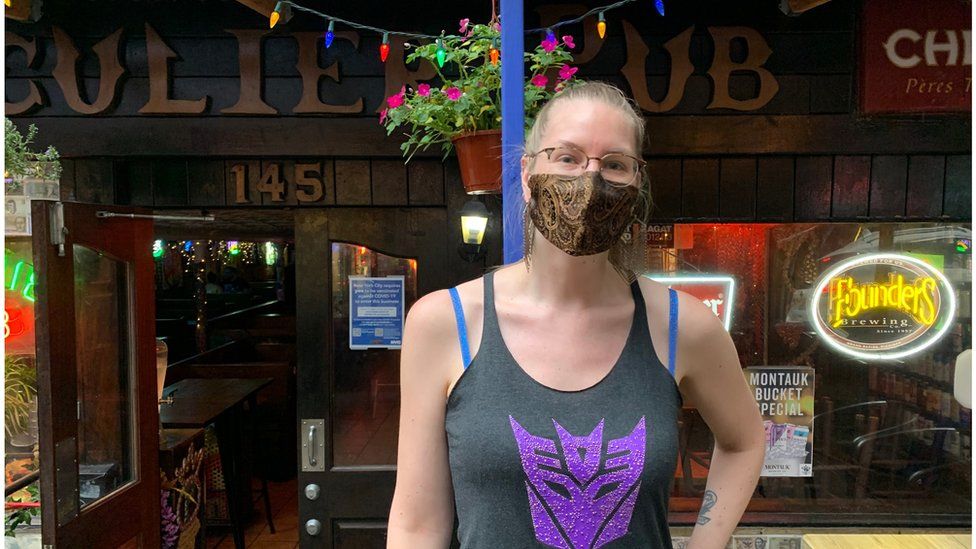
The BBC is not responsible for the content of external sites.View original tweet on TwitterAt the same time, more people who are using false documents are getting caught. Recently, a Miami couple was arrested for allegedly trying to enter Hawaii using fake cards in breach of the state’s travel laws, which require proof of vaccination or a negative test result to avoid quarantine. Enzo Dalmazzo, 43, and Daniela Dalmazzo, 31, who travelled with their two children, are facing $8,000 (£5,000) in fines – although the maximum penalty could have been jail.The flourishing market has prompted warnings from the FBI that unauthorised use of a government agency’s seal is a crime and violators could face fines or up to five years in prison.Chuck Schumer, the Democratic Senate majority leader, has called for a federal crackdown and national education campaign to stop counterfeiting. Why, he also asked, were people risking prosecution to get fake vaccine cards when jabs are free and plentiful in the US?Stacey, who works at another busy Greenwich Village bar, says friends of hers are thinking of buying fake cards because they do not want to get jabbed over fears about vaccine safety. Resistance to jabs and vaccine mandates is fierce in some parts of the US, where only 60% of the adult population is fully vaccinated, and typically driven by online disinformation and calls to protect civil liberties.Stacey, who is vaccinated, says her friends think vaccine mandates could stop them doing everyday things if they become more common, and so fake documentation will offer a workaround. But she adds: “It’s worrisome in terms of public health. If they are choosing to come in with a fake vaccination card they are putting themselves at risk to people who are doing the same thing.”Bogus cards are easily available on social media, messaging apps and the dark web where they can be bought for anywhere between $25 (£18) and $500, according to reports. On Instagram accounts often promote fake cards alongside images featuring anti-vaccination slogans or disinformation about vaccine safety. Instagram shut down accounts the BBC reported but others remain on its site. Anyone buying, selling, or trading in fake, or genuine, medical documents on its platforms will be barred, the company said.”We’ll continue to identify and remove this content whenever we find it, and will disable accounts, pages or groups that repeatedly break our rules,” a spokeswoman told the BBC. image sourceInstagram/BBCSome New York businesses are concerned they could be held liable if someone is found on their premises with a fake card. Sean, who manages Off the Wagon, another nightspot in Greenwich Village, thinks all proof-of-vaccination cards should be digital to stop fraud. Such passes are planned or in use in the UK and Denmark, for example, but the US has no similar scheme.Several digital vaccine apps are available within New York City, but bars like Sean’s still can’t access systems to scan them, which worries him.”I am expecting [fake vaccination cards] just like I expect fake IDs for underage drinking,” he tells the BBC. “But there isn’t much you can do about the paper ones.”That’s why it is important to know we won’t be held liable… We’re at the very early stages with all of this, it’s a fickle process.”

Read more →