U.S. intelligence agencies delivered a report to Biden on the virus’s origins.

The director of national intelligence delivered a report to President Biden on Tuesday on the origins of the coronavirus epidemic, according to U.S. officials, but the nation’s spy agencies have not yet concluded whether the disease was the result of an accidental leak from a lab or if it emerged naturally in a spillover from animals to humans.Mr. Biden had ordered the nation’s intelligence agencies three months ago to draft a report on the origins of the virus, which has been the subject of an intensifying debate, in part to give the agencies a chance to examine a trove of data that had not been fully exploited.But the inquiry, which examined data collected from a virology research institute in Wuhan, China, the city where the virus first spread, has yet to answer the biggest outstanding question about where it came from. Its absence of conclusions underscores the difficulty of pinpointing the source of the virus, particularly given China’s refusal to continue to cooperate with international investigations into the origin the coronavirus.In the months after the pandemic began, intelligence agencies began looking into how it started. Former Secretary of State Mike Pompeo pushed the agencies to look into the theory that the virus was created inside a Chinese lab and accidentally leaked. Mr. Pompeo formed his own research group to study the question.During the Trump administration, intelligence agencies ruled out theories that the virus was deliberately leaked. But they said they could not make a conclusion about what was more likely: an accidental leak from a lab researching coronaviruses or a natural development of the virus.While many scientists were initially skeptical of the lab leak theory, at least some became more open to examining it this year. And some criticized a World Health Organization report in March that found the lab leak theory unlikely.After that report, Biden administration officials became frustrated with a decision by the Chinese government to stop cooperating with further investigations by the World Health Organization into the origins of the pandemic. In the face of what they called Chinese intransigence and a divided American intelligence community, Biden administration officials then ordered a 90-day review of the intelligence, resulting in the report delivered to the president on Tuesday.Current and former officials have repeatedly warned that finding the precise origins of the pandemic may be more of a job for scientists than spies. Under Avril D. Haines, the director of national intelligence, the agencies have stepped up cooperation with scientists, hoping to better understand the current pandemic and possible future ones.Officials also warned that the 90-day review was probably too brief to draw any definitive conclusions.The report remains classified for now, and officials would not discuss its findings. But officials said that Ms. Haines’s office would most likely declassify some information later this week.“I can’t obviously speak to a classified briefing,” Jen Psaki, the White House press secretary, said when reporters asked her about the report on Wednesday. “I know you are eager to receive an unclassified summary, that is something the intelligence community has been working to produce and as soon as that is available it will be put out publicly.”Asked whether the president would be satisfied if the inquiry ended inconclusively, Ms. Psaki said that he was doing everything possible to uncover the truth.“I can assure you the president wants to get to the bottom of the root causes of Covid-19, that as you noted has killed hundreds of thousands of Americans, and wishes that there had been more done earlier on to get to the bottom of it, and to of course save more lives,” she said.Daniel E. Slotnik contributed reporting.

Read more →

Pfizer and BioNTech Press Ahead on Booster Shots

Pfizer and BioNTech said on Wednesday they were now applying to the Food and Drug Administration for supplemental approval of a coronavirus vaccine booster shot for those aged 16 and up, and will submit all their supporting data by the end of this week. The move came as the companies said that a third shot of the vaccine sharply increased the levels of antibodies against the virus.The companies conducted a study of 306 volunteers who received a booster shot about five to eight months after their second shot. Researchers found that the level of antibodies that block the coronavirus jumped more than three times higher than the level after the second dose.The side effects of a third injection were about the same as after the initial two doses, the companies said. The underlying data was not included in the news release, nor were the dates or location of the study specified. The companies said they were preparing a scientific publication describing the research.The news of Pfizer and BioNTech’s booster application came two days after the F.D.A. fully approved their two-dose vaccine for those 16 and older, making it the first to move beyond emergency use status.Over the past few weeks, federal regulators have been racing to collect and evaluate data on booster shots. If the F.D.A. decides additional shots are safe and effective, the Biden administration has said it wants adults to get a third injection eight months after their second shot of the Pfizer or Moderna vaccines, starting the week of Sept. 20.Federal health officials said last week that they believe that the potency of the Pfizer-BioNTech and Moderna vaccines wanes over time, raising the risk of infection from the highly contagious Delta variant. While data indicate that the vaccines continue to offer robust protection against hospitalization and severe disease, the officials said they fear that the situation could change without booster shots.Some public health experts have challenged the plan as premature, saying the available data shows that the vaccines are holding up well against severe disease and hospitalization, including against the Delta variant. Extra shots would be warranted only if the vaccines failed to meet that standard, some have said.Pfizer executives presented an early look at their booster data on July 23, during their second-quarter earnings call. In a smaller study, they found that antibody levels dropped markedly in the months following a second dose. But those levels jumped back up after a third dose. When researchers expanded their focus to a larger group of subjects, they continued to find a strong effect from the boosters.Antibodies that can neutralize the coronavirus are only one kind of defense our immune systems use to fight it. The new study did not include details about other defenses provoked by the vaccine, such as immune cells trained to kill infected cells.The participants in the new booster study were between the ages of 18 and 55. It was not immediately clear why the study did not include older people. Volunteers were followed for a median period of 2.6 months..css-1xzcza9{list-style-type:disc;padding-inline-start:1em;}.css-3btd0c{font-family:nyt-franklin,helvetica,arial,sans-serif;font-size:1rem;line-height:1.375rem;color:#333;margin-bottom:0.78125rem;}@media (min-width:740px){.css-3btd0c{font-size:1.0625rem;line-height:1.5rem;margin-bottom:0.9375rem;}}.css-3btd0c strong{font-weight:600;}.css-3btd0c em{font-style:italic;}.css-w739ur{margin:0 auto 5px;font-family:nyt-franklin,helvetica,arial,sans-serif;font-weight:700;font-size:1.125rem;line-height:1.3125rem;color:#121212;}#NYT_BELOW_MAIN_CONTENT_REGION .css-w739ur{font-family:nyt-cheltenham,georgia,’times new roman’,times,serif;font-weight:700;font-size:1.375rem;line-height:1.625rem;}@media (min-width:740px){#NYT_BELOW_MAIN_CONTENT_REGION .css-w739ur{font-size:1.6875rem;line-height:1.875rem;}}@media (min-width:740px){.css-w739ur{font-size:1.25rem;line-height:1.4375rem;}}.css-9s9ecg{margin-bottom:15px;}.css-16ed7iq{width:100%;display:-webkit-box;display:-webkit-flex;display:-ms-flexbox;display:flex;-webkit-align-items:center;-webkit-box-align:center;-ms-flex-align:center;align-items:center;-webkit-box-pack:center;-webkit-justify-content:center;-ms-flex-pack:center;justify-content:center;padding:10px 0;background-color:white;}.css-pmm6ed{display:-webkit-box;display:-webkit-flex;display:-ms-flexbox;display:flex;-webkit-align-items:center;-webkit-box-align:center;-ms-flex-align:center;align-items:center;}.css-pmm6ed > :not(:first-child){margin-left:5px;}.css-5gimkt{font-family:nyt-franklin,helvetica,arial,sans-serif;font-size:0.8125rem;font-weight:700;-webkit-letter-spacing:0.03em;-moz-letter-spacing:0.03em;-ms-letter-spacing:0.03em;letter-spacing:0.03em;text-transform:uppercase;color:#333;}.css-5gimkt:after{content:’Collapse’;}.css-rdoyk0{-webkit-transition:all 0.5s ease;transition:all 0.5s ease;-webkit-transform:rotate(180deg);-ms-transform:rotate(180deg);transform:rotate(180deg);}.css-eb027h{max-height:5000px;-webkit-transition:max-height 0.5s ease;transition:max-height 0.5s ease;}.css-6mllg9{-webkit-transition:all 0.5s ease;transition:all 0.5s ease;position:relative;opacity:0;}.css-6mllg9:before{content:”;background-image:linear-gradient(180deg,transparent,#ffffff);background-image:-webkit-linear-gradient(270deg,rgba(255,255,255,0),#ffffff);height:80px;width:100%;position:absolute;bottom:0px;pointer-events:none;}.css-uf1ume{display:-webkit-box;display:-webkit-flex;display:-ms-flexbox;display:flex;-webkit-box-pack:justify;-webkit-justify-content:space-between;-ms-flex-pack:justify;justify-content:space-between;}.css-wxi1cx{display:-webkit-box;display:-webkit-flex;display:-ms-flexbox;display:flex;-webkit-flex-direction:column;-ms-flex-direction:column;flex-direction:column;-webkit-align-self:flex-end;-ms-flex-item-align:end;align-self:flex-end;}.css-12vbvwq{background-color:white;border:1px solid #e2e2e2;width:calc(100% – 40px);max-width:600px;margin:1.5rem auto 1.9rem;padding:15px;box-sizing:border-box;}@media (min-width:740px){.css-12vbvwq{padding:20px;width:100%;}}.css-12vbvwq:focus{outline:1px solid #e2e2e2;}#NYT_BELOW_MAIN_CONTENT_REGION .css-12vbvwq{border:none;padding:10px 0 0;border-top:2px solid #121212;}.css-12vbvwq[data-truncated] .css-rdoyk0{-webkit-transform:rotate(0deg);-ms-transform:rotate(0deg);transform:rotate(0deg);}.css-12vbvwq[data-truncated] .css-eb027h{max-height:300px;overflow:hidden;-webkit-transition:none;transition:none;}.css-12vbvwq[data-truncated] .css-5gimkt:after{content:’See more’;}.css-12vbvwq[data-truncated] .css-6mllg9{opacity:1;}.css-qjk116{margin:0 auto;overflow:hidden;}.css-qjk116 strong{font-weight:700;}.css-qjk116 em{font-style:italic;}.css-qjk116 a{color:#326891;-webkit-text-decoration:underline;text-decoration:underline;text-underline-offset:1px;-webkit-text-decoration-thickness:1px;text-decoration-thickness:1px;-webkit-text-decoration-color:#326891;text-decoration-color:#326891;}.css-qjk116 a:visited{color:#326891;-webkit-text-decoration-color:#326891;text-decoration-color:#326891;}.css-qjk116 a:hover{-webkit-text-decoration:none;text-decoration:none;}Pfizer and BioNTech said that in addition to the F.D.A., they plan to submit their data to regulatory authorities in Europe and other countries.The administration’s booster plan does not as yet include recipients of Johnson & Johnson’s one-shot vaccine. Johnson & Johnson announced earlier on Wednesday that unlike the studies of Moderna’s and Pfizer’s vaccines, a study of 17 volunteers showed little change in their antibody levels over the course of six months.But the study also showed that when the volunteers were given a second shot six months after their first, their antibodies against the coronavirus jumped nine times higher than the level after the first dose. Company officials said they are looking forward to discussing a potential booster strategy for their vaccine with federal health officials.While Pfizer-BioNTech vaccine was fully approved as a two-shot regimen for those 16 and older, adolescents aged 12 to 15 can continue to be vaccinated under the vaccine’s emergency use authorization. Regulators have only authorized a third shot for some people with weakened immune systems.

Read more →

Young athletes with history of concussions may have more changes to their brains

A new study suggests athletes with a history of concussion may show more brain injury from a later concussion, particularly in middle regions of the brain that are more susceptible to damage, when compared to athletes with no history of concussion. The research is published in the August 25, 2021, online issue of Neurology®, the medical journal of the American Academy of Neurology. The athletes participated in sports like football, volleyball and soccer.
“We know concussions may have long-term effects on the brain that last beyond getting a doctor’s clearance to return to play,” said study author Tom A. Schweizer, PhD, of St. Michael’s Hospital in Toronto, Canada. “It is unclear, however, to what extent the effects of repeated concussion can be detected among young, otherwise healthy adults. We found even though there was no difference in symptoms or the amount of recovery time, athletes with a history of concussion showed subtle and chronic changes in their brains.”
This study focused on changes within two areas in the middle of the brain that are especially vulnerable to concussion. Researchers focused on blood flow in the cingulate cortex and white matter microstructure in the corpus callosum. Changes in blood flow and microstructure that show up on brain scans can indicate underlying brain injury. The cingulate cortex is a layer of gray matter that coordinates sensory and motor skills. Below it is the corpus callosum, a broad band of nerve fibers linking the two hemispheres of the brain.
The study looked at 228 athletes with an average age of 20. This included 61 with a recent concussion and 167 without. Within the first group, 36 had a history of concussion. Within the second group, 73 had a history of concussion.
Researchers took up to five brain scans of each recently concussed athlete, from time of injury to one year after returning to play.
Researchers found that one year after a recent concussion, athletes with a history of concussion had sharper declines in blood flow within one area of the cingulate compared to those without a history of concussions. Those with a history of concussion had an average cerebral blood flow of 40 milliliters (mL) per minute, per 100 grams (g) of brain tissue. Those without a history of concussion had an average cerebral blood flow of 53 mL per minute, per 100g of brain tissue.
In athletes with a history of concussion, in the weeks after a new concussion, researchers also found microstructural changes in a region of the brain called the splenium, which is part of the corpus callosum.
“Our findings suggest that an athlete with a history of concussion should be watched closely, as these subtle brain changes may be worsened by repeated injury,” said Schweizer. “Additionally, our results should raise concern about the cumulative effects of repeated head injuries later in life.”
A limitation of the study is that athletes reported their own histories of concussion and could be inaccurate. Further research is needed that would follow athletes over time.
The study was supported by Canadian Institutes of Health Research, the Canadian Institute for Military and Veterans Health Research and Siemens Healthineers Canada.
Story Source:
Materials provided by American Academy of Neurology. Note: Content may be edited for style and length.

Read more →

Add it up: Could this test equal a way to determine dementia risk?

People whose scores on a dementia risk test indicated a less brain-healthy lifestyle, including smoking, high blood pressure and a poor diet, may also have the following: lower scores on thinking skills tests, more changes on brain scans and a higher risk of cognitive impairment. That’s according to a new study published in the August 25, 2021, online issue of Neurology®, the medical journal of the American Academy of Neurology. The study also found that in men, the test scores were associated with poor memory function and markers of brain shrinkage.
“Dementia risk scores might be useful to help identify people at higher risk of dementia earlier, so that potential lifestyle factors can be addressed earlier and monitored more closely,” said study author Sebastian Köhler PhD, of Maastricht University, the Netherlands. “Our study found that a substantial proportion of brain changes might be attributable to risk factors that can be modified.”
The study involved 4,164 people with an average age of 59. All participants took a test called the “Lifestyle for Brain Health” (LIBRA). The total score reflects a person’s potential for developing dementia. This study took into account 11 out of 12 lifestyle factors on the test, including high blood pressure, heart disease, smoking, diet and physical activity. Higher scores reflect higher dementia risk, with scores ranging from -2.7 to +12.7. Overall, the study group had an average score of 1.19. Researchers divided the participants into three groups: those with low risk of dementia, with an average score of -1.47, those with medium risk, with an average score of 1.20, and those with high risk, with an average score of 4.6.
Participants in the study took tests of memory and other thinking skills, such as information processing speed, executive function and attention. Researchers also looked at brain scans for signs of cerebral small vessel disease, which are signs of vascular brain damage often seen in patients who have dementia. They also looked for changes in volumes of white matter and gray matter.
Researchers found that people who were in the high-risk group on the LIBRA test, indicating a less brain-healthy lifestyle, had higher volumes of brain lesions, 1.27 ml compared to 0.48 ml for those in the lowest risk group. The high-risk group also had lower scores on two tests of thinking: information processing speed and executive function and attention.
Only in men, however, did researchers find associations between higher scores on the LIBRA test and lower volumes of grey matter, as well as lower scores on tests of memory.
“More research is needed to confirm these findings and determine why there were differences between men and women,” Köhler said. “It’s exciting that a simple test score may indeed be an index of brain health. We need to learn whether people can improve their scores by making changes in their diet, increasing physical activity or limiting alcohol to low-to-moderate use.”
The study does not prove that lifestyle test scores predict dementia, it only shows an association.
The study was supported by the European Regional Development Fund, the Province of Limburg, the Dutch Ministry of Economic Affairs and Climate Policy, the Weijerhorst Foundation, the Pearl String Diabetes Initiative, Maastricht University, the Annadal Foundation and Health Foundation Limburg, all in the Netherlands.
Story Source:
Materials provided by American Academy of Neurology. Note: Content may be edited for style and length.

Read more →

New study gives insight into how often COVID-19 spreads through households

A new study out in the Clinical Infectious Diseases journal demonstrates how quickly COVID-19 can spread through a household, and provides insight into how and why communities of color have suffered disproportionately from the pandemic.
The observational study, conducted between April and October of 2020, followed 100 COVID-positive patients around the Raleigh, NC area and included a total of 208 additional household members. A household member was defined as someone who was staying in the same living space as the person who tested positive. Researchers tested other household members with PCR nasal swabs weekly for three weeks following the initial COVID case, or by a seroconversion antibody test at the fourth week. Excluding 73 household members who already tested positive for COVID when researchers got to their home, the secondary attack rate among household contacts was 32 percent.
“We think this number is actually much higher,” said Jessica Lin, MD, the study’s senior author and assistant professor in the UNC Department of Medicine, Division of Infectious Diseases at the UNC School of Medicine. “Sometimes we were getting to households to test people four or five days after the initial COVID-positive person showed symptoms. By that time a lot of household members were already infected. But because that infection happened before we got there, we couldn’t include it in our data.”
This study also took place before the more infectious Delta variant was widely circulating in the U.S., leading Lin to believe the current secondary attack rate in households is significantly higher.
The majority of secondary cases occurred within the first week of the initial positive COVID test. Researchers found that these secondary cases shared a similar nasopharyngeal viral load, or the amount of virus a person had in their nose and throat.
“This means the viral load of the index case matters,” Lin said. “A higher viral load means it’s more likely that there will be secondary transmission in a household, and viral load is also an indication of how sick a person could get from the virus.”
The study also looked at living density — the concentration of people living within a household — as a factor that determined whether COVID spread to other household members. Of the participants enrolled in the study, 44 percent identified as Hispanic or non-white. Researchers found that minority households were more likely to experience a higher living density, and had a higher risk of secondary infection that white households.
“It’s very difficult to follow public health guidelines in some living situations,” Lin said. “If you have multiple people and generations sharing common areas or bedrooms, or say you are a single parent, it becomes nearly impossible to isolate or even physical distance.”
Lin says these findings all come back to one key message — vaccinations. The more people in a household that are vaccinated, the less likely the chance that secondary COVID infections occur. Even if one person is vaccinated, it helps, especially if the vaccinated person happens to be the first infection in a household. A person who has been vaccinated will most likely have a lower viral load, which will make it harder for the virus to infect other household members.
“Household transmission really is the main place where most people are getting COVID,” Lin said. “It’s spreading from their family and friends, people that are in their bubble and they feel safe with. When you get vaccinated, you aren’t just protecting yourself, you’re protecting those important people around you.”
This study was funded by the UNC COVID-19 Response Fund, the North Carolina Translational and Clinical Sciences Institute (NC TraCS), and a UNC Gillings Innovation Lab Award.

Read more →

Biomarker may help predict benefits of immunotherapy

In recent years, immune-based treatments for cancer have buoyed the hopes of doctors and patients alike. Drugs called immune checkpoint inhibitors have provided lifesaving benefits to a growing list of people with several types of cancer, including melanoma, lung cancer, bladder cancer, and many more.
Despite the excitement surrounding these medications, a frustrating sticking point has been the inability of doctors to predict who will benefit from them and who will not.
On August 25, 2021, a group of researchers from Memorial Sloan Kettering Cancer Center reported in the journal Science Translational Medicine that a specific pattern, or “signature,” of markers on immune cells in the blood is a likely biomarker of response to checkpoint immunotherapy. Within this immune signature, a molecule LAG-3 provided key information identifying patients with poorer outcomes.
This link was discovered in a group of patients with metastatic melanoma and validated in a second group of patients with metastatic bladder cancer, suggesting that this potential biomarker may be broadly applicable to patients with a variety of cancers.
According to Margaret Callahan, an investigator with the Parker Institute for Cancer Immunotherapy at MSK and the physician-researcher who led the study, the large patient cohorts, robust clinical follow-up, and rigorous statistical approach of the study gives her “enthusiasm that this immune signature is telling us something important about who responds to immunotherapy and why.”
The findings pave the way for prospective clinical trials designed to test whether incorporating this biomarker into patient care can improve outcomes for those who are less likely to benefit from existing therapies.

Read more →

Chicago Will Require All City Workers to Be Vaccinated, Mayor Says

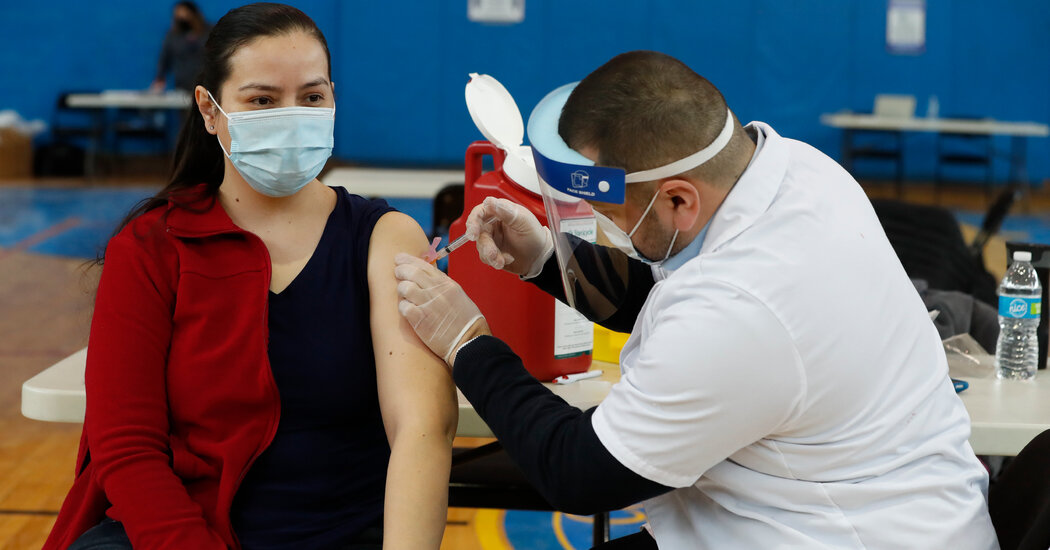
Mayor Lori Lightfoot of Chicago said on Wednesday that all city employees will have to be fully vaccinated by Oct. 15. The action by the city, the second-largest in the United States to impose such a requirement, came as coronavirus infections continue to spread rapidly across the country.The policy will apply to more than 30,000 employees, including teachers, police officers, firefighters and sanitation workers. Employees may apply for a medical or religious exemption.“As cases of Covid-19 continue to rise, we must take every step necessary and at our disposal to keep everyone in our city safe and healthy,” Ms. Lightfoot said in a statement. “Getting vaccinated has been proven to be the best way to achieve that and make it possible to recover from this devastating pandemic. And so, we have decided to join other municipalities and government agencies across the nation, including the U.S. military, who are making this decision to protect the people who are keeping our cities and country moving.”The Los Angeles City Council passed a similar vaccine mandate last week for the city’s nearly 60,000 municipal workers (the public schools there are not part of the city government). Los Angeles County and the city of Seattle have also adopted mandates.In New York City, Mayor Bill de Blasio has announced that teachers and other school employees will be required to be vaccinated, and other city employees must either be vaccinated or submit to weekly coronavirus tests.The Food and Drug Administration granted full approval on Monday to Pfizer-BioNTech’s coronavirus vaccine for people 16 and older, making the vaccine the first to move beyond emergency-use status in the United States.Ms. Lightfoot, whose administration has had a rocky relationship with major labor unions, is expected to face resistance from their members, particularly in the union representing police officers. She said on Wednesday that her administration was in conversations with labor unions to “create a vaccination policy that is workable, fair and effective.”The Fraternal Order of Police in Chicago said earlier this week that it opposed a mandate and was awaiting more information from the mayor’s office.Bob Reiter, the president of the Chicago Federation of Labor, which represents union members in Chicago and Cook County, said that while unions believe in the benefits of vaccination, “we do not believe punitive mandates are the right path to significantly increase vaccine uptake.”“We believe this announcement may harden opposition to the vaccine, instead of protecting the workers who have sacrificed so much over the past 18 months,” Mr. Reiter said in an email.Nearly 64 percent of Chicago residents age 12 and older have been fully vaccinated; nationwide, 60 percent of Americans 12 and older have been fully vaccinated.

Read more →

Researchers identify genetic cause of endometriosis and reveal potential drug target

Endometriosis is a painful, chronic condition in which tissue from the uterus inappropriately grows outside the uterus. Current treatments are limited and include surgery and hormone therapy, which can involve unwanted side effects. New research conducted by Baylor College of Medicine, the University of Oxford, the University of Wisconsin-Madison and Bayer AG, offers new insight into how to treat this debilitating disease.
The researchers performed genetic analyses of humans and rhesus macaques to identify a specific gene, NPSR1, that increases risk of suffering from endometriosis. The results reveal a potential new nonhormonal drug target that may lead to improved therapy. Their results are published in Science Translational Medicine.
The Oxford team, led by corresponding author Dr. Krina T. Zondervan, had previously found a genetic linkage to endometriosis on chromosome 7p13-15 by analyzing DNA from families containing at least three women diagnosed with endometriosis. The Baylor team, led by senior author Dr. Jeffrey Rogers, verified this genetic linkage in the DNA of rhesus monkeys with spontaneous endometriosis at the Wisconsin National Primate Research Center at the University of Wisconsin-Madison. This validation justified further research through in-depth sequencing analysis of the endometriosis families at Oxford, which narrowed down the genetic cause to rare variants in the NPSR1 gene. Most of the women carrying these rare variants had stage III/IV disease. The Baylor researchers similarly sequenced rhesus monkeys and again showed suggestive evidence also in this species. Finally, an Oxford study of more than 11,000 women, including patients with endometriosis and healthy women, identified a specific common variant in the NPSR1 gene also associated with stage III/IV endometriosis.
“This is one of the first examples of DNA sequencing in nonhuman primates to validate results in human studies and the first to make a significant impact on understanding the genetics of common, complex metabolic diseases,” said Rogers, associate professor at the Human Genome Sequencing Center at Baylor. “The primate research really helped to provide confidence at each step of the genetic analysis in humans and gave us motivation to carry on chasing these particular genes.”
The insights revealed in this genetic analysis point to a potential new drug target. As part of this collaboration, researchers at Bayer, in scientific partnership with Oxford University, used an NPSR1 inhibitor to block protein signaling of that gene in cellular assays and then in mouse models of endometriosis. They found this treatment led to reduced inflammation and abdominal pain, thus identifying a target for future research in treating endometriosis.
“This is an exciting new development in our quest for new treatments of endometriosis, a debilitating and underrecognized disease affecting 190 million women worldwide. We need to do further research on the mechanism of action and the role of the genetic variants in modulation of the gene’s effects in specific tissues. However, we have a promising new nonhormonal target for further investigation and development that appears to address directly the inflammatory and pain components of the disease,” said Zondervan, head of the department of women’s and reproductive health, professor of reproductive and genomic epidemiology and co-director of the Endometriosis CaRe Centre at Oxford.
Dr. Thomas Tapmeier, now at Monash University, is co-corresponding author of the study. 
Story Source:
Materials provided by Baylor College of Medicine. Note: Content may be edited for style and length.

Read more →

Widespread tumor suppression mechanism stops cancer progression by interfering with cancer cell metabolism

According to a study by The Wistar Institute, the tumor suppressor Parkin, whose levels are reduced in different cancer types, causes acute metabolic and oxidative stress, suppresses mitochondrial trafficking, and blocks tumor cell movement, reducing primary and metastatic tumor growth. These findings, published today in Science Advances, demonstrate that metabolic and mitochondrial reprogramming, which are well-established hallmarks of tumor progression, act as potent drivers of disease.
“We’ve known for a century that progression from a small, premalignant lesion to an aggressive tumor and then metastasis is accompanied by changes in metabolism that allow cancer cells to support increased energy demands due to continuous growth and adapt to unfavorable microenvironment conditions,” said study lead author Dario C. Altieri, M.D., Wistar president and CEO, director of the Institute’s Cancer Center and the Robert & Penny Fox Distinguished Professor. “Our study provides evidence that reprogramming the metabolic and mitochondrial function is a cancer-promoting factor opposed by tumor suppression mechanisms, and we identified one that is relevant to halting several different types of cancer.”
Altieri and colleagues studied a gene called Parkin that is altered in Parkinson’s disease. Through a degradation mechanism called mitophagy, Parkin was known to protect brain cells by facilitating selective removal of damaged mitochondria, the organelles that produce energy. Previous evidence indicated that Parkin might have a role in regulating cancer cell metabolism and suppressing tumor growth, but the mechanisms remained elusive.
Researchers re-introduced Parkin in prostate cancer cells and other cancer cell types that did not express the protein and observed reduced cell movement and a blocking of invasion. Concordantly, deletion of Parkin in normal cells increased cell motility.
In vivo, Parkin-expressing prostate cancer cells formed smaller tumors and had lower metastatic potential. The team found that Parkin expression was low or undetectable in patient-derived tissue samples and cancer cell lines and decreased in all the tumor types contained in The Cancer Genome Atlas database compared with their respective normal counterpart.
A global proteomic study of cancer cells modified to express Parkin revealed alterations in the protein networks that control cell movement and metastasis and decreased oncogenic signaling.
Importantly, these effects were independent of Parkin’s role in mitophagy in response to mitochondrial damage. Researchers then asked whether other pathological conditions could activate Parkin. They found that exposing Parkin-expressing cancer cells to stress conditions such as nutrient deprivation and DNA-damaging agents resulted in a strong increase in Parkin levels.
Parkin functions as an enzyme that promotes ubiquitination, a process that modifies proteins to flag them for degradation. Researchers observed that this function is required for Parkin’s tumor suppressive activity. Forced Parkin expression in cancer cells alters ubiquitination in protein networks that control cell death, mitochondrial function and glucose metabolism. As a consequence, Parkin interferes with movement of mitochondria within the cells, which affects their function in tumor progression.
“Our lab has described the role these organelles play in cancer, showing that changes in mitochondrial size, shape and distribution within the cells allow for increased cell motility, metastatic dissemination and other aggressive disease traits,” said Ekta Agarwal, Ph.D., first author of the study and a postdoctoral fellow in the Altieri lab. “This new study shows how a tumor suppressor pathway opposes mitochondrial dynamics to counteract cancer progression.”
Researchers further dissected the mechanism of Parkin tumor suppression and its role in controlling metabolism, and demonstrated that Parkin expression blocks an enzyme called transketolase (TKT) that is involved in glycolysis, a metabolic pathway specifically used by cancer cells to generate energy. This block results in reduced energy production.
TKT also plays a key role in counteracting oxidative stress in the cell. Therefore, another consequence of its inhibition is buildup of reactive oxygen species and oxidative stress in the mitochondria, which inhibit mitochondrial function and, in turn, tumor cell motility.
From this study, Parkin emerges as a critical, stress-activated effector of a tumor suppression pathway that antagonizes malignant cell proliferation and metastatic competence by interfering with the ability of cancer cells to reprogram their metabolism.
Story Source:
Materials provided by The Wistar Institute. Note: Content may be edited for style and length.

Read more →

Men and women of Roman Herculaneum had different diets, new research shows

Researchers — led by the University of York’s BioArCh team — developed a new approach to analyse amino acids, the building blocks of proteins, from 17 adult skeletons found in the aftermath of the eruption of Vesuvius in 79 AD.
By measuring the isotopes of carbon and nitrogen in the bone amino acids, the researchers were able to reconstruct the diets of people who lived contemporaneously in much more detail than was previously thought possible.
Senior author, Professor Oliver Craig, the Director of BioArCH from the Department of Archaeology said: “The remains of those who perished at Herculaneum in AD79 offer a unique opportunity to examine the lifestyles across an ancient community who lived and died together. Historical sources often allude to differential access to foodstuffs across Roman society but rarely provide direct or quantitative information.
“We found significant differences in the proportions of marine and terrestrial foods consumed between males and females, implying that access to food was differentiated according to gender.”
In total, 340 individuals have been excavated from the beach and from nine adjacent fornici (stone vaults) that run parallel to the seashore in Herculaneum, near Pompeii, where people sought shelter from the pyroclastic flow.
Researchers said they were able to quantify the gender gap more accurately within the group, with males on average obtaining approximately 50 per cent more more of their dietary protein from seafood compared with females.
Males also obtained a slightly higher proportion of protein from cereals compared with their female contemporaries, whereas females obtained a greater proportion of protein from animal products and locally grown fruits and vegetables.
Lead author, PhD student Silvia Soncin, from the Department of Archaeology, said: “Our research builds on what we know that males had greater access to marine fish at Herculaneum and more broadly in Roman Italy.
“Males were more likely to be directly engaged in fishing and maritime activities, they generally occupied more privileged positions in society, and were freed from slavery at an earlier age providing greater access to expensive commodities, such as fresh fish.
Using their new approach, the researchers were able to more accurately quantify ancient diets so they could be compared with recent nutritional records. The team suggests that fish and seafood made a greater overall contribution to the diets at Herculaneum compared to the average modern Mediterranean diet; the latter increasingly dominated by animal products. Whereas a similar proportion of cereals were consumed between ancient and modern.
The research was conducted in partnership with Rome’s “Museo delle Civiltà” and the Archaeological Parks of Pompeii and Herculaneum, amongst others.
The paper, “High-resolution dietary reconstruction of victims of the AD79 Vesuvius eruption at Herculaneum by compound specific isotope analysis” is published in Science Advances.
Story Source:
Materials provided by University of York. Note: Content may be edited for style and length.

Read more →