Otro riesgo de la covid: problemas persistentes en los riñones
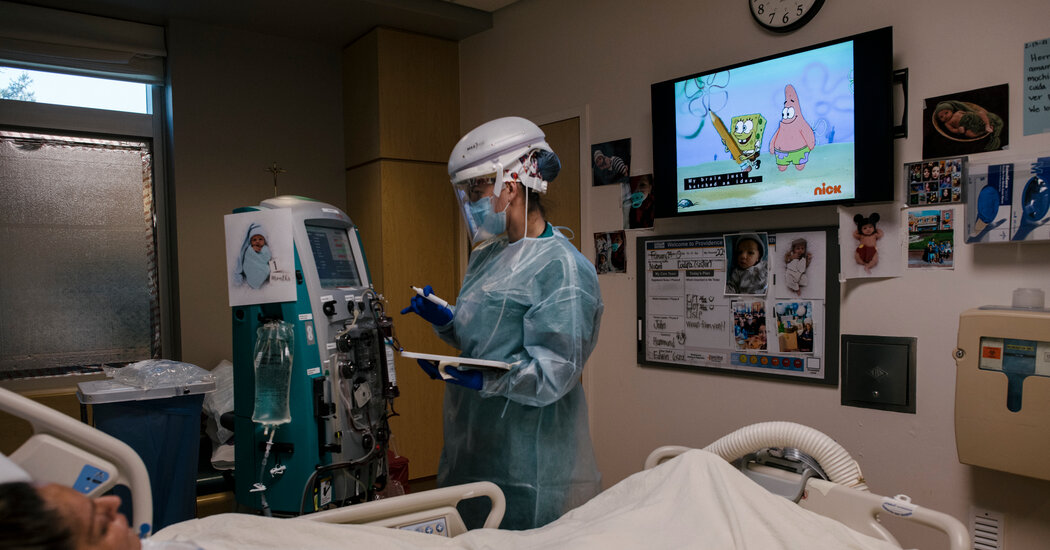
En un gran estudio reciente, los pacientes recuperados de COVID-19 tuvieron 35 por ciento más probabilidades de sufrir daños a largo plazo en los riñones o un deterioro de la función renal.Desde el principio de la pandemia, los médicos han descubierto que la gente que experimenta casos graves de COVID-19 a menudo tiene problemas renales y no solo el daño pulmonar característico de esta enfermedad.Ahora, un estudio muy grande señala que, después de que los pacientes se recuperan de la infección inicial, los problemas renales pueden durar meses y que en algunos pacientes las secuelas pueden originar una reducción considerable de la función renal.En este estudio, publicado el 1 de septiembre en la revista Journal of the American Society of Nephrology, se descubrió que cuanto más enfermos estuvieran los pacientes al principio, más probable era que sufrieran un daño renal prolongado.Pero incluso las personas que contraen el virus y presentan una infección menos grave podrían ser vulnerables.“De manera generalizada, en realidad vemos un mayor riesgo de que se presente una serie de eventos importantes vinculados con el riñón”, señaló F. Perry Wilson, nefrólogo y profesor adjunto de Medicina en la Universidad de Yale, quien no participó en el estudio. “Y lo que más me sorprendió es que estos perduraron”.Los riñones tienen una participación fundamental en el organismo para eliminar las toxinas y el exceso de líquido de la sangre, ayudar a mantener una presión arterial saludable y regular el equilibrio de electrolitos y de otras sustancias importantes. Cuando los riñones no funcionan bien o de manera eficiente, los líquidos se acumulan y provocan inflamación, presión sanguínea alta, debilidad en los huesos y otros problemas.El corazón, los pulmones, el sistema nervioso central y el sistema inmunitario pueden sufrir un deterioro. En la etapa terminal de la insuficiencia renal, quizás se necesite la diálisis o un trasplante de riñón. Esta enfermedad podría provocar la muerte.Este nuevo estudio, el cual se basó en los registros de los pacientes del sistema de salud del Departamento de Asuntos de los Veteranos, analizó la información de 89.216 personas que dieron positivo al coronavirus entre el 1 de marzo de 2020 y el 15 de marzo de 2021, así como la información de 1.637.467 personas que no tuvieron covid.Entre uno y seis meses después de haberse infectado, los sobrevivientes de covid tuvieron aproximadamente un 35 por ciento más de probabilidades de tener un daño renal o un deterioro considerable en la función renal que quienes no tuvieron covid, señaló Ziyad Al-Aly, director del servicio de investigación y desarrollo en el Sistema de Atención a la Salud de San Luis del Departamento de Asuntos de los Veteranos (VA, por su sigla en inglés) y autor sénior del estudio.“Las personas que han sobrevivido a los primeros 30 días de la covid están en riesgo de desarrollar insuficiencia renal”, mencionó Al-Aly, nefrólogo y profesor adjunto de Medicina en la Escuela de Medicina de la Universidad de Washington.Debido a que muchas personas que tienen una función renal disminuida no experimentan dolor ni otros síntomas, “lo que importa en realidad es que la gente sepa que existe un riesgo y que los médicos de los pacientes que tuvieron covid estén muy atentos a la función y a la insuficiencia renal”, explicó.Los dos grupos de pacientes del estudio diferían en que todos los miembros de un grupo se habían infectado con covid y los miembros del otro grupo podían haber tenido una variedad de otros padecimientos. Los especialistas advirtieron que las comparaciones tenían limitaciones.Los investigadores intentaron reducir al mínimo las diferencias a través de análisis detallados que ajustaron a partir de una larga lista de características demográficas, enfermedades preexistentes, uso de medicamentos y si las personas estaban en asilos.Otra limitación es que los pacientes en el estudio del VA eran en su mayoría varones blancos de una edad promedio de 68 años, así que no queda muy claro cuán generalizables son los resultados.Según los expertos, un aspecto sólido de la investigación es que contempla a más de 1,7 millones de pacientes con expedientes médicos electrónicos detallados, lo que la convierte en el estudio más grande hasta ahora sobre problemas renales vinculados a la covid.Aunque lo más probable es que los resultados no sean aplicables para todos los pacientes con covid, muestran que entre los participantes del estudio “existe una afectación muy notable a largo plazo para la salud renal de los sobrevivientes de COVID-19, sobre todo para quienes estuvieron muy enfermos durante la enfermedad aguda”, señaló C. John Sperati, nefrólogo y profesor adjunto de Medicina en la Universidad Johns Hopkins, quien no participó en el estudio.Otros investigadores han descubierto patrones parecidos, “así que este no es el único estudio que indica que estos eventos están ocurriendo después de una infección de COVID-19”, añadió.Sperati y otros especialistas han señalado que incluso si solo un pequeño porcentaje de los millones de sobrevivientes de COVID-19 en Estados Unidos desarrollasen problemas renales prolongados, el impacto para la atención sanitaria sería muy importante.Con el fin de evaluar la función renal, el equipo de investigación evaluó los niveles de creatinina, un producto de desecho que los riñones deben eliminar del cuerpo y también un indicador de la adecuada filtración de la sangre, el cual se denomina índice de filtración glomerular.Wilson explicó que, a lo largo de la vida, los adultos sanos poco a poco pierden la función renal a partir de los treinta y tantos o cuarenta y tantos años a razón de aproximadamente el uno por ciento o menos al año. Las enfermedades y las infecciones importantes pueden provocar una pérdida más significativa o permanente de esta función, la cual puede originar una insuficiencia renal crónica o una insuficiencia renal en etapa terminal.Según Al-Aly, en el nuevo estudio se descubrió que 4757 sobrevivientes de covid habían perdido al menos un 30 por ciento de la función renal en el año posterior a haber tenido la infección.Eso equivale a cerca de “30 años de deterioro en la función renal”, afirmó Wilson.En el estudio se descubrió que existía un 25 por ciento más de probabilidades de que los pacientes que tuvieron covid alcanzaran ese nivel de deterioro que las personas que no contrajeron la enfermedad.Un grupo más pequeño de sobrevivientes de covid presentó deterioro más acentuado. Pero había un 44 por ciento más de probabilidades de que los pacientes con covid perdieran al menos el 40 por ciento de la función renal y era un 62 por ciento más probable que perdieran al menos el 50 por ciento que los pacientes sin covid.Al-Aly informó que en 220 pacientes con covid se detectó insuficiencia renal en etapa terminal, la cual se presenta cuando se pierde al menos el 85 por ciento de la función renal. En el estudio se encontró que los sobrevivientes de covid tenían tres veces más probabilidades de recibir este diagnóstico que los pacientes sin covid.Al-Aly y sus colegas también investigaron un tipo de falla renal repentina llamada insuficiencia renal aguda, la cual otros estudios han encontrado en hasta la mitad de los pacientes hospitalizados con covid. Esta falla puede sanar sin provocar pérdida de la función renal a largo plazo.No obstante, en el estudio del veteranos, se descubrió que meses después de haber tenido la infección, 2812 sobrevivientes de covid sufrieron insuficiencia renal aguda, casi el doble que los pacientes sin covid, aseveró Al-Aly.Wilson señaló que los nuevos datos respaldaban los resultados de un estudio con 1612 pacientes que realizaron él y sus colegas en el cual descubrieron que los pacientes con covid que tenían insuficiencia renal aguda presentaron una función renal significativamente peor en los meses posteriores a su salida del hospital comparados con quienes presentaban daños renales agudos resultantes de otras enfermedades.En el nuevo estudio, los investigadores no compararon de manera directa a los sobrevivientes de covid con las personas infectadas por otros virus, como el de la influenza, lo cual dificultaba saber si “en realidad estás más enfermo que si hubieras tenido otra infección grave”, comentó Sperati.Sin embargo, en un estudio anterior realizado por el equipo de Al-Aly, en el que se analizaron muchos problemas de salud posteriores a la covid, incluidos los problemas renales, las personas hospitalizadas por COVID-19 tenían un riesgo significativamente mayor de desarrollar problemas de salud a largo plazo en prácticamente todas las categorías médicas, incluidas las afecciones cardiovasculares, metabólicas y gastrointestinales, que las personas hospitalizadas por la gripe.Todos los tipos de trastornos renales monitoreados en el nuevo estudio fueron mucho más frecuentes en los pacientes de covid que estuvieron más enfermos al principio, es decir, los que pasaron algún tiempo en cuidados intensivos o los que experimentaron una lesión renal aguda en el hospital.Las personas que estuvieron menos graves durante su hospitalización por covid tenían menos probabilidades de sufrir problemas renales persistentes, pero seguían siendo considerablemente más propensas que los pacientes que no habían tenido covid.“Las personas que corren mayor riesgo son las que realmente lo pasaron mal ya desde el inicio”, dijo Al-Aly. “Pero realmente, nadie se libra del riesgo”.El estudio también descubrió que incluso los pacientes de covid que nunca necesitaron hospitalización tenían un riesgo ligeramente mayor de sufrir problemas renales que la población general de pacientes del VA. Pero el riesgo parecía tan pequeño, dijo Sperati, que “no sé si confiaría” en esos resultados.Wilson observó que algunos pacientes de covid que no necesitaron hospitalización estaban, sin embargo, bastante enfermos y requirieron permanecer en cama durante días. Dijo que es posible que esos fueran los que desarrollaron una disfunción renal a largo plazo, en lugar de las personas en el extremo más leve del espectro de covid.Los médicos no saben por qué la covid puede provocar daño renal. Los expertos explicaron que es posible que los riñones sean especialmente sensibles al aumento de la inflamación o la activación del sistema inmunitario, o que los problemas de formación de coágulos sanguíneos que casi siempre se observan en los pacientes con covid alteren la función renal.Sperati dijo que los pacientes de covid en el hospital parecían tener mayor necesidad de diálisis, y más proteínas y sangre en la orina que los pacientes hospitalizados con otras enfermedades graves.“El coronavirus es probablemente un virus un poco más tóxico para los riñones”, dijo Wilson. “Creo que el síndrome por covid tiene algunos efectos adversos a largo plazo en el riñón”.Pam Belluck es una reportera de ciencia y salud cuyos galardones incluyen un Premio Pulitzer compartido en 2015 y el premio Nellie Bly a la mejor historia de primera plana. Es autora de Island Practice, un libro sobre un doctor peculiar. @PamBelluck

Read more →

Limiting screen time for young adults after concussion results in shorter duration of symptoms

‘A clinical trial of 125 young adults shows that those who limited screen time for 48 hours immediately after suffering a concussion had a significantly shorter duration of symptoms than those who were permitted screen time. These findings, published in JAMA Pediatrics, offer the first clinical evidence that restricting time spent at a computer, television or phone screen in the acute period following a concussion can reduce the duration of symptoms. The study supports preliminary clinical recommendations to limit screen time.
An estimated 2.5 million people go to the emergency department annually because of concussions. Many of these patients are children aged 10 to 19 years old. In 2017, 15 percent of high schoolers had reported being diagnosed at least once with a concussion.
The U.S. Centers for Disease Control and the International Concussion in Sports Group recommend a period of complete cognitive and physical rest for 24 to 48 hours following a concussion diagnosis. Yet, there are no clear guidelines regarding what constitutes cognitive rest during this period.
“It’s one thing parents and children always ask in the emergency department,” said lead author Theodore E. Macnow, MD, assistant professor of pediatrics. “Is screen time allowed?” The average American teen spends as much as seven hours a day in front of a screen, not including time spent doing schoolwork, and many clinicians caution against screen time following a concussion, said Dr. Macnow. Other clinicians, however, believe limited screen time, so long as it doesn’t induce symptoms, is permittable as one of the few forms of safe distraction during this time. “We’re still learning how to treat concussions and there are no clear recommendations regarding screen time,” said Macnow. “Nobody has yet looked at this question in a rigorous way. We wanted to get a better handle on this question, so we conducted a randomized clinical trial.” From June of 2018 to February of 2020, Macnow and colleagues assessed 125 patients age 12 to 25 who presented with a concussion to the Emergency Department at UMass Memorial Medical Center, the clinical partner of UMass Chan Medical School in Worcester. Patients were assessed and randomly placed in one of two cohorts. The first cohort was instructed to abstain from any electronic screens for 48 hours, while the second group was allowed any form of screen so long as it didn’t induce symptoms. Both groups were advised to avoid work and schoolwork for the first 48 hours.
Patients completed a Post-Concussion Symptom Scale (PCSS) at the time of diagnosis and every day for the 10-day study. The PCSS is a 22-symptom scale, which grades each symptom from 0 (not present) to 6 (severe) and reliably detects change over time in concussed patients. In the absence of a head injury, a baseline score of less than 3 on the PCSS survey is considered normal. Additionally, patients completed a screen time survey on days one to three and an activity survey from days four to 10. An analysis of the data showed that the group permitted screen time during the initial 48 hours after a concussion experienced a significantly longer time to recover, measured by a PCSS score of less than three. On average, this group experienced a median time of eight days until symptom resolution compared to 3.5 days for the group that abstained from screen time. During this time, the cohort permitted screen time logged a median of 630 minutes over the 48-hour period while the cohort abstaining from screen time logged a median of 130 minutes.
“These findings support the conclusion that brief screen time abstinence following a concussion is associated with a faster recovery,” said Macnow. “Given this data, preliminary clinical recommendations should be to limit screen time.” Macnow added, “It’s not clear why screen time exacerbated concussion symptoms but there are a lot of reasons to suspect it’s not good.” Macnow said. It’s possible that electronic photons, which are known to triggers migraines, could play a role. Or that screen use may detract from sleep and resumption of normal activities, both of which are felt to be beneficial to concussion recovery. “These findings suggest that a larger, more diverse, multicenter study is warranted to see if the results are consistent,” said Macnow. “What’s more, we only looked at the first 48 hours after diagnosis. It would be worthwhile to see if abstaining from screen time longer had more of an impact or if specific screen time activities — video games vs. television — have a more pronounced effect on recovery time.”
Story Source:
Materials provided by University of Massachusetts Medical School. Original written by Jim Fessenden. Note: Content may be edited for style and length.

Read more →

Firefighter exposure to wildfire smoke compounds varies, depending on duties

Every summer, wildfires rage across the western U.S., and wildland firefighters are tasked with putting them out. But in the process, they inhale smoke and all the compounds in it, which can be harmful at high amounts. Now, researchers reporting in ACS’ Environmental Science & Technology have evaluated the presence of particulate matter and volatile organic compounds (VOCs) around firefighters actively combating blazes, finding the highest exposures among hotshot crews and those creating firebreaks.
Most images of wildland firefighters show them covered from head to toe in black soot, or particulate matter, which they’re breathing in along with a mixture of other compounds in smoke. Inhaling particulate matter is associated with respiratory problems, such as asthma and chronic obstructive pulmonary disease, and researchers suspect that VOCs in wildfire smoke could exacerbate these conditions. However, getting accurate estimates of firefighters’ exposures to these pollutants is tough because of the extreme work environment, the different crew types and the variety of fire suppression tasks. For example, elite hotshot crews are on the front lines battling the hottest zones, while other crews may perform tasks in less intense parts of the fire’s edge or use long hoses to deliver water and foam, usually to remote areas. So, Kathleen Navarro and colleagues wanted to evaluate particulate matter and VOC exposures of different types of firefighters.
The researchers attached air samplers to wildland firefighters’ equipment, which they used when responding to large fires in many locations across the western U.S. Then the team measured the amount of particulate matter collected over one shift, averaging 14 hours, and used that data to estimate exposures to three potentially hazardous VOCs — acrolein, benzene and formaldehyde. Their results showed the single-shift exposures to these substances were below Occupational Safety and Health Administration limits for all subjects. However, the amounts of particulate matter and formaldehyde were above the shift-averaged recommendations of the National Wildfire Coordinating Group and National Institute for Occupational Safety and Health for some of the firefighters. Hotshot crews, firefighters creating firebreaks (wide gaps in vegetation to stop the fire’s expansion) and personnel battling blazes in the Pacific Northwest were exposed to the highest amounts of the pollutants. Finally, the team asked the participants to qualitatively assess their smoke exposure, finding the responses aligned with the measured particulate matter exposures. To protect wildland firefighters’ health, the researchers suggest that fire management should work on reducing smoke exposures of firefighters, whenever possible. This could include incorporating self-reporting of exposure and rotate personnel from tasks that regularly experience high exposures to smoke and its pollutants to less smoky ones.
Story Source:
Materials provided by American Chemical Society. Note: Content may be edited for style and length.

Read more →

Steps per day matter in middle age, but not as many as you may think

Walking at least 7,000 steps a day reduced middle-aged people’s risk of premature death from all causes by 50% to 70%, compared to that of other middle-aged people who took fewer daily steps.
But walking more than 10,000 steps per day — or walking faster — did not further reduce the risk, notes lead author Amanda Paluch, a physical activity epidemiologist at the University of Massachusetts Amherst.
The findings, published in JAMA Network Open, highlight the evolving efforts to establish evidence-based guidelines for simple, accessible physical activity that benefits health and longevity, such as walking. The oft-advised 10,000 steps a day is not a scientifically established guideline but emerged as part of a decades-old marketing campaign for a Japanese pedometer, says Paluch, assistant professor of kinesiology in the School of Public Health and Health Sciences.
One question Paluch and colleagues wanted to begin to answer: How many steps per day do we need for health benefits? “That would be great to know for a public health message or for clinician-patient communication,” she says.
The researchers mined data from the Coronary Artery Risk Development in Young Adults (CARDIA) study, which began in 1985 and is still ongoing. Some 2,100 participants between age 38 and 50 wore an accelerometer in 2005 or 2006. They were followed for nearly 11 years after that, and the resulting data were analyzed in 2020 and 2021.
The participants were separated into three comparison groups: low-step volume (under 7,000 per day), moderate (between 7,000-9,999) and high (more than 10,000).

Read more →

Platelets key to blood vessel damage in COVID-19 patients

Abnormal crosstalk between blood platelets and cells lining blood vessels is one cause of deadly organ damage in patients with severe COVID-19, a new study finds.
Led by researchers from NYU Grossman School of Medicine, the study revealed the protein signals given off by platelets, cell fragments that contribute to blood clotting, create inflammation, abnormal clotting, and damage to vessels when exposed to the pandemic virus.
Published online Sept. 8 in Science Advances, the work identified two related genes, S1000A8 and S1000A9, which are turned up in the platelets of COVID-19 patients, causing them to make more of myeloid-related proteins (MRP) 8 and 14. Higher levels of the two proteins, known to operate as a pair and be present in large amounts in immune cells, were linked in the study to higher levels of clotting and inflammation in vessels, greater disease severity, and longer hospital stays.
In support of the theory that platelets are at the core of blood vessel damage in COVID-19, the research team also presented evidence that approved medications known to block platelet activation via the platelet surface protein P2Y12 (clopidogrel or ticagrelor) reduced COVID-19-related inflammation in vessels. The study also found that COVID-19-exposed platelets change cells lining blood vessels (endothelial cells) largely through a protein called P-selectin, which makes platelets stickier and more likely to form clots.
“Our findings reveal a new role for platelets in COVID-19 blood vessel damage, and may explain in large part what makes the COVID-19 virus so much more deadly than its relatives that cause the common cold,” says corresponding author Tessa Barrett, PhD, research assistant professor in the Department of Medicine at NYU Langone Health.
Better Understanding
Abnormal, body-wide inflammation and blood clotting were identified early in the pandemic as central features of severe COVID-19, with the two thought to be interrelated, say the study authors. As blood components that react to injuries in vessels by triggering inflammation, and by becoming sticky to clump together in clots, platelets have been suggested as a culprit for the observed damage. Further, evidence is mounting that the interplay between platelets and endothelial cells may be important to these disease mechanisms.

Read more →

Research uncovers new mechanism that promotes wound healing in skin

A University of California, Irvine-led study identifies a new molecular pathway that promotes the healing of wounds in the skin. Titled, “GRHL3 activates FSCN1 to relax cell-cell adhesions between migrating keratinocytes during wound reepithelialization,” the study was published today in JCI Insight.
The molecular pathway identified is controlled by an evolutionary conserved gene called a Grainyhead like 3 (GRHL3), which is a gene required for mammalian development. Without this gene, several abnormalities may occur, including spina bifida, defective epidermal barrier, defective eyelid closure and soft-tissue syndactyly, a condition in which children are born with fused or webbed fingers.
The study reveals how during wound healing, GRHL3 works to activate a protein coding gene called Fascin Actin-Bundling Protein 1 (Fscn1), to loosen the adhesion between wounded skin cells so they can migrate efficiently to close the wound. Researchers also found that alterations in this process may result in chronic, non-healing wounds, such as diabetic ulcers that affect millions of patients every year.
“What’s exciting about our findings is that we have identified a molecular pathway that is activated in normal acute wounds in humans, and altered in diabetic wounds in mice,” said Ghaidaa Kashgari, PhD, a postdoctoral researcher in the UCI School of Medicine Department of Medicine. “This finding strongly indicates clinical relevance and may improve our understanding of wound healing biology and could lead to new therapies.”
Acute skin wound healing progresses through four overlapping phases: hemostasis, inflammation, proliferation, and tissue remodeling. Although wounds close partially by dermal contraction, reepithelialization occurring during the proliferation phase, is a key step in wound healing.
During reepithelialization, keratinocytes, which are cells that make up the outermost layers of the skin, migrate on top of the underlying granulation tissue, which is the lumpy, pink tissue that forms around the edges of a wound. Ultimately, the keratinocytes meet migrating keratinocytes from the opposing margin to close the wound.
“Despite significant advances in treatment, much remains to be understood about the molecular mechanisms involved in normal wound healing,” said senior author Bogi Andersen, MD, a professor in the Departments of Biological Chemistry and Medicine at the UCI School of Medicine. Department of Biological Chemistry and Department of Medicine, Division of Endocrinology. “Our findings uncover how abnormalities in the GRHL3/FSCN1/E-cadherin pathway could play a role in non-healing wounds which needs to be further investigated.”
This work was supported by the National Institutes of Health and the Irving Weinstein Foundation.
Story Source:
Materials provided by University of California – Irvine. Note: Content may be edited for style and length.

Read more →

Diet may affect risk and severity of COVID-19

Although metabolic conditions such as obesity and type 2 diabetes have been linked to an increased risk of COVID-19, as well as an increased risk of experiencing serious symptoms once infected, the impact of diet on these risks is unknown. In a recent study led by researchers at Massachusetts General Hospital (MGH) and published in Gut, people whose diets were based on healthy plant-based foods had lower risks on both counts. The beneficial effects of diet on COVID-19 risk seemed especially relevant in individuals living in areas of high socioeconomic deprivation.
“Previous reports suggest that poor nutrition is a common feature among groups disproportionately affected by the pandemic, but data on the association between diet and COVID-19 risk and severity are lacking,” says lead author Jordi Merino, PhD, a research associate at the Diabetes Unit and Center for Genomic Medicine at MGH and an instructor in medicine at Harvard Medical School.
For the study, Merino and his colleagues examined data on 592,571 participants of the smartphone-based COVID-19 Symptom Study. Participants lived in the UK and the US, and they were recruited from March 24, 2020 and followed until December 2, 2020. At the start of the study, participants completed a questionnaire that asked about their dietary habits before the pandemic. Diet quality was assessed using a healthful Plant-BasedDiet Score that emphasises healthy plant foods such as fruits and vegetables.
During follow-up, 31,831 participants developed COVID-19. Compared with individuals in the lowest quartile of the diet score, those in the highest quartile had a 9% lower risk of developing COVID-19 and a 41% lower risk of developing severe COVID-19. “These findings were consistent across a range of sensitivity analysis accounting for other healthy behaviors, social determinants of health and community virus transmission rates,” says Merino.
“Although we cannot emphasize enough the importance of getting vaccinated and wearing a mask in crowded indoor settings, our study suggests that individuals can also potentially reduce their risk of getting COVID-19 or having poor outcomes by paying attention to their diet,” says co-senior author Andrew Chan, MD, MPH, a gastroenterologist and chief of the Clinical and Translational Epidemiology Unit at MGH.
The researchers also found a synergistic relationship between poor diet and increased socioeconomic deprivation with COVID-19 risk that was higher than the sum of the risk associated with each factor alone.
“Our models estimate that nearly a third of COVID-19 cases would have been prevented if one of two exposures — diet or deprivation — were not present,” says Merino.
The results also suggest that public health strategies that improve access to healthy foods and address social determinants of health may help to reduce the burden of the COVID-19 pandemic.
“Our findings are a call to governments and stakeholders to prioritize healthy diets and wellbeing with impactful policies, otherwise we risk losing decades of economic progress and a substantial increase in health disparities,” says Merino.
The study was co-led by investigators at Kings College London. Co-authors include Amit D Joshi, Long H Nguyen, Emily R Leeming , Mohsen Mazidi, David A Drew, Rachel Gibson,?Mark S Graham, Chun-Han Lo, Joan Capdevila, Benjamin Murray, Christina Hu, Somesh Selvachandran, Alexander Hammers, Shilpa N Bhupathiraju, Shreela V Sharma, Carole Sudre, Christina M Astley, Jorge E Chavarro, Sohee Kwon, Wenjie Ma, Cristina Menni,?Walter C Willett, Sebastien Ourselin, Claire J Steves, Jonathan Wolf,?Paul W Franks, Timothy D Spector, Sarah Berry, and Andrew T Chan.
Funding for the study was provided by the National Institutes of Health, the National Institute for Health Research, the UK Medical Research Council/Engineering and Physical Sciences Research Council, the Wellcome Trust, the Massachusetts Consortium on Pathogen Readiness, the American Gastroenterological Association, the American Diabetes Association, the Alzheimer’s Society and Zoe Ltd.

Read more →

People with Parkinson's may benefit from seven walking strategies

Various strategies can help people with Parkinson’s who have difficulty walking, but a new study finds that many people have never heard of or tried these strategies. The research is published in the September 8, 2021, online issue of Neurology®, the medical journal of the American Academy of Neurology. The study also found that how well different compensation strategies worked depended on the context in which they were used, such as indoors versus outdoors, under time pressure or not.
“We know people with Parkinson’s often spontaneously invent creative ‘detours’ to overcome their walking difficulties, in order to remain mobile and independent,” said study author Anouk Tosserams, MD, of the Radboud University Medical Centre in Nijmegen, the Netherlands. “For example, people walk to the rhythm of a metronome, by mimicking the gait of another person, or by counting in their head. We found that people are rarely educated about all the different compensation strategies. When they are, people often find strategies that work better for them and their unique circumstances.”
For the study, researchers surveyed 4,324 people with Parkinson’s and disabling gait impairments. These include problems like imbalance, shuffling, falling, staggering and freezing. Of the participants, 35% found that their walking difficulties affected their ability to perform their usual daily activities and 52% had one or more falls in the past year.
The survey explained the seven main categories of compensation strategies. They are: internal cueing, like walking to a count in your head; external cueing, like walking in rhythm to a metronome; changing the balance requirement, like making wider turns; altering mental state, which includes relaxation techniques; action observation and motor imagery, which includes watching another person walk; adapting a new walking pattern, like jumping or walking backwards; and other forms of using the legs, like bicycling and crawling. Each category was explained and participants were asked if they were aware of it, if they’d ever used it, and if so, how it worked for them in a variety of contexts.
Researchers found that people with Parkinson’s commonly use walking compensation strategies, but are not aware of all seven strategies. For example, 17% of the people had never heard of any of these strategies, and 23% had never tried any of them. Only 4% were aware of all seven categories of compensation strategies. The average person knew about three strategies. Other than the use of walking aids and alternatives to walking, the best-known strategy was external cueing, like listening to a metronome, known by 47% of the respondents. That was followed by internal cueing, known by 45%. Action observation and motor imagery was the least known category, known by 14%.
For each strategy, the majority of people who tried it said it had a positive effect. For example, 76% said changing the balance requirement made a positive impact, while 74% said altering their mental state did.
However, researchers also discovered that strategies worked differently according to the context in which the person used it. Internal cueing, for example, seemed highly effective during gait initiation, with a 73% success rate. Only 47% found that tactic useful when trying to stop walking. Similarly, visualizing the movements had an 83% success rate when people used it walking outdoors. It only had a 55% success rate when people used it to navigate a narrow space.
“Our findings suggest that a ‘one-size-fits-all’ approach doesn’t work, because different contexts might require different strategies, or because individuals simply respond better to one strategy compared to another,” Tosserams said. “We need to go a step further and teach people about all the available compensation strategies, for example through a dedicated online educational platform. This may help each person with Parkinson’s find the strategy that works best for them.”
A limitation of the study is that people reported their own gait disability, which was not confirmed by an independent neurological examination.
The study was supported by the Netherlands Organization for Health and Research Development.

Read more →

No serious COVID-19 vaccine side effects in breastfeeding moms, infants, study finds

In December 2020, two novel messenger RNA (mRNA) vaccines for SARS-CoV-2 received emergency use authorization from the U.S. Food and Drug Administration; however, the early trials excluded lactating women, leading to questions about their safety in this specific population.
In a recent study, published in the online edition of Breastfeeding Medicine, researchers at University of California San Diego School of Medicine found that breastfeeding mothers who received either the Pfizer-BioNTech or Moderna vaccination reported the same local or systemic symptoms as what has been previously reported in non-breastfeeding women, with no serious side effects in the breastfed infants.
“A mother’s first concern is the safety of her child,” said Christina Chambers, PhD, MPH, professor of pediatrics at UC San Diego School of Medicine and professor in the Herbert Wertheim School of Public Health and Human Longevity Science. “Our study, along with previous research, suggests the Pfizer and Moderna vaccines are not red flags for breastfeeding mothers and their infants.”
The results found that more than 85 percent of the 180 breastfeeding women in the study who received an mRNA COVID-19 vaccine reported temporary localized symptoms, such as pain, redness, swelling or itching at the injection site, and systemic side effects, including chills, muscle/body aches, fever and vomiting, with higher frequency following the second dose.
Additionally, following the second dose of vaccine, women who received the Moderna brand were significantly more likely to report symptoms. A small proportion of women following the first dose of either vaccine brand reported a reduction in milk supply, and significantly more women reported a reduction in milk supply following the second dose of Moderna.
“We want to emphasize that the reduction in milk supply was in a small subset of women and came back fully within 72 hours after vaccination. We also cannot be certain that the supply reduction was a side effect of the vaccine or another unknown factor,” said Chambers. “What we do know is that the vaccine is incredibly effective in providing protection from COVID-19, which has proven to be a devastating and serious virus with possible long-term side effects.”
Irritability and poor sleep were reported in some breastfed children, but no serious adverse events.

Read more →