The Core Legal Strategy Against Opioid Companies May Be Faltering

Two recent rulings rejected the “public nuisance” argument being used in thousands of cases against the industry, with more trials and settlement talks underway.In 2014, as overdoses and deaths from prescription opioids were catapulting, gutting the budgets of local governments that were struggling to contain the damage, lawyers began working up a novel legal strategy to hold the pharmaceutical industry responsible.That approach, which in the ensuing years became the foundation for more than 3,000 lawsuits, was soundly rejected this month by a California trial judge and, on Tuesday, the Oklahoma Supreme Court, two states where the first opioid trials have concluded.Both decisions found no merit to the plaintiffs’ core argument that, under state law, the companies created a “public nuisance” by overplaying the benefits of their opioid products and downplaying risks. Together the rulings bring into sharp relief a question that has dogged these cases for years: Was this strategy, which critics say requires an unprecedented, expansive reading of public nuisance laws, the best way forward?The rulings could well be ominous indicators for upcoming trials. Jury trials are underway in New York and Ohio. A federal judge’s decision is pending in West Virginia. More trials are on the runway.Meanwhile, settlement talks have been proceeding haltingly. Adam Zimmerman, a law professor who teaches mass litigation at Loyola Law School in Los Angeles, cautioned that the California and Oklahoma rulings have landed early in the overall march of cases but said, “If this keeps up across the other jurisdictions, it could really shift the ground in ongoing settlement talks.”The opinions could prod cities and counties, many of which have been equivocal about settlement deals brokered by states, to capitulate, he said. They could also fuel the resolve of pharmacy chains, like Walmart, Walgreens and CVS, the cluster of defendants most resistant to talks, to fight even harder.Broadly speaking, public nuisance laws, which date to the 12th century in England, bar actions that interfere with rights commonly enjoyed by the public. Just about every state has a public nuisance law; the opioid cases unfolding in federal court apply each state’s statute. In recent years, state nuisance laws have been employed, with mixed results, against manufacturers of guns, paint and vaping devices and have been an increasingly common cudgel against environmental hazards and in climate change litigation.In the opioid cases, thousands of state and local governments and tribes are arguing that companies in the pharmaceutical supply chain — manufacturers, distributors and retail pharmacies — created a “public nuisance” by impeding the public’s health.Judge Peter Wilson of Orange County Superior Court in California, in a video conference during a bench trial of opioid manufacturers in April.Orange County Superior Court, via ReutersIn pragmatic terms, the approach appears both bold and sensible. According to Mr. Zimmerman, many state public nuisance laws do not include a statute of limitations, which would restrict the time available to take legal action. The amount of money that can be recovered can be far greater than that exacted in a more conventional tort claim. And in some states, one defendant can be held liable not only for the damages it created but for those of other defendants as well.The remedy in a public nuisance lawsuit is called abatement: A defendant found liable has to take corrective action and must usually pay substantially to prevent future harm. A polluter must clean up a river, for instance. Indeed, the Oklahoma attorney general’s office worked up a voluminous allocation proposal that sought to have opioid manufacturers pay for years of addiction treatment and education programs.What is turning out to be difficult, however, is establishing an incontrovertible link between a “public nuisance” and the discrete actions of so many types of companies that provide a federally approved medication prescribed by doctors and which are supposed to be monitored by state and federal agencies.Paul Geller, a plaintiffs’ lawyer in the opioid litigation who represents local governments including the cities of San Francisco and Fort Lauderdale, as well as the state of Maryland, saw the rulings as a signal to municipalities to sign on to a $26 billion settlement offer from three distributors as well as Johnson & Johnson. He called the Oklahoma and California decisions “a stark reminder that there is no such thing as a slam-dunk case — trials involve a degree of risk, and appeals are unpredictable.”Both opinions addressed cases brought against opioid manufacturers, notably Johnson & Johnson, and concluded that public nuisance is an insufficient legal weapon. The Nov. 1 ruling was by Judge Peter Wilson of Orange County Superior Court, who presided in a bench trial in a lawsuit filed by the counties of Santa Clara, Los Angeles and Orange and the city of Oakland.Tuesday’s decision by the Oklahoma Supreme Court, the state’s top appeals court, written by Associate Justice James Winchester, overturned a 2019 ruling by the judge in a bench trial in a suit brought by the state attorney general. That judge had found Johnson & Johnson responsible for $465 million.Though the California and Oklahoma judges cited their own state statutes and cases, both opinions said that if public nuisance law were stretched to cover a legal product made by a manufacturer that then passed through numerous hands and had both healthy and dangerous effects, there would be no limit on the application of the law. The California ruling also said local governments needed to have drawn a much more taut line connecting the actions of the opioid manufacturers with overdoses and deaths.Despite the gloominess of the results for hundreds of millions of families devastated by the continuing drug epidemic, the opioid litigation, into which has already been poured billions in legal costs and fees and more than seven years of effort nationwide, is a lumbering behemoth that has come too far to be stopped and yet still has far to go.Significant mileposts have been reached.Hundreds of millions of dollars have been agreed upon in settlements with counties in Ohio and New York, and with New York State and Oklahoma. Billions are on the table from the three distributors as well as Johnson & Johnson, with numerous states and local governments having already signed on. Many states have struck agreements for how to disburse the funds for the strict purposes of treating wounds created by the epidemic.According to federal data, the opioid crisis has claimed more than 500,000 lives, and the problem has only continued to swell during the pandemic.Keith Srakocic/Associated PressThe distributors have agreed in principle to put in place far tighter monitoring programs to catch and halt suspicious opioid orders.Negotiations with Purdue Pharma, the company often portrayed as having set off the opioid crisis with its aggressive marketing of the highly addictive painkiller OxyContin, will not be affected by this month’s rulings. The company has been pursuing a national settlement with states and localities as part of a restructuring plan overseen by a federal bankruptcy judge. In 2019, Purdue, along with its owners, members of the Sackler family, who were not named in the lawsuit, settled with Oklahoma for $250 million. Other opioid manufacturers that have been sued are also moving through bankruptcy proceedings, settling claims.In the meantime, federal trials spun out from an initial compilation of cases before a federal judge in Cleveland, who ruled that the public nuisance claims could proceed, are lining up.The outcome of each trial could be affected by any number of factors, including the specifics of a state’s public nuisance statutes, the evidence a judge permits to be heard, the degree to which each company contributed to that locality’s harms, and whether the verdict is reached by a judge or jury.And of course appeals, which will almost be inevitable, could further upend the results.

Read more →

Infertility: Couple spends £14,000 on IVF after having first child

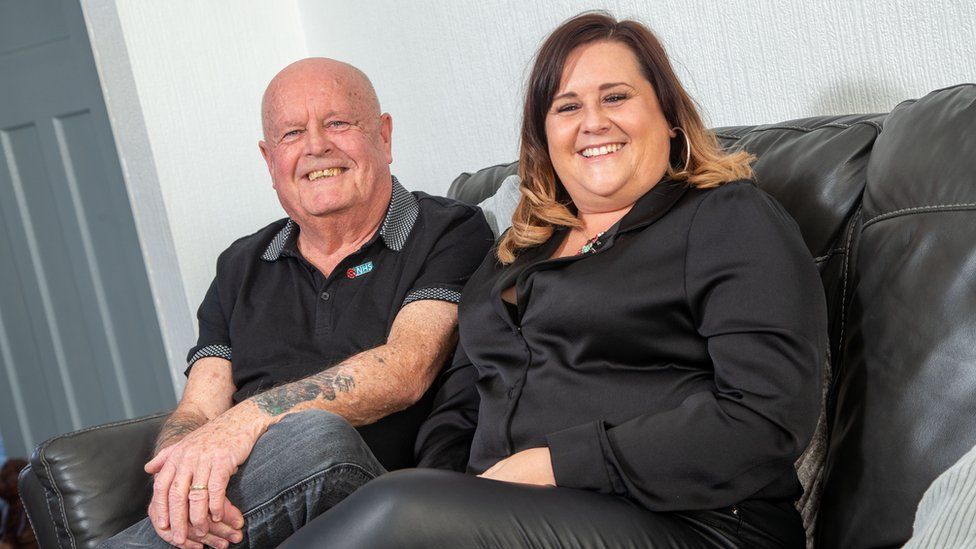
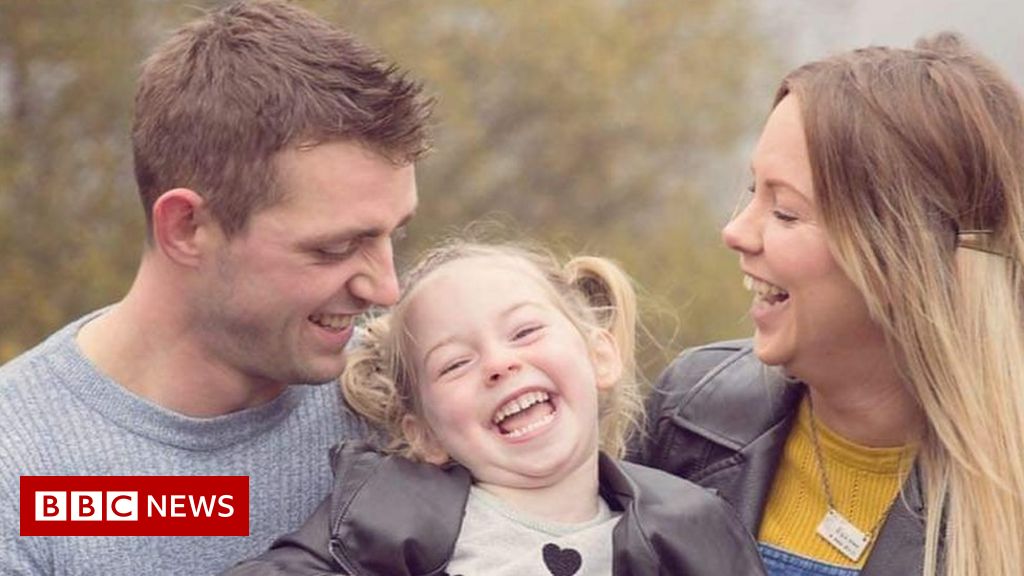
Manon and Chris have spent £14,000 on fertility treatment to have a second child, without success. “Secondary infertility is when you’ve experienced a natural pregnancy and you struggle to conceive a second,” explained Manon. “That feeling of guilt is overwhelming, and it just breaks your heart,” she added. The British Fertility Society said the condition affected about 5% of the UK population.

Read more →

Home virus tests recalled over false positives reach 2 million kits.

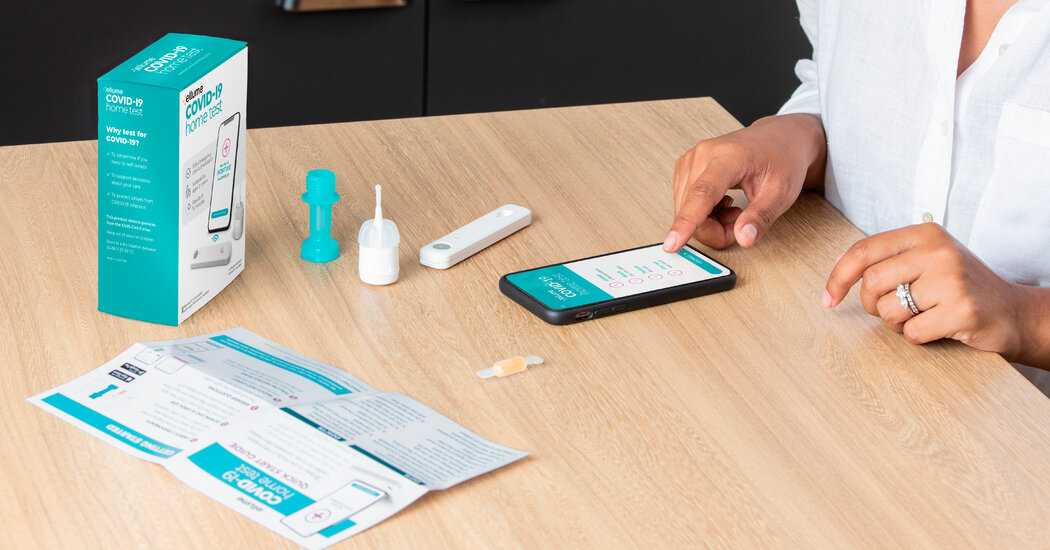
The Australian company Ellume has expanded a recall of its at-home coronavirus test because of concerns about a “higher-than-acceptable” rate of false positives, the U.S. Food and Drug Administration said on Tuesday.The recall now includes roughly 2 million of the 3.5 million test kits that Ellume had shipped to the United States by last month, a substantial increase from the company’s earlier estimate that about 427,000 of those kits were potentially faulty.It is not clear how many false positives the affected tests have yielded. The issue, which the company had previously traced to a problem with one of the raw materials used in its test kits, does not affect the reliability of negative results.The F.D.A. categorized the recall, which was first announced last month, as Class I, the most serious type. Use of the tests could have “serious adverse health consequences,” the agency said. People who falsely test positive for the virus may receive unnecessary treatments for Covid-19 and experience delays in being diagnosed with and treated for “the actual cause of the person’s illness,” the agency noted.“Ellume has investigated the issue, identified the root cause, implemented additional controls, and we are already producing and shipping new product to the U.S.,” a company representative said. “Importantly, not all of the positive results of the affected tests were false positives, and negative results were not affected by this issue.”Many of the affected test kits have already been used. Consumers can determine whether they have used or purchased one of the affected tests, and request a replacement, online.Those who try to use one of the affected test kits will be notified in the app that the test has been recalled. “It really won’t be possible to use any of those tests now,” Dr. Sean Parsons, Ellume’s chief executive, said in an interview last month.The company has put additional precautions in place to prevent the issue from recurring, he added.“I’m very sorry that this has happened,” Dr. Parsons said. “We’re all about chasing accuracy, and to have these false positives is disappointing.”

Read more →

Alabama boy certified as world's most premature baby

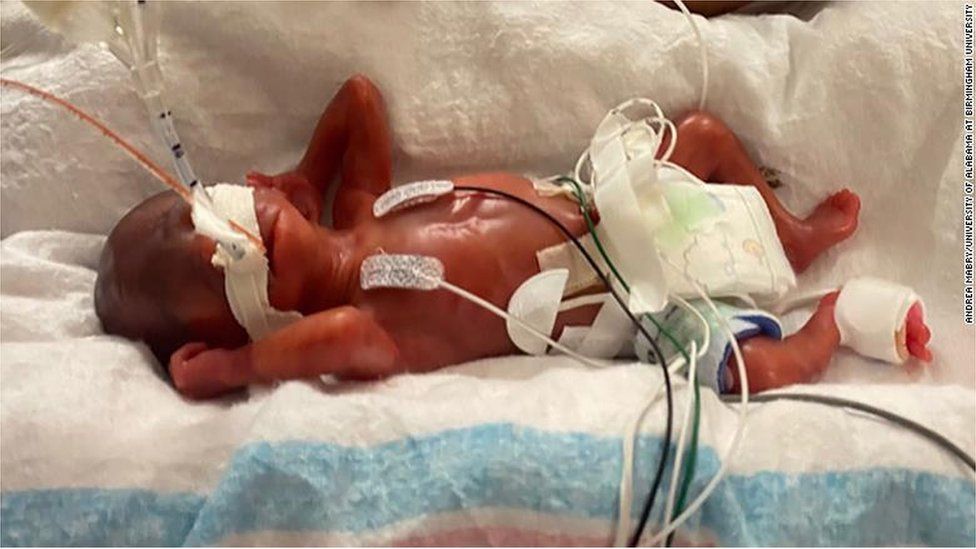
SharecloseShare pageCopy linkAbout sharingImage source, University of Alabama at Birmingham A US boy born at 21 weeks and a day weighing under a pound has been certified as the world’s most premature baby to survive.Curtis Means was delivered in Birmingham, Alabama, last year weighing just 420g (14.8 ounces).Guinness World Records confirmed that Curtis, who is now thriving at 16 months old, set the new record.A full-term pregnancy is usually 40 weeks, making Curtis nearly 19 weeks premature.His mother, Michelle Butler, went into labour and rushed to hospital on 4 July 2020 as Independence Day fireworks filled the night sky.Image source, University of Alabama at Birmingham She gave birth to twins, Curtis and C’Asya, at lunchtime the next day.C’Asya died a day later. The hospital said it typically offers parents compassionate care in such situations, allowing them to hold their tiny infants for what little time they may have left together.But with a less than one per cent chance of survival, Curtis clung on in intensive care.He was taken off a ventilator after three months and discharged this April following 275 days in hospital. Therapists had to help him learn how to breathe and use his mouth to eat.Image source, University of Alabama at Birmingham Mrs Butler, of rural Eutaw, Alabama, said in a statement: “Being able to finally take Curtis home and surprise my older children with their younger brother is a moment I will always remember.” Curtis – who has three older siblings – still needs supplemental oxygen and a feeding tube, but doctors say he is in good health.Dr Brian Sims, the University of Alabama at Birmingham neonatologist who oversaw the delivery, told Guinness World Records: “I’ve been doing this almost 20 years, but I’ve never seen a baby this young be as strong as he was. There was something special about Curtis.”Image source, University of Alabama at Birmingham Curtis shaved 24 hours off the previous record, which was held by Wisconsin baby Richard Hutchinson, who was born just a month beforehand at 21 weeks and two days. Before Richard, the record had remained unbroken for 34 years, having previously been held by a baby boy born in Ottawa, Canada, at 21 weeks and five days.You may also be interested in:This video can not be playedTo play this video you need to enable JavaScript in your browser.

Read more →

Hundreds of patients in gene study given rare disease diagnosis

SharecloseShare pageCopy linkAbout sharingImage source, Tom BanksHundreds of patients with rare diseases have been given a diagnosis for the first time, thanks to a study which involved analysing their entire genome.More than 2,000 families took part and were recruited through the 100,000 Genomes Project, which started in 2013.Scientists behind it say the approach can lead to better care, more focused treatments and can save NHS resources.One in four received a new diagnosis, including Terri Hedley, who inherited a kidney condition from her father. Leslie had endured years of treatment for serious kidney disease which led to two kidney transplants – and was worried that his granddaughter Katie, in addition to his daughter, was going to be affected.But through sequencing of Leslie and Terri’s whole genome, it was discovered she did not have the kidney problem.”It was fantastic to know that it stops with me,” 41-year-old Terri said.”She [Katie] doesn’t need to get regular tests now. We were so worried about her.”Terri’s daily life is not affected by the kidney condition, but her kidney function has deteriorated in the last 20 years.Image source, Terri HedleyA 10-year-old girl with a rare, unknown condition also received a diagnosis through the study which meant she was able to have a bone marrow transplant. She had been admitted to intensive care multiple times and visited hospital on more than 300 occasions.Testing of her siblings revealed no other family members were at risk.The study, led by Genomics England and Queen Mary University of London, marks the first time that whole genome sequencing has been used in a healthcare system and applied to large numbers of patients with rare diseases.Queen Mary’s Prof Sir Mark Caulfield, former chief scientist at Genomics England, said it was a “major advance” which could be rolled out worldwide at the first sign of symptoms.He said the study paved the way for the technique being used in the NHS.What is whole genome sequencing?It’s the process of analysing entire genomes – or all the genes plus the DNA that make up a human being.Your genome is unique, is more than three billion letters long, and is found in almost every cell in your body.Sequencing someone’s genome involves donating a sample of DNA, normally from a small blood sample.One human genome can be sequenced in about a day – but the analysis of it takes much longer.Picking out the differences between one person’s genome and a “reference” genome is the goal and there are often millions.Most are harmless, but they are the reason we are different from each other.Using clever software, scientists work out exactly which differences could be the cause of disease, and these are then fed back to the NHS and the patient.What did the study find?Whole genome sequencing led to a new diagnosis for a quarter of those who took part. They were then able to receive better care, such as change of diet, provision of vitamins and other appropriate therapies. Screening of other family members for the same diagnosis could also take place. A total of 14% of those diagnosed were found in regions of the genome which would have been missed by other methods of testing.Most of the rare diseases identified were: eye conditionsneurodevelopmental conditions metabolic conditions, which are related to diabetes, high blood pressure and obesityThe genes of 4,660 people from more than 2,100 families were analysed between 2014 and 2016 for the study, published in New England Journal of Medicine.Many had gone through years of testing and appointments without getting any answers about the disease affecting their family. All were part of the 100,000 Genomes Project, led by Genomics England.Are rare diseases always genetic?About 6% of the population in Western societies is affected by approximately 10,000 rare disorders.More than 80% of these have a genetic component, and they are often disabling and expensive to manage. One third of children with a rare disease die before their fifth birthday.Prof Damian Smedley, from the Queen Mary research team, said the new approach “was key to us being able to solve the ‘needle in a haystack’ challenge of finding the cause of a rare disease patient’s condition amongst the millions of variants in every genome”.Prof Chris Inglehearn, professor of molecular ophthalmology, at the University of Leeds, said the results showed “beyond doubt” that human genome sequencing “can revolutionise medical care for a wide range of human diseases”.But he added that the 100,000 Genomes Project, which provided the data used in the study, “can prove difficult for clinicians and researchers to access” and that needed to be addressed.Another challenge, scientists say, would be deciding how whole genome sequencing could and should be used to identify rare conditions within the NHS.The 100,000 Genomes Project – Genomics EnglandGenomics EnglandRare Disease UKThe BBC is not responsible for the content of external sites.

Read more →

Mental health: ‘Do we ever see our role models cry?’

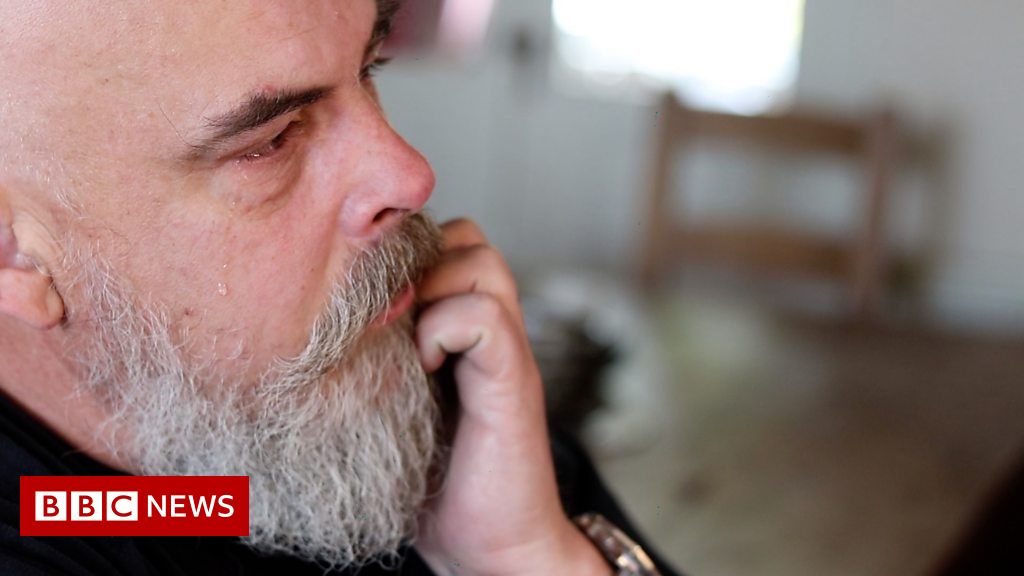
A man from Hampshire has set up a group to get men talking, after losing a close friend to suicide.The ManGang was set up by Andy Bishop, whose friend, ‘Sparky’, took his own life in 2017.Andy started weekly support groups, which run across Hampshire, providing a safe space for men to talk openly about their mental health.Video journalist: Curtis LancasterIf you have been affected by any of these issues you can visit the BBC’s Action Line

Read more →

Home Covid tests recalled over false positives reach 2 million kits.

The Australian company Ellume has expanded a recall of its at-home coronavirus test because of concerns about a “higher-than-acceptable” rate of false positives, the U.S. Food and Drug Administration said on Tuesday.The recall now includes roughly 2 million of the 3.5 million test kits that Ellume had shipped to the United States by last month, a substantial increase from the company’s earlier estimate that about 427,000 of those kits were potentially faulty.It is not clear how many false positives the affected tests have yielded. The issue, which the company had previously traced to a problem with one of the raw materials used in its test kits, does not affect the reliability of negative results.The F.D.A. categorized the recall, which was first announced last month, as Class I, the most serious type. Use of the tests could have “serious adverse health consequences,” the agency said. People who falsely test positive for the virus may receive unnecessary treatments for Covid-19 and experience delays in being diagnosed with and treated for “the actual cause of the person’s illness,” the agency noted.“Ellume has investigated the issue, identified the root cause, implemented additional controls, and we are already producing and shipping new product to the U.S.,” a company representative said. “Importantly, not all of the positive results of the affected tests were false positives, and negative results were not affected by this issue.”Many of the affected test kits have already been used. Consumers can determine whether they have used or purchased one of the affected tests, and request a replacement, online.Those who try to use one of the affected test kits will be notified in the app that the test has been recalled. “It really won’t be possible to use any of those tests now,” Dr. Sean Parsons, Ellume’s chief executive, said in an interview last month.The company has put additional precautions in place to prevent the issue from recurring, he added.“I’m very sorry that this has happened,” Dr. Parsons said. “We’re all about chasing accuracy, and to have these false positives is disappointing.”

Read more →

States Sue U.S. Over Vaccine Mandate for Health Care Workers.

Ten states filed a lawsuit on Wednesday seeking to block the Biden administration’s coronavirus vaccine mandate for health care workers, on the heels of a court decision that temporarily halted the broader U.S. requirement that workers of all large employers be vaccinated or undergo weekly testing.The new suit, filed in U.S. District Court in eastern Missouri, claims the rule issued last week by the Centers for Medicare & Medicaid Services “threatens with job loss millions of health care workers who risked their lives in the early days of the Covid-19 pandemic to care for strangers and friends in their communities.”The 10 states also argue the rule “threatens to exacerbate an alarming shortage of health care workers, particularly in rural communities, that has already reached a boiling point.” They say any further losses will only endanger patients, causing “devastating adverse effects on health care services.”But the broader point echoes a separate lawsuit brought by many of the same Republican-led states against the private-employer mandate for those with 100 workers or more, contending that OSHA does not have the authority to dictate such policy.In announcing the rule, the administration set a deadline of January for all 17 million health care workers to be fully vaccinated at health care facilities receiving government funding under the Medicare or Medicaid programs. Employees of hospitals and nursing homes, along with other medical sites, would not have the option of testing in lieu of immunization.Federal officials said they could not comment on pending litigation, but legal experts said the agency generally has the ability to establish rules governing the organizations it pays to deliver care. “C.M.S. has very broad authority to regulate Medicare-certified providers,” said Katrina A. Pagonis, a lawyer specializing in regulatory issues for Hooper, Lundy & Bookman.The rule “is essentially a condition of participation” in federally funded programs, said Erin J. McLaughlin, a health care lawyer for Buchanan, Ingersoll & Rooney. The government invoked the Supremacy Clause in the Constitution to pre-empt state and local laws when issuing the rule.President Biden’s call for mandates followed months of pandemic outbreaks as the Delta variant threatened regions of the country, some with low vaccination rates but also others with vulnerable populations like those in nursing homes that had just begun to recover from the devastating death toll of 2020.Some public health experts have argued that breakthrough infections possibly caused by waning immunity six months or more after vaccination, especially among the elderly, was a factor in urging mandates for health care workers.After a steady decline in infections earlier this year among nursing home staffs and residents, spikes in cases this past summer alarmed officials. Many nursing homes had large numbers of workers who remained unvaccinated even after Mr. Biden announced the plan to mandate immunizations..css-1xzcza9{list-style-type:disc;padding-inline-start:1em;}.css-3btd0c{font-family:nyt-franklin,helvetica,arial,sans-serif;font-size:1rem;line-height:1.375rem;color:#333;margin-bottom:0.78125rem;}@media (min-width:740px){.css-3btd0c{font-size:1.0625rem;line-height:1.5rem;margin-bottom:0.9375rem;}}.css-3btd0c strong{font-weight:600;}.css-3btd0c em{font-style:italic;}.css-1kpebx{margin:0 auto;font-family:nyt-franklin,helvetica,arial,sans-serif;font-weight:700;font-size:1.125rem;line-height:1.3125rem;color:#121212;}#NYT_BELOW_MAIN_CONTENT_REGION .css-1kpebx{font-family:nyt-cheltenham,georgia,’times new roman’,times,serif;font-weight:700;font-size:1.375rem;line-height:1.625rem;}@media (min-width:740px){#NYT_BELOW_MAIN_CONTENT_REGION .css-1kpebx{font-size:1.6875rem;line-height:1.875rem;}}@media (min-width:740px){.css-1kpebx{font-size:1.25rem;line-height:1.4375rem;}}.css-1gtxqqv{margin-bottom:0;}.css-16ed7iq{width:100%;display:-webkit-box;display:-webkit-flex;display:-ms-flexbox;display:flex;-webkit-align-items:center;-webkit-box-align:center;-ms-flex-align:center;align-items:center;-webkit-box-pack:center;-webkit-justify-content:center;-ms-flex-pack:center;justify-content:center;padding:10px 0;background-color:white;}.css-pmm6ed{display:-webkit-box;display:-webkit-flex;display:-ms-flexbox;display:flex;-webkit-align-items:center;-webkit-box-align:center;-ms-flex-align:center;align-items:center;}.css-pmm6ed > :not(:first-child){margin-left:5px;}.css-5gimkt{font-family:nyt-franklin,helvetica,arial,sans-serif;font-size:0.8125rem;font-weight:700;-webkit-letter-spacing:0.03em;-moz-letter-spacing:0.03em;-ms-letter-spacing:0.03em;letter-spacing:0.03em;text-transform:uppercase;color:#333;}.css-5gimkt:after{content:’Collapse’;}.css-rdoyk0{-webkit-transition:all 0.5s ease;transition:all 0.5s ease;-webkit-transform:rotate(180deg);-ms-transform:rotate(180deg);transform:rotate(180deg);}.css-eb027h{max-height:5000px;-webkit-transition:max-height 0.5s ease;transition:max-height 0.5s ease;}.css-6mllg9{-webkit-transition:all 0.5s ease;transition:all 0.5s ease;position:relative;opacity:0;}.css-6mllg9:before{content:”;background-image:linear-gradient(180deg,transparent,#ffffff);background-image:-webkit-linear-gradient(270deg,rgba(255,255,255,0),#ffffff);height:80px;width:100%;position:absolute;bottom:0px;pointer-events:none;}.css-1g3vlj0{font-family:nyt-franklin,helvetica,arial,sans-serif;font-size:1rem;line-height:1.375rem;color:#333;margin-bottom:0.78125rem;}@media (min-width:740px){.css-1g3vlj0{font-size:1.0625rem;line-height:1.5rem;margin-bottom:0.9375rem;}}.css-1g3vlj0 strong{font-weight:600;}.css-1g3vlj0 em{font-style:italic;}.css-1g3vlj0{margin-bottom:0;margin-top:0.25rem;}.css-19zsuqr{display:block;margin-bottom:0.9375rem;}.css-12vbvwq{background-color:white;border:1px solid #e2e2e2;width:calc(100% – 40px);max-width:600px;margin:1.5rem auto 1.9rem;padding:15px;box-sizing:border-box;}@media (min-width:740px){.css-12vbvwq{padding:20px;width:100%;}}.css-12vbvwq:focus{outline:1px solid #e2e2e2;}#NYT_BELOW_MAIN_CONTENT_REGION .css-12vbvwq{border:none;padding:10px 0 0;border-top:2px solid #121212;}.css-12vbvwq[data-truncated] .css-rdoyk0{-webkit-transform:rotate(0deg);-ms-transform:rotate(0deg);transform:rotate(0deg);}.css-12vbvwq[data-truncated] .css-eb027h{max-height:300px;overflow:hidden;-webkit-transition:none;transition:none;}.css-12vbvwq[data-truncated] .css-5gimkt:after{content:’See more’;}.css-12vbvwq[data-truncated] .css-6mllg9{opacity:1;}.css-qjk116{margin:0 auto;overflow:hidden;}.css-qjk116 strong{font-weight:700;}.css-qjk116 em{font-style:italic;}.css-qjk116 a{color:#326891;-webkit-text-decoration:underline;text-decoration:underline;text-underline-offset:1px;-webkit-text-decoration-thickness:1px;text-decoration-thickness:1px;-webkit-text-decoration-color:#326891;text-decoration-color:#326891;}.css-qjk116 a:visited{color:#326891;-webkit-text-decoration-color:#326891;text-decoration-color:#326891;}.css-qjk116 a:hover{-webkit-text-decoration:none;text-decoration:none;}Many medical societies came out in favor of strict mandates for health care workers, arguing these employees have a special obligation to keep their patients and colleagues safe. And many large, multistate hospital systems and large nursing home companies began requiring staff vaccination, although others lobbied against blanket requirements.The administration said about 40 percent of all hospitals already require vaccinations. About 73 percent of nursing home workers are now vaccinated, according to federal data.“It’s critical to us to make sure we’re ensuring the safety of residents living in nursing homes and other individuals in health care settings,” said Chiquita Brooks-LaSure, the administrator for Medicare, in an interview after the agency issued the new rule. Vaccinated staff members are less likely to get sick and spread Covid, she said.Ms. Brooks-LaSure acknowledged providers’ concerns over losing workers who refuse to be vaccinated, but she said mandates often ease shortages because employees don’t become infected. “What we’re seeing on the ground is that they are not going to work because they are sick,” she said.She also cited the experience in states that have issued requirements as evidence that vaccination rates will rise as a result of the government’s decision. Many large hospital systems and even city agencies that mandated the vaccine reported that only a small minority of employees were unwilling to be vaccinated.But the 10 states — Alaska, Arkansas, Iowa, Kansas, Missouri, Nebraska, New Hampshire, North Dakota, South Dakota and Wyoming — claim the federal government has overreached its authority to dictate what happens in their states. “This case illustrates why the police power over compulsory vaccination has always been the province of — and still properly belongs to — the states,” they argue in the lawsuit.While some nursing homes and hospitals have expressed disappointment over the new rules, there is little expectation that large numbers would lose their government funding.While Medicare has the authority to terminate providers that do not comply, Ms. Brooks-LaSure emphasized the agency’s approach will be to work with facilities. “Our focus is really on educating providers and getting people to be in compliance,” she said.

Read more →

A newly discovered genetic link to non-alcoholic inflammatory liver disease

Non-alcoholic fatty liver disease (NAFLD) is the accumulation of fat in the liver unrelated to alcohol abuse or other liver diseases. It is often associated with obesity and diabetes and is considered a manifestation of metabolic syndrome. It progresses into non-alcoholic steatohepatitis (NASH) with the onset of inflammation, although it is currently unclear how this occurs. NASH can lead to severe complications such as liver failure, cirrhosis, and liver cancer. Now, a team led by the University of Tsukuba has found that albino mice with a point mutation in the tyrosinase gene are more susceptible to NASH than mice carrying the non-mutated gene.
The prevalence and severity of NAFLD are known to vary between different human ethnicities, with the highest prevalence in Hispanic populations. The tyrosinase gene encodes an enzyme that is involved in melanin production, affecting skin tone. The team observed in preliminary computational analyses that different point mutations in the tyrosinase gene also vary in frequency between different ethnic groups, with the two main variants observed at high frequencies in Hispanic populations. The researchers therefore hypothesized that tyrosinase gene variants could possibly affect the susceptibility and severity of NAFLD and NASH.
The team studied a particular mouse line known as “C57BL/6,” or B6, to test this hypothesis. Albino B6 mice have a single change, known as a point mutation, in the gene tyrosinase. This affects the function of the tyrosinase enzyme so that the albino mice cannot produce melanin properly, losing pigmentation and becoming white instead of black.
Dietary cholesterol contributes to the development of liver inflammation, and so the team fed both albino and black B6 mice a high cholesterol diet for 10 weeks. They found that black B6 mice exhibited no symptoms over the entire course of the diet, while approximately 50% of the albino B6 mice showed a severe phenotype, developing liver injury after a single day that progressed to NASH after 2 weeks.
The team further showed that the albino B6 mice showed high expression of tyrosinase in the small intestine. “This could affect the susceptibility of the mice to NASH by affecting the uptake of cholesterol in the small intestine,” says senior author Assistant Professor Michito Hamada, “pointing to a potential mechanism for this increased susceptibility.”
“As the point mutation in the tyrosinase gene is the only genetic difference between B6 albino and B6 black mice,” explains Assistant Professor Hamada, “our work will facilitate the identification of genetic susceptibility factors for the development of NASH and expand the understanding of the pathophysiology of NASH.”
Story Source:
Materials provided by University of Tsukuba. Note: Content may be edited for style and length.

Read more →