‘Dancing molecules’ successfully repair severe spinal cord injuries

Northwestern University researchers have developed a new injectable therapy that harnesses “dancing molecules” to reverse paralysis and repair tissue after severe spinal cord injuries.
In a new study, researchers administered a single injection to tissues surrounding the spinal cords of paralyzed mice. Just four weeks later, the animals regained the ability to walk.
The research will be published in the Nov. 12 issue of the journal Science.
By sending bioactive signals to trigger cells to repair and regenerate, the breakthrough therapy dramatically improved severely injured spinal cords in five key ways: (1) The severed extensions of neurons, called axons, regenerated; (2) scar tissue, which can create a physical barrier to regeneration and repair, significantly diminished; (3) myelin, the insulating layer of axons that is important in transmitting electrical signals efficiently, reformed around cells; (4) functional blood vessels formed to deliver nutrients to cells at the injury site; and (5) more motor neurons survived.
After the therapy performs its function, the materials biodegrade into nutrients for the cells within 12 weeks and then completely disappear from the body without noticeable side effects. This is the first study in which researchers controlled the collective motion of molecules through changes in chemical structure to increase a therapeutic’s efficacy.
“Our research aims to find a therapy that can prevent individuals from becoming paralyzed after major trauma or disease,” said Northwestern’s Samuel I. Stupp, who led the study. “For decades, this has remained a major challenge for scientists because our body’s central nervous system, which includes the brain and spinal cord, does not have any significant capacity to repair itself after injury or after the onset of a degenerative disease. We are going straight to the FDA to start the process of getting this new therapy approved for use in human patients, who currently have very few treatment options.”
Stupp is Board of Trustees Professor of Materials Science and Engineering, Chemistry, Medicine and Biomedical Engineering at Northwestern, where he is founding director of the Simpson Querrey Institute for BioNanotechnology (SQI) and its affiliated research center, the Center for Regenerative Nanomedicine. He has appointments in the McCormick School of Engineering, Weinberg College of Arts and Sciences and Feinberg School of Medicine.
Read more →

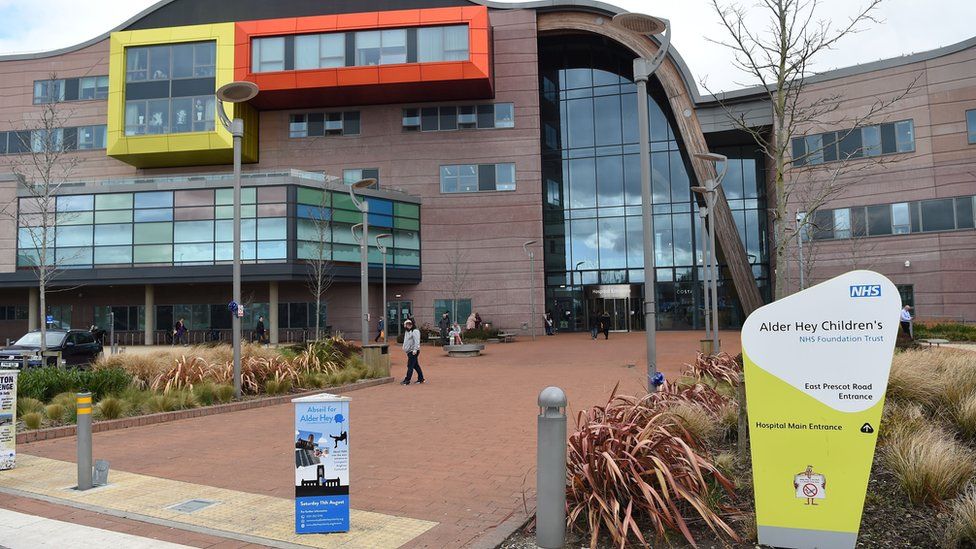
Alder Hey NHS Trust must pay boy £27m over brain injuries

SharecloseShare pageCopy linkAbout sharingImage source, Getty ImagesA boy who suffered “catastrophic brain injuries” when doctors failed to see he had a virus and sent him home after he had a seizure has been awarded £27m.The boy, who cannot be identified but is now 13, suffered seizures as a toddler more than a decade ago.Details of the settlement between the boy’s father and Liverpool’s Alder Hey Children’s NHS Foundation Trust were published in a written ruling.High Court judge Mr Justice Fordham said it was a “sensible settlement”.Trust bosses admitted “breach of duty” and “causation of loss and damage”, the judge said.The judgment, from the hearing in Manchester, said the boy had suffered a seizure at 17 months old on 19 September 2009 and was taken to Alder Hey Children’s Hospital.He suffered a second seizure in the accident and emergency department which was seen by medical staff.The boy was sent home and, despite going back to hospital, was not diagnosed with a virus until 24 September.’Breach of duty'”He sustained catastrophic brain injuries, leading to profound impairments and intractable epilepsy,” said the judge.”Subsequently, the defendant admitted breach of duty.”Subject to one contested point, the defendant also admitted causation of loss and damage.”Mr Justice Fordham said the trust’s case was the boy would always have suffered a “mild residual cognitive deficit and epilepsy in any event” and causation was “still in dispute”.The judge said the boy now had “very significant care needs” and would need 24/7 help from carers for life, plus modified accommodation, along with specialist medical therapies and equipment.Under the settlement the boy will get a lump sum, plus periodical payments throughout his life, with the “overall capitalised value” of the award being worth about £27.3m, the judge said. Evidence showed the boy had been a “healthy toddler” who was developing normally, the judgement said.The judge said he had read about how the world of “each of the members of the family” had been “turned upside down”.”I have learned about how mum and dad came to operate, like a ‘tag team’, so that one of them was with [the boy] at all times.”He said lawyers had told him “how mum and dad had to cope with these most traumatic events” and had responded by meeting their son’s needs by themselves.Why not follow BBC North West on Facebook, Twitter and Instagram? You can also send story ideas to northwest.newsonline@bbc.co.ukAlder Hey Children’s HospitalThe BBC is not responsible for the content of external sites.

Read more →

Unstable housing, homelessness associated with COVID-19 re-infection

New study results demonstrate that unstable housing and homelessness is associated with a two-fold greater chance of being re-infected with SARS-CoV-2 compared to those who are securely housed. Led by researchers at Boston Medical Center, the data indicate that unstable housing was the only demographical factor associated with re-infection despite the presence of antibodies from the first infection. Published online in Clinical Infectious Diseases, the findings demonstrate that potentially high levels of SARS-CoV-2 exposure can overcome robust immune responses, and continuing to follow COVID-19 guidelines may help prevent high risk SARS-CoV-2 exposure among individuals who are experiencing housing insecurity.
“Most individuals with a previous SARS-CoV-2 infection seem to be protected from the virus for many months or even longer, yet some individuals can become infected again with the virus only a few months later,” said Manish Sagar, MD, an infectious diseases physician at Boston Medical Center. “We conducted this study to understand whether cases of re-infection with SARS-CoV-2 are associated with any demographic characteristics or if reinfection is due to a deficiency in the patient’s immune response.”
Using electronic medical record data from Boston Medical Center patients, individuals who tested positive for SARS-CoV-2 who tested positive again for SARS-CoV-2 after at least 90 days after initial infection were included in the study cohort (n=75). All individuals that tested negative at least 90 days after an initial SARS-CoV-2 infection were included and classified as the convalescent group (n=1,594). The researchers compared many clinical and demographical characteristics, such as age, sex, and comorbidities, between the reinfection and convalescent group. Next, plasma from a smaller subset of patients in each of the two groups was tested for the presence of antibodies that recognize SARS-CoV-2. To confirm re-infection, the researchers sequenced the virus from a few patients after their first infection and compared it to a virus from the same patient after their second infection. No individuals in this study received a COVID-19 vaccine given that the data were collected prior to the public availability of these vaccines.
The analysis showed that the only demographical factor associated with re-infection was unstable housing and/or homelessness, suggesting that individuals who are homeless are more at risk for re-infection than those with a stable living environment. The data also showed no significant differences in the antibodies between the re-infection and convalescent groups, and individuals who were re-infected still had SARS-CoV-2 antibodies present, suggesting that exposure to repeated and/or high levels of virus may be able to overcome the immune responses.
“The association of homelessness with COVID-19 re-infection may be a result of increased exposure to SARS-CoV-2 due to the difficulty of complying with COVID-19 health recommendations, like social distancing and mask usage,” said Sagar, MD, also an associate professor of medicine and microbiology at Boston University School of Medicine.
The researchers are currently exploring additional components of the immune system that may be important in the protection against SARS-CoV-2 re-infection. They also note that future research focusing on transmission networks within the homeless population and understanding if there are specific behaviors that are leading to higher rates of re-infection could help identify potential mitigation strategies.
This study was funded in part by National Institutes of Health grant T32-5T32AI00730928.and grants K24-AI145661 and P30 — AI042853.
Story Source:
Materials provided by Boston Medical Center. Note: Content may be edited for style and length.

Read more →

New study finds evidence of COVID antibodies in breast milk of vaccinated mothers

A study published in JAMA Pediatrics co-authored by researchers at the University of Rochester Medical Center and New York University has found evidence that mothers with two types of immunity from COVID — disease-acquired (those who have contracted COVID and recovered) and vaccination-acquired — produced breast milk with active SARS-CoV-2 antibodies.
The study, titled “Comparison of human milk antibody induction, persistence, and neutralizing capacity in response to SARS-CoV-2 infection versus mRNA vaccination” was funded by The National Institute of Allergy and Infectious Diseases (NIAID) with in-kind support from Medela LLC. Samples were collected from 77 mothers — 47 in the infected group, 30 in the vaccine group — to determine the level of antibodies in breast milk over time. Mothers who had disease-acquired immunity produced high levels of Immunoglobulin A (IgA) antibodies against the virus in breast milk, while vaccine-acquired immunity produced robust Immunoglobulin G (IgG) antibodies.
Both antibodies provided neutralization against SARS-CoV-2, the first time such evidence has been discovered for both IgA and IgG antibodies, according to study co-author Bridget Young, Ph.D., assistant professor in the Division of Pediatric Allergy and Immunology at URMC.
“It’s one thing to measure antibody concentrations, but it’s another to say that antibodies are functional and can neutralize the SARS-CoV-2 virus,” said Young, “One of the exciting findings in this work is that breast milk from both mothers with COVID-19 infection, and from mothers receiving mRNA vaccination contained these active antibodies that were able to neutralize the virus.”
Previous studies from URMC had shown evidence of antibodies in breast milk from COVID positive mothers. This follow-up study represents the longest time period that disease-acquired antibodies have been examined post-illness, and the results showed that these antibodies exist for three months after infection.
For vaccinated mothers, the study found evidence of a mild-to-modest decline in antibodies — on average — three months post-vaccination.
“The trend in breast milk antibodies aligns with what we see in vaccination sera,” said study co-author Kirsi Jarvinen-Seppo, PhD, M.D., Chief of Pediatric Allergy and Immunology at URMC, “after a few months, the antibodies trend downward, but the levels are still significantly above what they were pre-vaccine.”
Both Young and Jarvinen-Seppo emphasize, however, that while the antibody response exists, it’s not yet shown whether these breast milk antibodies can provide protection against COVID for nursing children.
“The study does not imply that children would be protected from illness,” said Jarvinen-Seppo, “and breast milk antibodies may not be a substitute for vaccination for infants and children, once approved.”
For the next phase of the study, URMC researchers are looking to find evidence whether both vaccination and illness-acquired immunity provide antibodies against other seasonal coronaviruses.
Story Source:
Materials provided by University of Rochester Medical Center. Original written by Scott Hesel. Note: Content may be edited for style and length.

Read more →

Risk calculator to prevent delayed discharges in hospitals

New research could significantly reduce overcrowding in emergency departments — potentially saving the NHS millions of pounds.
In a collaborative project between University Hospitals of North Midlands (UHNM) NHS Trust and Staffordshire University, experts have developed a prediction model to identify patients most at risk of taking up hospital beds longer than needed.
A new study, funded by the North Staffordshire Medical Institute (NSMI), details an eight-variable predictive tool which can calculate the probability of a patient experiencing a delayed discharge at the time of admission.
Delayed discharge from hospital is one of the major challenges facing the NHS and has increased considerably over the last decade. According to 2019 data, delayed bed days cost the equivalent of £27,000 each hour and the additional pressures of COVID-19 have since intensified the problem.
Dr Andrew Davy, GP Lead for Research and Development in A&E at UHNM, explained: “A delayed transfer of care occurs when an adult inpatient is medically ready to go home but is unable to because other necessary care, support or accommodation is unavailable. These delays can have serious implications such as mortality, infections, depression and reductions in patients’ mobility and their ability to undertake daily activities.
“It also has a knock-on effect on patients in A&E departments who cannot move into ward beds until current patients are discharged. This bottleneck effect on flow causes significant overcrowding within emergency departments and other emergency portals, which results in increased mortality, poor patient outcomes and significantly higher consumption of hospital resources.”
For the development of the predictive tool, Md Asaduzzaman, Associate Professor in Operational Research at Staffordshire University, explained: “Administration and clinical data from the Royal Stoke University Hospital’s emergency department was analysed for the study, covering a three-year period from 2018 to 2020. The researchers used information routinely collected when patients are admitted to hospital from A&E to identify several demographic, socio-economic and clinical factors associated with patients experiencing a delayed transfer of care or not.

Read more →

Gut microbiota differences seen in people with autism may be due to dietary preferences

Research suggested that autism spectrum disorder (ASD) may be at least partly caused by differences in the composition of the gut microbiota, based on the observation that certain types of microbes are more common in people with autism. But a paper appearing November 11 in the journal Cell suggests that the link may actually work the other way around: the diversity in species found in the guts of children with autism may be due to their restricted dietary preferences associated with autism, rather than the cause of their symptoms.
“There’s a lot of interest surrounding the role of the gut microbiome in autism, but not a lot of hard evidence,” says senior author Jacob Gratten, of Mater Research in partnership with The University of Queensland in Brisbane, Australia. “Our study, which is the largest to date, was designed to overcome some of the limitations of prior work.”
Over the past decade, as next-generation sequencing of the microbial species in the gut has made analysis of the microbiome more automated and less-time consuming, a number of studies have examined the link between particular species of microbes in the gut and mental health. The gut-brain axis has been linked not only to ASD but also to anxiety, depression, and schizophrenia. The possibility of targeting the microbiota is a growing area of research for new treatments.
In the Cell study, the investigators analyzed stool samples from a total of 247 children between the ages of 2 and 17. The samples were collected from 99 children diagnosed with ASD, 51 paired undiagnosed siblings, and 97 unrelated, undiagnosed children. The subjects included in the analysis were from the Australian Autism Biobank and Queensland Twin Adolescent Brain Project.
The investigators analyzed the samples by metagenomic sequencing, which looks at the entire genome of microbial species rather than short genetic barcodes (as with 16S analysis). It also provides gene-level information rather than just species-level information, and provides a more accurate representation of microbiome composition than 16S analysis, a technique used in many of the earlier studies linking the microbiome to autism.
“We also carefully accounted for diet in all our analyses, along with age and sex,” says first author Chloe Yap, an MD-PhD student who works with Gratten. “The microbiome is strongly affected by the environment, which is why we designed our study with two comparison groups.”
Based on their analysis, the researchers found limited evidence for a direct association of autism with the microbiome. However, they did find a highly significant association of autism with diet and that an autism diagnosis was associated with less-diverse diet and poorer dietary quality. Moreover, psychometric measures of degree of autistic traits (including restricted interests, social communication difficulties, and sensory sensitivity) and polygenic scores (representing a genetic proxy) for ASD and impulsive/compulsive/repetitive behaviors were also related to a less-diverse diet.
“Taken together, the data support a strikingly simple and intuitive model, whereby autism-related traits promote restricted dietary preferences,” Yap says. “This in turn leads to lower microbiome diversity and more diarrhea-like stool.”
The researchers acknowledge several limitations to the current work. One is that the design of the study can’t rule out microbiome contributions prior to ASD diagnosis, nor the possibility that diet-related changes in the microbiome have a feedback effect on behavior. Another is that they could only account for the possible effect of antibiotics on the microbiome by excluding those taking these medications at the time of stool collection. Finally, no comparable datasets are currently available to confirm the findings.
“We hope that our findings encourage others in the autism research community to routinely collect metadata in “omics” studies to account for important (but often underappreciated) potential confounders such as diet,” Gratten says. “Our results also put the spotlight on nutrition for children diagnosed with autism, which is a clinically important (but underrecognized) contributor to overall health and wellbeing.”
The researchers plan to generate new data in a larger sample to replicate their findings.
The authors acknowledge the financial support of the Cooperative Research Centre for Living with Autism (Autism CRC), established and supported under the Australian Government’s Cooperative Research Centres Program. Additional funding support was provided by the Australian National Health and Medical Research Council, the Australian Research Council, and the University of Queensland.
Story Source:
Materials provided by Cell Press. Note: Content may be edited for style and length.

Read more →

CRISPR screen identifies new anti-inflammatory drug target

A metabolic enzyme that has been studied in cancer biology and is important for T cell function may offer a new target for anti-inflammatory therapeutics, Vanderbilt researchers have discovered. They report Nov. 11 in the journal Immunity that inhibiting or genetically deleting the enzyme, called MTHFD2, reduced disease severity in multiple inflammatory disease models.
Jeffrey Rathmell, PhD, Cornelius Vanderbilt Professor of Immunobiology, and his team are interested in how metabolic pathways — the chemical reactions that sustain life — influence immune cell function. In the current studies, they focused on “one-carbon” metabolism, a series of reactions that generates chemical building blocks for the biosynthesis of DNA and other molecules.
“One-carbon metabolism has been a target for drug development for years and years, but it really hasn’t been explored in an unbiased way,” said Rathmell, who is also director of the Vanderbilt Center for Immunobiology. The immunosuppressant drug methotrexate, for example, inhibits an enzyme in the one-carbon metabolism pathway, but it may not be the “right target or the right drug” for optimal therapeutic activity, he said.
To systematically study the pathway in T cells — white blood cells that respond to specific antigens (such as surface proteins on viruses) — Ayaka Sugiura, an MD-PhD student in Rathmell’s group, developed a screening strategy using the genome editing technology CRISPR. She designed CRISPR “guides” to selectively inactivate each gene in the one-carbon metabolism pathway and introduced this “library” into isolated T cells, carefully controlling the experimental conditions so that each cell had only one (or no) inactivated gene.
By studying the modified cells in an animal model of asthma, Sugiura was able to identify genes important to T cell function during the disease process. She then examined the expression of each identified gene during T cell development and in patients with a variety of inflammatory diseases.
MTHFD2 stood out. It was highly expressed in disease states and during embryonic development, but it was expressed at low levels, or not at all, in adult tissues, Sugiura said.

Read more →

Cutting-edge molecular tools reveal potential COVID-19 diagnostic and therapeutic targets

Using some of the most advanced molecular sequencing tools available to evaluate COVID-19 rapid autopsy tissues, researchers have identified four major regulatory pathways, specific molecular effectors behind COVID-19 symptoms, and differences that drive diverging clinical courses among individual patients. This research may pave the way for a more personalized and effective approach to COVID-19 diagnosis and treatment, researchers explain in a new study published in The American Journal of Pathology, published by Elsevier.
“From the time that COVID-19 first hit New York City in March 2020, the Department of Pathology at Mount Sinai made a commitment to uncompromisingly perform as many autopsies as was needed to better understand what causes this complex and devastating illness,” explained lead investigator Carlos Cordon-Cardo, MD, PhD, Professor and Chairman, Department of Pathology, Molecular and Cell-Based Medicine, Icahn School of Medicine at Mount Sinai Hospital, New York, NY, USA. “It was clear to us that beyond the very valuable study of these tissues under the microscope, we would need to dissect the molecular pathways that drive the disease and underlie the diverse clinical complications seen in our patients.”
Rapid autopsies were performed on tissues from two decedents with different symptomology using multi-scale RNA next-generation sequencing methods to provide unprecedented molecular resolution of COVID-19-induced damage. Assessing cells individually and integrating histology and molecular information enabled researchers to capture the unique features of each patient’s illness.
Patient 1 was a male in his 60s with a complex medical history whose hospitalization lasted for over a month. Patient 2, also a male in his 60s, had diabetes and heart failure who died shortly after admission.
Bulk RNA sequencing evaluation in Patient 1 revealed viral RNA in the nasopharynx and lung, but not in the olfactory bulb, prefrontal cortex, oropharynx, salivary gland, heart, liver, or kidney. Comparison of the infected and uninfected tissues revealed four major regulatory pathways. Effectors within these pathways could constitute novel therapeutic targets, such as the complement receptor C3AR1, which can be involved in the development of hyperinflammatory and hypercoagulable states, and decorin, whichplays an important role in the extracellular matrix and could affect the regulation of signaling, autophagy, and macrophage activation and fibrosis in response to chronic injury. These are all critical aspects of severe COVID-19 disease and potentially long-term COVID as well.
Single-nuclei RNA sequencing of olfactory bulb and prefrontal cortex in Patient 1 highlighted greater diversity of coronavirus receptors than is routinely evaluated. Examination of multiple coronavirus-associated receptors revealed only scattered expression of angiotensin converting enzyme 2 (ACE2) in rare cells and robust expression of basigin (BSG) throughout. Though significant attention has been paid to the role of ACE2, these results provide evidence of infection potential in the brain via alternative receptors.
Finally, digital spatial profiling was performed on lung and lymph node tissues from both patients, comparing patients with different characteristics and disease courses. The results showed distinct molecular phenotypes that may be related to early- versus late-stage COVID-19.
The researchers note that the potential diagnostic and prognostic markers and therapeutic targets revealed in this study could not have been uncovered through other methods. Current COVID-19 therapies are generally focused on either the virus itself, with antiviral medications and hyperimmune sera, or nonspecific approaches to the inflammatory and coagulopathic challenges, such as steroids and blood thinners.
“In order to develop new classes of therapeutics that can synergize with existing treatments and act on the key effectors driving these symptoms, it is critical to gain a more detailed, molecular understanding of the pathophysiology of severe COVID-19,” concluded lead author Elisabet Pujadas, MD, PhD, also of the Department of Pathology, Molecular and Cell-Based Medicine, Icahn School of Medicine at Mount Sinai, New York, NY, USA.
The authors have dedicated this work to the memory of co-author Mary E. Fowkes, MD, PhD, “whose passion and leadership profoundly shaped our contributions to the understanding and treatment of this disease.” Dr. Fowkes was one of the few pathologists who volunteered to perform autopsies on COVID-19 victims early in the pandemic. She and her team discovered the presence of significant blood clots in the brain and other organs in patients hospitalized with COVID-19. Their discovery led to increased use of blood thinners as a COVID-19 treatment and improved outcomes for some patients.
Story Source:
Materials provided by Elsevier. Note: Content may be edited for style and length.

Read more →

Plant-based alternative food consumption may have doubled in UK over ten years suggests first analysis of its kind

The proportion of UK people reporting eating and drinking plant-based alternative foods such as plant-based milk, vegan sausages and vegetable burgers nearly doubled between 2008-2011 and 2017-2019, according to a new study in Science of the Total Environment.
The study was led by the London School of Hygiene & Tropical Medicine (LSHTM), with partners the University of Oxford. It is believed to be the first analysis of plant-based alternative foods (PBAF) consumption trends in the UK.
Trends from more than 15,000 individuals aged 1.5 years and over were analysed using consumption data from the National Diet and Nutrition Survey 2008-20191. The team found that the proportion of people that reported to eat and drink plant-based alternative foods nearly doubled over the period of the study from 6.7% to 13.1%.
The largest increases were reported among Generation Y (11-23 years old), Millennials (24-39 years old), and among those that reported low meat consumption. Women were also 46% more likely to report consumption of plant-based alternative foods than men.
The researchers say their study suggests that alternative plant-based foods are likely to play an important role in dietary change away from meat and dairy, and take a considerable place in UK diets. However, it remains unknown how healthy and sustainable these alternatives are, so the team call for urgent research to see if the shift to these foods should be strategically promoted.
Dr Pauline Scheelbeek from LSHTM and study author, said: “A global transformation towards sustainable food systems is crucial for delivering on climate change mitigation targets worldwide. In high- and middle-income settings, plant-based meat and dairy alternatives are increasingly being explored and developed as a strategy to reduce consumption of animal-sourced foods. However, the extent to which these foods play a role in dietary change remains largely understudied. This study helps fill that gap.”
Evidence suggests current global food systems and patterns of consumption are unsustainable for human and planetary health. The food system is responsible for roughly 21-37% of global greenhouse gas (GHG) emissions and agriculture accounts for around 70% of freshwater use globally.

Read more →

Lingering COVID symptoms in young, competitive athletes rare, large study finds

The extent and effects of prolonged symptoms in athletes following COVID-19 infection has been an area of clinical uncertainty. In a new study published in the British Journal of Sports Medicine, a group of researchers led by Massachusetts General Hospital (MGH) and the University of Washington School of Medicine (UW Medicine) show persistent symptoms following COVID-19 infections in collegiate athletes appear to be rare. Also rare is chest pain upon return to exercise, but is nonetheless a concerning finding that may warrant further clinical workup.
The latest published findings stem from data gathered through the Outcomes Registry for Cardiac Conditions in Athletes (ORCCA), a national research database established by MGH and UW Medicine. The initiative tracks COVID-19 cases in National Collegiate Athletic Association (NCAA) athletes in order to screen for and better understand cardiopulmonary-related impacts from those infections.
The observational study looked at 3,597 male and female athletes from 44 colleges and universities with prior COVID-19 infections. Of those athletes, just 1.2% were found to have persistent symptoms — defined as symptoms lasting more than three weeks from initial illness or symptom onset. During return to exercise, the prevalence of exertional symptoms — including chest pain, shortness of breath, fatigue and heart palpitations — was also low, in 4% of the study cohort.
“For the vast majority of athletes, this study shows that a return to play is possible without lingering COVID symptoms. But any new chest pain or cardiopulmonary symptom should be taken seriously,” says Jonathan Drezner, MD, director of the UW Medicine Center for Sports Cardiology and a senior author of the study. “Even if initial cardiac testing is negative after a COVID-19 illness, chest pain while exerting yourself should be evaluated.”
It’s long been known that COVID-19 can impact the heart, including its membrane and muscle. With the latter, the virus can directly infect heart cells, leading to dangerous inflammation known as myocarditis. Results from the study support the use of cardiac MRI (CMR) in athletes with exertional chest pain and increased clinical suspicion of cardiac involvement after COVID-19. Of the 24 athletes with exertional chest pain who underwent CMR, probable or definite COVID-19 cardiac involvement was found in 5 of the cases, or 20.8%. For athletes with exertional symptoms other than chest pain who underwent CMR, there were no cases of probable or definite COVID-19 cardiac involvement.
“This is useful information as we continue to see so many athletes — collegiate or otherwise — returning to sports,” says Aaron Baggish, MD, director of the MGH Cardiovascular Performance Program and a co-author of the study. “While it’s heartening to see that the risk for persistent COVID symptoms in these athletes is low, we should keep monitoring players and checking in with them on how they’re feeling once they’re back in action.”
Additional authors of the study were Bradley J. Petek, MD, Nathaniel Moulson, MD, Stephanie A. Kliethermes, PhD, Manesh R. Patel, MD, Timothy W. Churchill, MD, and Kimberly G. Harmon, MD.
Story Source:
Materials provided by Massachusetts General Hospital. Note: Content may be edited for style and length.

Read more →