Feeling Grateful This Thanksgiving for Biomedical Research

Credit: Lucky Business/Shutterstock

Yes, we can all agree that 2021 has been a tough year. But despite all that, Thanksgiving is the right time to stop and count our many blessings. My list starts with my loving wife Diane and family, all of whom have been sources of encouragement in these trying times. But also high up on the list this Thanksgiving is my extreme gratitude to the scientific community for all the research progress that has been made over the past 23 months to combat the pandemic and return our lives ever closer to normal.

Last year, we were busy learning how to celebrate a virtual Thanksgiving. This year, most of us are feeling encouraged about holding face-to-face gatherings once again—but carefully!—and coordinating which dishes to prepare for the annual feast.

The COVID-19 vaccines, developed by science in record time and with impressive safety and effectiveness, have made this possible. The almost 230 million Americans who have chosen to receive at least one dose of a COVID-19 vaccine have taken a critical step to protect themselves and others. They have made this season a much safer one for themselves and those around them than a year ago. That includes almost all adults ages 65 and up. While vaccination rates aren’t yet as high as they need to be in younger age groups, about 70 percent of Americans ages 12 and up are now fully vaccinated.

But with evidence that the effectiveness of the vaccines can wane over time and with the continued threat of the Delta variant, I was happy to see the recent approval by both FDA and CDC that all adults 18 and over are now eligible to receive a booster. That is, provided you are now more than 6 months past your initial immunization with the Moderna or Pfizer or 2 months past your immunization with the Johnson & Johnson vaccine. I recently got my Moderna booster and I’m glad for that additional protection. Don’t wait—the booster is the best way to defend against a possible winter surge.

Children age 5 and up are also now eligible to get the Pfizer vaccine, a development that I know brought a sense of relief and gratitude for many parents with school-aged children at home. It will take a little time for full vaccination of this age group. But more than 2.5 million young kids around the country already have rolled up their sleeves and have some immunity against COVID-19. These children are on track to be fully vaccinated before Christmas.

I’m also extremely grateful for all the progress that’s been made in treating COVID-19. Developing new treatments typically takes many years, if not decades. But NIH’s Accelerating COVID-19 Therapeutic Interventions and Vaccines (ACTIV) initiative, a public-private partnership involving 20 biopharmaceutical companies, academic experts, and multiple federal agencies, has helped lead the way to this rapid progress.

We’ve seen successes in the use of monoclonal antibodies and in the repurposing of existing drugs, such as blood thinning treatments, to keep folks hospitalized with COVID-19 from becoming severely ill and needing some form of organ support. Now it looks as though our hopes for safe and effective oral antiviral medicines to reduce the risk of severe illness in individuals just diagnosed with COVID-19 could soon be realized, too.

To combat COVID-19, rapid and readily accessible testing also is key, and NIH’s Rapid Acceleration of Diagnostics (RADx®) initiative continues to speed innovation in COVID-19 testing. RADx® also recently launched a simple online calculator tool to help individuals make critical decisions about when to get a test [1]. Meanwhile, a new initiative called Say Yes! COVID Test (SYCT) is exploring how best to implement home-testing programs in our communities.

More research progress is on the way. But, until the pandemic is history, please remember to stay safe this holiday season. The best way to do so is to get fully vaccinated [2]. As I noted above, most adults who got vaccinated earlier this year are now eligible for a booster shot to ensure they remain well protected. Go to vaccines.gov to find the site closest to you that can provide the shot.

The best way to protect young children who aren’t yet eligible or fully vaccinated and others who may be at higher risk is by making sure you and others around them are vaccinated. It’s still strongly recommended to wear a well-fitting mask over your nose and mouth when in public indoor settings, especially if there’s considerable spread of COVID-19 in your community.

If you are gathering with multiple households or people from different parts of the country, consider getting tested for COVID-19 in advance and take extra precautions before traveling. By taking full advantage of all the many scientific advances we’ve made over the last year, we can now feel good about celebrating together again this holiday season. Happy Thanksgiving!

References:

[1] When to Test offers free online tool to help individuals make informed COVID-19 testing decisions. National Institutes of Health. November 3, 2021.

[2] Safer ways to celebrate holidays. Centers for Disease Control and Prevention. October 15, 2021.

Links:

COVID-19 Research (NIH)

Accelerating COVID-19 Therapeutic Interventions and Vaccines (ACTIV) (NIH)

Rapid Acceleration of Diagnostics (RADx®) (NIH)

When To Test (Consortia for Improving Medicine with Innovation & Technology, Boston)

Read more →

VR helps parents visualise child's surgery

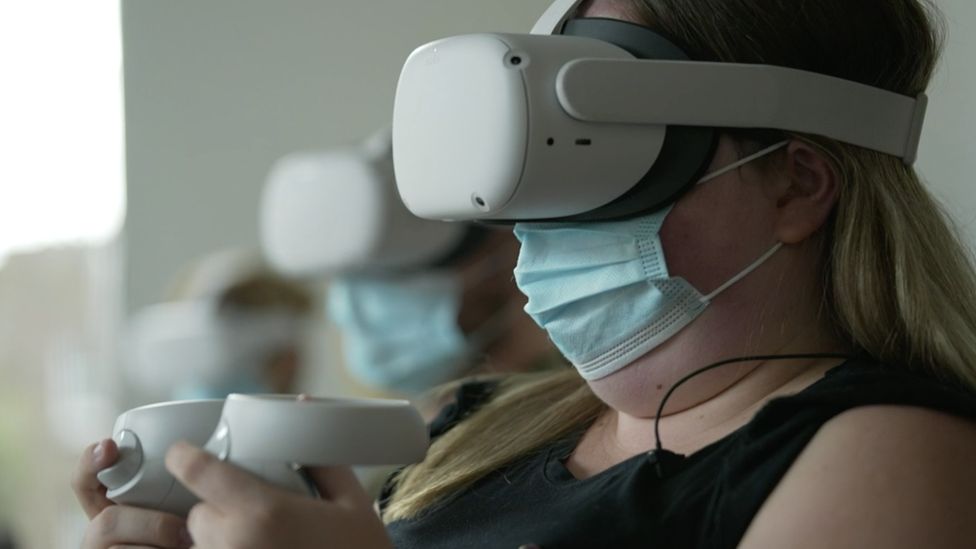
SharecloseShare pageCopy linkAbout sharingSix-month-old Archie was born with a condition where the growth lines in his skull had fused too early.His parents needed to make a difficult decision – opt for the risks of surgery, or let nature take its course with the physical and psychological impacts which could follow.But thanks to a pioneering new technology, Amanda and Judd Michnowiec were able to see what the changes would be beforehand, in virtual reality.That, the doctor behind it says, is more information than most parents get.A VR solutionArchie’s condition – known as Sagittal Synostosis – means that as his brain grows, the skull cannot grow sideways to accommodate it.Instead, it expands to the front and back, distorting the head shape. While the condition is not life-threatening, it can cause speech and language delay, as well as raised intracranial pressure.”It’s been quite overwhelming,” said his mother Amanda. “There have been a lot of appointments, and a lot of time away [from work]”.So Amanda and Judd did not hesitate when Great Ormond Street Hospital for Children offered them the opportunity to be the first to use a ground-breaking new artificial intelligence (AI) platform that predicts the outcome of a life-changing operation in virtual reality.At their first consultation, the immersive environment allowed them to see, from all angles, a reconstruction of Archie’s head generated from a CT scan. Overlaid on top of this, in green, was what his head would look like after the reshaping procedure. The algorithms needed to create these latter images have been made possible by the harnessing of data from 60 operations over the course of the last seven years.”We’re excited, and obviously there is always that worry with what he’s going to have done,” Amanda said after the consultation.”Although it’s a lot to take in, it is reassuring to know that’s what we’ve got to expect, and have that explained, and we’re not going to be waiting and wondering what’s happening.”But the technology not only allows the couple to see and understand what differences the procedure will make – they are also encouraged to suggest potential modifications to the surgeon.’Truly informed consent’Dr Noor Ul Owase Jeelani, a consultant paediatric neurosurgeon at the hospital, said the technology means the couple have a clearer picture of what the future holds.He said: “Now, when they sign the consent form, it’s what I would call truly informed consent.”What I would like to see as a surgeon in 10, or perhaps 20 years’ time, is that most surgical practice is done this way where the control, and the power, is very much given to the parents and the patients.”A few weeks later, his parents having confirmed their decision to go ahead, Archie went in for surgery.The operation involved the insertion of a small spring into his skull, which immediately starts to correct his head shape.The placement, and impact, of this spring was also illustrated in the VR environment. After four weeks, the spring was removed.The technique was invented by Dr Jeelani 13 years ago, and has not only reduced the operation time from three hours to 40 minutes, but has also cut blood transfusions by 90%.This has led to more predictable outcomes, and it is this predictability that has made the data usable for VR visualisations with 90% accuracy.While the technology was created for one particular condition, it is hoped it can be applied to many different sorts of surgery in the future.”What we’ve seen here is essentially proof of principle,” said Dr Jeelani. “That if you take a condition, an art form, and make it granular enough that you can study it, and put it on engineering and AI platforms, then you can actually predict the future with a reasonable amount of accuracy.”Two weeks on from surgery, and Archie and family are doing well.”We’re quite relieved that we’re out the other side now,” Amanda said. “We’ve been told that there shouldn’t be any concerns with development and things, so we’re really happy with how it went. “Having the opportunity to do the VR really reassured us that we were doing the right thing.”Being able to see the “before and after” did relieve that pressure. It was quite a weight off our shoulders – but we’re happy.”The full video documenting Archie’s journey can be viewed now on iPlayer.

Read more →

COVID-19: AstraZeneca CEO on long-term protection from jab

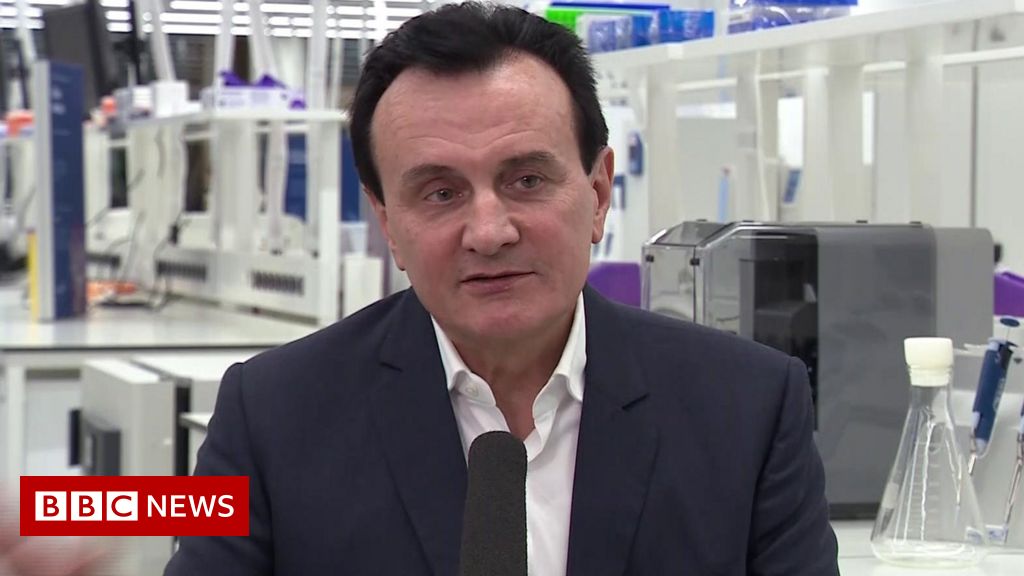
The boss of pharmaceutical giant AstraZeneca says its coronavirus vaccine – developed with Oxford University – may have played a key role in reducing Covid-related hospitalisations in the UK.Pascal Soriot said his company’s vaccine promoted a greater T-cell [part of the immune system which defends the body against specific infections] response in older people than some others.Mr Soriot was speaking to the Today programme ahead of the formal opening of AstraZeneca’s new science lab in Cambridge.

Read more →

Covid Cases in Children Are Rising, Pediatricians Say

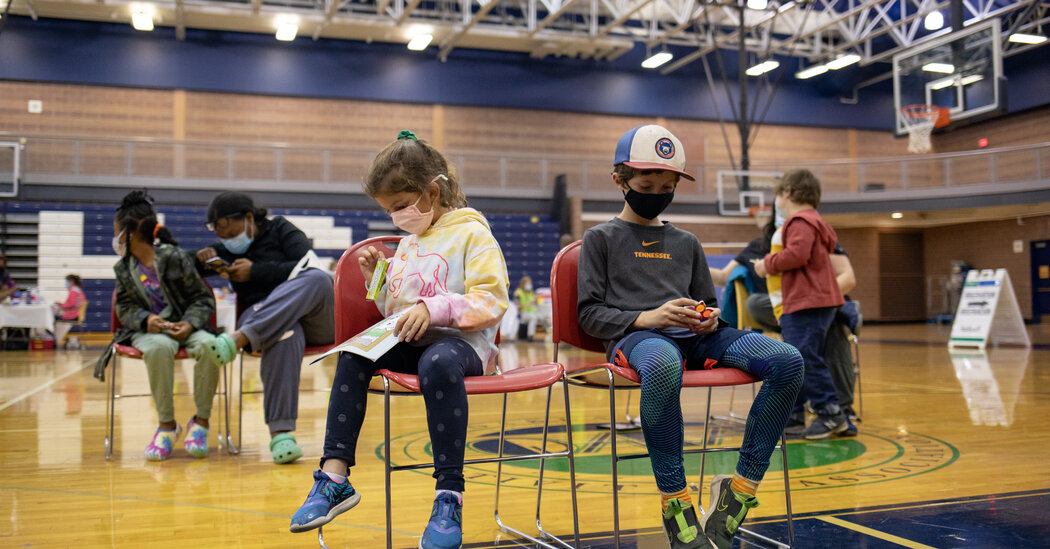
Coronavirus cases in children in the United States have risen by 32 percent from about two weeks ago, a spike that comes as the country rushes to inoculate children ahead of the winter holiday season, pediatricians said.More than 140,000 children tested positive for the coronavirus between Nov. 11 and Nov. 18, up from 107,000 in the week ending Nov. 4, according to a statement on Monday from the American Academy of Pediatrics and the Children’s Hospital Association.These cases accounted for about a quarter of the country’s caseload for the week, the statement said. Children under 18 make up about 22 percent of the U.S. population.“Is there cause for concern? Absolutely,” Dr. Sean O’Leary, the vice chair of the academy’s infectious diseases committee, said in an interview on Monday night. “What’s driving the increase in kids is there is an increase in cases overall.”Children have accounted for a greater percentage of overall cases since the vaccines became widely available to adults, said Dr. O’Leary, who is also a professor of pediatrics at the University of Colorado School of Medicine and Children’s Hospital Colorado.Though children are less likely to develop severe illness from Covid than adults, they are still at risk, and can also spread the virus to adults. Experts have warned that children should be vaccinated to protect against possible long-Covid symptoms, Multi-system Inflammatory Syndrome and hospitalization.At the end of October, about 8,300 American children ages 5 to 11 have been hospitalized with Covid and at least 172 have died, out of more than 3.2 million hospitalizations and 740,000 deaths overall, according to the Centers for Disease Control and Prevention.At a news conference on Friday, Dr. Janet Woodcock, the acting commissioner of the Food and Drug Administration, said hospitalizations and deaths among 5- to 11-year-olds were “really startling.”Dr. O’Leary said it did not help that many schools had softened their safety protocols in the last few months.“So any protection that might be happening in schools is not there,” he said.Vaccinations of younger children are likely to help keep schools open. Virus outbreaks forced about 2,300 schools to close between early August and October, affecting more than 1.2 million students, according to data presented at a C.D.C. meeting on Nov. 2.Dr. O’Leary said that he was especially concerned about case increases in children during the holiday season.With the pace of inoculations stagnating among U.S. adults, states are rushing to encourage vaccinations for children 5 through 11, who became eligible earlier this month after the C.D.C. authorized the Pfizer-BioNTech vaccine for that age group. In May, the federal government recommended making the Pfizer-BioNTech vaccine available to children ages 12 to 15. Teenagers 16 and older became eligible in most states a month earlier.The White House estimated on Nov. 10 that nearly a million young children had gotten vaccinated; 28 million are eligible. They receive one-third of the adult dose, with two injections three weeks apart.All of the data so far indicates that the vaccines are far safer than a bout of Covid, even for children.Still, about three in 10 parents say they will definitely not get the vaccine for their 5- to 11-year-old child, according a recent poll by the Kaiser Family Foundation. Only about three in 10 parents said they would immunize their child “right away.”

Read more →

You Should Be Afraid of the Next ‘Lab Leak’

Listen to This ArticleAudio Recording by AudmTo hear more audio stories from publications like The New York Times, download Audm for iPhone or Android.The National Emerging Infectious Diseases Laboratories is a seven-story concrete fortress in Boston’s South End, hemmed in by Interstate 93 on one side and Boston University’s medical school on another. Unmarked by overt signs or logos, NEIDL — known as “needle” — is surrounded by a vast manicured lawn that would make for an excellent picnic spot, but for the high-spired steel fence and the constant surveillance by a police force stationed at nearby checkpoints. The safeguards ensure that passers-by will keep out. Yet almost everything else about the lab — its layout, its operations, its work protocols — is in service to an opposing imperative: keeping dangerous things, and especially very deadly things, in.The building has one of the larger collections of Biosafety Level 4 and Biosafety Level 3 labs in the world. These kinds of facilities are where research on the planet’s most threatening pathogens takes place. Ebola, Lassa, Marburg viruses: All are designated for Level 4 work by the National Institutes of Health, meaning they are both transmissible and highly pathogenic, with few (or no) treatments for those who become infected with them. The pathogens studied in a Level 3 lab, like Mycobacterium tuberculosis or SARS-CoV-1, the predecessor to the novel coronavirus responsible for Covid-19, are slightly less lethal but still dangerous; the risks in this level of lab remain significant, but the safety level is a notch lower.A secure biolab building is architecture for containment: boxes within boxes, each providing a hermetic boundary to prevent the escape of something risky inside. Within one of NEIDL’s Level 4 labs, for instance, researchers work on viruses in a glass safety cabinet, which they access through gloves. They also wear a hooded pressurized suit, fully zipped, that is connected at the small of their back to a hose that pumps in HEPA-filtered air drawn from outside the building. A negative-pressure air system prevents the escape of anything airborne; the room itself is situated off a corridor, entered by way of locked doors, accessible only to credentialed personnel who pass through a security barrier that scans their irises.Ronald Corley, a microbiologist at Boston University and NEIDL’s director for the past seven years, showed me around the facility in mid-October. About 150 people work there. Studies were underway on Ebola, Lassa and the virus that causes Crimean Congo hemorrhagic fever. The lab has its own insectary, Corley remarked, which hatches mosquitoes to study the transmission of arboviruses, including Zika, dengue and West Nile. (The bugs are dewinged after infection, so they can’t fly away.) But the pandemic had impelled many researchers to shift their work to SARS-CoV-2, which for the past 18 months had become the facility’s main focus.Outside one of the Level 4 suites, we watched through a window of ballistic glass as the researchers inside worked slowly and methodically in their puffed suits, like astronauts in low gravity. The concrete walls, Corley pointed out, were a foot thick. “And we’re actually looking into a different building,” he added. You wouldn’t know it from outside, but the Level 4 labs were in a building separate from but tucked within the larger NEIDL mother ship. In the event of an earthquake, the buildings could move independently; should a breach of containment happen, the entire Level 4 suite of labs could be evacuated, sealed and decontaminated with a noxious gas to kill an errant pathogen. “BSL-4s are all about multiple layers of protection, right?” Robert Davey, a microbiologist at Boston University, told me later. “It’s layer upon layer upon layer, so if one of them fails, which it should never do, but if it happens, you’re still OK.”There is little doubt that buildings like NEIDL are among the most sophisticated and secure in the world. But whether the biolabs are safe enough — or safe as they could be — is more difficult to say. Even if a lab leak in Wuhan can’t explain the origins of the SARS-CoV-2 virus (a claim so far unproved and, according to many virologists, unlikely), the idea is nevertheless made plausible by the fact that breaches have occurred at other high-containment labs, including in China. In 2004, for instance, two lab researchers in Beijing became infected with SARS-CoV-1, which in turn spread to at least seven other people outside the lab.In 2015, the N.I.H. commissioned a consulting firm called Gryphon Scientific to do a risk assessment of certain types of research at U.S. labs. The result, released in April 2016, was a thousand-page report that concluded, among other things, that experiments to improve the transmissibility of coronaviruses in a lab could “significantly” increase the chance of a pandemic “due to a laboratory accident.” Nonetheless, the report noted, “loss of containment” incidents for viruses are rare. And a breach would not necessarily mean an outbreak. Any accident, whether involving a natural or a lab-concocted “P.P.P.” — the term stands for a “pathogen with pandemic potential,” among the scariest possible lab escapees — would have a low chance of leading to a global crisis.The Gryphon conclusions had to rely on estimates to fill in the gaps in the available evidence, however. Some analyses were based on meager data and others on analogous scenarios at nuclear power plants or chemical factories — facilities where the risks of bad outcomes might be small but the possible consequences catastrophic. When I asked Rocco Casagrande, the study’s lead author and a former United Nations weapons inspector, what we don’t know about the global risks of high-containment labs, he ticked off a long list. “Well, it’s still almost everything,” he said. “We don’t know how often incidents happen, or how often those incidents lead to exposures. We don’t know what factors are driving those exposures and incidents. We don’t know what features, like training or extra containment equipment or engineering controls, are effective at mitigating those incidents. So we have no idea if we’re spending way too much on biosafety or way too little or just the right amount. And if we should spend more, what should we spend it on?”American biolabs, Casagrande stressed, are not necessarily unsafe. But because transparency is not required of all of them, they remain “a big black box,” where the related debate about risks and improvements exceeds our actual knowledge. To prevent the next pandemic, we might want to shine some light inside them. And for reasons that have as much to do with the labs, where the manipulation of pathogens sometimes enhances them, as with nature, where viruses increasingly pass from animals to humans, we might want to do so soon.Illustration by Rachel Levit RuizThe world’s microbiologists and virologists now experiment with more types of dangerous viruses and bacteria than ever before, and they do so with far greater frequency. In a comparative historical sense, the work is being done in a more regulated — and probably more considered — manner. “A lot of people equate the presence of a laboratory with danger, instead of a way to safely work with organisms,” Gigi Gronvall, a biosecurity expert at Johns Hopkins University, told me. “But Louis Pasteur didn’t have a biosafety cabinet, and a lot of people died because they didn’t have these protections.”In recent years, however, work that was once confined to a tiny number of facilities in the U.S. and Europe has expanded across the globe. This past summer, an academic study of Biosafety Level 4 labs around the world — whether run by governments, militaries, academic institutions or private companies — calculated that there are at least 59 in operation, under construction or in the planning stages, including about two dozen set up in just the past decade. Filippa Lentzos, an associate professor at King’s College London who helped conduct the study, told me that while most countries declare their Level 4 facilities to the U.N., there is no official international database keeping track of the labs and no requirement for governments to acknowledge their existence — either publicly or to the World Health Organization. “These labs are there so we can work with these pathogens in safe, secure ways,” Lentzos said. But a fundamental problem is that biocontainment facilities have discrete approaches to safety and risk assessment — and to transparency. “Right now,” Lentzos said, “these labs are spreading into other parts of the world, where you have different kinds of regimes, more authoritarian regimes, for instance, where the concept of openness is particularly challenging.”In fact, the most concerning aspect about high-containment biolabs is that, considered as a collective, they may only be as safe as the worst lab among them: A breach or a breakdown at one could imperil us all. That risk is usually broken down into two categories. The first is biosafety: the effort to ensure through training and technology that workers stay free of infection and illness — not only for their own sake but also for that of surrounding communities. Then there is biosecurity, which focuses on the potential theft or misuse of dangerous biological agents. A related, more recent concern is cyberbiosecurity; as experimentation becomes more about manipulating data than samples in a wet lab, critical information — virus genomes, say — risks becoming subject to remote tampering. It’s one reason the newest high-containment labs have “air gapped” networks that are cut off from public internet traffic.The international scientific community has worried about biolabs since they began proliferating two decades ago. But it has generally had difficulty moving beyond meetings or discussions of case-by-case incidents. So these labs remain separate and unequal. Some facilities, like NEIDL, have state-of-the-art technology and rigorous training regimens for workers; others have lower standards. Not all labs are in localities where strict policies govern the research (and handling) of emerging pathogens. And all labs may not be able to count on the ample, stable funding needed for maintenance and security. “We cannot quantify risk,” Lentzos said when I asked her to assess the world’s high-containment research. “We can only make qualitative judgments.”Casagrande, for one, thinks the systematic collection of data would help. By his estimates, an agency like the National Institute for Occupational Safety and Health could spend as little as $10 million a year to better understand the risks in the U.S. He also suggests trying to answer basic questions that have so far gone unaddressed: What really occurs when, say, the contents of a flask are dropped and an infectious agent is released? What are the fluid dynamics of a spill?Rebecca Moritz, who oversees biosafety operations at Colorado State University, told me that rigorous and standardized rules for training people who work in high containment, which are currently nonexistent, would be a large step forward, too. “We need to bring institutions to a minimal equal level,” she said. Like others I spoke with, Moritz also said it would be useful to create an anonymized database for “near misses” and other episodes, like one used for the airline industry.By regulation, NEIDL discloses lab incidents to Boston’s health department as they occur; a quarterly report from B.U. typically lists two or three events — mouse bites, needle sticks, small tears in gloves or biosuits. “People hear the words ‘lab incident,’ and they automatically assume catastrophe, whereas 99.9 percent of the time, the risks of that incident were completely mitigated or actually were nothing at all,” Moritz said. “But then there are kind of these freak one-offs, sometimes that you couldn’t have anticipated.” These can be quite serious. A 2015 report in USA Today on lab safety unearthed documents showing that a lab at Texas A&M University repeatedly lost its negative-pressure air system in 2013. Another facility, at the Centers for Disease Control and Prevention, endured software failures. A number of labs were shown to have poor inventory records or had shipped toxins, like anthrax, that workers had mistakenly believed were inactivated.The most unpredictable dangers presented by biolabs involve human error. While watching “hot work” on Ebola through a window at NEIDL, I was cautioned not to draw the researchers’ attention, lest they be startled and drop a flask or rip a glove. In the 2016 Gryphon report, Casagrande posited that an accident is 100 times as likely to result from human error as from mechanical failure. For this reason, the standardization of working practices could be one of the most effective improvements. At NEIDL, at least 100 hours of training are required before you can work in a Level 4 lab. This training begins in rooms built specifically for simulations; a full-time instructor there, described to me as “sadistic,” tests an employee’s panic levels when confronted with problems like a power failure or a torn suit. To get the chance to work with human pathogens at NEIDL’s labs, moreover, researchers need to be aware of how their lives intersect with safety considerations. “We try to have basically a no-fault policy for someone who has stressors at home, to ensure that they can opt out of working in containment,” Corley told me. Everyone at the laboratory, he said, receives an annual psychological assessment. They are also sent fake phishing emails to test their wariness of hackers.When Robert Davey described a typical day at a Level 4 lab to me, he said he first must find someone to go with him — a “two-person rule” at NEIDL means he cannot be in the lab alone, in case he needs to be rescued. Once he and a partner reach the dressing room on the Level 4 floor, they check the gloves attached to their biosuits; if more than seven days have passed since the gloves were last used, they will have to change them, a task that can take 15 minutes. Next, he inspects his suit for holes. “Then I need to take all my clothes off, everything, and put on scrubs and socks,” Davey said. He carefully dons a pair of gloves, puts on the hooded suit with gloves attached to it and then adds yet another pair of gloves. After a hose from a ceiling pipe is connected to a valve on his suit — “you inflate like the Michelin Man,” he said — he passes through an air lock and into his lab. Being obsessive-compulsive in the Level 4 lab can be helpful, Davey said. He lines up his tasks in “nice little rows and columns within the safety cabinet” and constantly reminds himself not to cross one arm over the other and risk a spill. Lately, his work testing therapeutic drug candidates has been defined by a plate with 384 holes, each containing a live virus sample, usually SARS-CoV-2.‘It’s really very relaxing,’ she said. Her work is focused on the planet’s most formidable threats. But it is in many ways an escape from the world itself.Researchers generally stay in a Level 4 lab no more than a few hours. The low humidity, the constant whoosh of air circulating around your head — the conditions can be fatiguing. When Davey completes his work, he and his partner must agree to leave together. Because talking is difficult, they motion to each other.First they clean up, because there is no custodial staff in a Level 4 lab. Then, in an air lock and still suited, each will take a 10-minute shower that sprays them from all sides with a chemical detergent. When they’re finished, they move out of the sealed space, carefully remove their suits, gloves, scrubs and socks and take conventional showers. Then they get dressed. “Being a BSL-4 person, you never smell,” Davey said. “You’re always freshly washed.” But the safety protocols mean that completing an hour’s worth of work takes three or four hours.I asked Davey, as well as Elke Mühlberger, another researcher at NEIDL, if they were ever fearful. Once they became comfortable with the pressurized suits, they said, they experienced a kind of joy in the “privileges” of the work, as well as confidence in containment measures. To Mühlberger, in fact, working in a Level 2 or Level 3 facility feels riskier than being in a Level 4 lab, where the safety protocol is so stringent; the day before she gave birth to her second son, she told me, she spent the morning working with the Ebola virus in a Level 4 lab. Once inside, there are no cellphones, no email, no small talk — only the pathogens and the white noise of air swirling around her ears. “It’s really very relaxing,” she said. Her work is focused on the planet’s most formidable threats, she acknowledged. But it is in many ways an escape from the world itself.Is that world better off with or without high-containment biolabs? It’s a question not easily resolved. The work that goes on inside them involves a nontrivial degree of risk, which is why NEIDL, with its vaults and barricades and bulwarks — including its operational protocols — resembles a modern-day citadel. Yet no amount of engineering, infrastructural or human, can reduce to zero the chance of bad things coming out of biolabs. On the other hand, without them, we would lack all sorts of treatments for diseases like Covid-19 and Ebola. For now, the world seems to agree that we need these facilities.Next summer, the C.D.C. will break ground on a new high-containment laboratory complex on its campus in Atlanta. One ambition is to supplement an aging biolab with a five-story, state-of-the-art facility that includes two Level 3 suites and six Level 4 suites. These will be largely dedicated to studying viruses with more fearsome fatality rates: Ebola, Nipah, Marburg, Chapare. Construction will take about three years, followed by a two-year commissioning process to ensure safety expectations are met. The cost has been reported to be at least $350 million — a significant jump from the $280 million (adjusted for inflation) that built the NEIDL facilities. Melissa Pearce, who will oversee the new lab, told me that she and her C.D.C. colleagues have toured North American facilities in recent years to survey current best practices and design ideas.Ideas that are too new won’t necessarily be adopted. “When you’re designing a Biosafety Level 4, the thought of using new technology tends to give you pause,” Pearce told me. “It’s like the first year of a brand-new model of a car — you tend to not want to buy that, because there are probably some bugs that need to get worked out.” So, many of the improvements in Atlanta are likely to be incremental. Some of the researchers on the planning team believe that the spaces in current Level 4 labs are too narrow, for example, so there will be more room within new suites for workers to move around freely. A new chemical shower off the hallway will allow the staff to sanitize equipment more efficiently.To talk to people at the C.D.C. is to be struck by how close to the next pandemic they think we might be — and how important, should a little-known infectious agent again explode in the general population, the research done on exotic viruses in containment there and elsewhere will be in directing us toward therapies or a cure. That’s the expectation at NEIDL, too, where Mühlberger has recently been working with the Lloviu virus, a relative of Ebola, which was first identified in bats in Eastern Europe 10 years ago. A group in rural Hungary extracts small amounts of blood from local bat colonies, searching for Lloviu. If the virus is present, the group sequences and sends the genetic information to her. She then compares its viral properties with other pathogens to better understand potential dangers. “We don’t know yet whether it causes disease in humans or not,” she said. “But if it causes disease, about 200 million people live in the area where these bats roam.”When I asked Joel Montgomery, the head of the viral special pathogens branch at the C.D.C., whether our awareness of new pathogens is a result of improved surveillance or of more viruses having increased opportunities to jump into humans, he seemed to think both factors were responsible. The ability to test new viruses, thanks to nucleic-acid-sequencing capabilities, is far better than it was 10 or 20 years ago. “But I think we are interacting with our environment much more now than we have before, and just the sheer number of people on the planet has increased,” he said, which also affects population densities. “And so we’re going to see outbreaks — epidemics, pandemics — happening more frequently. It most certainly will happen.”Our high-containment facilities, moreover, may have to deal with threats hatched in labs as well as what comes from nature. Take, for example, pox diseases. The C.D.C.’s campus in Atlanta is home to one of two Level 4 labs left in the world that harbors the live variola virus, which causes smallpox and was declared eradicated globally in 1980. (The other cache is in Russia.) Victoria Olson, a deputy director of lab science and safety at the C.D.C., told me that the lab keeps samples because studies using a live virus could help scientists develop diagnostics, treatments and vaccines should smallpox re-emerge, or should a similar poxvirus appear. Monkey pox, which has caused recent outbreaks in Africa, where it has a fatality rate of 10 percent, is already a serious concern; Alaska pox was just identified in 2015. More alarming, perhaps, is the potential that someone outside the world of known biolabs might cook up a version of a poxvirus, using the tools of genetic engineering. Smallpox had an average case-fatality rate of about 30 percent; Americans have not been immunized against it since 1972. A synthetic smallpox — or even a synthetic super smallpox, which could be deadlier than the original — is not much of an intellectual leap.It’s a frightening notion, of course. But one premise behind biolabs is to be ready — ready to test new vaccines and therapeutics, ready to apply insights from old pathogens to new ones. And even in an age of vast computing power, there are no expectations — by either Corley at NEIDL or those I spoke with at the C.D.C. — that scientists will be able to make computational models as effective as the painstaking studies being done in Level 4 labs. That seems reason enough to keep striving to quantify the risks and improve the safety of the work being done there: If our containment research is not replaceable by digital simulations, and if our pathogenic enemies are real and growing in number, it may be best to keep them close when we can — to keep them in, that is, rather than out.Jon Gertner has been writing about science and technology for the magazine since 2003. His most recent article examined how CO2 can be incorporated into products to make an impact on climate change.

Read more →

Vaping Is Risky. Why Is the F.D.A. Authorizing E-Cigarettes?

The agency has taken a controversial stand on vaping as a way to quit tobacco. This is what the research shows.When they first appeared in the United States in the mid-2000s, “electronic nicotine delivery systems” — e-cigarettes, vapes, e-liquids and other wares that contain the stimulant found in tobacco — were subject to little federal oversight. Their makers could incorporate countless other ingredients and flavorings. Like cigarettes before them, the devices proved extremely attractive to young people; in 2018, the surgeon general declared youth vaping an “epidemic” and noted that one in five high schoolers and one in 20 middle schoolers used e-cigarettes. Nicotine can harm the developing brain, and e-cigarettes contain potentially harmful toxins like heavy metals; the long-term effects of vaping — the heating of nicotine to create an inhaled aerosol — are uncertain.Despite these concerns, public-​health officials in the U.S. hope that, given a choice in the open market, people already addicted to nicotine will choose e-cigarettes over cigarettes — a deadly consumer product so successful at attracting and retaining users that it has killed as many as 24 million Americans over the past six decades. Because e-cigarettes generally contain fewer toxic chemicals than tobacco smoke, they are believed to be less damaging than cigarettes. If a sizable number of the one in seven adults in the U.S. who smoke switched to e-cigarettes, the theory goes, significantly fewer people might suffer from cancer and cardiovascular and respiratory diseases.In 2016, in an effort to mitigate the potential harms of e-cigarettes, the Food and Drug Administration began regulating them as “new tobacco products.” It became illegal to sell e-cigarettes to anyone under 18 (a cutoff that rose nationally to 21 in late 2019), and the agency was empowered to require warning labels. The F.D.A. also gained the authority to keep products out of the marketplace, unless it could be demonstrated that their public-health benefit outweighed their risks. (As a result of legislation passed in 2009, this condition applies to new tobacco products in general; cigarettes themselves, and other tobacco products on the market before Feb. 15, 2007, don’t have to meet the same standard.) As of last month, the agency had denied nearly a million applications. But a vaporizer and two liquids, in regular tobacco and menthol flavors, were authorized, after the F.D.A. declared that data submitted by their manufacturer showed that they were indeed less toxic than cigarettes and could, in the words of the agency’s news release, “benefit addicted adult smokers who switch to these products.” This would “outweigh the risk to youth” and lead to an overall “protection of the public health.”The decision was controversial. In part, this is because the research into whether e-products can help adult smokers stay off cigarettes shows mixed results at best. For example, in October, the same month as the F.D.A. ruling, JAMA Network Open published a study that “did not find evidence that switching to e-cigarettes prevented relapse to cigarette smoking,” says the lead author John P. Pierce, a emeritus professor at the Herbert Wertheim School of Public Health and Human Longevity Science at the University of California, San Diego. He and his colleagues analyzed data from the Population Assessment of Tobacco and Health Study, a longitudinal study of tobacco use in the U.S. begun in 2013 by the National Institutes of Health and the F.D.A. Based on responses through 2017, the researchers identified 13,604 participants who were cigarette smokers. When those same participants were surveyed a year later, 9.4 percent of them reported that they had quit.The PATH study did not try to determine what methods people used to quit; it asked only what tobacco products they consumed after quitting, if any. Then, after 12 more months, it checked whether they had stayed off cigarettes entirely; had relapsed and quit again; or had gone back to smoking. After controlling for potential confounding factors, like level of nicotine dependency, the JAMA group concluded that those who were using any alternative tobacco product after they quit smoking, including e-cigarettes (but also cigars, hookahs and the like), were 8.5 percent more likely to have relapsed than those who were not. The proportion of daily e-cigarette users and tobacco abstainers who were smoking again was about the same: just over a third. In other words, e-cigarettes did not appear to be more successful at preventing a return to smoking than going cold turkey did. But there are other researchers who believe that, taken together, the existing evidence suggests that e-cigarettes may benefit public health. In September, before the F.D.A. approved any e-cigarette products, a group of those researchers laid out that evidence in The American Journal of Public Health. The studies they cite include a randomized controlled trial conducted in Britain and published in The New England Journal of Medicine in 2019, which found that participants who wanted to quit and who switched to e-cigarettes were 80 percent more likely to abstain from cigarettes for at least a year compared with those who used a range of nicotine-​replacement therapies (like patches, gum and lozenges). Illustration by Ori ToorFindings like these, which show that e-cigarettes could help smokers under certain conditions — the participants all received behavioral support, which improves the success rate of attempts at quitting — have been undervalued, the A.J.P.H. authors think, while the risks to youths have been amplified. “The message out there is these are harmful devices that shouldn’t be out there at all,” says Nancy A. Rigotti, one of the authors and a professor at Harvard Medical School and the director of the Tobacco Research and Treatment Center at Massachusetts General Hospital. “The truth is more complicated.”Controlled trials don’t always show what would have happened in a real-world setting — which is what the JAMA study sought to assess. Yet Rigotti and others think its conclusions are misleading. “What’s important here is, Is vaping helping a subset of smokers quit smoking who wouldn’t have otherwise done so?” says Kenneth E. Warner, an emeritus professor and dean of health management and policy at the University of Michigan’s School of Public Health and a co-author of the A.J.P.H. paper. The JAMA study found that those who were the most dependent on nicotine, and thus likely to have the hardest time quitting smoking, were also the most likely to use e-cigarettes. But there was no way to say whether, had e-cigarettes not been available, that group would have continued smoking — in which case e-cigarettes increased the total number of quitters — or whether its members would have tried abstaining from nicotine instead. Without that information, it’s unclear if e-cigarettes could be a valuable cessation tool that entices some inveterate smokers to give up cigarettes.Adult smokers do want to quit: In 2018, about 55 percent of those surveyed said they tried to quit in the past year; only 7.5 percent succeeded, according to the C.D.C. If anything, the JAMA study, however you parse it, illustrates how difficult it is to remain smoke-free. “What we haven’t seen, in terms of cessation, is something that’s game-changing,” says Jonathan M. Samet, dean and professor at the Colorado School of Public Health. Clearly, smokers need more resources, says Alayna P. Tackett, an assistant professor at the Keck School of Medicine at the University of Southern California: “They’re trying to quit, they want to quit, how can we best support them?”In the U.S., it’s uniquely hard to say if vaping could play a more supportive role. The available products are ever-changing, and e-cigarettes are not classified as “a cessation device,” a label that would require their manufacturers to go through the F.D.A.’s drug evaluation and research process — which they have little incentive to do. As a result, e-cigarettes can’t be promoted to smokers as a means of quitting by companies or as a proven therapeutic by health officials. The bizarre consequence is that for e-cigarettes to have a widespread positive impact on public health — the F.D.A.’s stated hope in approving the ones they did — smokers will have to decide largely on their own to switch to them. “The regulatory muddle is working against us,” says Terry F. Pechacek, a research professor in the department of health policy and behavioral sciences at Georgia State University’s School of Public Health, who wrote a commentary accompanying the JAMA study. “That’s the heart of the problem.” Kim Tingley is a contributing writer for the magazine.

Read more →

The Loss of a Child Takes a Physical Toll on the Heart

Grieving parents were at high risk of a heart attack in the days following the death of a child, and an increased risk may persist for years.Losing a child is one of the most emotionally wrenching experiences a parent can go through. New research suggests it may also literally damage the heart. The study found that in the days following the death of a child, a parent is at greatly increased risk for a heart attack, and the increased risk may persist for years.Researchers used birth registries and medical records to study 6,711,952 parents from Denmark and Sweden from 1973 to 2014. Among them, 126,522 had lost at least one child at some point during that time. The study looked not only at the loss of infants and children, but also adolescents and adult children up to age 29.The scientists found that the death of a child was associated with a 21 percent increased risk of ischemic heart disease, or reduced blood flow to the heart. The risk for a heart attack in the first week after the death was more than triple the rate of people who had not experienced the loss of a child, and there was a 20 to 40 percent increased risk over the long course of the study. The association was present even in cases of an adult child’s death.Other studies suggest that in middle or old age, the death of a spouse, sibling or close friend increases the risk for heart attack, stroke, atrial fibrillation and death. The risk appears to be especially high in the months immediately following the loss. But studies on the impact of the loss of children on the heart health of parents have been very limited.This observational study, published in PLOS Medicine, was large and rigorous. The researchers controlled for age, marital status, education, income, hypertension and other factors than can affect the risk for cardiovascular disease. They also considered such factors as the cause of a child’s death. For example, the researchers found that there was an association with heart problems in parents even when the child’s death was a result of unnatural causes — such as a car crash or other accident — suggesting that a family history of heart disease or other genetic factors were unlikely to fully explain the increased cardiovascular risk in parents.The study did not investigate the exact ways in which the stress of extreme bereavement might damage the heart. But the lead author of the study, Dang Wei, a doctoral candidate at the Karolinska Institute in Stockholm, proposed several possible mechanisms.“Stress activates the autonomic nervous system,” he said, which controls involuntary functions in our bodies such as heart rate and blood pressure, and “induces biological changes” that may raise cholesterol levels.“Changes like this,” he added, “may trigger a heart attack.”Bereavement can also induce depression, anxiety and other psychiatric disorders, leading to alcohol abuse, drug abuse, smoking, and lifestyle behaviors that are also risk factors for cardiovascular disease.Dr. Erica S. Spatz, an associate professor of cardiovascular medicine at Yale who was not involved in the study, said that the finding was based on “pretty amazing data” available only in Scandinavian countries, which maintain detailed birth and health registries that span decades.“The loss of a child plays out in every aspect of a patient’s life, including their cardiovascular health,” she said. “We need to screen for a history of trauma, whether it’s related to a death of a child, racial discrimination, poor work environment — these are well-known factors that affect cardiovascular health.”The senior author, Krisztina D. Laszlo, an associate professor of epidemiology at the Karolinska Institute, said that while parents should know about the increased heart risks, it may be difficult to approach them with this kind of information during the grieving period.“It’s a delicate topic,” she said. “This is a very special type of bereavement, one of the greatest stresses that one can experience, and it is often associated with complicated grief that does not resolve in the usual ways.”“One doesn’t want to burden these parents even further,” she continued, “by telling them about their cardiovascular risks.”Still, it would be important for doctors, friends and family members of a person who has lost a child to be on the lookout for things like chest pain, shortness of breath or other signs of heart problems or an impending heart attack.

Read more →

SARS-CoV-2 infection hijacks key cellular process, autophagy researchers discover

The intricate biological process known as autophagy plays a vital role in keeping our cells healthy and functioning by sweeping up and recycling bits of debris and invading micro-organisms.
Until recently, much of what was known about autophagy was based on studies of yeast cells, work that in 2016 led to a Nobel Prize for Japanese researcher Yoshinori Ohsumi.
Now, a team headed by Vojo Deretic, PhD, distinguished professor and director of The University of New Mexico’s Autophagy, Inflammation & Metabolism (AIM) Center of Biomedical Research Excellence, has mapped out key details of how autophagy functions in mammals — including humans.
And, in a startling finding, the researchers provide evidence showing that SARS-CoV-2 infection can disrupt the process.
“This underscores the significance of autophagy as a process,” Deretic says of the new research. “The field is struggling to understand how it works in mammalian and human cells.”
In a paper published this month in the journal Cell, he and his colleagues describe how two proteins — FIP200 and ATG16L1 — that reside on different cell membranes merge to form “hybrid pre-autophagosomal structures” (HyPAS).

Read more →

COVID-19 testing kits also can measure oral microbiome in saliva

COVID-19 saliva testing kits that include a novel preservative can also be used measure microscopic organisms in the mouth, a Rutgers study found. This enables study of the relationship between mouth and lung microbes and the SARS-CoV-2 virus that may allow for the development of new treatments.
The study, published in the journal NPJ Biofilms and Microbiomes, is the first to test the accuracy of these saliva-based, at-home COVID test kits in measuring the oral microbiome, the bacteria found in animals and humans.
“We inhale a small amount of our saliva every day, so it makes sense that some of the microbes that live in our mouths would end up in our lungs,” said lead author Abigail Armstrong, a postdoctoral fellow at the Center for Advanced Biotechnology and Medicine (CABM) at Rutgers. “By studying the mouth microbiome in these banked samples of people with or without COVID-19, we can get an idea of how the microbial environment in the mouth and lung might impact the disease.”
Salvia tests use preservatives to maintaingenetic material (RNA) in the SARS-CoV-2 virus to enable fast results. However, until now, it was unknown if it also would preserve the bacterial genetic material.
To test the ability to measure the microbiome in the saliva COVID test kits, the researchers collected saliva samples from 22 participants with the kits and in empty tubes. Six of the participants also came back the next days to give another set of samples so the researchers could study their microbiome over time. They then compared their ability to measure the microbiome in both types of saliva collection.
They found that the samples collected in the COVID testing kits still allowed for accurate measuring of the bacteria and gave a more stable picture of the microbiome over time compared to samples collected in kits without a preservative. These findings mean that saliva collected for COVID testing can also be used to measure microbes in the mouth and help further our understanding of the systemic effects of COVID infection and also help researchers to develop probiotic- or microbiome-centered therapies to help treat COVID-19.
“This work puts us into a position to examine the many saliva specimens we have obtained from Rutgers study subjects volunteering to participate in COVID investigations,” said senior author Martin Blaser, CABM director.
Veenat Parmar, Center for Advanced Biotechnology and Medicine, was a co-author of the study, which was supported by Danone Inc. and by the National Institutes of Health.
Story Source:
Materials provided by Rutgers University. Original written by Patti Verbanas. Note: Content may be edited for style and length.

Read more →

Novel Lyme vaccine shows promise

Yale University researchers have developed a novel vaccine that in guinea pigs offers protection against infection by the bacterium that causes Lyme disease and may also combat other tick-borne diseases, they report Nov. 17 in the journal Science Translational Medicine.
Instead of triggering an immune response against a particular pathogen, the new vaccine prompts a quick response in the skin to components of tick saliva, limiting the amount of time that ticks have to feed upon and infect the host, the study shows.
The vaccine is delivered by the same mRNA technology that has proved so effective against COVID-19.
In the United States, at least 40,000 cases of Lyme disease are reported annually, but the actual numbers of infections could be 10 times greater, researchers said. In addition, other tick-borne diseases have also spread in many areas of the U.S.
“There are multiple tick-borne diseases, and this approach potentially offers more broad-based protection than a vaccine that targets a specific pathogen,” said senior author Erol Fikrig, the Waldemar Von Zedtwitz Professor of Medicine (infectious Diseases) at Yale and professor of epidemiology (microbial diseases) and of microbial pathogenesis. “It could also be used in conjunction with more traditional, pathogen-based vaccines to increase their efficacy.”
The saliva of the black-legged tick Ixodes scapularis, which transmits the Lyme disease pathogen Borrelia burgdorferi, contains many proteins. The investigators focused on 19 separate proteins.

Read more →