Why cannabis smells skunky

As cannabis is legalized in more areas, it has become increasingly popular as a medicinal and recreational drug. This plant produces a pungent, skunk-like odor that is pleasing to some but repulsive to others. Now, researchers reporting in ACS Omega have discovered a new family of prenylated volatile sulfur compounds (VSCs) that give cannabis its characteristic skunky aroma. The findings open up opportunities to investigate the molecules for medicinal benefits, the researchers say.
Cannabis sativa L. produces more than 200 known aroma compounds. Prior studies have focused mainly on terpenoids — molecules that range in odor from fuel-like to woody, citrusy or floral. Different cannabis cultivars have diverse mixtures of these compounds that contribute to their unique aromas. However, although terpenoids are the most abundant aroma compounds in cannabis, there is little evidence that they provide the underlying skunk-like smell of many cultivars. Skunks use several VSCs in their smelly defense sprays, so Iain Oswald and colleagues suspected that there could be similar molecules in cannabis. The team decided to use sensitive analytical techniques to find out.
The researchers analyzed flowers from 13 cannabis cultivars using a custom-built 2D gas chromatography system with three different types of detectors. Then, a four-person panel ranked the pungency of the cultivars on a scale from 0 to 10. The most pungent one, called Bacio Gelato, had the highest concentration of VSCs. The team identified seven VSCs in this cultivar, some of which were also present in other cultivars. Five of the VSCs contained the prenyl functional group and had skunk-like or sulfuric aromas. One compound in particular, 3-methyl-2-butene-1-thiol, referred to as VSC3, was the most abundant VSC in the cultivars that the panel reported to be most pungent. This compound has previously been implicated in the flavor and aroma of “skunked beer” — beer that goes bad after being exposed to UV light.
To confirm that VSC3 was the main source of the skunk-like aroma, the team added it to a mixture of 10 other major aroma compounds from cannabis, producing a combined odor very similar to the characteristic scent of cannabis. They also detected VSC3 in cannabis concentrates, such as those used for vaping. Finally, in greenhouse experiments, the researchers determined that the prenylated VSCs increased significantly toward the end of the flowering stage of cannabis growth, reached a maximum during curing and then dropped substantially after 10 days of storage. Because the molecular structures of the VSCs resemble compounds from garlic that have anti-cancer and cardioprotective effects, the new family of prenylated odor molecules should be investigated for medicinal properties, the researchers say.
The authors do not acknowledge any external funding sources for this study. Three of the authors have filed a patent related to the findings.
Story Source:
Materials provided by American Chemical Society. Note: Content may be edited for style and length.

Read more →

MRI reveals altered brain structure in fetuses exposed to alcohol

In the first MRI-based study to investigate pre-natal alcohol exposure, researchers found significant changes in the brain structure of fetuses exposed to alcohol compared to healthy controls. Results of the study are being presented today at the annual meeting of the Radiological Society of North America (RSNA).
“Fetal alcohol syndrome is a worldwide problem in countries where alcohol is freely available,” said Gregor Kasprian, M.D., associate professor of radiology at the Medical University of Vienna in Austria. “It’s estimated that 9.8% of all pregnant women are consuming alcohol during pregnancy, and that number is likely underestimated.”
Fetal alcohol syndrome is the most severe form of a group of conditions called fetal alcohol spectrum disorders that result from alcohol exposure during pregnancy. Babies born with fetal alcohol spectrum disorders may have specific physical features, learning disabilities, behavioral problems or speech and language delays. According to Dr. Kasprian, one in 70 pregnancies with alcohol exposure results in fetal alcohol syndrome.
“There are many postnatal studies on infants exposed to alcohol,” Dr. Kasprian said. “We wanted to see how early it’s possible to find changes in the fetal brain as a result of alcohol exposure.”
For the study, researchers recruited 500 pregnant women who were referred for a fetal MRI for clinical reasons. On an anonymous questionnaire, 51of the women admitted to consuming alcohol during their pregnancy. The questionnaires used were the Pregnancy Risk Assessment Monitoring System (PRAMS), a surveillance project of the Centers for Disease Control and Prevention and health departments, and the T-ACE Screening Tool, a measurement tool of four questions that identify risk drinking.
“We provided a safe environment where women could feel comfortable honestly answering the questions,” Dr. Kasprian said.

Read more →

Is Omicron more harmful than other Covid variants? And other questions

SharecloseShare pageCopy linkAbout sharingCovid rules have been strengthened in response to concern over the newly-identified Omicron variant.Across the UK, the booster programme is being expanded to cover millions more adults, and masks are now compulsory in shops and on public transport in England.Here are some of your latest questions on these, and other related matters:

Questions and answers

Omicron Variant
Your questions
Skip Omicron Variant

Is there any evidence that Omicron is any more harmful than any other variant? O’Connell, Nottingham

Philippa Roxby
BBC Health Correspondent

Scientists who’ve analysed the variant say they are worried by what they see in the lab. Omicron has more mutations than any other variants and they’re different too.
This could mean it’s more infectious, causes more serious illness and is better at evading vaccines than previous variants.
But none of this is certain. It will take time for the true threat from Omicron to be assessed as cases are detected and monitored across the world.

How do I know if I have the new variant? Kerry Ganly, Heage, England

Philippa Roxby
BBC Health Correspondent

If you have Covid symptoms and carry out a PCR test, which is analysed in a lab, you will be contacted by your local contact tracing system if you’re suspected to be positive with Omicron.
All swabs of suspected Omicron cases are then sent to specialist labs for genomic sequencing which confirms if it’s Omicron or not.
But by that time, if you’re positive you will be self-isolating and, under new guidance this week, your household and close contacts will also have to self-isolate, even if they are fully vaccinated.

Will the current lateral flow tests detect the Omicron variant? Ken Lappin, Eastwood, England

Philippa Roxby
BBC Health Correspondent

As far as we know, the rapid or lateral flow tests which you can do at home will be able to detect the Omicron variant – just as they are able to detect other variants of coronavirus.
However, they can’t tell you which variant you’re infected with – only if you’re positive or negative.
Only a PCR test would be able to do this, because it’s checked in a lab.

Why are we not vaccinating children above the age of five? I keep hearing of young children who have caught the virus. Merete Gardiner, Oxford

Philippa Roxby
BBC Health Correspondent

Young children can be infected with the virus, but they are very unlikely to become seriously ill. Most cases are mild and children recover quickly, particularly young children.
The UK has now advised that children aged over 12 should be offered two doses – but the UK regulator has yet to license any Covid vaccine for younger children.
Even if that happens, as it has in the US, Canada and a number of other countries, the jury is out on whether it’s worthwhile.
Vaccine advisers would have to be convinced that the benefits of vaccinating young children would outweigh any risks (however small) from the vaccines.
But that calculation could all change with fears around Omicron – time will tell.

My wife is clinically vulnerable and had a booster nearly three months ago. With boosters now recommended three months after a second main dose of the vaccine, will or should she get a second booster three months after her last one?
Dave, Hampshire, England

Philippa Roxby
BBC Health Correspondent

There is currently no advice on whether a second booster will be needed or recommended for clinically vulnerable groups.
If your wife had a third primary dose, however, to increase her original protection against Covid then she could still be entitled to a booster (which would be her fourth dose).
Having had a booster, her immune system should be as well-prepared as it can be to fight off the virus this winter.

What is the rationale in making masks compulsory on public transport and shops but not in the hospitality sector? Jacqui, Stanwick

The new rules about mask wearing in England apply to shops and public transport, but not to other indoor venues such as gyms, theatres, cinemas, or hospitality settings.
Health Minister Edward Argar told the BBC they were not being extended to hospitality venues for practical reasons: “Where people are eating, drinking [they] may go to a bar to order a drink, but will often then sip the drink on their way back to their table.”
Until 19 July, customers in England were required to wear masks when not seated – for example, when being shown to a table or going to the toilet.
This requirement remains the case in pubs and restaurants in Scotland and Northern Ireland.
Face coverings aren’t required in pubs and restaurants in Wales either, although they must be worn in all other indoor spaces.

Is there positive evidence that wearing ordinary masks, not N95 ones, actually makes a useful difference? Andrew Fogg

Evidence suggests Covid transmission mainly happens indoors where people are close together.
Covering the nose and mouth reduces the spread of coronavirus droplets from coughs, sneezes and while speaking. Routinely wearing one can help reduce virus spread from contagious people who have no symptoms.
The main purpose is to protect others, although there is some evidence they also offer protection to wearers.
To be effective, masks should have a nose wire, contain at least two or three layers of material and fit snugly over the mouth, nose and chin.
Standard surgical masks also work well. It is possible to buy FFP2 and FFP3/N95 masks used by healthcare workers which can offer higher protection. However, these must be fitted correctly to work.

If face coverings are compulsory in shops and public transport, shouldn’t it be also compulsory in offices, or should the government also make it compulsory to work from home? Gary, Wokingham

The work-from-home guidance in England ended when most Covid rules were lifted on 19 July.
The prime minister’s spokesman has said the emergence of the new Omicron variant has not altered that position, adding that it is up to employers to decide on “the right balance”.
The government has previously said it may ask people in England to return to remote working for “a limited period” if the NHS comes under unsustainable pressure this winter.
In recent weeks, ministers in Scotland, Wales and Northern Ireland have all repeated their current advice to continue working from home wherever possible.

I am flying to London to stay in a hotel for three nights. Under the new rules will I have to isolate at my hotel until I get a negative PCR test result, which could be during the third day of my stay? Carlos, Madrid

Yes. Under new rules designed to stop the spread of the Omicron variant, every traveller coming to the UK now needs to take a PCR test within 48 hours of their arrival.
While you are waiting for a result, you must self-isolate – whether or not you have been vaccinated. You can only stop self-isolating when you get a negative test result.
The only exception is for people arriving from Ireland, the Channel Islands, the Isle of Man or within the UK.
The PCR test must be booked before you travel, and bought privately from a government-approved list of providers. You cannot use a lateral flow test.
Unfortunately, given how short your trip to London is, you may decide it is not worth travelling.

My seven-year-old daughter and I are due to go to Zambia for Christmas. Will we be required to isolate in a government hotel on our arrival back in UK? Chantelle Barratt, Romsey

Yes. Under new rules designed to stop the spread of the Omicron variant, 10 southern African countries including Zambia have been placed on the government’s red list.
The only people allowed to enter the UK from these countries are UK or Irish nationals, or UK residents.
They have to pay for and self-isolate in a pre-booked government-approved hotel for 10 days, regardless of their age or vaccination status.
Current rates are £2,285 for an adult, £1,430 for an additional adult or a child over 11, and £325 for a child aged five to 11.
You will also have to take a Covid test in the three days before you travel to England, and you and your daughter will have to take two further PCR tests during your quarantine. These tests are provided as part of your quarantine package.

I have just been tested positive, but after many phone calls to 119 and 111 I cannot find out what strain I have, and it is not detailed in the result email or text. How can I make a decision about other household members isolating if I do not know these details? Laurie Roberts, Chalfont St Peter

You will be notified by your local contact tracing system – for instance, NHS Test and Trace in England – if you’re a suspected Omicron case.
At that point, if you’re a suspected case, you, your household and your close contacts will have to self-isolate for 10 days, even if fully vaccinated, under new guidance for the UK.
It’s only through analysing PCR test swabs that a positive test for Omicron can be confirmed, which is why only small numbers have been detected so far, although there are likely to be many more out there.

End of Omicron Variant

Question topics

What do I need to know about the coronavirus?RULES: How is Covid being managed this winter?SYMPTOMS: How do I know I’ve got Covid?LOOK-UP TOOL: Check cases in your areaTESTS: How do I get a lateral flow or PCR test?FACE-COVERINGS: What are the rules around masks? Image source, BBC What questions do you have about coronavirus? Do you want to ask it on BBC News? Get in touch and we may ask you to send us a video of you asking your question.In some cases, your question will be published, displaying your name, age and location as you provide it, unless you state otherwise. Your contact details will never be published. Please ensure you have read our terms & conditions and privacy policy.Use this form to ask your question:

If you are reading this and can’t see the form above you will need to visit the mobile version of the BBC website to submit your question or send them via email to YourQuestions@bbc.co.uk. Please include your name, age and location with any question you send in.

Read more →

Build Back Better Act Would Patch Holes in Health Coverage

Taken together, the provisions in the social policy bill represent the biggest step toward universal coverage since the passage of the Affordable Care Act.WASHINGTON — Of all the “bitter disappointments” he had as president, Harry Truman once wrote, the “one that has troubled me most, in a personal way,” was the failure to enact a national program that would assure all Americans “a full measure of opportunity to achieve and enjoy good health.”More than 75 years after Truman first proposed universal coverage, Democrats are still chasing his dream. If President Biden’s social policy bill becomes law, they will make major strides toward fulfilling it.An estimated 3.4 million Americans would gain health insurance as a result of the legislation, which passed the House last month but faces a tough road in the 50-50 Senate. Senator Chuck Schumer of New York, the majority leader, said Tuesday that his goal is to have it pass before Christmas.The bill would expand health care access for children, make insurance more affordable for working-age adults and improve Medicare benefits for the disabled and older Americans. Separately, its health provisions are a “piecemeal of incremental changes,” said Caroline Pearson, a senior vice president for health care at NORC at the University of Chicago, a nonpartisan research organization.But taken together, these policies represent the biggest step toward universal coverage since the passage of the Affordable Care Act in 2010.“This is a moment of extraordinary opportunity for improving health policy and improving the health coverage that people get,” said Stan Dorn, director of the National Center for Coverage Innovation at the advocacy group Families USA.The broad spending package that passed the House on Nov. 19 aims to expand health care access for children, make insurance more affordable for working-age adults and improve Medicare benefits for the disabled and older Americans.Tom Brenner for The New York TimesHouse Democrats, facing near-unanimous opposition from Republicans and pushback from more centrist members of their own party, failed to include some of the splashy health proposals that were discussed early in the negotiations over the package.Medicare will add hearing coverage, but not a vision or dental benefit. The government will not gain the ability to bargain down the prices of hundreds of prescription drugs, though it will be able to lower the prices for 20 each year in the Medicare program.If the measure passes, the United States will retain its patchwork system, where people obtain different health coverage depending on where they live, what they earn, where they work and how old they are.Even so, Ms. Pearson said, the legislation “is one of the biggest steps toward patching the holes” in the system.As a group, the health care provisions will cost $330 billion over the next decade and come with compensating health savings of $325 billion, according to an analysis of Congressional Budget Office data by the Committee for a Responsible Federal Budget. But that balance is slightly misleading: The parts that save money are designed as permanent, while several new coverage provisions would expire after 2025.Even with the changes, the Congressional Budget Office estimates that more than 27 million people would remain uninsured, including many undocumented immigrants, whom the bill does not assist. Many of the remaining uninsured would be eligible for expanded Obamacare subsidies or Medicaid, but are not expected to sign up.Here are some of the programs — and people — the legislation would affect.The postpartum coverage from the bill could help Ms. Ruiz, who is now pregnant with her second child.Mike Belleme for The New York TimesProviding Medicaid to New Mothers for a YearChristina Ruiz had plenty to worry about when she gave birth two months early, in August 2020.Her infant daughter had to spend five weeks in the neonatal intensive care unit while Ms. Ruiz, 34, dealt with her own postpartum complications. She developed high blood pressure, and the stitches on her C-section incision began to unravel three weeks after delivery.One thing Ms. Ruiz did not have to worry about: medical bills. She had enrolled in Medicaid early in her pregnancy, and it fully covered both her and her daughter’s costs.But while Medicaid has become a major source of health coverage during pregnancy — about 40 percent of the country’s babies are born to mothers who receive the coverage — it ends 60 days after delivery. Researchers say this is an especially problematic time for women to lose health insurance, when they are still at high risk of postpartum complications.The United States has the highest maternal mortality rate in the developed world, and about 12 percent of such deaths happen more than six weeks after delivery. A lack of insurance may play a role.The social policy bill would provide Medicaid to new mothers for a full year after delivery instead of just two months, allowing more time to address postpartum medical issues that can surface later.The Century Foundation estimates the provision would extend coverage to about one million women over the next decade.The legislation would also expand coverage for children, by permanently funding the Children’s Health Insurance Program, which covers 10 million low- and middle-income children, and by making it harder for children to lose Medicaid coverage because of paperwork errors or fluctuating family income.The postpartum coverage could help Ms. Ruiz, who is now pregnant with her second child.“It makes all the difference,” she said, “not having to worry about health care bills.”Tim Floyd lives in one of 12 states where Republicans have refused to expand Medicaid, making health insurance even less accessible for an estimated 2.2 million low-income adults.Andrea Morales for The New York TimesErasing the ‘Coverage Gap’ for Poor AdultsTim Floyd of Guntown, Miss., was working construction jobs in 2012 when he noticed numbness in his foot. It was neuropathy, a sign of diabetes. But he was uninsured and could not afford a doctor visit.“If you are having to pay $60 out of pocket, you go, ‘Well, it’s not exactly right, but it’s not stopping me from doing anything, so I’m going to just keep on pushing,’” Mr. Floyd, 45, explained.The neuropathy kept Mr. Floyd from feeling a rock that had slipped into his boot while working. The rock caused a sore on his right foot. A doctor treated the wound, but it festered for five years. By the time Mr. Floyd learned he had diabetic ulcers, the infection had spread to his bones, leaving him no choice but to have his leg amputated from the knee down.He lives in one of 12 states where Republicans have refused to expand Medicaid under the Affordable Care Act, citing the cost, of which states would eventually pay 10 percent. The social policy bill would close the so-called Medicaid coverage gap by offering an estimated 2.2 million low-income adults like Mr. Floyd free private insurance — but only for four years.Unable to work after the loss of his leg, Mr. Floyd turned to singing and playing drums for a living, performing gigs with his cover band, Proximity Rule. But just as he was learning to walk with a prosthesis, he said, he noticed a lump in his neck. He waited a year, then saw a doctor, who told him he had Hodgkin’s lymphoma, a type of blood cancer.Mr. Floyd said a social worker at North Mississippi Medical Center helped arrange for free treatments — surgery, chemotherapy and radiation. “The preventive care,” he said, “is what I couldn’t get.” The Affordable Care Act made coverage accessible to Jill Swenson, but it was still a stretch. Premium subsidies have helped.Sara Stathas for The New York TimesProviding Premium Subsidies to Middle-Class AmericansJill Swenson and her husband were raising buffalo in upstate New York in 2009, when he had a recurrence of skin cancer. The couple had no health insurance, a factor that Ms. Swenson says contributed to her husband’s suicide. The Affordable Care Act made coverage accessible to her again in 2014, and she has had it every year since, but it was still a stretch.She now lives in Appleton, Wis., where she is a self-employed editor and literary agent. She earned around $45,000 last year, and paid more than $300 a month for her insurance. During the pandemic, Congress has temporarily increased the premium subsidies provided under the health law — a $200-a-month discount that Ms. Swenson, 63, said has allowed her to buy birthday gifts for her niece and nephew, keep up with rising grocery costs, and pay utility bills and her mortgage.“There’s nothing to cut,” she said. “It’s not like I’m living high on the hog.”The temporary boost in subsidies extends up and down the income spectrum, lowering the cost of insurance for almost everyone who buys it through the Obamacare marketplaces. The social policy bill would keep it in place until the end of 2025.The change was a response to a widespread concern that the Affordable Care Act had not, in fact, made insurance affordable enough for many Americans. More than half of people who were uninsured last year qualified for premium subsidies or Medicaid, according to an analysis from the Kaiser Family Foundation. Since the new subsidies were introduced, along with a big advertising push, an additional 2.8 million people have enrolled in coverage.Shara Clark, right, works as a home health aide but that only pays $10 an hour, so she also has two part-time jobs.Logan R. Cyrus for The New York TimesExpanding Home Care, and Raising Wages for Those Who Provide ItAfter she recovered from cancer, Shara Clark decided to become a home health aide in June as a way to give back. “When you go through a medical scare such as I did, you develop empathy for others,” she said.Employed by an agency in Charlotte, N.C., she works 25 to 40 hours a week, helping clients get dressed, make a meal or get around.But Ms. Clark, 41, also has two part-time jobs. “Because I’m only getting paid $10 an hour, that does not match the cost of living,” she said.The $150 billion in the spending bill for home and community-based services has two goals. It would allow more elderly and disabled people on Medicaid to qualify for subsidized care in their homes or at community programs, helping them avoid moving to a nursing home. There are currently an estimated 800,000 people on waiting lists for these services.But the money is also supposed to go toward raising wages for home care workers like Ms. Clark.Home care workers make an average of under $14 an hour, or less than $30,000 a year, according to a new study from the Economic Policy Institute, a liberal group. Most of the workers are women, and many are of color.“Wages have to go up if services are going to go up,” said Ai-jen Poo, the executive director of the National Domestic Workers Alliance, an advocacy group. “Those two goals are absolutely interdependent.”An out-of-pocket cap on medications would save thousands of dollars for Medicare recipients like Mariah Forster Olson, who takes 30 prescription drugs a month.Erinn Springer for The New York TimesCapping How Much Medicare Recipients Spend on DrugsMariah Forster Olson’s treatment for childhood cancer left her with a range of health problems, and a long list of prescriptions. Ms. Forster Olson, 42, takes 30 prescription drugs every month and about 50 pills a day, requiring weekly trips to the pharmacy. Her Medicare coverage makes a big difference, but still leaves her with thousands of dollars in bills.There is currently no limit on how much Medicare recipients can be expected to pay out of pocket for their drugs, a situation that leaves some who take expensive medicines with annual bills of $15,000 or more. But for the 2.5 million beneficiaries who spend more than $2,000 a year on their drugs, Medicare would pay all their costs above that amount under the bill.The legislation would also cap out-of-pocket costs for insulin at $35 a month. That change alone could affect the more than three million Medicare beneficiaries who take the drug to manage their diabetes.Ms. Forster Olson, of La Crosse, Wis., who qualifies for Medicare because she is disabled, said her drug costs could be as high as $7,000 next year without a change. “A cap of $2,000 would be amazing,” she said.Anne Madison could not afford hearing aids, which can cost up to $5,000, because Medicare does not cover them.Matt Roth for The New York TimesHearing Aids for Older AmericansAnne Madison, a retired computer systems engineer in Baltimore, started losing her hearing in her 50s. Now 71, she cannot afford hearing aids, which can cost as much as $5,000. Medicare will not pay for them.“I can’t whip out the Mastercard,” she said. “If I put that much money on it, I’ll be in trouble for the rest of my life.”Nearly two-thirds of Americans older than 70 have hearing loss, but fewer than 20 percent of them use hearing aids, said Dr. Frank Lin, an ear, nose and throat surgeon at Johns Hopkins School of Medicine.When Congress created Medicare in 1965, hearing aids were in their nascence, Dr. Lin said, and hearing loss was “not seen as anything remotely important.” Today medical professionals know better; beyond being “arguably the leading risk factor for dementia,” hearing loss can lead to social isolation and depression, Dr. Lin said.But while Medicare will pay for an audiologist to diagnose it, that is where most coverage stops.The House-passed bill would add coverage of hearing services to Medicare beginning in 2023. Audiology services, including counseling for hearing aids, would be reimbursed, and the devices themselves would be covered for people with “profound or severe hearing loss.”Ms. Madison, of Baltimore, is addressing her hearing problem another way for now: She enrolled in a study at Johns Hopkins that evaluated over-the-counter hearing amplifiers that cost about $150. She is now able to attend meetings and church services, and has pleased neighbors by turning down the volume on her television.And, she said, “it was amazing to me to be able to hear my little grandchildren.”

Read more →

Trust in Science and Scientists Increased Globally, Poll Finds

An international survey found that the pandemic had enhanced public faith in researchers and science, up from 2018.As the coronavirus pandemic put a spotlight on scientific research, people around the world gained trust in both science and scientists, according to a new survey released on Monday.Results from the public opinion poll, in a report published by the Wellcome Trust, a foundation focused on health research in London, showed that about 80 percent of people from 113 countries said they trusted science either “a lot” or “some.” About three-fourths of the 119,000 surveyed said they trusted scientists, either “a lot” or “some.”“I am not surprised by the results of the survey,” said Fatima Tokhmafshan, a geneticist and science communicator who was not involved with the poll. Ms. Tokhmafshan suggested the interdisciplinary response to the pandemic among scientists, in fields ranging from public health, to immunology, zoology and epidemiology, helped people to understand the connections between science and their own well-being.“The general public may not know scientists in real life, but most people know a doctor or a nurse,” Ms. Tokhmafshan said. “Now everyone has at least heard of a scientist or read something by a scientist.”Conducted by Gallup, the poll interviewed people from August 2020 to February 2021, while vaccine trials were underway and largely before Covid vaccines were publicly available in many countries.Worldwide, trust levels rose most substantially among people who said they knew “some,” “not much” or “nothing at all” about science since the poll was last conducted in 2018. This suggests that people without much experience with science may have gained awareness of its importance during the pandemic, according to the study’s authors.The percentage of people who said they had “a lot” of trust in science increased by at least 10 points in East Asia (especially China), Latin America, Eastern Europe and Southeast Asia.Within the United States, the survey found that 54 percent of Americans said they had “a lot” of trust in scientists, an increase of 9 percentage points from the 2018 poll. The most recent U.S. survey data was collected from August 2020 to October 2020, as confirmed coronavirus cases per 100,000 people rose by 60 percent.The results may surprise those who monitor the surge of misinformation about the virus, which has led many to question vaccines, to reject public health measures such as masking and distancing or to seek unapproved treatments like antimalarial drugs or ivermectin, which is mainly used as an animal deworming drug.A more recent Gallup poll conducted in July found confidence in science has increasingly diverged across partisan lines. Since the last poll was taken in 1975, Republican confidence in science fell by 27 points while Democrat confidence increased by 12 points. “The share of people who fall victim to conspiracy theories and misinformation has grown, just as the percentage of people who trust science and respect science has grown,” Ms. Tokhmafshan said. “It’s a growth that has happened on both sides.”Understand U.S.-China RelationsCard 1 of 6A tense era in U.S.-China ties.

Read more →

How Exercise May Support the Aging Brain

Simple activities like walking boost immune cells in the brain that may help to keep memory sharp and even ward off Alzheimer’s disease.Staying physically active as we age substantially drops our risk of developing dementia during our lifetimes, and it doesn’t require prolonged exercise. Walking or moving about, rather than sitting, may be all it takes to help bolster the brain, and a new study of octogenarians from Chicago may help to explain why.The study, which tracked how often older people moved or sat and then looked deep inside their brains after they passed away, found that certain vital immune cells worked differently in the brains of older people who were active compared to their more sedentary peers. Physical activity seemed to influence their brain’s health, their thinking abilities and whether they experienced the memory loss of Alzheimer’s disease. The findings add to growing evidence that when we move our bodies, we change our minds, no matter how advanced our age.Already, plenty of scientific evidence indicates that physical activity bulks up our brains. Older, sedentary people who begin walking for about an hour most days, for instance, typically add volume to their hippocampus, the brain’s memory center, reducing or reversing the shrinkage that otherwise commonly occurs there over the years. Active people who are middle-aged or older also tend to perform better on tests of memory and thinking skills than people of the same age who rarely exercise, and are nearly half as likely eventually to be diagnosed with Alzheimer’s disease. Almost as heartening, active people who do develop dementia usually show their first symptoms years later than inactive people do.But precisely how movement remodels our brains is still mostly mysterious, although scientists have hints from animal experiments. When adult lab mice and rats run on wheels, for example, they goose production of hormones and neurochemicals that prompt the creation of new neurons, as well as synapses, blood vessels and other tissues that connect and nurture those young brain cells.Rodent exercise also slows or halts aging-related declines in the animals’ brains, studies show, in part by strengthening specialized cells called microglia. Little understood until recently, microglial cells are now known to be the brain’s resident immune cells and hall monitors. They watch for signs of waning neuronal health and, when cells in decline are spotted, release neurochemicals that initiate an inflammatory response. Inflammation, in the short-term, helps to clear away the problem cells and any other biological debris. Afterward, the microglia release other chemical messages that calm the inflammation, keeping the brain healthy and tidy and the animal’s thinking intact.But as animals age, recent studies have found, their microglia can start to malfunction, initiating inflammation but not subsequently quieting it, leading to continuous brain inflammation. This chronic inflammation can kill healthy cells and cause problems with memory and learning, sometimes severe enough to induce a rodent version of Alzheimer’s disease.Unless the animals exercise. In that case, post-mortem exams of their tissues show, the animals’ brains typically teem with healthy, helpful microglia deep into old age, displaying few signs of continuous brain inflammation, while the elderly rodents themselves retained a youthful ability to learn and remember.We are not mice, though, and while we have microglia, scientists had not previously found a way to study whether being physically active as we age — or not — would influence the inner workings of microglial cells. So, for the new study, which was published in November in the Journal of Neuroscience, scientists affiliated with Rush University Medical Center in Chicago, the University of California, San Francisco, and other institutions, turned to data from the ambitious Rush Memory and Aging Project. For that study, hundreds of Chicagoans, most in their 80s at the start, completed extensive annual thinking and memory tests and wore activity monitors for at least a week. Few formally exercised, the monitors showed, but some moved around or walked far more often than others.Many of the participants died as the study continued, and the researchers examined stored brain tissues from 167 of them, searching for lingering biochemical markers of microglial activity. They wanted to see, in effect, whether people’s microglia appeared to have been perpetually overexcited during their final years, driving brain inflammation, or been able to dial back their activity when appropriate, blunting inflammation. The researchers also looked for common biological hallmarks of Alzheimer’s disease, like the telltale plaques and tangles that riddle the brain. Then they crosschecked this data with information from people’s activity trackers.They found a strong relationship between being in motion and healthy microglia, especially in portions of the brain involved in memory. Microglia from the most active elderly men and women contained biochemical markers indicating the cells knew how to be quiet when needed. But microglia from sedentary participants showed signs of having become stuck in unhealthy overdrive during their final years. Those inactive men and women also generally scored lowest on cognitive tests.Perhaps most interesting, though, these effects were greatest in people whose brains showed signs of Alzheimer’s disease when they died, regardless of whether they had serious memory impairments while they were still alive. If these people had been inactive, their microglia tended to look quite dysfunctional, and their memories tended to be spotty. But if people frequently had moved around during late life, their microglia usually appeared healthy after their deaths, and many had not experienced notable memory loss in their later years. Their brains may have showed signs of Alzheimer’s, but their lives and thinking abilities had not.What these findings suggest is that physical activity may delay or alter memory loss from Alzheimer’s disease in older people, partly by keeping microglia fit, said Kaitlin Casaletto, an assistant professor of neuropsychology at the U.C.S.F. Memory and Aging Center, who led the new study.Encouragingly, the amount of activity needed to see these benefits was not large, Dr. Casaletto said. None of the participants had been running marathons in their twilight years. Few had formally exercised. “But there was a linear relationship” between how still they were and their brain health, she said. “The less they sat, the more they stood, the more they moved around, the better their outcomes.”The study is important, said Mark Gluck, a professor of neuroscience at Rutgers University in New Jersey, who was not involved in the research. The findings are “the first to use post-mortem analyses of brain tissue to show that a marker of inflammation in the brain, microglial activation, appears to be the mechanism through which physical activity can reduce brain inflammation and help protect against the cognitive ravages of Alzheimer’s disease,” he said, though further research in living people is needed.In addition, no one believes microglia are the only aspect of the brain affected by movement, Dr. Casaletto said. Physical activity changes countless other cells, genes and chemicals in the brain, she said, and some of those effects may be more important than microglia in keeping us mentally sharp. This study also does not prove activity causes microglia to work better, only that healthy microglia are common in people who are active. Finally, it does not tell us whether we get extra brain benefits from being physically active when we are far younger than 80-plus. But Dr. Casaletto, who is 36, said the study’s results keep her exercising.

Read more →

Covid: No need to change Christmas plans says Sajid Javid

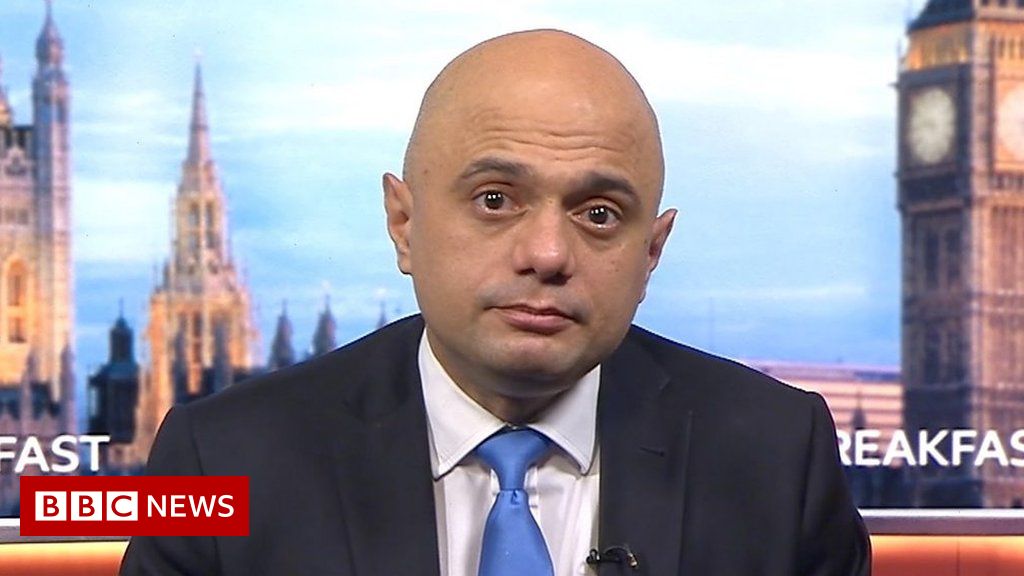
The Health Secretary Sajid Javid, has said there is no need for people to change Christmas plans, despite concern about the new Covid variant, omicron. The head of UK’s Health Security Agency, Dr Jenny Harries, suggested on Tuesday that slightly limiting social contact could slow down the spread of the virus.Mr Javid said it was for government to take “a balanced and proportionate approach” and that he thought “the guidance we’ve got out there is the right guidance”.

Read more →

HIV: The misinformation still circulating in 2021

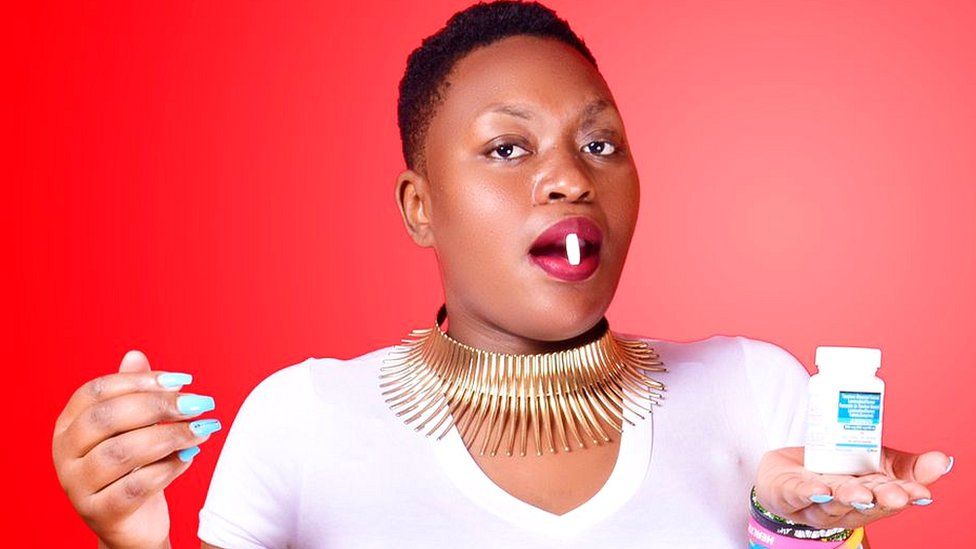
SharecloseShare pageCopy linkAbout sharingImage source, Doreen Moraa MorachaThe last time Paul Thorn saw his parents, decades ago, they threw away the crockery he ate off out of fear of infection. When he was diagnosed with HIV, in 1988, he had to stop training as a nurse.”I lived my entire 20s in fear,” he says. Now, Mr Thorn, based in the UK, hardly thinks about the virus – apart from taking a pill a day and visiting his doctor twice a year. People with HIV who receive treatment can enjoy entirely normal life spans – and outdated and incorrect views that the human immunodeficiency virus (HIV) can be caught from sharing a plate have mostly disappeared – but damaging misinformation still circulates. ‘There is a cure’Doreen Moraa Moracha, from Kenya, was born with HIV but only found out about her diagnosis at the age of 13, in 2005.A television advertisement then led her to a man in Tanzania, claiming to be a healer, who said he could cure Ms Moraa Moracha and her mother of HIV.”We drank the herbal medication that he was selling and we came back believing that we were HIV negative,” she said. She stopped taking her anti-retroviral drugs, which prevent the virus replicating – until she caught shingles and pneumonia because of her weakened immune system.And her viral load – how much HIV is in the blood – was so high her doctor told her if she caught another infection, it would kill her.Untreated, HIV can lead to acquired immune-deficiency syndrome (Aids) – a disease where the body cannot fight off even mild infections.It became clear to her the man was a “scammer”. There is no vaccine or cure for HIV, but belief in a cure is common, International Aids Society president Dr Adeeba Kamarulzaman says.Recent cases of people recovering from the virus have raised hopes.This month, a woman in Argentina became the second documented person to become HIV-free apparently through her own immune system. But it’s not understood how or why. First person cured of HIV, Timothy Ray Brown, dies’You will always be infectious’Joyce Mensah – who is from Ghana but moved to Germany to escape the stigma – says she has lost relationships and even her job because of misconceptions about her condition. The stigma derives from the fallacy that people with HIV are always at risk of passing it on to their partner or child, she says.”When a person discloses their HIV status to a family member or a partner… people have this misconception that it is not 100% safe, once you are positive, you are positive,” Ms Mensah says. In fact, after taking anti-retroviral medication for long enough, people won’t pass the virus on since there is no measurable infection to transmit (though they will still have HIV and require lifelong treatment). Image source, Joyce MensahMs Mensah had four children while on treatment – and none caught the virus. Worldwide, cases of mother-to-child transmission have halved since 2010, as the treatment has become more widespread.But in Ghana, Ms Mensah’s daughter was recently sent home from her school in the false belief she too had the virus – and could infect others.Ian Green, the chief executive of UK charity the Terrence Higgins Trust, who lives with HIV, said: “The biggest single issue for people living with HIV, and certainly my experience as well, is often you view yourself as a vector for disease. “For many years, I was terrified about transmitting the virus to somebody else. “To know now that it’s impossible for me to transmit the virus, that’s been hugely liberating.”‘HIV is over’While HIV is no longer a death sentence and people with the virus can live normal and healthy lives, some campaigners say perceptions have flipped too far the other way. “There’s been amazing advances in HIV treatment and prevention tools but this perception that Aids is over, in terms of prevention work – it’s not terribly helpful, and certainly in terms of investing in the search for an HIV cure,” Dr Kamarulzaman says.UN figures suggest in 2020, about 38 million people worldwide were living with HIV and 700,000 died from Aids-related illnesses, which can be the result of the virus going untreated.Mr Thorn says younger people see it as an old person’s disease, a sentiment echoed by Mr Green, who says they have a “generally lower awareness”.”They think that HIV is something in the past,” he adds.’I am not the sort of person who gets HIV’Just as young people see it as an older person’s illness, many see the virus as something affecting gay men only. Worldwide, just over half of people with HIV are women – and it is the biggest killer of women of reproductive age, according to Christine Stegling, of charity Frontline Aids.But few women she speaks to are aware of their risk. “It’s a very important data point to engage with, because women who are in that age group and women who might want to become pregnant have to have difficult conversations about unprotected sex,” Ms Stegling says.While huge progress has been made, the misinformation still circulating can leave people without jobs, relationships, the right treatment or even a diagnosis in the first place.

Read more →

Prosecutors Push Elizabeth Holmes of Theranos to Take Responsibility

Under cross-examination, the founder of the failed blood testing start-up defended herself but admitted that she had made mistakes.SAN JOSE, Calif. — For four days, Elizabeth Holmes took the stand to blame others for the alleged fraud at her blood testing start-up, Theranos. On the fifth day, prosecutors tried making one thing clear: She knew.Over more than five hours of cross-examination on Tuesday, Robert Leach, the assistant U.S. attorney and lead prosecutor for the case, pointed to text messages, notes and emails with Ms. Holmes — and with her business partner and former boyfriend, Ramesh Balwani — discussing problems with Theranos’s business and technology. Mr. Leach had a common refrain: No one hid anything from Ms. Holmes. As Theranos’s chief executive, he argued, she was to blame.“Anything that happens at the company was your responsibility at the end of the day?” Mr. Leach asked.“That’s how I felt,” Ms. Holmes said.It was the culmination of three months of testimony and nearly four years of waiting since Ms. Holmes was indicted on charges of wire fraud and conspiracy to commit wire fraud in 2018. Prosecutors have shown jurors evidence of faked product demonstrations, falsified documents and communications with the goal of showing that Ms. Holmes knowingly misled investors, doctors, patients and the world about Theranos.The outcome of her case has consequences for the tech industry at a moment when fast-growing start-ups are amassing wealth, power and cultural cachet. Few start-up founders have been prosecuted for misleading investors as they strive to hustle their long-shot business ideas into existence. If convicted, Ms. Holmes, 37, who has pleaded not guilty, faces up to 20 years in prison.Theranos rose to a $9 billion valuation in 2015, raising $945 million on Ms. Holmes’s promise that its blood testing machines could perform hundreds of tests quickly and cheaply using just a few drops of blood. She started the company in 2003 after dropping out of Stanford University.But in reality, prosecutors have argued, Theranos’s machines could conduct only a dozen tests, and those were unreliable. Instead, it secretly used commercially available machines from Siemens. After that and other misrepresentations were exposed, Theranos voided two years’ worth of blood test results. It also settled lawsuits with investors and the Securities and Exchange Commission, ultimately dissolving in 2018.

Read more →

Federal Judge Blocks Vaccine Mandate for Health Workers

A federal judge issued a preliminary injunction on Tuesday to halt the start of President Biden’s national vaccine mandate for health care workers, which had been set to begin next week. The injunction, written by Judge Terry A. Doughty, effectively expanded a separate order issued on Monday by a federal court in Missouri. The earlier one had applied only to 10 states that joined in a lawsuit against the president’s decision to require all health workers in hospitals and nursing homes to receive at least their first shot by Dec. 6 and to be fully vaccinated by Jan. 4.“There is no question that mandating a vaccine to 10.3 million health care workers is something that should be done by Congress, not a government agency,” Judge Doughty of U.S. District Court for the Western District of Louisiana wrote. He added: “It is not clear that even an act of Congress mandating a vaccine would be constitutional.”The plaintiffs, he added, also have an “interest in protecting its citizens from being required to submit to vaccinations” and to prevent the loss of jobs and tax revenue that may result from the mandate.Several cities and states had already imposed their own vaccine mandates for health care workers, in an effort to contain outbreaks that were often passed from communities into medical settings like nursing homes. The momentum for vaccine mandates gained steam during the summer as the Delta variant swept through nursing homes, causing spikes in staff and resident infections, as well as overwhelming hospitals in many states with another Covid surge.Some of the larger hospital chains and several big nursing home operators also began requiring staff vaccinations, before the president began calling for nationwide compliance. Vaccinations among health care employees have increased since the summer, although cases among residents and staff remain in the thousands reported each week. Nationwide, the immunization rates among nursing home staffs is more than 74 percent, although much lower rates still exist in some regions.In leading a 14-state lawsuit against the mandate, Attorney General Jeff Landry of Louisiana said the federal mandate would blow holes in state budgets and exacerbate shortages in healthcare facilities.The Biden administration tied compliance with the vaccine mandate to federal funding, requiring immunizations of millions of workers at hospitals, nursing homes or other health facilities that heavily rely on the Medicare or Medicaid programs. But many health care providers — especially nursing home and rural hospital operators — complained that staff members who were hesitant to be immunized would leave, aggravating employee shortages that plagued the industry long before the pandemic.Those complaints helped swell opposition in many states, like Texas and Florida, that have been vehemently against dictates on vaccines, mask-wearing and other federal policies at the heart of public health advice during the pandemic.More than a dozen states and some employers joined forces to fight a broader mandate that would require private employers of 100 or more workers to impose company-wide immunization. An appeals court has temporarily blocked that mandate as well, as the challengers to the policy pursue their arguments that the Occupational Safety and Health Administration overstepped its authority.The injunction issued on Tuesday is a first step in the lawsuits against the vaccine mandate. The cases still have to be argued before a judge, and any lower-court ruling will likely be appealed.

Read more →