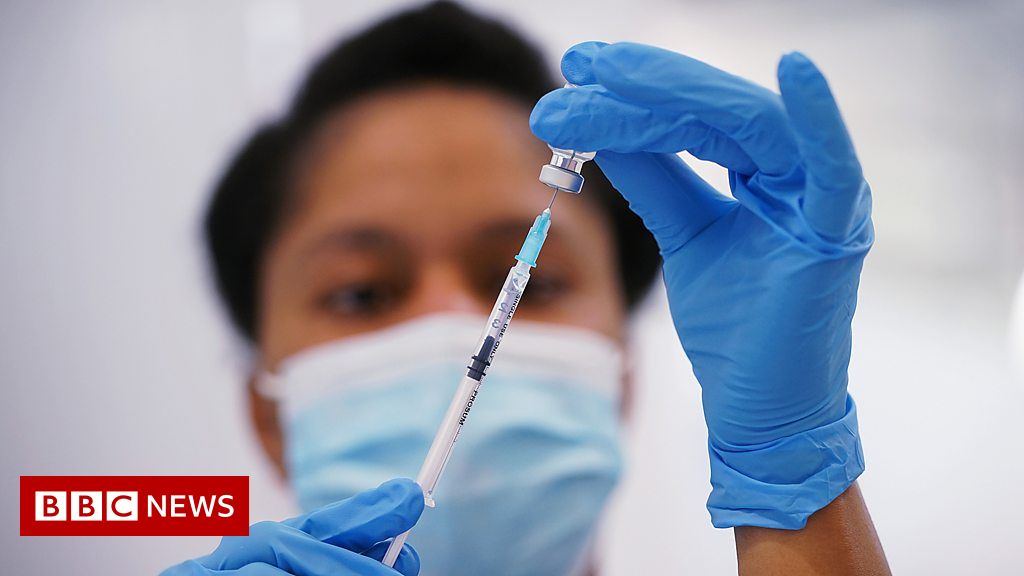
Experimental mRNA HIV vaccine safe, shows promise in animals

An experimental HIV vaccine based on mRNA — the same platform technology used in two highly effective COVID-19 vaccines — shows promise in mice and non-human primates, according to scientists at the National Institute of Allergy and Infectious Diseases (NIAID), part of the National Institutes of Health. Their results, published in Nature Medicine, show that the novel vaccine was safe and prompted desired antibody and cellular immune responses against an HIV-like virus. Rhesus macaques receiving a priming vaccine followed by multiple booster inoculations had a 79% lower per-exposure risk of infection by simian-human immunodeficiency virus (SHIV) compared to unvaccinated animals. The research was led by Paolo Lusso, M.D., Ph.D., of NIAID’s Laboratory of Immunoregulation, in collaboration with other NIAID scientists, investigators from Moderna, Inc. and colleagues at other institutions.
“Despite nearly four decades of effort by the global research community, an effective vaccine to prevent HIV remains an elusive goal,” said NIAID Director Anthony S. Fauci, M.D., chief of the Laboratory and a paper co-author. “This experimental mRNA vaccine combines several features that may overcome shortcomings of other experimental HIV vaccines and thus represents a promising approach.”
The experimental vaccine works like mRNA COVID-19 vaccines. However, instead of carrying mRNA instructions for the coronavirus spike protein, the vaccine delivers coded instructions for making two key HIV proteins, Env and Gag. Muscle cells in an inoculated animal assemble these two proteins to produce virus-like particles (VLPs) studded with numerous copies of Env on their surface. Although they cannot cause infection or disease because they lack the complete genetic code of HIV, these VLPs match whole, infectious HIV in terms of stimulating suitable immune responses.
In studies with mice, two injections of the VLP-forming mRNA vaccine induced neutralizing antibodies in all animals, the investigators report. The Env proteins produced in the mice from the mRNA instructions closely resembled those in the whole virus, an improvement over previous experimental HIV vaccines. “The display of multiple copies of authentic HIV envelope protein on each VLP is one of the special features of our platform that closely mimics natural infection and may have played a role in eliciting the desired immune responses,” said Dr. Lusso.
The team then tested the Env-Gag VLP mRNA vaccine in macaques. The details of the vaccine regimen differed among subgroups of vaccinated animals but involved priming the immune system with a vaccine modified to optimize antibody creation. The prime was followed by multiple booster inoculations delivered over the course of a year. The boost vaccines contained Gag mRNA and Env mRNA from two HIV clades other than the one used in the prime vaccine. The investigators used multiple virus variants to preferentially activate antibodies against the more conserved “shared” regions of the Env — the target of broadly neutralizing antibodies — rather than the more variable regions that differ in each virus strain.
Although the doses of mRNA delivered were high, the vaccine was well tolerated and produced only mild, temporary adverse effects in the macaques, such as loss of appetite. By week 58, all vaccinated macaques had developed measurable levels of neutralizing antibodies directed against most strains in a test panel of 12 diverse HIV strains. In addition to neutralizing antibodies, the VLP mRNA vaccine also induced a robust helper T-cell response.
Beginning at week 60, immunized animals and a control group of unimmunized macaques were exposed weekly, via the rectal mucosa, to SHIV. Because non-human primates are not susceptible to HIV-1, scientists use a chimeric SHIV in experimental settings because that virus replicates in macaques. After 13 weekly inoculations, two out of seven immunized macaques remained uninfected. The other immunized animals had an overall delay in infection, which occurred, on average, after eight weeks. In contrast, unimmunized animals became infected on average after three weeks.
“We are now refining our vaccine protocol to improve the quality and quantity of the VLPs produced. This may further increase vaccine efficacy and thus lower the number of prime and boost inoculations needed to produce a robust immune response. If confirmed safe and effective, we plan to conduct a Phase 1 trial of this vaccine platform in healthy adult volunteers,” said Dr. Lusso.

Read more →

Talk between immune cells could lead to new cancer vaccine

In the past decade, immunotherapy has helped save the lives of many cancer patients, many with lung cancer, who might have otherwise faced almost certain death sentences. However, only about 20% of patients who received immune therapies — designed to enhance or override natural limitations on immune system response — saw sustained benefits from treatment.
Now Yale scientists have helped identify crucial ways that immune system cells congregate and communicate with each other to identify and eradicate tumors, an insight that can help improve these outcomes.
Writing in the journal Cell on Dec. 9, they report these findings might pave the way for new vaccines that may help increase survival rates in several forms of cancer.
In recent years, scientists have found that patients who are most likely to survive lung cancer often develop lymph node-like structures around tumors. And like lymph nodes, these structures produce a host of immune system cells such as CD4 helper T cells, which identify tumors; B cells, which produce antibodies against the cancer; and CD8 killer T cells, which can attack cancer cells.
“The field has been trying to figure out how these mini-immune systems are set up in the tumor micro-environment and why do they correlate to great outcomes?” asked Nikhil Joshi, assistant professor of immunobiology and co-senior author of the paper.
It turns out that these immune system cells communicate with each other.

Read more →

Measuring cancer cell state can reveal drug susceptibility

Over the past few decades, scientists have made great strides in understanding the genetic mutations that can drive cancer. For some types of cancer, these discoveries have led to the development of drugs that target specific mutations.
However, there are still many types of cancer for which no such targeted therapies are available. A team of researchers from MIT, Dana Farber Cancer Institute, and other institutions is now examining whether another cell trait — RNA expression patterns — influences drug responses and can be used to identify treatments a tumor might be susceptible to.
In a new study of pancreatic cancer cells, the researchers identified three prototypical RNA-expression states and uncovered differences in their susceptibility to a variety of cancer drugs. They also discovered that altering the tumor microenvironment can drive tumor cells from one state to another, potentially offering a way to make them more susceptible to a particular drug.
“What we show in this paper is that cancer cell state is plastic in response to the microenvironment and has a dramatic impact on drug sensitivity. This opens new frontiers for thinking about drug development and how to select drugs for individual patients,” says Alex Shalek, a core member of the Institute for Medical Engineering and Science (IMES) at MIT, an associate professor of chemistry, and an extramural member of MIT’s Koch Institute for Integrative Cancer Research. He is also a member of the Ragon Institute of MGH, MIT and Harvard and an institute member of the Broad Institute.
Shalek and Brian Wolpin, an associate professor of medicine at Harvard Medical School and Dana-Farber Cancer Institute; William Hahn, a professor of medicine at Harvard Medical School and Dana-Farber; and Andrew Aguirre, an assistant professor of medicine at Harvard Medical School and Dana-Farber; are the senior authors of the study, which appears today in Cell. The paper’s lead authors are Srivatsan Raghavan, an instructor in medicine at Harvard Medical School and Dana-Farber; Peter Winter, an MIT postdoc; Andrew Navia, an MIT graduate student; and Hannah Williams, a research fellow in medicine at Harvard Medical School and Dana-Farber.
Cell states
Sequencing a cell’s genome can reveal cancer-linked mutations, but identifying these mutations doesn’t always provide information that can be acted upon to treat a particular tumor. To generate additional data that could be used to help choose more targeted treatments, Shalek and other researchers have turned to single-cell RNA-sequencing, which reveals the genes that are being expressed by each cell at a moment in time.

Read more →

Better deep brain stimulation therapy for OCD

In a small study, researchers funded by the National Institutes of Health captured more than 1,000 hours of brain recordings from patients with OCD in the clinic and at home. These data are a key first step towards designing improved deep brain stimulation (DBS) treatments for neuropsychiatric disorders. DBS has shown great promise for improving the lives of people living with neurological disorders such as Parkinson’s disease, and is now gaining traction for treating psychiatric conditions such as obsessive-compulsive disorder (OCD). The study is published in Nature Medicine and funded through the NIH Brain Research Through Advancing Innovative Neurotechnologies® (BRAIN) Initiative.
“By combining at-home and in-clinic brain recordings, this study could aid in the development of adaptive DBS treatments, which could be transformative for people living with OCD,” said John J. Ngai, Ph.D., director of the NIH BRAIN Initiative. “This kind of far-reaching, high-impact work is precisely what the BRAIN Initiative was established to support.”
Researchers, led by David Borton, Ph.D., associate professor of biomedical engineering at Brown University, Providence, Rhode Island, and Wayne K. Goodman, M.D., the D.C. and Irene Ellwood Chair in Psychiatry at Baylor College of Medicine, Houston, collected brain recordings from three patients who were already receiving DBS treatment for OCD. These recordings occurred in the clinic, during teletherapy sessions, and during normal life activities at home. These data will be used to correlate specific brain patterns with OCD symptoms, with the goal being the identification of neural signatures and related behaviors that predict the onset of symptoms and that can be used to further refine DBS treatment. The at-home component to the recordings is a particularly important advancement, since that is the environment where patients are being exposed to the triggers that affect their daily lives.
OCD and other neuropsychiatric disorders are challenging to treat with DBS because the symptoms fluctuate over time. Unlike motor disorders, such as Parkinson’s disease that are commonly improved with DBS, the symptoms of OCD come and go over time and can be triggered by the person’s environment.
“Currently, DBS therapy for OCD involves implanting the electrodes, turning on the stimulation, and then fine-tuning that stimulation as best as possible in the clinic,” said Dr. Borton. “But because symptoms can be triggered by many factors, the clinician is tuning the DBS system for the patient at that moment in the clinic, but their needs could change significantly once they leave the clinic.”
Another enormous challenge is the current lack of biomarkers — distinct and measurable changes in brain activity — for OCD symptoms. In addition, changes in symptoms in response to DBS for neuropsychiatric disorders can take weeks or even months to occur once treatment begins. This means that clinicians programming the DBS system must rely on secondary behavioral changes such as a positive affect response — patients feel happier or more talkative when stimulation is turned on.
“Changes in affect can tell us that we are stimulating the right area of the brain, but not necessarily that the stimulation itself is ideally tuned,” said Dr. Goodman.
The researchers in this study aimed to tackle these challenges by using a technology similar to what had been previously used by BRAIN Initiative investigators in patients with Parkinson’s disease.
In the current study, brain recordings were taken from the same electrodes responsible for delivering the DBS therapy and time-synched to EEG, other physiological recordings, and facial changes when recorded in the clinic; to efforts to evoke symptom responses during teletherapy sessions; and to self-reported symptoms during everyday life and during prescribed tasks at home.
By combining these diverse data sets, the researchers were able to begin identifying candidate neurological signatures for OCD, such as brain activity changes that occurred over time in correlation with clinical scores for OCD symptoms. Going forward, the researchers plan to tweak the stimulation in response to the candidate biomarkers to confirm whether they can be used to impact the onset of symptoms. In addition, recordings from the cortical surface of patients, similar to what was done in the study of Parkinson’s disease, will be added to provide an additional layer of information.
This study builds on work by the OpenMind Consortium, a cross-institutional partnership also funded through the NIH BRAIN Initiative (U24NS113637). The study itself was funded by the NIH BRAIN Initiative (UH3NS100549, UH3NS103549), NIH (MH121371, HD083092, MH096951, MH116364, NS104953, MH101076, and OD025181), the Charles Stark Draper Laboratory Fellowship, the McNair Foundation, the Texas Higher Education Coordinating Board, and the Karen T. Romer Undergraduate Teaching and Research Award at Brown University. The study was part of an ongoing clinical trial to develop adaptive DBS for OCD (NCT042281134 and NCT03457675).

Read more →

Atomic structure of antifungal drug confirms unusual mechanism, opens door to less-toxic derivatives

Advanced molecular imaging technology has now mapped the structure of a drug widely used to treat fungal infections but whose workings have mystified researchers and physicians for nearly 70 years.
In a new study, researchers at the University of Illinois Urbana-Champaign, the University of Wisconsin, Madison and the National Institutes of Health described in atomistic detail the structure of the drug amphotericin B, a powerful but toxic antifungal agent.
Seeing the structure provides illumination in the researchers’ quest to formulate less-toxic AmB derivatives, said Dr. Martin D. Burke, a professor of chemistry at Illinois and a member of the Carle Illinois College of Medicine, as well as a medical doctor. Burke co-led the study with Chad Rienstra, a Wisconsin professor of biochemistry, and Taras Pogorelov, an Illinois research professor of chemistry. The researchers reported their findings in the journal Nature Structural & Molecular Biology.
“It’s like we were driving in the dark at night, and all of a sudden we were able to put the lights on. With the clarity of this structure, we can see where we need to go to reach our goal of a less-toxic antifungal drug,” Burke said.
Previously, researchers and physicians thought that AmB killed fungal cells by forming channels in the cell membrane, the outer envelope that encases the cell. However, in 2014, while Rienstra was a professor at Illinois, Burke and Rienstra’s group found that amphotericin primarily kills cells by robbing the membrane of sterol molecules — cholesterol in human cells and ergosterol in fungal cells. Individual amphotericin molecules aggregated into a larger structure that absorbed sterol molecules out of cell membranes like a sponge, causing the cells to die.
“The ion channel is a secondary action to the antifungal activity. That let us disconnect the ion channel-forming function from the fungicidal activity of amphotericin,” Burke said. His group has applied the channel-forming abilities of AmB as a “molecular prosthetics” approach to treat cystic fibrosis, yet greater understanding of the fungicidal sterol sponge remained elusive.

Read more →

Algorithm shows that under the right conditions, mosquitoes can even flourish in winter

With an impressive capability of drinking up to three times their body weight in a single blood meal, mosquitoes are formidable parasites. But to reach adulthood, mosquitoes need to be raised in environments where the temperatures are conducive to their breeding, growth and development.
In a new study in the journal Scientific Reports, Texas A&M University researchers have developed a mathematical model based on machine learning to precisely predict the local or microclimatic temperature within the breeding grounds of the Aedes albopictus mosquitoes, carriers of the chikungunya and dengue viruses. Their algorithm also reveals that even in winter, the temperature may be warm enough in certain breeding grounds to allow mosquitoes to grow and thrive.
“Our goal is to develop accurate and automated mathematical models for estimating microclimatic temperature, which can greatly facilitate a quick assessment of mosquito populations and consequently, vector-borne disease transmission,” said Dr. Madhav Erraguntla, associate professor of practice in the Wm Michael Barnes ’64 Department of Industrial and Systems Engineering.
Responsible for around a million deaths globally, mosquitoes continue to wreak havoc to public health in many parts of the world. In addition to water, temperature plays a critical role at different stages in mosquitoes’ life cycle. Furthermore, The mosquitoes’ development, reproduction and survival can be mathematically modeled on the basis of temperature.
Past studies have largely relied on ambient temperature, or general air temperature, to make predictions about mosquito populations. However, these calculations have not been precise since ambient temperatures can deviate from those within mosquito breeding grounds. Recognizing this shortcoming, scientists rely on sensors, called data loggers, to continually keep track of the temperature, light intensity and humidity within breeding grounds. Despite their advantages, these sensors are inconvenient due to their cost and long-term use.
“People have realized that the microclimatic conditions are important, but right now data loggers are the only way to keep track of temperature,” said Erraguntla. “We wanted to address this gap by automating the process of estimating microclimatic temperatures so that we can model the life cycle of mosquitoes accurately.”
For their experiments, the researchers placed sensors in common mosquito breeding grounds around Houston, Texas, including storm drains, shaded areas and inside water meters. In addition, they obtained information on ambient temperatures from the National Oceanic and Atmospheric Administration repository. With this data as training input to a machine learning algorithm, the computer model could predict the microclimatic temperatures for a variety of ambient temperatures and breeding grounds within 1.5 degrees centigrade. Further, the model now could even forecast microclimatic temperatures for any ambient temperature, precluding the need for sensors.
Next, they fed the values of the microclimatic temperatures to another mathematical model, called the population dynamic model, that tracks the life cycle of the mosquitoes. Based on the microclimatic temperature and other parameters, the population dynamic model could estimate the populations at different stages in the lifecycle including eggs, larvae, pupae and adult Aedes albopictus mosquitoes.
The model also revealed that the insulated conditions of the storm drains could result in the survival of 84% of juveniles and eggs and 96% of adults during the winter months, a time of the year when mosquitoes are assumed to be dormant.
Although their climatic temperature prediction model has a high degree of accuracy, the researchers noted that additional research is needed to affirm if their model is applicable to places outside of Texas.
“Our work automates the prediction of microclimatic conditions, bypassing an otherwise expensive and time-consuming process of placing the sensors in different breeding spots, collecting the sensor data and analyzing it,” said Erraguntla. “From a public health context, this work will help epidemiologists better track mosquito-borne disease transmission and surges in mosquito abundances.”
Other contributors to this research include Darpit Dave, Josef Zapletal and Mark Lawley from the industrial and systems engineering department; and Kevin Myles, Zach Adelman and Tyler Pohlenz from Department of Entomology at Texas A&M.
Story Source:
Materials provided by Texas A&M University. Original written by Vandana Suresh. Note: Content may be edited for style and length.

Read more →

Early developmental gene can cause deadly aneurysms

Mutations of a gene that regulates formation of blood vessels in the brain of vertebrates can lead to potentially deadly aneurysms in adults, Yale School of Medicine researchers report in the December issue of Nature Medicine.
Saccular brain aneurysms affect nearly 3% of the human population. If they rupture, it can cause subarachnoid hemorrhage, the deadliest type of intracranial hemorrhage. Approximately 500,000 hemorrhagic strokes are reported annually worldwide; nearly one in four victims die before reaching the hospital.
Predicting who might be vulnerable to such inherited forms of intracranial aneurysms, however, has been notoriously difficult. And until now, researchers have had difficulty identifying the genes that might trigger an increased risk of aneurysms in adults.
In the new study, researchers from the Yale’s departments of neurosurgery, genetics, and cardiovascular medicine identified the role of a gene, named PPIL4, in intracranial aneurysms. The gene is known to play a crucial role in creating blood vessels in the developing vertebrate brain.
For the study, the group analyzed the genomes of more than 300 patients with intracranial aneurysms and found significant increase of PPIL4 mutations compared with the general population.
The Yale team was led by three co-corresponding authors: Murat Gunel, the Nixdorf German Professor and chair of the Department of Neurosurgery; Stefania Nicoli, an associate professor of internal medicine and genetics and co-director of the Yale Cardiovascular Research Center in Cardiology; and Ketu Mishra-Gorur, a research scientist.
“Identifying inherited forms of intracranial aneurysms that have large effect sizes have been difficult to identify,” Gunel said. “We are very excited to report such mutations in the PPIL4 gene, providing a unique insight on how these deadly lesions form.”
Unruptured aneursyms cause no symptoms and are hard to detect in normal clinical exams, which makes it difficult to identify individuals who could benefit from early treatment.
“The disease has never been associated with a developmental defect and this gene is like a time machine that allows us to look back and find the origins of the aneurysms,” said Nicoli. “It is only one piece of the puzzle, but one that dramatically changes how we look at the disease.”
In addition to the genetic discovery of PPIL4, the group demonstrated that a novel PPIL4-Wnt signaling pathway is essential for brain vessel development and integrity.
“Studies like ours not only provide a genetic and mechanistic window into disease pathogenesis but present a remarkable potential for new pathways in IA screening, early diagnosis, and treatment,” Mishra-Gorur said.
Tanyeri Barak, an associate research scientist in neurosurgery in Gunel’s lab, and Emma Ristori, a postdoctoral fellow at the Yale Cardiovascular Research Center in Cardiology, are co-first authors. Other Yale authors include Gulhan Adife Ercan-Sencicek and Andrew Prendergast.
Story Source:
Materials provided by Yale University. Original written by Bill Hathaway. Note: Content may be edited for style and length.

Read more →

How bone-bordering cells may help shape a skull

A skull is not one single bone but rather a collection of bone plates joined together early in development. In a study of mice, scientists at the Icahn School of Medicine at Mount Sinai showed how the activity of one gene, turned on in a newly discovered group of bone-bordering cells, may play an important role in shaping the skull. The skulls of mice that were missing the gene were misshapen and were depleted of the cells in a manner that is reminiscent of craniosynostosis, a developmental disorder that affects about one out every 2,500 babies born in the United States.
The lead author of the study was Greg Holmes, PhD, Assistant Professor of Genetics and Genomic Sciences at Icahn Mount Sinai.
The study focused on the cells of the coronal suture, a fibrous joint that connects the front and middle bone plates. In humans, it runs across the top of the skull, from one temple to the other. Throughout development, the suture is filled with a buffering tissue called mesenchyme, which contains stem cells. The stem cells provide a constant source of new bone cells, or osteoblasts, which are needed as the plates on either side grow and the skull expands. In adults, these stem cells are depleted and the joints between the bone plates fuse.
Craniosynostosis is a birth defect in which this fusion happens prematurely, resulting in babies born with misshapen skulls who may develop neurological problems. Scientists have shown that about 25 percent of cases are linked to genetic mutations and that normal suture development is controlled by a variety of growth factors. Of all the sutures needed to form a skull, the coronal suture is commonly affected in craniosynostosis.
In this study, the Holmes lab worked with researchers in the labs of Bin Zhang, PhD, Harm van Bakel, PhD, and Ethylin Wang Jabs, MD, of Icahn Mount Sinai. Together they studied how the genetic activity in the cells of the coronal suture changes during early development. To do this, they measured the RNA levels of individual suture cells from embryonic mice about one to three days before the mice were normally born.
Their results suggested that a gene encoding a molecule called hedgehog interacting protein (HHIP) plays a unique and critical role in coronal suture development. The gene was more active in a novel group of mesenchyme cells than it was in osteoblasts. In fact, the scientists saw the opposite trend when they looked at the cells of other sutures. Tracing experiments suggested that after birth the coronal suture osteoblasts were derived from these mesenchyme cells. Moreover, the skulls of embryonic mutant mice that were missing the HHIP gene were shaped differently than those from normal mice. Specifically, there were fewer mesenchymal cells separating the skull bones and the mutant coronal suture was close to fusing.
Hedgehog proteins are growth factors known to guide normal growth and development in a variety of species, including the promotion of bone growth. HHIP is known to inhibit hedgehog activity. To the authors of this study, their results suggest that the HHIP gene reduced hedgehog activity to allow normal development of the coronal suture. They hope that advanced single-cell genetic studies like this one will give researchers a more thorough understanding of how a skull is shaped under healthy and disease conditions.
Story Source:
Materials provided by The Mount Sinai Hospital / Mount Sinai School of Medicine. Note: Content may be edited for style and length.

Read more →

Omicron and boosters: Your questions answered

Many countries have started to roll out fresh restrictions to limit the spread of the Omicron coronavirus variant and BBC World News viewers have been sending in questions about the new variant and the Covid pandemic in general.How much more do we know about Omicron? If Omicron is less fatal, but more transmissible than Delta is that good news? How much worse would Covid-19 be without my triple vaccination? How safe is it to vaccinate children under 12?BBC World News’s Lucy Hockings put these questions and others to Dr Catherine Smallwood, Covid-19 Incident Manager at WHO Europe and Prof Tulio de Oliveira, director of the Centre for Epidemic Response and Innovation (CERI) at the Stellenbosch University in South Africa.

Read more →

How Nursing Homes’ Worst Offenses Are Hidden From the Public

In Arizona, a nursing home resident was sexually assaulted in the dining room.In Minnesota, a woman caught Covid-19 after workers moved a coughing resident into her room.And in Texas, a woman with dementia was found in her nursing home’s parking lot, lying in a pool of blood.State inspectors determined that all three homes had endangered residents and violated federal regulations. Yet the federal government didn’t report the incidents to the public or factor them into its influential ratings system. The homes kept their glowing grades.A New York Times investigation found that at least 2,700 similarly dangerous incidents were also not factored into the rating system run by the federal Centers for Medicare and Medicaid Services, or C.M.S., which is designed to give people reliable information to evaluate the safety and quality of thousands of nursing homes.Many of the incidents were uncovered by state inspectors and verified by their supervisors, but quashed during a secretive appeals process, according to a review of thousands of pages of inspection reports and nursing home appeals, which The Times obtained via public-records requests. Others were omitted from the C.M.S. ratings website because of what regulators describe as a technical glitch.The Times this year has documented a series of problems with Medicare’s ratings system. Much of the data that powers the system is wrong and often makes nursing homes seem cleaner and safer than they are. The rating system also obscures how many residents are receiving powerful antipsychotic drugs.But the problems with the inspection process, which are the core of the ratings system, are the most consequential. On-the-ground inspections are the most important factor in determining how many stars homes receive in Medicare’s rating system. The reports that inspectors produce give the public an unvarnished view inside facilities that house many of the country’s most vulnerable citizens.On the rare occasions when inspectors issue severe citations, nursing homes can fight them through an appeals process that operates almost entirely in secret. If nursing homes don’t get the desired outcome via the informal review, they can appeal to a special federal court inside the executive branch. That process, too, is hidden from the public.Even when the citations are upheld by this federal court, some never make their way onto the Medicare website, known as Care Compare. In November, for example, the court sustained a major punishment against Life Care Center of Kirkland, Wash. — the nursing home that faced the first coronavirus outbreak in the United States — yet the citation is absent from the Medicare site. The facility has a five-star rating.The pattern gives nursing homes a powerful incentive to pursue every available appeal. Even if they lose, the process eats up time and reduces the odds of damaging information ever becoming public.“There is every advantage to the facility not to have an opinion issued for as long as they could possibly delay, and there’s no advantage to the public for that to occur,” said Richard Routman, a lawyer who represented the federal government in nursing home appeals until 2014.“Once I realized that people wouldn’t see cases that are on appeal, I thought, why would anybody ever look at this again?”Representatives of the nursing home industry say it is only fair that they be allowed to appeal citations before they are made public, especially since many end up getting overturned or downgraded. But The Times found that the appeals process can be one-sided, excluding patients and their families.Jonathan Blum, the chief operating officer for C.M.S., said that citations are omitted during state-level appeals to be fair to nursing homes that are disputing inspectors’ findings. He acknowledged that even after appeals are exhausted, some citations still don’t appear on Care Compare. He said C.M.S. is “working to correct this issue.”‘Kinder and Gentler’Life Care Center of Kirkland, Wash., has a top rating.Lindsey Wasson/ReutersThe biggest component of nursing homes’ star ratings are the inspections conducted by state health investigators. Facilities that ace their inspections are on track to get up to five stars, whereas those that flunk will struggle to get more than one or two stars.There’s big money at stake. Because of the weight that people place on the star ratings, researchers have found a connection between better inspection results and greater profits. The Times analyzed nursing homes’ financial statements from 2019 and found that four- and five-star facilities were much more profitable than lower-rated facilities. (For-profit companies own about 70 percent of all U.S. nursing homes.)Inspectors visit every nursing home once a year or so for general inspections and in response to complaints. They spend several days combing through medical records, tagging along with nurses and aides as they do their work, interviewing staff and residents and even testing the temperature of the morning coffee.When inspectors encounter problems, they can propose issuing a citation. First, though, they must build a case by compiling things like witness statements and medical records. Supervisors often vet citations before they’re issued to ensure that violations are properly investigated and documented.The vast majority of citations are minor. But a fraction are deemed serious, faulting nursing homes for putting their residents in “immediate jeopardy” or causing “actual harm.” On each nursing home’s listing on Care Compare, there is a section that shows whether they have received any such citation in recent years.The violations then are incorporated into a formula that helps determine a facility’s star rating. The more severe the violations, the heavier the toll on the rating.For decades, federal watchdog agencies have criticized state inspectors for taking a light touch with the nursing homes they oversee.Inspectors rarely deem problems to be serious enough to harm homes’ star ratings. From 2017 to 2019, The Times found, inspectors wrote up more than 2,000 five-star facilities at least once for not following basic infection-control precautions, like having employees regularly wash their hands.At 40 other five-star homes, inspectors determined that sexual abuse did not constitute actual harm or put residents in immediate jeopardy.The reasons are complicated. Inspectors tend to be overworked and poorly paid. Writing up a facility for a serious violation requires extra paperwork and additional visits to check that the home has fixed the problem.Another factor, inspectors say, is that they have been conditioned to expect blowback when they cite homes for serious problems.“I feel sometimes the things I cite don’t mean anything because it gets tossed out at the state level or they determine it not to be as severe,” an unnamed inspector said in a 2013 survey conducted by the Center for Medicare Advocacy, a consumer rights group. “Sometimes it makes you wonder why we spin our wheels on a problem.”Public officials have urged inspectors to nudge nursing homes to improve, instead of punishing them.Oklahoma’s inspections agency referred to nursing homes as its “clients,” according to a letter from the agency reviewed by The Times. Inspectors in Pennsylvania complained about being told to be “kinder and gentler” with nursing homes, according to the 2013 survey. Last year, in the depths of the pandemic, the California department of health told inspectors to act as safety “consultants” to nursing homes and to not take on an enforcement role. (The policy was scrapped after inspectors objected.)In Arkansas, some inspectors said supervisors discouraged them from citing homes for immediate jeopardy or actual harm, even when they spotted dangerous conditions.“Deficiencies are thrown out all the time,” said Lisa Thomas, who previously oversaw the training of the state’s inspectors. (She said she was fired in 2019 after complaining to the governor’s office about the agency.)Gavin Lesnick, a spokesman for the Arkansas Department of Human Services, denied that inspectors were discouraged from citing nursing homes for serious violations. He also denied that Ms. Thomas was fired for her complaint. “The safety and health of the patients is our number-one priority, and why all of our staff come to work every day,” he said.Keeping Data SecretSauer Health Care in Winona, Minn., has a five-star rating, despite inspectors’ finding that it put its residents in jeopardy.Tim Gruber for The New York TimesWhen the state issues a citation against a nursing home, federal rules give the facility the right to appeal through what’s known as an informal dispute resolution process. The home can argue that inspectors were mistaken in their findings or that their proposed punishment was overly harsh.Such reviews are supposed to take 60 days, but they sometimes drag on for more than a year, The Times found. Mr. Blum, the C.M.S. official, said facilities were required to fix any problems regardless of whether they appealed.Procedures vary among states. Sometimes, the agency that issued the initial violation reviews its own work. Other times, states ask a nonprofit organization to make the decision. In Massachusetts, the process is left to a panel where a majority of members either represent or have worked for nursing homes. In Indiana, nursing home residents and their family are not permitted to attend hearings.If a nursing home prevails, the citation is made less severe or deleted from the record altogether.While the review is underway, the inspectors’ findings are not posted on the Care Compare website.That’s why there is no public accounting of what happened at Sauer Health Care, a nursing home with five stars in eastern Minnesota, in April 2020.State inspectors found that as Covid was spreading through the home — five residents would die in less than a month — the staff was not exercising basic precautions. Employees weren’t removing protective gear after they left a sick person’s room. The home wasn’t consistently screening staff for Covid symptoms. In one case, inspectors found that the home moved a resident who was coughing and had an elevated temperature into the room of a woman who had no symptoms. Both eventually tested positive for the virus.Inspectors concluded that Sauer had placed its residents in immediate jeopardy. They ordered the home to develop an emergency plan to fix the problems, according to their 21-page report, which The Times obtained through an open-records request.The nursing home appealed the ruling through the informal dispute resolution process and is still awaiting a decision, said Sara Blair, the administrator of Sauer Health. She wouldn’t explain the basis for the home’s appeal.While decisions in these cases aren’t made public, homes like Sauer stand a good chance of winning.The Times asked public health agencies in all 50 states how often citations were upheld, reduced in severity or deleted entirely since 2016. Eighteen states provided figures. About 37 percent of the time, the nursing homes succeeded in getting citations removed or reduced in severity.The success rate varied from state to state. In Massachusetts, 36 percent of the citations that nursing homes appealed ended up being deleted. In Connecticut, facilities were successful at either erasing or reducing the severity of citations nearly half the time.Multiple states declined to provide the data to The Times; two, Missouri and Florida, said they had been told not to by C.M.S. The federal agency declined to disclose nationwide figures to The Times.Nursing homes say that the relatively high rate of successful appeals is a sign of problems with the inspection process.“If I was the chief executive of a company and looking at an error rate of 40 percent, I’d think what is going wrong,” said Margaret Chamberlain, a lawyer who represents nursing homes.But the appeals process tilts in favor of nursing homes because the facilities are the only ones to make their case; residents and their families are shut out of the process.Regardless of the reason, visitors to the Care Compare website have no way of knowing if they are getting an incomplete picture of problems at a nursing home.Heroin in a PurseKim Blanchar, Tammy Bowman’s sister, in a photograph with Ms. Bowman’s two children.Johnathon Kelso for The New York TimesIf a nursing home loses in the informal process, it can appeal to administrative law judges working for the Department of Health and Human Services. During that process, the citations are supposed to — but often don’t — appear on the Care Compare website.These cases play out in courtrooms. But unlike most legal cases, there are no public dockets, where members of the public can look up the status of cases, the next court date or the latest legal filings. (A spokeswoman for the Department of Health and Human Services said the docket was private because filings in these cases often contain “sensitive information protected from public disclosure.”)In April 2020, a team of state inspectors arrived at Brooke Knoll Village, a nursing home in Avon, Ind. They found the home had failed to isolate residents who were suspected of having Covid-19. The state concluded that Brooke Knoll had placed residents in immediate jeopardy, according to inspection documents reviewed by The Times.Brooke Knoll, which didn’t respond to requests for comment, lost its initial appeal through Indiana’s informal dispute process, and it is appealing the violation to the federal government. A finding of immediate jeopardy often lowers a nursing home’s star rating, but Brooke Knoll still has five stars, and the citation does not appear on Care Compare.Instead, the site says, “no health deficiencies found.”“How do they get away with that?” said Tammy Bowman, whose sister was a resident at Brooke Knoll and contracted Covid just before the inspectors arrived at the home. She later died from the disease.“I feel like you can’t hide something like that when we’re talking about somebody’s life,” Ms. Bowman said.State inspectors placed an Indiana nursing home in “immediate jeopardy” after an April 13, 2020 inspection.Centers for Medicare & Medicaid ServicesEven though the nursing home lost its state-level appeal of the violation, the inspector’s findings are missing from Care Compare, the government’s guide to nursing home quality.Centers for Medicare & Medicaid ServicesThe appeals often shed light on serious violations that never made it onto Care Compare. The Times reviewed 76 federal administrative decisions published in 2020 and 2021. Ten violations that were upheld by the court were not posted to the federal website and didn’t affect the homes’ star ratings.People checking Care Compare never found out that a resident was arrested at the Voorhees Care and Rehabilitation Center in New Jersey after being spotted placing heroin in another resident’s purse, and that a third resident died of an overdose.The public never found out that inspectors cited another New Jersey nursing home, Rehab at River’s Edge, for failing to protect a fragile resident who fell seven separate times, at one point fracturing her foot.And the public never found out that a resident at the Golden Living Center nursing home in Morgantown, W.Va., crashed to the ground and died after staff mistakenly removed the safety rails from his bed. In all three of those cases, the state inspectors’ findings were upheld by a federal judge.Mr. Blum, the C.M.S. official, didn’t say why such citations had never appeared on Care Compare. He said the agency was working to fix the problem. (The three homes declined to comment or didn’t respond to requests for comment. Golden Living is under new management.)Dr. David Gifford, the chief medical officer of the American Health Care Association, which represents the nursing home industry, said the group’s members believed the appeals process should be faster and more transparent. He said Medicare should not post the results of inspections that are in dispute.Found on the PavementOn paper, Hilltop Rehabilitation, a sprawling ranch-style nursing home in Weatherford, Texas, seems like a place where little ever goes wrong. On Medicare’s rating website, the facility has won the highest scores on its health inspections for four years straight, not incurring a single serious infraction.What’s missing from that picture, though, is what happened to Alan Hart’s mother, Laverne.In 2014, he placed the 87-year-old retired children’s book author, who had dementia, at Hilltop because he was having trouble caring for her on his own.Mr. Hart said it broke his heart to move her, but he thought she would be in good hands at the five-star nursing home, which planned to keep her on a supervised, locked floor.In August 2015, Ms. Hart was left alone and tumbled from her wheelchair, injuring her shoulder, according to court documents and her son.Then, shortly before Christmas, Ms. Hart was alone again. She wheeled herself out of unlocked doors to the facility’s parking lot, where she fell, smashing her face on the pavement. It was just above freezing outside, and she was wearing only a thin nightgown. More than 30 minutes had passed before she was found on the ground, her hair matted with blood and her nose broken.Mr. Hart, a police officer, was at work when he got the call. As he sped to Hilltop, he prepared for the worst. “I thought she was dead for sure,” he said. “They didn’t supervise her at all.”Inspectors agreed. They hit the facility with an immediate jeopardy citation for not properly supervising Ms. Hart, even though the home knew she was prone to wandering. The inspectors also faulted Hilltop for allowing her to fall on several occasions and for unnecessarily drugging her.Hilltop, which didn’t respond to requests for comment, appealed the inspectors’ citation through the informal review process. The home lost. Then Hilltop appealed to the federal government. Four years later, in June 2020, an administrative law judge upheld the inspectors’ original findings.C.M.S. never posted the citation off the Care Compare website. Hilltop has a nearly spotless inspection record.Assault at the Dinner TableSun Health La Loma Care Center in Litchfield, Ariz., has a five-star rating, despite an assault allegation substantiated by federal investigators in 2018.Adriana Zehbrauskas for The New York TimesEvery year, C.M.S. sends special teams to about 5 percent of nursing homes to double-check state inspectors’ work. The idea is to enforce consistency and ensure that individual states are holding homes accountable to federal standards of nursing care.Studies have found that federal inspectors tend to find more serious problems than their state counterparts during these examinations. But the Medicare agency does not publish the reports of its own inspectors — even when they turn up dangerous or deadly conditions — or factor them into homes’ star ratings.The Times reviewed details of three federal inspection reports.One involved the Lakeview Manor nursing home in Indianapolis. In March 2020, federal workers were following up on a state inspection from two months earlier when they found that Lakeview had placed a resident in danger by installing the wrong rails on her bed, increasing the risk that she would get entangled in them.The same month, at Landerbrook Transitional Care in Mayfield Heights, Ohio, federal investigators discovered a woman smoking a cigarette while connected to a flammable oxygen tank.The federal inspectors determined that both situations risked causing severe injury or death. Neither was disclosed to the public. (Representatives of Lakeview and Landerbrook didn’t respond to requests for comment.)Mr. Blum of C.M.S. said federal surveys were excluded from the ratings system because they were designed to “assess a state survey agency’s performance,” not the quality of nursing homes.Sun Health La Loma Care Center in Litchfield, Ariz., has a five-star rating. In January 2018, a 76-year-old woman went there to recover from surgery for a fractured femur. On her second evening there, a male resident beckoned her to his dinner table. Moments after she sat down, he pinched her breast. Terrified, the woman refused to eat in the dining room for the remainder of her stay.When state inspectors visited Sun Health in June 2018, they said they could not substantiate the assault. Later that summer, though, federal inspectors came to a different conclusion.They found that the male resident had a history of assaulting staff. The week before the incident in the dining room, he had groped his occupational therapist on three separate occasions. The nursing home had added a note to the man’s record warning staff to keep him away from female residents.The federal inspectors cited the nursing home for causing actual harm to residents by failing to follow its own guidance and for allowing the assault to take place.Ken Reinstein, a spokesman for Sun Health, said the nursing home disagrees with the federal finding and “cares very deeply about its residents and the care they receive.”The only thing that visitors to Sun Health’s entry on Care Compare see are the minor issues identified by state inspectors. There is no trace of the serious problems uncovered by their federal counterparts.Life Care Center in Kirkland, Wash.Elaine Thompson/Associated PressMark Walker

Read more →