PCR: Activated by light

DNA polymerases and other enzymes that modify DNA are essential tools in biotechnology and diagnostics. They are the key component for COVID-19 diagnostics by PCR. As useful as they are, DNA processing enzymes often have important flaws. Some of them display significant activity during the preparation of the samples, while others have nasty secondary activities. Both can lead to loss of specificity and sensitivity, which has to be avoided in a diagnostic test. The trick is to block any type of enzymatic activity until the assay starts.
For diagnostics tests based on PCR, such as the above mentioned test for COVID-19, the solution is the development of a hot-start enzyme, which shows no activity until a high activation temperature is reached. The main drawback of these hot-start approaches is that they cannot be used for enzymes that are damaged by heat, says LMU-biochemist Andrés Vera. “Besides, the design of a hot-start enzyme is tedious and the exhausting design process has to be repeated for each new enzyme that we want to engineer.”
Together with Merve-Zeynep Kesici from the group of Prof. Philip Tinnefeld at the Department of Chemistry of LMU Andrés found a way around these problems designing light-start enzymes. Their light-start enzymes are blocked until a pulse of UV light reactivates them. “Light-controlled enzymes have been around for quite a while, but what makes our approach unique is that it can be applied to virtually any DNA processing enzyme. In the past you always needed very detailed information on how your enzyme works and you were never sure that you would come with a smart way to block the enzyme and reactivate it with light,” says Vera, leader of the project.
In their approach, the researchers bound a piece of DNA to the enzyme itself, which over-compete any other enzymatic substrates rendering the enzyme effectively inactive (including their secondary activities). The light pulse is used to cut the DNA attached to the enzyme resulting in a 100% active enzyme. The main advantage is that the mechanism should work for a broad range of DNA biding enzymes regardless of their specific way of action.
To prove their point the researchers produced four light-activatable versions of different DNA processing enzymes. Among them was the so called Phi29 DNA polymerase, an enzyme broadly used to amplify whole genomes but too heat-sensitive to be adapted to hot-start methods. Moreover, the team showed light-start PCR and proved that their DNA polymerases were as good or better compared to commercial hot-start enzymes for PCR. Philip Tinnefeld is positive about this new development: “This is definitely going to help to produce better enzymes for biotechnological and diagnostics use. Besides, current real-time PCR machines already incorporate light sources and they could be easily modified to bring these enzymes to the market anytime soon.”
Story Source:
Materials provided by Ludwig-Maximilians-Universität München. Note: Content may be edited for style and length.

Read more →

Researchers develop platform to screen for new class of coronavirus antiviral compounds

Researchers investigating ways to develop a novel class of antiviral drugs to treat coronaviruses, including SARS-CoV-2, which causes COVID-19, have developed a platform that can rapidly screen thousands of compounds to identify potential candidates. The team, led by researchers at the Johns Hopkins Bloomberg School of Public Health, used their new high-throughput platform to screen drug compounds that inhibit the macrodomain — a protein fold that plays a critical role in the coronavirus life cycle.
Prior studies suggest that some coronaviruses as well as alphaviruses largely lose their ability to replicate in cells and cause diseases in animals when their macrodomain’s enzymatic activity is disrupted. In this study, researchers targeted the macrodomain of SARS-CoV-2 called Mac1.
This is thought to be the first high-throughput system that can screen for compounds that block macrodomain activity. In a proof-of-principle demonstration, they used the screening platform to identify existing drugs that block the coronavirus Mac1 activity. The researchers then showed that one of these drugs did not disrupt the enzymatic activity of the human macrodomain that is most similar to Mac1. Compounds that affect human macrodomains would be more likely to cause unwanted side effects in patients.
The new screening platform may enable the development of broad-spectrum drugs that treat existing coronaviruses, including SARS-CoV-2, and potentially new coronaviruses that could emerge from animal reservoirs such as bats.
The findings were published December 14 in the journal ACS Chemical Biology.
“A viral-specific macrodomain inhibitor drug could be very useful in the treatment of COVID-19, MERS, and in a possible future pandemic caused by a novel coronavirus,” says study senior author Anthony K. L. Leung, PhD, associate professor in the Bloomberg School’s Department of Biochemistry and Molecular Biology. “While developing new drugs takes time, our versatile screening platform gives us hope that we can one day find one.”
The researchers note that Mac1 is also a promising drug target because it is preserved in SARS-CoV-2 variants, including Delta and Omicron.

Read more →

Latest on Omicron Variant and COVID-19 Vaccine Protection

Credit: Adapted from Pfizer, Dec. 8, 2021

There’s been great concern about the new Omicron variant of SARS-CoV-2, the coronavirus that causes COVID-19. A major reason is Omicron has accumulated over 50 mutations, including about 30 in the spike protein, the part of the coronavirus that mRNA vaccines teach our immune systems to attack. All of these genetic changes raise the possibility that Omicron could cause breakthrough infections in people who’ve already received a Pfizer or Moderna mRNA vaccine.

So, what does the science show? The first data to emerge present somewhat encouraging results. While our existing mRNA vaccines still offer some protection against Omicron, there appears to be a significant decline in neutralizing antibodies against this variant in people who have received two shots of an mRNA vaccine.

However, initial results of studies conducted both in the lab and in the real world show that people who get a booster shot, or third dose of vaccine, may be better protected. Though these data are preliminary, they suggest that getting a booster will help protect people already vaccinated from breakthrough or possible severe infections with Omicron during the winter months.

Though Omicron was discovered in South Africa only last month, researchers have been working around the clock to learn more about this variant. Last week brought the first wave of scientific data on Omicron, including interesting work from a research team led by Alex Sigal, Africa Health Research Institute, Durban, South Africa [1].

In lab studies working with live Omicron virus, the researchers showed that this variant still relies on the ACE2 receptor to infect human lung cells. That’s really good news. It means that the therapeutic tools already developed, including vaccines, should generally remain useful for combatting this new variant.

Sigal and colleagues also tested the ability of antibodies in the plasma from 12 fully vaccinated individuals to neutralize Omicron. Six of the individuals had no history of COVID-19. The other six had been infected with the original variant in the first wave of infections in South Africa.

As expected, the samples showed very strong neutralization against the original SARS-CoV-2 variant. However, antibodies from people who’d been previously vaccinated with the two-dose Pfizer vaccine took a significant hit against Omicron, showing about a 40-fold decline in neutralizing ability.

This escape from immunity wasn’t complete. Indeed, blood samples from five individuals showed relatively good antibody levels against Omicron. All five had previously been infected with SARS-CoV-2 in addition to being vaccinated. These findings add to evidence on the value of full vaccination for protecting against reinfections in people who’ve had COVID-19 previously.

Also of great interest were the first results of the Pfizer study, which the company made available in a news release [2]. Pfizer researchers also conducted laboratory studies to test the neutralizing ability of blood samples from 19 individuals one month after a second shot compared to 20 others one month after a booster shot.

These studies showed that the neutralizing ability of samples from those who’d received two shots had a more than 25-fold decline relative to the original virus. Together with the South Africa data, it suggests that the two-dose series may not be enough to protect against breakthrough infections with the Omicron variant.

In much more encouraging news, their studies went on to show that a booster dose of the Pfizer vaccine raised antibody levels against Omicron to a level comparable to the two-dose regimen against the original variant (as shown in the figure above). While efforts already are underway to develop an Omicron-specific COVID-19 vaccine, these findings suggest that it’s already possible to get good protection against this new variant by getting a booster shot.

Very recently, real-world data from the United Kingdom, where Omicron cases are rising rapidly, are providing additional evidence for how boosters can help. In a preprint [3], Andrews et. al showed the effectiveness of two shots of Pfizer mRNA vaccine trended down after four months to about 40 percent. That’s not great, but note that 40 percent is far better than zero. So, clearly there is some protection provided.

Credit: Andrews N, et al., KHub.net 2021

Most impressively (as shown in the figure from Andrews N, et al.) a booster substantially raised that vaccine effectiveness to about 80 percent. That’s not quite as high as for Delta, but certainly an encouraging result. Once again, these data show that boosting the immune system after a pause produces enhanced immunity against new viral variants, even though the booster was designed from the original virus. Your immune system is awfully clever. You get both quantitative and qualitative benefits.

It’s also worth noting that the Omicron variant mostly doesn’t have mutations in portions of its genome that are the targets of other aspects of vaccine-induced immunity, including T cells. These cells are part of the body’s second line of defense and are generally harder for viruses to escape. While T cells can’t prevent infection, they help protect against more severe illness and death.

It’s important to note that scientists around the world are also closely monitoring Omicron’s severity While this variant appears to be highly transmissible, and it is still early for rigorous conclusions, the initial research indicates this variant may actually produce milder illness than Delta, which is currently the dominant strain in the United States.

But there’s still a tremendous amount of research to be done that could change how we view Omicron. This research will take time and patience.

What won’t change, though, is that vaccines are the best way to protect yourself and others against COVID-19. (And these recent data provide an even-stronger reason to get a booster now if you are eligible.) Wearing a mask, especially in public indoor settings, offers good protection against the spread of all SARS-CoV-2 variants. If you’ve got symptoms or think you may have been exposed, get tested and stay home if you get a positive result. As we await more answers, it’s as important as ever to use all the tools available to keep yourself, your loved ones, and your community happy and healthy this holiday season.

References:

[1] SARS-CoV-2 Omicron has extensive but incomplete escape of Pfizer BNT162b2 elicited neutralization and requires ACE2 for infection. Sandile C, et al. Sandile C, et al. medRxiv preprint. December 9, 2021.

[2] Pfizer and BioNTech provide update on Omicron variant. Pfizer. December 8, 2021.

[3] Effectiveness of COVID-19 vaccines against the Omicron (B.1.1.529) variant of concern. Andrews N, et al. KHub.net preprint. December 10, 2021.

Links:

COVID-19 Research (NIH)

Sigal Lab (Africa Health Research Institute, Durban, South Africa)

Read more →

Cancer-spotting AI and human experts can be fooled by image-tampering attacks

Artificial intelligence (AI) models that evaluate medical images have potential to speed up and improve accuracy of cancer diagnoses, but they may also be vulnerable to cyberattacks. In a new study, University of Pittsburgh researchers simulated an attack that falsified mammogram images, fooling both an AI breast cancer diagnosis model and human breast imaging radiologist experts.
The study, published today in Nature Communications, brings attention to a potential safety issue for medical AI known as “adversarial attacks,” which seek to alter images or other inputs to make models arrive at incorrect conclusions.
“What we want to show with this study is that this type of attack is possible, and it could lead AI models to make the wrong diagnosis — which is a big patient safety issue,” said senior author Shandong Wu, Ph.D., associate professor of radiology, biomedical informatics and bioengineering at Pitt. “By understanding how AI models behave under adversarial attacks in medical contexts, we can start thinking about ways to make these models safer and more robust.”
AI-based image recognition technology for cancer detection has advanced rapidly in recent years, and several breast cancer models have U.S. Food and Drug Administration (FDA) approval. According to Wu, these tools can rapidly screen mammogram images and identify those most likely to be cancerous, helping radiologists be more efficient and accurate.
But such technologies are also at risk from cyberthreats, such as adversarial attacks. Potential motivations for such attacks include insurance fraud from health care providers looking to boost revenue or companies trying to adjust clinical trial outcomes in their favor. Adversarial attacks on medical images range from tiny manipulations that change the AI’s decision, but are imperceptible to the human eye, to more sophisticated versions that target sensitive contents of the image, such as cancerous regions — making them more likely to fool a human.
To understand how AI would behave under this more complex type of adversarial attack, Wu and his team used mammogram images to develop a model for detecting breast cancer. First, the researchers trained a deep learning algorithm to distinguish cancerous and benign cases with more than 80% accuracy. Next, they developed a so-called “generative adversarial network” (GAN) — a computer program that generates false images by inserting or removing cancerous regions from negative or positive images, respectively, and then they tested how the model classified these adversarial images.

Read more →

Boosting anti-cancer action by driving up immunity at tumor site

Driving up the immune response at the site of a cancer tumor with nanotechnology may help enhance immunotherapy treatments in advanced stages of the disease, new research in mice suggests.
In mouse models of numerous types of cancer, scientists boosted activation of T cells, important fighters in an immune response, inside tumors in a way that improved their interactions with an antibody therapy currently being tested in clinical trials.
The researchers injected nanobodies carrying messenger RNA, molecules that translate genetic information into functional proteins, directly into the tumor site to help T cells generate specific receptors on their surfaces. Experimental monoclonal antibodies delivered six hours later could then bind to those receptors to carry out their cancer cell-killing functions.
The technique left six of 10 mice with lymphoma tumor-free, and was effective in melanoma when combined with additional existing drugs that help amplify the immune response.
“T cells are very important for fighting a lot of diseases — not just cancer — and it’s really difficult to modulate their function,” said Yizhou Dong, senior author of the study and associate professor of pharmaceutics and pharmacology at The Ohio State University.
“After injections of therapeutically relevant mRNA, the T cells decorate their surfaces with receptors, and that enables their additional functions: proliferating, recruiting other immune cells and production of helpful proteins. And when T cells significantly increase those receptors, antibodies can react with the receptors and carry out all the functions we know that interaction can produce.”
The study is published today (Dec. 14, 2021) in the journal Nature Communications.

Read more →

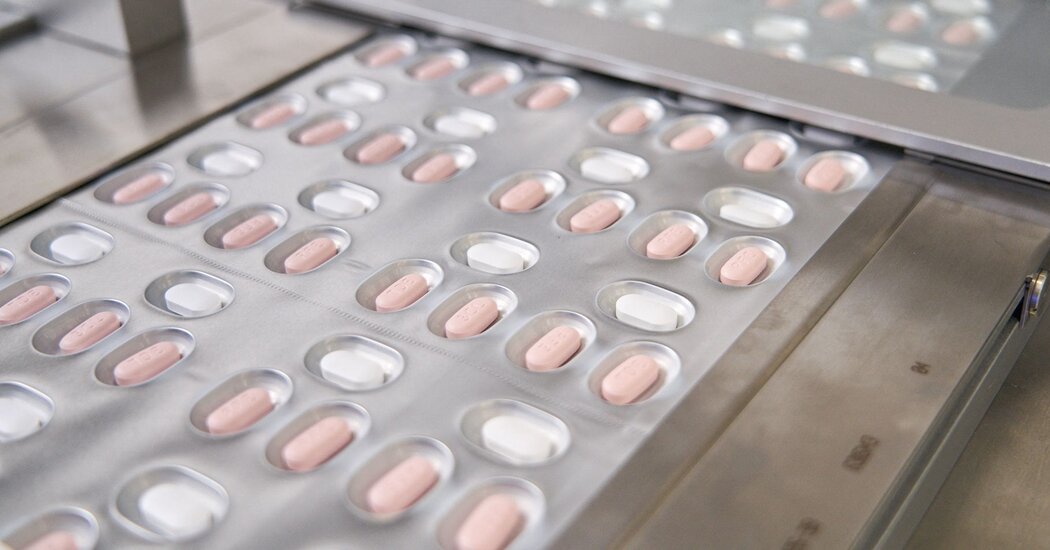
Pfizer Says Its Covid Pill, Paxlovid, Will Protect Against Severe Disease

A highly anticipated study of Pfizer’s Covid pill confirmed that it helps stave off severe disease, the company announced on Tuesday.Pfizer also said its antiviral pill worked in laboratory studies against the Omicron variant, which is surging in South Africa and Europe and is expected to dominate U.S. cases in the weeks ahead.“We are confident that, if authorized or approved, this potential treatment could be a critical tool to help quell the pandemic,” Albert Bourla, Pfizer’s chief executive, said in a statement.Last month, Pfizer asked the Food and Drug Administration to authorize the pill, known as Paxlovid, based on a preliminary batch of data. The new results will undoubtedly strengthen the company’s application, which could mean that Americans infected with the virus may have access to the pill within weeks.In Tuesday’s announcement, Pfizer said that if given within three days of the onset of symptoms, Paxlovid reduced the risk of hospitalization and death by 89 percent. If given within five days, the risk was reduced almost as much, to 88 percent.The results, based on an analysis of 2,246 unvaccinated volunteers at high risk of severe disease, largely match the company’s initial, smaller analysis of the clinical trial, released last month.Pfizer said that 0.7 percent of patients who received Paxlovid were hospitalized within 28 days of entering the trial, and none died. By contrast, 6.5 percent of patients who received a placebo were hospitalized or died.Pfizer also released preliminary data from a separate trial looking at people with a lower risk. These volunteers including vaccinated people who carried a risk factor for severe disease, as well as unvaccinated patients with no risk factors.Among this group of 662 volunteers, Paxlovid reduced the risk of hospitalization and death by 70 percent, the company said.Mikael Dolsten, the chief scientific officer of Pfizer, was exuberant about the results after having overseen the development of the drug since the spring of 2020, with more than 200 company scientists crafting the molecule and then testing it in animals and people.While the drug was in development, Dr. Dolsten held out hope that it might be 60 percent effective. Its true potency left him stunned. “We really hit the top of the board,” he said in an interview.In both trials, most of the volunteers were infected with the Delta variant. But Pfizer said on Tuesday that in laboratory experiments, Paxlovid also performed well against the highly mutated Omicron variant. The drug jams into one of Omicron’s key proteins — called a protease — just as effectively as it does with other variants, Pfizer found.Pfizer’s good news came as its rival, Merck, awaited word on authorization of its own antiviral pill, known as molnupiravir. In October, Merck and its partner Ridgeback Biotherapeutics announced that the pill reduced the risk of hospitalization and death from Covid-19 by 50 percent if taken within five days of the onset of symptoms.The Coronavirus Pandemic: Key Things to KnowCard 1 of 4U.S. nears 800,000 Covid deaths.

Read more →

Firms Push for Over-the-Counter Access to Birth-Control Pills

A few years ago, after learning she had high blood pressure, Shannon Connell-Robichaud asked her doctor to switch her birth-control pill prescription. She had read that the pill she had been prescribed put people around her age with that condition at high risk of a stroke.The doctor agreed, she said — but only after Ms. Connell-Robichaud, a 32-year-old paralegal, shared a list of the blood-pressure measurements she had been keeping on her own. After that, she recalled, the doctor said, “Hey, maybe you’re right.”The question of whether women can monitor their own health risks in taking birth-control pills is at the heart of a debate now playing out in the pharmaceutical industry and at the Food and Drug Administration: Should oral contraceptives be made available over the counter rather than requiring a prescription?Though they are taken by millions of people, birth-control pills can interact with certain medical conditions in ways that have always placed them in the prescription category, meaning a doctor’s oversight is required.If the F.D.A. approves an over-the-counter version, it will be effectively saying that women with underlying health risks who choose that option will have to do their own research on how the birth-control pill would interact with their condition and any other medications they are taking.Reproductive-rights activists in the United States view an over-the-counter birth-control pill as an easy and effective tool for rural, poor and historically marginalized communities to avoid unwanted pregnancies — reducing their barriers to health care and lowering the abortion rate along the way.At least two drug companies want to apply to the F.D.A. to make the switch to an over-the-counter version, and have been in communication with the agency about their plans. But after years of preliminary trials to clear the agency’s research and consumer-testing hurdles, neither has reached the stage of applying yet.The F.D.A. defenders say that by asking many questions and demanding rigorous testing, the agency is being prudent about assessing the potential health risks of making the pill available without a prescription.But frustrated supporters of the switch are critical of the agency’s prolonged pre-application process — which at certain points requires F.D.A. permission to advance to the next stage. Some of them see the process as an obstacle to the advancement of reproductive rights, as well as a case study of the cost when the F.D.A. takes an overly cautious approach. (The agency has also been criticized in other drug-approval cases of moving too quickly, as when it fast-tracked approval of a controversial Alzheimer’s drug earlier this year.)Proponents of allowing over-the-counter access say they view the issue with greater urgency now that the Supreme Court is reconsidering the constitutional right to abortion as established by Roe v. Wade in 1973.The movement to enhance access to birth-control pills “is something that gives a bit of hope in these days where it feels we are constantly under attack,” Monica Simpson, executive director of the reproductive rights organization SisterSong, said in a webinar in late September.Oral contraceptives are already the most popular nonpermanent method of birth control in the United States and are sold over the counter in scores of countries, including the United Arab Emirates, China and Mexico.In the United States, close to $3 billion in prescription birth-control pills are sold each year, according to the life-sciences research firm Iqvia. They are manufactured by a variety of drug companies, including Pfizer Inc. and Bayer AG.The push to approve an over-the-counter option is coming primarily from two smaller players: Cadence Health, which is planning to apply on behalf of its oral contraceptive, Zena, and from HRA Pharma, a small drug maker based in Paris.Research shows that birth-control pills are safer than pregnancy itself, which carries a higher risk of blood clots, among other health concerns.“We want to make it safe. We are not trying to cut corners at all,” said Dr. Nap Hosang, the obstetrician and gynecologist who is co-chief executive of Cadence Health.But the process has been moving slowly, and the F.D.A., which has been in discussions since at least 2016 with both Cadence and HRA Pharma, has yet to be convinced.Dr. Nap Hosang, co-chief executive of Cadence Health, says the company isn’t going to cut corners for its over-the-counter pill.Carolyn Fong for The New York TimesHRA Pharma completed its final testing phase, known as the “actual-use trial,” this year. It is expected to file a formal application for over-the-counter approval next year. But the F.D.A. put the brakes on Cadence’s actual-use trial about a year ago. It has asked the company to consider adding new warnings and additional details to existing warnings on its drug-safety label, and to repeat some tests for over-the-counter use.Cadence officials say they are frustrated by the holdup. But one factor that may be working against Cadence is that Zena is a so-called combined pill, meaning it contains both estrogen and a progestin, whereas HRA Pharma’s pill contains only progesterone.Combined pills like Cadence’s account for 90 percent or more of oral contraceptive sales overall because they are less likely to cause unscheduled bleeding and require less vigilance on the part of patients to take them at the same time every day. But they also carry greater safety risks for some women, including those with high blood pressure or clotting issues, than their progestin-only counterparts, like HRA Pharma’s pill.“The sense that I have gotten, and it sounds like you have heard the same, is that F.D.A. has more questions about putting a combined pill over the counter,” said Dr. Susan Wood, a health-policy professor at George Washington University. She resigned as director of women’s health at the F.D.A. in 2005 over what she considered unreasonable delays in approving over-the-counter use of the drug Plan B, which prevents pregnancy after unprotected sex.“I don’t think they’re being political, I think they’re just being cautious,” she said. “They have to consider safety in an OTC setting,” which is different than safety in a prescription-only setting, she added.Still, Dr. Wood and other past participants in the F.D.A. switch process say that spending five years or more in a dialogue over testing and drug safety materials before a switch to over-the-counter availability has even been applied for — as Cadence and HRA Pharma have — is a strikingly long time.The F.D.A. declined to address specific questions about Cadence and HRA Pharma but said it aims to make a decision within 10 months once any company submits an application for approval of a move from prescription to over-the-counter status. “The amount of time that a company spends in its development program prior to submitting an application for a prescription-to-nonprescription switch is determined by the company, not by the F.D.A.,” an agency spokeswoman said in a statement.The two companies see it differently. They say they have sought the F.D.A.’s blessing — and have at points been obligated to have it in order to proceed — throughout their preparations. “We are required to get their clearance to move to the next step in development. And we don’t have their clearance,” said Samantha Miller, the co-chief executive of Cadence.Oral contraceptives are already the most popular nonpermanent method of birth control in the U.S. They are sold over the counter in many countries, including the United Arab Emirates, China and Mexico.Hannah Yoon for The New York TimesThe F.D.A.’s over-the-counter switch option appeals to some pharmaceutical companies because the first drug in its class to be switched can be granted three years of exclusivity in its market, giving it a temporary monopoly on over-the-counter sales. That advantage is one reason the larger Dublin, Ireland-based pharmaceutical company Perrigo announced plans earlier this year to acquire HRA Pharma. To varying degrees, both HRA Pharma and Cadence Health are involved with outside efforts to convince the F.D.A. to go along with their plans. While HRA Pharma has been publicly quiet about its interactions with the agency, it has worked closely with a research and advocacy group that is pushing the agency to approve an over-the-counter option. And Cadence is counting on women’s health providers and public-health officials to try to get the agency to look more favorably on its planned application.Last year, Cadence hired the Dallas-based consultant Rania Batrice, a deputy campaign manager to Senator Bernie Sanders during his 2016 presidential campaign, to advise it on a political strategy.Ms. Batrice has been urging lawmakers like Representative Barbara Lee, the California Democrat who co-chairs the Congressional Pro-Choice Caucus, to ask the F.D.A. to participate in a panel of medical experts to evaluate the idea of a switch to over-the-counter status for Zena.“Access to over-the-counter birth control is a racial equity issue, a gender equity issue, and an economic equity issue,” Ms. Lee said in a statement. “In the same way that other methods of birth control are available over the counter, the pill should be too.” “At this point there are now really some challenging issues that could prevent a successful OTC switch,” said Samantha Miller, Cadence Health’s co-chief executive officer.Carolyn Fong for The New York TimesMs. Batrice has also been working with grassroots organizations like the Indigenous rights group NDN Collective and the New American Leaders Action Fund to help carry the message that over-the-counter access to a drug like Zena would benefit rural residents, people of color and others with barriers to health care.But Cadence executives say approval for Zena is likely two years away at least — if they are successful at all with the F.D.A.“We’ve had so many issues discussed and agreed with this F.D.A. over the past five years,” said Ms. Miller. “At this point there are now really some challenging issues that could prevent a successful OTC switch.”Among them is opposition from anti-abortion groups like the Family Research Council and the American Association of Pro-Life Obstetricians and Gynecologists, which say that women’s reproductive health decisions should be made in consultation with a doctor. And some women say they are not sure the drugs should be freely available without a doctor or a pharmacist’s input.“I know so many people that don’t read the box, that don’t pay attention,” said Jordan de Jongh, who takes oral contraceptives. Callaghan O’Hare for The New York Times“I know so many people that don’t read the box, that don’t pay attention,” said Jordan de Jongh, a 28-year-old data-entry worker in Houston who takes oral contraceptives. “So I could see a teen girl getting access to birth control at a pharmacy without having to tell her super religious parents; that’s awesome. But I could see a girl taking five pills and thinking she won’t get pregnant from having sex last night; that’s a myth.”

Read more →

Omicron Is a Dress Rehearsal for the Next Pandemic

Dec. 14, 2021Omicron Is a Dress Rehearsal for the Next PandemicAmerica’s response to the variant highlights both how much progress we have made over the past two years — and how much work remainsHokyoung KimWhen scientists discovered the highly mutated Omicron variant of the coronavirus last month, it set off an eerily familiar chain of events.Health experts held somber news conferences that raised more questions than answers. Officials imposed travel bans that very likely came too late. Virus trackers filled in their maps as the variant was reported in country after country. And the rest of us waited, with increasing unease, to learn more about the threat we were facing.The same sequence unfolded nearly two years ago when the novel coronavirus, SARS-CoV-2, was first discovered. In those early weeks of 2020, the United States proved to be woefully unprepared for the challenges ahead, starting with the most fundamental of tasks: detecting the virus.“We had a delay of one to two months before we were even able to identify the presence of the virus,” said Dr. Charles Chiu, an infectious disease specialist and microbiologist at the University of California, San Francisco. “And by that time, it had already circulated widely between multiple states and from coast to coast.”These failures have been well-chronicled, and Omicron is one more sign that the current pandemic, which has now claimed the lives of nearly 800,000 Americans, is not over.But Omicron is also a dress rehearsal for the next pandemic. The work before us now — detecting, tracking and slowing the spread of a health threat we do not fully understand — is the same work that will be required to stop a future outbreak in its tracks.The analogy is not perfect. When Omicron arrived, scientists had already developed vaccines and treatments for the virus and were on high alert for new variants. The next pandemic may come with less warning.“We know that there are pathogens worse than SARS-CoV-2 that are emerging and re-emerging and waiting for their moment to take off,” said Rick Bright, the chief executive of the Pandemic Prevention Institute at the Rockefeller Foundation.Omicron’s emergence is an opportunity to take stock of both the gains we have made and the ways in which we are still falling short. It is also a call to action: Whatever progress we have made is not enough.Seek and you shall findIn any other context, it would have been unremarkable: On Sunday, Nov. 28, a San Francisco resident who had been feeling mildly ill took a Covid test. The next day, it came back positive.What set off alarm bells, however, was that the resident had recently returned from South Africa, where the newly discovered Omicron variant was widespread.The traveler’s test sample was flagged for priority genomic sequencing, which would reveal the precise genetic code of the virus that had infected the traveler — and whether it had Omicron’s telltale mutations.Dr. Chiu, the San Francisco microbiologist, was tapped to do the sequencing. By 6 p.m. on Tuesday, Nov. 30, just a few hours after Dr. Chiu first learned about the sample, it was hand-delivered to his lab, packed in dry ice.Dr. Chiu and his colleagues quickly got to work. Although generating the full sequence takes hours, the scientists chose to use a technique known as nanopore sequencing, which allowed them to analyze the results in real-time, while the process was still underway.“As the data accumulated, we were able to identify more and more mutations,” Dr. Chiu recalled.Before dawn, he was certain: It was Omicron, the first case found in the United States. Less than a week had passed since South Africa first publicly announced the existence of the variant.We cannot fight what we cannot see, and preventing the next pandemic begins with detecting and tracking the pathogens that threaten us. In that regard, at least, “we’re extraordinarily better off than we were this time last year,” said Joseph Fauver, a genomic epidemiologist at the University of Nebraska Medical Center in Omaha.Testing, testing, testingThe first link in the disease surveillance chain is testing. Who is infected and where are they? Without accurate, timely testing, it can become impossible to curb the spread of a pathogen.Unfortunately, America bungled testing from the beginning. The Centers for Disease Control and Prevention distributed faulty test kits, while supply shortages and regulatory delays created an epic mismatch between supply and demand. In the summer and fall of 2020, waits at testing sites could stretch for hours; the wait for results could take a week or more. There was no coordinated national testing plan.These missteps allowed the virus to spread, unseen and unchecked, increasing the burden on hospitals and making other mitigation measures more difficult. Without accessible testing, the strategy that helped other countries break the chain of transmission — swiftly identifying people with the virus, isolating them and tracing their contacts — stood little chance.As time passed, the testing crunch eased. Labs diversified their supply chains, purchased new equipment and hired more staff, said Kelly Wroblewski, director of infectious diseases at the Association of Public Health Laboratories.More and more tests won emergency authorization from the U.S. Food and Drug Administration, including rapid, at-home tests that delivered results on the spot.“We’ve moved from hospitals to central labs to your living room,” said Mara Aspinall, an expert in biomedical diagnostics at Arizona State University. (Ms. Aspinall is on the board of directors of OraSure, which makes Covid tests.)The C.D.C., which initially imposed stringent requirements on who could be tested for the virus, began recommending routine screening as a tool to curb transmission. By the time Omicron was in the headlines, it was no longer remarkable for a 5-year-old to swab his own nose before school or for an ailing San Francisco resident, recently returned from South Africa, to get P.C.R. results back in 24 hours.“It’s like a night and day comparison between where we were at the beginning of the pandemic,” Ms. Wroblewski said.But the United States is still doing less daily testing per capita, and it has a higher share of tests come back as positive, than many other high-income countries, according to the Johns Hopkins Coronavirus Resource Center.“We haven’t done a great job on making tests available,” said Dr. Ezekiel J. Emanuel, a bioethicist at the University of Pennsylvania who was a member of President Biden’s Covid-19 Advisory Board during the presidential transition.P.C.R. processing times still vary widely, while rapid tests can be difficult to find in stores and remain beyond the budget for many Americans, especially because they are designed to be used frequently. (The Biden administration’s new plan to have health insurers reimburse members for at-home tests may help but has its limitations.)Many of these problems can be traced to the nation’s failure to invest in testing early in the pandemic. The Trump administration created Operation Warp Speed to turbocharge vaccine development. The country needed a similar effort for diagnostic tests, experts said.Diagnostic testing may not be as tantalizing as vaccines, but in any future pandemic, they said, it should be a priority from the start.Hokyoung Kim‘Bootstrapping’ surveillanceThe next vital link in the surveillance chain is routine, widespread genomic sequencing. This kind of surveillance helps experts keep tabs on how a pathogen is mutating and how new variants are spreading.In the United States, this effort got off to a very slow start. “Many of the public health labs were, frankly, just overwhelmed by the initial testing volume and competing obligations,” said Duncan MacCannell, the chief science officer at the C.D.C.’s office of advanced molecular detection.Although some research laboratories established their own independent sequencing programs, there was little funding or coordination.In the spring of 2020, the C.D.C. created a consortium of academic, commercial and public health labs to “start bootstrapping” a more focused national effort, Dr. MacCannell said. But progress was slowed by a lack of resources and a fragmented health care system that had no organized pipeline for getting patient samples from testing sites to sequencing labs.“A lot of sequencing machines were idle in 2020,” said Bronwyn MacInnis, who directs pathogen genomic surveillance at the Broad Institute in Cambridge, Mass.But in late 2020 and early 2021, the emergence of the highly contagious Alpha variant and an influx of federal funding finally kicked genomic surveillance into a higher gear. Since January, the country has gone from sequencing fewer than 3,000 samples a week to 50,000 to 60,000, on average, according to the C.D.C.And when news of Omicron broke, on Nov. 25, some labs redoubled their efforts, adding weekend hours and night shifts to search for the variant. Although Dr. Chiu’s lab was the first to detect it, researchers in other states — Minnesota, Colorado, New York and Hawaii — soon followed suit.“Omicron has really shown that we have expanded our capacity significantly to be able to identify these variants as they emerge,” Dr. Chiu said.Some research teams began looking for the variant in sewage. Because the virus is shed in feces, analyzing wastewater can provide a snapshot of whether the virus, or a particular variant, is present in a community and how prevalent it is.The Coronavirus Pandemic: Key Things to KnowCard 1 of 4U.S. nears 800,000 Covid deaths.

Read more →

An enemy within: Pathogens hide in tissue

Antibiotics cure many bacterial infections. However, some patients suffer a relapse. A research group at the University of Basel has now discovered why some bacteria can survive antibiotic therapy. The team uncovered where the bacteria hide in the body and how the body’s own immune system also plays an important role.
Infections such as tuberculosis or typhoid fever are caused by bacteria and can usually be treated well with antibiotics, at least as long as the bacteria are not resistant. However, full eradication of the bacteria cannot always be achieved. In some patients, a few bacteria survive the antibiotic therapy and can cause relapsing disease. For a long time, scientists have been trying to find out why antibiotics fail to kill all the bacteria.
Professor Dirk Bumann’s group at the Biozentrum, University of Basel, has now shown, that it is not — as may be expected — due to dormant and therefore insensitive pathogens. Rather, there are certain areas in the tissue in which typhoid fever-causing Salmonella can survive more or less unaffected by the body’s immune defenses. The researchers published their results in PNAS.
Examining tissue slice by slice
“After antibiotic therapy, only about every 100th bacterium survives,” says Dirk Bumann, the study leader. “Tracking down and studying these few Salmonella in tissues is like looking for the needle in the haystack.”
In order to manage this Sisyphean task, the researchers employed so-called serial two-photon tomography, a method used previously in neurobiology to detect the finest nerve fibers in the brain. The scanner device images the tissue surface and then cuts away the uppermost layer. The new surface is scanned again followed by the next cut. In this way the instrument works its way, slice by slice, through the whole tissue. This provides the scientists with a detailed three-dimensional view of the tissue and reveals where the few surviving bacteria are located.
Hidden in the ‘Police Headquarters’
In their study, the researches imaged spleens of infected mice. Most Salmonella live in the so-called red pulp of the spleen, the recycling station for red blood cells. “Here, Salmonella are almost totally eliminated during antibiotic treatment,” explains Jiagui Li, one of the three first authors of the study. Some Salmonella live also in another spleen region, the white pulp, where immune responses are normally initiated. In this region, however, antibiotic therapy is rather ineffective. The white pulp thus becomes the major home of surviving Salmonella. “It’s ironic, that pathogens hide in the body exactly where they should be caught as the culprit and an effective defense against them should be activated,” says Bumann.
Antibiotics alone are not enough
How do the bacteria survive in this surprising location? The scientists found that antibiotics alone cannot eradicate Salmonella from the tissue but needs the help of the immune system to clear all bacteria. In particular neutrophils, white blood cells that effectively fight bacteria, are critical. For successful eradication of Salmonella, neutrophils have to work together with the antibiotic for several days. In the white pulp, however, there are only few neutrophils and their number collapses during treatment. With fading support from host neutrophils, the antibiotic alone cannot eradicate the local Salmonella.
To overcome this problem, the research team has tried boosting the body’s defenses with the help of a simultaneously applied immune therapy. “This approach can help to stimulate the immune system and to maintain a high density of neutrophils over a longer time,” explains Bumann. Indeed, such adjunct therapy may lead to more effective clearance of the bacteria opening new avenues to prevent relapses.
Story Source:
Materials provided by University of Basel. Note: Content may be edited for style and length.

Read more →

Scientists develop an RNA-based breath test to detect COVID-19

In a new study in The Journal of Molecular Diagnostics, published by Elsevier, investigators report on the design and testing of a breathalyzer, known as the Bubbler, that relies on viral RNA detection to diagnose SARS-CoV-2. Its name is derived from the bubbling sound that occurs when the patient exhales into the device.
The Bubbler not only reverse transcribes RNA from airborne virus particles into DNA to be tested via PCR but can also barcode that DNA, allowing samples to be linked directly to the patient they have come from and be used for sequencing. It can be used for simultaneous batches of pooled samples and provides additional information such as viral load and strain identity and eliminates the need for stabilizing a sample, potentially allowing the assay to be performed at home.
“Involvement of the lower respiratory tract is often a precursor to severe COVID-19, so there is an argument for a more direct sampling focused on exhaled breath,” explained lead investigator William G. Fairbrother, PhD, professor in the department of molecular biology, cell biology and biochemistry at Brown University in Providence, RI, USA.
Virus detection by the Bubbler is similar to a hospital-swab PCR test; however, it is a better measure of risk of contagion as it detects airborne viral particles. Swab tests can return a positive result for months after infection as they detect viral RNA fragments in cells that persist in previously infected cells. The Bubbler can also be adapted for environmental sampling in hospitals, transportation hubs, and closed environments like offices, ships, and planes, the investigators report.
Seventy patients treated in the Emergency Department of Rhode Island Hospital between May 2020 and January 2021 were screened. The study tested samples from three points in the respiratory tract. Tongue scrapes from the mouth (saliva/tongue scrapes) and from 15 seconds of exhaled breath collected in the Bubbler were compared to those from a conventional nasopharyngeal swab PCR test. The Bubbler is a glass tube with a glass pipette through which patients can exhale. The tube is filled with a reverse transcription reaction mixture and cold mineral oil.
The study determined that SARS-CoV-2 can be readily detected in the breath and is more predictive of lower respiratory tract involvement. Viral RNA is more enriched in the breath relative to oral samples, while oral samples include cells involved with SARS-CoV-2 replication that breath samples do not. This suggests the viral signal detected in the Bubbler comes from active viral particles.
“The Bubbler is more likely to be a better indicator of current infection than nasopharyngeal swabs,” said Dr. Fairbrother. “Another advantage is the barcoding, which enables high-throughput RNA virus testing at a fraction of the cost of conventional testing. The barcode returns a viral sequence that also supports strain identification, which may prove useful as more information is learned about transmissibility and possible strain-specific treatment decisions.”
The investigators also demonstrated how the Bubbler might be adapted to detect virus in airborne samples. To model the movement of droplets exhaled in human breath, three unique nucleic acid samples were added to three personal humidifiers at different locations at varied distances from the Bubbler in a room with high airflow and a room with low airflow. Although a detailed exploration of this application was beyond the scope of the study, the results demonstrate the potential to use aerosolized nucleic acids to quantitatively map airflow in indoor spaces, and to detect SARS-CoV-2 in the air.
“Such technology could be useful in restoring service to industries such as hotels, cruise ships, and casinos,” Dr. Fairbrother observed. “There is also an epidemiological benefit to routine testing of air at early warning sites such as transportation hubs and hospital emergency departments.”
Tests for COVID-19 usually use samples collected from the upper respiratory tract by saliva or nasopharyngeal swab. Positive samples contain active virus, but viral load in the upper respiratory tract is not correlated with symptoms in the lower respiratory tract, such as pneumonia.
Story Source:
Materials provided by Elsevier. Note: Content may be edited for style and length.

Read more →