Former Biden Advisers Urge a Pandemic Strategy for the ‘New Normal’
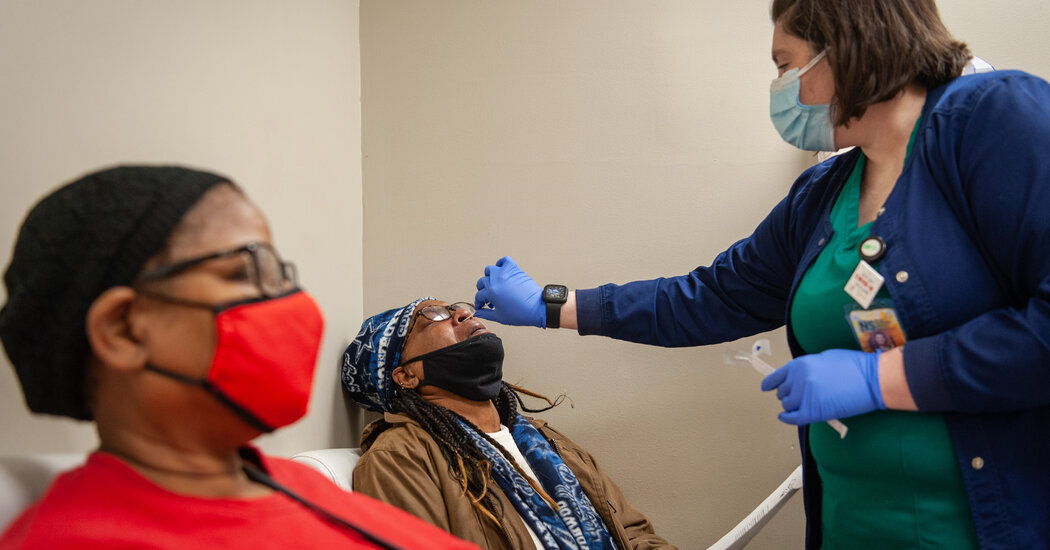
In a striking critique, six prominent health experts who advised President Biden’s transition team called for an entirely new domestic coronavirus strategy.WASHINGTON — On the day President Biden was inaugurated, the advisory board of health experts who counseled him during his transition officially ceased to exist. But its members have quietly continued to meet regularly over Zoom, their conversations often turning to frustration with Mr. Biden’s coronavirus response.Now, six of these former advisers have gone public with an extraordinary, albeit polite, critique — and a plea to be heard. In three opinion articles published on Thursday in The Journal of the American Medical Association, they called for Mr. Biden to adopt an entirely new domestic pandemic strategy geared to the “new normal” of living with the virus indefinitely, not to wiping it out.The authors are all big names in American medicine. Several, including Dr. Luciana Borio, a former acting chief scientist at the Food and Drug Administration, and Dr. David Michaels, a former head of the Occupational Safety and Health Administration now with George Washington University’s School of Public Health, have held high-ranking government positions. Dr. Ezekiel Emanuel, an oncologist, medical ethicist and University of Pennsylvania professor who advised former President Barack Obama, organized the effort.Like any White House, Mr. Biden’s prizes loyalty and prefers to keep its differences in house; in that regard, the articles are an unusual step. The authors say they wrote them partly because they have not made headway talking directly to White House officials.“From a macroperspective, it feels like we are always fighting yesterday’s crisis and not necessarily thinking what needs to be done today to prepare us for what comes next,” Dr. Borio said.The authors shared the articles with White House officials before they were published, but it was unclear whether the administration would adopt any of their suggestions. Dr. Anthony S. Fauci, Mr. Biden’s top medical adviser for the pandemic, declined to comment on the articles.The White House press secretary, Jen Psaki, told reporters she had not read the articles, and dismissed a question about whether the president “is coming around to accepting” that Covid-19 is here to stay, even though several recent media accounts suggested that the administration was beginning to operate under that assumption. Mr. Biden’s recent emphasis on keeping schools open and businesses running even when cases are soaring also suggests a recalibration, as does a recent decision by the Centers for Disease Control and Prevention to recommend that people with Covid isolate for five days instead of 10.“The president’s goal is to defeat the virus,” Ms. Psaki said, adding, “The president’s focus and objective now is to save as many lives as possible.”Outlining their ideas for the “new normal” strategy, Dr. Emanuel and two co-authors — Michael T. Osterholm, an epidemiologist at the University of Minnesota, and Dr. Celine Gounder, an infectious disease expert at New York University — pointedly noted that in July, Mr. Biden proclaimed that “we’ve gained the upper hand against this virus,” which in retrospect was clearly not the case.Now, with the Omicron variant fueling an enormous new surge, they wrote, the United States must avoid becoming stuck in “a perpetual state of emergency.” The first step, they wrote, is recognizing that the coronavirus is one of several respiratory viruses circulating, and developing policies to address all of them together.To be better prepared for inevitable outbreaks — including from new coronavirus variants — they suggested that the administration lay out goals and specific benchmarks, including what number of hospitalizations and deaths from respiratory viruses, including influenza and Covid-19, should prompt emergency mitigation and other measures.In addition to urging the administration to adopt a longer view, the authors took pointed issue with some of Mr. Biden’s current policies and stances — especially on political lightning rod issues. They called for more aggressive use of vaccine mandates, which have drawn fierce opposition from Republicans, and said the nation needed a digital verification system for vaccination — so-called vaccine passports — which Mr. Biden has resisted in the face of Republican attacks on the concept.“Relying on forgeable paper cards is unacceptable in the 21st century,” wrote Dr. Borio, Dr. Emanuel and Dr. Rick Bright, the chief executive of the Rockefeller Foundation’s Pandemic Prevention Institute.The most surprising thing about the articles is that they were written at all. Several of the authors said in interviews they were dismayed that the administration seemed caught off guard by the Delta and Omicron variants. Dr. Bright, who helped write two of the pieces, recalled the warning he issued when the advisory board had its last meeting on Jan. 20, 2021.“The last thing I said,” he recalled, “is that our vaccines are going to get weaker and eventually fail. We must now prepare for variants; we have to put a plan in place to continually update our vaccines, our diagnostics and our genomics so we can catch this early. Because the variants will come, and we should never be surprised and we should never underestimate this virus.”Mr. Biden published a pandemic strategy when he came into office, and Dr. Emanuel said the administration “executed very well on it through June,” until the Delta variant brought a new surge of cases. The president recently released a new winter strategy, just as the Omicron variant began spreading in the United States.Many of the steps the authors suggest — including faster development of vaccines and therapeutics; “comprehensive, digital, real-time” data collection by the C.D.C.; and a corps of “community public health workers” — are already part of Mr. Biden’s plans.He has taken steps to control the spread of Omicron and to ensure that hospital systems do not get overwhelmed. He has sent military troops to states including Wisconsin and Indiana to help out at hospitals, and has opened new testing sites in New York and elsewhere. He has insisted there will be no lockdowns, and has repeatedly pleaded with Americans to get vaccinated.“I honest to God believe it’s your patriotic duty,” Mr. Biden said recently.But Dr. Bright said such language was turning off Americans, including many Trump voters, who are resistant to vaccines.“The message continues to berate unvaccinated people and almost bully unvaccinated people,” said Dr. Bright, who led a federal biomedical agency during the Trump administration but quit the government after being demoted for complaining about political interference in science. “There are so many reasons people are unvaccinated; it’s not just because they follow Trump.”The authors say the administration needs to look past Omicron and acknowledge that it may not mark the end of the pandemic — and to plan for a future that they concede is unknowable. They also make clear that the current rate of Covid hospitalizations and deaths, an average of more than 1,300 lives lost each day in the United States, is unacceptably high.In the three articles — one proposing a new national plan, the others suggesting improvements to testing, surveillance, vaccines and therapeutics — the authors also make more specific suggestions.They call for next-generation Covid vaccines that would target new variants or perhaps take new forms, like nasal sprays or skin patches, that would be easier to distribute; for a “universal coronavirus vaccine” that would combat all known coronaviruses; and for major upgrades to public health infrastructure. And while they said the president’s pledge to buy 500 million rapid coronavirus tests and distribute them free was “an important step,” they wrote that “many more are needed.”The authors also said that vaccine mandates should be imposed more broadly, including for schoolchildren, and that N95 masks should be made free and readily available to all Americans, as should oral treatments for Covid. (Mr. Biden has imposed several vaccine mandates on workers, but they are tied up in court.)Dr. Gounder said she had been disappointed by the administration’s “single-minded focus on vaccines” and with its decreasing emphasis on mask-wearing. Dr. Borio said she had been “very frustrated” that there was no federal system linking testing to treatments, so that people who tested positive and were at high risk for Covid complications could get prescriptions on the spot for new antiviral medicines.Dr. Emanuel — brother to Rahm Emanuel, Mr. Obama’s first chief of staff and Mr. Biden’s ambassador to Japan — echoed that sentiment. If the distribution of new therapies is left to “the usual health care system,” he said, only “rich, well-connected people” would have access.The articles reflect both their frustrations and their desire to help, the authors said. They recognize that they have the luxury of taking a 30,000-foot view while administration experts are slogging it out in the trenches.“But at the same time,” Dr. Bright said, “we think a lot of work still needs to be done.”

Read more →
Risk of overactive bladder associated with medications for dementia

A study from the University of Houston College of Pharmacy, and published in the Journal of the American Geriatrics Society, has evaluated the risk of overactive bladder (OAB) as a side effect of cholinesterase inhibitor (ChEI) drugs taken for dementia and Alzheimer’s disease. The research was based on the dissertation work of the study’s first author Prajakta Masurkar.
Dementia is a group of symptoms associated with a decline in memory, reasoning or other thinking skills. Alzheimer’s disease is the most common cause of dementia, accounting for 60%-80% of cases. ChEI drugs, including donepezil, galantamine and rivastigmine, increase communication between nerve cells to enhance cognition.
“The study found that the risk of overactive bladder varies across individual ChEIs,” reports Rajender R. Aparasu, Mustafa and Sanober Lokhandwala Endowed Professor of Pharmacy and chair, Department of Pharmaceutical Health Outcomes and Policy. “Using a national cohort of older adults with dementia, we also found that donepezil was associated with a 13% increased risk of OAB compared to rivastigmine, whereas there was no differential risk of OAB with galantamine and rivastigmine.”
Using Medicare data, the study examined 524,975 adults (aged 65 and older) with dementia who were users of ChEIs (donepezil 80.72%, rivastigmine 16.41%, galantamine 2.87%). The primary outcome of interest was OAB diagnosis or prescription of antimuscarinics, drugs which help correct overactive bladder, within six months of ChEI initiation.
While some studies have been conducted to evaluate the effects of all ChEIs and antimuscarinic use, few studies have been conducted regarding the effects of individual ChEIs on the risk of OAB. Previous studies have found that the use of ChEIs is associated with an increased risk of receiving an antimuscarinic drug.
This study opens a new door.
“The findings suggest the need to understand and manage medication-related morbidity in older adults with dementia,” said Aparasu.
Story Source:
Materials provided by University of Houston. Original written by Laurie Fickman. Note: Content may be edited for style and length.

Read more →

Booster dose of mRNA COVID-19 vaccine is required for immune protection against Omicron variant of SARS-CoV-2, study finds

An additional “booster” dose of Moderna or Pfizer mRNA-based vaccine is needed to provide immunity against the Omicron variant of SARS-CoV-2, the virus that causes COVID-19, according to a study by researchers at the Ragon Institute of MGH, MIT and Harvard. The results of this study, reported in the journal Cell, indicate that traditional dosing regimens of COVID-19 vaccines available in the United States do not produce antibodies capable of recognizing and neutralizing the Omicron variant.
In late November, health officials in South Africa reported that a previously unknown variant of SARS-CoV-2 was rapidly spreading throughout the country. The variant, given the name Omicron by the World Health Organization, would soon prove to be far more transmissible than Delta, the variant that previously had caused the majority of COVID-19 infections. “People desperately wanted to know whether current vaccines protect against Omicron,” says the senior author of the Cell paper, Alejandro Balazs, PhD, whose laboratory at the Ragon Institute investigates how to engineer immunity against infectious diseases.
To find answers, Balazs collaborated with a team that included the lead author of the Cell paper, Wilfredo F. Garcia-Beltran, MD, a clinical pathology resident at MGH and a clinician-scientist fellow at the Ragon Institute. The first step was to construct a harmless version of Omicron known as a “pseudovirus” that could be used in the laboratory to evaluate the effectiveness of the three COVID-19 vaccines available in the United States, which include the two-dose Pfizer and Moderna injections and the one-dose Johnson & Johnson vaccine. The pseudovirus that Balazs and colleagues created mimicked the behavior of Omicron, which has 34 mutations on its “spike” protein that are not found on the original strain of SARS-Cov-2 first detected in Wuhan, China, in December 2019. Scientists believe that these mutations may be partially responsible for Omicron’s rapid spread throughout the world.
Next, Garcia-Beltran worked with colleagues at MGH, including hematology-oncology fellow Vivek Naranbhai, MD, PhD, to acquire blood samples from 239 individuals who had been fully vaccinated with one of the three COVID-19 vaccines. The study subjects included employees within the Massachusetts General Brigham healthcare system and residents of Chelsea, Massachusetts, a community with a high rate of COVID-19 infections. “It was important to us to have a diverse population represented in the study,” says Garcia-Beltran. Included in this group were 70 men and women who had received a third booster dose of either the Pfizer or Moderna vaccine, according to recommendations by the Centers for Disease Control and Prevention.
The blood samples were used to measure how effectively each vaccine induces production of protective immunity in the form of antibodies against the Omicron pseudovirus, as well as the Delta and wild type viruses. The results were striking. “We detected very little neutralization of the Omicron variant pseudovirus when we used samples taken from people who were recently vaccinated with two doses of mRNA vaccine or one dose of Johnson & Johnson,” says Balazs. “But individuals who received three doses of mRNA vaccine had very significant neutralization against the Omicron variant.”
It’s not yet clear why an mRNA booster dramatically improves immune protection against Omicron, but Garcia-Beltran says one possibility is that an additional dose creates antibodies that bind more tightly to the spike protein, increasing their effectiveness. Also, a booster dose may generate antibodies that target regions of the spike protein that are common to all forms of SARS-CoV-2. Both theories may be true, says Garcia-Beltran.
Balazs notes that the three-dose mRNA vaccine regimen — that is, the traditional two doses and a booster of Pfizer or Moderna vaccines — provides somewhat lower levels of neutralizing antibodies against Omicron than it does against the COVID-19 wild type strain or Delta variant. But the study’s results strongly support the CDC’s advice that COVID-19 booster shots are appropriate for anyone 16 and older, and that mRNA vaccines are preferred.
Balazs is a principal investigator at the Ragon Institute and an assistant professor of Medicine at Harvard Medical School. Garcia-Beltran recently established his own laboratory at the Ragon Institute.
This work was supported by the Peter and Ann Lambertus Family Foundation, the Massachusetts Consortium on Pathogenesis Readiness, the National Institutes of Health, and the German Center for Infection Research.
Story Source:
Materials provided by Massachusetts General Hospital. Note: Content may be edited for style and length.

Read more →

Mechanism that helps immune cells to invade tissues

To fight infections and heal injuries, immune cells need to enter tissue. They also need to invade tumors to fight them from within. Scientists have now discovered how immune cells protect their sensitive insides as they squeeze between tissue cells. The team lays the foundation for identifying new targets in cancer treatment.
Knowing, when exactly immune cells will try to invade a tumor is difficult. In order to be able to study this cell invasion process in detail, scientists like Professor Daria Siekhaus and her team need something more reliable. That’s why they turn to fruit fly embryos. During the development of these embryos, macrophages, the dominant form of immune cells in the fruit fly, travel from the spot where they are born to the place where they are needed by invading tissue. They do so at a certain time point, enabling scientists to study the process within these tiny transparent animals. With the help of IST Austria’s state-of-the-art Bioimaging Facility, they watch as the macrophages — marked with a green fluorescent protein — push their way into the tissue.
Creating an armor
Which cellular changes are needed for this and which genes trigger such alterations is still largely unknown. With their new study by first authors Vera Belyaeva, Stephanie Wachner, and Attila Gyoergy, the Siekhaus group sheds light on this process, essential in health and disease. “Previously, we found that a specific gene, called Dfos, is enriched in the immune cells and we wondered what it did,” says Siekhaus.
“Now we can prove that it triggers the assembly of actin filaments.” These protein threads are concentrated at the inside of the cell membrane, also known as cell cortex, giving the cell surface stability. The scientists show that through a complex cascade involving different proteins, the actin filaments are made denser and more connected to each other, forming a stable shell. “We hypothesize that this works like a tank, deforming surrounding cells while protecting the immune cell’s nucleus from mechanical pressure as it invades the tissue,” Siekhaus explains. Furthermore, the team was able to show in vivo that missing this actin shell makes it harder for immune cells to infiltrate unless the surrounding tissue is made softer.
Strengthening immune cells to fight cancer
Although a fruit fly and vertebrates such as mice and humans do not have much in common at first glance, there are many similarities in the way their genes function. Working together with Professor Maria Sibilia from the Medical University of Vienna, the researchers at IST Austria found evidence that the vertebrate gene Fos, the equivalent to the fruit fly gene Dfos, activates the same genetic pathways. “We think that the same mechanism we found in the fruit fly also plays a role in vertebrates,” says biologist Daria Siekhaus.
This raises the hope that the group’s findings could help identify new targets for the treatment of cancer. In the field of immuno-oncology, researchers are looking for ways to activate the body’s immune system to attack a tumor. One of the challenges they face, is to enable the immune cells to infiltrate the tumor. “If one could strengthen their protective shell, it could make it easier for them to invade the tumor tissue,” Siekhaus concludes.
Story Source:
Materials provided by Institute of Science and Technology Austria. Note: Content may be edited for style and length.

Read more →

Vaccine-like mRNA injection can be used to make CAR T cells in the body

An experimental immunotherapy can temporarily reprogram patients’ immune cells to attack a specific target via only a single injection of messenger RNA (mRNA), similar to the mRNA-based COVID-19 vaccines, according to a new study from researchers in the Perelman School of Medicine at the University of Pennsylvania.
The researchers, whose work is published today in Science, demonstrated the new approach with an mRNA preparation that reprograms T cells — a powerful type of immune cell — to attack heart fibroblast cells. Heart failure is often driven in part by these fibroblast cells, which respond to heart injury and inflammation by chronically overproducing fibrous material that stiffens the heart muscle, impairing heart function — a condition called fibrosis. In experiments in mice that model heart failure, the reduction in cardiac fibroblasts caused by the reprogrammed T cells led to a dramatic reversal of fibrosis.
“Fibrosis underlies many serious disorders, including heart failure, liver disease, and kidney failure, and this technology could turn out to be a scalable and affordable way to address an enormous medical burden,” said senior author Jonathan A. Epstein, MD, chief scientific officer for Penn Medicine and executive vice dean and the William Wikoff Smith Professor of Cardiovascular Research in the Perelman School of Medicine. “But the most notable advancement is the ability to engineer T cells for a specific clinical application without having to take them out of the patient’s body.”
The new technique is based on chimeric antigen receptor (CAR) T cell technology, which, until now, has required the harvesting of a patient’s T cells and their genetic reprogramming in the lab to recognize markers on specific cell types in the body. These specially targeted T cells can then be multiplied using cell culture techniques and re-infused into the patient to attack a specific cell type. The first CAR T cell therapy was developed by researchers from Penn and Children’s Hospital of Philadelphia and approved by the U.S. Food and Drug Administration in 2017 for use against certain leukemias — and later approved for lymphoma — that arise from immune cells called B cells.
Although CAR T cell technology is currently used primarily for treating cancers, with dramatic results in many otherwise hopeless cases, its developers have long envisioned harnessing the approach for other diseases. Indeed, Epstein and colleagues showed in a 2019 study that the standard CAR T cell approach can be used to attack overactive cardiac fibroblasts and restore heart function in a mouse model of heart failure.
However, this standard CAR T cell strategy would be problematic when directed against heart failure or other fibrotic diseases in humans. Fibroblasts have a normal and important function in the body, especially in wound-healing. CAR T cells that are reprogrammed genetically to attack fibroblasts could survive in the body for months or even years, suppressing the fibroblast population and impairing wound-healing for all that time.

Read more →

Clinicians report real-world results on the use of a new device to treat brain aneurysms

A recent international study led by researchers at Massachusetts General Hospital (MGH) and other institutions offers real-world results on the use of a novel device for treating brain aneurysms, or balloon-like bulges on weakened blood vessels that can rupture to cause life-threatening bleeding.
The study, which is published in Stroke, involved the use of the Woven Endobridge (WEB) device. This device consists of a tiny mesh plug that can be inserted through a vessel and placed into an aneurysm to block, or occlude, blood from going into the bulging region — thereby stabilizing the vessel and preventing the aneurysm from rupturing. The device can also be used to stabilize previously ruptured aneurysms.
“The WEB has recently become available in the United States, and elsewhere across the globe the device has been available for a longer time — but no large-scale study of its efficacy had yet been performed,” says lead author Adam A. Dmytriw, MD, MPH, MSc, an interventional neuroradiology and endovascular neurosurgery fellow at MGH. “Thus, we founded the WorldWideWEB Consortium uniting the experience of 22 tertiary/quaternary institutions across North America, Europe, South America, and Australia.”
The team found that among 671 patients with 683 brain aneurysms (26.2% previously ruptured) who were treated with the device and were followed for a median of 11 months, adequate occlusion occurred in 85.7% of aneurysms, and complete occlusion in 57.8%. Retreatment was required in 7.8% of aneurysms. Blood clot-related complications developed in 7.5% of procedures, of which only 4.0% were symptomatic and 2.0% were permanent. Bleeding complications occurred in 3.0% of procedures. No patients experienced aneurysm re-rupture after treatment.
“Patients who are not suitable for open aneurysm surgery or who have recently had a life-threatening rupture and would be at high risk for additional bleeding if treated with conventional endovascular techniques due to the need for blood thinners, now have a viable treatment option,” says Dmytriw. “We hope that our results will help guide interventionalists in the appropriate use of the WEB so that patients with challenging brain aneurysms will have a safe option for care.”
Addition medical institutions continue to join the consortium, which plans to conduct additional studies to assess the use of the WEB for diverse types of aneurysms and to examine potential challenges to its use.
Story Source:
Materials provided by Massachusetts General Hospital. Note: Content may be edited for style and length.

Read more →

Omicron should not be called mild, warns WHO

SharecloseShare pageCopy linkAbout sharingImage source, AFPThe World Health Organization (WHO) has warned against describing the Omicron variant as mild, saying it is killing people across the world.Recent studies suggest that Omicron is less likely to make people seriously ill than previous Covid variants. But the record number of people catching it has left health systems under severe pressure, said WHO chief Dr Tedros Adhanom Ghebreyesus.On Monday, the US recorded more than one million Covid cases in 24 hours. The WHO – the UN’s health agency – said the number of global cases has increased by 71% in the last week, and in the Americas by 100%. It said that among severe cases worldwide, 90% were unvaccinated. “While Omicron does appear to be less severe compared to Delta, especially in those vaccinated, it does not mean it should be categorised as mild,” Dr Tedros told a press conference on Thursday.”Just like previous variants, Omicron is hospitalising people and it is killing people.”In fact, the tsunami of cases is so huge and quick, that it is overwhelming health systems around the world.”Omicron is highly contagious and can infect people even if they are fully vaccinated. However, vaccines are still pivotal as they help protect against severe disease that could put you in hospital. Omicron up to 70% less likely to need hospital careOmicron wave appears milder, but concern remainsOn Thursday, the UK reported 179,756 cases and 231 Covid-related deaths. A number of hospitals have declared “critical” incidents due to staff absence and rising pressures due to Covid. Elsewhere, hospital numbers are also rising. France’s health minister Olivier Veran warned this week that January would be tough for hospitals. He added that Omicron patients were taking up “conventional” beds in hospitals while Delta was putting a strain on ICU departments. France on Thursday reported 261,000 cases. Image source, ReutersSerbia’s President, Aleksandar Vucic, said the country’s healthcare system is currently under great pressure. The country recorded more than 9,000 cases on Thursday, according to local media. In his latest comments, Dr Tedros repeated his calls for greater vaccine distribution to help poorer countries jab their populations. He said that based on the current vaccine rollout, 109 countries will miss the WHO’s target for 70% of the world to be fully vaccinated by July. Last year, the WHO chief said the world will have enough doses of the vaccine in 2022 to jab the entire global adult population – if Western countries do not hoard vaccines to use in booster programmes.This video can not be playedTo play this video you need to enable JavaScript in your browser.

Read more →

Every Pore on Your Face Is a Walled Garden

A close examination of human skin found that each pore had a single variety of bacteria living inside.Your skin is home to a thousand kinds of bacteria, and the ways they contribute to healthy skin are still largely mysterious. This mystery may be getting even more complex: In a paper published Thursday in the journal Cell Host & Microbe, researchers studying the many varieties of Cutibacterium acnes bacteria on 16 human volunteers found that each pore was a world unto itself. Every pore contained just a single type of C. acnes.C. acnes is naturally occurring, and the most abundant bacteria on skin. Its link to acne, the skin disease, is not clear, said Tami Lieberman, a professor at M.I.T. and an author of the new paper. If biologists want to unpack the relationship between your face’s inhabitants and its health, it will be an important step to understand whether varying strains of C. acnes have their own talents or niches, and how the strains are distributed across your skin.To collect their samples, Dr. Lieberman and her colleagues used commercially available nose strips and old-fashioned squeezing with a tool called a comedone extractor. They then smeared samples, each a bit like a microscopic glacial core, from within pores on Petri dishes. They did the same with samples from toothpicks rubbed across the surface of participants’ foreheads, cheeks and backs, which picked up bacteria living on the skin’s surface rather than in the pores. They allowed the bacteria to grow, then sequenced their DNA to identify them.Each person’s skin had a unique combination of strains, but what surprised the researchers most was that each pore housed a single variety of C. acnes. The pores were different from their neighbors, too — there was no clear pattern uniting the pores of the left cheek or forehead across the volunteers, for instance.What’s more, judging from the sequencing data, the bacteria within each pore were essentially identical.“There’s a huge amount of diversity over one square centimeter of your face,” said Arolyn Conwill, a postdoctoral researcher who is the study’s lead author. “But within a single one of your pores, there’s a total lack of diversity.”What the scientists think is happening is that each pore contains descendants of a single individual. Pores are deep, narrow crannies with oil-secreting glands at the bottom, Dr. Lieberman said. If a C. acnes cell manages to get down there, it may proliferate until it fills the pore with copies of itself.This would also explain why strains that don’t grow very quickly manage to avoid being outcompeted by speedier strains on the same person. They’re not competing with each other; they’re living side by side in their own walled gardens.Intriguingly, these gardens are not very old, the scientists think. They estimate that the founding cells in the pores they studied took up residence only about one year before.What happened to the bacteria that previously lived there? The researchers don’t know — perhaps they were destroyed by the immune system, fell prey to viruses or were unceremoniously yanked out by a nose strip, clearing the way for new founders.Dr. Lieberman said the finding has implications for microbiome research more broadly. Taking a simple swab of someone’s skin would never hint at the complexity uncovered in this study, for instance. And as scientists consider the possibility of manipulating our microbiomes to help treat disease, the patterns uncovered in this study imply the need for information about the location and arrangement of microbes, not just their identities. In the future, should doctors hope to replace someone’s current skin inhabitants with others, they may need to clean out their pores first.And could it be that another inhabitant on our faces plays a role in how each pore’s bacteria comes and goes?“We have mites on our faces that live in pores and eat bacteria,” Dr. Lieberman said. What role they play in this ecosystem, as far as the maintenance of gardens of C. acnes, has yet to be determined.

Read more →

Italy Covid: Bullet forces immunologist to get protection

SharecloseShare pageCopy linkAbout sharingImage source, Getty ImagesOne of Italy’s premier immunology experts on coronavirus has been given police protection after she was sent a bullet inside a letter threatening her and her family.Prof Antonella Viola was apparently targeted because of her public backing for children to be vaccinated.Public figures have come under increased threat in several European countries this week.A number of French MPs were threatened as they debated a vaccine pass law.And on Wednesday night, the home of Dutch political leader Sigrid Kaag was attacked by a conspiracy theorist waving a flaming torch and live-streaming it on Facebook. Image source, TwitterColleagues have blamed Dutch far-right party Forum for Democracy for stirring up hatred over vaccinations and other Covid rules. The suspect could be heard chanting far-right slogans.Another political leader, Gert-Jan Segers, warned that this kind of intimidation was a natural result of a party that called for tribunals or for political opponents to be jailed. In Italy, immunologist Prof Viola – head of a paediatric research institute in the northern city of Padua – confirmed on Facebook that she had received a bullet and a letter that threatened her or her family with being shot if she did not say no to children being vaccinated.”These people are anti-vaxxers who know only how to hate, reject logic and laws and create tension and violence,” she said, insisting she would always give science a voice and speak to those who listened.Italy began vaccinating children aged five to 11 last month, but the jabs are not compulsory. So far Austria is the only country in Europe bringing in mandatory Covid vaccinations for children – with a law coming in next month for everyone over 14Germany is planning mandatory vaccinations for adultsItaly will require over-50s to have the jab until JuneGreece starts on over-60s this month and the Czech Republic in March.”I will continue to advise parents to vaccinate their children because that’s right,” Prof Viola told Italy’s Ansa news agency.Debate around vaccinations has become increasingly tense as rules are tightened. After three nights in France’s National Assembly, MPs backed the first reading of a bill early on Thursday that will require a Covid vaccination pass for much of public life.President Emmanuel Macron enraged political opponents when he said he wanted to “piss off” unvaccinated people by “limiting as much as possible their access to activities in social life”.Protests have taken place in several cities in Germany this week and police used pepper spray and batons during clashes in Munich.You may also be interested in:This video can not be playedTo play this video you need to enable JavaScript in your browser.

Read more →

Drone helps save cardiac arrest patient in Sweden

SharecloseShare pageCopy linkAbout sharingImage source, EverdroneAn autonomous drone has helped to save the life of a 71-year-old man who was suffering a cardiac arrest.The drone delivered a defibrillator to a doctor helping the man, who became ill while shovelling snow outside his house in Trollhattan, Sweden.The man, who didn’t wish to be named, told the BBC it was “fantastic” that it arrived so quickly.The company behind the drone says it meant that defibrillation could begin before the arrival of an ambulance.Everdrone says it took just over three minutes from the alarm being raised until the Automated External Defibrillator (AED) was delivered.Passing doctorThe patient told the BBC he doesn’t remember what happened that day in early December.He was clearing thick snow from his driveway but when the cardiac arrest hit, “everything went black”, he said.His wife later told him how lucky he had been. Dr Mustafa Ali, who happened to be driving past at the time, rushed to help and told Everdrone: “I was on my way to work at the local hospital when I looked out the car window and saw a man collapsed in his driveway. “The man had no pulse, so I started doing CPR while asking another bystander to call 112 (the Swedish emergency number).”Just minutes later, I saw something flying above my head. It was a drone with a defibrillator.”Everdrone chief executive Mats Sallstrom believes the technology played a part in a team effort to save the patient’s life.”It’s a medical doctor doing CPR, it’s the early defibrillation, it’s the treatment in the ambulance on the way to the hospital,” he told the BBC. “It’s important to understand that there’s a chain of events saving the person’s life, and the drone is a very critical part of how that system works.”The drone is a partnership between the Karolinska Institutet – Sweden’s largest medical university – together with the national emergency operator SOS Alarm, Region Vastra Gotaland and Everdrone.In 2020, the group explored the use of drones to deliver defibrillators in Gothenburg and Kungalv in western Sweden.Over the four-month study, the Karolinska researchers found that drones were dispatched to 12 out of 14 cases of suspected cardiac arrest, and successfully delivered an AED in all but one.In seven cases the drones arrived before the ambulances.In the December incident, it was fortunate that a doctor was nearby, but questions remain about whether members of the public without medical training would know what to do with a defibrillator.In the 2020 study no devices were attached to patients, though the reasons why are unclear.Mr Sallstrom said they are designed for an untrained person to use, adding: “In these scenarios you are also on the phone to the emergency centre and they can guide you.”Since 2020, Everdrone says the system has got a lot faster – the focus now is to work closely with the dispatchers who give instructions to the people on site. Everdrone is in talks to bring the technology to other countries, including the UK – though the firm won’t say to which ones it has been speaking.Drones are already in use by some UK emergency services. Earlier this year, an 83-year-old man’s family said his life was “saved” when he was found by a police drone after being missing for 18 hours.Ready to goThe key to the Swedish system is having an integrated system ready to go, Everdrone says.The drone system is electronically integrated with the emergency dispatch system and can get ready to fly as soon as an emergency call suggesting a cardiac arrest is received, Mr Sallstrom said.Although the drone is autonomous, there is also a “pilot in command” – who oversees the operation for safety reasons and can obtain clearance to take off from air traffic control.”This might seem like a huge process but roughly 60 seconds from the alarm we can be on our way,” said Mr Sallstrom.Time is very much of the essence, the chance of survival decreases by 7-10% with each minute following collapse, the company says.And Everdrone believes eventually the system might be used to deliver other urgently needed medical devices.The patient the drone helped save is certainly a fan. In his town, road congestion can be a problem, but the drones, he says, fly over the traffic.”I’m very, very happy. I think it’s fantastic that they came so quickly,” he says.

Read more →