For an Antidote to Diet Culture, Try These 6 Podcasts

As science increasingly finds most diets ineffective and even counterproductive, these shows will help you overhaul your approach to food.January is to diet culture as November is to pumpkin-spiced beverages. Every new year, after the excesses of the holiday period, millions of people make resolutions to overhaul their eating habits, spurred on by books, apps and experts, all promising the secret to lasting weight loss.But science increasingly suggests that most diets are at best ineffective, and often counterproductive, promoting a cycle of restriction and indulgence that doesn’t result in lasting change. And the body mass index, commonly used to determine whether a person is of a healthy weight, is gradually being seen as outdated and arguably a scam.If you’re looking for an antidote to traditional ways of thinking about diets this January, these six podcasts will help you overhaul your approach to food, question some of your assumptions and develop a gentler attitude to living healthily.‘Maintenance Phase’Aubrey Gordon has been writing anonymously about her experiences as a fat person for many years, under the pseudonym Your Fat Friend. In 2020, she started this show with Michael Hobbes (the longtime co-host of the hit podcast “You’re Wrong About”), taking a skeptical and often subversive approach to discussing the wellness industry. Some episodes focus on a food item like the low-calorie ice cream Halo Top, or entities like Weight Watchers or the weight-loss reality show “The Biggest Loser.” But the most memorable installments delve into bigger subjects like anti-fat bias and the pitfalls of using the body mass index as a measure of health. This is essential listening for anyone who’s ever been in the grips of the diet industrial complex, and wants to get deprogrammed.Starter episode: “The Body Mass Index”‘Body Kindness’As the title suggests, this show aims to counteract many of the harsh, self-critical messages that people absorb about their bodies. Rebecca Scritchfield is a registered dietitian nutritionist who has centered her counseling practice around rejecting body shame and traditional diet goals. She brings that same gentle, humane approach to her monthly podcast, which is explicitly billed as a show about health, not weight loss. Scritchfield’s advice is deceptively simple: She encourages people to stop seeing food through the lens of reward vs. punishment, and to instead try eating intuitively. With a back catalog five years deep, there’s an episode dedicated to just about any topic you could want, including the fat acceptance movement, diabetes and the ways chronic dieting can affect mental health.Starter episode: “Bernie and Rebecca Discuss Emotional Eating”‘Keep Calm and Cook On With Julia Turshen’One of the best ways to combat toxic diet culture is to reconnect with your love for food itself — the flavors, the texture, the process of cooking. The cookbook author Julia Turshen (her latest is “Simply Julia”) is here to help with this comforting interview show. Guests have included writers, chefs and celebrities like Antoni Porowski from “Queer Eye.” “Keep Calm and Cook On” is a great reminder of how food intersects with just about every other aspect of life, including mental health, relationships and race. So although Turshen is ostensibly speaking to her guests about cooking, the conversations are always intimate, vulnerable and wide-ranging.Starter episode: “On Baking: Roxane Gay”‘I Weigh With Jameela Jamil’Four years ago, the actress Jameela Jamil (“The Good Place”) started a social media movement called “I Weigh.” The title is tongue-in-cheek — Jamil’s response both to the Kardashians, who were promoting diet products at the time, and to a broader cultural obsession with female weight. With “I Weigh” and the spinoff podcast, Jamil encourages women to disregard the number on the scale and instead focus on a more abstract version of their “weight” — a concept that takes into account their strengths, their accomplishments and all the things that make up who they are. The podcast features Jamil interviewing women in various fields about everything from menstruation to the best way to spot a liar. Jamil is now an advocate for what she calls “body neutrality,” and though the podcast isn’t explicitly about body image, the theme recurs in many of her interviews.Starter episode: “Beanie Feldstein”‘In Bad Taste’Over the past decade or so, numerous documentaries have promised to uncover “the truth” about the health impact of various foods. But many of these films appear to be biased, lacking in nuance or based on shaky science, encouraging viewers to make radical changes to their diets — like give up sugar, go keto or forsake animal products — in order to achieve true health. Hosted by Pixie Turner, a nutritionist, and Nikki Stamp, a cardiothoracic surgeon, “In Bad Taste” cuts through the noise to identify which films are worthwhile. Each month, Turner and Stamp focus on a different documentary, giving them plenty of time to thoroughly analyze whatever claims are being made. Even when they’re tearing a documentary to shreds, their insightful conversations somehow manage to stay warm, and it’s always clear they’re motivated by a real passion for countering damaging nonsense.Starter episode: “The Magic Pill: Nothing Magic About Keto”‘Food People’Bon Appétit’s latest podcast is a light, entertaining weekly dose of food conversation that largely steers clear of diet talk. Instead, each episode focuses on a different culinary question. Some are prosaic (is an air fryer really worth the counter space?) and others are more abstract (should you change the way you eat for someone you love?). The podcast tackles the question of the week with help from Bon Appétit staff members, chefs and the odd celebrity guest.Starter episode: “What Does ‘Healthy Eating’ Even Mean?”

Read more →

Yes, Omicron Is Loosening Its Hold. But the Pandemic Has Not Ended.

With spotty immunity in the population and a churn of new variants, the coronavirus is likely to become a persistent but hopefully manageable threat.After a frenetic few weeks when the Omicron variant of the coronavirus seemed to infect everyone, including the vaccinated and boosted, the United States is finally seeing encouraging signs.As cases decline in some parts of the country, many have begun to hope that this surge is the last big battle with the virus — that because of its unique characteristics, the Omicron variant will usher Americans out of the pandemic.The variant spiked in South Africa and Britain, then fell off quickly. Twitter is agog over charts showing declining virus levels in sewage in Boston and San Francisco. On Monday, the top European regional official of the World Health Organization suggested that “Omicron offers plausible hope for stabilization and normalization.”“Things are looking good,” Dr. Anthony S. Fauci, the Biden administration’s top adviser on the pandemic, said on Sunday. “We don’t want to get overconfident, but they look like they’re going in the right direction right now.”What’s driving the optimism? The idea is that so many people are gaining immunity through vaccination or infection with Omicron that soon the coronavirus will be unable to find a foothold in our communities, and will disappear from our lives.But in interviews with more than a dozen epidemiologists, immunologists and evolutionary biologists, the course of the virus in the United States appeared more complicated — and a bit less rosy.By infecting so many people, Omicron undoubtedly brings us closer to the end of the pandemic, they said. The current surge in infections is falling back, and there is reason to hope that hospitalizations and deaths will follow.The path to normalcy may be short and direct, the goal just weeks away, and horrific surges may become a thing of the past. Or it may be long and bumpy, pockmarked with outbreaks over the coming months to years as the virus continues to find footing.In any case, it is not likely that the coronavirus will ever completely disappear, many scientists said, and herd immunity is now just a dream. The population’s immunity against the virus will be imperfect, for a variety of reasons.“Maybe there was a short while where we could have reached that goal,” said Shweta Bansal, an infectious disease modeler at Georgetown University. “But at this point, we are well beyond that.”Instead, the coronavirus seems likely to become endemic — a permanent part of American lives, a milder illness, like the flu, that people must learn to live with and manage.But the future also depends on a wild card: new variants. Omicron surfaced only at the end of November. Most researchers believe other variants are coming, because too little of the world is vaccinated. Eventually some may be both highly contagious and have a knack for short-circuiting the body’s immune defenses, lengthening the misery for everyone.“This is a choose-your-own-adventure story, and the ending is not written yet,” said Anne Rimoin, an epidemiologist at the University of California, Los Angeles. “Nobody is going to be able to tell us what will happen.”Emergency room staff members treated a Covid patient at Pascagoula Hospital in Mississippi. Hospitalizations finally seem to be nearing a plateau, at roughly 156,000 per day, on average.Rory Doyle for The New York TimesAs of Wednesday, the United States was reporting more than 650,000 new cases daily, on average, down from more than 800,000 two weeks ago. Deaths continue to rise, at more than 2,300 per day, on average, but hospitalizations seem to be nearing a plateau, at about 155,000 per day, on average.In the best-case scenario, as those numbers fall, many Americans may soon be able to reclaim much of their prepandemic lives. Perhaps by the spring in the Northeast, and probably later in other regions, many Americans may go to work mask-free, send their children to school and socialize with family and friends without worry.Only those at high risk from Covid — because of their age, health status or occupation — would need regular boosters tailored to the latest variant.“If we could keep people out of the hospital and not get terribly ill, I think we could get back to normal basically with the tests and with vaccines,” said Michel Nussenzweig, an immunologist at Rockefeller University in New York.In the long run, many of us might experience a mild infection every few years, as with coronaviruses that cause the common cold, but would not become seriously ill.The idea of Omicron as the last stand of the coronavirus holds enormous appeal. It’s what everybody wants, every scientist hopes for. But to get there, Americans would need to be both lucky and smart.An endemic virus does not necessarily indicate a minor threat. Tuberculosis is endemic in India and other countries, and kills more than a million people each year. In African countries, measles is endemic. That virus constantly circulates at low levels and periodically triggers large outbreaks.Earlier in the pandemic, health officials estimated that for the coronavirus, vaccinating about 70 percent of the population might get us past the herd immunity threshold, meaning the coronavirus becomes a negligible threat.But the more contagious a variant, the higher the percentage of vaccinated people needed to reach the threshold. When the Alpha variant surfaced, scientists revised the level to 90 percent.By early last year, they acknowledged that the herd immunity goal was probably out of reach.Imperfect ImmunityEarly in the pandemic, some estimated that vaccinating about 70 percent of the population might lead to herd immunity. But the more contagious a variant, the higher the percentage of vaccinated people required to reach the threshold.Allison Zaucha for The New York TimesHow big a threat the coronavirus remains depends in part on the level of immunity that the country maintains over time. That’s a difficult assessment to make.There are still millions in the United States and elsewhere who have no protection from the virus and no plans to be immunized. Booster shots are needed to prevent Omicron infection, and only about half of eligible Americans have received them.Moreover, scientists know little about the strength or duration of immunity left by an Omicron infection, and they do know that the protection against infections conferred by vaccines wanes after a relatively short period. (The protection against hospitalization and death remains strong over a longer period.)If the population’s protection against the virus is weak or transient, as is possible, then Americans may continue to experience outbreaks large enough to flood hospitals for years. To contain them, people would have to line up for annual coronavirus shots, perhaps in the fall, as they do for flu shots.If the virus persists as an endemic threat, the number of people vulnerable to it will also change over time. Young people will age into higher risk groups or develop conditions that put them at risk, and babies will arrive without immunity.“Whether it’s because of evolution, whether it’s because of waning or whether it’s because of population turnover, we’ve got an influx of susceptibility which allows for future transmission,” said Adam Kucharski, an epidemiologist at the London School of Hygiene and Tropical Medicine.New VariantsJim Wilson/The New York TimesThe lack of widespread vaccination, in the United States and worldwide, coupled with the uncertainty regarding the strength of immunity left behind by Omicron, opens the door to the possibility of new variants. Someday, one of them may dodge immune defenses as well as, or even better than, Omicron does.“I consider Omicron an example of what endemic Covid-19 looks like,” said Kristian Andersen, a virologist at the Scripps Research Institute in San Diego. “But this doesn’t end with Omicron, because future variants will emerge.”The Coronavirus Pandemic: Key Things to KnowCard 1 of 5Omicron in retreat.

Read more →

Small period changes after Covid jab seen to be short-lived

SharecloseShare pageCopy linkAbout sharingImage source, Getty ImagesSmall changes to periods can follow a Covid vaccine but they quickly return to normal, a leading UK menstruation expert has said.Dr Victoria Male, from Imperial College London, called studies from the US and Norway which tracked women’s cycles “reassuring”.And she blamed misinformation for fuelling concerns over infertility.The UK regulator says there is no evidence Covid vaccines affect the ability to have children.The Medicines and Healthcare products Regulatory Agency has received more than 37,000 reports of unexpected vaginal bleeding, heavier and delayed periods after a Covid jab.It has always said there is no evidence of a link to the vaccine, because women’s cycles vary naturally – but scientists called for more research.In a British Medical Journal editorial, Dr Male – a lecturer in reproductive immunology – points to two studies.A US study of nearly 4,000 women using a menstrual-cycle tracking app found their next period was delayed by half a day after a second vaccine dose, but there was no delay after the first.Common complaintThose who had two doses in the same cycle had a two-day delay but, Dr Male said, that was unlikely among women in the UK, where the gap between doses is at least eight weeks.The cycle length of one in 10 of the women changed by more than eight days – compared with one in 25 unvaccinated women – but after just two cycles, their periods returned to normal.Another study, of more than 5,600 people in Norway, shows how much periods can vary naturally.Nearly 40% saw at least one change, even before being vaccinated – with the most common complaint heavier than normal bleeding.Pregnant women urged not to delay Covid jabThe vaccine fertility myths that just won’t go awayCall for vaccine period changes to be investigatedDr Male said: “Changes to the menstrual cycle do occur following vaccination – but they are small compared with natural variation and quickly reverse.”Women’s concerns arose “from misinformation that Covid-19 vaccines cause female infertility”, she said.And more studies of pregnancy rates in couples trying to conceive were needed to make it clear they do not.A Covid infection, however, “may reduce sperm count and quality” – and understanding more about that would mean patients could be given the right advice.A study of UK users of the same menstrual-cycle tracking app is expected soon.The “low priority” of menstrual and reproductive health meant it had taken a long time to reach this point, Dr Male added.About 51 million doses of Covid vaccine have been given to women in the UK.Periods – NHSCoronavirus vaccine – weekly summary of Yellow Card reporting – GOV.UKThe BBC is not responsible for the content of external sites.

Read more →

Athletes warned against potential dangers of natural supplements

Nutritional supplements taken to boost athletic performance can pose risks to the heart, according to a European Society of Cardiology (ESC) statement published today in the European Journal of Preventive Cardiology, a journal of the ESC.
“Nutritional supplements are commonly viewed as risk-free substances that may improve performance,” states the paper. “Some nutritional supplements, including various plant and ‘natural’ extracts, may pose a serious health risk and athletes may even risk contravening anti-doping rules.”
“Athletes who use supplements often have no knowledge regarding their effects on sports performance and overall health,” continues the document. “It is reported that most athletes get nutritional advice from coaches, fellow athletes, family members and friends, suggesting that more wide reaching educational interventions, at an early age, are necessary.”
Key points for athletes using nutritional supplements: A natural supplement is not necessarily a safe supplement. Use products by established manufacturers with known good quality standards. Athletes are personally responsible for any substances they consume. Ignorance is not accepted as an excuse in relation to a positive doping test.The position paper outlines the cardiovascular effects during sports of doping substances, prescribed and over-the-counter medicines, legal performance-enhancing supplements, and experimental drugs.
Doping refers to the use of a substance or method which is potentially dangerous to athletes’ health or capable of enhancing their performance. To take one example, death among athletes doping with anabolic androgenic steroids is estimated to be 6-20 times higher than in clean athletes, and around 30% of these deaths can be attributed to cardiovascular causes.

Read more →

Rate of Myocarditis in Vaccinated Boys Slightly Higher Than Thought, Israeli Study Finds

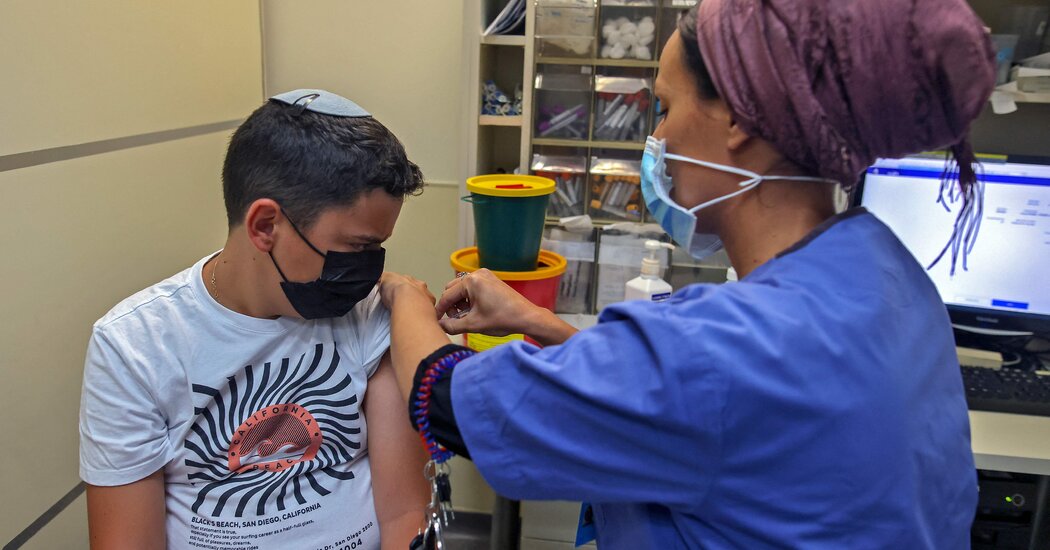
Boys between 12 and 15 years of age have a small but increased risk of heart problems after receiving the second dose of the Pfizer-BioNTech vaccine, Israeli researchers reported on Wednesday.Myocarditis, or inflammation of the heart muscle, occurred in 1 of 12,361 boys of this age group within a week of receiving the second dose, the study found.The cases were mild, and the side effect remains uncommon. Moreover, several studies have shown that the risk of myocarditis following Covid is much higher than that following vaccination.Still, the Israeli figure is higher than the Centers for Disease Control and Prevention estimate of 1 case per 16,129 vaccinated adolescents aged 12 to 17 years. Israeli researchers previously reported that nearly 11 of every 100,000 males between 16 and 29 years of age were at heightened risk of myocarditis after vaccination.Although the new results are based only on the Pfizer-BioNTech vaccine, other studies have found that the incidence of myocarditis may be higher with the other mRNA vaccine made by Moderna.Some European countries paused the use of the Moderna vaccine in male adolescents because of the risk. In the United States, only the Pfizer-BioNTech vaccine is authorized for use in adolescents and children 5 and older.Concern about heart inflammation may have prompted the Food and Drug Administration to ask Pfizer-BioNTech and Moderna to enroll more children in their vaccine trials. Even so, Pfizer’s trial of the vaccine included just 567 boys aged 12 to 15 years — too few to detect uncommon side effects.The new study tracked hospitalizations for myocarditis between June 2, 2021, and Oct. 20, 2021, through a surveillance system of the Israeli Ministry of health. During that time, 404,407 adolescents ages 12 to 15 years received the first dose of vaccine, and 326,463 adolescents received the second dose.The researchers found 18 reports of hospitalization for myocarditis. They excluded two of the cases because of “reasonable alternative diagnoses,” and two others because they occurred 46 and 70 days after the second dose — too long after the vaccination to be related, the researchers said.Of the remaining 14, one was in an unvaccinated adolescent, one in an adolescent who had received the first vaccine dose less than weeks earlier, and 12 cases within a week after the second dose. The results were published in The New England Journal of Medicine.All of the cases were clinically mild, and the adolescents were hospitalized for an average of three days. None was readmitted during 30 days of follow-up.The researchers estimated that myocarditis occurs in 0.56 male adolescents per 100,000 after the first dose, and in 8.09 per 100,000 after the second dose. The corresponding risk among girls of that age was negligible.The study may have underestimated the risk of myocarditis, because the researchers looked only at boys who were hospitalized for the condition. Myocarditis can manifest as chest pain, shortness of breath and the feeling of having a fast-beating, fluttering or pounding heart, according to the C.D.C.

Read more →

Current anti-COVID pills work well against omicron, but antibody drugs are less effective, study finds

The drugs behind the new pills to treat COVID-19 remain very effective against the omicron variant of the virus in lab tests, according to a new study.
However, lab tests also showed that the available antibody therapies — typically given intravenously in hospitals — are substantially less effective against omicron than against earlier variants of the virus. Some antibodies have entirely lost their ability to neutralize omicron at realistic dosages.
If the ability of the antiviral pills to combat omicron is confirmed in human patients, it would be welcome news. Public health officials expect the pills to become an increasingly common treatment for COVID-19 that will reduce the severity of the disease in at-risk patients and decrease the burden of the pandemic.
For now, the pills remain in short supply during the current omicron wave, which has broken case records in the U.S. and other countries.
The findings corroborate other studies that show most available antibody treatments are less effective against omicron. Drug makers could design, test and produce new antibody drugs targeted at the omicron variant to overcome the limitations of current therapies, but this process would take months.
“The bottom line is we have countermeasures to treat omicron. That’s good news,” says Yoshihiro Kawaoka, the University of Wisconsin-Madison lead of the study and virologist at the UW School of Veterinary Medicine and the University of Tokyo. “However, this is all in laboratory studies. Whether this translates into humans, we don’t know yet.”
Kawaoka and his collaborators at UW-Madison and the National Institute of Infectious Diseases in Tokyo published their findings in the New England Journal of Medicine on Jan. 26.

Read more →

New data on COVID-19 lung transplants

A Smidt Heart Institute analysis of lung transplantations performed nationally shows significant help for patients with severe, irreversible lung damage from COVID-19.
The analysis of more than 3,000 lung transplants in the U.S. between Aug. 1, 2020, and Sept. 30, 2021, showed that during the pandemic, 7% of the nation’s lung transplants were performed to treat severe, irreversible lung damage caused by COVID-19. More than half of these patients needed ventilators or extracorporeal membrane oxygenation, or ECMO, before their transplant.
“Our experience treating COVID-19 has shown us that ECMO can be used in carefully selected patients, either as a bridge to lung transplantation, or to allow a patient’s own lungs to heal,” said Joanna Chikwe, MD, founding chair of the Department of Cardiac Surgery in the Smidt Heart Institute at Cedars-Sinai, the Irina and George Schaeffer Distinguished Chair in Cardiac Surgery, and corresponding author of the data published in The New England Journal of Medicine (NEJM). “Most of these COVID-19 patients would have been considered too ill to transplant a few years ago, and the surprising finding of our research was how well they did after lung transplantation.”
While on ECMO, a patient’s blood is pumped out of their body, put through an artificial lung, then pumped back into the patient’s body. The machine — similar to a heart-lung bypass machine — has been around for several decades, although its use for lung failure has increased significantly in the past decade.
In the past, ECMO has been widely considered a “Hail Mary pass” by experts. However, the technology has been employed so often during the global pandemic that Cedars-Sinai physicians have learned new, effective ways to utilize the machine and save lives.
Data published in NEJM was collected from the United Network for Organ Sharing (UNOS), the nonprofit organization that manages the nation’s organ transplant system. Results from 3,039 lung transplantations show: The average age of COVID-19 lung transplant patients was 52. 21% of COVID-19 lung transplant patients were female. 36.6% of COVID-19 lung transplant patients were Hispanic. Among the 214 COVID-19 lung transplants, the three-month survival was 95.6%. Of the 214 COVID-19 lung transplants, 140 patients had COVID-19 acute respiratory distress syndrome, and 74 patients had COVID-19 pulmonary fibrosis.”Acute respiratory distress syndrome involves an acute inflammation of the lungs, resulting in decreased ability for the lungs to oxygenate and ventilate,” said Amy Roach, MD, a general surgery resident and Nagel Research Fellowin the Department of Cardiac Surgery in the Smidt Heart Institute and first author of the published data. “In some patients this progresses to COVID-19 pulmonary fibrosis, which causes scarring in the lung and is generally irreversible.”
Throughout the pandemic, Smidt Heart Institute physicians and surgeons have learned how best to treat patients with ECMO.
“Now we know we must mobilize patients and reduce sedatives, whenever possible,” said Dominick Megna, MD, surgical director of the Lung Transplant Program, assistant professor of Cardiac Surgery and an author on the study. “We also have a deeper understanding of how long an individual patient can safely remain on ECMO.”
Between July 2020 and June 30, 2021, Cedars-Sinai provided more than 30,000 hours of ECMO care to patients. Of those 30,000 hours, 21,000 hours were for patients with severe lung disease due to COVID-19.
“Our analysis suggests lung transplants may be a safe option for select patients with the most severe, irreversible lung damage from COVID-19,” said Reinaldo Rampolla, MD, medical director of the Lung Transplant Program at Cedars-Sinai and one of the authors. “However, our hope is that no one has to go through ECMO or lung transplant because of COVID-19. The best protection we have against severe, aggressive disease is vaccination.”

Read more →

Mix-and-match trial finds additional dose of COVID-19 vaccine safe, immunogenic

In adults who had previously received a full regimen of any of three COVID-19 vaccines granted Emergency Use Authorization (EUA) or approved by the Food and Drug Administration (FDA), an additional booster dose of any of these vaccines was safe and prompted an immune response, according to preliminary clinical trial results reported in The New England Journal of Medicine. The findings served as the basis for recommendations by the FDA and the Centers for Disease Control and Prevention in late fall 2021 to permit mix-and-match COVID-19 booster vaccinations in the United States. Additional data from the ongoing Phase 1/2 trial, sponsored by the National Institute of Allergy and Infectious Diseases (NIAID), part of the National Institutes of Health, are expected in the coming months.
The new report describes findings from 458 adults who had been fully vaccinated with any of three EUA COVID-19 vaccines at least 12 weeks prior to enrollment and who had no reported history of SARS-CoV-2 infection. At enrollment, a single booster dose was administered to each participant: 150 received Janssen/Johnson & Johnson’s Ad26.COV2.S vaccine; 154 received Moderna’s mRNA-1273 vaccine; and 154 received Pfizer-BioNTech’s BNT162b2 vaccine. Depending on which primary vaccine regimen a participant had received, the booster vaccine was either different (mixed, or heterologous) than or the same (matched, or homologous) as the original vaccine.
The trial participants kept diaries of any side effects. More than half of participants reported headache, pain at the injection site, muscle aches and malaise. No serious vaccine-related adverse events were reported.
All combinations of primary and booster vaccine resulted in increased neutralizing antibody levels (ranging from 4.2- to 76-fold higher levels than those detected prior to boost.) Likewise, all primary-boost combinations increased binding antibody levels 4.6- to 56-fold. For each primary EUA COVID-19 vaccine, heterologous boosts elicited similar or higher antibody responses as compared to responses to a homologous booster. Cellular responses (CD4 and CD8 T cell) also increased in all but the homologous Ad26.CoV2.S-boosted group, though CD8+ T cells were highest at baseline in those participants who had received the Ad26.CoV2.S EUA vaccine.
Taken together, the investigators concluded, “these data strongly suggest that homologous and heterologous booster vaccine will increase protective efficacy against symptomatic SARS-CoV-2 infection.”
These interim results cover available immunogenicity data through the initial 29 days following booster vaccination. Investigators will continue to follow participants for one year to assess what impact booster vaccination has on longer-term immune responses. Additional arms of the trial may test other investigational, EUA or FDA-approved COVID-19 vaccines and/or vaccines based on SARS-CoV-2 variants as the boosting vaccine.
The trial began in May 2021 and is continuing to enroll participants. Its principal investigators are Robert L. Atmar, M.D., of Baylor College of Medicine, Houston; and Kirsten E. Lyke, M.D., of the University of Maryland School of Medicine, Baltimore. It is being conducted through NIAID’s Infectious Diseases Clinical Research Consortium, a clinical trials network that encompasses the Institute’s longstanding Vaccine and Treatment Evaluation Units (VTEUs). Additional information about the trial, including a listing of trial sites enrolling volunteers, is available at ClinicalTrials.gov using the identifier NCT04889209.
NIAID grants supporting this research were UM1AI48372, UM1AI148373, UM1AI148450, UM1AI148452, UM1AI148573, UM1AI148574, UM1AI148575, UM1AI148576, UM1AI148684 and UM1AI148689. Contract 75N93019C00050 from the NIAID Collaborative Influenza Vaccine Innovation Centers (CIVICs) also provided support.

Read more →

Ground-breaking study reveals dynamics of DNA replication ‘licensing’

A new study from scientists at the UNC School of Medicine has illuminated an important process that occurs during cell division and is a likely source of DNA damage under some circumstances, including cancer.
The scientists, who reported their findings in Nucleic Acids Research, devised a sophisticated experimental platform for studying the process called “origin licensing.” Cells use this process to regulate, or “license” the replication of their genomes during cell division.
The researchers revealed for the first time the dynamics of this process. They showed in particular how these dynamics differ — and bring different risks of DNA damage during replication — in the two basic states of genomic DNA, the “euchromatin” state which is relatively loose and open for gene activity, and the “heterochromatin” state which is wound more tightly to silence gene activity.
“Our findings may help explain, for example, why certain portions of the genome are relatively susceptible to DNA damage during replication in some cancer cells,” said study senior author Jean Cook, PhD, professor of biochemistry and biophysics at the UNC School of Medicine and member of the UNC Lineberger Comprehensive Cancer Center.
Origin licensing occurs in the initial, preparatory phase of cell replication, known as the G1 phase. It involves sets of special enzymes that attach to the DNA in chromosomes at various locations where DNA-copying is to originate. The enzymes essentially license the copying of DNA so that cells don’t copy their genomes more than once.
Cook and other scientists have described in prior studies the basic process of origin licensing, and have identified proteins that make it happen. But this study, for the first time, revealed in detail how the process unfolds over time in cells as they prepare for cell division. Study first author Liu Mei, PhD, a postdoctoral fellow in the Cook laboratory, combined still and time-lapse microscopic imaging techniques to accomplish this feat.

Read more →