In a first for 'sonogenetics,' researchers control mammalian cells with sound

Salk scientists have engineered mammalian cells to be activated using ultrasound. The method, which the team used to activate human cells in a dish and brain cells inside living mice, paves the way toward non-invasive versions of deep brain stimulation, pacemakers and insulin pumps. The findings were published in Nature Communications on February 9, 2022.
“Going wireless is the future for just about everything,” says senior author Sreekanth Chalasani, an associate professor in Salk’s Molecular Neurobiology Laboratory. “We already know that ultrasound is safe, and that it can go through bone, muscle and other tissues, making it the ultimate tool for manipulating cells deep in the body.”
About a decade ago, Chalasani pioneered the idea of using ultrasonic waves to stimulate specific groups of genetically marked cells, and coined the term “sonogenetics” to describe it. In 2015, his group showed that, in the roundworm Caenorhabditis elegans, a protein called TRP-4 makes cells sensitive to low-frequency ultrasound. When the researchers added TRP-4 to C. elegans neurons that didn’t usually have it, they could activate these cells with a burst of ultrasound — the same sound waves used in medical sonograms.
When the researchers tried adding TRP-4 to mammalian cells, however, the protein was not able to make the cells respond to ultrasound. A few mammalian proteins were reported to be ultrasound-sensitive, but none seemed ideal for clinical use. So Chalasani and his colleagues set out to search for a new mammalian protein that made cells highly ultrasound sensitive at 7 MHz, considered an optimal and safe frequency.
“Our approach was different than previous screens because we set out to look for ultrasound-sensitive channels in a comprehensive way,” says Yusuf Tufail, a former project scientist at Salk and a co-first author of the new paper.
The researchers added hundreds of different proteins, one at a time, to a common human research cell line (HEK), which does not usually respond to ultrasound. Then, they put each cell culture under a setup that let them monitor changes to the cells upon ultrasound stimulation.

Read more →

Researchers restore function in a gene that can suppress liver cancer and enhance immunotherapy

A team of researchers from Massachusetts General Hospital (MGH) and Brigham and Women’s Hospital (BWH) has reprogrammed the tumor microenvironment of liver cancer by using mRNA nanoparticles. This technology, similar to the one used in COVID-19 vaccines, restored the function of the p53 master regulator gene, a tumor suppressor mutated in not just liver but also other types of cancer. When used in combination with immune checkpoint blockade (ICB), the p53 mRNA nanoparticle approach not only induced suppression of tumor growth but also significantly increased antitumor immune responses in hepatocellular carcinoma (HCC) laboratory models. The results of the study were published in Nature Communications.
“The reprogramming of the cellular and molecular components of the tumor microenvironment could be a transformative approach for treating HCC and other cancers,” says co-senior author Jinjun Shi, PhD, with the Center for Nanomedicine at BWH, who developed the platform with MGH liver cancer biologist and co-senior author Dan G. Duda, DMD, PhD. “By using this new approach, we’re targeting specific pathways in tumor cells with mRNA nanoparticles. These tiny particles provide the cells with the instructions to build proteins, which, in the case of HCC, delayed tumor growth and rendered the tumor more responsive to treatment with immunotherapy.”
HCC is the most prevalent form of liver cancer, characterized by a high mortality rate and dismal prognosis for patients. Immune checkpoint blockers, a revolutionary new class of drugs that enable the body’s immune system to recognize and attack cancer cells, have shown efficacy in treating HCC, but most patients do not benefit. To overcome this resistance, multiple strategies are being developed to improve ICBs by combining them with other existing therapies, such as anti-VEGF drugs and radiotherapy. However, even these approaches are expected to benefit only a small number of patients, creating an urgent need for new combination therapies.
Encouraged by the success of mRNA in COVID-19 vaccines, Shi decided to apply the technology (with certain modifications) to targeting cancer cells. He teamed up with Duda, whose MGH lab had already created sophisticated animal models to analyze the microenvironment of liver tumors in response to immunotherapy. They developed and optimized an mRNA nanoparticle strategy to restore loss of function of p53, a tumor suppressor gene whose function is lost in more than one-third of HCC cases. In doing so, they uncovered evidence that p53 regulates the tumor microenvironment by modulating the interaction of cancer cells with immune cells as part of ICB therapy.
“In our previous work we had developed nanoparticles to target CXCR4 — a chemokine receptor expressed by liver cancer cells — and selectively co-deliver drugs such as kinase inhibitors,” explains Duda. “We’ve now adapted this platform to use CXCR4 as a kind of ZIP code to selectively target the tumor with nanoparticles encapsulating therapeutic mRNAs. When we combined this nanomedicine with anti-programmed death receptor 1 (PD-1) antibodies, a standard immunotherapy for HCC patients, it induced global reprogramming of the tumor microenvironment and tumor response by restoring p53 expression.”
The next step for the team is to transfer their research from animal models to patients in a clinical trial. “Scientists have struggled for decades to find an effective way to target the tumor suppressor pathways,” emphasizes Shi. “Our proof-of-concept study is an exciting development that clearly shows that p53 mRNA nanoparticles in combination with ICB not only works, but also could make a big difference by reversing immunosuppression in HCC and potentially other cancers.”
Shi is an associate professor of Anesthesia at Harvard Medical School (HMS). Duda is associate professor of Radiation Oncology at HMS and director of translational research in GI radiation oncology at MGH. Yuling Xiao, PhD, and Jiang Chen, MD, PhD, are the lead authors of the study and postdoctoral fellows at HMS.
The study was supported by a U.S. Department of Defense Peer Reviewed Cancer Research Program (PRCRP) Idea Award.
Story Source:
Materials provided by Massachusetts General Hospital. Note: Content may be edited for style and length.

Read more →

Five elements to optimize treatment of in-hospital stroke

Although hospitalized patients are in a monitored environment, stroke evaluation and treatment are often delayed compared to patients arriving with a stroke at the emergency department, contributing to higher rates of morbidity and mortality for in-hospital stroke, according to an American Heart Association scientific statement published online today in the Association’s journal Stroke.
The statement outlines five elements for the development of hospital systems of care and targeted quality improvement to reduce delays and optimize treatment to improve outcomes for patients who experience an in-hospital stroke. In-hospital stroke is a stroke that occurs during a hospitalization for another diagnosis and affects between 35,000 and 75,000 hospitalized patients annually in the United States.
The five core elements of the statement are: training all hospital staff on stroke signs, symptoms and activation protocols for in-hospital stroke alerts; creating rapid response teams with dedicated stroke training and immediate access to neurologic expertise; standardizing the evaluation of potential in-hospital stroke patients with physical assessment and imaging; eliminating and addressing potential treatment barriers including interfacility transfer to advanced stroke treatment; and establishing an in-hospital stroke quality oversight program delivering data-driven performance feedback and driving targeted quality improvement efforts.The statement encourages institutions to develop a plan for in-patient stroke response teams that includes education, quality review and specified oversight.
The statement was developed by the writing committee on behalf of the American Heart Association’s Stroke Council; the Council on Arteriosclerosis, Thrombosis and Vascular Biology; the Council on Cardiovascular and Stroke Nursing; the Council on Clinical Cardiology; and the Council on Lifestyle and Cardiometabolic Health. The diverse committee included experts in nursing, neurology, internal medicine, neurocritical care, neurosurgery and neurointerventional radiology. The American Academy of Neurology affirms the value of this statement as an educational tool for neurologists, and the American Association of Neurological Surgeons/Congress of Neurological Surgeons Cerebrovascular Section affirms the educational benefit of this statement.
American Heart Association scientific statements promote greater awareness about cardiovascular diseases and stroke issues and help facilitate informed health care decisions. Scientific statements outline what is currently known about a topic, and what areas need additional research. While scientific statements inform the development of guidelines, they do not make treatment recommendations. American Heart Association guidelines provide the Association’s official clinical practice recommendations.
The writing committee includes Chair Ethan U. Cumbler, M.D.; Vice-Chair Amre Nouh, M.D., FAHA; Sepideh Amin-Hanjani, M.D., FAHA; Karen L. Furie, M.D., M.P.H., FAHA; Walter N. Kernan, M.D.; DaiWai M. Olson, Ph.D., R.N.; Fernando D. Testai, M.D., Ph.D., FAHA; Mark J. Alberts, M.D., FAHA; and Mohammed A. Hussain, M.D.
This scientific statement will also be discussed during a symposium today at 5 p.m. CT/ 6 p.m. ET at the Association’s International Stroke Conference in New Orleans. An American Heart Association scientific statement is an expert analysis of current research and may inform future clinical practice guidelines.
Story Source:
Materials provided by American Heart Association. Note: Content may be edited for style and length.

Read more →

Co-occurring droughts could threaten global food security

Droughts occurring at the same time across different regions of the planet could place an unprecedented strain on the global agricultural system and threaten the water security of millions of people, according to a new study in Nature Climate Change.
A Washington State University-led research team analyzed climate, agricultural and population growth data to show continuing fossil fuel dependence will increase the probability of co-occurring droughts 40% by the mid-21st century and 60% by the late 21st century, relative to the late-20th century. That comes out to an approximately ninefold increase in agricultural and human population exposure to severe co-occurring droughts unless steps are taken to lower carbon emissions.
“There could be around 120 million people across the globe simultaneously exposed to severe compound droughts each year by the end of the century,” said lead author Jitendra Singh, a former postdoctoral researcher at the WSU School of the Environment now at ETH Zurich, Switzerland. “Many of the regions our analysis shows will be most affected are already vulnerable and so the potential for droughts to become disasters is high.”
The elevated risk of compound droughts estimated by Singh and colleagues is a result of a warming climate coupled with a projected 22% increase in the frequency of El Niño and La Niña events, the two opposite phases of the El Niño Southern Oscillation (ENSO).
The researchers’ projections show that nearly 75% of compound droughts in the future will coincide with these irregular but recurring periods of climatic variation in the world’s oceans, which have played a large role in some of the greatest environmental disasters in world history.
For example, El Nino-fueled droughts that concurrently occurred across Asia, Brazil and Africa during 1876-1878 led to synchronous crop failures, followed by famines that killed more than 50 million people.

Read more →

Feeling dizzy when you stand up? Simple muscle techniques can effectively manage symptoms of initial orthostatic hypotension

Feeling lightheaded upon standing up due to initial orthostatic hypotension (IOH), or a transient decrease in blood pressure and increase in heart rate, is a common but poorly understood condition. A new study offers two simple cost- and drug-free techniques to effectively manage symptoms of IOH and improve quality of life by activating lower body muscle before or after standing. The research appears in Heart Rhythm, the official journal of the Heart Rhythm Society, the Cardiac Electrophysiology Society, and the Pediatric & Congenital Electrophysiology Society, published by Elsevier.
Syncope, lightheadedness, dizziness, or loss of consciousness from IOH, affects up to 40% of the general population (all ages), while presyncope is probably even more common. Despite this, the condition is relatively understudied and there is minimal information available about the underlying mechanisms or symptom management and treatment. Currently, there are very few options available to patients with IOH and no pharmacological treatments. The most common recommendations have been to stand up slowly or sit up first before standing.
“Almost everyone has probably experienced some lightheadedness at some time after standing up,” explained lead investigator Satish R. Raj, MD, MSCI, FHRS, Professor of Cardiac Sciences, Libin Cardiovascular Institute, Cumming School of Medicine, University of Calgary, Calgary, AB, Canada. “For some people this is a frequent occurrence and may happen several times a day, which can be very frightening and negatively impact their quality of life. We wanted to explore this further and provide novel and effective symptom management techniques with the goal of improving the IOH patient’s quality of life.”
This study investigated physical maneuvers before or after standing and their efficacy in reducing the drop in blood pressure as well as the symptoms typically seen in IOH patients upon standing. Study participants included 24 young women (mean age 32 ± 8 years) with a high burden history of fainting immediately after standing and more than four episodes of presyncope or syncope per month. The study participants were required to have a significant drop in systolic blood pressure of at least 40 mmHg upon standing to fulfill the diagnostic criteria of IOH on the study day. Two participants had inadequate heart rate recordings and were excluded from the analysis.
The 22 study participants completed three sit-to-stand maneuvers including a stand with no intervention (control), and two interventions. Researchers found that both lower body muscle preactivation (thighs) through repeated knee raises prior to standing (PREACT) and lower body muscle tensing (thighs and buttocks) through leg crossing and tensing immediately after standing (TENSE) effectively improve the blood pressure drop. This led to a reduction in symptoms upon standing. They found that the PREACT maneuver accomplished this by increasing cardiac output, while the TENSE maneuver did so by increasing stroke volume.
“Our study provides a novel and cost-free symptom management technique that patients with IOH can use to manage their symptoms,” noted first author Nasia A. Sheikh, MSc, Libin Cardiovascular Institute, Cumming School of Medicine, University of Calgary, Calgary, AB, Canada. “Since it is a physical maneuver, it simply requires the lower body limbs, which patients can utilize at any time and from anywhere to combat their symptoms.”
“Our study demonstrates the physiology of IOH and assesses the utility of physical maneuvers that can help the IOH patient manage their symptoms. A diagnosis of IOH is identified by patients as the critical first step to empowering them to understand and master their symptoms and thus minimize the disruptions to daily living caused by this common, but not commonly understood, condition,” added co-investigator Mary Runté, PhD, University of Lethbridge, Lethbridge, AB, Canada.
In an accompanying editorial, Bert Vandenberk, MD, PhD, Department of Cardiac Sciences, Libin Cardiovascular Institute, Cumming School of Medicine, University of Calgary, Calgary, AB, Canada; and Department of Cardiovascular Sciences, KU Leuven, Leuven, Belgium; and Carlos A. Morillo, MD, FHRS, Department of Cardiac Sciences, Libin Cardiovascular Institute, Cumming School of Medicine, University of Calgary, Calgary, AB, Canada, commented that “PREACT and TENSE provide an elegant and simple effective symptom relief option for patients with IOH.” However, they noted, “The study needs to be validated in men, as well as being explored in the elderly where multiple confounders should be addressed. Understanding the role of cardiopulmonary mechanoreceptors should also provide further mechanistic insights into the effects of these simple yet very effective physiologic maneuvers.”
Story Source:
Materials provided by Elsevier. Note: Content may be edited for style and length.

Read more →

Exercise May Enhance the Effects of a Covid or Flu Shot

A 90-minute walk, jog or bike ride after getting vaccinated may boost your body’s immune response.Taking a long, brisk walk, jog or bike ride after your next Covid or flu vaccine might amplify the benefits of the shot, according to a new study of exercise and immunization. The study, which involved 70 people and about 80 mice, looked at antibody responses after a jab with the influenza vaccine or both rounds of the Pfizer-BioNTech Covid-19 vaccine. It found that people who exercised for 90 minutes right after their shot subsequently produced more antibodies than people who did not. The extra immune boost, which should help reduce their risk of falling seriously ill from those diseases, did not seem to trigger an increase in side effects.The study’s results are preliminary and need to be tested in larger numbers of people. But the findings add to mounting evidence that being fit and physically active may prime our bodies to respond with extra robustness to flu and Covid vaccines.Exercise alters ‘almost all’ our immune cells.The relationship between exercise and immunity is, in general, well established. Most studies show that being physically active helps protect us against catching colds and other mild, upper-respiratory tract infections. Being fit may also ease the severity of an infection if we do get sick. In a study last year of almost 50,000 Californians who developed Covid, for example, those who had been exercising regularly before their diagnosis were about half as likely to wind up hospitalized as people who rarely worked out.On the other hand, extreme exercise might undermine our immunity. Marathon runners often report getting sick after races, and lab mice that run to utter exhaustion tend to become more susceptible to the flu than sedentary animals.Overall, though, exercise appears to offer a potent boost to our immune systems. “The behavior of almost all immune cell populations in the bloodstream is altered in some way during and after exercise,” a recent review of past research on the topic concluded.Today’s 3 Key Reads About Covid1. Mask Mandates: Democratic governors are racing to ease Covid rules, mindful that voters want to get on with life.2. How Americans Feel: The U.S. public is frustrated with the pandemic. A wave of new polls shows how much.3. J&J Vaccine: The company quietly paused vaccine production despite a persistent need in much of the developing world.So, it should not be surprising that exercise might also affect vaccine response. In some past studies, performing arm exercises before a flu shot upped the levels of antibodies and specialized immune cells afterward more than sitting quietly. And in a 2020 study, elite competitive athletes in the middle of their training seasons generated more antibodies and immune cells after a flu shot than a control group of healthy young people.Is there a right ‘dose’ of exercise?But few of these earlier studies aimed to suss out the best timing and amounts of exercise to amplify vaccine effects, and none looked at Covid shots, which have only been available since late 2020. So, for the new study, published this week in Brain, Behavior, and Immunity, a group of immunobiologists and exercise scientists at Iowa State University in Ames, Iowa, asked people getting a flu or Covid shot to also work out.They began by inviting dozens of healthy adults aged 18 to 87 who said they exercised occasionally to come to the lab for a flu shot. The scientists also coordinated with local Covid vaccination sites to recruit 28 men and women who were getting their first Covid shots. Before the vaccinations, they drew blood from all the volunteers to check antibody levels.Then they randomly assigned everyone either to sit quietly or to exercise for 90 minutes after getting their shot. Earlier research had suggested that exercising after getting a vaccine increased the immune response more than the same level of activity beforehand. And they settled on 90 minutes as a general exercise target because unpublished research from their lab suggested that amount of exercise substantially increased the production of a substance in the blood called interferon alfa that can spark the creation of immune cells.The exercising volunteers then rode a stationary bike or walked rapidly for 90 minutes after their vaccinations, either at the lab or outside on the sidewalks near the Covid vaccine sites. They worked out at a mildly challenging pace, aiming to keep their heart rates between about 120 and 140 beats per minute. But the researchers also asked some of the flu-shot volunteers to ride for only 45 minutes, to see if the shorter workout might be equally effective at amping immunity.Because antibody levels tend to build in the weeks following a vaccination, the researchers drew blood from everyone again two and four weeks after their shots. (People getting the Covid vaccine received their second shot in the interim, since a second Pfizer shot should be given three weeks after the first.)45 minutes is not enough.After a month, everyone’s antibody levels to the flu or Covid shot rose substantially, as expected after getting a vaccine. But they were highest in the men and women who had exercised for 90 minutes afterward. This antibody bonus was not huge. “But it was statistically significant,” said Marian Kohut, a professor of kinesiology and member of the Nanovaccine Institute at Iowa State, who oversaw the new study.People who exercised also did not report additional side effects after their shots. (They did not experience fewer side effects, either.)The Coronavirus Pandemic: Key Things to KnowCard 1 of 4Mask mandates ending.

Read more →

UCLA in $250m payout for gynaecologist's sex abuse

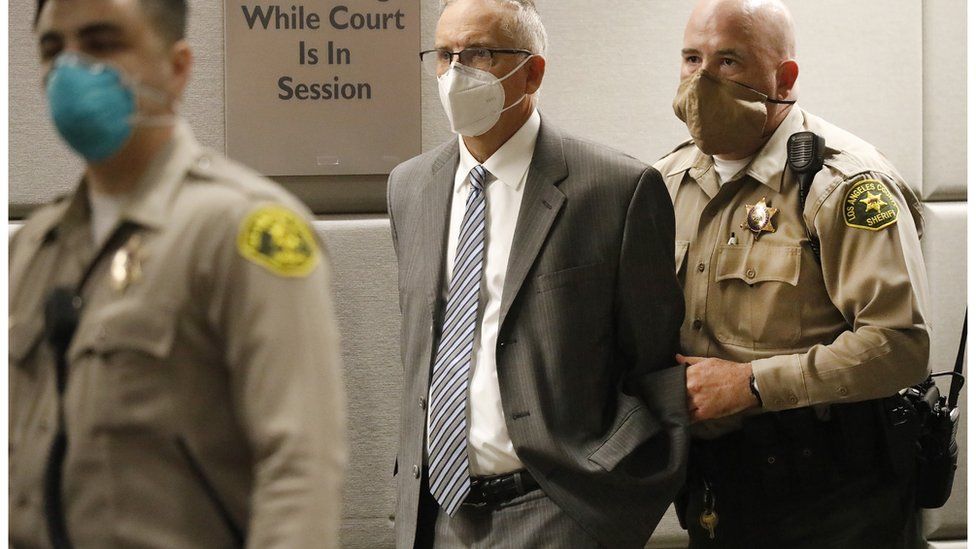
SharecloseShare pageCopy linkAbout sharingImage source, Getty ImagesThe University of California has agreed to pay nearly $250m (£185m) to over 200 women who allege they were sexually assaulted by a campus gynaecologist. Multiple women accuse the university’s Los Angeles site (UCLA) of deliberately hiding James Heaps’ alleged sexual abuse of patients.Mr Heaps was based at the UCLA student health centre during his 35-year career between 1983 and 2018.Hundreds of women, some of whom had cancer, say they were abused by him. The university did not begin investigating complaints against Mr Heaps until 2017. It has been accused in hundreds of lawsuits of deliberately hiding the gynaecologist’s alleged sexual abuse of patients. His medical licence was suspended by a judge in 2019 for the duration of the sex abuse case. The university said it hoped the financial settlement would provide “healing and closure” for the women involved. Mr Heaps faces 21 criminal counts of sexual abuse against seven women and has pleaded not guilty.”The conduct alleged to have been committed by Heaps is reprehensible and contrary to the University’s values,” a UCLA statement said on Tuesday. “Our first and highest obligation will always be to the communities we serve, and we hope this settlement is one step toward providing healing and closure for the plaintiffs involved.”But Kara Cagle, a breast cancer survivor who reported Mr Heaps while she was undergoing treatment at the university, told the Los Angeles Times: “Today, after eight long years, I received recognition of what happened to me.”Although there is some consolation in that, my heart breaks for all the women who were not spared, all the women who suffered after me, because UCLA refused to act.”Tuesday’s settlement does not halt an ongoing lawsuit by more than 300 patients. Last July, a federal judge approved a $73m settlement against Mr Heaps, which was brought by more than 5,500 women. According to lawyers in the case, he was once the highest paid doctor in the entire University of California system. John C Manley, a lawyer representing one of the women who has filed criminal charges against Mr Heaps, alleged he was a sophisticated predator who committed abuse under the guise of normal medical examinations.”He was a board-certified gynaecologist and a board-certified oncologist. Most of the women… were there because they had cancer or they thought they had cancer,” Mr Manley told the BBC.The federal lawsuits said that Mr Heaps was not properly investigated until the university received a complaint in 2017, and that he was allowed to continue seeing patients during the inquiry into his actions, and even after the university told him that his contract would not be renewed. The latest payout follows a series of a large settlements with US universities over patient abuse by campus doctors. Last month, the University of Michigan reached a $490m settlement with more than 1,000 people who say they were abused by a sports doctor during his four-decade career. Meanwhile, three women are suing another of America’s most prestigious colleges, Harvard, on the grounds it also ignored sexual harassment allegations. Professor John Comaroff, an anthropologist, denies their allegations that he kissed and groped them.

Read more →

New York Drops Indoor Mask Mandate, Easing Covid Rules

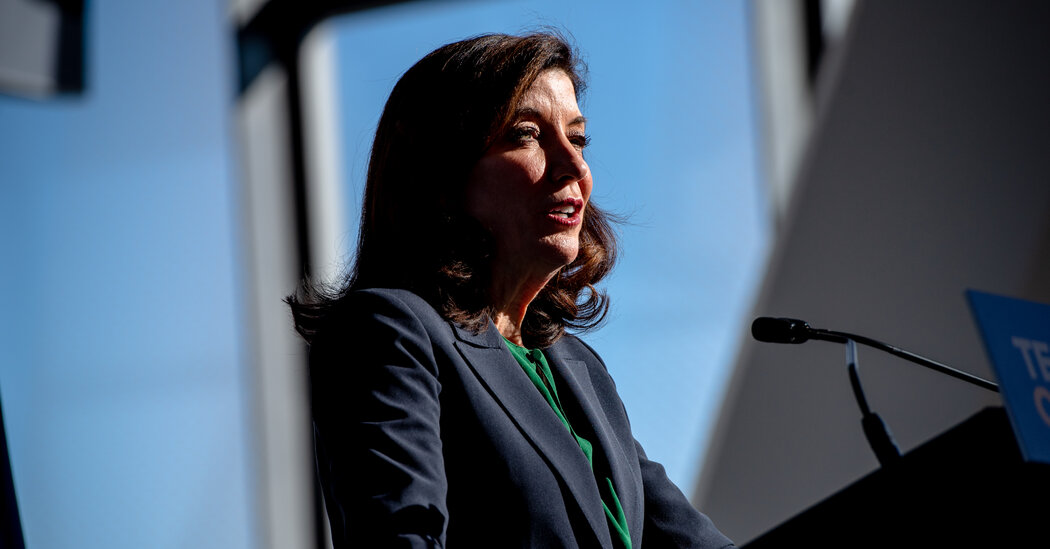
After a scare in November, New Jersey’s governor and other Democratic leaders held back-channel talks over lifting mandates and helping voters impatient with restrictions reclaim a sense of normalcy.Gov. Kathy Hochul will drop New York’s stringent indoor mask mandate on Wednesday, ending a requirement that businesses ask customers for proof of full vaccination or require mask wearing at all times, and marking a turning point in the state’s coronavirus response, according to three people briefed on her decision.The decision will eliminate a rule that prompted legal and interpersonal clashes over mask wearing, especially in conservative parts of New York. It was set to expire on Thursday and would have required renewing.Ms. Hochul’s decision will let the mask mandate lapse just as a crushing winter surge in coronavirus cases is finally receding. But it was not yet clear whether the governor would renew or drop a separate mask mandate in New York schools that is set to expire in two weeks.The easing of New York’s pandemic restrictions on businesses comes as Democratic-led states from New Jersey to California have announced similar moves this week, in a loosely coordinated effort that is the result of months of public-health planning, back-channel discussions and political focus groups that began in the weeks after the November election.It was Gov. Philip D. Murphy of New Jersey who began the effort last fall, weeks after he was stunned by the energy of right-wing voters in his blue state, who nearly ousted him from office in what was widely expected to be an easy re-election campaign. Arranging a series of focus groups across the state to see what they had missed, Mr. Murphy’s advisers were struck by the findings: Across the board, voters shared frustrations over public health measures, a sense of pessimism about the future and a deep desire to return to some sense of normalcy.Gov. Philip D. Murphy of New Jersey lifted the mask mandate for schools in his state on Monday.Seth Wenig/Associated PressThen, Omicron hit, delaying any easing of restrictions.But slowly, as case rates began to fall again in January, conversations between Mr. Murphy’s aides and senior officials in other states began to pick back up. Even Democratic voters, they agreed, were wearying of the toughest restrictions, growing increasingly impatient with mandates and feeling ready to live with the risk that remained. As cases plummeted, the public health dynamics were shifting, too, and officials grappled with how to arrive at a new sense of normal.Last week, they took their concerns to the White House. As members of the National Governors Association gathered for a meeting in the East Room, several asked President Biden to provide clear guidelines for their states to move from the crisis footing of a pandemic to a recognition that the virus was here to stay — and that it could be managed without completely upending daily life.“What does the road from pandemic to endemic look like, and how do we keep score?” Mr. Murphy, the association’s vice chairman, later told reporters, describing the discussion. “There was broad agreement that that’s the task before us.”The administration’s guidance didn’t come quickly enough for Mr. Murphy, however. On Monday, he acted — without White House support — by announcing that New Jersey would no longer require students and school employees to wear masks, in defiance of the current recommendations of the Centers for Disease Control and Prevention.Some Democratic states are lifting pandemic-related mandates now that millions of Americans are vaccinated.Tojo Andrianarivo for The New York TimesWith that, a dam had broken. Within hours, Democratic governors in California, Connecticut, Delaware and Oregon moved to lift some mask mandates, and other states and cities indicated that mandates may be ending soon. In Boston, Mayor Michelle Wu laid out benchmarks on Tuesday for when the city would lift proof-of-vaccine requirements if hospitalizations and case numbers continued to fall.Even in Virginia, where an executive order making masks optional in schools, by Gov. Glenn Youngkin, a Republican, is tied up in legal challenges from liberal school districts, 10 out of 21 Democratic state Senators joined with Republicans on Tuesday to advance legislation that would do just that.Today’s 3 Key Reads About Covid1. How Americans Feel: The U.S. public is frustrated with the pandemic. A wave of new polls shows how much.2. J&J Vaccine: The company quietly paused vaccine production despite a persistent need in much of the developing world.3. Canada’s Trucker Protests: Demonstrations against vaccine mandates have turned into an occupation of Ottawa. Here’s the latest.While the specific steps vary by state, the message was the same: It’s time to move on.In New York, the lifting of the mandate on businesses would have far-reaching effects on many public settings, including retail shops, restaurants and malls as well as workplaces — a boon for companies struggling to attract workers back to their offices.Ms. Hochul’s move would not affect the mask mandate in New York schools, which expires on Feb. 21 and has become increasingly contentious, sparking heated feuds among parents, teachers and students over public health and individual liberties.Ms. Hochul said this week that she hoped to ease mask rules in schools eventually, but that the state first needed to scrutinize public health metrics. “I am optimistic that we’re trending in that direction, but I still need the time,” she said on Monday.Her decision also would not appear to affect certain local, federal and other requirements around masking in specific settings, meaning masks would still be required on trains, airplanes and buses and in health care facilities like hospitals and nursing homes.It is unclear if some localities with their own strict mask and vaccination rules might follow Ms. Hochul’s lead and potentially lift their restrictions, too.In New York City, for example, proof of vaccination is required to dine indoors, attend events at arenas, work out at gyms and go to the movies. That requirement has been in place through a program known as “Key to NYC,” which was implemented through an executive order from the mayor and must be renewed every five days. City officials said Tuesday that the order was being renewed.While the movement to loosen pandemic restrictions began in swing states like Colorado, Pennsylvania and Michigan, its spread to some of the bluest states reflects a country entering a new political phase in the nearly two-year-long pandemic. After years of urging their voters to follow the science, Democrats in the states are moving more quickly to lift restrictions than the Biden administration, which remains scarred after all but declaring victory against the virus last summer only to greet the Delta variant.Driving these decisions are the growing numbers of voters signaling that they are prepared to live with the virus as it is now, and political calculations about looming midterm elections that already have Democrats on the defensive.Democrats used their “trust the science” mantra in the pandemic’s early days to project competence and skewer Republicans who were flouting public health guidance, but even the White House now acknowledges the growing gap between public opinion and the advice of the president’s public health advisers.Moreover, some health experts warn that daylight on Covid restrictions between the Democratic administration and Democratic governors could undermine the already weakened federal public health authorities.“It’s a serious problem when most of the country is actively defying C.D.C. recommendations,” said Dr. Leana Wen, a public health professor at George Washington University. “Governors and local officials are seeing the sentiments of the people they’re serving. And public health has to meet people where they are.”In a new wave of national polls, growing numbers of Americans have expressed a willingness to move on from the strictest mandates. Seven in 10 respondents to a recent poll by Monmouth University agreed that “it’s time we accept Covid is here to stay and we just need to get on with our lives.”The Coronavirus Pandemic: Key Things to KnowCard 1 of 4Mask mandates ending.

Read more →

Initial COVID-19 infection on the single-cell level, revealed

What is going on at the single-cell level in the first days of SARS-CoV-2 infection in the lungs?
Researchers at Texas Biomedical Research Institute and Southwest National Primate Research Center (SNPRC), in collaboration with Washington University in St. Louis, have clarified what immune cells are present in the lungs in the first days of SARS-CoV-2 infection, and what some of those cells are doing to fight off the virus. The findings, reported in Nature Communications this week, will help guide the development of future treatments for COVID-19.
“This is the most detailed analysis of early SARS-CoV-2 infection to date thanks to the latest single-cell sequencing technologies, and animal models developed at Texas Biomed and SNPRC,” says Deepak Kaushal, Ph.D., SNPRC Director and senior paper author.
The analysis has shed light on a key mystery throughout the COVID-19 pandemic: the role of a class of signaling proteins called Type I Interferons (IFN). During viral infections, interferon molecules act like sentries or alarm bells blaring “intruder alert!” to other cells, so they can boost their defense systems. However, some reports have shown a lower Type I Interferon response to SARS-CoV-2, allowing the virus to spread more readily. At the same time, runaway interferon “cytokine storms” have been a hallmark of severe COVID-19.
Scientists have been trying to figure out if interferon fights SARS-CoV-2 or is somehow dysregulated, especially early on in infection. Clarifying this is important for developing treatments that aim to limit harmful inflammation linked to excessive interferon activity, without blocking its protective mechanisms.
This new research shows interferon plays a key role in clearing the virus, by alerting other immune cells, called macrophages, to search and destroy the virus. Macrophages are akin to Pac-Man, gobbling up cells infected with the virus.

Read more →

Surveillance testing shown to reduce community COVID-19 spread

Covid-19 is often asymptomatic and can lead infected individuals to spread the disease without knowing it. Yet, regular surveillance testing of a community can catch these cases and prevent outbreaks.
In early 2020, Georgia Tech researchers designed a saliva-based polymerase chain reaction (PCR) test and encouraged community members to test weekly to track the health of the campus. Their strategy confirmed 62% of the campus’ positive cases in the Fall 2020 semester. The method of surveillance testing — focusing on case clusters and then having patients isolate — reduced positivity rates from 4.1% in the beginning of the semester to below 0.5% mid-semester. Their findings were published in the journal Epidemiology.
“One of the ways you can mitigate spread is not to think about testing as just an indicator for how bad things are, but actually use enough testing that you can begin to pull infected people out of circulation to reduce the spread,” said Joshua Weitz, Georgia Tech professor in the School of Biological Sciences who developed the infectious disease models used to monitor campus.
Surveillance testing not only kept the community safe, but also enabled an open campus during a period of the pandemic when vaccines were not available. The strategy showed that combining multiple mitigation efforts — from testing to social distancing — can keep a university operational.
Designing the Test
The program relied on saliva PCR tests compared to the more common nasal swab PCR tests.

Read more →