How does cannabis use affect brain health? Caution advised, more research needed, experts say

Despite the perception that marijuana is harmless, there is some scientific evidence challenging that belief, and there are many unanswered questions about its impact on brain health, according to a new American Heart Association scientific statement published today in the Association’s journal Stroke. This scientific statement will be presented and discussed during a symposium at the Association’s International Stroke Conference in New Orleans, today at 7 a.m. CT/ 8 a.m. ET. An American Heart Association scientific statement is an expert analysis of current research and may inform future clinical practice guidelines.
“There’s a lot of uncertainty in the medical community about the health effects of marijuana. This scientific statement is intended to guide health care professionals in having a balanced and intentional discussion with patients about the potential known and unknown effects of marijuana on brain health,” said writing group Chair Fernando D. Testai, M.D., Ph.D., FAHA, a professor of neurology and rehabilitation at the University of Illinois at Chicago.
This is the Association’s first scientific statement on cannabis and brain health, following a statement on marijuana and cardiovascular health, published in August 2020. Both statements are important since marijuana use in the U.S. is increasing, particularly among adolescents and young adults, with about one-third of 12th graders and nearly half of college students reporting marijuana use in 2018. In addition, the use of marijuana medicinally and/or recreationally has been legalized or decriminalized in many states across the U.S. in the past 2 decades, and the concentration of tetrahydrocannabinol (THC, the psychoactive component in marijuana) in cannabis products has increased significantly, from about 4% in 1995 to 15% in 2018.
The most studied chemicals in cannabis are THC and CBD. THC is the compound in marijuana that gives the sensation of being high. CBD (cannabidiol) has antioxidant and anti-inflammatory properties but does not have psychoactive effects. The potential therapeutic benefits of CBD continue to be investigated in clinical trials.
The U.S. Drug Enforcement Agency (DEA) and the Food and Drug Administration (FDA) classify cannabis as a Schedule I controlled substance, on par with heroin and LSD, for having a “high potential for abuse and little to no medical benefit.” In contrast, CBD is legal when derived from hemp, which is the same species of plant as cannabis and contains less than 0.3% THC.
To fully understand the potential impact of marijuana, it’s important to know that the human body naturally produces compounds called endocannabinoids that are similar to those in marijuana. Endocannabinoids are involved in the regulation of many body processes throughout life (including learning, memory, pain control and sleep), and the action of endocannabinoids is essential to prenatal brain development and to brain maturation during adolescence.

Read more →

She Wasn’t on PCP, but Her Own Body Made Her Hallucinate

A MOLECULE AWAY FROM MADNESS Tales of the Hijacked Brain By Sara Manning PeskinOn an ordinary day in August 2016, Lauren Kane was sucked into a zombie apocalypse. The recent college graduate and aspiring fiction writer had moved back into her mother’s house; she spent her days polishing short stories and binge-watching episodes of “The Walking Dead.” That morning she had woken up, eaten breakfast and gone back to bed. “What’s for breakfast?” she inquired when she reappeared. Lauren slept still more, awakening for the third time around midday. “What’s for breakfast?” she asked again. By that evening she was running a fever and had become unsteady on her feet. Her mother took her to the E.R., where Lauren calmly answered a doctor’s questions. In her first book, “A Molecule Away From Madness,” the neurologist Sara Manning Peskin describes what happened next.“Suddenly, as if occupied by a spirit, Lauren reached for the doctor’s chest and gripped his shirt. She thrust him across the room, then dug her fingernails into the arm of a startled nurse. Her mother moved to calm her, but Lauren pushed her to the floor.” Security guards rushed to the scene. Lauren turned and pointed to one of them, yelling, “Don’t you see it, she’s a walker.” One guard asked if she was high on PCP, while another pieced together the patient’s pop-culture reference: “Oh my god. … She thinks she’s in ‘The Walking Dead.’”Lauren was not on phenylcyclohexyl piperidine, the hallucinogen known as PCP — but her own body was producing a molecule that generated a similar effect. A tumor growing on her right ovary had stimulated her immune system to produce millions of antibodies, which mistakenly attacked crucial receptors in her brain. Lauren was the victim of a molecule gone rogue.Such errant molecular activity underlies many serious mental afflictions, notes Peskin, an assistant professor of clinical neurology at the University of Pennsylvania. “The very molecules that make our brains work can also co-opt our personalities and destroy our ability to think,” she writes. (After Kane’s tumor was surgically removed, she slowly regained touch with reality.)The author divides these “molecular villains” into four categories. “Mutants” are altered DNA sequences; they can give rise to conditions like Huntington’s disease and frontotemporal dementia. “Rebels” are aberrant proteins, such as the one that caused Kane’s psychosis; they can lead to scourges like Creutzfeldt-Jakob disease, a neurodegenerative disorder that is inevitably fatal, usually within a year of its onset. “Invaders” are foreign substances like “environmental toxins, illicit drugs and pharmaceuticals”; they can produce pathologies like mercury toxicity. And “evaders” are essential components, like vitamins, that wreak havoc when they go missing. A thiamine deficiency, for example, can lead to the development of Korsakoff’s syndrome, one symptom of which is confabulation: Sufferers make up fantastical stories, believing them to be true.Peskin writes about these conditions and the patients consumed by them with a grace and humanity that recall Oliver Sacks. Her slim volume also manages to tell the stories of the doctors and researchers who chased down these treacherous molecules in the field and in the lab; she has a flair for the quick character sketch and an eye for vivid detail.The sole person left out of this compelling account is the author herself. It’s only in a footnote to the Lauren Kane story that we discover that she was Peskin’s patient; the main body of the tale is told from an artful distance.Kane’s doctor is a dazzling stylist and a compassionate observer. In her next book, perhaps she’ll show us more of what’s going on in her own mind.

Read more →

White House left behind as states drop Covid rules

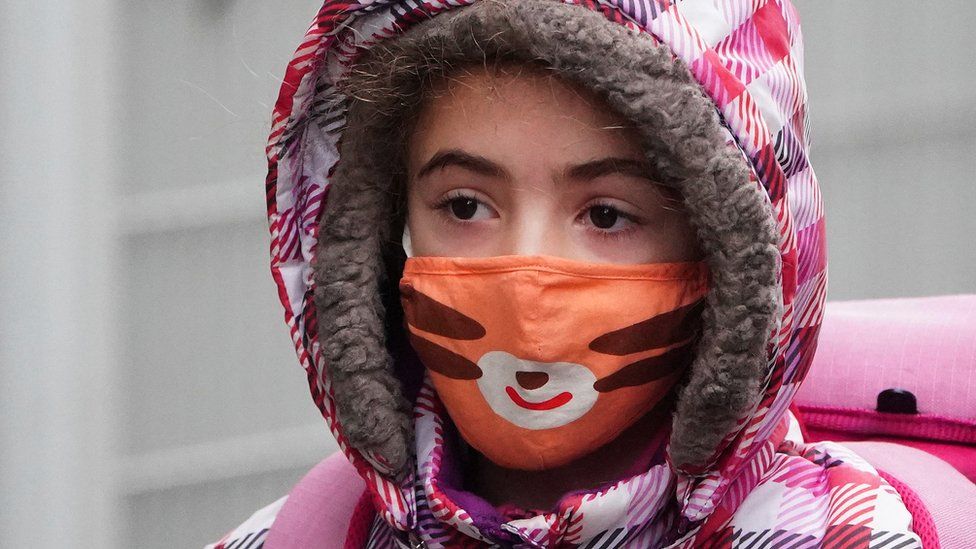
SharecloseShare pageCopy linkAbout sharingImage source, ReutersThe White House is facing pressure to revise its position on mask wearing as pandemic restrictions are eased in a number of US states.The governors of New York, Illinois and Massachusetts have said they will end certain mask mandates in their states.Earlier this week, New Jersey, Connecticut, Delaware and Oregon unveiled plans to lift mask rules.Impatient governors have been urging the White House to release guidance for dropping the use of face coverings.But the US Centers for Disease Control and Prevention (CDC) reiterated on Wednesday that it was not yet time to lift US mask requirements.And White House press secretary Jen Psaki said Americans should follow the CDC guidelines rather than less-restrictive state or local rules.Image source, ReutersGovernors, however, are not waiting around for the go-ahead from medical experts in Washington.All of the governors dropping restrictions this week – with the exception of the one in Massachusetts – are Democrats like US President Joe Biden. Mask rules have already been eased or were never adopted in most Republican-led states.On Wednesday, the governors of New York and Illinois announced they would end their Covid-19 mandates requiring face coverings in most indoor public settings, but keep it for schools. New York Governor Kathy Hochul said her state would stop requiring people to wear a mask or prove they had received a Covid-19 vaccine when entering most indoor public places from Thursday. But in New York City the office of Democratic Mayor Eric Adams said people would still be required to show proof of vaccination to enter indoor public places.In Massachusetts, students and teachers will no longer be required to wear masks in schools after 28 February, said the liberal state’s Republican Governor Charlie Baker.”It’s time to give our kids a sense of normalcy,” Mr Baker said. Boston Public Schools, the state’s largest school district, said it was still deciding how to respond to Mr Baker’s move to relax mask rules. State leaders are crediting a fall in Covid-19 cases as the winter Omicron wave recedes for the easing of restrictions.But sceptics have accused them of following polling data as frustration grows among a pandemic-weary public and November’s mid-term elections loom.In Algonquin, a suburb of Chicago, Illinois, dozens of parents protested outside a school on Tuesday against their district’s decision to continue to require masks.”I’m standing up for my kids,” one parent told WGN News. “Everyone’s had time to get vaccinated, the masks haven’t made a difference with cases, the studies are shown and enough is enough.”You might also be interested in: This video can not be playedTo play this video you need to enable JavaScript in your browser.

Read more →

C.D.C. Resists Pressure to Change Guidance on Masks

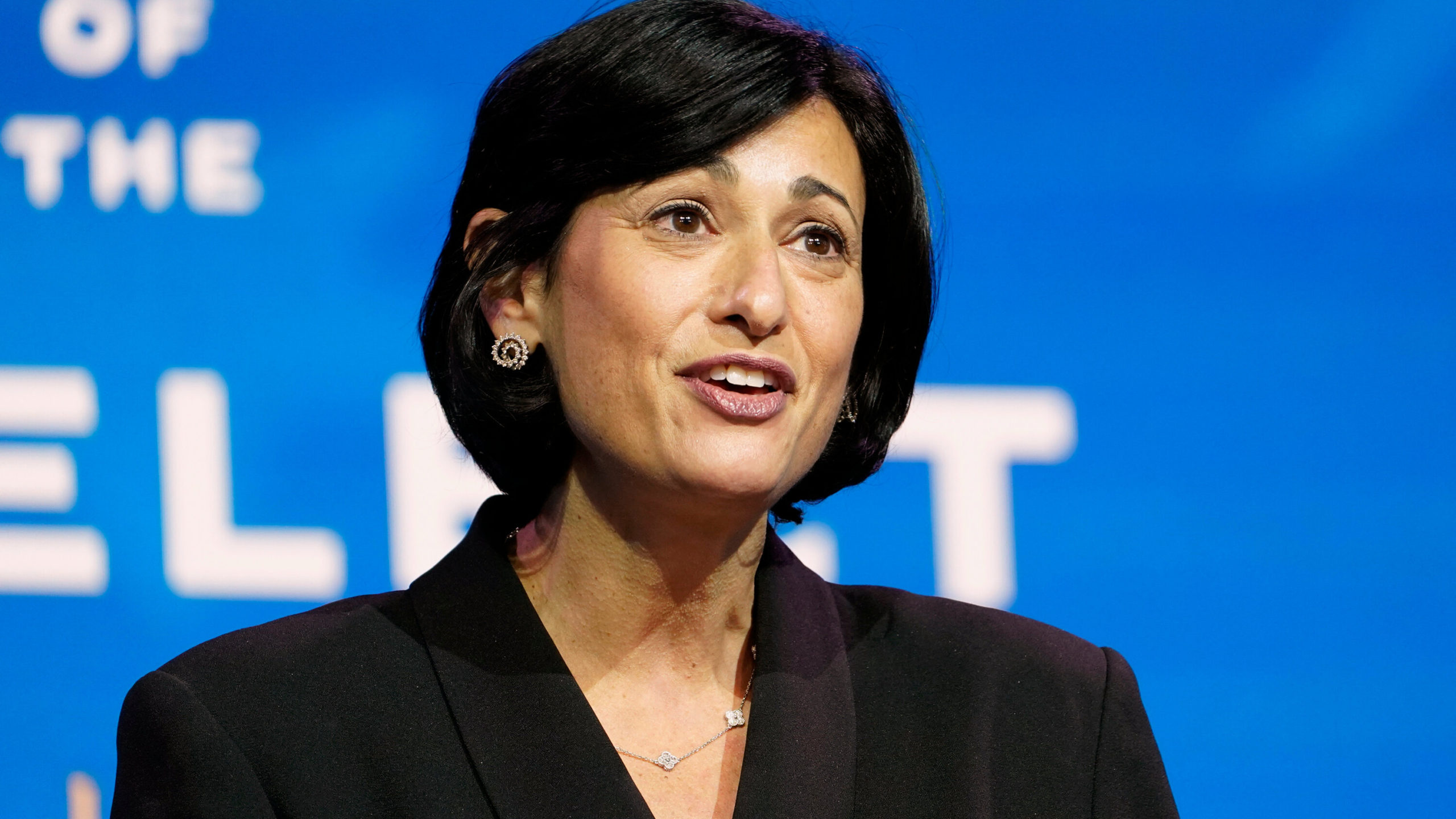
The Biden administration said federal masking guidance would not change for now, but was seeking advice from public health experts on the way forward.WASHINGTON — The White House has been meeting with outside health experts to plan a pandemic exit strategy and a transition to a “new normal,” but the behind-the-scenes effort is crashing into a very public reality: A string of blue-state governors have gotten ahead of President Biden by suddenly abandoning their mask mandates.The director of the Centers for Disease Control and Prevention, Dr. Rochelle P. Walensky, said pointedly on Wednesday that while Covid-19 caseloads are dropping overall and her agency is working on new guidance for the states, it is too soon for all Americans to take off their masks in indoor public places.Dr. Rochelle P. Walensky, the director of the Centers for Disease Control and Prevention, said her agency was working on new guidance for the states, but that it was not yet time to lift mask mandates across the nation.Susan Walsh/Associated Press“Our hospitalizations are still high, our death rates are still high,” she said during a news briefing by the White House Covid response team. “So, as we work toward that and as we are encouraged by the current trends, we are not there yet.”The gubernatorial frenzy to drop mask mandates comes as the White House Covid response coordinator, Jeffrey D. Zients, and the government’s top doctors are soliciting advice from a wide array of public health experts, including some former Biden advisers who have very publicly urged the president to shift course. Mr. Zients referenced the sessions briefly on Wednesday, saying the White House is also reaching out to governors and local public health officials to talk about “steps we should be taking to keep the country moving forward.”The talks, according to numerous participants, are aimed at drafting a fresh playbook for the delicate next phase of the pandemic, when the coronavirus threat is likely to recede but the possibility of a new variant and another deadly surge remains very real. They are addressing a range of issues beyond masking and mitigation, from how to get new antivirals to people who test positive for the virus to whether to upgrade ventilation systems in schools.But the slow deliberations, within both the C.D.C. and Mr. Zients’ team, are putting the White House in a tough spot. As officials examine the science and chart a careful course, they run the risk of making the Biden administration look irrelevant as governors forge ahead on their own.New York is among the blue states that are dropping their mask mandates.Gabby Jones for The New York Times“The administration needs to read the room and see that nearly all elected leaders are moving on without them,” said Dr. Leana Wen, a former Baltimore health commissioner who has often been critical of the administration, adding, “No one is expecting the C.D.C. to say that everyone should go maskless right now. What they are looking for are clear metrics on when restrictions can be lifted and when they may need to return.”Governors have said so themselves. Last week, after a bipartisan group of governors met with Mr. Biden, Gov. Asa Hutchinson of Arkansas, a Republican, told reporters he had emphasized to the president that the nation needs to “move away from the pandemic” and asked him for “clear guidelines on how we can return to a greater state of normality.”Today’s 3 Key Reads About Covid1. School Mask Mandates: Health experts agree masks should come off in schools. But they differ on when.2. The Next Vaccine Debate: Should the F.D.A. authorize a vaccine for young children despite incomplete data, or wait?3. Canada’s Trucker Protests: With no end in sight, the demonstrations in Ottawa are reverberating beyond Canada’s borders.It is now clear the states have decided not to wait. On Wednesday, the governors of New York, Rhode Island, Massachusetts and Illinois joined a growing list of Democrats who have dropped either a general statewide mask mandate or one that applies to schools.Asked about the moves, Jen Psaki, the White House press secretary, said the president was committed to fulfilling his campaign promise to listen to scientists and follow the data.“That doesn’t move at the speed of politics,” she added. “It moves at the speed of data.”The internal debate comes as the latest Covid-19 surge, fueled by the highly infectious Omicron variant, abates in much of the country. The seven-day average of new cases was about 253,000 on Wednesday, down from an average 800,000 in mid-January, according to a New York Times database. Hospitalizations are also declining, although deaths, a lagging indicator, continue to rise.If the drop in cases and hospitalizations continues, as many experts expect, Mr. Biden himself will soon have some tough decisions to make: Should he declare an end to the national emergency that his predecessor, President Donald J. Trump, declared in March 2020? Should Mr. Biden lift the mask mandate that he imposed for travel on airplanes, trains and buses?If the drop in Covid-19 cases and hospitalizations continues, President Joe Biden will face some tough decisions, such as whether to drop the mask mandate for travel.Al Drago for The New York TimesMr. Biden must be careful to avoid a “mission accomplished” moment. In June of last year, with cases dropping, his advisers began predicting a “summer of joy,” and Mr. Biden himself declared on July 4 that the United States was “closer than ever to declaring our independence from a deadly virus.” Then the Delta variant surged across the country. In late fall, the emergence of the even more contagious Omicron variant also caught the administration off guard.Michael T. Osterholm, the director of the Center for Infectious Disease Research and Policy at the University of Minnesota, said any new strategy must take that into account.“It has to acknowledge that we are entering a new phase of virus transmission in our communities, being forever mindful that we were in exactly the same place one year ago today, where cases were decreasing from a January peak, vaccines were flowing,” he said. “And look what that got us.”The C.D.C.’s masking decisions are especially fraught: It is difficult, experts say, to issue a one-size-fits-all prescription for a country as sprawling and varied as the United States.“It’s a challenging situation, because of course people are really anxious to get back to some sense of normalcy,” said Dr. Celine Gounder, an infectious disease specialist who recently joined Kaiser Health News as an editor at large. “It’s highly variable across the country — how much transmission there is, what vaccination uptake has been — but the C.D.C. produces guidance for the entire country, so it makes sense for them to be cautious.”Masking has been one of the most contentious issues of the pandemic. Many Republican governors cast aside their mask mandates long ago. Some, like Gov. Ron DeSantis of Florida, even banned mask mandates and threatened to penalize school officials who defied them. The actions drew fierce criticism from Mr. Biden, who directed his education secretary to bring federal civil rights actions to deter states from barring masking in classrooms.The Coronavirus Pandemic: Key Things to KnowCard 1 of 3Some mask mandates ending.

Read more →

As mask restrictions are set to lift in a handful of states, uncertainty lingers.

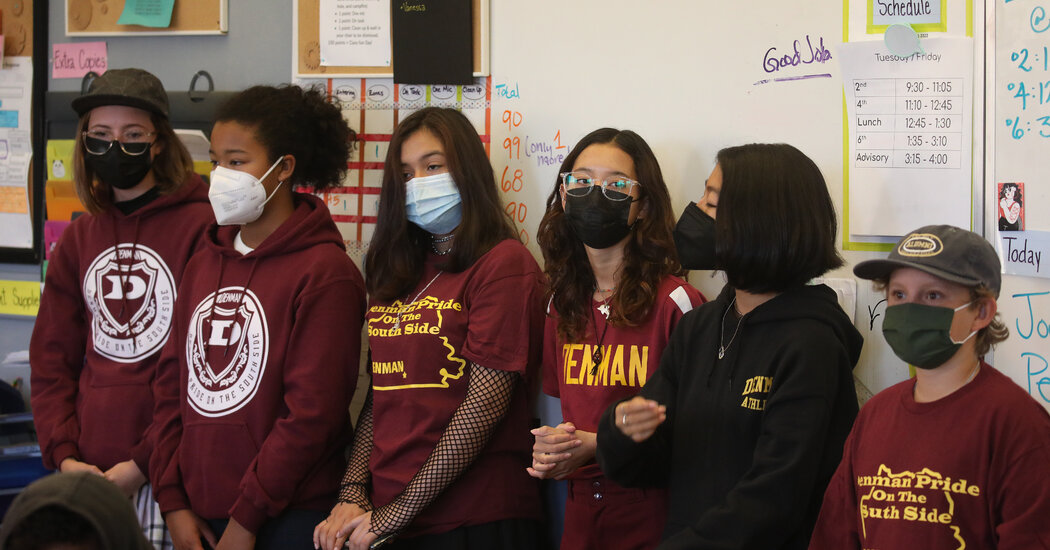
As the Omicron surge begins to recede in many regions of the country, the governors of a handful of states have announced that they will lift school mask mandates in the coming weeks.But the move to loosen these politically charged restrictions has divided scientists and public health experts. Some cheered the change.“I think it’s entirely appropriate that we start lifting school mask mandates now,” said Joseph Allen, a Harvard University researcher who studies indoor environmental quality, including in schools. “We’re in a much better place than we were before, and it’s time to update our strategies to reflect the moment.”Others noted that the virus was still exacting a significant toll on the United States, with cases about as high as during last winter’s peak and more than 2,500 Americans dying each day. Lifting school mask mandates too early could jeopardize the progress that the country has made over the last few weeks, some health experts said.“We’re just starting to get it back under control,” said Seema Lakdawala, a respiratory virus researcher at the University of Pittsburgh, noting that many young children remain unvaccinated. “I don’t think we should be abandoning the interventions we have that are still helpful.”School mask mandates have been among the most contentious public health measures implemented in response to the pandemic.“Kids can tolerate this, and when it’s necessary to do so, it’s fine for them to mask,” Dr. Allen said. “But we shouldn’t do it for one second longer than necessary.”Ideally, local officials should be prepared to lift and reimpose school mask mandates as conditions change, experts said.

Read more →

Your microbiome shapes your life. But where did it come from?

The gut microbiome is an ecosystem of hundreds to thousands of microbial species living within the human body. These populations affect our health, fertility, and even our longevity. But how do they get there in the first place?
New collaborative work led by Carnegie’s William Ludington reveals crucial details about how the bacterial communities that comprise each of our individual gut microbiomes are acquired. These findings, published in the Proceedings of the National Academy of Sciences, have major implications for treatments such as fecal transplants and probiotic administration.
“There is a huge amount of variation in microbiome composition between individuals,” Ludington explained. “For example, if you look at the sum total of all of the bacterial species that are adapted to live in the gastrointestinal systems of humans, most of these are not present in a majority of people. That’s how incredibly diverse these gut microbial populations are.”
A combination of elements, including genetics, diet, and environment contribute to the differences between our microbiomes. But there isn’t a direct line between these inputs and the species that successfully colonize our guts. There’s an element of chance at play each time we are exposed to a new microbe as to whether it will be acquired and become a member of our gut ecosystem. Ludington and his collaborators set out to understand the factors that shape the odds of this colonization process.
Although many researchers have studied microbiome compositions in natural populations, there have been few attempts to use a controlled environment to reveal the process by which new species successfully join the gut microbial ecosystem. Ludington and his collaborators — Eric Jones and David Sivak of Simon Fraser University and Jean Carlson of UC Santa Barbara — developed a new ecological model to understand how we acquire the specific mix of microbes that are individual to our own particular gut communities.
Working in the comparatively much less complicated microbiomes of fruit flies, the team showed that exposure to a microbial species does not guarantee its successful incorporation into the microbiome ecosystem. They found that the state of the microbiome, and interactions between existing microbiome member species, sets the odds for whether a newly encountered bacteria is added into the mix.

Read more →

Potential biomarkers identified for neuropsychiatric symptoms of lupus

An expert in autoimmune diseases and systemic lupus erythematosus (SLE) at the University of Houston has identified potential biomarkers for neuropsychiatric symptoms of lupus. Lupus is an autoimmune disease in which the immune system attacks its own tissues, causing widespread inflammation and tissue damage in the affected organs.
While most people with lupus experience a variety of symptoms that include fatigue, skin rashes, fever, and pain or swelling in the joints, about half of people with SLE suffer neuropsychiatric symptoms. Those include seizures, aseptic meningitis, acutely confused states, cerebrovascular disease psychosis and mood disorders.
“The diagnosis of neuropsychiatric lupus is difficult because the neurological symptoms could very well be due to other causes. As no gold-standard diagnostic test exists for neuropsychiatric systemic lupus erythematosus (NPSLE), we executed a broad screen of NPSLE cerebrospinal fluid using an aptamer-based platform,” reports Chandra Mohan, Hugh Roy and Lillie Cranz Cullen Endowed Professor of biomedical engineering, in the journal Arthritis & Rheumatology. Aptamers are short sequences of nucleic acids that can be further selected based on their binding specificities. Commercially available libraries of aptamers allow comprehensive screening of >1000 human protein targets, representing some of the largest screening platforms currently available in targeted proteomics.
Mohan’s team screened more than 1,100 proteins in the fluid surrounding the brains of neuropsychiatric lupus patients and identified a few proteins that could potentially be used to diagnose neuropsychiatric lupus. The proteins that showed up in most samples are CSF Lipocalin-2, M-CSF, IgM and complement C3.
“These proteins emerged as promising cerebrospinal fluid biomarkers of NPSLE with diagnostic potential,” Mohan reported. “Elevated CSF C3 was associated with acute confusional state. Eleven molecules elevated in the fluid exhibited concordant elevation in the choroid plexus, suggesting shared origins.”
Neuropsychiatric events occur most frequently early during the disease course in most cases, either as a presenting symptom or within the first five years of disease onset.
Cerebrospinal fluid samples used in this study were provided by collaborators John Hanly from Dalhousie Lupus Clinic, Halifax, Nova Scotia, Canada and C.C. Mok from Tuen Mun hospital in Hong Kong, China. Laboratory studies were carried out by UH researcher Kamala Vanarsa in Mohan’s lab.
“We believe proteomic investigations of blood and cerebrospinal fluid will eventually lead to the fabrication of a serum or cerebrospinal fluid-based diagnostic panel that permits accurate diagnosis of NPSLE, with significantly higher specificity for this disease, compared to other neuroinflammatory diseases or infections,” said Mohan.
Story Source:
Materials provided by University of Houston. Original written by Laurie Fickman. Note: Content may be edited for style and length.

Read more →

Common virus may cause serious disease in transplant patients

A common virus that causes no harm in most people may be a danger to organ transplant recipients and other immunocompromised people, say researchers at Columbia University Irving Medical Center.
The researchers found that a human polyomavirus (HPyV9) was associated with the deaths of three solid organ transplant recipients who developed a severe skin rash and then died about a year later from pulmonary and multiorgan failure.
The study, published Feb. 9, 2022, in JAMA Dermatology, was led by Stephanie Gallitano, MD, assistant professor of dermatology at Columbia University Vagelos College of Physicians and Surgeons, and Nischay Mishra, PhD, assistant professor of epidemiology at Columbia’s Mailman School of Public Health and Center for Infection and Immunity.
The deaths of the organ transplant recipients were initially a mystery. Some viruses can cause life-threatening diseases in transplant recipients and other immunocompromised people, but none of these were found in the three patients.
To identify a culprit, the researchers turned to VirCapSeq-VERT, a technique developed by researchers in the Center for Infection and Immunity, that detects all known vertebrate viruses. Using these techniques, the researchers detected HPyV9 and found the virus was present in the skin, blood, and lungs of the three patients.
Additional tests showed the virus was not just present in the patients but was actively replicating, causing the initial skin rash and damaging the lungs.
Because of the newly identified risk, the researchers say organ transplant recipients and other immunocompromised patients should be routinely tested for HPyV9 infection.
VirCapSeq-VERT recently received approval for clinical use from New York State Department of Health.
Alhough HPyV9 has been found in the blood of transplant recipients — and may be present in up to 30% of the general population — it has not been previously linked to a human disease.
“Since HPyV9 is not routinely tested in clinical settings, we may find it is more common than we realize,” says Mishra. “And as we begin to use VirCapSeq-VERT in clinical microbiology, we can anticipate finding other pathogenic viruses that we cannot otherwise predict.”
Earlier detection with the new technique may improve clinical outcomes. A fourth patient with HPyV9 identified by the researchers is currently being screened for viral load to monitor disease progression and is receiving treatment.
“Our study is the first to describe immunosuppressed transplant recipients infected with HPyV9, so the risk of developing HPyV9 infection is still unknown,” Gallitano says. “As we learn more about the pathogenesis of this disease, targeted novel forms of antiviral therapy and/or modification of immunosuppressive drug regimens may improve patient outcomes.”
Story Source:
Materials provided by Columbia University Irving Medical Center. Note: Content may be edited for style and length.

Read more →

Study reveals Ebola virus can hide in brain, persist even years after treatment

In a groundbreaking study published today, scientists describe how Ebola virus, which can persist in certain areas of the body, can re-emerge to cause fatal disease — even long after treatment with monoclonal antibodies. Their research, using a nonhuman primate model of Ebola virus infection, appears on the cover of today’s edition of Science Translational Medicine.
Some recent Ebola virus disease outbreaks in Africa have been linked to persistent infection in patients who had survived previous outbreaks, according to the paper’s senior author, Xiankun (Kevin) Zeng, Ph.D. In particular, the 2021 outbreak of Ebola virus disease in Guinea re-emerged from a persistently infected survivor of the previous major outbreak at least five years ago. However, the exact “hiding place” of persistent Ebola virus and the underlying pathology of subsequent recrudescent, or recurring, disease in survivors — especially those treated with standard-of-care monoclonal antibody therapeutics — were largely unknown. So Zeng and his team at the U.S. Army Medical Research Institute of Infectious Diseases used a nonhuman primate model, the one that most closely recapitulates Ebola virus disease in humans, to address these questions.
“Ours is the first study to reveal the hiding place of brain Ebola virus persistence and the pathology causing subsequent fatal recrudescent Ebola virus-related disease in the nonhuman primate model,” Zeng explained. “We found that about 20 percent of monkeys that survived lethal Ebola virus exposure after treatment with monoclonal antibody therapeutics still had persistent Ebola virus infection — specifically in the brain ventricular system, in which cerebrospinal fluid is produced, circulated, and contained — even when Ebola virus was cleared from all other organs.”
In particular, Zeng said, two monkeys that initially recovered from Ebola virus-related disease after treatment with antibody therapeutics had recurrence of severe clinical signs of Ebola virus infection and succumbed to the disease. Severe inflammation and massive Ebola virus infection were present in the brain ventricular system; no obvious pathology and viral infection were found in other organs.
Recrudescence has previously been reported in human survivors of Ebola virus disease, according to the authors. For example, a British nurse experienced Ebola virus relapse in the brain, suffering from meningoencephalitis nine months after recovering from severe Ebola virus disease. She had received therapeutic antibodies during the 2013-2016 outbreak in Western Africa, the largest such outbreak to date. In addition, a vaccinated patient who had been treated with monoclonal antibody therapeutics for Ebola virus disease six months earlier relapsed and died at the end of the 2018-2020 outbreak in the Democratic Republic of the Congo. Unfortunately, that case also led to many subsequent human-to-human transmissions.
During the past several years, Zeng’s team at USAMRIID has performed systematic studies of Ebola virus persistence using nonhuman primate survivors as a model. That research showed that the virus, despite being cleared from all other organs, can hide and persist in specific regions of immune-privileged organs — such as the vitreous chamber of eyes, the seminiferous tubules of testes, and the ventricular system of brain reported in this study.
“The persistent Ebola virus may reactivate and cause disease relapse in survivors, potentially causing a new outbreak,” said USAMRIID’s Jun Liu, Ph.D., who served as co-first author of the current paper with John C. Trefry, Ph.D.
Ebola virus causes one of the deadliest infectious diseases known to humankind. It is still a major threat in Africa, and there were three outbreaks in Africa in 2021 alone, according to the World Health Organization. Global research efforts have led to regulatory approval for two vaccines and two monoclonal antibody therapeutics to prevent and treat Ebola virus disease in recent years. Those therapeutics are now part of the standard of care for infected patients.
“Fortunately, with these approved vaccines and monoclonal antibody therapeutics, we are in a much better position to contain outbreaks,” added Zeng. “However, our study reinforces the need for long-term follow-up of Ebola virus disease survivors — even including survivors treated by therapeutic antibodies — in order to prevent recrudescence. This will serve to reduce the risk of disease re-emergence, while also helping to prevent further stigmatization of patients.”

Read more →

Tracking Mask Mandates Across the U.S.

Several governors have moved to ease mask requirements since Jan. 1. Here’s how policies are changing.Several states are moving to eliminate mask mandates as the number of reported coronavirus cases dips to its lowest level since December, when the highly contagious Omicron variant touched off a wave of cases.The Centers for Disease Control and Prevention continues to urge mask use as a means to reduce transmission of the coronavirus.The push to let people remove their masks highlights the patchwork nature of health protocols, which have been applied inconsistently since the pandemic began in the United States in early 2020. (Find all state-level policies and guidance on masks here.)Here is what is shifting at the state level:CaliforniaThe state will allow its universal indoor-mask mandate to expire on Feb. 15, officials announced. Masks will still be required indoors for people who are not vaccinated. Everyone in high-risk settings, including hospitals and schools, will still have to wear a mask.ConnecticutA mask edict covering students and staff in the state’s schools will be lifted no later than Feb. 28, Gov. Ned Lamont said.DelawareThe state’s mask rule for businesses and workplaces will expire on Feb. 11, but the one for schools will remain until March 31, Gov. John Carney said.IllinoisA statewide indoor mask requirement in Illinois will be lifted on Feb. 28, Gov. J.B. Pritzker said.MassachusettsThe statewide school mask mandate will expire on Feb. 28, Gov. Charlie Baker announced. OregonOregon is set to end its mask decree for indoor public spaces no later than March 31, Gov. Kate Brown announced.New JerseyBeginning the second week in March, New Jersey will stop requiring students and school employees to wear masks, Gov. Phil Murphy announced.New YorkNew York’s stringent indoor mask-or-vaccine system for business has ended, Gov. Kathy Hochul announced, ending a requirement that businesses ask customers for proof of full vaccination or require masks indoors. A school mask mandate is scheduled to expire on Feb. 21.PennsylvaniaA mask requirement for K-12 students ended on Jan. 17.Rhode IslandAn indoor mask mandate will end on Feb. 11, state officials said.VirginiaGov. Glenn Youngkin issued an executive order on Jan. 15 that said parents could decide for themselves whether to follow school mask rules. The order aimed to end a mandate imposed by Mr. Youngkin’s predecessor, Ralph Northam. A judge in Virginia handed down a temporary ruling that seven school districts could continue to enforce mask-wearing.

Read more →