Valentine's Day 'changed my life when I received a new heart'

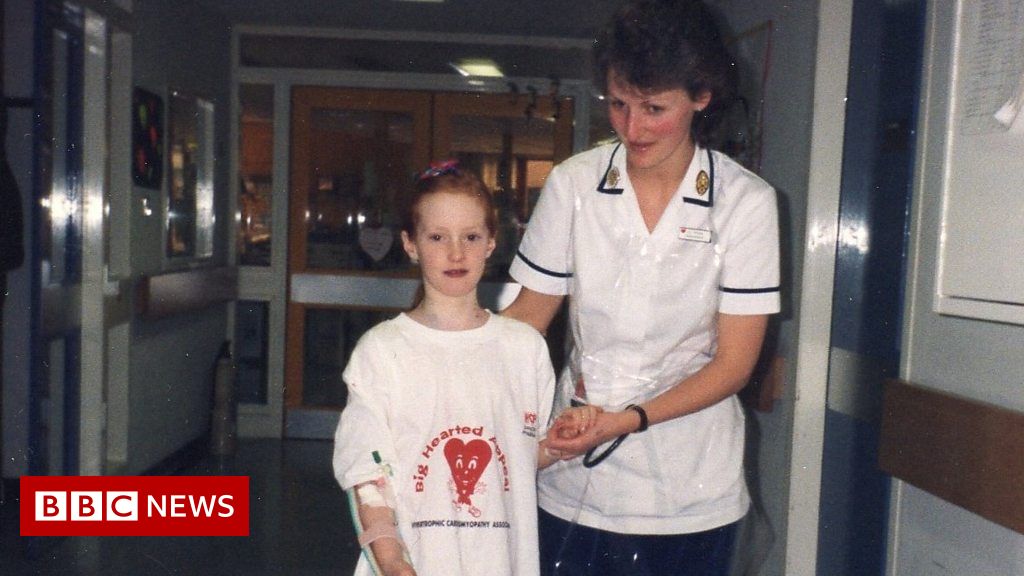
Thirty years ago, Michelle Crawford from Londonderry was undergoing an operation that would change her life.Born with a hereditary heart condition, doctors said the 10-year-old might only have weeks to live without a heart transplant.On 13 February, the call came and the family travelled to London for an operation which would last more than seven hours into the early hours of Valentine’s Day.After the operation, Michelle said she had “completely, instantly changed”.Read more of Michelle’s story here.

Read more →

Some U.S. governors defend their mask policy changes to ‘get back to normal.’

The governors of Maryland and New Jersey defended their moves to ease Covid restrictions, saying on Sunday that falling coronavirus cases in their states justified a change even as new cases and deaths still remain fairly high in some regions of the United States.“As best we can tell right now this thing is going from pandemic to endemic, and we feel it is the responsible step to take” to allow local school districts and municipalities to make their own decisions, Gov. Phil Murphy of New Jersey said on CBS’s “Face the Nation.” He is one of several Democratic governors who announced plans to lift statewide mask mandates last week, whether they applied to schools or in general, as the United States begins to emerge from the Omicron surge.His optimistic tone echoed that of Gov. Larry Hogan, Maryland’s Republican governor, who has called on his state’s Board of Education to lift its school mask mandate. Mr. Hogan removed Maryland’s state masking requirement last May, but the schools are governed independently. “I think it’s safe enough for our kids to just try to get back to normal,” Mr. Hogan said on CNN’s “State of the Union.”The move by several states to lift restrictions comes as a new CBS poll found that a majority of Americans still support mask mandates, including in schools, but that many are exhausted and frustrated by a pandemic that is grinding into its third year.Within schools, public health experts agree that mask requirements should not last forever, but differ on whether the time has come to remove them.According to many health experts, the next phase of the virus in the United States may depend on what new possible variants emerge, vaccination rates and risk tolerance. Herd immunity to Covid, public health specialists say, is unlikely to be achieved. And scientists have cautioned that protection may wane over time, and future variants may be better able to sidestep our defenses.Still, known coronavirus infections are falling across the country, though case numbers nationwide have not returned to pre-Omicron levels and remain high in states like Alaska, Mississippi and West Virginia. Hospitalizations and deaths are also on the decline, but are still elevated.This week, the head of the Centers for Disease Control and Prevention, Dr. Rochelle P. Walensky, reiterated her agency’s position that masks should not be removed when gathering indoors. “We are not there yet,” she said at a White House briefing on Wednesday.As cases drop and restrictions lift, Dr. Scott Gottlieb, the former head of the Food and Drug Administration, said he thought the country seemed to be shifting away from a period of collective actions to protect vulnerable groups, to one where individuals must protect themselves based on their own risk assessments.“I think there’s portions of the population that are going to be in a very difficult spot right now because they remain vulnerable,” Dr. Gottlieb said on “Face the Nation.”Young children, he said, are one of those groups, referring to the F.D.A.’s announcement on Friday to postpone its decision about whether to authorize Pfizer-BioNTech’s vaccine for children under 5 until more data becomes available. Studies so far have found that two doses are not sufficient to protect children aged 2 to 4, though in April the company expects to have data on the efficacy of a third dose.Dr. Gottlieb, who serves on Pfizer’s board, said the latest delay, which affects nearly 18 million children and their families, was frustrating. But he said the F.D.A.’s decision was prudent. By waiting, “they’ll have a very firm picture of what level of effectiveness the vaccine is delivering,” he said. “That is important for patients and pediatricians to make fully informed decisions.”

Read more →

Tongue-tie: Mums and babies 'let down' by poor services

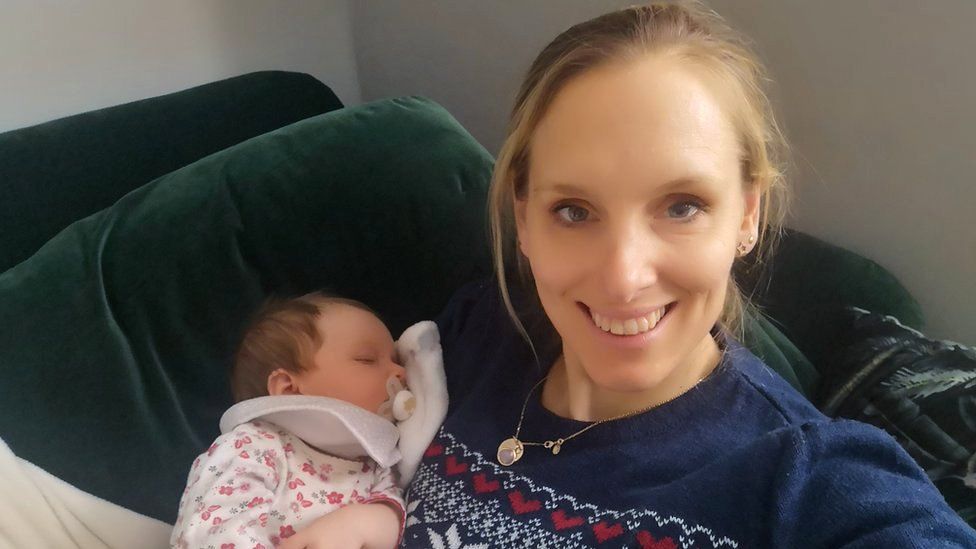
SharecloseShare pageCopy linkAbout sharingImage source, Clare SintonTongue-tie is a condition which affects about 10% of newborn babies in the UK, but parents say they can face major struggles for services and support. It occurs when the strip of skin connecting the tongue and the floor of the mouth is shorter than usual, and can affect feeding, although not always.Two mums have told the BBC of their problems trying to feed their newborn babies with the condition.”Excruciating, unbearable, helpless.”This is how mother-of-two Clare Sinton described her experience breastfeeding her tongue-tied baby. Some babies with the condition struggle to latch on to the breast, but awareness of it as an infant feeding issue can be poor, and tongue-tie can be hard to spot. A simple procedure available on the NHS resolves feeding issues almost immediately, but some parents seek private treatment costing up to £400 to avoid waiting, or abandon breastfeeding altogether.Clare has questioned why mums are “having to fight when you’re at your lowest ebb, and be listened to when you know something isn’t right?”.She said: “It’s amazing that in this day and age you still have to fight for an assessment or diagnosis, and then still pay for an urgent procedure, despite it tearing you to shreds and risking your ability to breastfeed.”Image source, Clare SintonWhen she had her daughter Lily in October, she knew something was not right with her feeding immediately.”It was excruciatingly painful,” Clare, from Westbury-on-Trym in Bristol, said. “It felt like someone was dragging barbed wire or blades through my nipples.”I breastfed my son for 19 months so I knew what it should feel like, and it felt wrong from the get-go.” Clare suspected Lily might have a posterior tongue-tie, but a midwife at Southmead Hospital was unable to confirm if she was correct.Clare, a physiotherapist and nutritionist, left hospital and persevered.Image source, Clare SintonRecalling the first few days at home, she said: “I was crying with every feed. It felt like she (Lily) had a beak, like a turtle clamping down on me.”I was beside myself. I was in pain constantly 24/7. I was dreading every feed and Lily was feeling the tension in my body.”‘Black and blue’By this point, Clare was black and blue from Lily’s attempts to breastfeed. She started researching private treatment, and found a specialist in Cardiff.After a short assessment it was confirmed Lily had a posterior tongue-tie and not long afterwards, it was snipped. Clare said feeding her felt better “immediately” and a few weeks later they were breastfeeding successfully.The 40-year-old said: “It was really quite emotional. I just sobbed because I was so relieved. It was like a weight had come off my shoulders, it was incredible.”Those five days [when Lily first came home] were absolute hell. It left me feeling very helpless and thinking this is so unfair that women should have to go through what I’ve been through.”Image source, NHSWhat is tongue-tie?Tongue-tie (ankyloglossia) is diagnosed when babies have an unusually short or tight frenulum (fold of tissue) under their tongues. About half of babies affected will require treatment (frenulotomy) because of the difficulties caused to feeding.Mothers may stop breastfeeding earlier than planned because of their baby’s difficulties and experience reduced milk supply because of ineffective milk removal.They may experience pain and/or nipple damage and develop mastitis, blocked ducts or breast abscesses.Source: Association of Tongue-tie PractitionersKatharine Sharlott, from Southampton, had a similar experience with her baby Quinn, having been told by a midwife that his tongue movement looked fine.She persevered through six weeks of difficult feeding before getting help from a breastfeeding counsellor at the National Childbirth Trust (NCT) and being referred to a tongue-tie service.Katharine explained: “My baby had a 75% tie and it was cut. This improved feeding initially, but actually we still encountered problems. “I went back to the breastfeeding counsellor and, having ruled out other issues, agreed there could still be a problem with tongue-tie. As my baby was older by then, there would have been a longer wait to be seen on the NHS.”Like Clare, she sought private treatment, which determined that either some of the tie had been missed or it had reattached, so it was divided again. “This finally solved things, but my baby was almost three months old by then,” Katherine added. “If I had not had the previous experience of breastfeeding my eldest, the support of the NCT breastfeeding counsellor and the financial means to pay for a private midwife, I don’t believe I would have continued breastfeeding.”‘Unforgiveable’Both women are calling for midwives and health visitors to be better trained to diagnose tongue-tie. Clare added: “There should be someone on hand to assess it from the get-go. It shouldn’t be a wait and see, because no mother should have to go through what I went through – it’s inhumane.” Dr Paul Mannix, clinical director at North Bristol NHS Trust for women and children’s health, said: “It’s so important mothers get early support with breastfeeding, which is why all our midwives are trained to help with this, including how to look for tongue-tie. “Having spoken to Ms Sinton, we are sorry that her experience did not reflect this and will ensure that all staff are clear about the support available for mums who raise concerns about tongue-tie.”Image source, PA MediaThe Royal College of Midwives (RCM) said training on support for women whose babies are having problems latching on to the breast, which may be because of tongue-tie, is included in training for midwives. Additional training is provided which includes recognising tongue-tie, its treatments and support.Michelle Lyne, RCM education adviser, said: “There is clearly a need for more research around tongue-tie, so that a definitive definition of what it is and when it is present can be agreed, so that evidence-based guidelines for support and treatment can be developed. “Often babies with tongue-tie will have no symptoms, and it may resolve spontaneously over time. It’s also common that problems don’t become apparent until midwifery contact has stopped, usually about 10 to 14 days after the birth. “When it is identified, the focus is on breastfeeding support for the mother.”She added evidence for further treatment, such as cutting a tight frenulum, was slim and generally a last course of action, as sometimes even significant cases do not affect feeding – so mothers and their babies must be looked at individually.Photographing breastfeeding woman to be outlawed’You just want to feed your child’The NCT has called for more research into the best care for babies with suspected tongue-tie and a consistent NHS service across the country.Joanna Daniels, NCT breastfeeding and infant feeding engagement lead, said: “There is no common agreement among tongue-tie dividers on how to carry out the procedure or how far the membrane should be divided. This means the service that different health professionals offer varies.”Vicky Jordan, from the Association of Tongue-tie Practitioners, said: “Awareness of tongue-tie restriction by health professionals is not universal, and this sometimes leads to tongue-tie restriction being missed and/or parents being told that their baby doesn’t have a tongue-tie restriction. “Infant feeding and frenulotomy services are variable across the country, leading to inequalities to access of appropriate treatment.” NHSNCTNICEThe BBC is not responsible for the content of external sites.

Read more →

Initiative to map the cholangiocarcinoma (CCA) landscape in Europe will help improve patient outcomes

Bile duct cancer, also known as cholangiocarcinoma (CCA), is a rare cancer often diagnosed only at an advanced stage. A comprehensive analysis of diagnostic, prognostic, and therapeutic aspects of over 2,200 patients in Europe now provides a valuable knowledge base for raising awareness and managing CCA to improve outcomes. This study is reported in the Journal of Hepatology, the official journal of the European Association for the Study of the Liver, published by Elsevier.
In 2015, the European Network for the Study of Cholangiocarcinoma (ENSCCA) was founded with the aim of setting up a pan-European-wide interdisciplinary cooperative network to address the CCA problem at basic, translational, and clinical levels. Its first initiative was the creation of the Clinical ENSCCA Registry in 2016 to describe in detail the natural course of CCA in Europe, determine potential risk factors, improve the current classification system, investigate early and non-invasive accurate tumor biomarkers for diagnosis and to estimate prognosis, compare the effectiveness of therapies, and select patients for clinical trials.
“CCA is a rare cancer, but its incidence is increasing worldwide, and we need to stop treating it as an orphan disease,” explained lead investigator Dr. Jesus M. Banales, Professor Ikerbasque at Biodonostia, University of Navarra and CIBERehd, Spain. “Although CCA constitutes a major challenge for clinicians, scientists, national health systems, and society, there is a lack of coordinated multidisciplinary pan-European studies. We therefore used the ENSCCA registry to gather vital information.”
In the most comprehensive international observational study to date, investigators evaluated the natural course of histologically proven CCA in more than 2,200 patients who were diagnosed between 2010-2019 and whose details were included in the ENSCCA registry. The data were contributed by 26 referral hospitals in 11 European countries. At diagnosis, 42.2% of patients had local disease, 29.4% had locally advanced disease, and 28.4% had metastatic disease. They compared general and tumor-type specific features at diagnosis, risk factors, biomarker accuracy, as well as the similarities and differences between the three CCA subtypes based on the latest World Health Organization classification according to their anatomical origin (intrahepatic, perihilar, or distal), and a comparison of patient management and outcomes.
The results suggest that the location of CCA tumors along the biliary tree is associated with different risk factors and tumor features. Diagnoses need invasive confirmations by biopsy or cytology, as blood tests for tumor biomarkers show low sensitivity in early stages. Surgical resection remains the only potentially curative therapy, although cure is unlikely with involvement of resection margins or lymph node invasion. Investigators noted that chemotherapy increased patients’ life expectancy compared to patients receiving best supportive care. They also noted that deterioration of the patient’s performance status (ECOG), the presence of metastases, and increased levels of the tumor marker CA19-9 independently affected the outcome.
A comparative analysis of risk factors of the three different locations of CCA tumors revealed some potential lifestyle-related risk factors such as alcohol excess, smoking, overweight/obesity, diabetes, etc. These are highly prevalent in Europe and could predispose at-risk individuals to the development of CCA.
“In conclusion, our study provides a comprehensive analysis of diagnostic, prognostic, and therapeutic aspects of the complex CCA landscape,” commented Dr. Banales. “The results showed that CCA is mostly diagnosed at an advanced stage, a significant proportion of patients fail to receive any cancer-specific therapy, and the prognosis is dismal. Therapeutic options are limited. Accordingly, awareness campaigns and education programs aimed to prevent lifestyle-related risk factors and new techniques for early detection of CCA in high-risk populations are urgently needed in order to decrease cancer-related mortality. Our findings represent valuable knowledge for future comparisons with new targeted therapies and the design of next-generation personalized clinical trials.”
CCA is a highly heterogenous and aggressive malignancy responsible for around 2% of all cancer-related deaths globally each year. It is often diagnosed when it is already advanced, making it difficult to treat successfully. Currently it represents approximately 15% of all primary liver cancers and 3% of all gastrointestinal cancers worldwide.
Story Source:
Materials provided by Elsevier. Note: Content may be edited for style and length.

Read more →

F.D.A Delays Review of Pfizer’s Covid Vaccine for Children Under 5

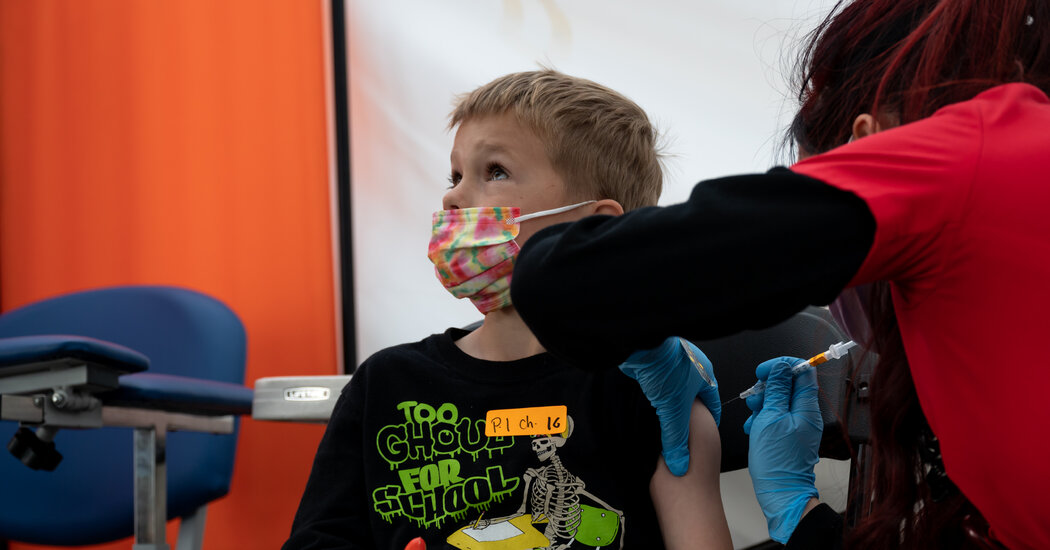
The agency will wait for data on whether three doses of Pfizer-BioNTech’s Covid vaccine are effective in young children after new, disappointing data.WASHINGTON — In a striking reversal, federal regulators said on Friday that they would wait for data on how well three doses of Pfizer-BioNTech’s coronavirus vaccine work in children younger than 5 before deciding whether to authorize the vaccine for that age group.The decision by the Food and Drug Administration most likely rules out shots for roughly 18 million of the nation’s youngest children until at least April. The Biden administration had been hoping to expand vaccination to those 6 months through 4 years of age as early as next week. They are the only Americans not yet eligible for shots.Pfizer-BioNTech asked for the delay after the companies discovered that the Omicron wave had led to a far higher rate of infection than they had previously recorded among young volunteers in their clinical trial. The new data underscored that the Omicron variant was better than the earlier Delta variant at evading the vaccine’s protection, and it showed that two doses, which had already fallen short by another measure, were not effective enough.As a result, the companies and the F.D.A. agreed to wait for the results from a third dose, which are expected in early April.The turnabout came as the Centers for Disease Control and Prevention released data on Friday showing that booster shots of the Pfizer and Moderna vaccines lose some of their effectiveness against emergency room visits and hospitalizations by the four-month point. The agency said the data was some of earliest evidence on the durability of boosters. While it showed three doses offered better protection than two, it raised sobering questions about how long that protection lasts against severe disease.Together, the two developments dampened some earlier optimism about vaccines. They also presented at least a temporary setback for the Biden administration’s vaccination campaign.Researchers hope that by April, Pfizer and BioNTech will be able to demonstrate that three doses protect children, with data showing both stronger immune responses and more success in warding off symptomatic infections.The companies said in a news release that they would wait for the data on a three-dose vaccine given the study’s rapid pace and because they “continue to believe it may provide a higher level of protection in this age group.”The F.D.A. began pressing Pfizer-BioNTech to seek authorization for a two-shot regimen weeks ago, despite disappointing results from the trial that were announced in December. Children ages 2 through 4 produced only 60 percent of the antibody levels that older teens and young adults did. The older age group was used as a benchmark because the vaccine had proven effective for them.Children 6 months to 2 years did produce the sought-after level of antibodies. The dosage was one-tenth of that given to those 12 and older, and there were no serious safety concerns, officials have said.This month, Pfizer-BioNTech submitted a request for emergency authorization, and the F.D.A. scheduled a meeting of its outside advisory committee for next Tuesday, saying it hoped to get a head start on vaccinating young children with two shots, likely adding a third later.Then, late on Thursday, Pfizer alerted the F.D.A. that it had more recent data, from mid-January on, showing a more discouraging picture as the Omicron variant bore down. The new data revealed that two doses were not sufficiently effective in preventing symptomatic infection. The illness was generally mild and no children were hospitalized, according to people familiar with the study.In a call with reporters on Friday, Dr. Peter Marks, the F.D.A.’s top vaccine regulator and an advocate of the two-dose strategy, said the latest data had forced a new reckoning. “Yes, some of this was late breaking,” he said, “but that’s what our job is — to adjust to it.”While many pediatric experts had been sympathetic to the F.D.A.’s initial push to consider two doses, some said on Friday that the regulators were right to hold off.“I honestly let out a woo-hoo of elation that reason and science had prevailed, and that they actually really did do the right thing,” said Dr. James Conway, a pediatric infectious disease expert at the University of Wisconsin-Madison and a fellow of the American Academy of Pediatrics.Dr. Conway said he had been concerned that prematurely authorizing a partial vaccine regimen for young children without compelling data would have intensified suspicion among some Americans that the federal government had cut corners.Norman W. Baylor, a former director of the F.D.A.’s vaccines office, said the agency had been “reactionary” on a highly delicate issue, perhaps because of public pressure. A lot of parents, he noted, had been saying, “I don’t care, just give my kid the two doses and even if it’s a little bit and they’re not protected fully, that’ll do the trick.”“But we don’t know that until the data are reviewed,” he said.Dr. Baylor and some other experts questioned whether any coronavirus vaccine developer had yet figured out an effective dose for the youngest children, or how durable protection would be for them. Moderna, the other major vaccine manufacturer, is currently testing a stronger dose than Pfizer’s for children under 5. But so far, Moderna’s vaccine has only been authorized for adults.Some parents on Friday expressed anguish over the news.“I’m feeling despair, despondent, frustrated, confused,” said Rachel Perera, a graduate student in Los Angeles and mother of an 8-month-old son. “I feel like the goal posts have been moving.”Ms. Perera said that she had been hoping to make a long-awaited trip to the East Coast this spring to see friends and introduce them to her son. She and her husband have been avoiding most contact with others during the Omicron wave in order to protect him.“I was hoping that we would have some hope, that it would help us get some semblance of normalcy,” she said of the vaccine for children under 5. “I feel like the world is moving on without us, the parents of little kids.”The F.D.A.’s most recent vaccine decisions have been highly fraught. Top Biden administration health officials pushed hard for authorization of booster shots in the fall, only to be forced to scale back their plans. But they were vindicated, some experts say, when the Omicron variant showed that it could more easily evade two-dose protection than its predecessor, the Delta variant.The Coronavirus Pandemic: Key Things to KnowCard 1 of 4Covid boosters.

Read more →

Bob Saget’s Autopsy Report Describes Severe Skull Fractures

Such an extensive head injury would likely have left the actor confused, if not unconscious, experts said.Bob Saget, the comedian and actor, died after what appeared to be a significant blow to the head, one that fractured his skull in several places and caused bleeding across both sides of his brain, according to an autopsy report released on Friday.The findings complicated the picture of Mr. Saget’s death that has emerged in recent days: Far from a head bump that might have been shrugged off, the autopsy described an unmistakably serious set of injuries that would at the very least have probably left someone confused, brain experts said.The report, prepared by Dr. Joshua Stephany, the chief medical examiner of Orange and Osceola counties in Florida, ascribed Mr. Saget’s injuries to a fall.“It is most probable that the decedent suffered an unwitnessed fall backwards and struck the posterior aspect of his head,” Dr. Stephany wrote, referring to the back of the skull.Still, the autopsy left a number of unresolved questions about how exactly Mr. Saget, 65, was so badly hurt. He was found dead in a hotel room at the Ritz-Carlton Orlando, Grande Lake on Jan. 9 during a weekend of stand-up comedy acts. His family said this week that the authorities determined that he had hit his head, “thought nothing of it and went to sleep.”If the actor struck his head hard enough, and in just the wrong place, it is possible that fractures would have extended to other parts of his skull, brain injury experts said. Situations where someone cannot break their fall are even more dangerous.“It’s like an egg cracking,” said Dr. Jeffrey Bazarian, an emergency physician and concussion expert at the University of Rochester Medical Center. “You hit it in one spot, and it can crack from the back to the front.”But experts said that with such an extensive injury, it was unlikely that Mr. Saget would have intentionally ignored it. The injury would likely have left him confused, if not unconscious.“I doubt he was lucid,” Dr. Bazarian said, “and doubt he thought, ‘I’m just going to sleep this off.’”Some neurosurgeons said that it would be unusual for a typical fall to cause Mr. Saget’s set of fractures — to the back, the right side and the front of his skull. Those doctors said that the injuries appeared more reminiscent of ones suffered by people who fall from a considerable height or get thrown from their seat in a car crash.The autopsy, though, found no injuries to other parts of Mr. Saget’s body, as would be expected in a lengthier fall. The medical examiner ruled that the death was accidental. The local sheriff’s office had previously said there were no signs of foul play.“This is significant trauma,” said Dr. Gavin Britz, the chair in neurosurgery at Houston Methodist. “This is something I find with someone with a baseball bat to the head, or who has fallen from 20 or 30 feet.”Dr. Britz noted that the autopsy described fractures to particularly thick parts of the skull, as well as to bones in the roof of the eye socket. “If you fracture your orbit,” he said, referring to those eye bones, “you have significant pain.”The knock ruptured veins in the space between the membrane covering the brain and the brain itself, causing blood to pool, the autopsy indicated. The brain, secured in a hard skull, has nowhere to move, doctors said, and the result is a compression of brain centers critical for breathing and other vital functions.No alcohol or illegal drugs were detected in the actor’s system, according to the autopsy. But there were signs of Clonazepam, commonly known as Klonopin, a benzodiazepine that is used to prevent seizures and treat panic attacks. Tests also found Trazodone, an antidepressant, the report said.There was no indication in the autopsy findings that either of those drugs might have contributed to Mr. Saget’s injuries. But doctors said that they could make people sleepy and contribute to a fall.Benzodiazepines are widely prescribed for older people, despite warnings about the side effects. People who take them face increased risks of falls and fractures, of auto accidents and of reduced cognition.Use of multiple drugs “is a very dangerous cause of falls in the elderly,” said Dr. Neha Dangayach, the director of neuro-emergencies management and transfers for the Mount Sinai Health System. She said that some combinations could cause drops in blood pressure or confusion.The report noted that Mr. Saget had an enlarged heart, but did not suggest any link to his death. It also found signs of the coronavirus on a PCR test, but did not suggest that the virus contributed to Mr. Saget’s death. The actor said on a podcast in early January that he had contracted the virus, without specifying exactly when. PCR tests can show the presence of the virus days or even weeks after someone has recovered.Mr. Saget, best known for his role on the sitcom ‘Full House’ and for hosting ‘America’s Funniest Home Videos,’ thanked the “appreciative audience” of his stand-up comedy set in a Tweet early in the morning on Jan. 9, the day of his death.“I had no idea I did a 2 hr set tonight,” he said. “I’m happily addicted again to this.”

Read more →

F.D.A. Clears Monoclonal Antibody Drug From Eli Lilly

The federal government has ordered 600,000 doses of the monoclonal antibody treatment, which is meant for high-risk Covid patients early in their illness.With Covid treatments still in short supply in the United States, the Food and Drug Administration on Friday gave emergency authorization to a new monoclonal antibody drug that has been found in the laboratory to be potent against the Omicron variant of the coronavirus.The Biden administration said it would make the therapy immediately available to states free of charge.The authorization of the treatment, bebtelovimab, means that the United States now has four drugs available for high-risk Covid patients early in the course of their illness that have been found to neutralize the Omicron variant. While there is a greater menu of Covid pills and treatments now than at any other point in the pandemic, the drugs have been so scarce that doctors have been forced to make painful rationing decisions during the Omicron surge.The drug that the F.D.A. authorized on Friday is manufactured by Eli Lilly, which said on Thursday that it had signed a contract with the Department of Health and Human Services to provide the government with up to 600,000 courses of the treatment for at least $720 million. The company said it had already manufactured hundreds of thousands of doses and was ready to begin shipments within 24 hours.The Lilly drug has not been tested in a study that can show whether it can stave off severe disease. The F.D.A. said it should not be a preferred product and instead should be used only when alternative treatments are not “accessible or clinically appropriate.” Federal health officials have given a similar designation to a Covid pill from Merck and the Covid vaccine from Johnson & Johnson.However, there are data suggesting Eli Lilly’s drug is safe and may reduce the amount of virus that builds up in people who are sick with Covid.Like other drugs for recently diagnosed Covid patients, Lilly’s new treatment is authorized for people who are vulnerable to becoming seriously ill because they are older or have a medical condition like obesity or diabetes. People as young as 12 can be eligible.The drug is meant to be given as a quick intravenous injection by a health care provider, typically at a clinic or hospital. It must be administered within seven days of symptoms starting.Eli Lilly tested the drug in a mid-stage clinical trial before the emergence of the highly transmissible Omicron variant; the trial enrolled Delta-infected patients. Unvaccinated volunteers with an average risk of becoming seriously ill with Covid had their symptoms clear up faster when they were treated with the drug and had a lower level of virus in their bodies after five days compared with those who received a placebo, the F.D.A. said.The study also enrolled higher-risk people, some of whom were vaccinated, and examined whether the drug was safe for them. Across the company’s safety studies, the drug was found to cause rare instances of relatively mild side effects, including infusion-related reactions, itchiness and a rash.Monoclonal antibody drugs are synthetic versions of the antibodies generated naturally when the body fights off the virus. They were widely used during the Delta surge last summer, particularly in red states. But during the ongoing surge, the country’s supply of the drugs has been sharply reduced because two of the three authorized products are ineffective against Omicron.That left just one such treatment, made by GlaxoSmithKline, available. Biden administration officials have been shipping roughly 50,000 doses a week of the Glaxo treatment to states. The purchase of bebtelovimab will allow them to double the number of people receiving monoclonal antibodies that work against Omicron.Falling case counts and a gradual increase in the supply of two new treatments meant for the same group of high-risk patients — antiviral pills from Pfizer and Merck — are also helping ease treatment shortages.The Coronavirus Pandemic: Key Things to KnowCard 1 of 4Covid boosters.

Read more →

Boosting the immune defense: Interleukin-2 promotes fate decisions in CD8 T cells for long- or short-term immune protection

The immune system is a complex network of cells and proteins with a simple job. Defend the body against infection. To do that, the cells must recognize and destroy infecting viruses or bacteria. In addition, the system also has to keep a record of each pathogen it has defeated, so it can quickly remobilize if infected again.
A study in the journal Science Immunology now shows how two subsets of one type of immune cell — the CD8 T cell — develop to provide either short-term or long-term immune protection. The study focuses on one factor that guides that developmental bifurcation — interleukin-2, or IL-2.
Understanding details of how naïve immune cells develop into effective infection-fighters or long-lived memory cells is important because it can help us understand which constituents of a complex response are necessary to provide protection against infections or cancers. It can also aid understanding of immune system dysfunction, or it can improve immunotherapy for cancer. Dysfunctions include autoimmune diseases, where the immune system attacks the body’s own cells, and exhaustion, where the immune system loses its ability to fight off continuing infection or the ability to destroy a cancer.
Study senior author Allan Zajac, Ph.D., and co-first authors Shannon M. Kahan, Ph.D., and Rakesh K. Bakshi, Ph.D., all of the University of Alabama at Birmingham Department of Microbiology, used mouse models to follow the traits and fates of the two subsets of CD8 T cells, starting from the peak of their effector phase, eight days after an acute viral infection.
CD8 T cells are a type of white blood cell that has the ability to develop into effector T cells — also known as cytotoxic T cells or killer T cells. These cells can destroy cancer cells or cells infected with viruses or bacteria. IL-2 is a cytokine, one of a large family of small signaling proteins that are released by cells to send messages to other cells, or act as an autocrine signal to the same cell that is making the cytokine. Cells receive the signal at the cell surface, where the cytokine binds to a receptor. The receptor transduces the signal to the cell interior, leading to changes in cell gene expression and phenotype.
Zajac and UAB colleagues were able to isolate and purify CD8 T cells from mice at the effector phase peak. Using fluorescence-activated cell sorting after cell stimulation with a viral antigen, they identified two subsets of this group — a minority of the CD8 T cells that produced IL-2 and a majority that did not produce IL-2.

Read more →

Exercise post-vaccine bumps up antibodies, new study finds

Researchers at Iowa State University found 90 minutes of mild- to moderate-intensity exercise directly after a flu or COVID-19 vaccine may provide an extra immune boost.
In the newly published study, participants who cycled on a stationary bike or took a brisk walk for an hour-and-a-half after getting a jab produced more antibodies in the following four weeks compared to participants who sat or continued with their daily routine post-immunization. The researchers found similar results when they ran an experiment with mice and treadmills.
Antibodies are essentially the body’s “search and destroy” line of defense against viruses, bacteria, fungi and parasites. Vaccines help the immune system learn how to identify something foreign and respond by bolstering the body’s defenses, including an increase in antibodies.
“Our preliminary results are the first to demonstrate a specific amount of time can enhance the body’s antibody response to the Pfizer-BioNtech COVID-19 vaccine and two vaccines for influenza,” said Kinesiology Professor Marian Kohut, lead author of the paper published in the journal Brain, Behavior, and Immunity.
The researchers said the study’s findings could directly benefit people with a range of fitness levels. Nearly half of the participants in the experiment had a BMI in the overweight or obese category. During 90 minutes of exercise, they focused on maintaining a pace that kept their heart rate around 120-140 beats per minute rather than distance.
In the study, the researchers also tested whether participants could get the same bump in antibodies with just 45-minutes of exercising. They found the shorter workout did not increase the participants’ antibody levels. Kohut said the research team may test whether 60 minutes is enough to generate a response in a follow-up study.
Why the boost?
As to why prolonged, mild- to moderate-intensity exercise could improve the body’s immune response, Kohut said there may be multiple reasons. Working out increases blood and lymph flow, which helps circulate immune cells. As these cells move around the body, they’re more likely to detect something that’s foreign.
Data from the mouse experiment also suggested a type of protein (i.e., interferon alpha) produced during exercise helps generate virus-specific antibodies and T- cells.
“But a lot more research is needed to answer the why and how. There are so many changes that take place when we exercise — metabolic, biochemical, neuroendocrine, circulatory. So, there’s probably a combination of factors that contribute to the antibody response we found in our study,” said Kohut.
The researchers are continuing to track the antibody response in the participants six months post-immunization and have launched another study that focuses on exercise’s effects on people who receive booster shots.
Postdoctoral Researcher Tyanez Jones, Graduate Assistant Jessica Alley and Justus Hallam, a graduate student at the time of the study, co-authored the recently published paper with Marian Kohut. Kohut said the research team also received a lot of help from undergraduate students, including students from the ISU Science Bound Scholars Program.
Story Source:
Materials provided by Iowa State University. Note: Content may be edited for style and length.

Read more →

New clues in the brain linking pain and food

It has long been known that there is an association between food and pain, as people with chronic pain often struggle with their weight. Researchers at the Del Monte Institute for Neuroscience may have found an explanation in a new study that suggests that circuitry in the brain responsible for motivation and pleasure is impacted when someone experiences pain. “These findings may reveal new physiological mechanisms linking chronic pain to a change in someone’s eating behavior,” said Paul Geha, M.D., lead author on the study published in PLOS ONE. “And this change can lead to the development of obesity.”
Finding pleasure in food comes from how our brain responds to what we are eating. In this study researchers were looking at the brain’s response to sugar and fat. Using a gelatin dessert and pudding researchers altered the sugar, fat, and texture of the foods. They found that none of the patients experienced eating behavior changes with sugar, but they did with fat. Those with acute lower back pain who later recovered were most likely to lose pleasure in eating the pudding and show disrupted satiety signals — the communication from the digestive system to the brain — while those with acute lower back pain whose pain persisted at one year did not initially have the same change in their eating behavior. But chronic lower back pain patients did report that eventually foods high in fat and carbohydrates, like ice cream and cookies, became problematic for them over time and brain scans showed disrupted satiety signals.
“It is important to note, this change in food liking did not change their caloric intake,” said Geha, who first authored a previous study published in PAIN that recent research is building on. “These findings suggest obesity in patients with chronic pain may not be caused by lack of movement but maybe they change how they eat.”
Brain scans of the study participants revealed that the nucleus accumbens — a small area of the brain mostly known for its role in decision-making — may offer clues to who is at risk to experience a long-term change in eating behavior. Researchers found the structure of this area of the brain was normal in of patients who initially experienced changes in their eating behavior but whose pain did not become chronic. However, patients whose eating behavior was normal, but whose pain became chronic had smaller nucleus accumbens. Interestingly, the nucleus accumbens predicted pleasure ratings only in chronic back pain patients and in patients who became chronic after an acute bout of back pain suggesting that this region becomes critical in motivated behavior of chronic pain patients. Previous research by Geha, found a smaller nucleus accumbens can indicate if someone is at a greater risk of developing chronic pain.
Additional authors include Yezhe Lin, Ph.D., and Gelsina Stanley of the University of Rochester, Ivan de Araujo, Ph.D., of Icahn School of Medicine at Mount Sinai, and Dana Small, Ph.D., of Yale University. The research was funded by National Institute on Drugs Abuse.
Story Source:
Materials provided by University of Rochester Medical Center. Original written by Kelsie Smith Hayduk. Note: Content may be edited for style and length.

Read more →