Diminished activation of specific prefrontal brain region may directly contribute to binge eating in bulimia nervosa

New research conducted by an investigator from the Icahn School of Medicine at Mount Sinai has revealed a key neural mechanism underlying the feeling of being unable to stop eating, the most salient aspect of binge episodes in eating disorders like bulimia nervosa.
The researcher found deficient activation of the medial and lateral prefrontal cortices (brain regions known to play a role in the control of cravings, behaviors, and emotions) during eating-specific response inhibition in participants with bulimia nervosa compared with healthy controls. The findings, published February 25 in Psychological Medicine, provide initial evidence that this dimished activation of the prefrontal cortex may directly contribute to more severe, out-of-control, maladaptive eating behaviorsThis supports the idea that medial and lateral prefrontal cortex dysfunction may be a promising treatment target.
Bulimia nervosa is a serious, common psychiatric disorder that is associated with high rates of disability and mortality. Fewer than half of adults treated with first-line interventions recover. The neural bases of bulimia nervosa’s symptoms remain poorly understood, hindering efforts to develop more efficacious treatments. Decades of previous research suggest that the sense of a loss of control over eating is the most important feature of the binge eating that characterizes the disorder. Therefore, pinpointing the brain-based alterations that occur specifically during attempts to control eating could ultimately improve our understanding of, and targeted treatment for, this often chronic condition.
This study, led by Laura Berner, PhD, Assistant Professor of Psychiatry at Icahn Mount Sinai and a leading investigator in the Mount Sinai Center of Excellence in Eating and Weight Disorders and the Center for Computational Psychiatry, is the first to examine brain activation during attempts to control eating behavior in individuals with eating disorders.
Most studies of how we stop or prevent ourselves from engaging in a behavior ask people to perform a task that involves withholding button-pressing responses. But Dr. Berner developed a new task that asks people to withhold eating responses. Using a portable brain imaging technology called functional near-infrared spectroscopy (fNIRS), the research team measured activation of the prefrontal cortices of 23 women with bulimia nervosa (BN) and 23 healthy controls during this novel go/no-go task requiring inhibition of eating responses and during a standard go/no-go task requiring inhibition of button-pressing responses.
They found women with BN made commission errors on both tasks — they ate and pressed the button when they were not supposed to — more often than women without an eating disorder. Coupled with this reduced ability to control their eating responses, the subsets of women with BN who had the most severe sense of loss of control over their eating in the last month, and those who felt most strongly that they binge-ate during the task, both showed abnormally reduced bilateral ventromedial (vmPFC) and right ventrolateral prefrontal cortex (vlPFC) activation during eating-response inhibition. Similarly, in the entire sample, lower eating-task activation in right vlPFC was related to more frequent and severe loss-of-control eating, but no group differences in activation were detected on either task when this full sample was compared with healthy controls. Notably, BN diagnosis and severity were unrelated to brain activation during button-pressing inhibition.
“Our patients describe feeling like they just can’t stop themselves from taking that next bite or sip during binge-eating episodes, but we didn’t understand the neural mechanisms that might underlie that experience. For the first time, this method has allowed us to measure what is happening in the brains of people with bulimia nervosa when they are trying to inhibit their eating responses, but cannot,” said Dr. Berner. “Our findings suggest that eating-specific impairments in inhibitory control-related activation may serve as a new target for treatment. In fact, we just learned that we received funding from the National Eating Disorders Association to test this idea. We will be using fNIRS-based neurofeedback to train women with bulimia nervosa to increase their own prefrontal cortex activation while eating, and we’ll test how that training impacts symptoms.”

Read more →

Gas flares tied to premature deaths

Newly published research by Rice University environmental engineers suggests flaring of natural gas from oil and gas fields in the United States, primarily in North Dakota and Texas, contributed to dozens of premature deaths in 2019.
Satellite observations and computer models can link gas flares to air pollution and health, according to Daniel Cohan of Rice’s George R. Brown School of Engineering and his colleagues, who published their findings in the journal Atmosphere.
Oil and gas producers flare excess gas when infrastructure to bring it to market is unavailable. While flaring reduces the direct venting of the powerful greenhouse gas methane into the atmosphere, it also produces black carbon particles, also known as soot or particulate matter. These particles, smaller than 2.5 microns in diameter, can impair lung function and cause respiratory disease, heart disease and strokes.
The Rice team partnered with researchers from the Clean Air Task Force to produce calculations, based on infrared satellite observations of oil fields where 97% of flaring takes place, showing that the United States emitted nearly 16,000 tons of black carbon in 2019. The researchers used computationally efficient reduced-form models to estimate that 26-53 premature deaths were directly attributable to air quality associated with flares.
“Our research shows that flaring not only wastes a valuable fuel but is deadly, too,” said Cohan, an associate professor of civil and environmental engineering, who led the study with first-year graduate student Chen Chen. “Particulate matter causes more deaths than all other air pollutants combined, and flares are an important source of it.”
Flares aren’t the only source of particulate matter in the atmosphere. Particles are also produced whenever fossil fuels are burned, including by vehicles, and by wildfires, cooking meat and other sources.
The researchers’ models accounted for the fact that the heat content of the burning fuel varies widely across oil and gas fields and has a strong impact on black carbon emissions.
“For this study, we used 10 different emission factors for flares, and using the reduced-form models made the calculations super-fast,” Chen said. “Other studies show a good relationship between full and reduced-form models, so we’re confident in our results.”
Cohan said black carbon emissions also contribute to climate change by absorbing solar radiation in the atmosphere, influencing the formation of clouds and accelerating snow and ice melt, though all of those consequences were beyond the scope of their study.
The researchers noted there are cost-effective technological alternatives to flaring, including gas-gathering pipelines, small-scale gas utilization and reinjecting excess back into the ground. While the Environmental Protection Agency (EPA) is considering regulations to reduce both methane emissions and associated gas flaring, there are currently no federal limits to the widespread practice of flaring, they wrote.
“We initially didn’t think about publishing a peer-reviewed paper,” Chen said. “We were asked by the Clean Air Task Force to estimate these health impacts to support their advocacy to reduce harmful pollution from oil and gas production. But because the clearly shows dozens of deaths per year due to flaring, we thought a paper would provide regulators with new angles to consider in their efforts to minimize the impacts of oil and gas air pollution.”
Co-authors are senior scientist David McCabe and senior analyst Lesley Fleischman of the Clean Air Task Force.
Story Source:
Materials provided by Rice University. Note: Content may be edited for style and length.

Read more →

New way viruses trigger autoimmunity discovered

Autoimmune diseases such as rheumatoid arthritis and Type 1 diabetes are thought to arise when people with a genetic susceptibility to autoimmunity encounter something in the environment that triggers their immune systems to attack their own bodies. Scientists have made progress in identifying genetic factors that put people at risk, but the environmental triggers have proven more elusive.
Researchers at Washington University School of Medicine in St. Louis have discovered that a viral infection can set a destructive process in motion, culminating in autoimmunity long after the infection has resolved. The researchers investigated the impact of viral infection on T cells, a group of immune cells that play a key role in many autoimmune conditions. In the study, which was conducted in mice, the researchers showed that murine roseolovirus infects the thymus — the organ where self-destructive T cells are identified and eliminated — and disrupts the screening process in the organ. Months after infection, the mice develop an autoimmune disease of the stomach driven by self-destructive T cells.
The study, published Feb. 28 in the Journal of Experimental Medicine, describes a previously unknown way a virus can trigger autoimmunity. Further, it suggests that human roseoloviruses, close relatives of murine roseolovirus, warrant investigation as possible causes of autoimmunity in people.
“It is very hard to find the culprit of a crime that was never even at the scene of the crime,” said senior author Wayne M. Yokoyama, MD, the Sam J. Levin and Audrey Loew Levin Professor of Arthritis Research. “As clinicians, we often look directly in the diseased tissue, and if we find no virus we conclude that the disease was not caused by a virus. But here we have a situation in which a virus is doing its damage someplace else entirely. This virus goes to the thymus, which is where T cells undergo a process to select those cells useful for immune defense but also get rid of T cells that are too likely to damage the body’s own tissues. And what we find is that this whole process, which is called central tolerance, is affected. T cells that shouldn’t leave the thymus get out, and they manifest months later in the stomach, causing an autoimmune disease in a location that was never infected with the virus.”
Human and mouse roseoloviruses are members of the herpesvirus family. In people, roseoloviruses cause roseola, a mild childhood illness that involves a few days of fever and rash. Most people have been infected with at least one roseolovirus by the time they start kindergarten. Like other herpesviruses, roseoloviruses cause lifelong infections, although the virus goes dormant and rarely causes symptoms after the initial infection.
Scientists have long suspected that roseoloviruses may be linked to autoimmunity. But the ubiquity of the viruses makes investigating any such connection difficult. It is hard to look for differences between infected and uninfected people when nearly everyone is infected early in life.
Instead, Yokoyama, first author Tarin Bigley, MD, PhD, a fellow in pediatric rheumatology, and colleagues studied murine roseolovirus, a recently discovered virus that infects the thymus and T cells of mice in the wild. The researchers infected newborn mice with the virus. Twelve weeks later, all of the mice had developed autoimmune gastritis, or stomach inflammation, though there were no signs of the virus in their stomachs. If the virus was promptly eliminated with antiviral drug treatment in the first few days, while it was still actively replicating, the mice did not develop gastritis three months later. If, however, the researchers waited to give an antiviral until the mice were 8 weeks old — after the active infection had resolved but before the mice showed signs of stomach problems — the drug did no good at all; the mice still went on to develop gastritis a few weeks later.
Scientists already knew that viral infection can lead to autoimmunity if some of the virus’s proteins happen to resemble normal human proteins. Antibodies meant to target the virus end up also reacting with normal human cells. The researchers found that the mice with gastritis had developed antibodies against proteins on stomach cells. But they also had developed antibodies against a wide array of normal proteins associated with other autoimmune conditions. In addition, they had many T cells that targeted the body’s own normal proteins, and other changes to the T cell population that biased the immune system toward autoimmunity.
“We don’t think the autoimmune gastritis is the result of molecular mimicry because we observed such a broad autoantibody response,” Bigley said. “The observation that infected mice produced diverse autoantibodies, in addition to the anti-stomach autoantibodies, suggested that murine roseolovirus infection early in life was inducing a wide-ranging defect in the body’s ability to avoid targeting its own proteins. This is why we focused our studies on the impact of infection on central tolerance rather than molecular mimicry.”
The next step is to investigate whether a similar process occurs in people.
“Human autoimmune disease also may occur via viral infection that gets cleared but leaves damage that can cause autoimmunity,” Yokoyama said. “But if so, there has to be some other factor that we don’t understand yet that makes some people more susceptible to the autoimmune effects of roseolovirus infection, because almost all people are infected, but most people do not get autoimmune diseases. That is a really important topic for further investigation.”

Read more →

Pfizer Shot Is Far Less Effective in 5- to 11-Year-Olds Than in Older Kids, New Data Show

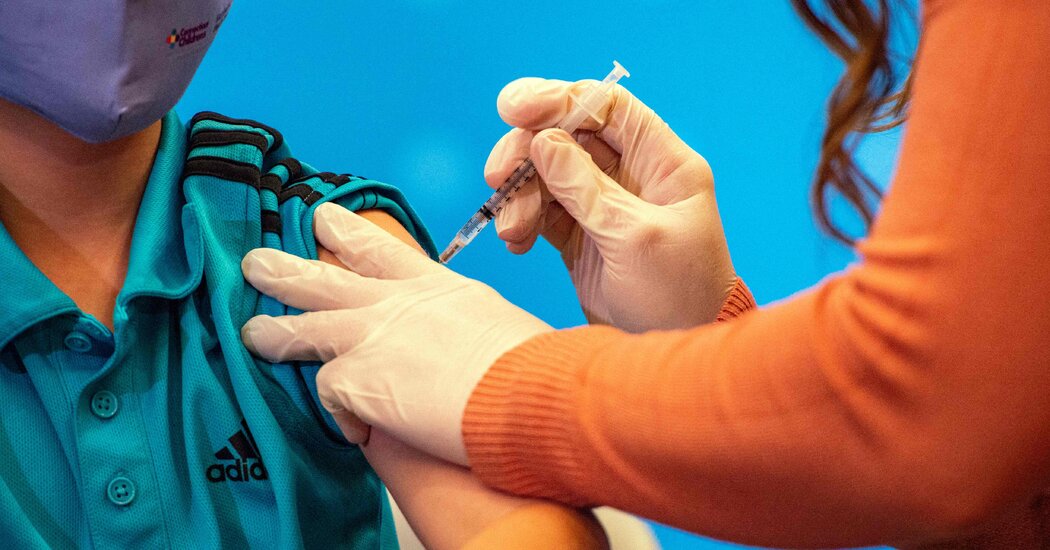
While protection against hospitalization is still strong, the vaccine offered almost no protection against infection, even just a month after full vaccination.The coronavirus vaccine made by Pfizer-BioNTech is much less effective in preventing infection in children ages 5 to 11 years than in older adolescents or adults, according to a large new set of data collected by health officials in New York State — a finding that has deep ramifications for these children and their parents.The Pfizer vaccine is the only Covid shot authorized for that age group in the United States. It still prevents severe illness in the children, but offers virtually no protection against infection, even within a month after full immunization, the data, which were collected during the Omicron surge, suggest.The sharp drop in the vaccine’s performance in young children may stem from the fact that they receive one-third the dose given to older children and adults, researchers and federal officials who have reviewed the data said.The findings, which were posted online on Monday, come on the heels of clinical trial results indicating that the vaccine fared poorly in children aged 2 to 4 years, who received an even smaller dose.Experts worried that the news would further dissuade hesitant parents from immunizing their children. Other studies have shown the vaccine was not powerfully protective against infection with the Omicron variant in adults, either.“It’s disappointing, but not entirely surprising, given this is a vaccine developed in response to an earlier variant,” said Eli Rosenberg, deputy director for science at the New York State Department of Health, who led the study. “It looks very distressing to see this rapid decline, but it’s again all against Omicron.”Still, he and other public health experts said they recommend the shot for children given the protection against severe disease shown even in the new data set.“We need to make sure we emphasize the doughnut and not the hole,” said Dr. Kathryn M. Edwards, a pediatric vaccine expert at Vanderbilt University.In their study, Dr. Rosenberg and his colleagues analyzed data from 852,384 newly fully vaccinated children aged 12 to 17 years and 365,502 children aged 5 to 11 years between Dec. 13, 2021, and Jan. 31, 2022, the height of the Omicron surge.The vaccine’s effectiveness against hospitalization declined to 73 percent from 85 percent in the older children. In the younger children, effectiveness dropped to 48 percent from 100 percent. But because few children were hospitalized, these estimates have wide margins of error.The numbers for protection from infection are more reliable. Vaccine effectiveness against infection in the older children decreased to 51 percent from 66 percent. But in the younger children, it dropped sharply to just 12 percent from 68 percent.The numbers change drastically between ages 11 and 12. During the week ending Jan. 30, the vaccine’s effectiveness against infection was 67 percent in 12-year-olds but just 11 percent in 11-year-old children.“The difference between the two age groups is striking,” said Florian Krammer, an immunologist at the Icahn School of Medicine at Mount Sinai.The biological difference between the two ages is likely to be minimal, but while 12-year-old children got 30 micrograms of the vaccine — the same dose given to adults — children who were 11 received only 10 micrograms, he noted.“This is super interesting because it would almost suggest that it’s the dose that makes the difference,” he added. “The question is how to fix that.”There have been at least 851 deaths involving Covid-19 in children under 17, and nearly 7,000 cases of multisystem inflammatory syndrome in children, a rare but serious condition associated with Covid. More children were hospitalized during the Omicron surge than at any other point in the pandemic.The findings underscore the need to gather more information on the best dose, number and timing for the shots given to children, Dr. Rosenberg said. They also underscore vaccines as just one measure of protection from the virus, along with masks and social distancing, he said.Dr. Rosenberg’s research was posted just days after the Centers for Disease Control and Prevention released new recommendations that would allow the majority of Americans to stop wearing masks, including in schools.The new data also raises important questions about the Biden administration’s strategy for vaccinating children. Only about one in four children aged 5 to 11 years has received two doses of the vaccine. (The C.D.C. has not yet recommended booster doses for this age group.)The vaccine has not yet been authorized for children younger than 5. Scientific advisers to the Food and Drug Administration were scheduled to meet on Feb. 15 to evaluate two doses of the vaccine for the youngest children, while three doses were still being tested. But the meeting was postponed after Pfizer submitted additional data suggesting two doses were not strongly protective against the Omicron variant of the virus.Dr. Rosenberg briefed top C.D.C. officials, including Dr. Rochelle P. Walensky, the agency’s director, with findings in early February. F.D.A. leaders learned of the data around the same time. Some federal scientists pushed for the data to be made public ahead of the F.D.A. expert meeting scheduled for Feb. 15, viewing it as highly relevant to the discussion about dosing in children under 5, federal officials and others familiar with their responses to it said.A vial of the new children’s dose of the Pfizer-BioNTech Covid-19 vaccine. Pfizer-BioNTech, Moderna and Johnson and Johnson are all testing Omicron-specific versions of their vaccinesJoseph Prezioso/Agence France-Presse — Getty ImagesThe data is generally consistent with a report from Britain showing that vaccine effectiveness against symptomatic infection in adolescents aged 12 to 17 years drops to 23 percent after two months. The C.D.C. has been compiling its own data on the vaccine’s effectiveness in younger children and is expected to release at least some of it as early as this week, according to people familiar with the agency’s plans.Israeli researchers have also been assessing the vaccine’s performance in young children since the country made it available to them in November.“We continue to study and assess real-world data from the vaccine,” Amy Rose, a spokeswoman for Pfizer, said in response to queries about the new data.The Coronavirus Pandemic: Key Things to KnowCard 1 of 3The origins of the pandemic.

Read more →

Antibiotic doesn’t prevent future wheezing in babies hospitalized with RSV

The antibiotic azithromycin has anti-inflammatory properties that can be beneficial in some chronic lung diseases, such as cystic fibrosis. With that in mind, researchers investigated its potential to prevent future recurrent wheezing among infants hospitalized with respiratory syncytial virus (RSV). With such babies at increased risk of developing asthma later in childhood, the scientists hoped to find a therapy to reduce this risk.
However, among infants hospitalized with RSV, there was no difference in the amount of wheezing in babies treated with azithromycin versus those who received a placebo, according to a new study led by researchers at Washington University School of Medicine in St. Louis and Vanderbilt University.
Further, while the difference in the amount of wheezing did not reach statistical significance, the study hints that treatment with antibiotics of any kind may increase wheezing in infants hospitalized with the virus.
Results of the study were presented Feb. 27 at the annual meeting of the American Academy of Allergy, Asthma & Immunology in Phoenix and published simultaneously in The New England Journal of Medicine — Evidence.
In infants and young children, RSV can cause bronchiolitis, an infection of the small airways in the lungs. Nearly all children contract RSV at some point in early childhood, and a small percentage develop bronchiolitis severe enough to be hospitalized. Infants hospitalized with RSV bronchiolitis are at an increased risk of developing asthma.
“About half of infants admitted to a hospital with RSV will be diagnosed with asthma by age 7,” said first author Avraham Beigelman, MD, an associate professor of pediatrics and a pediatric allergist and immunologist in the Division of Allergy & Pulmonary Medicine in the Department of Pediatrics at Washington University School of Medicine. “We are interested in finding approaches to prevent the development of asthma after RSV infection. Azithromycin has anti-inflammatory effects in other airway diseases, such as cystic fibrosis. We also had data in mice and data from a smaller clinical trial of hospitalized infants that suggested azithromycin reduced wheezing following RSV infection. So, we were surprised by the negative results of this larger trial.”
The current trial confirmed, as anticipated, that azithromycin lowers a marker of airway inflammation called IL-8. Infants treated with azithromycin had lower levels of IL-8 in their noses than infants who received a placebo, confirming anti-inflammatory effects of azithromycin. Even so, azithromycin-treated patients did not have reduced risk of developing recurrent wheezing compared with the placebo group. While the difference did not reach statistical significance, the data actually leaned toward azithromycin increasing risk of wheezing, with 47% of patients who had received azithromycin experiencing recurrent wheezing versus 36% of the placebo group. Recurrent wheezing was defined as three episodes of wheezing during the two to four years of follow up.

Read more →

Computer drug simulations offer warning about promising diabetes and cancer treatment

Using computer drug simulations, researchers have found that doctors need to be wary of prescribing a particular treatment for all types of cancer and patients.
The drug, called metformin, has traditionally been prescribed for diabetes but has been used in clinical settings as a cancer treatment in recent years.
The researchers say while metformin shows great promise, it also has negative consequences for some types of cancers.
“Metformin is a wonder drug, and we are just beginning to understand all its possible benefits,” said Mehrshad Sadria, a PhD candidate in applied mathematics at the University of Waterloo. “Doctors need to examine the value of the drug on a case-by-case basis, because for some cancers and some patient profiles, it may actually have the opposite of the intended effect by protecting tumour cells against stress.”
The computer-simulated treatments use models that replicate both the drug and the cancerous cells in a virtual environment. Such models can give clinical trials in humans a considerable head-start and can provide insights to medical practitioners that would take much longer to be discovered in the field.
“In clinical settings, drugs can sometimes be prescribed in a trial and error manner,” said Anita Layton, professor of applied mathematics and Canada 150 Research Chair in mathematical biology and medicine at Waterloo. “Our mathematical models help accelerate clinical trials and remove some of the guesswork. What we see with this drug is that it can do a lot of good but needs more study.”
The researchers say their work shows the importance of precision medicine when considering the use of metformin for cancer and other diseases. Precision medicine is an approach that assumes each patient requires individualized medical assessment and treatment.
“Diseases and treatments are complicated,” Sadria said. “Everything about the patient matters, and even small differences can have a big impact on the effect of a drug, such as age, gender, genetic and epigenetic profiles. All these things are important and can affect a patient’s drug outcome. In addition, no one drug works for everyone, so doctors need to take a close look at each patient when considering treatments like metformin.”
Sadria, Layton and co-author Deokhwa Seo’s paper was published in the journal BioMed Central Cancer.
Story Source:
Materials provided by University of Waterloo. Note: Content may be edited for style and length.

Read more →

Making the invisible visible: A clearer ‘picture’ of blood vessels in health and disease thanks to new imaging approach

Johns Hopkins Medicine researchers have developed and tested a new imaging approach they say will accelerate imaging-based research in the lab by allowing investigators to capture images of blood vessels at different spatial scales. Tested in mouse tissues, the method, dubbed “VascuViz,” includes a quick-setting polymer mixture to fill blood vessels and make them visible in multiple imaging techniques. The approach enables researchers to visualize the structure of a tissue’s vasculature, which in conjunction with detailed mathematical models or complementary images of other tissue elements can clarify the complex role of blood flow in health and disease, say the researchers. The combined images of the blood vessels should not only enhance the study of the biology of diseases that involve abnormalities in blood flow, such as cancer and stroke, but also advance our understanding of the structures and functions of tissues throughout the body, they say.
The report published Feb. 10 in Nature Methods.
“Usually, if you want to gather data on blood vessels in a given tissue and combine it with all of its surrounding context like the structure and the types of cells growing there, you have to re-label the tissue several times, acquire multiple images and piece together the complementary information,” says Arvind Pathak, Ph.D., professor of radiology, biomedical and electrical engineering and member of the Sidney Kimmel Comprehensive Cancer at the Johns Hopkins University School of Medicine. “This can be an expensive and time-consuming process that risks destroying the tissue’s architecture, precluding our ability to use the combined information in novel ways.”
Researchers use many different imaging methods, such as MRI, CT and microscopy to study the role of blood vessels in the lab. These images are useful for understanding the dynamics of how tissues develop disease or respond to treatment. However, integrating the data available in these images has remained a challenge because agents used to make a blood vessel visible to one imaging method can make it invisible on other tools. This limits the amount of data researchers can gather from a single sample.
VascuViz overcomes this problem by making the structure of the largest arteries to the smallest microvasculature visible to a variety of imaging tools, which allows researchers to develop a multilayered understanding of blood vessels and related tissue components with less time and effort.
The development of VascuViz is particularly useful in creating computerized visualizations of how complex biological systems such as the circulatory system work, and is a hallmark of the growing field of “image-based” vascular systems biology.

Read more →

Oxygen stocks running dangerously low in Ukraine

SharecloseShare pageCopy linkAbout sharingImage source, Getty ImagesVital oxygen supplies to treat patients sick with Covid and other critical illnesses, including war injuries, are running dangerously low in Ukraine. The World Health Organization says lorries have been unable to carry supplies from plants to hospitals in the country, including capital Kyiv. And stocks could run out within the next 24 hours. The WHO is working with partners to transport urgent shipments through Poland. “The oxygen supply situation is nearing a very dangerous point,” WHO director general Tedros Adhanom Ghebreyesus and regional director for Europe Hans Kluge said.”Some [hospitals] have already run out. “This puts thousands of lives at risk.”Under threatAn estimated 1,700 patients admitted to hospital in Ukraine because of Covid will probably need oxygen treatment.But it is also needed for a range of other conditions, including childbirth. The WHO says several manufacturing plants in Ukraine are also facing shortages of zeolite – a crucial, mainly imported chemical product needed to make safe medical oxygen. Hospital services are also under threat from electricity and power shortages. More on this storyThe moment I fled Ukraine with my 10-month-old babyUkraine conflict – BBC News

Read more →

Climate change: IPCC report warns of ‘irreversible’ impacts of global warming

SharecloseShare pageCopy linkAbout sharingImage source, Getty ImagesMany of the impacts of global warming are now simply “irreversible” according to the UN’s latest assessment.But the authors of a new report say that there is still a brief window of time to avoid the very worst.The Intergovernmental Panel on Climate Change says that humans and nature are being pushed beyond their abilities to adapt. Over 40% of the world’s population are “highly vulnerable” to climate, the sombre study finds. But there’s hope that if the rise in temperatures is kept below 1.5C, it would reduce projected losses.Just four months on from COP26, where world leaders committed themselves to rapid action on climate change, this new UN study shows the scale of their task.”Our report clearly indicates that places where people live and work may cease to exist, that ecosystems and species that we’ve all grown up with and that are central to our cultures and inform our languages may disappear,” said Prof Debra Roberts, co-chair of the IPCC.”So this is really a key moment. Our report points out very clearly, this is the decade of action, if we are going to turn things around.”‘Fragile win’ at COP26 climate summit under threatCut fossil fuels to lower gas bills, advisers say Extreme wildfires set to become more frequent Covid shutdown linked to record rainfall in ChinaThis report from the IPCC is the second of three reviews from the world’s foremost body of climate researchers. Last August, the first instalment highlighted the scale of the effect that humans were having on the climate system. This new report looks at the causes, impacts and solutions to climate change. It gives the clearest indication to date of how a warmer world is affecting all the living things on Earth.Image source, Saddam MohamedThe report is a stark account of the fierce consequences that the world is already experiencing, like growing numbers of people dying from heat.But the authors say that there is still a brief window of time to avoid the very worst.”One of the things that I think is really, really clear in the report is that yes, things are bad, but actually, the future depends on us, not the climate,” said Dr Helen Adams, a lead author on the report from King’s College, London.The report shows that extreme weather events linked to climate change like floods and heatwaves are hitting humans and other species much harder than previous assessments indicated.The new study says that these impacts are already going beyond the ability of many people to cope.While everyone is affected, some are being hit much harder. This outcome very much depends on where you live.Between 2010 and 2020, 15 times more people died from floods, droughts and storms in very vulnerable regions including parts of Africa, South Asia and Central and South America, than in other parts of the world.Nature is already seeing dramatic impacts at the current level of warming. Coral reefs are being bleached and dying from rising temperatures, while many trees are succumbing to drought. Image source, NurPhotoThe report highlights the increasing impacts that are expected as the rise in global temperatures, currently around 1.1C, heads to 1.5C.Continued and accelerating sea level rise will increasingly hit coastal settlements pushing them towards “submergence and loss”.Under all emissions scenarios, the IPCC expects a billion more people to be at risk from coastal specific climate hazards in the next few decades. If temperatures rise to between 1.7 and 1.8C above the 1850s level, then the report states that half the human population could be exposed to periods of life-threatening climatic conditions arising from heat and humidity.This video can not be playedTo play this video you need to enable JavaScript in your browser.Commenting on the summary, UN Secretary General Antonio Guterres described it as an “atlas of human suffering”. He has no doubt as to where the blame lies. “The facts are undeniable. This abdication of leadership is criminal. The world’s biggest polluters are guilty of arson of our only home.” Health a growing concernDiseases will likely spread more quickly in the coming decades, say the study’s authors. There is a particular risk that changing climactic conditions will ease the spread of mosquito-borne dengue fever to billions more by the end of this century. As well as the physical health impacts, this report, for the first time, states that climate change may be exacerbating mental health issues, including stress and trauma related to extreme weather events and the loss of livelihoods and culture.Warming threats to speciesAbout half of the living organisms assessed in the report are already moving, to higher ground or towards the poles.While up to 14% of species assessed will likely face a very high risk of extinction if the world warms by 1.5C, this will rise to up to 29% of species at 3C of warming.For creatures living in areas that are classed as vulnerable biodiversity hotspots, their already very high extinction risk is expected to double as warming rises towards 2C, and to go up tenfold if the world goes to 3C. Some researchers have speculated that going over 1.5C for a short period would be acceptable if temperatures came back down below the level soon afterwards. This report says there are dangers with this approach.”In any overshoot there’s an increasing risk of hitting tipping points and triggering feedback, in the climate system, like permafrost thawing,” said Linda Schneider from the Heinrich Boll Institute, who was an observer at the IPCC discussions. “That would make it a lot more difficult, it could make it impossible to get back below 1.5C.” Image source, RIJASOLOThe report is disdainful of technological fixes like deflecting the Sun’s rays or removing carbon dioxide from the air, saying they could make things worse. The summary for policymakers puts much focus on “climate resilient development,” which it says helps build the strength to cope with climate change in every society.”If our development pathways are ones in which health systems don’t improve much, education doesn’t improve much, our economies aren’t growing very fast and inequality remains a big problem, that’s a world where a particular amount of climate change is going to have a really big impact,” said Prof Brian O’Neill, an IPCC coordinating lead author from the Pacific Northwest National Laboratory in the US.”In contrast, if it’s a world where we are really making rapid progress on education and health and poverty, if climate change is imposed on that society, the risk will be much lower.”Follow Matt on Twitter @mattmcgrathbbc.

Read more →

Dr. Bronner’s, the Soap Company, Dips Into Psychedelics

Under the leadership of the founder’s grandsons, the company has become a big financial backer of efforts to loosen government restrictions on illegal drugs.VISTA, Calif. — Dr. Bronner’s, the liquid soap company best known for its teeny-font labels preaching brotherly love and world peace, would like you to consider the benefits of mind-altering drugs.The sentiment is promoted on limited-edition soap bottles that sing the praises of psychedelic-assisted therapies, and through the trippy pronouncements of David Bronner, grandson of the company’s founder and one of its top executives, who is not shy about sharing details of his many hallucinogenic journeys.“Let’s face it, the world would be a far better place if more people experienced psychedelic medicines,” said David, whose company in January became among the first in the United States to offer ketamine therapy as part of its employee health care coverage.Perhaps less well known is Dr. Bronner’s role as one of the country’s biggest financial supporters of efforts to win mainstream acceptance of psychedelics and to loosen government restrictions on all illegal drugs.Since 2015, Dr. Bronner’s Magic Soaps — yes, that’s its official name — has donated more than $23 million to drug advocacy and research organizations, according to corporate documents. They include scientists researching the healing properties of the club drug Ecstasy, activist groups that helped decriminalize psilocybin “magic mushrooms” in Oregon and Washington, D.C., and a small nonprofit working to preserve habitat for peyote, the hallucinogenic cactus central to some Native American spiritual traditions.Over the years, the company has also spent millions on efforts toward cannabis legalization, including litigation that in 2018 helped reverse a federal prohibition on the cultivation of industrial hemp.Soap on the assembly line bearing Dr. Bronner’s distinctive labels, which detail the philosophic ramblings of the company’s founder and the 18 uses for the concentrated liquid Castile soap.John Francis Peters for The New York TimesAlthough Open Society Foundations, the left-leaning philanthropy founded by George Soros, has quietly spent millions on drug policy changes, it is rare for a company to embrace an issue as contentious as loudly as Dr. Bronner’s has.“When it comes to corporate philanthropy, you’d be hard-pressed to find another company with the courage to publicly back an end to the war on drugs,” said Rick Doblin, who runs the Multidisciplinary Association for Psychedelic Studies, a research and advocacy group. It has received nearly $6 million from Dr. Bronner’s, with an additional $1 million pledged for each of the next five years.The Bronner family’s increasingly high-profile largess comes at a pivotal moment in the decades-long campaign to ease the nation’s just-say-no attitude toward illicit drugs. The changes have been seismic, from bipartisan congressional support for drug-sentencing reforms to the cascading state-by-state embrace of recreational marijuana.Ketamine therapy for depression has become a billion-dollar industry, and scores of states and municipalities are seeking to join Denver, Seattle and the dozen other cities that have decriminalized psychedelics. Researchers say another watershed moment is on the horizon: the Food and Drug Administration is considering approving MDMA, or Ecstasy, for the treatment of post-traumatic stress disorder.The University of Texas, Johns Hopkins and Yale are among the stolid institutions that have created divisions to explore whether psychedelic compounds can advance the treatment of anxiety, depression, addiction and a range of other mental health disorders. “We really are at an inflection point where the whole paradigm about these drugs is shifting,” said Dacher Keltner, a professor of psychology at the University of California, Berkeley, who is helping to set up the school’s new Center for the Science of Psychedelics.Emanuel Bronner, who founded the company in 1948, gave out bottles of his product after delivering lectures about mankind’s need to save “Spaceship Earth.” But he soon realized most people were more interested in the free soap.Dr. Bronner’sFounded in 1948 by Emanuel Bronner, a German-Jewish immigrant and a third-generation soap maker, Dr. Bronner’s tingly peppermint soap became a favorite in the 1960s among counterculture peaceniks who were enamored with its all-natural provenance and Bronner’s “All-One-God-Faith” dedication to ending the tribalism behind so much human suffering. One apocryphal origin story credits Woodstock for expanding its distribution. “The joke is that it left the festival in three times as many VW microbuses as it arrived in,” his grandson, Michael Bronner, said.Emil, as he was known, was a bracing, free-spirited renegade whose loquacious genius often danced on the edge of madness. (He was not, in any way, an actual doctor.) In 1945, not long after learning his parents had been murdered in Nazi death camps, Emil landed in a Chicago mental asylum, forcibly committed by his sister, where he was administered electric shock therapy, according to his family. After making an audacious escape, he hitchhiked to California, where he began his lifelong, peripatetic crusade to heal mankind.Bronner would hand out bottles of his product after delivering his idiosyncratic public lectures about humanity’s need to save “Spaceship Earth,” but he soon realized most people were more interested in his free soap than his spiritual ideology. His remedy? He began printing those philosophic ramblings on the labels, which also explained the 18-in-1 uses for his concentrated liquid Castile soap. (Teeth cleaning! Dishwashing! Dog shampoo!)Though a suggested birth-control use has since been discarded, the Bronners have left much of the label’s 3,000-word verbiage untouched, a decision that reflects the family’s deep reverence for a man whose zany presence is inescapable more than two decades after his death at age 89.The patriarch’s writings and his image are scattered throughout the company’s headquarters in Vista, Calif., about 40 miles north of San Diego. A frighteningly large blowup of his grinning face greets visitors in the lobby. Nearby a papier-mâché figure wearing a leopard-print Speedo is a goofy homage to his predilection for conducting business in skimpy swimming trunks. (Fun fact: For decades, the phone number printed on soap bottles rang through to a collection of red rotary phones that Emil Bronner answered at all hours from his living room recliner.)The workers behind Dr. Bronner’s All-One Magic Foam Experience played music during lunchtime at the company headquarters.John Francis Peters for The New York TimesThe company remains a family affair. Michael, the self-described “buttoned-up brother,” is president; his sister, Lisa, helps promote the brand’s work on environmental sustainability and fair-trade issues; and their mother, Trudy, is the chief financial officer. David, the eldest child, is C.E.O. — Cosmic Engagement Officer.Last year Dr. Bronner’s earned nearly $170 million in revenues, according to company documents, up from $4 million in 1998, several years after the company emerged from bankruptcy with an assist from Emil’s two sons, Jim and Ralph.That near brush with corporate death was tied to Emil’s decision to register his company, “All One God Faith, Inc.” as a religious nonprofit. The Internal Revenue Service was not pleased, and levied a crushing fine.But the founder’s unconventional approach to business lives on. Top salaries at the company cannot exceed five times that of the lowest-paid worker with five years on the job, which means Michael and David each earn roughly $300,000 a year. Their 300 employees receive an array of benefits, including up to $7,500 in child-care assistance and annual bonuses of up to 10 percent of their annual pay. The cafeteria’s vegan meals are free, as are the Zumba classes, back massages and solar-powered electric-vehicle charging stations.The company regularly spurns the kind of buyout offers that have claimed other independent brands like Burt’s Bees (now part of Clorox), Tom’s of Maine (Colgate-Palmolive) and Kiehl’s (L’Oréal). The offers, the brothers say, go right into the trash. In a good year, the company gives away 45 percent of its profits, or about $8 million, according to the company’s annual report. “If we cashed out, we’d be less effective as a charitable engine,” David said.His own love affair with psychedelics began shortly after college, at a dance club in Amsterdam, where he was introduced to candy flipping — the combination of LSD and Ecstasy. The journey included visions of Jesus, his grandfather and “a dialogue with deep self,” all of which helped him work through what he described as a crippling toxic masculinity and a troubled relationship. “I died five times but it got me out of my dark hole and set me on my path,” said David, 49, a vegan who favors hemp clothing and is especially fond of the adjective “rad.”He also has a showman’s eye for attention-grabbing gestures, which got him arrested twice; once for sowing hemp seeds on the front lawn of the Drug Enforcement Administration and the other for milling hemp oil while locked in a cage in front of the White House.A storage room at the company’s headquarters. The patriarch’s writings and image are scattered throughout the facility.John Francis Peters for The New York TimesThe company’s move to tether a large chunk of its corporate identity to psychedelics and the politics of drug reform have not always gone down well, especially with Trudy, 79, a former junior high school math teacher and regular Methodist churchgoer who winces when recalling the excesses of the 1960s. “I had friends who did the trippy stuff and it wasn’t always good,” she said. “On the other hand this country has a lot of mental health issues that need to be addressed.”Her lingering skepticism was dispelled by Michael’s recent turn to psychedelics. The shift came last year, when the medications he had long relied on to treat his anxiety and depression stopped working. It was then that he decided to try talk therapy paired with ketamine, a legal anesthetic and party drug that has been gaining increasing acceptance among mental health professionals.He compared the experience to a massage for the brain that helped cleared away much of his angst and despair. “I don’t want to oversell ketamine therapy as a miracle cure but it just stripped the rust away, gave me a reset and got me to a really good space,” he said.So far 21 employees or their dependents have signed up for the treatments, which can cost several thousand dollars.A battlefield anesthetic that is also used in veterinarian medicine, ketamine has only recently gained popularity as a therapy for hard-to-treat depression and suicidal ideation. Though the drug does not have F.D.A clearance for mental health conditions, doctors are allowed to prescribe it for so-called off-label use when they think it will provide benefits to a patient.Enthea, the health plan benefit administrator for the treatments, said 10 other companies were already following in Dr. Bronner’s footsteps. Many are driven by the prospect of reduced spending on mental health coverage and also with increasing employee productivity, Lia Mix, Enthea’s founder and chief executive, said.Emil Bronner didn’t do drugs, and he was distrustful of Western medicine, refusing to see a doctor even as he began losing his eyesight in his 60s. But his grandsons are sure he would have approved of their decision to make psychedelics a central component of the family business.“Our grandpa was all about shifting consciousness and opening hearts and minds,” David said, pausing for comic effect and flashing a mischievous grin: “He probably would have put LSD in his soaps.”The Bronner brothers vibing with a mural in front of a vat of sustainably sourced soap ingredients.John Francis Peters for The New York Times

Read more →