Elizabeth Holmes’s Ex-Boyfriend Set to Go on Trial in Theranos Case

Jury selection was set to start today in Sunny Balwani’s fraud trial, which will establish just how much he knew about the blood-testing start-up Theranos and Ms. Holmes’s actions.Elizabeth Holmes was a star entrepreneur whose trial for defrauding investors in her blood-testing start-up became one of the biggest Silicon Valley spectacles since the introduction of the iPhone. Her conviction in January marked a rare moment in the boastful history of technology: A chief executive was held criminally responsible for lying.For much of her trial, Ms. Holmes sought to blame her deputy and former boyfriend, Ramesh Balwani, for what went wrong at her company, Theranos. Now Mr. Balwani, who is known as Sunny, will have the opportunity to respond in his own fraud trial. Jury selection was scheduled to begin on Wednesday in the same federal courtroom in San Jose, Calif., where Ms. Holmes’s fate was determined.The first trial offered, and the second trial promises, a close examination of an unusual relationship between a young woman and an older man. Ms. Holmes and Mr. Balwani had a secret romance that was also a professional alliance, an exciting promise to improve health care for millions that instead put patients at risk. Their blood testing did not work, even as they assumed new and better technology would rescue them from their reckless claims.Mr. Balwani, 57, is a former software executive who made a fortune during the late 1990s dot-com boom. He befriended Ms. Holmes when they were studying in China the summer before her freshman year at Stanford University. Their romantic relationship eventually led him to join Theranos in 2009 as president and chief operating officer.He was the opposite of a star, barely mentioned in the glowing cover stories about Ms. Holmes and Theranos. By all evidence, however, Mr. Balwani and Ms. Holmes, now 38, were a team that ruled the start-up tightly. Few knew they were in a relationship.“She was the Wizard of Oz, dazzling the investors and media, but he was the one behind the curtain working the machinery,” said Reed Kathrein, a San Francisco lawyer who successfully sued Ms. Holmes and Theranos in 2016 on behalf of investors. He said he was confident the prosecution would show that “he knew she was lying and never put a stop to it.”“He knew everything,” Mr. Kathrein said.Mr. Balwani’s trial will go over familiar ground. He faces the same 12 charges that Ms. Holmes initially confronted. (One count was dropped after a procedural error by the government.) He has pleaded not guilty.Ms. Holmes was found guilty on four counts of defrauding investors and acquitted on four counts of defrauding patients; the jury deadlocked on the remaining three investor counts. She will be sentenced in the fall.Elizabeth Holmes, center, with her mother, Noel, and partner, Billy Evans, during her trial.Jim Wilson/The New York TimesThe consensus among legal experts following the case is that the government’s successful prosecution of Ms. Holmes will give it a boost in Mr. Balwani’s trial.“​​The government has had the opportunity to do a full run, so they will have learned what worked and what didn’t,” said James Melendres, a former federal prosecutor who represents corporate clients.Elizabeth Holmes’s Epic Rise and FallThe Theranos founder’s story, from a $9 billion valuation to a fraud conviction, has come to symbolize the pitfalls of Silicon Valley’s culture.Con Artist: With her blood-testing company, Ms. Holmes fooled investors, employees and media outlets. Then she got her comeuppance.The Start-up Playbook: Ms. Holmes wasn’t a creature of Silicon Valley, or so the refrain went. Her trial showed otherwise.Becoming Elizabeth: For “The Dropout,” a Hulu series, Amanda Seyfried transformed into the Theranos founder, turtleneck included.Telling Her Tale: The show is built around Holmes’s enigmatic figure. The women behind it dug deep to find “the human underneath the headline.”Prosecutors, Mr. Balwani and his lawyers declined to comment. Through her lawyers, Ms. Holmes declined to comment.While Ms. Holmes’s background has been extensively documented, relatively little is known about Mr. Balwani, including why he is called Sunny.An experienced software executive, he had the good luck to have his start-up purchased by a larger firm right before the 2000 stock market crash, yielding him about $40 million. He got a divorce, went back to school to get an M.B.A. and study computer science, and bought fancy cars. (His license plate, in a nod to Karl Marx, was DASKPTL.) When he joined Theranos, he invested millions of his own money in it, his lawyers have said.At Theranos, he had a reputation for being a harsh, demanding boss who became increasingly paranoid that employees would steal trade secrets that would supposedly revolutionize blood testing. In an incident recounted by the journalist John Carreyrou, Mr. Balwani called the police to chase after a departing employee, explaining that the former worker “stole property in his mind.”Mr. Balwani’s lawyers are expected to emphasize his lack of experience in biomedical devices, which were at the heart of Theranos’s claims. Legal experts said he was unlikely to testify. He’d most likely be less sympathetic on the witness stand than Ms. Holmes, a new mother who played up her youth and arrived in court holding hands with her mother and her partner.“He doesn’t have those optics in his favor,” said Ann Kim, a former federal prosecutor who represents companies undergoing government investigations.When Ms. Holmes took the stand in her defense, she tried to upend the narrative around her spectacular downfall, introducing bombshell allegations of abuse against Mr. Balwani. He denied the accusations, and text messages released during the trial depicted a relationship of more or less equals, especially as the company came under pressure from whistle-blowers and the media.“The whole thing that we have to respond to liars is ridiculous,” Ms. Holmes fumed in one message. Mr. Balwani promised retaliation against their accusers: “We will also take legal action once this is behind us.”At the heart of the government pursuit of both defendants is the argument that they stepped over the line from hype — as common in Silicon Valley as breathing — into deceit.Ms. Holmes could conjure up an alternate reality with the effortless ease of her role model, the Apple co-founder Steve Jobs. Witnesses in her trial testified that she had made people believe she would change the world. Investors poured nearly $1 billion into Theranos.Mr. Balwani, like most of dull humanity, possessed no such gifts. There is only one video of him online, but it is revelatory of his style.In March 2014, when Theranos was rolling out its finger-prick blood testing system in Walgreens in Arizona, Mr. Balwani gave a presentation on “Healthcare Innovation” to the Arizona Senate’s Health and Human Services Committee. He wasn’t originally supposed to do it — Ms. Holmes had to cancel — and did not look like he was enjoying himself.A Theranos Wellness Center inside a Walgreens pharmacy in Phoenix in 2016.Steve Craft for The New York TimesMr. Balwani told the legislators that the company was working on “something that we believe is magical.” He talked about one particular patient, who “had no limbs.” When this man had to give blood, the needle went into his neck. At the Theranos clinic, however, “he had a small limb attached to his body” and “we were able to do a finger prick on him.”How a limbless individual suddenly gained a limb was not explained. It was almost as if Mr. Balwani had dared the senators to point out that Theranos was literally magical thinking.They did not. Instead, they saluted him.“I love bringing the free market to our health care system,” said State Senator Kelli Ward, a Republican, who noted that she was a family doctor.(Senator Ward is now the chair of the State Republican Party and was active in efforts to overturn local election results in favor of President Trump. “It’s even clearer now that we need to allow the free market to work,” she said in an email.)Neither the prosecution nor the defense has filed its final list of witnesses for Mr. Balwani’s trial. In December, the lawyers filed their proposed questionnaires for potential jurors, including a preliminary witness list.A handful of potential witnesses from the Holmes trial were struck for obvious reasons, including Ms. Holmes’s mother, Noel, and former Secretary of State Henry Kissinger, a Theranos board member. Mindy Mechanic, the Holmes team’s expert witness on domestic abuse who ultimately did not take the stand, was also removed. Mr. Balwani’s legal team named experts on forensic accounting, intellectual property and SQL databases.One potential witness for the government would make headlines. Ms. Holmes is, however, exceedingly unlikely to testify, even if doing so might reduce her prison sentence.“She seems likely to fight this to the end of the earth,” said Jen Kennedy Park, a white-collar defense lawyer.

Read more →
Shropshire baby deaths: Ockenden report delayed for second time

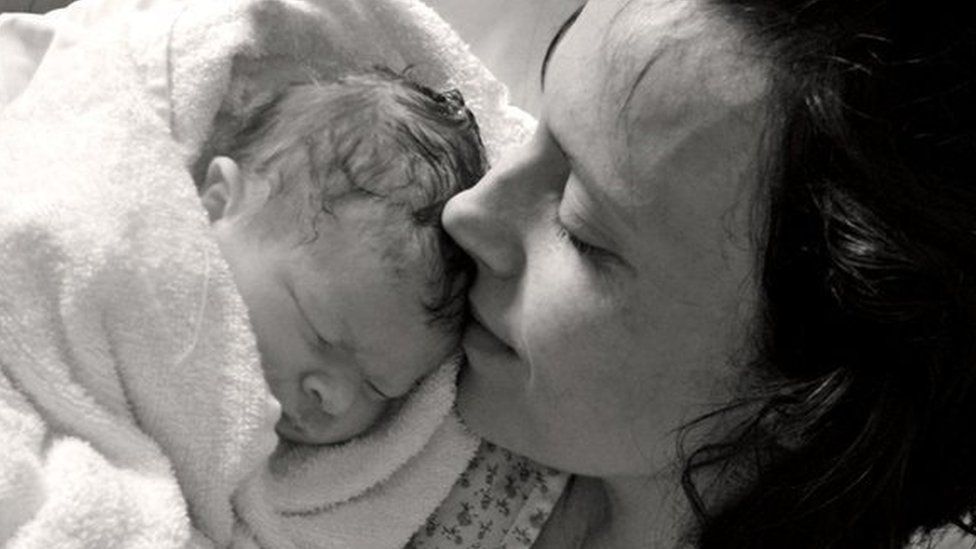
SharecloseShare pageCopy linkAbout sharingImage source, Richard StantonThe publication of a report into failures of maternity care at an NHS trust has been delayed again.Senior midwife Donna Ockenden has been investigating hundreds of cases in which mothers and babies may have been harmed at Shrewsbury and Telford Hospital NHS Trust (SaTh).Her report had been due to be published on 22 March after being postponed from December.In a letter to families, Ms Ockenden said that date “can no longer happen”.She added it was down to “parliamentary processes” which have to happen before the final report can be published.The delay is a “massive kick in the guts”, according to a tweet by Rhiannon Davies, whose daughter Kate died hours after her birth in March 2009.Ms Davies and her partner Richard Stanton, along with Kayleigh and Colin Griffiths, whose daughter Pippa died in 2016, have campaigned for the review.Image source, Ockenden ReviewA written statement to Parliament on Tuesday by patient safety minister Maria Caulfield said the NHS had been working to get indemnity cover.She said it would be to cover any potential legal action following the publication of the report and had been agreed in principle by the Treasury.Ms Ockenden’s team has been examining 1,862 cases and it is thought to be the largest ever review of maternity care in the NHS.Her interim report published in December 2020 found some mothers were blamed for their babies’ deaths.In her letter about the delay, Ms Ockenden said she and her team were “also very disappointed in the delay” and would be working to agree a new publication date.SaTh previously said it was co-operating fully with the review team and added most of the actions raised in an interim report had already been completed.Follow BBC West Midlands on Facebook, Twitter and Instagram. Send your story ideas to: newsonline.westmidlands@bbc.co.ukMore on this storyMothers who helped uncover the biggest NHS maternity scandalBaby deaths report delayed until MarchBaby death review reaches out to hospital staffMaternity bosses put on leave at baby deaths trustShrewsbury baby deaths prompt plan for more midwivesMaternity training boost amid baby deaths probeHospitals must adopt new maternity safety measuresHospital ‘blamed’ mothers for babies’ deathsShrewsbury and Telford Hospital NHS Trust (SaTH)The BBC is not responsible for the content of external sites.

Read more →

Zimbabwe clinics struggle for nurses after exodus to the UK

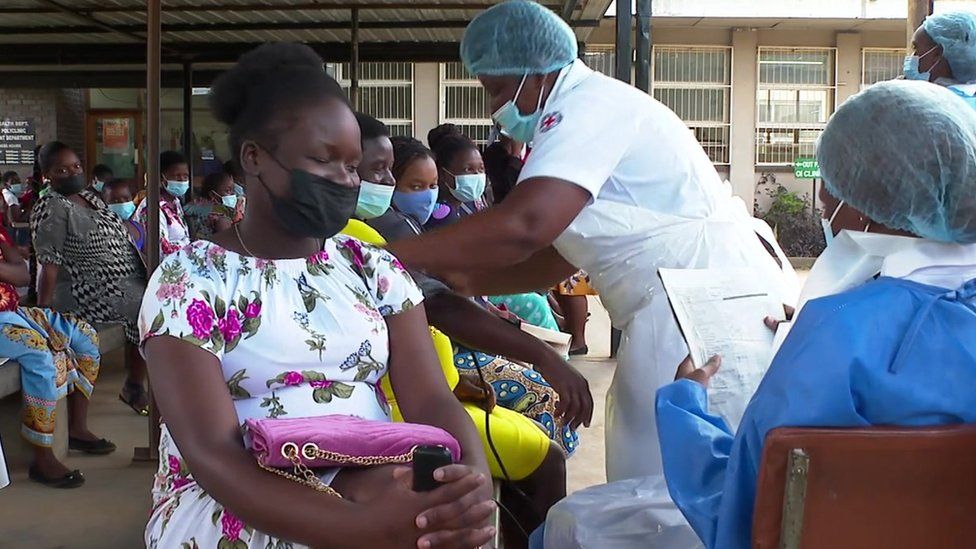
SharecloseShare pageCopy linkAbout sharingHealth clinics in Zimbabwe are facing a crisis as increasing numbers of nurses leave the country in search of better prospects, as Shingai Nyoka writes.The young woman in a dark green gown was in the throes of labour, her face twisted in pain. Still for one minute and then groaning and writhing this way and that in the next. I stood at the half-open door peering in, I had permission to be there for a story but felt more like a voyeur, an intruder in a deeply personal moment. Two weeks earlier, the acting chief nursing officer for the authorities in the capital, Harare, Perpetua Kaseke, had shown me around this same clinic, the Warren Park Polyclinic. She is responsible for the staffing at all the council’s health facilities. She told me there were only four nurses on duty for the whole clinic, which serves hundreds of people every day.Two in the maternity wing, one for outpatients and another for family services. Ordinarily they need a minimum of eight. While we were talking, a nurse shot past behind me – she was doubling up her duties, covering the labour, delivery and post-delivery wards, as well as helping out in ante-natal care. Seeing the pregnant woman – in labour alone in her most vulnerable moment – really crystallised the extent of the problem. Matron Kaseke told me that most of her clinics were operating at 50% capacity. I sensed her frustration – nurses are overworked and stressed, she told me, and they keep resigning. Twelve nurses left last month alone. Most of them are going to the UK or Ireland, others to Zimbabwe’s neighbouring countries or to the private sector. She said it can be hard to organise staffing from one minute to the next – some only give 24 hours’ notice before they leave. None of the nurses at the clinic wanted to speak to me, I suspect some are processing their papers and preparing to leave. The UK has been on a recruitment drive for medical professionals to plug its own staff shortages due to the impact of the pandemic and Brexit. Zimbabwe has long underpaid its public sector workers. Nurses employed by the city council earn slightly more than those working in government hospitals. But in both cases, the nurse on the lowest salary takes home less than $200 (£150) a month, just enough to cover the rent for a two-bedroom house in a low-income neighbourhood, but not much else. And they are fed up. The state Health Service Board says that just over 2,200 medical personnel left its services last year alone: 900 of them were nurses. This was double the number of staff who left in 2020 and triple that of 2019. Matron Kaseke told me that at one point nine of Harare council’s 43 clinics had scaled down their operations or been closed completely for lack of staff. BBCIt wasn’t always like this – public health facilities in Zimbabwe were once envied by other sub-Saharan African countries”Shingai NyokaBBC reporter, HarareI visited Matapi Clinic in the district of Mbare. Its doors were shut and covered in cobwebs. Mbare is the most densely populated suburb in the capital, and needs these health services. A group of men was eager to find out what story I was covering. They used to receive medical attention at this clinic, but now must travel longer distances and have to wait for long periods. At the nearby clinic that is still operating, staff were struggling to maintain order. In the outside waiting area, a boisterous nursing assistant student was taking people’s blood pressure. The clinics and hospitals are now taking on more students before they are qualified to cover the gap. It wasn’t always like this – public health facilities in Zimbabwe were once envied by other sub-Saharan African countries. But they disintegrated due to decades of under-investment. In 1992, former first lady Sally Mugabe chose to be treated for kidney failure in a public hospital right up to her death. Over 25 years later, it was a different story for her husband: former President Robert Mugabe opted to be treated in a private hospital in Singapore, where he later died, far away from the crumbling public healthcare system of his homeland. From Our Own Correspondent has insight and analysis from BBC journalists, correspondents and writers from around the worldListen on iPlayer, get the podcast or listen on the BBC World Service, or on Radio 4 on Saturdays at 11:30 GMTSo what’s it like for the nurses who do settle in the UK? I spoke to one nurse who has been there since last July.He tells me with a sense of accomplishment that he now earns about 10 times what he did in Harare, even though British nurses have low pay relative to other professions in the UK. The money he sends back home goes a long way. He can afford to send his children to boarding schools in Zimbabwe and support relatives in a difficult position. He has no plans to return any time soon. More on this story’My cousin died as the doctors are all on strike’Protecting Zimbabwe’s special grandmothers from CovidAfrica Today podcasts

Read more →

In Texas, Biden Says New Legislation Could Expand Benefits for Burn Pit Victims

The president is focused on veterans who fell ill after breathing in toxic materials from burning waste in Iraq and Afghanistan, exposure that he believes contributed to the death of his elder son.WASHINGTON — President Biden called on Tuesday for the broad expansion of health benefits for veterans, particularly those who fell ill after breathing in toxic materials from burning waste in the Iraq and Afghanistan wars, exposure that he believes contributed to the cancer that killed his elder son, Beau.For Mr. Biden, the issue is personal and political. Last week, in his State of the Union address, he said he would pursue expanded benefits for veterans as part of a domestic agenda that the White House has retooled to emphasize bipartisan comity after failing to win passage of a more extensive social safety net plan last year.On Tuesday, Mr. Biden briefly pivoted his attention away from a roiling war in Europe to travel with Denis McDonough, the secretary of veterans affairs, to a clinic near Fort Worth. There, the president met with veterans who had suffered spinal injuries and began coughing up black matter after serving near burn pits, as the military’s garbage disposal fires are known.Speaking to an audience of veterans and lawmakers, Mr. Biden said it had taken years for researchers and lawmakers to better understand the harmful effects of Agent Orange, the defoliant used in the Vietnam War. He compared that situation with what he believes has been a lag in studying the effects of toxins breathed in by troops who served in Iraq and Afghanistan and were burning trash and other waste. Burn pits are typically filled with trash, such as medical waste and vehicles, which is then doused with jet fuel and burned.Mr. Biden pointed out that he had worked as a senator to support research into the effects of Agent Orange, and he said younger veterans who had been deployed to Iraq and Afghanistan, often more than once, deserved a similar level of support.Reporting From AfghanistanInside the Fall of Kabul: ​The Taliban took the Afghan capital with a speed that shocked the world. Our reporter and photographer witnessed it.On Patrol: A group of Times journalists spent 12 days with a Taliban police unit in Kabul. Here is what they saw.Face to Face: ​​A Times reporter who served as a Marine in Afghanistan returned to interview a Taliban commander he once fought.A Photographer’s Journal: A look at 20 years of war in Afghanistan, chronicled through one Times photographer’s lens.“Today we’re even slower to connect the dots of what’s happening,” Mr. Biden said during his remarks. He pointed out that new illnesses, including bladder cancer, were still being added as possible outcomes of exposure to Agent Orange, some as recently as last year.“Science told us more, decades after the exposure took place,” Mr. Biden said. “It took far too long to reach that decision in my view, and I refuse to repeat the mistake when it comes to veterans of our Iraq and Afghan wars.”Proving a link between toxic substances in war zones and subsequent illnesses suffered by veterans has been politically onerous for lawmakers and prohibitively expensive for many who fall ill. But activists who have fought for benefits for years see a champion in Mr. Biden, who has long speculated that toxic substances from burn pits contributed to the brain cancer of his son. The younger Mr. Biden, who died in 2015, served in Iraq as a member of the Delaware Army National Guard.“What better advocate can we have than the president of the United States?” Susan Zeier, whose son-in-law died of lung cancer after serving in Iraq, said in an interview. Ms. Zeier, who is part of a group of activists who have been trying for years to get the government’s attention, found a sympathetic listener in Mr. Biden.“Some members of Congress who have been slow-walking this I think are maybe finally seeing the light,” she added.Three members of Congress — two Democrats and one Republican — traveled with Mr. Biden to Fort Worth. One of them, Representative Jake Ellzey, Republican of Texas, recounted his own years in the military as a reason for his decision to join Mr. Biden for the event.“There’s a lot that’s not right in our country and our world today,” Mr. Ellzey said. “These are difficult times. These are scary times. At the end of the day, we don’t put an R or D in front of veteran.”Mr. Biden highlighted the bipartisan support for a bill, passed by the House last week, that would expand disability benefits for veterans who were exposed to toxic substances and classify more health problems as related to burn pit exposure. Senators Marco Rubio, Republican of Florida, and Kirsten Gillibrand, Democrat of New York, also have a bill to improve Department of Veterans Affairs benefits for service members exposed to burn pits.U.S. Army soldiers watched garbage burn at a base in Kandahar Province in Afghanistan in 2013.Andrew Burton/Reuters“These are the bills that will unite the American people,” Mr. Biden said. “Let’s get those bills to my desk so I can sign them immediately.”Opponents of the legislation passed by the House say it will only increase what are already extensive backlogs for others seeking medical care. Representative Mariannette Miller-Meeks, Republican of Iowa and a veteran, called the bill “wildly expensive” and accused its authors of partisanship.“The people who will bear the brunt of House Democrats’ lackluster action today are the everyday Americans who need Congress to simply get the job done,” she said in a statement last week after the bill passed the House.Both supporters and opponents of the legislation agree that more research needs to be done to determine whether illnesses veterans develop after they serve can be linked to burn pits. The Department of Veterans Affairs has said in the past that there was little evidence to prove that burn pits contributed to veterans’ illnesses, and it still advises that many symptoms should disappear after the exposure ends.But the department also says that researchers “are actively studying airborne hazards like burn pits and other military environmental exposures,” according to an agency webpage on the subject.Last week, the department announced that it would seek to add nine rare respiratory cancers to the list of service-connected disabilities caused by exposure to toxic chemicals in burn pits. Mr. Biden acknowledged that more research needed to be done on the links between burn pits and later illnesses, but he said he wanted the department to support veterans in the meantime.“When the evidence doesn’t give a clear answer one way or another, the decision we should favor is caring for our veterans while we continue to learn more,” Mr. Biden said. “Not waiting, not waiting.”

Read more →

Stool tests might help spot early pancreatic cancer

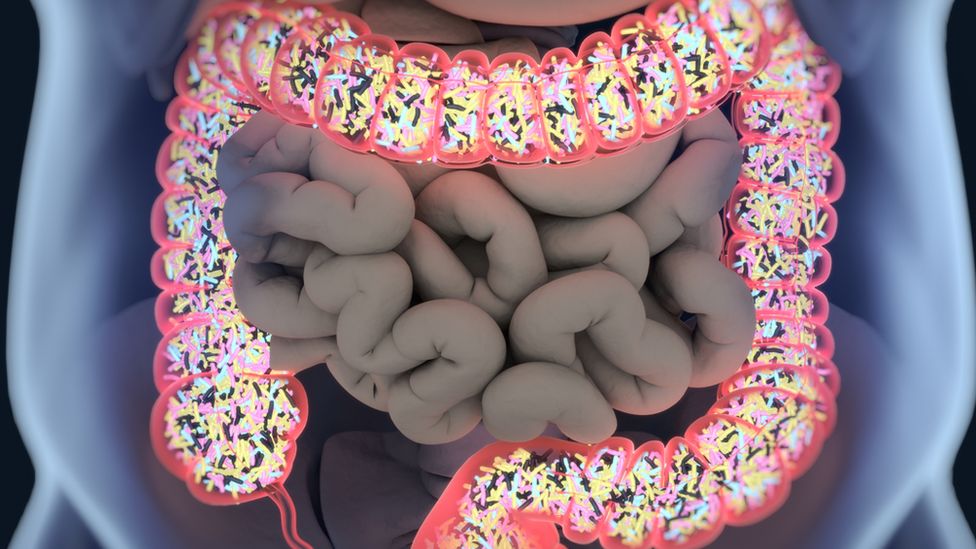
SharecloseShare pageCopy linkAbout sharingImage source, Getty ImagesStool tests might provide a useful way to help doctors spot early pancreatic cancer, say researchers. They have been trialling the concept in a study with 136 volunteers. The findings, described in the journal Gut, suggest detectable changes involving gut bugs could provide a warning sign that a tumour is present. Pancreatic cancer often doesn’t cause symptoms in the early stages. That means it is usually more advanced and harder to treat when it is found.As the cancer grows it may cause vague symptoms, such as indigestion, changes to bowel habit and some tummy or back pain. Some people see their GP several times before being diagnosed. Know the signs of pancreatic cancerCurrently, fewer than one in 20 of those with the most common form – ductal adenocarcinoma – will survive for five years or more. Earlier detection could improve those odds.The Spanish team behind the work recruited patients from two hospitals – one in Madrid and the other in Barcelona. Only some of the patients had pancreatic ductal adenocarcinoma, while the others were selected as controls for comparison. The researchers collected and analysed spit and stool samples from the volunteers to see if there was any discernible difference between the groups. While the saliva samples drew a blank, the stool ones did show a difference that the team believe could be useful for helping to diagnose pancreatic cancer. It was a distinct pattern or genomic profile of gut bacteria, fungi and other microbes.This consistently identified patients with the disease, irrespective of how far it had progressed, suggesting that characteristic microbiome signatures emerge early on and that the stool microbiome might pick up early stage disease, say the researchers.They recommend more studies – and some are already taking place.Independent researchers in Germany have validated the findings in a small number of patients, and the test is also being trialled in Japan. More on this story’We thought mum’s cancer was food intolerances’Signs of pancreatic cancer may be missedGut journalThe BBC is not responsible for the content of external sites.

Read more →

Continuing face mask use could save U.S. billions of dollars, study suggests

In recent weeks, many locations in the U.S. have been lifting indoor face mask requirements, despite less than 70 percent of the population being fully vaccinated against Covid-19 and less than 45 percent having received the booster. A new study published March 8 in The Lancet Public Health suggests that consistently maintaining face mask use until, and even two to 10 weeks beyond, reaching various vaccination coverage thresholds (e.g., 70 to 90 percent of people fully vaccinated) could not only prevent a substantial number of cases, hospitalizations, and deaths but also end up saving businesses, the health care system, insurance companies, taxpayers, and others money.
Results from the study’s computer simulation model of the entire U.S. suggest that when the reproductive number of the virus (e.g., how contagious and infectious the variant is) is five, corresponding to the delta variant, and 80 percent of the population is fully vaccinated by May 1, maintaining face mask use until then could save a total of $2.9 billion in direct medical costs, which would benefit the healthcare system, insurance companies, and anyone else paying for healthcare. It could save a total of $20.1 billion in productivity losses, which would benefit employers and taxpayers. If the same coverage (e.g., 80 percent) is reached by July 1, maintaining face masks use until then could save a total of $3.3 billion in direct medical costs and $23.4 billion in productivity losses. All of this suggests that it would be worthwhile for employers, governments, and insurance companies to invest into providing face masks and maintaining their use until two to 10 weeks after different target vaccination coverages have been reached.
The study was led by the Public Health Informatics, Computational, and Operations Research (PHICOR) team at the City University of New York Graduate School of Public Health and Health Policy (CUNY SPH) along with a team from the National School of Tropical Medicine at Baylor College of Medicine. The team developed a computer simulation model of the entire U.S. that simulated the spread of Covid-19 coronavirus, subsequent outcomes of infection (e.g., symptoms, hospitalizations), vaccination, face mask use at the levels seen in the U.S. from March-July 2020, and the associated costs along the way.
“The messaging about face mask use has been inconsistent throughout the pandemic as there has been back and forth about the use of face masks,” says Dr. Bruce Y. Lee, CUNY SPH professor, executive director of PHICOR, and the study’s senior author. “There has been a tendency to focus on one intervention at a time. First there was a focus on social distancing and then the focus turned to face mask wearing. Then, attention turned towards the Covid-19 vaccines once they came out. Instead, as long as the pandemic is continuing, there’s a need to consistently layer multiple interventions on top of each other since each complement and enhance each other.”
The study suggests there are benefits to maintaining face mask use two to 10 weeks beyond achieving target coverage levels (e.g., 70 to 90 percent fully vaccinated). The duration beyond achieving vaccination coverages was greater in the winter (up to 10 weeks) than the summer (at least two weeks). The study found that continuing face mask use for one more month beyond achieving 70 percent coverage by March 1 provided additional value, averting an additional $1.5 billion in societal costs, $148.6 million in direct medical costs, $3.9 billion in productivity losses and 856,000 cases compared to if masks were not maintained for the additional month. Thus, the study provided evidence that Americans will not need to wear face masks forever.
Face masks could offer even greater benefits with more infectious variants such omicron and its subvariant BA.2. For example, results from the model suggest that when the reproductive number is 10, corresponding to the omicron variant, maintaining face masks would avert $49.5 billion in societal costs (e.g., direct medical costs, productivity losses, face mask costs), $5.2 billion in direct medical costs, $48.8 billion in productivity losses and 17.9 million cases compared to no mask use if 70 percent of the U.S. was fully vaccinated by March 1.
“Vaccines save lives but alone are not enough to get our society to a point where we can safely be free of Covid-19 requirements like face mask use yet,” said Dr. Peter Hotez, professor and dean of the National School of Tropical Medicine at Baylor College of Medicine and co-author of the study.
Of note, the study looked at maintaining the level of face mask use that was seen in the U.S. in March to July 2020 when many medical-grade face masks were not as readily available to the general public. Further increasing face mask use or using more effective masks such as N95 respirators could further increase the cost savings. For example, scenarios revealed that increasing face mask use by 10 percent above the levels seen in March to July 2020 could increase the cost savings and cases, hospitalizations and deaths averted by up to 20 percent.
Moreover, anything that further increases Covid-19 coronavirus’ infectiousness (e.g., variants and subvariants), decreases vaccine effectiveness (e.g., waning immunity, lack of boosters, emerging variants), or increases social interactions only increased face masks’ value. The study’s results highlight the importance and value of implementing multilayered interventions such as continuing to use face masks while vaccinating and social distancing.
“The study’s results suggest that it could be economically worthwhile for businesses to provide and encourage face mask use,” said study co-author Dr. Maria Elena Bottazzi, associate dean of the National School of Tropical Medicine at Baylor College of Medicine. “The results also provide targets to aim for in which we can drop the mask requirements indoors.”
“Maintaining face mask use before and after achieving different COVID-19 vaccination coverage levels: a modelling study” was written by Sarah M. Bartsch, Kelly J. O’Shea, Kevin L. Chin, Ulrich Strych, Marie C. Ferguson, Maria Elena Bottazzi, Patrick T. Wedlock, Sarah N. Cox, Sheryl S. Siegmund, Peter J. Hotez, and Bruce Y. Lee.
This work was supported by the Agency for Healthcare Research and Quality (AHRQ) via grant 1R01HS028165-01, the National Institute of General Medical Sciences (NIGMS) as part of the Models of Infectious Disease Agent Study network under grants R01GM127512 and 3R01GM127512-01A1S1, the National Science Foundation (NSF) proposal number 2054858, the National Center for Advancing Translational Sciences (NCATS) of the National Institutes of Health via award number U54TR004279, and the City University of New York (CUNY) in support of the Pandemic Response Institute (PRI). Statements in the manuscript do not necessarily represent the official views of, or imply endorsement by, the National Institutes of Health, AHRQ, the United States Department of Health and Human Services (HHS), the CUNY, or the PRI.

Read more →

Biden Offers More Free Covid Tests Although Demand Has Slowed

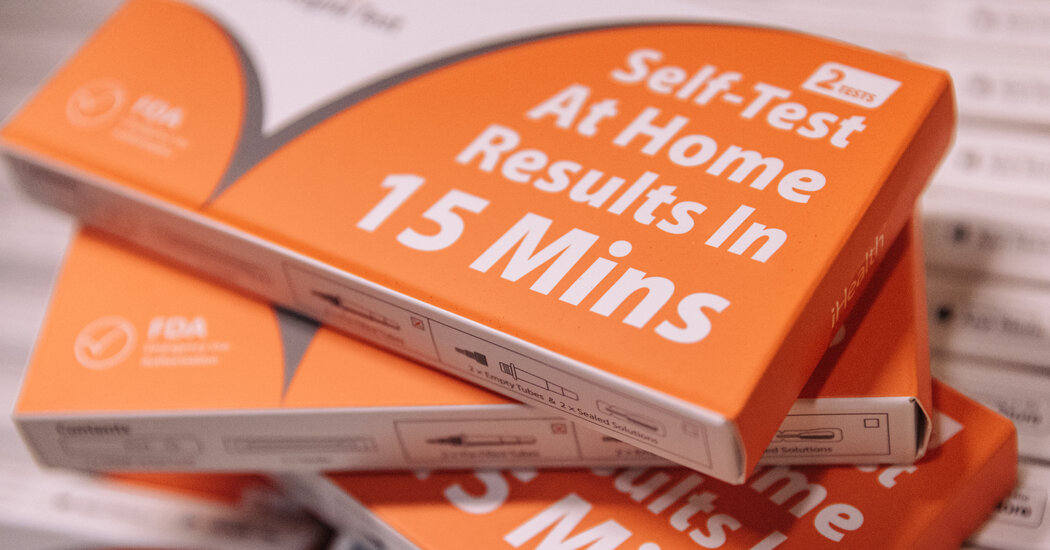
The White House is now letting households order a second round of at-home coronavirus tests, saying that testing remains important even as cases plummet.WASHINGTON — The Biden administration on Tuesday formally began allowing Americans who had ordered free coronavirus tests this winter to request a second round of four tests per household, through the same U.S. Postal Service program that President Biden unveiled in January.The move, which Mr. Biden had promised last week during his State of the Union address, followed a crush of interest in the program when it debuted in January. At the time, case rates had skyrocketed because of the Omicron variant and tens of millions of households scrambled to obtain the free tests.Now, with supply outpacing demand and virus cases on a steep decline, White House officials and public health experts say it will require significant effort to sustain interest in testing — and ensure that manufacturers keep producing tests.“People were able to sell tests like hot cakes over Omicron,” said Gigi Gronvall, a testing expert at Johns Hopkins University. “They were able to gouge prices. It’s now, when the libraries can’t give them away, that the government needs to make sure that the manufacturers don’t pull out, like what happened before Delta.”The supply of rapid at-home tests has ballooned in recent weeks. Federally authorized manufacturers had the ability to make an estimated 535 million tests last month and 462 million this month, said Mara Aspinall, an expert in biomedical diagnostics at Arizona State University who is also on the board of OraSure, which makes rapid Covid tests.Tests are now easier to find in pharmacies and at many community sites. And the majority of American households ordered free tests from the Postal Service website over the last seven weeks, said Dr. Tom Inglesby, the White House’s testing coordinator. More than 275 million tests have been delivered to nearly 70 million households, with more than 5,000 Postal Service employees in fulfillment centers packing and shipping them.But federal funding for at-home tests is now lapsing, Dr. Inglesby said, meaning that lawmakers would have to commit more to prepare for possible outbreaks. As part of its new coronavirus response strategy, the administration requested $22.5 billion from Congress, including funds for testing.“Testing does not just happen on its own. We’ve seen that a couple of times now, that when testing demand goes down, industry also reduces its output,” Dr. Inglesby said. “We saw with Omicron that we have very little time to react to a surge. We had a matter of weeks to scale manufacturing again. And that is not possible without industry being prepared.”The Biden administration is still working to secure enough tests to fulfill Mr. Biden’s pledge during the Omicron surge to purchase a billion of them for free distribution, not all of which may be allocated to the Postal Service program, White House officials said. The federal government has begun adding to a stockpile of tests, Dr. Inglesby said.The administration recently sent test manufacturers a “request for information,” essentially asking what it will take for them to sustain manufacturing during a quieter phase of the pandemic.“We are fully committed to supporting the testing infrastructure in a way that does not let it lapse or diminish in times of quiet,” Dr. Inglesby said.Public health experts and lawmakers roundly criticized the White House late last year for not buying more at-home tests sooner, which they said could have helped meet demand when the Omicron variant arrived late last year. When Omicron began spreading, long lines formed around the country as grocery and pharmacy shelves emptied of tests.Residents waited in lines to be tested in Washington in December, as the Omicron variant surged. But cases have plummeted since then.Kenny Holston for The New York TimesThe Biden administration has since purchased hundreds of millions of them from a cluster of large manufacturers, while more manufacturers have won authorization for their tests. While some Americans received tests within days of the Postal Service website going live, many got them weeks after placing orders, long after the peak of the Omicron wave. The timing, which some experts said diminished their value, was the result of manufacturers having to scale up to deliver the tests, Dr. Inglesby said.The next tranche of tests should be available with a “pretty rapid turnaround,” he added.Public health experts said the tests, however late they arrived, had important purposes beyond diagnosing infections. Lindsey Dawson, a policy analyst at the Kaiser Family Foundation who has studied rapid test availability, said the mail program had helped shift the perception of rapid tests from a scarce luxury to a normal, accessible resource.“Just making somebody familiar, like, ‘Oh, this isn’t so intimidating. I can have these at home. I can use them for myself. I can use them on my child and move about the world in a way that feels more secure,’” she said of the mass distribution.The Centers for Disease Control and Prevention still recommends using at-home tests after being exposed to the virus, when experiencing Covid symptoms, or before indoor gatherings with vulnerable people.Other components of the Biden administration’s pandemic response will rely on testing, such as the “test to treat” initiative, which allows Americans to get tested at pharmacies, community health centers and long-term care facilities, and to receive antiviral drugs on the spot if they test positive.Some public health experts, meanwhile, have warned that after the C.D.C. recently relaxed mask recommendations for much of the country, people might take more risks that could expose them to the virus, even when there is less of it around. Millions of Americans have immune deficiencies, and the youngest children are still ineligible for vaccination.Christina Rondinone, a stay-at-home mother in Jupiter, Fla., has maintained a small stockpile of tests in recent months, from a nearby pharmacy and the Postal Service program. She plans to order four more tests from the government, which she can use before visiting her father, who has lung and kidney disease and requires dialysis, putting him at risk of severe Covid. Ms. Rondinone, 35, said the tests were akin to a first-aid kit in her home; she would like to start using them after attending crowded indoor events without a mask, she added.Ms. Aspinall, the manufacturing expert, said rapid tests were used as much as seven times more often than P.C.R. tests on a weekly basis during the Omicron wave — a big change. But she warned that without as much demand in the coming weeks and months, manufacturers would likely produce fewer of them. Companies would have to continue committing substantial manpower to the effort to sustain production levels, she said, coming off a period when they worked “24/7” to meet demand.The Biden administration on Tuesday formally began allowing Americans who received a first batch of four at-home coronavirus tests this winter to order a second round.Doug Mills/The New York Times“No one wants to be caught out where they were a year ago,” she said. “Companies are more aggressive in managing their supply chain than they ever have been.”The federal government in January also began requiring private health insurers to cover the costs of at-home tests for their members. Dr. Mark McClellan, a Duke University health policy professor who has studied the rollout of the reimbursement program, said it showed signs of promise but that at this quieter point in the pandemic, it is unclear how long the program will remain in place.Dr. Gronvall, the Johns Hopkins testing expert, said she hoped the high demand for Covid tests in recent months encouraged manufacturers and policymakers to see “that there’s a real utility to having these at-home tests, and not just for Covid.”She added, “I would really love to see more tests, so that people can test if they have the flu.”

Read more →

Texas Youth Gender Clinic Closed Last Year Under Political Pressure

A Texas clinic for transgender adolescents closed last year amid pressure from the governor’s office, hospital officials said in phone recordings.On a tense conference call last November with half a dozen doctors and executives at the University of Texas Southwestern Medical Center, Dr. John Warner relayed a somber message: The only specialty clinic in the state to treat transgender adolescents was facing unrelenting political pressure to close.State lawmakers had already sent formal inquiries about the clinic, Genecis, which was financed by the public university and housed at Children’s Medical Center in Dallas. Activists calling the clinic’s treatments “chemical castration” had shown up at the office of one of the children’s hospital’s board members.And then there was Gov. Greg Abbott.“We received a reach from the governor also requesting information about the clinic,” said Dr. Warner, an executive vice president at the medical center, according to a recording of the call obtained by The New York Times. “And with that came an expectation that something different would occur.”“Time is not on our side,” he added. “The conversation is intensifying — not the reverse.”The next week, hospital executives closed the clinic, taking down its website before staff members or patients were informed of the change.The demise of the clinic, which saw around 500 patients in 2021, shows how treatments for transgender minors have become a highly contentious issue in Republican-controlled states across the nation, with elected officials challenging widely accepted medical practices in an echo of the debate over abortion.That fight has reached a fever pitch in Texas.Days before he won a contentious Republican primary last week, Mr. Abbott and the Texas attorney general directed the state’s child welfare agency to investigate “‘sex change’ procedures and treatments” as child abuse, arguing that even hormone therapy should be considered an “abusive procedure.” The directive drew sharp criticism from medical groups and a swift lawsuit from civil rights groups, which said the directive violated the rights of transgender adolescents and their parents.But months ago, before these moves were making national headlines, executives at U.T. Southwestern were discussing closing down Genecis because of what they described as direct outreach from the governor’s office, according to recordings of several phone discussions among hospital executives obtained by The Times.What the governor’s office purportedly said to pressure the hospital’s leadership is unclear.When asked about these interactions, U.T. Southwestern said in an emailed statement that the governor was not personally involved. But the hospital did not answer questions about whether Mr. Abbott’s office had contacted hospital executives. “Inquiries regarding actions by the Governor’s Office should be directed to the Governor’s Office,” the statement said.Mr. Abbott’s office did not answer questions about the substance of these conversations or whether they took place, but it denied involvement in U.T.’s decision to close Genecis.“The Governor’s Office was not involved in any decision on this issue,” Nan Tolson, a spokeswoman, said in an email. Genecis, the only pediatric gender clinic in Texas, was housed in the Children’s Medical Center in Dallas.AlamySince its founding in 2014, the Genecis clinic had offered patients aged 5 to 21 counseling, pediatric care and, starting at adolescence, puberty-blocking drugs and hormones. (The clinic did not perform surgeries.) With no other options for such comprehensive care, the clinic was sought out by families across the state. It also published scientific research about its patients.“The Genecis clinic has been a leader in producing data about the youth they see — data that everyone on every side of this issue has argued that we need,” said Kristina Olson, a psychologist at Princeton University who studies gender development in children.Early evidence suggests that these hormone treatments, part of what’s known as “gender affirming” care, improve the mental health of trans teenagers. But few studies have looked at the long-term outcomes of adolescents who take these medications, which may also come with risks, like fertility loss.Gender-affirming care has been endorsed by major medical groups in the United States. Although some doctors have debated which adolescents will benefit most from such treatments, many say that the decision to take them should be made by patients, their parents and their health care providers, not the state.Legal experts have also questioned whether shutting down the clinic could constitute discrimination under federal statutes. Pediatric endocrinologists around the country — including those at U.T. Southwestern — routinely prescribe similar drug regimens to children with hormonal disorders who are not transgender.“The U.S. Supreme Court has held in the ‘Bostock’ case that discriminating because of sex does include gender identity,” said William Eskridge, a professor at Yale Law School. “Ultimately they are denying medical care based upon gender identity.”The federal government has taken a similar stance. “Denials of health care based on gender identity are illegal, as is restricting doctors and health care providers from providing care because of a patient’s gender identity,” according to a statement released last week by the Department of Health and Human Services.On the campaign trail in Texas, transgender health care has often come to the forefront. Last summer, after legislation that would have banned such treatments for minors failed in the state legislature, Mr. Abbott’s primary opponent, Don Huffines, attacked the governor for not taking a bolder stance in favor of the bills.Weeks later, Mr. Abbott said on a conservative radio program that although the bills had not passed, he could “game the odds” and had “another way of achieving the same exact thing.”On a call with other hospital leaders around the same time, Dr. Warner said that hospital executives had been responding to “some questions from the governor’s office” as well as from state lawmakers, according to a recording obtained by The Times. The executives discussed how they would try to keep the clinic open in some capacity despite political pressure to close it.“There is the possibility that we as a state agency cannot provide this care,” Dr. Warner told the group on the July call. “So the question we’re going to be asking of ourselves is what should U.T. Southwestern do as a state agency that provides the most benefit to the kids but also protects the institution.”But in another call several months later that was also recorded, any possibility of the clinic staying open seemed gone.“I do not think that in our current circumstances that — without some modification of the clinic — that it would be allowed to continue,” Dr. Warner said on the November call. “People will come after it until it’s gone.”U.T. Southwestern and Children’s Health took down the Genecis website on Nov. 11. A week later, staff members were told that existing patients could still be treated at the hospital, but no new patients could be accepted. The decision was made without consulting the medical center’s ethics boards.Texas’s Push Against Gender-Affirming TreatmentsCard 1 of 6Limiting trans care.

Read more →

Physical activity may protect your brain as you age

We all know we should exercise and eat healthy. But doing that isn’t just good for maintaining your figure as you age.
New research from the University of Georgia shows that physical activity could help protect your cognitive abilities as you age. And it doesn’t have to be intense exercise to make an impact.
“This finding isn’t saying, ‘If you’re older, you need to go out there and start running marathons,'” said Marissa Gogniat, lead author of the study and a recent doctoral graduate in psychology from the Franklin College of Arts and Sciences. “This is saying if you get more steps, if you’re moving around your environment a little bit more, that can be helpful to your brain health and keep you more independent as you age.”
Exercise improves brain function
Published in Sport Sciences for Health, the study followed 51 older adults, tracking their physical activity and fitness measurements. The participants performed tests specifically designed to measure cognitive functioning and underwent MRIs to assess brain functioning.
They also wore a device that measured the intensity of the wearer’s physical activity, number of steps taken and distance covered. The researchers assessed fitness through a six-minute walking test, during which participants walked as quickly as they could to cover the most distance possible within the time limit.

Read more →

Student researchers discover genes unique to humans in search for source of our evolutionary distinctiveness

A team of student researchers from John Jay College of Criminal Justice has discovered human microRNA genes not shared with any other primate species and which may have played an important role in the unique evolution of the human species. The students, under the direction of John Jay Professors Dr. Hunter R. Johnson and Dr. Nathan H. Lents, found at least three families of microRNA genes on chromosome 21.
The team utilized genome alignment tools to compare the most recent drafts of human and chimpanzee genomes, meticulously scanning for novel genetic elements unique to humans. Beginning with the smallest human chromosome, chromosome 21, the researchers were surprised to find a large region of human-unique DNA, called 21p11, that harbors several orphan microRNA genes.
Although the team found that the long arm of human chromosome 21 aligns well with that of other extant ape species, the short arm aligned poorly, suggesting that this region of the human genome has recently and substantially diverged from that of other primates.
According to their analysis of prehistoric human genomes, these changes predate the divergence of Neanderthals and modern humans. The genes also show little to no sequence-based variation within the modern human population. The team therefore theorized that the microRNA (miRNA) genes found in that region [miR3648 and miR6724] likely evolved in the time since the chimpanzee and human lineages split, sometime in the last seven million years, and are specific to humans.
Using computational tools, the team discovered with a high degree of likelihood that the predicted gene targets of the relevant miRNAs are related to embryonic development. Both miR3648 and miR6724 have been detected in tissues throughout the human body, including the brain, and may conceivably play a role in the evolution of humankind’s most unique organ. The findings point to the intriguing idea that these microRNA genes contributed to the distinct evolution of our species and the uniqueness of humankind.
“Understanding the genetic basis for human uniqueness is an important undertaking because, despite sharing nearly 99% of our DNA sequences with the chimpanzee, we’re remarkably different organisms,” said student researcher José Galván. “Small post-transcriptional regulatory elements like miRNAs and siRNAs [small interfering RNA] are under-appreciated and often misunderstood in the effort to understand our genetic differences.”
Thanks to their small size and structural simplicity, miRNA genes have fewer barriers to de novo creation than other gene types. MicroRNA genes can be extremely prolific in their regulation of other genes, meaning that modest changes to DNA sequence can result in wide-ranging impacts to the human genome. The creation of miR3648 and miR6724 serve as excellent examples of this process. This study revealed a new possible mechanism for the creation of new miRNA genes through duplications of rRNA genes, which calls for further research on how general this phenomenon may be.
The study’s co-authors include Dr. Nathan H. Lents, Professor of Biology at John Jay College of Criminal Justice, Dr. Hunter Johnson, Associate Professor of Mathematics at John Jay College of Criminal Justice, and a team of undergraduate student researchers: Jessica A. Blandino, Beatriz C. Mercado, José A. Galván, and William J. Higgins.
Story Source:
Materials provided by The City University of New York. Note: Content may be edited for style and length.

Read more →