Links between circadian rhythms, metabolism and addiction

A new University of California, Irvine-led study establishes important conceptual connections between the fields of circadian rhythms, metabolism, and addiction. Going beyond current studies on substance use disorders, which focus on the impact of addictive drugs on the brain, this new research highlights an existing connection between specific neurons and peripheral organs.
The study, titled “Dopamine D2 receptor signaling in the brain modulates circadian liver metabolomic profiles,” was published today in the Proceedings of the National Academy of Sciences.
“Our findings provide a link to substance use disorders and metabolic dysfunctions,” explained Emiliana Borrelli, PhD, professor of Microbiology & Molecular Genetics at UCI School of Medicine who, for this study, collaborated with the late Paolo Sassone-Corsi, PhD, professor of Biological Chemistry at UCI. “Through our research we explored how the disruption of normal neuronal functions affects metabolic activity and may move the body to an altered state away from homeostasis, which could contribute to the drug seeking behaviors exhibited by people with substance use disorders.”
By analyzing the liver metabolome of mice deficient in the expression of the dopamine D2 receptor (D2R) in striatal medium spiny neurons, the researchers found profound changes in the liver circadian metabolome compared to control mice. In addition, they found that activation of dopaminergic circuits by acute cocaine administration reprograms the circadian liver metabolome.
“D2R signaling in medium spiny neurons is key for striatal output and is essential for regulating the first response to the cellular and rewarding effects of cocaine,” said Borrelli. “Thus, our results suggest that changes in dopamine signaling in specific striatal neurons evoke major changes in liver physiology. Dysregulation of liver metabolism could contribute to an altered allostatic state and therefore be involved in continued use of drugs.”
The circadian clock is tightly intertwined with metabolism and relies heavily on multifaceted interactions between organ systems to maintain proper timing. Genetic and/or environmental causes can disrupt communication between organs and alter rhythmic activities. Substance use leads to altered dopamine signaling followed by reprogramming of circadian gene expression and metabolism in the reward system.
This study shows that dopamine D2 receptors (D2R) in striatal medium spiny neurons (MSNs) play a key role in regulating diurnal liver metabolic activities. In addition, drugs that increase dopamine levels, such as cocaine, disrupt circadian metabolic profiles in the liver, which is exacerbated by loss of D2R signaling in MSNs. These results uncover a strict communication between neurons/brain areas and liver metabolism as well as the association between substance use and systemic deficits,” said Borrelli.
Substance use disorders affect millions of people worldwide. The rewarding properties of substances, such as alcohol, nicotine, opioids, and psychostimulants, are linked to their ability to increase dopamine levels in brain areas that control emotions and induce pleasure. Drug intake modifies neuronal plasticity and is at the start of the process of addiction, which leads vulnerable individuals to continually seek and abuse these substances despite the adverse consequences on their lives.
This study was funded by grants from the National Institutes of Health under Award Number DA035600 and by the French Institut National de la Sante et de la Recherche Medicale (INSERM).
Future studies will examine whether the alterations in the specific metabolites identified in this study contribute to susceptibility to drug use.
Story Source:
Materials provided by University of California – Irvine. Note: Content may be edited for style and length.

Read more →

Mutations leading to omicron variant did not enable virus to fully escape immune system

People who gained immunity — either through vaccination or exposure — against the original strain of SARS-CoV-2, the virus that causes COVID-19, also are likely to have some protection against the pathogen’s omicron variant. That’s because the mutations that led to the variant’s emergence aren’t found in the regions of the virus that stimulates one type of cellular immune response, says an international research team from Johns Hopkins Medicine, in collaboration with the National Institute of Allergy and Infectious Diseases (NIAID) and ImmunoScape, a U.S.-Singapore biotechnology company.
However, the researchers caution that their finding only relates to one type of cell-mediated immunity — the body’s defense against invaders that doesn’t involve circulating antibodies — and that it may be the antibody-related immune response (known as humoral immunity) that fails when omicron causes so-called breakthrough infections.
The team’s study was published March 1, 2022, in mBio, a journal from the American Society for Microbiology.
“We found in a January 2021 study that in people previously infected with the original COVID strain, specific epitopes [portions of a protein that elicit an immune response] from the virus are recognized by immune system cells known as CD8+ T lymphocytes, or killer T cells, and that this recognition enables a cell-mediated attack on COVID,” says study lead author Andrew Redd, Ph.D., assistant professor of medicine at the Johns Hopkins University School of Medicine and staff scientist at NIAID. “In our latest work, we found that these epitopes remained virtually untouched by the mutations found in the omicron variant. Therefore, the CD8+ T cell response to omicron should be virtually as strong as it was to the initial form of SARS-CoV-2.”
Other research groups in the United States and South Africa have demonstrated very similar results for people previously infected by or vaccinated against the original SARS-CoV-2 strain.
CD8+ T cells are nicknamed killer T cells (they’re also known as cytotoxic T cells) for their ability to eliminate foreign invaders such as bacteria and viruses from the body. The T cells used in the latest study were from blood samples collected in 2020 from 30 patients who had recovered from mild to moderate cases of COVID-19. The convalescent plasma donors had six human leukocyte antigens (cell-surface proteins that regulate the immune system and are part of each person’s genetic profile), Redd says, that are representative of greater than 73% of the U.S. population.

Read more →

Exercise may treat long COVID-induced diabetes, depression

While no medically recognized treatment exists for Long COVID, exercise may break the vicious cycle of inflammation that can lead to developing diabetes and depression months after a person recovers from the virus.
“We know that Long COVID causes depression, and we know that it can increase blood glucose levels to the point where people develop diabetic ketoacidosis, a potentially life-threatening condition common among people with type 1 diabetes,” said Candida Rebello, Ph.D., a research scientist at Pennington Biomedical Research Center. “Exercise can help. Exercise takes care of the inflammation that leads to elevated blood glucose and the development and progression of diabetes and clinical depression.”
It’s unclear how many people suffer from Long COVID. But estimates range from 15 percent to 80 percent of the people infected. Based on those figures, it’s possible that as many as 1 million of Louisiana’s residents suffer from Long COVID.
Long COVID causes what the Centers for Disease Control describes as “a constellation of other debilitating symptoms” including brain fog, muscle pain, and fatigue that can last for months after a person recovers from the initial infection.
“For example, a person may not get very sick from COVID-19, but six months later, long after the cough or fever is gone, they develop diabetes,’ Dr. Rebello said.
One solution is exercise. Dr. Rebello and her co-authors describe their hypothesis in “Exercise as a Moderator of Persistent Neuroendocrine Symptoms of COVID-19,” published in the journal Exercise and Sport Sciences Reviews.
“You don’t have to run a mile or even walk a mile at a brisk pace,” Dr. Rebello said. “Walking slowly is also exercising. Ideally, you would do a 30-minute session of exercise. But if you can only do 15 minutes at a time, try to do two 15-minute sessions. If you can only walk 15 minutes once a day, do that. The important thing is to try. It doesn’t matter where you begin. You can gradually build up to the recommended level of exercise.”
“We know that physical activity is a key component to a healthy life. This research shows that exercise can be used to break the chain reaction of inflammation that leads to high blood sugar levels, and then to the development or progression of type 2 diabetes,” said Pennington Biomedical Executive Director John Kirwan, Ph.D., who is also a co-author of the paper.
This work was supported in part by award number 1K99AG065419-02 from the National Institute on Aging of the National Institutes of Health and from the National Institute of General Medical Sciences of the National Institutes of Health, which funds the Louisiana Clinical and Translational Science Center through award number U54 GM104940. The content is solely the responsibility of the authors and does not necessarily represent the official views of the sponsors or the National Institutes of Health.
Story Source:
Materials provided by Pennington Biomedical Research Center. Note: Content may be edited for style and length.
Read more →

How Do I Get My Sex Drive Back?

Q: Are there any proven treatments for low libido in women?“Proven” is a strong word — and one that makes scientists squeamish. But it is safe to say that there is “very strong evidence” for increasing sexual desire through certain types of psychological interventions like cognitive behavioral therapy and mindfulness meditation, said Lori A. Brotto, a psychologist and professor at the University of British Columbia in Vancouver and a renowned expert in women’s sexual health.When it comes to medications, however, it’s a different story.In recent years, two new medications for women with low libido have been approved by the U.S. Food and Drug Administration, “though their efficacy is marginally better than a placebo,” said Dr. Stacy Tessler Lindau, a gynecologist at the University of Chicago Medicine and the creator of WomanLab, a website about sexual health.These drugs, flibanserin (a pill) and bremelanotide (an injection that is self-administered about 40 minutes before sexual activity), were approved for the “very small subset of women” who are premenopausal, have low libidos and do not have any identifiable physical, mental or relationship problems, Dr. Lindau said. “They may have modest benefit, but they also come with side effects and cost,” she added. “So far, insurance coverage has been limited.”In the end, the most beneficial solution will depend on the reason you are experiencing low libido and why you consider your libido to be a problem.Talk to a doctor to rule out any new health problems.For older women, loss of estrogen during menopause is commonly associated with a change in libido because it can cause vaginal dryness and tightness that can make intercourse painful. Some women also find it more difficult to get aroused. And when menopause is accompanied by hot flashes and night sweats, that can make sex seem less appealing too.Untreated conditions like depression and anxiety can also be problematic for libido. However, some medications, including certain antidepressants, have been shown to negatively affect sexual desire, arousal and orgasm. So it’s best to speak to your doctor about all of the available options.Certain medical procedures may also lower libido, for example if a woman had her ovaries removed or her estrogen blocked to treat cancer.“When possible, replacing estrogen can be a helpful adjunct to addressing low libido in some women,” Dr. Lindau said, as can lubricants, exercise and speaking with a therapist.The hormone testosterone may also improve sexual function in postmenopausal women who are distressed by a chronic loss of interest in sex, but there is limited data on its safety and effectiveness.Oftentimes, problems with libido are not purely physical. Stress is one of the most common reasons a woman’s sex drive plummets, the experts said. Low libido also can stem from energy and sleep issues, body image, relationship quality, gender inequities and other concerns.“I would encourage people complaining of low desire and those who hear the complaints to think about all the influences that exist on desire, including and beyond inside bodies,” said Sari van Anders, a professor who studies sexuality and testosterone at Queen’s University in Ontario. “Desire does not just come from a drive within our bodies, it reflects and responds to all sorts of life and societal situations.”An journal article written last year by Dr. van Anders, Dr. Brotto and others suggested that four factors, each influenced by societal expectations of women, contribute to the low sexual desire experienced by women in heterosexual relationships. They are inequitable divisions of household labor, the tendency for women to take on a caregiver-mother role with their male partners, an emphasis on a woman’s appearance over her own sexual pleasure — which can make her own feelings of desire contingent upon her perceived desirability — and gender norms that influence which partner initiates sex. For example, women are not typically socialized to initiate sex or prioritize their own pleasure, and they may feel uncomfortable experiencing or initiating pleasure unrelated to penetrative intercourse.The paper also noted that “low desire” might mean different things to different people. Some people want sex more than others, and it is normal for sexual desire to fluctuate over the years. The experts suggest asking yourself: Are you dissatisfied with the amount of sex that you crave? If so, why?“Low erotic desire is not a problem in and of itself unless and until partners, health professionals, media and/or culture make it into one,” Dr. van Anders said. “A promising way forward is to consider that low desire itself may reflect a problem, for those who aren’t asexual, rather than be a problem in and of itself.”For example, some women may be concerned not about their own lack of desire but about a mismatch between their libido and a partner’s higher libido.“If their discrepant desire is creating a problem for the relationship, then a couples sex therapy approach is warranted,” Dr. Brotto said.If therapy is not possible — perhaps you cannot find a therapist with openings or one who is affordable — then Dr. Brotto suggested having a conversation with your partner about planning to have sex during times when the person with lower desire feels most ready to do so, and increasing the amount of sexual activities that do not involve penetration. These activities may be more likely to provide pleasure to the person who has less desire.And here’s another thing to keep in mind: Feeling like you’re not in the mood doesn’t necessarily mean that you have less desire or that your level of desire is somehow insufficient. Not everyone experiences desire, then arousal. Some people need to be aroused first to experience desire.“Libido has historically been equated with spontaneous sexual desire — that feeling of wanting sex that happens out of the blue,” Dr. Brotto said. “It is far less common than responsive desire — the kind of desire that is present after a sexual encounter begins.”If you tend to feel physical arousal first and mental desire second, don’t just wait for the sudden urge to have sex.Instead, set aside time to be intimate and prepare to put yourself in the right mind-set to connect physically with your partner. This might involve taking time out of your day to think about sex, masturbating, listening to a musical playlist that makes you feel sexual or watching a movie that arouses you.Talk with your partner about the different types of desire (spontaneous versus responsive) and the specific things that help you get in the mood. That way, your partner will also be thinking about how to help you build feelings of desire rather than just jumping right into it. The more you understand and respond to each other’s needs, the better your sex life will become.Finally, being mindful — a practice that helps you remember to return to the present when you become distracted — can be especially helpful when you are thinking about sex or engaging in sexual activity.“Cultivating attention to the present moment is really important for the brain-body connection that gives way to sexual response,” Dr. Brotto said.

Read more →

As the Omicron Wave Subsides, Travel Insurance Claims Crawl

Getting a decision on a claim has become the latest problem consumers are experiencing with travel insurance. Here’s how to avoid delays.Before the pandemic, Lauren Mack, 44, a writer based in New York City, “did not routinely purchase travel insurance,” she wrote in an email. Covid-19 convinced her otherwise, and of six trips taken since the onset of the pandemic, she has had to file claims for three — twice for weather delays and once because her travel companion tested positive for the virus. Two are still under review, and the first took nearly two months from claim to reimbursement.Though understanding what’s covered under travel insurance and what’s excluded continues to trip up consumers, comprehensive and “cancel for any reason” policies have emerged as a way to hedge nonrefundable bookings and seek restitution for travel interruptions as travel continues to be buffered by coronavirus waves and uncertainties related to the war in Ukraine. (Most travel insurance policies exclude war and civil unrest and will not protect your investment should the conflict in Ukraine spill over to neighboring countries.)Now, getting a decision — or even an update — on a claim has become the latest problem consumers are experiencing with travel insurance, whether it has anything to do with Covid or not.“The vetting and approval process of claims has slowed as a result of the pandemic,” said Kendra Thornton, the owner of Royal Travel & Tours, a travel agency based in Winnetka, Ill., who attributes the slowdown to the volume of claims. “Approved claims that typically used to be paid in under two months are now taking as much as five or more months.”‘A safety net’As Americans prepare to travel in large numbers again — Destination Analysts, a market research firm, recently found that more than 93 percent of Americans were planning a vacation in the next 12 months — many are considering travel insurance. Depending on the destination, you may be required to buy it; Belize, Fiji and Singapore are among those countries that require travel medical insurance to cover expenses should you contract the virus while visiting.Cover Genius, an insurance technology company that embeds insurance sales during the course of booking travel at sites like Booking.com and Icelandair.com, saw sales increase six times over in 2021 compared to prepandemic figures. At WorldTrips, sales of travel medical insurance have spiked 67 percent for 2022 trips compared to 2019. The travel insurance company Seven Corners said sales were up 200 percent already in 2022 compared to the same period in 2021.“Definitely with Omicron, we are busy getting questions and calls from customers asking what might be covered, and we have seen sales pick up over the past few months,” said Meghan Walch, the product manager for InsureMyTrip.com, an online marketplace for travel insurance that allows shoppers to filter for policies that cover Covid-19. “People are looking to get out there and learn how to travel now.”Traditional insurance dealers aren’t the only ones chasing new buyers. In January, Marriott hotels teamed up with the insurer Allianz to offer travel insurance. When making a hotel booking online, travelers will be offered an insurance option at checkout. Beyond the cost of the room itself, the insurance can cover the total trip cost, which could include ski lift tickets and prepaid nonrefundable tours. The cost of the insurance is charged immediately, though the hotel rate is normally not due until the date of travel.This spring, Airbnb plans to offer travel insurance that will cover the nonrefundable portions of a stay booked through the platform. It also recently launched a protection plan for travelers who are unable to travel because of Covid-related travel disruptions, such as border closures or quarantine requirements, that were not in place at the time of booking; in those cases, if an Airbnb reservation is not refundable, the company will offer a coupon for 50 percent of the cost of the nonrefundable part of the reservation for future use. Seemingly designed to cover the Omicron surge, the program runs to April 30 or until its $20 million fund is depleted.“People are now more learned about travel insurance providing a safety net if they want to travel,” said Rajeev Shrivastava, the chief executive of VistorsCoverage.com, an online marketplace for travel insurance. “There’s been a huge jump in sales, but also in inquiries.”Clogged by claimsWhile travel insurance is becoming more ubiquitous, getting a timely response to a claim remains a challenge.From the time a traveler files a claim to the time the insurer first responds varies, but typically takes five to 10 days, according to experts.But virus surges, most recently Omicron, have clogged the system. At the online travel insurance retailer Squaremouth, about 27 percent of claims have been related to Covid-19 since the beginning of the pandemic. Currently nearly 40 percent are Covid-related.“As an industry, we have seen an unprecedented spike in the number of Covid-related claims over the last two-plus years, which at times has translated into a backlog for many member companies who have been working around the clock to help their customers,” according to a statement provided by the U.S. Travel Insurance Association, a nonprofit trade group. “With the spike in claims, companies are increasing staff; however, new staff added must be trained and licensed prior to being allowed to adjudicate claims.”Seven Corners is one of these, recently hiring seven new employees who are being trained in handling claims, for a total of 24.“We’re trying to get ahead of any surge to come,” said Jeremy Murchland, the president of Seven Corners.Marc Devens, a software product manager living in Jersey City, N.J., remains loyal to Seven Corners based on a substantial medical claim he and his wife made while living in China several years ago, which was handled efficiently. But last fall, he had trouble reaching someone at the company to update a policy for a December scuba diving trip to the Caribbean, though eventually it was ironed out and the trip came off without a problem.Travel Trends That Will Define 2022Card 1 of 7Looking ahead.

Read more →

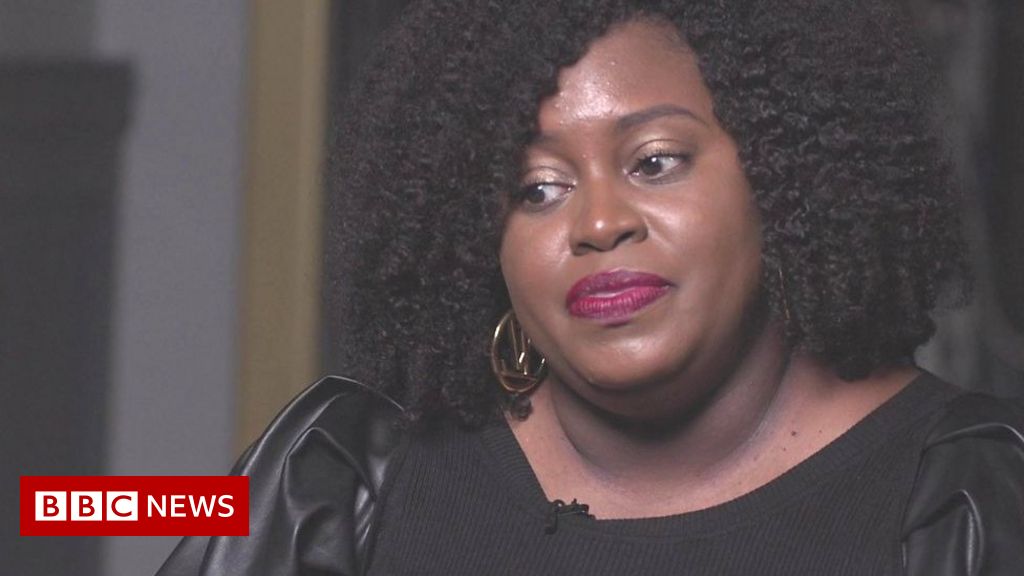
Pregnancy loss: 'I just don't think we're being listened to'

The BBC spoke to four black women about their experiences with pregnancy loss in the US healthcare system. Miscarriage rates are 40% higher in black women compared to white women, one study found. After her own experience with loss, Erica McAfee founded Sisters in Loss to provide support after miscarriage and advocate for black maternal health.If you or someone you know has been affected by this story visit sistersinloss.com.

Read more →

Flu Vaccine Was Not Very Effective This Season, the C.D.C. Says

The vaccine was only about 16 percent effective at reducing a person’s chance of getting a mild or moderate infection, the agency said. Experts said a good rate would be at least 50 percent.This season’s flu vaccine has offered little to no protection against getting a mild or moderate case of influenza, the Centers for Disease Control and Prevention said this week.In a study of more than 3,600 Americans in seven states, the C.D.C. said in a report that the vaccine was only around 16 percent effective, a rate that it said was “not statistically significant.”“It’s not ineffective, but it’s clearly suboptimal in its efficacy,” Dr. Jesse L. Goodman, a former chief scientist at the Food and Drug Administration, said on Thursday. He reviewed the report but was not associated with it.Still, despite the vaccine’s lackluster performance this season, which started in October and lasts through May, the C.D.C. suggested that people get inoculated, saying that it could “prevent serious outcomes.”Scientists had warned in 2020 that the flu season, if it was severe, could possibly converge with Covid to create a dreaded “twindemic.” But coronavirus restrictions — including working from home and the use of masks — along with a high flu vaccine rate may have helped reduce caseloads the last few seasons, during which, the C.D.C. said, cases have been at a record low.Still, even a mild flu season can be devastating. The C.D.C. estimated that during the 2019-20 flu season, around 22,000 people in the country had died and 400,000 had been hospitalized.This season, the agency said, “influenza activity” declined in December and January, during the worst of the Omicron surge, but increased in early February.In October and November of 2021, the agency investigated a flu outbreak at the University of Michigan, where there were 745 cases, mostly involving students who had not been vaccinated against the flu. Investigators there also found that the vaccine did not offer much protection.Dr. Goodman said that this season’s results showed how much flu vaccines could be improved.“The next pandemic could be an influenza pandemic,” Dr. Goodman said, “so we need better vaccines.”Every year, scientists decide whether they need to update the flu vaccine to protect against the strains that they predict will dominate the upcoming season.The low efficacy rate this season, Dr. Goodman said, “suggests that there was a mismatch between the strains of virus in the vaccine and what’s circulating.”Scientists updated this season’s vaccines to offer protection against four flu viruses, including H3N2, which ended up being this season’s dominant strain, the report said. H3N2 was also dominant during the 2017-18 flu season, which experts had said was “moderately severe.”Since the agency began calculating the vaccine’s effectiveness in 2004, the efficacy rate has been as high as 60 percent — for the 2010-11 season — and as low as 10 percent, during the first season the C.D.C. tracked it. Dr. Goodman said he would consider a rate between 50 and 80 percent to be good.The flu is a life-threatening respiratory illness that can fill up hospital beds. It shares symptoms with Covid, including fever, coughing, a sore throat and fatigue. Adults 65 and older, pregnant people, immunocompromised people and children under 5 are most at risk of the flu.

Read more →

Covid deaths probably three times higher than records say

SharecloseShare pageCopy linkAbout sharingImage source, Getty ImagesMore than 18 million people – three times higher than official records suggest – have probably died because of Covid, say researchers.Their report comes two years to the day from when the World Health Organization first declared the pandemic. The Covid-19 excess mortality team at the US’s Washington University studied 191 countries and territories for what they call the true global death figure. Some deaths were from the virus, while others were linked to the infection. This is because catching Covid might worsen other pre-existing medical conditions, such as heart or lung disease, for example. The measure used is called excess deaths – how many more people have been dying than would be expected compared to recent years, before the pandemic hit.How are different countries faring with Covid?How new drugs are finally taming the virusTo calculate this, the researchers gathered data through searches of various government websites, the World Mortality Database, the Human Mortality Database, and the European Statistical Office.Rates of excess deaths are estimated to have varied dramatically by country and region, but the overall global rate calculated in the study is 120 deaths per 100,000 people. That would mean about 18.2 million deaths have happened because of Covid in the two years between the start of 2020 and the end of 2021 – three times as many as the official 5.9 million that have actually been recorded. Excess death estimates were calculated for the full study period only, and not by week or month, because of lags and inconsistencies in reporting of Covid death data that could drastically alter the estimates, the investigators stress.According to the research, which is published in The Lancet, the highest rates were in lower income countries in Latin America, Europe and sub-Saharan Africa. But deaths were also fairly high in some high-income countries, such as Italy and parts of the US.The five countries with the highest estimated excess death rates were:Bolivia Bulgaria Eswatini North MacedoniaLesothoThe five with the lowest were:Iceland AustraliaSingapore New ZealandTaiwanFor the UK, the estimated total number of Covid-related deaths in 2020 and 2021 was similar to official records at about 173,000, with an excess mortality rate of 130 people per 100,000.Lead author Dr Haidong Wang, from the Institute for Health Metrics and Evaluation, said: “Understanding the true death toll from the pandemic is vital for effective public health decision-making.”Studies from several countries, including Sweden and the Netherlands, suggest Covid was the direct cause of most excess deaths, but we currently don’t have enough evidence for most locations.”Further research will help to reveal how many deaths were caused directly by Covid, and how many occurred as an indirect result of the pandemic.” The researchers predict that excess mortality linked to the pandemic will decline, thanks to vaccines and new treatments. But they warn that the pandemic is not yet over. And new, dangerous variants of the virus could emerge.More on this storyHow new drugs are finally taming the virusGlobal Health Data ExchangeThe BBC is not responsible for the content of external sites.

Read more →

Cellular therapy improves signs and symptoms of Duchenne muscular dystrophy

A clinical trial at UC Davis Health and six other sites showed that a cellular therapy offers promise for patients with late-stage Duchenne muscular dystrophy (DMD), a rare genetic disorder causing muscle loss and physical impairments in young people.
The therapy appears to be safe and effective in stopping the deterioration of upper limb and heart functions. It is the first treatment to lead to meaningful functional improvements in the most severe cases of DMD patients.
“HOPE-2 is the first clinical trial to test systemic cell therapy in DMD,” said Craig McDonald, the trial’s national principal investigator and lead author on the study. McDonald is the professor and chair of physical medicine and rehabilitation and professor of pediatrics at UC Davis Health. “The trial produced statistically significant and unprecedented stabilization of both skeletal muscle deterioration affecting the arms and heart deterioration of structure and function in non-ambulatory DMD patients.”
Findings from the trial were published today in The Lancet.
Cellular therapy for muscular degeneration
In the Phase II clinical trial, the researchers used Capricor Therapeutics’ CAP-1002 allogeneic cardiosphere-derived cells (CDCs) obtained from human heart muscles. These cells can reduce muscle inflammation and enhance cell regeneration.

Read more →

Home-based flu tests as accurate as rapid diagnostic testing in clinical settings

Home-based, self-administered tests for influenza are comparable in accuracy to rapid diagnostic tests in clinical settings, according to a recently published, peer-reviewed study.
“Home tests are a valuable tool to support the management of influenza and other respiratory infections,” said Matthew J. Thompson, professor of global health and family medicine at the University of Washington School of Medicine in Seattle. Thompson is the senior author on the study and a primary-care physician at UW Medicine.
“The tests facilitate earlier diagnoses and reduce the time from the onset of symptoms to patients seeking appropriate care,” he said.
More than 600 Seattle-area residents participated in the 2020 study between February and the end of May. Participants were mailed influenza testing kits. After swabbing their noses, they either recorded the results through an app, or returned the kits to the lab of Lea Starita in the Brotman Baty Institute of Precision Medicine. Starita is an assistant professor of genome sciences at the UW School of Medicine, and one of the study co-authors.
The researchers determined that sensitivity and specificity of the self-test were comparable with those of influenza rapid diagnostic tests used in clinical settings. False-negative results were more common when the self-test was administered after 72 hours of the appearance of symptoms, but were not related to inadequate swab collection or severity of illness.
“This study underscores the imperative of expanding access to testing and lowering the costs,”
Story Source:
Materials provided by University of Washington School of Medicine/UW Medicine. Original written by Dean Owen. Note: Content may be edited for style and length.
Read more →