Study shows effectiveness of pill form of remdesivir to treat COVID-19 in mice

Scientists at the University of North Carolina at Chapel Hill are testing a new route for remdesivir, a pill form of the COVID-19 treatment that’s given to half of all hospitalized patients with the disease.
In Science Translational Medicine, researchers describe laboratory tests that show a modification of remdesivir was as effective as molnupiravir, another oral antiviral, at reducing disease in mice. Further, the new drug compound can be adapted into a pill designed to halt coronaviruses before they multiply and cause severe disease.
The current form of remdesivir must be given intravenously. But an oral version could extend its reach and benefits to patients outside of the hospital, said senior study author Timothy Sheahan, a virologist at UNC Gillings School of Global Public Health.
“Oral antiviral medications have the potential to shorten the duration of disease, potentially diminish transmission and prevent hospitalization if taken early enough,” Sheahan said.
Remdesivir works by blocking the machinery the virus needs to make copies of itself and spread throughout the body.
The compound tested at UNC-Chapel Hill is a prodrug named GS-621763 which can quickly turn into remdesivir inside the body. It was most protective against SARS-CoV-2, the virus that causes COVID-19, but was also very effective against MERS-CoV, a related virus that causes Middle East Respiratory Syndrome.

Read more →

Alcohol-Related Deaths Spiked During the Pandemic, a Study Shows

The deaths were up 25 percent in 2020 compared with 2019 as stressors accumulated and treatment was delayed, according to a new report.Almost a million people in the United States have died of Covid-19 in the past two years, but the full impact of the pandemic’s collateral damage is still being tallied. Now a new study reports that the number of Americans who died of alcohol-related causes increased precipitously during the first year of the pandemic, as routines were disrupted, support networks frayed and treatment was delayed.The startling report comes amid a growing realization that Covid’s toll extends beyond the number of lives claimed directly by the disease to the excess deaths caused by illnesses left untreated and a surge in drug overdoses, as well as to social costs like educational setbacks and the loss of parents and caregivers.Numerous reports have suggested that Americans drank more to cope with the stress of the pandemic. Binge drinking increased, as did emergency room visits for alcohol withdrawal. But the new report found that the number of alcohol-related deaths, including from liver disease and accidents, soared, rising to 99,017 in 2020, up from 78,927 the previous year — an increase of 25 percent in the number of deaths in one year.That compares with an average annual increase of 3.6 percent in alcohol-related deaths between 1999 and 2019. Deaths started inching up in recent years, but increased only 5 percent between 2018 and 2019.The study, done by researchers with the National Institute on Alcohol Abuse and Alcoholism, a division of the National Institutes of Health, was published in The Journal of the American Medical Association on Friday. Using information from death certificates, the researchers included all deaths in which alcohol was listed as an underlying or contributing cause. (Only a very small number also involved Covid-19.)“The assumption is that there were lots of people who were in recovery and had reduced access to support that spring and relapsed,” said Aaron White, the report’s first author and a senior scientific adviser at the alcohol abuse institute.“Stress is the primary factor in relapse, and there is no question there was a big increase in self-reported stress, and big increases in anxiety and depression, and planet-wide uncertainty about what was coming next,” he said. “That’s a lot of pressure on people who are trying to maintain recovery.”Among adults younger than 65, alcohol-related deaths actually outnumbered deaths from Covid-19 in 2020; some 74,408 Americans ages 16 to 64 died of alcohol-related causes, while 74,075 individuals under 65 died of Covid. And the rate of increase for alcohol-related deaths in 2020 — 25 percent — outpaced the rate of increase of deaths from all causes, which was 16.6 percent.The alcohol-related deaths went up for everybody — men, women, as well as every ethnic and racial group. Deaths among men and women increased at about the same rate, but the absolute number of deaths among men was much higher.Drug overdose deaths also reached record levels during the first year of the pandemic, with more than 100,000 Americans dying of overdoses during the 12-month period that ended in April 2021, a nearly 30 percent increase over the previous year, according to reports issued in November. The number of deaths from opioids in which alcohol played a role also increased.Young adults ages 25 to 44 experienced the greatest increases in alcohol-related deaths in 2020, rising nearly 40 percent over the previous year, according to the new report.Available data for 2021 indicates that alcohol-related deaths remained elevated, Dr. White said, but he added that it was hard to say whether that indicated a continuation of the trend because alcohol consumption and deaths generally drop in February after the holidays and then trend back up.“Maybe they’ll go back down,” he said, “but this could be the new norm.”The crisis has actually been brewing for years, as drinking among adults has been increasing even as drinking among adolescents has fallen off, said Katherine Keyes, a professor of epidemiology at Columbia University, who was not involved in the study. Mental health struggles were also becoming more prevalent before the pandemic, making people more susceptible to substance abuse.“As with many pandemic-related outcomes, this is an exacerbation of issues that were beginning before the pandemic for many people,” Dr. Keyes said. “Drinking has been going up for 10 or 15 years among adults, and the trend accelerated in 2020, as some of the motivations to drink changed: Stress-related drinking increased, and drinking due to boredom increased.”Adults in their mid-20s to mid-40s with children at home were under increased stress as they juggled remote working and learning, she said; those without children, who generally drink more anyway, may have been contending with more isolation and loneliness.And when people drink at home, she noted, there’s no bartender monitoring the size of the drink — “you have less ability to regulate how much is going into the glass,” she said — and drinking is much less expensive.But it was the inability or reluctance to access treatment during lockdowns and periods when the health care system was overwhelmed that may have deterred those who needed treatment from getting care, said John Kelly, a professor of psychiatry at Harvard Medical School and the director of the Recovery Research Institute at Massachusetts General Hospital.That may have contributed to deaths from alcohol-related liver disease, which accounts for about one-third of alcohol-related deaths, Dr. Kelly said. Other major causes are drug poisoning, which occurs when alcohol is involved in a drug overdose death, and alcohol-related mental and behavioral disorders.Total alcohol sales in the United States by volume increased by 2.9 percent in 2020 over the previous year, the greatest annual increase in sales since 1968, Dr. White said.He called for new approaches to addiction that teach people to cope with stress in a more productive manner.“We are entering an era in public health where we are talking more about promoting wellness and building resilient people,” he said. “What we are doing now is not sufficient. We need to help people live meaningful purpose-filled lives.”

Read more →

Covid: Fewer stomach bugs recorded during UK's lockdown

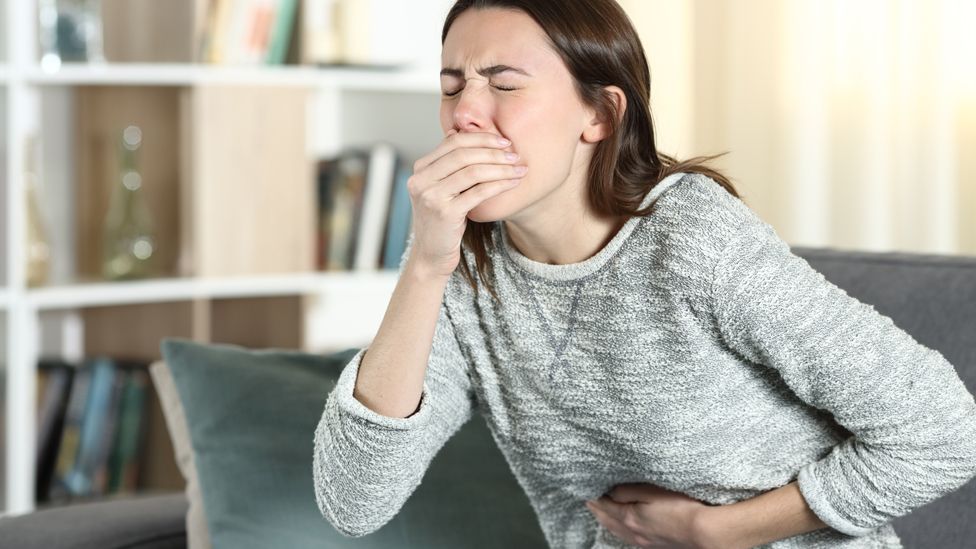
SharecloseShare pageCopy linkAbout sharingImage source, Getty ImagesThe UK’s Covid lockdown appears to have had a massive impact on stomach bugs, slashing outbreaks by more than half in England during the first six months of the pandemic. Far fewer people suffered vomiting and diarrhoea than usual, data show.People staying at home, mixing less and washing their hands will have had an impact, say public health experts in a new article published by BMJ Open. This perk may continue if we all carry on being more germ-aware, they say. Routine surveillance in England shows the number of outbreaks caused by the winter vomiting bug norovirus has increased in recent weeks, although they are still below the five-year-average or usual level for this time of year. Projectile vomitingNorovirus is easily transmitted through contact with people who have it, or contaminated surfaces. Prof Saheer Gharbia, from the UK Health Security Agency and one of the authors of the BMJ study, said: “Norovirus, commonly known as the winter vomiting bug, has been at lower levels than normal throughout the pandemic but, as people have begun to mix more, the numbers of outbreaks have started to increase again.”Symptoms include sudden onset of nausea, projectile vomiting and diarrhoea. Although it can be very unpleasant, it usually goes away in a couple of days.The advice is to stay at home if you are experiencing norovirus symptoms and do not return to work or send children to school or nursery until 48 hours after symptoms have cleared.Prof Gharbia said: “Please avoid visiting elderly relatives if you are unwell – particularly if they are in a care home or hospital. “As with Covid and other infectious illnesses, handwashing is really important to help stop the spread of this bug, but remember, unlike for Covid, alcohol gels do not kill off norovirus, so soap and water is best.”For their study, Prof Gharbia and colleagues looked at information on outbreaks, laboratory notifications, calls to the NHS 111 health advice service, GP appointments, and attendance at emergency care for gastrointestinal infections during the first half of 2020 in England. That included illness from bacteria like salmonella and listeria, as well as the winter vomiting virus. Just over 1,500 suspected and lab-confirmed gastrointestinal infection outbreaks were reported in England, representing a 52% fall on the five-year average for the period.Google Trends data showed internet searches for key phrases, such as “food poisoning”, “gastroenteritis” and “sickness bug” plunged, while ones for “handwashing” and “disinfection” rose substantially during the UK’s first Covid wave.Each year in England there are typically more than 17 million cases of gastrointestinal infections, resulting in more than one million calls or visits for medical advice or care.To help reduce the spread:Wash your hands frequently and thoroughly with soap and water If you do become ill, stay off work or school until at least 48 hours after the symptoms have passedDisinfect any surfaces or objects that could be contaminatedWash any items of clothing or bedding that could have become contaminated separately on a hot washDo not share towels and flannelsEnsure toilets and the surrounding areas are cleaned thoroughlyAvoid eating raw, unwashed food produceProf Martin Marshall, from the Royal College of GPs, said: “This study makes clear that as we’ve seen with other contagious diseases, such as colds and flu, prevalence of gastro-intestinal infection was lower during the pandemic. This is likely to be in a large part due to restrictions that were implemented to stop the spread of Covid, and greater adherence to public health measures.”As we move to the next stages of the pandemic, severe restrictions have been, and continue to be, lifted to allow a more normal way of life, but practising good hygiene measures is something that can and should continue, and really can help people keep well.”Related Internet LinksNorovirus in England – GOV.UKDiarrhoea and vomiting – NHSThe BBC is not responsible for the content of external sites.

Read more →

COVID-19 has left GPs struggling around the world, new study shows

The pandemic left many GPs around the world feeling depressed, anxious and in some cases burned out, a review of global studies has revealed.
The review, published in the British Journal of General Practice and led by the University of York, also found that women doctors in primary care reported more psychological problems, whilst those who are older reported greater stress and burnout.
Researchers reviewed research literature and identified 31 studies evaluating the impact of COVID-19 on the mental health and wellbeing of doctors in primary care.
Healthcare systems vary across countries and this review identified only three studies of GPs working in the UK. Studies used a wide variety of measures to assess psychological wellbeing and lacked measurements from before the pandemic, which makes comparisons difficult.
There were, though, common themes highlighting the difficulties faced by doctors working in primary care settings (similar to NHS GPs) around the world.
Sources of stress during the pandemic included changed working practices, exposure to COVID-19 and inadequate PPE, information overload, lack of preparedness for the pandemic and poor communication across health sectors.

Read more →

U.S. seafood workers at increased risk for COVID-19 during pandemic, research finds

The dramatic toll that COVID-19 has taken on the U.S. is apparent, but as caseloads come down and mandates are loosened it has become increasingly obvious how much of an impact the pandemic had on food service workers in industries like the fisheries. A study from the University of New Hampshire looked at the direct and indirect effects of the global pandemic on U.S. seafood workers by tracking cases and outbreaks and found seafood workers were twice as likely to contract COVID-19 as workers in other food industries.
“The U.S. seafood industry was hit pretty hard, especially workers in high-density workplaces like seafood processing plants where social distancing was difficult,” said Easton White, assistant professor of biological sciences. “Even though COVID-19 precautions were set in place reducing the number of workers on processing lines it meant longer shifts and increased exposure overall. Fishing vessels had similar issues, where crews on crowded boats faced challenges wearing PPE, or masks, in wet and windy conditions.”
In the study, recently published in the journal PeerJ Life & Environment, researchers show how U.S. seafood workers were disproportionally affected by COVID-19, highlighting the various direct and indirect effects of the virus and tracking the number of cases and outbreaks. They reviewed news reports, scientific articles and white papers and found most cases of COVID-19 among the seafood workers were reported during the height of the pandemic, in the summer of 2020 and the beginning of 2021, and the majority were among workers involved in seafood processing who tend to work in close proximity to each other for long hours. Cases of COVID-19 were found in all U.S. coastal areas however Alaska, home to 60% of the U.S. commercial fisheries, experienced the largest number of outbreaks. Researchers also noticed more physical and mental taxing conditions like concerns about workplace safety, contracting COVID-19, access to medical services, vaccination and paid sick leave. They also took into consideration the economic consequences of the pandemic including changes in markets, supply and demand, in addition to revenue loss, price fluctuations, supply chain issues and labor shortages.
The researchers point to the effectiveness of the preemptive response to COVID-19 from the Massachusetts town of New Bedford which contains a massive shipping port and compare it to pandemic practices in Dutch Harbor and the Aleutian Islands in Alaska, home of the two largest commercial fisheries in the country. New Bedford was one of the first to open both testing centers and vaccination sites specifically for seafood workers leading to limited number of cases and outbreaks while the fishing industry in Alaska reportedly had trouble managing the virus.
“We hope this research sets the foundation for future practices in the seafood sector in relation to the COVID-19 pandemic, improving the overall workplace and recognizing the importance of collecting systematic social and economic data about workers,” said White.
Story Source:
Materials provided by University of New Hampshire. Note: Content may be edited for style and length.

Read more →

Engineers develop a ‘magnetic tentacle robot’ to pass into the narrow tubes of the lung

Engineers and scientists have developed proof of concept for a robot that can reach some of the smallest bronchial tubes in the lungs — to take tissue samples or deliver cancer therapy.
Known as a magnetic tentacle robot, it measures just 2 millimetres in diameter, about twice the size of the tip of a ballpoint pen.
Magnets on the outside of the patient will be used to guide the tentacle robot into place.
The device has been developed by a team of engineers, scientists and clinicians based at the STORM Lab at the University of Leeds, which is pioneering the use of robotic systems to assist in endoscopy and catheter procedures, where a fine tube is inserted into body.
The researchers have published their findings in the journal Soft Robotics.
The proof of concept was based on laboratory tests involving a 3-D replica of a bronchial tree modelled from anatomical data. The next phase of the research will investigate the effectiveness of the device in navigating lungs taken from a cadaver.

Read more →

Hong Kong’s high death rate shows the importance of vaccinating the elderly.

As the death toll from Covid-19 surges in Hong Kong, some scientists said that, in the era of Omicron, vaccinating as many older people as possible should be a top priority.Hong Kong, which was once one of the world’s most formidable redoubts of “zero Covid,” has offered scientists a case study about the threat Omicron poses in an entirely different setting: a dense city where people were not only largely untouched by previous infections, but also where the oldest and most vulnerable residents were largely unvaccinated.Several critical lessons emerged, health experts said.With two Omicron subvariants circulating, including the highly contagious BA.2 subvariant, vaccinating a broad swath of the population remained important, scientists said. But inoculating as many older people as possible had become far and away the most critical thing to do.That message, they said, was most pressing for China, where vaccinations in older age groups also appear to be lagging and there is little immunity from earlier infections.But it was relevant again in the United States, too, where subpar vaccination and booster rates among older people have left scientists concerned about a potential surge of BA.2 cases. Partly because so many more Americans have been infected and killed by the coronavirus during earlier waves, scientists do not expect the United States to face as serious a situation in the coming months as Hong Kong.Hong Kong, which along with mainland China had been among the last holdouts of a strategy of tight restrictions and border controls to eradicate the virus, was left vulnerable by how few of its residents had any immunity from prior infections: Before the Omicron surge, scientists estimated that only 1 percent of Hong Kong’s population had contracted the virus.Less than one-quarter of people aged 80 and over in Hong Kong had been given two doses of a vaccine before Omicron surged, compared with more than 90 percent of people in Singapore and New Zealand.The city has now vaccinated 39 percent of residents aged 80 and above, despite having inoculated almost two-thirds of 12- to 19-year-olds.

Read more →

High Death Rate in Hong Kong Shows Importance of Vaccinating the Elderly

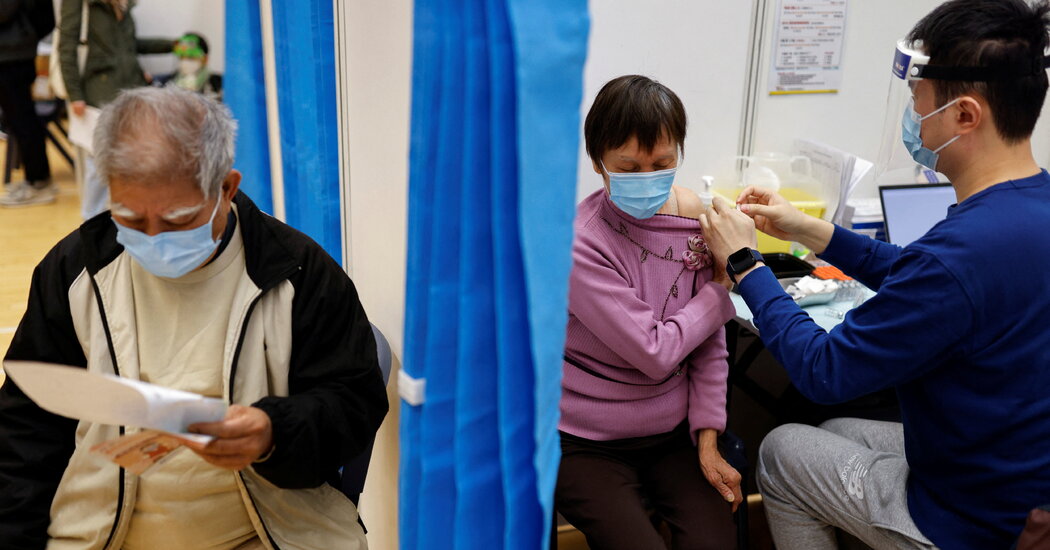
Covid has surged in a number of Asian countries that had once held the virus at bay. Vaccination levels have largely determined how deadly those waves would be.The first time the Omicron variant breached Hong Kong’s coronavirus defenses, in late 2021, the city stamped it out, cementing its status as one of the world’s most formidable redoubts of “zero Covid.”But a few weeks later, Omicron came to the metropolis again, this time causing an outbreak among cleaners at a public-housing estate that spiraled out of control. The conflagration of resulting cases is now killing people at a rate exceeding that of almost any country since the coronavirus emerged.Over the entire pandemic, Hong Kong’s death toll per capita, once far lower than those of Western nations, is no longer exceptional. A month ago, Americans had died from Covid at 90 times the rate of people in Hong Kong. By Monday, the cumulative American toll was three and a half times as high.As the United States braces for its own, less punishing rise in cases, and mainland China battles its biggest outbreak in two years, scientists have looked to Hong Kong for clues about the threat Omicron poses in an entirely different setting: a dense city where people were not only largely untouched by previous infections, but whose oldest and most vulnerable residents were also largely unvaccinated.Several critical lessons emerged, health experts said.In the era of Omicron and its even more infectious subvariant, BA.2, vaccinating a broad swath of the population remained important, scientists said. But inoculating as many older people as possible had become far and away the top priority.That message, they said, was most pressing for China, where vaccinations in older age groups also appear to be lagging and there is little immunity from earlier infections.But it was relevant again in the United States, too, where subpar vaccination and booster rates among older people have left scientists concerned about a potential surge of BA.2 cases. Partly because so many more Americans have been infected and killed by the coronavirus during earlier waves, scientists do not expect the United States to face as serious a situation in the coming months as Hong Kong.Hong Kong’s dreadful outbreak also signals the perils of trying to eliminate the virus without a plan for what would come next, health experts said. Omicron’s high transmissibility, they said, made outbreaks almost inevitable.Hong Kong, which along with mainland China had been among the last holdouts of a strategy of tight restrictions and border controls to eradicate the virus, was left vulnerable by how few of its residents had any immunity from prior infections: Before the Omicron surge, scientists estimated that only 1 percent of Hong Kong’s population had contracted the virus.A temporary isolation site to house patients with Covid-19 on Tsing Yi Island in Hong Kong.Billy H.C. Kwok for The New York TimesThose low levels of immunity can leave places vulnerable to waves of cases, as more contagious variants sneak in or restrictions are lifted. But governments can still prepare for those waves, said Dr. Gabriel Leung, the dean of medicine at the University of Hong Kong.Less than one-quarter of people aged 80 and over in Hong Kong had been given two doses of a vaccine before Omicron surged, compared with more than 90 percent of people in Singapore and New Zealand.Because of the number of unvaccinated older people in China, scientists said, it might also have some difficulty lifting “zero Covid” restrictions. More than 87 percent of China’s population have been vaccinated. But just over half of people 80 and older have had two shots, and less than 20 percent of people in that age group have received a booster, Zeng Yixin, a vice minister of the National Health Commission, said on Friday.“I don’t think it’s quite ready for the transition,” Dr. Leung said.A number of Asian and Pacific countries had largely kept the virus at bay for two years, only to face Omicron outbreaks because the virus was so contagious and their populations had avoided earlier infections. But high vaccination rates, including among older people, have helped many of those countries avoid more devastating surges.In South Korea, for example, where 87 percent of people are vaccinated and 63 percent have booster shots, the cumulative death toll per capita is one-tenth of America’s, even though South Korea has recorded more than three-quarters as many cases as the United States over the entire pandemic.Health experts said that Hong Kong’s difficulties vaccinating older people resulted from a combination of complacency, given the city’s earlier success in containing the virus, and unfounded fears that older people and those in poor health faced particular risks from vaccines.The city has now vaccinated 39 percent of residents aged 80 and above, despite having inoculated almost two-thirds of 12- to 19-year-olds.Many people in Hong Kong have been given the Chinese vaccine Sinovac, which appears to offer relatively little protection from Omicron infections but a better defense against severe disease. Scientists noted that almost 90 percent of people who died during the latest wave were not fully vaccinated, suggesting that getting shots to the most vulnerable is more important than the particular brand.“The problem in Hong Kong is, we haven’t succeeded in vaccinating our most vulnerable population — the elderly, especially those staying in elderly-care homes,” said Dr. Siddharth Sridhar, a clinical virologist at the University of Hong Kong. “And as a result, we are in a very bad situation.”The United States has vaccinated many more of its older residents than Hong Kong but fewer than Western Europe and has seen a high death rate. And as immunity from early vaccinations wanes and booster shots become critical for shoring up protection against Omicron among older people, the United States finds itself exposed on that count, too. About 41 percent of people 65 and over have not received a booster shot.Unlike other parts of Asia that had gradually lifted restrictions in recent months, Hong Kong was not ready for its defenses to fail, scientists said.“From the government’s point of view, there was such a strong fixation on ‘zero Covid’ that as long as that worked, vaccination was not necessarily the priority,” said Ben Cowling, a professor of epidemiology at the University of Hong Kong.Many older residents and their families adopted the same view, public health experts said. If Hong Kong’s rigid social-distancing measures and careful border controls were going to keep the virus out anyway, the conventional thinking went, was getting a vaccine worth the trouble?“If you’re telling people that the disease is never going to get in, then there’s less of an incentive to go and get vaccinated,” said Dr. David Owens, a family doctor in Hong Kong. “To an extent, the messaging around elimination confounded the need to vaccinate.”People waiting to be tested for the coronavirus in Tsing Yi, which was placed under lockdown this month.Billy H.C. Kwok for The New York TimesDr. Cowling, of the University of Hong Kong, said that his city could have responded in one of two ways to signs that cases would surge: either double down on “zero Covid” through measures like building better quarantine facilities for overseas arrivals, or acknowledge that outbreaks are unavoidable and raise vaccination rates.“Zero Covid is a really good strategy if you can stay at zero,” Dr. Cowling said. “But as we found in Hong Kong, it doesn’t last forever.”Hong Kong eventually took steps to persuade older people to become vaccinated, once earlier inducements like vaccine passes proved ineffective. In January, the government announced that it would ban unvaccinated people from restaurants that serve dim sum, which are popular among older residents. But it was too late.With cases and deaths now declining, Hong Kong announced on Monday that it would lift certain restrictions.Singapore began abandoning “zero Covid” policies in the summer. Dr. Ooi Eng Eong, an infectious disease expert at Duke-National University of Singapore Medical School, said that it took a wave of the Delta variant to raise vaccination rates and disabuse people of the notion that they did not need protection.Now, cases in Singapore have surged, but deaths are relatively low.“It’s so much more transmissible that I think wearing a face mask and all — that helps but not to the extent that it has impacted the epidemiology,” Dr. Ooi said of Omicron. “The trends are really driven by vaccination.”Still, even after five or six waves of the pandemic, the reasons that some countries have succeeded while others have suffered remain unclear.Japan, for example, has tamped down on cases throughout the pandemic without resorting to full-fledged lockdowns, scientists said.The country benefited from its government sharing sound publichealth advice early in the pandemic. As much as residents tired of precautions, they largely took the advice seriously, said Taro Yamamoto, a professor at the Institute of Tropical Medicine at Nagasaki University.Roughly 80 percent of people in Japan have had their initial vaccine series. But even though the country is lagging in administering booster doses and had a surge of Omicron infections, death rates during Omicron have remained considerably lower than in nearby South Korea.“Partly it’s a mystery,” Professor Yamamoto said. “We cannot explain it all.”

Read more →

Researchers discover that anti-malaria drugs can fight pulmonary disease

A research team at Colorado State University has discovered that drugs used to treat malaria are also effective at treating a pulmonary disease similar to tuberculosis.
Their findings were featured on the cover of the Feb. 23 issue of Science Translational Medicine.
The study is a significant development in the fight against infections caused by non-tuberculous mycobacteria, or NTM, which are now more common than tuberculosis in the United States and often attack people who have a weakened immune system or preexisting conditions like chronic obstructive pulmonary disease or cystic fibrosis.
“There are currently very few antibiotics available to treat NTM infections, and some patients fail to respond to any treatment,” said Professor Mary Jackson of CSU’s Department of Microbiology, Immunology and Pathology, one of the lead authors. “The perspective that antimalarial drugs that already have undergone advanced clinical trials may become part of the arsenal of drugs available to fight these infections could have an immediate impact in the clinic.”
The research, which was led by Jackson and lead author Juan Manuel Belardinelli, a research scientist in CSU’s Department of Microbiology, Immunology and Pathology, targeted an NTM known as Mycobacterium abscessus. Few drugs are effective against this mycobacterium, and the ones that are tend to be toxic and cause bad side effects, Jackson said.
Targeting disease’s defense mechanism
Jackson and Belardinelli worked with other members of CSU’s Mycobacteria Research Laboratories to target one of the key defense mechanisms that this mycobacterium deploys to fight off our immune system and antibiotics.

Read more →

With land grabs comes competition for water — and local farmers are likely to lose

Water from Ethiopia’s Omo River, which flows for 472 miles along the country’s southwest side, has helped sustain the livelihood of tribal populations for hundreds of years. Human rights organizations have estimated 200,000 people from various tribes in the region rely on the Omo’s water for cattle and to grow crops like sorghum and maize.
But new research shows large-scale land acquisitions (LSLAs) in the region could threaten water resources downstream to the local farmers and Indigenous populations living along the Omo — just one example of how a decades-long “global land rush” could intensify water scarcity around the world.
Researchers at the University of Notre Dame, the Polytechnic University of Milan, the University of California, Berkeley, Colorado State University, the University of Delaware and Vrije University Amsterdam studied 160 land deals made between 2005 and 2015 across Europe, South America, Africa and Asia for the study, published in Nature Communications. Hydrological models used to simulate future cultivation of those deals found close to two-thirds of those deals are unsustainable.
“The idea of this study was to quantify how many of these deals, how much of this land acquisition would cause competition and water grabbing — and how much is actually beneficial. We found that the majority of those land acquisitions actually cause competition,” said Marc Müller, assistant professor in the Department of Civil and Environmental Engineering and Earth Sciences at Notre Dame and co-author of the study. “We looked at the crops being planted and the water needed for those crops, and what we found is that if the acquisitions go as planned, if these crops and the area of irrigated land changes the way investors have said they plan to change it — there’s not enough water for everybody.”
More than 220 million acres of land in middle-income and developing countries were purchased through LSLAs to increase production of local staple crops and to produce export-bound crops such as wheat and those that could be utilized for biofuel, such as palm oil and sugar cane.
“You need a lot of water to produce these foods,” said Müller. Some of that need is met by rainfall, or green water. When green water isn’t enough to meet the needs of the crop, the next step is supplemental irrigation using blue water, or water that can be redirected or taken from one source and used elsewhere. But supplemental irrigation is unsustainable when it depletes blue water resources — leaving independently owned farmlands and local populations hurting.

Read more →