Good news for coffee lovers: Daily coffee may benefit the heart

Drinking coffee — particularly two to three cups a day — is not only associated with a lower risk of heart disease and dangerous heart rhythms but also with living longer, according to studies being presented at the American College of Cardiology’s 71st Annual Scientific Session. These trends held true for both people with and without cardiovascular disease. Researchers said the analyses — the largest to look at coffee’s potential role in heart disease and death — provide reassurance that coffee isn’t tied to new or worsening heart disease and may actually be heart protective.
“Because coffee can quicken heart rate, some people worry that drinking it could trigger or worsen certain heart issues. This is where general medical advice to stop drinking coffee may come from. But our data suggest that daily coffee intake shouldn’t be discouraged, but rather included as a part of a healthy diet for people with and without heart disease,” said Peter M. Kistler, MD, professor and head of arrhythmia research at the Alfred Hospital and Baker Heart Institute in Melbourne, Australia, and the study’s senior author. “We found coffee drinking had either a neutral effect — meaning that it did no harm — or was associated with benefits to heart health.”
Kistler and his team used data from the UK BioBank, a large-scale prospective database with health information from over half a million people who were followed for at least 10 years. Researchers looked at varying levels of coffee consumption ranging from up to a cup to more than six cups a day and the relationship with heart rhythm problems (arrhythmias); cardiovascular disease, including coronary artery disease, heart failure and stroke; and total and heart-related deaths among people both with and without cardiovascular disease. Patients were grouped by how much coffee they reported drinking each day: 0, 5 cups/day. Coffee drinking was assessed from questionnaires completed upon entry into the registry. Overall, they either found no effect or, in many cases, significant reductions in cardiovascular risk after controlling for exercise, alcohol, smoking, diabetes and high blood pressure that could also play a role in heart health and longevity.
For the first study, researchers examined data from 382,535 individuals without known heart disease to see whether coffee drinking played a role in the development of heart disease or stroke during the 10 years of follow up. Participants’ average age was 57 years and half were women. In general, having two to three cups of coffee a day was associated with the greatest benefit, translating to a 10%-15% lower risk of developing coronary heart disease, heart failure, a heart rhythm problem, or dying for any reason. The risk of stroke or heart-related death was lowest among people who drank one cup of coffee a day. Researchers did observe a U-shaped relationship with coffee intake and new heart rhythm problems. The maximum benefit was seen among people drinking two to three cups of coffee a day with less benefit seen among those drinking more or less.
The second study included 34,279 individuals who had some form of cardiovascular disease at baseline. Coffee intake at two to three cups a day was associated with lower odds of dying compared with having no coffee. Importantly, consuming any amount of coffee was not associated with a higher risk of heart rhythm problems, including atrial fibrillation (AFib) or atrial flutter, which Kistler said is often what clinicians are concerned about. Of the 24,111 people included in the analysis who had an arrhythmia at baseline, drinking coffee was associated with a lower risk of death. For example, people with AFib who drank one cup of coffee a day were nearly 20% less likely to die than non-coffee drinkers.
“Clinicians generally have some apprehension about people with known cardiovascular disease or arrhythmias continuing to drink coffee, so they often err on the side of caution and advise them to stop drinking it altogether due to fears that it may trigger dangerous heart rhythms,” Kistler said. “But our study shows that regular coffee intake is safe and could be part of a healthy diet for people with heart disease.”
Although two to three cups of coffee a day seemed to be the most favorable overall, Kistler said that people shouldn’t increase their coffee intake, particularly if it makes them feel anxious or uncomfortable.

Read more →

Speaking from the heart: Could your voice reveal your heart health?

An artificial intelligence (AI)-based computer algorithm accurately predicted a person’s likelihood of suffering heart problems related to clogged arteries based on voice recordings alone, in a study presented at the American College of Cardiology’s 71st Annual Scientific Session.
Researchers found that people with a high voice biomarker score were 2.6 times more likely to suffer major problems associated with coronary artery disease (CAD), a buildup of plaque in the heart’s arteries, and three times more likely to show evidence of plaque buildup in medical tests compared with those who had a low score. While the technology is not yet ready for use in the clinic, the demonstration suggests voice analysis could be a powerful screening tool in identifying patients who may benefit from closer monitoring for CAD-related events. Researchers said this approach could be particularly useful in remote health care delivery and telehealth.
“Telemedicine is non-invasive, cost-effective and efficient and has become increasingly important during the pandemic,” said Jaskanwal Deep Singh Sara, MD, a cardiology fellow at Mayo Clinic and the study’s lead author. “We’re not suggesting that voice analysis technology would replace doctors or replace existing methods of health care delivery, but we think there’s a huge opportunity for voice technology to act as an adjunct to existing strategies. Providing a voice sample is very intuitive and even enjoyable for patients, and it could become a scalable means for us to enhance patient management.
The study represents the first time voice analysis has been used to predict CAD outcomes in patients who were tracked prospectively after an initial screening. Previous studies retrospectively examined voice markers associated with CAD and heart failure. Other research groups have explored the use of similar technology for a range of disorders, including Parkinson’s disease, Alzheimer’s disease and COVID-19.
For the new study, researchers recruited 108 patients who were referred for a coronary angiogram, an X-ray imaging procedure used to assess the condition of the heart’s arteries. Participants were asked to record three 30-second voice samples using the Vocalis Health smartphone application. For the first sample, participants read from a prepared text. For the second sample, they were asked to speak freely about a positive experience, and for the third, they spoke freely about a negative experience.
The Vocalis Health algorithm then analyzed participants’ voice samples. The AI-based system had been trained to analyze more than 80 features of voice recordings, such as frequency, amplitude, pitch and cadence, based on a training set of over 10,000 voice samples collected in Israel. In previous studies, researchers identified six features that were highly correlated with CAD. For the new study, researchers combined these features into a single score, expressed as a number between -1 and 1 for each individual. One-third of patients were categorized as having a high score and two-thirds had a low score.
“We can’t hear these particular features ourselves,” Sara said. “This technology is using machine learning to quantify something that isn’t easily quantifiable for us using our human brains and our human ears.”
Study participants were tracked for two years. Of those with a high voice biomarker score, 58.3% visited the hospital for chest pain or suffered acute coronary syndrome (a type of major heart problem that includes heart attacks), the study’s composite primary endpoint, compared with 30.6% of those with a low voice biomarker score. Participants with a high voice biomarker score were also more likely to have a positive stress test or be diagnosed with CAD during a subsequent angiogram (the composite secondary endpoint).
Scientists have not concluded why certain voice features seem to be indicative of CAD, but Sara said the autonomic nervous system may play a role. This part of the nervous system regulates bodily functions that are not under conscious control, which includes both the voice box and many aspects of the cardiovascular system, such as heart rate and blood pressure. Therefore, it is possible that the voice could provide clues about how the autonomic nervous system is functioning, and by extension, provide insights into cardiovascular health, Sara said.
The study was conducted with English speakers in the Midwestern U.S. using software trained on voice samples collected in Israel. Sara said more tests are needed to determine whether the approach is generalizable and scalable across languages, countries, cultures and health care settings. He added that it will also be important to address security and privacy issues before incorporating such technology into telemedicine or on-site health assessments.
“It’s definitely an exciting field, but there’s still a lot of work to be done,” Sara said. “We have to know the limitations of the data we have, and we need to conduct more studies in more diverse populations, larger trials and more prospective studies like this one.”

Read more →

Exercise holds even more heart health benefits for people with stress-related conditions

Regular physical activity had nearly doubled the cardiovascular benefit in individuals with depression or anxiety, compared with individuals without these diagnoses, according to a study presented at the American College of Cardiology’s 71st Annual Scientific Session.
The research findings add to mounting evidence that exercise improves cardiovascular health by helping to activate parts of the brain that counteract stress. Overall, the study found that people who achieved the recommended amount of physical activity per week were 17% less likely to suffer a major adverse cardiovascular event than those who exercised less. These benefits were significantly greater in those with anxiety or depression, who had a 22% risk reduction vs. a 10% risk reduction in those without either condition.
“The effect of physical activity on the brain’s stress response may be particularly relevant in those with stress-related psychiatric conditions,” said Hadil Zureigat, MD, postdoctoral clinical research fellow at Massachusetts General Hospital and the study’s lead author. “This is not to suggest that exercise is only effective in those with depression or anxiety, but we found that these patients seem to derive a greater cardiovascular benefit from physical activity.”
Rates of both depression and anxiety have risen during the COVID-19 pandemic, and heart disease remains the leading cause of death in the U.S. The study findings underscore the important role of exercise in maintaining heart health and reducing stress, according to the researchers.
For the study, researchers analyzed health records of more than 50,000 patients in the Massachusetts General Brigham Biobank database. Just over 4,000 of the patients had suffered a major adverse cardiovascular event, which included experiencing a heart attack, having chest pain caused by a blocked artery or undergoing a procedure to open a blocked artery in the heart.
Researchers first assessed the rates of major coronary events among patients who reported in a questionnaire that they exercise at least 500 metabolic equivalent (MET) minutes per week — aligning with the ACC and American Heart Association primary prevention guideline recommendation of at least 150 minutes of moderate intensity exercise per week — with those who exercise less. MET-minutes are a unit of exercise that represents the amount of energy expended during various activities. The analysis revealed that people who got at least 500 MET-minutes or more per week were 17% less likely to suffer an adverse cardiovascular event.
They then analyzed how this pattern played out among patients who had a diagnosis of depression or anxiety compared with those who did not have depression or anxiety. This second analysis revealed that patients with depression derived more than double the benefit from exercise in terms of reduced cardiovascular risk compared with people who did not have depression. A similar benefit of exercise was found for patients with anxiety.
The research expands upon previous studies by the research team that used brain imaging to determine how exercise improves cardiovascular health by helping to keep the brain’s stress response in check. Individuals with depression or anxiety have higher stress-related neural activity and a higher risk of cardiovascular disease.
“When one thinks about physical activity decreasing cardiovascular risk, one doesn’t usually think of the brain,” Zureigat said. “Our research emphasizes the importance of the stress-related neural mechanisms by which physical activity acts to reduce cardiovascular risk.”
Even though the study used 500 MET-minutes as a cutoff for the analysis, researchers noted that previous studies show people can reduce their heart disease risk even if they do not achieve the recommended amount of physical activity. Even a little bit of regular physical activity can make a difference in terms of cardiovascular risk.
“Any amount of exercise is helpful, particularly for those with depression or anxiety,” Zureigat said. “Not only will physical activity help them feel better, but they will also potently reduce their risk of cardiovascular disease. It can be hard to make the transition, but once achieved, physical activity allows those with these common chronic stress-related psychiatric conditions to hit two birds with one stone.”
Zureigat will present the study, “Cardiovascular Benefit of Exercise is Greater in Those with Anxiety and Depression,” on Saturday, April 2, at 10:00 a.m. ET / 14:00 UTC in Prevention and Health Promotion Moderated Poster Theater 4, Hall C.
Story Source:
Materials provided by American College of Cardiology. Note: Content may be edited for style and length.

Read more →

C.D.C. Airport Surveillance Found the First Known U.S. Case of BA.2

An airport-based coronavirus surveillance program in the United States for travelers arriving from abroad detected the first known U.S. case of the highly contagious Omicron subvariant BA.2 in December, according to a new study.The results, which have not yet been published in a peer-reviewed journal, suggest that pooled testing of international travelers may be an effective and efficient way to keep tabs on new variants and pathogens.“Travelers are really an important population when tracking new and emerging infectious diseases because they’re mobile, they have the potential for exposure to disease during travel and they can spread disease from one place to another,” said Dr. Cindy R. Friedman, chief of the Travelers’ Health Branch at Centers for Disease Control and Prevention, and the study’s lead investigator.The program actually detected the first known U.S. cases of two Omicron subvariants, BA.2 and BA.3, which are similar to, but genetically distinct from, BA.1 and B.1.1, the versions of Omicron that drove a winter surge in U.S. cases.The voluntary program, which screened more than 16,000 travelers this fall and winter, was conducted by the C.D.C. and two commercial partners: the XpresSpa Group, which offers testing in airports, and Ginkgo Bioworks, a biotech company with a testing initiative and a network of laboratories across the country. The program combined nasal samples from multiple people arriving from the same country or on the same flight — an approach, known as pooled testing, that allows scientists to search for the virus in multiple people at once.The program was not the first to catch every version of Omicron; BA.1, the subvariant that was initially most prevalent worldwide, did not show up in one of the airport samples until Dec. 1, the same day that officials announced that another team of researchers had found the first U.S. Omicron case.The researchers hope to expand the traveler surveillance program and are also preparing to launch a pilot study that will search for signs of the virus in the wastewater from airplane bathrooms, Dr. Friedman said.The program began in late September, focusing on travelers on selected flights from India to three major U.S. airports: John F. Kennedy International Airport in New York, Newark Liberty International Airport in New Jersey and San Francisco International Airport in California. In late November, after Omicron emerged, the program was expanded to Hartsfield-Jackson Atlanta International Airport and to people arriving from South Africa, Nigeria, Britain, France, Germany and Brazil.(Omicron prompted the Biden administration to tighten travel rules. It temporarily banned travelers from eight African countries — the restrictions did not apply to U.S. citizens or permanent residents — and required international passengers to present evidence that they had tested negative for the virus within a day before departure. Previously, travelers could test within three days of departure. As of Nov. 8, only vaccinated foreign travelers were allowed into the country.)Eligible travelers could volunteer to provide a self-collected nasal swab at the airport. Swabs from five to 25 travelers — from the same flight or country — were added to a single tube and then tested for the virus using P.C.R. testing. Positive samples were then sequenced to determine which version of the virus was present.Between Sept. 29 and Jan. 23, 10 percent of 161,000 eligible travelers enrolled in the study, and 1,454 sample pools were tested for the virus. Despite the preflight testing requirement, more than 15 percent of the pools were positive.This relatively high positivity rate may indicate that travelers were early in the course of their infections — and thus had viral loads too low for some tests to detect — when they took their predeparture tests, or that they contracted the virus in the time between being tested and landing in the United States, the researchers say. People may also have submitted fraudulent test results.Before Nov. 28, nearly all of the positive sample pools contained the Delta variant, the researchers found. (The only exception was a positive sample whose exact genetic lineage could not be determined.)After that, however, Omicron quickly came to dominate; from Nov. 28 to Jan. 23, two-thirds of the positive samples were Omicron. Most of the Omicron samples were the BA.1 subvariant, which was initially the most prevalent version worldwide. BA.1 remains the most common lineage in the United States, though BA.2 has been gaining ground and now accounts for 35 percent of infections, according to C.D.C. estimates.But the researchers found the BA.3 subvariant in a pool of samples collected from travelers arriving from South Africa on Dec. 3. They reported the finding in GISAID, an international repository of viral genomes, on Dec. 22. It was the first reported case of BA.3 in the United States; it would be more than a month before the next was reported.The airport program also detected the first known U.S. case of BA.2, in samples collected from South African travelers on Dec. 14. The researchers reported the finding a week before the next U.S. case of BA.2 was reported.“This is a new tool in the C.D.C. tool kit that works, and we’ve shown it’s effective and it can be layered with all of our other mitigation measures,” Dr. Friedman said.

Read more →

Sinovac Booster Gives Elderly Stronger Protection Against Omicron, Study Finds

Given the surge of Omicron cases in Asia, the new research lends urgency to vaccination campaigns in China and Hong Kong.Two doses of China’s Sinovac vaccine offered older people only a moderately high level of protection against severe disease and death from Covid-19, but a third dose significantly bolstered their defenses, according to a new study by scientists in Hong Kong.The study, based on patients infected during the current devastating Omicron wave in Hong Kong, serves as a cautionary note for mainland China, where Sinovac is a pillar of the country’s vaccination program. Many older people there have yet to receive booster shots.For people 60 and older, two Sinovac doses were 72 percent effective against severe or fatal Covid-19 and 77 percent effective against Covid-related death, the study found. Those levels of protection were lower than those provided by two Pfizer-BioNTech doses. The same study found they were 90 percent effective against severe or fatal Covid and 92 percent effective against death among Hong Kong residents of the same age group.A Sinovac booster shot helped considerably, proving to be 98 percent effective against severe or fatal Covid among people at least 60 years old, the study found.Yanzhong Huang, a global health expert at the Council on Foreign Relations, said that the results highlighted the urgency for mainland China to accelerate its lagging booster campaign. “There’s a lot of work for the government to do to make sure this segment of the population receives the booster shots,” he said.The study’s authors, who are scientists at the University of Hong Kong, noted that the city’s booster program began just recently, making it difficult to determine how long protection from a third dose would last.Because people with underlying health conditions in Hong Kong were more likely to resist getting vaccinated, they said, it was also possible that those who chose to be vaccinated or boosted were healthier in the first place, inflating estimates of how protective the vaccines initially were.Sinovac, a private Chinese company that makes the vaccine, is one of two manufacturers of Covid shots available in China. Vaccines using mRNA technology, like those made by Pfizer-BioNTech and Moderna, are not available there.The new study highlights the potential consequences for China, which has relied heavily on Sinovac and is battling its biggest Covid outbreak in two years. More than 87 percent of China’s population has been vaccinated. But just over half of people 80 and older have had two shots, and less than 20 percent of people in that age group have received a booster, Zeng Yixin, a vice minister of the National Health Commission, said recently.The new study from Hong Kong received funding from the Chinese Center for Disease Control and Prevention as part of what one of the study’s co-authors described this week as an effort to understand the comparative effectiveness of vaccines. It was posted online as a preprint, but has not yet been vetted by peer scientists for publication in a scientific journal.Sinovac’s vaccine performed similarly to Pfizer’s among younger people, even without a booster dose, the study found. In people younger than 60, two Sinovac doses were roughly 92 percent effective against severe or fatal Covid, whereas two Pfizer doses were about 95 percent effective.Coronavirus Vaccine TrackerA look at all the vaccines that have reached trials in humans.Neither vaccine provided very much protection against mild or moderate Covid, though Pfizer’s offered more than Sinovac’s and a booster dose considerably lifted levels of protection. During the latest wave, people in Hong Kong have largely been infected by the subvariant of Omicron known as BA.2. Like other versions of Omicron, BA.2 has infected many vaccinated people.The Hong Kong wave is killing people at a rate exceeding that of almost any country since the coronavirus emerged — a result, in large part, of low vaccination rates among older residents. Almost 90 percent of people who died during the latest wave were not fully immunized, suggesting that getting shots to the most vulnerable is more important than the particular brand of vaccine.Like Hong Kong, mainland China had largely succeeded in tamping down transmission of the virus before Omicron, leaving its population with very little immunity from previous infections.Beyond China, Sinovac vaccines have also been critical in protecting people against severe Covid, especially in poorer countries. The vaccine is being used in 49 countries, including in South America and Africa.But concerns about the protection it offered had already prompted the World Health Organization to recommend in October that recipients 60 and older get a third dose.Dr. Andrew Morris, an infectious disease specialist at Sinai Health and University Health Network in Toronto, who was not involved with the Hong Kong study, said that the results fit with lab studies suggesting that Sinovac generated lower levels of neutralizing antibodies than mRNA vaccines, like Pfizer’s.“I think what we’ll see is in countries that have relied heavily on Sinovac, if they don’t have boosting — especially with an mRNA booster, or even with Sinovac — they’re probably going to struggle with high rates of infection with this latest BA.2 wave,” he said.Dr. Morris said that the results in Hong Kong, like those from other vaccine studies, were also highly dependent on how long it had been since people were administered the shots. Protection tends to weaken over time.The results from the latest study about the effectiveness of third Sinovac doses might be taken as an encouraging sign by Chinese leaders that Chinese-made vaccines could remain the focus of their immunization campaign, said Dr. Huang, of the Council on Foreign Relations.“Now, for the Chinese leaders, they don’t need to face a strong pressure to approve BioNTech’s vaccine,” he said.

Read more →

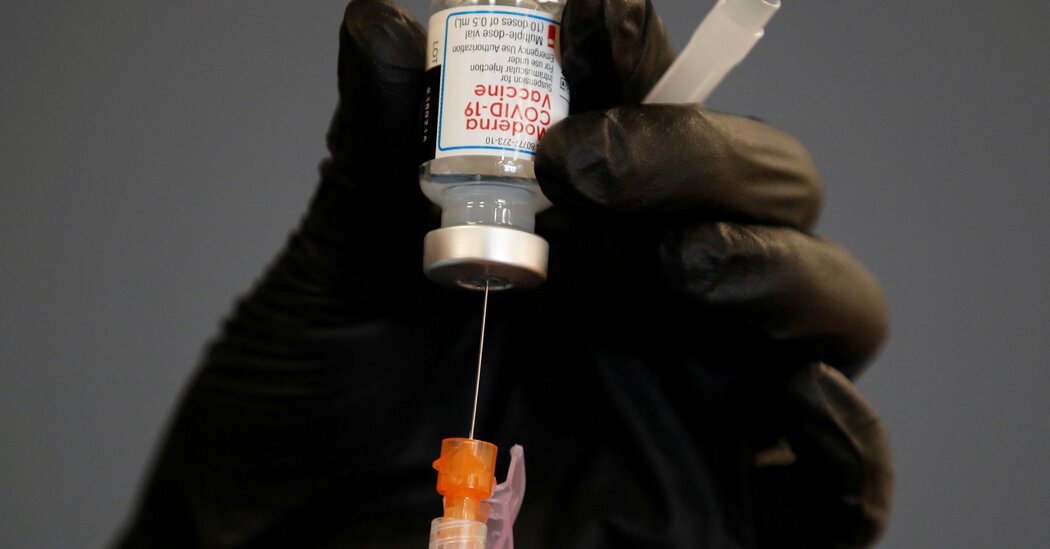
Moderna to Seek Authorization of Its Coronavirus Vaccine for Young Children

The company said the vaccine produced a strong immune response in children younger than 6, but proved only about 40 percent effective in preventing symptomatic Covid-19.WASHINGTON — Moderna said on Wednesday that it would seek emergency authorization of its coronavirus vaccine for children younger than 6, after interim results from its clinical trial showed that volunteers in that age group had a similar immune response to young adults when given a dose one-fourth as strong.But the company said the vaccine proved only about 44 percent effective in preventing symptomatic illness among children 6 months to 2 years old, and 37 percent effective in children 2 through 5.Dr. Jacqueline Miller, the firm’s senior vice president for infectious diseases, said the relatively low level of protection demonstrated the ability of the Omicron variant to evade the vaccine’s shield. Nonetheless, she said in an interview, “what we have seen is a successful trial.”“What I will say is 37.5 percent and 43.7 percent are higher than zero,” she said. “If I were the parent of a young child, I would want there to be some protection on board, especially if we see another wave of infections.”The firm’s announcement comes as the Biden administration’s effort to protect people against an ever-mutating virus enters a new period of flux. Officials are debating whether the oldest Americans, at least, should be offered a second booster shot this spring. Meanwhile, various studies are seeking to determine whether the existing vaccines can be reconfigured to provide more protection against Omicron and the subvariant of the virus known as BA.2.Now, Moderna’s findings about how well its vaccine works in the nation’s youngest children — the only Americans not yet eligible for shots — are bringing another question to the forefront: What level of effectiveness is good enough for a pediatric vaccine?Just last month, Pfizer and its German partner, BioNTech, delayed seeking emergency authorization for their coronavirus vaccine in young children after data gathered during the Omicron surge showed two doses were less than 50 percent effective against symptomatic disease, according to people familiar with the situation.Whether the Food and Drug Administration, the Centers for Disease Control and Prevention, and the public will be willing to accept Moderna’s efficacy rate of about 40 percent on average for children under 6 is unclear.While Americans have been hearing for months that the vaccines are less potent against Omicron in all age groups, neither Moderna’s nor Pfizer’s results in young children meet what many vaccine experts consider the minimum standard for effectiveness against Covid-19. The guidance that the F.D.A. initially set for adult coronavirus vaccines was at least 50 percent effectiveness against symptomatic infection.All three authorized vaccines — from Moderna, Pfizer and Johnson & Johnson — vastly surpassed that at first. But Omicron’s uncanny ability to dodge the immune system’s defenses is changing the calculus, and so far, no new standard has been set.The F.D.A. authorized the Pfizer-BioNTech vaccine for those aged 12 to 15 in May after a trial showed zero infections in the vaccine arm and 18 in the placebo group — a ratio Pfizer described as 100 percent efficacy. But in October, when the agency authorized Pfizer’s vaccine for children 5 to 11, it relied solely on immune response data, which showed that the vaccine triggered a powerful surge in antibodies. That was also the criterion set for the trials of younger children.At the time, given the antibody response, regulators were unwilling to wait for Covid infections to accrue in enough trial participants to gauge efficacy. But because the Omicron variant spread through so much of the population over the winter, both Moderna and Pfizer are now able to gauge efficacy in their youngest trial participants.Pfizer decided last month to hold off on a request for emergency authorization of two doses after seeing efficacy data from the Omicron surge. Moderna is asking for similar authorization, citing efficacy data that is just as weak. On the other hand, Moderna’s two-dose regimen achieved better results than Pfizer’s in boosting the immune systems of young children. Pfizer said in December that after two doses of its vaccine, children aged 6 months to 2 produced antibody levels comparable to those of older teenagers and young adults.But children ages 2 through 4 produced only 60 percent of the sought-after antibody response. After two doses of Moderna’s vaccine, the antibody response of children in both subsets compared favorably to that of people 18 to 25, meeting the trial’s primary criterion for success.“I’m heartened by the strong neutralizing antibody response indicating long-lasting cellular immunity,” said Dr. Monica Gandhi, an infectious disease doctor and professor of medicine at the University of California, San Francisco.Dr. Anthony S. Fauci, the chief medical adviser to the White House, said at a briefing on Wednesday that Moderna’s shot proved safe for young children. While the efficacy rate “may seem like a low number,” he said, “in the era of Omicron, this is actually quite comparable to the efficacy against infection in what we’re seeing now with other vaccines.”“So the data look pretty good right now,” he said.Pfizer has said it will have data on how well three doses work in early April. That might allow the F.D.A. to compare Moderna’s two-dose and Pfizer’s three-dose results before authorizing either vaccine.Nearly two-thirds of the U.S. population, or more than 217 million people, are fully vaccinated, and about half of those eligible for booster shots have received them. But progress among children has been dragged: Only about one in four of those between 5 and 11 are fully vaccinated.So far, the Pfizer-BioNTech vaccine has been the only one authorized for those 5 to 18. But Stéphane Bancel, Moderna’s chief executive, said in a statement on Wednesday that the company would also request emergency authorization for its shot in children 6 to 11, and would update a similar request that it filed last year for those 12 to 17.That request was put on hold because the F.D.A. wanted to see more data on a rare side effect, myocarditis, which involves inflammation of the heart. Moderna says those concerns have now abated, and at least some federal health officials agree.Phoebee Curtis, 9, receiving a Covid-19 vaccine in Albuquerque last year. Pfizer currently has the only shot approved for younger Americans.Paul Ratje for The New York TimesRegulators typically do not skip age groups in authorizing vaccines, so the F.D.A. may consider whether to authorize Moderna’s shots for babies through teenagers all at once.About 6,900 children in the United States and Canada were enrolled in Moderna’s trial for those under 6. Moderna said there were no cases of severe illness, hospitalization or death. Most infections in the trial group were mild.Dr. Miller said Moderna was studying whether a booster shot may be needed for all those under 18. “We certainly intend to administer a booster dose to these children,” she said.A majority of side effects among trial volunteers were mild or moderate, and fever rates were typical of existing pediatric vaccines. Fourteen children — 0.2 percent of the study group — developed fevers greater than 104 degrees, the firm said.Young children generally do not get severely ill from Covid. But according to one data set released by the C.D.C., 355 children younger than 5 in the United States have died of Covid since the start of the pandemic. C.D.C. officials say that data is the most reliable because it is based on death certificates; other estimates are higher.There is clearly a demand to protect the youngest children, especially as more of the country unmasks, more parents return to workplaces and more normal patterns of life resume.Dr. Caitlin Elgarten, a pediatrician in Philadelphia, enrolled her 2-year-old son and 4-year-old daughter in Moderna’s trial. She has been anxiously awaiting the results.She said she was concerned about the potential of long Covid, with its lasting health consequences, should her children get sick. She also said the 10-day quarantine that many day care centers enforce for infected children “is a huge strain on life and families.”“It does feel like the world is moving on,” she said, “while we either have to just accept the risk or keep limiting ourselves when no one else is.”

Read more →

Pfizer Recalls Some Blood Pressure Drugs, Citing Cancer Risk

The move follows recalls of other medications found to have higher levels of potential carcinogens.Pfizer is recalling some shipments of its blood pressure drug Accuretic, as well as authorized generic versions of the medication, saying that a cancer-causing compound in those lots exceeded the acceptable daily intake level.The compound in the medication is nitrosamine, which is also found in water and beer as well as some foods including bacon and grilled meats. It is believed to pose a small risk of cancer in patients taking the drugs for an extended time.Such recalls have become common in recent years as private labs and companies have detected cancer-causing impurities and set off wide recalls, especially in blood pressure drugs. In September 2020, the Food and Drug Administration urged companies to look for these compounds on a regular basis. The agency announced another nitrosamine-related recall on Wednesday for a Sandoz drug meant to reduce discomfort related to painful musculoskeletal conditions.In 2018, the F.D.A. announced a recall of medications that contain valsartan after NDMA, a probable carcinogen, was discovered in them.A wave of recalls ensued after Valisure, then a pharmacy company that regularly tests medications for impurities, indicated the presence of nitrosamine in ranitidine, an ingredient in the heartburn drug Zantac. Valisure petitioned the F.D.A. to broaden testing after ranitidine was found to have a type of nitrosamine called N-nitrosodimethylamine, or NDMA, which is considered a probable carcinogen.Drugs such as metformin, for people with diabetes, and Chantix, for those trying to quit smoking, have also faced recalls related to probable carcinogens.Accuretic has relatively few users: About 1,300 people took it in 2020. Its generic formulation has more, about 192,000 users, according to data from IQVIA, an analytics company. The generic drug comprises the ingredients quinapril and hydrochlorothiazide and generated about $4.7 million in sales in 2020, IQVIA data show.Accuretic is used to treat hypertension, or high blood pressure.Food and Drug AdministrationPfizer said in a news release that it was not aware of any adverse events related to the Accuretic recall. It said the benefits of taking the drug outweighed the risks, adding that the drug lowered blood pressure and reduced the risk of strokes and heart attacks. The company advised patients to talk to their doctors about alternative treatment options.On Wednesday, David Light, a founder of Valisure, said: “We’re now over three years after the initial discoveries of nitrosamine impurities in major medications and continuing to see the ripple effects grow.”He also noted that his team had discovered benzene, a known carcinogen, in consumer products including sunscreen and body sprays and that the F.D.A. even more quickly began asking industry to broaden its own benzene testing.

Read more →

Study examines disparities in air pollution affecting American Indian communities

A new study at Columbia University Mailman School of Public Health highlights disparities in fine particulate matter (PM2.5) trends between American Indian (AI) and non-AI populated counties of the U.S. PM2.5 is one of several air pollutants regulated by the U.S. Environmental Protection Agency (EPA), with the current annual standard set at 12?g/m3. Downward trends in PM2.5 concentrations were steeper among the non-AI populated compared to AI-populated counties. Although AI-populated counties had lower PM2.5 concentrations than non- AI populated counties in 2000, by 2018, their levels were higher. With most U.S. air pollution research conducted in urban settings, this is the first study to detail the extent of particulate air pollution levels and its potential health consequences among rural AI communities. The findings are published in the American Journal of Public Health.
“Our results underscore the need to strengthen air pollutionregulations and prevention implementation in tribal territories and areas where AI populations live,” said Maggie Li, PhD candidate in the Department of Environmental Health Sciences at Columbia Mailman School, and first author.”Until now, insight into PM2.5 exposure burdens in AI communities has been limited, in turn contributing to the lack of air pollution epidemiological studies which include this population in the contiguous U.S.”
The researchers compared ambient PM2.5 average concentrations and trends in AI-populated vs. non-AI-populated counties in the contiguous U.S. from 2000 to 2018. They conducted their analysis at the county level, the most relevant unit to inform regulatory action. Population data and household income were obtained from the U.S. 2010 Census.
Average concentrations were 1.46 ?g/m3 lower for modeled PM2.5 in AI-populated counties vs. non-AI-populated counties in 2000; however, towards the end of the study period, PM2.5 concentrations in AI-populated counties became significantly higher compared to non-AI-populated counties. By 2018, concentrations were on average 0.66µg/m3higher in AI-populated counties than non-AI-populated counties. “Although we observed that average PM2.5 concentrations were higher in non-AI-populated counties at baseline and across most of the study period, the gap between AI- and non-AI-populated counties decreased over time; after approximately 2015, average PM2.5 concentrations were higher in AI-populated counties,” observed Li.
Short- and long-term exposure to particulate matter ? 2.5 µm (PM2.5) increases the risk of cardiovascular and respiratory disease, among other health outcomes. In the U.S., socioeconomically disadvantaged communities are often exposed to higher PM2.5 exposure levels. They bear a disproportionate burden of disease, even at levels well below air quality standards set by the U.S. Environmental Protection Agency.
“Our findings build upon existing studies showing that socioeconomically disadvantaged communities experience disproportionate burdens of environmental hazards, such as ambient air pollution. Native Americans may be particularly susceptible to the adverse health effects of PM2.5 and air pollution, but research quantifying air pollution exposures and impacts on health among this population is lacking,” said Marianthi-Anna Kioumourtzoglou, ScD, assistant professor of environmental health sciences at Columbia Mailman School, and senior author. “These communities already face a large disease burden attributable to environmental pollution due, for instance, to extensive mining and water contamination on Tribal Lands.”
Cardiovascular disease, one of the outcomes associated with exposure to PM2.5, and the leading cause of death in AI populations, occurs at significantly higher rates than in white populations. “There is a critical need for future investigations of health impacts associated with air pollution exposure in AI populations, as well as of interventions to ensure the observed inequalities can be eliminated,” noted Ana Navas-Acien, MD, PhD, professor of environmental health sciences at Columbia Mailman School, and a senior co-author.
Co-authors are Markus Hilpert, Jenni A. Shearston, and Jeff Goldsmith, Columbia University Mailman School of Public Health; Jada Brooks, the University of North Carolina School of Nursing at Chapel Hill; Steven Chillrud, Lamont-Doherty Earth Observatory, Columbia University; Tauqeer Ali, University of Oklahoma Health Sciences Center; Jason Umans, Georgetown-Howard Universities Center for Clinical and Translational Sciences; Lyle Best and Joseph Yracheta, Missouri Breaks Industries Research, Inc.; Aaron van Donkelaar and Randall Martin, Department of Energy, Environmental & Chemical Engineering, Washington University at St. Louis.
Support for the study was provided by the National Institute of Environmental Health Sciences, grants T32 ES007322, P30 ES09089, R01 ES030616, and P42ES010349.

Read more →

Do older adults using statins have lower risk of developing Parkinsonism later?

Parkinsonism is a term for a group of neurological conditions that cause movement problems including tremors, slowed movement and stiffness, with Parkinson’s disease being one of the better knowns causes. A new study suggests that older people taking statin drugs have a lower chance of developing parkinsonism later compared to people who were not taking statins. The research is published in the March 23, 2022, online issue of Neurology®, the medical journal of the American Academy of Neurology. Statins are drugs used to lower cholesterol in the blood and protect against atherosclerosis, a buildup of plaque in the arteries that can lead to hardening of the arteries, heart attack and stroke.
“Our results suggest people using statins may have a lower risk of parkinsonism and that may be partly caused by the protective effect statins may have on arteries in the brain,” said study author Shahram Oveisgharan, MD, of Rush University Medical Center in Chicago. “Our results are exciting, because movement problems in older adults that come under the umbrella of parkinsonism are common, often debilitating and generally untreatable.”
The study looked 2,841 people with an average age of 76 who did not have parkinsonism at the start of the study. Of those, 936 people, or 33%, were taking statins.
Researchers followed up with participants annually for an average of six years to check the statins they were taking and to test for signs of parkinsonism.
People were considered to have parkinsonism if they met the requirement for mild impairment for two or more of the following symptoms: tremor, stiffness, parkinsonian gait, which is marked by small shuffling steps and a general slowness of movement, and bradykinesia, a hallmark of parkinsonism which is difficulty moving the body quickly on command.
By the end of the study, 1,432 people, or 50%, developed signs of parkinsonism. Out of 936 people taking statins, 418 people, or 45%, developed parkinsonism six years later, compared to 1,014 out of 1,905 people, or 53%, of those who had not been taking statins.
After controlling for age, sex and vascular risks like smoking and diabetes that could affect risk of parkinsonism, researchers found that people who had been taking statins, on average, had 16% lower risk of developing parkinsonism six years later compared to those who had not been taking statins. About 79% of people on statin therapy were taking moderate or high intensity statins. Researchers found that people taking higher intensity statins had a 7% lower risk of developing parkinsonism compared to those on low intensity statins.
Researchers also examined the brains of 1,044 people who died during the study. They found those who had been using statins had, on average, 37% lower odds of having atherosclerosis compared to those who had not been using statins.
“More research is needed, but statins could be a therapeutic option in the future to help reduce the effects of parkinsonism in the general population of older adults, not just people with high cholesterol or who are at risk for stroke,” Oveisgharan said. “At a minimum, our study suggests brain scans or vascular testing may be beneficial for older adults who show signs of parkinsonism but don’t have classic signs of Parkinson’s disease or do not respond to Parkinson’s disease medications.”
A limitation of the study is that parkinsonism evaluations were not performed by movement disorder specialists, so cases of Parkinson’s disease may have been misclassified.
The study was supported by the National Institutes of Health.
Story Source:
Materials provided by American Academy of Neurology. Note: Content may be edited for style and length.

Read more →

Scholars call for Paris Accord-style global agreement to combat emergence of 'superbugs'

In December 2021, as the world prepared to enter the third year of the COVID-19 pandemic, 194 member countries at the World Health Organization unanimously agreed to pursue a global agreement governing future worldwide responses to infectious diseases. The goal is to prevent the next pandemic, or at a minimum, to effectively contain it with minimal cost to human lives and national economies.
COVID-19, like the 1918 influenza and 2009 H1N1 pandemics, was caused by a new virus. But public health experts, including those at York University, have long been concerned by the emergence of so-called “superbugs,” existing bacterial, viral, or fungal pathogens that have evolved to evade the antibiotics, antivirals and antifungals developed to kill them.
The scope and severity of antimicrobial resistance (AMR) and the urgent need for a co-ordinated global response are the subjects of a new paper, co-authored by 25 scholars — from York and Oxford, among several others — and published today in the American Journal of Public Health. Titled “Governing Global Antimicrobial Resistance: 6 Key Lessons From the Paris Climate Agreement,” the paper emerged out of a collaboration between York and Oxford University, including consensus workshops held in May 2019 at the Oxford Martin School in the U.K. The authors argue that the six lessons from the Paris Accord should form the basis of any multi-country agreement or action plan on AMR.
A recent paper published in The Lancet provides new evidence that the global scale of superbugs that emerge is already much higher than previously estimated, killing an estimated 1.27 million people each year.
“Every single use of an antimicrobial treatment — every time an antimicrobial is prescribed by a doctor or administered en masse to livestock — increases the chance that microbes will develop permanent, irreversible resistance to the medicines that we use to stop their spread,” says the study’s lead author, Isaac Weldon, a CIHR-funded PhD candidate in political science at York’s Faculty of Liberal Arts & Professional Studies.
“As we say in the paper, every single antibiotic treatment or antimicrobial consumed has potentially global implications. Resistant microbial pathogens that spread throughout the world would essentially cause untreatable pandemic diseases. And that would require non-pharmaceutical inventions like lockdowns, masking, contact tracing and isolation to contain them — everything we just went through for the past two years.”
Here are the six elements of the Paris Climate Agreement that Weldon and his co-authors argue should be applied to the global governance of AMR: A collective global goal to mobilize political attention and benchmark global progress. For the Paris Agreement, the world united behind the goal of keeping global average temperatures below 1.5 C above preindustrial levels. A similar benchmark is needed for AMR, the study’s authors argue. A focus on social and economic transformation. Offloading responsibility from governments to individuals is insufficient, the authors write; instead, policies should acknowledge that antimicrobials have effectively become invisible infrastructure underpinning our health, food and labour systems. National AMR action plans that are regularly reviewed and expanded. As with the Paris Agreement, the authors suggest, countries should be legally required to specify their AMR goals, regularly monitor progress, and increase their commitments at regular intervals. An annual forum involving multiple stakeholders. The annual Conference of the Parties to the United Nations Framework Convention on Climate Change could be a model for an equivalent forum for countries and NGOs to discuss AMR. Regular and recurring re-evaluation of the best available science. The authors call for the creation of an analogue to the Intergovernmental Panel on Climate Change, which regularly revisits and re-evaluates existing measures and advises on evidence-informed adjustments. An international legal framework. Treaties are rare in global health, according to the authors, but the transnational nature of the AMR crisis means a robust, binding international legal framework is required to hold all actors accountable.

Read more →