How the Covid Pandemic Created a Surrogate Shortage in the U.S.
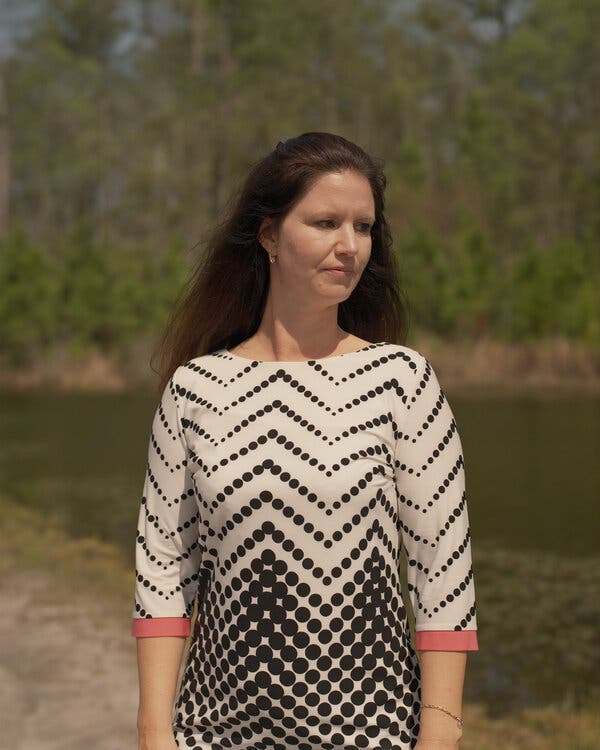
Charlie Lee and his husband want to have a baby. But they are facing a major hurdle: They have 12 viable embryos, but no one to carry one. The couple has spent a little over a year searching for a surrogate. They were originally told by their surrogacy agency that they would be matched with one in six months at the most. That was in January 2021; 15 months later, they are still waiting.Before the pandemic, surrogate mothers were typically paid about $35,000 (fees are unregulated and usually determined by the surrogates and their agencies, if they work with one) and wait times for a match tended to be about three to six months. Now, Mr. Lee, 31, and his husband, who conceived their embryos using donor eggs, have increased their offer to $50,000 plus medical fees and other compensation, such as maternity clothing and transportation costs.“We are anxious and we are just waiting,” said Mr. Lee, who lives in Madison, Wis., and is a student in an M.B.A. program. “There’s nothing else I can do at this point,” he said.Mr. Lee and his husband are contending with the same issue as thousands of other aspiring parents — most often same-sex couples or couples who are facing fertility issues — in the United States: an approximately 60 percent decrease in potential surrogates, according to the 10 agencies The New York Times spoke to, along with doubled wait times and significantly higher fees. According to Jeff Hu, a founder and the director of SurrogateFirst in Los Angeles, Covid-19 vaccination is one issue spurring the surrogacy shortage. A number of potential surrogates, Mr. Hu said, don’t want to get vaccinated. Many intended parents, however, are requiring their surrogates to, Mr. Hu said, as research shows a mother will pass the antibodies to the babies in utero. Additionally, recent studies show that Covid poses many risks to the pregnancy itself. “You can see where there will be a disconnect in the matching market,” Mr. Hu said. “There are now terms in the legal contract about vaccination,” he added, as well as certain Covid protocols, such as agreeing “to not attend large groups or large public gatherings” for the entirety of their pregnancy.Vaccine disagreements are only one issue. Many surrogates are themselves mothers, and — like so many of us — have been struggling with pandemic parenting and all it entails, including erratic child care. Consequently, many potential surrogates — many of whom are military wives who are unemployed and use surrogacy to boost the family’s income — are reluctant to make any other commitments at the moment, said Dr. Deepika Garg, an assistant professor of obstetrics, gynecology and reproductive sciences at Yale University School of Medicine. (In other words, they are exhausted.)And, Dr. Garg said, surrogacy contracts require a commitment of nine months to a year, and this limits travel. As travel bookings pick back up, many surrogates may be hesitant to continue restricting their travel after two years of various lockdowns. Surrogacy is also often prohibitively expensive, which is among the reasons some American couples turn to surrogates abroad, often for significantly lower fees. But while some surrogates are available abroad, the process can be very complicated, and may take many months, including preparing an egg retrieval, undergoing fertility treatments, transferring an embryo and confirming a healthy pregnancy. Furthermore, many foreign countries ban surrogacy arrangements with same-sex couples. As a result, having a surrogate who lives closer to home is preferable — or the only option — for some.And nowhere has the challenge of international surrogacy been highlighted more than currently in Ukraine, which allows foreign surrogacy arrangements and which, by some estimates, is the largest surrogate hub in the world. The war there has created a gut-wrenching crisis: terrified, pregnant surrogates in fear for their safety and parents unable to reach their newborns. The Times recently reported on nearly two dozen surrogate-born babies in hiding with nannies in a Kyiv basement, their fate unknown.Mirjam Johns, who lives in Ludowici, Ga., was a surrogate for a single mother in China. She gave birth in January 2021, and cared for the baby for an additional seven months due pandemic challenges.Anna Ottum for The New York TimesWaiting Another Nine Months to Meet Her BabyFor American surrogates working with parents abroad, there can also be extreme challenges.Mirjam Johns, 37, an intake coordinator at SurrogateFirst, was a surrogate for a single mother who lives in China, where surrogacy is illegal — though Chinese citizens may hire foreign surrogates legally. The baby girl was born on Jan. 27, 2021.The pregnancy went smoothly; it was only after Ms. Johns, who lives in Ludowici, Ga., gave birth that the real Covid complications occurred. Because of the pandemic, a partial shutdown at U.S. passport services and worker shortages, the necessary paperwork from the Chinese Embassy to get the baby to her mother was delayed, Ms. Johns said.Ms. Johns was given full power of attorney over the child so she could take her home from the hospital. Then, Ms. Johns applied for the baby’s passport, and then needed to file for a Chinese visa, as the baby couldn’t get a Chinese passport until physically arriving in China.Ms. Johns ended up taking care of the baby for seven months, until the baby could be with her mother. Ms. Johns took the child to all her pediatrician appointments — and even took her along on two vacations with her husband and three sons: to a mountain getaway in Helen, Ga., and, a few months later, on a vacation in Atlanta.“She went everywhere I did,” Ms. Johns said. “We just included her as if she was ours. It was the best experience.”When the paperwork was finally completed and the baby was cleared to leave the United States, a nanny whom the intended mother hired took her to China, where the newborn and the nanny tested positive for Covid. (Ms. Johns, who is vaccinated, and her family were negative.)The baby continued to test positive for six weeks. Once she finally tested negative, she was released back into mandatory quarantine in Shanghai and 10 days later, her mother (the father is a sperm donor) was allowed to pick up her daughter. This was in October 2021, nine months after the child was born.“I cried, but I was happy she got to finally go home and meet her mom,” Ms. Johns said. “But of course it was hard to watch her leave.”Eran Amir, right, and his husband, Mike Gowen, have used surrogates twice and are now beginning their third process with one.Yehyun Kim for The New York TimesBenevolence and BenefitsThere is intense demand to recruit more surrogates, said Eran Amir, 44, the founder of GoStork, a fertility marketplace where intended parents may find, compare and connect with fertility providers, including surrogacy agencies. He started the agency so others could have more transparency about the surrogacy process.Mr. Amir and his husband, Mike Gowen, have used surrogates twice and are now beginning their third process with one. They paid about $200,000 total for their first surrogacy in 2017: $35,000 for egg donor screening fees, an egg donation, egg donor insurance, the egg donor agency fee, travel expenses and legal fees; $35,000 for I.V.F., which included the egg retrieval, creating the embryos and transferring the embryo; and more than $120,000 for the surrogacy process, which included a $35,000 compensation for the surrogate, plus the surrogate agency fee, surrogate insurance, legal fees, screening, travel expenses and other miscellaneous fees. The second time, in September 2020, they paid $150,000, using a different agency.Mr. Amir, who lives in New Haven, Conn., said his relationship with his surrogates has always been very important to him. “We FaceTime a lot and talked on the phone as much as we could,” he said. “But because of distance” — the first surrogate lived in Ohio; the second in Tennessee — “and Covid on the second journey, we only met for the first time in person when our babies were born.”And because surrogacy is not allowed for same-sex couples in many foreign countries that otherwise allow it, helping a gay couple is a calling for some. Shea Eschman, a photographer who lives in Yukon, Okla., is due July 4 with twins for a gay couple who live in Italy. Ms. Eschman, who has a 4-year-old daughter, had spent time on social media talking to others about potential surrogacy when she was having trouble conceiving her daughter. Now, she said, she wants to help people who aren’t able to have kids on their own.“I’m excited to give them their dream family,” Ms. Eschman said. “They wanted twins, and it’s exactly what they are getting.”Ms. Eschman, 31, who is vaccinated but got Covid during this pregnancy, was matched with the couple in October, and said this pairing was a “cherry on top,” as she, herself, is gay. She speaks to the intended fathers on a regular basis, and declined to disclose how much she is being paid.Benevolent motives and relationships aside, the surrogacy process has become a bidding war, Mr. Amir said, especially within the larger agencies. With the current shortage, the agencies have started trying to lure more surrogates in any way they can. Shea Eschman, who lives in Yukon, Okla., is carrying twins for a same-sex couple who live in Italy. The fact that they are gay was the “cherry on top,” as she, herself, is gay, and same-sex couples are banned from surrogacy in many countries outside the U.S.September Dawn Bottoms for The New York Times“More monthly expenses, maternity clothing, prenatal massages, therapists,” Mr. Amir said. “The bigger the agency, the more you’re going to promise your surrogates and we, as parents, have to pay for it.”Shirley Zager, a consultant and the owner of Parenting Partners in Gurnee, Ill., the agency Mr. Lee and his husband are using, said that before the pandemic her surrogates had typically requested $30,000 to $35,000 in compensation. Today, it can be as much as $75,000.“They are aware that they can ask for more,” Ms. Zager said. Some have even made other requests, such as post-birth tummy tucks, spa days, a recovery trip and more, though Ms. Zager declines to accept those women into her agency.Some agencies suggest that intended parents offer a cash bonus to those willing to get vaccinated; others are increasing their advertising budgets and starting surrogacy advocacy programs.Tristen LaRue, 33, a case manager for SurrogateFirst in Lake Havasu City, Ariz., is about to start her second surrogacy for an international couple. (It’s common to be a repeat surrogate, and Ms. LaRue was a surrogate for a different couple previously.) She will be paid $50,000.During her intake interview, Ms. LaRue said, she was asked about her vaccination status, and like many other surrogates, she said that she was not willing to be vaccinated. The intended fathers accepted her position.“It was somewhat of a calling for me,” said Ms. LaRue, who has two daughters. “I know the joys — and sometimes chaos — of being a parent. Seeing my kids learn and do new things every day in every stage of life is incredibly amazing and fulfilling. I want to help parents to achieve this same feeling.”

Read more →
Lateral flow tests: Should I recycle the plastic?

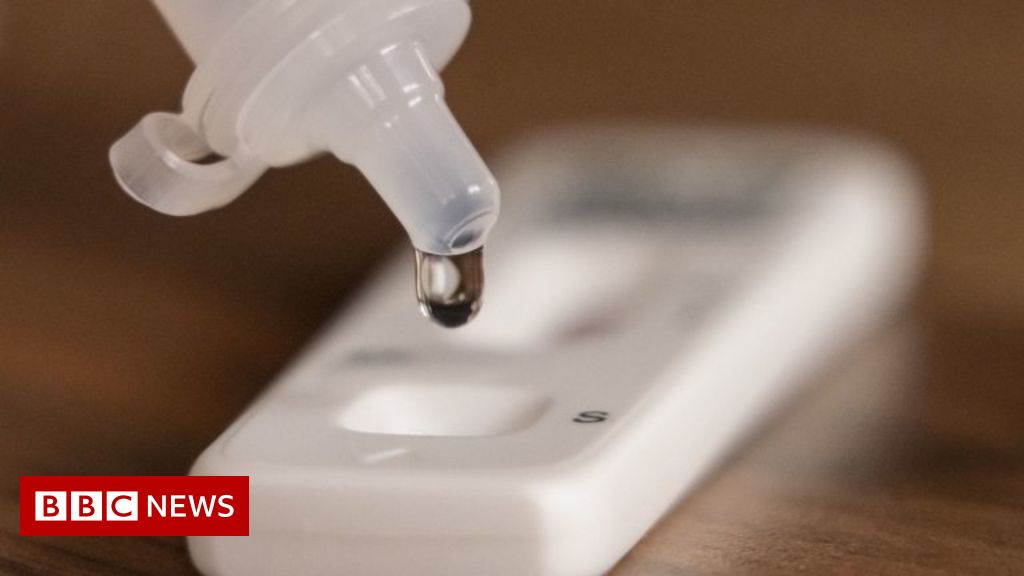
Researchers estimate the UK’s lateral flow testing programme has produced enough plastic waste to fill 200,000 bathtubs or 19 Olympic swimming pools.Scientists at the Energy and Environment Institute at the University of Hull argue once we learned that Covid-19 spread more through the air than via surfaces, the UK government should have started recycling tests to avoid unnecessary plastic pollution.The government says it’s already made changes to make the tests more sustainable. But should we have been recycling our lateral flow test kits?BBC Health reporter Laura Foster, who collected the waste from all her lateral flow tests, explains the situation in two minutes.

Read more →

Omicron 'less severe' than Delta for children ages 4 and younger, study suggests

New research from the Case Western Reserve University (CWRU) School of Medicine suggests that the children younger than age 5 who are infected with the COVID-19 Omicron variant have less risk of severe health outcomes than those infected with the Delta variant.
The study, published Friday in JAMA Pediatrics, is the first large-scale research effort to compare the health outcomes of coronavirus infection from Omicron to Delta in children 4 and younger — the age group not yet able to be vaccinated.
The findings show that the Omicron variant is 6-8 times more infectious than the Delta variant. The severe clinical outcomes ranged from a 16% lower risk for emergency room visits to 85% less risk for mechanical ventilation. And about 1.8% of children infected with Omicron were hospitalized, compared to 3.3% with Delta.
The Case Western Reserve-led team analyzed the electronic health records of more than 651,640 children in the United States who had medical encounter with healthcare organizations between 9/2021-1/2022-including more than 22,772 children infected with Omicron in late December and late January — to more than 66,000 children infected when Delta was prevalent in the fall. The study also compared the records of more than 10,000 children immediately before the detection of Omicron in the U.S., but when Delta was still predominant.
Children younger than 5 are not yet eligible for COVID-19 vaccines and have a low rate of previous SARS-CoV-2 infections, which also limits their pre-existing immunity.
The team examined clinical health outcomes for pediatric patients during a 14-day window following SARS-CoV-2 infection. Among the factors they reviewed were: emergency room visits, hospitalizations, ICU admissions and mechanical ventilation use.
Further demographic data analysis found that children infected with Omicron were on average younger-1.5 years of age versus 1.7 years-and had fewer comorbidities.
“The major conclusion to our research was that many more children were infected with Omicron when compared to Delta, but the children who are infected are not impacted as severely as were children infected with the Delta variant,” said Pamela Davis, the Arline H. and Curtis F. Garvin Research Professor at the Case Western Reserve School of Medicine. “However, because there are so many more children infected, our hospitals were affected over the winter months by an influx of young children.”
“We saw the number of hospitalizations within this age group skyrocket in January of this year because the infection rate of Omicron is about 10 to 15 times compared to that of the Delta variant,” said Rong Xu, professor of biomedical infomatics and director of the Center for AI in Drug Discovery at the School of Medicine. “Omicron is less severe than Delta, however, the reduction of the severity range in clinical outcomes is only 16 to 85%. Furthermore, since so many un-vaccinated children were infected, the long-term effects of COVID-19 infections on the brain, heart, immune systems and other organs of children remains unknown and worrisome. ”
The CDC recommends those age 5 and older receive a COVID-19 vaccine, and fully vaccinated people 12 and older receive a booster shot. According to updated guidance by the CDC, Americans no longer need to mask indoors in counties with low or medium “Covid-19 Community Level.”
Story Source:
Materials provided by Case Western Reserve University. Note: Content may be edited for style and length.

Read more →

New research shows survival rate improvement for extremely pre-term infants

A new study co-authored by a University of Rochester Medical Center (URMC) researcher has found that the survival rates of extremely pre-term babies has increased significantly in the past decade.
The paper, “Mortality, In-Hospital Morbidity, Care Practices, and 2-Year Outcomes for Extremely Preterm Infants in the US, 2013-2018,” examined the survival outcomes of 10,877 infants born at 22-28 weeks’ gestational age between January 1, 2013, and December 31, 2018, at 19 academic medical centers that form the NIH-funded Neonatal Research Network.
Survival among actively treated infants was 30.0% (60/200) at 22 weeks and 55.8% (535/958) at 23 weeks. This is a considerably higher rate of survival than when the study when previously conducted between 2008-2012, in which survival to discharge was 7% (22/334) for live-born infants at 22 weeks and 32% (252/779) for live-born infants at 23 weeks.
This improvement in outcomes for extremely pre-term infants can be attributed to multiple factors, including enhanced treatment protocols across participating medical centers, according to Carl D’Angio, M.D., co-author and Chief of the Division of Neonatology at URMC.
“Academic medical centers have been taking best-practices, applying them, and disseminating them to a wider and wider group nationally,” said D’Angio.
Collective improvement in care in a variety of areas has contributed to the change in outcomes, according to D’Angio. “When we look at survival at almost any group of infants, it’s a bundle of factors. There are similarities and differences in the way they’re treated at various centers, but there are elements where we’ve collectively moved forward, such as ventilation, nutrition and hydration.”
When infants are born at 22 or 23 weeks, nearly every organ is immature, with the lungs and the brain being among the systems most at risk, according to D’Angio.
In addition to studying survival outcomes, the paper assessed the health of severely pre-term infants after two years, including effects such as neurodevelopment, cerebral palsy, vision, hearing, rehospitalizations, and need for assistive devices. Slightly more than 8% had moderate to severe cerebral palsy, 1.5% had vision loss in both eyes, 2.5% needed hearing aids or cochlear implants, and 15% required mobility aids such as orthotics, braces, walkers, or wheelchairs.
Nearly 49% had no or only mild neurodevelopmental impairment, about 29% had moderate neurodevelopmental impairment and roughly 21% had severe neurodevelopmental impairment.
This study — and overall improvement in outcomes — can help clinicians provide clear information in discussions with families when babies are born extremely pre-term.
“We as clinicians support parents in a shared decision-making process when babies are born at the limits of viability,” said D’Angio. “The imminent delivery of an extremely premature infant is a major stressor for families. An important part of helping parents cope is presenting the data we have and letting parents know what to expect in the long-haul. This latest study is positive news for shaping those discussions and providing a more optimistic probability for good outcomes.”
Story Source:
Materials provided by University of Rochester Medical Center. Original written by Scott Hesel. Note: Content may be edited for style and length.

Read more →

CRISPR and HIV: New technique in human blood unveils potential paths toward cure

Scientists at Northwestern Medicine are using new advances in CRISPR gene-editing technology to uncover new biology that could lead to longer-lasting treatments and new therapeutic strategies for Human Immunodeficiency Virus (HIV).
The HIV epidemic has been overlooked during the COVID-19 pandemic but represents a critical and ongoing threat to human health with an estimated 1.5 million new infections in the last year alone.
Drug developers and research teams have been searching for cures and new treatment modalities for HIV for over 40 years but are limited by their understanding of how the virus establishes infection in the human body. How does this small, unassuming virus with only 12 proteins — and a genome only a third of the size of SARS-CoV-2 — hijack the body’s cells to replicate and spread across systems?
A cross-disciplinary team at Northwestern sought to answer that very question.
In the team’s new study, published today (April 1) in the journal Nature Communications, scientists used a new CRISPR gene-editing approach to identify human genes that were important for HIV infection in the blood, finding 86 genes that may play a role in the way HIV replicates and causes disease, including over 40 that have never been looked at in the context of HIV infection.
The study proposes a new map for understanding how HIV integrates into our DNA and establishes a chronic infection.

Read more →

Overlooked No More: Elizabeth Hayes, Coal Town Doctor Who Fought for Miners

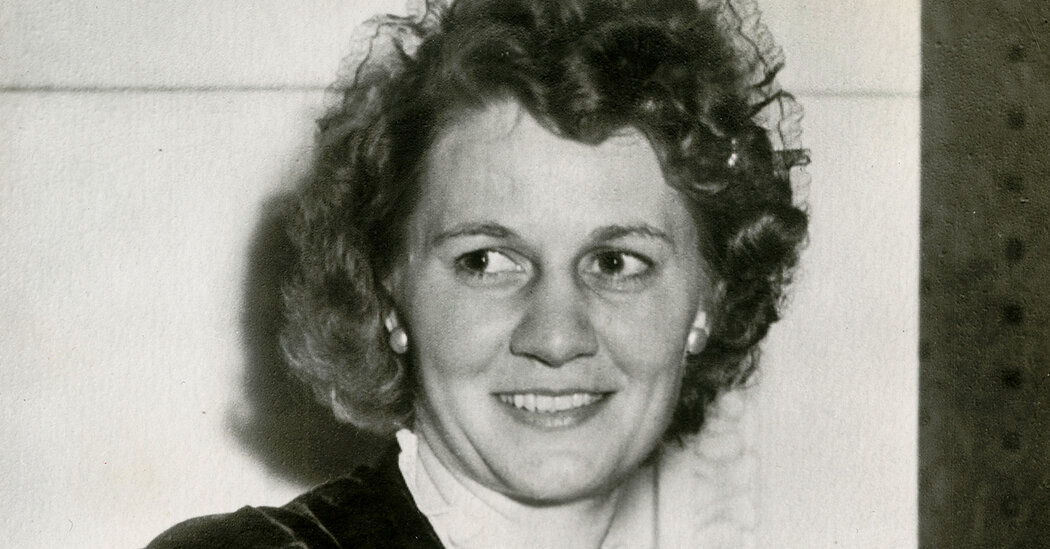
“Dr. Betty” led 350 miners on a strike in Pennsylvania in 1945 demanding that the mining company that owned their town improve horridly unsanitary conditions.This article is part of Overlooked, a series of obituaries about remarkable people whose deaths, beginning in 1851, went unreported in The Times.It was 1943, and Elizabeth Hayes was several months into her new job as a coal town doctor in Force, Pa., when she noticed something worrisome. Many of the miners she treated were falling ill, not from the black lung disease so common from inhaling coal dust, but with mysterious stomach ailments and diarrhea.Hayes was employed by Shawmut Mining, the company that owned the entire town — the streets, the church, even the miners’s homes. She was certain that the ailments she was seeing were caused by the town’s dirty drinking water and other unsanitary conditions; Shawmut had refused to build sewers, pave streets or pipe clean water into the miners’s homes. After rainstorms, raw sewage flowed through yards, alleys and unpaved streets. Children played in sewage-filled ditches, and many of the wells were dug too close to outhouses.Hayes implored the company to install a new water system, but nothing changed. So in April 1945, she told the company that she would quit unless it fixed the town’s sanitation problems. When Hayes, one of nation’s few female coal town doctors, spoke up at a union meeting with management, Shawmut grew fed up with her and accepted her resignation.Hayes at a meeting with miners in Force, Pa. About 350 miners went on strike after Hayes left her job at Shawmut Mining Company.Courtesy of the Historical Society of PennsylvaniaHayes, often called “Dr. Betty,” was the only doctor within a 15-mile radius, and local miners were furious to lose her. About 350 of them went on strike in three Shawmut-owned Pennsylvania towns, Force, Byrnedale and Hollywood, demanding that the company keep Hayes and build a new water system.Overnight, newspapers and magazines, in writing about Hayes’s crusade, “catapulted her to media stardom,” Marcia Biederman wrote in her book “A Mighty Force: Dr. Elizabeth Hayes and Her War for Public Health” (2021). Some reports called her the miners’ “Joan of Arc.”“I see no point in having well baby clinics when you feed these babies ‘toilet’ water,” Hayes was quoted as saying in The New York Times about the 1945 strike.She told The Daily Worker, the Communist Party newspaper, “We never dreamt that people would take such an interest in our local problems.”Hayes “was putting the miners and their welfare before her responsibility to her employer,” Janet Wells Greene, a coal mining expert and former professor of labor studies at SUNY Empire State College, said in an interview. “That was shocking to many people.”Newspapers and magazines played up the fact that she was not just brave and principled but also young (she was 33) and a rare female doctor. “Dr. Betty Hayes was a smartly dressed, wisecracking career woman out of a Jean Arthur or Rosalind Russell film,” Biederman wrote. “No other labor story carried a photo like Hayes’s portrait, fit for the women’s pages or the society columns.”Elizabeth Omega Hayes was born on May 7, 1912, in a mining camp in Conifer, Pa., near Force, about 120 miles northeast of Pittsburgh. Her father, Leo Zeno Hayes, was a doctor, and her mother, Anna Hivick Hayes, was a homemaker. Elizabeth was the youngest of eight children, and when she was still young the family moved to Force, where she attended public schools. Most of her classmates were the children of miners.She graduated from Villa Maria Academy in Erie, Pa., then studied pre-med at Pennsylvania State College (now Penn State University). She graduated from the Temple University School of Medicine in 1936 and did an internship at Nesbitt Memorial Hospital in Kingston, Pa. She became a general practitioner in that town for four years and later moved to Newfoundland to work as a doctor and tuberculosis researcher at the Grenfell Medical Mission, which helped small fishing villages.Hayes in Pennsylvania coal country in 1936 shortly after her graduation from medical school. She took over her father’s practice as a coal town doctor.via William KunkleElizabeth’s father had served as a coal town doctor in the Force area for four decades, and shortly before he died, he asked that one of his children — five of them had become doctors — agree to take over his job. The family chose Elizabeth, and she moved back into her childhood home. Unlike the miners’ homes, it had indoor plumbing.Hayes was a beloved figure in Force; Biederman wrote that children often jumped onto her car’s running boards as she drove to miners’ homes.Force’s sanitary conditions gnawed at her. The drinking water smelled bad, and townspeople often complained of mysterious ailments. Suspecting a case of typhoid, Hayes hired a private lab to test the water, and it found that many wells were contaminated.The state authorities tested Force’s wells, and they, too, found contamination. They declined to take action against Shawmut, though they added disinfectant and warned families to boil their water — measures that Hayes felt did not go nearly far enough.After the strike started, Hayes continued caring for the miners and their families, with the miners paying her directly. Shawmut insisted that it couldn’t afford to build a new water system; it had declared bankruptcy four decades earlier and was still in receivership. Yet The Pittsburgh Post-Gazette reported that the company’s president, John D. Dickson, was taking a large salary.Hayes at a farewell picnic hosted by miners and their families in 1947, when Hayes decided to leave her job as the local doctor.via William KunkleThe strike dragged on partly because Shawmut’s executives so disliked Hayes that they refused to negotiate with the miners if she attended the bargaining sessions, even though the miners wanted her there. Shawmut even evicted Hayes from her house and office.In her biography, Biederman wrote that Dickson went so far as to suggest that Hayes was an enchantress who had bewitched the miners, saying that she was “not unlike” the “sirens of old” in Homer’s “Odyssey.”The miners, members of the United Mine Workers, sent a telegram to President Harry S. Truman asking for help, and a federal judge, Guy K. Bard, was assigned to investigate Shawmut’s finances. At a hearing, Hayes and the miners testified about the horrid sanitation conditions, Biederman wrote, with Hayes’s testimony clearly moving the judge. She spoke of delivering a baby after she had fallen into a ditch and sewage had splattered her clothes. Public health professionals had urged women to have their babies in hospitals, “using everything that science has taught us about baby care,” Hayes said, yet, she added, “we have to mix our formula with sewage and diluted urine.”Judge Bard appointed two new executives to run Shawmut, ousting Dickson and his top aide. The new executives rehired Hayes and agreed to fix the sewage problems and pave the roads. Declaring victory, the miners ended their five-month strike.Hayes became so celebrated that Woody Guthrie wrote a song, “The Dying Doctor,” about her and her father. The lyrics go, in part, “My daddy told me to fight to cure sickness / But I can’t cure sickness with sewage all around.”Hayes decided to leave her job in 1947, and the miners and their families threw a big farewell picnic. She married Charles Williamson and worked as a civilian doctor at the Cherry Point Marine Air Base in North Carolina. While her husband was serving in Korea, she moved to Brockway, Pa., and helped run a medical practice there. After her marriage to Williamson ended in divorce, she married LeRoy Voris, an agricultural researcher, in 1957. They lived in Washington and ultimately retired to Pine Knoll Shores, N.C.Hayes died of a stroke on June 26, 1984, in New Bern, N.C. She was 72.During the 1945 strike, when “Dr. Betty” was a national sensation, The Philadelphia Record wrote, “The prescription of Dr. Hayes — ‘Get good and mad — and start fighting’ — reminds us that many, many more Americans need to follow her example.”

Read more →

Monkeys routinely consume fruit containing alcohol, shedding light on our own taste for booze

For 25 years, UC Berkeley biologist Robert Dudley has been intrigued by humans’ love of alcohol. In 2014, he wrote a book proposing that our attraction to booze arose millions of years ago, when our ape and monkey ancestors discovered that the scent of alcohol led them to ripe, fermenting and nutritious fruit.
A new study now supports this idea, which Dudley calls the “drunken monkey” hypothesis.
The study was led by primatologist Christina Campbell of California State University, Northridge (CSUN), and her graduate student Victoria Weaver, who collected fruit eaten and discarded by black-handed spider monkeys (Ateles geoffroyi) in Panama. They found that the alcohol concentration in the fruit was typically between 1% and 2% by volume, a by-product of natural fermentation by yeasts that eat sugar in ripening fruit.
Moreover, the researchers collected urine from these free-ranging monkeys and found that the urine contained secondary metabolites of alcohol. This result shows that the animals were actually utilizing the alcohol for energy — it wasn’t just passing through their bodies.
“For the first time, we have been able to show, without a shadow of a doubt, that wild primates, with no human interference, consume fruit-containing ethanol,” said Campbell, a CUSN professor of anthropology who obtained her Ph.D. in anthropology from Berkeley in 2000. “This is just one study, and more need to be done, but it looks like there may be some truth to that ‘drunken monkey’ hypothesis — that the proclivity of humans to consume alcohol stems from a deep-rooted affinity of frugivorous (fruit-eating) primates for naturally-occurring ethanol within ripe fruit.”
Dudley laid out evidence for his idea eight years ago in the book, The Drunken Monkey: Why We Drink and Abuse Alcohol. Measurements showed that some fruits known to be eaten by primates have a naturally high alcohol content of up to 7%. But at the time, he did not have data showing that monkeys or apes preferentially sought out and ate fermented fruits, or that they digested the alcohol in the fruit.

Read more →

Pandemic's urgency drove new collaborative approaches worldwide

In a paper in the journal Nature, Los Alamos National Laboratory scientists Bette Korber, Hyejin Yoon, Will Fischer and James Theiler, among nearly 130 authors from institutions around the world, describe their groundbreaking collaborative work, “Defining the risk of SARS-CoV-2 variants on immune protection.”
Korber, Fischer, Yoon and Theiler are members of a rarified team that the National Institute of Allergy and Infectious Diseases assembled in January 2021, drawing on experts from around the world who specialize in relevant research fields such as viruses, the immune system, vaccines, epidemiology, structural biology, bioinformatics, virus genetics, and evolution. The team is called SAVE, for SARS-CoV-2 Assessment of Viral Evolution.
As noted in the Nature paper, the authors state, “This effort was designed to provide a real-time risk assessment of SARS-CoV-2 variants potentially impacting transmission, virulence, and resistance to convalescent and vaccine-induced immunity. The SAVE program serves as a critical data-generating component of the United States Government SARS-CoV-2 Interagency Group to assess implications of SARS-CoV-2 variants on diagnostics, vaccines and therapeutics and for communicating public health risk.”
Broad model for rapid response
SAVE focuses on mutations in SARS-CoV-2 and emerging virus variants. But its members say the global collaborative concept “is a broad model for rapidly responding to evolving pathogens with pandemic potential.”
“Over the past two decades, we have witnessed the emergence/re-emergence of several RNA viruses, including West Nile virus, H1N1 influenza virus, chikungunya virus, Zika virus, SARS-CoV-1, MERS-CoV and Ebola virus, that have threatened global public health,” the paper’s summary states. “Developing collaborative programs between academic, industry and commercial partners is essential to respond to rapidly evolving viruses,” said Marciela DeGrace of NIAID, the paper’s lead author.

Read more →

Drenching rains to pose greater threat to fire-damaged areas in West

The western United States this century is facing a greatly heightened risk of heavy rains inundating areas that were recently scarred by wildfires, new research warns. Such events can cause significant destruction, including debris flows, mudslides, and flash floods, because the denuded landscape cannot easily contain the drenching moisture.
A new study finds that, if society emits heat-trapping greenhouse gases at a high rate, the number of times that an extreme fire event is likely to be followed within one year by an extreme rainfall event will increase by more than eight times in the Pacific Northwest by the end of the century. It will more than double in California.
Overall, more than 90% of extreme fire events in the three regions that the research team focused on — which included Colorado along with California and the Pacific Northwest — will be followed by at least three extreme rainfalls within five years.
The study authors, including scientists at the National Center for Atmospheric Research (NCAR), used advanced computer models of past and future climate, as well as an index of weather variables that contribute to wildfire risk, to reach their results.
Lead author Danielle Touma, who did much of the research at the University of California, Santa Barbara, before coming to NCAR, noted that previous research has shown that both wildfires and extreme rainfall will increase in the West with climate change. However, the increased frequency of extreme rainfall-after-fire events came as a surprise.
“It’s very concerning, given the destruction that comes with these kinds of events,” Touma said. “Clearly we need to understand the risks better, as this creates a major threat to people and infrastructure.”
The study is being published this week in Science Advances. Funding came primarily from the U.S. National Science Foundation, which is NCAR’s sponsor, and the Department of Energy. Researchers from the University of California, Santa Barbara; the University of California, Los Angeles; the Nature Conservancy of California; and Washington State University contributed to the study.

Read more →

Combination of biomarkers can identify common cognitive disease

In recent years, subcortical small-vessel disease has become an increasingly common cognitive diagnosis. Researchers at University of Gothenburg have now shown that it is possible to identify patients with the disease by combining two biomarkers that are measured in spinal fluid and blood, increasing the potential for both treatment and development of medication.
Subcortical small-vessel disease is one of the most common cognitive diseases, along with Alzheimer’s disease and mixed dementia, which is a form in which Alzheimer’s disease occurs together with vascular damage in the brain.
Petronella Kettunen, associate professor in neurobiology at the University of Gothenburg and project manager for the Gothenburg Mild Cognitive Impairment study, is the article’s lead author:
“Up to now, we have had no markers for subcortical small-vessel disease, which means that the disease could not be easily identified by testing samples of spinal fluid or blood. We have now opened up an opportunity to identify the disease, enabling help for this patient group in the form of lifestyle changes and blood pressure-reducing medication,” she says.
In the study, researchers at the University of Gothenburg examined several biomarkers, measured in samples of both spinal fluid and blood, to see whether they could be used to distinguish between these three common cognitive diseases. A total of 170 patients are included in the study, including control subjects.
Identifies subcortical small-vessel disease
The study confirms that a biomarker for vascular injury, based on the ratio of the protein albumin in spinal fluid and blood, was significantly higher in patients with subcortical small-vessel disease. The study also presents a new biomarker, a fragment of the amyloid precursor protein (APP) in spinal fluid, which was lower in patients with subcortical small-vessel disease.
“When we combined the biomarker for vascular injury with the protein fragment we identified, the potential for separating patients with subcortical small-vessel disease from control subjects, patients with Alzheimer’s disease and patients with mixed dementia was improved,” says Kettunen.
Well-defined research basis
The findings also improve the possibilities for refining patient cohorts during clinical trials for new drugs.Diagnosing patients with these diseases is important for identifying the correct patient groups for each disease that in turn enable future treatment studies.
“For a treatment study for Alzheimer’s disease, for example, you need to know that all of the patients are suffering from Alzheimer’s and not from another cognitive disease, otherwise the result will not be accurate.”
Alzheimer’s & Subcortical Small-Vessel Disease Alzheimer’s disease progresses gradually. Early in its development, the disease usually causes memory loss because the brain regions responsible for this function are broken down. In contrast, subcortical small-vascular disease affects vessels deep within the brain, below the cerebral cortex, so that the cognitive symptoms are different. Patients often suffer sudden personality changes and slowed mental acuity before memory becomes noticeably diminished. Small-vessel disease can be associated with high blood pressure, and patients often exhibit small cerebral infarcts and other vascular injury in white brain matter. Patients with subcortical small-vessel disease constitute a large proportion of cases in the vascular cognitive disease group.
Story Source:
Materials provided by University of Gothenburg. Note: Content may be edited for style and length.

Read more →