Artificial intelligence may improve diabetes diagnosis, study shows

Using a fully-automated artificial intelligence (AI) deep learning model, researchers were able to identify early signs of type 2 diabetes on abdominal CT scans, according to a new study published in the journal Radiology.
Type 2 diabetes affects approximately 13% of all U.S. adults and an additional 34.5% of adults meet the criteria for prediabetes. Due to the slow onset of symptoms, it is important to diagnose the disease in its early stages. Some cases of pre-diabetes can last up to 8 years and an earlier diagnosis will allow patients to make lifestyle changes to alter the progression of the disease.
Abdominal CT imaging can be a promising tool to diagnose type 2 diabetes. CT imaging is already widely used in clinical practices, and it can provide a significant amount of information about the pancreas. Previous studies have shown that patients with diabetes tend to accumulate more visceral fat and fat within the pancreas than non-diabetic patients. However, not much work has been done to study the liver, muscles and blood vessels around the pancreas, said study co-senior author Ronald M. Summers, M.D., Ph.D., senior investigator and staff radiologist at the National Institutes of Health Clinical Center in Bethesda, Maryland.
“The analysis of both pancreatic and extra-pancreatic features is a novel approach and has not been shown in previous work to our knowledge,” said first author Hima Tallam, B.S.E., M.D./Ph.D. student.
The manual analysis of low-dose non-contrast pancreatic CT images by a radiologist or trained specialist is a time-intensive and difficult process. To address these clinical challenges, there is a need for the improvement of automated image analysis of the pancreas, the authors said.
For this retrospective study, Dr. Summers and colleagues, in close collaboration with co-senior author Perry J. Pickhardt, M.D., professor of radiology at the University of Wisconsin School of Medicine & Public Health, used a dataset of patients who had undergone routine colorectal cancer screening with CT at the University of Wisconsin Hospital and Clinics. Of the 8,992 patients who had been screened between 2004 and 2016, 572 had been diagnosed with type 2 diabetes and 1,880 with dysglycemia, a term that refers to blood sugar levels that go too low or too high. There was no overlap between diabetes and dysglycemic diagnosis.
To build the deep learning model, the researchers used a total of 471 images obtained from a variety of datasets, including the Medical Data Decathlon, The Cancer Imaging Archive and the Beyond Cranial Vault challenge. The 471 images were then divided into three subsets: 424 for training, 8 for validation and 39 for test sets. Researchers also included data from four rounds of active learning.
The deep learning model displayed excellent results, demonstrating virtually no difference compared to manual analysis. In addition to the various pancreatic features, the model also analyzed the visceral fat, density and volumes of the surrounding abdominal muscles and organs.
The results showed that patients with diabetes had lower pancreas density and higher visceral fat amounts than patients without diabetes.
“We found that diabetes was associated with the amount of fat within the pancreas and inside the patients’ abdomens,” Dr. Summers said. “The more fat in those two locations, the more likely the patients were to have diabetes for a longer period of time.”
The best predictors of type 2 diabetes in the final model included intrapancreatic fat percentage, pancreas fractal dimension, plaque severity between the L1-L4 vertebra level, average liver CT attenuation, and BMI. The deep learning model used these predictors to accurately discern patients with and without diabetes.
“This study is a step towards the wider use of automated methods to address clinical challenges,” the authors said. “It may also inform future work investigating the reason for pancreatic changes that occur in patients with diabetes.”

Read more →

Gene deletion behind anomaly in blood cancer cells

The mystery is being unraveled of why the control centers, or nuclei, of certain blood cancer cells have a distinctly odd shape.
These new research findings provide clues on the origins and progression of these cancers, and could suggest ways to diagnose and treat certain leukemias at an earlier stage.
These squeezed-in-the-middle nuclei, which resemble pince-nez glasses, are called Pelger-Huët anomalies. They were first observed under a microscope in 1928. Checking for this cellular aberration has long helped clinical labs diagnose leukemias and myelodysplastic syndrome, a disease of blood-forming cells in the bone marrow.
Although this structural change inside blood cells indicates possible cancer, until a recent study, no one knew what caused it to happen.
In the journal CELL Stem Cell, cancer biologists report the discovery of the genetic mutation behind this cell abnormality.
“The primary diagnosis of many cancers, even in the era of genomic medicine, remains centered on the appearance of cells under a microscope.” said Dr. Sergei Doulatov, an associate professor of medicine in the Division of Hematology at the University of Washington School of Medicine In Seattle and the senior investigator on the recent gene study, a collaborative work among several institutions.

Read more →

DNA discovery reveals a critical 'accordion effect' for switching off genes

WEHI researchers have revealed how an ‘accordion effect’ is critical to switching off genes, in a study that transforms the fundamentals of what we know about gene silencing.
The finding expands our understanding of how we switch genes on and off to make the different cell types in our bodies, as we develop in the womb.
It also offers a new way to potentially harness gene silencing in the future, to treat or reverse the progression of a broad range of diseases including cancer, congenital and infectious diseases.
Gene silencing is regulated by how tightly DNA is packed into a cell. The findings from a team led by Dr Andrew Keniry and Professor Marnie Blewitt reveal a new accordion-like trigger that is crucial to the process.
The research is published in Nature Communications.
All in the DNA
The DNA that makes up our genetic material is wrapped tightly around proteins, like thread wraps around a spool. When it is loosely packaged the genes can be switched on; when it is tightly compacted, genes are switched off.

Read more →

Shanghai Covid lockdown extended to entire city

SharecloseShare pageCopy linkAbout sharingImage source, ReutersChinese authorities have extended their lockdown of Shanghai to cover all its 25 million people after a fresh surge in Covid cases.Initially, there had been separate measures for the eastern and western sides, but the whole city is now subject to indefinite restrictions.Shanghai is the largest single city to be locked down to date.The important financial hub has battled a new wave of coronavirus infections for more than a month.Reported cases have risen to more than 13,000 a day, although the numbers are not high by some international standards. Residents in some areas of the city said the strict policy meant no-one was allowed to leave their housing compounds, not even to collect essential provisions.They reported difficulties in ordering food and water online, with restrictions on when customers are able to place their orders, because of a shortage of supplies and delivery staff.This country’s “zero-Covid” system is, at best, struggling to cope.China has done Covid lockdowns before, but not on the scale of its financial mega-city.The logistical challenges required to confine 25 million people to their homes, while keeping them fed, are huge. Social media here is full of angry residents complaining that they can’t order food because the delivery system is clogged up.Centralised isolation facilities – many using only camp beds, with no showers or other facilities – are bursting with infected people squashed in next to one another.One of China’s few reliable media outlets, Caixin, has reported that close contacts of infected people will be moved to neighbouring provinces. This could potentially involve hundreds of thousands of Shanghai residents.The Chinese government’s complete elimination strategy has become something of a mantra, with the government ridiculing other countries for sacrificing their own people on the altar of opening up.Some medical specialists here have tried to get the message through that, for a vaccinated person, catching the Omicron variant of Covid will probably not necessitate going to hospital – that you can simply ride it out at home until you recover.Few people in China seem to be aware of this. Their officials and state media have kept it from them.So the lockdowns continue and it’s not only Shanghai closed right now. Jilin City (3.6 million people), Changchun (nine million), Xuzhou (nine million), the steel city of Tangshan (7.7 million) and various other towns and villages are keeping their residents indoors.The strain on people, and the economic cost of it all, must be enormous.The city is testing the limits of China’s zero-Covid strategy, amid growing public anger over quarantine rules.The policy sets China apart from most other countries which are trying to live with the virus. But the increased transmissibility and milder nature of the Omicron variant has led to questions over whether the current strategy is sustainable in the long run. How is China’s zero-Covid strategy changing?Omicron vs Zero-Covid: How long can China hold on?”Currently, Shanghai’s epidemic prevention and control is at the most difficult and most critical stage,” said Wu Qianyu, an official with the municipal health commission. “We must adhere to the general policy of dynamic clearance without hesitation, without wavering.”On Monday, Shanghai reported a record 13,086 new asymptomatic coronavirus cases, after a city-wide testing programme took samples from more than 25 million people in 24 hours.At least 38,000 people have been deployed to Shanghai from other regions, in what state media have said is the biggest nationwide medical operation since the shutdown of Wuhan in early 2020.More on this storyWhy China is locking down its citiesChina announces Shanghai lockdownOmicron vs Zero-Covid: How long can China hold on?The economic cost of China’s zero-Covid policy

Read more →

Can A.I.-Driven Voice Analysis Help Identify Mental Disorders?

Early tests have been promising, but issues involving bias, privacy and mistrust of “black box” algorithms are possible pitfalls.This article is part of a limited series on artificial intelligence’s potential to solve everyday problems.Imagine a test as quick and easy as having your temperature taken or your blood pressure measured that could reliably identify an anxiety disorder or predict an impending depressive relapse.Health care providers have many tools to gauge a patient’s physical condition, yet no reliable biomarkers — objective indicators of medical states observed from outside the patient — for assessing mental health.But some artificial intelligence researchers now believe that the sound of your voice might be the key to understanding your mental state — and A.I. is perfectly suited to detect such changes, which are difficult, if not impossible, to perceive otherwise. The result is a set of apps and online tools designed to track your mental status, as well as programs that deliver real-time mental health assessments to telehealth and call-center providers.Psychologists have long known that certain mental health issues can be detected by listening not only to what a person says but how they say it, said Maria Espinola, a psychologist and assistant professor at the University of Cincinnati College of Medicine.With depressed patients, Dr. Espinola said, “their speech is generally more monotone, flatter and softer. They also have a reduced pitch range and lower volume. They take more pauses. They stop more often.”Patients with anxiety feel more tension in their bodies, which can also change the way their voice sounds, she said. “They tend to speak faster. They have more difficulty breathing.”Today, these types of vocal features are being leveraged by machine learning researchers to predict depression and anxiety, as well as other mental illnesses like schizophrenia and post-traumatic stress disorder. The use of deep-learning algorithms can uncover additional patterns and characteristics, as captured in short voice recordings, that might not be evident even to trained experts.“The technology that we’re using now can extract features that can be meaningful that even the human ear can’t pick up on,” said Kate Bentley, an assistant professor at Harvard Medical School and a clinical psychologist at Massachusetts General Hospital.“There’s a lot of excitement around finding biological or more objective indicators of psychiatric diagnoses that go beyond the more subjective forms of assessment that are traditionally used, like clinician-rated interviews or self-report measures,” she said. Other clues that researchers are tracking include changes in activity levels, sleep patterns and social media data.These technological advances come at a time when the need for mental health care is particularly acute: According to a report from the National Alliance on Mental Illness, one in five adults in the United States experienced mental illness in 2020. And the numbers continue to climb.Although A.I. technology can’t address the scarcity of qualified mental health care providers — there are not nearly enough to meet the country’s needs, said Dr. Bentley — there’s hope that it may lower the barriers to receiving a correct diagnosis, assist clinicians in identifying patients who may be hesitant to seek care and facilitate self-monitoring between visits.“A lot can happen in between appointments, and technology can really offer us the potential to improve monitoring and assessment in a more continuous way,” Dr. Bentley said.To test this new technology, I began by downloading the Mental Fitness app from Sonde Health, a health technology company, to see whether my feelings of malaise were a sign of something serious or if I was simply languishing. Described as “a voice-powered mental fitness tracking and journaling product,” the free app invited me to record my first check-in, a 30-second verbal journal entry, which would rank my mental health on a scale of 1 to 100.A minute later I had my score: a not-great 52. “Pay Attention” the app warned.The app flagged that the level of liveliness detected in my voice was notably low. Did I sound monotonic simply because I had been trying to speak quietly? Should I heed the app’s suggestions to improve my mental fitness by going for a walk or decluttering my space? (The first question might indicate one of the app’s possible flaws: As a consumer, it can be difficult to know why your vocal levels fluctuate.)Juan Carlos PaganLater, feeling jittery between interviews, I tested another voice-analysis program, this one focused on detecting anxiety levels. The StressWaves Test is a free online tool from Cigna, the health care and insurance conglomerate, developed in collaboration with the A.I. specialist Ellipsis Health to evaluate stress levels using 60-second samples of recorded speech.“What keeps you awake at night?” was the website’s prompt. After I spent a minute recounting my persistent worries, the program scored my recording and sent me an email pronouncement: “Your stress level is moderate.” Unlike the Sonde app, Cigna’s email offered no helpful self-improvement tips.Other technologies add a potentially helpful layer of human interaction, like Kintsugi, a company based in Berkeley, Calif., that raised $20 million in Series A funding earlier this month. Kintsugi is named for the Japanese practice of mending broken pottery with veins of gold.Founded by Grace Chang and Rima Seiilova-Olson, who bonded over the shared past experience of struggling to access mental health care, Kintsugi develops technology for telehealth and call-center providers that can help them identify patients who might benefit from further support.By using Kintsugi’s voice-analysis program, a nurse might be prompted, for example, to take an extra minute to ask a harried parent with a colicky infant about his own well-being.One concern with the development of these types of machine learning technologies is the issue of bias — ensuring the programs work equitably for all patients, regardless of age, gender, ethnicity, nationality and other demographic criteria.“For machine learning models to work well, you really need to have a very large and diverse and robust set of data,” Ms. Chang said, noting that Kintsugi used voice recordings from around the world, in many different languages, to guard against this problem in particular.Another major concern in this nascent field is privacy — particularly voice data, which can be used to identify individuals, Dr. Bentley said.And even when patients do agree to be recorded, the question of consent is sometimes twofold. In addition to assessing a patient’s mental health, some voice-analysis programs use the recordings to develop and refine their own algorithms.Another challenge, Dr. Bentley said, is consumers’ potential mistrust of machine learning and so-called black box algorithms, which work in ways that even the developers themselves can’t fully explain, particularly which features they use to make predictions.“There’s creating the algorithm, and there’s understanding the algorithm,” said Dr. Alexander S. Young, the interim director of the Semel Institute for Neuroscience and Human Behavior and the chair of psychiatry at the University of California, Los Angeles, echoing the concerns that many researchers have about A.I. and machine learning in general: that little, if any, human oversight is present during the program’s training phase.For now, Dr. Young remains cautiously optimistic about the potential of voice-analysis technologies, especially as tools for patients to monitor themselves.“I do believe you can model people’s mental health status or approximate their mental health status in a general way,” he said. “People like to be able to self-monitor their statuses, particularly with chronic illnesses.”But before automated voice-analysis technologies enter mainstream use, some are calling for rigorous investigations of their accuracy.“We really need more validation of not only voice technology, but A.I. and machine learning models built on other data streams,” Dr. Bentley said. “And we need to achieve that validation from large-scale, well-designed representative studies.”Until then, A.I.-driven voice-analysis technology remains a promising but unproven tool, one that may eventually be an everyday method to take the temperature of our mental well-being.

Read more →

Susan Cain’s ‘Bittersweet’ Explores the Upside of Sadness

Susan Cain’s new book examines how sadness makes us whole.Have you ever wondered why we love sad songs, or get choked up at a “Thank you, Mom” Olympics commercial? Questions like these were the impetus for Susan Cain’s new book, “Bittersweet: How Sorrow and Longing Make Us Whole.”“Bittersweetness is the hidden source of our moonshots, masterpieces and love stories,” writes Ms. Cain, who believes that we experience our deepest states of love, happiness, awe and creativity precisely because life is imperfect, not in spite of that fact. At the heart of her exploration is the naming and reframing of her titular paradox: that there is no bitter without sweet.“Bittersweet,” which is part memoir and partly a look at neuroscience, psychology, spirituality, religion, epigenetics, music, poetry and art, makes a case for the underappreciated “curiously piercing joy at the beauty of the world” within a culture of relentless optimism. The book aims to explain that irrepressible lump in our throat spurred by seeing an image of our high school grad as a grinning toddler.“The sadness from which compassion springs is a pro-social emotion, an agent of connection and love,” she writes. And this “happiness of melancholy” has a physiological signature and explanation.It turns out, Ms. Cain writes, that the vagus nerve — the constellation of nerves that connects the brain stem to the throat and the abdomen and is responsible for digestion, breathing and heart rate — is also associated with compassion in the face of sadness, our instinct to protect our young and desire to experience pleasure.Fittingly, the oldest, most instinctive part of our nervous system, which evolved so that we had the necessary empathy to respond to our underdeveloped newborns, Ms. Cain indicates, is also the site of the very sadness-joy-survival continuum that makes us human.Ms. Cain, who is also the author of “Quiet: The Power of Introverts in a World That Can’t Stop Talking,” discussed the importance of sorrow and more in the edited interview below.What would you like people to understand about being open to or celebrating feelings like sadness and longing?S. C.: We would do better to understand that the most fundamental aspect of being human is the longing to live in a more perfect and beautiful world than the one that we live in now. Sometimes that’s expressed in explicitly religious terms, like the longing for Mecca or for Zion, or for Eden, or like the way the Sufis put it, which is my favorite, “the longing for the beloved of the soul.”But it’s also in those moments when we see a gorgeous waterfall or a painting that’s so beautiful that it makes us cry. That’s a spiritual impulse that we’re having. What we’re really seeing is an expression of that more perfect and beautiful world that we feel like we come from and that we need to return to.Tell us a little about the importance of “longing,” how it’s been misunderstood in modern times and within the context of a culture driven by “the tyranny of optimism?”S.C.: In our culture, you say the word “longing” and you might think “mired in longing” or “wallowing in longing,” but that’s not how it has been understood historically. In the “Odyssey,” Odysseus was seized by homesickness and that was what propelled him on his journey.That’s what carries you to the divine, to creativity. I don’t believe we should be making a distinction between the divine and creativity and compassion and all these things. They’re all manifestations of the same fundamental state of humanity.If you had published this book before the pandemic, do you think there would be a different level of reception?S.C.: When I gave my TED Talk on bittersweetness in the summer of 2019, it was fascinating how much the very act of talking about sorrow, longing and bittersweetness was seen as being a statement of depression, as opposed to a cleareyed view of what life is.The fact that all humans have to go through that together is one of our deepest sources of communion and one of our deepest sources of art and beauty. I think it was very hard for half the audience to grasp that at that moment in time. I think if I were giving that talk today, it might be different.You make a big distinction between sweet melancholy and depression. How do you define the difference?S.C.: I am melancholic by nature, but I think of myself as a happy melancholic. I’m actually not depressive in the clinical sense of that term.It’s really interesting because there’s a long tradition that goes back centuries of talking about melancholy and its mysterious virtues — more than 2,000 years ago Aristotle was asking why it is that many of the great poets and philosophers and politicians have a melancholic personality. Melancholy and depression are two distinct states, but often no distinction is made.What fields of psychology are bucking this tendency toward pathologizing melancholy?S.C.: One psychologist, Dacher Keltner, who I wrote about in the book, has done pioneering work on what he calls the “compassionate instinct,” and he points out that the very word “compassion” means suffering together. So what you’re doing when you’re feeling compassionate is actually experiencing this sorrow of others.When we think of human nature, we often either cynically or despairingly go to the idea of survival of the fittest, but Dr. Keltner says we should also really be talking about survival of the kindest, because as humans, the only way that we survive is by being able to respond to the cries of our infants. What has radiated outward from there is that we’re not only responding to our own infants’ cries, we react to the cries of other people’s infants and then we react to other human beings in distress in general.Can listening to bittersweet, minor-key music, prime you for “the bittersweet mind-set” and life’s fragility?S.C.: Yes, absolutely. In fact, that was actually the catalyst that got me to start writing this book. I would listen to a technically sad song, but what it made me feel instead was a sense of communion with other people who had also known the sorrow that the music was expressing. And with this incredible sense of awe and gratitude toward the musician for being able to translate what had clearly originated in pain and to transform it into beauty. It’s kind of like my church when I listen to that music. My playlist is on Spotify, actually.What are your “bittersweet” practices?S.C.: Meditation is something that I practice on and off, along with mindfulness. But I’m also really interested in exploring any experiences that make me feel more connected to a state of love. There’s another practice that I’ve started doing over the last year or so that came out of the pandemic.During the beginning of the pandemic, I fell into this habit of doomscrolling Twitter. It was what I would do first thing in the morning as I woke up. I decided that was really unhealthy. I was thinking of the poem by Rumi where he talks about how we wake up every morning, empty and frightened, and instead of going straight to our study, we should pull down the musical instrument and let the beauty be what you do.So I decided to start my mornings instead with beauty. I asked on Twitter for people to recommend their favorite art accounts and I started following them. And now my feed is full of art. Before I do anything else, I take the time to pair the art with a favorite poem or an idea that I’m thinking about or whatever. It’s a daily practice that I love.

Read more →

Learning the Right Way to Struggle

Several common educational strategies lean into the idea that, in the classroom, challenge is something to embrace.When Hunter, 6, started first grade last autumn, he struggled to match letter sounds with the shape of letters on paper. He found writing letters hard and writing words even harder. “It felt bad,” he said recently.But Hunter also knows how to articulate what is happening when things get frustrating. “Your brain grows at the bottom,” he said. It’s a phrase that refers to the bottom of the learning pit, an imaginary place where students in Hunter’s class in Illinois have been taught to go when something they are learning gets difficult. Hunter also knows what he needs to get out of the pit — hard work, his friends, his teacher — and what it feels like when he climbs up and out on the other side (“excited”).The learning pit as a metaphor is one of several common educational strategies that lean into the idea that struggle is something to be embraced. It was conceived in the early 2000s by James Nottingham when he was a teacher in a former mining town in Northern England. He saw that his students, many of whom were low income and lived in communities with high unemployment, avoided leaving their comfort zones. He wanted to encourage his students to get comfortable with being a little uncomfortable.At a moment when students are reeling from two years of pandemic learning and isolation from their peers, the idea of intentionally making young people uncomfortable may seem misguided. But many educators and learning scientists say that now, as students look to rebuild academic confidence, is a crucial moment for teachers and parents to step back when learning gets hard and to be explicit that the challenge offers rewards.“The answer isn’t taking away challenge, it’s giving more tools to deal with challenge,” said Carol Dweck, a professor of psychology at Stanford University and an expert on constructive learning mind-sets. Instead of saying “kids are too fragile” and refraining from offering difficult tasks, Dr. Dweck said, using frameworks like the learning pit can help children visualize ways to push through by asking for help and stepping up the effort.“It becomes a way of articulating what might in the past have been humiliating and uncomfortable and discouraging,” Dr. Dweck said.The idea that struggle is vital to learning is well-established, she added. John Hattie, the director of the Melbourne Educational Research Institute at the University of Melbourne, in Australia, spent 15 years studying the educational factors that most influence learning. In 2017, he published “10 Mindframes for Visible Learning,” which identified the factors that work best to accelerate learning. One is striving for challenge and not “just doing your best.”Teachers in the United States and Britain have found that the learning-pit metaphor comes with conceptual handles that are easy to grasp. A student struggling with a math problem can say to the teacher, “I am in the pit with this” — an easier thing for a child to admit than “I don’t understand.” And a teacher can prepare students to “go into the pit,” as if on a spelunking adventure.“It’s such a nice visual for them to see what journey they were about to take with their learning and make it less scary,” said Catherine Jennings, Hunter’s first-grade teacher at Olympia West Elementary School in central Illinois.Mr. Nottingham, the founder and executive director of The Challenging Learning Group, an education company, said: “My purpose is, instead of giving them clarity, it’s creating confusion, or cognitive wobble. Like when you are learning to ride a bike and it wobbles — I am trying to create that mental wobble so they have to think about it more.”Mr. Nottingham identified three mental states that students occupy when learning something new: relatively comfortable, relatively uncomfortable and panicked. Too many parents and educators intervene when learning gets uncomfortable, denying students a chance to stretch enough to deepen their learning, he said. “It’s counterproductive,” he said, like trying to help a child learn to ride a bike by holding onto the back of the seat to navigate every bump, hole or obstacle.In 2018, TNTP, a nonprofit based in New York focused on improving K-12 education, surveyed 1,000 lessons in five diverse schools to see why so many students were graduating with decent grades but were unprepared for college. It found that in class, students successfully completed most (71 percent) of the work sheets, class activities and other work they were given to do. But those assignments were too easy; they reflected grade-level standards only 17 percent of the time. “That gap exists because so few assignments actually gave students a chance to demonstrate grade-level mastery,” the authors of the survey concluded.Not stretching students — because there isn’t time for the kinds of conversations that make learning interesting and, at times, tricky — can be consequential, especially for marginalized students. Lacey Robinson, president and chief executive of UnboundED, an organization that designs learning to be rigorous and meaningful, said educators sometimes did not have the content knowledge and training to help fill in gaps, and too often had low expectations for Black and brown students. This can cause those students to lose interest in learning; they get relegated to lower-level material and fall further behind.“We often find that educators use what I call this really illogical model of putting students in a grade level below,” Ms. Robinson said, “in the hope that they catch up to the grade level they’re supposed to be in.”“Your academic identity gets solidified the more you work that muscle,” she added. “And you work that muscle due to the rigor and the productive struggle.”Some researchers have gone beyond encouraging struggle to actually design for failure. Manu Kapur, an educational psychologist at ETH Zurich, has spent 17 years showing that students learn new concepts more fully, and retain the knowledge longer, when they engage in what he calls “productive failure” — grappling with a problem before getting instruction on exactly how to do it.Dr. Kapur recently co-wrote a meta-analysis analyzing 53 studies from the past 15 years that examined which teaching strategy was more effective: providing direct instruction on how to complete a problem before practicing it, or providing well-designed questions to provoke thinking on a concept before introducing knowledge about how to tackle it.The first strategy is widely accepted; teachers have little time to spare, and it is easier to tell students what to do and then have them practice. The latter method seems wildly inefficient: Why let students waste time and develop wrong ideas when a teacher is there to show the “right” way? But Dr. Kapur found that students — in middle school, high school and college, from North America, Europe and Asia — performed better when they had to struggle first. Problem-solving practice before learning a concept was significantly more effective than the converse — learning the concept first and then practicing. “We are taking the science of human cognition and learning,” Dr. Kapur said, “and designing failure-based experiences to help kids learn better.”Dr. Kapur emphasized that productive failure works best when certain principles are followed: The problems must be devised to be intuitive, challenging but not impossible, and have multiple solutions; students should work in pairs or small groups; and the class should understand that getting a “right” answer isn’t the goal, and that deeper learning is.But using language like “the learning pit” or even “productive failure” can help as students work to rebuild their academic confidence.“Productive failure is especially important now because we need to re-norm failure as an opportunity to learn,” Dr. Kapur said.

Read more →

C.D.C. Will Undergo Comprehensive Re-Evaluation

The Centers for Disease Control and Prevention will undergo a monthlong comprehensive review and evaluation, a first step in modernizing its systems and processes and transforming it for the future, Dr. Rochelle Walensky, the agency’s director, announced on Monday.The move follows an unrelenting barrage of criticism regarding the agency’s handling of the pandemic over the past few months. The review will be conducted by Jim Macrae, who served as acting administrator of the Health Resources & Services Administration for two years and has held other senior positions at the federal Department of Health and Human Services, of which the C.D.C. is a part. Mr. Macrae will start his assignment on April 11.“The lessons from the Covid-19 pandemic, along with the feedback I have received inside and outside the agency over the past year, indicate that it is time to take a step back and strategically position CDC to support the future of public health,” Dr. Walensky said in an email to agency employees.Three senior C.D.C. officials — the acting principal deputy director, Dr. Deb Houry; the chief operating officer, Robin Bailey; and the chief of staff, Sherri Berger — will gather feedback on the structure of the agency and “solicit suggestions for strategic change,” Dr. Walensky said.At the end of what she described as a “collective effort,” the agency will develop new systems and have a plan for how the agency should be structured.A C.D.C. spokesperson said that the agency has worked to speed up data reporting and scientific processes over the past year, but that more needs to be done, including finding “new ways to adapt the agency’s structure to the changing environment.”Dr. Walensky said the review will focus on the agency’s core capabilities: the public health work force, data modernization, laboratory capacity, health equity, rapid responses to disease outbreaks and preparedness, both in the United States and worldwide.“Over the past year, I have heard from many of you that you would like to see CDC build on its rich history and modernize for the world around us,” Dr. Walensky said in her email. Thanking her employees, she said, “I am grateful for your efforts to lean into the hard work of transforming CDC for the better.”The C.D.C. has long been revered for its methodical, scientific approach to improving public health around the world. Scientists outside the United States were trained by agency experts, and its standards have been embraced and emulated globally.But the agency’s infrastructure was neglected for decades, like the nation’s public health system generally, and the pandemic has posed unprecedented challenges. Early on, the C.D.C. made key mistakes in testing and surveillance — for example, famously fumbling design of a diagnostic kit sent to state laboratories.Officials were late to recommend masking, partly because agency scientists didn’t recognize quickly that the virus was airborne. In May of last year, Dr. Walensky announced that vaccinated people could take masks off indoors and outdoors; just weeks later, it became clear that vaccinated people could not only get breakthrough infections but also could transmit the virus.In August, Dr. Walensky joined President Biden in supporting booster shots for all Americans, before scientists at the Food and Drug Administration or her own agency had reviewed the data on whether they were needed.More recently, the highly contagious Omicron variant has led the C.D.C. to issue recommendations based on what once would have been considered insufficient evidence, amid growing public concern about how these guidelines affect the economy and education.In December, the C.D.C. shortened the isolation period for infected Americans to five days, although it appears that many infected people can transmit the virus for longer. Over the past few weeks, some experts have criticized the agency for changing the metrics used to assess risk and determine appropriate local measures, in order to appease business and political interests.Supporters of Dr. Walensky say that the agency has been handed an extraordinary task, and that the C.D.C. is doing its best under extremely difficult circumstances — not least that most employees have been working remotely.In a separate statement issued to the public on Monday, Dr. Walensky said that “never in its 75 year history has CDC had to make decisions so quickly, based on often limited, real-time, and evolving science.”

Read more →

Breast cancer: 'The moment I saw my new nipple tattoos'

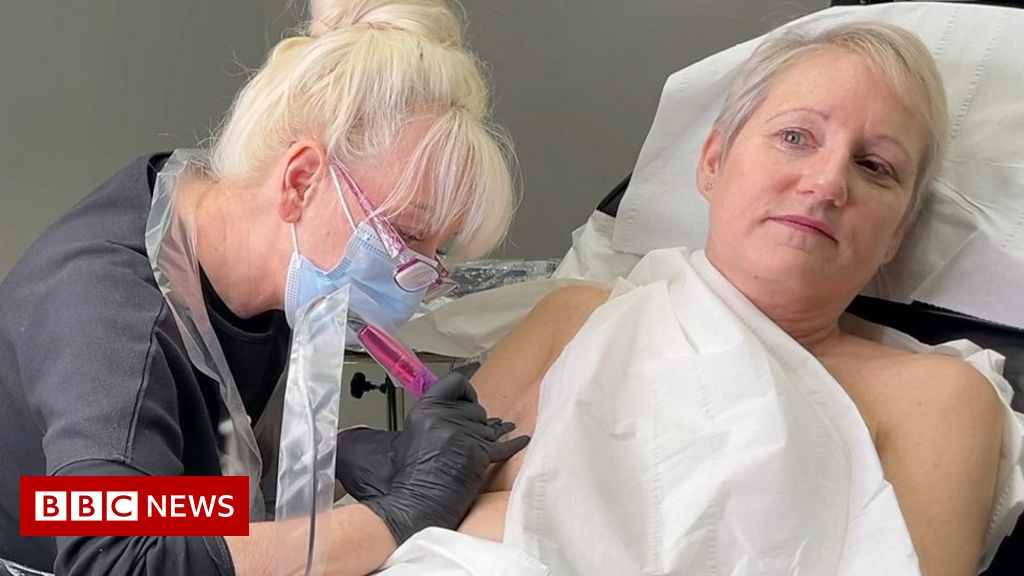
A woman has described the moment she saw her new nipples, following surgery for breast cancer. Emily, from Nottingham, received the tattoos from Derbyshire beauty therapist Dawn Barlow, who has been giving away some treatments for free.Emily, who said she had struggled to get the treatment on the NHS during coronavirus, said: “It’s like a jigsaw puzzle. This is one of the final pieces.”Although the tattoos are flat to the touch, tattooists use ink to give them a physical dimension.Ms Barlow, who herself had breast cancer, said: “I wanted to give something back.”Video journalist: Heidi BoothFollow BBC East Midlands on Facebook, on Twitter, or on Instagram. Send your story ideas to eastmidsnews@bbc.co.uk.

Read more →

¿Debes recibir otra vacuna de refuerzo contra la covid?

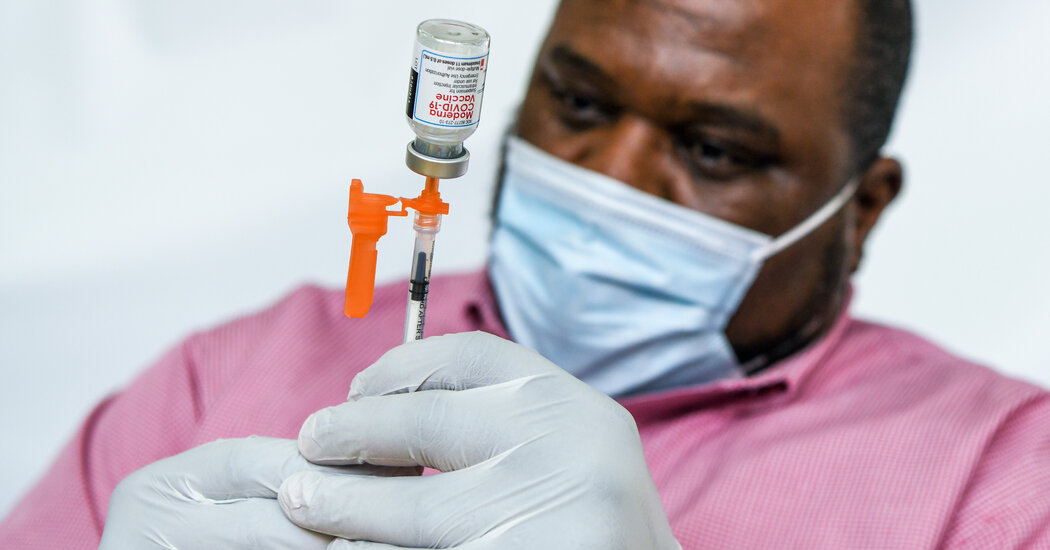
La FDA ha autorizado inyecciones adicionales para los estadounidenses de edad avanzada y los que tienen ciertas inmunodeficiencias. Esto es lo que los científicos saben sobre quién necesita las dosis y cuándo.Con el objetivo de proteger a los estadounidenses más vulnerables al coronavirus, la Administración de Alimentos y Medicamentos (FDA) autorizó una segunda dosis de refuerzo de la vacuna contra la covid para todos los adultos mayores de 50 años. La decisión de la agencia se produce mientras la subvariante ómicron BA.2, altamente contagiosa, impacta Europa y amenaza con hacer lo mismo en Estados Unidos.Pero las pruebas científicas sobre una cuarta dosis son incompletas, en el mejor de los casos, y los investigadores no se ponen de acuerdo sobre si las vacunas son necesarias. A continuación presentamos algunos factores a tener en cuenta a la hora de tomar la decisión.Ve directo a la duda que tienes:¿Qué acaba de hacer la FDA?¿Qué opinan los científicos sobre las segundas vacunas de refuerzo?Entonces, ¿quién se beneficia de una segunda dosis de refuerzo?¿Una segunda dosis de refuerzo evitará que contagie a otros?¿Debo ponerme el refuerzo ahora? ¿En mis vacaciones de verano? ¿En la siguiente oleada?¿Existen inconvenientes de recibir un segundo refuerzo?Acabo de tener covid. ¿Necesito otra vacuna de refuerzo?¿Qué acaba de hacer la FDA?Hace tres semanas, Pfizer pidió a la FDA que autorizara una segunda inyección de refuerzo de su vacuna —es decir, una cuarta dosis— para las personas de 65 años o más. Dos días después, Moderna hizo lo mismo, pero con una solicitud más amplia para que se autorice un segundo refuerzo para todos los adultos mayores de 18 años.Incluso antes de estas solicitudes, los líderes de estas empresas participaron en programas de televisión para argumentar a favor de otra ronda de refuerzos para todo el mundo, pero no ofrecieron muchas pruebas que respaldaran sus afirmaciones.Esto no disuadió a la FDA, que declaró la semana pasada que los adultos de 50 años o más pueden optar por una segunda dosis de refuerzo de las vacunas fabricadas por Pfizer-BioNTech o Moderna, que debe administrarse al menos cuatro meses después de la primera dosis de refuerzo de cualquier vacuna para la covid autorizada o aprobada.El segundo refuerzo supone una cuarta inyección para quienes ya recibieron tres dosis de una vacuna de ARNm. Y sería la tercera inyección para aquellos que recibieron una dosis de la vacuna Johnson & Johnson y una inyección de refuerzo de una vacuna de ARNm.Además, los Centros para el Control y la Prevención de Enfermedades (CDC, por su sigla en inglés) dicen que todos los adultos de 18 años o más que recibieron dos dosis de la vacuna Johnson & Johnson también pueden optar por una dosis de refuerzo de una vacuna de ARNm. La agencia dijo que basaba su recomendación en parte en un nuevo estudio que mostraba que dos dosis de la vacuna Johnson & Johnson ofrecían menos protección que un refuerzo de ARNm contra la posibilidad de sufrir complicaciones que requieran cuidados de urgencia y hospitalizaciones relacionadas con la covid.¿Los anuncios supondrán alguna diferencia en las apáticas tasas de vacunación del país, especialmente cuando los casos siguen en constante descenso? Menos de la mitad de los adultos de Estados Unidos optó por recibir una vacuna de refuerzo, incluso cuando el virus hacía estragos en el país, señaló Saad Omer, director del Instituto de Salud Global de Yale.“Nuestra cobertura de la primera dosis de refuerzo es muy, muy, muy baja comparada con la que deberíamos tener”, dijo Omer.En lugar de redoblar la apuesta por un enfoque defectuoso, los funcionarios federales deberían aprovechar la pausa de la pandemia para explorar las mejores estrategias de inmunización, dijo.“Cualquier profesional de la salud pública que mirara en retrospectiva y observara la cobertura actual de la primera dosis de refuerzo diría que tenemos que hacer una evaluación seria de lo que tenemos que hacer de manera distinta”, dijo.¿Qué opinan los científicos sobre las segundas vacunas de refuerzo?Una mujer recibía una cuarta dosis en una comunidad de jubilados en Netanya, Israel.Ammar Awad/ReutersMuchos científicos tienen dudas sobre esa decisión.La autorización de la FDA permite que cualquier persona mayor de 50 años reciba una segunda dosis de refuerzo. Pero los expertos señalan que las escasas investigaciones realizadas hasta el momento solo recomiendan una cuarta inyección para los mayores de 65 años o los que padecen enfermedades subyacentes que los ponen en alto riesgo.Los datos más convincentes proceden de un estudio israelí que descubrió que los adultos mayores de 60 años que recibieron una cuarta dosis tenían un 78 por ciento menos de probabilidades de morir de covid que los que solamente recibieron tres vacunas. El estudio se publicó en internet la semana pasada y aún no ha sido revisado para su publicación en una revista científica.“El estudio israelí, en cuanto a la tasa de mortalidad, es decisivo”, dijo Robert Wachter, presidente del Departamento de Medicina de la Universidad de California en San Francisco.Pero ese estudio, si bien ofrece la única prueba, está plagado de defectos. Todos los participantes se ofrecieron voluntariamente a recibir una cuarta vacuna, y es probable que sean personas que regularmente se preocupan por su salud, dijo Paul Offit, director del Centro de Educación sobre Vacunas del Hospital Infantil de Filadelfia y asesor de la FDA.“¿Quién toma la decisión de recibir una cuarta dosis? Alguien que está atento a su salud, que es más probable que haga ejercicio, que es menos probable que fume, que es más probable que use una mascarilla”, dijo Offit.Estos otros factores pueden hacer que la vacuna de refuerzo parezca más eficaz de lo que realmente es. De hecho, otros datos de Israel sugieren que una segunda dosis de refuerzo únicamente tiene beneficios marginales en los jóvenes sanos.Aplicada cuatro meses después de la tercera dosis, una cuarta inyección restauró el nivel de anticuerpos al mismo pico visto después de la primera dosis de refuerzo, pero no más que eso. Y es probable que este aumento sea efímero, al igual que después de la tercera dosis.“Será de corta duración, así que creo que el momento de aplicación será la clave”, dijo Marion Pepper, inmunóloga de la Universidad de Washington. “Si no va a crear una respuesta inmunitaria de mayor calidad a largo plazo, entonces se cuestiona un poco el valor”.Decenas de estudios han demostrado que la mayoría de las personas ya están bien protegidas contra la enfermedad grave. Incluso frente a la variante ómicron, una variante que puede colarse entre las defensas inmunitarias e infectar a las personas, dos o tres dosis de las vacunas de Pfizer-BioNTech o Moderna demostraron ser lo suficientemente potentes como para prevenir la enfermedad grave en casi todo el mundo, según un estudio reciente de los CDC.La mayoría de las personas vacunadas que enfermaron gravemente o murieron eran mayores o tenían problemas de salud que comprometían su respuesta inmune, según el estudio.Entonces, ¿quién se beneficia de una segunda dosis de refuerzo?Probablemente solo las personas inmunodeprimidas o mayores de 65 años, según las escasas pruebas disponibles.“Si han pasado más de cinco o seis meses desde la última vacuna, y el riesgo es alto o muy alto”, la opción obvia es vacunarse, dijo Wachter.“Como hombre sano de 64 años cuya tercera vacuna fue hace siete meses, me vacunaré esta semana si puedo”, añadió.Otros expertos se mostraron más prudentes a la hora de que los estadounidenses se apresuren a recibir un segundo refuerzo.“Creo firmemente en las vacunas. Me gusta la idea de que los médicos y los pacientes inmunodeprimidos y de alto riesgo tengan opciones”, dijo John Wherry, director del Instituto de Inmunología de la Universidad de Pensilvania.Pero se mostró contrario a una recomendación general: “Me resulta difícil abogar por tomar una decisión sobre una intervención como esta debido a la ausencia total de datos”.Sin embargo, Wachter dijo que recomendaría el refuerzo para todos los que cumplan los requisitos. Es posible que el virus solo esté circulando en poca proporción en este momento, pero no ha desaparecido. Los estadounidenses que no se vacunan pueden quedar expuestos a la infección, tanto ellos como las personas que los rodean, advirtió.Estudios recientes han sugerido que la covid puede afectar el corazón o el cerebro. Aunque la vacunación reduce significativamente el riesgo de efectos a largo plazo, los estudios “se alinean todos en una dirección que dice que no quieres tener esta infección si puedes evitarla, incluso si estás 100 por ciento seguro de que no vas a morir”, dijo Wachter.Si el objetivo es mantener la protección contra la infección, los estadounidenses podrían necesitar refuerzos cada pocos meses. Varios expertos creen que se trata de un planteamiento poco práctico y realista.“Esa no es una estrategia de salud pública, no es una estrategia razonable”, dijo Offit. “Además, supone que no hay consecuencias de aplicarse el refuerzo”.¿Una segunda dosis de refuerzo evitará que contagie a otros?Nadie lo sabe todavía. Pero no es descabellado pensar que ayudará al menos un poco, al menos a corto plazo.El otoño pasado, el gobierno de Joe Biden recomendó la vacunación de refuerzo para la mayoría de los estadounidenses, en parte para reducir la propagación del virus. Pero el estudio israelí en jóvenes descubrió que la cuarta dosis no ofrecía una protección fuerte contra la infección por la variante ómicron.La vacuna de Pfizer-BioNTech tuvo una eficacia del 30 por ciento en la prevención de las infecciones por la variante, y la de Moderna solo del 11 por ciento.Aun así, la reducción de las infecciones —en cualquier grado—debería significar una menor probabilidad de que una persona reforzada transmita el virus.“Puede haber un breve periodo de tiempo —de uno a tres meses— en el que se obtiene una mayor protección frente a la infección hasta cierto punto”, dijo Wherry. “Eso, por supuesto, reducirá la transmisión”.¿Debo ponerme el refuerzo ahora? ¿En mis vacaciones de verano? ¿En la siguiente oleada?Una clínica de vacunación en Hagerstown, Maryland, el mes pasadoKenny Holston para The New York TimesLa protección contra la infección de las dosis de refuerzo disminuye rápidamente, en solo un par de meses, por lo que una vacuna de refuerzo no ofrecerá mucha defensa en agosto o incluso en julio.El sistema inmunitario tarda aproximadamente una semana en activarse después de la vacuna. A partir de ese pico, los anticuerpos disminuyen en los dos o tres meses siguientes. Por eso, si se tiene derecho a una vacuna de refuerzo, es conveniente obtener la máxima protección justo antes de tu viaje, o antes de la siguiente oleada.“Lo único que importa es en qué punto de la pandemia nos encontramos”, dijo Pepper. “Yo estaría atento a lo que hacen las variantes”.A finales del año pasado, cuando la variante ómicron era omnipresente, vacunarse tenía sentido simplemente para prevenir infecciones.Wherry, que tiene 50 años, dijo que optó por una tercera dosis aunque no le preocupaba enfermar porque infectarse habría sido “extremadamente inconveniente” para su trabajo y para sus dos hijos que están en la secundaria.“Ahora mismo, como persona sana de 50 años, no veo la necesidad de una cuarta dosis”, dijo. Pero podría reconsiderar esa opción si el número de casos vuelve a aumentar.¿Existen inconvenientes de recibir un segundo refuerzo?Tal vez. Las vacunas son abrumadoramente seguras, por lo que recibir una dosis extra no es peligroso. Pero aun así puede haber desventajas.Por ejemplo, cada dosis puede provocar efectos secundarios como fiebre, dolor de cabeza, fatiga y dolores articulares, “que, cuando uno envejece, no siempre son triviales”, señaló Offit.La repetición de la dosis también ofrece resultados decrecientes. El equipo de Pepper tiene pruebas que sugieren que una cuarta exposición al virus —ya sea a través de la infección o de la vacuna— no hará que la inmunidad sea más fuerte que después de la tercera.También existe la preocupación de que el refuerzo repetido con la versión original de la vacuna haga que el cuerpo sea menos receptivo a las versiones futuras. “Cuando se refuerza con la misma cepa en vez de usar cepas diferentes, no aprovechas la inversión”, dijo Omer.Además, hay indicios de que espaciar las dosis de la vacuna, quizá una vez al año, puede producir una respuesta inmunitaria más fuerte y duradera. Si eso es cierto, se desaconsejaría el uso de refuerzos frecuentes.Acabo de tener covid. ¿Necesito otra vacuna de refuerzo?Probablemente, no por el momento, dijeron todos los expertos en las entrevistas.“Se puede pensar conceptualmente en una infección como un refuerzo”, dijo Wachter. “La gente que tuvo una infección en los últimos tres meses está probablemente tan protegida como si recibiera un segundo refuerzo”.El equipo de Pepper descubrió que en las personas que se habían infectado y luego se habían vacunado, incluso la primera vacuna de refuerzo no ofrecía mucha ventaja.“Se llega a una especie de techo de inmunidad con tres exposiciones a la proteína de la espiga, ya sea a través de la infección y la vacuna o únicamente con la vacuna”, dijo Pepper.

Read more →