New approach enhances muscle recovery in aged mice

Scientists have developed a promising new method to combat the age-related losses in muscle mass that often accompany immobility after injury or illness. Their technique, demonstrated in mice, arrests the process by which muscles begin to deteriorate at the onset of exercise after a period of inactivity.
They report their findings in the Journal of Physiology.
Exercise, particularly engagement in load-bearing activities, helps retain muscle mass — and is particularly important as one ages, said Marni Boppart, a professor of kinesiology and community health at the University of Illinois Urbana-Champaign who led the research. Injury or illness can lead to periods of immobility and declines in muscle quality.
“When we’re not able to contract the muscle, it is going to atrophy,” Boppart said. “If that immobility continues for very long, there’s going to be significant loss of muscle mass and strength.”
The muscles of children and younger adults tend to recover quickly after resuming exercise, Boppart said. “But unfortunately for older adults, they are deficient in the capacity to recover muscle mass after a period of disuse.”
Physical therapy is often prescribed to promote healing after injury and immobility, she said. But studies show that muscle continues to deteriorate after the onset of exercise. Reactive oxygen species, a signal of inflammation and cellular dysfunction, accumulate in the muscles and impede the healing process.

Read more →

Obesity significantly increased heart failure risk among women with late menopause

While women who enter menopause before age 45 are known to be at higher risk for heart failure, obesity significantly increased heart failure risk among women who experienced late menopause — at age 55 or older, according to new research published today in the Journal of the American Heart Association, an open access, peer-reviewed journal of the American Heart Association.
A woman’s body produces less estrogen and progesterone after menopause, changes that can increase the risk for cardiovascular diseases including heart failure, according to the American Heart Association. Menopause typically occurs between the age of 45 and 55, however, the average age for natural menopause has increased by 1.5 years over the past six decades, according to some research. In the National Health and Nutrition Examination Survey (NHANES) 1959-2018 — surveys providing nationally representative estimates of the United States — the prevalence of early menopause (before age 45) was 12.6% and late menopause (after age 55) was 14.2%.
Previous research has found that women who experience early menopause are at heightened risk of heart failure. Heart failure is diagnosed when the heart is unable to pump sufficient blood and oxygen to allow the body organs to function well.
“There is a gap in knowledge about the possible influence of late menopause — occurring at age 55 or older — on the incidence of heart failure,” according to lead study author Imo A. Ebong, M.D., M.S., an associate professor of medicine in the division of cardiovascular medicine at the University of California Davis, in Sacramento, California.
“We know that obesity increases the risk of developing heart failure, and the onset of menopause is associated with increased body fatness,” said Ebong. “In our study, we investigated if and how obesity affects the relationship between menopausal age and the future risk of developing heart failure.”
Investigators analyzed health data for nearly 4,500 postmenopausal women participating in the Atherosclerosis Risk in Communities (ARIC) Study. ARIC is a long-term research project that began enrolling participants in 1987, focused on measuring the associations between known and suspected heart disease risk factors and the development of heart disease among adults in four diverse communities in the United States: Forsyth County, North Carolina; Jackson, Mississippi; the suburbs of Minneapolis; and Washington County, Maryland. Six follow-up visits were completed by 2019.

Read more →

Edible, fluorescent silk tags can suss out fake medications

Recent developments such as the explosion of online pharmacies and supply chain issues have made it easier for counterfeiters to profit from fake or adulterated medications. Now, researchers reporting in ACS Central Science have created edible tags with fluorescent silk proteins, which could be placed directly on pills or in a liquid medicine. The codes within the tags can be read by a smartphone app to verify the source and quality of these pharmaceuticals.
Online pharmacies have taken off in recent years, delivering many types of medications directly to consumers’ homes. Some of these businesses are legitimate, but others operate illegally, supplying counterfeit drugs that are substandard, incorrectly labeled or laced with unwanted components. In addition, global supply chain problems have made it easy for fake medications to infiltrate the market. To instill trust in consumers, pharma companies label the outside packaging of their products with bar codes, QR codes, holograms and radio frequency identifiers, allowing distributors and retailers to manage products throughout the supply chain. Yet there aren’t equivalent codes for consumers to verify the source of individual pills or liquid doses inside a container. Researchers have developed fluorescent synthetic materials, such as microfibers and nanoparticles, as tracking codes, but the substances are potentially unsafe to consume. So, Seong-Wan Kim, Young Kim and colleagues wanted to see whether silk, which is an edible and “generally recognized as safe” material, could be placed directly onto medications and made to fluoresce, helping consumers make sure their purchases are what they claim to be.
The researchers genetically modified silkworms to produce silk fibroins — edible proteins that gives silk fibers their strength — with either a cyan, green or red fluorescent protein attached. They dissolved the fluorescent silk cocoons to create fluorescent polymer solutions, which they applied onto a thin, 9-mm-wide film of white silk in a seven-by-seven grid. Shining blue violet, blue, and green light onto the grid revealed the 3D cyan, green and red square patterns, respectively. Using optical filters over the phone’s camera, an app the team designed can scan the fluorescent pattern, decoding the digitized key using a deep learning algorithm and opening up a webpage, which could host information about the drug’s source and authenticity. And because some liquid medications are alcohol-based, the researchers placed a coded silk film in a clear bottle of Scotch whisky, and found that the fluorescent code was still readable with the app. Finally, the researchers showed that the fluorescent silk proteins are broken down by gastrointestinal enzymes, suggesting that the silk codes are not only edible but also can be digested by the body. The researchers say that placing these edible code appliqués onto pills or in liquid doses could empower patients and their care providers to avoid the unintentional consumption of fake treatments.
The authors acknowledge funding from the Cooperative Research Program for Agriculture Science & Technology Development from Rural Development Administration of the Republic of Korea, the U.S. Air Force Office of Scientific Research and the Trask Innovation Fund from Purdue University.
Story Source:
Materials provided by American Chemical Society. Note: Content may be edited for style and length.

Read more →

Coronaviruses evolve to recognize glycans of their host species

When coronaviruses jump species — as SARS-CoV-2 is thought to have done from bats or pangolins to humans — they must quickly adapt to their new host. For example, they must evolve to recognize the unique sugar molecules, or glycans, that decorate proteins on the host cell’s surface. Now, researchers reporting in ACS Infectious Diseases have characterized the binding of proteins from several animal and human coronaviruses to glycans called sialic acids, revealing host-specific patterns of binding.
Sialic acids are negatively charged, nine-carbon sugar molecules that cap the ends of sugar chains attached to proteins on the cell’s surface. In vertebrates, N-acetylneuraminic acid (Neu5Ac) and N-glycolylneuraminic acid (Neu5Gc) are the most common forms of sialic acids. Enzymes can add acetyl groups to various places on these molecules, making more than 10 molecular variants of each. Geert-Jan Boons and colleagues wanted to characterize the repertoire of sialic acid variants recognized by two viral proteins, the receptor binding domain (RBD) of the spike protein and hemagglutinin-esterase (HE), from several animal and human coronaviruses.
The researchers used chemical and enzymatic treatments to prepare a complete library of acetylated Neu5Ac and Neu5Gc variants. They printed these molecules onto a glass slide to produce a microarray. Next, the team used a fluorescent antibody detection system to determine whether the RBD and HE from bovine, rabbit, equine and canine coronaviruses bound to specific spots on the microarray. Because human coronavirus HEs have lost the ability to bind sialic acid-containing carbohydrates, they tested only the RBD from the human coronavirus OC43, which typically causes mild cold-like symptoms. The researchers found that HE from each species bound less to Neu5Gc than Neu5Ac variants. The RBDs from each species bound to both Neu5Ac and Neu5Gc variants, but with different patterns. The results revealed that coronaviruses have fine-tuned their specificities to adapt to the sialic acid variants of their host. This information could provide important insights into the factors driving cross-species transmission, helping scientists to predict and prevent future outbreaks, the researchers say.
The authors acknowledge funding and support from the Netherlands Organization for Scientific Research, the Human Frontier Science Program Organization, the Council for Chemical Sciences of the Netherlands Organization for Scientific Research and the China Scholarship Council.
Story Source:
Materials provided by American Chemical Society. Note: Content may be edited for style and length.

Read more →

Nanoparticles could enable a more sensitive and durable rapid COVID-19 test

Rapid antigen tests can quickly and conveniently tell a person that they are positive for COVID-19. However, because antibody-based tests aren’t very sensitive, they can fail to detect early infections with low viral loads. Now, researchers reporting in ACS Sensors have developed a rapid test that uses molecularly imprinted polymer nanoparticles, rather than antibodies, to detect SARS-CoV-2. The new test is more sensitive and works under more extreme conditions than antibody-based tests.
The gold standard test for COVID-19 diagnosis remains the reverse transcription-polymerase chain reaction (RT-PCR). Although this test is highly sensitive and specific, it generally takes 1-2 days to get a result, is expensive and requires special lab equipment and trained personnel. In contrast, rapid antigen tests are fast (15-30 minutes), and people can take them at home with no training. However, they lack sensitivity, which sometimes results in false negatives. Also, the tests use antibodies against SARS-CoV-2 for detection, which can’t withstand wide ranges of temperature and pH. Marloes Peeters and Jake McClements at Newcastle University, Francesco Canfarotta at MIP Diagnostics, and colleagues wanted to make a low-cost, rapid, robust and highly sensitive COVID-19 test that uses molecularly imprinted polymer nanoparticles (nanoMIPs) instead of antibodies.
The researchers produced nanoMIPs against a small fragment, or peptide, of the SARS-CoV-2 spike protein by creating molecular imprints, or molds, in the nanoparticles. These nanoscale binding cavities had a suitable size and shape to recognize and bind the imprinted peptide and, therefore, the entire protein. They attached the nanoparticles that bound most strongly to the peptide to printed electrodes. After showing that the nanoMIPs could bind SARS-CoV-2, they developed a 3D-printed prototype device that detects binding of the virus by measuring changes in temperature.
When the team added samples from seven patient nasopharyngeal swabs to the device, the liquid flowed over the electrode, and the researchers detected a change in temperature for samples that had previously tested positive for COVID-19 by RT-PCR. The test required only 15 minutes, and preliminary results indicated that it could detect a 6,000-times lower amount of SARS-CoV-2 than a commercial rapid antigen test. Unlike antibodies, the nanoMIPs withstood warm temperatures — which could give the test a longer shelf life in hot climates — and acidic pH — which might make it useful for monitoring SARS-CoV-2 in wastewater and saliva samples. However, to prove that the test has a lower false negative rate than existing rapid antigen tests, it must be tested on many more patient samples, the researchers say.
The authors acknowledge funding and support from Newcastle University, the Rosetrees Trust, the Wellcome Trust, MIP Diagnostics and the Fonds de la Recherche Scientifique.
Story Source:
Materials provided by American Chemical Society. Note: Content may be edited for style and length.

Read more →

Are You Reluctant to Get a Covid Booster?

Share your story with The New York Times.Esperanza Ruiz Tapia, 85, received a coronavirus vaccine booster shot in Douglas, Ariz., in February.Paul Ratje for The New York TimesLess than half of vaccinated Americans who are eligible for a Covid booster have gotten one, according to the Centers for Disease Control and Prevention.Now that the federal government is recommending a second booster for many people, we are interested in talking to those who have yet to get even one extra shot.Your responses will help to bring insight into how people are making decisions at this stage of the pandemic.A reporter may follow up with you. We won’t publish your name or comments without talking to you first.Tell us how you feel about Covid boosters.

Read more →

McKinsey Opened a Door in Its Firewall Between Pharma Clients and Regulators

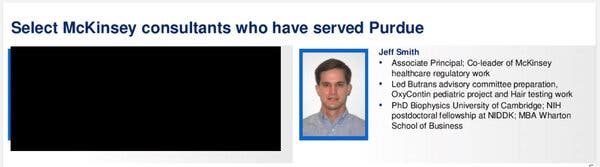
Jeff Smith, a partner with the influential consulting firm McKinsey & Company, accepted a highly sensitive assignment in December 2017. The opioid manufacturer Purdue Pharma, beleaguered and in financial trouble, wanted to revamp its business, and an executive there sought out Dr. Smith.Over the following weeks, he traveled to Purdue’s offices in Stamford, Conn., meeting and dining with executives. His team reviewed business plans and evaluated new drugs that Purdue hoped would help move the company beyond the turmoil associated with OxyContin, its addictive painkiller that medical experts say helped to spark the opioid epidemic.But the corporate reorganization was not Dr. Smith’s only assignment at the time. He was also helping the Food and Drug Administration overhaul its office that approves new drugs — the same office that would determine the regulatory fate of Purdue’s new line of proposed products.The story of Dr. Smith’s simultaneous work for Purdue and its federal regulator is told through previously undisclosed internal McKinsey records that more broadly call into question the consulting firm’s firewall between its work for private companies and for the authorities that oversee them.A review by The New York Times of thousands of internal McKinsey documents found that the firm repeatedly allowed employees who served pharmaceutical companies, including opioid makers, to also consult for the F.D.A., the drug industry’s primary government regulator.And, the documents show, McKinsey touted that inside access in pitches to private clients. In an email in 2014 to Purdue’s chief executive, a McKinsey consultant highlighted the firm’s work for the F.D.A. and stressed “who we know and what we know.”The documents reviewed by The Times were obtained by the House Committee on Oversight and Reform, which on Wednesday released initial results from its investigation into McKinsey’s work with the federal government, and by a coalition of state attorneys general as part of a 2021 settlement resolving an investigation into the firm’s work with Purdue. The records detail the firm’s work for Purdue and other opioid manufacturers over a 15-year period, from 2004 to 2019.Jeff Smith, now a McKinsey senior partner, simultaneously did work for the opioid maker Purdue Pharma, above, and its regulator, the F.D.A., below.Since 2010, at least 22 McKinsey consultants have worked for both Purdue and the F.D.A., some at the same time, according to the committee’s 53-page report drafted by its Democratic majority. The firm provided no evidence to the committee that it had disclosed the potential conflicts of interest as required under federal contracting rules — an “apparent violation,” the report said.McKinsey also allowed employees advising Purdue to help shape materials that were intended for government officials and agencies, including a memo in 2018 prepared for Alex M. Azar II, then the incoming secretary of health and human Services under President Donald J. Trump. References to the severity of the opioid crisis in a draft version of the memo, the documents show, were cut before it was sent to Mr. Azar.“Today’s report shows that at the same time the F.D.A. was relying on McKinsey’s advice to ensure drug safety and protect American lives, the firm was also being paid by the very companies fueling the deadly opioid epidemic to help them avoid tougher regulation of these dangerous drugs,” Representative Carolyn Maloney, the New York Democrat who chairs the committee, said in a statement.McKinsey says that its consultants are forbidden to share confidential information or discuss their work with clients that have competing interests, and in a statement a spokesman disputed that there was a disclosure requirement related to the work it did for the F.D.A.“Since McKinsey has not advised the F.D.A. on specific regulatory decisions or on specific pharmaceutical products, our consulting engagements with pharmaceutical companies did not create a conflict of interest with McKinsey’s consulting work for the F.D.A.,” the spokesman said. “Because there was not a conflict of interest, there was not a requirement for a disclosure.”Dr. Smith, who this year was promoted to senior partner, did not respond to phone calls or emails seeking comment. One former McKinsey consultant familiar with his work said Dr. Smith’s assignment at the F.D.A. was “very high-level project management” and could not have helped Purdue. The former consultant spoke on the condition of anonymity because he was subject to a nondisclosure agreement.For nearly a century, McKinsey has taken on clients in the same industries, with internal rules meant to prevent trade secrets from leaking to competitors. As McKinsey expanded to 67 countries, serving many of the world’s biggest companies, it also began to mine a new source of revenue: governments, including in the United States, Europe and Asia. It wasn’t until McKinsey began to work extensively with federal agencies that potential conflicts of interest drew the attention of Congress.A bipartisan group of lawmakers last month introduced legislation aimed at preventing conflicts of interest in federal contracting, citing McKinsey’s experience with Purdue and the F.D.A. And last week, seven Democratic senators called on the inspector general of the Department of Health and Human Services to investigate what they described as McKinsey’s failure to disclose its work with opioid makers even as it consulted for the F.D.A. “on issues related to opioids.”McKinsey’s own guidelines on dealing with conflicts of interest for government work, which are based on federal rules, state that “even the appearance” of a conflict compels its consultants to make a report to the government client’s contracting officer.Ms. Maloney said she planned to hold a hearing and summon a top McKinsey partner to testify about the documents obtained by the committee from the firm. The other documents will be made public as part of an agreement between McKinsey and the attorneys general, led by Massachusetts and Colorado.In a statement, the F.D.A. said that the agency relies on its contractors to assess and report potential conflicts of interest. “The F.D.A.’s contracts with McKinsey were related to internal and process issues,” the agency said. “The contracts did not include work on specific drug products or product classes, including opioids.”In one F.D.A. proposal, McKinsey did note that Dr. Smith had previously served an unnamed opioid manufacturer, and in its statement to The Times, the firm’s spokesman said it had “repeatedly made the agency aware of our industry experience and our colleagues’ expertise in the pharmaceutical industry.”But the committee’s report criticized McKinsey’s disclosures as “isolated and vague” and not in accordance with the firm’s own policy. The F.D.A. has previously said it was unaware of McKinsey’s work for Purdue until 2021.Cultivating a Friend in Trump’s CabinetThe committee identified 37 F.D.A. projects staffed by McKinsey consultants who also worked for Purdue. Additional documents suggest that McKinsey’s work for the agency, including by Dr. Smith, was even more extensive.Dr. Smith worked on more than 40 projects for the F.D.A. between 2007 and 2019, while also serving Purdue in at least a half-dozen initiatives — advising the drugmaker on interactions with the regulator and, in one case, helping secure approval of a new opioid product, according to the documents obtained by the attorneys general.The documents also identify other McKinsey consultants who both worked with the F.D.A. and advised drugmakers on regulatory issues.Navjot Singh, a partner, led more than 80 McKinsey projects at the agency between 2007 and 2019. Emails and presentations from that period show that he also worked on multiple projects for Purdue. The McKinsey team advising Purdue solicited his insight in an email discussing “F.D.A. issues,” and the firm in 2014 offered him to Purdue as an expert in “regulatory agencies.”He did not respond to emails or phone calls seeking comment.Several of McKinsey’s F.D.A. projects pertained directly to work the firm was doing for Purdue at the same time.Navjot Singh, a McKinsey partner who led scores of projects with the F.D.A., also worked on multiple projects for Purdue.via YouTubeIn 2011, the F.D.A. hired McKinsey to advise its office overseeing drug companies’ agency-approved plans to monitor the safety of potentially risky products such as opioids. Dr. Smith worked on the project while also advising Purdue on an effort that would, among other things, demonstrate whether OxyContin was meeting those requirements.In 2016, while Dr. Smith advised the F.D.A. on its use of data for tracking drug safety, colleagues sought his counsel on how the firm might draw on that work with the agency to help Purdue.The documents indicate multiple occasions when McKinsey promoted its connections with federal regulators when pitching its services to pharmaceutical clients.“We serve the broadest range of stakeholders that matter for Purdue,” one consultant, Rob Rosiello, wrote in the 2014 email to Purdue’s chief executive. He added, “One client we can disclose is the F.D.A., who we have supported for over five years.”Earlier, in a 2009 presentation offering its services to a pharmaceutical industry group, McKinsey wrote that it directly supported regulatory bodies “and as such have developed insights into the perspectives of the regulators themselves.”More recently, McKinsey also sought to cultivate closer ties to Mr. Azar, who was nominated in November 2017 by Mr. Trump to be the nation’s top health official. McKinsey collected at least $400 million advising pharmaceutical companies in 2018 and 2019, according to its internal records.The firm’s relationship with Mr. Azar began well before his appointment. In February 2017, Mr. Azar, who had left his job as president of the drugmaker Eli Lilly’s U.S. business, emailed Martin Elling, a senior partner who co-led the firm’s work with Purdue.“I’d really value sitting with you guys and talking through ideas you may have and advice on how to look at and for opportunities,” Mr. Azar wrote to Mr. Elling. Other emails show that Mr. Elling and others at McKinsey had scheduled a meeting with Mr. Azar at the firm’s Midtown Manhattan office on May 1, 2017.Later, upon learning of Mr. Azar’s Senate confirmation in January 2018, Mr. Elling wrote to him: “One giant step! Congratulations.”Mr. Azar replied: “Thanks guys. Very grateful for all your help. Let me get my sea legs over there and we can chat about the practice and connection to HHS.”The documents don’t explain the nature of the “help” provided to Mr. Azar by McKinsey. Mr. Azar declined to be interviewed but issued a statement asserting that McKinsey had “played no role in my appointment as secretary” and that, contrary to the email suggestion, he had had no meetings with McKinsey “as a follow-up to their notes of congratulations.”The records include emails between a McKinsey senior partner and Alex M. Azar II, who became health secretary. “Very grateful for all your help,” Mr. Azar wrote after his confirmation.Anna Moneymaker/The New York TimesThe McKinsey spokesman said the firm was “not aware” that it played any role helping Mr. Azar get nominated for his cabinet post.McKinsey consultants had begun drafting a detailed memo to Mr. Azar before his confirmation, the documents show, in which they outlined major issues he would face. One paragraph offered a blunt assessment of the continued severity of the opioid crisis. It said that two programs Mr. Azar would oversee as secretary — Medicare and Medicaid — were contributing to the problem by allowing opioids to be dispensed to people prone to abuse them and in doses that were too high.But those references were deleted after a consultant working for Purdue, Arnab Ghatak, objected to them. In addition, heeding some of Mr. Ghatak’s suggestions, the final version added language that broadened responsibility for the crisis to include generic manufacturers and illicit heroin use.

Read more →

All Children 8 and Older Should Be Screened for Anxiety, U.S. Task Force Says

A panel of experts says the latest research supports early intervention for younger kids.The worsening state of mental health among children has prompted an influential group of experts to recommend for the first time screening all children ages 8 to 18 for anxiety, one of the most common mental health disorders of childhood.A draft of the new guidelines, which is open to public comment, will most likely be finalized later this year. It was issued on Tuesday by the U.S. Preventive Services Task Force, a panel of volunteer experts appointed by a federal government agency to make recommendations to health care providers about clinical preventive care.The task force, created in 1984 by Congress, has no regulatory authority; however, their recommendations carry weight among clinicians.Screening more children for anxiety is “really important,” said Stephen P. H. Whiteside, a child psychologist and director of the Pediatric Anxiety Disorders Clinic at the Mayo Clinic in Rochester, Minn., who is not on the task force. “Most kids in need of mental health care don’t get it.”That may be especially true of those with anxiety, he added.Kids with behavioral problems are more likely to be identified as needing help, but if children with anxiety disorders aren’t causing problems at school or at home, they could easily “slip through the cracks,” he said.The pandemic has only continued to exacerbate the problems children have been experiencing.Why is early detection important?The U.S. task force recommended screening for anxiety regardless of whether a clinician has been looped into any signs or symptoms.“It’s critical to be able to intervene before a life is disrupted,” said Martha Kubik, a member of the task force who is also a professor in the School of Nursing at George Mason University in Fairfax, Va.Childhood anxiety disorders have been linked to an increased risk for later depression, anxiety, behavior problems and substance abuse, according to a report from the Child Mind Institute, a nonprofit that provides therapy and other services to children and families with mental health and learning disorders.The task force said it did not yet have enough evidence to recommend for or against screening children younger than 8 for anxiety. The panel of experts continue to recommend depression screenings for children 12 and older.How would the screening work?There are several different surveys and questionnaires that can be used to screen anxiety in primary care, Dr. Kubik said.Some of these tools may target specific anxiety disorders, while others may screen for a variety of disorders — and the length of each screener can vary. “What our review found is that these screening tools are effective in picking up anxiety in young people before they can present with overt signs and symptoms,” she said.Children would ideally be screened during their annual well child checkups, Dr. Kubik said, but clinicians should also remain open to opportunities to screen during other visits.If a screener indicates that a child needs additional support, it is not a diagnosis, the experts said, but rather a starting point for a larger conversation for further follow-up that may include a referral to a mental health provider.“Psychotherapy is the first-line treatment,” said Tami D. Benton, psychiatrist-in-chief of child and adolescent psychiatry and behavioral sciences at Children’s Hospital of Philadelphia. Medication may also be needed if the anxiety is hurting a child’s ability to function as normal or if psychotherapy alone has not been effective, she added.Finding a mental health provider isn’t necessarily a quick or easy task, but screening is no less important, the experts said.As more youths in need of help are identified, “it does start to put pressure on many of the decision makers and people who hold the purse strings,” including insurers, said Dr. Carol Weitzman, the co-director of the Autism Spectrum Center at Boston Children’s Hospital and a spokeswoman for the American Academy of Pediatrics. “We need to shine the light brightly on the mental health needs of children, youth and adolescents in this country, and we need to be advocating for better access to mental health care.”Other organizations have their own processes to make recommendations that are separate from those of the U.S. task force.Dr. Weitzman said the A.A.P. is in the process of developing more tools and resources to support pediatricians in screening for anxiety.What about suicide risk?The task force, while stressing the need for additional research, said it had insufficient evidence to recommend automatic screening for suicide risk in children and adolescents who are asymptomatic.The A.A.P. does, however, recommend regular screening for suicide risk in children 12 and older. Suicide is the second leading cause of death among children ages 10 to 19.“A lot of kids will keep suicidal thoughts to themselves — won’t bring up the topic unless they’re asked — so when you screen all kids 12 and over, it does help to create a sense of a safety net, that’s it’s OK to talk about,” said Dr. Weitzman, who is also a developmental-behavioral pediatrician.How common is anxiety among children?According to the Centers for Disease Control and Prevention, more than 7 percent of children ages 3 to 17 have diagnosed anxiety. But “many kids struggling with anxiety may not necessarily be diagnosed,” Dr. Benton said. A nationally representative household survey, for example, found that nearly one in three adolescents, or about 30 percent, meet the criteria for an anxiety disorder.And a study published in JAMA Pediatrics found that between 2016 and 2020 there were significant increases in diagnosed anxiety and depression among children as well as decreases in the emotional well-being of caregivers.How do you know if your child needs help?If you are concerned that your child might be struggling with anxiety, the experts recommended speaking with your child’s pediatrician or another primary care clinician, who may be able to help distinguish between typical anxiety and the type indicative of an emerging problem or disorder.Some degree of anxiety is perfectly normal, the experts said, and anxiety can even offer benefits by helping to keep us safe and conscientious. In addition, there may be periods in our lives when anxiety might become stronger; those are also normal, and regardless of the circumstances, some children are more prone to worrying than others.But persistent anxiety that is affecting a child’s everyday life can be indicative of an anxiety disorder. The experts said to be on the lookout for the following signs, especially if these reflect changes from previous behavior:Eating too much or too littleSleeping more or less than usualFalling gradesRelationship changesIrritabilityAngerSensitivity to criticismA loss of interest in activitiesPhysical symptoms, like headache or stomachachesProblems separating from caregivers and resistance to going to school or sleeping alone

Read more →

Newly identified cell type could be the key to restoring damaged salivary glands

Scientists at Scripps Research and the National Institute of Dental and Craniofacial Research have discovered a special type of cell that resides in salivary glands and is likely crucial for oral health.
As the researchers described in Cell Reports on April 12, 2022, the new type of salivary gland cell called “ionocyte” that works to maintain healthy concentrations of charged molecules — ions — of potassium, calcium, chlorine, and other electrolytes in saliva. The scientists also found that this type of ionocyte secretes a key growth factor (fibroblast growth factor 10, or FGF10), suggesting that it has a further role in the repair of salivary glands after injury.
“These are unique cells, and we hope that by studying them we can develop better treatments for the many medical conditions that affect salivary glands and related glands such as tear glands,” says study co-senior author Helen Makarenkova, PhD, associate professor in the Department of Molecular Medicine at Scripps Research.
Salivary glands produce saliva, which makes it much easier for animals to swallow food. Saliva also contains enzymes that assist in digestion, antibodies and other immune elements to protect against infection, and finely tuned concentrations of different ions to maintain the overall health of teeth and oral tissues. Salivary glands can be damaged by cancer-related radiation therapy in the head and neck region and other medical conditions including autoimmune disorders.
“Each year, millions of Americans are diagnosed with dry mouth conditions, whose precise causes are often unclear,” says study co-first author Olivier Mauduit, PhD, a postdoctoral research associate in the Makarenkova lab.
The team, together with co-senior author Matthew Hoffman, PhD, of the National Institute of Dental and Craniofacial Research, focused first on a growth factor protein called FGF10, which is important for the early development of salivary glands, and is suspected to have a maintenance and repair function in adult salivary glands. The scientists’ aim was to discover the cell type that produces FGF10 in adult salivary glands.

Read more →

Bioprinting for bone repair improved with genes

Given enough time and energy, the body will heal, but when doctors or engineers intervene, the processes do not always proceed as planned because chemicals that control and facilitate the healing process are missing. Now, an international team of engineers is bioprinting bone along with two growth factor encoding genes that help incorporate the cells and heal defects in the skulls of rats.
“Growth factors are essential for cell growth,” said Ibrahim T. Ozbolat, associate professor of engineering science and mechanics. “We use two different genes encoding two different growth factors. These growth factors help stem cells to migrate into the defect area and then help the progenitor cells to convert into bone.”
The researchers used gene encoding PDGF-B, platelet derived-growth factor, which encourages cells to multiply and to migrate, and gene encoding BMP-2, bone morphogenetic protein, which improves bone regeneration. They delivered both genes using bioprinting.
“We used a controlled co-delivery release of plasmids from a gene-activated matrix to promote bone repair,” the researchers stated in the journal Biomaterials.
Ozbolat and his team embedded the DNA for the protein in plasmids — ringlike loops of DNA that can transport genetic information. Once the DNA enters the progenitor cell, it begins to produce the appropriate proteins to enhance bone growth.
The two genes were printed during surgery onto a hole in the skull of a rat using a device very similar to an ink-jet printer. The mixture was created to release a burst of PDGF-B encoding gene in 10 days and a continuing release of BMP-2 encoding gene for five weeks.
The rats that received bioprinted genes with controlled release of BMP-2 encoding gene saw about 40% bone tissue creation and 90% bone coverage in six weeks compared to 10% new bone tissue and 25% bone coverage for rats with the same defect, but no treatment.
“This method is better than simply dumping the growth factors,” said Ozbolat. “If we do that, the amounts of proteins are finite, but if we use gene therapy, the cells continue to produce the necessary growth factors.”
Working with Ozbolat from Penn State were Kazim K. Moncal, graduate student in engineering science and mechanics; Gregory S. Lewis, assistant professor and Hwabok Wee, postdoctoral fellow both in orthopedics and rehabilitation; Kevin P. Godzik, undergraduate in biomedical engineering: and Elias Rizk, associate professor of neurosurgery.
Others contributing to the research include R. Seda Tigli Aydin, former Penn State postdoctoral fellow now at Bulen Ecevit University, Turkey; Dong N. Heo, former Penn State postdoctoral fellow now at the Kyung Hee University, South Korea; and Timothy M. Acri, former graduate researcher, and Aliasger K. Salem, Lyle and Sharon Bighley Endowed Chair & Professor in Pharmaceutical Sciences, University of Iowa.
The International Team for Implantology, the National Institutes of Health, the National Science Foundation, the Osteology Foundation and the Scientific and Technological Research Council of Turkey supported this work.
Story Source:
Materials provided by Penn State. Original written by A’ndrea Elyse Messer. Note: Content may be edited for style and length.

Read more →