How mechanical stimuli trigger cellular signalling

Breathing, seeing, hearing — the family of G protein-coupled receptors (GPCRs) is involved in a variety of physiological processes and is also the cause of diverse diseases. As has now been discovered by a team of scientists led by Professor Ines Liebscher from Leipzig University, some members of the GPCR family respond to mechanical stimuli. In collaboration with Chinese research groups, they have achieved another milestone on the way to understanding the mechanism by which this receptor class is activated. For the first time, they were able to describe the structure of specific active receptors. Their findings have now been published in the journal Nature.
“GPCRs are involved in almost all physiological processes in the body. GPCRs allow humans to see, control their immune system, direct hormone balance,” explained Professor Ines Liebscher from the Rudolf Schönheimer Institute of Biochemistry at the Faculty of Medicine, emphasising: “They have been the focus of our research for many years now, and research on GPCRs is of such outstanding importance because the majority of approved drugs target this receptor family.” GPCRs are receptors that transmit their signals via so-called G proteins, which is why they are also called G protein-coupled receptors — or GPCRs for short.
The researchers in Leipzig focus their work on a special class of receptors, known as adhesion GPCRs. In collaboration with several Chinese teams of scientists, the research groups led by Professor Ines Liebscher and Professor Torsten Schöneberg have now been able to describe the structure of special receptor molecules in their active state. This data supports findings from seven years ago at the Leipzig institute that these receptors are activated by a tethered agonist within the molecule. Furthermore, the Leipzig researchers showed that mechanical stimuli play a crucial role in the activation by the tethered agonist. It is still not fully understood how our body’s own cells are able to interpret mechanics — in the form of vibration, gravitational forces, relative cell movement or swelling — as a signal. “Our research has established the basis for our partners from China to structurally elucidate a scenario of how mechanical stimuli are recognised in the molecule and transmitted as signals,” said Liebscher, a medical scientist and biochemist. “The results can be found in the current study.”
Functional nature of mechanosensitive receptors elucidated
“About one-third of the GPCR family are still orphans, meaning that either their function or activation is unknown. With our current research, we have made a decisive contribution to better understanding GPCR structures,” said co-author Schöneberg, director of the Rudolf Schönheimer Institute of Biochemistry. “The new study findings are of landmark importance when it comes to developing future forms of therapy,” concluded Liebscher. She is a member of the steering committee in the EU-funded COST Action Adher´n Rise CA18240, which she successfully secured in 2019. This network of scientists from 28 European countries aims to promote, stimulate and implement research on adhesion G protein-coupled receptors (aGPCRs) “from bench to bedside.” The latest findings and approaches to adhesion GPCR research will also be presented at the international conference 4GPCRnet, of which Professor Liebscher is co-organiser. This high-level meeting will be held on 26 to 29 September 2022 on Leipzig University’s Augustusplatz campus.
The current research project is part of Collaborative Research Centre 1423 “Structural Dynamics of GPCR Activation and Signaling,” a research network funded by the German Research Foundation, led by Leipzig University and also involving the Martin Luther University Halle-Wittenberg, Charité — Universitätsmedizin Berlin and the Max Delbrück Center for Molecular Medicine. Researchers with backgrounds in biochemistry, biomedicine and computational science collaborate across the boundaries of their respective institutions and disciplines for a comprehensive understanding of the structure and dynamics of GPCRs.
Story Source:
Materials provided by Universität Leipzig. Original written by Peggy Darius. Note: Content may be edited for style and length.

Read more →

HIV: The antibodies of 'post-treatment controllers'

A very small percentage of people with HIV-1, known as “post-treatment controllers” (PTCs), are able to control their infection after interrupting all antiretroviral therapy. Understanding the fundamental mechanisms that govern their immune response is essential in order to develop HIV-1 vaccines, novel therapeutic strategies to achieve remission, or both. A recent study investigated the humoral immune response — also known as antibody-mediated immunity — in some PTCs in whom transient episodes of viral activity were observed. The researchers have shown their humoral immune response to be both effective and robust, which could help to control the infection in the absence of treatment.
The findings of this study, carried out in collaboration with teams from Institut Pasteur, Inserm and Paris Public Hospitals Group (AP-HP) and supported by ANRS | Emerging Infectious Diseases and the National Institutes of Health (NIH), were published in Nature Communications on April 11, 2022.
A very small percentage of people with HIV-1 and who received early treatment maintained over several years have the capacity to control the virus over the long-term when their treatment is interrupted. However, the mechanisms of this control have not been fully elucidated.
The team of researchers, led by Dr. Hugo Mouquet, director of the Laboratory of Humoral Immunology at Institut Pasteur (partner research organization of Université Paris Cité), conducted an exhaustive study in PTCs in order to characterize their humoral response (i.e. their production of B cells and specific antibodies), compared with non-controllers.
The scientists have shown that the humoral immune response profiles vary according to the activity of the virus observed in the subjects.
In PTCs who experience short episodes in which the virus resumes low-level activity after interruption of treatment, transient exposure to the viral antigens induces: a strong anti-HIV-1 humoral response, involving more frequent intervention of HIV-1 envelope-specific memory B cells; the production of antibodies with a cross-neutralizing action and which possess “effector” antiviral activities in which the innate immune cells recognize the infected cells bound to the antibodies, thereby inducing their elimination; the increase in the blood of atypical memory B cells and subpopulations of activated helper T cells.This specific, multifunctional, and robust humoral response could help to control their infection in the absence of treatment.
However, other PTCs in whom the virus continuously remains undetectable after treatment interruption do not develop a strong humoral response. The control mechanisms in these patients continue to be investigated in the VISCONTI study.
The discovery of these two types of humoral immune response, which depend on the profile of the PTCs, sheds new light on the phenomenon of HIV control. For Dr. Mouquet, researcher at Institut Pasteur and principal investigator of the study, “these findings show that early antiretroviral treatment can facilitate the optimal development of humoral immune responses, in some cases countering viral rebound after treatment interruption.” The example of the immune response of the PTCs having short episodes of “awakening” of the virus could even inspire novel therapeutic or vaccine strategies.
ANRS VISCONTI: to improve understanding of the HIV control mechanisms in “post-treatment controllers”
The “post-treatment controllers” whose samples were used for this research are part of the VISCONTI (Viro-Immunological Sustained COntrol after Treatment Interruption) study, coordinated by Dr. Asier Sáez-Cirión (Institut Pasteur) and Dr. Laurent Hocqueloux (Orleans Regional Hospital) and supported by ANRS for several years. This is the largest cohort of long-term “post-treatment controllers.”
It includes 30 patients who had received early treatment that was maintained for several years. Upon interruption of their antiretroviral therapy, they are able to control their viremia for a period exceeding 20 years in some cases. VISCONTI therefore provides the proof of concept of a possible and sustained state of remission for HIV-1-infected patients. It has paved the way for the development of novel therapies that target remission from the infection — if not its eradication. The objective is to enable people living with HIV-1 to stop their antiretroviral treatment on a lasting basis, while maintaining viremia at the lowest level and avoiding the risk of transmission of the virus.
Story Source:
Materials provided by Institut Pasteur. Note: Content may be edited for style and length.

Read more →

Colon cancer: How mutation of the APC gene disrupts lymphocyte migration

In patients with familial adenomatous polyposis, a genetic disease predisposing to colon cancer, mutations of the APC gene induce the formation of intestinal polyps, but also reduce immune system activity. In a new study, researchers from the Institut Pasteur, INSERM(1) and Université Paris Cité describe the mechanisms that modify the structure of T lymphocytes and hinder their migration towards the tumors to be destroyed. This discovery, published in the journal Science Advances on April 13, 2022, provides new perspectives on the migration of immune cells, a key process in antitumor immune defense.
As its name suggests, familial adenomatous polyposis is transmitted from generation to generation. The cause: mutations of the tumor suppressor gene APC (adenomatous polyposis coli). People who inherit these mutations develop hundreds, possibly thousands, of polyps in their colon from adolescence, then colorectal cancer(2) in adulthood if the polyps are not surgically removed. “As it’s a hereditary disease, all of the body’s cells carry the mutation and can be affected in different ways,” explains Andrés Alcover, Head of the Lymphocyte Cell Biology Unit at the Institut Pasteur and joint senior author of the study. “Today we know that these mutations disrupt the functioning of colon cells but also cells of the immune system.”
In previous studies, the team of researchers from the Institut Pasteur, CNRS and Inserm — funded by the French Cancer League since 2018(3) — demonstrated the dual impact of APC mutations. Not only do these mutations prevent intestinal epithelial cells from differentiating correctly and cause them to form tissue growths (polyps), they also adversely affect the functioning of immune cells, thereby preventing them from effectively combating polyps and tumors. Two mechanisms that together promote the growth of tumors.
In order to better understand what prevents immune cells from fulfilling their role, the researchers this time decided to take a closer look at the T lymphocytes whose mission is to detect and destroy tumors by infiltrating them. To this end, biologists and clinical research physicians of the Institut Pasteur’s ICAReB platform, Dr. Hélène Laude and Dr. Marie-Noëlle Ungeheuer, approached the patient association POLYPOSES FAMILIALES France. A new clinical research project involving the association recruited patient volunteers for the collection of blood samples. “Thanks to the association, we met patients and also clinicians specialized in polyposis. We learned a lot about this complex pathological condition, the experience of patients and families, and the different levels of disease severity. We recognize the valuable role of the patients, who were highly motivated to take part in the study, and the input of specialists,” pointed out Andrés Alcover.
The naturally mutated T lymphocytes present in the blood of these patients were cultured then subjected to several in vitro experiments. Using several microdevices — filters, channels, protein substrates and layers of vascular endothelial cells — the researchers could compare the behavior of diseased lymphocytes with that of lymphocytes from healthy volunteers. They studied how lymphocytes moved along biological surfaces similar to blood vessel walls, but also how easily they could separate cells and cross tightly packed cell layers.
“In order to move along blood vessel walls, cross them and reach the tumor to be infiltrated, healthy lymphocytes change their morphology. Something akin to a large adhesive foot, supported by the lymphocyte’s cytoskeleton, grows longer in the direction of migration. This polarization is essential for movement in the right direction,” explains Marta Mastrogiovanni, researcher in the Institut Pasteur’s Lymphocyte Cell Biology Unit and lead author of the study. In mutated lymphocytes, the microtubules making up the cytoskeleton are disorganized and there are fewer adhesion proteins. The cells lose their polarity and their ‘muscles’.”
Although the mutated T lymphocytes are not necessarily moving more slowly than healthy lymphocytes, they adhere less well to the walls and have more difficulty moving in a given direction and passing through the walls. In short, this research showed their migration to be less effective. “This discovery is important because the motility of immune cells is a key process in antitumor immune defense. “We know that the immune system is very important in combating pathogens but we sometimes forget that it also contributes to combating cancer cells,” concludes Vincenzo Di Bartolo, researcher in the Institut Pasteur’s Lymphocyte Cell Biology Unit and joint senior author of the study.
(1) Collaborative project: Institut Pasteur, Department of Immunology and Center for Translational Science (CRT, ICAReB), and Institut Pasteur, Institut Cochin, Institut Curie, and Institut Pierre-Gilles de Gennes.
(2) Familial adenomatous polyposis accounts for 1% of all colorectal cancers.
(3) Funding via the French Cancer League (La Ligue Contre Le Cancer), 2018-2022 “Équipe Labellisée” program, the Institut Pasteur and Inserm. Marta Mastrogiovanni was funded by the Pasteur-Paris University International Doctoral Program and the European Union Horizon 2020 Research and Innovation Programme under Marie Sklodowska-Curie grant agreement 665807 and La Ligue Contre Le Cancer, doctoral grant 4th year of PhD.
Story Source:
Materials provided by Institut Pasteur. Note: Content may be edited for style and length.

Read more →

Study helps explain how xanthan gum, a common food additive, is processed in the gut

If you’re a reader of food labels, you’ve likely encountered an ingredient called xanthan gum in everything from yogurt to baked goods to salad dressing. Xanthan gum is commonly added to processed foods, foods that have been altered from their natural state and which make up almost 70 percent of the typical U.S. diet. It is often used as a thickener due to its unique ability to make liquids more viscous.
A new study led by Matthew Ostrowski, Ph.D. and Eric Martens, Ph.D. of the University of Michigan Medical School Department of Microbiology and Immunology, and Sabina Leanti La Rosa, Ph.D. and Phillip Pope, Ph.D. of the Norwegian University of Life Sciences, examines the ability of the human gut microbiome to digest this relatively recently introduced food ingredient.
Xanthan gum processing appears to be driven by one microbe, a bacterium from the family Ruminococcaceae, which breaks down the carbohydrates in xanthan gum. A different gut bacterium, Bacteroides intestinalis, feeds on the smaller carbohydrates released by the Ruminococcaceae bacterium. Bacterial consumption of xanthan gum likely leads to the production of short-chain fatty acids that play roles in intestinal health and can contribute to total caloric intake.
Furthermore, the genetic signatures of these gut bacteria are relatively absent in samples from microbiomes of people from non-industrialized countries, hinting that widespread consumption of the food additive may actively alter the gut microbiome. The team also found that mice microbiomes are able to process xanthan gum, which may imply that the ability to process the substance may have already been present in the mammalian gut to some degree.
Ostrowski states, “While xanthan gum is generally considered safe, our results suggest that its widespread consumption may be enriching our microbiomes for bacteria that consume it. Our study is the first step in understanding how new food ingredients could be changing our microbiomes and whether these changes are good or bad. This may be especially important for people who consume above-average amounts of xanthan gum, such as people with celiac disease and those following gluten-free diets.”
Story Source:
Materials provided by Michigan Medicine – University of Michigan. Original written by Kelly Malcom. Note: Content may be edited for style and length.

Read more →

A drug that treats alcoholism may be the next anti-anxiety medication

Alcoholism, if left untreated, could have dangerous repercussions. Thus, it is no surprise that there are a range of drugs developed to treat this condition. Of these drugs, disulfiram (DSF) is approved by the Food and Drug Agency (FDA) for the treatment of alcoholism. DSF primarily inhibits the enzyme aldehyde dehydrogenase (ALDH), which is responsible for the metabolism of alcohol.
Could the inhibitory effects of DSF extend to signaling molecules as well? According to recent studies, DSF in fact inhibits a cytoplasmic protein known as FROUNT, which controls the direction in which certain immune cells migrate. DSF blocks FROUNT from interacting with two chemokine receptors known as CCR2 and CCR5, which are involved in important cellular signaling pathways.
A few studies suggest that chemokine receptors may be involved in the regulation of emotional behaviors in rodents. However, there is a lack of data on the exact association between FROUNT-chemokine signaling and DSF. To clarify this link, a team comprising Prof. Akiyoshi Saitoh from Tokyo University of Science and other researchers from institutes across Japan conducted a study examining the pharmacological properties of DSF. The study, which was published online on March 7, 2022 in Frontiers in Pharmacology, describes how the research team used an elevated plus-maze (EPM) test — which is used to screen for anxiolytic drugs — to study the effects of DSF in mice.
The EPM apparatus consists of four arms set in a cross pattern, connected to a central square. Two arms are protected by vertical boundaries, whereas two have unprotected edges. Usually, mice with anxiety prefer to spend time in the closed arms.
In this case, some mice were administered diazepam (a drug commonly used to treat anxiety) and others, DSF. These mice were then placed in the EPM apparatus, and their activity was monitored. To their surprise, the team found that mice treated with DSF spent significantly more time in the open arms of the apparatus, which indicates that they were less anxious. The team also tested the anxiolytic effects of a more potent FROUNT inhibitor, known as DSF-41, and observed similar results.
What’s interesting is that these behavioral changes were similar to those observed in mice treated with diazepam. How exactly did DSF achieve this?
The team had previously discovered that increased extracellular glutamate (which is an important amino acid and neurotransmitter) levels are associated with increased anxiety in mice.
“We propose that DSF inhibits FROUNT protein and the chemokine signaling pathways under its influence, which may suppress presynaptic glutamatergic transmission in the brain,” says Prof. Saitoh. “This, in turn, attenuates the levels of glutamate in the brain, reducing overall anxiety.”
The team was also pleasantly surprised to find that in contrast with diazepam, DSF treatment did not lead to adverse effects such as amnesia, coordination disorders, or sedation.
According to Prof. Saitoh, “These results indicate that DSF can be used safely by elderly patients suffering from anxiety and insomnia and has the potential to become a breakthrough psychotropic drug.”
What are the long-term implications of these results? Dr. Saitoh explains, “We plan to further clarify how DSF exerts its pharmaceutical actions. Hopefully, we will also be able to elucidate the exact role of the FROUNT molecule in the central nervous system.”
This is one of the first studies to reveal that DSF exhibits anti-anxiety properties comparable to those of existing benzodiazepines without exhibiting any side effects observed with benzodiazepines. Hopefully, DSF’s inhibitory activity against FROUNT functioning could be explored for successful anxiolytic drug development.
Story Source:
Materials provided by Tokyo University of Science. Note: Content may be edited for style and length.

Read more →

Study tracks COVID-19 antibodies over time

The antibodies generated by Pfizer’s COVID-19 vaccine rise more slowly and decline more quickly than those generated by the Moderna vaccine, according to a new study from UVA Health. The study also finds that older recipients of the Pfizer vaccine generated fewer antibodies than did younger recipients — but this wasn’t the case for Moderna, where age did not appear to be a factor.
The researchers determined that both vaccines generated similar peak levels of COVID-fighting antibodies. This result is at odds with a prior report from the same group that showed antibodies were higher after Moderna, but they say the discrepancy likely can be explained by the faster rate at which the Pfizer antibodies decline. It will be important for future research to consider time frame from vaccination carefully when assessing peak antibody response, they say.
“It is not surprising that antibody levels fall after vaccination,” said Behnam Keshavarz PhD, an immunologist at the University of Virginia School of Medicine. “But we were struck by how rapidly the antibodies fell after the mRNA vaccines, particularly the Pfizer/BioNTech vaccine.”
Tracking the COVID-19 Vaccines
Keshavarz and colleagues tracked post-vaccination antibody levels in 234 UVA employees over 10 months. In total, 114 had received Pfizer’s vaccine and 114 had received Moderna’s, while six had received Johnson & Johnson’s single shot.
A week to 20 days after their second dose, recipients of Pfizer’s and Moderna’s mRNA vaccines had antibody levels that were approximately 50 times higher those seen in the J&J recipients. Shortly thereafter antibodies from both Pfizer and Moderna began to drop, but the drop was more precipitous for Pfizer.

Read more →

Food insecurity doubled likelihood of foregoing or delaying medical care during first year of COVID-19 pandemic in U.S.

Individuals experiencing food insecurity — a household’s lack of consistent access to adequate food resources — in the U.S. during the first year of the pandemic were more than twice as likely to forego or delay medical care due to cost concerns compared to food-secure households, according to a survey led by researchers at the Johns Hopkins Bloomberg School of Public Health.
Conducted in December 2020, the survey also found that racial and ethnic minority groups and lower-income individuals were significantly more likely to face food insecurity compared to whites and higher-income individuals.
The findings were published online April 13 in the American Journal of Public Health.
For their study, the researchers conducted a nationally representative online survey of 8,481 adults aged 18 and older between December 15 and December 21, 2020. The researchers found that nearly one in five adults — 18.8 percent — reported experiencing food insecurity at some point during the previous 30 days. Of those experiencing food insecurity, nearly 3 in 10 (27.4 percent) reported delaying or foregoing medical care in the last month.
In addition to delaying any medical care during the prior month, individuals with food insecurity were also two to three times more likely to have delayed or foregone specific types of care during the first nine months of the pandemic, including skipping a treatment or test recommended by a doctor, not going to a recommended follow-up visit, and not filling a prescription.
The link between food insecurity and foregoing medical treatment is well documented. This study is thought to be the first to investigate this relationship during the pandemic.

Read more →

Are There Better Ways to Track Covid Cases?

An increasing reliance on at-home testing and the closings of mass testing sites are making official case counts less reliable, scientists say.When the highly transmissible Omicron variant of the coronavirus arrived in the United States last fall, it pushed new case numbers to previously unseen peaks.Even then, the record wave of recorded infections was a significant undercount of reality.In New York City, for example, officials logged more than 538,000 new cases between January and mid-March, representing roughly 6 percent of the city’s population. But a recent survey of New York adults suggests that there could have been more than 1.3 million additional cases that were either never detected or never reported — and that 27 percent of the city’s adults may have been infected during those months.The official tally of coronavirus infections in the United States has always been an underestimate. But as Americans increasingly turn to at-home tests, states shutter mass testing sites and institutions cut back on surveillance testing, case counts are becoming an increasingly unreliable measure of the virus’s true toll, scientists say.“It seems like the blind spots are getting worse with time,” said Denis Nash, an epidemiologist at the CUNY Graduate School of Public Health & Health Policy who led the New York City analysis, which is preliminary and has not yet been published.That could leave officials increasingly in the dark about the spread of the highly contagious new subvariant of Omicron known as BA.2, he said, adding, “We are going to be more likely to be surprised.” On Wednesday, New York officials announced that two new Omicron subvariants, both descended from BA.2, have been circulating in the state for weeks and are spreading even faster than the original version of BA.2.The official case count can still pick up major trends, and it has begun to tick up again as BA.2 spreads. But undercounts are likely to be a bigger problem in the weeks ahead, experts said, and mass testing sites and widespread surveillance testing may never return.“That’s the reality we find ourselves in,” said Kristian Andersen, a virologist at the Scripps Research Institute in San Diego. “We don’t really have eyes on the pandemic like we used to.”To track BA.2, as well as future variants, officials will need to pull whatever insights they can from an array of existing indicators, including hospitalization rates and wastewater data. But truly keeping tabs on the virus will require more creative thinking and investment, scientists said.For now, some scientists said, people can gauge their risk by deploying a lower-tech tool: paying attention to whether people they know are catching the virus.“If you’re hearing your friends and your co-workers get sick, that means your risk is up and that means you probably need to be testing and masking,” said Samuel Scarpino, the vice president of pathogen surveillance at the Rockefeller Foundation’s Pandemic Prevention Institute.The trouble with testingA Covid testing site in Manhattan last month.Hiroko Masuike/The New York TimesTracking the virus has been a challenge since the earliest days of the pandemic, when testing was severely constrained. Even when testing improved, many people did not have the time or resources to seek it out — or had asymptomatic infections that never made themselves known.By the time Omicron hit, a new challenge was presenting itself: At-home tests had finally become more widely available, and many Americans relied on them to get through the winter holidays. Many of those results were never reported.“We haven’t done the groundwork to systematically capture those cases on a national level,” said Katelyn Jetelina, an epidemiologist at the University of Texas Health Science Center at Houston.Some jurisdictions and test manufacturers have developed digital tools that allow people to report their test results. But one recent study suggests that it may take work to get people to use them. Residents of six communities across the country were invited to use an app or an online platform to order free tests, log their results and then, if they chose, send that data to their state health departments.Nearly 180,000 households used the digital assistant to order the tests, but just 8 percent of them logged any results on the platform, researchers found, and only three-quarters of those reports were sent on to health officials.General Covid fatigue, as well as the protection that vaccination provides against severe symptoms, may also prompt fewer people to seek testing, experts said. And citing a lack of funds, the federal government recently announced that it would stop reimbursing health care providers for the cost of testing uninsured patients, prompting some providers to stop offering those tests for free. That could make uninsured Americans especially reluctant to test, Dr. Jetelina said.“The poorest neighborhoods will have even more depressed case numbers than high-income neighborhoods,” she noted.Monitoring case trends remains important, experts said. “If we see an increase in cases, it’s an indicator that something is changing — and quite possibly that something is changing because of a larger shock to the system, like a new variant,” said Alyssa Bilinski, a public health policy expert at the Brown University School of Public Health.But more modest increases in transmission may not be reflected in the case tally, which means that it could take officials longer to detect new surges, experts said. The problem could be exacerbated by the fact that some jurisdictions have begun updating their case data less frequently.Dr. Nash and his colleagues have been exploring ways to overcome some of these challenges. To estimate how many New Yorkers may have been infected during the winter Omicron surge, they surveyed a diverse sample of 1,030 adults about their testing behaviors and results, as well as potential Covid-19 exposures and symptoms.People who reported testing positive for the virus on tests administered by health care or testing providers were counted as cases that would have been caught by standard surveillance systems. Those who tested positive only on at-home tests were counted as hidden cases, as were those who had probable unreported infections — a group that included people who had both Covid-19-like symptoms and known exposures to the virus.The researchers used the responses to calculate how many infections might have escaped detection, weighting the data to match the demographics of the city’s adult population.The study has limitations. It relies on self-reported data and excludes children, as well as adults living in institutional settings, including nursing homes. But health departments could use the same approach to try to fill in some of their surveillance blind spots, especially during surges, Dr. Nash said.“You could do these surveys on a daily or weekly basis and quickly correct prevalence estimates in real time,” he said.Another approach would be to replicate what Britain has done, regularly testing a random selection of hundreds of thousands of residents. “That’s really the Cadillac of surveillance methods,” said Natalie Dean, a biostatistician at Emory University.The method is expensive, however, and Britain has recently started scaling back its efforts. “It’s something that should be part of our arsenal in the future,” Dr. Dean said. “It’s sort of unclear what people have the appetite for.”Disease burdenA coronavirus patient in the intensive care unit at St. Mary Medical Center in Apple Valley, Calif.Shannon Stapleton/ReutersThe spread of Omicron, which easily infects even vaccinated people and generally causes milder disease than the earlier Delta variant, has prompted some officials to put more emphasis on hospitalization rates.“If our goal is to track serious illness from the virus, I think that’s a good way to do it,” said Jason Salemi, an epidemiologist at the University of South Florida.But hospitalization rates are lagging indicators and may not capture the true toll of the virus, which can cause serious disruptions and long Covid without sending people to the hospital, Dr. Salemi said.Indeed, different metrics can create very different portraits of risk. In February, the Centers for Disease Control and Prevention began using local hospitalization rates and measures of hospital capacity, in addition to case counts, to calculate its new “Covid-19 community levels,” which are designed to help people decide whether to wear masks or take other precautions. More than 95 percent of U.S. counties currently have low community Covid-19 levels, according to this measure.But the C.D.C.’s community transmission map, which is based solely on local case and test positivity rates, suggests that just 29 percent of U.S. counties currently have low levels of viral transmission.Hospitalization data may be reported differently from one place to another. Because Omicron is so transmissible, some localities are trying to distinguish between patients who were hospitalized specifically for Covid-19 and those who picked up the virus incidentally.“We felt like, because of the intrinsic factors of the virus itself that we’re seeing circulating in our region now, that we needed to update our metrics,” said Dr. Jonathan Ballard, the chief medical officer at the New Hampshire Department of Health and Human Services.Until late last month, New Hampshire’s Covid-19 online dashboard displayed all inpatients with active coronavirus infections. Now, it instead displays the number of hospitalized Covid-19 patients taking remdesivir or dexamethasone, two frontline treatments. (Data on all confirmed infections in hospitalized patients remains available through the New Hampshire Hospital Association, Dr. Ballard noted.)Passive surveillanceA wastewater sample containing traces of coronavirus in a lab in Queens.Jackie Molloy for The New York TimesAnother solution is to use approaches, such as wastewater surveillance, that don’t rely on testing or health care access at all. People with coronavirus infections shed the virus in their stool; monitoring the levels of the virus in wastewater provides an indicator of how widespread it is in a community.“And then you combine that with sequencing, so you get a sense of what variants are circulating,” said Dr. Andersen, who is working with colleagues to track the virus in San Diego’s wastewater.The C.D.C. recently added wastewater data from hundreds of sampling sites to its Covid-19 dashboard, but coverage is highly uneven, with some states reporting no current data at all. If wastewater surveillance is going to fill in the testing gaps, it needs to be expanded, and the data needs to be released in near real time, scientists said.“Wastewater is a no-brainer to me,” Dr. Andersen said. “It gives us a really good, important passive surveillance system that can be scaled. But only if we realize that that’s what we have to do.”Dr. Scarpino, of the Pandemic Prevention Institute, said that there were other data sources that officials could leverage, including information on school closings, flight cancellations and geographic mobility.“One of the things we’re not doing a good enough job of doing is pulling those together in a thoughtful, coordinated way,” Dr. Scarpino said.

Read more →

He Was Remarkably Healthy Until Chronic Diarrhea Nearly Killed Him

After weeks of having to rush to the bathroom day and night, the 77-year-old had lost 25 pounds. What was wrong?“My husband has been sick for a month and can barely walk and you’re going to send him home?” The woman, usually reserved, was now shouting at the doctor in the Texas Health Arlington Memorial Hospital emergency room in Arlington, Texas. Her husband, 77 years old and until recently quite healthy, sat and watched his wife in amazed gratitude. “Don’t you have a GI specialist you can talk to?” she added. The doctor was silent for a moment, then nodded. “I’ll be back,” he said before disappearing into the crowded emergency room. One month earlier, the man developed terrible and unrelenting diarrhea. Pepto-Bismol didn’t help; neither did Imodium. He gave up all dairy products. He ate more fiber. When after two weeks he still found himself getting up two or three times a night and hurrying to the bathroom just as many times during the day, he went to see his primary-care doctor, Samrath Sokhey. The doctor gave him a stronger antidiarrheal medication, Lomotil, and sent him to the lab for tests. When the tests were unrevealing, Sokhey saw him again. By then the patient looked sick; he was tall and had always been trim, but now he looked gaunt. The patient walked, cycled or lifted weights every day and had for years. But not these days, he reported. After weeks of this diarrhea, his only exercise was running to the bathroom. He had lost nearly 10 pounds. He always wanted a six-pack stomach, he joked, but he wasn’t sure it was worth this. Sokhey ordered tests to look for parasites and referred the patient to a GI specialist. The patient saw the specialist, who ordered a slew of new tests. But before any of them were completed, Sokhey called him and told him to go to the E.R. He had been monitoring the man’s weight and his renal function, and the change in both worried him. The patient had never been to an E.R. before and wasn’t inclined to change that. Sokhey was sympathetic but unyielding. He wasn’t sure the man’s kidneys could take much more. A Strange Cessation of SymptomsThe E.R. was packed when the patient arrived that afternoon; it was mid-​September of 2021, and the Delta variant of Covid-19 was roaring through Texas. Even so, the man was taken into the treatment area almost immediately and started on intravenous fluids. The E.R. doctor looked tired, but he was kind and listened as the patient and his wife described his life-​altering illness. At this point, the patient was so weak he could barely walk, much less exercise or tinker with his classic 1966 Ford Mustang, his current obsession. Before he left the tiny room, the couple recall, the doctor told them that he might not be able to admit him. These days you had to be pretty sick to get into the hospital, he cautioned. He returned with the news that the patient was to go home, and that’s when the patient’s wife got angry. She was scared — and then relieved, hours later, when the decision was made to admit her husband. The patient spent three days in the hospital and was tested for everything the doctors could think of. There was no sign of a parasite; it wasn’t Clostridioides difficile, a bacterium that can cause life-threatening diarrhea; it wasn’t Crohn’s or ulcerative colitis. A colonoscopy showed that it wasn’t microscopic colitis, an inflammatory disorder found most frequently in those over 60. Although there was some inflammation in the small intestine suggestive of celiac disease, blood tests ruled that out. The CT scan showed no sign of a tumor. When he was discharged three days later, he had no diagnosis. But his diarrhea was better. No one was sure why, but the man was grateful. The reprieve didn’t last long. Within days of arriving home, the diarrhea was back, as bad as ever. The GI specialist piled on medications he thought might help. The only abnormality he could find was a low level of a digestive protein called elastase in the man’s stool. This enzyme is made in the pancreas and helps break down foods into digestible components. Inadequate amounts of elastase and other pancreatic enzymes allow fats and proteins to pass through the small intestine intact and unabsorbed. These undigested foods suck water into the GI tract, and a result is often a watery mess. Was there something wrong with the man’s pancreas? The doctor referred him to another GI specialist, but the first available new-​patient appointment was in five months. The wife called Sokhey. She didn’t think her husband could last that long; she was worried. So was Sokhey. He called the practice and explained the man’s story. An appointment was made for the following week. Photo illustration by Ina JangSome Type of Cancer?Dr. Tarek Sawas, a gastroenterologist at the University of Texas Southwestern in Dallas, introduced himself to the patient and his wife and sat down to listen. He had already reviewed the patient’s records, and given his age and the 25-pound weight loss, he suspected the man had some type of cancer. Still, there were other possibilities, and Sawas didn’t want to miss anything. The man had only a couple of medical problems: high blood pressure, for which he took a combined medication, Amlodipine-Olmesartan; and osteoarthritis in his knees and shoulders. By that point, he also took a handful of meds for his GI tract. Maybe they helped, but he still had to hurry to the bathroom several times a day and most nights. To Sawas, the fact that he had to get up at night was a red flag. Diarrhea is often an exaggeration of normal colonic function and frequently occurs within hours of eating. Irritable bowel syndrome (I.B.S.), one of the most common causes of chronic diarrhea, is considered a functional disorder — which means that no pathological cause has been found, yet the gut isn’t functioning normally. But I.B.S. rarely causes symptoms during sleep. And many of the pathologies that do cause nighttime symptoms had been ruled out. Sawas focused on the two abnormalities of the work-up — the inflammation of the small intestine and the low elastase. The latter could be caused simply by dilution. Having the normal amount of the enzyme but more than the normal number of bowel movements can reduce the concentration of elastase found in any single movement. But a tumor could produce the same finding. Sawas had a far more likely culprit, however: one of the patient’s medications. When the patient mentioned that he took a medication containing Olmesartan for his high blood pressure, it suddenly all made sense. That medication is an effective antihypertensive and considered quite safe. But 10 years ago, doctors at the Mayo Clinic published a report of 22 patients who came to Mayo for chronic diarrhea that was ultimately linked to this medication. The diagnosis was first suggested by a couple of patients when they came for help. They noticed that their diarrhea resolved when they were in the hospital. They were dehydrated, and their blood-pressure medication was put on hold during their hospital stay. The diarrhea restarted once they began taking the medication again. The Mayo doctors looked for a link between chronic diarrhea and this medication in other patients. They found about two dozen with the same issue. In most cases the medication was taken without a problem for months, often years. Yet stopping the medication completely eliminated the diarrhea and the celiac-like abnormalities seen in their GI tracts. In the years since, a link has been found between this class of medication, known as angiotensin receptor blockers, and this kind of diarrhea.Sawas explained this to the patient and took him off the medication. His blood pressure was on the low side now, so he would probably be fine without it. If it went up, his primary-care doctor should start him on a different drug. Why this class of antihypertensives can cause this reaction in some patients is not clear. It’s the kind of information physicians might call a “clinical pearl,” a bit of free-standing, clinically relevant information based on experience or observation. But to the patient, this was more than a jewel; it was a lifesaver. A few days after he stopped taking the medication, the diarrhea disappeared. A week later he felt well enough to go for walks and get on his bike. The only sad part was saying goodbye to his six-pack abs when he regained some of his lost weight, but it seemed a small price to pay.Lisa Sanders, M.D., is a contributing writer for the magazine. Her latest book is “Diagnosis: Solving the Most Baffling Medical Mysteries.” If you have a solved case to share, write her at Lisa.Sandersmdnyt@gmail.com.

Read more →

Valneva Covid vaccine approved for use in UK

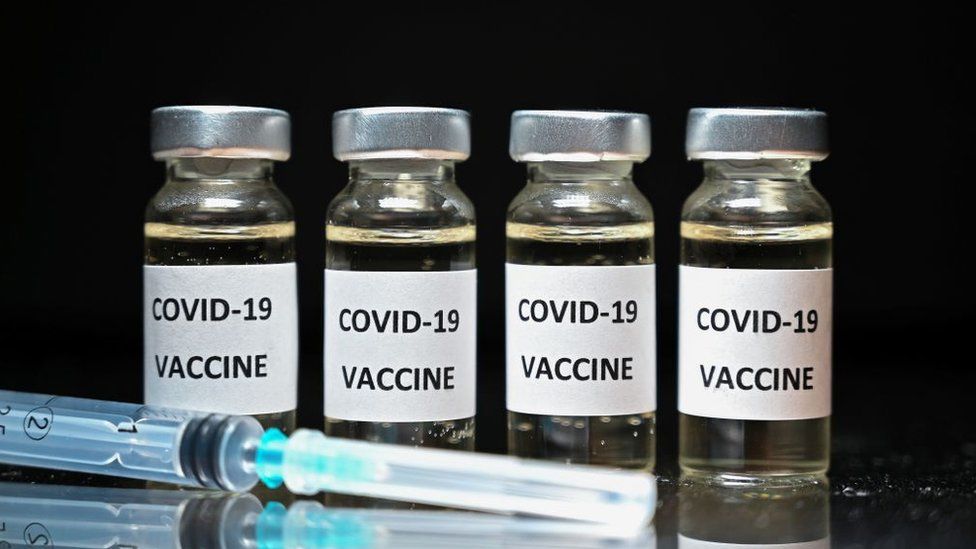
SharecloseShare pageCopy linkAbout sharingImage source, Getty ImagesA new Covid vaccine has been approved for use in the UK by regulators. It is manufactured by Valneva, using more traditional technology – similar to how polio and flu shots are made. It contains a whole copy of the virus which has been inactivated, so that it can’t cause the disease but does teach the body how to fight it.The UK was due to receive 100 million doses of the jab, but the government cancelled the deal in September due to a “breach of obligations”.The French company strenuously denied the government’s accusation. The UK’s independent medicines regulator, the Medicines and Healthcare products Regulatory Agency (MHRA), is the first in the world to approve the Valneva vaccine. Dr June Raine, MHRA chief executive, said the approval followed “a rigorous review of the safety, quality and effectiveness of this vaccine”.As with the AstraZeneca and Pfizer vaccines, it is designed to be given as two doses.Professor Sir Munir Pirmohamed, from the Commission on Human Medicines – which led the review – said: “We have advised that the benefit risk balance is positive. The vaccine is approved for use in people aged 18 to 50 years, with the first and second doses to be taken at least 28 days apart.”The jab developed by Valneva, which has a factory in Livingston near Edinburgh, is the sixth Covid-19 vaccine to be granted an MHRA authorisation.In trials, blood results from volunteers who received the jab had high levels of neutralising antibodies against the pandemic virus.It outperformed the AstraZeneca vaccine on this measure in head-to-head tests.More on this storyUK scraps Covid vaccine deal with ValnevaPositive trial results for Valneva Covid vaccine

Read more →