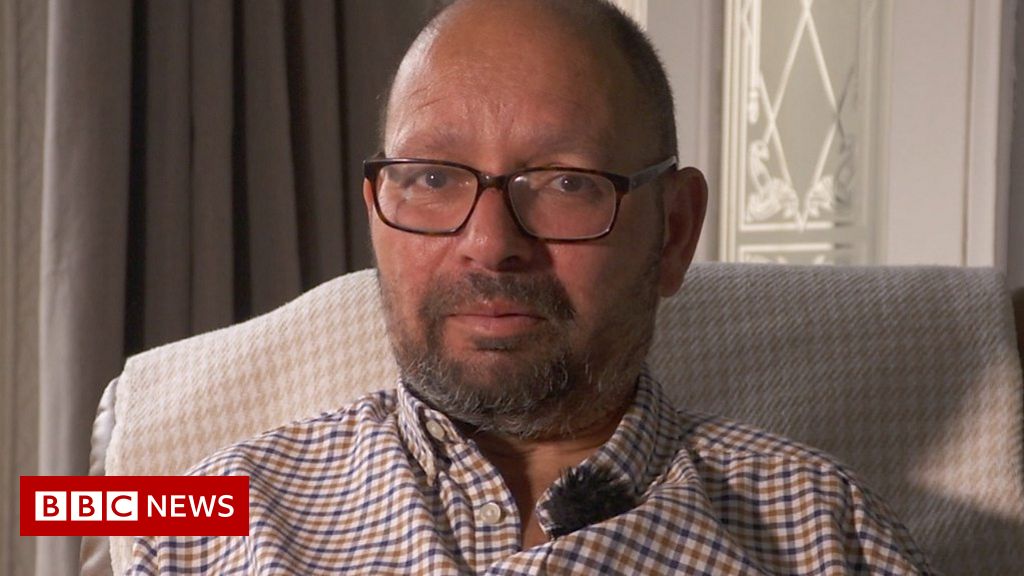
MND: 'It's like a hand grenade going off in your body'

A man living with motor neurone disease (MND) has described how he struggles with the condition, but tries to stay upbeat.Alex Winter, 61, from Ipswich, said he felt “lost, alone and petrified” when he was diagnosed in 2019.He wants to share his story to educate people and encourage others with the disease to seek help if they are struggling.”When I wake up, the first thing I do is smile because it’s a good day to be alive, no matter what,” he said.MND is an incurable disease that attacks that nerves that control movement and affects how people walk, talk, eat and breathe.

Read more →

Brain cancer DNA research hopes to speed up diagnosis

More than 200 brain tumour patients at Addenbrooke’s Hospital in Cambridge are to have the entire genetic code of their cancer sequenced. The Minderoo Precision Brain Tumour Programme aims to speed up diagnosis and help personalise treatment for patients with glioblastoma, an aggressive brain cancer. It’s hoped it may ultimately lead to new targeted treatments which extend survival. Warning: This video contains clips of medical diagnosis and graphic medical scenes

Read more →

Pfizer Says Booster Strengthens Immune Response for Children 5 to 11

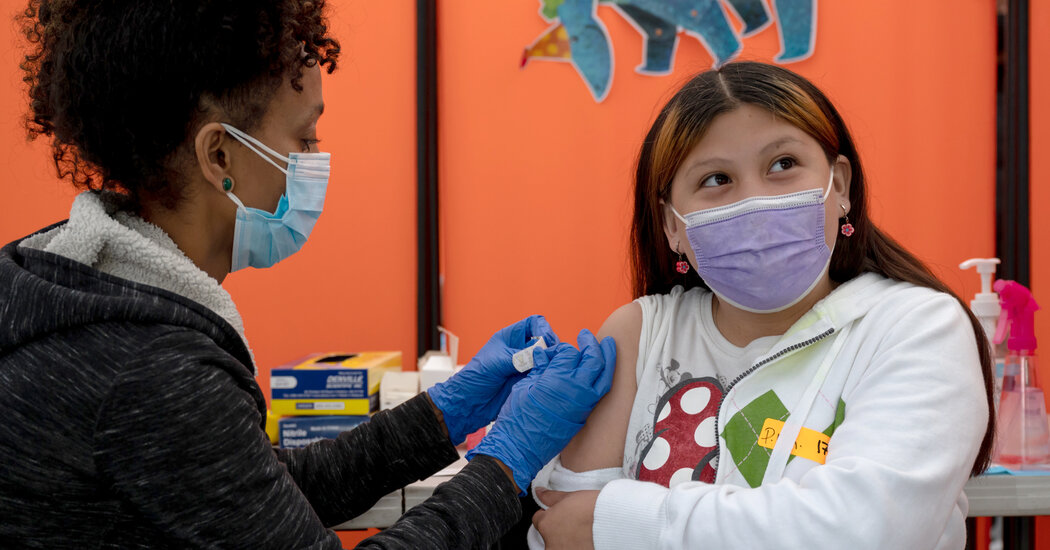
Pfizer and BioNTech will soon ask the Food and Drug Administration for emergency authorization of Covid booster doses for that age group, the companies said.WASHINGTON — A booster shot of the coronavirus vaccine made by Pfizer-BioNTech significantly increased the level of neutralizing antibodies against both the original version of the virus and the Omicron variant in a small trial of children ages 5 to 11, the companies announced on Thursday.If the companies’ claims of a strong immune response pass muster with federal regulators, the government could broaden eligibility for booster doses to include 28 million more children.The study by Pfizer and BioNTech, which had been announced in December, included 140 children who had received a booster six months after their second shot. The companies described the findings in a new release.The children showed a sixfold increase in antibody levels against the original version of the virus one month after receiving the booster, compared with one month after receiving a second dose. Laboratory tests of blood samples from a subgroup of 30 children also showed 36 times the level of neutralizing antibodies against the Omicron variant compared with levels after only two doses, according to the news release and a Pfizer spokeswoman.The study did not show how long the antibodies last or test effectiveness against Covid-19. The data was not published or peer-reviewed, and one expert said it was impossible to assess the study without more information.Antibodies are the immune system’s first line of defense against infection. Their level is expected to rise after an additional dose of vaccine; how rapidly that protection wanes has been an enduring concern for vaccine experts, regulators and manufacturers.Pfizer and BioNTech said they would ask the Food and Drug Administration for emergency authorization of a booster for 5- to 11-year-olds “in the coming days.” The agency has typically acted within a month of receiving such requests.Currently, Americans 12 and older are eligible for at least one booster, and about 30 million people age 50 or older are eligible for a second one. Studies suggest that 5- to 11-year-olds may particularly need a booster.Researchers in New York State recently found that while two Pfizer shots protected children in that age group from serious illness, they provided virtually no protection against symptomatic infection, even just a month after full immunization.“I think a bottom line is that in order to protect from Omicron, we know from studies and from adults and adolescents that you need three doses,” said Dr. Kathryn M. Edwards, a pediatric vaccine expert at the Vanderbilt University School of Medicine. She predicted regulators would authorize the companies’ request.But Dr. Philip Krause, who recently retired as a senior vaccine regulator at the F.D.A., questioned whether the sixfold increase in antibody levels in the overall group was the result of the additional shot or of Covid infections among the participants in the six-month period between the second and third doses.“There are a lot of very important details that are missing,” he said of the companies’ announcement.Dr. Ofer Levy, a vaccine expert at Boston Children’s Hospital and a member of the F.D.A.’s vaccine advisory board, said that the results were helpful, but that the trial was modest in size and that no outcomes of safety or efficacy were cited.“We presume that a higher level of antibodies is better and that’s probably true,” he said. “But how does that translate into vaccine effectiveness? We haven’t fully sorted that out.”The companies’ announcement comes as new U.S. virus cases are again ticking up after two months of sustained declines. The upswing has been particularly noticeable in the Northeast, where the Omicron subvariant known as BA.2, now the dominant version of the virus in the United States, first took hold.Dr. Anthony S. Fauci, President Biden’s chief medical adviser, warned in recent days that the nation could see a significant increase in infections over the next several weeks. But he has said the rate of hospitalizations is unlikely to rise in tandem because so many Americans have a degree of immunity, either from vaccines or prior infections.Several hundred children ages 5 to 11 have died of Covid since the pandemic began, according to the Centers for Disease Control and Prevention, but pediatric shots have been a hard sell for many parents. Only about 28 percent of children in that age group have received two doses and would be eligible for a booster. Roughly 7 percent have received one dose, according to agency data.There was an initial rush for shots after they were first offered for children ages 5 to 11 in November, but the increase in the vaccination rate then slowed to a crawl. In the past month, it rose by a single percentage point.Dr. Edwards said some parents felt that the chances were low that their children would get seriously ill, while the shots were an unknown. Some research indicates that 45 percent of children who get infected have no symptoms, she said.“The problem is that we can’t predict who is going to get sick and who is not,” Dr. Edwards said. And among those who do get sick, she said, “there will be kids that are going to be hospitalized, and there will be a few deaths.”Dr. Sally Goza, a pediatrician in Fayetteville, Ga., and former president of the American Academy of Pediatrics, said some parents saw no reason to act because they viewed the pandemic as having been quelled. “I’ve had parents come into my office and say, ‘Covid’s over. I don’t need to worry about that,’” she said.To some extent, she said, parents have also been numbed by surge after surge of infections. “People are tired of dealing with it,” she said. “They are just like, ‘We are just going to take our chances.’”The share of children ages 5 to 11 with at least one dose varies starkly by region, according to a Kaiser Family Foundation study. Five of the top 10 states with the highest rates were in New England, while eight out of the 10 states with the lowest rates were in the South.Even though more than 250 million Americans have been safely vaccinated since the pandemic began, pediatric experts say many parents see the vaccines as brand-new. By comparison, shots that protect against diseases like measles and mumps have been around for decades.The study done by New York researchers, posted online in late February, found that for children ages 5 to 11, the Pfizer vaccine’s effectiveness against infection fell to 12 percent from 68 percent within 28 to 34 days after the second dose.That was a steeper decline than for older adolescents and teens who received a much stronger dose. Some experts suggested that the difference in dosage explained the gap in protection, while others blamed the Omicron variant that was prevalent during the study.Another C.D.C. study stated that two Pfizer doses reduced the risk of Omicron infection by 31 percent among those ages 5 to 11, compared with a 59 percent reduction in risk among those age 12 to 15. Pfizer’s vaccine is the only one that has been authorized for those younger than 18.

Read more →

Drug reduced frequency of breathing pauses in sleep apnea

A new University of Gothenburg study has paved the way for the first drug treatment for sleep apnea. Compared to before receiving the treatment, breathing pauses decreased with on average more than 20 per hour for patients given the drug.
The treatment that has been tested is carbonic anhydrase (CA) inhibition, CA being an enzyme that serves to maintain a balance between carbonic acid and carbon dioxide in the body. Several drugs with CA inhibitory properties are already available on the market, and used for treatment of glaucoma, epilepsy and other disorders.
Previous research has not systematically tested whether CA inhibitors also might be used to treat obstructive sleep apnea. The current study was a randomized double-blind clinical trial, and 59 patients with moderate or severe sleep apnea completed it. Patients were randomly assigned to two groups receiving either 400 or 200 mg of the CA inhibitor, and a third group (the control group) that received placebo. The study lasted for four weeks.
Fewer breathing pauses
The results show that, overall, the treatment reduced the number of breathing pauses and promoted oxygenation during the night. A few patients experienced side effects, such as headache and breathlessness, which were more common in those receiving the highest dose.
The study results together with established safety data of the drug sulthiame provide support for continued research on CA inhibition as a new potential treatment for obstructive sleep apnea.
“Among the patients who received the higher dosage of the drug, the number of breathing pauses decreased by approximately 20 per hour. For just over a third of patients in the study, only half of their breathing pauses were left, and in one in five the number fell by at least 60 percent,” says Jan Hedner, Professor of Pulmonary Medicine.
The fact that several approved drugs in the CA inhibitor category are available on the market makes fast-tracking development of an approved drug for sleep apnea practicable. The drug used in this clinical trial was sulthiame, which is sometimes used to treat epilepsy in children.
Treatment options needed
Today, treatment for a patient with sleep apnea is either an oral appliance therapy or a CPAP (Continuous Positive Airway Pressure) mask. Both help to maintain airway patency during sleep.
“These therapy options take time to get used to and, since they frequently are perceived as intrusive or bulky. Insufficient user time is therefore common. If we develop an effective drug, it will therefore make life easier for many patients and, in the long run, potentially also save more lives,” says Ludger Grote, Senior Lecturer at Sahlgrenska Academy, University of Gothenburg.
The German pharmaceutical company Desitin Arzneimittel GmbH funded the trial, and the results are published in the American Journal of Respiratory and Critical Care Medicine.
Story Source:
Materials provided by University of Gothenburg. Note: Content may be edited for style and length.

Read more →

From cell fat to cell fate

How does a cell “decide” what type of cell to become? The question of “cell fate” has been explored for decades now, especially in the context of stem cell biology, but there are still gaps in our understanding. For example, any multicellular organism is made up of different cell types that play specific roles, while they all work together to sustain the organism as a whole.
At the same time, some cell types can transition between different functions. A good example are the skin’s fibroblasts, which form the dermis, between the top layer of epidermis and the bottom layer of fat. Fibroblasts can take on different specializations to help repair wounds, remodel the extracellular matrix, or even cause fibrosis.
This complex system of cell fate has drawn a lot of research, which has mostly focused on external signals from the cell’s microenvironment. By comparison, very little work has been done on possible “internal” processes within the cell that contribute to its specialization.
A team of scientists, led by professors Gioele La Manno and Giovanni D’Angelo at EPFL’s School of Life Sciences have now determined for the first time that one of the internal factors to determining a cell’s fate is its production of lipids — fat molecules.
Working on skin fibroblasts, the researchers combined two techniques to sort cells into lipid-producing “profiles”: high resolution mass spectrometry imaging, which allowed them to visualize the distribution of specific lipid inside each cell, and single-cell mRNA sequencing, which allowed them to determine the gene expression profile of each fibroblast — a sort of ID card of what we call a “transcriptome” — and put each cell into a transcriptional subpopulation.
The first thing the study revealed was that dermal fibroblasts can show multiple lipid groups, or “lipid compositional states,” which the researchers dubbed “lipotypes.”
“Cell states are intermediates in the process of cell differentiation where state switches precede terminal commitment,” write the authors.

Read more →

Open sharing of biotechnology research: Transparency versus security

As biotechnology advances, the risk of accidental or deliberate misuse of biological research like viral engineering is increasing. At the same time, “open science” practices like the public sharing of research data and protocols are becoming widespread. An article publishing April 14 in the open access journal PLOS Biology by James Smith and Jonas Sandbrink at the University of Oxford, UK, examines how open science practices and the risks of misuse interface and proposes solutions to the problems identified.
The authors grapple with a critically important issue that emerged with the advent of nuclear physics: how the scientific community should react when two values — security and transparency — are in conflict. They argue that in the context of viral engineering, open code, data, and materials may increase the risk of the release of enhanced pathogens. Openly available machine learning models could reduce the amount of time needed in the laboratory and make pathogen engineering easier.
To mitigate such catastrophic misuse, mechanisms that ensure responsible access to relevant dangerous research materials need to be explored. In particular, to prevent the misuse of computational tools, controlling access to software and data may be necessary.
Preprints, which have become widely used during the pandemic, make preventing the spread of risky information at the publication stage difficult. In response, the authors argue that oversight needs to take place earlier in the research lifecycle. Lastly, Smith and Sandbrink highlight that research preregistration, a practice promoted by the open science community to increase research quality, may harbor an opportunity to review and mitigate research risks.
“In the face of increasingly accessible methods for the creation of possible pandemic pathogens, the scientific community needs to take steps to mitigate catastrophic misuse,” say Smith and Sandbrink. “Risk mitigation measures need to be fused into practices developed to ensure open, high-quality, and reproducible scientific research. To make progress on this important issue, open science and biosecurity experts need to work together to develop mechanisms to ensure responsible research with maximal societal benefit.”
The authors propose several of those mechanisms, and hope that the research will spur innovation in this critically important yet critically neglected area. They show that science cannot be just open or closed: there are intermediate states that need to be explored, and difficult trade-offs touching on core scientific values may be needed. “In contrast to the strong narrative towards open science that has emerged in recent years, maximizing societal benefit of scientific work may sometimes mean preventing, rather than encouraging, its spread,” they conclude.
Story Source:
Materials provided by PLOS. Note: Content may be edited for style and length.

Read more →

Key signaling pathway in immune cells could be new Alzheimer’s target

Inhibiting an important signaling pathway in brain-resident immune cells may calm brain inflammation and thereby slow the disease process in Alzheimer’s and some other neurodegenerative diseases, suggests a study by Weill Cornell Medicine investigators. The findings point to the possibility of new therapeutic strategies against neurodegenerative diseases, which are relatively common in older adults and so far have no effective, disease-modifying treatments.
Brain inflammation, especially via the activation of immune cells in the brain called microglia, has long been noted as a common feature of neurodegenerative diseases. The spread of abnormal, thread-like aggregates — “tangles” — of a neuronal protein called tau is another frequent feature of these disorders.
In the study, which appeared April 12 in Nature Communications, the researchers showed that the tau tangles help trigger the inflammatory activation of microglia, via a multifunctional signaling pathway called the NF-κB pathway. Inhibiting microglial NF-κB signaling in a tau-based Alzheimer’s mouse model largely pulled the immune cells out of their inflammatory state and reversed the animals’ learning and memory problems.
“Our findings suggest restraining overactive NF-κB may be a good therapeutic strategy in Alzheimer’s and other tau-mediated neurodegenerative diseases,” said senior author Dr. Li Gan, director of the Helen and Robert Appel Alzheimer’s Disease Research Institute and the Burton P. and the Judith B. Resnick Distinguished Professor in Neurodegenerative Diseases in the Feil Family Brain and Mind Research Institute at Weill Cornell Medicine.
Tau tangles are found inside neurons in affected brain areas in Alzheimer’s, Parkinson’s, Pick disease, progressive supranuclear palsy, frontotemporal dementia and other neurodegenerative diseases. Experiments have shown that tangles, when injected into animal brains, can seed the formation of new tangles, creating a chain-reaction in which the tangles spread to other brain regions. Autopsy studies in Alzheimer’s and other “tauopathies” indicate that this spread of tangles often tracks closely the progress of disease.
The tangles’ precise role in harming brain cells has never been fully understood. However, prior studies have suggested that tau tangles can interact with microglia, in a way that drives the microglia into an inflammatory, disease-associated state. In this inflamed state, the microglia, which normally try to consume the tau tangles, become relatively inefficient at doing so. Much of the tau ends up being not digested but, rather, disgorged from the microglia, in forms that tend to seed new tangles.
In the new study, Dr. Gan and her team found evidence from cell culture and mouse experiments that tau tangles push microglia into this disease-linked inflammatory state mainly by activating the NF-κB signaling pathway within them. In a Alzheimer’s mouse model with tau-tangle mainly driven by seeded tau, they showed that keeping the NF-κB pathway overactive in microglia enhanced the seeding and spread of tangles, which propel further NF-κB activation. By contrast, shutting off NF-κB blocked this vicious cycle, and markedly lessened the spread of the tangles.
In another tau mouse model, with tau tangle formed in aged neurons, the researchers showed that the inactivation of microglial NF-κB shifted the microglia almost entirely out of their inflammatory, disease-associated state, restoring a much more normal cell appearance and pattern of gene activity. This shift, which suppresses microglia from disgorging toxic tau seeds, strikingly, prevented key cognitive/memory deficits the mice normally develop in this model.
“Taken together, our experiments suggest that tau’s toxic effects on cognition require microglial NF-κB signaling,” said co-senior author Dr. Wenjie Luo, associate professor of research in neuroscience in the Appel Alzheimer’s Disease Research Institute and the Feil Family Brain and Mind Research Institute at Weill Cornell.
Over the past two decades, many experimental Alzheimer’s treatments have aimed to slow or stop the disease process by targeting amyloid plaques and more recently tau tangles. So far, all these efforts have failed in large-scale clinical trials. The new findings suggest that future drugs taming overactive microglial NF-κB signaling might fare better, Dr. Gan said.
Her lab is now following up with further research to detail more precisely how microglial NF-κB signaling, which affects the activities of at least hundreds of other microglial genes, impairs neurons and leads to cognitive and memory deficits. The researchers will investigate how to restrain specific aspects of overactive NF-κB signaling without affecting the normal function of brain’s immune cells.

Read more →

Racial and ethnic disparities in telemedicine usage persist during pandemic

Historical data shows minorities have long faced obstacles to getting the critical health care services they need. When COVID-19 arrived two years ago, telemedicine emerged with the promise of better access to care through virtual delivery of clinical services and consultations.
But according to a new study led by the University of Houston College of Medicine and published in the Journal of General Internal Medicine, the rapid implementation of telemedicine didn’t bridge the gap as much as people had hoped.
“We found that racial and ethnic disparities persisted,” said lead study author Omolola Adepoju, a clinical associate professor at the UH College of Medicine and director of research at the Humana Integrated Health Sciences Institute at UH. “This suggests that the promise of the positive impact of telemedicine on health care use and health outcomes could elude underserved populations.”
Adepoju partnered with Lone Star Circle of Care, a federally qualified health center (FQHC) that caters to indigent, uninsured and underinsured, mostly minority populations, to examine what was driving those disparities. The research team examined electronic medical records from 55 individual clinics in 6 different counties in Texas.
“Our main finding was African Americans were 35% less likely to use telemedicine compared to whites,” Adepoju said. “And Hispanics were 51% less likely to use it.”
The reason, the study found, was a huge digital divide.

Read more →

Spatial maps of melanoma

Melanoma is a somewhat unusual cancer — one that blooms before our very eyes, often on sun-exposed skin, and can quickly become deadly as it turns our own skin against us and spreads to other organs.
Fortunately, when caught early, melanoma can often be cured by simple surgery, and there are now better treatments for advanced cases, including immunotherapies that prime a patient’s immune system to fight off the cancer.
However, much remains unknown about melanoma, including the details of how it develops in the earliest stages, and how to best identify and treat the most dangerous early cases.
Now, a team at Harvard Medical School has created spatial maps at the single-cell level that reveal, in unprecedented detail, how melanoma cells and nearby cells, including immune cells, interact as a tumor develops.
The maps, described in Cancer Discovery, offer insights into how interactions between cells change as melanoma advances, and how cancer cells suppress the immune system as they take over.
“The main purpose was to understand the early events in melanoma that lead to the development of a tumor,” said lead author Ajit Nirmal, a research fellow at Harvard Medical School.

Read more →