'I felt more joy than I thought possible'

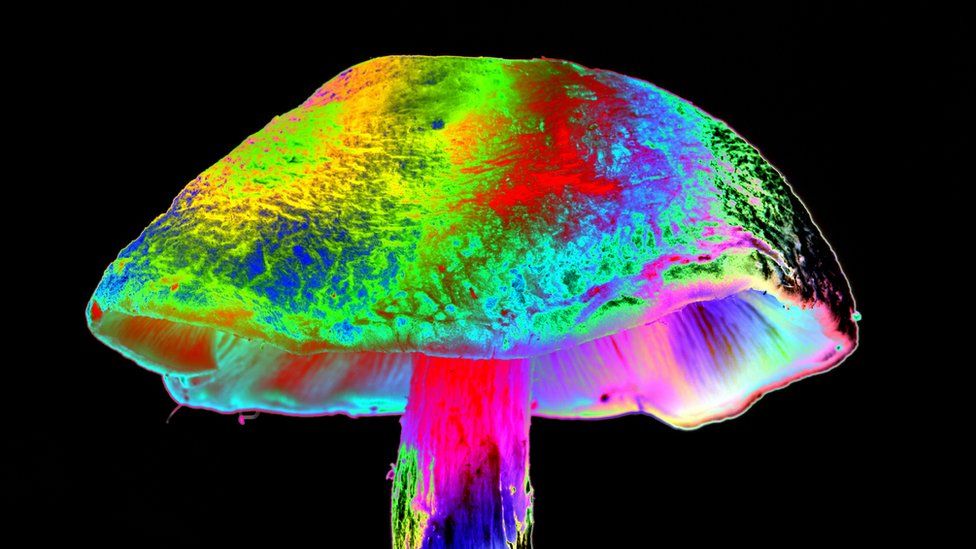
SharecloseShare pageCopy linkAbout sharingImage source, Science Photo Library”I had the full-blown mystical revelatory experience – the big psychedelic multi-coloured light and sound show.” This is how Steve recalls his first dose of a hallucinogenic drug, psilocybin, the psychedelic compound found in magic mushrooms. His experience was part of a clinical trial that some scientists are calling a major step towards a revolution in the treatment of depression. It is a trial complicated by the fact that the drug it is testing is illegal. Psilocybin is a Schedule 1 controlled substance; its use is very strictly regulated. Part of the definition of a Schedule 1 drug is that it is not used medicinally. But this trial, which scanned of the brains of participants after their treatment with psychedelics, painted an extraordinary physical picture of the effect and the experience. The brain scans showed “more connectivity” between different brain regions. The researchers say their findings show how hallucinogenics break a depressed person “out of a rut of negative thinking” – that psilocybin “reintegrates” a depressed brain, making it more fluid, flexible and connected. So how does it feel to have your brain reintegrated by psychedelic drugs? Image source, Jane Heritage”It’s an ineffable experience – words like the ones we’re using now are just not enough,” Steve told BBC Radio 4’s Inside Science.”With the first dose, I felt joy like I’ve never experienced – and more like myself than I’ve ever felt.” But the second dose in the trial, he said, was very dark.Steve, who is now in his 60s, was diagnosed with depression more than 30 years ago.Traditional antidepressants simply did not work for him. Those existing drugs work by increasing the levels of a chemical called serotonin in the brain. That is one of the chemical messengers that relays signals from one part of the brain to another; low serotonin has been associated with depression since the 1960s. Image source, Jane HeritageBut while antidepressant drugs that “correct” that serotonin imbalance numbed the lows for Steve – lows that he said could often make him feel that his life was completely worthless – they also numbed the highs. “[When I was taking those drugs] there was just no colour – no joy in my life. “You end up living like a functional zombie.”Steve made the difficult decision to come off the drugs. He continued his long-term regime of meditation, yoga and running that he says has helped him to manage his depression all these years. But when he heard an interview on the radio about a new trial investigating the use of psychedelics for depression, he called to volunteer. “I had to wait a year, and selection criteria were very tough.” Participants had to show, not only that other antidepressants had not been successful in treating their depression, but that they did not have other conditions, including psychosis, that could make the use of psychedelics particularly risky. Finally, after careful vetting, and under the supervision of a professional therapist, Steve was given his first dose of psilocybin.”It felt wonderful,” he recalled. “I felt more connected to myself – it was extraordinary. Image source, Emily Walker”It took from not knowing myself at all to having a sense of what my place was in the greater scheme of things.”What Steve felt has shown up in brain scans. Images of participants’ brains before and after a dose of “magic mushroom juice” showed what lead researcher Prof David Nutt, from the Imperial Centre for Psychedelic Research, described as a brain reset. The images showed that psychedelics induced a connectivity, where different brain regions communicated with each other much more, revealing new ways of thinking. “I had no conscious sense of my brain being ‘scrambled’ but certainly there was a lot more going on there than I could ever have imagined,” said Steve. His second experience with psilocybin though, was much more difficult. “I had to wrestle with those feelings and emotions that I tend to suppress. “So, the second session, although it was hard work, was probably therapeutically more useful, because I had to deal with the stuff that I that I just hadn’t dealt with before. Prof Nutt is campaigning for these illegal drugs to be reclassified for research purposes, in order to make trials like his less legally complicated – and to enable what he says could be a revolution in the treatment of depression. Image source, Getty ImagesBut the drug, both Steve and Prof Nutt stressed, is no magic antidepressant bullet. In the trial, the treatment was combined with professional therapy. Ongoing work at the Centre for Psychedelic Research, and elsewhere, is focused on developing and safely testing new therapeutic protocols, ways to combine drug treatment with therapy in order to treat depression in a new way. “The drug gives us part of a healing process. It exposes you to different possibilities – another way of being,” said Steve. The real work, he says, starts after the experience and needs the guidance of a therapist to make it meaningful. “It’s one thing developing a drug, but we need protocols to help people like me,” said Steve. “But I would not change the experience for anything – it was wonderful – and I don’t expect ever to experience anything like it again.” Hear Steve’s interview with Victoria and more about the psychedelic drug trial on BBC Inside Science on BBC Sounds.More on this storyPsychedelic frees up depressed brain, study showsPM to consider calls to legalise magic mushroom drug

Read more →

Sri Lanka healthcare on verge of collapse in economic crisis

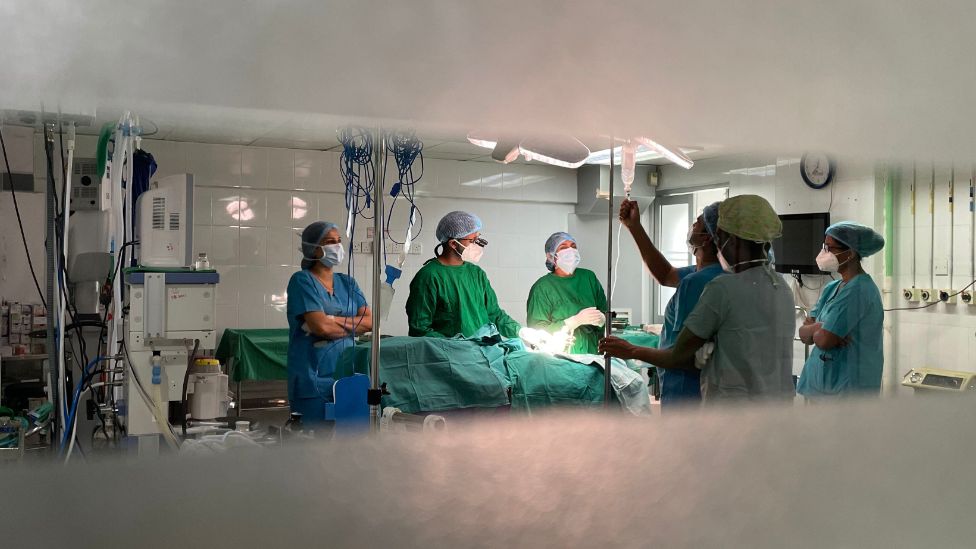
SharecloseShare pageCopy linkAbout sharingDoctors across Sri Lanka say hospitals are running out of medicines and essential supplies as the country’s economic crisis worsens. They fear a health catastrophe if international help doesn’t arrive soon.”Day by day things are running out. If we get to the point where it’s zero, then I don’t know what will happen,” says Dr Gnanasekaram anxiously. As secretary of Sri Lanka’s Association of Medical Specialists, the surgeon has been busy compiling lists of which medicines are running low at hospitals in the capital Colombo. “We are short of medical drugs, anaesthetic drugs, implants, suture materials. We are nearly exhausting the stock.”Healthcare services are going to collapse unless there’s immediate relief,” he says. I meet Dr Gnanasekaram between consultations – he says he’s hoping this interview will encourage international donors to come forward. If supplies aren’t replenished soon, the doctor warns of dire consequences. “If that happens there may be a situation where we won’t be able to save patients’ lives.”Sri Lanka is in the midst of its worst economic crisis in history. The country imports around 85% of its medical supplies. But with foreign currency reserves running low, essential drugs are now difficult to obtain. At his office in Sri Lanka’s largest children’s hospital, Lady Ridgeway, medical director Dr Wijesuriya shows me a piece of paper with a list of essential drugs on it. Next to the name of the medicine, there’s a column showing availability. Some like atracurium – used in anaesthetics – have only two months of stock left. But as I scan the list further, other drugs are in even shorter supply. There’s only two weeks left of the painkiller fentanyl, while three different types of antibiotics are already “out of stock”. For now Dr Wijesuriya says he’s managing these shortages with substitutions. He remains optimistic that the government will find a way to get him what is needed for his patients. Image source, Getty ImagesFrontline doctors are far less upbeat. Many say they’ve been told by the government they can’t speak openly to the media about the situation, with only union representatives and hospital directors authorised to do so. In a statement Sri Lanka’s government initially denied medicines were running out, even as doctors reported problems. A day later the Department of Government Information issued a correction, admitting there is a shortage of some drugs and equipment.

Read more →

Americans Over 60 Should Get Second Booster, Official Says

Citing data from Israel, the Biden administration’s Covid response coordinator, said a second booster offered significant protection to older people.Americans over 60 should get a second booster shot of a coronavirus vaccine, Dr. Ashish K. Jha, the new White House Covid-19 response coordinator, said on Sunday, citing “pretty compelling” new data from Israel indicating that a fourth shot significantly reduces infections and deaths among older people there.Dr. Jha’s comments, on “Fox News Sunday,” came after the Food and Drug Administration on March 29 authorized second booster shots of the Pfizer-BioNTech and Moderna coronavirus vaccines for everyone 50 and older.The F.D.A. said the move was an effort to strengthen waning immunity against severe disease as the more contagious subvariant of Omicron, known as BA.2, was emerging as the dominant version of the virus in the United States.Asked if Americans should get a second booster shot, Dr. Jha, who was named the Biden administration’s Covid-19 response coordinator last month, pointed to research from Israel that indicated that a fourth shot offered strong protection, particularly against severe illness, in people over 60.“The data out of Israel is pretty compelling for people over 60,” he said. “When people got that second booster shot four months after their first booster, what we saw was a substantial reduction, not just in infections, but in deaths. So I think people over 60 should be getting it.”The Israel study did not provide data on the effectiveness of a second booster in people younger than 60. Israel authorized a fourth dose of the Pfizer-BioNTech vaccine for those 60 and older, and for other high-risk populations, in January.In a separate appearance on “This Week with George Stephanopoulos,” Dr. Jha said that a second booster shot for Americans between the ages of 50 and 59 “is a much closer call.” People in that age group should consult a physician before getting a second booster, he said.“Fifty to 59, you’re eligible,” he said, noting that whether to get a second booster depends on a person’s risk profile.“But for me, based on the data, 60 and above, I think it’s very reasonable,” he said. “This is what I’ve recommended to my elderly parents, and that’s what I think people should do.”Dr. Jah said it remained to be seen if BA.2 would cause more severe disease than earlier variants and subvariants of the virus. Cases are ticking up, but hospitalizations “are at the lowest level of the pandemic,” he said on “Meet the Press.”“The good news is our vaccines are holding up really well against BA.2, against all of the Omicron variants, especially if you’ve been boosted,” he said. “So the key here is you’ve got to have the initial two shots, and you’ve got to have a booster. That’s what’s really protecting people at this moment.”

Read more →

Is Covid More Dangerous Than Driving? How Scientists Are Parsing Covid Risks.

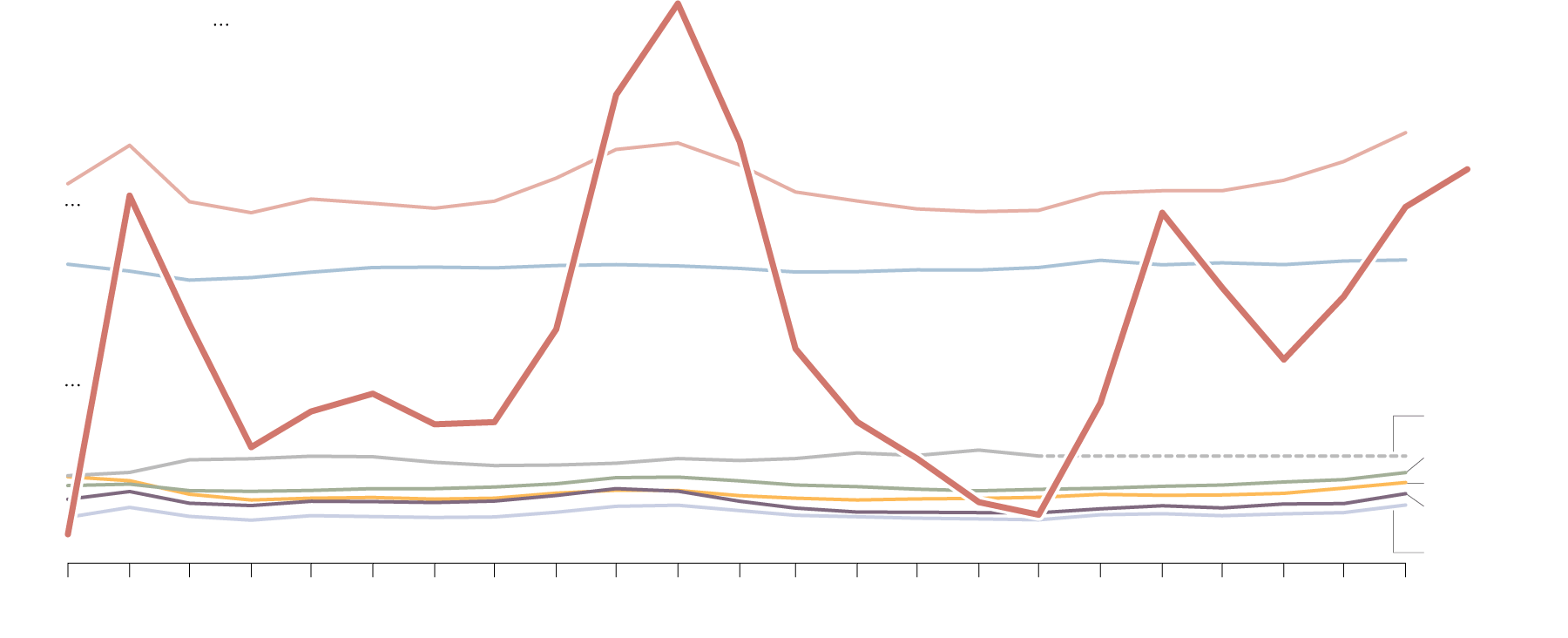
The coronavirus remains new enough and its long-term effects unpredictable enough that measuring the threat posed by an infection is a thorny problem.Like it or not, the choose-your-own-adventure period of the pandemic is upon us.Mask mandates have fallen. Some free testing sites have closed. Whatever parts of the United States were still trying to collectively quell the pandemic have largely turned their focus away from community-wide advice.Now, even as case numbers begin to climb again and more infections go unreported, the onus has fallen on individual Americans to decide how much risk they and their neighbors face from the coronavirus — and what, if anything, to do about it.For many people, the threats posed by Covid have eased dramatically over the two years of the pandemic. Vaccines slash the risk of being hospitalized or dying. Powerful new antiviral pills can help keep vulnerable people from deteriorating.But not all Americans can count on the same protection. Millions of people with weakened immune systems do not benefit fully from vaccines. Two-thirds of Americans, and more than a third of those 65 and older, have not received the critical security of a booster shot, with the most worrisome rates among Black and Hispanic people. And patients who are poorer or live farther from doctors and pharmacies face steep barriers to getting antiviral pills.These vulnerabilities have made calculating the risks posed by the virus a fraught exercise. Federal health officials’ recent suggestion that most Americans could stop wearing masks because hospitalization numbers were low has created confusion in some quarters about whether the likelihood of being infected had changed, scientists said.“We’re doing a really terrible job of communicating risk,” said Katelyn Jetelina, an epidemiologist at the University of Texas Health Science Center at Houston. “I think that’s also why people are throwing their hands up in the air and saying, ‘Screw it.’ They’re desperate for some sort of guidance.”To fill that void, scientists are thinking anew about how to discuss Covid risks. Some researchers are working on tools to compare infection risks to the dangers of a wide range of activities, finding, for instance, that an average 43-year-old vaccinated last year is roughly as likely to be hospitalized from an infection as a bull rider is to be hospitalized after a ride. Others have studied when people could unmask indoors if the goal was not only to keep hospitals from being overrun but also to protect immunocompromised people.But many scientists said they also worried about this latest phase of the pandemic heaping too much of the burden on individuals to make choices about keeping themselves and others safe, especially while the tools for fighting Covid remained beyond some Americans’ reach.“As much as we wouldn’t like to believe it,” said Anne Sosin, who studies health equity at Dartmouth, “we still need a society-wide approach to the pandemic, especially to protect those who can’t benefit fully from vaccination.”Collective metricsWhile Covid is far from America’s only health threat, it remains one of its most significant. In March, even as deaths from the first Omicron surge plummeted, the virus was still the third-leading cause of death in the United States, behind only heart disease and cancer.Causes of DeathCovid has been among the top three causes of death in the United States for most of the last two years.

Read more →

Jury Awards $450,000 to Man Fired Over Unwanted Office Birthday Party

The man asked a manager not to have a party because he had an anxiety disorder. What followed spiraled into a legal dispute over whether the man had a panic attack or a violent outburst.A Kentucky man who was fired days after he had a panic attack at his workplace over an unwanted birthday party was awarded $450,000 by a jury last month for lost wages and emotional distress.The man, Kevin Berling, had been working at a medical laboratory, Gravity Diagnostics in Covington, Ky., for about 10 months when he asked the office manager not to throw him a birthday party because he had an anxiety disorder, according to a lawsuit filed in Kentucky’s Kenton County Circuit Court.Mr. Berling’s lawyer, Tony Bucher, said the party had been planned by other employees while the office manager was away and that the situation had quickly spiraled out of control.Mr. Berling had a panic attack after he learned about the planned lunchtime celebration, which was to have included birthday wishes from colleagues and a banner decorating the break room. Mr. Berling chose to spend his lunch break in his car instead.The next day, Mr. Berling had a panic attack in a meeting with two supervisors who confronted him about his “somber behavior,” Mr. Bucher said. He was fired three days later in an email that suggested that Mr. Berling posed a threat to his co-workers’ safety.In a court filing, the company said it had fired Mr. Berling because he was “violent” in the meeting and had scared the supervisors, who sent him home for the day, took his key fob and told security personnel that he was not allowed to return.A month after the meeting, in September 2019, Mr. Berling sued the company for disability discrimination.After a two-day trial, a jury reached a verdict on March 31, concluding that Mr. Berling had experienced an adverse employment action because of a disability. Jurors awarded him $150,000 in lost wages and benefits and $300,000 for suffering, embarrassment and loss of self-esteem.The judge in the case has not yet entered a judgment regarding the verdict, which was reported by LINK nky, a local news website.John Maley, a lawyer for Gravity Diagnostics, said on Saturday that the company would file post-trial motions challenging the verdict on legal grounds and asserting that one juror had violated court orders about obtaining information outside the trial.Mr. Maley said that the case had not met the standard for a disability claim because Mr. Berling had never disclosed his anxiety disorder to the company and had not met the legal threshold to qualify as having a disability.Mr. Maley said that the company had the right to fire Mr. Berling — a lab technician whose employment status was at-will, meaning he could be fired for any legal reason — because he had clenched his fists, his face had turned red and he had ordered his supervisors to be quiet in the meeting, scaring them.“They were absolutely in fear of physical harm during that moment,” Julie Brazil, the founder and chief operating officer of Gravity Diagnostics, said on Saturday. “They both are still shaken about it today.”Mr. Bucher said that the reaction the company had described was Mr. Berling’s effort to calm himself during a panic attack after one of the supervisors had criticized his reaction to the party.Mr. Berling asked them to stop talking and used physical coping techniques, including a move that Mr. Bucher described as having his fists closed but “up around his chest, sort of closed in, almost hugging himself.”Mr. Berling was sent home for the rest of the workday and for the next day. At home a couple of hours after the meeting, he texted one of the supervisors to apologize for his panic attack, according to the complaint.Before that week, Mr. Bucher said, Mr. Berling had received “outstanding” monthly reviews. The company said that he had never received a negative review, nor had he been disciplined, according to court documents.Mr. Berling is happy in his new job at a school, Mr. Bucher said, and though his panic attacks increased in frequency after that week in 2019, they have gradually diminished.Anxiety disorders are the most common mental health disorder in the United States, and they affect an estimated 40 million adults in the country each year, according to the Anxiety and Depression Association of America.Bisma Anwar, a mental health counselor for the therapy app Talkspace, said in an email that it was a good idea for people who experience anxiety disorders and panic attacks to discuss those issues with a supervisor at work who could be a source of support when the employee is struggling.Ms. Anwar said anxiety on the job could be a result of workload as well as social pressures.“Social anxiety can also get triggered in the workplace when interacting with managers and co-workers becomes expected,” Ms. Anwar said. “If an employee is uncomfortable and feels anxious by having a birthday party in their honor or taking part in a celebration for others, then they should be allowed to opt out from it.”

Read more →

I decided not to let cancer stop me dating

SharecloseShare pageCopy linkAbout sharingImage source, Katherine CrowsonA year after she had been diagnosed with breast cancer at the age of 29, Katherine Crowson was wondering when she could start dating again.The management consultant, from Edinburgh, was still undergoing chemotherapy and radiotherapy.But she wanted to know when she would get her life back.”I was Googling at 3am when I found a journal article. I remember seeing lots of responses from people saying they wouldn’t mind dating someone who had had cancer but they would prefer for them to have finished treatment,” she said.”I remembered thinking that was so rubbish.”She initially decided to postpone her thoughts of dating – but a few weeks later she changed her mind and made a profile on a dating app.Image source, Katherine Crowson”The next dilemma was what picture to use on my dating profile, because my hair was only a centimetre long as I was getting chemo,” said Katherine, who is now aged 32.”I had been wearing long blonde wigs but normally I had long brown hair.”The long hair was not who I currently was but I didn’t want cancer to be my defining feature either by using the short hair pictures.”She ended up using a selection of photographs for her profile, but not saying she had cancer.Katherine said she felt “a bit deceitful” in the early stages of communicating with people, because she wasn’t giving them the full story.But when she moved to messaging people directly outside the dating app, she would tell them she had cancer.Image source, Katherine Crowson”I told them they could pull out and just to stop texting me if me having cancer was a problem for them,” she said.”But nobody was upset by it. It’s all about how you present yourself.”It’s your attitude by not presenting it as an issue or a problem – I wasn’t recruiting for a carer.”Katherine spent a year living in her father’s house after her cancer diagnosis, but moved out in the spring of 2021.She was still on the dating app when she moved into a flat which was being shared with two men.When she viewed the property, she explained that she had cancer and asked if that would be a problem.New flatmateAngus MacPhail, 30, who was one of her new flatmates, said: “We said no and agreed she could move in.”He was using the same dating app as Katherine, and later that night he liked a picture on it.Katherine then replied to say that she was his new flatmate.”I was mortified and wanted the ground to swallow me up,” said Angus.”When she had viewed the flat she had short hair and a mask on, but in the pictures she had long hair.”Katherine met someone else who was “very understanding”, but they broke up in September just as she was finishing her chemotherapy. Angus then asked her out, and she said yes.Image source, Angus MacPhail”Katherine and I have a very open communication, we speak a lot, we became best friends and then started dating,” Angus said.”My parents and sister have had cancer. It affects everyone, so it was never an issue for me when we started dating.”It’s been hard to help her through cancer but it’s entirely worth it.”Angus gets free counselling at cancer charity, Maggie’s in Edinburgh.Katherine diagnosed with stage 3, HER-2 positive and hormone negative breast cancer in March 2020. She had found a small lump in her armpit and went to the doctor, who found a larger lump in her breast.”I really freaked out when the GP referred me to the breast clinic,” she said.Image source, Katherine CrowsonAndrew Anderson, centre head at cancer charity, Maggie’s Edinburgh said: “Relationships in the middle of a cancer diagnosis can be challenging but even more so when you are embarking on a new relationship. We would encourage people to prioritise self and recovery while being open to new relationships.”The impact of cancer can feel very changing and it is really important to give time to recuperate and recovery for you and then look at what you need in a new relationship.”Once you have taken that time, look forward healthily to what opportunities are there for you.”Katherine continues to have preventative treatment, including monthly injections and six-monthly infusions to strengthen her bones.Her eggs have been frozen and her ovaries shut down for three years.”I’ll just have to wait to see if I will still be able to have a child,” she said.”There are many other things that tell me that I’m not just back to normal.”My heart rate goes up from any physical exertion – even from running – then my arms go numb.”That’s a side-effect from my treatment, but there are lot of things like this that I’m having to get used to.”However, she added: “Coming out of cancer treatment makes you feel that you need to embrace life and live life to the fullest.”Because I’ve had cancer and spent 18 months on cancer treatment I want to say ‘yes’ to everything.”Related Internet LinksMaggie’s EdinburghThe BBC is not responsible for the content of external sites.

Read more →

Body's response to different strains of tuberculosis could affect transmission

Two strains of the bacterium causing tuberculosis have only minor genetic differences but attack the lungs in completely different fashion, according to Rutgers researchers.
The findings, published in the journal Nature Communications, could help break the cycle of rapid transmission of TB, the second-leading infectious killer in the world after COVID-19, according to the World Health Organization. The disease mechanisms uncovered in the study could also provide answers about why treatments work in some patients but not others.
“These findings implicate strain differences as having an important effect on the response of lung alveolar macrophages and how tuberculosis manifests itself in the body and how it is transmitted,” said study author Padmini Salgame, associate director of the Public Health Research Institute at Rutgers New Jersey Medical School. “We also believe it will inform anyone hoping to devise more effective treatments.”
To better understand transmission and how it relates to treatment outcomes, the researchers focused on the impact these two strains of Mycobacterium tuberculosis have on the lungs. Though the strains differ slightly in their gene sequences, one is regarded as “high transmission” because it spreads easily and the second as “low transmission” because it does not infect as readily. TB bacteria are spread through the air when persons with TB disease in their lungs cough, speak or even sing.
Using strains identified in a Rutgers collaborative study with researchers at Núcleo de Doenças Infecciosas (NDI)in Brazil comparing “high transmission” and “low transmission” households of people with TB, the scientists studied the immune pathways that the pathogen triggered in the lungs of the infected mice.
In mice infected with the high transmission strain, their lungs quickly formed clumps of immune cells known as granulomas that encased the invading bacteria, stopping development of a more virulent disease. In most cases, the granulomas broke down eventually, spilling their contents. Researchers believe that if the escaped bacteria are close enough to the bronchial airway, they could be expelled into the air as infectious aerosols.
“By inducing granulomas with the potential to develop into cavitary lesions that aids bacterial escape into the airways, high transmission M. tuberculosis strains are poised for greater transmissibility,” said Salgame, who is also a professor in the Department of Medicine.
In mice infected with the low transmission strain, the invading bacteria were slow to activate the lung alveolar macrophages and ended up producing patches of inflammation within the lungs that did not allow the bacteria to escape into airways and allowed them to conglomerate and intensify the infection, Salgame said.
The discovery of the different trajectories taken by the strains gives hope to new approaches to stopping transmission and treatment.
“We have long known that some individuals with TB are more infectious than others,” Salgame said. “However, until now, the mechanisms responsible for this variability in transmission between individuals with TB have not been well understood.”
Other Rutgers authors included Arianne Lovey, Sheetal Verma, Vaishnavi Kaipilyawar and Jerrold Ellner, all at the Center for Emerging Pathogens, and Seema Husain of The Genomics Center.
Story Source:
Materials provided by Rutgers University. Original written by Kitta MacPherson. Note: Content may be edited for style and length.

Read more →

India Is Stalling the W.H.O.’s Efforts to Make Global Covid Death Toll Public

The agency has calculated that 15 million people have died as a result of the pandemic, far more than earlier estimates, but has yet to release those numbers.An ambitious effort by the World Health Organization to calculate the global death toll from the coronavirus pandemic has found that vastly more people died than previously believed — a total of about 15 million by the end of 2021, more than double the official total of six million reported by countries individually.But the release of the staggering estimate — the result of more than a year of research and analysis by experts around the world and the most comprehensive look at the lethality of the pandemic to date — has been delayed for months because of objections from India, which disputes the calculation of how many of its citizens died and has tried to keep it from becoming public.More than a third of the additional nine million deaths are estimated to have occurred in India, where the government of Prime Minister Narendra Modi has stood by its own count of about 520,000. The W.H.O. will show the country’s toll is at least four million, according to people familiar with the numbers who were not authorized to disclose them, which would give India the highest tally in the world, they said. The Times was unable to learn the estimates for other countries.The W.H.O. calculation combined national data on reported deaths with new information from localities and household surveys, and with statistical models that aim to account for deaths that were missed. Most of the difference in the new global estimate represents previously uncounted deaths, the bulk of which were directly from Covid; the new number also includes indirect deaths, like those of people unable to access care for other ailments because of the pandemic.The delay in releasing the figures is significant because the global data is essential for understanding how the pandemic has played out and what steps could mitigate a similar crisis in the future. It has created turmoil in the normally staid world of health statistics — a feud cloaked in anodyne language is playing out at the United Nations Statistical Commission, the world body that gathers health data, spurred by India’s refusal to cooperate.“It’s important for global accounting and the moral obligation to those who have died, but also important very practically. If there are subsequent waves, then really understanding the death total is key to knowing if vaccination campaigns are working,” said Dr. Prabhat Jha, director of the Centre for Global Health Research in Toronto and a member of the expert working group supporting the W.H.O.’s excess death calculation. “And it’s important for accountability.”To try to take the true measure of the pandemic’s impact, the W.H.O. assembled a collection of specialists including demographers, public health experts, statisticians and data scientists. The Technical Advisory Group, as it is known, has been collaborating across countries to try to piece together the most complete accounting of the pandemic dead. The Times spoke with more than 10 people familiar with the data. The W.H.O. had planned to make the numbers public in January but the release has continually been pushed back.Recently, a few members of the group warned the W.H.O. that if the organization did not release the figures, the experts would do so themselves, three people familiar with the matter said.A W.H.O. spokeswoman, Amna Smailbegovic, told The Times, “We aim to publish in April.”Dr. Samira Asma, the W.H.O.’s assistant director general for data, analytics and delivery for impact, who is helping to lead the calculation, said the release of the data has been “slightly delayed” but said it was “because we wanted to make sure everyone is consulted.”India insists that the W.H.O.’s methodology is flawed. “India feels that the process was neither collaborative nor adequately representative,” the government said in a statement to the United Nations Statistical Commission in February. It also argued that the process did not “hold scientific rigor and rational scrutiny as expected from an organization of the stature of the World Health Organization.”The Ministry of Health in New Delhi did not respond to requests for comment.India is not alone in undercounting pandemic deaths: The new W.H.O. numbers also reflect undercounting in other populous countries such as Brazil and Indonesia.Dr. Asma noted that many countries have struggled to accurately calculate the pandemic’s impact. Even in the most advanced countries, she said, “I think when you look under the hood, it is challenging.” At the start of the pandemic there were significant disparities in how quickly different U.S. states were reporting deaths, she said, and some were still collecting the data via fax.India brought a large team to review the W.H.O. data analysis, she said, and the agency was glad to have them do it, because it wanted the model to be as transparent as possible. India’s work on vaccination has won praise from experts globally, but its public health response to Covid has been criticized for overconfidence. Mr. Modi boasted in January 2021 that India had “saved humanity from a big disaster.” A couple of months later, his health minister declared that the country was “in the endgame of Covid-19.” Complacency set in, leading to missteps and attempts by officials to silence critical voices within elite institutions.Then, in April 2021, a devastating second wave hit. Hospitals had to turn patients away and oxygen ran out. But many deaths went uncounted.People waiting to refill oxygen cylinders for Covid patients in New Delhi in April 2021.Atul Loke for The New York TimesScience in India has been increasingly politicized over the course of the pandemic. In February, India’s junior health minister criticized a study published in the journal Science that estimated the country’s Covid death toll to be six to seven times greater than the official number. In March, the government questioned the methodology of a study published in The Lancet that estimated India’s deaths at four million.“Personally, I have always felt that science has to be responded with science,” said Bhramar Mukherjee, a professor of biostatistics at the University of Michigan School of Public Health who has been working with the W.H.O. to review the data. “If you have an alternative estimate, which is through rigorous science, you should just produce it. You cannot just say, ‘I am not going to accept it’.”India has not submitted its total mortality data to the W.H.O. for the past two years, but the organization’s researchers have used numbers gathered from at least 12 states, including Andhra Pradesh, Chhattisgarh and Karnataka, which experts say show at least four to five times more deaths as a result of Covid-19.Jon Wakefield, a professor of statistics and biostatistics at the University of Washington who played a key role in building the model used for the estimates, said an initial presentation of the W.H.O. global data was ready in December.“But then India was unhappy with the estimates. So then we’ve subsequently done all sorts of sensitivity analyses, the paper’s actually a lot better because of this wait, because we’ve gone overboard in terms of model checks and doing as much as we possibly can given the data that’s available,” Dr. Wakefield said. “And we’re ready to go.”The numbers represent what statisticians and researchers call “excess mortality” — the difference between all deaths that occurred and those that would have been expected to occur under normal circumstances. The W.H.O.’s calculations include those deaths directly from Covid, deaths of people because of conditions complicated by Covid, and deaths of those who did not have Covid but needed treatment they could not get because of the pandemic. The calculations also take into account expected deaths that did not occur because of Covid restrictions, such as those from traffic accidents.Calculating excess deaths globally is a complex task. Some countries have closely tracked mortality data and supplied it promptly to the W.H.O. Others have supplied only partial data, and the agency has had to use modeling to round out the picture. And then there is a large number of countries, including nearly all of those in sub-Saharan Africa, that do not collect death data and for which the statisticians have had to rely entirely on modeling.Dr. Asma of the W.H.O. noted that nine out of 10 deaths in Africa, and six out of 10 globally, are not registered, and more than half the countries in the world do not collect accurate causes of death. That means that even the starting point for this kind of analysis is a “guesstimate,” she said. “We have to be humble about it, and say we don’t know what we don’t know.”To produce mortality estimates for countries with partial or no death data, the experts in the advisory group used statistical models and made predictions based on country-specific information such as containment measures, historical rates of disease, temperature and demographics to assemble national figures and, from there, regional and global estimates.A cemetery in Manaus, Brazil, prepared new plots to handle the influx of bodies from Covid in May 2020.Tyler Hicks/The New York TimesBesides India, there are other large countries where the data is also uncertain.Russia’s ministry of health had reported 300,000 Covid deaths by the end of 2021, and that was the number the government gave the W.H.O. But the Russian national statistics agency that is fairly independent of the government found excess mortality of more than one million people — a figure that is reportedly close to the one in the W.H.O. draft. Russia has objected to that number, but it has made no effort to stall the release of the data, members of the group said.China, where the pandemic began, does not publicly release mortality data, and some experts have raised questions about underreporting of deaths, especially at the beginning of the outbreak. China has officially reported fewer than 5,000 deaths from the virus.While China has indeed kept caseloads at much lower levels than most countries, it has done so in part through some of the world’s strictest lockdowns — which have had their own impact on public health. One of the few studies to examine China’s excess mortality using internal data, conducted by a group of government researchers, showed that deaths from heart disease and diabetes spiked in Wuhan during that city’s two-month lockdown. The researchers said the increase was most likely owing to inability or reluctance to seek help at hospitals. They concluded that the overall death rate in Wuhan was about 50 percent higher than expected in the first quarter of 2020.India’s effort to stall the report’s release makes clear that pandemic data is a sensitive issue for the Modi government. “It is an unusual step,” said Anand Krishnan, a professor of community medicine at the All India Institute of Medical Sciences in New Delhi who has also been working with the W.H.O. to review the data. “I don’t remember a time when it has done so in the past.”Ariel Karlinsky, an Israeli economist who built and maintains the World Mortality Dataset and who has been working with the W.H.O. on the figures, said they are challenging for governments when they show high excess deaths. “I think it’s very sensible for the people in power to fear these consequences.”Vivian Wang

Read more →

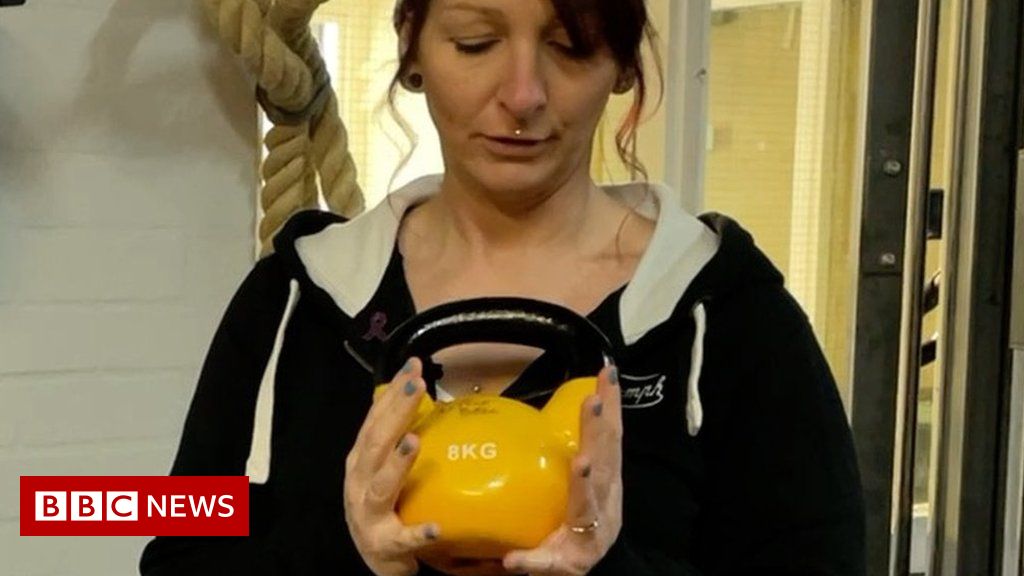
'My cancerous tumour was as big as a kettle bell'

A woman has had a rare cancerous tumour removed after finding a strange lump growing in her stomach area.The tumour weighed several kilograms and one of Stephanie Coles’ friends named a kettle bell after it, due to its large size and weight.Ms Coles, from Mansfield in Nottingham, now wants to raise awareness of sarcomas, which are tumours growing from connective tissue rather than organs.Follow BBC East Midlands on Facebook, on Twitter, or on Instagram. Send your story ideas to eastmidsnews@bbc.co.uk.

Read more →

Sidney Altman, Who Stumbled on a Breakthrough in Genetics, Dies at 82

He shared a Nobel for finding that RNA was not just a carrier of genetic information but could also trigger life-changing chemical reactions in cells.Sidney Altman, a molecular biologist who was awarded the Nobel Prize for Chemistry for sharing in the discovery that ribonucleic acid, or RNA, was not just a carrier of genetic information but could also be a catalyst for chemical reactions in cells — a breakthrough that paved the way for new gene therapies and treatments for viral infections — died on April 5 in Rockleigh, N.J. He was 82.Yale University, where Dr. Altman spent most of his career, announced the death but did not specify the cause.The discovery that RNA could function as an enzyme upended one of the central tenets of biology: that proteins are necessary to perform chemical reactions in cells.“The discovery of catalytic RNA has altered the central dogma of the biosciences,” the Nobel Institute said in announcing that Dr. Altman would share the 1989 chemistry prize.The discovery also suggested an answer to an age-old chicken-and-egg question about how DNA, the double-helix building blocks of life, and proteins could have arisen without carriers like RNA to transmit their codes. Dr. Altman’s work posited that simple RNA molecules had come first. As seems to happen so often in science, Dr. Altman stumbled upon his discovery. “I wasn’t looking for what I found,” he said in a 2010 interview with Harry Kreisler at the Institute for International Studies at the University of California, Berkeley.He had studied how a small RNA molecule, called transfer RNA, carries genetic code to make new proteins. Some of the code is not necessary, so an enzyme cuts it out before it is used.Then, in 1978, Dr. Altman began studying an RNA-cutting enzyme from E. coli bacteria that was composed of an RNA molecule and a protein. He managed to separate the two pieces and test them to see how they reacted in the enzyme process. Much to his surprise, he discovered that the protein did not perform as an enzyme without the RNA molecule. He later discovered that the RNA molecule could be the catalyst, even without the protein.The finding ran completely contrary to what at the time was established theory, which held that it was the proteins that were the catalysts in enzymes.The discovery of what are now known as ribozymes was so radical that Dr. Altman had trouble getting it accepted.Joel Rosenbaum, a professor of cell biology at Yale and a colleague of Dr. Altman’s, told Chemistry World magazine that when Dr. Altman first tried to get other scientists to accept his research, “the community of molecular biologists, including several at Yale working on RNA, did not want to believe the work.”Dr. Altman, left, in a Yale laboratory with Thomas A. Steitz in 2009, the year Dr. Steitz received a Nobel Prize in Chemistry. Dr. Altman spent most of his career at Yale.Douglas Healey/Associated Press“He had a hard time obtaining invitations to speak at scientific meetings and, indeed, getting his work published,” Dr. Rosenbaum said.Dr. Altman’s work was eventually validated, aided by the research o Thomas R. Cech, a professor at the University of Colorado Boulder who independently discovered the same phenomenon as Dr. Altman, and who shared the 1989 Nobel with him.The Nobel Institute in 1989 called their work “the two most important and outstanding discoveries in the biological sciences in the past 40 years,” declaring that it had “a profound influence on our understanding of how life on earth began.”And the institute expressed hope for what these discoveries might lead to: protections in organisms against viral infections, the creation of virus-resistant plants, cures for viral infections like colds in humans and — “a more futurist possibility” — the outright correction of genetic disorders.Sidney Altman was born on May 7, 1939, in Montreal, the second son of Victor and Ray (Arlin) Altman. His mother was a textile worker; his father ran a grocery store.The family had little money, but Dr. Altman, in an autobiographical sketch for the Nobel Institute, credited his parents with setting a good example that stayed with him for the rest of his life. “It was from them,” he wrote, “that I learned that hard work in stable surroundings could yield rewards, even if only in infinitesimally small increments.”Dr. Altman became fascinated by science as a boy — first by news of the detonation of the first atomic bomb, when he was 6 years old, and then by seeing the periodic table of the elements, which, he wrote, gave him a sense of “the elegance of scientific theory and its predictive power.”He had intended to enroll at McGill University in his hometown, but he changed course when he was accepted by the Massachusetts Institute of Technology. He studied physics at M.I.T., but in his final semester, out of curiosity, he took an introductory course in molecular biology and found it compelling.After M.I.T., he spent 18 months in a graduate physics program at Columbia University, but he said he was not really happy there. He wanted to be an experimental scientist and there was no opportunity at Columbia, so he quit and went back to Canada.The next summer, he was offered a job writing about science for an institute in Boulder, where he could also take summer courses.One night he wound up at a party talking to George Gamow, a well-known physicist, cosmologist and writer. Dr. Altman explained that he was dissatisfied with physics but fascinated with biophysics. Dr. Gamow suggested that he go to the University of Colorado in Denver, which had a good biophysics department.Dr. Altman went down the next day and met Leonard Lerman, a scientist who was known for his work on DNA and who was then doing research at the university’s medical center. The two agreed that Dr. Altman would enter the Colorado graduate program as one of Dr. Lerman’s students.Under Dr. Lerman, Dr. Altman found his direction. He obtained a doctorate in biophysics in 1967 and then a fellowship to Harvard, where he worked in the laboratory of the distinguished molecular biologist Mathew Stanley Meselson.Dr. Altman at a biotechnology event in Bangalore, India, in 2008.Dibyangshu Sarkar/AFP via Getty ImageTwo years later, Dr. Altman had the chance to join the Medical Research Council Laboratory of Molecular Biology in Cambridge, England. The lab was led by two of the most renowned scientists in the field: Sydney Brenner, who would be a Nobel laureate, in 2002, and Francis Crick, who had helped decode the structure of DNA, a landmark work for which he shared the 1962 Nobel Prize in Physiology or Medicine.“I felt as if I was joining the equivalent of Bohr’s group in Copenhagen in the 1920s,” Dr. Altman wrote, referring to Niels Bohr, the Danish physicist who laid the foundation for understanding the structure of the atom. “It turned out to be scientific heaven.”Dr. Altman worked in Cambridge until 1971, when his work on transfer RNA led him to Yale as an assistant professor. He worked there for the rest of his career, serving as chairman of the biology department from 1983 to 1985 and dean of Yale College from 1985 to 1988.Dr. Altman, who was Jewish, was involved in the Judaic studies program at Yale and was an honorary trustee of the university’s Joseph Slifka Center for Jewish Life.He became a United States citizen in 1984 but retained his Canadian citizenship.Shortly after he arrived at Yale, Dr. Altman married Anne Korner, a molecular biologist. The marriage ended in divorce in 2018. He is survived by their two children, Daniel and Leah, and four grandchildren.Dr. Altman once told Yale News that in the biological sciences, “so much of what we observe is still far beyond our grasp.”“Thus,” he added, “an ‘elegant’ experiment in the biological sciences (as in most of science) is one that tests one specific prediction in a way that allows the result of that prediction to stand above the noisy background of secondary phenomena.”

Read more →