
Trees vs. disease: Tree cover reduces mosquito-borne health risk

A study finds small-scale tree cover in Costa Rica boosts biodiversity while limiting dangerous mosquito species.
Read more →
A study finds small-scale tree cover in Costa Rica boosts biodiversity while limiting dangerous mosquito species.
Read more →
Researchers have identify a set of biomarkers that could someday make it easy to spot the disease in a patient’s blood sample.
Read more →
New research conducted by an international consortium shows that IBD and related conditions are now spreading through developing regions in Africa, Asia, and Latin America.
Read more →
Researchers have released the full dataset from the Dallas Lifespan Brain Study, a decade-long project designed to track brain and cognitive health as people age and distinguish neurologically healthy paths from those indicating a likelihood of decline.
Read more →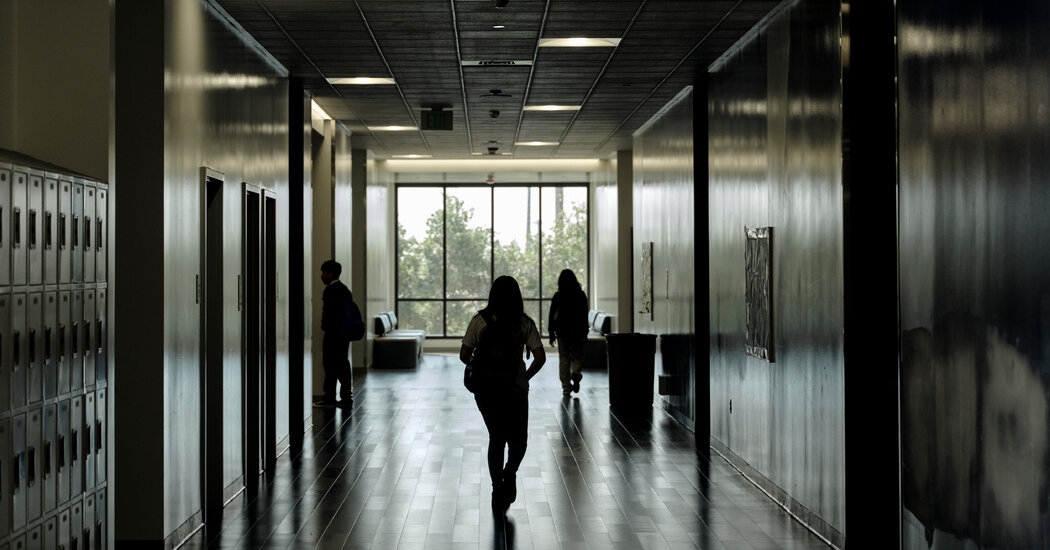
Agents are showing up unannounced to interview minors in what the government calls “wellness checks.” Critics see the visits as part of the immigration crackdown.For more than a decade, unaccompanied children fleeing hardship have journeyed north from Central America and crossed the Mexico-U.S. border. Many of them have been allowed to stay in the United States, and the government has spared most of them the full weight of immigration enforcement.Under the Trump administration, more of those children are coming face to face with federal agents.From New York to Hawaii, agents have been showing up unannounced at schools, homes and migrant shelters to interview the children.The Trump administration has called these surprise visits “wellness checks” intended to ensure that the children are enrolled in school and being properly cared for. But the agents conducting the visits are not social workers or child welfare specialists, nor are they labor inspectors or truant officers. Rather, the agents are primarily from Homeland Security Investigations, a specialized unit of Immigration and Customs Enforcement that combats drug and weapons smuggling, cybercrimes and financial crimes.When federal agents looking for children arrived unannounced at two Los Angeles elementary schools last month, they were turned away.“ My very first question starts there,” the superintendent of the Los Angeles Unified School District, Alberto Carvalho, said at a news conference. “What interest should a Homeland Security agent have in a first grader or a second grader? A third grader or a fourth grader, for that matter?”Children who arrive in the United States alone have long faced risks, and as their numbers surged, concerns about their well-being have grown. Most of the minors are living safely with family members, but some have fallen prey to labor traffickers and other exploitation.We are having trouble retrieving the article content.Please enable JavaScript in your browser settings.Thank you for your patience while we verify access. If you are in Reader mode please exit and log into your Times account, or subscribe for all of The Times.Thank you for your patience while we verify access.Already a subscriber? Log in.Want all of The Times? Subscribe.
Read more →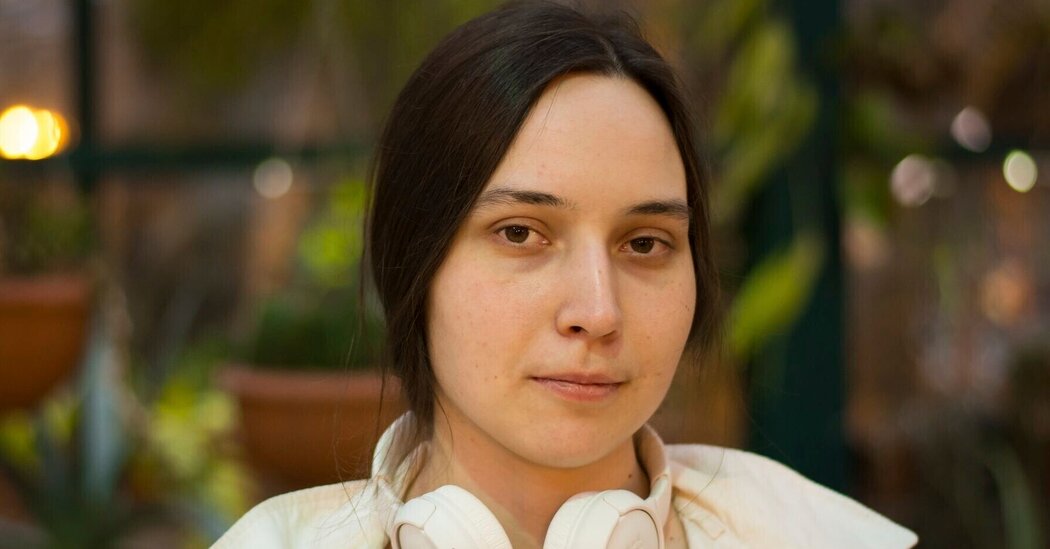
The judge said a customs officer had acted improperly in stripping Kseniia Petrova, a researcher at Harvard Medical School, of her visa after she failed to declare research samples she was carrying into the country.A federal judge on Wednesday said she would grant bail to Kseniia Petrova, a Russian scientist employed by Harvard University, in an immigration case stemming from Ms. Petrova’s failure to declare scientific samples she was carrying into the country.“There does not seem to be either a factual or legal basis for the immigration officer’s actions” in stripping Ms. Petrova of her visa on Feb. 16, Christina Reiss, chief judge of the U.S. District Court in Vermont, said in a court hearing.She added that “Ms. Petrova’s life and well-being are in peril if she is deported to Russia,” as the government has said it intends to do.While traveling to France on vacation, Ms. Petrova agreed to carry back samples of frog embryos from an affiliate laboratory at the request of her supervisor at Harvard Medical School.When the samples were discovered during an inspection of Ms. Petrova’s baggage at Logan Airport in Boston, the customs official canceled her visa on the spot and started deportation proceedings. She was transferred to an Immigration and Customs Enforcement detention center in Louisiana, where she remained for more than three months.At the end of the hearing on Wednesday, Judge Reiss said that “what happened in this case was extraordinary and novel,” and that if she did not take action in the case “there will be no determination” that Ms. Petrova’s rights had been violated.We are having trouble retrieving the article content.Please enable JavaScript in your browser settings.Thank you for your patience while we verify access. If you are in Reader mode please exit and log into your Times account, or subscribe for all of The Times.Thank you for your patience while we verify access.Already a subscriber? Log in.Want all of The Times? Subscribe.
Read more →
A new device that monitors the waste-removal system of the brain may help to prevent Alzheimer s and other neurological diseases, according to a new study. In the study, participants were asleep when they wore the device: a head cap embedded with electrodes that measures shifts in fluid within brain tissue, the neural activity from sleep to wakefulness and changes in the brain s blood vessels.
Read more →
Researchers have discovered two genes, RNF144B and ENPP1, that cause calcium pyrophosphate deposition (CPPD) disease in Americans of European and African descent. This crystalline arthritis is caused by calcium pyrophosphate (CPP) crystal deposition in joints. The findings of this novel study open up promising new avenues for targeted prevention and treatment of CPPD disease, which are currently lacking.
Read more →
Researchers compared the whole genome sequence of two genetically distinct lineages of bed bug, and their findings indicate bed bugs may well be the first true urban pest.
Read more →
Obesity is a global health problem that affects many people. In recent years, very promising anti-obesity drugs have been developed. Despite these successes, there are patients who do not respond to these drugs or suffer from side effects. Therefore, there is still an unmet need for therapies. Researchers have now discovered a small group of nerve cells in the hypothalamus of mouse brains that influence eating behavior and weight gain. This discovery could pave the way for the development of new targeted anti-obesity drugs.
Read more →