Novel treatment effective for sidewall brain aneurysm, study finds

A novel mesh plug that has been traditionally used to treat brain aneurysms occurring where the blood vessels branch out was found to be equally effective in treating aneurysms on the side of the vessel, according to a study in the journal Radiology.
Aneurysms result from a weakness in the blood vessel wall that typically occurs where the vessel branches or bifurcates — where the vessel divides or forks into two branches. Untreated, an aneurysm can grow and rupture. A common treatment involving the placement of tiny platinum coils into the aneurysm has limitations.
“If the aneurysm has a wide neck, the coil might fall into the blood vessel and lead to clot formation and incomplete aneurysm occlusion,” said study lead author Nimer Adeeb, M.D., from the Department of Neurosurgery and Interventional Neuroradiology at Louisiana State University in Shreveport, Louisiana. “Many times, you end up putting a stent in the blood vessel to prevent the coils from falling out and to keep them compacted within the aneurysm. This can have its own complications and requires using blood thinners.”
A braided wire device known as the Woven EndoBridge (WEB) was developed to overcome those limitations. The device is placed inside the aneurysm under angiographic guidance, where it causes a clot to form, closing off the aneurysm and reducing the risk of bleeding without requiring supporting stents or blood thinners.
“After you put the WEB device through the neck of the aneurysm, it opens up,” Dr. Adeeb said. “Given that it’s bigger than the neck of the aneurysm, it usually stays in place. One quick procedure is usually enough for successful treatment.”
The U.S. Food and Drug Administration (FDA) approved the WEB device for wide-neck intracranial bifurcation aneurysms. Some specialists have used it off-label for the treatment of sidewall aneurysms, a type of wide-necked aneurysm that occurs at the side of a blood vessel rather than its bifurcation tip.

Read more →

Tuberculosis: An Ancient Disease in Need of Modern Scientific Tools

Caption: Here I am with Paul Farmer, who was a strong voice for improving TB prevention and treatments in resource-scarce settings, when he came to NIH in 2007 to deliver my institute’s James C. Hill Memorial Lecture. Credit: NIH

Although COVID-19 has dominated our attention for the past two years, tuberculosis (TB), an ancient scourge, remains a dominating infectious disease globally, with an estimated 10 million new cases and more than 1.3 million deaths in 2020. TB disproportionately afflicts the poor and has long been the leading cause of death in people living with HIV.

Unfortunately, during the global COVID-19 pandemic, recent gains in TB control have been stalled or reversed. We’ve seen a massive drop in new TB diagnoses, reflecting poor access to care and an uptick in deaths in 2020 [1].

We are fighting TB with an armory of old weapons inferior to those we have for COVID-19. The Bacillus Calmette–Guérin (BCG) vaccine, the world’s only licensed TB vaccine, has been in use for more than 100 years. While BCG is somewhat effective at preventing TB meningitis in children, it provides more limited durable protection against pulmonary TB in children and adults. More effective vaccination strategies to prevent infection and disease, decrease relapse rates, and shorten durations of treatment are desperately needed to reduce the terrible global burden of TB.

In this regard, over the past five years, several exciting research advances have generated new optimism in the field of TB vaccinology. Non-human primate studies conducted at my National Institute of Allergy and Infectious Diseases’ (NIAID) Vaccine Research Center and other NIAID-funded laboratories have demonstrated that effective immunity against infection is achievable and that administering BCG intravenously, rather than under the skin as it currently is given, is highly protective [2].

Results from a phase 2 trial testing BCG revaccination in adolescents at high risk of TB infection suggested this approach could help prevent TB [3]. In addition, a phase 2 trial of an experimental TB vaccine based on the recombinant protein M72 and an immune-priming adjuvant, AS01, also showed promise in preventing active TB disease in latently infected adults [4].

Both candidates are now moving on to phase 3 efficacy trials. The encouraging results of these trials, combined with nine other candidates currently in phase 2 or 3 studies [5], offer new hope that improved vaccines may be on the horizon. The NIAID is working with a team of other funders and investigators to analyze the correlates of protection from these studies to inform future TB vaccine development.

Even with these exciting developments, it is critical to accelerate our efforts to enhance and diversify the TB vaccine pipeline by addressing persistent basic and translational research gaps. To this end, NIAID has several new programs. The Immune Protection Against Mtb Centers are taking a multidisciplinary approach to integrate animal and human data to gain a comprehensive understanding of the immune responses required to prevent TB infection and disease.

This spring, NIAID will fund awards under the Innovation for TB Vaccine Discovery program that will focus on the discovery and early evaluation of novel TB vaccine candidates with the goal of diversifying the TB vaccine pipeline. Later this year, the Advancing Vaccine Adjuvant Research for TB program will systematically assess combinations of TB immunogens and adjuvants. Finally, NIAID’s well-established clinical trials networks are planning two new clinical trials of TB vaccine candidates.

As we look to the future, we must apply the lessons learned in the development of the COVID-19 vaccines to longstanding public health challenges such as TB. COVID-19 vaccine development was hugely successful due to the use of novel vaccine platforms, structure-based vaccine design, community engagement for rapid clinical trial enrollment, real-time data sharing with key stakeholders, and innovative trial designs.

However, critical gaps remain in our armamentarium. These include the harnessing the immunology of the tissues that line the respiratory tract to design vaccines more adept at blocking initial infection and transmission, employing thermostable formulations and novel delivery systems for resource-limited settings, and crafting effective messaging around vaccines for different populations.

As we work to develop better ways to prevent, diagnose, and treat TB, we will do well to remember the great public health icon, Paul Farmer, who tragically passed away earlier this year at a much too young age. Paul witnessed firsthand the devastating consequences of TB and its drug resistant forms in Haiti, Peru, and other parts of the world.

In addition to leading efforts to improve how TB is treated, Paul provided direct patient care in underserved communities and demanded that the world do more to meet their needs. As we honor Paul’s legacy, let us accelerate our efforts to find better tools to fight TB and other diseases of global health importance that exact a disproportionate toll among the poor and underserved.

References:

[1] Global tuberculosis report 2021. WHO. October 14, 2021.

[2] Prevention of tuberculosis in macaques after intravenous BCG immunization. Darrah PA, Zeppa JJ, Maiello P, Hackney JA, Wadsworth MH,. Hughes TK, Pokkali S, Swanson PA, Grant NL, Rodgers MA, Kamath M, Causgrove CM, Laddy DJ, Bonavia A, Casimiro D, Lin PL, Klein E, White AG, Scanga CA, Shalek AK, Roederer M, Flynn JL, and Seder RA. Nature. 2020 Jan 1; 577: 95–102.

[3] Prevention of M. tuberculosis Infection with H4:IC31 vaccine or BCG revaccination. Nemes E, Geldenhuys H, Rozot V, Rutkowski KT, Ratangee F,Bilek N., Mabwe S, Makhethe L, Erasmus M, Toefy A, Mulenga H, Hanekom WA, et al. N Engl J Med 2018; 379:138-149.

[4] Final analysis of a trial of M72/AS01E vaccine to prevent tuberculosis. Tait DR, Hatherill M, Van Der Meeren O, Ginsberg AM, Van Brakel E, Salaun B, Scriba TJ, Akite EJ, Ayles HM, et al.

[5] Pipeline Report 2021: Tuberculosis Vaccines. TAG. October 2021.

Links:

Tuberculosis (National Institute of Allergy and Infectious Diseases/NIH)

NIAID Strategic Plan for Tuberculosis Research

Immune Mechanisms of Protection Against Mycobacterium tuberculosis Centers (IMPAc-TB) (NIAID)

Partners in Health (Boston, MA)

[Note: Acting NIH Director Lawrence Tabak has asked the heads of NIH’s Institutes and Centers (ICs) to contribute occasional guest posts to the blog to highlight some of the interesting science that they support and conduct. This is the seventh in the series of NIH IC guest posts that will run until a new permanent NIH director is in place.]

Read more →

Fruit snack or edible? Study finds some cannabis products look like popular snacks

Some cannabis edibles look remarkably like popular snack foods and may be easily confused for them, finds a new study led by researchers at NYU School of Global Public Health published in Drug and Alcohol Dependence.
These “copycat” edibles also have levels of tetrahydrocannabinol or THC — the main psychoactive compound in cannabis — that far exceed the limits set by state cannabis regulations.
“At first glance, most of the packages look almost exactly like familiar snacks. If these copycat cannabis products are not stored safely, there is the potential for accidental ingestion by children or adults,” said Danielle Ompad, associate professor of epidemiology at NYU School of Global Public Health and the study’s lead author.
Edibles are a popular and growing segment of the cannabis market. In states where cannabis use is legal, more than half (56%) of people who use cannabis consume edibles, with younger people more likely to do so.
Recent news reports have drawn attention to edibles that use similar branding and imagery to mimic popular snack foods. These copycat cannabis products are a public health concern given that people — including children — could mistake them for snacks and accidentally consume them. From 2017 to 2019, U.S. Poison Control Centers handled nearly 2,000 cases of young children ages 0 to 9 consuming edibles.
To gain a deeper understanding of copycat edibles, the researchers collected hundreds of photos of cannabis products and analyzed their packaging, including branding, names, imagery, and THC content. They focused on photos for 267 edibles and found that 8% (22 photos) closely resembled 13 different snack products.
Twelve of the products were candies or sweet snacks (fruit chews, fruit snacks, rice and marshmallow treats, and gummies) and one was a salty snack (chips). Eight of the 13 packages used the exact brand or product name of the original product; the remaining five used names that were similar (for instance, “Stoner Patch Dummies” instead of “Sour Patch Kids”). Seven of the packages used the same cartoon or brand character as the original product.
Most states that have legalized cannabis limit the amount of THC in edibles — typically 5 mg or 10 mg of THC per dose and 100 mg per package. According to information listed on the packaging of the lookalike products, these edibles contained an average of 459 mg of THC and a range of 300 to 600 mg per package, greatly exceeding the maximum limits.
“While each package is likely intended to include multiple doses, few packages indicate the serving size or number of servings,” said Ompad, who is also the deputy director of the Center for Drug Use and HIV/HCV Research (CDUHR) at NYU School of Global Public Health. “Moreover, if we’re considering 10 mg a standard dose, these products could contain an alarming 30 to 60 doses per package.”
The findings highlight the risk that these copycat products could be attractive to children, given the colorful packaging and use of familiar branding and characters.
“Policies to prevent cannabis packaging from appealing to children haven’t stopped copycat products from entering the market — nor have food brands taking legal action against cannabis companies for copyright infringement,” said Ompad. “People who purchase edibles that look like snack foods should store them separately from regular snacks and out of reach of children.”
In addition to Ompad, study authors include Kyle Snyder, Simon Sandh, Daniel Hagen, Emily Goldmann, and Melody Goodman of NYU School of Global Public Health; Kewanda Collier of Morgan State University; and Andy Tan of the University of Pennsylvania. The research was supported by the National Institute on Drug Abuse (P30DA011041, R21DA052421, and R01DA054236) and National Cancer Institute (R01CA237670).
Story Source:
Materials provided by New York University. Note: Content may be edited for style and length.

Read more →

About 30 percent of COVID patients develop 'Long COVID,' research finds

New UCLA research finds that 30% of people treated for COVID-19 developed Post Acute Sequelae of COVID-19 (PASC), most commonly known as “Long COVID.” People with a history of hospitalization, diabetes, and higher body mass index were most likely to develop the condition, while those covered by Medicaid, as opposed to commercial health insurance, or had undergone an organ transplant were less likely to develop it. Surprisingly, ethnicity, older age, and socioeconomic status were not associated with the syndrome even though those characteristics have been linked with severe illness and greater risk of death from COVID-19.
Of the 309 people with long COVID studied, the most persistent symptoms were fatigue and shortness of breath (31% and 15%, respectively) in hospitalized persons, and loss of sense of smell (16%) in outpatients.
The incidence and risk factors of Long COVID, and even how to define the syndrome, have remained unclear throughout the pandemic. The researchers sought evaluate its association with demographics and clinical characteristics in order to devise the most effective treatments.
The UCLA researchers studied 1,038 people who were enrolled in the UCLA COVID Ambulatory Program between April 2020 and February 2021. Of those, 309 developed Long COVID. A person was determined to have the syndrome if they reported persistent symptoms on questionnaires 60 or 90 days after infection or hospitalization.
Potential weaknesses in the study include the subjective nature of how patients rated their symptoms, the limited number of symptoms the researchers evaluated, and limited information about patients’ pre-existing conditions.
“This study illustrates the need to follow diverse patient populations longitudinally to understand the Long COVID disease trajectory and evaluate how individual factors such as pre-existing co-morbidities, sociodemographic factors, vaccination status and virus variant type affect type and persistence of Long COVID symptoms,” said Dr Sun Yoo, health sciences assistant clinical professor at David Geffen School of Medicine at UCLA and medical director of the Extensivist Program. “Studying outcomes in a single health system can minimize variation in quality of medical care. Our study also raises questions such as: Why were patients with commercial insurance twice as likely to develop Long COVID than patients insured through Medicaid? Because persistent symptoms can be subjective in nature, we need better tools to accurately diagnose Long COVID and to differentiate it from exacerbations of other emerging or chronic conditions. Finally, we need to ensure equitable access to outpatient Long COVID care.”
Additional study authors are Dr. Teresa Liu, Yash Motwani, Myung Sim, Dr. Nisha Viswanathan, Dr. Nathan Samras, Dr. Felicia Hsu, and Dr. Neil Wenger of UCLA.
Story Source:
Materials provided by University of California – Los Angeles Health Sciences. Note: Content may be edited for style and length.

Read more →

The origins and ID of pancreatic endocrine cells

The pancreas is a key metabolic regulator. When pancreatic beta cells cease producing enough insulin, blood sugar levels rise dangerously — a phenomenon known as hyperglycemia — thus triggering diabetes. After discovering that other mature pancreatic cells can adapt and partly compensate for the lack of insulin, a team from the University of Geneva (UNIGE) demonstrates that the stem cells from which beta cells are derived are only present during embryonic development. This discovery puts an end to a long-standing controversy about the hypothetical existence of adult pancreatic stem cells that would give rise to newly differentiated hormone-producing cells after birth. The scientists also succeeded in precisely defining the ‘identity card’ of pancreatic endocrine cells, which is a promising tool for the production of replacement insulin-secreting cells. These results can be read in Cell Reports and Nature Communications.
Diabetes is a common metabolic disease. It is characterised by a persistent hyperglycemia that occurs when pancreatic cells responsible for the production of insulin — the beta cells — are destroyed or are no longer able to produce this regulatory hormone in sufficient quantities. Since 2010, studies performed by the team of Pedro Herrera, a professor in the Department of Genetic Medicine and Development and in the Diabetes Centre at the UNIGE Faculty of Medicine, as well as at the Geneva Institute of Genetics and Genomics (iGE3), reveal that the other pancreatic endocrine cells — namely alpha, delta and gamma cells, which produce other hormones useful for the metabolic balance — can “learn” to produce insulin when beta cells are absent or defective. This phenomenon, observed in mice and humans, demonstrates the plasticity of pancreatic cells and paves the way to new therapeutic strategies.
The short life of pancreatic endocrine stem cells
In two recent publications, Pedro Herrera’s team reports new advances in the knowledge of the mechanisms of pancreatic cell formation, and in the gene expression profile defining the identity of each of the different islet endocrine cell types. The first research, published and featured in the cover of Cell Reports, demonstrates that pancreatic endocrine cells all derive from undifferentiated progenitor cells that emerge exclusively during embryonic development, but not after birth.
“Until now, some scientists thought that intra-pancreatic stem cells persist throughout life,”explains Pedro Herrera. Marta Perez-Frances, a researcher in Pedro Herrera’s team and first author of this study, adds: “Our work shows that this is not the case. Indeed, all pancreatic hormone-producing cells that emerge after birth originate from the division of existing differentiated cells that were generated during embryonic and fetal life from undifferentiated progenitor cells.”
To decipher this mechanism, the scientists generated mouse models in which the different types of pancreatic endocrine cells were genetically tagged with a fluorescent tracer at different developmental stages in order to track them down after birth. The cells were traced up to the age of ten months, when mice are old.
A detailed ID card
In a second article, published in Nature Communications, Pedro Herrera’s team focus on the gene expression profile of pancreatic endocrine cells. “Precisely defining the ‘identity card’ of these cells now helps us to design a tool aiming at engineering cell replacement therapies to treat diabetes. Such therapies could for instance consist of in vitro manufacturing of insulin-producing cells, or in stimulating pancreatic regeneration by exploiting the plasticity of the non-beta cells that we have discovered,” explains Léon van Gurp, first author and post-doctoral fellow in the lab of Pedro Herrera.
The generation of surrogate cells with stable functional identities is crucial for the development of cell-based therapies to treat degenerative diseases. However, their generation requires reliable tools to accurately assess cell identities. To this aim, the researchers performed an extensive meta-analysis of single-cell transcriptomics, i.e. the analysis of the genes expressed by individual endocrine cells isolated from human pancreatic islets (these cells are grouped in small “clusters” within the pancreas). The identification of robustly expressed gene-sets allow the precise definition of the genetic signature of each endocrine cell type of the pancreas.
“Our work has no immediate clinical translation. Yet, by deciphering in detail the mechanisms governing the construction of cellular identities, it paves the way for developing innovative therapeutic approaches for treating diabetes and other pathologies linked to the loss of any given cell type,”concludes Pedro Herrera.
The gene lists that the authors have generated can be downloaded from the Molecular Signatures Database (https://www.gsea-msigdb.org/gsea/msigdb) or through the web application scPancMeta (https://rapps.hirnetwork.org/scPancMeta)
Story Source:
Materials provided by Université de Genève. Note: Content may be edited for style and length.

Read more →

Pacific Northwest wildfires alter air pollution patterns across North America

Increasingly large and intense wildfires in the Pacific Northwest are altering the seasonal pattern of air pollution and causing a spike in unhealthy pollutants in August, new research finds. The smoke is undermining clean air gains, posing potential risks to the health of millions of people, according to the study.
The research, led by scientists at the National Center for Atmospheric Research (NCAR), found that levels of carbon monoxide — a gas that indicates the presence of other air pollutants — have increased sharply as wildfires spread in August. Carbon monoxide levels are normally lower in the summer because of chemical reactions in the atmosphere related to changes in sunlight, and the finding that their levels have jumped indicates the extent of the smoke’s impacts.
“Wildfire emissions have increased so substantially that they’re changing the annual pattern of air quality across North America,” said NCAR scientist Rebecca Buchholz, the lead author. “It’s quite clear that there is a new peak of air pollution in August that didn’t used to exist.”
Although carbon monoxide generally is not a significant health concern outdoors, the gas indicates the presence of more harmful pollutants, including aerosols (airborne particulates) and ground-level ozone that tends to form on hot summer days.
The research team used satellite-based observations of atmospheric chemistry and global inventories of fires to track wildfire emissions during most of the past two decades, as well as computer modeling to analyze the potential impacts of the smoke. They focused on three North American regions: the Pacific Northwest, the central United States, and the Northeast.
Buchholz said the findings were particularly striking because carbon monoxide levels have been otherwise decreasing, both globally and across North America, due to improvements in pollution-control technologies.

Read more →

Excess weight a clear womb-cancer risk

SharecloseShare pageCopy linkAbout sharingImage source, Getty ImagesBeing overweight substantially increases the risk of developing womb cancer, research suggests. If a 5ft 5in (1.65m) woman is two stone (12.7kg) above a healthy weight, her risk is nearly doubled, for example.The Cancer Research UK (CRUK)-funded research involved 120,000 women in the UK, US and five other countries.The charity says keeping a healthy weight can cut the risk of 13 different cancers. Genes and hormones may be other risk factors.Fasting insulinOne theory is fat cells can send out signals telling other cells to divide more often, which can lead to cancer.The growth of some breast cancers is linked to the female hormone oestrogen, which fat cells also produce, for example.The CRUK study, led by a team at the University of Bristol and published in BMC Medicine, is one of the largest into the link between fat and womb cancer. It looked at the effect of lifelong weight gain and uncovered two hormones, fasting insulin and testosterone, linked with obesity and womb cancer. The researchers hope scientists could in future use drugs to regulate levels of those hormones in people at risk of developing the cancer.Vaginal bleedingLead investigator Dr Emma Hazelwood said: “This study is an interesting first step into how genetic analyses could be used to uncover exactly how obesity causes cancer and what can be done to tackle it.”CRUK health information head Dr Julie Sharp said: “Studies like this bolster the fact that being overweight or obese is the second biggest cause of cancer in the UK and can help us start to pinpoint why.”This will play a pivotal role in uncovering how to prevent and treat cancer in the future”.One in 36 UK women develops womb cancer and one in four people diagnosed is pre-menopausal.The most common symptom is abnormal vaginal bleeding.BMI calculator – How to check if you are a healthy weight for your heightMore on this storyWomb cancer signs ‘not widely known’Obesity ‘linked to womb cancer rise’Related Internet LinksCancer Research UKThe Eve AppealThe BBC is not responsible for the content of external sites.

Read more →

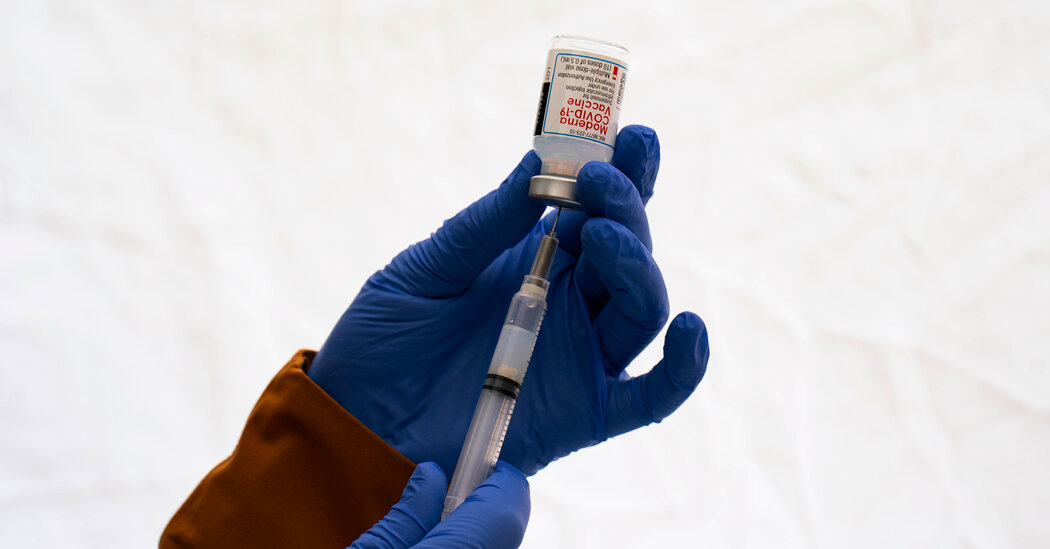
Moderna Says Trial Suggests Redesigned Vaccines Protect Against Variants

Moderna announced preliminary results Tuesday from its study of a coronavirus vaccine intended to protect against variants, saying the findings show it can design a vaccine that offers better, longer-lasting protection than its initial product.But the company said it was also testing another version of the vaccine that it expected would do even better, with results expected in late May or early June.The company’s findings, published in a paper without being evaluated by outside scientists, offer hope that the nation will have a better vaccine by the fall, when the coronavirus is considered likely to re-emerge in force.Researchers at Moderna, other pharmaceutical companies and the National Institutes of Health have been racing to figure out how to redesign the existing vaccines in time for new booster doses to be manufactured over the summer. Moderna’s results are the first of their kind to be released.The vaccines from Moderna and Pfizer-BioNTech continue to strongly protect most people from hospitalization and death caused by Covid-19. But their potency against infection wanes quickly. Federal officials recently authorized additional shots for people 50 and older, citing concerns about waning protection against severe disease in vulnerable populations.Moderna said its research showed the promise of a so-called bivalent vaccine, even against other variants besides the two versions of the virus specifically targeted. In this case, researchers combined the existing vaccine with one designed to attack the Beta variant, which was first detected in late 2020. They found the combination provided a stronger defense not only against those forms of the virus, but also against the Delta and Omicron variants, the company said.Volunteers who got a booster shot of the reconfigured vaccine produced more than two times the level of antibodies against the Omicron variant compared with those who got a booster dose of the existing Moderna vaccine. The added protection persisted for six months against the Omicron variant but fell against Delta to essentially the same level as that elicited by the existing vaccine, the study showed.Dr. Paul Burton, Moderna’s chief medical officer, said in an interview that he was betting on even better results from combining the existing vaccine with one aimed at Omicron. While the Beta variant faded months ago, Omicron is producing a stream of subvariants, including BA.1 and BA.2, and many experts suggest it is probably the best target for a new vaccine.Given the ability of the Omicron variant to evolve, Dr. Burton said, “I think we have to just assume it is going to be major player, still, in the fall.”Moderna’s researchers measured levels of antibodies — the body’s first line of defense in warding off infection from the coronavirus. Other immune responses that also defend against Covid-19 disease were not measured; those tests are far more complex and expensive to conduct.But while antibody levels provide only a partial picture of the immune system’s responses, “we are still are thinking that keeping antibody levels high is important,” Dr. John Beigel, the clinical research director overseeing N.I.H. vaccine trials, said in a recent interview.The sprint to update the vaccines involves small clinical trials paired with laboratory tests. First, vaccines are designed to target a variant — either alone or in combination with the original prototype of the virus or another variant.A small group of volunteers receive the reconstituted vaccine. Then researchers at a laboratory test their blood samples for neutralizing antibodies against the whole array of variants — not just the one or two the vaccine was designed to attack.Dr. Beigel said antibodies created by the coronavirus vaccine decayed at different rates, depending on the variant at play. “That is why we need six months’ worth” of data, ideally, to assess how well any updated vaccine would work, he said.Some researchers suggest that a protein-based vaccine, perhaps like the one developed by the companies Sanofi and GSK, might prove to be a better booster than new versions of the Moderna or Pfizer-BioNTech vaccines used to vaccinate about 250 million Americans.Dr. Burton said Moderna’s results on its Beta bivalent vaccine were “very reassuring” both in terms of safety and the immune response. But he said the company was eager for results by June from its bivalent vaccine aimed at the Omicron variant. Stéphane Bancel, Moderna’s chief executive, said that vaccine “remains our lead candidate” for a booster this fall.If a bivalent vaccine that targets the Beta variant works well against Omicron, Dr. Burton said, one that targets Omicron itself would presumably work even better. He said he hopes the other study will show high levels of antibodies that last against both Delta and Omicron. “That two months is worth waiting for,” he said. Ultimately, federal officials are aiming for a once-a-year booster shot.Of about 900 volunteers in the Beta bivalent trial, one-third got a 50-microgram dose of the updated vaccine — the same dosage now authorized for a booster shot of the existing vaccine. The rest received a 100-microgram dose. The volunteers had fewer side effects from the weaker dose, and Dr. Burton said the company would probably settle on that dosage.The study was not intended to evaluate vaccine effectiveness; it only measured the immune system’s response, which can point to efficacy.

Read more →

M.R.I.s Are Finding Connections Between Our Brain Activity and Psychology

How might we leverage knowing that a particular neurological feature makes someone more vulnerable to autism or Alzheimer’s or more likely to achieve academically? In March, neuroscientists and psychiatrists from the School of Medicine at Washington University, St. Louis, along with colleagues elsewhere, published a study in the journal Nature that sparked widespread discussion in their fields. Researchers, the study noted, are increasingly using magnetic resonance imaging — which can reveal the brain’s structure and activity — to try to find links between what is seen on an M.R.I., like cortical thickness or patterns of connection, and complicated psychological traits, like cognitive ability or mental-health conditions. In theory, such so-called brain-wide association studies could yield incredibly valuable insights. Knowing that a particular neurological feature makes someone more vulnerable to autism, Alzheimer’s or another disorder, for example, could help predict, prevent or treat that condition. Likewise, if we can link certain features to desirable traits, like academic achievement, it might be possible to take advantage of that knowledge.The problem, the Nature authors argued, is that neuroscientists often are searching for those associations in groups of study subjects that are too small, leading to results that are statistically “underpowered.” In general, they calculated, thousands of subjects should be included for a brain-wide association study to produce a finding that other studies can replicate. This was unwelcome news to many, in large part because M.R.I. machines are incredibly expensive to use, often at about $1,000 per hour, and funding is limited.Illustration by Ori ToorSpecific instances of underpowered studies are legion. So much so, says Terry Jernigan, director of the Center for Human Development at the University of California, San Diego, that singling out an example “would simply be unfair.” Indeed, according to a paper from 2020 in NeuroImage, the average number of study subjects in more than a thousand of the most cited brain-imaging papers, published between 1990 and 2012, was 12; the Nature paper calculated that the median sample size for neuroimaging studies uploaded to a popular open-access platform as of September 2021 was 23.Unfortunately, small M.R.I. samples frequently return strong associations as a matter of chance. For example, let’s say you want to see if there is a correlation between eye color and a preference for strawberries. If you look at enough groups of 25 random people, eventually you will happen upon a group in which blue-eyed people like strawberries much more than brown-eyed people do. But if five independent research groups run this study and only one of them finds this relationship between eye color and a love of berries, that will be the group most likely to publish its results — despite returning the least representative results. That’s because journals historically have preferred surprising correlations to findings of no correlation, a phenomenon known as publication bias. “The paradoxical effect is that the answer that’s the most wrong gets published if you use a small sample,” says Nico Dosenbach, an associate professor of neurology at Washington University and an author of the Nature study.Scientists across disciplines have long known about this dynamic, but the Nature paper was able to pinpoint — at least in the case of brain-wide association studies — how many participants are needed to avoid it. Using M.R.I. data from about 50,000 people, the authors searched for links between brain structure or activity and complex psychological traits in groups with different numbers of subjects. Subjects had to number in the thousands, on average, for studies to be replicated reliably. The fact that so many associational studies are underpowered — and often untested in other groups of subjects before publication — has led to reports of myriad links between brain features and psychiatric disorders that are probably unreliable. These can be frightening and stigmatizing. “If you see a particular brain-activation pattern in a person with a psychiatric diagnosis, that doesn’t mean it’s causing the disorder or symptoms,” Jernigan says. “It’s simply an association.”But the conclusion of the Nature paper applies only to studies that compare M.R.I.s from multiple people in order to identify differences among them relating to complex mental traits. Neuroimaging studies that show brain changes taking place within individuals, on the other hand, can be dependable even with very few participants. For instance, the first notable paper to demonstrate that most people’s brains work in roughly the same way appeared in Science in 2001 and included only six participants, says Russell A. Poldrack, a professor of psychology at Stanford University. That study’s researchers recorded each subject’s brain activity while viewing pictures of cats, faces, man-made objects and nonsense images. It didn’t matter that each brain was unique — the changes that took place in that brain could be assigned to seeing different types of pictures. The patterns were then tested and found to correctly predict, based on brain activity, what a participant was seeing. Those overall patterns, along with other evidence, Poldrack says, established that “when people engage in particular kinds of mental functions, particular brain areas become engaged.”This realization that we tend to share brain patterns raises the tantalizing possibility that somewhere in the variations among them lies an explanation for why some people have a particular trait or collection of symptoms that others lack. But it’s extremely difficult to separate meaningful differences from the countless random differences that exist between all brains. One way to try to do so is to compare the M.R.I.s of thousands of people and look for a variation — a certain pattern of neural connectivity, say — that is more common in those with a particular psychological condition. Recent advances in M.R.I. technology, and in the ability to analyze vast amounts of data, have begun to make this sort of effort possible. For example, the Adolescent Brain Cognitive Development study has enrolled nearly 12,000 children in the United States between the ages of 9 and 10 whose brains will be scanned regularly into young adulthood. The study will also track socioeconomic variables, like parental income, and psychological attributes, like resilience, to see how they intertwine with brain development. “Without a study like this, you could never resolve these questions,” says Jernigan, a director of the study’s coordinating center.Such comprehensive data sets can enable researchers to interrogate the relationships between many factors at once. But there are other ways to explore the connections between brain features and complex mental functions that don’t require as many subjects. Rather than look for associations across a whole population, you could start out by doing “a very detailed characterization” of the brains of hundreds of people diagnosed with various types of depression, for instance, to build models of what those states look like, says Roberta Diaz Brinton, director of the Center for Innovation in Brain Science at the University of Arizona College of Medicine.In a paper from 2016, Monica Rosenberg and her colleagues at Yale University used this type of approach to identify certain kinds of brain activity in someone paying sustained attention. They gave 25 healthy adult volunteers a task that required focus and made a composite map of what they saw happening in the brains. Then they compared that map with M.R.I. data from 113 children with and without A.D.H.D. The sustained attention network they had identified was weaker in the children with A.D.H.D., which affirmed their result.Rosenberg, now a professor of psychology at the University of Chicago, reads the Nature paper not simply as a call for larger sample sizes but as a broader reminder of the need to “systematically follow up on results.” For any finding, she says, scientists should ask: “Is this true in a different group of people? Individuals of a different age? How general is this relationship?” Though she says there is still “significant room for improvement,” Rosenberg is optimistic that the Nature paper is one of many in recent years that push for better practices in brain-imaging research. “The value of replication is increasingly being recognized,” Rosenberg says.Kim Tingley is a contributing writer for the magazine.

Read more →

A Door-to-Door Effort to Find Out Who Died Helps Low-Income Countries Aid the Living

Many developing countries don’t keep official death records. A novel effort uses “electronic autopsies” to count deaths, and record their cause.FUNKOYA, Sierra Leone — Augustine Alpha begins gently. “Who lives in this home?” he asks the young man, who has come in from the fields to answer his questions.Your name? Age? Religion? Marital status? In what grade did you leave school? Do you own a bicycle? Mr. Alpha taps the young man’s answers into the laptop perched on his thin knees.Then comes the key question: “Did anyone die in your home in the last two years?”“Yes,” the young man says, “my mother.”Mr. Alpha expresses his sympathy, asks him her name — it was Mabinti Kamara — then plunges in: Was she sick? How long? Fever? Rising and falling, or steady? Vomiting? Diarrhea? Tremors? Did she see a doctor? Get medication? Have pain? Where was the pain, and how long did it last?Ms. Kamara’s son is reticent at first but is soon caught up recounting the story of those last few weeks of his mother’s life, describing the fruitless trips to the local clinic. Mr. Alpha taps away until every detail has been entered in the software of a public health survey called the Countrywide Mortality Surveillance for Action, or COMSA. Then he snaps his laptop closed, applies a sticker to the wooden shutter of the front window marking the Kamara house as surveyed, reiterates his condolences and moves on to the next home.In this way, Mr. Alpha and three colleagues will, over a few days, gather the details of every death that took place in the village of Funkoya since 2020, using a process called an electronic verbal autopsy. The data they collect goes to the project’s head office at Njala University, in the town of Bo, a few hundred kilometers to the east. There, a physician reviews the symptoms and description and classifies each death according to its cause.Augustine Alpha, a surveyor, spoke with residents of the village of Funkoya about a recent death in the family.It is an extraordinarily labor-intensive way of establishing who has died, and how, but it’s necessary here because only a quarter of deaths in Sierra Leone are reported to a national vital statistics registry system, and none of the deaths have a cause assigned. Life expectancy here is just 54 years, and the vast majority of people die from preventable or treatable causes. But because there is no data about the deaths of its citizens, the Sierra Leonean government plans its programs and health care budget based on models and projections that are, ultimately, only best guesses.There are a variety of reasons families do not report the deaths of people like Ms. Kamara to a national registry, none of them complex. The registry office may be far away, and they can’t afford the transportation costs, or find the time to go there, or pay the nominal fee for the death certificate. It may be that they’ve never even heard of the practice; the state has very little presence in their lives. The dead are buried behind their homes or in small village plots, as Ms. Kamara was; the local chief might then make a note in a ledger, the contents of which never travel out of the village. Sierra Leonean hospitals don’t automatically share their death records either.Sierra Leone is not an anomaly. Vital statistics collection across the developing world is weak. While progress has been made in recent years in terms of birth registration (which is increasingly tied to access to education and social benefits), nearly half of the people who die around the world each year do not have their deaths recorded.“There is no incentive in death registration,” said Prabhat Jha, who heads the Center for Global Health Research in Toronto. He pioneered these kinds of efforts to count the dead two decades ago in India; doing it now in Sierra Leone, one of the world’s poorest countries, has shown that the model will work anywhere, and has helped bolster a government eager to root its policies in evidence and hard facts.The topic of vital statics registration is not glamorous, but it is critically important for understanding public health and socio-economic inequality. Covid-19 has brought new attention to the topic. Debate over how many people have died from the coronavirus, and who they were, has become political, and in countries such as India lower death counts have served the agenda of national governments hoping to downplay the role of failed pandemic policies.A grave was dug for Francis Kailie, who died suddenly after having abdominal pain, behind his family home in the city of Bo in southern Sierra Leone.It matters that we know not only how many people died, but who they were, and when they died, said Stephen MacFeely, director of data and analytics for the World Health Organization. “As we come out of the eye of the storm, this is when you talk about learning lessons.”There is, for example, fierce debate among epidemiologists about whether Africans are dying of Covid-19 at the same rate as people elsewhere in the world, and, if they are not, about what might be protecting them.When countries don’t know who has died or how, it complicates efforts to reduce preventable deaths. The government of Sierra Leone allocates its budget, as many developing countries do, based in part on models provided by UNICEF, the W.H.O., the World Bank and other multilateral agencies that project the number of people who will be killed there each year by malaria, typhoid, car accidents, cancer, AIDS and childbirth. These models are built on global estimates, and draw on dozens of studies and individual research projects, which can do a reasonably good job of estimating the larger picture but are sometimes far less accurate at the national level. As Dr. Jha explains it, malaria data that came from Tanzania or Malawi isn’t necessarily going to be accurate for Sierra Leone, even though all three countries are in Africa.“You want countries to make decisions based on their own data, not relying on a university in North America or even the Geneva office of the W.H.O.,” he said.The information collected through this painstaking door-to-door work has shown that the models can be drastically wrong. “When you count the dead, you just get information that you didn’t expect,” Dr. Jha said.The first COMSA study looked at the households of 343,000 people in 2018 and 2019, of whom 8,374 died. The verbal autopsies produced discoveries so surprising that Dr. Rashid Ansumana, a co-principal investigator for the project, refused to believe them for months, until the revelations had been checked and rechecked a number of different ways.Kadijatu Jiallo, left, interviewed Alpha Mohammed Kamara, who gestured toward the spot where he had buried his wife recently, in Mabin village.“I got convinced with facts and evidence,” said Dr. Ansumana, the dean of the college of community health at Njala University. “And now I can convince anyone: The data is awesome.”The first big surprise involved malaria. The research showed it to be the biggest killer of adults in Sierra Leone. Dr. Ansumana said that in medical school he was taught that malaria killed children under 5, but people who survived childhood had an immunity that kept repeated malaria infections from taking their lives.Pretty much everyone working in health care in Sierra Leone believed it, he said. In fact, the plotted data showed that malaria deaths formed a U-shaped curve, with very high numbers among young children and lower ones for young adults; the numbers then rose again in people over age 45.The second shock was regarding maternal mortality. The study found that 510 of every 100,000 women die in childbirth — a staggeringly high rate, but still only half of what the United Nations bodies reported for Sierra Leone. The finding was a relief for the government, Dr. Ansumana said, because it showed that resources being poured into making childbirth safer for women and babies was paying off.Now a second round of the national survey is underway, seeking to illuminate, among other things, the health impact of Covid-19.To secure this kind of data without having to go from door to door, Sierra Leone is working on reforms to its civic registration, and is one of many countries trying to figure out how to make certain that more deaths are counted.Many of these fixes are straightforward and don’t cost much, said Jennifer Ellis, who leads a program called Data for Health, run by Bloomberg Philanthropies, that aims to boost health data collection in low and middle-income countries.It starts with overhauling an extant death certificate to collect usable information on who died and why, and training doctors to be aware of why a specific cause of death is important (that is, for instance, why it matters whether a death is logged as “pancreatic cancer” as opposed to “abdominal pain”).Bearing the coffin of Mr. Kailie to his burial in Bo.“You need to change how the data flows,” she said, because it may be collected by a national interior ministry and not shared with a health ministry. Data should be digitized, so it doesn’t just sit moldering in ledgers. It should be easy for people to go somewhere to register a death, and free.Another step is routine collection of verbal autopsies for all who die outside a health system. This involves identifying and training people at the community level, such as midwives or community health workers and others who might do basic primary care in low-income countries, to try to collect information on every death.Digitization is expensive, Ms. Ellis said, but the other steps cost very little. Fewer than 5 percent of deaths in Zambia included a recorded cause when Data for Health joined up with the government there in 2015; by 2020 that figure had risen to 34 percent. Peru introduced a digitized cause-of-death reporting system that now makes death information available in real time; because it had solid and swiftly accessible data, it reported some of the highest Covid death rates in Latin America.Information captured by new death registration systems has quickly been translated into health policies. When improved cause-of-death collection revealed that road accidents were among the top causes of death in Colombia, its government moved quickly to introduce safety protections in the worst-affected areas. In India, the recorded number of people dying of snakebite exceeded the W.H.O.’s estimate for the entire world; antivenom was made available at more primary care centers in heavily affected areas.But while many countries are eager to transform what they learn from death statistics into policy, others are hesitant. “I’m not sure all governments really understand the power of data — and let’s be frank, a lot of governments probably don’t want to measure it, either,” Mr. MacFeely of the W.H.O. said. Some view higher Covid death counts as an indictment of their pandemic responses, he said.Still, he said, the W.H.O. is encouraging countries to treat vital statistics data as they do other forms of infrastructure, such as gas systems or electrical grids.“This is part of managing a modern country,” he said. After concluding her interview, Ms. Kaitongi put a marker on the home she visited.

Read more →