Beijing kicks off mass testing after spike in Covid cases

SharecloseShare pageCopy linkAbout sharingImage source, Getty ImagesThe Chinese capital Beijing has kicked off mass testing for millions of residents after a spike in Covid cases. The Chaoyang district reported 26 cases over the weekend – the highest number so far in Beijing’s latest surge.Long queues outside supermarkets and shops were seen despite government assurances there is sufficient food.It comes amid fears that Beijing could face a similar situation to Shanghai, which has seen some 25 million people shut in their homes for weeks. ‘All the meat was snatched up’All 3.5 million residents in Chaoyang, Beijing’s most populous district, will undergo three rounds of mass testing, according to a notice by the city’s disease prevention team. The news prompted residents to rush to stock up essential supplies, with images circulating on local media showing supermarket shelves emptied of goods and snaking queues at check-out counters. Beijing’s major supermarkets also extended their opening hours to accommodate the spike in demand. Image source, Supplied”Never thought I would go to the market early in the morning….when I got there, all the eggs and prawns were gone and all the meat was snatched up,” said one Weibo user in Shanghai, before adding they managed to get some vegetables. Another Weibo user in Shanghai said: “Seeing people in Beijing rush to buy food is both funny and distressing… it’s like looking at what my own life was like just last month.”State-media news outlet The Global Times said that Beijing’s fresh food companies have been ordered to increase the supply of groceries like meat, poultry eggs and vegetables.They also quoted health experts as saying that the results of the mass testing would indicate whether there is a need to escalate measures further, such as locking down several areas. Separately, Pang Xinghuo, deputy director of the Beijing Center for Disease Prevention and Control, told state-media outlet China Daily that the number of cases in Beijing is expected to increase in the following days.Censors try to block viral Shanghai lockdown videoShanghai escalates Covid lockdown restrictions The latest outbreak in Shanghai, first detected in late March, has seen more than 400,000 cases recorded so far and 138 deaths. Some of the measures Chinese authorities have enforced include placing electronic door alarms to prevent those infected from leaving and forcibly evacuating people from their homes to carry out disinfection procedures. Some in locked-down areas of Shanghai say they have been struggling to access food supplies, and forced to wait for government drop-offs of vegetables, meat and eggs. Green barricades have also been erected overnight in parts of Shanghai without prior warning, effectively preventing residents from leaving their homes. In contrast to many other countries, China is pursuing a zero-Covid strategy with the aim of eradicating the virus from the country completely.While officials managed to keep infection levels relatively low at the beginning of the pandemic, later lockdowns have struggled to contain recent, more transmissible variants of the virus.You may also be interested in: This video can not be playedTo play this video you need to enable JavaScript in your browser.How have you been affected by the issues relating to coronavirus? Email haveyoursay@bbc.co.uk.Please include a contact number if you are willing to speak to a BBC journalist. You can also get in touch in the following ways:WhatsApp: +44 7756 165803Tweet: @BBC_HaveYourSayUpload pictures or videoPlease read our terms & conditions and privacy policy

If you are reading this page and can’t see the form you will need to visit the mobile version of the BBC website to submit your question or comment or you can email us at HaveYourSay@bbc.co.uk. Please include your name, age and location with any submission. More on this storyCensors try to block viral Shanghai lockdown videoShanghai escalates Covid lockdown restrictionsGreen fences baffle locked down Shanghai residents

Read more →

Covid Outbreak in Beijing Prompts Panic Buying and Fears of a Lockdown

Supermarkets stocked up as long lines formed. The Chinese authorities ordered mass testing to contain a rising number of coronavirus cases in an affluent district of the capital.BEIJING — Families in Beijing rushed to stock up on food. Supermarkets stayed open late. Residents endured long lines for mandatory testing.A fresh coronavirus outbreak in China’s capital has raised concerns that Beijing could become, after Shanghai, the next Chinese megacity to put life on hold to contain the spread of the Omicron variant. The central government has leaned heavily on lockdowns despite their heavy social and economic costs, in pursuit of the Communist Party leader Xi Jinping’s “zero Covid” strategy of eliminating infections. On Monday morning, the National Health Commission said that 47 coronavirus cases had been found in Beijing since Friday. Three-fifths were in the district of Chaoyang, which ordered all 3.5 million residents to take three P.C.R. tests over the next five days. Mass testing in response to initial coronavirus cases has sometimes been a prelude in other cities to stringent lockdowns, like the four-week lockdown in Shanghai that has kindled widespread complaints from residents there.The outbreak in Beijing, the seat of Communist Party power and a crowded metropolis, has added significance for Mr. Xi, who had ordered that the nation’s capital remain free of the virus. An extended lockdown there would add to the political and economic pressures on his government.“Chaoyang District is now the topmost focus for pandemic prevention,” Cai Qi, the Communist Party secretary of Beijing, and a protégé of Mr. Xi’s, said in instructions cited in the official Beijing Daily newspaper on Sunday. Mr. Cai appeared determined to show that Beijing would not be hesitant about taking steps to stifle infections, which has been a criticism leveled by some at Shanghai.“Important pandemic measures cannot be left waiting till the next day,” Mr. Cai added. “All at-risk sites and individuals involved in these cases must be checked that day.”Residents waiting in line to enter a supermarket on Sunday in Beijing’s Chaoyang District. An extended lockdown in the city would add to the pressures on his government.Carlos Garcia Rawlins/ReutersCases have been spreading in the community for a week, with multiple rounds of transmission, Pang Xinghuo, deputy director of the Center for Disease Control and Prevention in Beijing, said at a news conference on Sunday. Chaoyang is the most fashionable district in the city, with numerous luxury shopping malls and exorbitantly expensive apartments. At Shin Kong Place, a mall with stores for brands like Chanel, Saint Laurent and Versace, long lines quickly formed at the high-priced supermarket as families rushed to stockpile food.At a P.C.R. testing booth on the street a block away, several dozen people were still in line at 8 p.m. on Sunday when the staff members inside, in full-body white hazmat suits, announced that they were closing for the night. The closing of the booth provoked anger from the people standing in the darkness waiting for the tests, for which the results are typically returned in 12 hours. Many shouted at the staff, and several hit and kicked the booth and tried to wrench open its door and to argue with the staff.Chaoyang had not required residents to be tested on Sunday night instead of Monday. But without new test results, residents are not allowed to catch a train or flight to another city before any possible lockdown is imposed. When Beijing had a small outbreak in the summer of 2020, people flocked to train stations in a rush to leave the city before they could be trapped in it.Officials in Beijing will hope to avoid the experience of Shanghai, where a stifling lockdown this month has dragged down China’s economic outlook and stirred public anger. Residents have shared bleak stories and criticisms of the lockdown through online letters, a rap song, and a bleak video.The new coronavirus outbreak in Beijing has raised concerns that it could become the next Chinese megacity to put life on hold to contain the spread Omicron.Carlos Garcia Rawlins/Reuters“We Shanghai residents feel that there have been many absurd, baffling and even cruel compulsory measures,” said Ji Xiaolong, a resident of the city, who has publicly criticized the government’s handling of the lockdown.“At the start of the lockdown, 80 percent of people approved of it and the government’s policies,” Mr. Ji said in a telephone interview, noting the difficulties getting food and medical care. “Now, I’d estimate that fewer than 20 percent still support the government’s lockdown.”Party leaders, however, appear determined to defend their goal of “zero Covid” — virtually no infections at large in Chinese society.On Monday, the Shanghai health authorities said that the city had confirmed 19,455 cases on the previous day, a drop of 1,603 from the preceding daily count. The city has allowed residents of some areas deemed safe to step outside, but leaders have warned that the wider restrictions must stay in place until infections are wiped out.“Shanghai is now at a crucial moment in the zero offensive,” Sun Chunlan, the Chinese vice premier overseeing the lockdown, said last week. “The pandemic won’t wait for people, and there can be no thought of putting our feet up and taking a breather.”Residents in the Pudong District of Shanghai shared pictures on the weekend of new metal fences and cage-like barriers going up around apartment exits, part of the district’s drive to enforce “hard” isolation for locked-down buildings.A Covid testing site on Monday in Beijing.Carlos Garcia Rawlins/ReutersA high point of the public pushback against the city’s policies has been “Sounds of April,” a six-minute video that — against melancholy music and black-and-white overhead footage of Shanghai — replays the voices of residents begging for help from officials. The video spread fast and wide on Chinese social media last week before censors pulled it down.The Latest on China: Key Things to KnowCard 1 of 4The war in Ukraine.

Read more →

Humans possess surprising nutritional intelligence

Pioneering research has shed new light on what drives people’s basic food preferences, indicating our choices may be smarter than previously thought and influenced by the specific nutrients, as opposed to just calories, we need.
The international study, led by the University of Bristol (UK), set out to re-examine and test the widely-held view that humans evolved to favour energy dense foods and our diets are balanced simply by eating a variety of different foods. Contrary to this belief, its findings revealed people seem to have “nutritional wisdom,” whereby foods are selected in part to meet our need for vitamins and minerals and avoid nutritional deficiencies.
Lead author Jeff Brunstrom, Professor of Experimental Psychology, said: “The results of our studies are hugely significant and rather surprising. For the first time in almost a century, we’ve shown humans are more sophisticated in their food choices, and appear to select based on specific micronutrients rather than simply eating everything and getting what they need by default.”
The paper, published in the journal Appetite, gives renewed weight to bold research carried out in the 1930s by an American paediatrician, Dr Clara Davis, who put a group of 15 babies on a diet which allowed them to “self-select,” in other words eat whatever they wanted, from 33 different food items. While no child ate the same combination of foods, they all achieved and maintained a good state of health, which was taken as evidence of “nutritional wisdom.”
Its findings were later scrutinised and criticised, but replicating Davis’ research was not possible because this form of experimentation on babies would today be considered unethical. As a result, it has been nearly a century since any scientist has attempted to find evidence for nutritional wisdom in humans — a faculty which has also been found in other animals, such as sheep and rodents.
To overcome these barriers, Professor Brunstrom’s team developed a novel technique which involved measuring preference by showing people images of different fruit and vegetable pairings so their choices could be analysed without putting their health or wellbeing at risk.

Read more →

Scientists discover how salt in tumors could help diagnose and treat breast cancer

Analysing sodium levels in breast cancer tumours can give an accurate indication of how aggressive a cancer is and whether chemotherapy treatments are taking effect, new research has shown.
In a study, by the universities of York and Cambridge and funded by charities Cancer Research UK and Breast Cancer Now, researchers developed a technique using sodium magnetic resonance imaging (MRI) to detect salt levels in breast cancer tumours in mice.
Using this technique, the researchers looked at breast cancer tumours and discovered that salt (sodium) was being accumulated inside cancer cells and that more active tumours accumulate more sodium.
The researchers then took a group of 18 tumours and targeted some of them with chemotherapy treatment. When they scanned the tumours a week later they found that sodium levels had reduced in the tumours treated with chemotherapy.
There are currently around 55,920 new cases of breast cancer diagnosed in the UK each year and it is the leading cause of cancer-related death in women worldwide.
Imaging salt levels could be a vital new tool to help diagnose and monitor breast cancer, the researchers say. The team is now conducting an observational study to see if their results can be replicated in human breast cancer patients.

Read more →

‘It’s Life or Death’: The Mental Health Crisis Among U.S. Teens

One evening last April, an anxious and free-spirited 13-year-old girl in suburban Minneapolis sprang furious from a chair in the living room and ran from the house — out a sliding door, across the patio, through the backyard and into the woods.Moments earlier, the girl’s mother, Linda, had stolen a look at her daughter’s smartphone. The teenager, incensed by the intrusion, had grabbed the phone and fled. (The adolescent is being identified by an initial, M, and the parents by first name only, to protect the family’s privacy.)Linda was alarmed by photos she had seen on the phone. Some showed blood on M’s ankles from intentional self-harm. Others were close-ups of M’s romantic obsession, the anime character Genocide Jack — a brunette girl with a long red tongue who, in a video series, kills high school classmates with scissors.In the preceding two years, Linda had watched M spiral downward: severe depression, self-harm, a suicide attempt. Now, she followed M into the woods, frantic. “Please tell me where u r,” she texted. “I’m not mad.”American adolescence is undergoing a drastic change. Three decades ago, the gravest public health threats to teenagers in the United States came from binge drinking, drunken driving, teenage pregnancy and smoking. These have since fallen sharply, replaced by a new public health concern: soaring rates of mental health disorders.In 2019, 13 percent of adolescents reported having a major depressive episode, a 60 percent increase from 2007. Emergency room visits by children and adolescents in that period also rose sharply for anxiety, mood disorders and self-harm. And for people ages 10 to 24, suicide rates, stable from 2000 to 2007, leaped nearly 60 percent by 2018, according to the Centers for Disease Control and Prevention.

Read more →

David Nott: The war surgeon helping doctors save lives in Ukraine

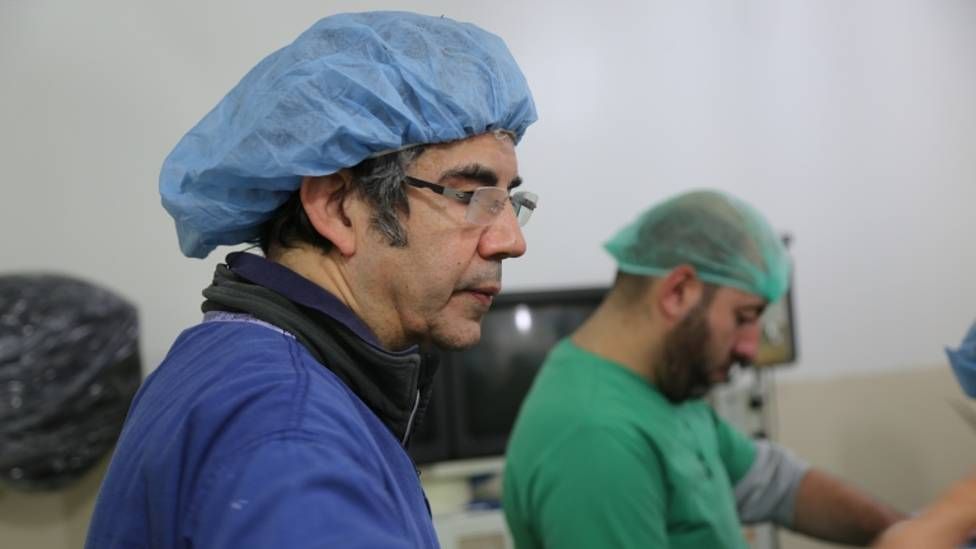
SharecloseShare pageCopy linkAbout sharingImage source, Syria ReliefOn Thursday, trauma surgeon David Nott was in London – a long way from Ukraine. But that didn’t stop him from helping to save the leg of a man who’d been caught by a blast in the war-ravaged country.Oleksandr, the doctor who actually carried out the operation, had never performed the tricky procedure before. But a little over a week previously he had watched Prof Nott demonstrate how it was done inside a Ukrainian hospital.And so Oleksandr took a photo of the wound with his smartphone and sent it to Prof Nott, who had recently flown back to the UK. The experienced British war surgeon confirmed the operation was necessary. He’d also previously given Oleksandr a video talking him through how it was done.”I was quite nervous and it was slowly, step-by-step surgery, but it went well thanks to David Nott,” Oleksandr says.Prof Nott, who was born in Carmarthen in west Wales, has previously worked in conflict zones including Afghanistan, Iraq and Syria.Fortunately for Oleksandr and his patient, the consultant surgeon at St Mary’s Hospital in London had made Ukraine the latest destination in his mission to train doctors how to treat war wounds. Russia’s tactics of bombarding and shelling cities means Ukraine’s hospitals are currently seeing many blast injuries.”It is the worst possible way of attacking the opposition, by simply shelling,” says Prof Nott, in his first interview since returning from Ukraine. “It causes enormous damage. It causes dreadful, dreadful injuries.” These include shrapnel wounds to soft tissue, bones and limbs.Image source, Getty ImagesEven just the shockwave of such a blast can do huge damage, he says. The “blast wind” in its wake is capable of amputating limbs. Being thrown against buildings can cause traumatic injuries, too.Barotrauma – physical injury caused by changes in pressure during an explosion – is a particular concern because of Russia’s use of thermobaric weapons, also known as vacuum bombs. These can cause bleeds on the brain and in the lungs, causing victims to cough up blood. They are also capable of bursting ear drums and perforating bowels.While he says he has been all over Ukraine – “north, east, south-east, west” – Prof Nott does not want to talk about the specific hospitals or areas he has visited for fear that Russian forces will target them – and for the same reason, the BBC is not using Oleksandr’s full name or location.During the war in Syria, he used a Skype connection from his office in London to assist with an operation in Aleppo – only for the hospital to be bombed a few days later. He has spoken about how he will never know if the two were connected.Now Prof Nott says 115 hospitals in Ukraine have already been shelled by Russia.”Blowing up hospitals and killing doctors is a real weapon of war too, it’s just despicable,” he says.While he was in Ukraine, Prof Nott brought as many doctors as possible into operating theatres to watch him carry out operations on warzone injuries, including filling holes in limbs, grafting skin and covering exposed bones.But the mission, a combined venture between his own David Nott Foundation and the humanitarian group UOSSM International, did not end when he left the country as he would soon end up advising Oleksandr remotely before the complicated leg operation.This involved taking a flap of skin from behind the patient’s knee to close a wound and prevent infection getting into the exposed bone.”They are very difficult operations, they are not easy and they go wrong and cause problems,” Prof Nott says. But despite these challenges, the result was “miraculous”, he says. “It worked really well.”For Oleksandr’s part, he says it was important to have the advice of someone with practical experience of the operation: “It’s a relief to us when he tells us it will be OK.”Polish doctor saves family’s sight after bombingUkraine will need medical support for years, surgeon saysIn Mariupol, children bear the brunt of Vladimir Putin’s warHe is full of praise for Prof Nott, who he says has “showed us ordinary doctors how to fight on the medical frontline”.Oleksandr says knowing how to carry out these types of procedure is “very necessary in our situation” because there are so many shelling injuries and open fractures that need to be treated.Prof Nott, through his charity the David Nott Foundation, has translated a series of slides and videos on how to treat war wounds into Ukrainian “which went on as many of the doctors’ phones as it possibly could”.He also hopes those like Oleksandr that he has taught will pass on what they have learned. “He will train other people how to do it, they’ll train other people to do it and then hopefully everyone will know how to do it in the not-too-distant future,” Prof Nott says.Unfortunately, it seems the demand for these skills in Ukraine will not go away any time soon.Earlier this month, Ukraine’s foreign minister said the battles in the eastern Donbas region would resemble World War Two, with the use of “thousands of tanks, armoured vehicles, planes, artillery”.To Prof Nott, the scenes coming out of cities like Mariupol are reminiscent of what he previously witnessed in Aleppo.Image source, Getty Images”It’s exactly the same as Syria, exactly the same tactics,” he says.”Aleppo, when I was there by 2016, was completely flattened, the whole place was completely and utterly destroyed.”Oleksandr says he is now treating “awful injuries” that he had hoped never to see.”We would like to treat normal trauma, like grannies and grandpas who need joint replacements, common fractures,” he says.But he adds: “We are doing our job day by day and whatever happens we will stay at home and do what we should do.”War in Ukraine: More coverageDISINFO: How Russia replaces Ukrainian media with its ownWATCH: Inside Kyiv’s trench defencesIN MAPS: Tracking the invasionREAD MORE: Full coverage of the crisisMore on this storyRussia plans to take southern Ukraine – commanderUkraine needs medical help for years, surgeon saysSyria war surgeon gets honorary degreeSyria surgeon describes warzone ‘evils’

Read more →

Mask Ruling Underscores Deep Split in Attitudes

Many readers of The Times said a judge’s decision to strike down the mask mandate on public transportation was “political” and “outrageous.” Others called it a relief.Wearing masks during the pandemic has long been a divisive issue in the United States. And now that a federal judge has tossed out the mask mandate for planes and public transportation, rules in some places have been thrown into chaos. Many were lifted, and a few reimposed.But even as the changes cause some confusion, Americans’ attitudes toward the restrictions have wavered little in recent months and, in fact, are still impassioned. Some who are already in the habit of masking in public and see Covid-19 cases rising again in parts of the country are angry at losing the protection they have relied on. Others are elated by the release from those irritating bands behind their ears.“Ecstatic” was the way Patrick McDonnell, a 30-year-old architect from Brooklyn, described his feelings, adding, “Enough is enough.” Mr. McDonnell said he found wearing a mask “annoying” and “uncomfortable” and has already stopped masking on the New York City subway, even though face coverings are still required on mass transit in the city.“Adults should be able to make their own decisions regarding the risks they’re willing to take,” Mr. McDonnell said. As for masking for the sake of fellow riders who are older or in poor health, he said that vaccines and treatments are now available for Covid-19, and he should no longer have to alter his behavior to accommodate others.“I want to get back to living my life,” he said. “Do I have to factor in everyone in the world around me when I make a decision?”Patrick McDonnell, an architect in Red Hook, Brooklyn, said he was “ecstatic” that the mask mandate was lifted.Gabby Jones for The New York TimesMr. McDonnell was one of thousands who responded to a New York Times callout asking how readers felt about the court decision lifting the mandate, if they would continue to mask while on planes, buses and trains and if they were reconsidering travel plans. The respondents are not representative of the U.S. population.Public opinion surveys before the court ruling found mixed views. A Kaiser Family Foundation survey of 1,243 adults conducted in March reported that eight in 10 adults said they had worn a mask indoors recently, but only six in 10 people wanted mask-wearing in some public spaces to continue to minimize the spread of Covid and to prevent another surge. But the poll also found that respondents were evenly split over whether to extend the mask mandate for public transportation or let it expire. People of color, lower-income individuals and those with chronic health problems were more likely to favor masking policies, as were Democrats.Another survey of 1,085 adults in mid-April by The Associated Press and NORC Center for Public Affairs Research found that 56 percent of respondents favored requiring masks on public transportation, while about one-fourth opposed them and a fifth had no opinion either way.The U.S. government is appealing the decision that said the Centers for Disease Control and Prevention did not have the authority to impose the mask mandate for transportation, which was set to expire in early May.Since the ruling on Monday, some cities have decided to keep their mask mandates for public transit in place, although the rules do not appear to be enforced much. Most states or cities that had imposed some type of mask restrictions for indoor gatherings lifted them a while ago. And some Southern and Western states had forbidden any type of masking rule, so public transportation — via airlines, trains, subways or buses — remained one of the last holdouts beyond hospitals and health care sites.Travelers at Heartsfield-Jackson Airport in Atlanta, the day after the mandate was struck down.Dustin Chambers for The New York TimesBritain dropped its coronavirus travel restrictions last month, even as cases there surged, and British Airways and Virgin Atlantic airlines made mask-wearing optional, unless the destination required masks. Now other airlines are following suit, making masks optional on flights to the United States.Responses to The Times’s query were often tied to personal circumstances: Older individuals, parents of young children and those with family members in poor health were particularly incensed by the lifting of the mandate and said it would prevent them from seeing loved ones after they had been separated for two years. Younger adults, including many young men boasting of their good health, were the most vocal in expressing enthusiasm for ending the mandate, saying it would help life return to normal. And some said lifting the rules was inevitable.Resistance to masks had been building over time, even in tight quarters like airplanes and as cases of Omicron subvariants began rising around the country a month or so ago. Though hospitalizations and deaths have not risen in tandem — those indicators previously started increasing several weeks after cases did — the uptick worried some of the readers who responded to The Times. They called the judge’s decision “premature,” “political,” “unwise and irresponsible,” even “unconscionable.”“We’re not out of the woods yet,” several wrote in warning. Parents of young children expressed particular concern, given that those under 5 still are not eligible for a vaccine and one might not be available before summer.Ashley Eckstat, 35, a mother of three from Greensboro, N.C., said she had hoped that the mandate would remain in place until Covid shots were authorized for the youngest children.“I just want to yell: The promise of returning to normal was dependent on vaccinations, and we still have lot of vulnerable children,” Ms. Eckstat said. “We’re only as protected as our least protected family member.”Ellen Tabor, a doctor in New York City, said she would change vacation plans this year to minimize her risk of exposure.Gabby Jones for The New York TimesOthers who had boarded planes or made travel plans with the understanding that there was a mask mandate said they were outraged when the rules changed midflight. John Barcelo, 81, a retired law professor, had flown to California with his wife to visit their son and his family and very deliberately booked a return flight on a date when the mask mandate was supposed to still be in place — Monday, April 18.But while they were flying from the Dallas-Fort Worth airport to their home in New Orleans, the mandate was struck down and American Airlines announced that it was no longer requiring masks. Some passengers cheered, but Mr. Barcelo and his wife felt trapped — and vulnerable.“All these people took their masks off, not thinking at all about anyone else, just about themselves,” he recalled. “What is so onerous about wearing a mask for Pete’s sake?”American Airlines did not respond to questions about the rule change.But many travelers said masks were a nuisance and that it is “time to move on.” They questioned the effectiveness of masks. Now that vaccines were available and some treatments for Covid had been developed, they said, the virus did not pose a big risk, and there were other risks in life.“There are risks to driving a car, and to walking down the street,” said Kelly Johnson, 62, an education consultant from southeastern Virginia who travels by plane for work. She said she would abide by any masking rules that are in place but that, at this point, “Risks are low enough with Covid that people should have the option of wearing a mask or not.”Chris Stapleton, 40, of Miami, whose doctor told him he had the “health of an 18-year-old,” said most people didn’t wear high-quality masks and didn’t wear them properly anyway and that people with conditions like cancer could continue to wear masks to protect themselves.A commuter this week in Chicago, where the local transit authority is continuing to keep a mask mandate in place.Jamie Kelter Davis for The New York TimesPeter Ciopryna, on the other hand, has a wife who was recently diagnosed with lupus and is on medication that suppresses the immune system. Mr. Ciopryna, a 62-year-old truck driver from Branford, Conn., said, “No one cares about the immuno-compromised. She lives in constant fear.”A sense of sadness and disappointment permeated many responses as Americans lamented the fact that the nation is so deeply polarized and ideologically divided that a consensus could not be reached for the greater good.“A true sense of community responsibility no longer exists in this country,” said the Rev. Chip Lee, 74, an Episcopal priest in Garrett County, Md. “Some of the argument comes down to, ‘Nobody’s going to tell me what to do with my body.’ But we don’t all live in our own cocoons.”Still, some individuals who lost loved ones to Covid were ready to cast off their masks.Jackie Wammock, 60, of Aiken, S.C., lost her mother to the virus last year, but she had Covid herself and has recovered. “My fear of illness is not that high,” she said, adding that she wouldn’t wear a mask unless she had symptoms suggesting illness. In that case, she said, “There’s a responsibility to others.”Some people said they would keep their masks on and continue to travel. Others said they would be canceling plans to attend graduations and other family events. Mr. Barcelo was one of several who said they would be driving instead of flying this summer if they could. Emerald North, a 71-year-old painter and sculptor from Cochiti Lake, N.M., said she would be willing to drive long distances — up to 1,000 miles — to avoid flying.Some who can afford to do so said they would upgrade to first class or business class to ensure better social distancing on planes and trains.Others are altering their plans. Dr. Ellen Tabor, a doctor in New York City who works at a nonprofit, dropped plans for a trip to Italy in order to minimize her risk of exposure. She will be vacationing in Columbia County, N.Y., instead.“Masks are one small burden,” Dr. Tabor said. “The virus is a big one.”

Read more →

Exploring the Health Effects of Ageism

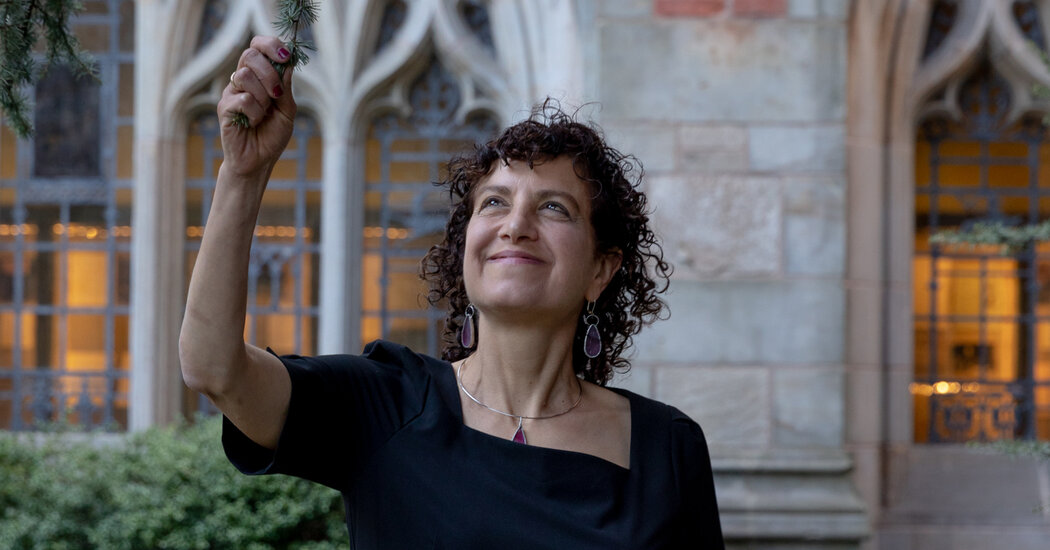
Through more than three decades of research, the Yale psychologist Becca Levy has demonstrated that age discrimination can take years off one’s life.Each fall, Becca Levy asks the students in her health and aging class at the Yale School of Public Health to picture an old person and share the first five words that come to mind. Don’t think too much, she tells them.She writes their responses on the board. These include admiring words like “wisdom” and “creative” and roles such as “grandmother.” But “‘senility’ comes up a lot,” Dr. Levy said recently, “and a lot of physical infirmity and decline: ‘stooped over,’ ‘sick,’ ‘decrepit.’”Dr. Robert N. Butler, a psychiatrist, gerontologist and founding director of the National Institute on Aging, coined the term “ageism” a half-century ago. It echoes “sexism” and “racism,” describing the stereotyping of and discrimination against older adults.Among the mementos in Dr. Levy’s small office at Yale is a treasured photo of her and Dr. Butler, who died in 2010. One could argue that she is his heir.A psychologist and epidemiologist, Dr. Levy has demonstrated — in more than 140 published articles over 30 years and in a new book, “Breaking the Age Code” — that ageism results in more than hurt feelings or even discriminatory behavior. It affects physical and cognitive health and well-being in measurable ways and can take years off one’s life.“Just as we have learned in recent decades that structures are biased against women and people of color, leading to worsened health outcomes, she has shown that negative feelings about old age lead to bad outcomes in older people,” said Dr. Louise Aronson, a geriatrician at the University of California, San Francisco, and author of the best-selling book “Elderhood.”Another memento in Dr. Levy’s office is a card on her bulletin board that reads, “Ask Me About 7.5.” The souvenir came from a Wisconsin anti-ageism campaign and refers to her 2002 longevity study, which for two decades followed hundreds of residents older than 50 in a small Ohio town. The study found that median survival was seven and a half years longer for those with the most positive beliefs about aging, compared with those having the most negative attitudes.“I use that in practically every talk I give because it’s shocking,” said Tracey Gendron, who chairs the gerontology department at Virginia Tech and credits Dr. Levy’s work in “Ageism Unmasked,” her own recent book. “She’s truly been a pioneer.”Dr. Levy and her team measure attitudes about aging in a variety of ways. They use questionnaires or the same five-word exercise she gives to her students. They test subliminal biases using computer programs that flash negative or positive words about aging so quickly that participants inadvertently absorb them. They have used small experimental samples of a few dozen people and tracked health records for thousands through big national surveys. Thanks to their efforts, we know that beyond reduced longevity, ageism is also associated with:Cardiovascular events, including heart failure, strokes and heart attacks. Using health records for almost 400 participants under 50 in the Baltimore Longitudinal Study of Aging, “we’ve been able to follow people for 40 years,” Dr. Levy said in an interview. “They had twice as high a risk if, at young ages, they’d taken in negative stereotypes about aging.” Their cardiovascular events occurred at earlier ages, too.Physical function. Among 100 older people (whose average age was 81), those exposed to implicit positive age stereotypes weekly for a month scored better on tests of gait, strength and balance than control groups did. In fact, those receiving positive exposure improved more than a similar-aged experimental group that exercised for six months. In a study of New Haven residents over 70, those with positive age beliefs were also more likely to recover fully from severe disability than those with negative beliefs.Alzheimer’s disease. Some participants in the Baltimore study underwent regular brain scans, and some donated their brains for autopsies. Those who held more negative age beliefs at younger ages exhibited a sharper decline in the volume of the hippocampus, the brain region associated with memory. They also exhibited, after their deaths, more of the brain plaques and tangles that are Alzheimer’s biomarkers.Another study used data from the national Health and Retirement Survey that included whether participants carried the APOE4 gene, which increases the risk of Alzheimer’s. Those with the gene who had positive age beliefs “had as low a risk as people without the gene,” Dr. Levy said.The list goes on. Older people with positive views of aging perform better on hearing tests and memory tasks. They are less likely to develop psychiatric illnesses like anxiety, depression, post-traumatic stress disorder and suicidal thoughts.In fact, Dr. Levy and her colleagues estimate that age discrimination, negative age stereotypes and negative self-perceptions of aging lead to $63 billion in excess annual spending on common health conditions like cardiovascular and respiratory disease, diabetes and injuries.Dr. Levy, who is 55, credits her focus on aging to an after-college job at a psychiatric hospital in suburban Boston, a graduate fellowship in Japan and an errant crate in a Florida grocery store.At the hospital, she worked in a unit for older patients and, to her surprise, enjoyed it. “It inspired me to want to understand the psychology of aging,” she said.Later, she planned to spend a semester in Japan, investigating why its residents have the world’s longest life spans. “I noticed how differently older people were treated there,” she said. “They were celebrated. Centenarians were rock stars!”Before leaving for Japan, though, she visited her grandmother, a lively septuagenarian. They were shopping together when Grandma Horty fell over a crate with jagged metal corners that had been left in the aisle.The resulting cut on her leg, though bloody, proved superficial. But when her grandmother suggested to the grocery owner that he not leave crates about, he responded that old people fall all the time, and maybe they shouldn’t be walking around.“The message stayed with her, and it seemed to impact her behavior,” Dr. Levy noticed. Her grandmother appeared to question her competence, asking Dr. Levy to take over chores she normally handled herself. The incident prompted Dr. Levy to contemplate how cultural values and people’s own ideas about age might affect them.We absorb these stereotypes from an early age, through disparaging media portrayals and fairy tales about wicked old witches. But institutions — employers, health care organizations, housing policies — express a similar prejudice, enforcing what is called “structural ageism,” Dr. Levy said. Reversing that will require sweeping changes — an “age liberation movement,” she added.But she has found reason for optimism: Damaging ideas about age can change. Using the same subliminal techniques that measure stereotypical attitudes, her team has been able to enhance a sense of competence and value among older people. Researchers in many other countries have replicated their results.“You can’t create beliefs, but you can activate them,” Dr. Levy said, by exposing people to words like “active” and “full of life,” instead of “grumpy” or “helpless,” to describe older adults.Could a society undertake such a mission? How long could the benefits of such interventions last? Would people need regular boosters to help associate aging with experience and possibilities instead of with nervous jokes?The research, by Dr. Levy and other scholars, continues.“Even though toddlers already have negative stereotypes about age, they’re not set in stone,” Dr. Levy said. “They’re malleable. We can shift them.”

Read more →

The Drive to Vaccinate the World Against Covid Is Losing Steam

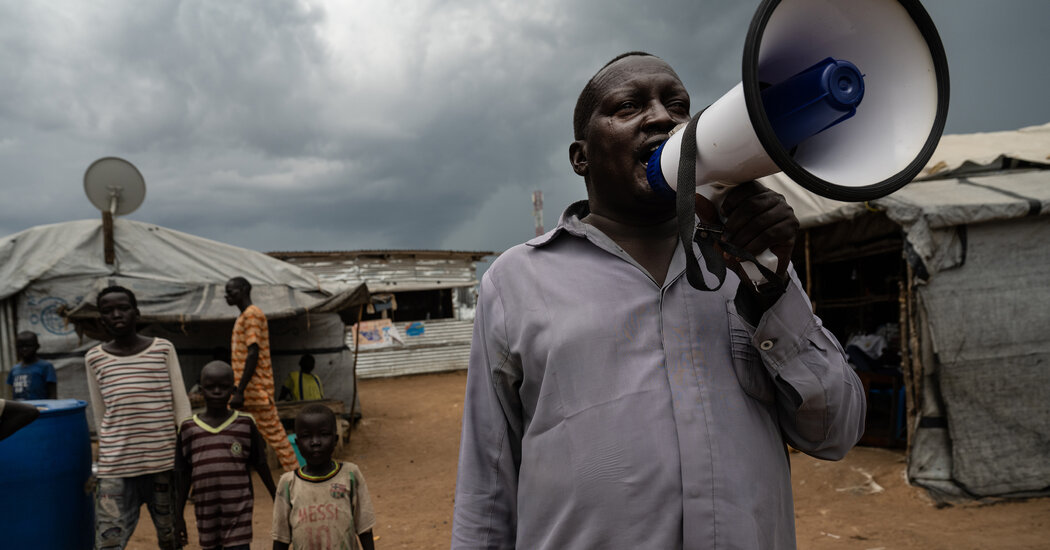
Rates are stalling in most low-income countries well short of the W.H.O.’s goal to immunize 70 percent of people in every nation. Some public health experts believe the momentum is gone forever.In the middle of last year, the World Health Organization began promoting an ambitious goal, one it said was essential for ending the pandemic: fully vaccinate 70 percent of the population in every country against Covid-19 by June 2022.Now, it is clear that the world will fall far short of that target by the deadline. And there is a growing sense of resignation among public health experts that high Covid vaccination coverage may never be achieved in most lower-income countries, as badly needed funding from the United States dries up and both governments and donors turn to other priorities.“The reality is that there is a loss of momentum,” said Dr. Isaac Adewole, a former health minister of Nigeria who now serves as a consultant for the Africa Centers for Disease Control and Prevention.Only a few of the world’s 82 poorest countries — including Bangladesh, Bhutan, Cambodia and Nepal — have reached the 70 percent vaccination threshold. Many are under 20 percent, according to data compiled from government sources by the Our World in Data project at the University of Oxford.By comparison, about two-thirds of the world’s richest countries have reached 70 percent. (The United States is at 66 percent.)The consequences of giving up on achieving high vaccination coverage worldwide could prove severe. Public health experts say that abandoning the global effort could lead to the emergence of dangerous new variants that would threaten the world’s precarious efforts to live with the virus.“This pandemic is not over yet — far from it — and it’s imperative that countries use the doses available to them to protect as much of their population as possible,” said Dr. Seth Berkeley, chief executive of Gavi, the nonprofit that runs the global vaccine clearinghouse Covax.Countries in different parts of the world, including some in Eastern Europe and the Middle East, have seen their vaccination rates stagnate in recent months at a third or less of their populations. But Africa’s vaccination rate remain the most dismal.Vaccinations in Kathmandu Durbar Square in Nepal in 2021.Narendra Shrestha/EPA, via ShutterstockFilling out forms by cellphone light in the village of Bran, Romania, during a Covid vaccination marathon last year. Some Eastern European countries have seen their vaccination rates stagnate in recent months.Daniel Mihailescu/Agence France-Presse — Getty ImagesFewer than 17 percent of Africans have received a primary Covid immunization. Nearly half of the vaccine doses delivered to the continent thus far have gone unused. Last month, the number of doses injected on the continent fell by 35 percent compared to February. W.H.O. officials attributed the drop to mass vaccination pushes being replaced by smaller-scale campaigns in several countries.Some global health experts say the world missed a prime opportunity last year to provide vaccines to lower-income countries, when the public was more fearful of Covid and motivated to get vaccinated.“There was a time people were very desperate to get vaccinated, but the vaccines were not there. And then they realized that without the vaccination, they didn’t die,” said Dr. Adewole, who wants to see countries continue to pursue the 70 percent target.What momentum remains in the global vaccination campaign has been hindered by a shortfall in funding for the equipment, transportation and personnel needed to get shots into arms.In the United States, a key funder of the vaccination effort, lawmakers stripped $5 billion meant for global pandemic aid from the coronavirus response package that is expected to come up for a vote in the next few weeks. Biden administration officials have said that without the funds, they will be unable to provide support for vaccine delivery to more than 20 under-vaccinated countries.Some public health experts point to reasons for optimism that the global vaccination campaign still has steam. Despite the drop off from the February peak, the number of Covid vaccinations being administered each day in Africa is still near a pandemic high. And Gavi earlier this month drew a significant new round of funding pledges, securing $4.8 billion in commitments, although it fell short of its $5.2 billion goal.There is also hope that a global Covid summit the White House plans to co-host next month could be an opportunity to generate momentum and funding.But the drop in public demand has led some health officials and experts to quietly, and in some cases outright, question whether the 70 percent vaccination target is feasible or even sensible.Reported fatalities from Covid-19 remain comparatively low in sub-Saharan Africa, although there is debate about how much of this reflects poor data tracking. The perception, however, in many countries in the region is that the disease does not pose a serious threat, certainly not as much as other pervasive health problems that demand attention with scarce health care resources.Many lower-income governments are turning their focus to their economies and other health issues like H.I.V., said Fifa Rahman, a civil society representative to a W.H.O.-launched group coordinating the global Covid response. “There’s a sense of a lot of competing priorities, but that’s a symptom of the momentum being gone. Because when the momentum was there, everyone was like, ‘Where are our vaccines?’”A refrigerator housing a fresh shipment of Johnson & Johnson’s Covid vaccines, overseen by Covax, the global vaccine clearinghouse, in Juba, South Sudan.Lynsey Addario for The New York TimesHealth workers lining up for their shots in Johannesburg last year.João Silva/The New York TimesIn rural areas of the Democratic Republic of Congo, for example, where the reported Covid death rate is very low, there is a surge in measles cases threatening 20 million children. Yet the government says it cannot spare the resources to provide supplementary measles vaccinations this year, said Christopher Mambula, medical manager for Doctors Without Border in East Africa. In this kind of context, it makes little sense to continue to divert resources to widespread vaccination against Covid, he said.As African governments have received more vaccines donated from wealthy countries and struggled to distribute even those supplies, their interest in ordering more doses has dropped.The African Union still aims to vaccinate 70 percent of its population by the end of 2022. But with countries slow to use up donated vaccines, the bloc has not exercised its options to order more doses of the shots from Johnson & Johnson and Moderna.The South African drugmaker Aspen Pharmacare earlier this year finalized a deal to bottle and market the Johnson & Johnson vaccine across Africa, a contract that was billed as an early step toward Africa’s development of a robust vaccine production industry. Aspen geared up for production, but no buyers, including the African Union and Covax, have placed orders yet, said Stephen Saad, Aspen’s chief executive.The Serum Institute of India, the world’s largest vaccine maker, stopped its production of Covid shots in December last year, when its stockpile grew to 200 million doses; Bharat Biotech, another Indian firm that was a major producer also stopped making vaccine in the face of low demand. The companies say they have no further orders since their contracts with the Indian government ended in March.After the W.H.O. began promoting the 70 percent vaccination goal, many lower-income governments adopted the target for their own populations. The Biden administration also endorsed it last September, setting a deadline of September 2022.At the time, two doses of the vaccines from Pfizer and Moderna were understood to offer very strong protection against even mild disease, and there was still hope that achieving high levels of vaccination coverage would tame the virus. But the emergence of new variants and the spread of the virus in Africa changed the calculus.The vaccine regimens that had been planned for the developing world offered little protection against infection with the Omicron variant. And as sub-Saharan African countries were shut out of vaccine distribution for much of last year, more and more Africans gained protection against the virus from natural infection, which studies have shown works as well as two mRNA doses in preventing infection. New data from the W.H.O. shows that at least two-thirds of Africans had been infected with the virus before the Omicron wave.Health workers in Sierra Leone prepared a cooler of vaccines to be delivered to the village of Kathantha Yimbo.Finbarr O’Reilly for The New York TimesA UNICEF worker leaving a health facility in the village of Maar, South Sudan, after assessing its viability as a Covid vaccination site after flooding last October.Lynsey Addario for The New York TimesGiven these factors, some public health experts in Africa say the broad 70 percent goal no longer makes sense. “There’s very little value to it. In fact, we will gain much more by getting to more than 90 percent of people above the age of 50,” said Shabir Madhi, a professor of vaccinology and the dean of the faculty of health sciences at the University of the Witwatersrand in Johannesburg. About two-thirds of South Africans above age 50 are currently fully vaccinated.Dr. Madhi said that South Africa could close down mass vaccination sites and instead redouble its efforts to seek out the most vulnerable at church services and at government offices that pay out monthly pension benefits.Katherine O’Brien, who directs the W.H.O.’s work on vaccines and immunizations, said the agency encourages countries to focus on its most vulnerable citizens rather than vaccinating “a random set of 70 percent” of their populations. The aspiration she said, has always been “100 percent of health workers, 100 percent of older adults, 100 percent of pregnant women, 100 percent of the people who fall into those highest risk groups.”Countries can of course make decisions about what health goal they wish to prioritize, Dr. O’Brien said, but finite resources should not be the obstacle to vaccinating against the coronavirus. “The world has enough resources to do this, if countries want to do it,” she said. “And that should be really the North Star.”Some public health experts said that while the 70 percent vaccination threshold is clearly not achievable by its original deadline, it would be unwise and unethical to give up on that target over a longer time horizon. They expressed frustration about the growing gulf between wealthy countries vaccinating young children and offering healthy adults fourth vaccine doses, and the regions where the majority of people still do not have one dose.“Why are we making it one target for high-income countries and one target for low income?” said Dr. Ayoade Alakija, a co-chair of the African Union’s vaccine delivery program.She said that even though many people in sub-Saharan Africa have been infected, there is still need for the additional protection that would come from a high level of vaccination coverage.Modest vaccination coverage, she said, “is not considered a good enough level of protection in England, it’s not a good enough level of protection in America. How is it OK not to be aiming for the very maximum, maximum we can? Aim for the sky and get to the top of the tree.”

Read more →

New miniature heart could help speed heart disease cures

There’s no safe way to get a close-up view of the human heart as it goes about its work: you can’t just pop it out, take a look, then slot it back in. Scientists have tried different ways to get around this fundamental problem: they’ve hooked up cadaver hearts to machines to make them pump again, attached lab-grown heart tissues to springs to watch them expand and contract. Each approach has its flaws: reanimated hearts can only beat for a few hours; springs can’t replicate the forces at work on the real muscle. But getting a better understanding of this vital organ is urgent: in America, someone dies of heart disease every 36 seconds, according to the Centers for Disease Control and Prevention.
Now, an interdisciplinary team of engineers, biologists, and geneticists has developed a new way of studying the heart: they’ve built a miniature replica of a heart chamber from a combination of nanoengineered parts and human heart tissue. There are no springs or external power sources — like the real thing, it just beats by itself, driven by the live heart tissue grown from stem cells. The device could give researchers a more accurate view of how the organ works, allowing them to track how the heart grows in the embryo, study the impact of disease, and test the potential effectiveness and side effects of new treatments — all at zero risk to patients and without leaving a lab.
The Boston University-led team behind the gadget — nicknamed miniPUMP, and officially known as the cardiac miniaturized Precision-enabled Unidirectional Microfluidic Pump — says the technology could also pave the way for building lab-based versions of other organs, from lungs to kidneys. Their findings have been published in Science Advances.
“We can study disease progression in a way that hasn’t been possible before,” says Alice White, a BU College of Engineering professor and chair of mechanical engineering. “We chose to work on heart tissue because of its particularly complicated mechanics, but we showed that, when you take nanotechnology and marry it with tissue engineering, there’s potential for replicating this for multiple organs.”
According to the researchers, the device could eventually speed up the drug development process, making it faster and cheaper. Instead of spending millions — and possibly decades — moving a medicinal drug through the development pipeline only to see it fall at the final hurdle when tested in people, researchers could use the miniPUMP at the outset to better predict success or failure.
The project is part of CELL-MET, a multi-institutional National Science Foundation Engineering Research Center in Cellular Metamaterials that’s led by BU. The center’s goal is to regenerate diseased human heart tissue, building a community of scientists and industry experts to test new drugs and create artificial implantable patches for hearts damaged by heart attacks or disease.

Read more →