When it comes to preventing Alzheimer's, women respond better than men

After increasing age, the most significant risk factor for Alzheimer’s disease (AD) is sex — two-thirds of patients with AD are females. In fact, even when accounting for gender-dependent mortality rates, age at death, and differences in lifespan, women still have twice the risk of incidence.
A study headed by Florida Atlantic University’s Richard S. Isaacson, M.D., a leading neurologist and researcher, and collaborators from NewYork-Presbyterian/Weill Cornell Medicine, is the first to examine if sex significantly affects cognitive outcomes in people who follow individually-tailored, multi-domain clinical interventions. The study also determined whether change in risk of developing cardiovascular disease and AD, along with blood markers of AD risk, also were affected by sex. Other studies have focused on the role of hormones and sex-specific risk factors when examining differences in AD risk, but none have explored if these interventions result in differences in real-world clinical practice.
The study is an analysis of the Comparative Effectiveness Dementia & Alzheimer’s Registry (CEDAR) trial launched at Weill Medicine in 2015 and spearheaded by Isaacson, which has already demonstrated that individualized, multi-domain interventions improved cognition and reduced the risk of AD in both women and men.
In the sub-group analysis, researchers evaluated the differential effectiveness of the clinical approach itself when considering sex in higher-compliance participants (n=80) from the original study cohort (n=154). Within this cohort, similar to the original study, participants were categorized by baseline diagnoses: normal cognition, subjective cognitive decline, and preclinical AD participants were classified as “Prevention.” Mild cognitive impairment due to AD and mild AD were classified as “Early Treatment.”
Results of the study, published in the Journal of Prevention of Alzheimer’s Disease, showed that risk reduction care in an Alzheimer’s Prevention Clinic setting led to improvements in cognition in both women and men without sex-differences. However, in the Prevention group, women demonstrated greater improvements in the Multi-Ethnic Study of Atherosclerosis risk score (MESA) than men. Women in the Early Treatment group also demonstrated greater improvements in CV Risk Factors, Aging and Incidence of Dementia (CAIDE) risk score and the MESA-RS. The CAIDE is a validated risk index that calculates late-life dementia risk based on midlife vascular risk factors such as body mass index, blood pressure, cholesterol and smoking status, while the MESA estimates one’s risk of cardiovascular disease incidence over the next ten years using traditional risk factors.
“While care in an Alzheimer’s Prevention Clinic setting is equally effective at improving cognitive function in both women and men, our personally-tailored interventions led to greater improvements in women compared to men across Alzheimer’s and cardiovascular disease risk scales, as well blood biomarkers of risk such as blood sugar, LDL cholesterol, and the diabetes test HbA1C,” said Isaacson, lead author and director of the newly launched FAU Center for Brain Health and the Alzheimer’s Prevention Clinic within the Schmidt College of Medicine, who conducted the study while at Weill Cornell Medicine and NewYork-Presbyterian. “Our findings are important because women are disproportionately affected by Alzheimer’s disease and population-attributable risk models suggest that managing risk factors can prevent up to one-third of dementia cases, highlighting the immense potential that lies in addressing modifiable risk factors.”
After undergoing baseline clinical assessments, which included a detailed clinical history, physical examination, anthropometrics, blood biomarkers, apolipoprotein-?4 (APOE-e4) genotyping, and cognitive assessment, patients in the CEDAR study were given individually-tailored, multi-domain intervention recommendations informed by these clinical and biomarker data. Recommendation categories included patient education/genetic counseling, individualized pharmacological approaches (medications/vitamins/supplements), non-pharmacological approaches (exercise counseling, dietary counseling, vascular risk reduction, sleep hygiene, cognitive engagement, stress reduction, and general medical care) and other evidence-based interventions.
“Our latest results suggest that the individualized management approach used by the CEDAR study in a real-world clinic may offer equal cognitive benefits to both women and men, as well as better mitigation of calculated Alzheimer’s disease and cardiovascular disease risk in women compared to men,” said Isaacson. “Our work also highlights the need for larger studies focusing on sex differences in AD-related cognitive trajectories, as the existing body of knowledge lacks conclusive evidence on this issue.”
Isaacson and collaborators are planning on larger cohorts to further define sex differences in AD risk reduction in clinical practice and hope to launch a multi-site international study soon to draw more definitive conclusions.
Collaborators of the study include FAU’s Schmidt College of Medicine; Cleveland Clinic; Lou Ruvo Center for Brain Health, Las Vegas; Jersey Memory Assessment Service, Jersey, United Kingdom; Alzheimer’s Prevention Clinic & Research Center of Puerto Rico, San Juan; Weill Cornell Medicine & NewYork-Presbyterian; New York; Norton Neuroscience Institute, Louisville; McGill University Faculty of Medicine, Montreal, Canada; University of New South Wales/University of Notre Dame, Sydney, Australia; and Atria Institute, New York.
The study was primarily supported by the Women’s Alzheimer’s Movement with additional support from the Altman Family Fund, Zuckerman Family Foundation Ace’s for Alzheimer’s, the Harry T. Mangurian, Jr. Foundation, philanthropic support from the patients of the Alzheimer’s Prevention Clinic at Weill Cornell Medicine, the National Institutes of Health (NIH), and the National Center for Advancing Translational Research (UL1TR002384) and NIH (PO1AG026572).

Read more →

New graphite based rapid sensor chip for real-time theophylline monitoring

Theophylline or THO is a natural organic compound whose molecular structure is very similar to that of caffeine present in coffee and cacao. Over the years, due to its therapeutic properties, THO has become one of the most widely studied xanthine group derivates. THO is used to dilate respiratory passages in people having difficulty breathing, and as a muscle relaxant, anti-asthmatic, and diuretic (drugs used to increase urine production and reduce blood pressure). It is also known to have anti-inflammatory and anti-tumor properties, and can regulate our immune responses too.
While THO is beneficial in treating a number of conditions, the drug has a very narrow therapeutic window. This means it can create adverse effects if administered beyond a certain limit (and that limit can be quite easily reached). An accidental or deliberate overdose can be highly toxic and lead to problems such as seizures, rapid heartbeats, excitation of the nervous system, or even death. This makes close monitoring of THO levels during therapy extremely crucial. In a recent breakthrough article — which was published in Volume 27, Issue 8 of Molecules, made available online on 11 April 2022 — a team of researchers from Shibaura Institute of Technology (SIT) in Japan describe how they developed a low cost and rapid electrochemical sensor for THO detection. Elaborating on their motivation for the study, Prof. Yasuo Yoshimi (who is the corresponding author of the article) says, “Conventional drug monitoring relies on laboratories outside the hospital to analyze the molecular levels of drugs in blood. Our reagentless sensing tool can easily detect THO directly from whole blood in less than 3 seconds, just like a glucose sensor.” This article is a part of the journal’s special issue titled “Molecularly Imprinted Polymers: Impactful Technology vs. Academic Exercise.”
Therapeutic drug monitoring is essential for optimizing the effects of treatments such as chemotherapy, which require strict control over the drug’s concentration in the patient’s blood to prevent severe side effects. However, most monitoring techniques are often time-consuming and demand complex procedures that can only be carried out by an expert. The same goes for THO detection methods.
To alleviate these problems, researchers over the years have developed low-cost electrochemical methods that are simple, highly sensitive, and rapid. One of these, a class of electrochemical tools that has recently gained momentum, is molecularly imprinted polymers (MIPs). These tools have tailor-made molecular cavities that can recognize and bind to specific target molecules, just like receptors in our own body would. Their ability to do so is being widely used in several applications, including drug detection.
In this study, the team of scientists developed a disposable, paper-based THO sensor consisting of an electrode made of molecularly imprinted graphite. Since MIPs are designed using the target molecule as a template, the team used THO as a template when developing the sensor’s carbon-based electrode paste. The synthesized paste was then loaded onto a printed sensor chip and its THO detection abilities were tested.
The sensor was found to be highly sensitive (meaning it could detect even small amounts of THO) and showed great selectivity towards the drug. In fact, the sensor could identify THO even in samples with THO concentrations as low as 2.5 µg/mL ( µg=microgram, i.e., 1/1000 of a milligram). And what’s more, this sensor needs only 3 seconds to detect THO! It could do so even in whole bovine blood.
This portable, low-cost, reliable, and rapid sensor has long-term stability and can be used for the real-time detection of drugs like THO without us depending on sophisticated equipment. Furthermore, the fabrication strategy provided in this study can be used to develop efficient electrochemical sensors for various other clinical interventions. Assistant Prof. Aaryashree (who is the first author of the article) concludes, “Existing methods for the analysis of the drugs in blood are expensive and need specialized equipment. This can be a problem for developing countries dealing with a lack of resources and technicians. The paper-based sensor that we have developed is not only easy to use but also economical and can reduce the burden of drug analysis in developing countries. Further, its prototype can be used to develop a bedside therapeutic drug monitoring system, which will alert us of any overdose, avoiding side effects in patients taking these drugs,.” Indeed, a useful innovation!
Story Source:
Materials provided by Shibaura Institute of Technology. Note: Content may be edited for style and length.

Read more →

Do Vaccines Protect Against Long Covid?

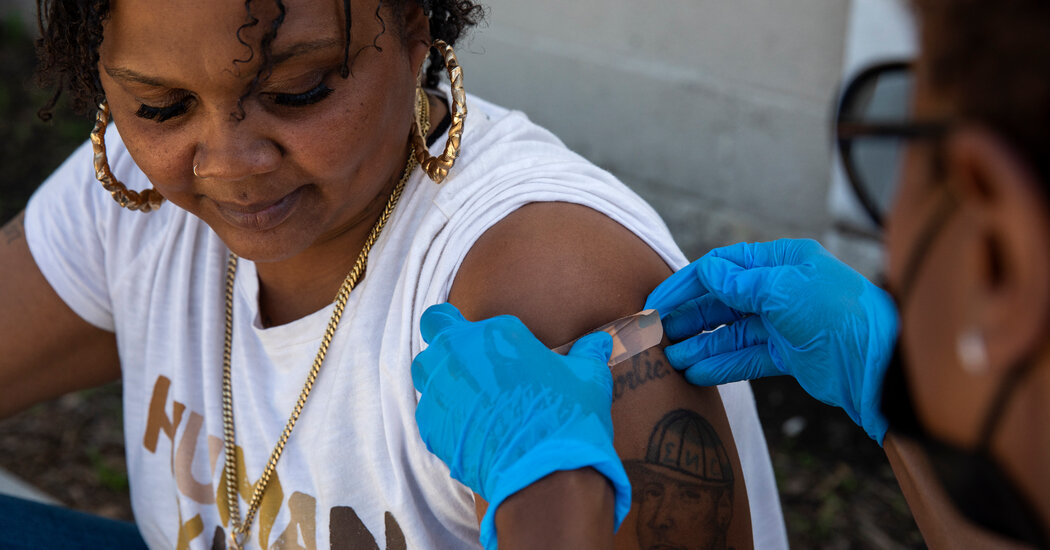
Maybe, according to a growing number of studies, but there’s not yet a definitive answer.As the pandemic enters its third year, long Covid has emerged as an increasingly important concern. And many people are wondering whether getting a Covid shot can reduce their chances of developing long-term symptoms.What does the research show so far?The jury is still out, but a growing number of studies suggest that getting a Covid vaccine can reduce — though not eliminate — the risk of longer-term symptoms.The United Kingdom’s Health Security Agency conducted an analysis of eight studies that had been published on the topic before mid-January. It reported that six of the studies found that vaccinated people who became infected with the coronavirus were less likely than unvaccinated patients to develop symptoms of long Covid. The remaining two studies found that vaccination did not appear to conclusively reduce the chances of developing long Covid.How much protection could vaccines offer, according to the studies that found benefit?Some study results suggest substantial protection, while others find only a slight benefit.One large study of electronic records of patients in the U.S. Veterans Health Administration found that vaccinated Covid patients had only a 13 percent lower risk than unvaccinated patients of having symptoms six months later.Two studies in Britain found a bigger effect. One study of about 1.2 million people, based on patients’ reports via a phone app, found a 50 percent lower risk of lingering symptoms among vaccinated patients. Another, which has not been peer-reviewed and was based on surveying about 6,000 patients, found a 41 percent lower risk.A study of U.S. patients by Arcadia, a health care data firm, and the Covid Patient Recovery Alliance, a collaboration of leaders with health expertise in government and the private sector, found a larger benefit still. The study, which has not been peer-reviewed, analyzed records of about 240,000 patients infected with the coronavirus by May 2021 and found that those who had received even one dose of a Covid vaccine before their infection were one-seventh to one-tenth as likely to report two or more symptoms of long Covid 12 to 20 weeks later. That study also found that people who received their first vaccine dose after contracting the coronavirus were less likely to develop long Covid than those who remained unvaccinated, and the sooner they were vaccinated after infection, the lower the risk of long-term symptoms.A study in Israel, which has also not been peer-reviewed, found through surveys that people who received two doses of vaccine had between 54 percent and 82 percent lower risk than unvaccinated patients to report having seven of the 10 most common long-term symptoms. They were generally no more likely to report symptoms like headache, muscle pain and other issues than people in the general population who had never gotten Covid, the study said. (The authors said they could not confirm whether the patients were vaccinated before or after they had gotten Covid, but said that because of Israeli vaccination policy it was likely most people who received two doses of vaccine were infected with the coronavirus sometime after they had gotten their shots.)In the veterans’ study, also not yet published in a peer-reviewed publication, researchers compared about 48,000 patients who were unvaccinated when they got Covid with about 16,000 patients who were vaccinated. It found that vaccinated patients mostly benefited by being less likely to develop lung problems and blood-clotting difficulties, said one of the authors, Dr. Ziyad Al-Aly, chief of research and development at the V.A. St. Louis Health Care System and a clinical epidemiologist at Washington University in St. Louis. Other symptoms showed “very little risk reduction” from vaccines, he said.“The overall message is that vaccines reduce but do not eliminate the risk of long Covid,” said Dr. Al-Aly, adding that “reliance on vaccination as a sole mitigation strategy is wholly inadequate. It is like going to battle with a shield that only partially works.”A long-Covid patient was examined in a hospital in Tel Aviv in February.Amir Cohen/ReutersWhat about studies that don’t show any benefit?In an analysis of electronic medical records of patients in the United States, researchers in the United Kingdom compared about 10,000 people who had received Covid vaccines with a similar number of people who had not been vaccinated against the coronavirus but had received a flu vaccine — an effort to limit the number of people in the study who might be considered vaccine hesitant or who generally had less healthy behaviors.The study found that having a coronavirus vaccine before being infected did not reduce the risk of most symptoms of long Covid. There was some suggestion from the data that vaccinated people might be at lower risk of long-term symptoms like abnormal breathing and cognitive issues, the authors wrote, but those results were not statistically conclusive.The researchers said it was possible that because their data relied on electronic health records, the study might have captured only patients with the most severe symptoms, rather than a wider range of patients who did not seek medical attention for their symptoms.Why is the research conflicting?One reason is the differences in the studies themselves. Not all researchers have defined long Covid in the same way, measured the same symptoms or tracked patients for the same length of time. For example, some studies recorded symptoms that have lingered at least 28 days after infection, while others measured symptoms people were experiencing six months later. Studies relying on patient surveys may yield very different results than those based on electronic medical records. And some studies did not have very diverse populations. Patients in the veterans’ study, for example, were mostly older, white and male.Are the results different for different coronavirus variants?Much of the published data followed patients infected early in the pandemic. Some recently-published data included people infected by the highly contagious Delta variant, but it is too early for studies about vaccines and long Covid that include the Omicron variant. It’s also too early for studies evaluating the effect of boosters on long Covid.Is there anything scientists can conclude for sure?Yes. Vaccines are very effective at preventing people from getting seriously ill from infection by all the variants known so far. And many studies have found that Covid patients sick enough to be hospitalized were more likely to have lasting health issues. So, by keeping people out of the hospital, vaccines should reduce the chances of that type of long-term post-Covid case.Still, many people with long Covid had mild or even asymptomatic initial infections, and while some studies suggest vaccines have potential to ease their long-term symptoms, the evidence is not yet conclusive.Vaccines do offer some protection against getting infected to begin with — and avoiding infection, of course, is the surest way to prevent long Covid.Does the brand of vaccine make a difference in potential protection against long Covid?So far, studies have not found that different vaccines have different effects on long-term symptoms.What are the possible scientific reasons that vaccines might protect against long Covid?The cause of long Covid is still unclear, and different symptoms might have different underlying causes in different patients, scientists say. Some believe that the condition may be related to remnants of the virus or its genetic material lingering after the initial infection subsides. Another theory is that the continuing problems are related to inflammation or blood circulation problems spurred by an overactive immune response that is unable to shut down.Akiko Iwasaki, an immunologist at Yale, has said that vaccines may be able to provide lasting relief in people whose symptoms are caused by vestiges of the virus if the antibodies generated by the vaccines eliminate those remnants.But in people whose symptoms may be caused by a post-viral response resembling an autoimmune disease, she said, vaccines may help only temporarily, and problems like fatigue could re-emerge.One thing we know for certain is that vaccines are very effective at preventing people from getting seriously ill from infection by all the variants known so far. Kenny Holston for The New York TimesCan getting vaccinated help if you already have long Covid?When vaccines were first rolled out, some patients with long Covid were finding that symptoms like brain fog, joint pain, shortness of breath and fatigue improved after they had gotten vaccinated. Still, many people experienced no difference in their symptoms after vaccination, and a small percentage said they felt worse.A study by the Office for National Statistics in the United Kingdom found that in people ages 18 to 69 who reported their symptoms between February and September 2021, a first dose of a vaccine lowered the odds of reporting long Covid symptoms by 13 percent. A second dose further lowered the odds by 9 percent, the study found.The recent analysis by the U.K. Health Security Agency evaluated that study and seven others that examined whether vaccinating people with long Covid affected their symptoms. It found that in most of those studies, more people with long Covid reported improvement in their symptoms at some point after they were vaccinated. However, some people also reported worsening of symptoms, and in several studies the majority of people said their symptoms were unchanged.The agency noted that the definition of long Covid varied widely among the studies and that, because all the studies were observational, changes in symptoms could be due to factors other than vaccination.

Read more →

Can Virtual Reality Help Ease Chronic Pain?

Listen to This ArticleAudio Recording by AudmTo hear more audio stories from publications like The New York Times, download Audm for iPhone or Android.After an hour-and-a-half bus ride last November, Julia Monterroso arrived at a white Art Deco building in West Hollywood, just opposite a Chanel store and the Ivy, a restaurant famous for its celebrity sightings. Monterroso was there to see Brennan Spiegel, a gastroenterologist and researcher at Cedars-Sinai who runs one of the largest academic medical initiatives studying virtual reality as a health therapy. He started the program in 2015 after the hospital received a million-dollar donation from an investment banker on its board. Spiegel saw Monterroso in his clinic the week before and thought he might be able to help alleviate her symptoms.Monterroso is 55 and petite, with youthful bangs and hair clipped back by tiny jeweled barrettes. Eighteen months earlier, pain seized her lower abdomen and never went away. After undergoing back surgery in September to treat a herniated disc — and after the constant ache in her abdomen worsened — she had to stop working as a housecleaner. Eventually, following a series of tests that failed to reveal any clear cause, she landed in Spiegel’s office. She rated her pain an 8 on a 10-point scale, with 10 being the most severe. Chronic pain is generally defined as pain that has lasted three months or longer. It is one of the leading causes of long-term disability in the world. By some measures, 50 million Americans live with chronic pain, in part because the power of medicine to relieve pain remains woefully inadequate. As Daniel Clauw, who runs the Chronic Pain and Fatigue Research Center at the University of Michigan, put it in a 2019 lecture, there isn’t “any drug in any chronic-pain state that works in better than one out of three people.” He went on to say that nonpharmacological therapy should instead be “front and center in managing chronic pain — rather than opioids, or for that matter, any of our drugs.”Virtual reality is emerging as an unlikely tool for solving this intractable problem. The V.R. segment in health care alone, which according to some estimates is already valued at billions of dollars, is expected to grow by multiples of that in the next few years, with researchers seeing potential for it to help with everything from anxiety and depression to rehabilitation after strokes to surgeons strategizing where they will cut and stitch. In November, the Food and Drug Administration gave authorization for the first V.R. product to be marketed for the treatment of chronic pain.Spiegel, who has the slim build of someone who runs marathons (he has finished 18 of them), fastened a black V.R. set onto Monterroso’s head. It was wired to a computer, behind whose monitor sat Omer Liran, a psychiatrist and self-taught programmer who created the virtual worlds for this use. “The beauty of doing everything here is that I can very quickly change things with patient feedback,” Liran told me. “If we outsourced it, it would be pretty much impossible,” he said — or at least slow and expensive.The week before, Spiegel and Liran started collecting various biometric data from patients while they were in virtual reality. Liran’s computer showed what was happening to Monterroso’s heart and eyes and to her cognitive load, or mental effort, while a two-dimensional version of what she was seeing in the headset played on another screen. Monterroso sat in a plastic chair under fluorescent lights, but in virtual reality she stood on a footbridge in a lush forest. As she looked around at the giant trees, she trembled, and tears suddenly started streaming down her face. Her cognitive load, shown as a pink line on the computer, started to increase.“I feel like I’m there with my son,” she said in Spanish. Her 21-year-old son died in a car accident in June. They loved visiting Yosemite together, and in these virtual woods, she felt as if she were hiking with him again. Spiegel reassured her that such intense reactions are very common, then leaned over to whisper to me, “She’s doing her own therapy right now.”‘I’ve tried breathing exercises before, but this is much more relaxing. I don’t have pain in my stomach now.’As her tears dried, Monterroso slowly moved her head to look over a menu of choices. Selecting a beach-scene option with her gaze, she found herself beside a placid sea, under a brilliant blue sky. A mandala moved toward and away from her, syncing her breathing rates to a relaxation-inducing tempo. Her cognitive load and heart rate slowed, and her pupils became less dilated, all signs of relaxation. After a while, she headed to the mountains, where goats trotted by. “Welcome back,” Spiegel said as Monterroso removed the headset. He pulled up some of her measurements on the computer monitor. He explained that larger pupils, for example, indicate stress. “In the forest, they’re big.”“Because my emotions were very strong then,” Monterroso replied.“In the mountains, the pupils were smaller because you were relaxed,” Spiegel continued, his finger tracing a downward-sloping line on the screen. “I’ve tried breathing exercises before,” she said, “but this is much more relaxing.” She rubbed her abdomen. “I don’t have pain in my stomach now.”Next, Monterroso entered another virtual environment that Liran built specifically for patients with chronic gastrointestinal symptoms. In this setting, unlike the previous one, Monterroso used hand controls. Inside a virtual clinic, a robot named Maia — short for “mixed-reality artificial-intelligence assistant” — guided her to a young blond woman, who expressed frustration with abdominal symptoms. Monterroso examined the patient with her virtual hands, placing a stethoscope on her stomach to listen to the sounds of digestion. Maia explained how the brain and the gut work together. As she spoke, an image of a brain popped up, connected to intestines by a yellow flashing line. When the brain became stressed, it turned fuchsia in color, and the yellow line to the gut metamorphosed into a stream of fire. A pounding heart appeared. Because the program is in English, Spiegel translated Maia’s speech into Spanish: “When you have a lot of stress, the heart beats faster, the intestines can move faster and oxygen in the body goes to the brain, away from your intestines.”“This really helped me to understand how the brain and the intestines work together, because after the accident of my son, I’ve been very sad,” Monterroso told Spiegel after her V.R. session. She looked around the room, seemingly surprised to see everyone. “I didn’t even notice the people here,” she said.“That’s because people can’t live in two realities at once,” Spiegel said. He was describing V.R.’s “unique ability to convey a sense of just ‘being there,’ wherever there happens to be,” as he puts it in his book “VRx: How Virtual Therapeutics Will Revolutionize Medicine.” “All of its revolutionary potential tumbles out of its ability to compel a person’s brain and body to react to a different reality.” Humans may use roughly 50 percent of our brains in visual processing, Spiegel writes, so “bombard the eyes with spectacular and dynamic visions, and next thing you know, those three billion neuronal firings per second will ricochet through half the brain to process the overwhelming load of visual data.” In this reality, Monterroso no longer experienced pain. “What we saw today with Julia was like a ‘cyberdelic,’ as if she took psilocybin,” Spiegel told me, referring to the hallucinogen. “She had explosive insights into how to modify her own life.” Her amygdala was “on fire,” he added, referring to the almond-shaped structure in the brain that processes emotions. The real-time biodata helped her connect the dots between brain and body, while Maia taught her how she could potentially turn the pain off. Even though Spiegel tried to explain all this to her the week before, she did not grasp it until she tried V.R. “I almost don’t even care what the mechanism is of how it’s working,” Spiegel told me. And indeed, its impact on chronic pain still isn’t fully understood. What really matters to him is the answer to his question: “Is it clinically working or not?”Illustration by Deanne CheukI began looking into novel treatments for chronic pain because, as an emergency-room doctor, I’ve long grappled with caring for patients at the extremes of persistent suffering. I’ve seen what happens when our medical treatments turn deadly. Years after telling a man that his son had died of an opioid overdose — which resulted from an addiction to prescription painkillers following foot surgery — I can still hear his wails, and recall how they brought my hospital’s bustling E.R. to near silence.The opioid epidemic, an American tragedy, has no clear end in sight. Drug-overdose deaths, most of them from opioids, rose 30 percent during the first year of the pandemic. While illicit fentanyl is largely to blame, the health care system is also complicit in this harrowing statistic: At one point, 80 percent of those who were using heroin first misused prescription opioids. Patient-rated pain scores in siren red used to be a regular feature on my E.R.’s dashboard, having gained the same importance as other vital signs like oxygen levels and blood pressure — until they quickly disappeared after Purdue Pharma became implicated in the unethical marketing of opioids. The health care system, confronted with evidence that these drugs were being overprescribed and even harming some patients, then began cutting them off abruptly in some cases instead of tapering their use or offering alternative treatments.The patients who haunt me nearly as much as those who have succumbed to the opioid crisis are the ones I send away, often in as much pain as when they first arrived. When I meet patients with chronic pain in the E.R., they narrate their years of suffering, and I respond with remedies that I know — and they know that I know — they’ve tried before with no success. This is when I feel the most futility as a physician.Figuring out chronic pain can be mystifying for doctors. In M.R.I. studies of people’s spines, disc herniations have been found in half of those subjects who nevertheless report feeling no pain. Age-related degenerative findings also show little correlation with symptoms. Some patients with knee osteoarthritis continue to have pain after joint-replacement surgery. While chronic pain may flummox the usual scans and tests, the condition is very much real, causing immeasurable suffering.We have, at least, come to recognize that acute pain resulting from damage to tissues is not the same as chronic pain, which is now considered a distinct disease. How we came to this understanding can be traced back to a serendipitous experiment in London in the early 1980s. Before then, scientists knew that the brain has some control over pain, but that insight was mostly confined to the situations described by Patrick Wall’s and Ronald Melzack’s gate-control theory, which helps explain why, say, a person running from a house on fire may not realize that she sprained her ankle until she is a safe distance away. The brain, so intent on escaping the fire, shuts the gate, blocking pain signals coming up the spinal cord from the ankle. “You could close the gate,” says Clifford Woolf, a neurobiology professor at Harvard Medical School who worked in Wall’s lab, but “essentially there was nothing about the opposite possibility — which is that the brain, independent of the periphery, could be a generator of pain.” Woolf was conducting his own experiment in Wall’s lab, applying painful stimuli to rats’ hind legs. The animals developed large “fields” of pain that could easily be activated months later with a light tap or gentle warmth, even in spots that weren’t being touched directly. “I was changing the function of the nervous system, such that its properties were altered,” Woolf says. “Pain was not simply a measure of some peripheral pathology,” he concluded; it “could also be the consequence of abnormal amplification within the nervous system — this was the phenomenon of central sensitization.” Before this discovery, he says, “the feeling was always pain is a symptom that reflects a disease, and now we know that pain often is a consequence of a disease state of the nervous system itself.” Some ailments, like rheumatoid arthritis, can exhibit both peripheral pathology and central sensitization. Others, like fibromyalgia, characterized by pain throughout the body, are considered solely a problem of the central nervous system itself.A better grasp of how chronic pain changes the central nervous system has emerged since Woolf’s experiment. A.Vania Apkarian’s pain lab at Northwestern University found that when back pain persists, the activity in the brain shifts from the sensory and motor regions to the areas associated with emotion, which include the amygdala and the hippocampus. “It’s now part of the internal psychology,” Apkarian says, “a negative emotional cloud that takes hold.”The brain itself morphs. Patients with chronic pain can show a significant loss of gray matter in the prefrontal cortex, the attention and decision-making region of the brain that sits behind our foreheads, as well as in the thalamus, which relays sensory signals; both areas are important in processing pain. Excitatory neurotransmitters increase, and inhibitory ones decrease, while glial and other immune cells drive inflammation; the nervous system, unbalanced, magnifies and prolongs the pain. The system goes haywire, like an alarm that keeps blaring even when there’s no threat, even when the pain isn’t protective anymore. Instead, it just begets more pain — and the longer it lasts, the more deeply systemic it becomes and the harder it is to resolve.There’s a popular saying in neuroscience that as neurons fire together, they begin to wire together, an example of neuroplasticity in action. But if our brains really are plastic, what is shaped there can be reshaped. Therapies that target the brain instead of the aching back or the sore knee — whether through psychology, drugs, direct stimulation of the brain or virtual reality — in theory could undo chronic pain. In the 1990s, Hunter Hoffman, a cognitive psychologist at the University of Washington, began to use V.R. to provide relief to burn patients who were having their dressings changed — an excruciating ordeal that is difficult to medicate. “Nobody was using virtual reality to reduce the pain of patients before us,” he says. In his V.R. program, called SnowWorld, patients who tumbled through the wintry scene, chucking snowballs at penguins, reported that their relief was similar to what they got from intravenous opioids. Brain scans confirmed these findings: V.R. and opioids each resulted in remarkable reductions in neural activity in pain-related areas. Unlike most drugs and surgical procedures, V.R. has far fewer side effects — mostly nausea and motion sickness. Headsets now cost a fraction of what they once did, and graphics are markedly improved, resulting in more immersive experiences and fewer potential side effects. What’s more, Hoffman says, “all the major computer companies are pumping billions of dollars into virtual reality as a kind of internet” — what Mark Zuckerberg called an “embodied internet” when he announced last fall that Facebook was becoming Meta. A few months later, Microsoft unveiled plans to acquire Activision Blizzard to “provide building blocks for the metaverse,” the company said. The downstream effects of all this technological ferment, Hoffman predicts, is that V.R. therapies, powered by private-sector investments, will swiftly develop into a standard treatment for pain.On Aug. 8, 2016, Robert Jester, a retired high school biology teacher in Greenport, N.Y., who was moonlighting as a chimney sweeper — both to support his family and to enjoy the magnificent views — drove to a nearby neighborhood for a quick job. The ladder he took was too short, but it seemed like a simple sweep, so he decided to go ahead with the work anyway. He climbed to the top, the ladder slipped — and he fell to the hard ground below. The pain in his back was so intense that he couldn’t make out the rescue workers bending over him; he could see only white light.A broken spinal cord means he can’t walk today, and his legs constantly feel as if they’re submerged in boiling water; frequently, they also feel as though knives are stabbing them up and down their length. He fractured his molars from clenching down during these episodes. The first year after his accident, the pain was so unbearable that he almost enacted his step-by-step suicide plan a dozen times. Opioids softened the agony, but they also changed his mood. He stopped telling jokes. And if he no longer had his sense of humor, he thought, what was the point of living?Before the accident, Jester got his students so excited about biology that they wanted to work on their science projects long after school, frustrating the custodians who were trying to clean his classroom in the evening. During fire drills, his students would form a conga line, chanting, “D-N-A deoxyribonucleic acid.” He also volunteered as a tutor to kids in town. One of them had a father named Bob McInnis, whom Jester met while cleaning the family’s chimney. McInnis happened to have seen an internet video about a company in Los Angeles called AppliedVR. At the time, in the spring of 2017, AppliedVR was focused on treating anxiety and acute pain in those who had to undergo hospital procedures, especially children. McInnis went to the company’s website and filled out a general contact form with information about Jester’s situation. “Is there anything that your device might be able to do to help him?” he typed. “Just thought I’d throw it out, given how much pain he’s in.” He didn’t expect to hear back. Three hours later, an email from Josh Sackman, one of the company’s founders, arrived in McInnis’s inbox. A headset soon appeared in Jester’s mail.Sitting in a plush brown recliner, his beef stroganoff dinner on a tray before him, Jester tried V.R. for the first time. He got so caught up viewing a farm scene that he tried to shoo away a cow that came over to lick him — and knocked the noodles all over his living-room wall. He was hooked. Next, he flew with the Wright brothers, controlling the plane by looking in different directions. (AppliedVR has stopped using this module.) Jester realized that he was so focused on keeping the plane upright that he was no longer dwelling on his pain anymore. He wondered if he could use V.R. to distract himself and reduce his reliance on OxyContin and other pain medications — and eventually stop altogether.He started charting his opioid use in a little blue notebook, while continuing daily V.R. sessions. After two months, he was off narcotic painkillers. Now, Jester told me recently, “I use the training right away when the pain comes on.” He squeezed his eyes closed and breathed in deeply. “I can refocus myself for a minute,” he said, imagining one of the special V.R. plants whose bare branches become full of leaves when his breathing is slow and steady, as detected by a sensor on the headset.When Sackman and his co-founder, Matthew Stoudt, heard about Jester’s success with V.R. and opioid tapering, they redesigned their product: EaseVRx — renamed RelieVRx in February — would provide therapy for chronic pain. Beth Darnall, a psychologist and director of Stanford’s Pain Relief Innovations Lab, is the company’s chief science adviser. She describes the breath-fed tree as a way for visual elements to “reflect back to the user the changes that are occurring in their own physiology.” She adds, “It’s a powerful way to teach principles and concepts that extend well beyond what we do in traditional didactic cognitive behavioral therapy.” The sort of biometric data that Spiegel and Liran captured with their graphs are here distilled into an aesthetically appealing format that delivers immediate, actionable feedback without interrupting a patient’s immersion in virtual reality. Because Jester left his headset at the facility where he did physical therapy, he was unable to use it for more than a year during the pandemic. But he discovered that he had retained the lessons he learned in V.R. This is the kind of lasting, real-world effect that V.R. experts see as their ultimate goal. After all, as Hoffman, the University of Washington professor, points out, “We can definitely reduce your pain while you’re in the helmet, but you can’t stay in there all day.”RelieVRx also has modules that prompt patients to redirect their attention through game play or by allowing scenes — waves washing onto a sunny coast, say — to soothe their nervous systems. The average session lasts seven minutes, and patients are directed to do just one a day for eight weeks. Unlike the sort of V.R. that’s popular in gaming, RelieVRx tracks only patients’ head movements, meaning Jester can’t go up to the tree and grab a branch (or chase cows away). The product is designed to be easier to use than an iPhone — you just strap on the headset and press the power button. Todd Maddox, a cognitive neuroscientist and AppliedVR’s vice president for research and development, explains how RelieVRx works with an example: “I am rewarding you with a tree that flourishes for generating an appropriate breathing pattern. I didn’t tell you to read a PDF or count in your head.” But by using V.R. to engage the brain in experiential learning, he says, “I have just set you on a path for behavioral change.”To date, AppliedVR has raised more than $70 million. Much of this money has been directed toward product development and clinical trials. A recently published study by researchers affiliated with the company, for which they recruited subjects during the pandemic through Facebook ads and pain organizations, reported an average drop in chronic back pain by nearly 43 percent for the RelieVRx group compared with 25 percent for the control group. For those who used RelieVRx, pain also interfered less with their activity and sleep. Three months after the last V.R. session, these gains were mostly found to endure (and sometimes they persisted for six months). If these numbers hold up, they would indicate that users had retained the coping skills they learned inside the virtual world, as Jester did. Maddox hypothesizes that the program “alters structure and function of the brain.” While acknowledging that he does not have concrete evidence, he says, “You don’t get changes in patient-reported outcomes without changes in the brain.”In mid-November, the F.D.A. gave AppliedVR authorization to market what is now RelieVRx for chronic lower-back pain — a regulatory first that may pave the way for the agency to OK similar V.R. products — in large part because the side effects are minimal compared with those of pharmaceuticals. “Medical-device regulation is not drug regulation,” a senior official at the F.D.A. told me. “For V.R., some of those technologies and some of the uses we need to see before they can be marketed. But we can also envision and imagine there are some where that’s not necessary.” AppliedVR was founded by two entrepreneurs with expertise in business and marketing, not health care veterans. Sackman claims their backgrounds give them an advantage. The first questions he says he asked when he learned about V.R. were: “If this stuff is so powerful, why is it sitting in an academic lab? Why don’t more people know about it? Why aren’t people using this in clinical practice?” He answered the questions himself: “It’s because there aren’t people productizing it. There’s not a business model.” Liran, at Cedars-Sinai, concedes the point. “We aren’t businessmen,” he told me. He and Spiegel intend to keep their own V.R. products in house. “The way we make money here is grants — that’s our currency,” Spiegel says. “I don’t want this to be suddenly sold and licensed commercially, and now I can’t get an N.I.H. grant.” Apart from a small one-time payment in 2016, Spiegel says, he doesn’t earn money from AppliedVR, but he occasionally advises the company, and he uses its products in some of his federally funded research. He says that is mainly because there is “nothing better right now” for chronic pain. (Cedars-Sinai itself, which first invested in AppliedVR six years ago through the hospital’s tech incubator, may someday opt to commercialize its own V.R. efforts.)Still, Spiegel recognizes the value of start-up funding and the freedom that comes with it. The initial $1 million directed toward some of his work helps him and Liran take V.R. to the bedsides of hospital patients. That sort of funding, Spiegel says, gives his group “extra support and flexibility to be innovative” — including the creation of their own V.R. programs and making them available without cost.I met one of these hospitalized patients, Misty Williams. A 38-year-old chef who has long suffered debilitating pain episodes caused by sickle-cell disease, Williams relies on Dilaudid, a strong narcotic — but not while she’s catering, because “if anything happens on the job, they’re going to ask you what you’re taking, and so I don’t,” she says. After her inpatient V.R. session, she concluded that the headset was better than Dilaudid. What would be most helpful, she pointed out, would be using V.R. during her breaks at work. Spiegel’s program helped her during her hospitalization, but it won’t do so after she goes home.AppliedVR is considered the pioneer and the company that is most likely “furthest along in getting devices to patients,” according to Amanda DiTrolio, a health care technology analyst at CB Insights, but several other companies are also closing in. Karuna Labs, a start-up based in San Francisco, has created a hybrid model that mixes V.R. with aspects of telehealth. “We’re neuroscience people” with “whiz-bang technology,” says Lincoln Nguyen, its founder. He is reluctant, however, to call his firm a V.R. company, because he considers coaching sessions to be central to what Karuna does. Patients are paired with a pain coach, who makes weekly video calls to supplement the self-guided V.R. modules that patients go through daily for three months. Jon Weinberg, Karuna’s chief operating officer, emphasizes that the human engagement is essential. The coaching curriculum falls under the purview of Howard Schubiner, director of the Mind Body Medicine Center at Ascension Providence Hospital in Michigan and a clinical professor at Michigan State University’s College of Human Medicine, and Kristine Beebe, Karuna’s lead pain coach and physical therapist. Schubiner is a protégé of the late John Sarno, a controversial pain doctor who taught patients that their pain was caused by repressed emotions. Schubiner recognizes the limitations of Sarno’s work and what he got wrong — being angry at your mother about your childhood isn’t likely to cut off blood flow to your back — but he maintains that treating chronic pain requires a rewiring of the brain, which can involve recognizing emotions and difficult life events. “Not some kind of woo-woo New Age thing,” Schubiner told me. “This is just straight neuroscience.” Schubiner, who is not involved in the V.R. aspect of Karuna’s program, instructs the patients in his own clinic in Michigan to imagine that they are taking part in activities without experiencing pain — like the athlete visualizing the perfect shot — so that they engage the corresponding but dysfunctional neurons. Karuna tries to do the same thing by using V.R. instead of requiring patients to rely on their imagination. In an interactive virtual setting — Karuna’s head sensors and hand controls determine how the body moves — patients with back pain, say, might be asked to bend as far as they can without discomfort, then make both their body and their avatar gradually increase their spinal flexion. Archery games help patients recover movement in their back (as they pick up arrows) or their shoulders (as they draw back the bowstring). In other modules, designed to facilitate the resumption of routine tasks, patients push around a virtual vacuum that cleans up colorful stars. The patients’ performance is transmitted to their coach.Seeing themselves perform this novel action, in an unfamiliar environment that has no associations with pain, seems to create new neural connections.Karuna is based on existing chronic-pain treatments, though some of the company’s explanations for how V.R. trains the brain are more heuristic than settled science. “We don’t have any hypotheses born in V.R.,” Weinberg says. According to Nguyen, the brain, transported to a different world in V.R., learns to stop associating routine motions with the usual pain. “I’ve seen the body moving in V.R. in ways that it can’t move in real life,” he told me. “You’re tricking your brain, using the visual system to move more, so that we have bottom-up, top-down synergistic effects that can help people to change.” If you can vacuum in virtual reality, then maybe you can vacuum in your living room too.Karuna also uses mirror therapy to trick the brain; this is how Nguyen first became interested in V.R. and chronic pain. Nguyen discovered it as an adolescent when he was looking for remedies for his father, who was in extreme pain after two debilitating strokes. The therapy was invented in the 1990s by V.S. Ramachandran, a neurologist, to treat phantom-limb pain, a phenomenon in which someone who has lost a leg or an arm still feels pain in the missing limb because the brain continues to perceive it as being present but also in an abnormal state. Ramachandran would place the arm of an amputee — or a stroke patient, in the case of someone like Nguyen’s father — into an open box with a mirror down the middle so that the sufferer, peering down through the top, saw the reflection of an intact, functioning arm on the affected side. Eventually, the thinking goes, the visually dominated brain sees a normal, healthy limb and reduces the pain signals — a crude form of virtual reality.In chronic pain, the body part that hurts may be undamaged and even seem healthy; what’s altered is the area of the brain that corresponds to its anatomical location. Karuna extends the idea of mirror therapy so that patients not only see their afflicted body part as healthy and pain-free in virtual reality; they also get to move it in complex ways. In one module, patients pick up lotus flowers with their healthy arm and toss them into a serene infinity pond surrounded by mountains; the V.R. mirrors the action but shows the opposite arm doing the motions. Seeing themselves perform this novel action, in an unfamiliar environment that has no associations with pain, seems to create new neural connections that eventually help repair the dysfunctional parts of their brains.At times, Karuna’s V.R. program exaggerates bodily movements, so patients see themselves moving more extensively in the virtual world than in actuality; this further disrupts their brains’ predictive coding — or what they expect to happen when they move. If the brain predicts that an action will be painful, then “it’s going to send that threat signal out ahead of time,” Nguyen says. But if people experience themselves maneuvering more easily and with greater range in V.R., then their brains may begin to recognize that increased movement as safe — and, Nguyen hopes, eventually pleasurable. To that end, patients also score points, accompanied by lights and dings, as in video games, in order to activate the reward centers in their brains. “We’re not trying to turn you into a zombie that doesn’t experience pain,” Nguyen says. “But at some point, the brain has gotten so good at making this pain signal. It’s very vigilant, constantly looking for danger signals.” “There’s no point in developing a technology just because it’s cool,” says Leonardo Angelone, who heads a program at the National Institute on Drug Abuse that oversees, among other things, F.D.A.-regulated medical devices. If V.R.-therapy companies can’t get their products onto patients’ heads, it doesn’t matter what the machinery can do. That means a lot of people — would-be individual users as well as decision makers in the broader health care industry — will need to have confidence in the technology. When Carol Dhainin heard about V.R. as a therapy for chronic pain, she thought she “would laugh in the doctor’s face if they gave this B.S.” Dhainin has struggled with chronic pain for more than 15 years, following a series of dislocations of her kneecap. The pain spread, until eventually she was diagnosed with fibromyalgia. She is 50 and has had 28 operations. She takes opioids around the clock, as well as several other medications, to dampen her symptoms. After she tried physical therapy, she was so exhausted that she slept for 10 days, setting her alarm to wake her every few hours to take her pills. “When you’re in a full flare and you’re rocking and crying into sleep in bed and your pain meds don’t work, virtual reality is not going to do squat,” Dhainin says. A tech-driven solution like V.R. can seem insulting to someone who feels that she has tried it all. “To see someone say, ‘Oh, we’ll give you V.R. and teach you to regulate your breathing’ — I’m like, ‘Didn’t you think I tried that already?’” Other skeptical reactions include preferences for the convenience of pills over the encumbrance of headsets, or fears that the widespread prescribing of V.R. will mean losing access to painkillers. Nicole Hemmenway, the chief executive of the U.S. Pain Foundation, views V.R. favorably — the more tools available, the better — but she recognizes that chronic-pain patients, who may feel that they have long been ignored by the medical community, now also face stigma and restrictions in response to the opioid epidemic. “There is always a fear that something else might come in the way of the treatment you’re currently on,” Hemmenway says.Of course, this assumes that medical providers will eventually embrace the technology. When I visited Cedars-Sinai, Spiegel had not yet been able to get the E.R. staff there to adopt virtual reality. I wasn’t surprised. The E.R. can be crushingly busy, and it’s a place where expensive medical equipment often gets damaged or lost; any extra bedside therapy feels like a significant burden in a system that is already overwhelmed. In this setting, V.R. seems to be one more time-consuming fantasy. Even in less intense circumstances, some doctors worry, V.R. could exclude those who don’t speak English or who are disadvantaged and unable to get the latest technology. In AppliedVR’s study of lower-back pain, nearly all the participants were white and had at least some college education.If doctors do start prescribing V.R., there’s another hurdle to clear: Who will pay for it? Affordable access to V.R. is Hemmenway’s biggest worry about the future of the technology. F.D.A. clearance is most likely necessary for the widespread adoption of any V.R. product; a spokesperson for one major insurer told me that the company wouldn’t even consider reimbursement without the F.D.A.’s authorization. Payers also want to see clinical trials demonstrating efficacy and economic analyses showing that V.R. can save money by keeping patients out of the hospital and cutting down on expensive tests and treatments. This is one reason AppliedVR says it prioritizes conducting studies.Though RelieVRx has been authorized by the F.D.A., insurers still don’t have to cover its cost. The company hopes that by packaging it as a single product, one that combines software and hardware, its resemblance to traditional medical equipment will lead to its acceptance by the Centers for Medicare and Medicaid Services, which currently does not cover V.R. services. That could change soon: In February, the C.M.S. approved a code for F.D.A.-cleared software for behavioral therapy, and a code is usually needed before reimbursement is considered; a month later, a bill was introduced in Congress that would push Medicare to cover prescription digital therapeutics. Private insurers determine their own policies, but the C.M.S. tends to set the standards.AppliedVR decided early on that if its product is going to be used like a drug or a device, it needs to function within the current health-coverage environment. “It needs to be prescribed by doctors and paid for by insurance,” Sackman says, “or else this will be on the fringes for people who can afford cash pay or believe in alternative medicine.”Workers’ compensation insurers, which have strong incentives to help patients return to their jobs, already provide reimbursements to Karuna, as does the Department of Veterans Affairs. Weinberg, Karuna’s chief operating officer, is hoping to persuade companies to include Karuna in their benefit packages soon. The health care system has been slow to fully buy into V.R. because it’s so new, Nguyen says. “But our way in is: ‘Just try it out. What do you have to lose? You tried everything else.’”In January, as Covid cases soared again, a man in his late 50s with chronic back pain came into the E.R. where I work. His painkillers were no longer providing relief. He was unsure if they ever really helped, but everything seemed worse now, he said. He had been unable to travel; he was stuck in his apartment, in pain, his doctors’ appointments scrambled with each pandemic surge. I told him all I could do was order a different formulation of one of his medicines, a desperate and often useless step that doctors take when trying to alleviate chronic pain. But he had come with an idea of his own.“Have you heard of people using virtual reality for pain?” he asked me eagerly. “How can I get that?”Helen Ouyang is a physician, an associate professor at Columbia University and a contributing writer for the magazine. She has been a National Magazine Award finalist.

Read more →

What We Lose Communicating Through Text in a Pandemic

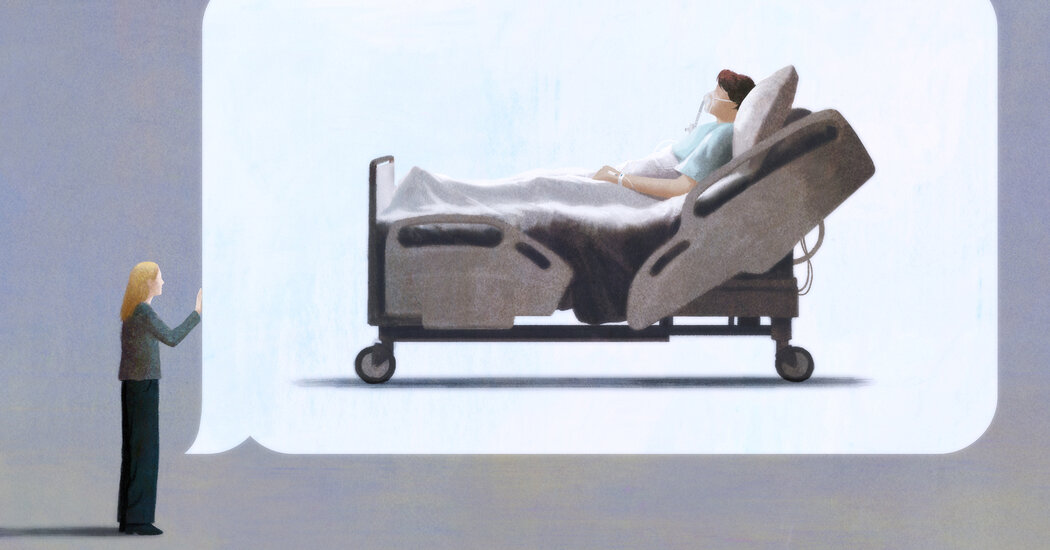
When my mother got Covid in April 2020, I learned what we lose over text.My mother wasn’t a texter. When she first bought an iPhone in 2019, her texts came out garbled, with baffling spaces between words. She told me repeatedly that the format eluded her. Could I please call her instead, for God’s sake!In the years leading up to the pandemic, she called me often, sometimes daily. My parents were in Westchester, and I am upstate, in Ithaca. She didn’t want to lose touch. If I sent her to voice mail, she left a message, asking after my chronic tooth pain or my son’s soccer games, wondering how my book was progressing, reporting her own ups and downs with health. She was still working full time as a psychotherapist but struggled with ailments common to later life.I called her back intermittently, often responding with text messages instead, which she viewed as rejections — so terse and noncommittal, so different from the long, meandering conversations she craved.But when my mother was hospitalized in April 2020 with Covid, texting became a lifeline, a strange digital umbilicus connecting us across a nontraversable space. This was the way for so many of us, losing our loved ones at a distance. There was no in-person conversation, no holding her hand.***March 2020: I sit on a beach in Miami, where my husband and I speak as if we are on the eve of war. I build sand mermaids with my 6-year-old son while reading dispatches from Italy, the new epicenter of the pandemic, on my phone. The churches there are filling with coffins. I find a scientific article that suggests that 1 out of 10 people over 70 will die of this new virus.From my sinking place in the sand I text my mother in New York: Please don’t leave the house, I implore her. If you leave the house you will die!Two weeks later, my father calls to say that my mother has fractured her hip. She is in the hospital undergoing surgery to repair it. My father sounds wrung out. “I could hear her screaming,” he says. My mother is 77 and recovering from lung cancer treatment. She is already vulnerable, and a broken hip sounds the alarm on so many frequencies: the risk of health complications, the vulnerability to Covid, the adjacency to death.After the surgery, the doctors insist that she will need round-the-clock attention, plus physical and occupational therapy. She is transferred to a nursing home five minutes from my parents’ house. She will have to be alone — no outside visitors — but at least she’ll be safe. My mother tells me over FaceTime that the facility won’t let her wash her hands. She keeps a tiny bottle of hand sanitizer under her pillow as if it were contraband and speaks in hushed tones about the muffled coughs she hears through the walls.The nursing home representative assures me that they have no cases of Covid and are taking all necessary precautions, but I am awash in unease.***When the virus reaches my mother’s nursing home, they wake her at midnight to test her. She is negative, and we bring her home, but relief is fleeting. The next afternoon she falls ill. I have been reading Covid diaries on the internet and recognize its signature — the dry cough that emerges out of nowhere, the low-grade fever that suddenly spikes. An ambulance takes her to the E.R., where she texts me a fevered slurry of words: tirrezxctired.When she tests positive that night, I feel my body turn to lead, as if it might fall through the floor. No: as if the floor no longer exists.***There is no helplessness exactly like watching your mother struggle for breath over a video call, knowing that you cannot approach the scene of her distress.The phone can’t satisfy the longing for touch and physical proximity. It’s not a surrogate for presence. Trying to keep vigil through a screen only reminds me that I am not there. I am siloed in my living room four hours away from my parents, who are away from each other.My father falls ill with Covid five days after my mother’s diagnosis. I want to drive down to stay with him, but I’m afraid that if I get sick I won’t be able to help anyone. One day on the phone my father is so breathless that he cannot finish a phrase. I send him to the same hospital as my mother, who has no idea he is there. When a nurse asks for my father’s D.N.R. request, I think: I will be orphaned soon.***Six days into my mother’s illness, she refuses audio and video calls. They make it too hard for her to breathe, and I sense that she doesn’t want me to see her this way. Instead, she contacts me through the most impersonal medium, the one she so disliked.The text messages she sends me feel alien, staccato in their efficiency:Please take the dog.How is dad?This is hard.We all use texting to connect while also holding people at arm’s length. Before the pandemic, my mother made it clear that my text messages did not deliver the intimacy she craved. When days went by without a phone call from me, my mom sent blank emails with short phrases in the subject line to call me out for my silence, and my avoidant emotional style:alien abduction?into thin air?***My mother is in an oxygen mask; my mother is in an oxygen tent; my mother is drowning.She has bilateral pneumonia and acute respiratory distress. The doctors explain her inflammation to me as a “cytokine storm” that is ravaging her body.Her decline is steep, only 17 days between diagnosis and death. Looking back at our messages over those 17 days, I am struck by a reversal: I am the one reaching out to her, with long, frequent texts that attempt to draw out time.I want to be with you, holding your hand.I know that there’s hope, I’m praying so hard.Mom, I miss you. Are you there?My mother’s responses, on the other hand, contract. Our final exchanges are like an aperture closing, the last window through which I can view her.I know, she writes at one point, so hard.***My dad is discharged to struggle at home, and I nurse him through an iPad, keeping his face near mine as we sleep so I can listen to his breathing. When my mother dies, I don’t tell him at first, fearing he will follow. But as the days pass, his breath deepens, and the fevers that gripped his body begin to recede, and I say the words. He has been expecting them, but still his face breaks in a way I hadn’t known a face could.I save my mother’s final texts, but they hold nothing of her voice: the scratchy Jewish Bronx accent, the warmth, the descent of her tone when she knew our call had to end, so full of longing and love: Ok, darling … talk to you soon.

Read more →

Could blocking or deleting a protein help prevent common oral cancers?

The most common head and neck cancer — oral squamous cell carcinoma — often starts off, as many other cancers do, quite innocently. Perhaps as a little white patch in the mouth or a small red bump on the gums. Easy to ignore, to downplay. But then something changes, and the little blotch becomes more ominous, starts growing, burrowing into connective tissue.
Patients who are lucky enough to see a dentist before things take a nasty turn have a shot at being able to prevent the lesions from turning cancerous — or can at least make sure treatment starts when it’s most effective. But for those who aren’t that lucky, the outlook can be bleak: the five-year survival rate of oral squamous cell carcinoma (OSCC) is around 66 percent. More than 10,000 Americans die of oral cancer every year; smokers and drinkers are hardest hit.
Now, researchers at Boston University’s Henry M. Goldman School of Dental Medicine have found that dialing back — or even genetically deleting — a protein that seems to spur the cancer’s growth might help limit a tumor’s development and spread. They say their findings make the protein, an enzyme called lysine-specific demethylase 1, a potential “druggable target” — something that doctors could aim chemo and immuno-oncology therapies at to take down a tumor. The study was published in Februaryin Molecular Cancer Research.
Given that at least one-third of Americans don’t visit a dentist regularly, according to the Centers for Disease Control and Prevention, the discovery could be a future lifesaver for those who miss out on preventative care.
“These findings have significant implications for new and potentially more effective therapies for oral cancer patients,” says Manish V. Bais, a lead author on the study and SDM assistant professor of translational dental medicine. “This study is an important step toward the development of novel groundbreaking therapies to treat oral cancer.”
Maria Kukuruzinska, SDM’s associate dean for research and a coauthor on the study, says it was rare in the past for dental schools to be diving into the science behind head and neck cancers, with most of the research happening in cancer centers. But that’s changing and “dental schools have an advantage over traditional cancer centers when it comes to investigating the science behind the development of OSCC,” she says, “because we can get access to premalignant lesions, where cancer centers basically just see patients who are presenting with fully developed disease.”
Helping the Body Fight Back: Anti-Tumor Immunity

Read more →

The impact of COVID-19 on drug use — and how it contributes to overdose risk

The COVID-19 pandemic has disrupted the lives of people who use drugs in ways that hurt their mental health and changed drug use behaviors, increasing their risk for overdose, according to surveys and interviews with individuals in rural Illinois captured in a new study in Addiction Science and Clinical Practice.
Drug overdoses have soared during the COVID-19 pandemic, with U.S. overdose deaths topping 100,000 during the 12-month period ending in April 2021. Researchers are beginning to untangle how the pandemic and strategies for preventing the spread of the virus, such as stay-at-home orders, may have contributed to this increase in deaths, from interruptions to harm reduction programs to isolation and worsening mental health.
People who use drugs and live in rural areas may be disproportionately impacted by changes brought on during the pandemic, given that many rural areas have higher rates of opioid and methamphetamine use and already have limited drug treatment and harm reduction services. People who use drugs in rural areas may also experience higher levels of stigma about their drug use, which may contribute to a greater likelihood of using drugs alone and a reluctance to seek medical care.
In a series of surveys and interviews with people who use drugs in rural southern Illinois, the researchers sought to understand their experiences during the COVID-19 pandemic and how disruptions at the structural and community level could affect individuals’ overdose risk. Between August 2020 and May 2021, the researchers conducted surveys with 50 individuals who use opioids (without a prescription) or inject drugs, and did in-depth interviews with a subset of 17 participants.
“We know that there has been a tragic increase in overdose deaths during the pandemic. Our study provides insight into why and how there have been more overdose deaths,” said Suzan Walters, research assistant professor at NYU School of Global Public Health and a researcher with NYU’s Center for Drug Use and HIV/HCV Research (CDUHR).
Not unlike the general population, people who use drugs reported worsened economic conditions — in a region already afflicted by widespread poverty — and mental health during the pandemic. Only 38 percent of participants felt confident that they could maintain a stable income during the pandemic, thanks to layoffs, disruptions to their work in service industries, and fewer available jobs. Moreover, participants reported that the pandemic exacerbated housing and food insecurity.
A significant proportion of participants reported that their mental well-being had suffered: three-quarters of the survey respondents felt more anxious or on edge during the pandemic, more than half felt more depressed, and nearly half felt lonelier. Anxiety and depression are associated with increased substance use, which in turn can increase the risk for overdose.
Participants also described how the pandemic changed their everyday drug use behaviors. Two-thirds of survey respondents said the process of getting drugs was more difficult during the pandemic, and over half worried that in the near future they would end up with a bad batch of drugs that would be dangerous. Notably, half of the survey respondents said they were currently more likely to use drugs alone than prior to the pandemic, which can increase overdose risk.
The interviews unearthed an emerging trend of consuming fentanyl “beans” or “buttons,” which were described as little capsules full of fentanyl. Participants said that fentanyl was cheaper and more readily available than heroin, which became more difficult to obtain during the pandemic.
“Our findings suggest that structural and community issues during the pandemic increased anxiety, depression, and loneliness on the individual level. Drug use patterns also changed, with many talking about fear of fentanyl and increased access to it. All of these factors are likely to increase overdose risk,” said Walters, who is also an affiliated faculty at NYU Langone’s Center for Opioid Epidemiology and Policy (COEP).
To prevent overdoses, the researchers recommend not only ensuring access to resources and services at the individual level, but also addressing larger systemic and community issues, including greater access to economic opportunities and reducing stigma related to drug use.
Additional study authors include Rebecca Bolinski, Stacy Grundy, and Wiley Jenkins of Southern Illinois University; Ellen Almirol, John Schneider, and Mai Pho of the University of Chicago; Scott Felsher of the Community Action Place, Inc.; Samuel Friedman of CDUHR and NYU Grossman School of Medicine; Lawrence Ouellet of the University of Illinois Chicago; and Danielle Ompad of CDUHR and NYU School of Global Public Health. The work was funded by the NIH Clinical and Translational Science Awards Program (UL1TR001445) and National Institute on Drug Abuse (K01DA053159, P30DA01104, T32 DA007233-31, R25DA026401, 4UH3DA044829-03).

Read more →

Viruses in the gut may warn of a deadly disease in preterm infants

Immediately after birth, human infants begin to develop a complex, interwoven fabric of microbes in their gut. Known collectively as the gut microbiome, this diverse ecosystem consists of bacteria, archaea, viruses and fungi, numbering in the billions. All have important roles to play in health and disease and researchers are racing to better understand their enigmatic activities.
In a new study published in the journal Nature Microbiology, Efrem Lim and his colleagues explore the galaxy of viruses present in the gut, known as the gut virome. They find that some preterm infants undergo marked alterations in their pattern of gut viruses shortly before developing a serious and often fatal disease known as necrotizing enterocolitis (NEC).
Professor Lim is a researcher in the Biodesign Center for Fundamental and Applied Microbiomics. He is also the principal investigator of the Center for Viral Genomics at ASU and an assistant professor at ASU’s School of Life Sciences.
The study was conducted in collaboration with ASU colleagues and researchers from the Washington University School of Medicine.
Although the bacterial component of the gut microbiome has received considerable research attention, viruses inhabiting the gut remain a largely hidden realm. The viral signature highlighted in the study, along with changes in gut bacterial communities, could provide an early warning signal that an infant is at risk of developing NEC, allowing clinicians to take emergency action.
“For many years now, there’s been some inkling that the microbiome is implicated in this rapidly developing disease,” Lim says. “Studies have shown that changes in the microbiome of the gut in these preterm infants seem to predict the progression to NEC disease.”
Yet teasing out the specific microbial changes leading to the disease has been challenging and the precise mechanism causing the affliction is still unknown. The current study is the first to comprehensively investigate changes in the viral microbiome that appear to set the stage for the development of NEC in preterm infants.

Read more →

Inflammation markers associated with COVID-19 during pregnancy may signal adverse impacts to long-term infant health

New research results demonstrate how inflammation from a COVID-19 infection during pregnancy could potentially impact long-term infant health, including infant growth and brain development. Published in the Journal of Perinatology, a new study from Boston Medical Center describes how infants of mothers who had a COVID-19 infection during pregnancy had significant elevations in inflammatory blood markers, also known as cytokines, at the time of delivery.
COVID-19 has impacted a growing number of pregnant patients throughout the pandemic, affecting an estimated 14 per 1,000 births in the U.S. in 2020. Typically, there are low rates of viral transmission to an infant after a COVID-19 infection during pregnancy, and no other apparent adverse effects on the infant at birth. In this new study however, researchers discovered elevated levels of markers, interleukin (IL)-6 and interferon gamma-induced protein (IP)-10, well-characterized inflammatory mediators central in the COVID-19 cytokine response, in both mothers and infants who experienced a COVID-19 infection during pregnancy. Marker IL-8 was also uniquely elevated in infants following maternal COVID-19 infection.
In pregnancy, the elevated levels of IL-6 and IL-8 have been associated with gestational pathologies including miscarriage, preeclampsia and preterm delivery. Perinatal exposure to these cytokines has also been associated with altered fetal development. In pregnancy, elevated maternal IP-10 has been implicated in miscarriage and preeclampsia, but the long-term infant effects of IP-10 exposure in the perinatal period are currently undefined. The results of this study indicate that there are unidentified effects of COVID-19 infection during pregnancy on infants, specifically the evidence of in-utero inflammation persisting weeks to months after initial maternal infection.
“This inflammation has the potential to significantly impact infant growth and development, highlighting the importance of continuing to follow children with COVID-19 exposure during pregnancy for unknown long-term consequences on their health,” says Elizabeth Taglauer, MD, PhD, a neonatologist at Boston Medical Center, an assistant professor of pediatrics at Boston University School of Medicine and first author on this study. “This study also importantly provides additional reasons to encourage pregnant women to pursue vaccination against COVID-19 to avoid any long-term adverse consequences for their infant.”
Between July 2020 and June 2021, mother-infant dyads in early and late gestational stages of pregnancy were enrolled and categorized as a group of participants with a known COVID-19 infection during pregnancy. A control group was then enrolled between January and April 2021 for participants with no evidence of COVID-19 infection during pregnancy and a negative SARS-COV-2 testing at time of delivery. For this particular analysis, anyone who had received a COVID-19 vaccination was excluded. In this prospective cohort study, a maternal blood sample and an infant blood sample were collected from 31 COVID and 29 control dyads at the time of delivery and analyzed with a panel of 13 cytokines, which are soluble markers of immune responses. The cytokine levels for these 13 immune response markers were then compared between the COVID-19 and control groups to identify any differences. This study was completed as a multi-disciplinary effort from the Mothers and Infants Affected by Signs and Symptoms of COVID-19 (MASC) study team at Boston Medical Center.
“The results of our study indicate that a COVID-19 infection during pregnancy creates an inflammatory in-utero environment, with evidence of prolonged inflammation in infant blood markers at the time of delivery,” says Elisha Wachman, MD, a neonatologist at Boston Medical Center, an associate professor of pediatrics at Boston University School of Medicine and senior author on this study. “This could lead to alterations in infant growth and development as an unforeseen complication from COVID-19 infection during pregnancy.”
Researchers are focusing future research on mother-infant dyads who received the COVID-19 vaccination during pregnancy who did not experience a COVID-19 infection. In an ongoing study, cytokine profiles of this group look very similar to the control group, meaning that they do not have evidence of elevated inflammatory markers in the infant. These results will soon be submitted for publication and provide additional evidence that vaccination rather than COVID-19 infection during pregnancy provides protection for the infant against any adverse effects.
This study was supported by the Boston University Clinical and Translational Science Institute under grant number 1UL1TR001430.
Story Source:
Materials provided by Boston Medical Center. Note: Content may be edited for style and length.

Read more →

Wireless device to provide new options for colorectal cancer treatment

For those diagnosed with colorectal cancer, surgery has been the only option that offers a solution. Unfortunately, surgery is frequently complicated by disease recurrence at the site of the original cancer when microscopic cancer cells are left behind at the time of surgery. Chemotherapy is a treatment option that is often given in conjunction with surgery, although it can lead to toxic side effects.
Dr. Sung II Park, assistant professor in the Department of Electrical and Computer Engineering and researcher in the Center for Remote Health Technologies and Systems at Texas A&M University, and his team are working to develop a low cost, minimally invasive wireless device that offers precise, safe treatment options for cancers.
The researchers will utilize photodynamic therapy (PDT) during surgery by using a photosensitizer — a drug activated by light — to kill the cancer cells. During this process, surgeons will be able to remove the bulk of the tumor, then fully irradiate the tumor bed when the photosensitizer is activated by the light. This combination would result in a complete treatment in a safe and effective way with no toxic side effects.
“The biocompatible, miniaturized implantable LED device will enable light dosing and PDT that is tailored to the individual tumor response,” Park said.
In the long term, the work will result in a platform that has the potential to provide clinical-quality health monitoring capabilities for continuous use beyond the confines of traditional hospital or laboratory facilities; it will also allow for treatment options to prevent the development of additional malignancy and therefore significantly improve the quality of life for people with cancer. This type of platform would also reduce the huge economic burden on oncology resources, which totaled $167 billion U.S. dollars in 2020 alone. In 2022, projected global oncology spending will reach $206 billion, a 23.35% increase.
Further details about their device are published in the April issue of Nature Communications.
Excluding skin cancers, colorectal cancer is the third most common cancer worldwide, according to the American Institute for Cancer Research. According to the American Cancer Society, this year, an estimated 149,500 adults in the United States will be diagnosed with colorectal cancer and it’s expected to cause about 52,980 deaths.
Although photodynamic therapy has been shown to be effective in many solid tumor cancers, its clinical application has been limited by an incomplete understanding of the differing response of cancer and normal tissue, and a lack of methods to monitor tumor response and adjust light dosage accordingly.
To address this gap, Park and his team have proposed a two-step procedure. First, the photosensitizer drug is administered, which is preferentially taken up by the tumor cells, and then the tumor is illuminated by non-thermal light at a wavelength that matches an absorption spectrum of the drug. Activation of the drug induces a photochemical reaction that triggers tumor cell death.
“The intracavity device will provide a minimally invasive, biocompatible platform for light detection of residual cancers and delivery to tumor cells located in any part of the body, suggesting it could make an impact in the areas of breast, kidney, lung, pancreatic, prostate, ovarian and rare cancers,” Park said.
Other contributors to the research include several well-known researchers from the electrical and computer engineering department, the University of Leeds and Sun Moon University.
This work was supported by grants from the interdisciplinary X-Grants Program, part of the President’s Excellence Fund at Texas A&M, the 2018 National Alliance for Research on Schizophrenia and Depression Young Investigator Awards from the Brain and Behavior Research Foundation and the Precise Advanced Technologies and Health Systems for Underserved Populations Engineering Research Center. This work was also supported by a Wellcome Trust Institutional Strategic Support Fund Fellowship, a National Institute for Health Research (NIHR) Research Professorship, and an NIHR Senior Investigator Award.
Story Source:
Materials provided by Texas A&M University. Original written by Rachel Rose. Note: Content may be edited for style and length.

Read more →