Abortion Pills Will Be the Next Battleground in a Post-Roe America
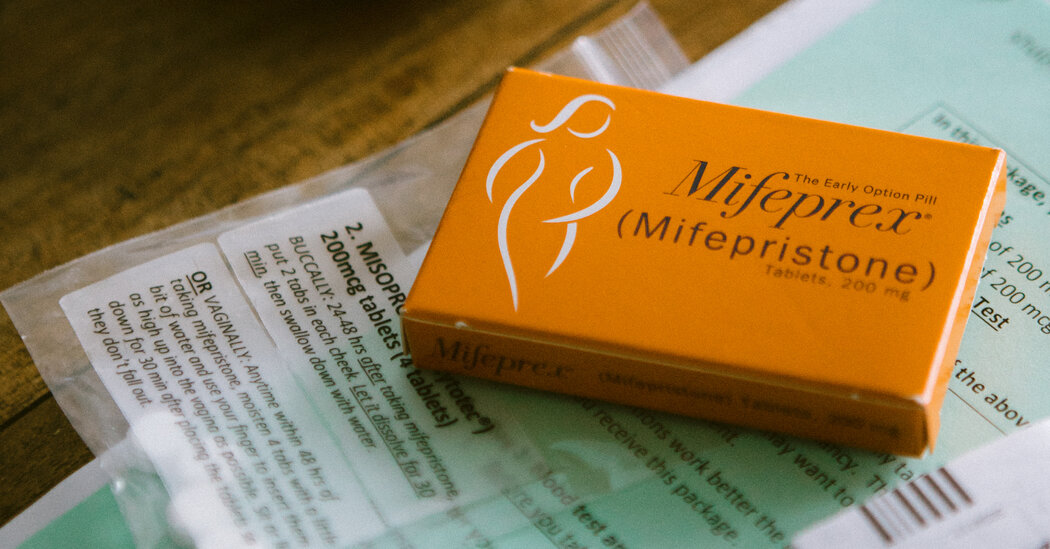
Medication abortion allows patients to terminate early pregnancies at home. Some states are moving to limit it, while others are working to expand access.If the Supreme Court overturns Roe v. Wade, the legal and culture wars over abortion that have consumed the United States for decades would increasingly be fought on a new front: abortion pills.Medication abortion — a two-drug combination that can be taken at home or in any location and is authorized for use in the first 10 weeks of pregnancy — has become more and more prevalent and now accounts for more than half of recent abortions in the United States. If the federal guarantee of abortion rights disappears, medication abortion would likely become an even more sought-after method for terminating a pregnancy — and the focus of battles between states that ban abortion and those that continue to allow it.“Given that most abortions are early and medication abortion is harder to trace and already kind of becoming the majority or preferred method, it’s going to be a big deal,” Mary Ziegler, a visiting law professor at Harvard, said. “It’s going to generate a lot of forthcoming legal conflicts because it’s just going to be a way that state borders are going to become less relevant.”About half the states are expected to quickly make all methods of abortion illegal if the justices’ decision in a Mississippi case resembles a draft opinion leaked this week that would nullify the 1973 ruling that legalized abortion. Other states would likely continue to allow abortion, and several are already taking steps to accommodate patients from the states where abortion may be outlawed.Medication abortion is less expensive and less invasive than surgical abortions. In December, the Food and Drug Administration made access to it significantly easier by lifting the requirement that patients obtain the first of the two pills, mifepristone, by visiting an authorized clinic or doctor in person. Now, patients can have a consultation with a physician via video or phone or by filling out online forms, and then receive the pills by mail.But many conservative states have already begun passing laws to restrict medication abortion, including banning it earlier than 10 weeks’ gestation and requiring patients to visit providers in person despite F.D.A. rules. Nineteen states ban the use of telemedicine for abortion. This year, Americans United for Life, an anti-abortion advocacy group, listed laws against medication abortion as first among the organization’s “pressing priorities” for 2022.“In the last year, Arizona, Arkansas, Indiana, Montana, Ohio, Oklahoma, South Dakota and Texas have enacted state-level safeguards to stop mail-order abortion drugs, and the Tennessee Legislature recently sent such protections to Gov. Bill Lee,” Mallory Carroll, an official with Susan B. Anthony List, an anti-abortion group, said. “In addition to creating health and safety standards, states are also increasing requirements for reporting complications from abortion drugs. We will be working with allies in additional states to tackle this growing public health threat.”Residents of states that would quickly ban all abortion methods if Roe were overturned — including Texas, Missouri, Utah and Tennessee — would be legally prohibited from having telemedicine abortion consultations from any location in their state, even if the doctor were located in a state with legal abortion. Such patients would have to travel to a state where an online, video or phone consultation is legal — the IP address of the computer or phone they were using would identify where they were located. Then, they would have to receive the pills by mail at an address in a state with legal abortion, even if it were a post office box or a hotel.Some patients are already doing this because they live in one of the states that ban the use of telemedicine for abortion. Some aspects of those laws are unclear, including whether patients who take the pills after returning to their home state are violating their state’s law.If abortion were completely outlawed in those states, many more patients would travel to states where it was legal, reproductive health experts said.Bags containing medication for abortions, instructions and heating pads, awaiting patients in a clinic in Oklahoma City in December.Evelyn Hockstein/ReutersSeveral organizations, including Abortion on Demand and Hey Jane, now arrange telemedicine or online consultations and mail pills from one of two mail-order pharmacies that are currently authorized by the two mifepristone manufacturers to dispense that medication.But abortion opponents and states that outlaw abortion are likely to try to challenge or curtail the ability of patients to cross state lines to get the pills, legal experts said. There may be attempts by states that ban abortion to prosecute doctors and other health providers in states where abortion is legal, for example, or to try to block organizations or funds that provide financial help for patients to travel to other states, Professor Ziegler said.Supporters of abortion rights outside the Supreme Court on Monday after the leaked draft ruling overturning Roe v. Wade was published.Kenny Holston for The New York TimesStates that support abortion rights are mobilizing to block such efforts. Legislation in California would provide financial assistance to patients traveling from other states to obtain abortions and increase the number of abortion providers. Connecticut just passed a bill that would prevent abortion providers from being extradited to other states, bar Connecticut authorities from cooperating with abortion investigations from a patient’s home state and allow Connecticut residents who are sued under another state’s abortion provision to countersue.Medication abortion became legal in the United States in 2000, when mifepristone was approved by the F.D.A. The agency imposed tight restrictions on the drug, many of which remain in place. But access to the method increased in 2016, when the F.D.A. expanded the time frame within which the drug could be taken — from seven weeks to 10 weeks into a pregnancy.As conservative states began passing more laws restricting access to surgical abortions, more patients opted for pills, especially because they can be taken in the privacy of one’s home.The Covid pandemic fueled that trend. The Guttmacher Institute, a research organization that supports abortion rights, reported that in 2020, medication abortion accounted for 54 percent of all abortions.Early in the pandemic, medical groups filed a lawsuit asking the F.D.A. to lift its requirement that mifepristone, which blocks a hormone crucial to the continuation of a pregnancy, be dispensed to patients in person at a clinic or doctor’s office. Citing years of data showing that medication abortion is safe, the medical groups said that patients faced a greater risk of being infected with the coronavirus if they had to visit clinics to obtain mifepristone.For portions of the pandemic, the F.D.A. temporarily lifted the in-person requirement, then permanently removed it in December. In addition, the agency said pharmacies could begin dispensing mifepristone if they met certain qualifications. The agency is in the process of hammering out those qualifications with the two manufacturers of the drug, and reproductive health organizations said that some national retail pharmacy chains have expressed interest in being able to dispense the medication in some states, at least by mail.The second medication, misoprostol, which causes contractions similar to those of a miscarriage and is taken up to 48 hours later, has long been available for a variety of uses with a typical prescription.A senior Biden administration official said this week that officials are looking for further steps the administration can take to increase access to all types of abortion, including the pill method. The official, speaking on the condition of anonymity to discuss the leaked Supreme Court decision, said that President Biden directed his team “at every aspect in every creative way, every aspect of federal law, to try to do all that’s possible” to protect abortion rights.As part of that effort, Mr. Biden’s secretary of health and human services, Xavier Becerra, said in testimony before the Senate on Wednesday that he has established a reproductive health care task force.But there are tight limits on what the administration can do without action from Congress. The longstanding Hyde Amendment, which prevents taxpayer dollars from being used to terminate pregnancy, bans the use of federal funds to pay for abortion, including through the Medicaid program, except in cases of rape, incest or life endangerment.Some experts have suggested that the government could direct resources to groups that provide support, including housing and transportation, to patients who cross state lines seeking an abortion. But it is possible that could violate the Hyde Amendment.Legal and reproductive rights policy experts said that beyond using his bully pulpit, Mr. Biden’s options are limited. They said the administration could turn to the courts and make a legal argument that doctors in the United States have a right to prescribe abortion medication from any state.“Because the F.D.A. has approved abortion pills as safe and effective and set forth a regimen by which they have to be dispensed, states are not allowed to do anything different, because federal law pre-empts or is supreme over state law,” said David Cohen, an expert in gender and constitutional law at Drexel University’s law school.But Lawrence Gostin, an expert in health law at Georgetown University, said there would also be a strong counterargument: that regulation of the medical profession is the province of states, which can therefore regulate what pharmacies prescribe. Reproductive health experts also predict that more patients will be ordering abortion pills from overseas, through websites like Aid Access — an international organization run by a physician that mails pills — a practice the F.D.A. has tried to stop. Professor Ziegler and others said it is hard for states or the federal government to stop or interdict the mailing of abortion pills because of the practical difficulties of tracking and identifying every such package.So far, most states that restrict abortion have long adhered to a principle of targeting providers and others who help patients, but not the patients themselves. Professor Ziegler said it is possible that could also change in a post-Roe landscape because, in circumstances where the abortion takes place outside state boundaries, “there may be absolutely no one else in that state to go after but the patient.”Anti-abortion groups have not said that laws targeting patients are in the offing.Some abortion rights advocates said that the availability of safe and effective abortion pills has eliminated one the greatest fears in the years before Roe — but has added a new one.“One of the sharpest distinctions is really between the idea of hemorrhaging and the idea of handcuffs,” said Kristin Ford, a spokeswoman for NARAL Pro-Choice America. “In the pre-Roe world, there was a legitimate concern about people bleeding out in back alleys. That’s not the reality we face. What we’re looking at now is a world of criminalization.”Zolan Kanno-Youngs

Read more →
How Covid-scarred Shanghai will finally exit lockdown

SharecloseShare pageCopy linkAbout sharingImage source, VCG via Getty ImagesIt’s taken more than a month, but Shanghai’s leaders now think the city’s Covid outbreak is almost contained. So they’ve ordered a mass clean-up – an army of people disinfecting thousands of compounds and residential areas aiming to eradicate the virus. Then China’s financial capital will open up, but it will be gradual, tentative, cautious.The brutal “war” against Omicron has left a scarred city. People as old as 100 were among those who tested positive and were taken to quarantine centres. There were very few exceptions. In the five weeks that I’ve been locked down, unable to go any further than the gate at the end of my compound, it’s Shanghai’s most vulnerable who’ve suffered the most. One man called Wu who was quarantined documented what he saw on Douyin (known as TikTok outside of China). “We don’t have enough medical resources now, they can’t be treated in hospital like in normal days,” he said. At one point he saw an 85-year-old woman who fell ill. She was saved by emergency medics.China’s elderly suffer in Covid quarantine centresShanghai patient taken away in body bag while aliveWe’ve heard harrowing stories from the family of a 90-year-old woman taken in after she tested positive. Officials insisted she be sent to a government facility. Her family, who asked not to be identified, were worried about her eating and how she’d go to the toilet on her own. Her husband, also in his 90s and bedridden, was able to stay at home.Others have told of us about more dire circumstances for patients in a hospital that was hit by this wave of Covid-19 early on. Last month we reported on patients at Donghai Elderly Care Hospital who died after testing positive. This was while the official death toll in the city was zero. One man told us his 90-year-old sister had died, sharing a room with five others. He has contacted us again and told us all the others in her room have since died.The BBC has seen a text exchange with a care giver from the hospital who said “a lot died in the intensive care wards”, but they added they were “not sure about exact numbers”.Image source, VCG via Getty ImagesThe official death toll is now 491, as of 4 May. Almost all of those were elderly and unvaccinated. Only 38% of the over-60s in Shanghai have the full protection of three vaccine jabs. Some districts have just announced fresh efforts to increase that, a month into lockdown.At the very top, China’s leaders remain adamant that chasing “zero Covid” is the right thing. President Xi Jinping, the man in charge of China’s ruling Communist Party, has made it clear there is no change. He believes “persistence is victory”. This is now a test of China’s way of dealing with the coronavirus. It’s a test of his credibility too.The language of the battle has evolved, though. Whereas lockdown became known as “static management” in state-controlled media, the government has been forced to shift its goal to what it calls “societal zero”; that is, no positive cases emerging outside controlled quarantine areas. That goal is close. The reported case numbers are falling, but it’s a way off “zero”.Image source, EPAThe enforcement methods have been harsh at times. Some people were barricaded into their homes, or forced out of them. Communities, including mine, have been fenced off. Green barriers have appeared all over the city, erected across roads.There is little room for dissent or to focus on shortcomings. One man was questioned by police for simply showing his shopping to someone recording on a phone. The slab of pork, as a stamp proved, had been donated from a neighbouring province. His transgression appeared to be highlighting the food supply problems. The hard life of a homeless Shanghai deliverymanWhy Shanghai has changed its approach to CovidA small-scale protest in parts of Shanghai a few days ago was quickly condemned. People were seen banging pots in parts of the city. Officials said it had been influenced by “foreign forces”.This video can not be playedTo play this video you need to enable JavaScript in your browser.One part of China has changed tack, though. Hong Kong had tough restrictions. It was all but closed off from the rest of the world for a time, but there was no lockdown. Then it was over-run by Omicron. Hong Kong recorded the highest average weekly death rate in the world, at the time.Professor Ben Cowling from the University of Hong Kong told me he estimates over 60% of the population were infected, and it now has herd immunity to the BA2 variant. He said he is worried about another wave of new variants, but, given the spread the city has just been through, he said, “I don’t think it will have a high impact”.”My concern in Shanghai would be how long can this go on?” Prof Cowling said. The number of reported positive cases is “going to drop down slowly”, he thinks “but the whole thing could happen again in a month, or two months, or three months if there’s another outbreak of Omicron”.Image source, NurPhoto via Getty ImagesDebate about herd immunity and the idea of “living with it” on the mainland has been shut down in public. The focus is on what President Xi has called winning a “final battle”. It’s a battle against a virus that China officially declared victory over in the summer of 2020. But it’s one that Xi is determined to win as he heads for a crucial meeting of the Party’s Congress in October and what he hopes will be a third term in power, the first leader to do so in a generation.China’s capital Beijing is now trying to stop the virus spreading, repeatedly testing most of its residents. Defending the seat of power is crucial for the Communist Party’s reputation. Most of China has been virus-free for almost two years, and that remains the case.But as Omicron threatens there’s renewed anxiety. An already fragile economy – still so crucial for global growth and supply chains – is under growing pressure.Lockdowns in the name of “zero Covid” could be harder and harder to justify.More on this storyChina’s elderly suffer in Covid quarantine centresThe hard life of a homeless Shanghai deliverymanElderly deaths contradict Shanghai Covid figuresShanghai hospital struggles with Covid infections

Read more →

The Fight Over Abortion History

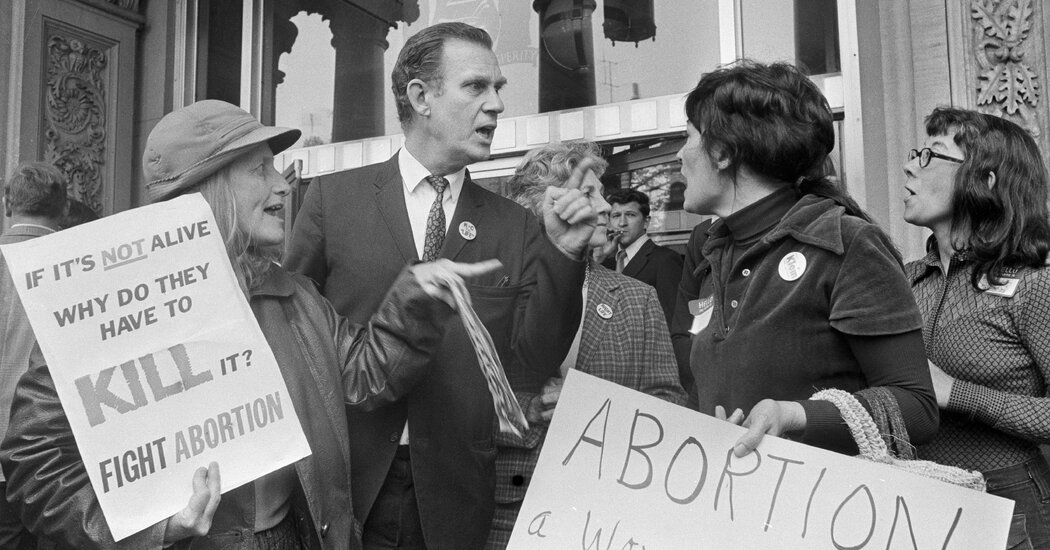
The leaked draft opinion that would overturn Roe v. Wade also takes aim at its version of history, challenging decades of scholarship that argues abortion was not always a crime.History, and arguments about history, have long been central to abortion jurisprudence.In its 1973 decision in Roe v. Wade, the Supreme Court found a constitutional right to abortion, grounded in what it described as a “right to privacy” provided in the Fourteenth Amendment. And that legal argument was bolstered by a historical narrative.State laws prohibiting abortion at all stages of pregnancy, Justice Harry Blackmun wrote in the opinion, were not of ancient or even common-law origin, but dated mostly to the late 19th century. Before that, he wrote, citing various scholars, abortion early in pregnancy was legal in most states.The leaked draft opinion in Dobbs v. Jackson Women’s Health Organization, which would overturn Roe, offers a very different history. The 98-page draft, written by Justice Samuel A. Alito Jr., asserts that “an unbroken tradition of prohibiting abortion on pain of criminal punishment persisted from the earliest days of the common law until 1973.”Roe, Justice Alito writes, “either ignored or misstated this history.” And “it is therefore important,” he continues, “to set the record straight.”The claim of an “unbroken tradition” of criminalizing abortion set off strong criticism from many historians, including some whose work was cited in an amicus brief submitted by the American Historical Association and the Organization of American Historians, the two main organizations of professional historians in the United States.Here are some of the historical claims in question.Justice Alito on the History of Abortion RestrictionsJustice Alito begins his historical argument by saying that the right to abortion is a recent invention. “Until the latter part of the 20th century,” he writes, “there was no support in American law for a constitutional right to obtain an abortion. Zero. None.”By contrast, he claims, “abortion had long been a crime in every single state.” Until the 19th century, he maintains, American law followed common law, which criminalized abortion “in at least some stages of pregnancy.” And the records of prosecutions, however scant, “corroborate that abortion was a crime.”In the 1800s, he writes, states began passing laws that “expanded criminal liability.” By the time the 14th Amendment was adopted, three-quarters of the states outlawed abortion at all stages of pregnancy, with the rest to follow within a few decades.How Historians See the StoryThe Constitution includes no references to abortion. And it wasn’t until the second half of the 20th century, Justice Alito writes, that people began claiming the idea of a basic right to abortion.Mary Ziegler, the author of several books on the history of abortion (and a critic of the draft decision), said that part was correct. But the opinion, she and others argue, underplays the fact that for most of the first 100 years of American history, early abortions — before fetal “quickening” (generally defined as the moment when the fetus’s movements can be detected) — were not illegal.This is the argument made in the historians’ brief, which outlines the history of abortion regulation up to 1866. For decades after the founding of the United States, common law did not regulate abortion, or even recognize that abortion was happening at that early stage. “That is because common law did not even acknowledge a fetus as existing separately from a pregnant woman” before quickening, the historians argue.The central historical claims in Roe “were accurate,” the brief says, “and remain so today.”Leslie J. Reagan, the author of “When Abortion Was a Crime: Women, Medicine and Law in the United States, 1867 to 1973,” said in an interview that abortion was common in the early 19th century, perhaps even more so than Roe depicted.And regulation relied on women’s own experience, since they were the ones who would know when “quickening” occurred. And before “quickening,” Professor Reagan said, taking medications or other treatments wasn’t even considered abortion, but “trying to get your menses” — menstrual period — “back.”“It was after quickening that it was against the law, and considered immoral,” she said. “After quickening, women themselves would stop trying to get their menses back. It was considered a life.”Justice Alito’s SourcesWhile the draft makes references to the historians’ brief, it relies more heavily on other sources, including “Dispelling the Myths of Abortion History,” a 2006 book by Joseph W. Dellapenna that challenged Justice Blackmun’s historical arguments in Roe.Professor Dellapenna, a law professor at Villanova University, cited (using a phrase Justice Alito echoes in the draft opinion) what he called an “unbroken tradition” of laws protecting unborn life, which stretched from English common law into the 1970s.His book has been hotly debated by historians. But Justice Alito also draws on other sources, including a brief submitted by the legal scholars Robert P. George and John M. Finnis, who challenged the historical scholarship supporting Roe.By the late 1860s, they argue, the legal distinction of “quickening” had been abandoned, “because science had shown that a distinct human being begins at conception.” When the Fourteenth Amendment was passed in 1868, they argue, fetuses were understood as “persons” deserving protection.In a post on Tuesday in Mirror of Justice, a Catholic legal blog, Professor George wrote that the term “person” in the Fourteenth Amendment “was publicly understood at the time of the framing and ratification of the amendment as including the child in the womb.”He added on Twitter that “bizarrely, some critics of the leaked Alito opinion in Dobbs are trying to cast doubt on his historiography by reviving discredited claims” about abortion history included in Roe, claims he said he and Finnis had “refuted.”In a telephone interview, he declined to comment further on the substance of the draft opinion, calling the leak a highly damaging breach of trust. But he said that history had always been crucial to the abortion debate, since analysis of history was “at the core of Roe.”By focusing on history, Professor George said, Blackmun was able to claim — falsely, he said — “that the Court wasn’t inventing a new right, but restoring an old common-law right.”How Abortion Restrictions Changed Over TimeIn 1827, Illinois became the first state to criminalize abortions pre-quickening. In 1829, New York elevated the offense from a misdemeanor to a felony.These laws were driven by various motivations. According to the historians’ brief, the stricter statutes enacted through the 1840s and 1850s “were often in response to alarming newspaper stories about women’s deaths from abortions. Yet despite these new laws on the books,” the brief says, “abortion convictions remained rare.”This echoes Professor Reagan’s book, which argues (citing the historian James C. Mohr) that the earliest laws regulating abortion were poison-control measures meant to protect women from dangerous abortifacient drugs, rather than to restrict abortion itself.But in 1857, Professor Reagan writes, the newly founded American Medical Association “initiated a crusade to make abortion at every stage of pregnancy illegal.” The organization was driven not only by concern for fetal life but also by the desire to take control from midwives. And some members expressed concern that middle-class “Anglo-Saxon” women were not having as many children as Catholic immigrants and people of color.Dr. Horatio R. Storer, a leader of the medical campaign against abortion, asked who would settle the nation as it spread westward. Would the frontier “be filled by our own children or by those of aliens?” he asked. “This is a question that our own women must answer; upon their loins depends the future destiny of the nation.”Debating the Connections Between Abortion and RaceIn the draft opinion, Justice Alito notes the argument that the restrictive abortion laws adopted starting in the mid-19th century were meant to bolster the white, Protestant birthrate. But he dismisses the claim, saying it is based on only a handful of supporters of abortion bans. “It’s quite a leap to attribute these motives to all the legislators whose votes were responsible” for the new laws, he writes.Instead, he writes, “there is ample evidence” that anti-abortion laws were “spurred by a sincere belief that abortion kills a human being.”Instead, Justice Alito notes arguments that proponents of abortion rights were the ones with racist motives. In a footnote, he refers to an amicus brief submitted in an unrelated 2019 abortion case, which argued that early 20th-century proponents of “liberal access to abortion” were motivated by a desire to reduce the Black population.“It is beyond dispute that Roe has had that demographic effect,” Justice Alito writes, citing government data showing that “a highly disproportionate percentage of aborted fetuses are Black.”He also cites Justice Clarence Thomas’s much-noted fiery concurrence in that 2019 abortion case, in which he assailed early birth control advocates like Margaret Sanger as racist eugenicists who wanted to suppress the births of “undesirable” individuals and populations.While Sanger herself did not support abortion, Justice Thomas wrote, other family planning advocates did so “for eugenic reasons.” And today, he warned, abortion retains the potential “to become a tool of eugenic manipulation.”The historical relationship between the early family planning movement and eugenicist beliefs (which were widely held across American society in the early 20th century) is complex and intensely disputed.But Professor Ziegler questioned how Justice Alito could dismiss the notion that abortion restrictionists in the 1850s were motivated even in part by bigotry, while citing claims that it was a motivation of some 20th-century supporters of abortion.People on both sides of the issue, she said, were driven by a mix of motives. “The idea the Court thinks it can weed out the nativist impulses” on one side, while emphasizing those impulses on the other, she said, “is historically implausible.”

Read more →

Higher antioxidant levels linked to lower dementia risk

People with higher levels of antioxidants in their blood may be less likely to develop dementia, according to a study published in the May 4, 2022, online issue of Neurology®, the medical journal of the American Academy of Neurology.
The study found that people with the highest levels of the antioxidants lutein and zeaxanthin and beta-cryptoxanthin in their blood were less likely to develop dementia decades later than people with lower levels of the antioxidants. Lutein and zeaxanthin are found in green, leafy vegetables such as kale, spinach, broccoli and peas. Beta-cryptoxanthin is found in fruits such as oranges, papaya, tangerines and persimmons.
“Extending people’s cognitive functioning is an important public health challenge,” said study author May A. Beydoun, PhD, MPH, of the National Institutes of Health’s National Institute on Aging in Baltimore, Maryland. “Antioxidants may help protect the brain from oxidative stress, which can cause cell damage. Further studies are needed to test whether adding these antioxidants can help protect the brain from dementia.”
The study involved 7,283 people who were at least 45 years old at the beginning of the study. They had a physical exam, interview and blood tests for antioxidant levels at the beginning of the study. They were then followed for an average of 16 years to see who developed dementia.
The participants were divided into three groups based on their levels of antioxidants in the blood. People with the highest amounts of lutein and zeaxanthin were less likely to develop dementia than those with lower levels. Every standard deviation increase in lutein and zeaxanthin levels, approximately 15.4 micromols/liter, was associated with a 7% decrease in risk of dementia. For beta-cryptoxanthin, every standard deviation increase in levels, approximately 8.6 micromols/liter, was associated with a 14% reduced risk of dementia.
“It’s important to note that the effect of these antioxidants on the risk of dementia was reduced somewhat when we took into account other factors such as education, income and physical activity, so it’s possible that those factors may help explain the relationship between antioxidant levels and dementia,” Beydoun said.
A limitation of the study is that antioxidant levels were based on one measurement of blood levels and may not reflect people’s levels over their lifetime.
The study was supported by the National Institute on Aging, part of the National Institutes of Health.
Story Source:
Materials provided by American Academy of Neurology. Note: Content may be edited for style and length.

Read more →

Anger outside Mississippi's last abortion clinic

SharecloseShare pageCopy linkAbout sharing”That was the murderer, that was the abortionist.” That’s how a doctor arriving at the last abortion clinic in Mississippi was greeted when he arrived for work on Wednesday.Angry protests are nothing new outside the Jackson Women’s Health Organization, a clinic in a bright pink building that’s on the front line of America’s battle over abortion.Some demonstrators follow patients, chant Christian prayers, and call for doctors and volunteers to repent. “Turn to Christ!” and “repent for your sins” shout others.But events beyond Mississippi this week have transformed the national abortion debate.The clinic is a defendant in the US Supreme Court case which may overturn the constitutional right to an abortion in the US. A final ruling is not expected until late June or July, but in a draft opinion sensationally leaked on Monday, a majority of the court supported such a move.That would leave the so-called Pink House with a tough decision to make. Its director Shannon Brewer has said the clinic would probably be forced to close or move.She told reporters that plans are being made to relocate to New Mexico, where abortion is expected to remain legal even if Roe v Wade – the landmark 1973 ruling that effectively legalised abortion – is struck down.What is Roe v Wade ruling on abortion? What happens if Roe v Wade is overturnedCan Congress legalise abortion?On Wednesday morning, several clinic volunteers waited by the gates to help those who have come to terminate pregnancies get past the protesters.Kim Gibson, in her clearly identifiable rainbow jacket, was one of them. “No-one should have to put up with this abuse to take care of themselves,” she says.She believes that evangelical activists will move on to try to stop other things they oppose.”This is the beginning, not the end. Abortion, contraception, gay marriage – they want to get rid of all these things, they’ll tell you that themselves.”The leaked document does not represent the court’s final opinion, but the draft written by the conservative Justice Samuel Alito refers to the ruling as “egregiously wrong from the start”.If Roe is indeed overturned, individual states will have the discretion to make their own abortion laws. Thirteen states – including Mississippi – have already passed so-called trigger laws, which would automatically ban abortions if Roe is overruled. More states are expected to follow suit.Anti-abortion activists here say they will continue their fight until the procedure is banned in all 50 states.”We’ll take the fight elsewhere,” says John Busby, who claims he has been outside the Pink House every day since it opened. “In our backyard it might go away, but our work is not finished until Christ comes.”More on this storyUS women divided on leaked abortion rulingCan Congress pass a law legalising US abortion?What is Roe v Wade ruling on abortion?What happens if Roe v Wade is overturned

Read more →

Hundreds of injured singers profiled

An analysis of more than 400 singers who sought treatment at UT Southwestern Medical Center for vocal injuries provides a wealth of data on a topic that’s often considered taboo to discuss in the singing community.
The findings, published in The Laryngoscope, show that only 1 in 7 subsequently needed surgery for injuries that weren’t resolved with vocal therapy and other conservative management. Researchers determined which vocal injuries were most common by sex, age, training, and professional/amateur status, and what kinds of treatment these patients subsequently required.
“When you’re an injured singer, especially when you depend on singing for your livelihood, the stakes are really high. Injured singers are often reluctant to talk about their injury or ask questions among their colleagues or community because injuries carry a stigma,” said study leader Lesley Childs, M.D., Associate Professor of Otolaryngology — Head and Neck Surgery and Medical Director of the Voice Center at UT Southwestern. “There are many opportunities for misinformation, so we wanted to gather data to help dispel myths and counsel our patients on the facts.”
Toward that end, Dr. Childs and her colleagues, including UTSW resident physician Ashwin Rao, M.D., and Ted Mau, M.D., Ph.D., Professor of Otolaryngology — Head and Neck Surgery, reviewed charts of all singers who sought care for vocal injuries at the Voice Center between 2011 and 2019. A total of 438 patients between ages 8 and 78 who had never undergone prior surgery to correct vocal fold injuries were seen during this period.
Searching for patterns, the researchers discovered that the most prevalent injury by far was nodules, a callous-like injury that affected 58% of these singers, followed by blister-like injuries called pseudocysts, as well as polyps, cysts, and vocal fold hemorrhages. Although female singers were more likely to develop nodules and pseudocysts, polyps and cysts were more common in male singers. Polyps developed more frequently with age in female patients, while young male singers were more likely to develop nodules.
Dr. Childs and her colleagues found that professional status and a lack of prior vocal training were the greatest risk factors. Professional singers who had not taken voice lessons were eight times more likely to need surgery than amateur singers with prior voice lessons.
Although the increased risk among professional singers is probably due to the greater amount of singing time overall, the link with vocal training is unclear, Dr. Childs said. Training may increase vocal proficiency, and a history of voice lessons might make it easier for the injured to follow vocal therapy protocols.
Regardless, she added, the data can help physicians reassure patients who seek help at the Voice Center.
“For amateur and professional singers alike, vocal injuries can be devastating, but our study suggests that these injuries need not be career-ending,” Dr. Childs said. “With conservative management, most singers can get back on track.”
UT Southwestern’s Voice Center, one of the largest in the South, employs a collaborative, multidisciplinary team of passionate voice care specialists to care for injured singers. Several members of the Voice Center are singers themselves: Dr. Childs is a classically trained soprano with experience in various professional chamber ensembles as well as recording for Walt Disney Records, and all six of the Voice Center’s speech language pathologists are singers.
“We’re very proud that we can offer this personal experience to our patients and speak the unique language that singers use,” she said.

Read more →

Scientists engineer new tools to electronically control gene expression

Researchers have created an improved method for turning genes on and off using electrical signals.
Researchers, led by experts at Imperial College London, have developed a new method that allows gene expression to be precisely altered by supplying and removing electrons.
This could help control biomedical implants in the body or reactions in large ‘bioreactors’ that produce drugs and other useful compounds. Current stimuli used to initiate such reactions are often unable to penetrate materials or pose risk of toxicity — electricity holds the solution.
Gene expression is the process by which genes are ‘activated’ to produce new molecules and other downstream effects in cells. In organisms, it is regulated by regions of the DNA called promoters. Some promoters, called inducible promoters, can respond to different stimuli, such as light, chemicals and temperature.
Using electricity to control gene expression has opened a new field of research and while such electrogenetic systems have been previously identified they have lacked precision during the presence or absence of electrical signals, limiting their applications. The newly proposed system, with engineered promoters, allows such accuracy to be obtained for the first time using electrical stimulus in bacteria.
The research is published today in Science Advances.

Read more →

Researchers find link between Parkinson's gene and vocal issues that could lead to earlier diagnosis

Parkinson’s disease is perhaps best known for its movement-related symptoms, particularly tremors and stiffness.
But the disease is also known to hinder vocal production, giving those with Parkinson’s a soft monotonous voice. Those symptoms, research has suggested, often appear much earlier in the disease’s development — sometimes decades before movement-related symptoms.
New research by University of Arizona neuroscientists suggests that a specific gene commonly associated with Parkinson’s may be behind those vocal-related issues — a finding that could help lead to earlier diagnoses and treatments for Parkinson’s patients.
The research was conducted in the lab of Julie E. Miller, an assistant professor of neuroscience and of speech, language, and hearing sciences in the College of Science.
“We have this big gap here — we don’t know how this disease impacts the brain regions for vocal production, and this is really an opportunity to intervene early and come up with better treatments,” said Miller, who also has joint appointments in the Department of Neurology and the Graduate Interdisciplinary Program in Neuroscience, and is a member of the UArizona BIO5 Institute.
The study was published Wednesday in the scientific journal PLOS ONE. César A. Medina, a former Ph.D. student in Miller’s lab who is now a postdoctoral scholar at Johns Hopkins University, is the paper’s lead author. Also involved in the research were Eddie Vargas, a former UArizona undergraduate student who will soon attend the College of Medicine — Tucson, and Stephanie Munger, a research professional in the Department of Neuroscience.

Read more →

Patients with past cancer history not associated with higher risk of COVID-19-related death or hospitalization

Patients diagnosed with cancer more than one year ago and those not receiving active treatment were no more vulnerable to worse COVID-19 outcomes than patients without cancer, according to a new study led by UTHealth Houston.
Youngran Kim, PhD, and Liang Zhu, PhD, researchers in the Department of Neurology with McGovern Medical School at UTHealth Houston, were co-leading authors of the study, which was published today in PLOS ONE. Kim, a postdoctoral research fellow in the department, is currently an assistant professor in the Department of Management, Policy, and Community Health with UTHealth School of Public Health, and Zhu, a former associate professor of neurology, has since left UTHealth Houston.
Using electronic health records from more than 700 hospitals and 700 clinics in the U.S., a team of researchers with UTHealth Houston, Baylor College of Medicine, the University of Kentucky, and The University of Texas MD Anderson Cancer Center collaborated to assess the association between COVID-19 outcomes and existing cancer-specific characteristics.
Many studies have shown that people with cancer have higher risks for death and hospitalization after being diagnosed with COVID-19 compared to patients without cancer, but Kim said the revelation about the timing of the patients’ past cancer diagnosis and ongoing treatment state is critical.
“We found that recent cancer diagnoses were associated with a 17% increased risk for death and 10% increased risk for hospitalization,” Kim said. “However, a history of cancer more than one year before COVID-19 diagnosis was not significantly associated with increased mortality or hospitalization. Our study also confirmed other risk factors and racial disparities in COVID-19 outcomes among COVID-19 patients with cancer.”
The researchers analyzed 271,639 adult patients diagnosed with COVID-19 between June 1, 2020 and Dec. 31, 2020. Of those patients, 18,460 also had at least one cancer diagnosis, including 10,426 patients diagnosed with cancer within one year before their COVID-19 infection.
Multiple outcomes were assessed, including all-cause 30-day mortality, hospitalization, admission to the intensive care unit (ICU), and ventilator use, which were compared using relative risks according to cancer status and treatments. Among the research team’s key discoveries: While cancer patients had higher risks for 30-day mortality and hospitalization, there were no significant differences in ICU admission and ventilator use compared to patients without cancer. Recent cancer diagnoses were associated with higher risks for worse COVID-19 outcomes, particularly among recent metastatic (stage 4), hematological, liver, and lung cancers, compared to the non-cancer group. Among COVID-19 patients with a recent cancer diagnosis, a higher chance of mortality was linked to chemotherapy or radiation treatments within three months before SARS-CoV-2 infection. Patients who were older, Black, received Medicare, and/or lived in the Southern U.S. were significantly more likely to die after SARS-CoV-2 infection. Diabetes and cardiovascular, liver, and renal diseases were also linked to an increased risk of death after SARS-CoV-2 infection.Study investigators hope these findings will offer health care providers more refined risk information about the ways cancer patients may be impacted by COVID-19.
UTHealth Houston co-authors with the Department of Neurology at McGovern Medical School included Xiaojin Li, PhD; Yan Huang, PhD; and Chunhui Gu, MS. Guo-Qiang “GQ” Zhang, PhD, professor in the department with secondary appointments at UTHealth Houston School of Biomedical Informatics and UTHealth School of Public Health, was the study team lead and corresponding author on the publication. Zhang is also vice president and chief data scientist for UTHealth Houston.
“Most scientific literature publishes affirmative results,” Zhang said. “In this particular study, we not only confirmed general findings about worse COVID-19 outcomes for cancer patients, but elaborated on subgroups of cancer patients that were not overly impacted. This is an important finding for the health care system as they intervene based on the appropriate risk assessment and for cancer survivors to understand their specific risks associated with COVID-19. As the pandemic evolves, however, we may need to revisit this topic at a future time.”
Other co-authors included Huili Zhu, MD, with Baylor College of Medicine; Heather Bush, PhD, with the University of Kentucky in Lexington; and Caroline Chung, MD, with MD Anderson.

Read more →

Ahmadreza Djalali: Sweden alarmed by Iran's reported plan to execute doctor

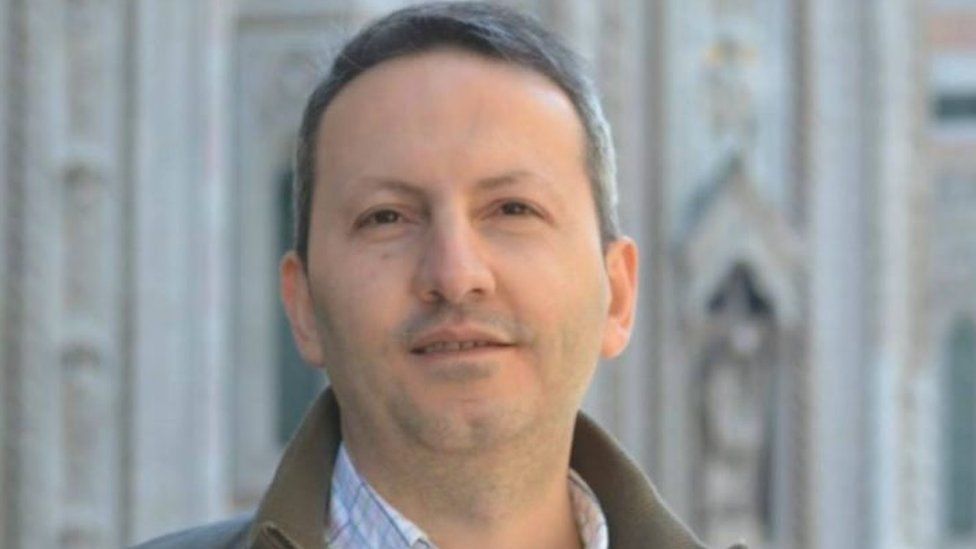
SharecloseShare pageCopy linkAbout sharingImage source, Center for Human Rights in IranSweden’s foreign minister says a report that Iran plans to execute a Swedish-Iranian doctor convicted of espionage this month is “extremely worrying”. Sources told Iran’s semi-official Isna news agency that Ahmadreza Djalali, 50, would be put to death by 21 May.Foreign Minister Ann Linde tweeted that Sweden and the EU condemned the death penalty and demanded Djalali’s release.The emergency medicine specialist was arrested during a business trip in 2016 and accused of spying for Israel.He was sentenced to death by a Revolutionary Court in Tehran the following year, after what human rights groups called a grossly unfair trial.’My husband is facing execution in Iran’Who are the dual nationals jailed in Iran?Djalali said he had been forced to “confess” while being subjected to torture and other ill-treatment, including threats to kill or otherwise harm his children, who live in Sweden with his wife. He also alleged that he had been prosecuted solely because of his refusal to use his academic ties in European institutions to spy for Iran.In November 2020, Djalali was informed by authorities at Tehran’s Evin prison that his death sentence was about to be carried out. He spent five months in solitary confinement, awaiting execution, before being returned to a cell with other inmates.On Wednesday, Isna reported that it had “heard from informed sources” that Djalali would be executed “by the end of the [Persian] month of Ordibehesht [21 May] at the latest”. The Iranian judiciary did not immediately comment on the story, which was also not picked up by state media.Extremely worrying media reports today that Iran may enforce the death penalty on Swedish citizen Ahmadreza Djalali. 🇸🇪 and 🇪🇺 condemn the death penalty and demands that Djalali be released. We have repeatedly stated this to Iranian representatives. We are in contact with Iran.— Ann Linde (@AnnLinde) May 4, 2022
The BBC is not responsible for the content of external sites.View original tweet on TwitterThe Norway-based campaign group Iran Human Rights accused Iranian officials of threatening to execute Djalali “in retaliation” for the war crimes trial of former Iranian judiciary official Hamid Nouri by a court in Sweden, which ended on Wednesday. Swedish prosecutors ordered the arrest of Mr Nouri when he was at Stockholm’s airport in 2019 under the international legal principle of universal jurisdiction. He was later charged with international war crimes and human rights abuses over his alleged role in the mass execution of thousands of political prisoners in Iran in 1988. Mr Nouri has denied the charges and insisted the allegations are a case of mistaken identity.The verdict is due to be announced on 14 July. If convicted, he could face life imprisonment.Iranian state TV reported that Foreign Minister Hossein Amir-Abdollahian had demanded Mr Nouri’s immediate release in a telephone call with Ms Linde on Wednesday and that he had called the trial “illegal”.You may also be interested in:This video can not be playedTo play this video you need to enable JavaScript in your browser.More on this storyAlarming rise in Iran executions in 2021 – reportSweden tries man over 1988 Iran prison massacreIran rejects appeal over doctor sentenced to deathIran screens jailed doctor’s ‘confession’

Read more →