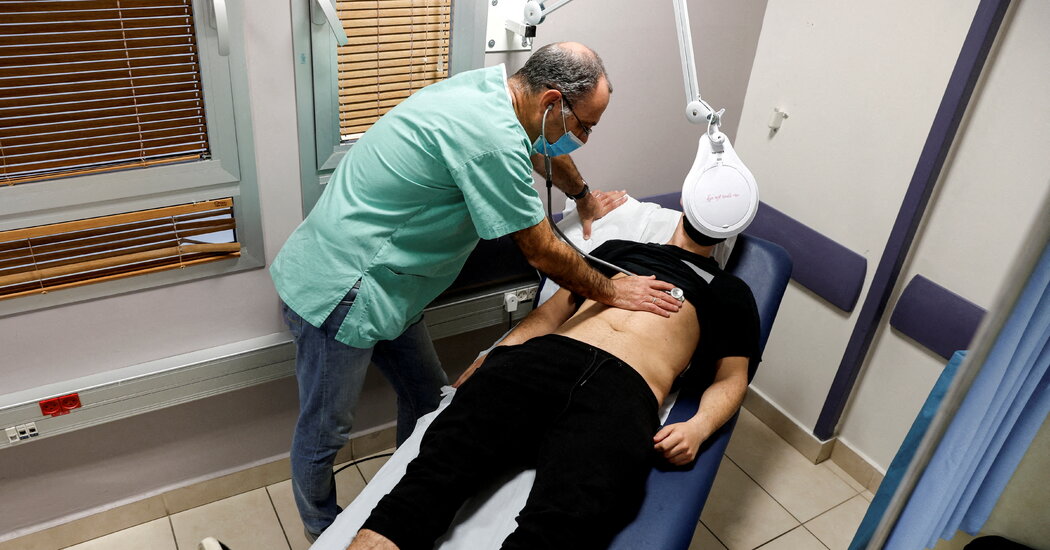
'Digital twins,' an aid to give individual patients the right treatment at the right time

An international team of researchers have developed advanced computer models, or “digital twins,” of diseases, with the goal of improving diagnosis and treatment. They used one such model to identify the most important disease protein in hay fever. The study, which has just been published in the open access journal Genome Medicine, underlines the complexity of disease and the necessity of using the right treatment at the right time.
Why is a drug effective against a certain illness in some individuals, but not in others? With common diseases, medication is ineffective in 40-70 percent of the patients. One reason for this is that diseases are seldom caused by a single “fault” that can be easily treated. Instead, in most diseases the symptoms are the result of altered interactions between thousands of genes in many different cell types. The timing is also important. Disease processes often evolve over long periods. We are often not aware of disease development until symptoms appear, and diagnosis and treatment are thus often delayed, which may contribute to insufficient medical efficacy.
In a recent study, an international research team aimed to bridge the gap between this complexity and modern health care by constructing computational disease models of the altered gene interactions across many cell types at different time points. The researchers’ long-term goal is to develop such computational models into “digital twins” of individual patients’ diseases. Such medical digital twins might be used to tailor medication so that each patient could be treated with the right drug at the right time. Ideally, each twin could be matched with and treated with thousands of drugs in the computer, before actual treatment on the patient begins.
The researchers started by developing methods to construct digital twins of patients with hay fever. They used a technique, single-cell RNA sequencing, to determine all gene activity in each of thousands of individual immune cells — more specifically white blood cells. Since these interactions between genes and cell types may differ between different time points in the same patient, the researchers measured gene activity at different time points before and after stimulating white blood cells with pollen.
In order to construct computer models of all the data, the researchers used network analyses. Networks can be used to describe and analyse complex systems. For example, a football team could be analysed as a network based on the passes between the players. The player that passes most to other players during the whole match may be most important in that network. Similar principles were applied to construct the computer models, or “twins,” as well as to identify the most important disease protein.
In the current study, the researchers found that multiple proteins and signalling cascades were important in seasonal allergies, and that these varied greatly across cell types and at different stages of the disease.
“We can see that these are extremely complicated changes that occur in different phases of a disease. The variation between different times points means that you have to treat the patient with the right medicine at the right time,” says Dr Mikael Benson, professor at Linköping University, who led the study.
Finally, the researchers identified the most important protein in the twin model of hay fever. They show that inhibiting this protein, called PDGF-BB, in experiments with cells was more effective than using a known allergy drug directed against another protein, called IL-4.
The study also demonstrated that the methods could potentially be applied to give the right treatment at the right time in other immunological diseases, like rheumatism or inflammatory bowel diseases. Clinical implementation will require international collaborations between universities, hospitals and companies.
The study is based on an interdisciplinary collaboration between 15 researchers in Sweden, the US, Korea and China. The research has received financial support from the EU, NIH, the Swedish and Nordic Research Councils, and the Swedish Cancer Society.
Story Source:
Materials provided by Linköping University. Original written by Karin Söderlund Leifler. Note: Content may be edited for style and length.


Read more →

'Stressed' cells offer clues to eliminating build-up of toxic proteins in dementia

It’s often said that a little stress can be good for you. Now scientists have shown that the same may be true for cells, uncovering a newly-discovered mechanism that might help prevent the build-up of tangles of proteins commonly seen in dementia.
A characteristic of diseases such as Alzheimer’s and Parkinson’s — collectively known as neurodegenerative diseases — is the build-up of misfolded proteins. These proteins, such as amyloid and tau in Alzheimer’s disease, form ‘aggregates’ that can cause irreversible damage to nerve cells in the brain.
Protein folding is a normal process in the body, and in healthy individuals, cells carry out a form of quality control to ensure that proteins are correctly folded and that misfolded proteins are destroyed. But in neurodegenerative diseases, this system becomes impaired, with potentially devastating consequences.
As the global population ages, an increasing number of people are being diagnosed with dementia, making the search for effective drugs ever more urgent. However, progress has been slow, with no medicines yet available that can prevent or remove the build-up of aggregates.
In a study published today in Nature Communications, a team led by scientists at the UK Dementia Research Institute, University of Cambridge, has identified a new mechanism that appears to reverse the build-up of aggregates, not by eliminating them completely, but rather by ‘refolding’ them.
“Just like when we get stressed by a heavy workload, so, too, cells can get ‘stressed’ if they’re called upon to produce a large amount of proteins,” explained Dr Edward Avezov from the UK Dementia Research Institute at the University of Cambridge.

Read more →

Social media break improves mental health, study suggests

Asking people to stop using social media for just one week could lead to significant improvements in their wellbeing, depression and anxiety and could, in the future, be recommended as a way to help people manage their mental health say the authors of a new study.
The study, carried out by a team of researchers at the University of Bath (UK), studied the mental health effects of a week-long social media break. For some participants in the study, this meant freeing-up around nine hours of their week which would otherwise have been spent scrolling Instagram, Facebook, Twitter and TikTok.
Their results — published today (Friday 6 May 2022) in the US journal Cyberpsychology, Behaviour and Social Networking — suggest that just one week off social media improved individuals’ overall level of well-being, as well as reduced symptoms of depression and anxiety.
For the study, the researchers randomly allocated 154 individuals aged 18 to 72 who used social media every day into either an intervention group, where they were asked to stop using all social media for one-week or a control group, where they could continue scrolling as normal. At the beginning of the study, baseline scores for anxiety, depression and wellbeing were taken.
Participants reported spending an average of 8 hours per week on social media at the start of the study. One week later, the participants who were asked to take the one-week break had significant improvements in wellbeing, depression, and anxiety than those who continued to use social media, suggesting a short-term benefit.
Participants asked to take a one-week break reported using social media for an average of 21 minutes compared to an average of seven hours for those in the control group. Screen usage stats were provided to check that individuals had adhered to the break.

Read more →

Cost of living: Are value food brands healthy?

SharecloseShare pageCopy linkAbout sharingImage source, Getty ImagesA government minister has urged people to choose supermarket value brands, to cope with the cost-of-living crisis. But what effect, if any, will eating cheaper food have on people’s health?Food has become more expensive as producers push their rising energy costs on to consumers – and value items may help cut costs.Earlier this week, Environment, Food and Rural Affairs Secretary George Eustice said choosing value brands would help shoppers “manage their household budget” – comments shadow Treasury minister Pat McFadden described as “woefully out of touch”.UK households had the lowest food expenditure in Europe, Mr Eustice said, thanks to a “very, very competitive retail market, with 10 big supermarkets”.And with “the four main ones competing very aggressively – particularly on some of the lower-cost, everyday value items for households, so things like spaghetti and ambient products – there’s a lot of competition to keep those prices down”.But he added it would difficult to keep down the price of fresh chicken because of the cost of feeding the birds and the already super-low profit margins involved in poultry farming. View this post on Instagram A post shared by Jack Monroe (@jack_monroe)The NHS says people should:have at least five portions of fruit and vegetables a dayuse starchy foods such as potatoes, rice and pasta as a base for mealsinclude some form of dairy, or dairy alternative, and protein such as beans, fish, eggs or meatFoods high in fat, salt and sugar – and various oils and spreads – should be included in small amounts.But it can be hard to find supermarket value products that fit in with these guidelines, particularly when it comes to dairy and protein.BBC Good Food’s cheap and healthy recipesThe NHS Eatwell GuideWhy food prices are rising so rapidlyOf the 24 items in one of Britain’s biggest supermarket’s meat and fish “basics range”, just one fits in with the NHS guidelines – a pack of pollock steaks – with other options in breadcrumbs or sauce. Value ranges also offer less variety for customers looking for “healthier choice” options such as reduced salt, sugar or fat versions of their favourite foods. And cheaper products will often be bulked out with less costly ingredients to achieve the same volume as their more expensive counterparts but with less nutritional value. One value pasta sauce contains:13% tomatoes and 6% tomato puree, with the rest topped up with waterA similarly sized jar of its expensive branded counterpart contains: 74% tomatoes, 21% tomato paste and no waterThe value sauce is lower in sugar and salt but contains less herbs and spices. Luxury supermarket ready meals often cost more than £5 each and boast a recipe list full of fresh and organic ingredients, with many stores also offering calorie-controlled nutritionally balanced meals.But this is difficult to find within value sections.One supermarket’s value range includes an 85p minced beef hotpot meal.It contains 19g (0.6oz) of protein, nearly 40% of the recommended daily amount for an adult, but also a third of the recommended amount of salt and 4.4g of saturated fat. View this post on Instagram A post shared by Fuss Free Family Food by Sarah (@tamingtwins)A beef meal from the store’s healthy range, however, contains 23.5g of protein and 2.6g of saturated fat.A pack of eight value burger patties costs £1.50, meanwhile, the standard ones £5.50.Both contain similar levels of salt and fat – but:the more expensive up to 90% beef with seasoning the cheaper 64% bulked out with flourThe standard range also offers leaner burgers with less fat, which the value range does not.Tips from a nutritionistImage source, Emma Pharaoh PhotographyThere are lots of ways to eat “a nutrient-dense diet on a budget”, nutritionist Jenna Hope says.”It can sometimes appear more challenging as it does require shoppers to be savvy with their choices and can require extra planning,” she tells BBC NewsThese are her top tips: Load up on beans and pulses Beans and pulses can be a great addition to any meal as they are a source of protein and rich in fibre.They are also a cheaper way to bulk out mince-based dishes, such as meatballs, shepherd’s pie or burgers. Dried beans and pulses are more cost-effective than canned – but soaking them pre-cooking is essential to reduce undesirable compounds. Shop in the evenings Fresher produce is more likely to be in the clearance section in the evenings, because of the shorter expiry dates, and if uneaten by the use-by date can be stored in the freezer.Rely on the frozen section It is a common misconception frozen produce is less nutritionally replete than fresh.It can be just as nutritionally dense, if not more, as nutrients are often locked in when frozen. Fruits and vegetables are much cheaper in the frozen section and often sold in larger quantities. Frozen vegetables are brilliant for adding to soups, stews and curries.Frozen fruit can be made into compote and served with yoghurt or added to smoothies or porridge.Frozen meat and fish can be a good choice too.Opt for canned fish Fresh fish can be more pricey – but canned, such as sardines, is a great way to consume omega-3, a vital nutrient for brain health and cognitive function. Stock up on wholegrains Wholegrains can be a brilliant way to increase diversity in diet. Foods such as rice (brown if possible), wholegrain bread and oats are cheap and nutritious. Avoid more expensive pre-cooked or microwaveable rice.Look for own-brand wholefoodsOften, buying own-brand wholefoods, such as meat, fish, eggs, dairy, fruit and vegetables,and cooking from scratch can be cheaper than the convenience versions. But when it comes to the more processed foods, the cheaper products can have more additives and bulking agents than the more expensive brands.More on this storyMinister advises shoppers to buy value brandsFood boss says prices could rise by up to 15%Why are prices rising so quickly?

Read more →

Scarlett Moffatt: I was so lonely I rang Samaritans

SharecloseShare pageCopy linkAbout sharingImage source, SamaritansSamaritans ambassador Scarlett Moffatt has revealed that she used the suicide prevention charity for support after feeling low and lonely. The TV celebrity, who shot to fame after appearing on Gogglebox and I’m A Celebrity, hopes that sharing her story will help others who may be struggling. Samaritans says the Covid pandemic has led to more people calling its helpline about loneliness and isolation. It is an issue affecting all ages.Nearly a third of all callers contacting the charity during the pandemic mentioned it. Prior to that, it was about a quarter. Official statistics suggest loneliness during the Covid lockdown has been much more intense in poorer, urban areas and places with a higher proportion of young people. The Office for National Statistics data found people aged between 16 and 24 were the most likely to report feeling lonely. Alice Gray, a producer from Cardiff, told the BBC last year how sociable singledom turned into lockdown loneliness, and left her craving human touch after months of no hugs.She said: “Being alone in a pandemic without any of my loved ones went against every instinct I had, and I felt like my tank was running on empty in terms of how much longer I could cope.”Even when I was at really difficult points, there was no-one to turn to.”Image source, Alice GrayStudent friend-finding app tackles lonelinessChatty benches to fight lonelinessI craved human touch after months of no hugsScarlett has said she felt “lost and lonely” after moving to the capital following her I’m A Celebrity win in 2016. She said: “I remember feeling guilt when I felt lonely – because to many people I have no reason to feel alone, but loneliness affects us all. “Sometimes it can feel like there is a negative stigma around admitting that you’re lonely, but it’s something that most people will have experienced at one point in their life. There is no shame in feeling alone, and it’s OK to talk about it.”In the world of social media, it’s not always clear to see when people are feeling sad or lonely.”Scarlett says she rang Samaritans for support and would urge anyone else struggling to do so too. “Talking to someone who didn’t know me, or judge me, really helped when I wanted to talk about how I was feeling.” Channique, from Manchester, who has been a listening volunteer for Samaritans for three years, said: “Loneliness is a normal human feeling, but if these feelings persist, it can make you feel disconnected from those around you and affect your mental wellbeing. I frequently hear just how challenging it can be during my shifts. “Most of us will feel lonely at some point in our lives. You don’t have to be alone to feel lonely. There’s no shame in recognising feelings of loneliness – or seeking support if you are struggling.” While most of us want to spend some time alone, loneliness is about feeling disconnected from the people around you to the point it affects your mental wellbeing.You can feel it in a crowd of friends or by yourself.Tips if you are feeling lonely:Open up and talk about it with someone – a friend, colleague, your GP or a helplineBe kind to yourself – give yourself a break and do something you loveConnect with your community – perhaps try a parkrun, join a club or volunteerTry not to compare yourself with othersIf you have been affected by any of these issues in this story you can visit BBC Action Line.More on this storyStudent friend-finding app tackles loneliness’I craved human touch after months of no hugs’Loneliness ‘a bigger risk than smoking or obesity’Scarlett Moffatt on the ‘hope’ offered by SamaritansRelated Internet LinksSamaritansThe BBC is not responsible for the content of external sites.

Read more →

Recurrent UTIs linked to gut microbiome, chronic inflammation

One of the greatest frustrations regarding urinary tract infections (UTIs) is that they so often recur. UTIs are caused by bacteria in the urinary tract and characterized by frequent and painful urination. A round of antibiotics usually clears up the symptoms, but the relief is often temporary: A quarter of women go on to develop a second UTI within six months. Some unfortunate individuals get UTIs over and over, and require antibiotics every few months.
A new study suggests that women who get recurrent UTIs may be caught in a vicious cycle in which antibiotics given to eradicate one infection predispose them to develop another. The study, by researchers at Washington University School of Medicine in St. Louis and the Broad Institute of MIT and Harvard, showed that a round of antibiotics eliminates disease-causing bacteria from the bladder but not from the intestines. Surviving bacteria in the gut can multiply and spread to the bladder again, causing another UTI.
At the same time, repeated cycles of antibiotics wreak havoc on the community of helpful bacteria that normally live in the intestines, the so-called gut microbiome. Similar to other disorders in which gut microbes and the immune system are linked, women with recurrent UTIs in the study had less diverse microbiomes that were deficient in an important group of bacteria that helps regulate inflammation, and a distinct immunological signature in their blood indicative of inflammation.
The study is published May 2 in Nature Microbiology.
“It’s frustrating for women who are coming in to the doctor with recurrence after recurrence after recurrence, and the doctor, who’s typically male, gives them advice about hygiene,” said co-senior author Scott J. Hultgren, PhD, the Helen L. Stoever Professor of Molecular Microbiology at Washington University. “That’s not necessarily what the problem is. It’s not necessarily poor hygiene that’s causing this. The problem lies in the disease itself, in this connection between the gut and the bladder and levels of inflammation. Basically, physicians don’t know what to do with recurrent UTI. All they have is antibiotics, so they throw more antibiotics at the problem, which probably just makes things worse.”
Most UTIs are caused by Escherichia coli (E. coli) bacteria from the intestines that get into the urinary tract. To understand why some women get infection after infection and others get one or none, Hultgren teamed up with Broad Institute scientists Ashlee Earl, PhD, the senior group leader for the Bacterial Genomics Group at Broad and the paper’s co-senior author, and Colin Worby, PhD, a computational biologist and the paper’s lead author.

Read more →

Patient-derived micro-organospheres enable cutting-edge precision oncology

A patient’s tumor cell response to therapy is affected by many factors, including genetic alterations, tumor microenvironment, and intratumoral heterogeneity. This can make it extremely difficult to determine optimum treatment regimens, amidst the ever-increasing number of drug candidates and cancer therapies that have recently been developed. Added to these challenges is the limited timeframe in which treatment decisions must be made after diagnosis — frequently on the order of two weeks or less.
Shortcomings of existing oncogenic models make them unsuitable for clinical use. Patient-derived tumor cell lines change when sub-cultured, rendering them inaccurate as tumor models, and models made from xenografts — patient tumor cells injected into immuno-deficient mice — retain their characteristics but are time-consuming and costly to produce. Patient-derived organoids, miniaturized 3D versions of tumor tissues, lose the patient tumor microenvironment during sub-culturing, and production of these organoids in a timely enough manner for clinical decision making remains unattainable.
These challenges have been addressed in a multi-organizational collaborative effort, which included scientists from the Terasaki Institute for Biomedical Innovation (TIBI) and Duke University, led by TIBI’s chief scientific officer and professor, Dr. Xiling Shen.
As outlined in their recent publication in Cell Stem Cell, the team developed a droplet-based microfluidic technology to produce micro-organospheres (MOS) from cancer patient biopsies within an hour. Patient tumor, immune, and connective tissue cells quickly form miniature tumors that retain the original microenvironment within thousands of these MOS, which can be used for testing many drug conditions. Tests on MOS of various cancerous origins demonstrated the retention of the cells’ genetic profiles, as well as gene and immunosuppressive marker expression of the original tumor tissues.
Initial tests using MOS from a small cohort of metastatic colorectal cancer patients were screened against a panel of therapeutic drug candidates. When the drug sensitivity results were compared against actual clinical treatment outcomes, there was almost perfect correlation. What’s more, the MOS could be generated from small numbers of cells, as typically collected from biopsies, and the whole MOS generation and drug screening process took less than two weeks.
In a series of subsequent and elegant experiments, the researchers developed assays to test the MOS response to immune therapies. They were successfully able to demonstrate that bispecific antibodies mobilize resident immune cells in the original microenvironment to attack tumor cells, an unprecedented achievement in immunotherapeutic screening. In another series of experiments, the scientists tested their MOS against the effects of combination immune therapies and were able to demonstrate both predicted responses and optimization of multiple treatment regimens.
They were also able to observe effective penetration into the MOS by activated T-cells and subsequent killing of the MOS tumor cells; such T-cell infiltration was achievable due to the small size and large surface-to-volume ratio of the MOS droplets that mimic natural diffusion limits within tissues, and could not be obtained using conventional models.
The findings of the research team have tremendous implications for the clinic. With all the difficulties presented in developing cancer treatment models, their work fulfills many needs. Their methods to produce an accurate tumor model from limited biopsy tissue in a timely and less costly manner opens the door to a variety of testing avenues for drug and immune therapies. The automation of MOS production ensures reproducibility, which is a requirement by the FDA.
“The technology developed here is a groundbreaking advancement in physiological modeling for solid tumor diseases and personalized medicine,” said Ali Khademhosseini, Ph.D., TIBI’s Director and CEO. “It is sure to have a highly significant impact in the clinic.”
Authors are: Shengli Ding, Carolyn Hsu, Zhaohui Wang, Naveen R. Natesh, Rosemary Millen, Marcos Negrete, Nicholas Giroux, Grecia O. Rivera, Anders Dohlman, Shree Bose, Tomer Rotstein, Kassandra Spiller, Athena Yeung, Zhiguo Sun, Chongming Jiang, Rui Xi, Benjamin Wilkin, Peggy M. Randon, Ian Williamson, Daniel A. Nelson, Daniel Delubac, Sehwa Oh, Gabrielle Rupprecht, James Isaacs, Jingquan Jia, Chao Chen, John Paul Shen, Scott Kopetz, Shannon McCall, Amber Smith, Nikolche Gjorevski, Antje-Christine Walz, Scott Antonia, Estelle Marrer-Berger, Hans Clevers, David Hsu, Xiling Shen.
This work was supported by funding from the National Institutes of Health (U01 CA217514, U01 CA214300) and the Duke Woo Center for Big Data and Precision Health.

Read more →

Can Covid Lead to Impotence?

Some studies find higher rates of erectile dysfunction among men recovering from the illness. But other factors related to the pandemic, like heightened anxiety, may also be to blame.For a respiratory disease, Covid-19 causes some peculiar symptoms. It can diminish the senses of smell and taste, leave patients with discolored “Covid toes,” or even cause a swollen, bumpy “Covid tongue.”Now scientists are examining a possible link to an altogether unexpected consequence of Covid: erectile dysfunction. A connection has been reported in hundreds of papers by scientists in Europe and North America, as well as in Egypt, Turkey, Iran and Thailand.Estimates of the magnitude of the problem vary wildly. A paper by Dr. Ranjith Ramasamy, director of reproductive urology at the University of Miami’s Desai Sethi Urology Institute, and his colleagues found that the risk of erectile dysfunction increased by 20 percent after a bout with Covid. Other investigators have reported substantially higher increases in that risk.When patients first started coming to Dr. Ramasamy’s clinic complaining of erection problems, “We dismissed it, thinking it was all psychological or stress induced,” he said.But over time, he and other physicians began to see a pattern, he said. “Six months after the initial infection, patients had gotten better overall, but they continued to complain of these problems,’’ including both erectile dysfunction and low sperm counts, Dr. Ramasamy, who has written several papers on the topic, said.At the outset of the pandemic, Dr. Emmanuele Jannini, a professor of endocrinology and medical sexology at the University of Rome Tor Vergata, reported a strong link between erectile dysfunction and Covid. When he compared men who had been ill with Covid with those who had not, he found that those who had been infected were nearly six times as likely to report impotence as those who had avoided the coronavirus.“Communicating that the disease can affect your sexual life is a tremendously powerful message,” especially for men who still resist vaccination, Dr. Jannini said in an interview. “The evidence is very strong.”Research from imaging scans and biopsies indicates that the coronavirus can infect tissue within the male genital tract, where it may linger long after the initial infection. Scientists say it is too early to be certain that the link to erectile dysfunction is causal, since so many factors — psychological as well as physiological — play a role in producing and maintaining an erection. The pandemic has led to social isolation and a surge in anxiety and depression, all of which may play a role.“Men’s erections are more complicated than people think,” Dr. Justin Dubin, who co-wrote a paper about the adverse impact of Covid on men’s health, said.“You need good blood flow, you need the nerves to be firing, and you need good hormone levels, specifically testosterone,” he said. “But you also need to be in a good state of mind, and you also need to be aroused. If any of these things go wrong, you may have an issue getting an erection.”In that sense, the pandemic is the perfect confluence of converging factors for causing erectile dysfunction, Dr. Joseph Katz, a professor at Florida College of Dentistry, said. Dr. Katz stumbled on the issue of erectile dysfunction while investigating Covid’s effects on oral health.Some researchers speculate that erectile dysfunction may be linked to the well- documented loss of the ability to taste and smell experienced by Covid patients, because these senses play an important role in sexual arousal. “It is through smells that the arousal mechanism in the brain is ignited,” three Italian urologists wrote last year in a letter responding to Dr. Jannini’s paper.Vascular problems can manifest in the sexual organs first, because the vessels there are small. “When I see a guy for erectile dysfunction, they don’t just get a Viagra or Cialis prescription,” Dr. T. Mike Hsieh of the University of California, San Diego, said.Everyday Images, via Alamy At the very least, men need healthy blood vessels and good blood flow in order to develop and sustain erections. The coronavirus may damage blood vessels and the lining of the vessels, called the endothelium, as it binds to the molecular receptors that are plentiful on endothelial cells.The vessels may not constrict and stretch as needed to allow for blood flow to the penis. Injury to the blood vessels may also contribute to more serious complications of Covid, like heart attacks, strokes and abnormal clotting.“Our entire vascular system is connected — it’s not an isolated penis problem,” Dr. T. Mike Hsieh, director of the men’s health center at University of California, San Diego, said.But vascular problems can manifest in the sexual organs first, because the vessels there are so small. (Dr. Jannini calls erectile dysfunction “the canary in the coal mine” for cardiovascular disease.) Erectile dysfunction and cardiovascular disease share risk factors — such as being severely overweight, having metabolic diseases like diabetes, smoking and older age — which also increase the odds of having severe Covid.“The artery for the penis is one-tenth the size of a coronary artery, and when you have a narrower vessel, whether it’s a plumbing problem or a vascular problem, it will show up there first, even before you see it in a larger artery,” Dr. Hsieh said.Erectile dysfunction can precede a heart attack by about five years, he said, and can be an early signal that there are other underlying risk factors.“When I see a guy for erectile dysfunction, they don’t just get a Viagra or Cialis prescription,” Dr. Hsieh said. “They get a referral to a primary care colleague or a cardiologist to make sure their cholesterol is in check, their diabetes is under control, to discuss weight management, lifestyle or dietary changes.”Erectile dysfunction may point the way to better diagnosis of long Covid, Dr. Jannini said, or even deteriorating mental health.“If you have a patient who survived Covid, and you want to know if he has long Covid or not, just ask him how it’s going in bed,” Dr. Jannini said. “If he’s having a normal sex life, the possibility of him having serious long Covid is very, very low.”Left untreated, erectile dysfunction can lead to further complications. Cases of Peyronie’s disease, a condition that causes curved, painful erections as a result of fibrous scar tissue built up in the penis, and orchitis, the inflammation of one or both of the testicles, have developed in men who have had Covid, according to published research.Men who don’t have normal erections for several months at a time may develop scar tissue and fibrosis, which makes erectile dysfunction harder to treat and may even lead to shortening of the penis.Erectile dysfunction can resolve on its own, but Dr. Hsieh encouraged men with symptoms to see their physicians, and sooner rather than later.“If you’re having these problems, do not wait,” he said. “For the most part, we can get the guys’ sex lives back.”

Read more →

Heart attack mortality rate higher in the US compared to other high-income countries

When it comes to treating heart attacks, U.S. hospitals may have the latest tech and low readmission rates, but the country’s mortality rate is one of the highest among the nations included in a new study.
The study, published May 4 in The BMJ, found substantial differences in care for heart attack patients across six high income countries despite international agreement on how heart attacks should be treated.
“No health care system seemed to be excelling in every aspect of heart attack care,” said Dr. Peter Cram, professor and chair of internal medicine at the University of Texas Medical Center at Galveston, who is one of the authors of the study.
Cram and collaborator Dr. Bruce Landon from Harvard developed the International Health System Research Collaborative to compare treatment and outcomes across high income countries. For this particular study, they examined data for patients 66 and older who were admitted to a hospital with a heart attack in six high income countries between 2011 and 2017.
The countries they compared were the United States, Canada, England, Netherlands, Israel and Taiwan. Researchers chose these countries because they all have highly developed healthcare systems and accessible administrative data, but they differ in their financing, organization and overall performance in international rankings.
Researchers chose to look at heart attacks, a common condition with established international diagnostic criteria and consensus about evidence-based treatments that is easy track with widely available data.

Read more →