Why science doesn't help sell chocolate chip cookies

People don’t want science anywhere near their delicious chocolate chip cookies. But they’re happy to have science create body wash that fights odor-causing bacteria.
In a series of 10 studies, researchers found that people don’t like science being invoked to market products that bring pleasure, like cookies. Instead, consumers see science as more appropriate for selling utilitarian goods for which scientific research has created a better product.
The issue has to do with how the lay public views science and scientists, said Rebecca Reczek, co-author of the study and professor of marketing at The Ohio State University’s Fisher College of Business.
“People see science as cold, but competent. That doesn’t pair well with products designed to be warm and pleasurable to consumers,” Reczek said.
“But the cold competence of science is seen as perfectly appropriate to sell practical products that serve a utilitarian purpose.”
Reczek conducted the study with Aviva Philipp-Muller, a recent graduate from Ohio State’s doctoral program in social psychology. Their findings were published recently in the Journal of Consumer Research.

Read more →

Researchers identify rare genetic markers of drug-resistant tuberculosis

To many, tuberculosis (TB) may seem like a disease from a bygone era. But it still claims more than one million lives every year. And the problem is growing worse as Mycobacterium tuberculosis, the pathogen that causes TB, continues to evolve resistance to the antibiotics used to treat the disease.
Now, researchers at San Diego State University have identified rare genetic markers in M. tuberculosis that could improve early detection of drug-resistant strains of the disease, helping prevent their spread.
Searching for elusive variants
To test whether someone has a strain of TB that will no longer respond to standard treatment, clinicians culture samples of mucus from the respiratory tract and barrage them with antibiotics.
“But because TB grows so slowly, that takes weeks,” said San Diego State University professor of public health Faramarz Valafar. “In those weeks that patient is going around spreading TB that might be antibiotic-resistant.”
He says molecular diagnostic tools are much faster. These test for common genetic markers of drug -resistance and allow for more timely treatment. But TB strains with rare mechanisms of resistance still elude molecular detection.

Read more →

Sizing Up the Decisions of Older Adults

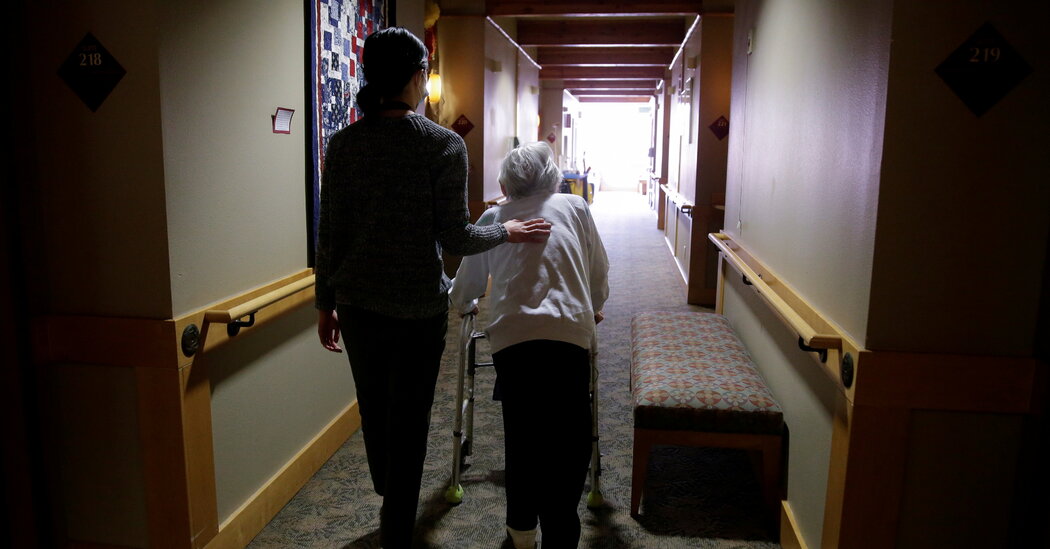
A new training tool helps to assess whether some seniors can make informed choices about their own care and well-being.During a recent Zoom conference call, four Adult Protective Services workers from California, using a tool called the Interview for Decisional Abilities, or IDA, were trying to figure out whether something fishy was going on with an 82-year-old woman they knew as Ms. K.Adult Protective Services agencies in every state receive reports of possible neglect, self-neglect, abuse or exploitation of older people and other vulnerable adults. But agency workers consistently face a bedeviling question: Does the adult in question have the capacity to make a decision about their medical care, living conditions or finances — even if it’s not the decision that the family, doctor or financial adviser thinks should be made?IDA was developed by two geriatricians to help train Adult Protective Services workers in how to handle that issue. The program helps them learn to use a structured interview procedure to gather information about a client’s decision-making ability. The two dozen California staff members taking the course had already completed 10 hours of individual online instruction; now they were practicing their new interviewing skills in small groups, role-playing with facilitators.Ms. K, a fictional character, was being played by Bess White, a special projects administrator at Weill Cornell Medicine. In the scenario, a bank manager had reported certain suspicions: Ms. K had $60,000 in a savings account but her withdrawals had increased sharply, from $600 a month to $600 a week. A younger man — her nephew, she said — had begun accompanying her to the bank, where a teller thought the man had seemed controlling and intimidating. An investigator who visited Ms. K at home learned that her only credit card had expired and that she had little cash.But Ms. K denied being financially exploited; her nephew lived with her, she said, and helped with chores and rides to doctor’s appointments. He used the bank withdrawals to buy their groceries.In the exercise, one of the A.P.S. trainees had ascertained that Ms. K grasped the basic concept of financial exploitation. Ms. K had heard about scams from the news, she said. And yes, she understood that a friend or relative might similarly take advantage.So the interviewer continued: “What do you think could happen if someone took another person’s money without their permission?”Ms. White, in the role of Ms. K, replied: “I guess the person could take it and take it until there’s nothing left.” But when the interviewer probed further to see if Ms. K understood that she herself might be facing this risk, she balked. She relied on her nephew, Ms. K said; she didn’t want to upset him.IDA was developed by Dr. Mark Lachs, co-chief of geriatrics and palliative medicine at Weill Cornell Medicine, and his colleagues, and by Dr. Jason Karlawish, a geriatrician and co-director of the Penn Memory Center. “People have the right to make bad decisions,” Dr. Lachs said in an interview. But, he added, the decision makers must be able to understand the risks they face and the potential consequences.Dr. Jason Karlawish, left, and Dr. Mark Lachs, who helped develop the Interview for Decisional Abilities program, in a training video.Weill Cornell Medicine“How can you walk into a brokerage office at 90 years old and say, ‘I’ve had Treasury bills for 50 years but now I want to put my last $200,000 in Bitcoin’ — and nobody raises an eyebrow?” Dr. Lachs said. “We’re going to look back at this and say, ‘What were we thinking?’”Along with applying IDA to cases of financial neglect or abuse, the California A.P.S. workers were using it to assess a range of issues including self-neglect, health and safety questions, refusal of physical care or medical treatment, and physical or psychological or sexual abuse.“It’s not meant to replace a psychiatrist, but it tells you when to contact a psychiatrist,” Dr. Lachs said. Clients whose IDA interviews reveal an inability to grasp risks or consequences should receive a full professional assessment, he added.To date, about 500 A.P.S. workers — in New York City, Massachusetts and two California regions — have taken the course and received certification. Kansas A.P.S. workers will undergo training this summer.But Drs. Lachs and Karlawish think IDA could have broader uses. Trust and estate lawyers and financial firms are already asking them about it.Hospital discharge planners might use IDA to assess whether a patient has the capacity to insist on going home instead of to rehab. A chain of assisted-living facilities contacted Dr. Lachs, wondering if IDA could help ensure that new residents understood the complicated contracts they were signing.The IDA interview attempts to answer three fundamental questions about a particular problem or risk, Dr. Karlawish said: “Do you recognize that this happens? Do you think that this could be happening to you? Can you come up with a plan to address it, reasoning through and weighing the upsides and downsides?”Depending on a problem’s complexity, people with diagnosed cognitive impairment or even dementia may still possess sufficient understanding to handle it.Someone who demonstrates that three-part understanding during the IDA interview probably has the ability to make a decision — including a decision not to address the problem. Someone without that understanding needs a more comprehensive evaluation, perhaps including consultation with family members or social service agencies. In extreme cases, it might lead to eventual guardianship or conservatorship.Trouble handling finances often serves as an early warning of incapacity, said Dr. Daniel Marson, a neuropsychologist at the University of Alabama at Birmingham who has studied the subject for 25 years.“Financial capacity is probably the first higher-order functional ability affected by neurodegenerative disorders and by normal aging,” he said. Using money proficiently requires complex thought, from “something basic like using an A.T.M. to things that are more complicated, like ‘How should I handle this call from a telemarketer?’” The consequences of diminishing financial capacity — unsafe living conditions, impoverishment, homelessness, institutionalization — can be devastating.Although the incidence of dementia has been declining in the United States and Europe, the aging of these populations means that more individuals will develop it.Moreover, in a six-year study, Dr. Marson and colleagues found that older adults who were given a diagnosis of mild cognitive impairment — often a precursor condition to dementia — also struggled increasingly. “There were diminished financial skills over time,” he said.Other institutions have attempted to tackle the issue of diminishing decisional ability. The American Bar Association last year updated its “Assessment of Older Adults with Diminished Capacities: A Handbook for Lawyers.” The Bar Association and the American Psychological Association have also published handbooks for judges and psychologists.The Financial Industry Regulatory Authority, or FINRA, has posted online courses on financial exploitation of older adults and other vulnerable investors. Its rules allow a member firm to put a temporary hold on transactions and disbursements when it believes exploitation is involved. It also allows member firms to ask investors for a “trusted contact person” to consult in the event of suspected exploitation.The IDA program is focusing on A.P.S. workers for now because “the typical agency is understaffed, underresourced and struggling,” Dr. Karlawish said. California A.P.S. agencies handle about 30,000 cases involving seniors each month, according to state data, and “are being asked to make decisions about capacity that a chair of a psychiatry department might have difficulty with,” Dr. Lachs saidThe California staff on the Zoom training session, gently asking Ms. White — as Ms. K — how she might respond to the bank manager’s suspicions, eventually concluded that she did not need a professional work-up. It appeared that she understood her options.Giving her nephew access to her savings account might not have been the wisest move. But the decision was hers to make.

Read more →

Medication Abortions Are Increasing: What They Are and Where Women Get Them

Most abortions overseas involve pills, and the method is used in about half of legal U.S. abortions. It also seems to be the future of illicit abortion.Taking pills to end a pregnancy accounts for a growing share of abortions in the United States, both legal and not. If the Supreme Court overturns Roe v. Wade as expected, medication abortion will play a larger role, especially among women who lose access to abortion clinics.What is medication abortion?It’s a regimen of pills that women can take at home, a method increasingly used around the world.The protocol approved for use in the United States includes two medications. The first one, mifepristone, blocks a hormone called progesterone that is necessary for a pregnancy to continue. The second, misoprostol, brings on uterine contractions.When can it be used?The Food and Drug Administration has approved medication abortion for up to 10 weeks of pregnancy. World Health Organization guidelines say it can be used up to 12 weeks at home, and after 12 weeks in a medical office.Is it effective, and is it safe?Yes on both counts.In U.S. studies, the combination of these pills causes a complete abortion in more than 99 percent of patients, and is as safe as the traditional abortion procedure administered by a doctor in a clinic. A variety of research has found that medication abortion has low rates of adverse events, and a recent Lancet study found that patients are generally satisfied with it. Growing evidence from overseas suggests that abortion pills are safe even among women who do not have a doctor to advise them.“Some people still assume we’re talking about something dangerous or done out of desperation, but increasingly this information is becoming more mainstream,,” said Abigail R.A. Aiken, an associate professor at the University of Texas at Austin who leads a research group there on medication abortion.Who uses this method?About half of people who get legal abortions in the United States (and three-quarters in Europe). During the pandemic, medication abortion became more common because patients wanted to avoid going to clinics in person, and a change in federal law made it easier for them to get prescriptions via telemedicine.It usually comes down to patients’ personal preference, said Dr. Maria Isabel Rodriguez, an associate professor of obstetrics and gynecology at Oregon Health and Sciences University, who has worked on abortion research and policy design. “Some people like surgical, because it’s over with faster, they’re able to have anesthesia, and it’s finished in a defined time,” she said. “Medication can feel more private, some want it at their own home, some say it feels more natural for them, and some say it feels more possible to process a loss.”Medication abortion is also used by those who live in a place that restricts legal abortion or by those who can’t reach a clinic. The U.S. abortion rate is higher than officially reported by doctors, evidence suggests, because people are ordering pills online. That invisible abortion rate may rise if more states move to ban abortion.Who prescribes abortion pills?Doctors with a special registration required by the F.D.A.But it recently lifted rules that required an in-person appointment. That means more providers are offering medication abortions through telemedicine. The doctor and patient meet online, then the doctor sends pills to the patient’s home through the mail. (Some brick-and-mortar pharmacies have become certified to fill prescriptions for the pills, but this is not yet common.)New start-ups that specialize in telemedicine abortions, like Hey Jane and Just the Pill, have begun offering the service in states that allow it. But 19 states prohibit pills from being prescribed by telemedicine or delivered via mail. In those places, patients still need to see a doctor in person to pick up the pills. Other states ban medication abortion after a certain number of weeks.If Roe is overturned, about half of states are expected to ban abortion altogether, and medication abortion is expected to become a legal battleground.What about pills from overseas?Online pharmacies overseas sell the pills. An organization called Aid Access offers women in all 50 states advice and prescriptions from European doctors before shipping pills from India. These extralegal channels are becoming more popular as abortion becomes harder to access in some states. After Texas enacted a law in September that banned abortion after about six weeks, requests to Aid Access for abortion pills tripled.The F.D.A. has asked these groups to stop sales of these medications into the United States, saying they circumvent U.S. drug safety protocols. But researchers who have analyzed the pills in laboratories have found that pills ordered using these services are generally authentic.The second of the two medications in the official regimen, misoprostol, can also end a pregnancy when used alone. It is around 80 percent effective on its own, although it sometimes has to be taken more than once. That pill is also used to treat ulcers, and is available over the counter in many countries, including Mexico. But the only F.D.A.-approved method in the United States is to use both pills.The Issue of Abortion Around the WorldCard 1 of 8An evolving landscape.

Read more →

Her Rash Wouldn’t Go Away, and the Itch Was Ruining Her Life

Nights were a particular torment, and nothing but steroids seemed to help. What could be causing this?The itch always felt worse at night. The 68-year-old woman willed herself to lie still and not give in to the urge to scrape her skin from her body. She often wore thick cotton gloves to protect herself from her own nails. And it helped — until she tore the gloves off to scratch the itch that tortured her arms, her belly, her legs and especially her feet. She shifted restlessly on the foldout sofa where she now slept to spare her husband her incessant movement.Her nights were divided into long hours of lying on the lumpy sofa trying not to scratch, losing that battle and then occasionally falling asleep for a few minutes when exhaustion finally won. She hated seeing the raised red blotches marked with bloody scratches each morning. The rash started out of the blue one morning four months earlier. She had an itch on her stomach and was scratching it mindlessly as she slowly woke up. She lifted her pajama shirt and saw for the first time the irregular, roundish raised blotches of red that had since become her daily tormentors.She immediately called her dermatologist. The nurse practitioner gave her a name for the rash — hives — and she prescribed a steroid cream. It didn’t help. When the hives were still driving her nuts two weeks later, the woman called her primary-care doctor. She took one look at the patient’s blotchy, scratched legs and feet and immediately prescribed a week of prednisone and referred her to the Asthma, Sinus & Allergy Program at Vanderbilt University Medical Center. The first available appointment was six weeks away, but someone would call if there was a cancellation.No one ever called, and those six weeks were awful. The prednisone helped with the itch, but it returned with a vengeance when she ran out of pills. Despite her pleas, her doctor was uncomfortable continuing to prescribe this powerful steroid to treat a rash. She took two antihistamines a day, and that helped a little. She took as many baths as she could. But the rash was unrelenting. It moved around but never went away. Sometimes it was on her arms, sometimes her neck. Always her stomach, her back, her legs and her feet.Nothing New in Her LifeFinally the day of her appointment arrived. She and her husband drove into Nashville to meet Dr. Basil Kahwash, the young specialist in allergy and immunology at Vanderbilt. He listened patiently as she told her story. She looked tired but otherwise well. Kahwash was reassured by the fact that her hives were not associated with bruising or pain, which could suggest a serious illness.Had she started any new medications? No, she said, a hint of frustration in her voice. She had spent weeks trying to identify any triggers. No new medications, no new soaps or makeup. Her diet was the same as it had always been. There was nothing new in her life. Except these hives.What she had, Kahwash told her, was chronic idiopathic urticaria (C.I.U.) — the medical term for hives that last longer than six weeks, where no cause can be identified. And most of the time, Kahwash acknowledged, a cause is never found. But the good news is that the itching and rash are usually easily controlled with medications. First steps involved aggressive skin care and lots of moisturizers. And a steroid cream can help. But high-dose antihistamines are the mainstay of treatment.Hives are caused when a white blood cell known as a mast cell detects something interpreted as a foreign invader and releases a chemical called histamine. It’s the histamine that causes the itch and the swollen blotches. The patient was already taking an antihistamine, and that was a good start. That quiets the mast cells in the skin, Kahwash explained. Histamine is also made in the stomach, where it triggers the release of acids used in digestion. The antacid famotidine blocks this type of histamine and should help with the hives as well, he told her.And because her symptoms were worse at night, Kahwash recommended the use of yet another antihistamine, diphenhydramine, at bedtime. This is a more potent antihistamine, usually taken at night because it causes drowsiness. Finally, a fourth drug, Singulair, could help stabilize the mast cell so that it would be less likely to release its store of histamine. This regimen worked for maybe 70 percent of his patients. Stay in touch, he encouraged her. If these didn’t work, there were other options.Photo illustration by Ina JangJust Give Me the Steroids!A week later, Kahwash received an email from the woman through his patient portal. She was still miserable — still covered with hives, still not sleeping at all. What was the next step? He immediately ordered an intravenous medication known as omalizumab. This monthly medication — often used to treat severe asthma — is a lab-made antibody that attaches itself to the mast cell to prevent the release of histamine. In one study, the drug eliminated both itching and hives in about half of patients who took it, and nearly everyone felt better after three months on it.After six weeks on the omalizumab, the woman got back in touch. Just give me the steroids, she pleaded. That was the only thing that helped. To Kahwash, daily low-dose steroids were a last resort. Prednisone had too many side effects to use long-term until all other avenues had been exhausted. And he had one more option: a powerful but targeted immune-system suppressor called cyclosporine. It is most commonly used in organ transplantation. This was a big gun, but it was still preferable to prednisone. Kahwash started her on a low dose of cyclosporine.Her next appointment with him was three weeks later. When she arrived, Kahwash was shocked to see that her hives were just as bad as they were when he first saw her. Had the diagnosis been wrong? People often think that hives are a response to an outside trigger — an allergic reaction — but that’s almost never the case with urticaria that lasts for weeks. C.I.U. is usually caused by overreactive mast cells. What makes them overreact is still not well understood. Still, treatment is usually straightforward. But Kahwash hadn’t made a dent in this patient’s hives despite high doses of two antihistamines, two mast-cell stabilizers and cyclosporine.So what else could this be? There are a handful of autoimmune diseases that can cause chronic hives. A form of autoimmune thyroid disease can do it. Lupus too. It’s a rare symptom in both, but possible. Another disease, mastocytosis, involves the body simply creating too many mast cells, with that proliferation causing all sorts of misery, including chronic hives. Finally, a handful of food allergies might do this. These mostly occur in children, and usually the reaction comes right after the food is eaten, so the link between food and reaction is rarely a mystery. But there is an exception, an allergy described just over a decade ago — an allergy to meat. Many people who have this allergy report that their worst symptoms happen in the middle of the night, hours after a meat-filled dinner. All these possibilities were rare, but so were her tough-to-treat hives. Kahwash sent the patient to the lab to get tested for each of them and started her on a higher dose of cyclosporine.A Small Price to PayThe test results came back the following week. Her thyroid was fine. It wasn’t lupus. It wasn’t mastocytosis. The test for the meat allergy took longer. But it finally provided the answer: The patient had developed an allergy to meat.Kahwash had seen this allergy in a handful of his patients and knew it was a strange one. Most allergies are triggered by proteins, but this was a reaction to galactose-α-1,3-galactose (known as alpha-gal for short), a sugar. And the reaction to the allergen took hours, not minutes, to appear. Strangest of all, this allergy is triggered by a tick bite. In the United States, the lone star tick, found predominantly in the Southeast, has been identified as the vector. In other countries — it has been reported on every continent except Antarctica — other ticks are involved.Alpha-gal syndrome was first recognized in the early years of the 21st century when a physician noticed that allergic reactions to a chemotherapeutic drug containing galactose-α-1,3-galactose were much more common in the Southeast than in the rest of the country. That suggested an environmental trigger. Then in 2009, a group of allergy specialists at the University of Virginia noticed that some of their patients developed symptoms ranging from hives to anaphylaxis when they were exposed to alpha gal in mammalian meat. Two years later, the same group linked that allergy to bites from the lone star tick.Kahwash called the patient with the news. Did she remember getting bit by a tick? She did not. And she didn’t hike or bike in the countryside, so getting bit by a tick seemed unlikely. Nor did she see any link between the foods she ate and her hives, though she acknowledged that she and her husband did eat meat most days. What mattered most, Kahwash told her, is that she had indeed tested positive for the allergy. Try giving up meat from all animals with hooves, as well as milk products, and see if that helps, he advised. And then he waited. He didn’t have to wait long. The patient soon reported that after being completely off meat and milk for a week, she felt great. For the first time in months, she was completely hive-free, itch-free and, most important, able to sleep.That was a year ago. She hasn’t eaten red meat since Kahwash suggested the link, though she finds that she can still eat cheese and milk. Recently the doctor asked if she would like to be retested. The allergy goes away over time — usually within five to seven years. He could monitor the levels indicating her allergy and let her know when she might try meat again. Her answer was quick and clear: No, thank you! Not eating meat seemed a small price to pay for the luxury of good nights of sleep and days forever free of hives and the irresistible scratching at an insatiable itch.Lisa Sanders, M.D., is a contributing writer for the magazine. Her latest book is “Diagnosis: Solving the Most Baffling Medical Mysteries.” If you have a solved case to share, write her at Lisa.Sandersmdnyt@gmail.com.

Read more →

Seeking Covid Pills, Poor Nations Fear Repeat of AIDS Crisis

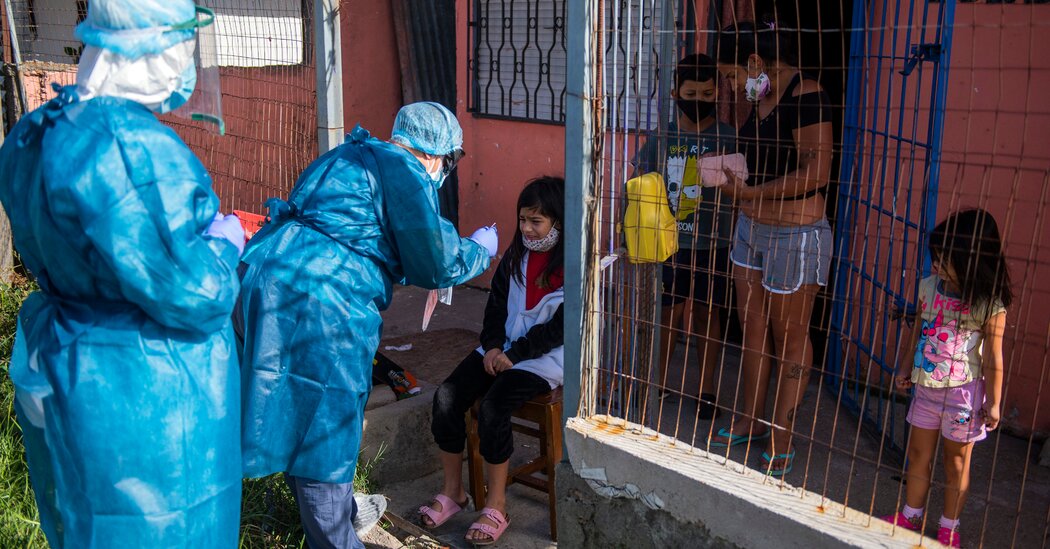
The antiviral pills, plentiful in the United States, are scarce overseas. Health groups and the White House want to expand access but face obstacles that evoke the H.I.V. epidemic.WASHINGTON — A devastating virus was laying waste to nations that lacked medicines available to Americans. The pills were patented and pricey. Poor countries lacked refrigeration to store them, the thinking went, and patients would not be able to follow the complex dosing regimen.The year was 2002, the virus was H.I.V., and the president, George W. Bush, secretly sent his top health advisers to Africa to investigate what activists were calling “medical apartheid.” In the 20 years since, the United States has led the way in building a global infrastructure for H.I.V. testing and treatment, saving an estimated 21 million lives.Now, with that history in mind, global health agencies and the Biden administration are working to bring coronavirus tests and expensive antiviral pills to low- and middle-income nations. This week, President Biden will emphasize “global test to treat” at his second international Covid-19 summit, a virtual gathering of world leaders aimed at injecting new energy into the international pandemic response.Until now, the response has been focused largely on vaccinations, which remain a high priority. But Mr. Biden will also use the summit to call on wealthy nations to donate $2 billion to purchase Covid treatments and $1 billion to purchase oxygen supplies for low- and middle-income countries, according to a senior administration official involved with the planning.In the United States, where antiviral pills to combat Covid are widely available, Mr. Biden’s “test to treat” initiative lets many patients go to pharmacies, get tested for Covid and receive a free prescription on the spot if they test positive. In low- and middle-income nations, such efforts will most likely be much more limited until generic pills arrive, probably in 2023.But the global effort faces some of the same obstacles and inequities that existed two decades ago.Rich nations, including the United States, have gobbled up much of the supply. Global health agencies do not have the money to buy the antivirals or tests, which are crucial because the medication needs to be started early in the course of infection. Drug companies, trying to protect their patents, are limiting the supply of generic alternatives in many middle-income countries, including an entire swath of Latin America.All of this is playing out against the infectious disease equivalent of a ticking time bomb.“We all expect a major new surge from Omicron or a new variant in the global south from June to September, and if that happens, we are not going to be ready with test and treat,” said Dr. Bill Rodriguez, who runs the testing arm of the ACT Accelerator, the Geneva-based consortium coordinating the global response. “It feels extremely similar — painfully, ironically, tragically similar — to what happened with H.I.V.”On Monday, ahead of the summit, the consortium, which is backed by the World Health Organization, is set to convene a discussion of global health experts and declare access to testing and treatment an “equity issue,” officials said.Mr. Biden may well show up at his own summit empty-handed. The White House has asked Congress for an additional $22.5 billion in emergency coronavirus aid, including $5 billion for the global response, but Senate Republicans are refusing to authorize any funding unless it is offset by cuts to other programs. A $10 billion compromise proposal includes no money for the global response, and it is unclear when or whether that plan will come up for a vote.“Here we are with another virus that’s creating havoc all over the world,” said Gayle Smith, who ran the State Department’s global Covid response under Mr. Biden and is now chief executive of the One Campaign, an advocacy organization. “Maybe it’s not as lethal as H.I.V., but it’s still pretty bad. And we’ve got therapeutics. How are we going to think about this? Are we going to take the lessons learned and have a plan?”One of the biggest hurdles is the rapid decline of Covid testing around the world. The W.H.O.-backed consortium recently reported that just 20 percent of the 5.7 billion tests conducted globally have been in low- and middle-income nations. Low-income countries accounted for less than 1 percent of the testing. The reasons are twofold: Countries lack money to buy the tests, and demand has dropped in regions where Covid rates are now low.“What really worries me is the testing part of this,” said Dr. Bruce Aylward, a top W.H.O. official and the consortium’s coordinator. “If you’re not testing, you can’t sequence, you can’t isolate, you can’t treat. Everything else unravels.”Paxlovid, the more powerful of the two Covid antiviral pills approved by the Food and Drug Administration, is so plentiful in the United States that pharmacies are struggling to use up their supplies. The Biden administration has committed to purchasing 20 million treatment courses for Americans.The W.H.O. recently issued a “strong recommendation” that Paxlovid, which is made by Pfizer, be given to patients at high risk of hospitalization and called for its “wide geographic distribution.” The W.H.O. has given a far weaker “conditional recommendation” to the other drug, molnupiravir, which is made by Merck and is not nearly as in demand.Paxlovid is so plentiful in the United States that pharmacies are struggling to use up their supplies.Alex Welsh for The New York TimesGlobal health experts say both companies have absorbed the lessons of AIDS — but only to a point.They have each agreed to allocate several million courses of treatment — a total of seven million courses in all — to UNICEF for distribution in most low- and middle-income countries, which account for more than half the world’s population. But UNICEF will not be able to buy the drugs unless it can raise the money to do so or countries supply the funds. And seven million courses is hardly enough to address the need, experts say.The cost to UNICEF of Paxlovid — including Pfizer’s insistence that UNICEF keep how much it pays confidential — remains a sticking point, said Dr. Philippe Duneton, who runs the therapeutics arm of the W.H.O. consortium. In announcing its “strong recommendation” for Paxlovid, the W.H.O. took the highly unusual step of publicly scolding Pfizer for a “lack of transparency,” which makes it difficult to know which countries have the drug and what they are paying.“We need to have better visibility in terms of price,” Dr. Duneton said.Manufacturers often prefer that the details of their sales agreements be secret so as not to weaken their hand with other potential buyers. Pfizer’s chief executive, Albert Bourla, reported last week that Paxlovid had been a “key growth driver” for the company, which is using a “tiered pricing approach” in which low- and lower-middle-income countries will get Paxlovid at a not-for-profit price.In response to an inquiry from The New York Times, Pfizer issued a statement saying that it was “deeply disappointed by the sentiment expressed by our partners,” adding, “We have in good faith heard and responded to many of their concerns.”Both Pfizer and Merck have also taken steps to make inexpensive generic versions of their pills available, signing licensing agreements with the Medicines Patent Pool, which was created during the global AIDS crisis to bring drugs to low- and middle-income nations at low cost. It took years, and bitter fights between activists and companies, to reach such agreements for H.I.V. drugs.But the agreements for Covid antivirals do not apply to many middle-income nations, including much of Latin America and parts of northern Africa and Asia. The result, experts say, is that both poor and rich nations will have access, but countries in the middle will have to negotiate with the companies — or force the drugmakers to turn over their intellectual property.So far, 36 companies from 12 countries have signed up to make generic Paxlovid. Companies in India are already making generic versions of both Paxlovid and molnupiravir. The expectation is that both drugs will ultimately be available in about 100 low- and middle-income countries, covering about half the world’s population. The companies will not receive royalties from the sales while the W.H.O.’s declaration of the pandemic as a global health emergency remains in effect.“Given the severity of the pandemic and given the fact that vaccines had a very uneven penetration rate, we felt that this was a very important contribution the company could make,” said Paul Schaper, executive director for global public policy at Merck.But those generics will not be available until next year. In the meantime, doctors and activists around the world say vulnerable patients are dying as antiviral pills, monoclonal antibodies and even oxygen remain out of reach. In countries with low vaccination rates, the need is especially urgent.In Uganda, Dr. Sabrina Kitaka, a pediatrician who also advises the government on Covid-19 vaccination, said many children with underlying conditions — sickle cell disease, diabetes, advanced H.I.V. disease — have had complications from Covid-19. She has lost young patients who would have been eligible for Paxlovid, which is approved in the United States for children 12 and older who weigh at least 40 kilograms, or about 88 pounds.“Paxlovid will be the game changer,” Dr. Kitaka said. That is especially true “for patients who become critically ill and end up in the I.C.U.,” she added.In the Dominican Republic, Pfizer is fighting a petition for the government to compel the company to share its patents for Paxlovid with generic makers. Similar petitions have been filed in Colombia, Chile and Peru.“Both Merck and Pfizer have reserved for themselves all the high-income countries and virtually all of the upper-middle-income countries and even some lower-middle-income countries,” said Brook Baker, a law professor at Northeastern University who has submitted a legal brief in support of the Dominican Republic petition.Receiving a Covid vaccine in Kathantha Yimbo, Sierra Leone, in February. In countries with low vaccination rates, the need for antiviral pills and tests is especially urgent.Finbarr O’Reilly for The New York TimesIn Brazil, regulators have authorized both Paxlovid and molnupiravir. The country and Pfizer are negotiating a purchase agreement so Paxlovid can be offered for free through Brazil’s public health system.But a quarter of Brazilians have private insurance and may already have access to the drug, said Felipe Carvalho, coordinator of the Doctors Without Borders Access Campaign in Latin America.“We have a world divided between treatment for the rich and treatment for the poor, still today,” Mr. Carvalho said, adding, “We are still struggling 20 years, 30 years after the H.I.V.-AIDS crisis to convince companies to do the right thing.”In 2003, after he sent top government health experts, including Dr. Anthony S. Fauci, to Africa, Mr. Bush created PEPFAR, the President’s Emergency Plan for AIDS Relief, which supports clinics, medical personnel and community health workers.Dr. Deborah L. Birx, who ran PEPFAR for seven years and also served as President Donald J. Trump’s coronavirus response coordinator, said that Covid vaccination campaigns relied on the program’s infrastructure and networks and that a “test to treat” effort could too. Delivering drugs in Africa can be easier than in the rural United States, she said.“Unlike the United States,” Dr. Birx said, “we have shown that we can deliver drugs to the far end of the road, no matter where people live.”Leaders of the ACT Accelerator consortium are eager to get started. They have plans to expand rapid testing in 20 “priority countries,” mostly in Africa, and to run pilot “test to treat” programs in 10 nations. But both initiatives are in limbo because of a lack of money and a separate reason that officials find even more troubling: a sense of pandemic fatigue in nations whose leaders have other pressing priorities.“We have never been more ready to roll out global testing and treatment for any disease than we are for Covid right now,” said Dr. Rodriguez, who runs the consortium’s testing arm. But the halting pace saddens him: “It’s painful. It’s really painful.”

Read more →

A Nationwide Baby Formula Shortage Is Getting Worse

After Abbott Nutrition issued voluntary recalls of its popular baby formulas, retailers have limited purchases, leaving desperate parents searching for solutions.The manufacturer of Ashley Hernandez’s preferred baby formula for her two girls said it was out of stock on its website. Listings on eBay showed it would cost her up to $120 for a single can. So when she found a seller online offering 10 cans for $40 each, she expressed her desperation.“I have two children,” Ms. Hernandez, 35, of Dallas, began her message. “I cannot find it. I can purchase this today. I can pay cash.”Parents across the country are struggling to keep up with a nationwide shortage of baby formula — a problem worsened by a recent recall by Abbott Nutrition, a manufacturer of baby food. The recall came after at least four babies were hospitalized with bacterial infections and two died after consuming its products, the U.S. Food and Drug Administration said.“We know that our recent recall caused additional stress and anxiety in an already challenging situation of a global supply shortage,” Abbott said in a statement last month. “We are working hard to help moms, dads and caregivers get the high-quality nutrition they need for their babies.”Now, several major retailers eager to preserve inventory are limiting how much baby formula their customers can buy.The drugstore chain CVS said in a statement that “following supplier challenges and increased customer demand,” buyers will be limited to three baby formula products per purchase in stores and online.Walgreens echoed that in a statement, saying it had also imposed a three-item limit in an attempt “to help improve inventory.” Target said it had a four-item limit online but no in-store limits.Costco, which did not immediately respond to an email seeking comment on Saturday, had various caps on formulas listed on its website.“The unprecedented scope of this infant formula recall has serious consequences for babies and new parents,” Brian Dittmeier, the senior director of public policy at the National WIC Association, said on Saturday. The nonprofit provides nutritional assistance for women, infants and children across the country.Mr. Dittmeier said that Abbott Nutrition is the exclusive supplier for more than half of the WIC agencies nationwide, meaning that “this is not an isolated issue.”“Every day, we hear from parents who are hurt, angry, anxious and scared,” he said. “The lives of their infants are on the line.”In retail stores, shelves are often empty. And parents online are forming Facebook groups to alert one another of restocked inventory or bargains — both rare nowadays, Ms. Hernandez said.“It’s a nightmare,” she said.In one Facebook group called “baby formula for sale,” a mother on Saturday begged for a specific brand: “Looking for Similac NeoSure in the Arizona area! Please help!! I’m almost out.”Mr. Dittmeier said that “unlike other food recalls, shortages in the infant formula supply affects a major — or even exclusive — source of nutrition for babies.” Inadequate nutrition, he added, “could have long-term health implications.”Datasembly, a retail software company, said that about 31 percent of formula products were out of stock across the country as of April. In seven states — Connecticut, Delaware, Montana, New Jersey, Rhode Island, Texas and Washington — the rate for the week of April 3 was even worse, at 40 percent.The shortage is also financially burdening families already grappling with a surge in inflation. The office of the U.S. Surgeon General said on its website that families typically spend up to $1,500 on infant formula in the first year.Mr. Dittmeier said that the shortage is “particularly acute for infants who require specialty formulas to address allergies, gastrointestinal issues or metabolic disorders.”Ms. Hernandez said that her daughters, one 6 months old and the other 3 years old, both need such specialty formula.The seller she messaged sold her the 10 cans but that will last only about five or six weeks, she estimated. The formula she usually buys, EleCare, was one of the Abbott products recalled in February, Ms. Hernandez said.The affected products have already been pulled from stores, but parents can use an online search through Abbott Nutrition to check the status of the products they need.The Infant Nutrition Council of American said in a statement that formula companies were “committed to ensuring continued availability of infant formulas for every baby” during the shortage.But Mr. Dittmeier said assurances from manufacturers about stepped-up production have not led to products reaching store shelves. “Each day that this crisis continues, parents grow more anxious and desperate to find what they need to feed their infants,” he said.

Read more →

Hundreds of Suicidal Teens Sleep in Emergency Rooms. Every Night.

On a rainy Thursday evening last spring, a 15-year-old girl was rushed by her parents to the emergency department at Boston Children’s Hospital. She had marks on both wrists from self-harm and a recent suicide attempt, and earlier that day she confided to her pediatrician that she planned to try again.At the E.R., a doctor examined her and explained to her parents that she was not safe to go home.“But I need to be honest with you about what’s likely to unfold,” the doctor added. The best place for adolescents in distress was not a hospital but an inpatient treatment center, where individual and group therapy would be provided in a calmer, communal setting, to stabilize the teens and ease them back to real life. But there were no openings in any of the treatment centers in the region, the doctor said.Indeed, 15 other adolescents — all in precarious mental condition — were already housed in the hospital’s emergency department, sleeping in exam rooms night after night, waiting for an opening. The average wait for a spot in a treatment program was 10 days.The girl and her family resigned themselves to a stay in the emergency room while she waited. But nearly a month went by before an inpatient bed opened up.The girl, being identified by her middle initial, G, to protect her privacy, spent the first week of her wait in a “psych-safe” room in the emergency department. Any equipment that might be used for harm had been removed. She was forbidden to use electronics — to keep her from searching the internet for ways to commit suicide or asking a friend to smuggle in a sharp object, as teens before her had done. Her door was kept open night and day so she could be monitored.It was “padded, insane-asylum-like,” she recalled recently in an interview. “Just walls — all you see is walls.”She grew “catatonic,” her mother recalled. “In this process of boarding we broke her worse than ever.”Mental health disorders are surging among adolescents: In 2019, 13 percent of adolescents reported having a major depressive episode, a 60 percent increase from 2007. Suicide rates, stable from 2000 to 2007, leaped nearly 60 percent by 2018, according to the Centers for Disease Control and Prevention.G’s story describes one of its starkest manifestations of the crisis. Across the country, hospital emergency departments have become boarding wards for teenagers who pose too great a risk to themselves or others to go home. They have nowhere else to go; even as the crisis has intensified, the medical system has failed to keep up, and options for inpatient and intensive outpatient psychiatric treatment have eroded sharply.Nationally, the number of residential treatment facilities for people under the age of 18 fell to 592 in 2020 from 848 in 2012, a 30 percent decline, according to the most recent federal government survey. The decline is partly a result of well-intentioned policy changes that did not foresee a surge in mental-health cases. Social-distancing rules and labor shortages during the pandemic have eliminated additional treatment centers and beds, experts say.Dr. Kevin Carney, a pediatric emergency-room doctor at Childen’s Hospital Colorado in Aurora. “Frankly speaking, the E.D. is one of the worst places for a kid in mental health crisis to be,” he said.An exam room at Children’s Hospital Colorado, where fixtures and other items had been removed to prevent harm.Absent that option, emergency rooms have taken up the slack. A recent study of 88 pediatric hospitals around the country found that 87 of them regularly board children and adolescents overnight in the E.R. On average, any given hospital saw four boarders per day, with an average stay of 48 hours.“There is a pediatric pandemic of mental health boarding,” said Dr. JoAnna K. Leyenaar, a pediatrician at Dartmouth-Hitchcock Medical Center and the study’s lead author. In an interview, she extrapolated from her research and other data to estimate that at least 1,000 young people, and perhaps as many as 5,000, board each night in the nation’s 4,000 emergency departments.“We have a national crisis,” Dr. Leyenaar said.This trend runs far afoul of the recommended best practices established by the Joint Commission, a nonprofit organization that helps set national health care policy. According to the standard, adolescents who come to the E.R. for mental health reasons should stay there no longer than four hours, as an extended stay can risk patient safety, delay treatment and divert resources from other emergencies.Yet in 2021, the average adolescent boarding in the E.R. at Boston Children’s Hospital spent nine days waiting for an inpatient bed, up from three and a half days in 2019; at Children’s Hospital Colorado in Aurora in 2021, the average wait was eight days, and at Connecticut Children’s Medical Center in Hartford, it was six.Emergency-department boarding has risen at small, rural hospitals, too, with “no pediatric or mental health specialists,” said Dr. Christian Pulcini, a pediatrician in Vermont who has studied the trend in the state. “There is one clear conclusion,” he told the Vermont legislature recently. “The E.D. is not the appropriate setting for children to get comprehensive, acute mental health services.”Doctors and hospital officials emphasize that adolescents should absolutely continue to come to the E.R. in a psychiatric emergency. Still, many emergency-room doctors and nurses, trained to treat broken bones, pneumonia and other corporeal challenges, said aid the ideal solution was more preventive care and community treatment programs.“Frankly speaking, the E.D. is one of the worst places for a kid in mental health crisis to be,” said Dr. Kevin Carney, a pediatric emergency room doctor at Children’s Hospital Colorado. “I feel at a loss for how to help these kids.”‘Actually a good day’Dr. Carney on his rounds at Children’s Hospital Colorado in Aurora last month.The challenge was evident one day in late February when Dr. Carney arrived for his shift at 3 p.m. The children’s hospital has 50 exam rooms in its emergency department, which fill with patients who have gone through an initial screening and need further evaluation. By midafternoon, 43 of the rooms were full, 17 of them with mental health cases.“It’s breathtaking,” Dr. Carney said as he stood in the hallway. “Forty percent.”On clocking in, Dr. Carney had inherited a block of 10 exam rooms from a doctor who was clocking out. “Seven are mental health issues,” Dr. Carney said. “Six are suicidal. Three of them made attempts.”The adolescents who were deemed to be at physical risk to themselves or others could be readily identified: Their exam room doors were open so they could be monitored, and they wore maroon-colored scrubs instead of their own clothes. No shoelaces, belts or zippers.Throughout the day, staff members at the hospital had called eight inpatient facilities in the region, looking for available slots in treatment centers where the 10 young boarders, as well as 17 other adolescents boarding at three smaller Colorado Children’s Hospital campuses around the state, could be placed.One of the adolescents waiting in Aurora, a Denver suburb, was a 16-year-old who had been stabilized after attempting suicide and who needed a residential treatment spot. “But there are no beds,” Jessica Friedman, a social worker, said she had told the family.“I have eight or nine conversations like this a day,” Ms. Friedman, standing in the hallway, told a reporter; so far that day she had had only two. “This is actually a good day.”Jessica Friedman, a social worker at Children’s Hospital Colorado.A room at the Gary Pavilion Pediatric Mental Health Institute at Children’s Hospital in Aurora, Colo., one of eight inpatient facilities in the area.Standing nearby, Travis Justilian, a nurse and the interim clinic manager in the emergency department, said the flood of boarders “is crushing our staff.” He added, “We’re fixers and we’re sitting here doing nothing but watching them watch TV.”Colorado is struggling with the same shortage of services that has hit hospitals nationwide. The state has lost 1,000 residential beds serving various adolescent populations since 2012, according to Heidi Baskfield, vice president of population health and advocacy for Children’s Hospital Colorado. The state closed one 500-bed facility, Ridgeview, which served at-risk young people, in 2021 because of instances of poor quality and abuse. Another facility, Excelsior, closed its 200 beds in 2017 because reimbursement rates were not high enough to support ongoing operations, the chief executive officer said at the time of the closing.A major cause, Ms. Baskfield said, was the low reimbursement rates paid by Medicaid, the state insurance program. From 2006 to 2021, the daily Medicaid rate in Colorado allotted roughly $400 for a therapeutic residential bed — “less than some families spend to send their kids for a night to sleepaway camp,” Ms. Baskfield said.The low rates also accounted for some of the quality issues, she said; it was hard to hire experienced staff. (In the past year, Colorado has raised its reimbursement to $750 per day by using money from the American Rescue Plan, but new beds have yet to open, and that source of money is temporary).Travis Justilian, a nurse and interim clinic manager in the emergency department. “We’re fixers and we’re sitting here doing nothing but watching them watch TV,” he said.Lyndsay Gaffey, the hospital’s director of patient care services. The aim of inpatient care, she said, was to stabilize patients by having them work through trauma, receive therapy and interact with peers.Lisette Burton, chief policy and practice adviser for the Association of Children’s Residential and Community Services, a nonprofit advocacy group, noted that the closure of facilities and the loss of beds was the result of many factors, including a well-intended, decades-long effort to keep foster children and other children out of institutional settings. But the intended substitutes — more nimble and specialized treatment options — were never funded and remain largely unavailable, she said.Then came the pandemic, amplifying labor shortages and introducing social-distancing and quarantine guidelines that reduced the capacity for patients. “Demand went up, supply went down,” Ms. Burton said. “Now we’re in full-blown crisis.”On that February day in Colorado, one inpatient bed finally opened up. It happened to be in the 12-bed inpatient ward of Children’s Hospital Colorado,just a few minutes’ walk from the E.R.The ward’s hallways are wide, the walls painted light green and the lighting bright, to instill a feeling of comfort and calm. Each bedroom has windows looking outside and, next to the door, a glass panel enabling hospital staff to discreetly peer inside.In a small communal room, four adolescent girls in maroon scrubs sat on blue chairs and couches. One listened to headphones and sang aloud to the soundtrack to “Encanto.” Another worked on a jigsaw puzzle of the sea. Two others chatted with a counselor.The emergency department “is just a collection of rooms where patients are expected to stay in their rooms and comply with rules,” said Lyndsay Gaffey, director of patient care services at Children’s Hospital Colorado. In the inpatient ward, she said, the aim instead was to stabilize patients by having them work through trauma, receive therapy and interact with peers.But they must be closely watched here, too. When a reporter rested a pen on a countertop, a staff member swept it up. “You cannot have this here unless it is on your person,” she said. “If a patient walks over and grabs it, it can basically be used as a weapon.”Is it safe to go home?J on a neighborhood street in Denver last month. In February, he spent time in the E.R. after he was discovered searching the internet for ways to commit suicide.In severe cases of mental distress, emergency-room doctors can compel an adolescent to board in the E.R. until inpatient services become available, however long that takes. Often, parents opt to return home with their child, to try to manage there while waiting for a treatment opening. But that option requires family and doctors alike to work through a difficult question: Is the adolescent safe to go home?In early February, a 12-year-old boy, J, was struggling toward an answer at the emergency room of the Highlands Ranch campus of Children’s Hospital Colorado. (He is being identified by his first initial for privacy reasons.)He had arrived that morning with his mother, after she discovered that he had been searching the internet for ways to commit suicide. Over the course of his day in the E.R., he was asked several times how safe he felt to go home. The mother recounted one exchange:“Do you think you can go home?” the doctor asked.“What’s the other option?” J asked.“You’d be in the emergency room.”“I can go home with my mom,” J said. “But if I feel like I’m going to kill myself, what do I do?’”“You’ll come back to the emergency room,” the doctor replied.How to Help Teens Struggling With Mental HealthCard 1 of 6Recognize the signs.

Read more →

Officials Warn of Fake Adderall Pills After Two College Students Die

Officials said the fake pills could contain fentanyl. Two Ohio State University students died this week in what the police said were apparent overdoses.The police said two Ohio State University students died in apparent drug overdoses this week as health officials warned that fake Adderall pills could contain fentanyl, a powerful synthetic opioid.The police received a 911 call at 10:46 p.m. on Wednesday from a woman who reported that her roommate and her roommate’s friends had overdosed at an off-campus apartment, said Officer Doran Carrier of the Columbus Division of Police. Three university students were taken to hospitals, he said.One person died that night and another died on Friday, said Battalion Chief Jeffrey Geitter, a spokesman for the Columbus Division of Fire. The third student was discharged from the hospital on Thursday, the university’s president, Kristina M. Johnson, said in a statement.The two deaths were “apparent overdoses” and are now being investigated by the police division’s drug crimes bureau, said Deputy Police Chief Smith Weir.Police and fire officials could not offer more information about the students’ identities, the cause of death or the possible drugs involved. The Franklin County Coroner’s Office did not respond to a request for comment on Saturday.Columbus Public Health issued an alert on Thursday about fake Adderall, a prescription drug used to treat attention deficit hyperactivity disorder. The agency issues safety alerts about fake drugs, which can originate from its tip line, its community outreach program for overdose reduction or the providers in its alcohol and drug treatment services, said a spokeswoman, Kelli Newman.She could not address the alert’s connection to the students’ deaths but said the agency was told that “there are fake pills circulating that could be laced with fentanyl,” a synthetic opioid that can be far more powerful than heroin and is cheaper to produce and distribute.More than 90 percent of overdose deaths in central Ohio are tied to street drugs adulterated with fentanyl, she said.The students’ deaths come amid a rising death toll of drug overdoses in the United States. The toll reached a record high of more than 100,000 deaths in the 12-month period that ended in April 2021. The majority of the deaths were linked to synthetic opioids like fentanyl.In its first public safety alert in six years, the federal Drug Enforcement Administration last year warned of an “alarming” increase in fake prescription pills containing fentanyl. The agency, which seized at least 9.5 million counterfeit pills last year, reported that two of every five pills seized contained lethal amounts of fentanyl.A generic version of Adderall, which is used to treat attention deficit hyperactivity disorder.Elizabeth D. Herman for The New York TimesMelissa Shivers, the university’s senior vice president for student life, warned students in a message on Thursday about fake Adderall pills “causing an increase in overdoses and hospitalizations.” Ms. Johnson linked to the message in a campuswide email on Thursday.“As we approach a week and weekend of celebration, from end-of-year and graduation parties to the return of warmer weather, we want to urge you to consider safety as you celebrate,” Ms. Shivers said.

Read more →

Dr. Morton Mower, Inventor of Lifesaving Heart Device, Dies at 89

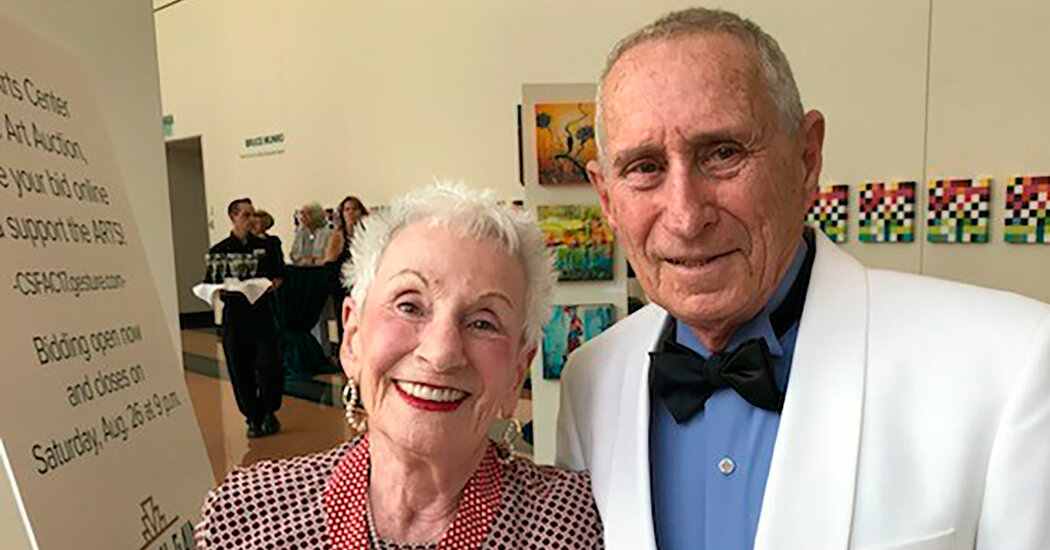
With a colleague, he created a miniaturized defibrillator that could be implanted inside patients suffering from potentially fatal arrhythmia.Morton Mower, an entrepreneurial cardiologist who helped invent an implantable defibrillator that has saved many lives by returning potentially fatal irregular heart rhythms to normal with an electrical jolt, died on April 25 in Denver. He was 89.His son, Mark, said the cause was cancer.Dr. Mower and Dr. Michel Mirowski, a colleague at Sinai Hospital in Baltimore, began work in 1969 on a device that would be small enough that it could be implanted under the skin of the abdomen and quickly correct a heart’s rhythms when they go dangerously awry.Dr. Mirowski had the idea to miniaturize a defibrillator; Dr. Mower, who had taught himself electrical engineering in his basement workshop, believed it could be done.“We were the crazy guys who wanted to put a time bomb in people’s chests,” Dr. Mower said in 2015 in an interview with the medical journal The Lancet, which noted at the time that two million people around the world had received the implantable device.The doctors quickly developed a prototype and formed a partnership in 1972 with Medrad, a medical equipment maker. But the development of an implantable defibrillator had its critics.Writing in Circulation, an American Heart Association journal, Dr. Bernard Lown, who invented the first effective external defibrillator, and Dr. Paul Axelrod said that patients with ventricular fibrillation were better served by surgery or an anti-arrhythmia program.“In fact,” they said, “the implanted defibrillator system represents an imperfect solution in search of a plausible and practical application.”The work continued. After being tested on animals, the battery-operated device, approximately the size of a deck of cards, was first implanted in humans at Johns Hopkins Hospital in 1980. Five years later, it was approved by the Food and Drug Administration.At the time, the F.D.A. said the implantable defibrillator could save 10,000 to 20,000 lives a year by letting people have their arrhythmia corrected quickly rather than waiting to reach hospital emergency rooms, where external defibrillators, with their paddles, are used.Dr. Donald M. Lloyd-Jones, president of the American Heart Association, said in a phone interview that 300,000 devices, now as small as a silver dollar, are implanted annually.“Letting people walk around with a defibrillator, rather than being in a hospital under constant care, was really revolutionary in saving the lives of people at risk of fatal heart attacks,” Dr. Lloyd-Jones said.He added that another advantage of the device — formally known as the automatic implantable cardioverter defibrillator — was that its electric shock is delivered directly to the heart. The external defibrillator’s jolt must travel from its paddles through skin and tissue before reaching the heart.Dr. Mower and Dr. Mirowski were inducted into the Inventors Hall of Fame in 2002, along with Alois Langer, a project engineer at Medrad, and M. Stephen Heilman, the company’s founder.Dr. Mower with his wife, Toby, a registered nurse.Jewish National Fund-USA, via Associated PressMorton Maimon Mower was born on Jan. 31, 1933, in Baltimore and grew up in Frederick, about 50 miles west. His father, Robert, was a cobbler, and his mother, Pauline (Maimon) Mower, was a homemaker.As a youngster, Morton worked during the summers for his Uncle Sam, who owned bathhouses and a toy store in Atlantic City. When his uncle got sick, Morton was impressed by how the family treated the doctor during his house calls.“They made him sit down; they made him have a cup of tea,” Dr. Mower told the alumni magazine of the University of Maryland School of Medicine, from which he graduated in 1959, in an interview. “I thought, Gee, that’s not bad. That’s what I would like to do.”After earning a bachelor’s degree from Johns Hopkins University in 1955, where he was in the pre-med program, and graduating from medical school, Dr. Mower completed an internship at the University of Maryland Medical Center.He became chief resident at Sinai Hospital in 1962 and then served from 1963 to 1965 in the Army Medical Corps in Bremerhaven, Germany, where he was chief of medicine.In 1966, he started a six-year stint as an investigator in Sinai’s coronary drug project. He eventually became an attending physician and chief of cardiology at the hospital. A building was named for him on its campus in 2005.Dr. Mower became wealthy from licensing the defibrillator technology and used his money to build a large art collection that included works by Rembrandt, Picasso and Impressionist masters.After leaving Sinai in 1989, he worked for two defibrillator makers: Cardiac Pacemakers, a subsidiary of Eli Lilly, as a vice president, and Guidant, as a consultant. He later taught medicine at Johns Hopkins and most recently, the University of Colorado school of medicine in Aurora.Dr. Mower recently created a company, Rocky Mountain Biphasic, to find commercial uses for his many patents in areas including cardiology, wound healing, diabetes and Covid-19.In addition to his son, he is survived by his wife, Toby (Kurland) Mower, a registered nurse; a daughter, Robin Mower; three grandsons; a brother, Bernard; and a sister, Susan Burke. He lived in Denver.Dr. Mower’s work in resetting the heart’s rhythms didn’t end with the implantable defibrillator.“I realized this was an incomplete therapy,” he told The Lancet, referring to the defibrillator. “It prevented right ventricular afibrillation, but it did nothing to support left ventricular function. People were stull dying of congestive heart failure.”He and Dr. Mirowski went on to invent cardiac resynchronization therapy, or C.R.T., which uses an implantable device much like a pacemaker to send electrical impulses to the right and left ventricles of the heart in order to force them to contract in a more efficient, organized pattern.“C.R.T. was every bit as big an advance as implantable defibrillators,” Dr. Mower said, adding that when he started testing the treatment on patients in the Netherlands, “It was almost unbelievable how the patients would come out of heart failure.”

Read more →