How cranberries could improve memory and ward off dementia

Adding cranberries to your diet could help improve memory and brain function, and lower ‘bad’ cholesterol — according to new research from the University of East Anglia (UK).
A new study published today highlights the neuroprotective potential of cranberries.
The research team studied the benefits of consuming the equivalent of a cup of cranberries a day among 50 to 80-year-olds.
They hope that their findings could have implications for the prevention of neurodegenerative diseases such as dementia.
Lead researcher Dr David Vauzour, from UEA’s Norwich Medical School, said: “Dementia is expected to affect around 152 million people by 2050. There is no known cure, so it is crucial that we seek modifiable lifestyle interventions, such as diet, that could help lessen disease risk and burden.
“Past studies have shown that higher dietary flavonoid intake is associated with slower rates of cognitive decline and dementia. And foods rich in anthocyanins and proanthocyanidins, which give berries their red, blue, or purple colour, have been found to improve cognition.

Read more →

C.D.C. Panel to Discuss Whether to Recommend Boosters for Children 5 to 11

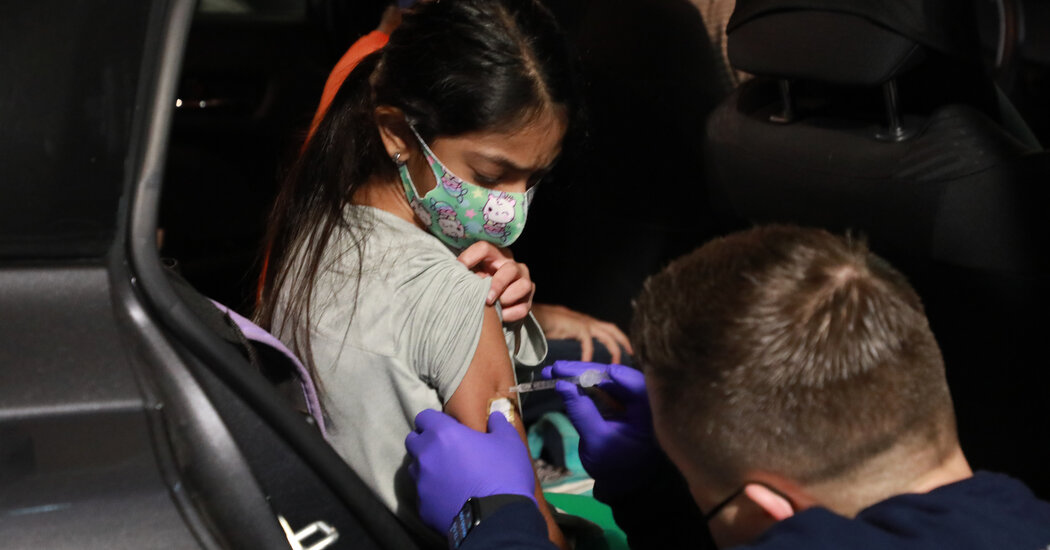
Scientific advisers to the Centers for Disease Control and Prevention will meet on Thursday to debate whether to recommend a third dose of the Pfizer-BioNTech vaccine to children ages 5 to 11.The Food and Drug Administration authorized the booster shot for this age group on Tuesday. The C.D.C.’s advisers are also expected to endorse the shots. Dr. Rochelle Walensky, the agency’s director, is expected to sign off quickly on the recommendation.The extra dose may boost immunity to the current Omicron variants in these children. Studies have shown that two doses of the vaccine offer virtually no barrier against infection with the Omicron variant in children ages 5 to 11, although protection against severe disease remains strong.In adolescents ages 12 to 17, two doses offered little protection even against hospitalization, but a booster shot significantly improved immunity.Pfizer and BioNTech reported on Tuesday that in children ages 5 to 11, a third dose generated antibodies against both the Omicron variant and the original version of the coronavirus. In a clinical trial, the children received 10 micrograms of vaccine — one-third of the dose given to adolescents and adults — in each shot.As with the first two doses, the booster shot appeared safe, the companies reported. The most commonly reported side effects were pain, redness and swelling at the injection site, as well as aches, chills and fever.Fewer than one-third of 5- to 11-year-olds in the United States have received two doses. Many parents have hesitated to immunize their children, in part because they are at much lower risk of severe disease than adults.But record numbers of children were hospitalized during the Omicron surge this winter. And some studies suggest that even children who have a mild illness may experience symptoms for months.

Read more →

Seeking Pills, Young People Head to Social Media, With Deadly Results

The soaring drug fatalities in the U.S. are being fueled partly by fentanyl-tainted pills bought by teenagers and young adults on Snapchat, Instagram, TikTok and other social media apps.Shortly after Kade Webb, 20, collapsed and died in a bathroom at a Safeway Market in Roseville, Calif., in December, the police opened his phone and went straight to his social media apps. There, they found exactly what they feared.Mr. Webb, a laid-back snowboarder and skateboarder who, with the imminent birth of his first child, had become despondent over his pandemic-dimmed finances, bought Percocet, a prescription opioid, through a dealer on Snapchat. It turned out to be spiked with a lethal amount of fentanyl.Mr. Webb’s death was one of nearly 108,000 drug fatalities in the United States last year, a record, according to preliminary numbers released this month by the Centers for Disease Control and Prevention. Law enforcement authorities say an alarming portion of them unfolded the same way as his: from counterfeit pills tainted with fentanyl that teenagers and young adults bought over social media.“Social media is almost exclusively the way they get the pills,” said Morgan Gire, district attorney for Placer County, Calif., where 40 people died from fentanyl poisoning last year. He has filed murder charges against a 20-year-old man accused of being Mr. Webb’s dealer, who pleaded not guilty. “About 90 percent of the pills that you’re buying from a dealer on social media now are fentanyl,” Mr. Gire said.The phenomenon has led to disturbing new statistics:Overdoses are now the leading cause of preventable death among people ages 18 to 45, ahead of suicide, traffic accidents and gun violence, according to federal data.Although experimental drug use by teenagers in the United States has been dropping since 2010, their deaths from fentanyl have skyrocketed, to 884 in 2021, from 253 in 2019, according to a recent study in the journal JAMA.A Drug Enforcement Administration fact sheet shows authentic prescription pills and counterfeit ones.Drug Enforcement AdministrationRates of illicit prescription pill use are now highest among people ages 18 to 25, according to federal data.Much as drug dealers in the 1980s and ’90s seized on pagers and burner phones to conduct business covertly, today’s suppliers have embraced modern iterations — social media and messaging apps with privacy features such as encrypted or disappearing messages. Dealers and young buyers usually spot each other on social media and then often proceed by directly messaging each other.The platforms have made for a swift, easy conduit during the coronavirus pandemic, when demand for illicit prescription drugs has jumped, both from anxious, bored customers and from those already struggling with addiction who were cut off from in-person group support.The Opioid CrisisFrom powerful pharmaceuticals to illegally made synthetics, opioids are fueling a deadly drug crisis in America.Origins of an Epidemic: Purdue Pharma knew OxyContin was widely misused, but continued to promote the painkiller as less addictive.An Unrelenting Surge: ​​Deaths from drug overdoses again rose to record-breaking levels in 2021, nearing 108,000, according to the Centers for Disease Control and Prevention.A Settlement: Purdue Pharma reached a deal with a group of states that long resisted the structure of the original bankruptcy plan. Here is what the agreement means.Detailing Tragedies: As part of the settlement, families who lost loved ones to opioid addiction were allowed to address the owners of Purdue Pharma in court.How Opioids Work: Through interviews with users and experts, we created a visual representation of how these drugs hijack the brain.Supplies of tainted pills, crudely pressed by Mexican cartels with chemicals from China and India, have escalated commensurately. Fentanyl, faster and cheaper to produce than heroin and 50 times as potent, made for a highly addictive filler. Last year, the federal Drug Enforcement Administration seized 20.4 million counterfeit pills, which experts estimate represent a small fraction of those produced. Its scientists say that about four out of 10 pills contain lethal doses of fentanyl.The result is that new waves of customers are swiftly becoming addicted, said Dr. Nora Volkow, director of the National Institute on Drug Abuse. “When you are putting fentanyl in pills that are sold as benzodiazepines or for pain, you are reaching a new group of customers that you wouldn’t have if you were just selling fentanyl powder.”A photo of Mr. Webb from a vacation he took in Kauai, Hawaii.Brandon Thibodeaux for The New York TimesZachariah Plunk, 17, of Mesa, Ariz., died after buying a counterfeit Percocet from a dealer he reached through Snapchat.via Wendy PlunkIn a two-month span in the fall, the D.E.A. identified 76 cases that involved drug traffickers who advertised with emojis and code words on e-commerce platforms and social media apps. The agency has included a feature in its One Pill Can Kill public awareness campaign: a poster called “Emoji Drug Code: Decoded,” with images of drug symbols.“There are drug sellers on every major social media platform — that includes Instagram, Facebook, Twitter, Snapchat, Pinterest, TikTok and emerging platforms like Discord and Telegram,” said Tim Mackey, a professor at the University of California San Diego who runs a federally funded start-up that developed artificial intelligence software to detect illicit online drug sales. “It’s an entire ecosystem problem: As long as your child is on one of those platforms, they’re going to have the potential to be exposed to drug sellers.”At around 1:30 a.m. on Aug. 15, 2020, Zachariah Plunk, 17, a star high school football player from Mesa, Ariz., contacted a dealer through Snapchat, seeking a Percocet.As footage from the family’s home security camera would reveal, the dealer dropped off drugs around 3 a.m. Zach went outside, swallowed a pill and fell to the curb. At 5 a.m., a 15-year-old neighbor found him dead.To Wendy Plunk, Zach’s mother, the ease with which dealers can evade detection is particularly devastating. The man who sold her son the fatal pill remains on Snapchat, she said, adding, “I keep an eye on the guy. Every time he gets kicked off, he changes his name a bit and gets on again, with the same picture.”In January, parents of children as young as 13 who had died from pills protested in front of Snapchat’s headquarters in Santa Monica, Calif., with signs accusing the company of being an accomplice to murder. One speaker was Laura Berman, a relationship therapist and television host. In February 2021, her 16-year-old son, Sam, bought what he thought was a Xanax through a Snapchat connection, ingested it and died at home of fentanyl poisoning.Facing a barrage of criticism from law enforcement and grieving parents, social media platforms have been stepping up policing on their sites, shutting down dealers’ accounts and redirecting drug seekers to addiction services.In January, family and friends of young people who died after taking counterfeit pills protested outside Snapchat’s headquarters in Santa Monica, Calif.Apu Gomes/Agence France-Presse — Getty ImagesOn Monday, the Ad Council announced a wide-ranging campaign to roll out this summer, funded by three tech companies — Snap, Meta and Google — to alert teenagers and young adults about the dangers of fentanyl. Social media platforms like Twitter, TikTok, Twitch and Reddit are expected to provide landing zones for the warnings.Snap, the parent company of Snapchat, and Meta, the parent of Instagram and Facebook, report they are increasingly interrupting drug exchanges. Snap said it took action on 144,000 drug-related accounts in the United States from July to December last year. That figure doesn’t include the 88 percent of drug-related content that was pre-emptively detected by artificial intelligence software, which monitors terms that could signify drug deals.Now, when Snapchat users search for “fenta,” “xanax” or other drug language, the results are blocked. They are redirected to an in-app video channel with content from nonprofit groups and the C.D.C. that addresses “fentapills” — the dangers of purported OxyContin, Percocet, Xanax and Adderall.According to Facebook’s latest community standards report, it took action on four million drug-related exchanges worldwide in the fourth quarter of 2021. Instagram took action on 1.2 million, figures which represent alerts from both users and pre-emptive detection technology.On Instagram, one recent search for Percocet did set off an automatic warning and an offer of help. But it also yielded numerous results, including an account that posted photos of the pills and contact information, with phone numbers on the encrypted messaging apps Wickr and WhatsApp.And when companies remove dealers from their platforms, many sellers simply leapfrog to another.“We detect about 10,000 new drug-related accounts a month,” said Dr. Mackey, whose software company detects illicit online drug trafficking for private and public organizations.Most drug seekers will not baldly search for a drug by name, he said. They may use a hashtag with a celebrity associated with it. Enterprising dealers troll comments for customers, inserting themselves in online exchanges among seekers of pain relief.During the pandemic, drug use has surged as mental health among young adults and teenagers has deteriorated, studies show. Young people tend to eschew heroin, not only because of its addictive properties but also because of a skittishness about syringes, say experts in adolescent behavior. Pills, with the false imprimatur of medical authority, appear safer. Moreover, to their generation, prescription medications — for anxiety, depression and focus — have become normalized.Ed and Mary Ternan of Pasadena, Calif., in their son Charlie’s bedroom.Michael Tyrone Delaney for The New York TimesCharlie Ternan died after taking what he thought was a Percocet he bought from a dealer through Snapchat.Michael Tyrone Delaney for The New York Times“By the time the kid goes to college, his friends all have prescription bottles in their backpacks — they’re used to sharing pills,” Ed Ternan said. “The drug traffickers know that.” In May, 2020, his 22-year-old son, Charlie, three weeks away from college graduation, bought what he thought was a Percocet for back pain from a dealer he connected with on Snapchat. Thirty minutes after ingestion, Charlie, 6-foot-2 and 235 pounds, was dead from fentanyl poisoning.Rather than sue Snap for wrongful death, Mr. Ternan and his wife, Mary, asked the company to step up monitoring.“I said: ‘If the kids were buying real Percocet on Snapchat, they wouldn’t be dying. You guys need to escalate this problem right up to the same level as child sex trafficking,’” Mr. Ternan said.The Ternans formed Song for Charlie, one of many organizations of families who have lost children to fentanyl. Mr. Ternan has met with federal officials and has connected Snapchat with digital and drug treatment experts. His group creates cautionary content for TikTok and Snapchat.The rules of engagement in the war on drugs have shifted, Mr. Ternan said, adding: “It’s now about chemistry and social media distribution and encryption. We need different kind of generals, a more collaborative approach between Big Tech and the government.”To fine-tune prevention messaging, Snap commissioned Morning Consult, the digital market research firm, to conduct a survey of drug knowledge. The results, from a random sample of 1,449 Snapchat users ages 13 to 24, underscore their vulnerability to misusing prescription drugs. They expressed feeling overwhelmed, anxious and depressed but also fearful of the stigma surrounding mental health challenges. “Coping with stress” was the top reason to turn to illicit pills, they said.But only half the respondents overall, and 27 percent of the teenagers, knew that fentanyl could be in counterfeit pills. When asked to rate the danger posed by certain drugs, nearly two-thirds were likely to rank heroin and then cocaine as “extremely dangerous,” but scarcely a third put fentanyl in that category. Overall, 23 percent didn’t even know enough about fentanyl to rank its danger level, including 35 percent of adolescents.That ignorance is what drove Wendy Thomas, a substitute third-grade teacher from Sanford, N.C., to repurpose her grief over the 2020 death of her son from a counterfeit Percocet, and use it to reach teenagers. With her nonprofit, Matthew’s Voice, she has written health-class curriculums about fentanyl for high school freshmen and seventh-graders that are currently under final review by a large North Carolina school district.Signs showing photos of people who died after being poisoned by pills containing fentanyl, before a protest outside Snap in June 2021.Patrick T. Fallon/Agence France-Presse — Getty ImagesIt also motivates anguished parents like Elizabeth Dillender, who is Kade Webb’s mother and the grandmother of his newborn daughter, Indigo Kade. “I’m not naïve enough to think that social media is going away,” she said. “We have to work in conjunction with social media to get the word out to these kids.”Ms. Dillender has taken her campaign to Spotify, where she has a fentanyl awareness podcast, and to social media platforms like TikTok and Facebook.Recently, her podcast featured Laura Didier, another mother from Mr. Webb’s hometown, Rocklin, Calif. A year before Mr. Webb died, Ms. Didier’s former husband found their 17-year-old son, Zach, in his bedroom slumped lifeless over his computer keyboard. Zach had bought what he thought was a Percocet from a dealer on Snapchat.“You think if there’s a problem, you’ll see red flags — their grades are dropping, their disposition and friends are changing,” Ms. Didier reflected recently. “But that’s old thinking about drug behavior. This can happen so quickly without your ability to predict. I just don’t want families to be complacent and think, It can’t happen to us.”To underscore that message, at least one harm reduction network, the Santa Clara Opioid Overdose Prevention Project in California, has been promulgating the darkly instructive warning: #ExpectFentanyl.

Read more →

Scientist uncovers clues to aging in mitochondria

Many age-related diseases share a common feature: the mitochondria of cells begin to malfunction. While the cause is not known, Buck Institute scientists have discovered a new mechanism of how mitochondria start to go wrong, which opens new doors for researchers to explore how to begin to fix the problem.
“Now that we have this different hypothesis of why mitochondrial dysfunction happens during aging and age-related diseases, we open a completely different way to think about, measure, mitigate and reverse that process,” said Buck Fellow Chuankai (Kai) Zhou, PhD, who is the senior author of a study published in the March 2 issue of eLife, a leading journal on biomedical research established by the Howard Hughes Medical Institute, Max Planck Society, and Wellcome Trust.
Mitochondria are commonly referred to as the “powerhouse” of the cell, as the bean-shaped structures provide the units of energy that every cell needs to function. They are involved in many critical processes, including immune response, inflammation, and metabolism.
Dysfunction of the mitochondria is implicated in most chronic diseases, said Zhou, including neurodegenerative disorders, cardiovascular diseases, cancer, diabetes, and obesity. A growing body of evidence indicates that this dysfunction contributes to aging in general.
Zhou’s team wanted to explore the contributions of “mitochondrial biogenesis” to the dysfunction of mitochondria during aging. Mitochondrial biogenesis is the cellular process that produces new mitochondria. It determines both the quality and quantity of mitochondria in cells, both of which decline during normal aging. In the past couple decades, scientists already described two major steps of mitochondrial biogenesis: the transcriptional activation of mitochondrial protein in the cellular nucleus in response to nutrient/metabolic signals and the import of these newly synthesized mitochondrial proteins from cytosol into mitochondria. However, it was unclear how these two steps of mitochondrial biogenesis coordinate with each other to streamline the synthesis and import of mitochondria proteins. Zhou’s team found that a conserved receptor molecule on the surface of mitochondria called Tom70 might be responsible for coordinating these two steps by regulating the transcriptional activity of mitochondrial proteins inside nucleus.
Tom70 is previously known to facilitate the import of newly synthesized mitochondrial proteins. However, Zhou noted, the amount of protein created must be fine-tuned to meet the needs and import capacity of the mitochondria but not overshoot production such that excess accumulates within the cell, which damages cells and can kill them.
In the current study, his team used yeast as the model to test whether Tom70 regulates mitochondrial biogenesis by coordinating the intricate balance between the production of proteins destined for the mitochondria and the rate that these proteins can be escorted into the mitochondria. They found that it did. Similar regulatory function of Tom70 is conserved in fruit flies.
The two processes of communication about needs and uptake into the mitochondria had not been previously linked. “Our research finding that the molecule Tom70 is coordinating both aspects bridges two separate fields of study,” said Zhou.
Interestingly, they found that Tom70 declines during aging, which is associated with reduced mitochondrial biogenesis. Similar reductions of Tom70 were observed previously in aged fruit flies and rats. The team went on to show that increasing the level of Tom70 in yeast delayed mitochondrial dysfunction and increased lifespan. This finding ties in with what was known for more than a decade, that increasing Tom70 can protect human cells against some chronic diseases, such as cardiovascular disease, but the mechanistic details were not known about why this occurred. “We discovered a new function for this protein and we provide a mechanism of how Tom70 can do good things to the cell,” said Zhou.
Zhou said he can envision a number of ways in which this understanding can point to new directions in aging research. For example, the Tom70 pathway is linked to the lifespan increases seen with caloric restriction. “Additionally, if our hypothesis proves to be true, it will naturally lead to products, such as supplements or drugs. It just takes time,” he said.
For himself, Zhou said he plans to dive deeper into yeast genetics to uncover the specifics of the mechanism, such as how Tom70 communicates with the nucleus. “That is the beauty of basic research, it really gives you something to explore that did not exist before,” he said. “We are excited about translation, but we are even more excited about something brand new, that no one knew about before.”

Read more →

A Massachusetts Man Is Infected With Monkeypox

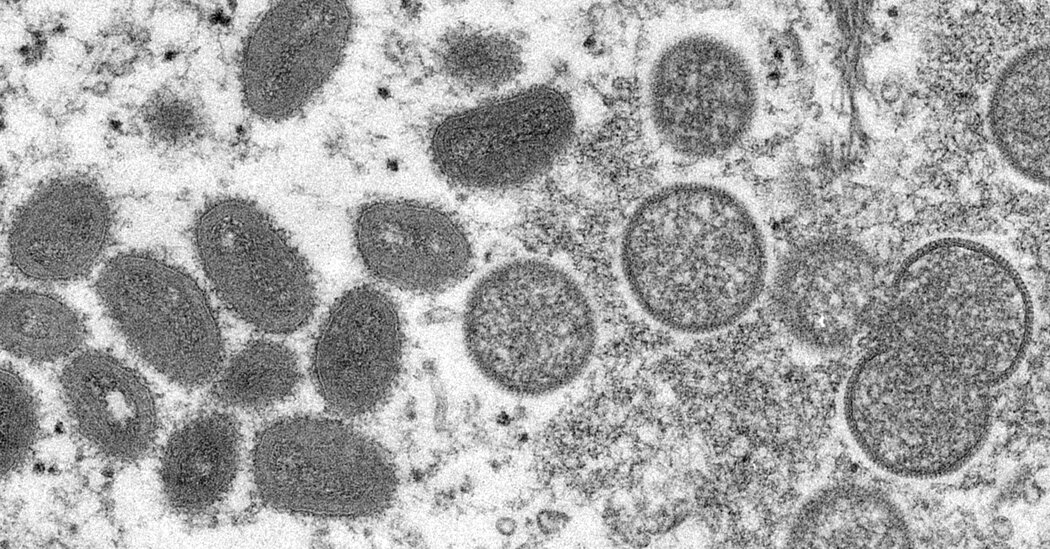
The case, the first in the U.S. this year, follows unusual clusters discovered in Europe and Canada.A man who had traveled to Canada has been diagnosed with the monkeypox virus, a rare and potentially fatal disease, the Massachusetts Department of Public Health reported on Wednesday.This is the first report of monkeypox this year in the United States. Officials in Texas and Maryland recorded one case each last year. But the new case follows a series of unusual clusters in other countries that have begun to alarm public health officials.In the past few weeks, Britain has identified nine monkeypox cases. Only one patient had recently traveled — to Nigeria, where a strain of the monkeypox virus has been commonly seen — while the remaining British patients, who did not travel, may have acquired the infection through community transmission. Three patients shared a household. Spain has 23 suspected cases. Portugal has confirmed five cases and is investigating another 15. Canadian health officials are investigating at least 15 possible cases in Montreal, according to an infectious disease specialist who was familiar with the effort but was not authorized to discuss the matter publicly.“The fact that it’s in the U.K. in multiple unrelated clusters, plus Spain, plus Portugal, is a surprise,” said Dr. Tom Inglesby, director of the Johns Hopkins Center for Health Security at the Bloomberg School of Public Health.Monkeypox is a more benign version of the smallpox virus and can be treated with an antiviral drug developed for smallpox. But unlike measles, Covid or influenza, monkeypox does not typically cause large outbreaks.Clinicians should become aware of the symptoms so that they can quickly detect new cases, Dr. Inglesby said.Monkeypox infection begins with fever and body aches. Its most recognizable feature is a characteristic rash that starts with flat red marks, then becomes raised and filled with pus.The pustules appear on the face, chest and on the palm, “which is somewhat unusual,” Dr. Inglesby said.The virus is endemic in parts of Central and West Africa and may be spread through bites or scratches from rodents and small mammals. Contact with live and dead animals through hunting and consumption of wild game or bush meat are known risk factors, according to the World Health Organization.The United States saw a monkeypox outbreak of dozens of cases in 2003. All were believed to have resulted from exposure to infected prairie dogs and other pets.The virus does not jump between people but can spread via body fluids, contaminated objects or through respiratory droplets expelled by an infected person. The cases reported in Britain and in Canada were mostly among men who have sex with men.“These latest cases, together with reports of cases in countries across Europe, confirms our initial concerns that there could be spread of monkeypox within our communities,” Dr. Susan Hopkins, chief medical adviser to the U.K. Health Security Agency, said in a statement on Tuesday. “This is rare and unusual.”Men in those communities should watch for rashes or lesions on any part of their bodies, especially genitalia, experts said.Health officials in Massachusetts are working closely with the Centers for Disease Control and Prevention and the patient’s health care providers to identify individuals who may have been in contact while he was infectious, the officials said in a statement. The individual is hospitalized and in good condition, officials said.

Read more →

Study reveals imaging approach with potential to detect lung cancer earlier, at the cellular level

Researchers at the Abramson Cancer Center at the University of Pennsylvania have found a way to identify lung cancer at the cellular level in real time during a biopsy, offering promise in the ability to detect the disease earlier and with more confidence. The findings, which build on previous Penn research, demonstrate that an imaging agent detected via guided technology during biopsies in real time can effectively light up cancer cells that may have been too small to detect using existing technology. Based on the more easily identifiable presence of fluorescent cancer cells generated by the new imaging approach, five non-expert raters diagnosed the malignant or non-malignant tissue biopsies with 96 percent accuracy and made no false negatives on the 20 human biopsy specimens they reviewed. The research is published this week in Nature Communications.
The Penn teamexamined human cancer cells from patientswho had a history of smoking. Researchers took the cancer cells and grew them with the normal cells in the laboratory to see how small a quantity of cell could be detected. Then, with an investigational imaging agent, Cytalux™ (pafolacianine) injection, paired with Cellvizio®, a probe and needle-based imaging platform, they discovered that integrating the technologies allowed researchers to detect cancer at the cellular level in real time during biopsy in various preclinical models, including in culture, small animal models, and human tissue from patients undergoing surgery for lung cancer as part of an ongoing clinical trial. The researchers call the new technology NIR-nCLE, as it combines the cancer-targeted near-infrared (NIR) tracer with a needle-based confocal laser endomicroscopy (nCLE) system, which is modified to detect the NIR signal.
Biopsies of suspicious tissue are not always effective, because many times the concerning nodules may be too small to see and to remove for further testing. Not only does this leave many patients and physicians uncertain about whether cancer is present, it requires the need for additional biopsies and radiological surveillance until the nodule is big enough to see for removal and evaluation via a histopathologic evaluation, which can take several days to complete. Current medical technology does not provide real-time diagnostic information during biopsy.
Methods like NIR-nCLE, which aim to find these microscopic nodules, can offer greater precision in the identification and, later, removal of cancer cells.
“The emerging ability to light up a single cell that may be invisible to the eye provides great opportunity to give patients the best chance at an early diagnosis before cancer spreads,” said Gregory T. Kennedy, MD,a resident in General Surgery at Penn. “This unique approach has the potential to improve the information we get from biopsies and it may increase our chances of identifying cancer early.”
According to the Centers for Disease Control and Prevention (CDC), lung cancer is the third most common cancer in the United States, and more people — both men and women — die from this cancer than any other type. More than 236,000 patients are diagnosed with the disease each year, and more than 130,000 people die of it annually.
“This research shines a light on the possibility of being able to more accurately identify and diagnose lesions that could be cancerous, even those that are very small and may evade our typical diagnostic capabilities,” said Sunil Singhal, MD, Chief of the Division of Thoracic Surgery, the William Maul Measey Associate Professor in Surgical Research, and director of the Center for Precision Surgery at the Abramson Cancer Center at Penn. “The quest to diagnose lung cancer in earlier stages is a centerpiece of our research, since early detection is so closely connected to chances for successful treatment.”
The researchers hope this approach can be used to help with earlier diagnosis of other cancer types. Penn investigators and industry partners have pioneered additional targeted imaging technologies for lung, brain, breast, sarcoma, head and neck, and urinary tract cancers. The U.S. Food and Drug Administration (FDA) recently approved Cytalux for use in adult patients with ovarian cancer as an add on during surgery to identify cancerous lesions.
The Center for Precision Surgery and researchers from its half-dozen affiliated labs have developed several other targeted imaging technologies since its founding in 2015. The Penn physicians and researchers have tested these approaches in clinical studies involving more than 1,200 patients at Penn to date.
In the new study, Cytalux, made by On Target Laboratories, was detected using Cellvizio®, the real-time in vivo cellular imaging platform from Mauna Kea Technologies.
This study was funded by the National Cancer Institute (F32 CA254210-01, R01 CA193556), the American Philosophical Society Daland Fellowship in Clinical Investigation, a Thoracic Surgery Foundation Resident Research Scholarship, and the Pennsylvania Health Research Formula Fund.

Read more →

Industry lobbying on WHO overshadowing public health policy, researchers suggest

Has the World Health Organization become collateral damage in the wars over global commerce? Producers of such products as commercial milk formulas, processed foods, alcoholic beverages, pharmaceuticals and electronic gaming software have been ramping up efforts to influence United States policy toward the WHO. This, University of California, Davis, researchers suggest in a new paper, compromises a global health governance system that should be free of commercial influence.
Similar lobbying dates back decades, but these efforts have taken on a new, coordinated form in recent years, fueling conflicts between the U.S. and the WHO just as COVID-19 was about to hit and complicating the nation’s response to the pandemic, researchers said.
“Lobbying can be a healthy part of the democratic process,” said Katheryn Russ, professor of economics at UC Davis and lead author of the study. “But our findings suggest that this targeting of the WHO acts to plant doubt about the scientific and professional integrity, as well as operational capacities, of the global health governance system — just when we need it most.”
The article, published today in the May 2022 issue of Global Health Governance, is the first comprehensive study of lobbying expenditures directed at the U.S. government related to policy towards the WHO, the lead United Nations authority on health. Data uncovered through Freedom of Information Act requests — and through analysis of other public documents and disclosures dating back to 2006 — reveal cross-industry coordination aimed at shaping WHO operational policy and public health guidelines, as well as the funding of the WHO itself, Russ said.
“It’s not about any one administration or party,” Russ said. “This intensifying corporate lobbying over U.S. positions on global health is problematic because it elevates commercial interests in processes shaping global health objectives. Furthermore, these corporate entities have vast, concentrated pools of private wealth to draw on that public-interest groups lobbying for health policy cannot match.”
Targeting policies on diabetes, heart disease, cancer
The study illustrates how dozens of corporate groups have acted in concert to object to WHO proposals and policy recommendations aimed at supporting countries struggling to stem a rising tide of non-communicable diseases such as diabetes, heart disease, and cancer — diseases which have increased morbidity during the pandemic.

Read more →

Scientists develop and monitor two approaches to fix blood vessel abnormalities that make tumors difficult to treat

Tumors send out signals that impair normal blood flow, which makes them hard to treat with every type of cancer treatment, including radiation and chemo-, targeted and immunotherapy. Impaired blood supply creates an environment low in oxygen levels — hypoxia — that causes the tumors to take on aggressive characteristics and become immuno-suppressed. To address this challenge, a team led by researchers at Massachusetts General Hospital (MGH) developed two approaches to repair tumor blood vessels and improve their function. Also, by devising a method to assess the effects of these approaches and testing it in a study published in Clinical Cancer Research, a journal of the American Association for Cancer Research, the investigators found that each approach may help to restore blood flow to enhance chemotherapy’s access to cancer cells and alleviate hypoxia, and combining them may be especially effective.
The scientists’ assessment method involves measuring oxygen levels as an indicator of the extent of hypoxia and abnormal blood flow within tumors. “This study reports the development and application of a novel microscopy system with unique characteristics,” says senior author Rakesh K. Jain, PhD, director of the E.L. Steele Laboratories for Tumor Biology at MGH and the Andrew Werk Cook Professor of Radiation Oncology at Harvard Medical School. “First, this system is capable of imaging oxygen concentration both within cells and throughout large volumes of tumor tissue in relation to blood vessels, which carry the oxygen. Second, this system can image oxygen concentration in tumor tissues over time so that changes in oxygenation can be observed during therapy.”
Jain and his colleagues used their microscopy system to examine the effects of their two approaches to repair tumor blood vessel abnormalities that reduce blood flow: one using an antiangiogenic therapy that targets a pathway affecting blood vessel formation and a second that involves what are called angiotensin system inhibitors, which can alleviate the compressive forces generated by growing tumors that collapse tumor blood vessels. Losartan, a drug approved to treat high blood pressure, is an example of an angiotensin system inhibitor.
“Our microscopy analyses revealed that although each approach alleviated hypoxia in tumors, the effects were mixed — for example, having different results depending on the tumor type and dose,” says co-lead author John D. Martin, PhD, who was a PhD student in the Steele Labs during this study and is now a research scientist at Nanocarrier Co., Ltd. in Tokyo. Complementary blood vessel changes in response to the two approaches suggest the potential of combining them to create a more powerful effect.
“Understanding hypoxia in tumors — and how antiangiogenic therapy and losartan affect hypoxia — has implications for disease progression and treatment resistance,” says co-lead author Ryan Lanning, MD, PhD, who was a PhD student in the Steele Labs during this study and is now an assistant professor at the University of Colorado School of Medicine. “Antiangiogenic therapy is used as the standard of care in certain settings of lung, kidney, liver, and endometrial cancers in combination with chemo- and immunotherapy. Similarly, losartan is under clinical investigation with chemo-radiation and immunotherapy in pancreatic cancer in a multi-institutional clinical trial led by our MGH collaborators.”
The study’s co-authors include Vikash P. Chauhan, Margaret R. Martin, Ahmed S. Mousa, Walid S. Kamoun, Hee-Sun Han, Hang Lee, Triantafyllos Stylianopoulos, Moungi G. Bawendi, Dan G. Duda, Edward B. Brown, Timothy P. Padera, and Dai Fukumura.
This work was supported by the U.S. National Cancer Institute, the Department of Defense, Jane’s Trust Foundation, the Niles Albright Research Foundation, the National Foundation for Cancer Research, the Ludwig Center at Harvard, and the Rullo Family.
Story Source:
Materials provided by Massachusetts General Hospital. Note: Content may be edited for style and length.

Read more →

COVID booster needed for broad protection against omicron variants

A COVID-19 booster shot will provide strong and broad antibody protection against the range of omicron sublineage variants of the SARS-CoV-2 virus in circulation, two new studies using serum from human blood samples suggest.
Researchers tested neutralizing antibody levels against the BA.2 and BA.3 omicron variants and deltacron, a recombinant variant created by the exchange of genetic material between delta and omicron.
Results showed that a third mRNA vaccine dose was required to generate a high enough concentration of antibodies to neutralize BA.2 and deltacron, as well as other sublineage omicron variants, including the original, known as BA.1, and BA.1.1. Antibodies produced by just the two-dose series of mRNA vaccines were enough to neutralize BA.3 — a sign this variant is not likely to produce a new surge of omicron infections, researchers say.
These findings were published today (May 18, 2022) in a letter to the editor of the New England Journal of Medicine (NEJM), and in an article published in Cell Host & Microbe on April 25, by a group of Ohio State University researchers.
“Three doses is better for everything,” said Shan-Lu Liu, the senior author of both studies and a virology professor in the Department of Veterinary Biosciences at Ohio State.
Recent national data have suggested that the BA.2 variant constitutes about 90% of COVID-19 cases in the United States.

Read more →

Surveillance pathway tells cells when they run low on lipids

UT Southwestern researchers have discovered a molecular pathway that allows cells to sense when their lipid supplies become depleted, prompting a flurry of activity that prevents starvation. The findings, reported in Nature, might someday lead to new ways to combat metabolic disorders and a variety of other health conditions.
“Lipids are critical for supplying energy and serving as components for membranes and other cellular structures,” said study leader Peter Douglas, Ph.D., Assistant Professor of Molecular Biology at UT Southwestern. “The mechanism we discovered appears to be a way for cells to universally gauge lipid levels without having to distinguish between the vast variety of different lipid types.”
Dr. Douglas, a member of the Hamon Center for Regenerative Science and Medicine at UT Southwestern, explained that mammalian cells possess tens of thousands of different types of chemically distinct lipids, a class of molecules composed of hydrocarbon chains that are the most energy-rich chemicals in the body. In the 1990s, UT Southwestern Nobel Prize winners Michael Brown, M.D., and Joseph Goldstein, M.D., both Professors of Molecular Genetics and Internal Medicine, discovered the first lipid-sensing pathway: the SREBP pathway, which helps cells regulate cholesterol levels by sensing a type of lipids called sterols.
Components in the SREBP pathway perform this feat by directly binding sterol molecules. However, to accommodate the sheer number of different lipid types, Dr. Douglas said additional sensing mechanisms were likely to exist in the cell.
Searching for a mechanism that cells might generally apply to sense lipid levels, the researchers starved Caenorhabditis elegans, a roundworm species that serves as a common lab model and shares many genes with humans. When these animals were deprived of food for 24 hours, the researchers saw that a protein known as nuclear hormone receptor 49 (NHR-49) moved from the cytosol — the liquid component of cells — to the nucleus, where it set off a cascade of gene activity that prompted transport of other proteins to the cell surface to gather extracellular nutrients.
The researchers found that when C. elegans were well fed, NHR-49 was held in place by a protein known as RAB-11.1. This protein falls into a class known as small G proteins that were discovered by the late Alfred G. Gilman, M.D., Ph.D., a Nobel Laureate and longtime Chair of Pharmacology at UTSW who later served as Dean of the Medical School, Executive Vice President for Academic Affairs, and Provost. But under starvation conditions, RAB-11.1 released NHR-49, allowing its nuclear entry.
Further experiments showed that this release is triggered by the lack of a lipid known as geranylgeranyl pyrophosphate. Because cells can use almost any lipid as a starting material to make geranylgeranyl pyrophosphate, its presence served as a universal signal for acceptable lipid levels in cells, Dr. Douglas explained.
He added that prior research by other labs has shown that components of this pathway are active in a number of diseases and health problems, including metabolic disease, cardiovascular disease, viral infections, neurological aging, and some cancers. Manipulating this new lipid-sensing pathway could eventually lead to new treatments for these conditions, Dr. Douglas said.
Dr. Douglas is a Southwestern Medical Foundation Scholar in Biomedical Research and a Cancer Prevention and Research Institute of Texas (CPRIT) Scholar.
Other UT Southwestern researchers who contributed to this study include Abigail Watterson, Lexus Tatge, Naureen Wajahat, Sonja L.B. Arneaud, Rene S. Fonseca, Shaghayegh T. Beheshti, Patrick Metang, Melina Mihelakis, Kielen R. Zuurbier, Chase D. Corley, Ishmael Dehghan, and Jeffrey G. McDonald.
This work was funded by the Clayton Foundation for Research, The Welch Foundation (I-2061-20210327), the National Institutes of Health (R00AG042495, R01AG061338, and R56AG070167), and CPRIT (RR150089).
Drs. Brown and Goldstein are Regental Professors at UTSW. Dr. Goldstein is Chair of Molecular Genetics and Dr. Brown is Director of the Erik Jonsson Center for Research in Molecular Genetics and Human Disease. Dr. Brown holds the W. A. (Monty) Moncrief Distinguished Chair in Cholesterol and Arteriosclerosis Research, and the Paul J. Thomas Chair in Medicine. Dr. Goldstein holds the Julie and Louis A. Beecherl, Jr. Distinguished Chair in Biomedical Research, and the Paul J. Thomas Chair in Medicine.

Read more →