A ‘Glitch’ in Federal Health Insurance May Soon Be Fixed

Federal rules make it hard for relatives of people with job-based coverage to qualify for financial help in buying Obamacare insurance. The Biden administration wants to change that.A “family glitch” sounds like a minor mix-up, like missing dinner. But when talking about health insurance under the Affordable Care Act, it means a costly loophole.The glitch refers to federal rules that make it hard for relatives of people with job-based health insurance to qualify for financial help in buying more affordable coverage on government marketplaces.The Biden administration has proposed fixing the problem with a regulation that revises an interpretation of the rules for tax credits under the act, nicknamed Obamacare. If the change is finalized, hundreds of thousands of people — mostly children of lower-income families and women — could become eligible for more affordable coverage.“These folks have been left out,” said Katie Keith, director of the Health Policy and the Law Initiative at Georgetown University Law Center.Affected families would save an average of $400 per person a year on health insurance premiums once the glitch is fixed, and low-income families would save even more, the Urban Institute estimates.What exactly is this glitch? If a family member can get affordable individual health coverage through a job — even if the cost of covering the worker’s dependents is too steep — the rest of the family generally can’t qualify for tax credits to help buy lower-cost insurance on the federal website HealthCare.gov or the state insurance marketplaces.A workplace plan is considered “affordable” if the premium for covering just the employee — not a spouse or children — is less than about 10 percent of the family’s income. Family premiums, however, are typically higher and may exceed that threshold.The problem is that the affordability test doesn’t take into account the cost of insuring the whole family. “It only considers coverage for the actual employee,” said Jodi Ray, director with Florida Covering Kids & Families, an initiative at the University of South Florida College of Public Health that works to enroll uninsured people in affordable health coverage. “It really disadvantages people.”The average premium paid by a covered worker for single coverage in 2021 was $108 a month, compared with $497 for family coverage, according to the Kaiser Family Foundation.The glitch means that families end up paying higher and less affordable premiums for the job-based health insurance — or skipping coverage altogether.About 90 percent of people affected by the glitch are buying coverage deemed unaffordable, according to the Urban Institute’s analysis. In other words, while most people affected by the glitch enroll in coverage rather than going uninsured, “they’re paying through the nose,” Ms. Keith said.If the glitch is fixed, the cost of job-based coverage would need to be considered affordable for the entire family. If the coverage wasn’t affordable, the rest of the family — other than the covered employee — would then qualify to shop on the exchanges, using tax credits to reduce their premiums.The fix isn’t perfect, says Cynthia Cox, director of Kaiser’s Program on the Affordable Care Act. If the workplace plan is affordable for the employee — say, the mother in the family — she would need to enroll in that plan, while her spouse and children sought lower-cost marketplace coverage. That would mean paying two separate premiums and meeting two deductibles, which might not be more affordable, and perhaps navigating two provider networks.That’s partly why, although an estimated five million people are affected by the glitch, far fewer would probably take advantage of the newly available tax credits. The Urban Institute estimated that 710,000 more people would enroll in marketplace coverage with tax credits. Another 90,000 — mainly children — would enroll in coverage through government plans like Medicaid and the Children’s Health Insurance Program because the Obamacare marketplace automatically checks eligibility for those options.The Biden administration estimates that 200,000 uninsured people will gain health coverage, and nearly one million will have more affordable coverage under its proposed fix.The proposal comes as expanded health insurance subsidies, offered to Americans during the Covid-19 pandemic, are set to expire. The pandemic relief, which made it temporarily easier for people to get affordable coverage on the government marketplaces, was approved through 2022. To extend the help or make it permanent, Congress must act. If the extra help is continued, fixing the family glitch would result in even greater savings for families, according to an analysis by Third Way.Here are some questions and answers about health insurance and the family glitch:How would the new proposal fix the family glitch?The Internal Revenue Service and the Treasury Department, which administer the premium tax credits available under the Affordable Care Act, are proposing a revised interpretation of the affordability rule. The I.R.S., according to the proposal published in the Federal Register, now says that the law “is best interpreted” to require consideration of the cost to cover not just the worker “but also other members” of the family who may enroll in the employer’s coverage. This new interpretation would “create consistency” under the Affordable Care Act, the proposal says.What happens next?The I.R.S. is inviting comments on the proposal until June 6. The public can submit comments online. The agency will hold a public hearing June 27, if there is enough interest, and it will establish an effective date when it publishes the final rule.Will the fix be in place for the next open enrollment period for Obamacare?Open enrollment for 2023 coverage is scheduled to start on Nov. 1, according to the HealthCare.gov. (Some states operate their own marketplaces, and dates may vary.)The I.R.S. and the Treasury Department say in the proposal that they have been “working closely” with the Department of Health and Human Services to make sure HealthCare.gov can put the change into effect before open enrollment.That’s a tight timeline, as health insurers typically determine rates well in advance, said Timothy S. Jost, emeritus professor at Washington and Lee University School of Law. But many, he said, are probably already factoring the fix into their calculations.Health insurance and hospital groups have voiced support for the new rule. But Obamacare has long been opposed by many Republicans, and it’s possible that objections could be raised during the comment period or in the courts. Three Republican senators questioned the proposal in a letter to the I.R.S. this month.But legal experts like Mr. Jost have argued that the administrative fix is proper. “Because the glitch was created by regulation, it can be fixed by regulation; new legislation is not necessary,” he wrote about the fix.

Read more →
Research brings hope for spinal cord injury treatment

Scientists from the University of Birmingham have shown an existing drug may reduce damage after spinal cord injury, by blocking the inflammatory response in the spinal cord.
Their research, published today in Clinical and Translational Medicine, demonstrates that AZD1236, a drug developed by AstraZeneca, can significantly reduce ‘secondary damage’ caused by the body’s response to spinal cord injury (SCI).
Researchers led by Professor Zubair Ahmed, Professor of Neuroscience and lead for the Neuroscience and Ophthalmology Section at The University’s Institute of Inflammation and Ageing, used animal models to demonstrate that AZD1236 can promote significant nerve regeneration, with a dramatic 80% preservation in nerve function following spinal cord compression injury.
Crucially, this translated into an 85% improvement in movement and sensation. These dramatic effects were observed following only three days of treatment with AZD1236, starting within 24 hours post-injury. Within three weeks, the AZD1236 treated animals showed unprecedented recovery, while controls still showed significant deficits at six weeks post-injury.
One of the key drivers of SCI secondary damage is breakdown of the blood-spinal cord barrier (BSCB). This results in oedema (excess fluid build-up around the spinal cord) and triggers an inflammatory response that can ultimately hinder the healing process, and lead to nerve cell death.
AZD1236 is a potent and selective inhibitor of two enzymes, MMP-9 and MMP-12, which are implicated in the inflammatory process.

Read more →

UK has bought smallpox vaccine for monkeypox

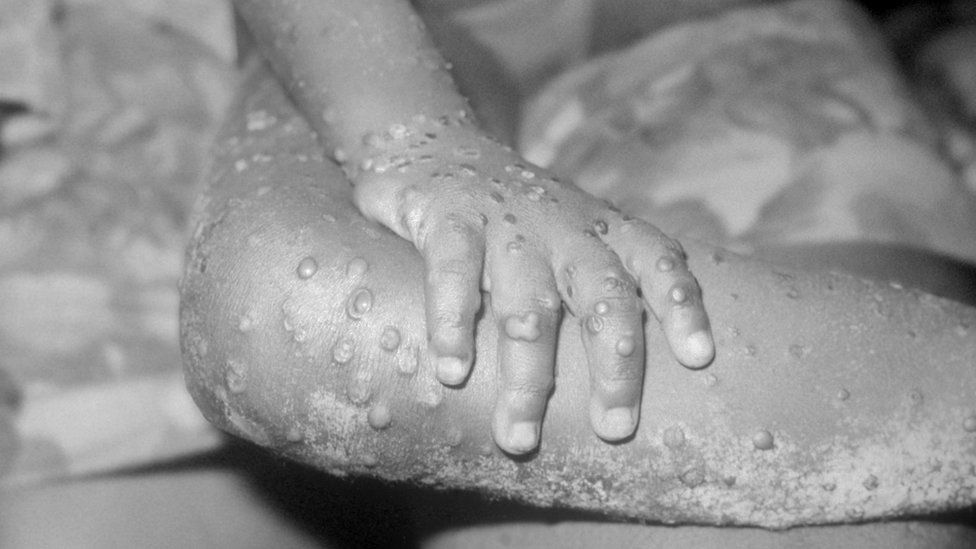
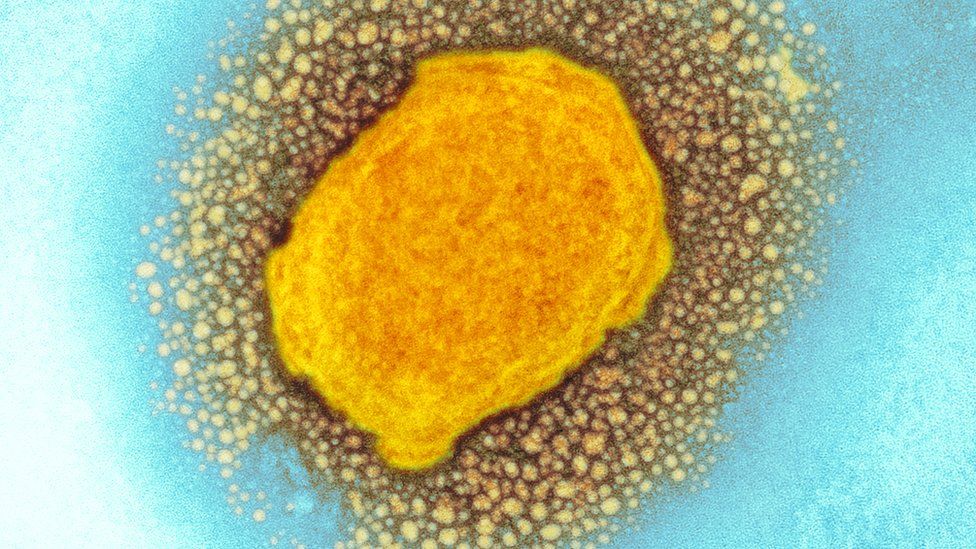
SharecloseShare pageCopy linkAbout sharingImage source, Science Photo LibraryThe UK government says it has bought stocks of smallpox vaccine to guard against monkeypox. There isn’t a specific vaccine for monkeypox, but a smallpox jab does offer some good protection since the two viruses are quite similar. In recent weeks, there have been nine cases of monkeypox found in England. Cases of the disease outside Central and West Africa are rare, but some have been occurring recently in Europe, USA, Canada and Australia. It is not clear how much vaccine stock has been bought by the UK, or how many jabs might be given. It has been reported that Spain is preparing to order thousands of doses of smallpox vaccine to use against monkeypox.A spokeswoman from the UK Health Security Agency (UKHSA) said: “Some individuals with higher level of exposures are being offered this smallpox vaccine. We have proactively procured further doses of these vaccines.”What is monkeypox?Monkeypox is usually associated with travel to Central or West Africa, but some of the cases that have been occurring outside these countries have had no travel link. It can be spread when someone comes into close contact with an infected person. The virus can enter the body through broken skin, the respiratory tract or through the eyes, nose or mouth.If you get infected with monkeypox, it usually takes between five and 21 days for the first symptoms to appear.Symptoms include fever, headache, muscle aches, backache, swollen lymph nodes, chills and exhaustion.A rash can develop, often beginning on the face, then spreading to other parts of the body. The rash changes and goes through different stages – a bit like chicken pox – before finally forming a scab, which later falls off.It does not spread easily between people, but it can be spread through:touching clothing, bedding or towels used by someone with the monkeypox rashtouching monkeypox skin blisters or scabsthe coughs or sneezes of a person with the monkeypox rashRead more about the virus here.The UKHSA says the risk to the public remains very low. Anyone with concerns that they could be infected should see a health professional, but make contact with the clinic or surgery ahead of a visit. NHS 111 can also give advice.Prof Kevin Fenton, UKHSA, said: “We are asking everybody to be aware of the signs and symptoms, which include rashes around the mouth as well as around the genital area.”And we are especially asking gay and bisexual men, among whom we’ve been seeing an increasing proportion of cases, to be on the lookout for monkeypox.”The Imvanex smallpox vaccine is about 85% effective in preventing monkeypox, studies suggest. Vaccination after a monkeypox exposure may help prevent the disease or make it less severe.Vaccines work by teaching the immune system how to defend itself against a disease.Routine smallpox vaccination ended in the 1970s in Britain, around the time the disease was eradicated, meaning many people have not got any protection or immune memory against these types of viruses. How smallpox claimed its final victimMonkeypox cases investigated in Europe, US, Canada and AustraliaMore on this storyWhat is monkeypox and how do you catch it?How smallpox claimed its final victim

Read more →

What is monkeypox and how do you catch it?

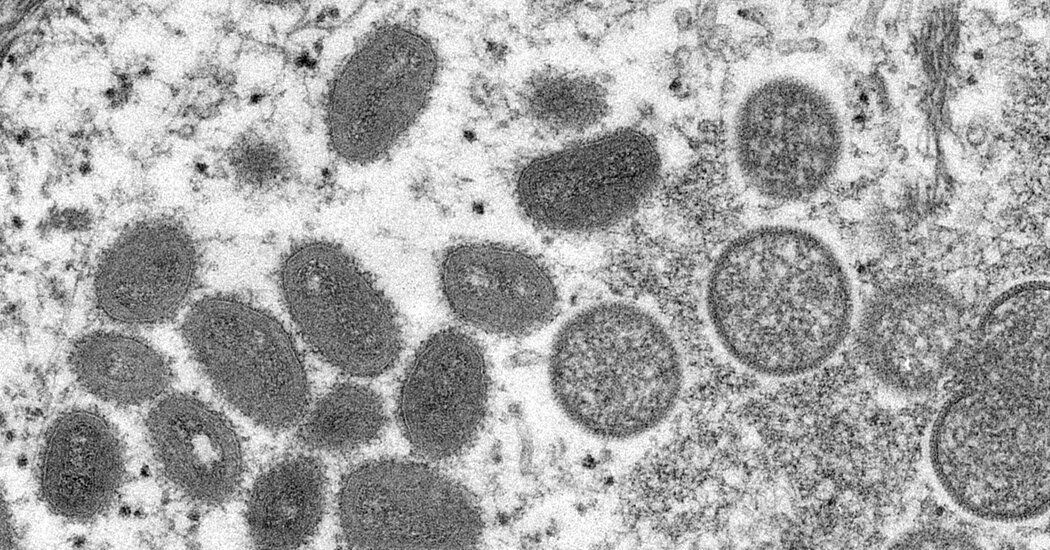
SharecloseShare pageCopy linkAbout sharingImage source, Getty ImagesCases of monkeypox are being investigated in European countries, including the UK as well as the US, Canada and Australia. Here we take a look at this rare, little-known disease.How common is monkeypox? Monkeypox is caused by the monkeypox virus, a member of the same family of viruses as smallpox, although it is much less severe and experts say chances of infection are low. It occurs mostly in remote parts of central and west African countries, near tropical rainforests. There are two main strains of virus – west African and central African. Two of the infected patients in the UK travelled from Nigeria, so it is likely that they are suffering from the West African strain of the virus, which is generally mild, but this is as yet unconfirmed. Another case was a healthcare worker who picked up the virus from one of the patients. Four more recent cases – three in London and one in north-east England – do not have any known links with each other, or any history of travel. It appears they caught it in the UK. The UKHSA says anyone with concerns that they could be infected should see a health professional, but make contact with the clinic or surgery ahead of a visit.What are the symptoms? Initial symptoms include fever, headaches, swellings, back pain, aching muscles and a general listlessness.Once the fever breaks a rash can develop, often beginning on the face, then spreading to other parts of the body, most commonly the palms of the hands and soles of the feet.The rash, which can be extremely itchy, changes and goes through different stages before finally forming a scab, which later falls off. The lesions can cause scarring. The infection usually clears up on its own and lasts between 14 and 21 days. Monkeypox: Heathcare worker is third UK case of diseaseBlackpool patient is second UK caseMonkeypox diagnosed in UK for first timeHow do you catch it? Monkeypox can be spread when someone is in close contact with an infected person. The virus can enter the body through broken skin, the respiratory tract or through the eyes, nose or mouth. It has not previously been described as a sexually transmitted infection, but it can be passed on by direct contact during sex. It can also be spread by contact with infected animals such as monkeys, rats and squirrels, or by virus-contaminated objects, such as bedding and clothing. Image source, Science Photo LibraryHow dangerous is it? Most cases of the virus are mild, sometimes resembling chickenpox, and clear up on their own within a few weeks.Monkeypox can sometimes be more severe, however, and has been reported to have caused deaths in west Africa. How common are outbreaks?The virus was first identified in a captive monkey and since 1970 there have been sporadic outbreaks reported across 10 African countries. In 2003 there was an outbreak in the USA, the first time the disease had been seen outside of Africa. Patients caught the disease from close contact with prairie dogs that had been infected by a variety of small mammals imported into the country. A total of 81 cases were reported, but none resulted in deaths. In 2017, Nigeria experienced the largest documented outbreak, approximately 40 years after the country had its last confirmed cases of monkeypox. There were 172 suspected cases of monkeypox, and 75% of victims were males aged between 21 and 40 years old.What is the treatment? There is no treatment for monkeypox, but outbreaks can be controlled by infection prevention. Vaccination against smallpox has been proven to be 85% effective in preventing monkeypox, and is still sometimes used. It has been reported that Spain is preparing to order thousands of doses of smallpox vaccine to use against monkeypox. Experts believe that vaccination after a monkeypox exposure may help prevent the disease or make it less severe.Should the public be concerned? Experts say we are not on the brink of a national outbreak and, according to Public Health England, the risk to the public is low. Prof Jonathan Ball, professor of molecular virology, University of Nottingham, said: “The fact that only one of the 50 contacts of the initial monkeypox-infected patient has been infected shows how poorly infectious the virus is. “It is wrong to think that we are on the brink of a nationwide outbreak.”Dr Nick Phin, deputy director, National Infection Service at Public Health England (PHE), added: “It is important to emphasise that monkeypox does not spread easily between people and the overall risk to the general public is very low.”PHE is following up those who have had close contact with the patient to offer advice and to monitor them as necessary.”Sources: PHE England and World Health Organization.More on this storyHealth worker diagnosed with monkeypoxSecond UK monkeypox patient confirmedMonkeypox diagnosed in UK for first timeRelated Internet LinksMonkeypox – NHSThe BBC is not responsible for the content of external sites.

Read more →

Monkeypox cases investigated in Europe, US, Canada and Australia

SharecloseShare pageCopy linkAbout sharingImage source, Getty ImagesCases of Monkeypox are being investigated in European countries as well as the US, Canada and Australia, according to health authorities and local media reports.The latest new cases were reported in France, Italy, Sweden and Australia.It follows the confirmation of cases in the US, Spain and Portugal on Wednesday, as well as the investigation of 13 suspected cases in Canada.Monkeypox is most common in remote parts of Central and West Africa.Cases of the disease outside of the region are often linked to travel to the area.Monkeypox is a rare viral infection which is usually mild and from which most people recover in a few weeks, according to the UK’s National Health Service.The virus does not spread easily between people and the risk to the wider public is said to be very low.EXPLAINER: What is Monkeypox? The first case of the disease in the UK was reported on 7 May. The patient had recently travelled to Nigeria, where they are believed to have caught the virus before travelling to England, the UK Health Security Agency said.There are now nine confirmed cases in the UK. The source of these infections has not yet been confirmed but cases seem to have been “locally acquired”, the World Health Organization (WHO) says.Australia on Friday reported its first suspected case, in a man who fell ill after returning from travel in Europe. In Europe, one confirmed case was reported in Sweden on Thursday, as well as one in Italy and a suspected case in France. Swedish authorities said they were not sure how the individual had contracted the virus, but local media report that the individual in Italy had recently returned from the Canary Islands.Five confirmed cases were also reported in Portugal on Wednesday, as well as seven in Spain.Though no vaccine has been approved for Monkeypox in Europe, Spanish health authorities have reportedly purchased thousands of smallpox vaccines to deal with the outbreak, according to Spanish newspaper El País. Monkeypox is a member of the same family of viruses as smallpox.In North America, health authorities in the US state of Massachusetts also confirmed that a man has been infected with Monkeypox.He had recently travelled to Canada, where local media report that 13 suspected cases of the virus are being investigated.According to health officials, the man has been hospitalised, is in “good condition” and “poses no risk to the public”.More on this storyWhat is monkeypox and how do you catch it?Two more monkeypox cases take UK total to nineMonkeypox case confirmed in England

Read more →

Officials Report a Possible Monkeypox Case in New York

The patient is under care at Bellevue Hospital while further testing is conducted.Days after unusual clusters of the rare monkeypox virus emerged in Europe, New York City health authorities announced on Thursday that they were investigating a possible case of the rare disease.The authorities said little about the patient, who is currently in isolation at Bellevue Hospital, according to a statement from the city health department. The patient arrived to the hospital Thursday, according to one official.Patient samples will be sent to the city’s public health lab for a preliminary test, and if that comes back positive, samples will be sent to the Centers for Disease Control and Prevention to confirm whether the illness is in fact monkeypox, according to the health authorities.News of the possible case comes a day after a man in Massachusetts was diagnosed with the disease. He had recently traveled to Canada, which is currently investigating more than 15 suspected cases in and around Montreal.Clusters of monkeypox cases have recently been identified in Britain and Portugal, while Spain is investigating suspected cases of the virus. Sweden and Italy reported cases on Thursday. The patients in Britain and those in Canada are mostly men who have sex with men.Monkeypox, according to the C.D.C., can spread through respiratory droplets from an infected person, as well through contact with body fluids and the sores that the virus is known for. It can also spread via contaminated objects.The viral disease is related to smallpox, but it’s milder and less infectious. It usually does not cause large outbreaks.The first outbreak in the United States occurred nearly 20 years ago and most likely infected some 47 people. It is believed to have begun with the importation of infected squirrels and other rodents from Ghana. They in turn infected prairie dogs that were subsequently sold as pets.Infected people usually experience fever and body aches before developing the disease’s characteristic rash. Red bumps turn to pus-filled blisters that crust over. The illness can be treated with an antiviral drug.The city’s health authorities on Thursday said that investigators will try to locate people who were recently in contact with the patient at Bellevue.

Read more →

Oklahoma passes bill banning most abortions after conception

SharecloseShare pageCopy linkAbout sharingImage source, Getty ImagesOklahoma legislators have passed a law banning abortion after conception, which critics say is the most restrictive such measure in the US.The Republican-led bill would prohibit all abortions, except to save the life of the woman or if the pregnancy is the result of rape or incest.It comes after a leak suggested the US Supreme Court may quash the 1973 ruling that legalised abortion nationwide.Republican-led US states are ramping up bills to limit abortion access.On the other side, US Senate Democrats last week tried to pass a bill that critics said would allow abortion through all nine months of pregnancy. It was stopped by Republicans.Opinion polls find most Americans are in favour of abortion access, though surveys also show public support for allowing the procedure drops sharply after the first trimester of pregnancy.What happens if Roe v Wade is overturnedWho could be most affected by US abortion changes?Abortion is generally legal in US states that do not restrict it up to about 24 weeks of pregnancy, which is near the end of the second trimester.Oklahoma has recently passed several laws aimed at setting it apart as the most “pro-life” state in the US. The bill, which passed overwhelmingly on Thursday, is modelled on a Texas anti-abortion law that allows anyone to sue abortion providers. But the Oklahoma bill bans abortion even earlier than Texas, where it is not legal after six weeks. This is around the time cardiac activity can be detected in the embryo, and before many women realise they are pregnant.The Oklahoma measure defines fertilisation as the “fusion of a human spermatozoon with a human ovum”. Banning abortion after conception has been a long-held goal of national anti-abortion groups. The bill still needs to be signed into law by the state’s Republican governor, who has vowed to approve any anti-abortion legislation that comes to his desk. The Oklahoma measure allows exemptions in cases of rape and incest, but only if reported to the police. It does not ban contraception or morning-after pills.In the past three months, Oklahoma has passed two other anti-abortion bills, which have already caused most abortion providers in the state to close. This video can not be playedTo play this video you need to enable JavaScript in your browser.By early July, a majority of conservative justices on the US Supreme Court could overturn the Roe v Wade decision that legalised abortion nearly half a century ago, according to a recently leaked draft opinion.Such a decision would not ban abortion throughout the US, but allow state legislatures to determine whether to restrict abortion access, or ban it altogether.Oklahoma is one of nearly half of US states with so-called trigger laws, which would immediately outlaw abortion access if Roe v Wade were overturned. More on this storyUS Democrats’ bid for federal abortion law failsOklahoma lawmakers pass near-total ban on abortion

Read more →

North Korea: Fighting Covid with traditional medicine

SharecloseShare pageCopy linkAbout sharingImage source, EPANorth Korea is grappling with the spread of Covid in an unvaccinated population, without access to effective anti-viral drugs. In early 2020, the country sealed its borders to try to insulate itself from the pandemic.Its leadership has so far rejected outside medical support.And state media has recommended traditional treatments to deal with what is referred to as “fever”. Hot drinksFor those not seriously ill, ruling-party newspaper Rodong Simnun recommended remedies including ginger or honeysuckle tea and a willow-leaf drink.Image source, Getty ImagesHot drinks might soothe some Covid symptoms, such as a sore throat or cough, and help hydration when patients are losing more fluid than normal.Ginger and willow leaf also relieve inflammation and reduce pain.But they are not a treatment for the virus itself.Salt waterState media recently interviewed a couple who recommended gargling with salt water morning and night.A “thousand of tonnes of salt” had been sent to Pyongyang to make an “antiseptic solution”, the state news agency reported.Some studies suggest gargling and nasal rinses with salt water combat viruses that cause the common cold.But there is little evidence they slow the spread of Covid. Image source, ReutersMouthwash could kill the virus in the lab, a study found.But it has not convincingly been shown to help in humans. Covid is mainly caught by inhaling tiny droplets in the air via the nose as well as the mouth, so gargling attacks only one point of entry. And once the virus has entered, it replicates and spreads deep into the organs, where no amount of gargling can reach.Painkillers and antibioticsState television has advised patients to use painkillers such as ibuprofen as well as amoxicillin and other antibiotics.Image source, Getty ImagesIbuprofen (and paracetamol) can bring down a temperature and ease symptoms such as headache or sore throat. But they will not clear the virus or prevent it developing. Antibiotics, meant for bacterial infections not viruses, are not recommended.And using antibiotics unnecessarily risks developing resistant bugs. Laboratory research suggests some may slow the spread of some viruses, including Covid.But these have not been replicated in the real world.And a study of the antibiotic azithromycin found it made little or no difference to Covid symptoms, the likelihood of hospital admission or death. There are some approved drugs to prevent people with Covid ending up in hospital: antivirals paxlovid, molnupiravir and remdesivirantibody therapies that mimic the immune systemBut their effectiveness is variable.Health systemNorth Korea’s health system has been set up to offer free medical care from basic services at village level up to specialised treatment in government hospitals (usually in urban centres).But the economy has contracted in recent years because of sanctions and extreme weather such as droughts. Closing the country’s borders and strict lockdown measures will also have had a damaging impact.Image source, KCTVParticularly weak outside Pyongyang, the health system is thought to suffer shortages of personnel, medicines and equipment.A report for the UN, last year, said: “Some of the pharmaceutical, vaccination and medical-appliance plants do not reach the level of good practice of the WHO [World Health Organization] and do not meet local demand as well.”Many North Korean defectors to South Korea have told of having to pay for medication or finding treatment and drugs limited to privileged members of the ruling party.But state media says it is now increasing production.International aidNorth Korea turned down three million Chinese-made doses, last year – and reportedly rejected other offers – under Covax, the global vaccine-sharing scheme.South Korea says it has had no reply to its offer of vaccines, medical supplies and personnel.North Korea has reportedly recently sent three planes to collect medical supplies from Shenyang.These had not included “anti-pandemic supplies”, the Chinese foreign ministry said, but it was “ready to work with North Korea… in the fight against the coronavirus”. Read more from Reality CheckSend us your questions

Read more →

Kwaku Ohene-Frempong, Expert in Sickle Cell Disease, Dies at 76

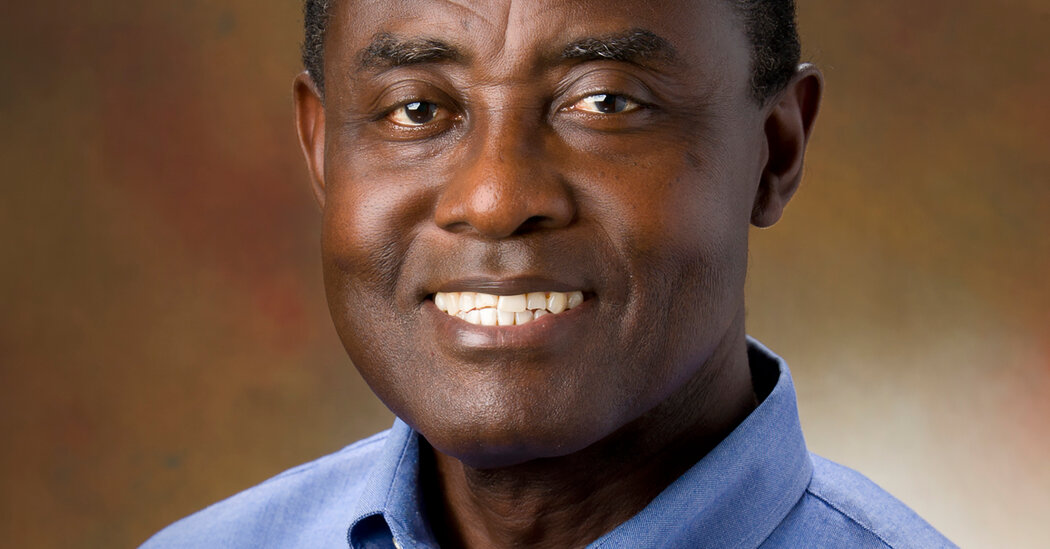
When his baby boy was diagnosed with the illness, he made it his mission to combat it. He later took his expertise back to his native Ghana.Soon after his first child, Kwame, was born on May 13, 1972, Dr. Kwaku Ohene-Frempong discovered that the boy had a fatal genetic disease.“I was holding Kwame, and he came upstairs with tears in his eyes,” his wife, Janet Ohene-Frempong, said in an interview, recalling the moment her husband broke the news. “He said, ‘Our son, Kwame, has sickle cell disease.’ He knew what that meant.” Sickle cell can result in searing pain, organ damage, strokes, susceptibility to infections and premature death.Dr. Ohene-Frempong, a medical student at Yale at the time, then called his mother at their family home in Ghana. “God is telling you something,” she told him. The message, she said, was to use his medical training to help combat the disease. And that is what he did “until he drew his last breath,” Ms. Ohene-Frempong said.“The most important thing that happened to us is Kwame’s birth,” she added. “It changed the trajectory of our lives and of hundreds and hundreds of people around the world. All the work he did — every bit of it — he did because of Kwame.”Dr. Ohene-Frempong, familiarly known by his initials, Kof (pronounced cough), died on May 7 in Philadelphia. He was 76. The cause was metastatic lung cancer, his wife said.Dr. Ohene-Frempong worked for decades at the Children’s Hospital of Philadelphia, part of the University of Pennsylvania. At CHOP, as it is known, he established its Comprehensive Sickle Cell Center.Dr. Alexis Thompson, a colleague and sickle cell expert there, said in an interview: “I relied on his wisdom at almost every turn in my career. Part of it was watching with this tremendous awe what his vision was and the things he thought to do to move this field forward.”Dr. Ohene-Frempong was a leader of a large, federally-funded study, the Cooperative Study of Sickle Cell Disease, that helped answer an important question: What is the natural course of the disease?Analyzing the study’s data, he found that the disease could result in blockages in blood vessels in the brain, leading to a high rate of strokes in children with sickle cell. That led other researchers to be able to predict which children were most at risk and to discover that regular transfusions could prevent most strokes in those children.In his native Ghana, Dr. Ohene-Frempong established a pilot program to provide screening for sickle cell disease among newborns in the southern city of Kumasi. It was the first such program in sub-Saharan Africa. In addition to identifying children with the illness, the program referred them to specialized clinics that provided treatments like antibiotics to prevent infections, routine immunizations and a drug, hydroxyurea, that can reduce the risk of complications from sickle cell.Kwaku Ohene-Fremong was born on March 13, 1946, in Kukurantumi, in eastern Ghana, to Kwasi Adde Ohene and Adwoa Idi Boafu. His father was a cocoa farmer and a prominent member of a royal family.Kwaku attended a boarding school, Prempeh College, then went to Yale University, where he majored in biology and was captain of the track and field team, setting indoor and outdoor records in the high hurdles. While a student, he met Janet Williams, who was attending Cornell University. They married on June 6, 1970, one week after they had both graduated.Dr. Ohene-Frempong said in an interview in 2019 that he first found out about sickle cell when he and some friends attended a lecture about the disease at Yale. As he sat listening, he said, he suddenly recognized the disease: It was in his family but had gone undiagnosed. One of his cousins had the symptoms and died at 14.“He was in pain,” he said of his cousin. “His eyes were very yellow, and he was very skinny.”Dr. Ohene-Frempong continued on to medical school at Yale, then went to New York Hospital Weill-Cornell Medical Center in Manhattan for his residency. He studied pediatric hematology at the Children’s Hospital of Philadelphia before moving to the Tulane University School of Medicine, where he was associate professor of pediatrics.In his six years at Tulane, he established the Tulane Sickle Cell Center of Southern Louisiana, a medical care facility, and helped the state health department develop a newborn-screening program for the disease.In 1986, Dr. Ohene-Frempong returned to Children’s Hospital and remained there for 30 years before leaving to work full time in Ghana, at the Kumasi Center for Sickle Cell Disease, a research and treatment center. He was still based there when he returned to Philadelphia for cancer treatment.“He was very, very aware of the limitations of working in Africa,” Ms. Ohene-Frempong said. “His goal was to raise the standards of care. He said, ‘It can be done in America, and that is our goal here.’”As part of that mission, Dr. Ohene-Frempong became president of the Sickle Cell Foundation of Ghana and the national coordinator for the American Society of Hematology’s Consortium on Newborn Screening in Africa.His honors and accolades were many, including, from Ghana, the Order of the Volta in 2010 and the Millennium Excellence Award in Medicine in 2015. In the United States, in 2020, he received the Assistant Secretary of Health Exceptional Service Medal, the highest civilian award given by the Public Health Service, part of the Department of Health and Human Services. The American Society for Hematology honored him in 2021 with its Stratton Award for Translational and Clinical Science.But despite the progress that Dr. Ohene-Frempong and others had made in caring for people with sickle cell disease, his son, Kwame, did not survive it: He died in 2013 at age 40, the father of two young children.In addition to his wife, Dr. Ohene-Frempong is survived by his daughter, Afia Ohene-Frempong; three brothers, Kwabena Ohene-Dokyi, Kwasi Ohene-Owusu and Reynolds Twumasi; a sister, Ama Ohene- Agyeiwaa Boateng; a grandson; and a granddaughter.

Read more →

Dietary cholesterol worsens inflammation, sickness in mice with influenza

New research from the University of Illinois suggests high levels of dietary cholesterol make mice sicker when infected with influenza. The study is the first to link cholesterol in the diet with exacerbation of a viral infection.
Previously, scientists linked high-fat diets and elevated blood cholesterol with increased susceptibility to infection and lowered immune response. For example, obesity is a well-known risk factor for severe disease in COVID and influenza. But few studies have separated out the contribution of cholesterol in these infections, and none have delineated the effect of dietary cholesterol.
“We knew high serum cholesterol levels can lead to higher risk of sepsis in influenza infections and that statins — cholesterol-lowering medications — can improve survival during influenza pneumonia, SARS-CoV-2 infection, and sepsis. But it wasn’t clear whether or how dietary cholesterol was involved,” says Allison Louie, lead author on the Journal of Immunology study and doctoral student in the Neuroscience Program at Illinois.
Cholesterol is essential in the body. It’s part of our cell membranes, helps us make hormones and vitamin D, and allows for proper immune cell function. Our bodies manufacture it for us, requiring little to come in through dietary sources. In fact, for healthy people, dietary cholesterol does not substantially affect circulating cholesterol levels nor increase risk of cardiovascular disease. That’s part of the reason limits on cholesterol intake were lifted from the Dietary Guidelines for Americans in 2015.
But when it comes to infectious disease in mice, Louie’s study suggests dietary cholesterol may make a difference, even without increasing dietary fat.
Louie, along with co-authors Andrew Steelman and Joseph Tingling, fed mice a standard rodent chow or an identical diet supplemented with 2% cholesterol. After five weeks on the diets, mice were infected with a mouse-adapted human influenza A virus. The research team tracked disease progression, including weight loss, food intake, and sickness behavior. They also tracked serum cholesterol levels and immune responses and measured viral load in the lungs at multiple time points over the course of the infection.

Read more →