Taste buds can adapt to low salt diet

A taste adaptation intervention lowers salt intake and increases enjoyment of a sodium restricted diet in patients with hypertension, according to a small study presented at ACNAP-EuroHeartCare Congress 2022, a scientific congress of the European Society of Cardiology (ESC).1
“One of the major barriers to sticking to a low salt diet is that people do not like the taste, but few studies have addressed this issue,” said study author Professor Misook Chung of the University of Kentucky, Lexington, US. “Our pilot study in patients with high blood pressure shows that it is possible to change taste perception and learn to like food with less salt.”
Hypertension affects more than one billion people worldwide and is the leading global cause of premature death.2 A healthy lifestyle, including salt restriction, is recommended to delay the need for blood pressure lowering drugs or complement their effects. However, the benefits of reduced sodium intake on blood pressure tend to diminish with time, partly due to poor adherence.
The researchers developed the Sodium Watchers Programme — Hypertension (SWaP-HTN) for gradual taste adaptation to low salt food. This study examined its short-term effects on sodium intake, blood pressure, preference for salty food, and enjoyment of a sodium restricted diet. A total of 29 adults with hypertension were randomly assigned to the intervention or usual care in a 2:1 ratio. Participants in the usual care group received routine medical and nursing care for hypertension including advice to follow a sodium restricted diet and take prescribed medications.
The intervention group received 16 weeks of education and follow-up with a study nurse via video call on a tablet. Sessions were held weekly for six weeks, then every two weeks for 10 weeks. The programme was individualised to each patient’s barriers and weekly goals and included salt added at the table, salt used during cooking, grocery shopping, and eating in restaurants. Participants received an electronic device that detects salt content to enable them to identify and avoid high salt food.
Professor Chung explained: “One of the first steps was for patients to realise how much salt they were eating. Using the electronic device they could test the salt content of restaurant meals and ask the chef to reduce or eliminate salt on their next visit. They also used it at home to lower the salt content in their own cooking. Some people automatically added salt at the table before tasting the food so we asked participants to count the number of ‘shakes’ and set goals for reducing it. Most participants removed the salt shaker from the table within three weeks.”
At baseline and 16 weeks, all participants provided a 24-hour urine sample to assess sodium intake and had their blood pressure measured. In addition, preference for salty food and enjoyment of a salt restricted diet were assessed on a 10-point scale.

Read more →

Monkeypox virus outbreaks are containable – WHO

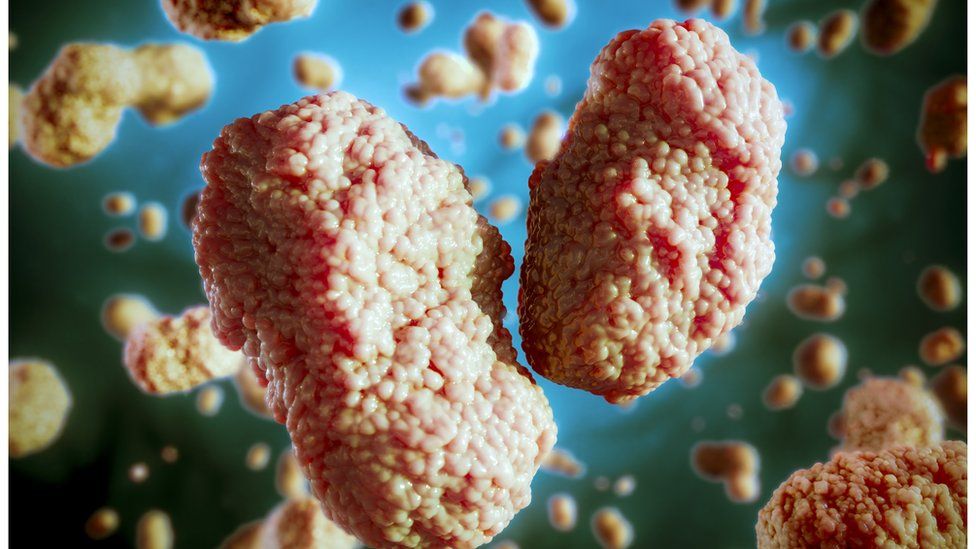
SharecloseShare pageCopy linkAbout sharingImage source, Science Photo LibraryMonkeypox can be contained in countries outside of Africa where the virus is not usually detected, the World Health Organization (WHO) says.More than 100 cases of the virus – which causes a rash and a fever – have been confirmed in Europe, the Americas and Australia.That number is expected to rise still, but experts say the overall risk to the broader population is very low.The virus is most common in remote parts of Central and West Africa.”This is a containable situation,” the WHO’s emerging disease lead Maria Van Kerkhove said at a news conference on Monday.”We want to stop human-to-human transmission. We can do this in the non-endemic countries,” she added – referring to recent cases in Europe and North America.What is monkeypox and how do you catch it? Monkeypox: Time to worry or one to ignore?The virus has now been detected in 16 countries outside Africa.Despite being the largest outbreak outside of Africa in 50 years, monkeypox does not spread easily between people and experts say the threat is not comparable to the coronavirus pandemic. “Transmission is really happening from skin-to-skin contact, most of the people who have been identified have more of a mild disease,” Ms Van Kerkhove said. Another WHO official added that there was no evidence the monkeypox virus had mutated, following earlier speculation over the cause of the current outbreak.Viruses in this group “tend not to mutate and they tend to be fairly stable”, said Rosamund Lewis, who heads the WHO’s smallpox secretariat.Meanwhile, a top EU health official has warned that some groups of people may be more at risk than others.”For the broader population, the likelihood of spread is very low,” said Dr Andrea Ammon of the European Centre for Disease Prevention and Control. “However the likelihood of further spread of the virus through close contact for example during sexual activities amongst persons with multiple sexual partners is considered to be high”.Monkeypox has not previously been described as a sexually transmitted infection, but it can be passed on by direct contact during sex.Dr Ammon suggested that countries should review the availability of the smallpox vaccine which is also effective against monkeypox.In the UK, which has now recorded 57 cases, authorities are advising anyone who has had close contact with a confirmed case to isolate for 21 days.A person is considered at high risk of having caught the infection if they have had household or sexual contact with someone with monkeypox, or have changed the bedding of an infected person without wearing personal protective equipment (PPE).Symptoms, which include a high temperature, aches, and a rash of raised spots that later turn into blisters, are typically mild and for most people clear up within two to four weeks.More on this storyScotland’s first monkeypox patient in hospitalHigh-risk monkeypox contacts advised to isolate

Read more →

Alcohol may be more risky to the heart than previously thought

Levels of alcohol consumption currently considered safe by some countries are linked with development of heart failure, according to research presented at Heart Failure 2022, a scientific congress of the European Society of Cardiology (ESC).1
“This study adds to the body of evidence that a more cautious approach to alcohol consumption is needed,” said study author Dr. Bethany Wong of St. Vincent’s University Hospital, Dublin, Ireland. “To minimise the risk of alcohol causing harm to the heart, if you don’t drink, don’t start. If you do drink, limit your weekly consumption to less than one bottle of wine or less than three-and-a-half 500 ml cans of 4.5% beer.”
According to the World Health Organization, the European Union is the heaviest-drinking region in the world.2 While it is well recognised that long-term heavy alcohol use can cause a type of heart failure called alcoholic cardiomyopathy,3 evidence from Asian populations suggests that lower amounts may also be detrimental.4,5 “As there are genetic and environmental differences between Asian and European populations this study investigated if there was a similar relationship between alcohol and cardiac changes in Europeans at risk of heart failure or with pre-heart failure,” said Dr. Wong. “The mainstay of treatment for this group is management of risk factors such as alcohol, so knowledge about safe levels is crucial.”
This was a secondary analysis of the STOP-HF trial.6 The study included 744 adults over 40 years of age either at risk of developing heart failure due to risk factors (e.g. high blood pressure, diabetes, obesity) or with pre-heart failure (risk factors and heart abnormalities but no symptoms).7 The average age was 66.5 years and 53% were women. The study excluded former drinkers and heart failure patients with symptoms (e.g. shortness of breath, tiredness, reduced ability to exercise, swollen ankles). Heart function was measured with echocardiography at baseline and follow up.
The study used the Irish definition of one standard drink (i.e. one unit), which is 10 grams of alcohol.8 Participants were categorised according to their weekly alcohol intake: 1) none; 2) low (less than seven units; up to one 750 ml bottle of 12.5% wine or three-and-a-half 500 ml cans of 4.5% beer); 3) moderate (7-14 units; up to two bottles of 12.5% wine or seven 500 mL cans of 4.5% beer); 4) high (above 14 units; more than two bottles of 12.5% wine or seven 500 ml cans of 4.5% beer).
The researchers analysed the association between alcohol use and heart health over a median of 5.4 years. The results were reported separately for the at-risk and pre-heart failure groups. In the at-risk group, worsening heart health was defined as progression to pre-heart failure or to symptomatic heart failure. For the pre-heart failure group, worsening heart health was defined as deterioration in the squeezing or relaxation functions of the heart or progression to symptomatic heart failure. The analyses were adjusted for factors that can affect heart structure including age, gender, obesity, high blood pressure, diabetes, and vascular disease.

Read more →

Bacteria can live in snake and spider venoms

Newly published research led by Northumbria University shows that, contrary to what is commonly believed, the venom of snakes and spiders is actually populated with microbes, including bacteria that could cause infection in people who have suffered a bite.
For decades scientists have thought that animal venom is an entirely sterile environment due to it being full of antimicrobial substances — materials that can kill bacteria.
However, new scientific evidence from research led by Northumbria University Associate Professor in Cellular and Molecular Sciences, Sterghios Moschos and venom biologist Steve Trim, Founder and CSO of biotechnology company Venomtech, has shown that this is not the case.
The work, published today in scientific journal Microbiology Spectrum demonstrates how adaptable microorganisms are. The study provides strong genetic and culture evidence that bacteria can not only survive in the venom glands of several species of snakes and spiders, but can also mutate to resist the notoriously toxic liquid that is venom.
The findings also suggest that victims of venomous animal bites may therefore also need to be treated for infections, not just antivenom to tackle the toxins deposited through the bite.
The publication of the study follows the news that Northumbria University’s research power continues to grow with results from the Research Excellence Framework (REF2021) showing Northumbria University with the biggest rise in research power ranking of any UK university. Its research power ranking rose to 23rd, having previously risen to 50thin 2014 from 80th in 2008, making Northumbria the sector’s largest riser in research power ranking for the second time.

Read more →

Genetic test can diagnose certain immune system disorders

Primary immunodeficiency disorders (PID) can result in chronic and sometimes life-threatening infections. More than 450 PIDs have been described, but timely and accurate diagnoses remain a challenge. In a new study in The Journal of Molecular Diagnostics, published by Elsevier, investigators used next-generation sequencing technology to test a DNA panel of 130 different immune system genes from 22 study participants. They found that many patients had inherited a genetic defect that caused a disorder in their immune system. These findings will facilitate better treatment options and earlier diagnosis in family members who may have inherited the same genetic abnormality.
“Genetic testing was costly to perform and was mostly targeted to DNA sequencing of a single or very small number of genes. Therefore, a genetic diagnosis was limited for many patients with PIDs,” explained lead investigator Lloyd J. D’Orsogna, MBBS, PhD, School of Medicine, the University of Western Australia; and Department of Clinical Immunology at PathWest Laboratory Medicine, Fiona Stanley Hospital, Perth, Western Australia.
“Recent advances in genetic technology allow affordable testing of multiple genes from the same individual. We can therefore identify a specific gene that may lead to frequent infections in patients. An earlier and more accurate diagnosis may improve the patient outcome and prevent complications,” Dr. D’Orsogna.”
Twenty-two unrelated patients with common variable immunodeficiency (CVID), a common type of PID, and a previously unknown genetic diagnosis, were recruited for the study. DNA samples were tested and processed with a next-generation sequencing panel containing 120 different immune genes. One-hundred and thirty genetic variants were identified for analysis. The pathogenicity of the novel variants not previously associated with CVID were assessed through literature review, functional assays, and family studies.
The investigators identified likely pathogenetic variants in six of the 22 patients (27%). In an additional four patients, variants of unknown significance (VOUS) were identified. VOUS are genetic variants whose clinical significance is not clear at this stage but might cause the disease. Overall, the investigators were able to identify genetic abnormalities in nearly half of the patients. All detected variants were confirmed with conventional Sanger sequencing.
Among the notable findings of the study was a patient with a novel variant in the AICDA gene that had not previously been reported. Her son also had a confirmed diagnosis of CVID and has also inherited the same mutation. Another patient had a novel pathogenic variant of the ICOS gene, which is implicated in immunodeficiency and immune response. In another CVID patient, a genetic variant was also detected in the BAFF-R gene, which enhances B cell survival; however, it was confirmed as pathogenic by flow cytometry analysis.
Such genetic diagnoses can inform decisions on targeted therapeutic options for patients. They can also provide earlier intervention for family members of patients with confirmed CVID. For example, the son of the patient with the novel AICDA variant was referred for genetic counseling before starting a family.
“I hope the new age of genetic medicine enables earlier and more accurate diagnosis, likely leading to better treatment and outcomes for all,” said Dr. D’Orsogna.
Story Source:
Materials provided by Elsevier. Note: Content may be edited for style and length.

Read more →

Novel AI algorithm for digital pathology analysis

Digital pathology is an emerging field which deals with mainly microscopy images that are derived from patient biopsies. Because of the high resolution, most of these whole slide images (WSI) have a large size, typically exceeding a gigabyte (Gb). Therefore, typical image analysis methods cannot efficiently handle them.
Seeing a need, researchers from Boston University School of Medicine (BUSM) have developed a novel artificial intelligence (AI) algorithm based on a framework called representation learning to classify lung cancer subtype based on lung tissue images from resected tumors.
“We are developing novel AI-based methods that can bring efficiency to assessing digital pathology data. Pathology practice is in the midst of a digital revolution. Computer-based methods are being developed to assist the expert pathologist. Also, in places where there is no expert, such methods and technologies can directly assist diagnosis,” explains corresponding author Vijaya B. Kolachalama, PhD, FAHA, assistant professor of medicine and computer science at BUSM.
The researchers developed a graph-based vision transformer for digital pathology called Graph Transformer (GTP) that leverages a graph representation of pathology images and the computational efficiency of transformer architectures to perform analysis on the whole slide image.
“Translating the latest advances in computer science to digital pathology is not straightforward and there is a need to build AI methods that can exclusively tackle the problems in digital pathology,” explains co-corresponding author Jennifer Beane, PhD, associate professor of medicine at BUSM.
Using whole slide images and clinical data from three publicly available national cohorts, they then developed a model that could distinguish between lung adenocarcinoma, lung squamous cell carcinoma, and adjacent non-cancerous tissue. Over a series of studies and sensitivity analyses, they showed that their GTP framework outperforms current state-of-the-art methods used for whole slide image classification.
They believe their machine learning framework has implications beyond digital pathology. “Researchers who are interested in the development of computer vision approaches for other real-world applications can also find our approach to be useful,” they added.
These findings appear online in the journal IEEE Transactions on Medical Imaging.
Funding for this study was provided by grants from the National Institutes of Health (R21-CA253498, R01-HL159620), Johnson & Johnson Enterprise Innovation, Inc., the American Heart Association (20SFRN35460031), the Karen Toffler Charitable Trust, and the National Science Foundation (1551572, 1838193)
Story Source:
Materials provided by Boston University School of Medicine. Note: Content may be edited for style and length.

Read more →

New research may explain unexpected effects of common painkillers

Non-steroidal anti-inflammatory drugs (NSAIDs) such as ibuprofen and aspirin are widely used to treat pain and inflammation. But even at similar doses, different NSAIDs can have unexpected and unexplained effects on many diseases, including heart disease and cancer.
Now, a new Yale-led study has uncovered a previously unknown process by which some NSAIDs affect the body. The finding may explain why similar NSAIDs produce a range of clinical outcomes and could inform how the drugs are used in the future.
The study was published May 23 in the journal Immunity.
Until now, the anti-inflammatory effects of NSAIDs were believed to arise solely through the inhibition of certain enzymes. But this mechanism does not account for many clinical outcomes that vary across the family of drugs. For example, some NSAIDs prevent heart disease while others cause it, some NSAIDs have been linked to decreased incidence of colorectal cancer, and various NSAIDs can have a wide range of effects on asthma.
Now, using cell cultures and mice, Yale researchers have uncovered a distinct mechanism by which a subset of NSAIDs reduce inflammation. And that mechanism may help explain some of these curious effects.
The research showed that only some NSAIDs — including indomethacin, which is used to treat arthritis and gout, and ibuprofen — also activate a protein called nuclear factor erythroid 2-related factor 2, or NRF2, which, among its many actions, triggers anti-inflammatory processes in the body.

Read more →

Scientists find sea corals are source of sought-after 'anti-cancer' compound

The bottom of the ocean is full of mysteries but scientists have recently uncovered one of its best-kept secrets. For 25 years, drug hunters have been searching for the source of a natural chemical that had shown promise in initial studies for treating cancer. Now, researchers at University of Utah Health report that easy-to-find soft corals — flexible corals that resemble underwater plants — make the elusive compound.
Identifying the source allowed the researchers to go a step further and find the animal’s DNA code for synthesizing the chemical. By following those instructions, they were able to carry out the first steps of re-creating the soft coral chemical in the laboratory.
“This is the first time we have been able to do this with any drug lead on Earth,” says Eric Schmidt, Ph.D., professor of medicinal chemistry at U of U Health. He led the study with Paul Scesa, Ph.D., postdoctoral scientist and first author, and Zhenjian Lin, Ph.D., assistant research professor.
The advance opens the possibility of producing the compound in the large amounts needed for rigorous testing and could one day result in a new tool to fight cancer.
A second research group led by Bradley Moore, Ph.D., from Scripps Institution of Oceanography at the University of California San Diego, independently showed that corals make related molecules. Both studies are published in the May 23 issue of Nature Chemical Biology.
A World of Possibilities
Soft corals have thousands of drug-like compounds that could work as anti-inflammatory agents, antibiotics, and more. But getting enough of these compounds has been a major barrier to developing them into drugs for clinical use. Schmidt says that these other compounds should also now be accessible using this new approach.

Read more →

The limits of vision: Seeing shadows in the dark

Mice use a specific neural pathway to detect shadows, and it can detect just about the dimmest shadows possible, according to new research from Aalto University and the University of Helsinki. The human eye has the same neural circuit, which researchers think could be used to probe visual diseases at unprecedented resolution.
To test shadow detection, the researchers put mice in a maze with nearly no light. The exit was marked by a black spot, just barely distinct from the surrounding darkness. By tracking how the mice moved through the maze and measuring the activity of neurons at the back of the eye — the retina — the team showed that a group of retinal cells known as OFF ganglion cells detected the extremely small dip in light levels.
‘Our goal is to go from molecules all the way up to behaviour,’ says Professor Petri Ala-Laurila, who holds a joint appointment at Aalto and the University of Helsinki. This study builds on earlier work from his group which showed that ON ganglion cells are used to detect a very faint patch of light in darkness. ‘The opposite task would be detecting the dimmest shadows, where just a few photons are missing. Our hypothesis was that that’s what the most sensitive OFF cells do in starlight, because they increase their firing rate in response to shadows,’ says Ala-Laurila.
The team also calculated the fundamental limit of shadow detection based on the physical properties of the light receptors and neural pathways. After accounting for unavoidable losses — for example, not every photon that hits a receptor gets absorbed — they found that the behaviour and the retinal activity of the mice came very close to a perfect response. ‘Our tightly constrained modeling highlights that both visually-guided behavior and the most sensitive OFF ganglion cells are almost perfect shadow detectors,’ says Dr. Johan Westö, one of the joint first authors of the study.
The research had to be done in nearly complete darkness in order to detect these differences. Nataliia Martyniuk, the study’s other first author, says that ‘the exquisite sensitivity of the visual system to the dimmest shadows sets high technical demands for the experiments that we carried out at these extremely low light levels.’ At higher light levels, many more retinal circuits become activated, which would have made the analysis prohibitively challenging.
‘Insanely dim shadows can be detected! Even just a couple of photons missing from a few thousand rod receptors is enough for the animals to detect a shadow,’ says Ala-Laurila. ‘That probably relates to the huge evolutionary need to detect shadows because mice and other animals have evolved to avoid predators at really low light levels.’
These findings show how the process of making sense of incoming light — turning it into a mental picture — is distributed across different cell types that carry out different computational tasks in the retina. Within the eye, input from thousands of receptors cascades up to ON and OFF ganglion cells, which act as modules to specifically detect light and shadows, respectively.
‘That pushes a lot of computation onto the retina, and doing this detection early on simplifies the task for downstream processes in the brain,’ says Ala-Laurila. ‘We can demonstrate this principle in the eye at very low light levels. My guess is that it also applies at higher light levels and in other senses and other areas of neurobiology.’
The retinal circuit responsible for conveying information to ON and OFF ganglion cells is nearly identical in humans. Ala-Laurila explains that the ability to test the function of retinal cell-types specifically in starlight could also have clinical implications. Many visual diseases are specific to particular cell-types in the retina. By carrying out tests at very low light levels, it might be possible to detect such diseases earlier and with greater precision, since at those light levels every photon counts. ‘In my lifetime, I want to see revolutionary techniques for detecting visual diseases using very low light levels as a tool,’ he says.
Story Source:
Materials provided by Aalto University. Note: Content may be edited for style and length.

Read more →

Gene-edited tomatoes could soon be sold in England

SharecloseShare pageCopy linkAbout sharingImage source, BBC NewsTomatoes that boost the body’s vitamin D could be among the first gene-edited crops allowed on sale in England.Researchers in Norwich created the plants by turning off a specific molecule in their genetic code.A bill will be introduced on Wednesday to allow commercial growing of gene-edited crops in England.The technique is currently not used for food production in the UK because of rules set by the EU but Brexit has enabled the UK to set its own rules.One in six people in the UK are deficient in vitamin D, which is vital to strong bones and muscles and helps reduce risk of cancer.Prof Cathie Martin, who led the research at the John Innes Centre, said that the development, published in Nature Plants, could be hugely beneficial.”With humans, half an hour in the sunshine every day is enough to make enough vitamin D. But a lot of people don’t have that time outside and that’s why they need supplements. The tomatoes themselves could provide another source of vitamin D in their diet.”If government legislation gets through Parliament successfully, the vitamin-boosting fruits could be among the first gene-edited crops allowed on supermarket shelves in England.Gene editing is a relatively recent technology. It involves switching genes on and off by snipping out a small section of the plant’s DNA. The older technique of genetic modification involves putting genes in, sometimes from a completely different species.EU restrictions mean both methods have been effectively banned in Europe for a quarter century. Both methods are used in other countries, to produce food. But the EU set stringent regulations on GM crops 25 years ago because of safety concerns and public opposition to the technology. Gene-edited crops are covered by the same regulations.The UK currently follows European Union regulations on both technologies.Any new GM or GE crop must undergo a scientific safety assessment, which can take around five years. Plant breeders believe that to be too onerous and expensive and so do not invest in the technology in Europe. In addition, any new variety that passes the EU’s safety tests must then be approved by a majority at the European Parliament. Plant breeders believe that political opposition is too strong for the approval of new GM or GE varieties. The regulations, say the plant industry, effectively prevented the commercial production of GM foods in Europe. The UK government has decided that gene editing is safe to use and is to introduce a bill on Wednesday to allow its commercial development in England. The regulations on GM crops will not be relaxed at this stage.The Environment Secretary George Eustice told BBC News that the change in the law was necessary to combat the impact of climate change. ”The reality is we’re going to need more drought resistant plants and as we try and reduce the use of chemical pesticides, we need to breed in the natural resistance of plants to diseases and this precision breeding technology gives you the ability to do that; it gives you the ability to change traits in a plant faster than you could by conventional breeding but it’s not the same as genetic modification”.Image source, BBC NewsThe development has been welcomed by Nigel Moore, of KWS, a plant-breeding firm in Hertfordshire which produces wheat and barley. “With the varieties we see in England, it generally takes us 12 years to produce those new ones. With gene-editing, we can respond to changing farmers’ much faster.”KWS has been developing new varieties of wheat and barley for farmers for 150 years using traditional cross-breeding techniques. Mr Moore says that the firm needs to use gene-editing to produce the new varieties farmers are asking for.”If we think about the pace of change: climate change, the need to reduce nitrogen fertilizer, need to use less pesticides; the faster we get the genetic changes we need, the faster we are able to adapt to all of that changing world around us”.Critics of the technology, such as Liz O’Neill, who is the director of the campaign group, GM Freeze, says that the government is being too hasty in lifting restrictions for gene-edited crops.Image source, BBC News”Mistakes happen. Other changes can get made. Genetics is not like Lego. It is a new set of techniques, and it has developed very quickly which means that there is an awful lot that could go wrong.The process does involve putting genetic material in, in order to take it out, and there is a deliberate oversimplification in the description of the process in order to make people feel comfortable about it.”Ms O’Neill also wonders how the relaxation of regulations, which apply to England only, won’t happen in other parts of the UK, which will make their own decisions about the use of the technology. “The food chain doesn’t operate only in England. It operates across the UK. Who is going to keep gene-edited food out of the food in Scotland and Wales?Customers want informed choice and can only get that if GMOs in the food chain are traceable”.Nigel Moore from KWS responds by saying that new gene-edited crop varieties are analysed to ensure that there is no new DNA in them before they are approved for use and that a number of scientific assessments have judged gene-editing technology to be safe.He also believes that English-grown GE foods won’t find their way to other parts of the UK.”Agricultural supply chains are already very competent in delivering brand requirements such as gluten free and organic foods to very high standards.”The Scottish Government has a long standing opposition to GM crops. Their argument is that they want to protect the “purity” of Scotland’s food and drinks sector. But this is now is direct opposition to NFU Scotland which says it puts Scottish farmers at a competitive disadvantage.A Welsh Government spokesperson said: “We have no plans to revise the existing GMO Deliberate Release Regulations in Wales and will maintain our precautionary approach towards genetic modification.GM crop growing in Northern Ireland was banned at the same time as in Scotland and Wales, back in 2015, and it was said then that that decision would hold for the foreseeable future.Follow Pallab on TwitterMore on this storyBrexit paves the way for gene-edited cropsGene edited sex selection may spare animal sufferingGene-edited farm animals are on their wayRelated Internet LinksJohn Innes CentreKWSGM FreezeThe BBC is not responsible for the content of external sites.

Read more →